
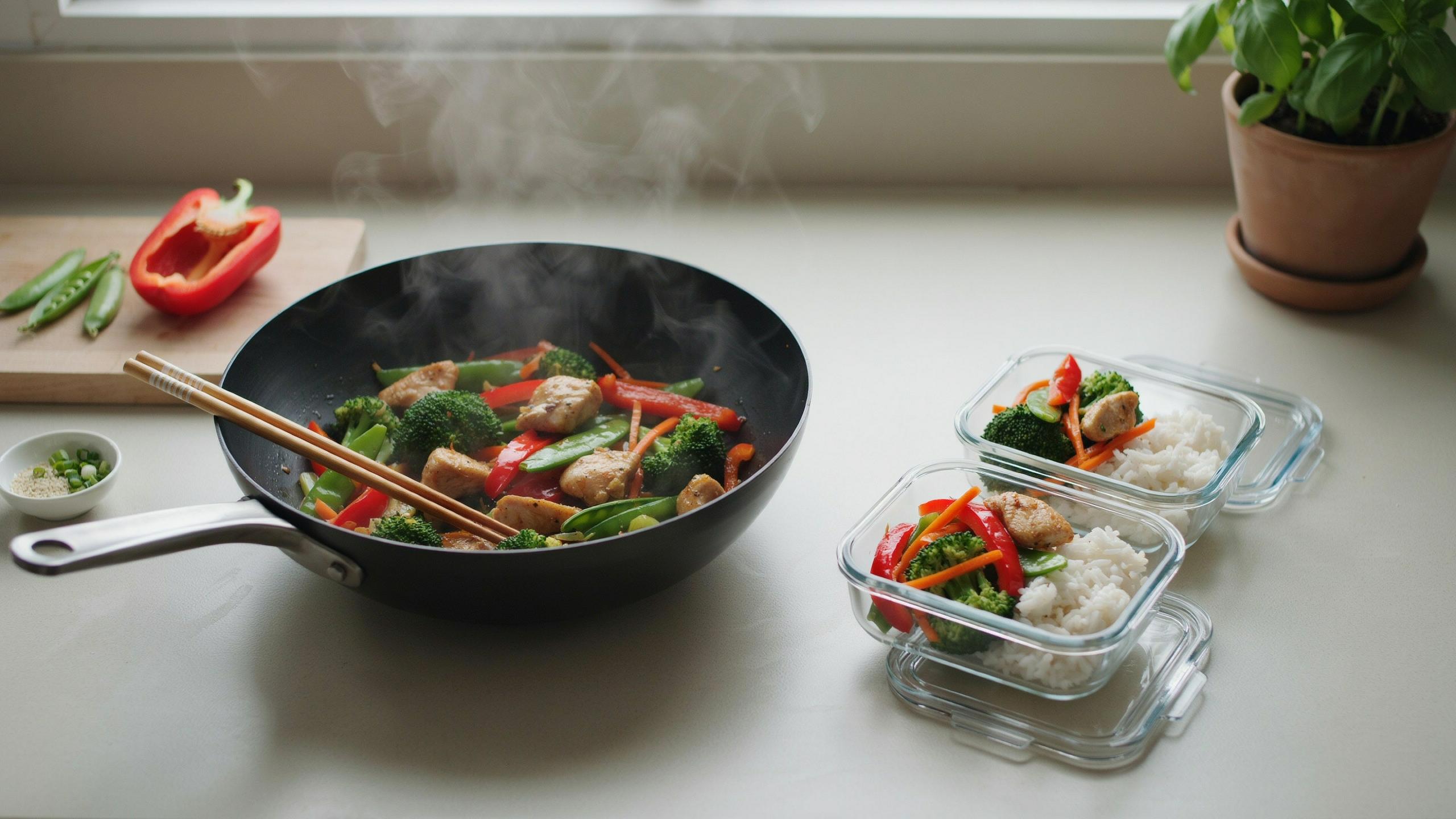
The Culinary Leverage Principle Beyond Basic Stir Fry
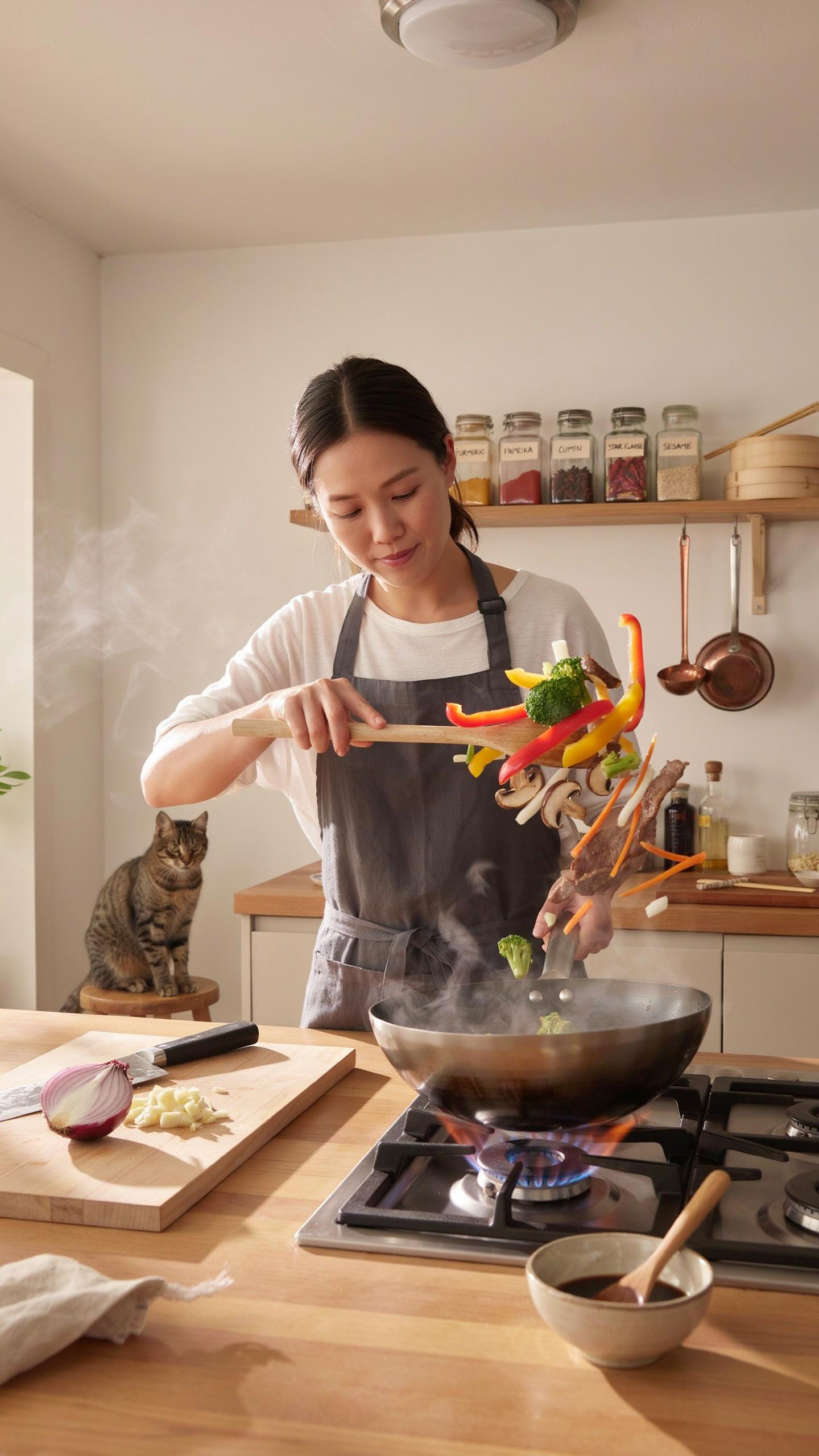
Minimal Input, Maximal Output Ingredients
You want to believe meal prep is harder than it is. That fear keeps you buying pre-made containers and paying the markup. The real mechanism is input compression: stir fry works because one cooking method extracts maximum nutrition and flavor from the fewest base ingredients. This isn’t cooking philosophy. This is economics applied to your kitchen.
Five ingredients drive every high-protein stir fry: a protein source, an oil with high smoke point, aromatics, a vegetable platform, and a seasoning compound. Chicken thigh delivers protein and fat stability. Neutral oil like avocado or refined coconut won’t degrade under heat. Garlic and ginger become the flavor foundation. Broccoli or snap peas provide volume and micronutrients. Salt, soy sauce, or fish sauce complete the system. Everything else is decoration.
Flavor Compounds For Repeatable Success
Stop treating seasoning as an afterthought. The common advice says “add soy sauce to taste” and leaves you chasing the same bland result every batch. Real stir fry control comes from understanding that umami compounds are the load-bearing wall of repetition. Umami is the chemical mechanism. Glutamates and nucleotides like inosinate trigger the same neural response every single time you cook. This is why restaurant stir fry tastes consistent across visits.

Fish sauce carries inosinate. Soy sauce carries glutamate. Garlic contains both. When you layer these three, you create a flavor baseline so strong that minor vegetable swaps never derail the meal. Your brain expects the same signal. Your palate delivers. Cook protein to 165 Fahrenheit internal temperature, toss all components in a 400-degree pan for ninety seconds, then add your umami base and finish with fresh aromatics off heat. This protocol locks in texture and ensures your meals taste identical across the week.
High Protein Stir Fry The Antifragile Pantry
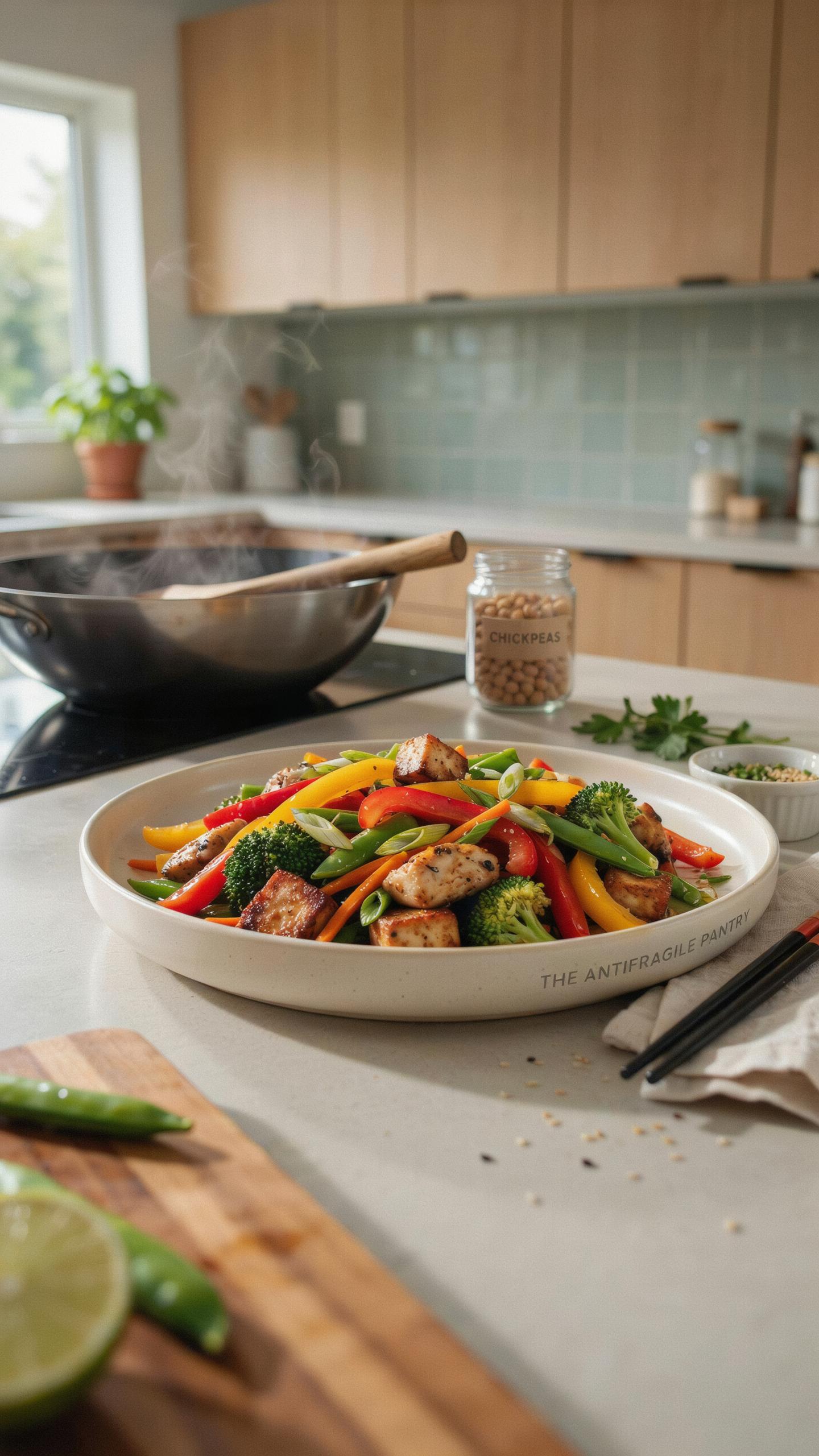
Proteins That Don’t Disappear From Shelves
You want a meal prep system that doesn’t collapse the moment your grocery store runs out of your preferred cut. The mechanism here is redundancy through shelf stability. Chicken breast spoils in days. Canned tuna, frozen shrimp, and dried tofu stay viable for weeks or months. You’re not building a supply chain around scarcity, you’re building one around what actually remains available when you need it.
Stock proteins that survive neglect. Eggs last three weeks. Frozen chicken thighs last months. Canned chickpeas last years. The goal isn’t variety for its own sake, it’s reliability under real conditions. When you meal prep on Sunday and eat through Friday, your protein source can’t depend on perfect storage or ideal timing. It has to work regardless.
The Non Negotiable Anchor
Protein powder isn’t optional for stir fry meal prep, it’s the load-bearing wall of the system. Everyone talks around this because it sounds boring, but the math doesn’t lie: you get 25 grams of protein from one scoop, zero prep time, and zero waste. Mix it into a sauce base before cooking and it dissolves into the liquid without texture or taste issues.
Your anchor proteins are the ones you can source immediately and store indefinitely. Whey protein powder, canned fish, and frozen poultry are non negotiable because they require zero decision-making when you’re tired. You add them to the wok, they cook predictably, and your macros stay locked in. Everything else rotates based on what the market offers that week.
The Dynamic Equilibrium Of Lean Protein
Which Proteins Actually Work For Meal Prep
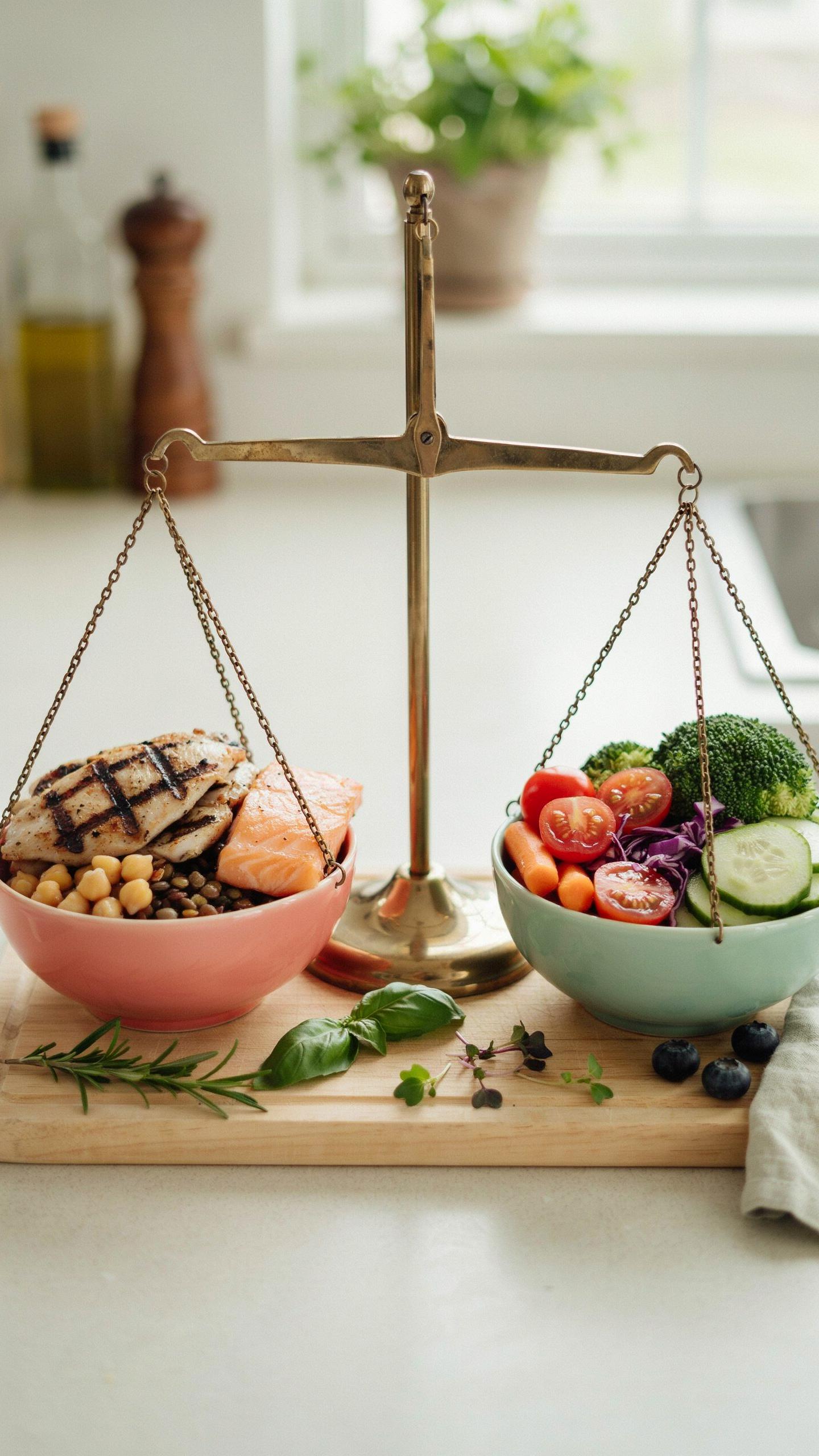
You want to believe the expensive protein powder or the exotic meat will fix your results. It won’t. The mechanism that matters is thermal stability during storage and reheating. Chicken breast, lean ground turkey, and firm tofu handle temperature cycling without texture collapse. They don’t break down into rubber or slime in your container after three days. Eggs denature predictably. Fish destabilizes fast, which is why salmon and cod perform worse than poultry in meal prep scenarios.
The protein source itself is secondary to how it holds its structure under stress. Conventional advice says “just pick lean meat.” That’s incomplete. What actually determines success is the protein’s ability to retain water and maintain fiber integrity through cook, cool, store, and reheat cycles. Chicken thighs lose less moisture than breasts but carry more fat. Ground turkey stays consistent because the tissue is already disrupted. Pick based on stability, not marketing claims about amino acid profiles. All complete proteins have the amino acids you need.
Fuel Timing Against Energy Crashes
Energy crashes in meal prep don’t come from the protein. They come from carbohydrate sequencing and fat ratios working against each other. Think of carbohydrate metabolism like an economic system where supply and demand must stay in balance. Add too much simple carb with too little fat, and your blood sugar spikes then crashes within two hours. Add too much fat with too little carb, and you lose the quick energy your muscles need for work.
The real protocol is this: use a 1:0.8 carb-to-fat ratio by weight in your stir fry base. If you’re adding 200 grams of rice or noodles, use 160 grams of oil and vegetables combined. Protein stays constant at roughly 40 to 50 grams per meal. This ratio prevents the energy cliff because neither macronutrient overwhelms the digestive process. Test this ratio once, track your energy across six hours, then adjust up or down by 10 grams based on what you actually felt.
Strategic Stir Fry The 8020 Rule Of Prep

Prep Work That Actually Matters
You want to feel like you’re optimizing when really you’re just avoiding the one thing that costs you most: standing at the stove every night. Here’s the mechanism: in manufacturing, they call it constraint theory. Your constraint isn’t ingredients or recipes. It’s active cooking time. Remove that constraint and meal prep stops feeling like punishment.
Most people prep wrong. They chop everything Sunday and watch it oxidize in containers all week. Better: prep only what breaks your speed. Proteins get cooked immediately and stored. Vegetables that brown or wilt stay whole or get rough-chopped the morning you cook. Hard vegetables like broccoli and carrots? Prep those. Leafy greens and mushrooms? Cut them fresh. This isn’t laziness. It’s respecting the physics of degradation.
The Cook Once, Eat Thrice Model
Batch cooking beats volume cooking because it protects flavor across reheats. Cook three separate stir fries instead of one massive batch, even if you’re using the same ingredients. Different proteins respond to reheating differently. Chicken dries out faster than beef. Shrimp gets rubbery. When you cook in smaller batches, you control doneness per protein and store them separately. Reheat only what you need at the temperature that serves that protein best.
The protocol: cook protein first in your wok or large skillet at high heat. Remove and rest. Vegetables second. Sauce third. Store protein and vegetable mixture separate from sauce until the morning of eating. This takes fifteen extra minutes across your prep day but eliminates the gamble of whether day-five stir fry tastes like day-one. You’re extending viable eating window from three days to five.
The Bio Rhythmic Eating Protocol

When Your Body Actually Wants Protein
You want to feel sharp at 3pm instead of fighting gravity. That’s the real reason you’re reading this. Here’s what everyone misses: your body doesn’t process food on a clock. It processes food based on cortisol and insulin patterns that shift throughout the day. Chronobiology, borrowed from sleep science, teaches us that timing isn’t arbitrary. Your meal composition should track your hormone cycles, not your calendar.
Peak cortisol hits between 6am and 8am. Your body primes itself for action and can handle protein efficiently. A high protein stir fry at breakfast gets absorbed and utilized differently than the same meal at 9pm. Your digestive capacity, enzyme production, and nutrient partitioning all follow a curve. Meal prep works best when you reverse engineer your stir fry timing around when your body actually wants to break down and use the protein.
Alignment With Your Actual Energy Demand
Most advice says eat protein whenever. That’s incomplete. Your afternoon energy dip between 2pm and 4pm exists because your body’s metabolic rate drops and insulin sensitivity declines. Eating a high protein stir fry during this window keeps blood sugar stable and forces your system to work for energy instead of crashing. Your muscle protein synthesis peaks around mid morning and early evening, not randomly throughout the day.
The mechanism: protein digestion requires energy expenditure. When you time your stir fry prep portions for these windows, you’re not just fueling yourself. You’re creating a thermogenic effect that fights the dip. Eat your largest protein stir fry portion between 12pm and 2pm, then a smaller version between 5pm and 7pm. This simple shift in meal prep proportions aligns your eating with when your body recovers muscle and sustains focus.
Deconstructing Healthy Stir Fry The Flavor Matrix
The Umami Anchor
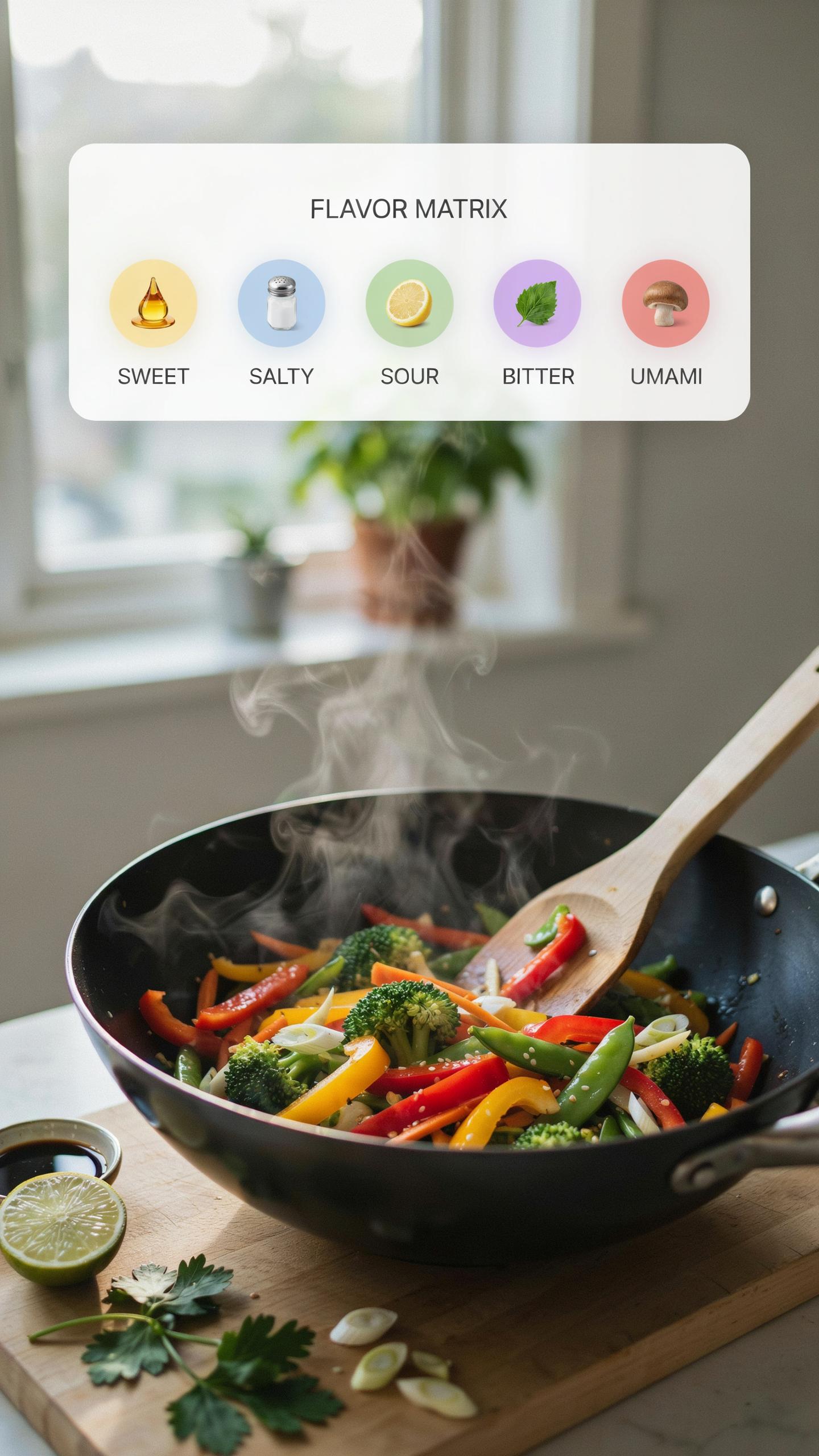
You want your meal prep to taste good enough that you actually eat it instead of ordering out. Here’s the mechanism: umami is the fifth taste, and it signals protein and nutrients to your brain, which triggers satiation faster than sweet or salty alone. Soy sauce, fish sauce, miso, and aged parmesan all contain glutamates and nucleotides that activate umami receptors. Your stir fry needs at least one umami anchor or it tastes flat no matter how much seasoning you add.
Add umami through your protein or sauce, not both. Tofu with miso-based sauce works. Chicken with soy and fish sauce works. Beef with soy works. The anchor makes your meal prep taste intentional instead of like reheated vegetables. This is why restaurants win on flavor: they layer umami so aggressively that three bites feel complete. Your meal prep should do the same, which means choosing your umami source before you buy ingredients.
Taste Opposition Creates Cravability
Common advice says “balance your flavors,” which is vague and useless. What actually works is taste opposition from cooking. Salty and sour are opposites. Bitter and sweet are opposites. When you layer them, your palate resets between bites and you want more food. Acid from vinegar or citrus cuts through richness from oil and protein. Heat from chili flakes or fresh ginger creates contrast against savory umami.
Build your stir fry sauce with at least three taste directions. Soy sauce brings salt and umami. Rice vinegar brings acid and brightness. A touch of honey or oyster sauce brings subtle sweetness. Red pepper flakes bring heat and slight bitterness. Ginger brings aromatic bite. When you taste all four opposing forces in one bite, your brain perceives the meal as more interesting and satisfying, which means you stay full longer and don’t snack afterward. Mix these elements into your sauce before cooking, not after.
High Protein Stir Fry Recipes Engineering For Repeatability
The Recipe Template As System Architecture
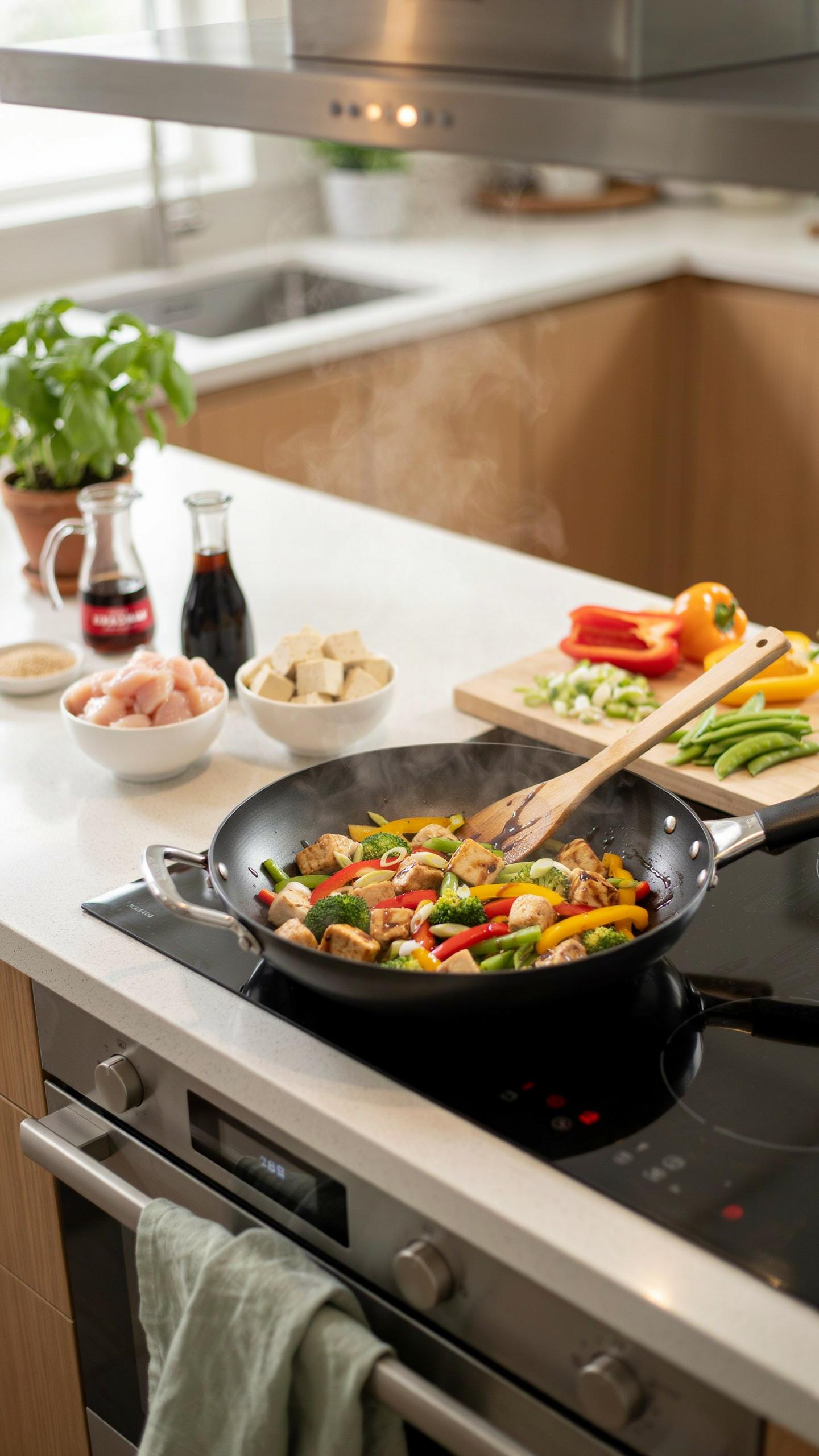
You want to feel like you’re “meal prepping” without actually thinking. That’s the real ask here. Most people treat stir fry recipes like art projects, which guarantees failure at scale. Copy software engineering’s template approach instead: build one base structure, swap variables, get identical results every time.
A recipe template locks down ratios, timing, and heat levels across batches. The mechanism is simple: protein quantity stays fixed at 1.5 to 2 ounces per serving, vegetables scale to a 1:1 ratio by weight against protein, and sauce ratios stay constant at 2 tablespoons per serving. This removes decision fatigue and prevents the protein-to-vegetable imbalance that sabotages most meal prep attempts.
- Protein Anchor: 1.5 to 2 ounces per serving, pre-cut to uniform size for even cooking and consistent macros across containers.
- Vegetable Matrix: Equal weight to protein, cut into same thickness so nothing finishes early and nothing stays crunchy.
- Sauce Formula: 2 tablespoons per serving, measured before cooking, preventing the common disaster of over-seasoning later batches.
- Heat Protocol: High heat for 90 seconds to sear protein, then medium heat for 4 to 6 minutes total cook time, eliminating guesswork.
- Batch Scaling: Multiply all ratios by serving count, then divide into portions before cooking, not after, ensuring quality stays consistent.
The template removes variables masquerading as creativity. When you cook the same dish five times with identical inputs, you notice what actually affects texture, protein retention, and shelf stability. That’s where optimization starts. Document your actual results each time, not your intentions, and you’ll stop pretending experience teaches you anything when data would.
Ingredient Swaps Without Collapse
Modularity in cybernetics means changing one component without destabilizing the whole system. Most stir fry advice tells you “swap whatever vegetables you want,” which is lazy and wrong. You need constraints that preserve the macronutrient target and cooking time simultaneously, or you’re just eating a different meal each week and wondering why nothing tastes right.
Build your swap matrix using three categories: protein sources lock macros and cook time, vegetable swaps must have similar water content and cut thickness, and sauce bases stay interchangeable only within the same flavor family. Chicken breast swaps with turkey or lean pork at the same weights and timings. Broccoli swaps with snap peas because both finish in the same window and have similar texture. Soy-ginger swaps with tamari-ginger because the salt and thickness remain consistent.
- Protein Anchors: Chicken breast, turkey breast, lean pork, firm tofu, shrimp all work at similar weights and cook times without altering the macro structure.
- Cruciferous Vegetables: Broccoli, cauliflower, Brussels sprouts share cut thickness, water content, and cooking duration across batches.
- Quick-Cook Vegetables: Snap peas, snow peas, green beans all soften in 4 to 5 minutes without releasing excess moisture into containers.
- Sauce Families: Asian profiles stay soy-ginger-garlic, Mediterranean profiles stick vinegar-herb-oil, preventing cross-contamination that creates inconsistent flavors.
- Grains or Add-ons: Brown rice or white rice at a 1:1 ratio by weight, added post-cooking to prevent moisture absorption during storage.
The constraint isn’t your enemy, it’s your clarity. Modular doesn’t mean infinite. It means you have five approved protein sources instead of twenty, four vegetable categories instead of unlimited produce, and two sauce profiles instead of deciding daily. This structure is why meal prep actually sticks instead of becoming another abandoned hobby that costs you money and time.
Beyond The Plate The Healthy Protein Stir Fry Multiplier
Decision Making On Autopilot
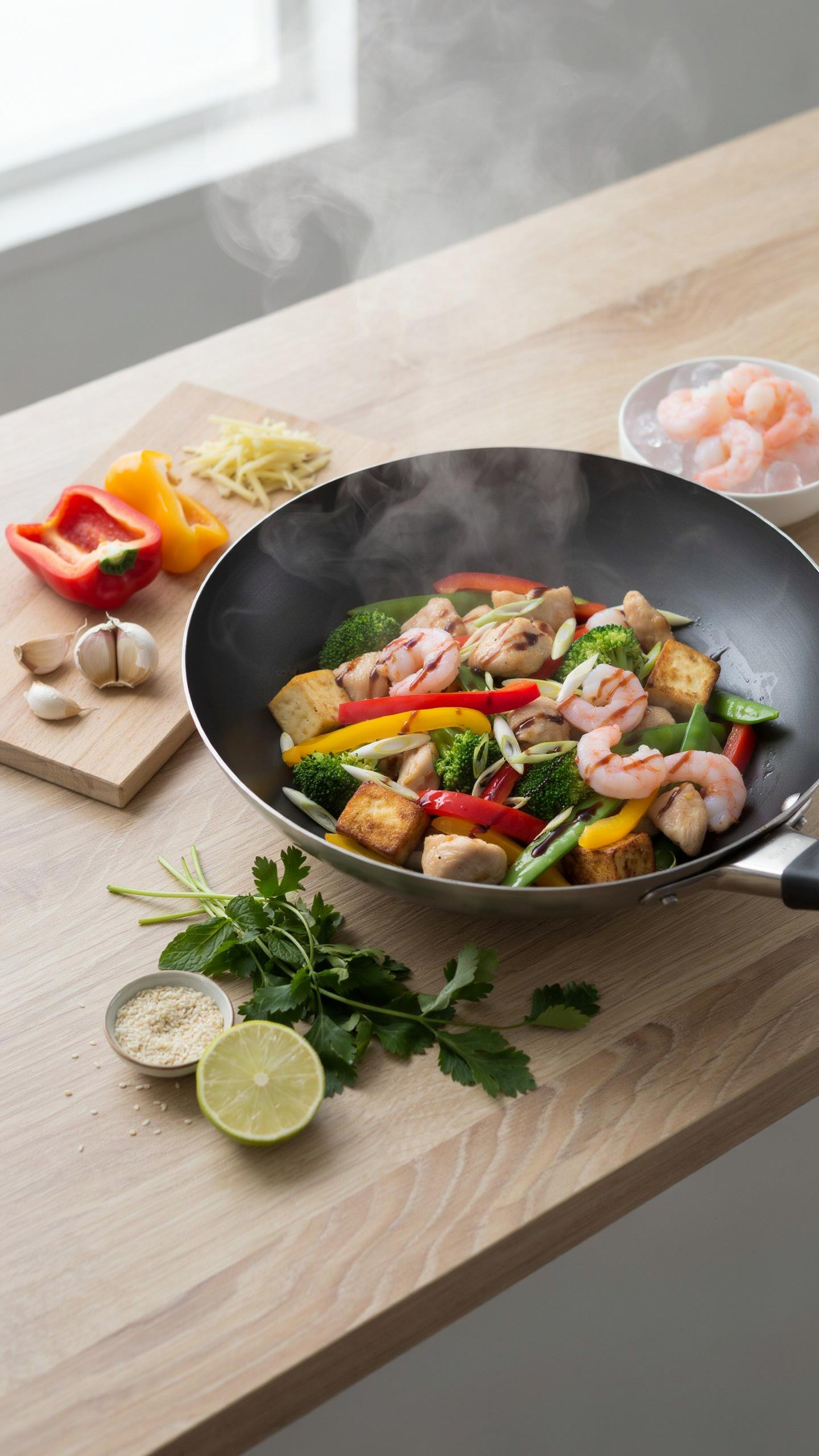
You want to believe willpower is unlimited, but it isn’t. You burn through decision-making capacity every single day, and by dinner you’re running on fumes. High protein stir-fry meal prep removes the largest bottleneck to consistency: the choice itself. When your protein, vegetables, and portions are already portioned and waiting, you stop deciding and start executing.
The mechanism is simple. Decision fatigue deteriorates your judgment as the day progresses. A prepared stir-fry container eliminates the question of what to eat, how much to cook, and whether you’ll hit your protein target. You open the fridge, heat, and eat. Your brain preserves its remaining capacity for work that actually demands thought. This is why people who meal prep stay consistent longer than people relying on “motivation.”
Building Momentum Through Repetition
Energy compounds through biology, not willpower. Your body adapts to consistent protein intake and regular meal timing. High protein stir-fry meal prep creates that consistency automatically. When you eat the same macro balance at predictable intervals, your digestion optimizes, your blood sugar stabilizes, and your energy output stays steady through your afternoon and evening.
Repetition builds metabolic efficiency. Your body learns when to expect fuel and prepares accordingly. After two weeks of eating a prepared high-protein stir-fry at 6 PM, your hunger hormones align to that schedule. Your energy doesn’t spike and crash. You stop reaching for stimulants or snacks. The compounding effect shows up as sustained focus, fewer energy dips, and better workout performance. Prepare your containers on Sunday and let biology do the work for you.
Your real obstacle isnt the recipe its the lack of an antifragile system to sustain it

Most people fail meal prep because they treat it like a weekend project instead of a reflex. You need a trigger that makes stir fry automatic. Pick one day. Same container. Same protein. Same sauce. The recipe doesn’t matter if you never execute it. Stop optimizing and start batching. Make five servings today instead of researching the perfect marinade. Consistency beats perfection, and your biceps don’t care about your intentions.