
The Illusion Of Time Saving Meal Prep

Why Time Saving Is A Weak Motivator
You don’t actually care about saving time. You care about feeling in control. That’s why “time-saving” fails as your real reason to meal prep. The mechanism is simple: friction creates decision fatigue, and decision fatigue creates guilt. When you have no plan, you make food choices under cognitive load. You’re depleted. You pick whatever requires zero thought. Then you feel like you failed. Meal prep removes that friction loop, but the benefit isn’t time itself. It’s the collapse of daily choice into one deliberate act.
Most advice stops there and calls it a win. That’s incomplete. The real gain is psychological stability, not hours reclaimed. You prep once with full energy and intention. Then for five days, food decisions don’t drain your willpower reserves. You get to deploy that energy elsewhere. The time you save is secondary. The mental clarity is primary. This distinction matters because if you frame prep as “saving time,” you’ll abandon it the moment a busier week hits. But if you frame it as “eliminating daily food friction,” you protect the habit against interruption.
The True Cost Of Daily Food Decisions

Economics calls this concept “decision load.” Every choice you make costs cognitive capital, whether you feel it or not. Without a meal plan, you make three to five food decisions daily. Each one pulls from the same finite battery. By noon, that battery depletes. You get decision fatigue. You reach for whatever’s easiest or most tempting because your willpower tank is already empty.
The cost isn’t measured in minutes. It’s measured in the quality of choices you make when depleted. A person without a plan might spend thirty minutes researching lunch options across five restaurants. A prepped person spends zero minutes. But that’s not the real win. The real win is that the prepped person’s brain stays sharp for actual work, relationships, or strategy. You don’t just save time on meal prep. You preserve decision-making capacity for things that matter. When you eliminate daily food choices, you get back bandwidth you didn’t know you were bleeding.

Decision Fatigue: The Silent Killer Of Healthy Eating

How Choices Deplete Willpower
You want to believe willpower is unlimited because admitting otherwise means you’re not in control. It’s not. Willpower operates like a depleting resource in cognitive psychology—each decision you make burns the same neural fuel, whether you’re choosing between emails or choosing what to eat for lunch. By dinner, your tank runs empty. You don’t lack discipline. You lack a system that doesn’t require discipline.
Most people blame themselves for the 8 PM vending machine run. The real problem is they made fifty decisions before that moment. What to wear, what route to take, what to focus on first, what to say in a meeting. By the time hunger hits, they have zero decision-making capacity left. Meal prep for the week removes those food decisions entirely—not tomorrow, not when motivation strikes, but before the week starts when your mental energy is highest.
Automating Food Choices For Mental Energy
Automation doesn’t mean boring. It means removing the question mark. You don’t automate because you lack creativity. You automate because you’ve already decided, once, that this food works for your body and your schedule. The decision happens Sunday. The payoff happens every other day when you pull a container from the fridge instead of standing in front of an open cabinet negotiating with yourself.
Pre-made meals destroy the feedback loop that leads to poor choices. No loop means no willpower tax. Your brain stops treating food as a choice and starts treating it as infrastructure. When you sit down to eat, you eat what’s there. You’ve outsourced the judgment to your past self, who had full cognitive capacity and no hunger clouding the decision. The mechanism is simple: fewer decisions throughout the week equals more willpower available for actual priorities.
The Autophagy Protocol: Optimized Fueling For Peak Performance

When To Eat Matters More Than What
You want this section to work because you think meal timing will hack your body into looking better without effort. It won’t. But the mechanism is real: meal prep forces you to control feeding windows, which is borrowed directly from circadian biology. Your cells operate on rhythms. They repair, rebuild, and break down damaged material during fasting periods. Eating constantly sabotages this cycle.
Most people prep meals and eat them whenever hunger strikes. That’s not a protocol. Strategic timing means you compress eating into specific windows, typically 6 to 8 hours, leaving 16 to 18 hours for cellular cleanup. When you prep for the week, you’re not just cooking food. You’re creating the structure that makes fasting adherence possible because the food is already portioned and ready to consume in that window.
Density Over Volume
The common advice is wrong: calories still matter, but nutrient density wins the real game. A calorie is a unit of energy, not a unit of satiation or hormonal balance. You can eat 2000 calories of processed food and feel hollow. You can eat 1800 calories of protein, fiber, and micronutrients and feel full for hours.
When you prep meals for the week, you’re making a choice about every ingredient’s job. Protein and fiber are non-negotiable. They signal fullness to your brain and stabilize blood sugar. Skip the volume plays. Pack your containers with dense nutrition: pasture-raised meat, leafy greens, eggs, nuts, legumes. Your prep time stays the same. Your results accelerate because you’re not fighting hunger between meals.
Protein Meal Prep: The Non Negotiable Foundation

Why Satiety Trumps Willpower
You want protein in your meal prep because you’re tired of fighting hunger at 3 PM. That’s the real motive. Here’s the mechanism: protein triggers satiety through biology, not psychology. When you eat protein, your body releases peptide YY and GLP-1, hormones that signal fullness to your brain. These aren’t opinions. They’re measurable responses. Carbs and fats trigger weaker satiety signals. Protein wins because it takes more energy to digest and creates a longer lasting blood sugar plateau.
Meal prep fails when people load containers with rice and chicken breast without understanding the ratio. You need protein density. A meal with 30 to 40 grams of protein per container keeps you full for 4 to 5 hours. A meal with 15 grams leaves you snacking. The difference isn’t discipline. It’s chemistry.
Cooking Methods That Preserve Cost And Quality
The best prep method depends on what you’re cooking and how much time you have. Batch cooking chicken breast in an oven at 375 degrees Fahrenheit for 20 to 25 minutes yields consistent results across multiple servings. Ground beef or turkey browns faster on stovetop, which saves time on high-volume days. Slow cooker pulls are efficient for tougher cuts like pork shoulder. Boiling is cheapest but creates texture loss most people dislike. Pick the method that matches your protein, not the one Instagram shows.
Store cooked protein in airtight containers on the bottom shelf of your refrigerator. Separation happens naturally over days. Drain liquid before sealing to prevent bacterial growth. Freeze portions you won’t eat within four days. Thawed protein stays fresh for one day only. Label containers with the date you cooked them, not the date you’ll eat them. This prevents guesswork and wasted food.
Cybernetics: Feedback Loops For Dietary Adherence

The Measurement That Changes Behavior
You want permission to stop guessing whether your meal prep actually works. Cybernetics is the study of control systems and feedback loops, and your body operates on one: input determines output, but only if you measure what’s happening. Most people skip measurement because they fear the data will contradict their effort. It won’t. It’ll just tell you the truth.
Track three variables across your week of prepped meals: calories consumed, protein grams, and meals completed on schedule. Write these down daily. The act of logging creates friction that forces awareness. You stop eating prepped meals because you forgot they existed in the fridge, not because they tasted bad. Measurement eliminates that gap.
Calibration Through Honest Observation
The common advice here is to “listen to your body” or “adjust based on how you feel.” That’s incomplete. Feelings are unreliable input. You need measurable outcomes tied to specific meal prep changes.
Document what shifted: portion sizes, ingredients, cooking method, storage container type, or meal timing. Change one variable at a time. If you prepped 40 grams of protein per meal but felt lethargic by Wednesday, increase it to 50 and track energy levels for the next week. If you stopped eating prepped lunches because you got bored, you didn’t fail at meal prep. You failed at recipe rotation. The mechanism is simple: adjust your inputs, measure the outputs, then repeat.
Cheap High Protein Meal Prep: Beyond The Budget Hype

Stop Optimizing For Price Tags
You want cheap because you think it proves you’re disciplined. Here’s what actually matters: the cost per usable protein gram, not the cost per meal. Economics calls this unit pricing, and meal prep is no different. A ten dollar rotisserie chicken yields more protein per dollar than budget ground beef if you calculate the actual edible output. Most people buy cheap ingredients that waste time in prep or spoil before use, negating any savings.
The real play is reverse engineering from protein demand. If you need 150 grams daily, identify which three to four protein sources give you that density at the lowest friction. Eggs, canned fish, Greek yogurt, and bulk chicken thighs do this better than trendy low-cost options that require more effort to prepare or preserve. Price matters only after you’ve locked in the labor and waste equation.
Buy Whole Forms And Split The Work
Most meal prep advice tells you to buy pre-cut or pre-cooked protein. This is wrong. You’re paying a markup for someone else’s labor while losing control over portion size and freshness window. Buy whole chicken thighs instead of breasts, whole fish instead of fillets, bulk eggs instead of egg whites.
The mechanism is simple: whole forms stay fresh longer, cost less per pound, and let you control exactly how much gets cooked each session. Sunday cook a full batch of thighs, portion half for the week, freeze the rest for week two. This front-loads one work session and eliminates the decision fatigue of figuring out proteins mid-week when tired. Your prep time drops because you’re not juggling multiple small cooking tasks across seven days.
Easy Week Meal Plan: Simplicity Over Variety
Why Fewer Dishes Win
You want to feel like you’re eating well, so you plan five different meals. The mechanism is this: your brain treats menu variety as a proxy for control and sophistication. It’s not. The real cost of variety is decision fatigue during prep, higher ingredient waste, and more dishes to wash. Every meal variation you add multiplies the cognitive load without proportional benefit to your body.
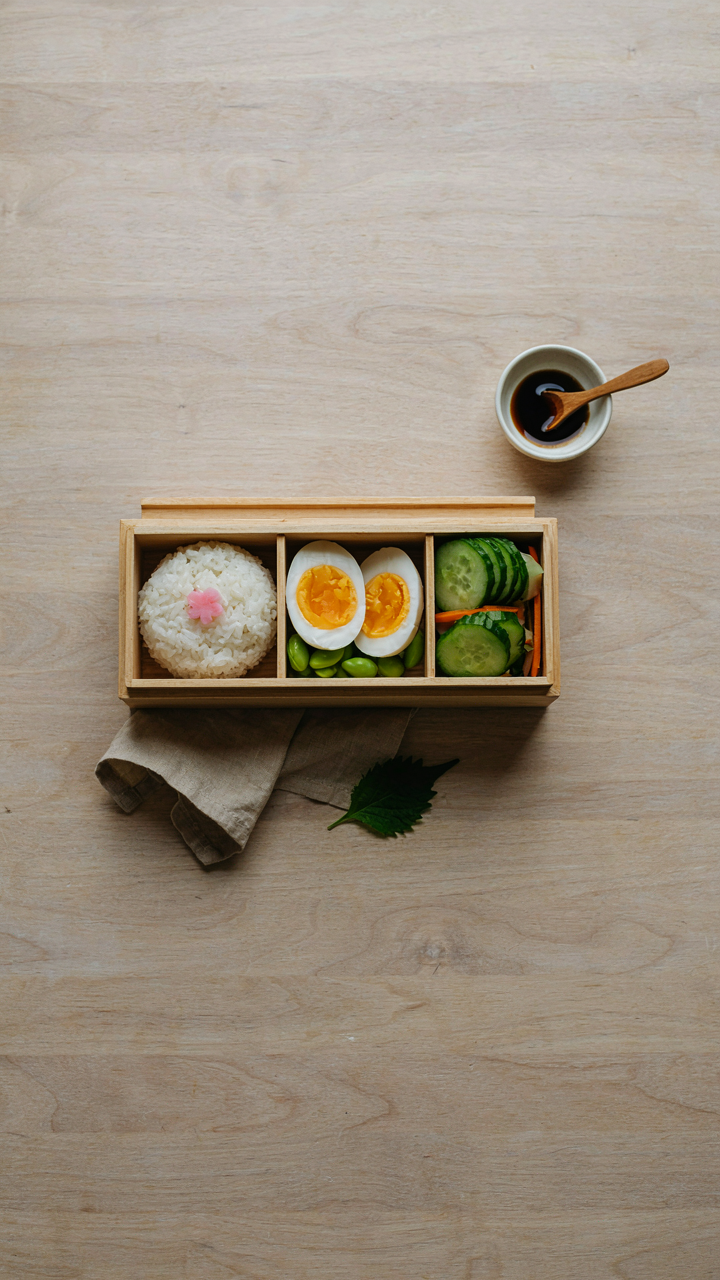
Two proteins, three starches, and four vegetables give you enough permutation to feel like eating different things while keeping prep mechanical. You’re not cooking; you’re assembling. This is the actual win. Repetition builds speed. Your hands learn the motions. You stop checking recipes halfway through because your body already knows what comes next.
Batch Cooking Core Components
Think of meal prep like supply chain logistics. You have input nodes, processing nodes, and output nodes. The input is raw ingredients. The processing is heat and technique. The output is ready-to-eat components. Most people try to process finished meals. This fails because you’re creating redundancy and complexity at every step.
Cook one protein in bulk. Roast one starch in bulk. Prep vegetables in one pass. Store each separately. At the table, you mix them. This separation is not about boredom; it’s about optionality without overhead. Monday you eat chicken with rice and broccoli. Wednesday you eat the same components with a different sauce and a different vegetable. Same prep time. Different plate. Your system stays simple while your meals stay varied in execution, not in effort.
High Protein Recipes: Maximize Your Anabolic Window
Flavor Without The Filler
You want this section to work because you’re tired of eating chicken breast that tastes like wet cardboard while everyone else enjoys their food. Here’s the mechanism: taste drives adherence, and adherence drives results. Blandness isn’t virtue. It’s a compliance killer dressed up as discipline.
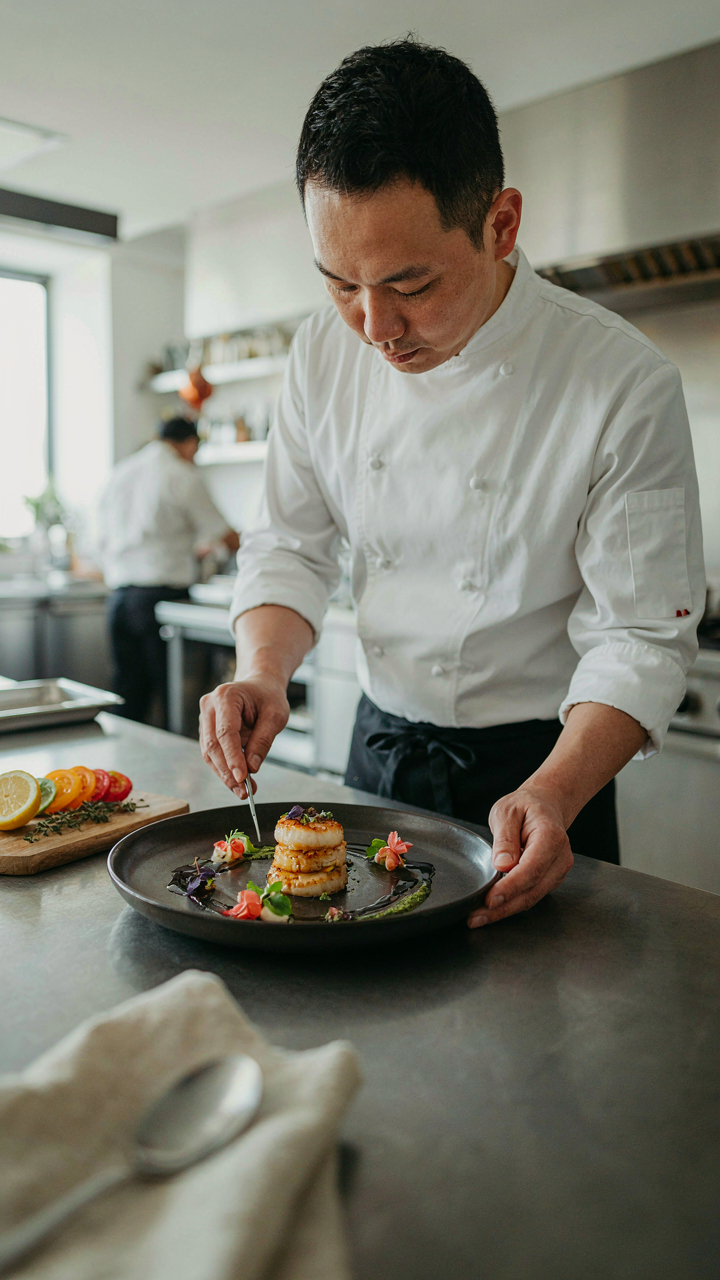
The difference between recipes that stick and recipes you abandon is fat and acid. Protein alone doesn’t make food worth eating. Add rendered fat from ground beef or salmon skin, hit it with citrus or vinegar, layer in garlic and spices, and the same protein source becomes something you actually crave. Your taste buds aren’t the enemy of your goals. They’re the delivery system.
Recipes Built For Muscle Adaptation
Muscle growth operates like a stress response system: tissue damage triggers adaptation, but only if protein synthesis outpaces breakdown during recovery. Your meal prep recipes should reflect this biology directly. High protein intake matters most in the 24 to 48 hours after training when the body rebuilds tissue. Load those windows strategically.
Ground turkey and beef bowls with white rice, eggs scrambled with cottage cheese, and grilled salmon with potatoes all exploit the same principle: complete amino acid profiles plus carbs to spike insulin and drive nutrient uptake into muscle cells. Skip the theoretical optimization. Prep these three base recipes and rotate them through your week. Consistency beats perfection every time.
Meal Prep Plans: The Blueprint For Your Week

Build Your Menu Around Constraints, Not Cravings
You want a meal prep plan because you’re hoping structure will solve willpower. It won’t. The real mechanism is constraint. Economics calls this “scarcity pricing”—when options are limited, decision-making becomes trivial and execution becomes automatic. You don’t choose what to eat on Tuesday if only one prepared meal exists in your fridge.
Start with what you’ll actually eat, not what you think you should eat. Pick three proteins, two starches, two vegetables. Repeat this same combination across five days. The boredom is the feature, not a bug. Rotation happens in week two, not within a single week. This removes the planning tax from your brain.
Ingredient Lists That Eliminate Waste
The common approach to shopping lists is chaos. You write down meal ideas, then ingredients, then you end up with half-used containers rotting in drawers. The real efficiency comes from buying only ingredients that appear in multiple meals across your five-day menu.
- Proteins that work in two dishes: Chicken breast cooks as a standalone or shreds for grain bowls. Buy one 5-pound package and split the use.
- Carbs with overlap: Rice serves as a base for Buddha bowls and sides. One 5-pound bag sustains the whole week without waste.
- Vegetables with shelf life: Broccoli, Brussels sprouts, and carrots stay fresh for days. Buy pre-cut versions if it means you actually prepare them.
- Pantry staples that anchor everything: Olive oil, salt, and spices appear in nearly every meal. Buy larger quantities and use them across the week.
- One variable ingredient for rotation: A single new vegetable or sauce changes week two without requiring a full shop reset.
The list works because every item serves multiple meals. Nothing sits unused. You shop once, prepare once, and eat without decision fatigue for five days straight.
Meal Prep Ideas: Beyond The Pinterest Perfection

What Actually Works In Real Kitchens
You want meal prep to look effortless because you think that means you’re doing it right. The real mechanism is friction removal, not aesthetic optimization. A mason jar salad looks great on Instagram. It also turns into compressed mush by Wednesday because water migrates downward through layers. You’re solving for the photo, not the problem.
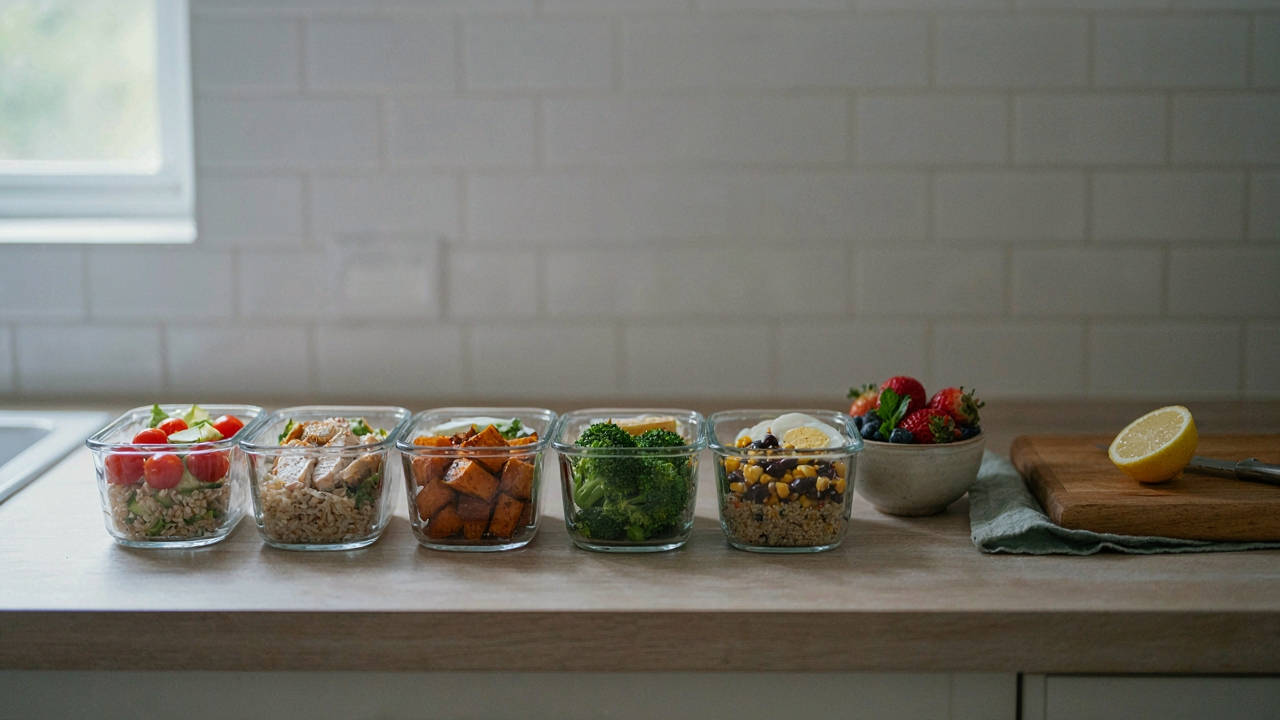
The containers matter more than the recipes. Use shallow, rectangular containers with tight-fitting lids. Wet foods separate from dry foods. Proteins go in separate sections from vegetables. Cook once on Sunday, but portion immediately into these divided containers so the salad dressing never touches the greens until you eat it. This is the only system that survives five days without degradation.
The Aspirational Prep Trap
Everyone tells you to meal prep chicken and rice because it’s “boring but effective.” That’s backwards reasoning. Boring is why you abandon it by week three. Your brain needs variety or compliance collapses. This isn’t motivation. It’s basic sensory adaptation. You stop noticing food you’ve eaten five times in one week, so you stop eating it, and you end up ordering takeout anyway.
Rotate your base proteins weekly. Cook ground turkey week one, salmon week two, ground beef week three. Keep the vegetables different too. Broccoli and Brussels sprouts require different cooking times and have different textures, so they feel like separate meals even if the prep method is identical. Cook three protein options and three vegetable options in a single session, then mix combinations across containers. You get twelve different perceived meals from six actual components. That’s the mechanism that keeps you consistent.
Your Plate, Your Battlefield: A Prepared Life

Discipline As The Real Competitive Edge
You want meal prep to feel effortless because you’re afraid consistency reveals who you actually are. That’s the real motive. The mechanism is this: discipline isn’t motivation. It’s a system that removes decision-making. When you prep your week on Sunday, you’re not relying on willpower at 6 PM when tired. You’re using what economists call “commitment devices”—constraints you set in advance that your future self must obey. Your prepared meals are the constraint. No decision required. No escape route available.
Most people frame discipline as something you build through suffering. Wrong. You build it by making the thing you want to do the path of least resistance. A prepped meal in your fridge requires zero friction. The alternative—ordering out, eating processed food, skipping meals—requires action. When you reverse the friction, discipline stops being a character trait and becomes simple math. Your week either compounds small wins or small defaults. Meal prep for the week collapses that choice into a single Sunday action.
The Compounding Returns Of Eating On Your Terms
Think of your body like a financial portfolio. Small, consistent deposits beat sporadic windfalls every time. When you control your macros and calories through weekly prep, you’re making deposits instead of random withdrawals. Energy levels stabilize. Body composition changes. Cognitive function improves because your brain isn’t managing blood sugar crashes. Most people treat nutrition like a savings account they raid whenever they feel like it. You’re treating it like compound interest.
The long game is this: five years of controlled eating through meal prep produces measurable physical and cognitive returns that random eating never will. Your skin improves. Your digestion normalizes. You sleep better because your body isn’t processing chaos. The mechanism is metabolic predictability. When your inputs are consistent, your body adapts. Adaptation is where all the gains hide. Start prepping Sunday. Track what you eat. Notice what changes in 90 days.
Your Plate Is A Battlefield. Prepare Accordingly, Or Surrender To The Enemy Of Convenience

Most people fail at meal prep because they treat it like a chore instead of a system. You don’t need perfection. You need one decision made in advance so your future self doesn’t default to garbage. Pick Sunday. Pick three proteins. Prep them now. The real game isn’t nutrition science. It’s removing the moment where hunger plus laziness defeats you. You already know what to do. You’re just waiting for permission to stop overthinking it. Stop waiting and start cooking.