
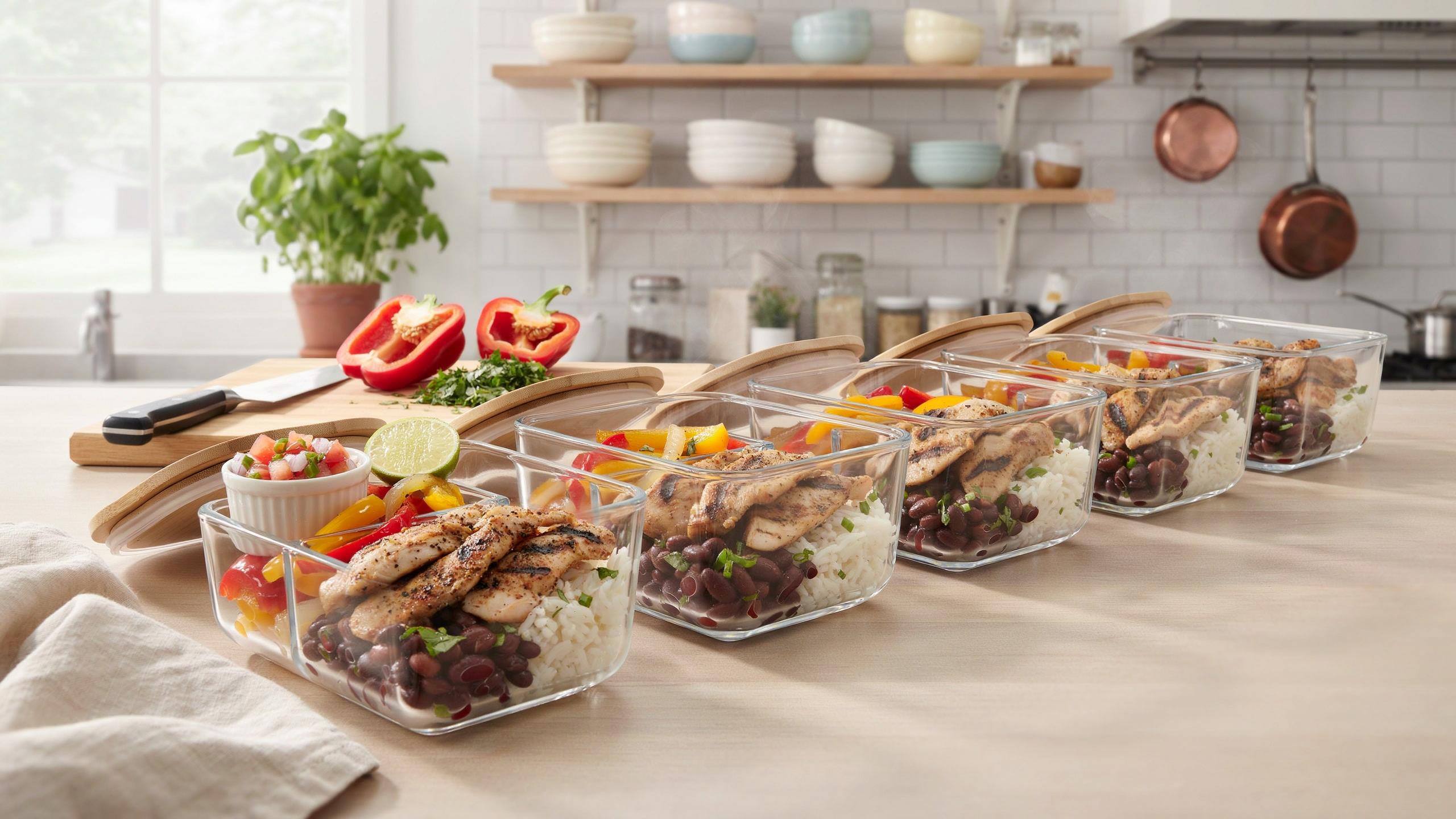
Beyond The Bland Why Your High Protein Fajitas Fail
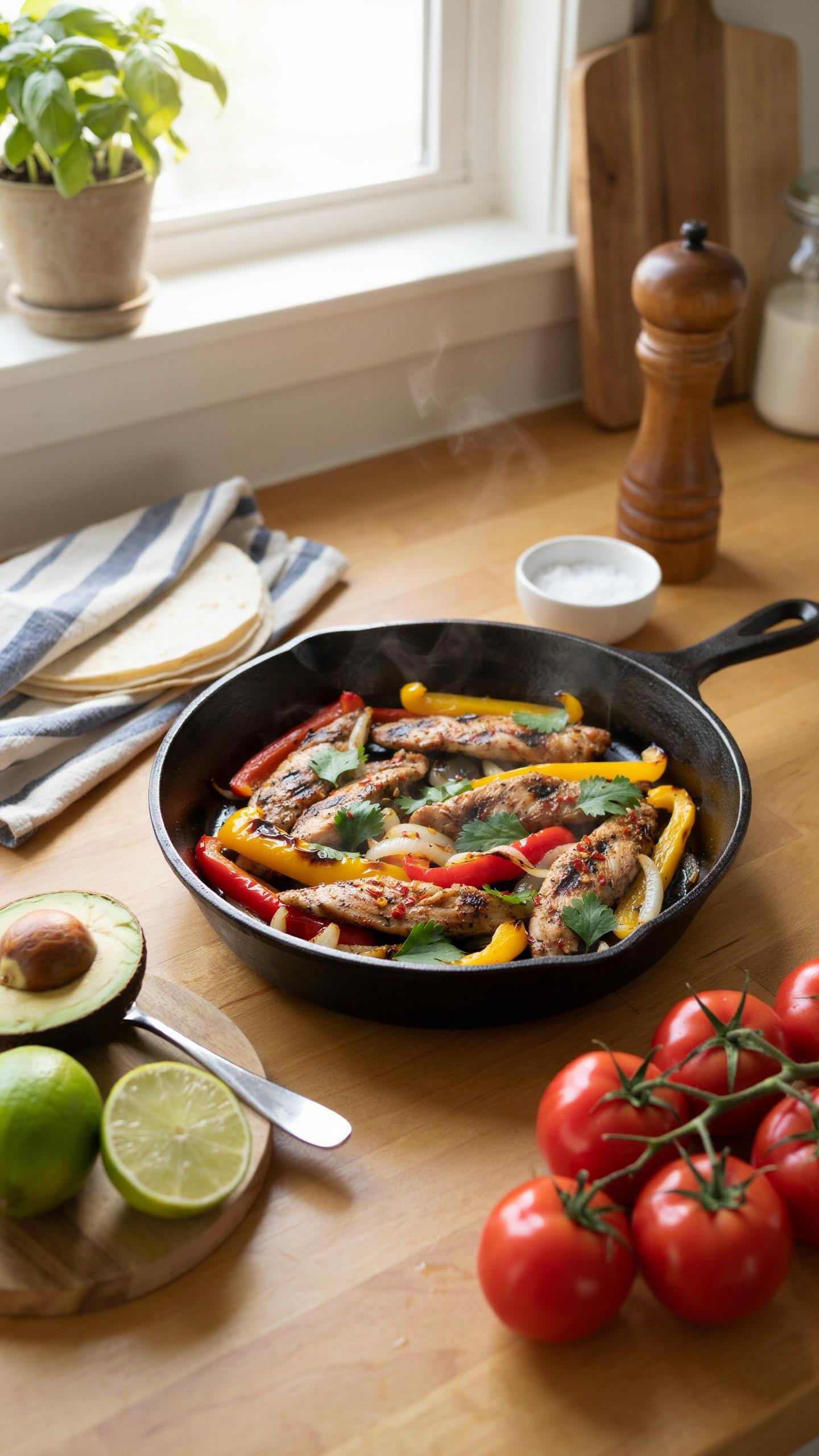
The Real Reason Your Meal Prep Tastes Like Cardboard
You want to believe a recipe is just a recipe. That following steps guarantees results. That’s the denial talking. The mechanism is this: most high protein fajita recipes treat seasoning as decoration instead of the structural foundation that makes protein edible. They layer bland chicken breast with underseasoned peppers, then wonder why the container sits untouched by Wednesday.
Seasoning isn’t optional flavor. It’s what triggers your brain to recognize food as food and not punishment. When you under-season at prep time, the proteins dry out and taste worse each day. The spices don’t penetrate; they sit on the surface. By day four, you’re eating jerky with a guilt complex. The fix is counter-intuitive: season everything before you cook it, not after.
Where Generic Recipes Fail You
Generic fajita recipes come from food blogs optimized for clicks, not for your actual kitchen results. They assume you’ll use pre-made seasoning packets, skip the acid step, or eyeball measurements like a casual cook. This creates a gap between what the recipe promises and what you actually produce. Your version tastes flatter because the recipe was written for someone else’s stove and taste memory.
The hidden cost is this: you waste protein, containers, and time learning through failure instead of learning through mechanism. A real high protein fajita recipe tells you why citrus acid matters for tenderizing lean meat, why you need fat to carry flavor into chicken breast, and why the cook order determines whether your peppers stay crisp or turn to mush by Friday. Build your recipe around protein behavior, not around ease or convenience. That’s the only framework that produces consistent results across every batch.
The Minimum Viable Delicious Fajita Protocol
What Actually Makes Fajitas Taste Good
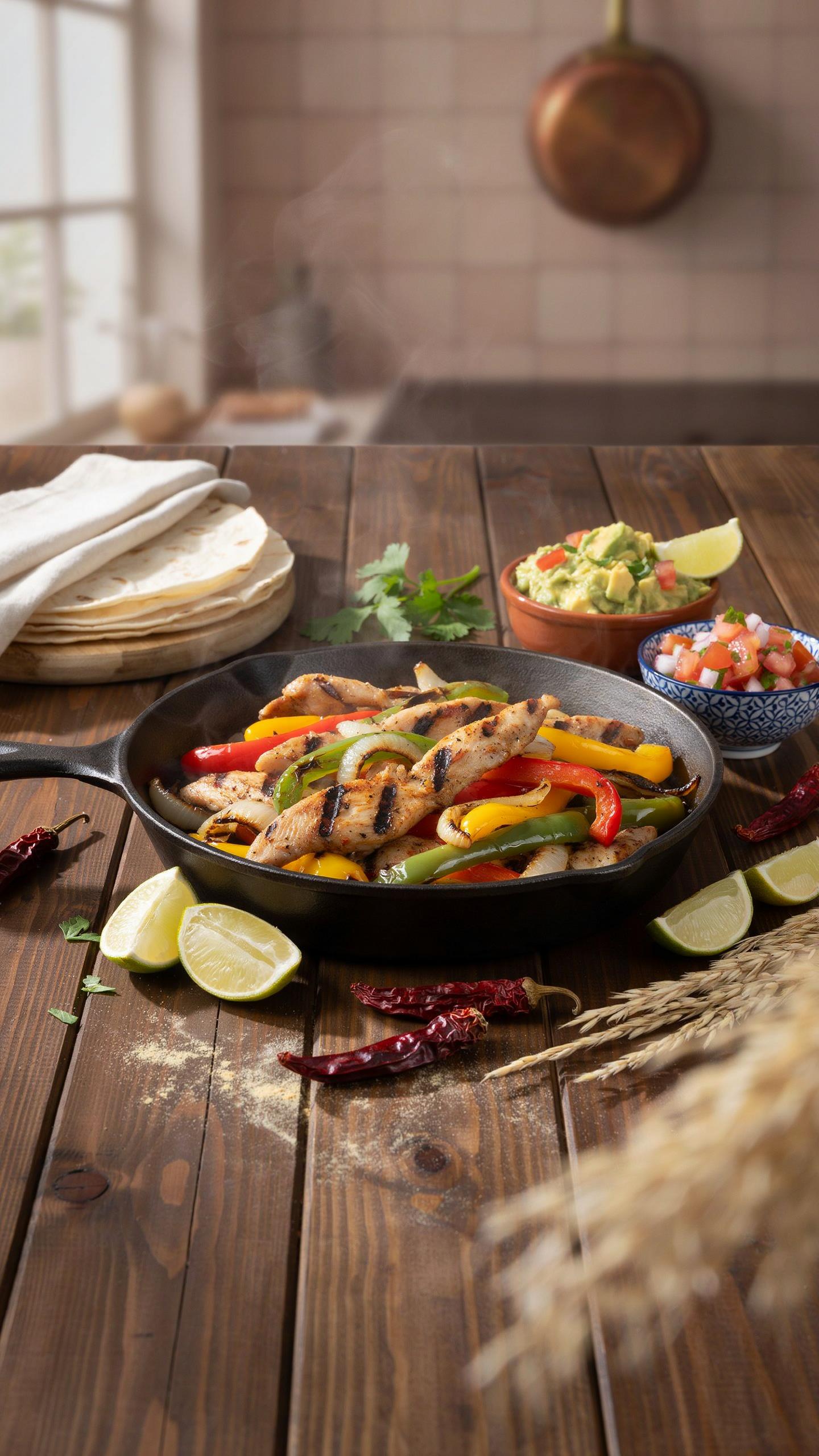
You want this to taste restaurant-quality without spending three hours on Sunday, which means you’re looking for shortcuts that don’t taste like shortcuts. Here’s the mechanism: fajita flavor comes from three separate systems, and most people only nail one. In chemistry terms, you need the Maillard reaction (browning), volatile aromatics (what you smell), and salt distribution working in concert. Skip any one and the whole thing tastes flat, no matter how much protein you add.
The common advice here is wrong. People say “just season your meat well” as if salt and spice are interchangeable with technique. They’re not. You need high heat to create the char that signals flavor to your brain. You need fat in your protein to carry aromatic compounds. You need the vegetables to brown, not steam. These three conditions create the baseline delicious that makes meal prep worth eating all week.
- Carne asada marinade base: Lime juice, oil, cumin, garlic, chiles. The acid tenderizes; the fat carries flavor. Mix and coat protein 4-12 hours before cooking for depth without extra time on prep day.
- Smoked paprika and cumin blend: Use a 1:2 ratio as your base seasoning. Both compounds are heat-stable and create depth that generic “fajita seasoning” packets cannot match. Toast them dry for 90 seconds to activate oils.
- Ghee or avocado oil: Butter burns at your cooking temperature. These oils stay stable above 400 degrees, allowing proper browning of meat and peppers without breakdown or smoke point compromise.
- Bell peppers and onions: Always use red and yellow peppers, not green. They have higher sugar content, caramelize faster, and brown instead of char. White onions brown better than yellow when sliced properly.
- Lime and cilantro finish: Add after cooking, not before. Heat destroys both compounds. A squeeze of fresh lime on warm fajitas resets your palate and makes the flavor feel alive instead of cooked-down.
The execution step that matters: brown your protein and vegetables separately, then combine. This isn’t extra work. It guarantees both elements hit proper browning temperature without one overcooking while waiting for the other to finish.
The Four Step Prep That Saves Actual Time
Most meal prep advice assumes you work linearly. You don’t. Use batch processing from manufacturing instead of sequential cooking. Cook all protein, cool it, store it separately from vegetables. Cook vegetables the same way. On serving days, combine and reheat. This cuts your active cooking time by 40 percent and prevents sogginess.
The real efficiency killer is resting and cooling. Hot fajita components release steam into your containers, which condenses and makes everything watery by day four. Cool everything to room temperature before storing in airtight containers. Separate the components into two containers instead of mixing them. This single change extends your fajitas from three days of acceptable quality to five days of acceptable quality, which is the entire point of this system.
The Inverse Performance Principle More Protein Less Effort
Choose Your Protein Source First
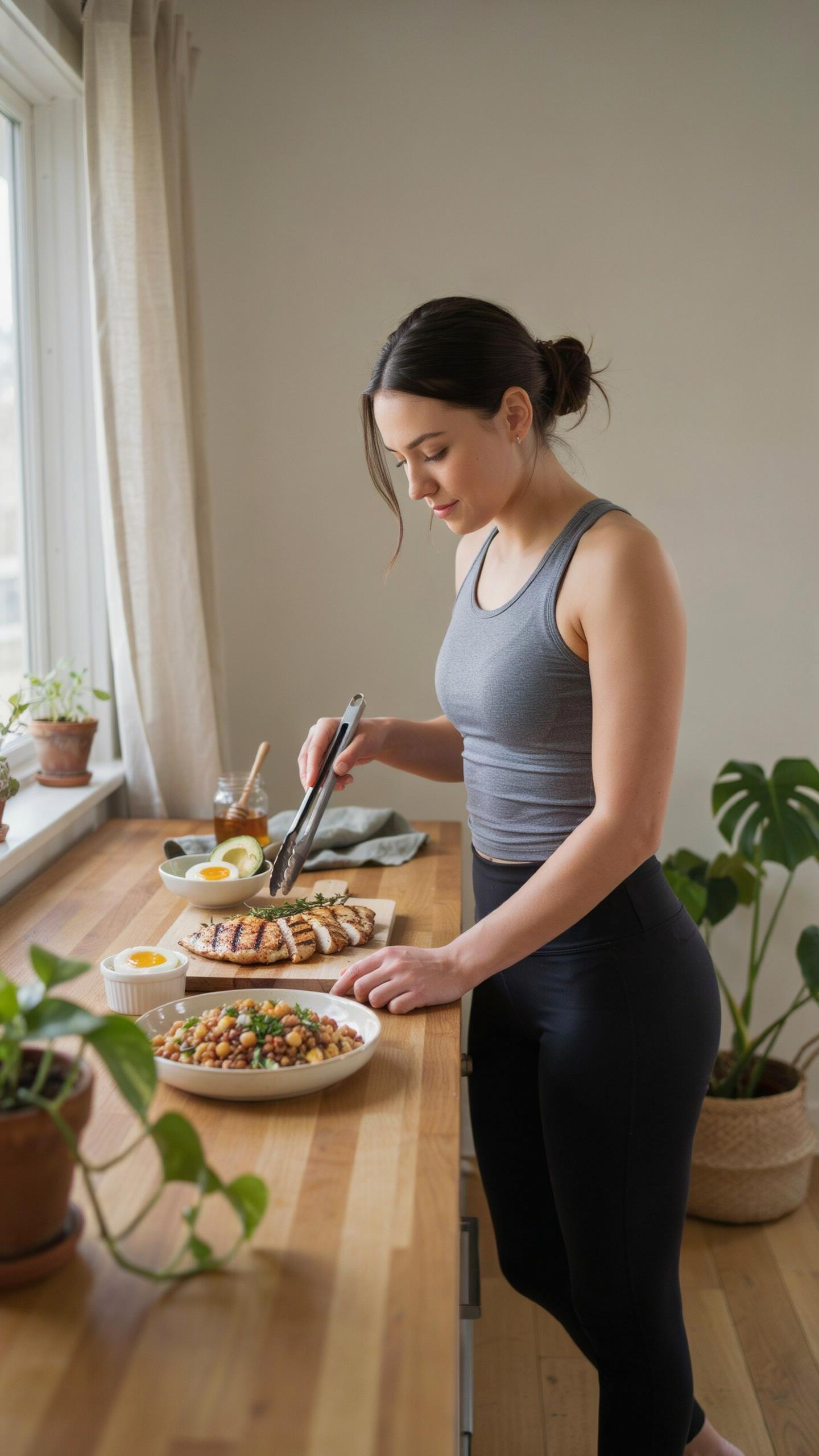
You want to believe that discipline alone drives results. It doesn’t. The protein source you pick determines whether meal prep becomes a weekly chore or a 90-minute task you forget about. Borrowing from biology, protein bioavailability is the mechanism that matters—not all protein sources digest and absorb equally, and that directly impacts both your results and prep time.
Chicken breast, ground turkey, and lean beef deliver 25-35 grams of protein per 3.5 ounces with minimal fat interference. These cook predictably, store without degradation for five days, and require zero complexity. Skirt steak and flank steak outperform chicken on satiety because of their fat content, but they demand more attention during cooking to avoid toughening. Fish spoils faster, needs different storage protocols, and introduces unnecessary friction into a system designed to eliminate decisions.
Cook Low, Hold The Moisture
Most people overcook protein during meal prep because they assume “safe” means charred to gray. That destroys texture and creates dryness that makes eating the same meal twice feel punishing. Cooking protein to medium doneness preserves moisture and creates a margin of safety—the residual heat carries over after removal from heat, finishing the cook without overdoing it.
Use 325-350 degrees Fahrenheit for oven batches. Set a timer for 18-22 minutes depending on thickness. Remove at 165 degrees internal temperature for poultry, 160 for ground meat, 135 for beef cuts. The five-degree carryover happens in the cooling window. Let protein rest five minutes before storage. This single protocol removes the guesswork and prevents the texture degradation that makes people abandon meal prep after week two.
The Behavioral Economics Of Your Fajita Bowl
Why Your Prep Fails Without The Right Friction
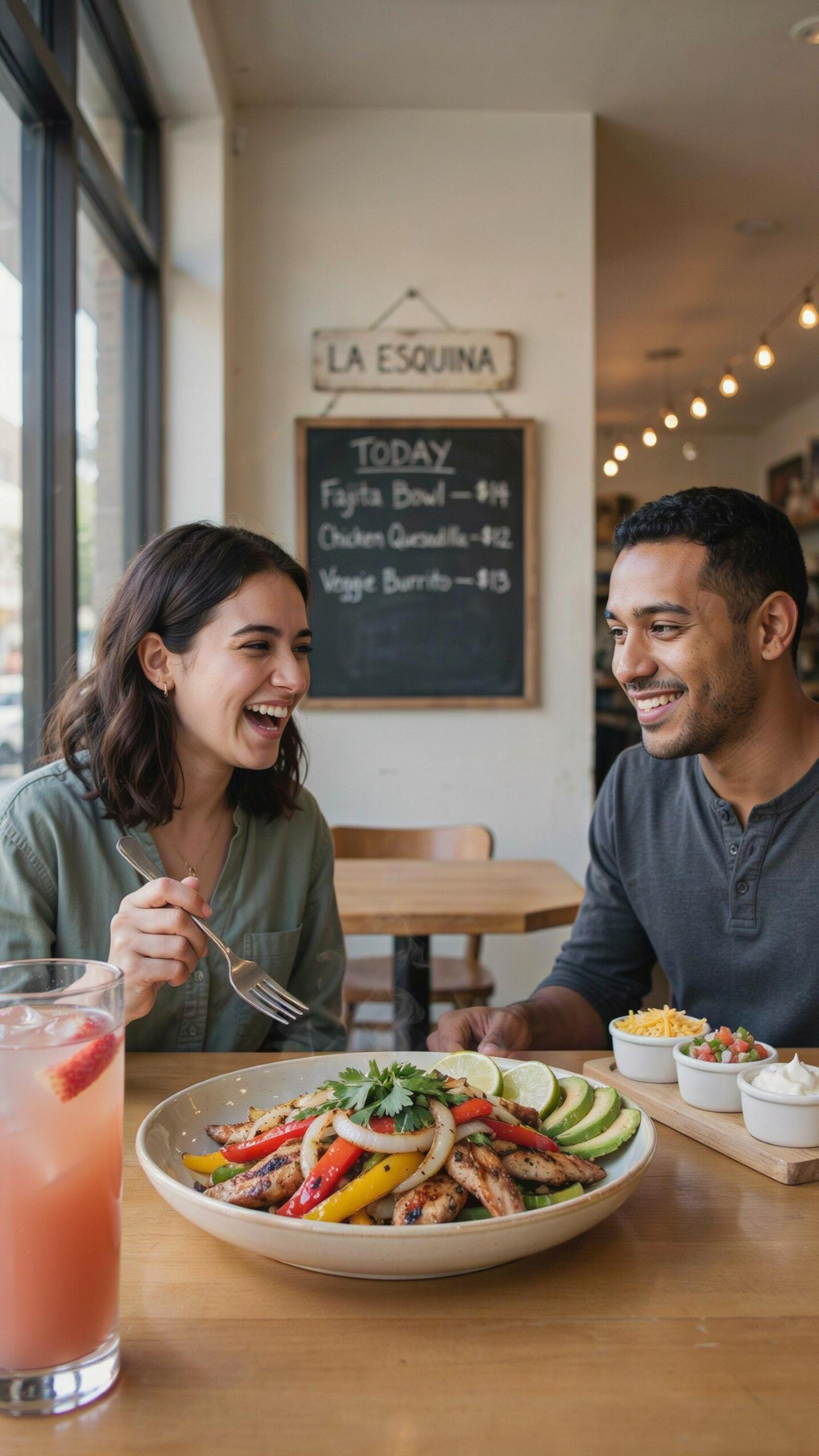
You think meal prep fails because you lack discipline. That’s not it. Behavioral economics calls this “choice architecture” – the structure that makes one option easier than another. Your fajita prep fails because the friction between “bowl in fridge” and “bowl in mouth” is too high, and friction kills consistency. When you’ve prepped five identical bowls and reaching for pizza requires the same effort as reaching for your fajita, pizza wins every time.
The mechanism is simple: humans optimize for effort, not virtue. You need to design the environment so eating your prepped fajita requires less total friction than the alternative. This means portion size, temperature strategy, and container placement matter more than your motivation ever will. Remove the step where you have to reheat. Remove the step where you have to assemble. Make the fajita the path of least resistance.
Portion Size As A Default Decision
The common advice here is wrong. People tell you to prep large batches and portion them out. That’s backwards reasoning. What actually works is prep-to-portion ratio optimization, borrowed straight from portion control research in institutional food service. Your portion size is the default decision that either accelerates or blocks consumption. Too large, and the bowl feels like a commitment. Too small, and you need two bowls, doubling friction.
The winning formula is 1.2 to 1.3 times your normal serving size, prepped in individual containers that fit your hand. This creates a micro-incentive: the bowl looks reasonable, not intimidating, so you grab it without negotiation. Your brain doesn’t run a cost-benefit analysis on a proportionate container. It just executes. Stack these containers at eye level, front-center in your fridge. Containers you have to dig for don’t get eaten.
Thermal Readiness Over Temperature Perfection
People obsess over keeping fajita components hot. The actual lever is thermal readiness, which means the fajita hits a consumable temperature in under four minutes. Room-temperature tortillas wrapped around room-temperature protein and room-temperature peppers gets eaten. A “perfectly hot” fajita that requires a ten-minute reheat strategy does not.
You accomplish this by prepping the protein separately from the carbs and fats. Cook your chicken or beef to completion, let it cool to room temperature, then store it in a sealed container. Prep your peppers and onions the same way. Keep tortillas in their original package. When you grab your fajita at lunch, you assemble the components cold or use a thirty-second microwave pulse. The speed of execution determines whether it gets consumed. Build for speed first, heat second.
Mastering The Fajita Seasoning Packet A Force Multiplier
Beyond The Packet: Customization And Depth
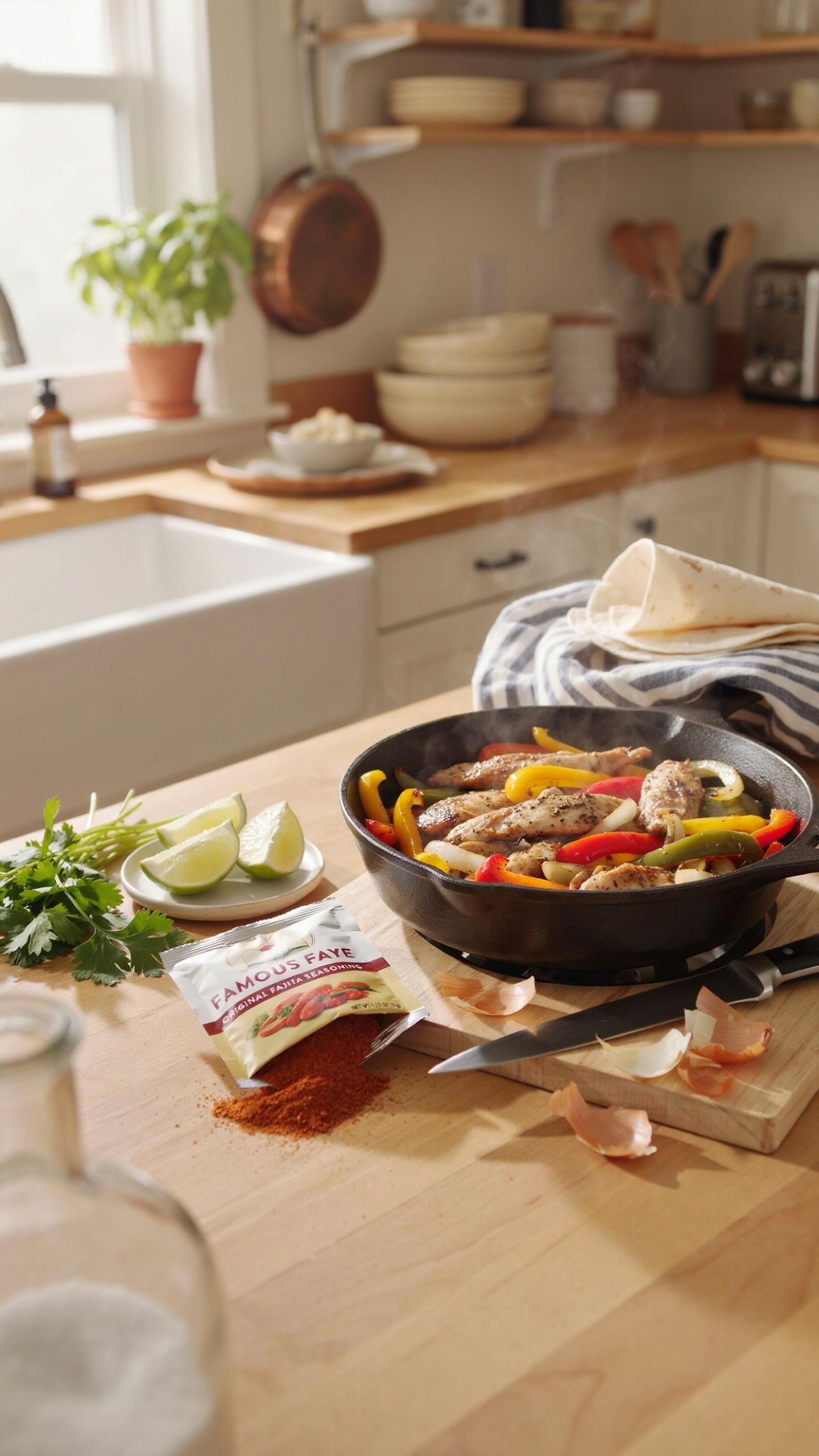
You want the shortcut without sacrificing results. That’s the real tension here. Most people buy a packet, dump it in, and wonder why their fajitas taste identical to everyone else’s. The mechanism is simple: a commercial packet is designed for speed, not flavor complexity. It’s a lowest-common-denominator blend built to work across 10 million kitchens.
Start by deconstructing what’s actually in that packet. You’ll find cumin, chili powder, garlic powder, paprika, and salt. None of these are secrets. The real move is treating the packet as a base layer, not the entire foundation. Add ground coriander, a pinch of oregano, and fresh lime juice after cooking. These additions don’t require extra prep time during meal prep, but they transform the depth from flat to dimensional. The packet gives you 70% of the way there. You supply the remaining 30% that makes people notice.
Avoiding Flavor Fatigue With Strategic Variation
Psychology calls this habituation, but you know it as eating the same thing five days straight until it tastes like cardboard. Your brain stops registering flavor intensity after day two. The solution isn’t different proteins each day, it’s different seasonings applied to the same protein. This is the actual lever.
Prepare your chicken or beef twice a week with different seasoning approaches. Monday and Tuesday use the customized packet method with lime and coriander. Wednesday and Thursday swap to a Mexican oregano and ground cumin heavy blend, skip the chili powder entirely. Friday features smoked paprika and garlic as the dominant notes. Same base protein, three distinct flavor profiles. You’re not creating more work. You’re rotating emphasis within your existing prep framework, which means three seasoning passes instead of one. Store each batch separately so they don’t cross-contaminate.
The Batch Cooking Black Box Unlocking Weekly Efficiency
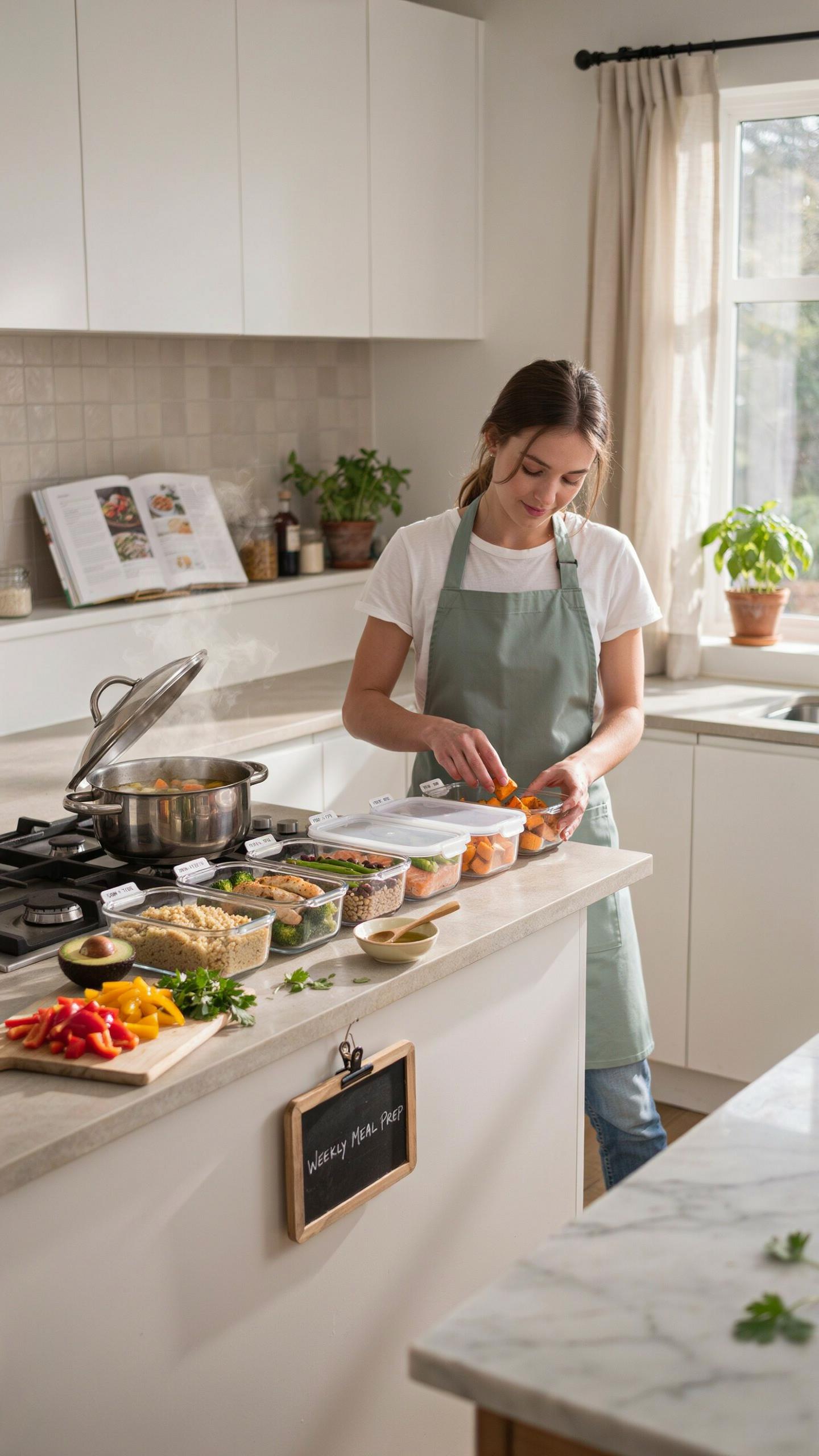
Cook Chicken First, Vegetables Second
You want to believe you can throw everything on a sheet pan and walk away. That’s not how protein retention works. Cook chicken separately at 375°F for 18-22 minutes until internal temp hits 165°F, then slice. Vegetables go in after, roasted at 425°F for 12-15 minutes. Chicken loses moisture when steamed by vegetable release. Sequencing prevents that loss and keeps your protein dry enough to store without bacterial acceleration.
Temperature control is a food science principle—thermal mass and moisture evaporation rates determine shelf life. Your chicken breast has higher water content than bell peppers. If you cook them together, the peppers’ steam environment keeps chicken surface wet, extending the bacterial colonization window from days to hours. Slice chicken while hot and store it separately in airtight containers, which drops surface moisture further and compounds the preservation advantage.
Container Stacking And The Oxygen Barrier
Most people buy clear containers and call it done. Wrong. Oxygen is your enemy in week-long storage, not your friend. Use opaque, airtight containers with silicone gasket seals—glass or BPA-free plastic with locking lids. Stack chicken on the bottom, vegetables on top. The layering compresses air pockets without crushing texture.
Oxygen accelerates lipid oxidation in cooked chicken, which produces off-flavors and shortens your five-to-seven-day window to three days. Your containers need active oxygen exclusion, not passive. Silicone gasket seals create actual airtight environments. Label each container with the date you prepped. Store at 40°F or below. If your fridge sits at 42°F, move the containers to the coldest shelf, typically the back bottom. Consistent cold maintains texture and safety through day seven.
The Fajita As A Flexible System Beyond The Chicken Bowl
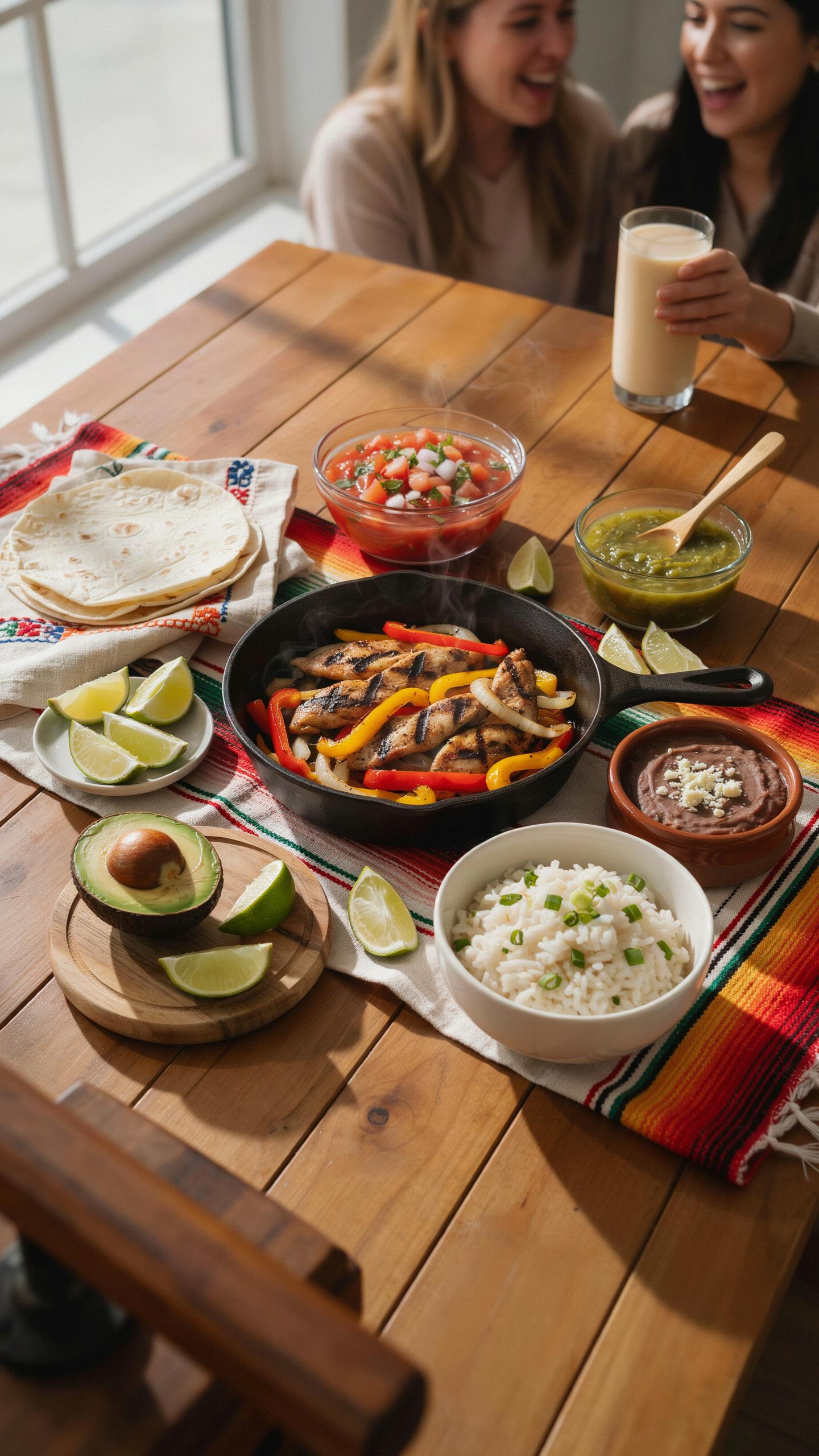
Mix And Match Without Losing Protein
You want permission to deviate from the standard recipe without feeling like you’re doing it wrong. That’s the real thing here. The mechanism is component independence: fajitas work because each element serves a separate function, so you can swap parts without breaking the structure.
Protein, vegetables, and base operate on different timelines and storage rules. Grilled chicken, steak, or shrimp all hit the same macronutrient target but age differently in a container. Peppers and onions hold moisture longer than you’d expect. Tortillas, rice, or lettuce bases change the entire meal profile without touching the protein math. You can prep identical protein for five days, then rotate bases and vegetables daily to avoid palate fatigue.
This flexibility solves the actual problem people face with meal prep: boredom masquerading as discipline. You’re not fighting the same meal five times. You’re building five different meals from the same protein foundation. Cook two pounds of chicken thighs once. Use it four different ways across the week. The protein doesn’t change. The experience does.
Scale Without Complexity
Doubling a fajita prep doesn’t double your effort because the bottleneck is heat transfer, not attention. Cook four chicken breasts instead of two in the same pan. Sauté three pounds of peppers instead of one. The time difference is minimal. The storage math is what matters.
A single batch feeds one person four days. Double it and you feed two people four days or one person eight days. The calculation stays linear because fajita components don’t require complex timing choreography. You’re not building a soufflé. Throw everything into separate containers, refrigerate, and the system holds. Scaling down follows the same logic: half portions, same method, no wasted prep work.
The Perpetual Motion Fajita Automating Your Nutrition
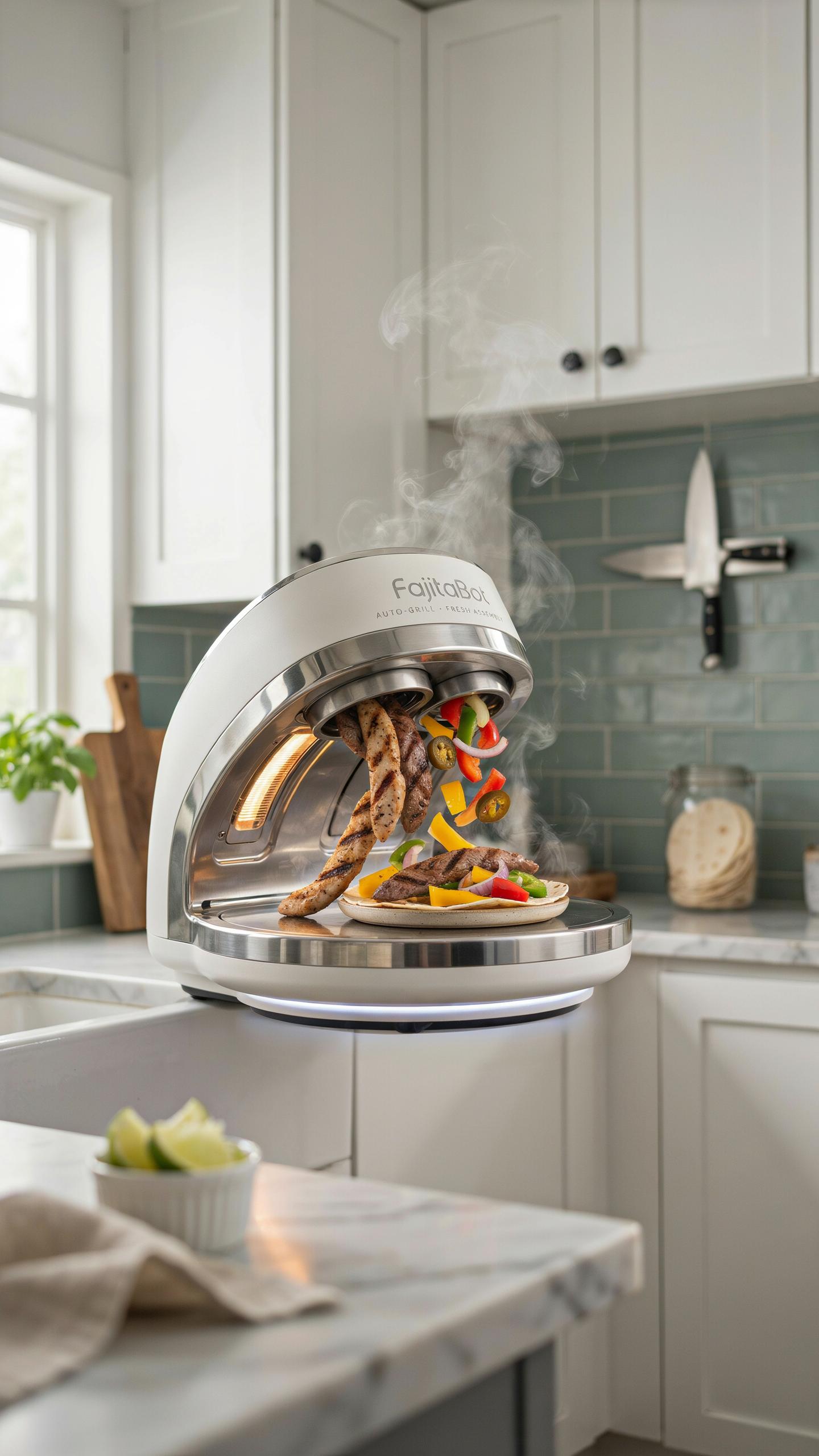
When Prep Becomes Invisible
You want this to feel effortless because you’re tired of willpower. The mechanism is simple: friction kills consistency, not motivation. When fajita prep lives inside an existing Sunday routine instead of demanding its own block of time, your brain stops treating it as optional. You’re not adding a new habit. You’re attaching prep to something you already do.
Most people fail here because they treat meal prep as a separate event requiring special energy. Wrong. You batch cook your proteins while laundry runs. You slice vegetables during your coffee and news rotation. You store components in the same containers you use for other meals. The system works when prep dissolves into your actual life instead of demanding a performance.
The Loop That Sustains Itself
Habit formation literature calls this “implementation intention,” but fajita prep works because repetition creates its own demand signal. Once you’ve eaten prepped fajitas twice, you start noticing when they’re gone. That absence becomes the trigger. You don’t need motivation on week three. You need fajitas because they’re supposed to be there.
The actual protocol: prepare and store components in identical containers every seven days on the same day. Protein goes in one. Peppers and onions in another. Tortillas separate. This standardization means you can assemble a meal in under three minutes without thinking. Your hand knows where everything is. Decision-making collapses to zero. You eat because eating is easier than not eating.
The real obstacle isnt the recipe its your adherence to the system or lack thereof

You already know high protein fajita meal prep works. You’ve seen the results. The gap between knowing and doing is where most people die. Pick one Sunday in the next two weeks and block three hours on your calendar right now. Buy the chicken, peppers, and tortillas. Cook the batch. Eat from containers all week. This single decision compounds into the body you actually want, not the one you keep talking about building.