
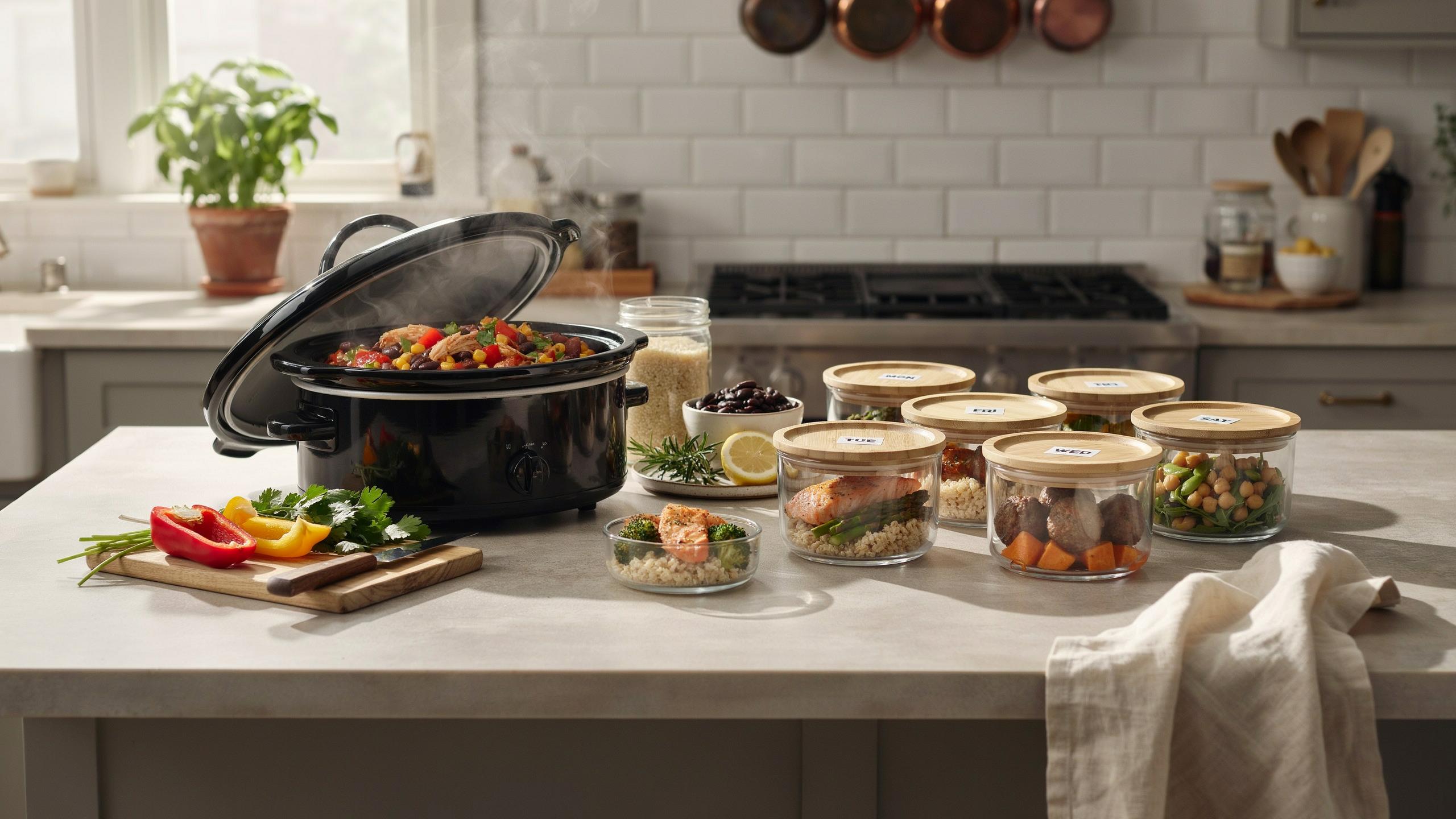
The Leverage Principle Why Your Slow Cooker Is An Economic Asset
The Math Behind Not Cooking Daily
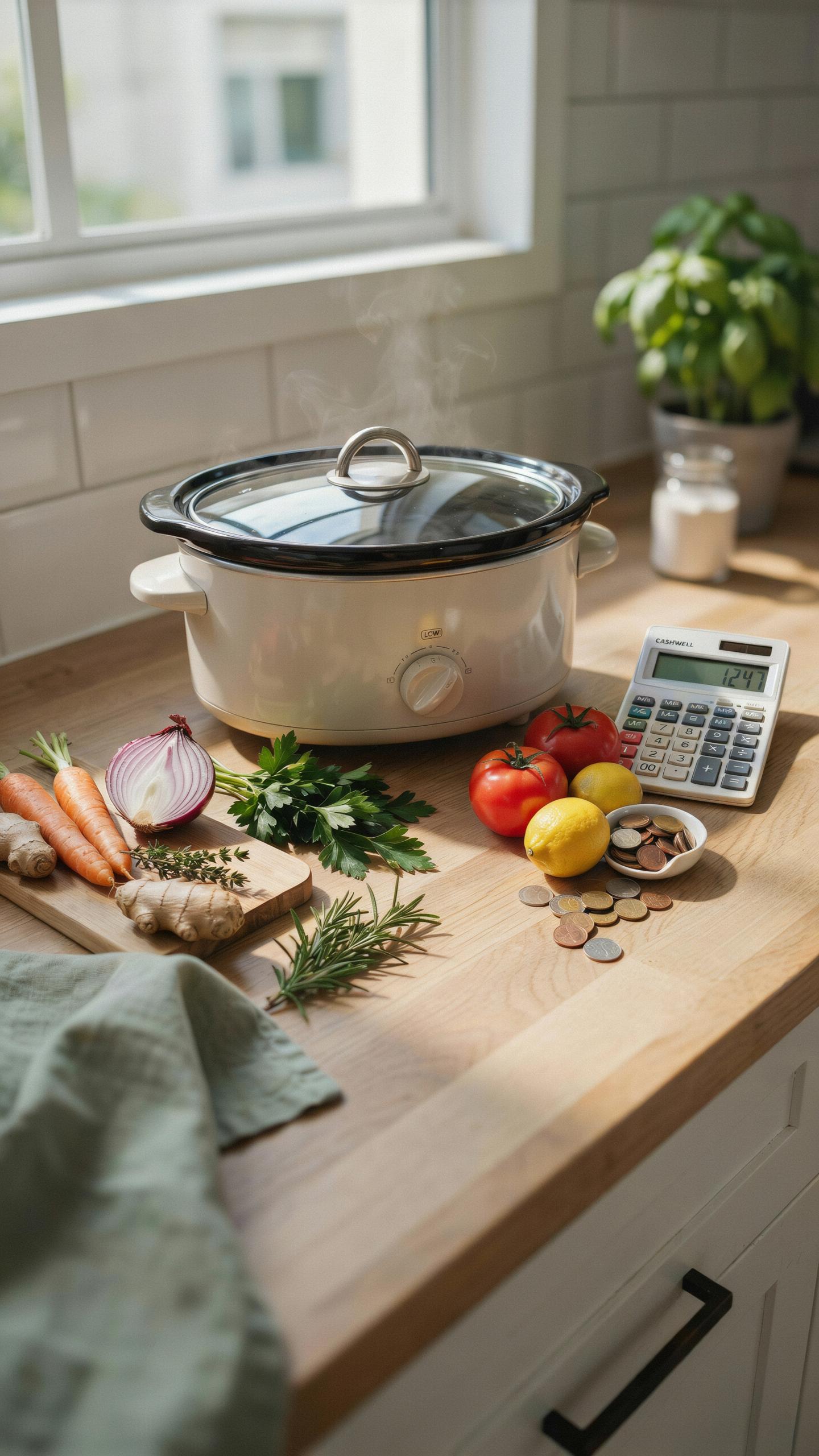
You want to believe meal prep saves time without actually calculating what your time costs. Here’s the mechanism from economics: opportunity cost is what you give up to do something else. Every night you cook, you forfeit hours you could spend working, building skills, or sleeping. A slow cooker collapses that trade-off. You spend 15 minutes loading ingredients in the morning, then the machine does 8 hours of work while you’re gone. Traditional cooking demands your active presence for 45 to 90 minutes daily, multiplied by seven days.
The gap widens when you stack the math. If you earn 50 dollars per hour, cooking dinner costs you 37 to 75 dollars in forgone income each week. A slow cooker and bulk ingredients cost nothing by comparison. You’re not paying for convenience. You’re capturing the economic value your time actually generates. The decision isn’t about liking slow cooker food. It’s about whether you treat your hours like assets or waste products. Load the cooker before work, let it run, and you’ve solved the protein problem without surrendering your production capacity.
What You Actually Gain When Cooking Stops Owning Your Evening
The real edge isn’t time saved in the kitchen. It’s what becomes possible when evenings aren’t consumed by meal prep. You gain predictable protein at scale without the decision fatigue of daily cooking. High protein slow cooker meals sit waiting when you arrive home hungry, eliminating the friction that triggers takeout or processed shortcuts. Your hunger doesn’t drive your choice anymore. The cooker already decided. You eat better protein targets because friction dropped to zero.
The second layer is compounding. Six months of consistent protein intake changes body composition. Better body composition changes how you move, how you feel, how you work. That shifts your baseline productivity. None of that starts without the simple step: on Sunday evening, load three slow cookers with seasoned ground beef, broth, and beans. On Wednesday, grab a container. You’re not inspired. You’re not motivated. You’re just fed. That’s the entire mechanism.
Deconstructing Healthy Beyond The Calorie Count
Nutrient Density Over Volume In Slow Cooker Meals
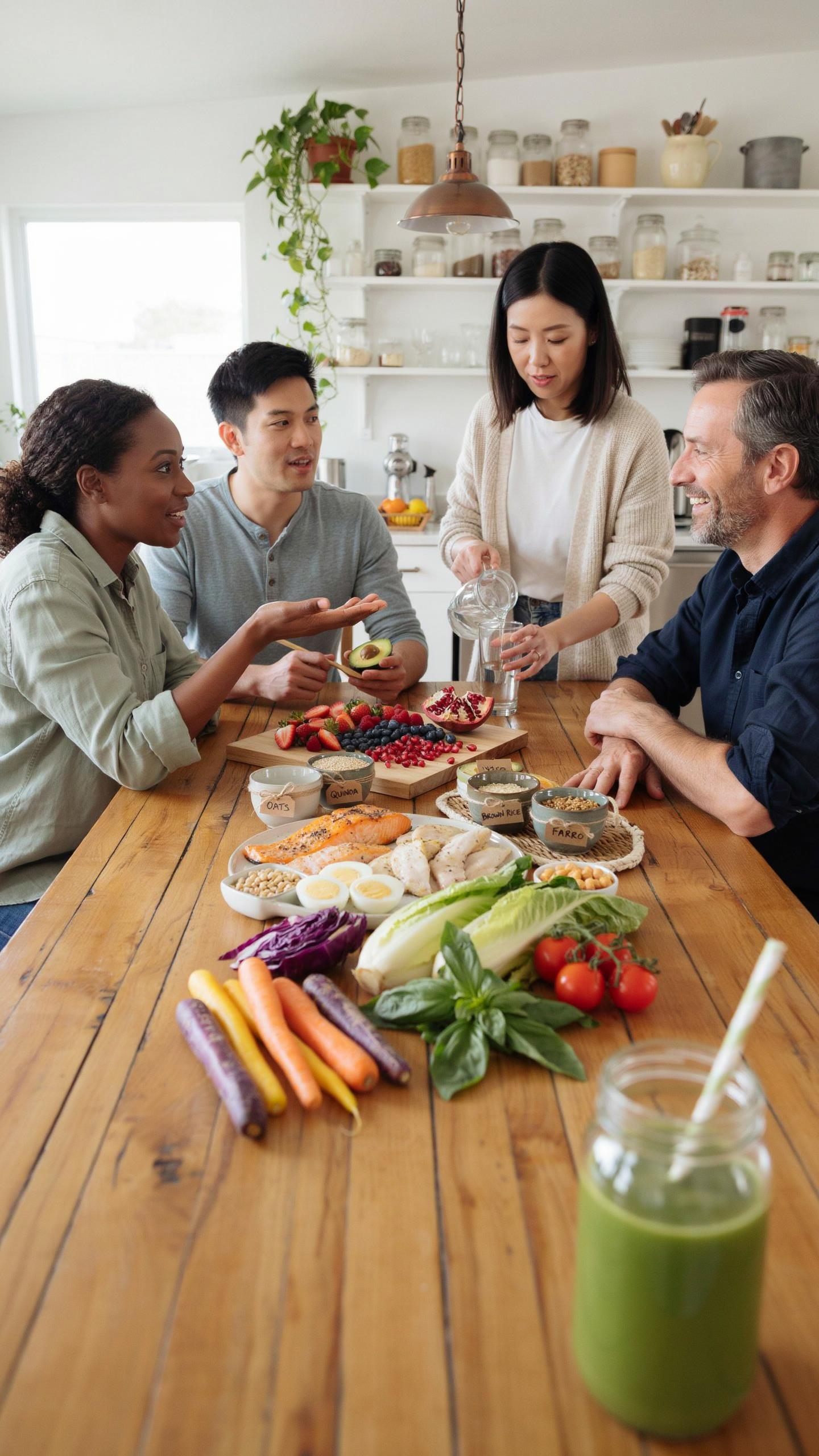
You want to believe a meal is healthy because it fits your calorie target, so you don’t have to think harder. That’s the trap. Nutrient density is a measure from nutritional biology that separates what fills your stomach from what actually fuels your cells. In slow cooker meal prep, it means choosing cuts and ingredients that deliver vitamins, minerals, and amino acids per calorie consumed, not just hitting a number on a tracker.
A chicken breast and chicken thighs contain similar calories per serving. Thighs deliver more iron, zinc, and B vitamins. Bone broth bases extract collagen and gelatin that support connective tissue. Legumes paired with meat provide fiber alongside protein. The slow cooker’s extended cooking time breaks down collagen into gelatin and increases bioavailability of minerals in bones and tough cuts. Volume doesn’t matter. What matters is what your body can actually absorb and use.
Macronutrient Ratios For Sustained Energy, Not Just Satiety
The common advice says “eat more protein to feel full longer.” That’s incomplete. Energy metabolism runs on macronutrient balance, a concept from biochemistry where different fuel sources trigger different hormonal and neurological responses. In slow cooker meals, protein-to-carbohydrate ratios determine whether you have steady energy or a crash three hours later.
High protein alone without adequate carbohydrate creates gluconeogenesis, where your body converts excess amino acids to glucose, wasting the protein’s structural benefits. A 1:1 or 2:1 protein-to-carb ratio in your slow cooker meals stabilizes blood glucose and preserves muscle tissue during the week. Ground beef with beans, chicken with root vegetables, or pork with lentils aren’t just tasty combinations. They’re macronutrient engineering. Measure your ratios across the full meal, not individual ingredients, then lock that formula into your prep rotation.
The Minimalist Protocol Essential Tools For Crockpot Meal Prep
What Actually Gets Used Every Time
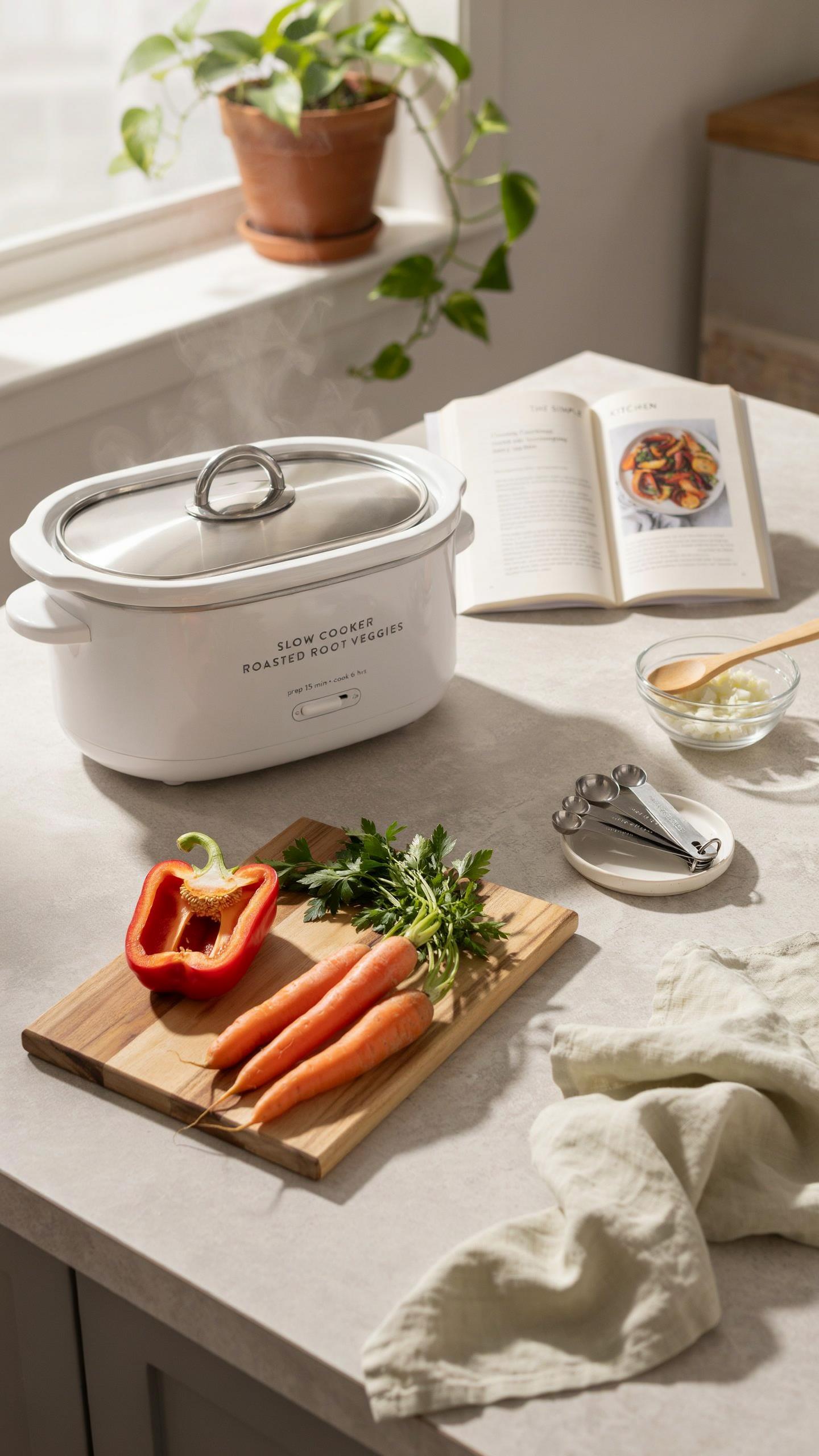
You think you need a well-equipped kitchen because a gap in your tools feels like a gap in your competence. Here’s the mechanism: scarcity makes you resourceful, abundance makes you indecisive. Economics calls this the paradox of choice. In meal prep, excess equipment creates decision friction that kills consistency. The truth is one slow cooker and five supporting items handle 95 percent of protein-focused meal prep work.
- 6-8 quart slow cooker: Handles four to six servings in a single batch. Anything smaller requires multiple cook cycles. Anything larger wastes heat and extends cooking time unnecessarily.
- Sharp chef’s knife: Prep raw protein and vegetables before cooking. A dull knife forces pressure, wastes time, and increases injury risk more than sharp blades do.
- Cutting board: Protects your knife edge and contains splatter. One board eliminates cross-contamination concerns and simplifies cleanup between batches.
- Food storage containers: Glass or plastic containers hold cooked meals in portions. Five to six containers match a typical week’s prep output without excess cabinet space.
- Kitchen scale: Measures protein portions accurately. Eyeballing leads to under-protein meals, which defeats the entire meal prep strategy and leaves you hungry mid-afternoon.
Every other tool you own or might buy creates a bottleneck instead of solving one. You don’t need a mandoline, meat thermometer, spiralizer, or sous vide precision cooker for high-protein slow cooker prep. These items exist to make cooking feel like a hobby instead of a system.
The Real Reason You Want The Fancy Stuff
Nobody sells minimalism. The kitchen equipment industry profits when you feel like your current setup is incomplete. Food blogs and cooking channels feature high-end tools because they’re visually interesting and sponsorship opportunities are lucrative. None of this changes what actually cooks meat and vegetables in bulk.
Fancy gadgets introduce maintenance overhead, storage problems, and decision delay before cooking starts. You stand in front of a cabinet full of specialty equipment and convince yourself you need to plan more to justify owning it all. That planning delay is where consistency dies. A slow cooker plugged in and running requires zero mental load. You execute the same protocol every Sunday, and the system survives contact with real life.
High Protein Slow Cooker Recipes The Flavor Matrix
Pick Your Protein First
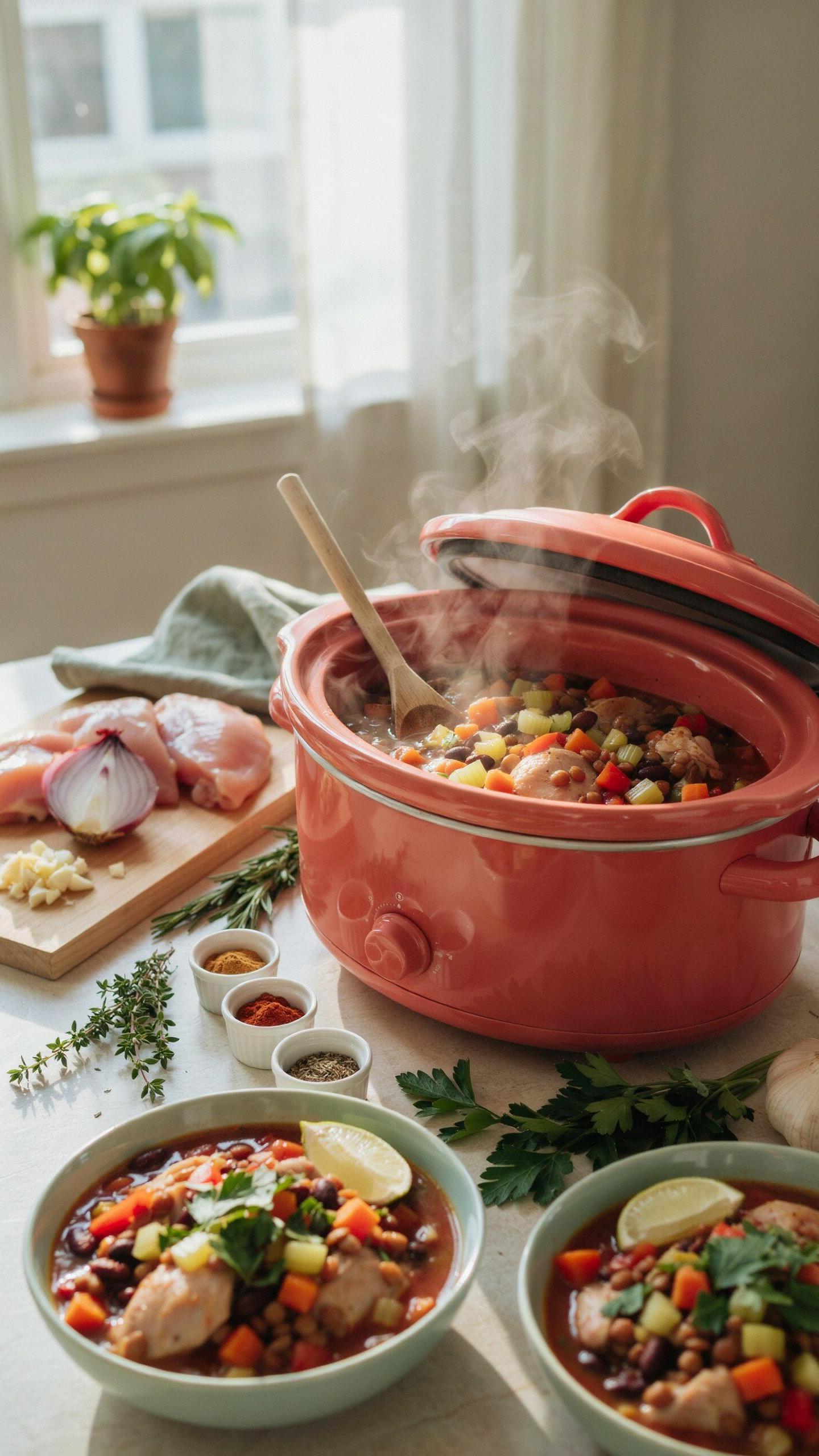
You want recipes that work. That’s the real reason you’re reading this. The mechanism is simple: protein choice determines everything downstream. Chicken, beef, pork, and legumes each have different cooking behaviors in a slow cooker. Chicken dries out if you overcook it past 165°F internal temp. Beef needs time to break down collagen into gelatin, so it actually improves at eight to ten hours. Legumes require pre-soaking or long cooking to soften properly. Pick wrong and you waste the entire batch.
Your protein isn’t just fuel. It’s the structural anchor of your meal prep week. Chicken breast works for mild, quick meals under six hours. Beef chuck roast demands full cook time and rewards it with texture. Dried beans and lentils are cheaper per gram of protein but need planning. The real efficiency move is buying one protein per week, then building three to four different flavor profiles from it.
Spices Do The Work Metabolism Does
Metabolism in nutrition is borrowed from physics, where it means the rate something transforms. In slow cooker meal prep, spice blends are your transformation multiplier. They convert bland protein into meals people actually want to eat. The common advice says “add spices to taste.” Wrong. Spice blends need to hit before the cooking starts because slow cooking mutes flavors by 30 to 50 percent. Build for intensity at the beginning.
Toast your spices dry in a pan for 60 seconds before adding them to the slow cooker. This releases oils and amplifies flavor without adding liquid. A single spice blend can reshape the same chicken into three distinct meals. Cumin and coriander make it Mexican. Garam masala and ginger make it Indian. Smoked paprika and thyme make it Cajun. Same base protein, completely different plate.
The Autopilot System Your Weekly Meal Prep Crock Pot Recipes Workflow
Decision Architecture That Eliminates Choice
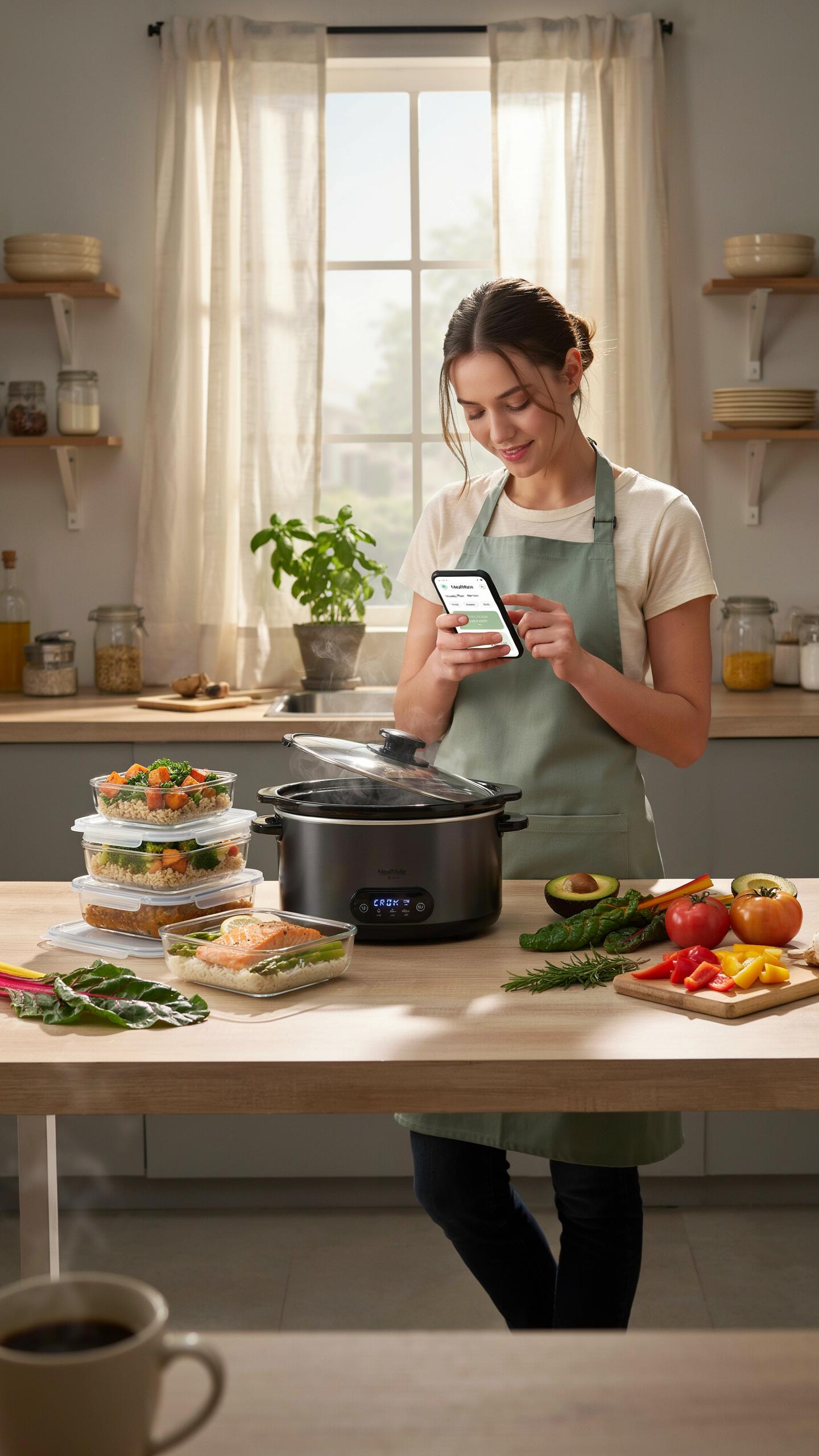
You want meal prep to feel effortless because you’re terrified that one week of chaos will undo your discipline and send you back to takeout. The real mechanism is this: decision fatigue is a measurable drain on willpower. Every food choice you make depletes the same cognitive resource. Remove the choice, and you remove the depletion. High protein slow cooker meal prep works because you decide once, then execute the same pattern five times. Your brain stops treating nutrition like a daily problem.
The standard advice says pick recipes you enjoy. That’s incomplete. You need recipes that share ingredients across meals. A slow cooker with chicken thighs, salsa, and beans becomes three different meals by swapping one variable. Buy the same proteins every week. Cook the same base recipes on rotation. This isn’t boring, it’s efficient. Your nervous system adapts faster than your taste buds get tired.
The Compound Effect Of Repetition
Stacking comes from manufacturing, not meal prep. In manufacturing, you batch identical units to reduce setup time between production runs. Apply this directly: cook all your protein sources in slow cookers simultaneously, then divide and recombine them into different meals. Two slow cookers running chicken chili and beef stew at once cuts your total active cooking time by thirty percent compared to sequential cooking.
The hidden advantage appears over weeks, not days. When you repeat the same prep sequence every Sunday, your setup time drops. You know exactly which containers fit where. You move faster without thinking. You also catch inefficiencies you missed the first cycle and eliminate them. Four weeks in, your prep time shrinks by half because your hands know the path. That’s not motivation, that’s muscle memory. On week one, write down your exact sequence from start to finish. On week two, follow it verbatim. On week three, you’ll spot where ten minutes waste.
Beyond The Slow Cooker Dinner Repurposing For Peak Utility
Turn Leftovers Into Different Meals
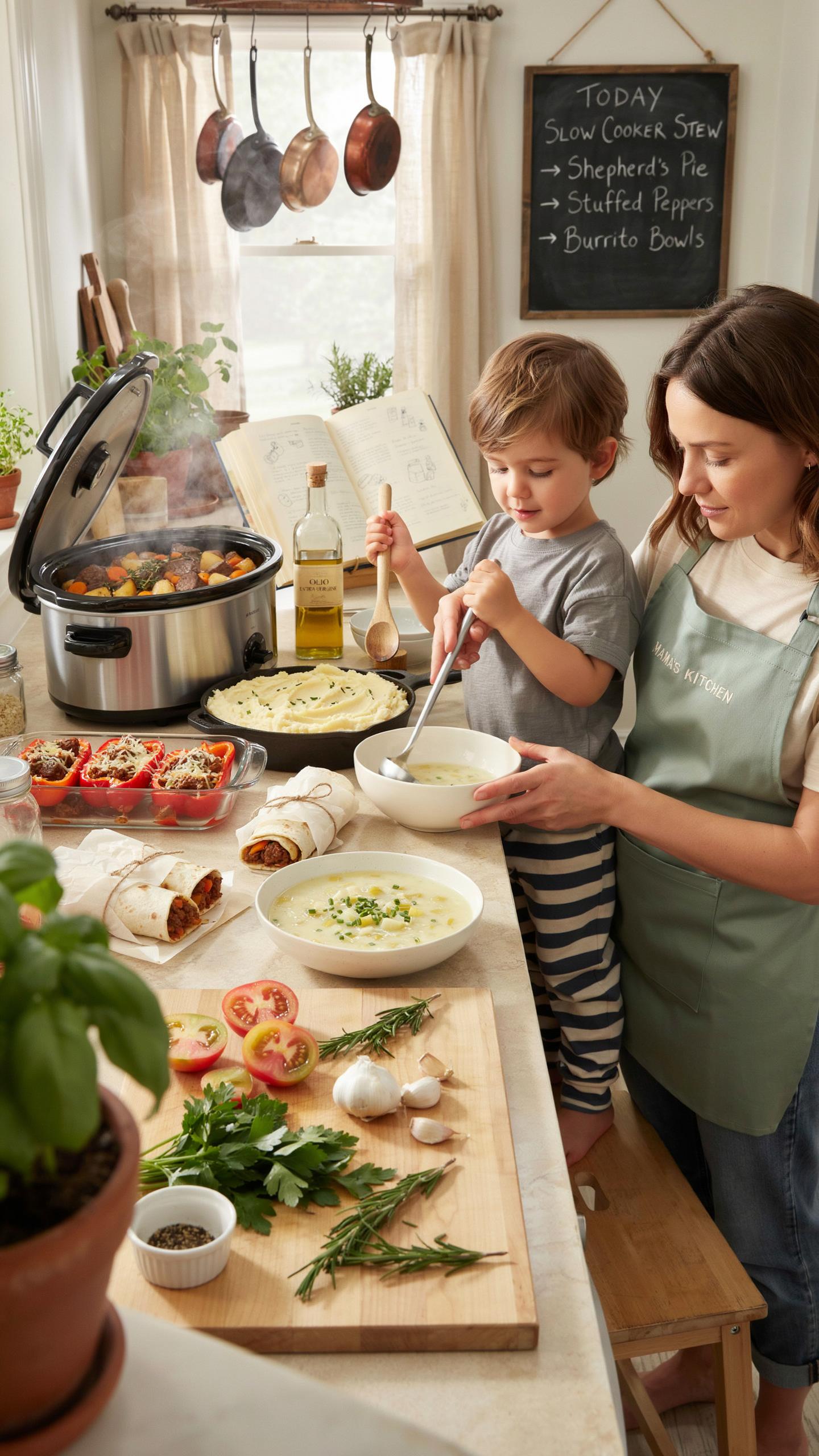
You want to feel like you’re eating variety without the actual work of cooking twice. Here’s the mechanism: protein structure stays stable across temperature shifts and flavor combinations, so a shredded chicken batch transforms entirely based on sauce and carb pairing. The slow cooker creates a base asset, not a finished meal.
A Monday pot roast becomes Tuesday taco filling, Wednesday soup, Thursday salad topping. The collagen breaks down identically whether you reheat it in salsa or broth. You’re not “repurposing” anything exotic—you’re applying basic flavor combinations that override the original context. The protein does the heavy lifting; everything else is seasoning strategy.
Strategic Freezing And Thawing For Extended Shelf Life
Thermodynamics matters here: ice crystal formation damages cell walls if you freeze too slowly, which matters because protein holds moisture. This isn’t optional flavor loss—it’s structural degradation that affects both texture and how fast your meal reheats. Freeze meals within two hours of cooking completion.
Thaw in the refrigerator for 24 hours minimum, never at room temperature. The slow thaw keeps proteins from weeping liquid that carries taste and nutrients. Batch your freezing schedule: cook Sunday, freeze Monday through Wednesday portions by Tuesday morning, keep Thursday and Friday in the fridge. This staggered approach prevents the “everything expires simultaneously” trap that kills meal prep consistency.
Metabolic Optimization How Protein Impacts Your Day

Protein’s True Metabolic Cost
You want to believe metabolism is this mysterious engine you can hack. It’s not. Protein forces your body to burn calories just to process it, and this is basic thermodynamics: protein requires more energy to digest than carbs or fat. When you eat 100 calories of chicken in your slow cooker meal, your body burns roughly 20 to 30 of those calories just breaking it down. Carbs cost 5 to 10. Fat costs nearly nothing. This gap compounds across a week of high protein slow cooker meal prep.
The mechanism is straightforward. Your digestive system must synthesize amino acids, transport them, rebuild muscle tissue, and regulate nitrogen balance. All of this demands ATP, your cellular currency. A slow cooker meal built around beef, chicken, or legumes forces sustained metabolic work. Skip this fact and you’re leaving free calorie expenditure on the table. Load your weekly prep with protein. Your resting metabolism rises before you hit the gym.
Hunger Operates On Signals, Not Fullness
Everyone says protein keeps you full. Wrong framing. Protein doesn’t fill your stomach like a balloon. Protein changes the signals your brain receives. Cholecystokinin and peptide YY spike when protein enters your digestive tract. These hormones tell your hypothalamus you’re done eating. Ghrelin, the hunger hormone, stays suppressed longer. A slow cooker chicken and bean meal triggers this signal cascade better than a carb-heavy alternative because the amino acid profile itself triggers satiety neurons.
Fullness is a feeling. Satiety is a neurochemical state. You can feel full and still be hunting food an hour later if the signals are weak. High protein slow cooker meals anchor satiety for hours because amino acids cross the blood-brain barrier and influence dopamine and serotonin regulation. This isn’t mystical. Your brain gets a clear message that resources arrived. When you prep meals with 35 to 50 grams of protein per container, you’re not fighting hunger all week. You’re chemically signaling completion.
The Contingency Plan When Your Crockpot Meal Prep Goes Sideways

How Friction Derails Your System
You’re worried that your meal prep will fail and you’ll fall back into takeout. That’s the real issue here. In military strategy, friction is everything that prevents a plan from executing smoothly. In slow cooker meal prep, friction appears as a malfunctioning appliance, a spoiled batch, or a protein that didn’t cook through. The moment friction hits, most people abandon the system entirely instead of pivoting.
Your slow cooker breaking on Monday doesn’t mean your week fails. It means you need a predetermined response before the break happens. The difference between people who stay consistent and people who don’t isn’t willpower. It’s whether they built escape routes into their system. The person without a backup plan makes decisions under stress. The person with one executes a protocol.
Backup Protocols That Stick
The common advice is to just buy a second slow cooker. That’s incomplete. You need specific fallbacks for specific failure points, not generic redundancy. If your cooker fails mid-week, you need an oven protocol ready. Set your oven to 275 degrees, place your protein and liquid in a Dutch oven with a lid, and extend the cooking time by 50 percent compared to what your recipe called for. Ground beef or chicken thighs will reach target doneness this way.
If spoilage happens, you have a second protocol. Freeze half your batch immediately on Sunday instead of waiting until Thursday. This eliminates the spoilage window entirely. Your third backup is the pressure cooker, which cooks the same proteins in one-third the time. Keep one accessible if your slow cooker workflow ever needs compression. Build these three protocols into your prep routine now, while everything works. When friction hits, you follow steps instead of abandoning the system.
High Protein Dinner Beyond The Hype Into The Habit
The Compound Effect Of Consistency
You want the result without the repetition. That’s the real barrier here, not knowledge. You already know protein matters. The mechanism is simple: biology doesn’t reward perfect weeks. It rewards accumulated weeks. Every meal you prep with 35 grams of protein triggers the same muscle protein synthesis response, and that response compounds over months into visible changes. Miss three weeks, lose the gain. This is exponential decay in reverse.
The common advice treats meal prep like willpower. It’s not. Willpower depletes. Systems don’t. Your slow cooker becomes the infrastructure that removes the decision every Sunday. You dump ingredients in the same pot, set the timer to the same duration, portion into the same containers. The repetition isn’t boring once you stop fighting it. It’s the thing that lets you stop thinking and start changing. The protein target stays steady because the method stays steady.
The System Eats Motivation For Lunch
Building an unshakeable system means removing variables one at a time, not all at once. Most people buy a slow cooker, prep five meals, hit week two, then abandon it because they’re still deciding what to make. That’s not a system. That’s a project that ended. A real system has a fixed rotation: Monday through Thursday you eat the first recipe, Friday through Sunday you rotate into a second one. You buy the same proteins, the same vegetables, the same seasonings every week.
The protocol is this: pick two slow cooker recipes you can tolerate eating four days each. Buy ingredients for two batches every Sunday. Cook both simultaneously in separate slow cookers, or sequentially if you only own one. Portion into five containers per recipe. Store four days in the fridge, freeze the rest. When you hit day five, rotation happens without thinking. No motivation required because motivation wasn’t part of the design.
Your real enemy isnt lack of time its the illusion that more effort equals more control

Most people think meal prep demands perfection. They buy ten containers, plan seven days out, obsess over macros. Then they quit. The real move? Pick one slow cooker recipe. Cook it Sunday. Eat it all week. Done. You don’t need complexity to build muscle. You need consistency. The person who eats the same high protein meal five times beats the person chasing variety every single time. Start today: dump chicken, beans, and broth in your slow cooker right now. That’s your week solved. Simplicity wins because you actually stick with it.