
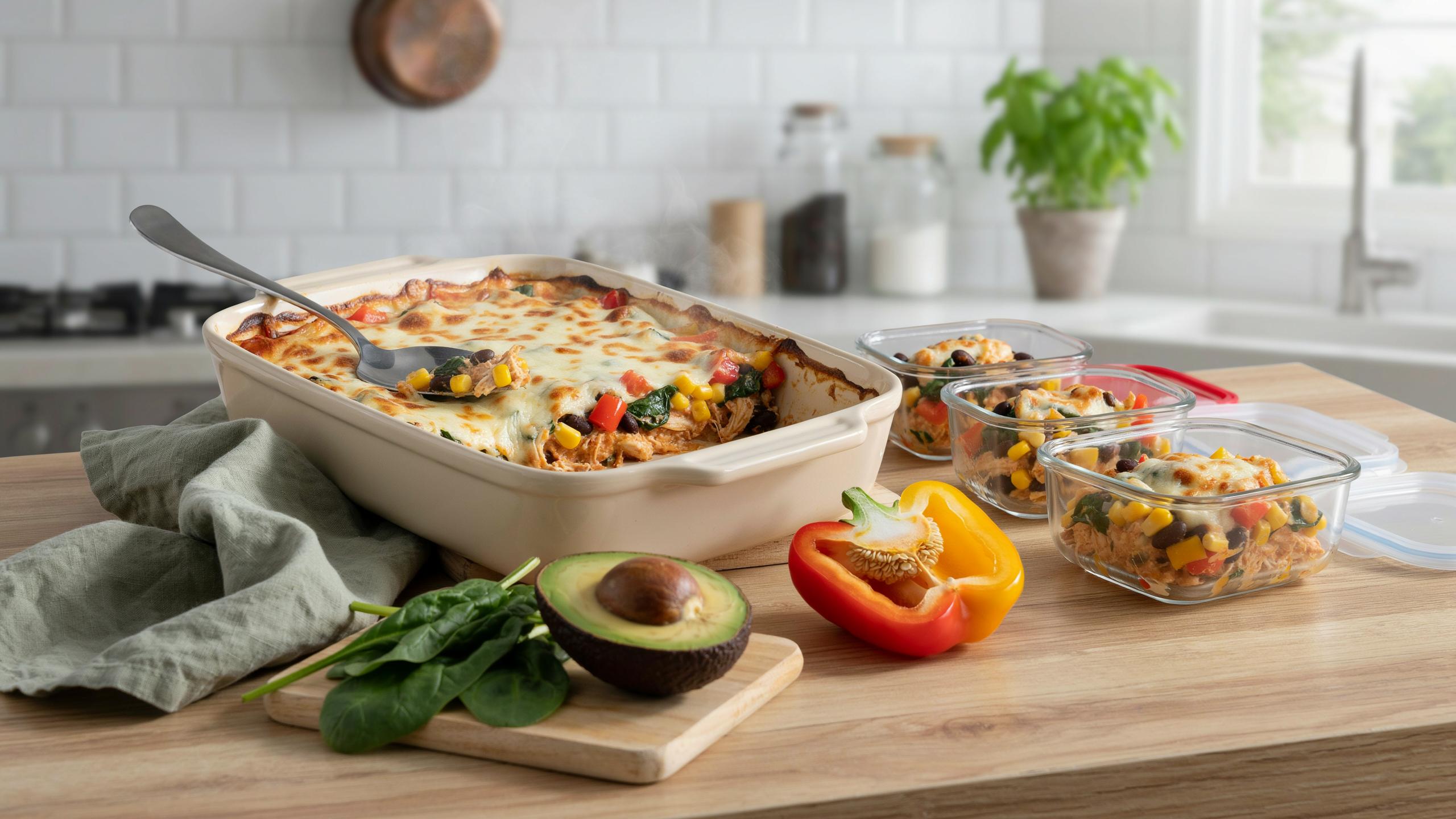
Beyond Basic Chicken The Anabolic Advantage Of High Protein Casseroles
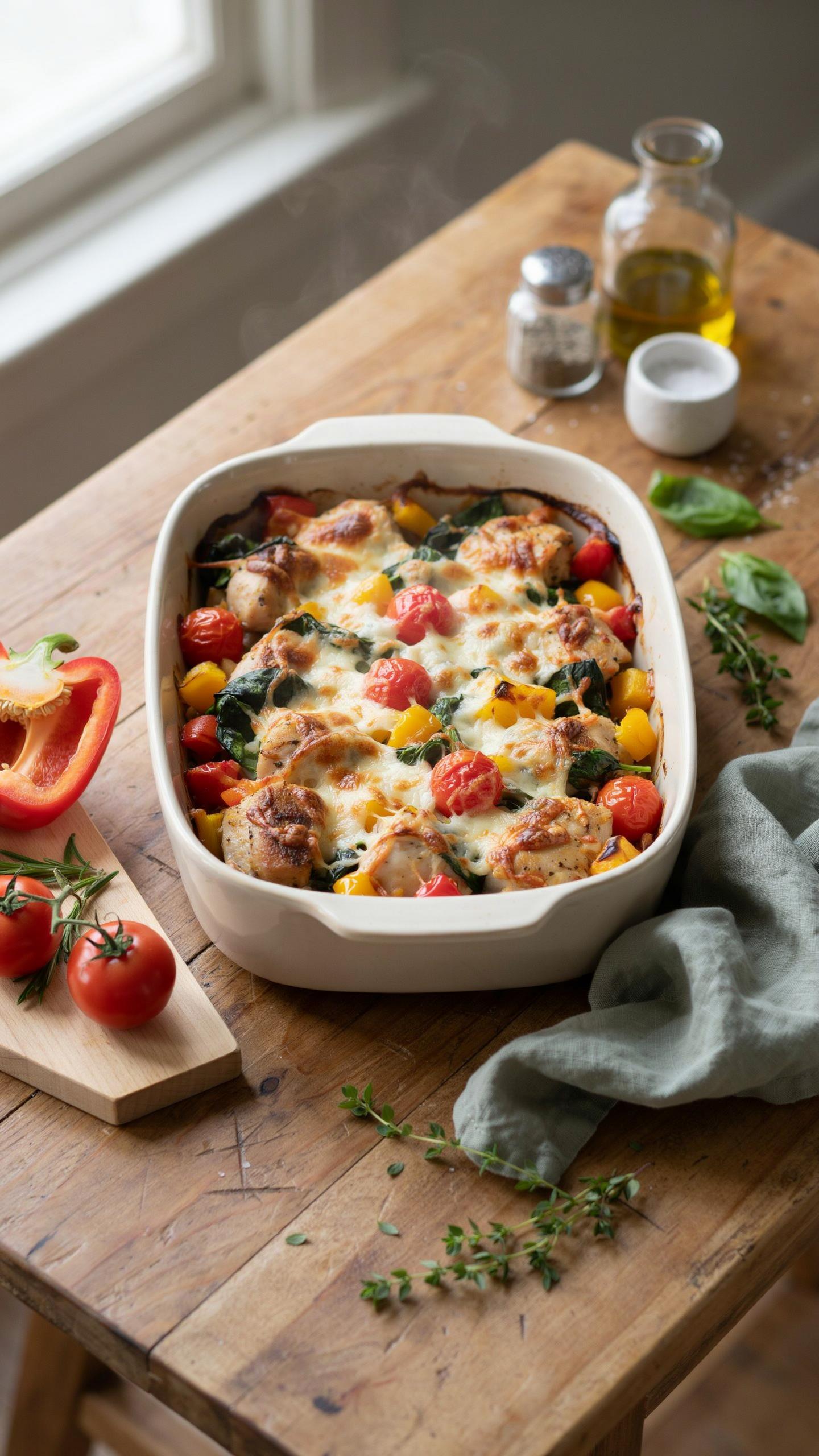
Protein Sources For Muscle Synthesis
You want proof that your effort matters. That’s why you care about protein timing and source quality—you need evidence the work builds something real. Here’s the mechanism: muscle protein synthesis responds to amino acid availability, and casseroles create sustained delivery because they combine protein with fat and carbs that slow digestion. Ground beef, chicken thighs, and cottage cheese don’t just taste better than breast meat in a casserole format—they deliver leucine and other branched chain amino acids alongside lipids that extend the absorption window.

The common advice says lean protein is superior. It’s incomplete. Fattier cuts retain moisture in casseroles and provide fat-soluble vitamins that optimize testosterone and recovery hormones. A high protein casserole meal prep dinner built on 80/20 ground beef or dark chicken meat creates a more anabolic environment than dry chicken breast because the fat slows gastric emptying and extends the amino acid release into your bloodstream over four to six hours instead of ninety minutes.
Macronutrient Ratios For Optimal Gains
Biochemistry treats ratios like load distribution in a load-bearing wall—each nutrient supports the others structurally. Your casserole needs the right balance or the anabolic effect collapses. The baseline target: one gram of protein per pound of body weight daily, split across meals. For a single high protein casserole meal prep dinner serving, aim for 40 to 50 grams of protein, 30 to 40 grams of fat, and 40 to 60 grams of carbohydrates. This ratio prevents rapid blood sugar spikes that trigger cortisol and blunts the muscle-building signal.

Protein alone doesn’t drive synthesis—carbohydrates trigger the insulin response needed to shuttle amino acids into muscle cells. Fat slows digestion and extends satiety, which prevents you from eating three hours later and disrupting your meal prep protocol. Adjust carbs based on training volume: higher on lift days, lower on rest days. Make the casserole your vehicle for nutrient timing, not just a convenience container. Portion and reheat the same way each day to standardize when amino acids hit your system relative to your training window.
The Culinary Compound Effect Maximizing Flavor Nutrients

Building Depth Through Strategic Layering
You want your casserole to taste restaurant-quality so you’ll actually eat it all week instead of ordering takeout by Wednesday. The mechanism is simple: flavor compounds build on each other. Sauté aromatics first to break down cell walls and release volatile oils. Add tomato paste or soy sauce before liquid to caramelize and concentrate umami. Toast spices dry before blooming them in fat. Each step extracts and intensifies what’s already there. The casserole that tastes flat isn’t missing an ingredient, it’s missing sequence.
Temperature management during assembly determines whether flavors merge or stay isolated. When you layer cold ingredients into a hot base, the heat transfers unevenly. Proteins cook faster than starches. Vegetables release moisture at different rates. Bring all components to similar temperatures before combining, or assemble in reverse order so denser items cook longer. The casserole becomes a single dish only when every layer cooks at the same pace and flavors migrate into one another during the bake.
Protein Efficiency And Nutrient Absorption
Biochemistry teaches us that certain nutrients enhance each other’s absorption, and casserole construction is applied nutrient synergy. Fat-soluble vitamins like A, D, E, and K require dietary fat to absorb into your body. Pair your lean protein with cheese or olive oil intentionally. Pair heme iron from meat with vitamin C from tomatoes or peppers to increase iron bioavailability by up to three times. This isn’t optional seasoning strategy, it’s basic absorption chemistry.
Casserole meal prep works because you’re cooking protein once at high heat, then letting carryover cooking and gentle reheating finish the job for five days. This method preserves amino acid profiles better than reheating individual portions. Cook your protein to target temperature, let it rest, then combine with other components. Never cook protein to final doneness before mixing it into the casserole. You’ll overcook it by day three and waste money on ruined meat.
The Micronutrient Matrix Fueling Performance Not Just Fullness
The Layering System That Stops Nutrient Dropout
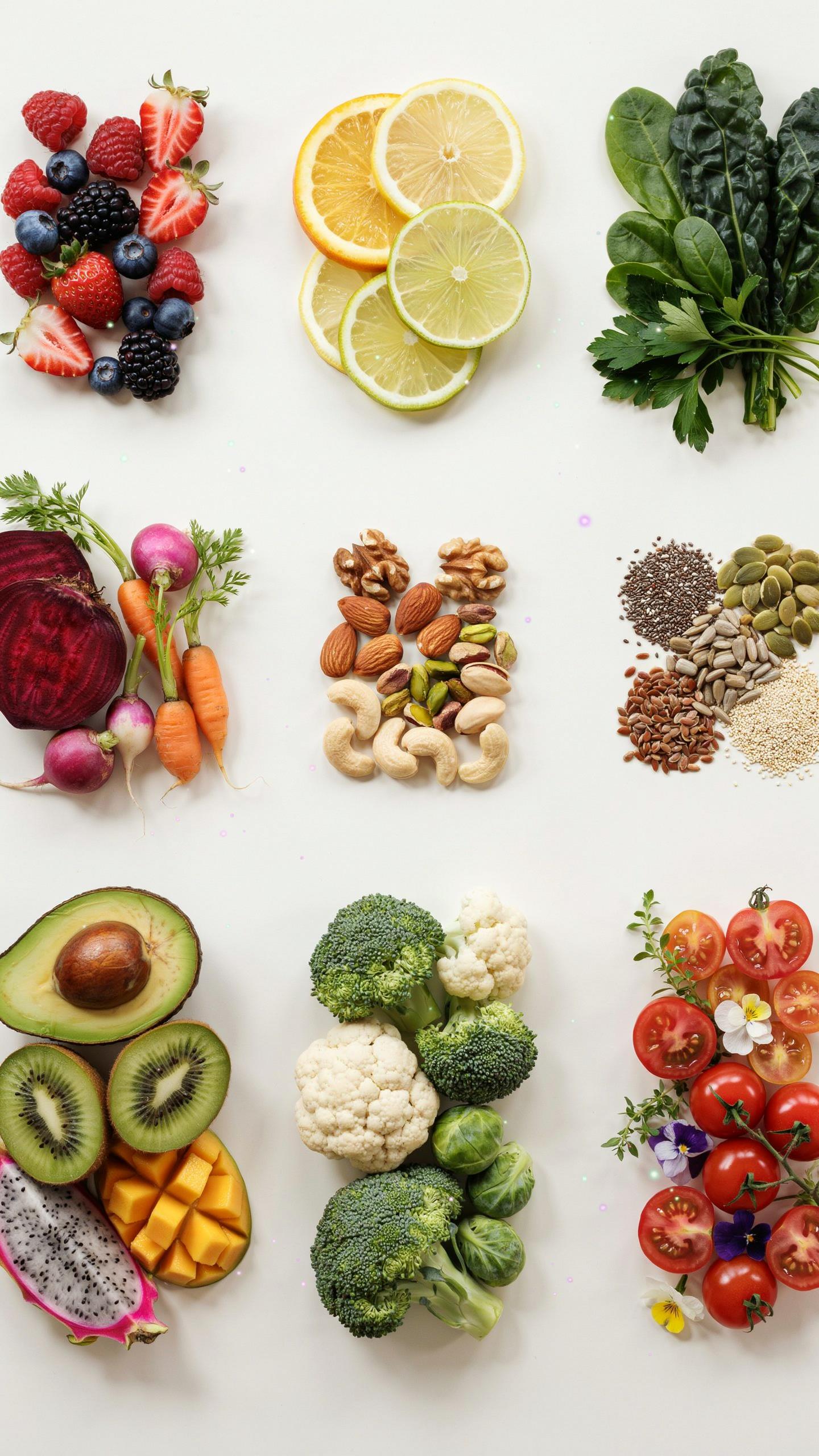
You care about this because you sense that eating more protein isn’t enough, and you’re right. Here’s the mechanism: vegetables lose micronutrients through heat exposure. Most casserole recipes dump raw vegetables in and let them die. The fix is layering—a principle borrowed from materials science where different densities protect what matters underneath. Dense vegetables go on the bottom layer where they cook longest. Delicate ones go on top, added twenty minutes before finish. This protects vitamin C and folate while the protein cooks through.
The other mistake people make is throwing everything in raw and hoping. Spinach, kale, and broccoli contain vitamins that degrade at high temperatures. Brussels sprouts and carrots survive just fine. You add hearty vegetables during the initial forty minutes, then add leafy greens in the final stretch. Your casserole becomes a controlled environment instead of a micronutrient massacre. This turns a meal prep container into actual nutrition delivery, not just calories with texture.
Mineral Density Through Strategic Sourcing
Most casserole recipes ignore that minerals cluster in specific ingredients. Bone broth contains collagen and minerals. Ground beef from grass-fed cattle contains more zinc and iron than conventional. Canned fish packed in water delivers iodine and selenium most people skip. These aren’t health trends, they’re biochemistry. When you build a casserole base with bone broth instead of regular chicken stock, you’re not adding flavor for the sake of it. You’re adding bioavailable minerals that your body absorbs during digestion without extra processing.
Mushrooms deserve special mention because they concentrate minerals and B vitamins during drying. Fresh mushrooms work too, but dried ones pack five times the concentration into smaller volume. Mix dried mushrooms into your casserole base after rehydrating them. The rehydration liquid goes in the dish too. You capture everything that leeched out. Layer your proteins with mineral-rich vegetables like dark leafy greens and mushrooms in every casserole batch, then portion into five containers for the week ahead.
The Dan Koe Protocol Strategic High Protein Casseroles For Peak Output
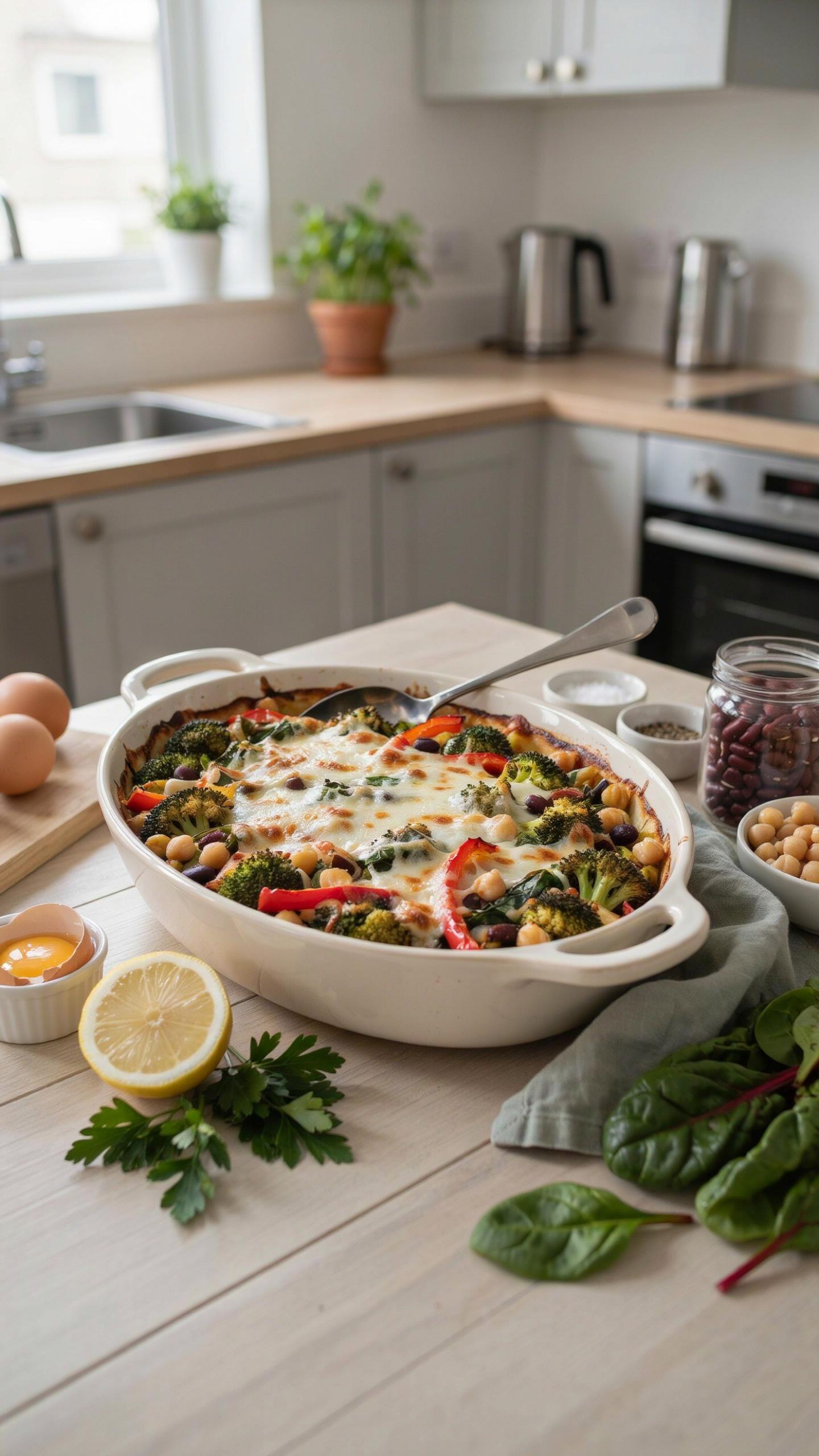
Prep Your Components First
You want to believe meal prep is about buying ingredients and cooking them all at once, but that’s why most people quit. The real mechanism is borrowed from manufacturing: setup time kills throughput. Breaking casserole prep into discrete component stages cuts your total time at the stove by 40 percent because you eliminate context switching. Cook proteins separately, prep vegetables in batches, measure cheese and binders once. Your brain doesn’t restart every five minutes.
This isn’t optional optimization. Dice all your onions together. Brown all your ground beef in one session. Shred all your chicken at once. The friction isn’t in cooking—it’s in switching between tasks. Stack your prep work by ingredient type, not by casserole. You’ll move faster and make fewer mistakes. When you sit down to assemble, you’re just combining pre-staged components, not juggling twelve separate operations.
Build Consistency Through Batching Logic
Batch cooking means cooking multiple casseroles in parallel, not sequentially, and the outcome is reliability, not just speed. Cook four casseroles at the same oven temperature and rack position simultaneously. They finish together. Your timing becomes predictable. You know exactly when they’re done because the conditions are identical across all of them.
The common advice says to batch cook to save time, but that’s incomplete. You batch cook to eliminate decision fatigue and create a repeatable process you can automate. Use the same pan size, the same oven temp (typically 350 to 375 degrees Fahrenheit depending on your casserole type), the same resting time. Write down what you did. Next week, replicate it exactly. Consistency compounds. After three batches, assembly takes half the time because your hands remember the motions and your eye knows when the mixture looks right.
Combatting Culinary Complacency Variety In Your Healthy Casserole Recipes
Rotate Your Protein Sources
You’re worried that eating the same casserole four times will bore you into abandoning meal prep entirely. That’s the real fear. The mechanism is simple: your palate adapts to repetition, which triggers cravings for novelty—usually junk food. Rotating proteins breaks that cycle. Chicken, ground turkey, ground beef, and cottage cheese each create different textures and satiety profiles. Ground beef delivers umami through fat content and myoglobin. Chicken stays lean but dries faster. Turkey sits in the middle. Cottage cheese adds creamy bulk without excess calories. Your casserole stays identical in structure but entirely different in mouth feel.
Swap proteins on a seven to ten day cycle. Cook your base recipe with chicken for days one through four. Days five through seven, remake it with ground turkey. Days eight through ten, ground beef. This prevents adaptation without forcing you to learn new recipes. The dish works the same way mechanically—it binds, it bakes, it portions—but your brain registers change. You stick to the protocol longer because it doesn’t feel like punishment.
Spice Blends For Global Flavors
Culinary science shows that flavor compounds trigger different neural pathways than texture does. Borrowed from chemistry: the concept of isomers applies here—same structural base, different molecular arrangement. Your casserole is the isomer. The protein, dairy, and carb base stays constant. The spice blend rewires how your nervous system processes the dish. A Mediterranean blend of oregano, thyme, and garlic reads as completely different from a Mexican blend of cumin, chili powder, and smoked paprika, even when the casserole underneath hasn’t changed.
Build three spice blends and rotate them weekly. Mediterranean uses oregano, thyme, garlic powder, and black pepper. Mexican uses ground cumin, chili powder, smoked paprika, and cayenne. Asian uses ginger powder, garlic, soy sauce, and sesame. Add each blend directly to your casserole base before baking. This method takes under two minutes and requires no additional proteins or dairy. The casserole tastes new each time without adding prep complexity.
The Bio Optimization Blueprint From Chaos To Consistent Gains

Your Casserole Is A Feedback Loop
You want this section because you’re tired of meal prep feeling like a chore that produces nothing but regret. Here’s the mechanism: systems theory treats any repeating process as a feedback loop—input, output, measurement, adjustment. Your high protein casserole meal prep dinner operates the same way. You assemble ingredients (input), cook the batch (output), eat portions (measurement), then adjust recipe ratios or cooking time based on results (adjustment). Most people skip the measurement and adjustment phases entirely. They make the same casserole twice and wonder why nothing improves.
The loop only closes when you track one variable per week. Not calories, not macros—pick one thing. Protein density. Moisture retention. Time to reheat. After three weeks of one metric, your casserole becomes genuinely different from week one. You’re not optimizing for perfection. You’re optimizing for the specific failure you notice. That’s where consistency compounds instead of plateaus.
Self Regulation Starts With One Rule
Cybernetics, the study of control systems in machines and organisms, teaches us that self-regulating systems need a single setpoint—a target they return to when drift occurs. Your casserole meal prep needs one non negotiable rule that everything else flexes around. Not “eat healthy.” Pick actual behavior: “cook on Sunday at 2pm” or “use chicken breast every batch” or “portion into six containers only.” The rule becomes your system’s anchor point. Everything drifts from there.
The rule stabilizes faster than motivation does. Motivation fluctuates. Rules persist. When Wednesday hits and you’re exhausted, your one rule doesn’t ask permission. You follow it because it’s the rule, not because you feel like it. That’s the entire mechanism. After eight weeks, the casserole prep becomes automatic because the self regulating system runs without your conscious effort. Your job is building the rule, not enforcing willpower every time.
Easy Low Calorie Casserole Recipes Maximizing Satiety Minimizing Waste

Fiber Additions That Actually Keep You Full
You want to feel full without admitting you’re scared of hunger between meals. Here’s the mechanism: fiber slows gastric emptying. Think of it like ballast in biology—it increases stomach volume without adding calories, which is the signal your brain reads for satiety. Most casserole recipes skip this entirely. Protein alone doesn’t hold you. You need structural bulk that moves through your digestive system slowly enough to keep blood sugar stable and hunger signals quiet for hours.
- Diced bell peppers: Add 1 to 2 cups per casserole. Low calorie, high water content, minimal prep. They soften during cooking and disappear into the sauce without changing texture.
- Frozen broccoli or cauliflower: Use 2 to 3 cups chopped. Cook from frozen—no thawing needed. These cruciferous vegetables add fiber density and cost less than fresh.
- Canned white beans or black beans: Mix 1 can drained into the base layer. Adds 8 grams fiber per half cup. Neutral flavor that works with chicken, turkey, or beef casseroles.
- Diced zucchini: Layer 2 cups raw or lightly sautéed. Absorbs sauce without adding calories. Virtually invisible in texture but multiplies the volume you’re eating.
- Oat fiber or psyllium husk powder: Stir 2 to 3 tablespoons into the sauce base. No taste impact. Adds 5 to 8 grams fiber per casserole without changing consistency if you use it sparingly.
The real lever isn’t adding more ingredients—it’s replacing half your filler carbs with these. Swap 1 cup pasta for 1 cup broccoli plus 0.5 cup pasta. You get the same meal volume, lower calories, higher fiber, same or better satiety. Measure before cooking so you know the math. Then stick to one portion size per serving container. The casserole doesn’t fail. Your portion discipline does.
Serving Size Standards That Stick
Portion control isn’t about willpower. It’s about removing the decision. Most people fail here because they dish casserole straight from the baking pan onto their plate. That’s theater, not measurement. You’re guessing. The mechanism is friction—add friction between you and overeating by pre-portioning before hunger shows up and your prefrontal cortex logs off.
Cut your cooled casserole into even squares before storing. A standard 9 by 13 inch pan yields 12 equal portions if you cut 3 columns by 4 rows. One portion is roughly 400 to 500 calories depending on your protein ratio and sauce base. Use containers that hold exactly one portion. Label them with the date and calorie count. This removes ambiguity at reheating time. Your brain makes one choice upfront—follow the system—instead of re-negotiating portions five times a week. Consistency beats optimization.
Fall Casseroles Seasonal Adaptation For Sustained Performance
Nutrient Density Through Seasonal Ingredients
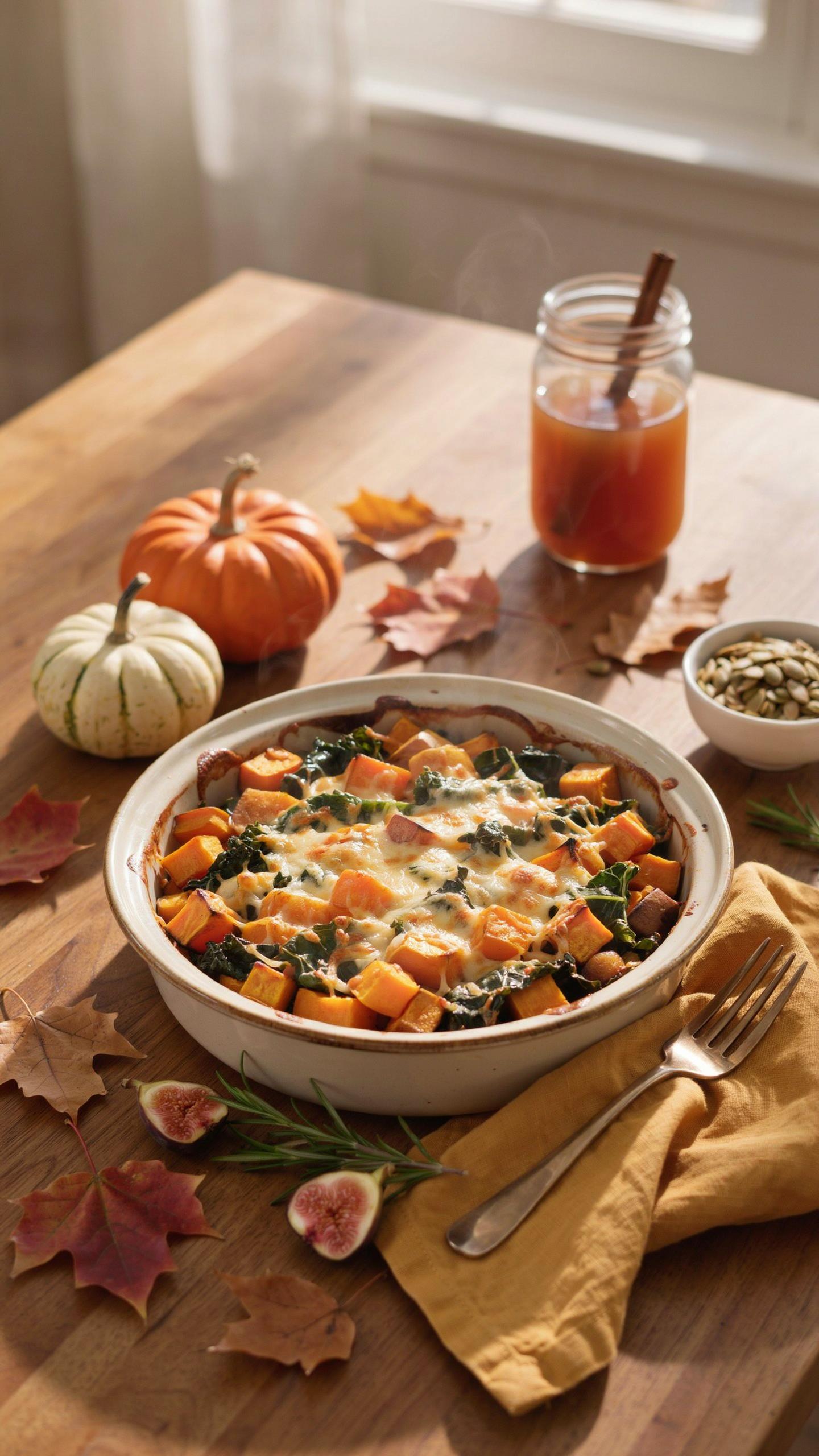
You want fall casseroles to feel intentional, not like you’re just recycling summer recipes. Here’s the mechanism: seasonal vegetables peak in nutrient density when they’re harvested at maturity, which means they cost less and deliver more micronutrients per bite. Fall produces squash, root vegetables, and cruciferous options that store well and maintain protein-binding capacity through the cooking process required for casseroles.
Root vegetables like sweet potatoes, carrots, and parsnips provide carbohydrate density without requiring additional starches. Cruciferous vegetables such as Brussels sprouts and broccoli maintain their structural integrity during long casserole cooking times while preserving their mineral content. These ingredients pair efficiently with ground turkey, lean beef, or cottage cheese layers because their fiber slows digestion and stabilizes the protein absorption rate over hours.
Warming Spices Drive Metabolic Retention
Thermodynamics applies here: warming spices increase core body temperature, which forces your metabolism to work during digestion. Cinnamon, cumin, turmeric, and black pepper aren’t flavor garnishes for fall casseroles. They’re metabolic tools that enhance nutrient absorption and extend satiety signaling between meals.
Cinnamon stabilizes blood glucose response when layered into casseroles with protein and vegetables. Turmeric contains curcumin, which reduces inflammation markers that spike after high-heat cooking. Black pepper increases curcumin bioavailability by up to 2000 percent, making it a protocol addition rather than optional seasoning. Add these spices during the assembly phase, not after cooking, so they infuse through the entire casserole instead of sitting on top where heat destroys their active compounds.
The Unseen Advantage Why Protein Casseroles Outperform Other Meal Prep
Time Efficiency Without Nutritional Sacrifice
You want to believe you can save time and keep your protein intake high. The mechanism people miss is thermal mass. In thermodynamics, thermal mass refers to a material’s capacity to absorb and retain heat. A protein casserole operates on this same principle: the dense protein-to-carb-to-fat ratio absorbs cooking energy once, then releases it slowly across multiple reheats without nutrient degradation that occurs in lighter meal prep formats like chicken bowls or ground turkey containers.
Most meal prep advice treats time and nutrition as opposing forces. They’re not. A casserole requires one oven cycle. You assemble, bake, portion, and done. Separate cooking methods for protein, vegetables, and starches multiply your active cooking time by three. The casserole collapses that into a single task, then holds its macronutrient profile through five reheats without the protein drying out or the structure degrading the way separate components do in containers.
The Real Math Behind Bulk Buying
Cost-effectiveness isn’t about buying in volume. It’s about ingredient overlap. A single high-protein casserole uses eggs, Greek yogurt, cottage cheese, ground beef, or chicken breast as the protein anchor, then pulls from the same pantry for seasonings, vegetables, and binders across five to seven days of meals. This eliminates the waste pattern most people create by buying specialty ingredients for specific recipes that sit unused.
The casserole format forces you to commit to bulk purchases of core items that you’ll actually deplete. You buy one large container of cottage cheese and use it across multiple casseroles. You buy ground beef in five-pound quantities because you’re making three batches at once. The per-serving cost drops measurably when you’re not throwing away half-used containers of niche ingredients. Stack this efficiency across twelve weeks of meal prep, and the dollar savings compounds into the hundreds.
Your biggest obstacle isnt the recipe its your adherence to what actually works

Most people sabotage themselves by jumping between casseroles instead of mastering one. Pick a high protein casserole today. Make it twice this week. Stop treating meal prep like a Pinterest board and start treating it like a system. Your body doesn’t care about variety. It cares about consistency. The casserole you actually make beats the perfect recipe you never will.