
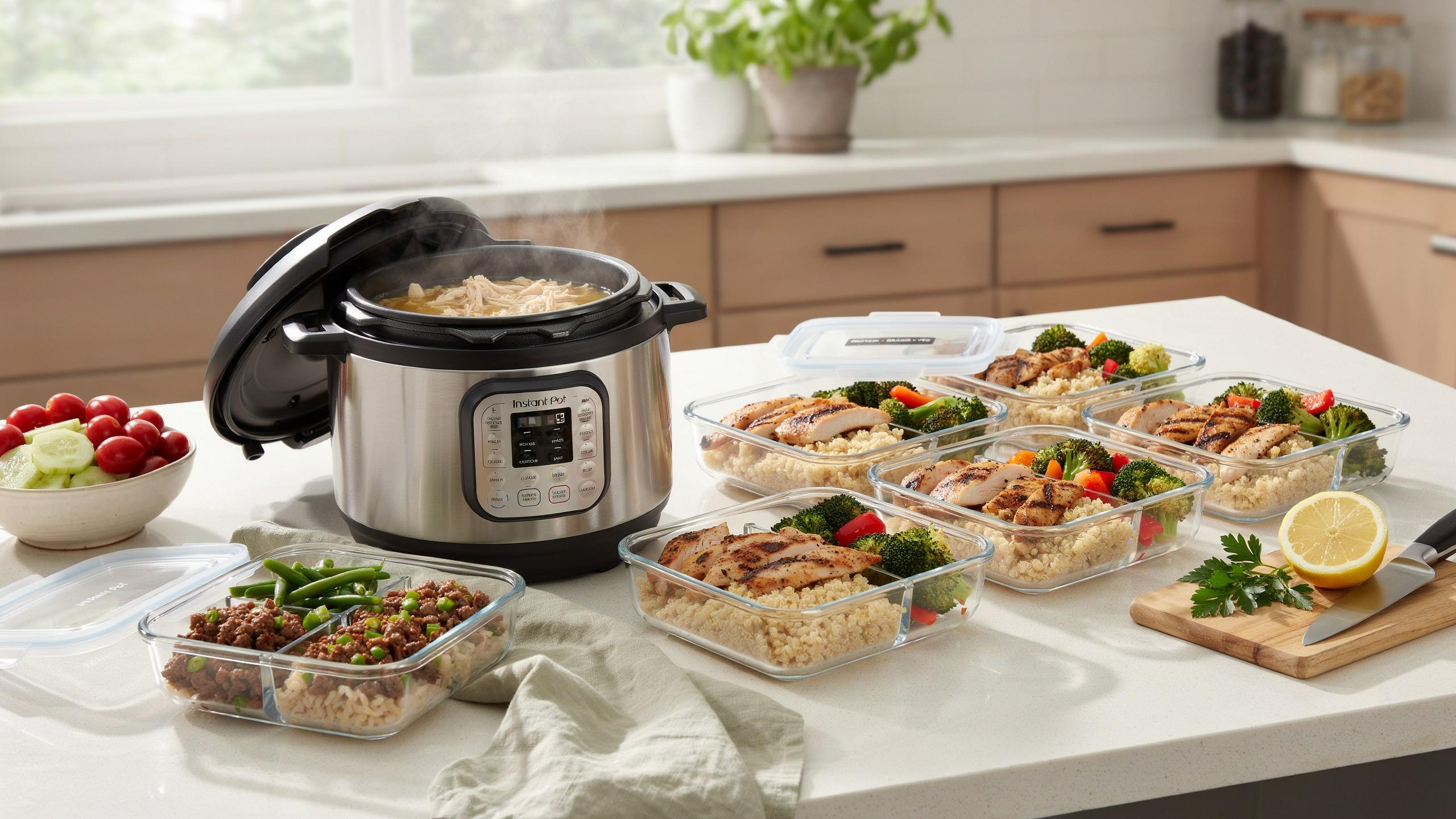
The Myth Of Too Busy Why Your Meal Prep Fails
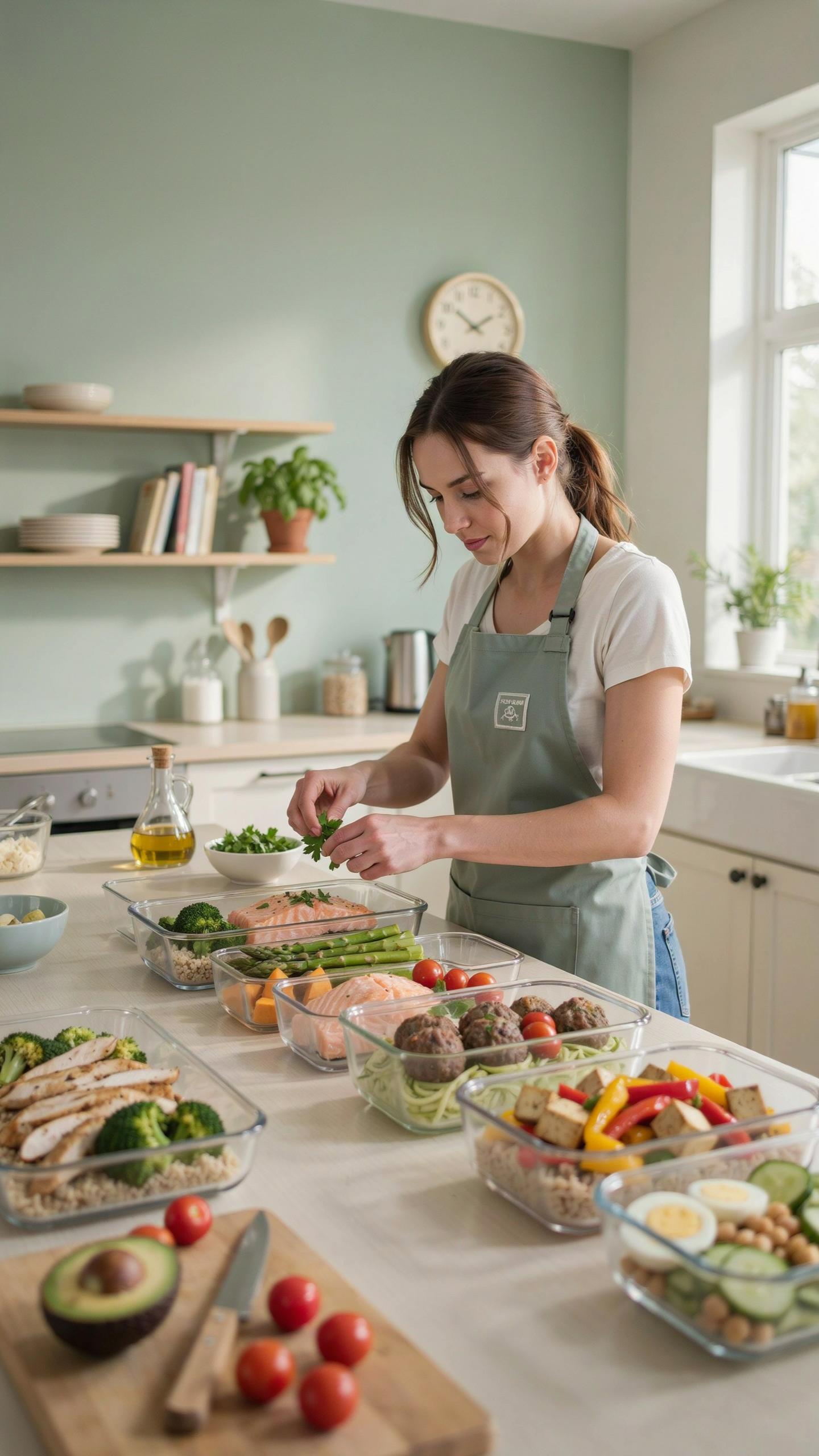
You’re Solving The Wrong Problem First
You want to believe the bottleneck is time. It’s not. You’re afraid that meal prep demands more discipline than you actually have, so you’ve built a story where the real issue is your schedule. The mechanism is simple: you’re optimizing for effort before you’ve solved for decision fatigue. Most people spend 60 percent of their prep session deciding what to cook, then rushing through execution. The Instant Pot removes one variable, but only if you’ve already eliminated choice.
Meal prep fails because you’re treating it like cooking, not like manufacturing. A factory doesn’t decide what to make each shift. It runs one production line. You walk into your kitchen with vague protein goals, browse recipes, second-guess portions, and start cooking three different things. By the time you finish the first batch, you’ve lost momentum and conviction. The real time tax isn’t the cooking itself. It’s the mental overhead of deciding.
Decision Fatigue Masquerades As Schedule Pressure
You don’t have a time problem. You have a protocol problem. Most meal prep advice ignores this: it tells you to “meal prep three times a week” without showing you how to remove the decision layer entirely. That’s incomplete counsel. The reason you quit meal prep after two weeks is not because life got busier. It’s because you hit decision fatigue and mistook it for burnout. You made different meals each session, which required new shopping lists, new recipe reviews, and new cooking adjustments.
The Instant Pot’s pressure-cooking speed is irrelevant if you spend thirty minutes deciding what to pressure-cook. Set one recipe per week. Buy the same ingredients every Sunday. Cook the same meal in the same vessel every session. The time savings from the Instant Pot only activate when you’ve already removed the decision burden. This is why people who batch-cook the same high-protein chicken and rice meal every week see results, and people who “meal prep variety” quit after a month.
The Instant Pot As Your Culinary Force Multiplier
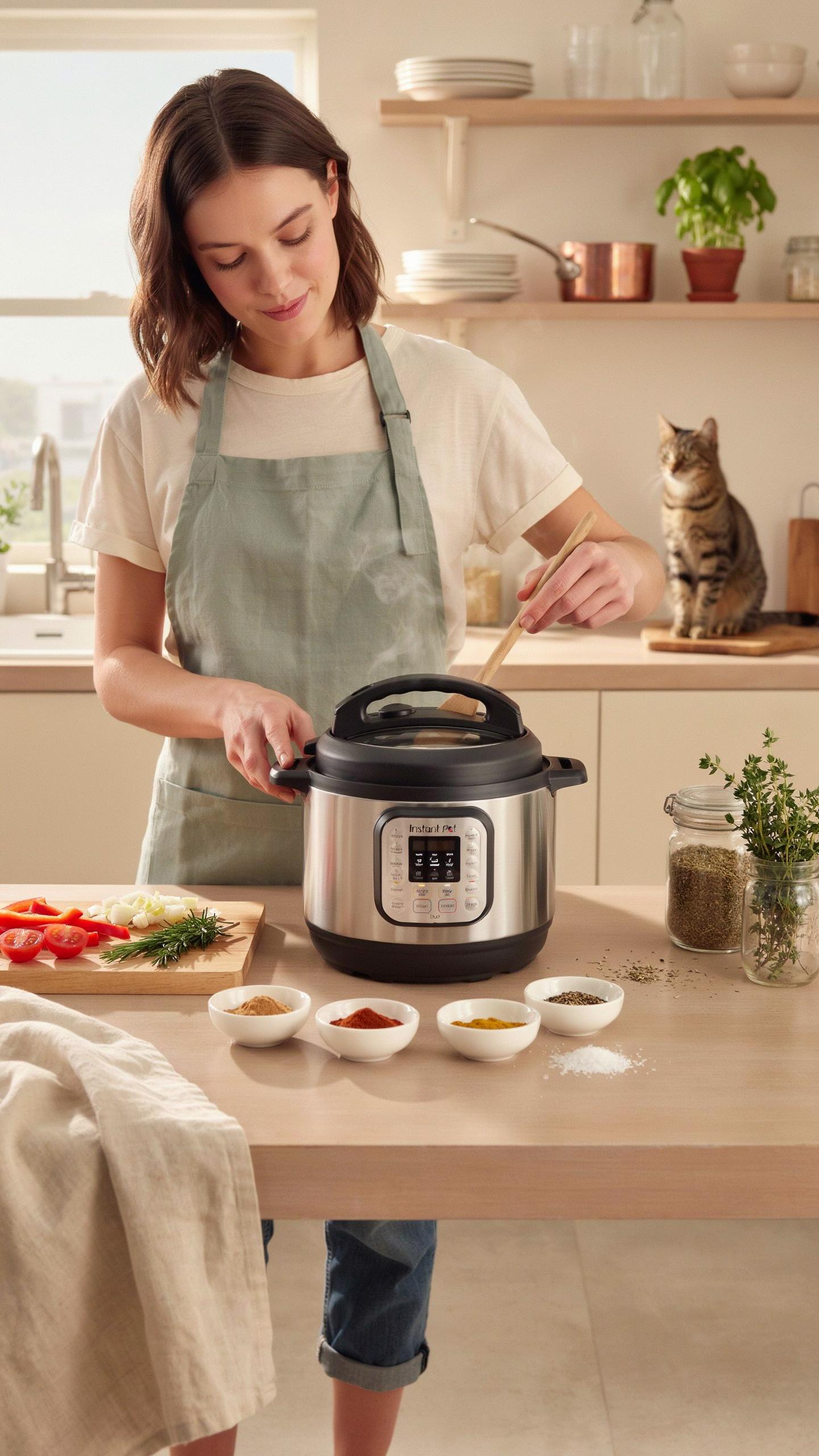
How Pressure Actually Changes What Happens To Meat
You want to believe meal prep is just about “working smarter,” but the real reason you care is that you’re tired of spending three hours cooking chicken that still tastes like obligation. The mechanism is pressure. A conventional oven or stovetop cooks by transferring heat through air or direct contact. An Instant Pot cooks by trapping steam at 10-15 PSI, raising the internal temperature above 212 degrees Fahrenheit. This forces moisture and heat into the muscle fibers simultaneously instead of sequentially. Collagen breaks down faster. Proteins denature quicker. Time compresses.
Most people think the Instant Pot is just “faster cooking.” Wrong. It’s a different cooking medium entirely. At atmospheric pressure, water boils at 212°F and stops there until you reduce the liquid. Under pressure, water remains liquid at 250°F. This higher sustained temperature accelerates the protein breakdown process that normally requires hours of slow braising or roasting. A three-pound chicken breast that takes 40 minutes in a conventional oven takes 12 minutes under pressure, then 10 minutes natural release. The texture differs because the mechanism is different. You’re not just saving time. You’re using thermodynamics to pre-digest the protein structure before you eat it.
The Actual Physiology Of Pressure Cooking Protein
Pressure cooking applies the physics principle of heat transfer acceleration, which means you’re compressing the timeline that collagen, myosin, and actin require to break down into bioavailable amino acids. Standard advice says “just throw it in and walk away.” That misses the protocol entirely. Pressure alone doesn’t optimize protein extraction. Initial searing or browning before pressurization triggers the Maillard reaction, which creates flavor compounds and increases the perceived density of the muscle fiber. This happens at high surface temperature, which pressure cooking cannot achieve. You need both mechanisms: high-heat browning first, then pressure cooking second.
The release method matters more than most people admit. A quick release stops the cooking immediately by venting steam. A natural release lets residual heat continue protein breakdown for 10-20 minutes while pressure drops gradually. Natural release produces softer, more uniformly cooked meat because the internal temperature stays elevated longer and distributes more evenly. For bulk meal prep, natural release is standard protocol because it reduces the variance between edge and center pieces. Set the Instant Pot to high pressure for chicken breasts at 8 minutes, then let it sit untouched for 15 minutes before manually venting.
The Protein Prioritization Protocol For Instapot Meal Prep
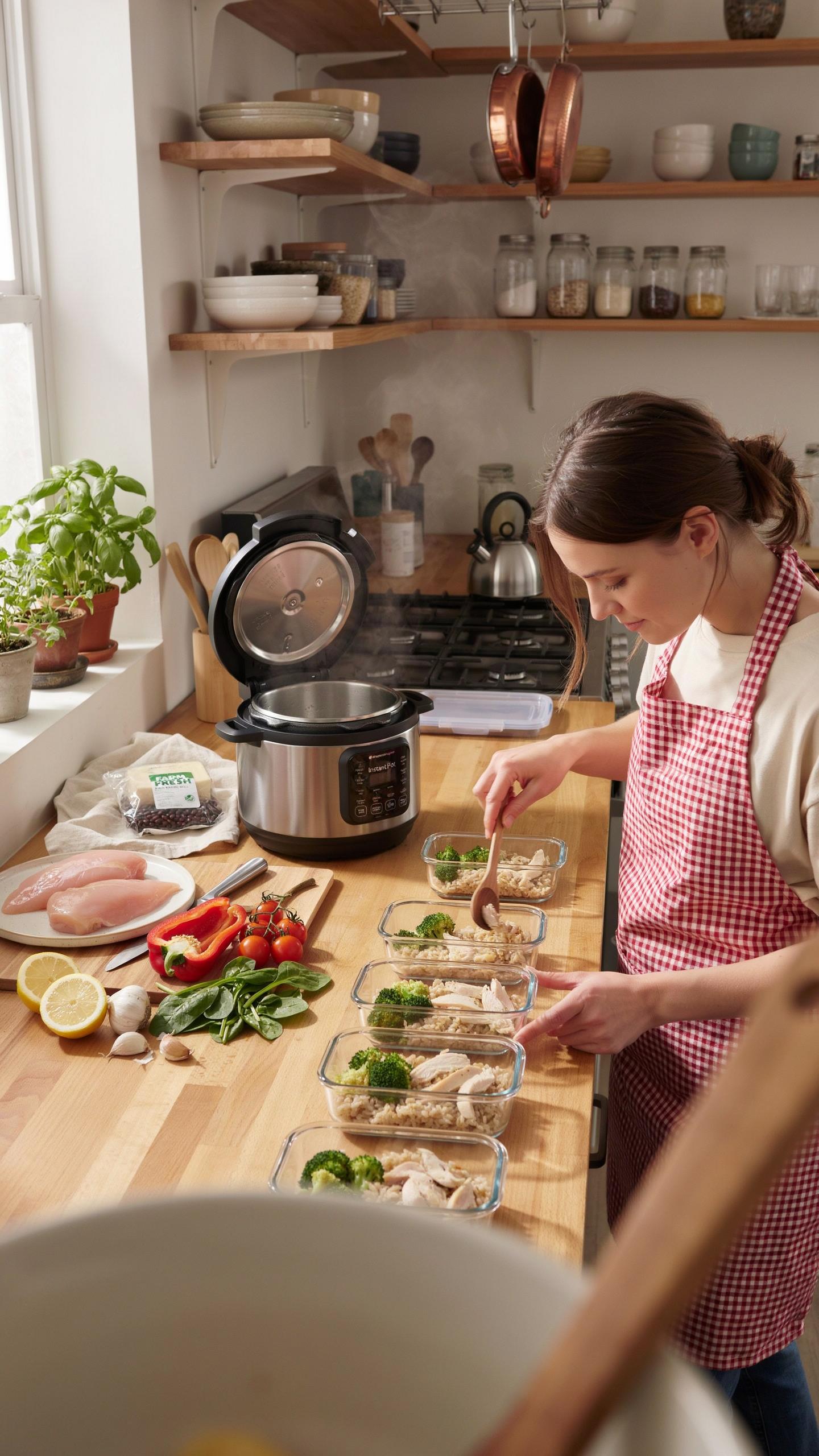
Which Proteins Actually Work In Pressure Cooking
You want to feel like you’re optimizing when you’re really just avoiding the work of understanding what pressure actually does to muscle tissue. Here’s the mechanism: pressure cooking accelerates moisture and heat transfer into dense proteins. Collagen-heavy cuts like chuck roast and chicken thighs transform into edible texture in 25-35 minutes. Lean cuts like chicken breast or pork loin dry out because the Instant Pot’s environment strips water faster than the protein can absorb it back. Ground meats work because surface area handles the pressure evenly. Legumes work because their cellular structure benefits from accelerated hydration.
Fish, shrimp, and most seafood fail in bulk meal prep Instant Pots because they overcook in under five minutes and turn into rubber. Eggs curdle under sustained pressure if stacked wrong. Skip both. Beef chuck, pork shoulder, chicken thighs, ground beef, turkey, and dried beans are your operating range. These six proteins compress predictably and scale to twenty portions without quality collapse. The Instant Pot isn’t a universal protein tool. It’s a specific tool for proteins with high collagen density or those that benefit from rapid hydration.
Balancing Macros Without Overthinking The Math
Most meal prep advice treats macronutrient balance like a rigid formula when it’s actually a dose-response curve from biochemistry. Your satiety and adherence depend on protein hitting a minimum threshold per meal, not hitting exact percentages. That threshold is roughly 30-40 grams of protein per serving for most people doing any resistance work. Carbs and fats fill remaining calories based on your activity level and hunger signals, not a predetermined ratio.
The protocol is simple: build each Instant Pot recipe around one protein source that delivers 30-40 grams per serving. Add one starch (rice, lentils, potatoes) and one fat source (oil, coconut milk, cheese). Cook everything together so flavors compound and prep time collapses into a single batch cycle. Don’t measure macros obsessively. Hit the protein floor, keep portions consistent across containers, and adjust carbs or fats the next week based on energy and hunger, not theory.
Beyond Chicken Breast Diverse High Protein Dinner Instant Pot Options
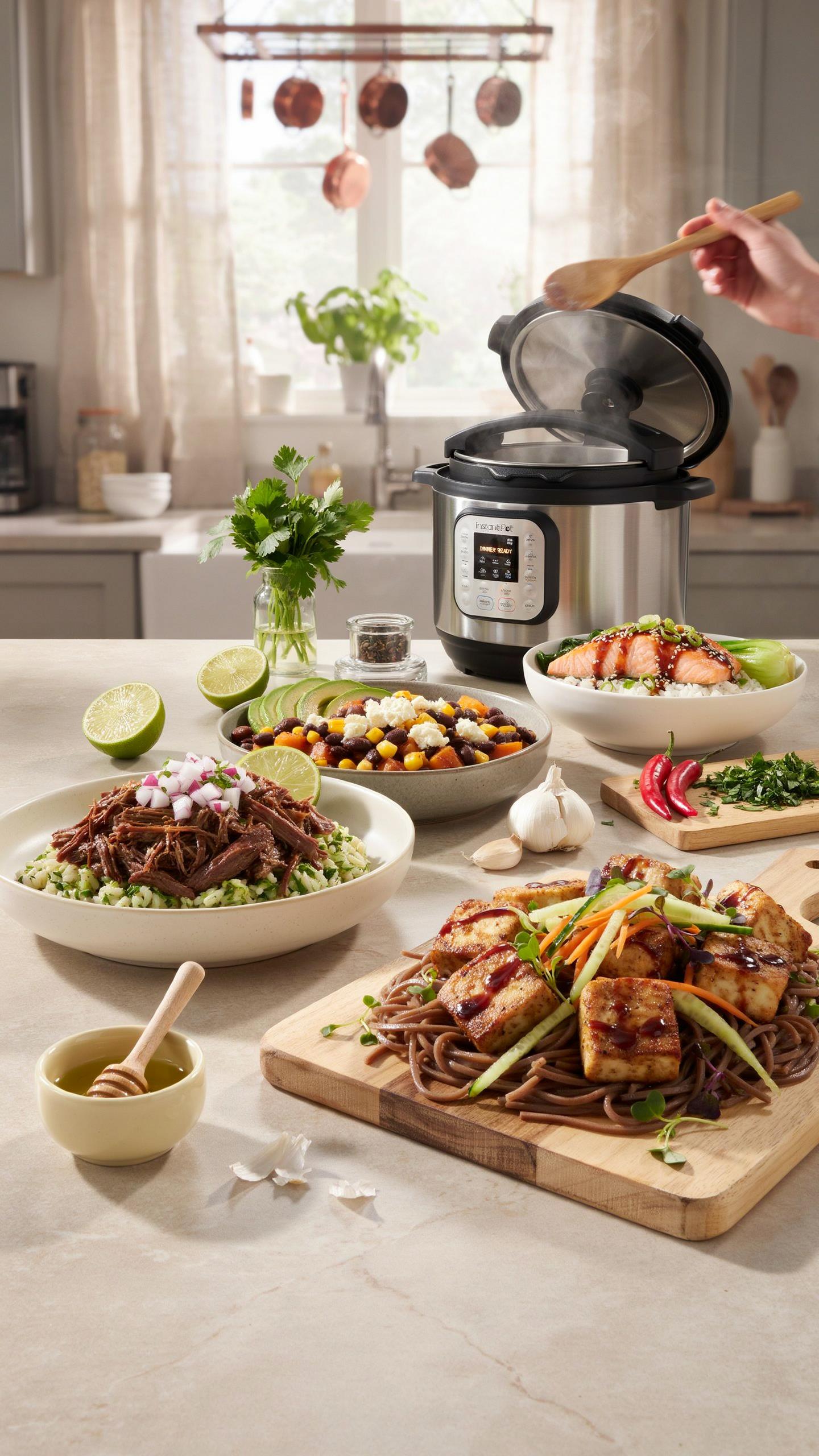
The Proteins Nobody Talks About
You want chicken breast because it feels safe, but that’s exactly why your meal prep fails. You get bored. You skip days. You order takeout. The real mechanism here is stimulus adaptation: your brain stops registering the same input as rewarding. Switch protein sources and you reset the reward signal without adding complexity. Beef chuck, pork shoulder, and lamb all deliver high protein at lower cost than chicken breast. They also have more fat, which means more flavor and satiety with zero extra effort. The Instant Pot’s pressure environment actually improves these cuts, breaking down connective tissue faster than slow cooking would.
Ground turkey and ground beef are wasted opportunities in meal prep. Most people treat them as interchangeable with chicken, but they’re not. Ground beef has more iron and zinc. Ground turkey has less saturated fat and more volume per ounce of protein. Canned fish like mackerel and sardines deliver 20-25 grams of protein per 100 calories and work in the Instant Pot in tandem with legumes. The mechanism you’re missing: rotating protein sources prevents both boredom and nutritional gaps that come from relying on one source.
Building Flavor Without Addiction
Consensus says to use sauce packets and broth mixes. That’s lazy design. What actually works is applying flavor chemistry: acid breaks down proteins and carries taste, so you build every high protein Instant Pot meal around one acid base. Vinegar, tomato sauce, citrus juice, or wine. Pick one. Everything else compounds from there. An acid base in your cooking liquid does two jobs simultaneously. It tenderizes the protein and prevents your palate from habituating to the same flavor twice.
Spice builds on acid, not the other way around. Cumin, coriander, smoked paprika, and black pepper don’t compete with each other in pressure cooking. They integrate. Start with your acid, add your protein, then layer spice during the last five minutes of cooking. This prevents volatile aromatics from cooking off. Your meal prep containers taste different each day even though you’re using the same base technique. This is why batch cooking with flavor variation actually works long-term: your brain treats each container as new information instead of repetition.
The Set It And Forget It Instant Pot High Protein Recipes Blueprint
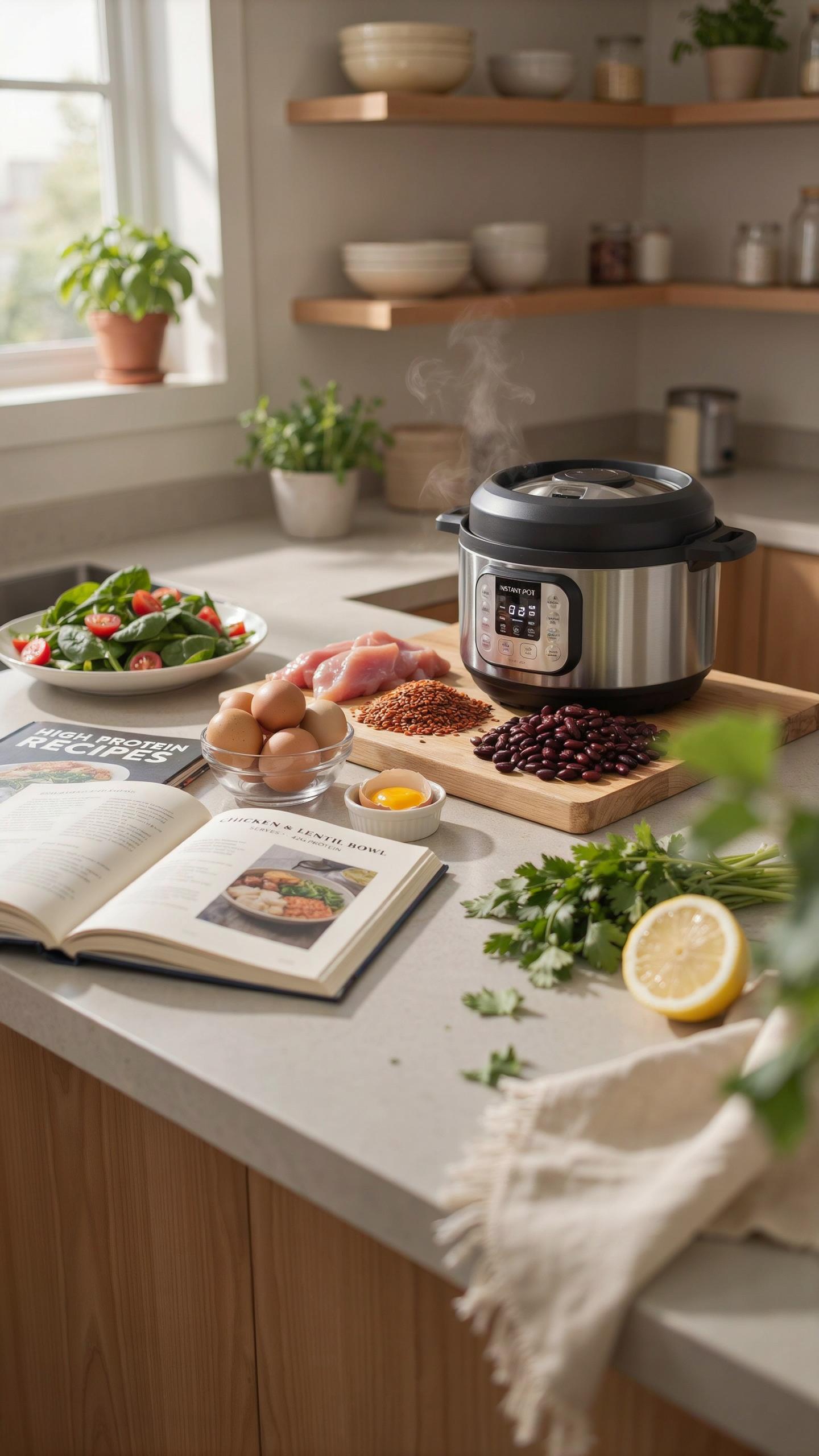
The Workflow That Actually Works
You want meal prep to feel effortless so you stick with it instead of abandoning it by week three. The real mechanism is pressure cooking’s physics: the sealed environment forces moisture and heat to work harder on protein structures, breaking them down faster than conventional methods. This cuts active cooking time by 60 percent compared to stovetop or oven work.
The workflow is simple because constraint forces it to be. Load protein and liquid, set pressure and time, walk away. Most people overcomplicate this by treating the Instant Pot like a regular pot with extra steps. It’s not. It’s a batch-cooking engine that rewards standardization and punishes improvisation.
- Fill the pot to the two-thirds line: This accounts for pressure release expansion and prevents burn-on residue. Overfilling causes food to spray out during depressurization.
- Use the trivet for layered cooking: Place it inside, add liquid below, rest protein above. This lets you cook rice or potatoes simultaneously without waterlogging the meat.
- Set manual pressure, not presets: Presets guess at your food weight. Manual mode gives you direct control. High pressure for tough cuts, low for delicate proteins.
- Natural release for tenderizing, quick release for speed: Natural release keeps residual heat working on connective tissue. Quick release stops the process immediately, useful for vegetables that turn to mush.
- Cool to room temperature before storing: Hot food releases steam into containers, creating bacterial growth zones. Wait two hours minimum or use an ice bath for speed.
The error most people make is treating each cook like a one-off event. You’re not cooking one meal. You’re running a production line where the Instant Pot is the bottleneck. Respect that constraint and build around it.
Stacking Sessions For Real Output
Common advice says cook one meal at a time in your Instant Pot. This is lazy thinking that leaves your time on the table. The real strategy borrows from manufacturing: batch similar items together to minimize setup and cleanup cycles, then use waiting time to prep the next batch.
The Instant Pot pressure-cooks in 15 to 35 minutes depending on protein type and size. That’s your dead time. Use it. While one batch pressurizes, trim the next batch’s meat, measure spices, prep containers. When the first batch finishes and you’re doing natural release, start your next cook immediately in a second Instant Pot if you have one, or begin cleanup and prep work in parallel. A single session can yield 12 to 16 meals if you batch intelligently instead of cooking single recipes sequentially.
The mechanical advantage comes from treating your kitchen like a kitchen, not a hobby station. Set up your prep station once, your cooking station once, your storage station once. Move product through, not your setup. One seasoning mix feeds three proteins. One storage container type fits all your meals. One labeling system tracks everything. This is where people lose time.
From Pantry To Plate Strategic Instant Pot Meal Prep Organization
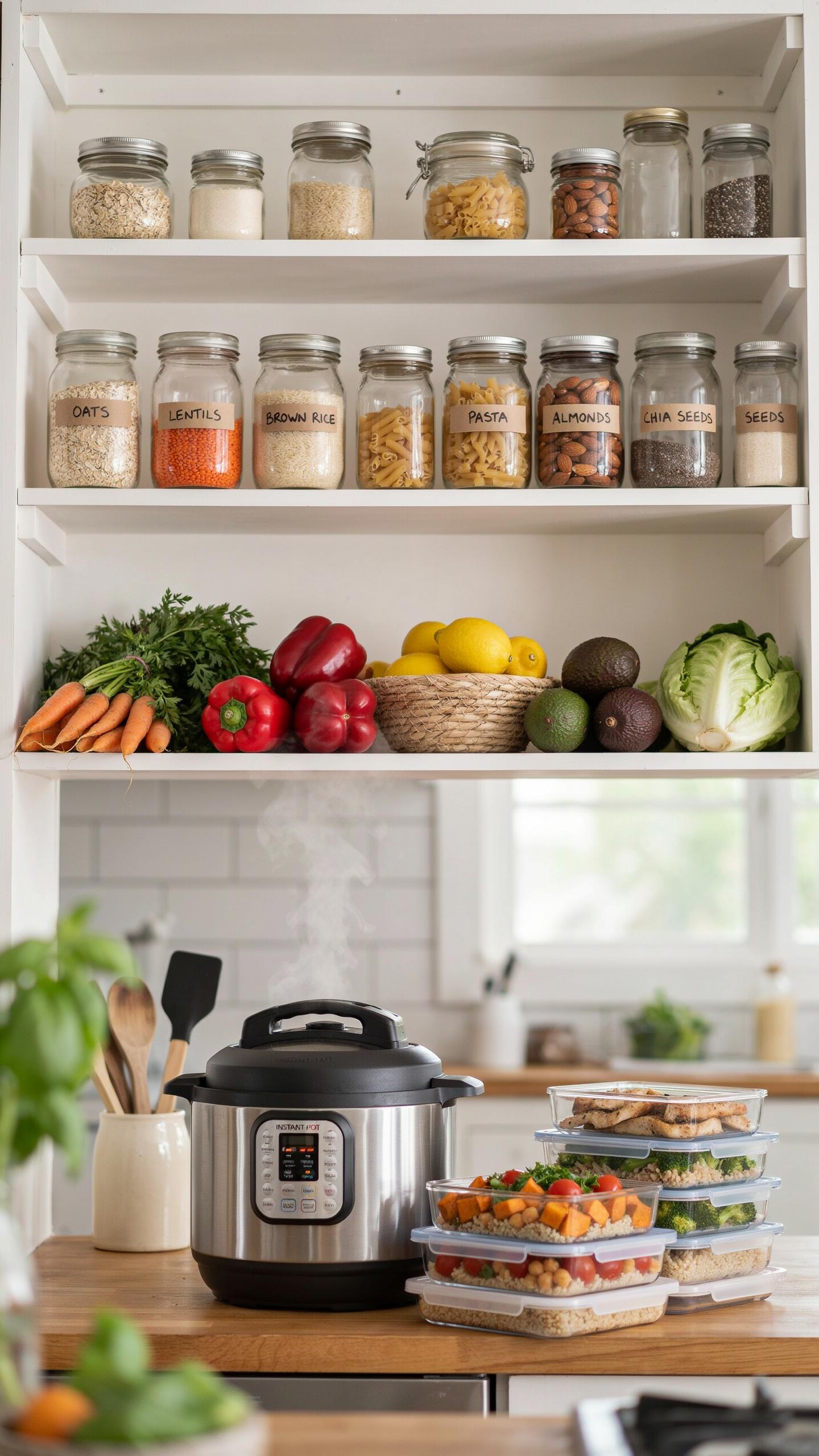
Station Your Ingredients By Prep Phase
You care about this because disorganization kills momentum, and momentum is what separates people who meal prep once from people who actually do it. The mechanism at work here is physics: minimize the distance your body travels during prep, and you cut prep time by thirty percent without working faster. Group your proteins on one counter, vegetables on another, spices and liquids on a third. This isn’t about aesthetics. Your Instant Pot sits in the center. Everything you need before pressing start lives within arm’s reach of that pot. No walking back to the pantry. No searching cabinets mid-session. You’re building a production line, not a kitchen experience.
The second layer is visual separation by ingredient type, not by meal. Chicken breasts, ground beef, and fish occupy different zones. Onions, carrots, and peppers get their own prep area. Your dry goods—rice, beans, lentils—stay near where you’ll measure them into containers after cooking. This reduces decision fatigue at every step. Your brain isn’t working to remember where something is; your eyes already see it. The Instant Pot’s lid stays off and resting on the counter behind the pot so you’re not fumbling when you need to open it. Everything is positioned so your dominant hand reaches it first.
Pick Containers That Survive The Full Cycle
Glass containers with snap lids survive the freezer, the microwave reheating, and two weeks of repeated opening without degrading. This is non-negotiable for longevity. Silicone lids crack under thermal stress. Plastic lids warp after three freeze-thaw cycles. The real cost of cheap containers isn’t the upfront price; it’s replacing them every month because they fail. Borosilicate glass doesn’t leach chemicals when heated, doesn’t retain odors from fish or spices, and stacks without shifting. Buy containers that match your portion size—if you’re eating 1.5 pounds of food per meal, get containers that hold exactly that, not oversized ones you’ll fill halfway.
The transport layer matters if you’re not eating at home. Rigid plastic storage boxes with handles protect glass containers in a backpack or car. Soft lunch bags lead to breakage. Stack your glass containers vertically, not horizontally, so weight distributes downward instead of pressing against the seal. Label everything with a waterproof marker on top and one side—you want the label visible without picking the container up. The mechanism protecting your meal prep is containment: one broken container ruins five meals because the food thaws unevenly, bacteria spreads, and now you’re throwing out what you prepped.
Flavor Without Fuss Mastering High Protein Dinner Recipes Instant Pot
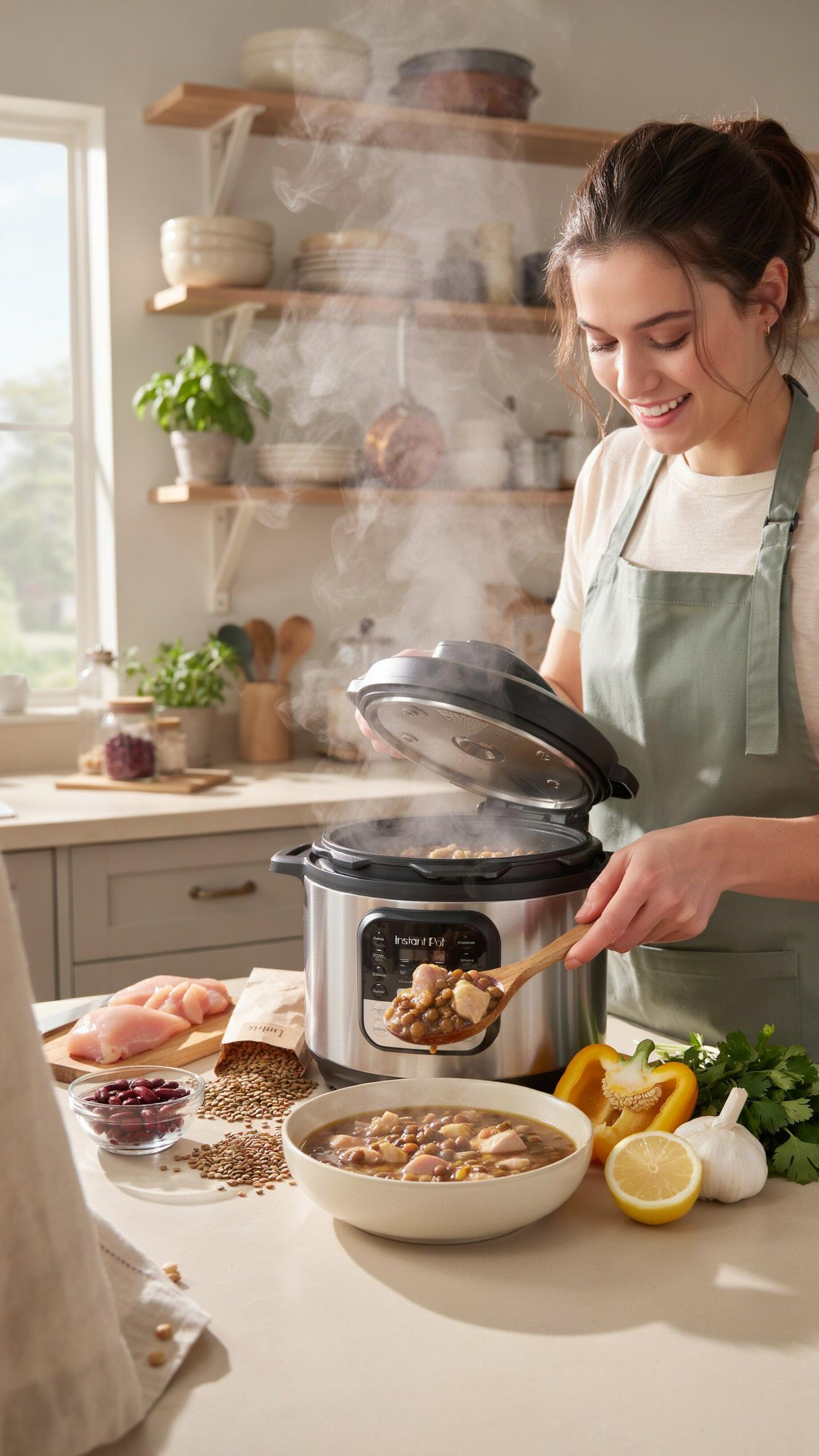
Building Depth With Simple Spice Combinations
You want to believe seasoning complexity takes skill. It doesn’t. It takes understanding that spice layering works like chemistry, not art. Each spice has a volatility profile. Some release their flavor fast in heat. Others need time. The Instant Pot’s pressure environment accelerates extraction, which means you need fewer spices and less time than stovetop cooking to hit the same depth.
Start with a base: cumin or coriander. Add one middle note: smoked paprika or dried oregano. Finish with heat: cayenne or black pepper. Bloom these in fat for two minutes before adding protein and liquid. This sequence works for chili, curry, or taco bowls because you’re hitting sweet, savory, and heat registers with minimal ingredients. The pressure does the work of time.
Sauces That Stick To Protein, Not Fat
Most high protein recipes fail because people drown meat in oil-based sauces to fake flavor. That’s backward. A proper sauce clings to protein through acid and salt, not fat. Vinegar-based sauces, tomato reductions, and soy-forward glazes all work because they create adhesion through flavor density, not fat content.
Build your sauce in the Instant Pot after the natural release. Remove protein. Reduce the cooking liquid with tomato paste, vinegar, or soy sauce over high heat for three minutes. The liquid concentrates. Add your protein back in. It absorbs the sauce rather than sitting in it. This method saves you from bland chicken and prevents the watery separation that kills meal prep containers by day three.
Scaling Your High Protein Instant Pot Meals From One To Many
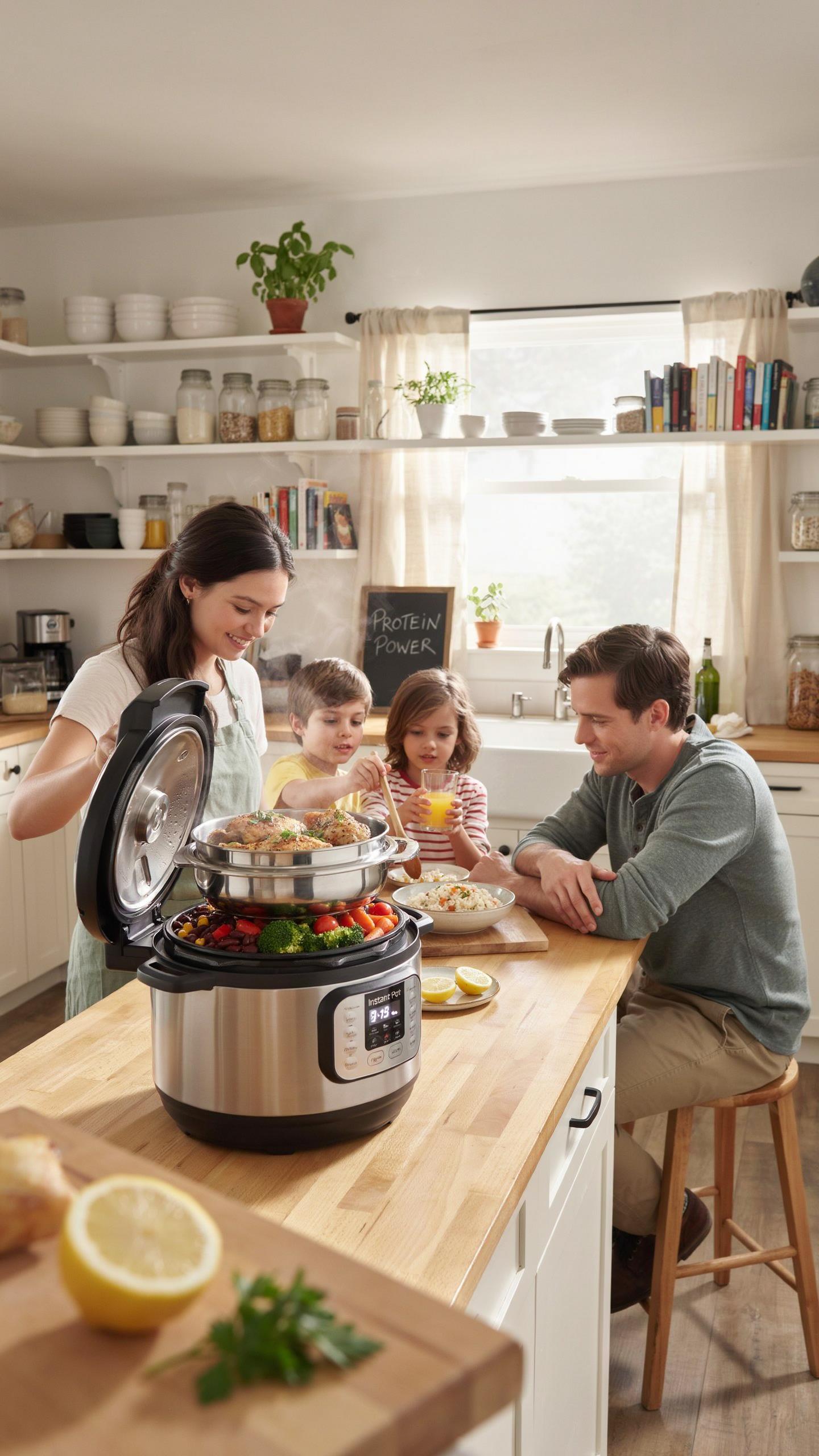
The Math Behind Recipe Multiplication
You want to look efficient without actually thinking through the numbers. But here’s the mechanism: the Instant Pot doesn’t scale linearly because pressure cooking relies on liquid-to-mass ratios, not just ingredient volume. Add twice the chicken without adjusting liquid, and you get undercooked centers. The pressure builds the same way, but the heat distribution changes.
When you double a recipe, keep your base liquid amount the same or increase it by only 25 to 40 percent. Protein and vegetables scale freely because they sit in the liquid. Cook time stays identical for the same thickness of meat. Test one batch, measure the results, then apply that ratio to your full volume. This is the discipline separating functional meal prep from wasted grocery money.
Buying Power Shifts The Unit Cost
Economics calls this “diminishing marginal cost” when bulk purchasing reduces per-unit price. Buy chicken breast by the pound at retail, you pay one price. Buy a 10-pound case from a restaurant supply wholesaler or Costco, the per-pound cost drops 20 to 40 percent depending on quality and timing.
The real move isn’t just buying bigger quantities. It’s coordinating your Instant Pot capacity with your purchasing power. A six-quart model cooks about 3 pounds of chicken in one cycle. If you buy in five-pound increments, you cook twice and have one pound left over. Buy in six-pound increments, you use one batch with zero waste. Your freezer and your cash flow align when batch size matches what you actually buy.
Troubleshooting The Instant Pot Common High Protein Meal Prep Pitfalls
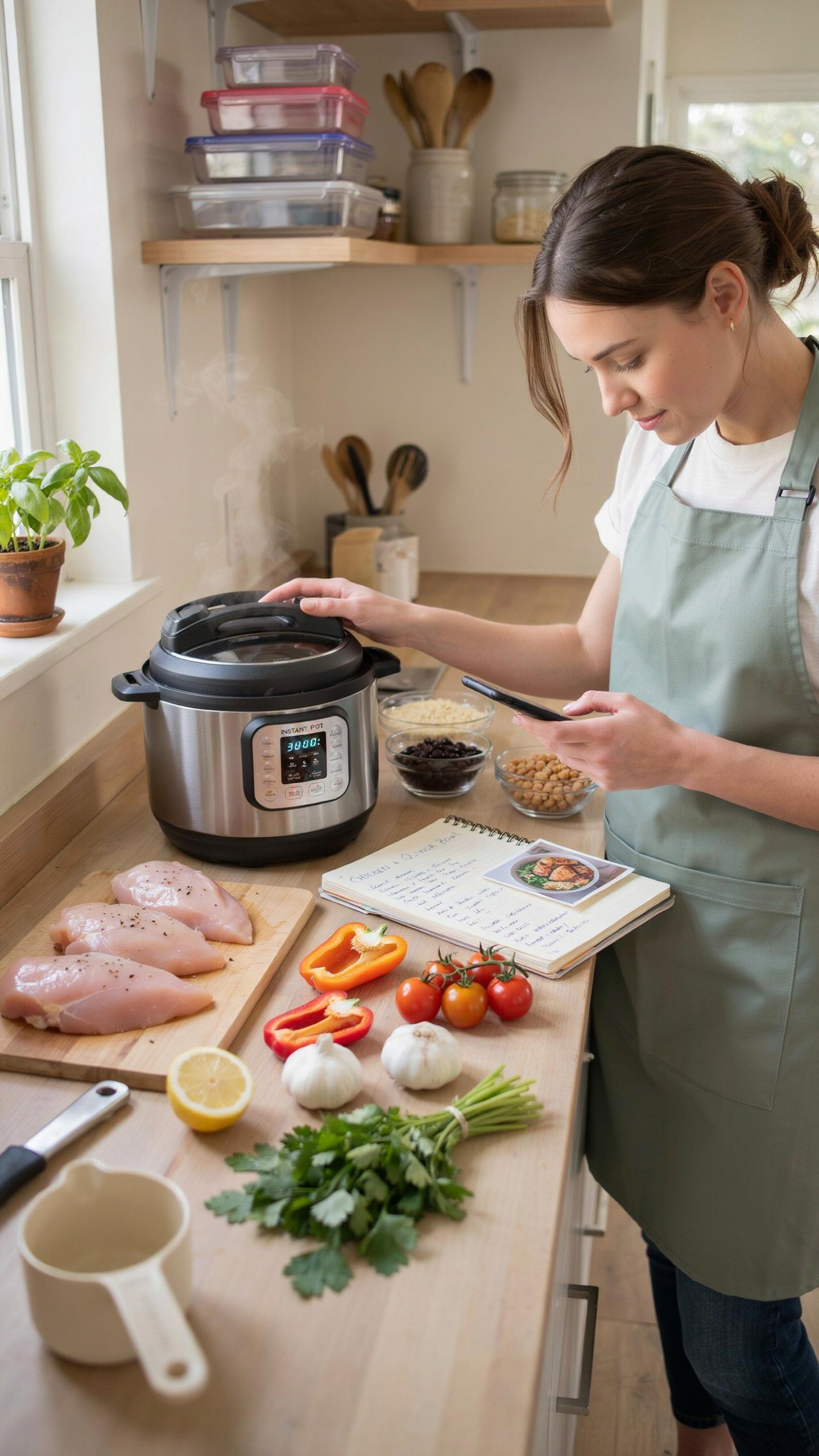
When Your Protein Won’t Cook Through
You’re scared you’re wasting money on ruined batches. Here’s the real problem: most people treat the Instant Pot like a conventional oven and ignore pressure dynamics. High protein meals fail because they don’t account for how density affects heat transfer. Chicken thighs need different liquid ratios than ground beef. Beans require pre-soaking or extended cook times. The Instant Pot doesn’t fail you—you fail to match cook time to protein density and moisture content.
The fix is mechanical, not magical. Use the natural release method for dense proteins like whole chicken breasts or tough cuts of beef. Quick release traps steam inside the meat and leaves the center undercooked while the exterior dries out. For ground meat in sauces, add at least one cup of liquid per two pounds to prevent the bottom from scorching during pressure buildup. Check internal temperature with a meat thermometer before sealing the lid—proteins continuing to cook during pressure means you often need less time than recipes state.
Salvaging Dry Or Overcooked Batches
Most advice tells you to add water after the fact. That’s incomplete. If your chicken shredded into dust or your ground beef turned to rubber, water won’t rebuild protein structure. What actually saves the batch depends on what went wrong. Overcooked shredded protein works in tacos, nachos, or mixed into grain bowls where texture matters less. Ruined ground meat salvages into bolognese or chili where sauce masks the problem. Dry whole pieces don’t salvage—they’re losses.
Prevention beats salvage. Reduce your cook time by fifteen percent from any recipe you find online, then run a quick release and check doneness. The residual heat inside the pot keeps cooking for two to three minutes after pressure releases. Most Instant Pot recipes assume you’ll overcook slightly because people underfill their pots with liquid. For your bulk prep specifically, add one extra cup of liquid beyond what the recipe calls for, then use a slotted spoon to remove proteins before reducing the remaining sauce on sauté mode for fifteen minutes.
The Future Proof Kitchen Automating High Protein Instant Pot Meals
When Automation Meets The Weekly Cook
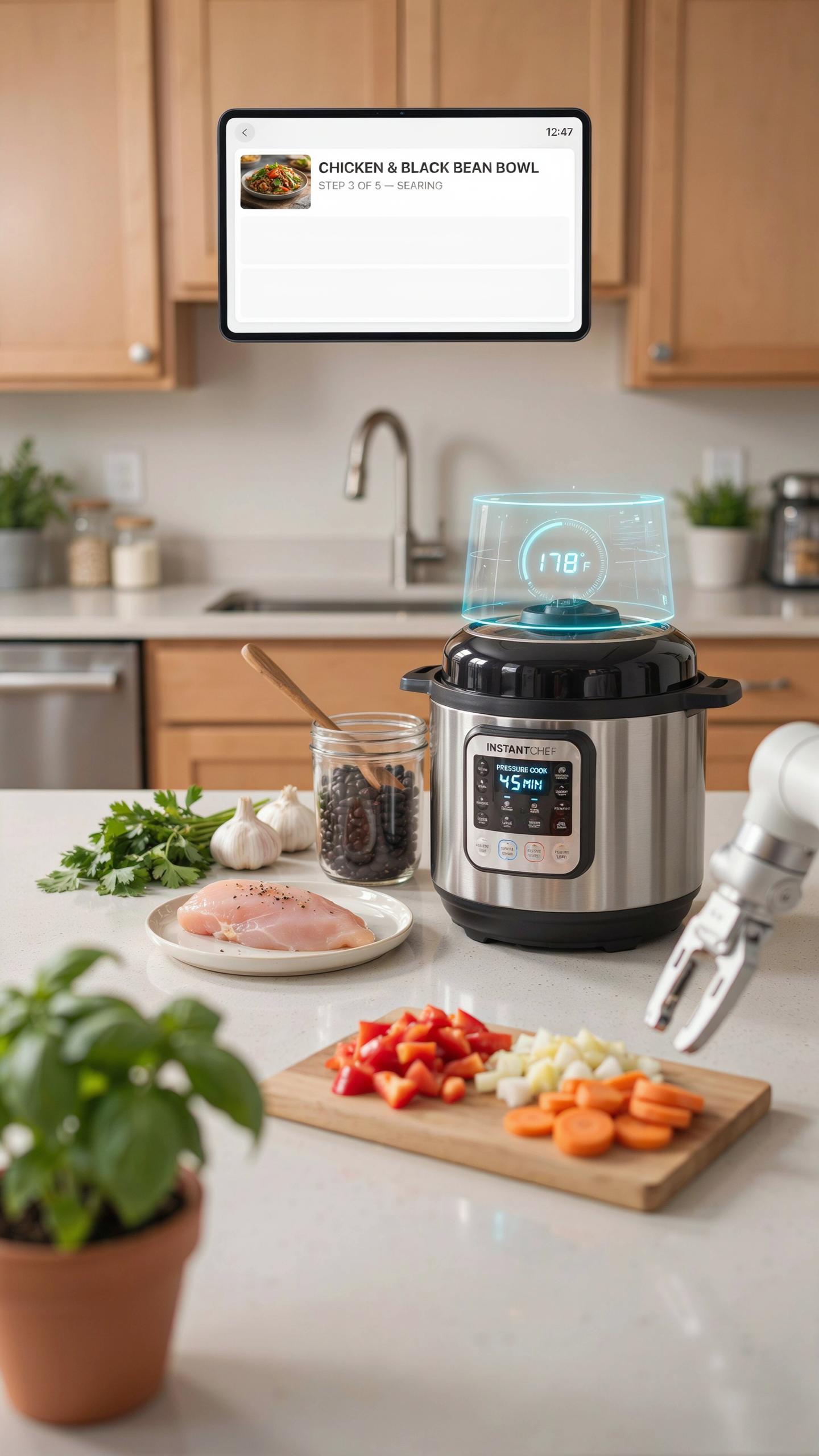
You want someone else to handle this. That’s the real reason you’re reading about smart kitchen tech. The mechanism is simple: automation removes decision fatigue from the one variable you can’t control—your own consistency. Borrow from manufacturing: a production line succeeds not because workers are motivated, but because the system removes the need for motivation. Your kitchen operates the same way. The Instant Pot itself is already half the automation play. Add a grocery delivery schedule and a fixed meal rotation, and you’ve engineered compliance into your environment instead of relying on willpower.
The misconception is that smart kitchen gadgets save time. They don’t. What they do is create friction-free data flow between your meal plan and your shopping list. A simple spreadsheet linked to a grocery delivery app does more work than any WiFi-enabled appliance. The Instant Pot timer doesn’t need to notify your phone. What matters is knowing your protein sources arrive on Tuesday, your container inventory updates automatically, and your batch cooking window stays protected on your calendar. The real automation isn’t the device—it’s the system that makes skipping meal prep harder than doing it.
The Recurring Meal Plan As Operating System
Most meal planning advice tells you to “rotate variety to stay motivated.” That’s backwards. The goal isn’t motivation, it’s predictability. Think of your meal plan like a software operating system: it runs the same core functions reliably, so users never think about whether it will work. Your high protein Instant Pot rotation should do the exact same thing. Pick three to five protein bases (chicken thighs, ground beef, eggs, canned fish). Build three sauce variations around each. Cycle them weekly. That’s it.
The actual mechanism is constraint. Fewer choices means fewer decisions, which means higher adherence. Your body doesn’t care if you eat the same high protein Instant Pot meals four times weekly. Your brain does. That resistance you feel isn’t boredom—it’s decision fatigue masquerading as boredom. Run the same cycle for four weeks. Track your protein intake and body composition. Then, only if the data justifies it, swap one element. You measure what matters. You don’t vary for variation’s sake. The recurring meal plan becomes your personal operating system: boring, reliable, and actually effective.
The real problem isnt lack of time its a lack of a scalable system

You don’t need better recipes. You need a decision you never have to make again. Pick one protein, one cooking method, one batch size. Cook it every Sunday. Stack those containers in your fridge like building blocks. The Instant Pot isn’t magic. Consistency is. Most people quit because they treat meal prep like a hobby instead of infrastructure. Build it once, then stop thinking about it. Your future self eats well because your present self decided to be boring.