
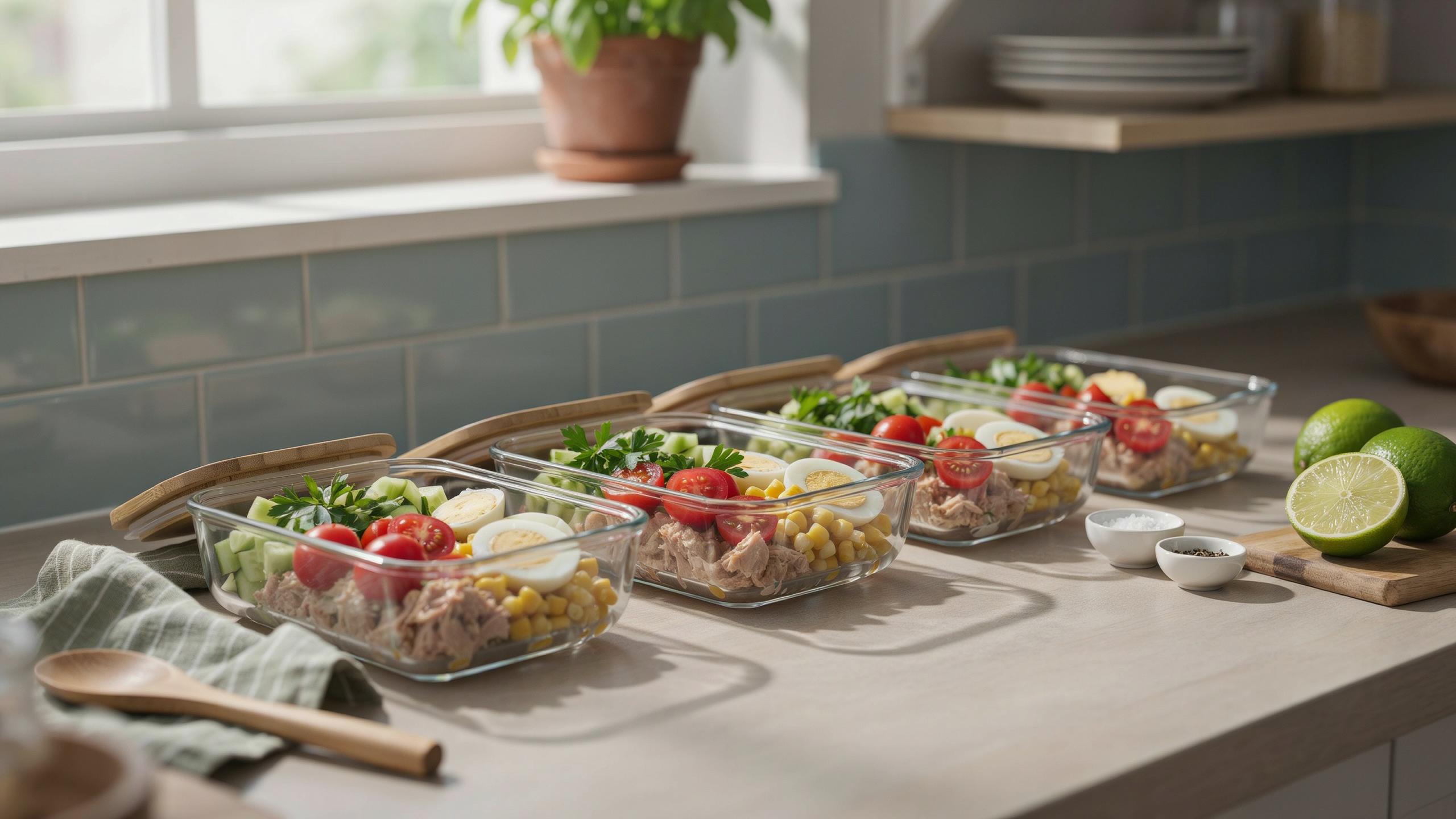
The Tuna Deception Beyond The Basic Sandwich
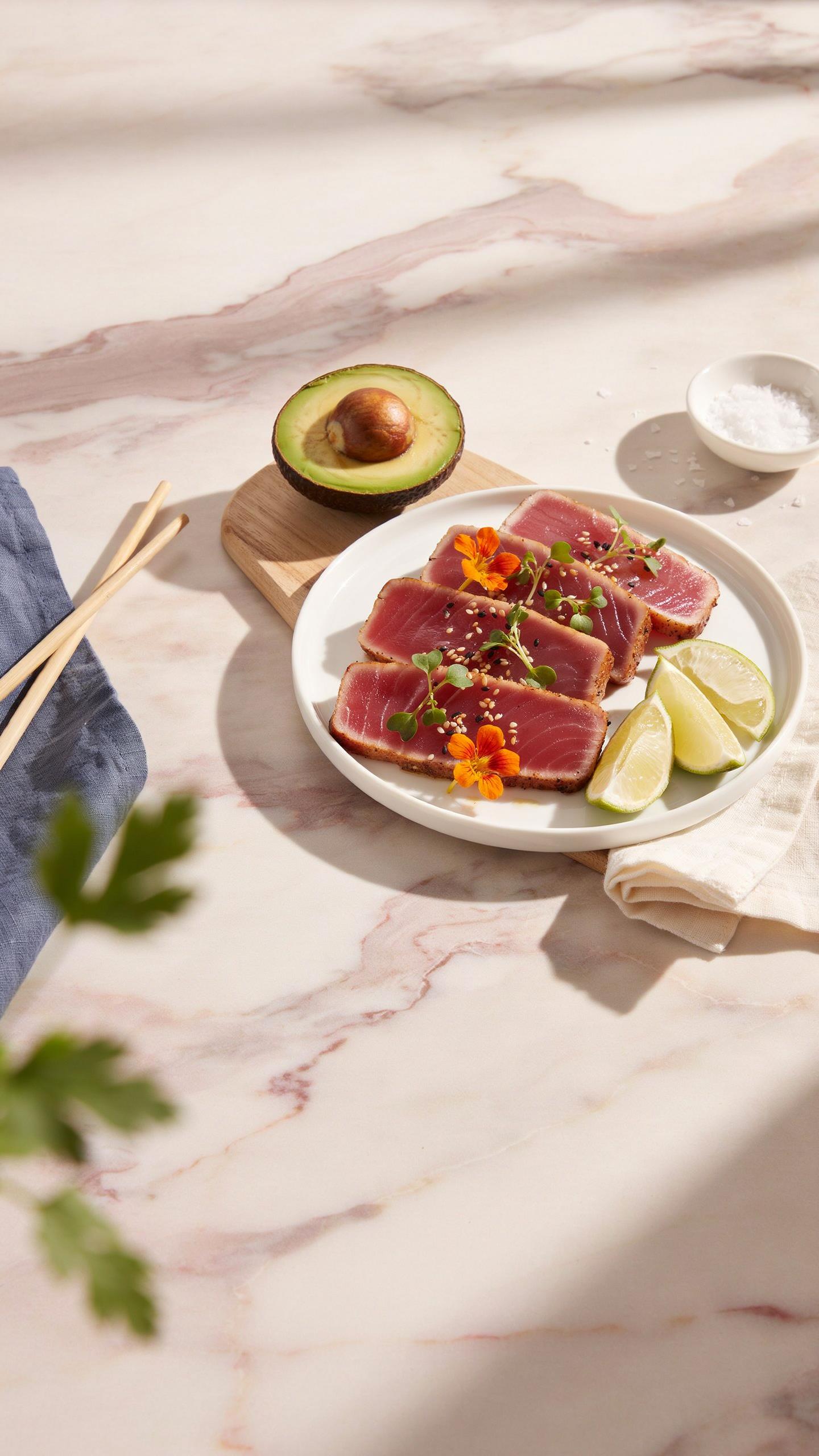
What You Think You Know Is Wrong
You’re hoping tuna is some miracle protein that requires zero thinking. It’s not. The mechanism here is simple: canned tuna exists in three distinct forms, and most people buy the wrong one based on marketing and habit rather than nutrition density. Solid white albacore, chunk light, and skipjack aren’t marketing labels. They’re different fish species with different protein yields, mercury profiles, and cost structures. Your choice here determines whether you’re getting five grams of protein per dollar or eight.
The canned tuna industry standardized around convenience, not optimization. Light tuna packs tighter because the muscle structure differs from white albacore, so manufacturers drain more liquid to hit weight targets. This matters: you’re paying for water weight you throw away. Mercury content varies by species too. Skipjack and chunk light sit lower on the food chain than albacore, which means lower bioaccumulation. The generic advice says “eat tuna, get protein.” That’s incomplete. You need to match the form to your actual meal prep goal: cost per gram, toxin load, or taste consistency across recipes.
The Actual High Protein Architecture
Tuna functions as a structural protein base, not a complete meal on its own. In construction terms, tuna is your foundation layer, not the finished building. The protein is there, but the surrounding variables determine whether you’re building strength or wasting money on empty calories. Most people treat tuna prep as a one-step process: open can, add mayo, done. That’s the deception.

The real protocol stacks tuna with three complementary layers. First, you choose your fat source strategically. Canned tuna in water forces you to add fats separately, which means you control quality and quantity. Tuna in oil comes pre-saturated, removing decision points but locking you into whatever fat profile the manufacturer chose. Second, you pair tuna with carbohydrates that match your energy output that day. White rice absorbs differently than oats. Beans add fiber and additional protein without diluting the tuna’s per-serving density. Third, you integrate vegetables for volume without caloric waste. This layering approach turns tuna from a protein source into a meal architecture that scales across budget constraints.
The Tuna Tactics Protocol Strategic Shopping Storage
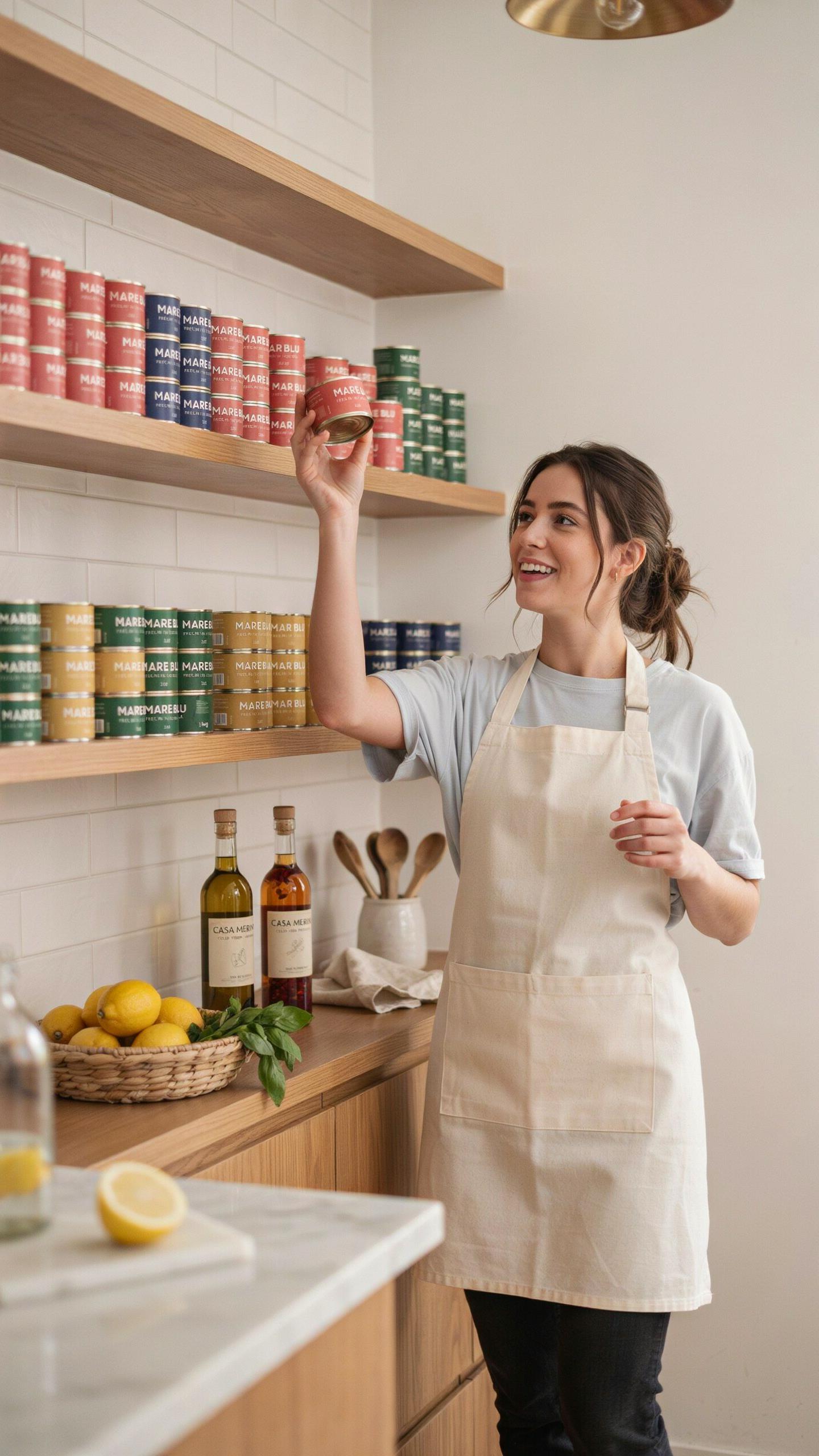
Where To Buy And What Grade Matters
You want to feel like you’re getting a deal, but you’re actually just buying worse protein. Most people chase the lowest price per can without understanding that canned tuna operates on a spectrum of quality that directly affects your meal prep’s usability. The mechanism is simple: water content and oil type determine both the protein density you’re actually eating and the flavor profile that determines whether you’ll stick to the protocol or abandon it mid-week.
Skip the assumption that all canned tuna in water is identical. Solid or chunk light tuna in water gives you 20-25 grams of protein per 5-ounce can with minimal filler. Buy from warehouse clubs like Costco or Sam’s Club where you control the bulk purchase. Check the ingredient list for nothing beyond tuna, water, and salt. Avoid brands that add fillers or excessive sodium. The price per can drops 30-40 percent when you buy by the case, and you eliminate the weekly shopping trip variable that kills meal prep consistency.
Rotation, Temperature, And The Shelf Life Reality
Canned tuna doesn’t expire the way people think it does. The USDA classifies canned goods as shelf-stable for years past the printed date if stored correctly, but this isn’t permission to hoard. Economics teaches us about inventory turnover—buy what you’ll use within three months and rotate stock so older cans come forward. Store canned tuna in a cool, dry place below 85 degrees Fahrenheit where humidity stays low. Heat and moisture are the only real threats to the can’s seal and the tuna’s quality.
Once you open a can, consume the tuna immediately or transfer it to an airtight container and refrigerate for no more than two days. Opened tuna exposed to air oxidizes and develops a metallic taste that signals degradation. Buy only what your meal prep schedule demands for the week ahead, then purchase again. This removes waste, ensures freshness, and keeps your cost per meal accurate.
Beyond Tuna Salad Reinventing Healthy Lunch Dinner
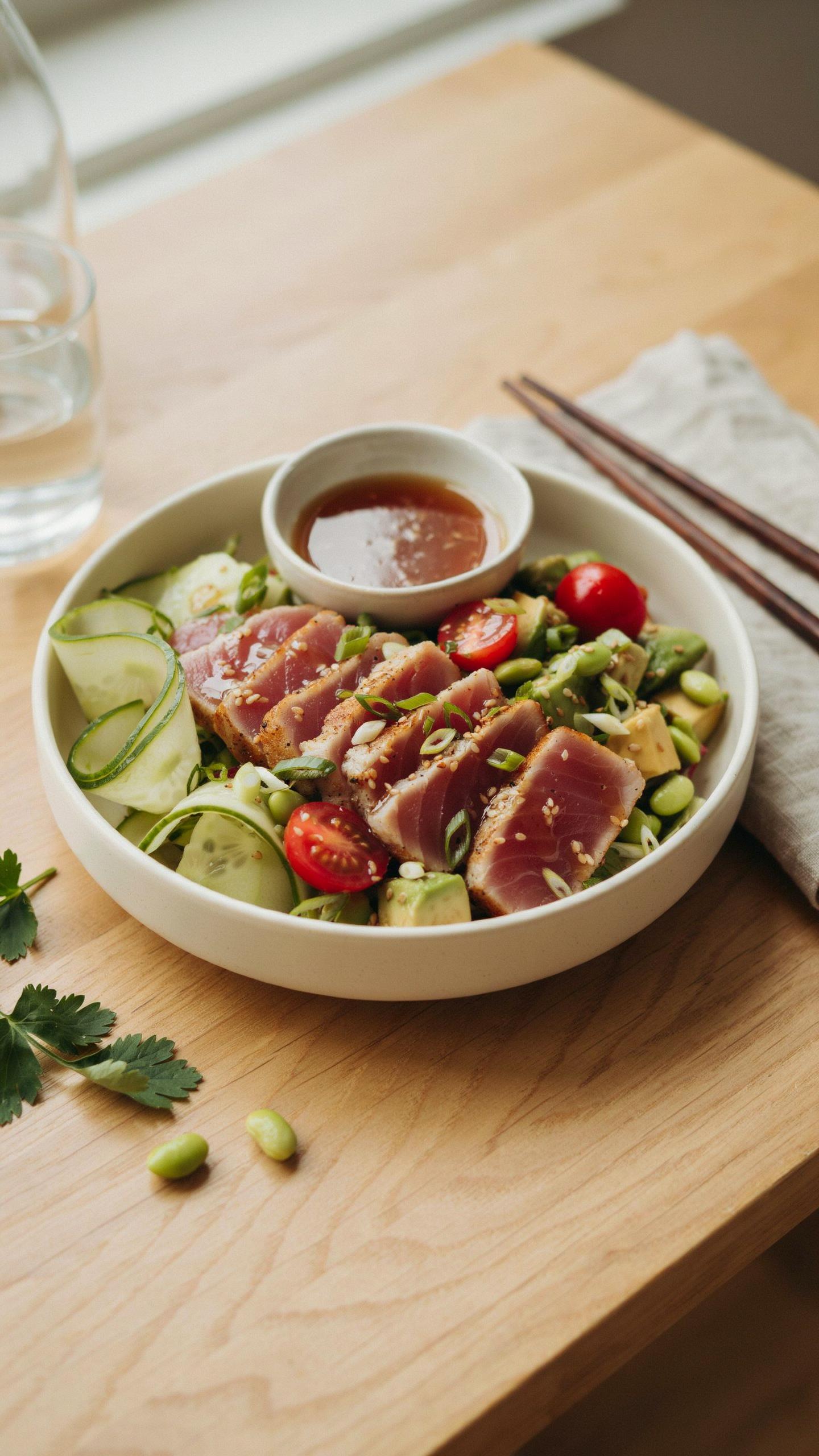
Tuna Pasta, Rice Bowls, And Grain Bases
You want permission to eat something that doesn’t taste like punishment. That’s the real driver here. The mechanism is simple: tuna absorbs surrounding flavors instead of dominating them. This property makes it a protein anchor, not the main character. Pair it with carbs and fat, and the tuna becomes invisible infrastructure supporting taste.
Canned tuna mixed into warm pasta absorbs oil, garlic, and acid better than cold applications. A can with olive oil, lemon juice, garlic, and red pepper flakes tossed into cooked penne creates cohesion. Rice bowls work the same way. Tuna over jasmine or white rice with soy sauce, ginger, and sesame oil lets the base grain carry flavor while tuna provides protein density. The carb vehicle matters because it changes how your palate processes the tuna.
Layering Seasonings For Actual Complexity
Most tuna advice stops at mayo and celery. That’s incomplete because it ignores contrast as a taste mechanism. You need opposing flavor vectors hitting your palate at once to register as “interesting” instead of “adequate.”
Build depth through opposing elements: acid against fat, salt against heat, umami against brightness. Tuna with sriracha mayo, cucumber, cilantro, and lime on whole grain bread creates four distinct flavor notes. Canned tuna with white beans, cumin, roasted red peppers, and red wine vinegar reads as a composed dish, not a protein compromise. The structure is: base fat (mayo or olive oil), umami layer (soy sauce or fish sauce), acid (lemon or vinegar), then one bright element (herb or heat). Apply this formula consistently and meal prep stops feeling repetitive.
High Protein Recipes Maximizing Your Macro Return
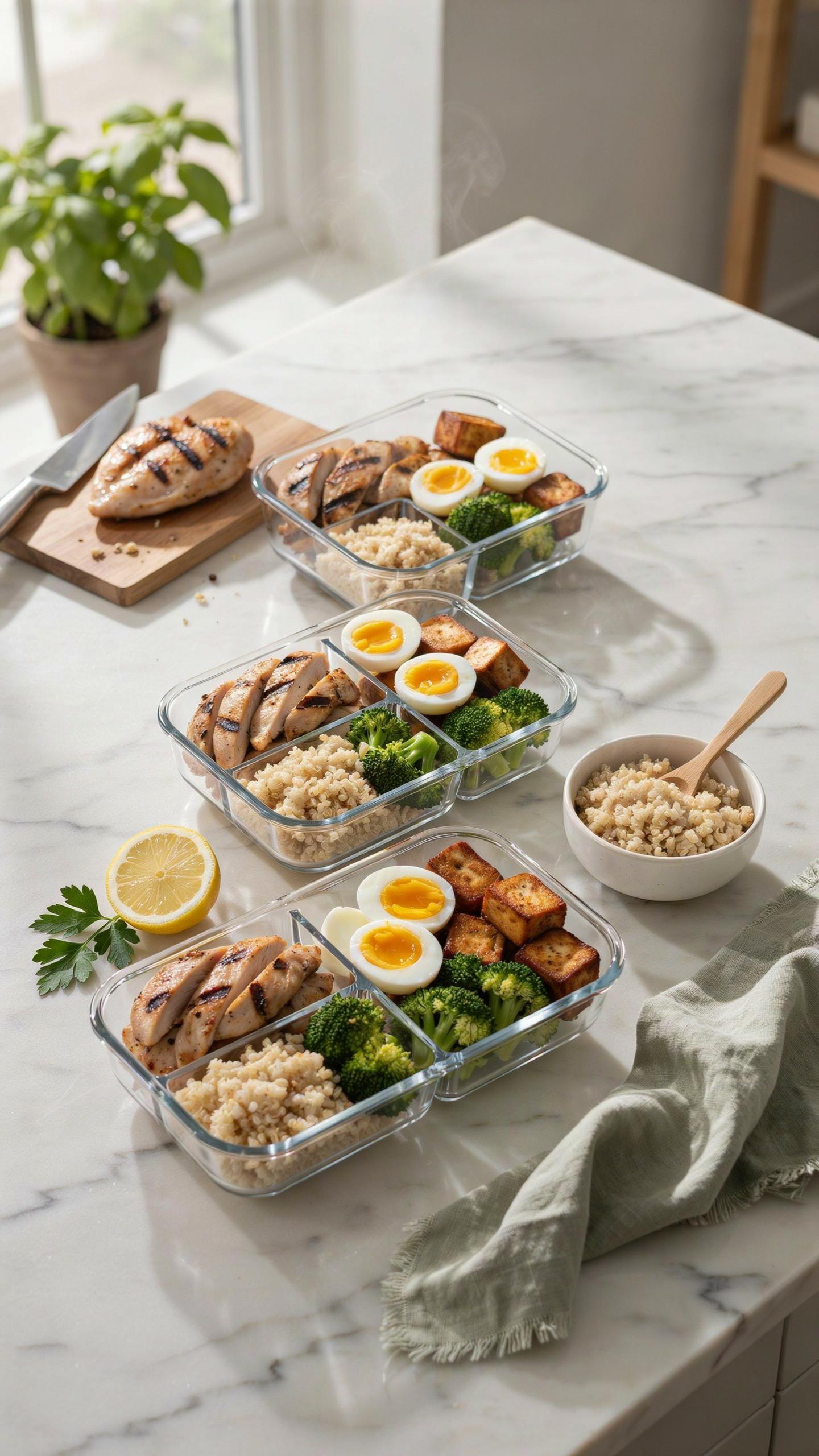
Stack Tuna With Complementary Proteins
You want to feel like you’re eating something sophisticated on a budget. The real mechanism is protein synergy—borrowing from nutritional biochemistry, tuna operates as your amino acid anchor, but you amplify bioavailability and satiety by pairing it with proteins that have different amino acid profiles. Canned tuna alone delivers around 20 grams of protein per can, but it lacks the leucine density and texture variation your body expects. Adding eggs, Greek yogurt, or cottage cheese creates a complete amino acid matrix that triggers stronger satiety signals than tuna solo.
The common move is to just dump tuna on rice. Wrong direction. Eggs work because they’re cheap and their fat content slows gastric emptying, extending fullness. Greek yogurt adds casein protein, which digests slowly. Cottage cheese does both while keeping calories flat. Mix a can of tuna with one whole egg plus two egg whites and half a cup of cottage cheese, and you’re hitting 35 grams of protein for under three dollars. That’s your template. Don’t overthink it.
Thermal Efficiency In Prep Execution
Cooking method matters because energy waste means money wasted. From an engineering standpoint, tuna already arrives cooked in the can, so your actual thermal decision is whether to heat it and what container to heat it in. Boiling water around sealed jars of tuna-egg mixture reaches doneness faster than oven baking and uses less residual heat. A water bath at 160 degrees Fahrenheit for twelve minutes sets egg proteins without overcooking the tuna’s already-delicate muscle fiber, preserving moisture and texture across five days of storage.
Most people scramble everything in a pan. You lose fifteen percent of protein retention through oxidation and moisture evaporation during that process. Instead, seal your tuna-protein mixture in glass jars, submerge them in hot water, and let conduction do the work. You sacrifice zero protein to heat damage. Pull the jars at exactly twelve minutes, cool them to room temperature within thirty minutes, and refrigerate. This protocol keeps your macro count consistent and your texture stable from meal one through meal five.
The Scarcity Mindset Fallacy Abundance In Canned Tuna
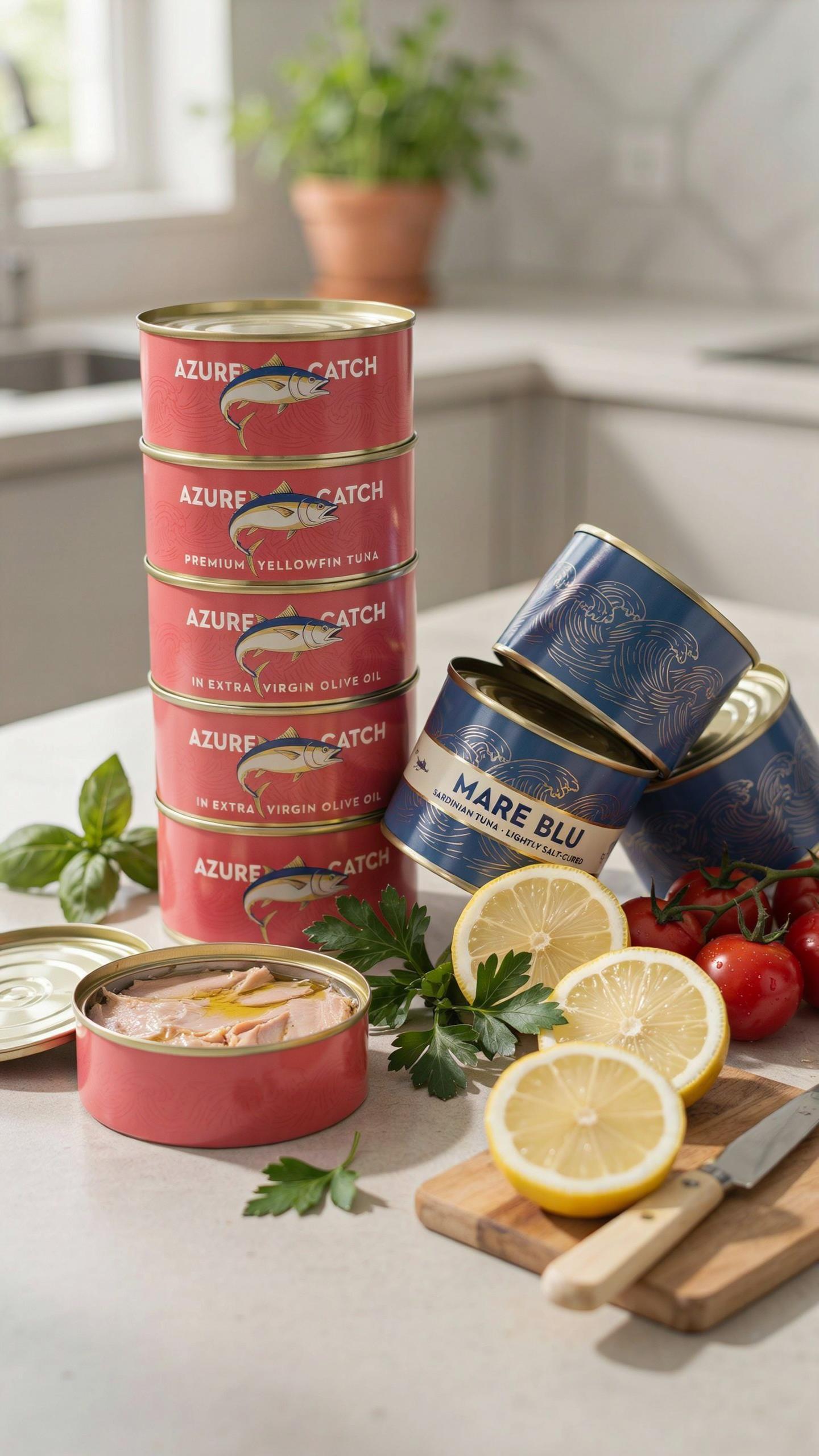
Time Is What You’re Actually Trading
You think you’re saving money with canned tuna meal prep. You’re not. You’re trading time for decision-making bandwidth, and that’s worth more than the dollars you pocket. Economics calls this opportunity cost: the real value of what you give up when you choose one thing over another. With canned tuna prep, you’re not just buying protein cheap. You’re eliminating the daily choice tax that eats into your actual productive hours.
Most people frame meal prep as a money play. That’s incomplete. The real mechanism is this: every unmade decision about lunch costs you mental energy upfront and regret afterward. Canned tuna in containers eliminates that loop entirely. You spend ninety minutes on Sunday stacking protein and carbs into five boxes. You gain back two hours of cognitive real estate during the week because you never negotiate with yourself at noon. That trade compounds. The financial savings are the side effect, not the main event.
Decision Fatigue Creates The Feedback Loop
Cybernetics teaches feedback loops: systems that use their own output to regulate future behavior. Your lunch decision creates a feedback loop that controls your entire afternoon energy and evening discipline. When you grab canned tuna from a prepared container instead of deciding what to eat, you’re closing a loop that would otherwise stay open and drain you.
Here’s what actually happens: prepped meals reduce daily decisions, which preserves willpower, which means you make better choices later that day, which produces better sleep and recovery, which makes the next day’s meal prep easier to execute. You’re not just eating tuna. You’re installing a system that feeds itself. This loop only works if the friction of prep drops below the friction of deciding. Canned tuna achieves this because it requires zero cooking skill and minimal time. Stack it Sunday, execute it weekdays, watch the compounding effects show up in your energy by Wednesday.
Healthy Meal Prep Blueprint Batch Cooking Mastery
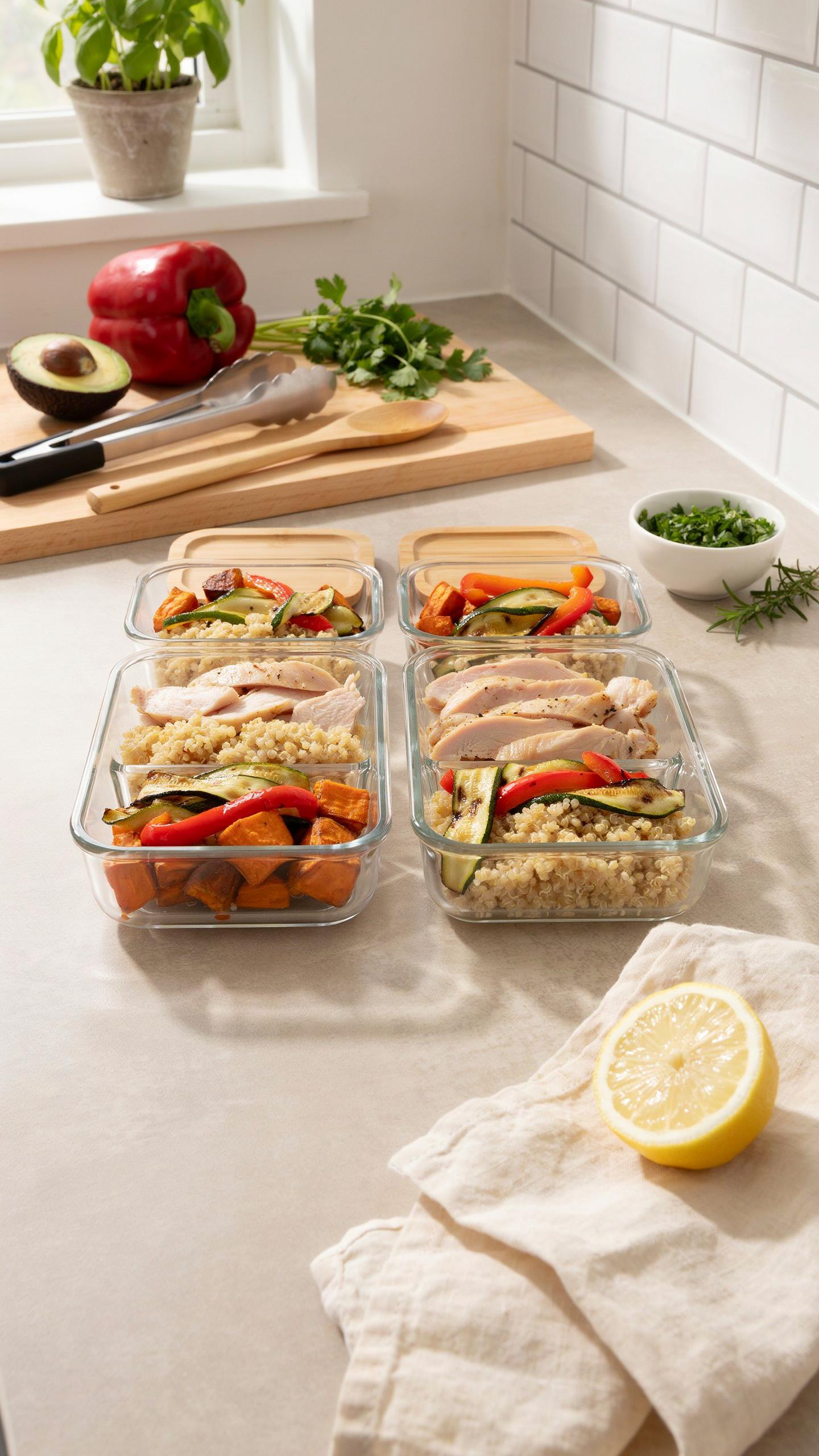
The Assembly Line Method
You want to feel productive without actually wasting four hours on Sunday. The mechanism here is batching—borrowed from manufacturing—where you group identical tasks to eliminate setup costs. With canned tuna, setup is your enemy: opening cans, draining, mixing, portioning. Do all of one task before moving to the next. Open every can first. Drain every can second. Mix every batch third. This destroys the friction that kills meal prep habits.
The economics are brutal: if you open one can, mix one meal, portion one container, you’ll repeat your decision-making overhead five to seven times. Batching cuts this to one decision cycle. Your brain stops negotiating halfway through. You finish instead of abandoning the project.
- Open all cans at once: Line them up, use a hand opener or electric model, place drained cans in a single area. Eliminates context switching between can and mixing bowl.
- Drain and press all tuna simultaneously: Use a strainer or colander. Press tuna against the sides to remove water efficiently. Wet tuna tanks your macros and makes meals soggy.
- Mix all base recipes together: Combine tuna, binder, seasoning in one large bowl. Stir once. Portion from one source instead of making individual servings.
- Portion into containers in rapid succession: Assembly line style. Fill container one, close it, fill container two. No pause between. Momentum carries you through the boring part.
- Refrigerate or freeze in one sweep: All containers into the fridge or freezer at once. Signals completion to your brain. Triggers the satisfaction response that makes you repeat the behavior.
Most people prep one meal, taste it, adjust it, make another, adjust that one differently. You batch-cook once and accept slight variation across containers. Acceptance is the real productivity hack.
Tools That Eliminate Decision Points
Skip the minimalist knife and cutting board narrative. The right tool isn’t about looking good in an Instagram story—it’s about removing friction. A commercial-grade can opener reduces hand fatigue by half compared to a standard opener. Your hand cramps halfway through seven cans with junk equipment. A colander with fine mesh prevents tuna bits from washing through while draining efficiently. An 8-quart stainless steel mixing bowl holds all your tuna at once without splashing across the counter.
Deli containers beat glass. They’re lightweight, stack efficiently, and you won’t destroy your hands carrying them. Get 10 to 12 of them in 32-ounce size. Buy a permanent marker and label batch dates on the lid. Freezer tape works if you rotate containers. Grab a food scale if you’re tracking macros. Not for vanity—for consistency. Same portions mean same calories across meals. Your brain stops guessing.
Tuna Dinners Elevating Your Evening Plate
The Five Minute Rule
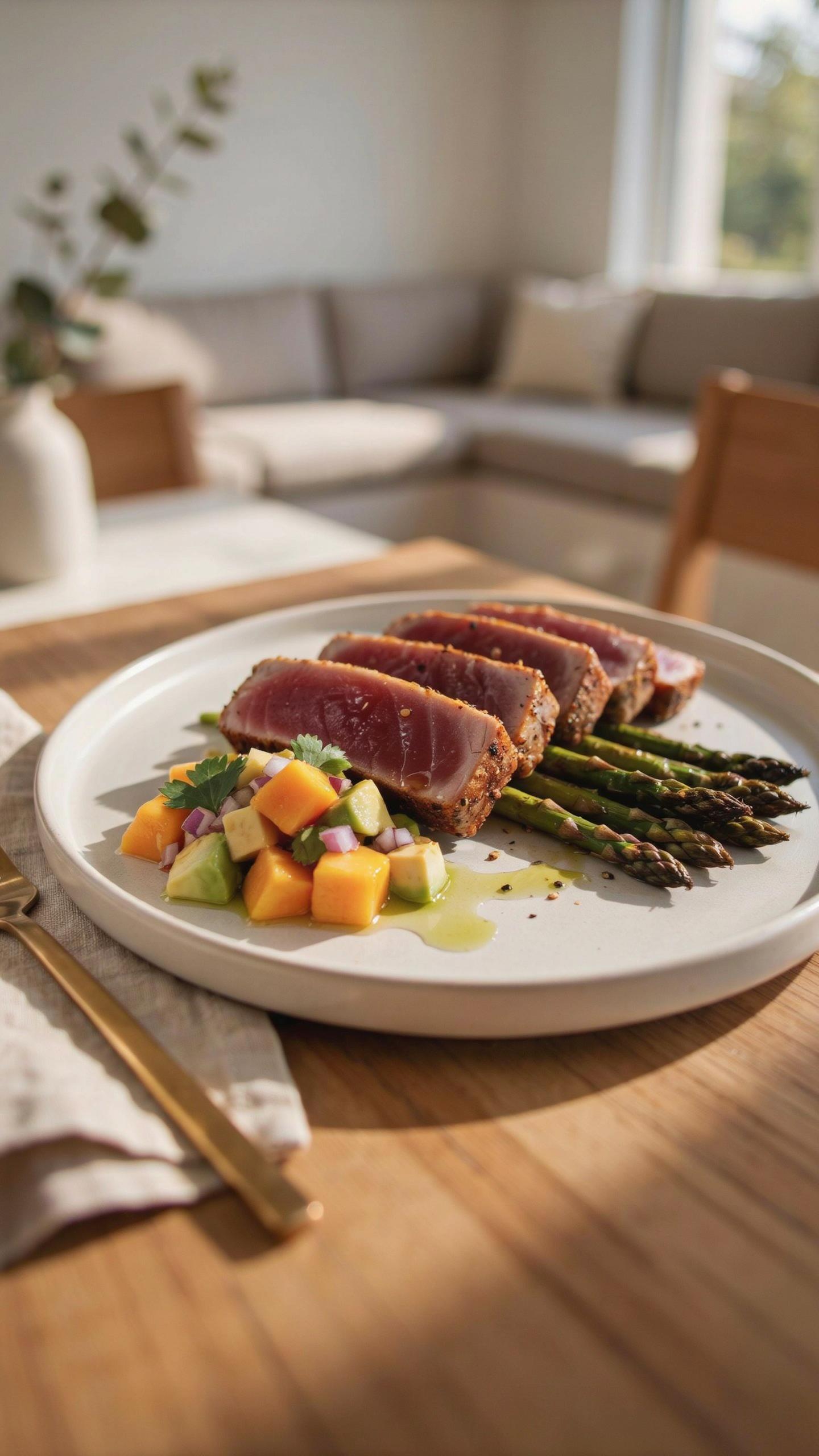
You want to feel like you’re eating something intentional instead of admitting you opened a can and called it dinner. The mechanism is simple: texture contrast beats flavor complexity when time is short. Add one crisp element to tuna and it reads as composed rather than desperate. A handful of raw almonds, toasted breadcrumbs, or crispy chickpeas transforms the meal’s perceived effort without extending prep time past five minutes total.
Most tuna dinner advice suggests building elaborate sauces or marinating proteins, which assumes you have motivation after work. Skip that. The real leverage is in the cold assembly method: combine canned tuna with mayo or olive oil, then layer it onto a base with maximum textural variation. The contrast does the work your exhaustion normally prevents. Serve over greens, rice, or pasta with one acidic element like lemon juice or hot sauce to cut the richness.
Building Status Through Restraint
Boring food prepared intentionally reads as confident. You’re not trying to impress anyone because the discipline shows. The economics here mirror luxury minimalism in design: restriction creates perceived value. When your tuna dinner contains exactly five identifiable ingredients instead of ten, each one registers as chosen rather than convenient.
Start with high quality canned tuna, not the budget brands that fall apart. Add lemon, good olive oil, one vegetable that’s been roasted or blanched, and salt. That’s dinner. The absence of clutter makes the quality of what remains visible. Plate it on actual ceramics, not in the takeout container, and eat it at a table instead of a screen.
The True Cost Of Convenience Reclaiming Your Kitchen

The Math Behind Your Grocery Store Trips
You think you’re saving money by buying rotisserie chicken and pre-made salads, but you’re actually paying for permission to avoid decision-making. Economics calls this “information asymmetry”—the seller knows the markup, you don’t. With canned tuna meal prep, the asymmetry collapses. A can of tuna costs 70 cents to 1.50 dollars. Rice costs 10 to 15 cents per serving. Frozen vegetables run 30 to 50 cents per portion. Total: under 2 dollars per meal. A comparable convenience meal at a café or grocery store prepared section runs 10 to 14 dollars for the same macros.
The gap widens when you stop buying single items and start buying in bulk. A case of 24 cans purchased at warehouse clubs drops the per-can cost to 50 to 70 cents. Olive oil and seasoning spread across dozens of meals become negligible line items. Most people never do this calculation because spreadsheets feel tedious. The ones who do never go back to convenience pricing. Track your actual spend for two weeks of canned tuna prep versus your old pattern. The number will shock you into consistency.
Ownership Shifts How You See Food
The real benefit isn’t psychological comfort or empowerment—that’s marketing language. The real benefit is control over variables. When you prepare your own meals, you decide salt content, oil ratios, protein density, and cost per calorie. You’re not guessing. You’re not relying on a label that was written to move inventory. This removes decision fatigue because once you’ve optimized a recipe, you stop optimizing it. You just execute it.
The shift happens quietly. After two weeks of meal prep, you stop scrolling restaurant menus because you already know your meal costs less, tastes consistent, and hits your targets. You’re not fighting willpower—you’ve changed the default. Your kitchen becomes the path of least resistance, not the obstacle. That’s when you stop talking about meal prep as discipline and start seeing it as strategy. Start by prepping exactly four tuna meals this week and measuring their total cost including every ingredient. Compare that number to your last four lunches bought outside your home.
The real poverty isnt a lack of resources but a poverty of imagination in using what you already possess

You already own the solution. Canned tuna costs under a dollar. Rice costs pennies. You don’t need permission or a better paycheck to eat like someone who respects their body. What you need is to stop treating meal prep like some distant luxury hobby. Buy one can today. Cook it with rice tonight. Do it again tomorrow. The gap between broke and built isn’t money. It’s the willingness to repeat something boring until it becomes your default.