Beyond The Can Debunking Tuna Meal Prep Myths
Canned Tuna Isn’t Inferior Protein
You want to believe fresh is better because it feels cleaner. The mechanism is simple: canning doesn’t degrade protein. The heat and pressure that seal the can denature nothing the human body can’t reassemble. Canned tuna contains the same amino acid profile as fresh tuna caught that morning. The protein remains intact and bioavailable. What changes is texture and water content, not nutritional value.
The real distinction lies in mercury and sodium levels. Mercury accumulates in fish tissue regardless of processing method. Canned light tuna (skipjack) contains significantly less mercury than canned albacore (white) because skipjack are smaller and live shorter lives. Sodium gets added during canning, typically 300-500mg per can depending on brand. You control this variable by rinsing canned tuna or buying low-sodium versions. Processing changes the package, not the protein.
What Your Nutrition Label Leaves Out
Standard nutrition labels miss the selenium and choline in tuna, both critical for muscle recovery and cognitive function. A 5-ounce can delivers roughly 40 micrograms of selenium, exceeding daily needs. These micronutrients don’t market the product, so brands bury them. Tuna meal prep works because you’re not just getting protein. You’re getting a constellation of minerals that support the metabolic processes that actually build lean mass.
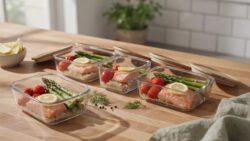
The practical move is simple: tuna becomes a nutritional stack, not a protein source. Each can contains omega-3 fatty acids around 250-500mg depending on species and packing medium. Oil-packed tuna delivers more omega-3s than water-packed varieties. Don’t choose based on perceived healthiness. Choose based on your fat macro needs that day. If you’re running a caloric deficit, water-packed works. If you need the calories and the fats to sustain hormone production, the oil matters.
The Macro Engineered Lunch Building For Sustained Power
Protein, Fat, And Carb Architecture
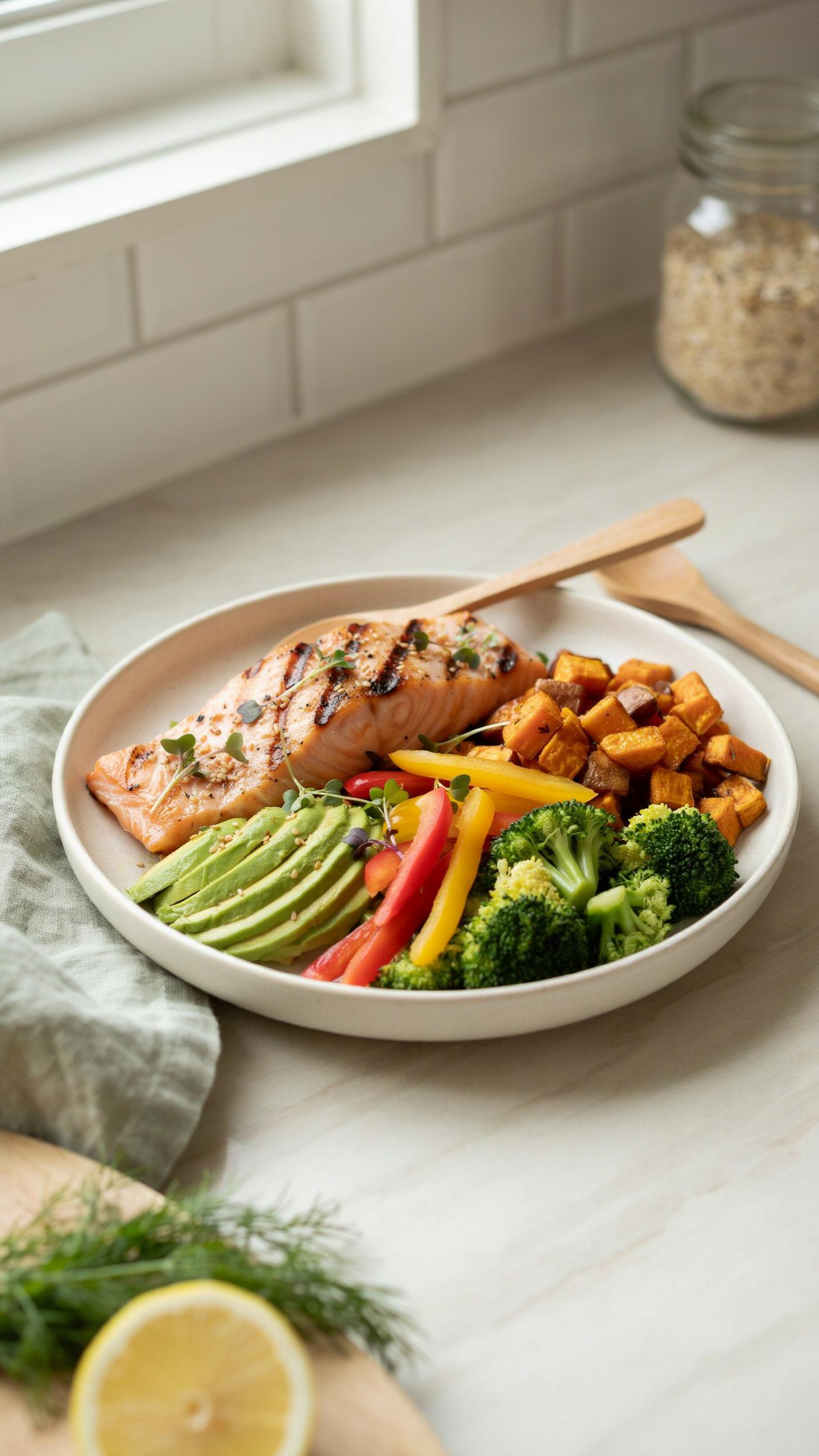
You want this meal to keep you sharp until dinner because you’re tired of the 3pm energy cliff that makes you useless. Here’s the mechanism: macronutrient ratios work like load distribution in structural engineering—put weight in the wrong places and the whole thing collapses. Tuna meal prep needs 40-50 grams of protein per bowl, 12-18 grams of fat, and 35-50 grams of carbs. This ratio slows digestion and stabilizes blood glucose, preventing the insulin spike that crashes you two hours later.
The numbers matter because they determine how long your body processes the meal. Standard canned tuna contains roughly 25 grams of protein per 100 grams and almost no carbs, so you’re building around that baseline. Add olive oil or avocado for the fat component—this delays stomach emptying and keeps you full. The carbs come from rice, sweet potato, or legumes. Match these three components and you get sustained energy release, not false fullness followed by hunger.
Why Most Lunch Strategies Tank
The standard advice says eat more vegetables and lean protein and you’ll feel good. That’s incomplete. Most people build meals around protein alone, skip fats entirely out of old diet-culture fear, and under-dose carbs because they think carbs make you fat. The result is a meal that digests too fast, leaves you hungry by 2pm, and forces you back to snacking or coffee.
Conventional wisdom treats macros like moral categories instead of fuel mechanics. Tuna bowls fail when they’re 60 percent protein and 15 percent carbs because your brain needs sustained glucose, not a protein overdose your body can’t use all at once. The excess protein becomes energy waste. Build your bowl with the three-component ratio above and you eliminate the false fullness trap. Measure your carbs by weight, not guesswork, and track how you feel at hour three—that’s where the real data lives.
The Micronutrient Matrix Unlocking Hidden Energy Reserves
What Actually Gets Depleted In Your Prep
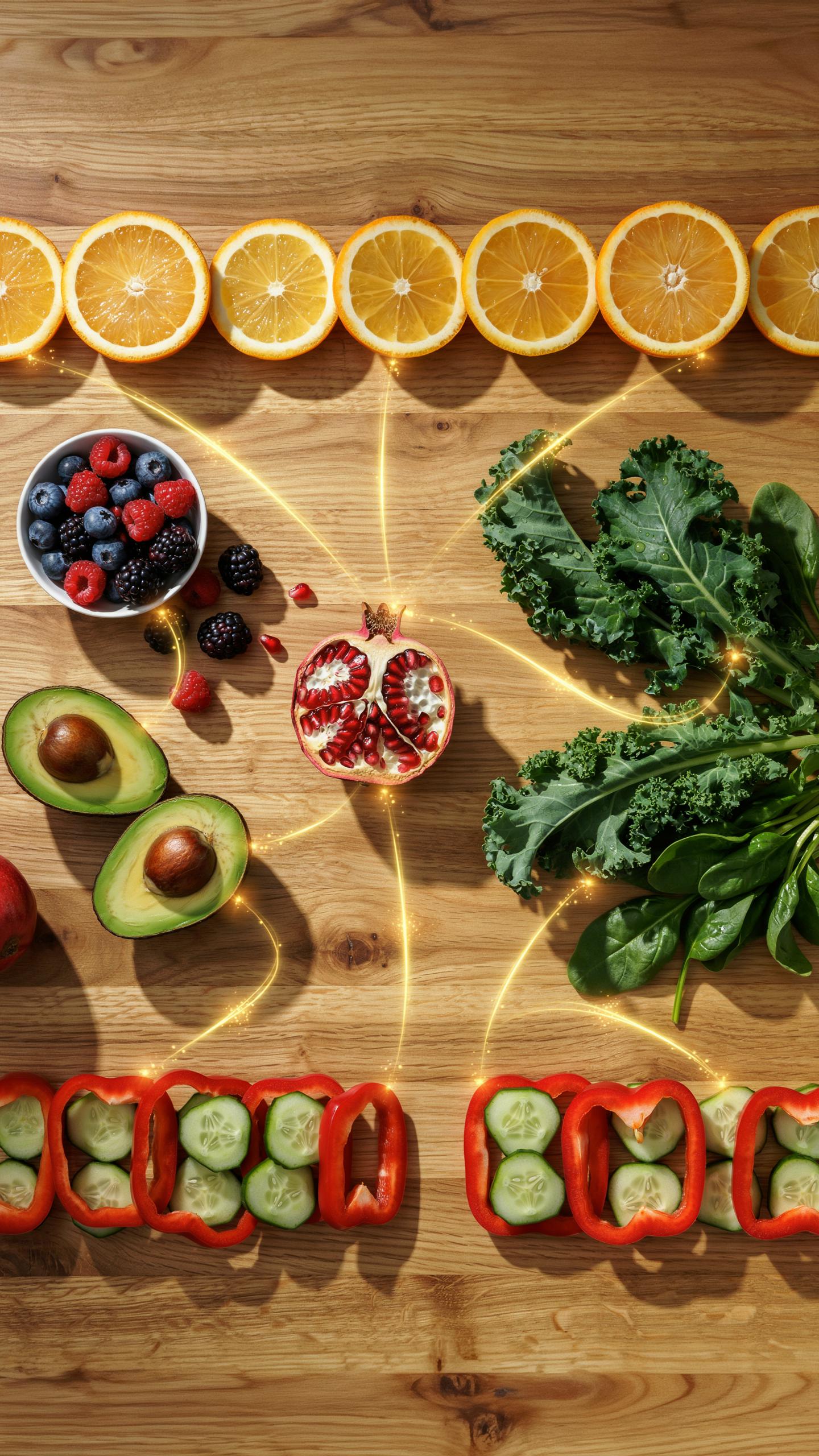
You want to feel sharp at 2 PM instead of scrolling through your phone pretending to work. That’s the real reason you care about this section. Most tuna meal prep advice ignores a basic biological fact: canned tuna loses selenium, B vitamins, and magnesium during processing and storage. Your muscles contract through mineral signaling, not just protein intake. These gaps compound over five days of prepped meals.
Standard meal prep guidance says “just add vegetables” and calls it done. That’s incomplete. Tuna is protein and fat, but it strips you of cofactors your nervous system needs to function. Selenium deficiency drops thyroid output. Low magnesium kills ATP production, which is the currency your cells use for energy. You end up eating enough calories and protein but running on fumes by Friday.
Stacking Nutrients For Sustained Mental Output
Cognitive function is an input-output problem from neurobiology. Your brain runs on glucose, but it needs B vitamins as enzymes that convert that glucose into usable energy. Tuna provides methionine and choline, but not the B6 and folate needed to complete that conversion cycle. Add sources of these vitamins directly into your prep containers.
Pair canned tuna with leafy greens or cruciferous vegetables that contain folate and B vitamins. Include a carb source like rice or sweet potato that provides glucose without spiking then crashing blood sugar. Add a fat source beyond tuna’s natural oils, like olive oil or avocado, to slow digestion and maintain steady fuel delivery to your brain. This stack prevents the 3 PM cognitive collapse that kills productivity. Prep this combination in equal proportions: one cup tuna, two cups vegetables, one cup carbs, one tablespoon added fat.
The Tuna Protocol Strategic Sourcing And Storage
Mercury Concerns And Actual Risk
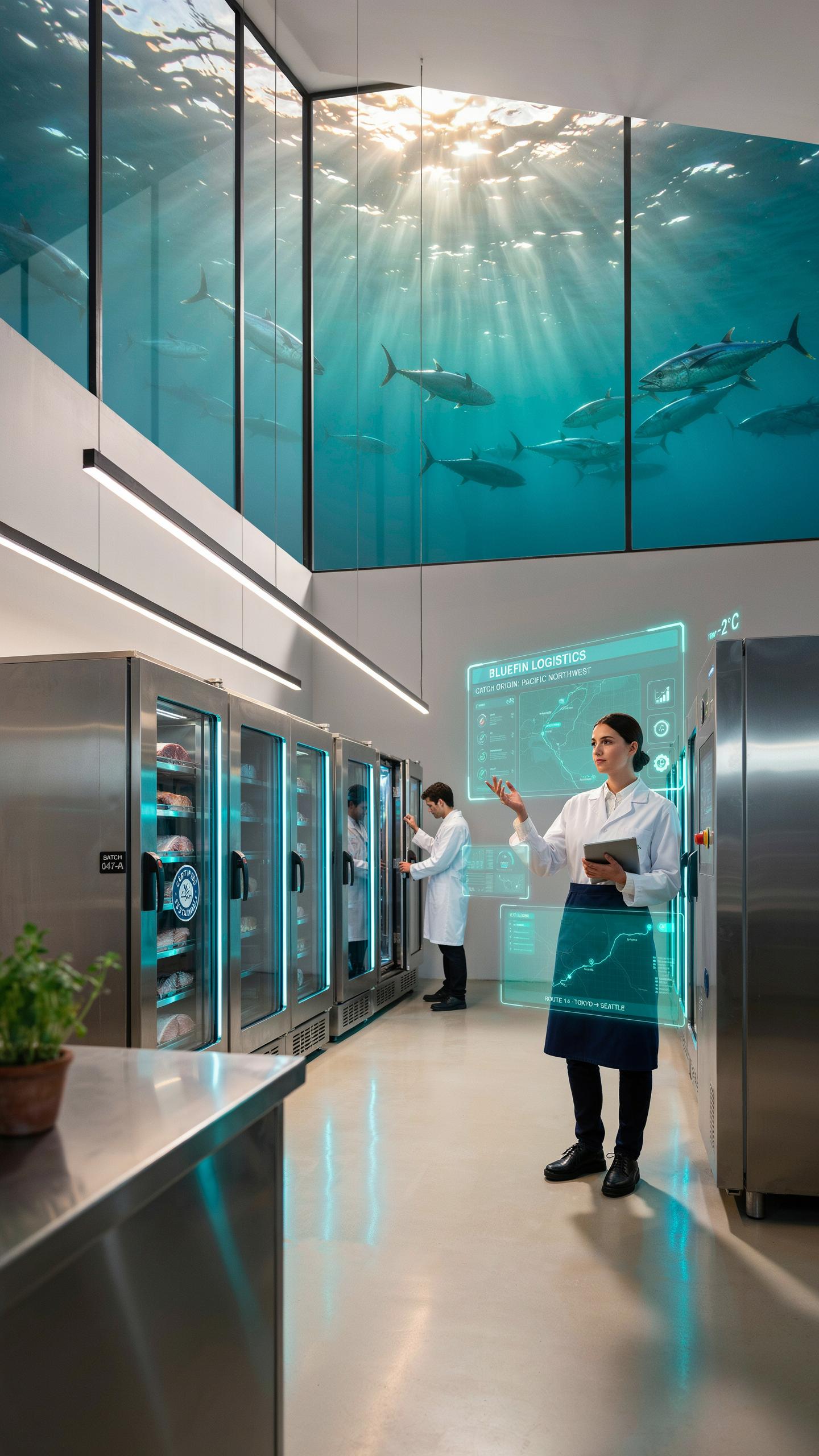
You’re scared of mercury poisoning because you read one article that made it sound like tuna is toxic, then you felt smart about worrying. That’s not how risk works. Mercury bioaccumulation follows the same logic as any toxin load: dose and frequency determine harm, not the presence of the substance alone. Canned light tuna contains roughly one-third the mercury of canned albacore tuna because it comes from smaller fish lower in the food chain. Eating one to two cans weekly sits well below the FDA’s recommended limit of 2.4 micrograms per kilogram of body weight per day.
The real mechanism is simple: albacore accumulates mercury over its longer lifespan and larger size. Light tuna, sourced from younger skipjack and yellowfin species, carries proportionally less. If you meal prep with light tuna four times per week, you’re operating safely. If you want to hedge further, rotate between light tuna and other proteins rather than eating nothing but tuna. The constraint isn’t health, it’s monotony.
Extending Freshness And Preventing Waste
Most advice on tuna storage is incomplete. You need to understand oxygen as your primary enemy, not time. Opened canned tuna oxidizes rapidly once exposed to air, which triggers both flavor degradation and bacterial growth acceleration. Drain the liquid fully, transfer to an airtight glass container, and store at the back of your refrigerator where temperature stays most stable. This extends usability from two to three days, to five to six.
Canned tuna in water lasts longer than oil-packed versions once opened because it doesn’t separate and degrade as quickly. Buy bulk and store unopened cans in a cool, dark place indefinitely. When prepping bowls, portion individual containers on prep day rather than storing one large batch. This limits air exposure during the week. Never leave prepared bowls at room temperature longer than two hours, and always eat within four days of assembly.
Flavor Alchemy Transforming Canned Tuna Into Culinary Gold
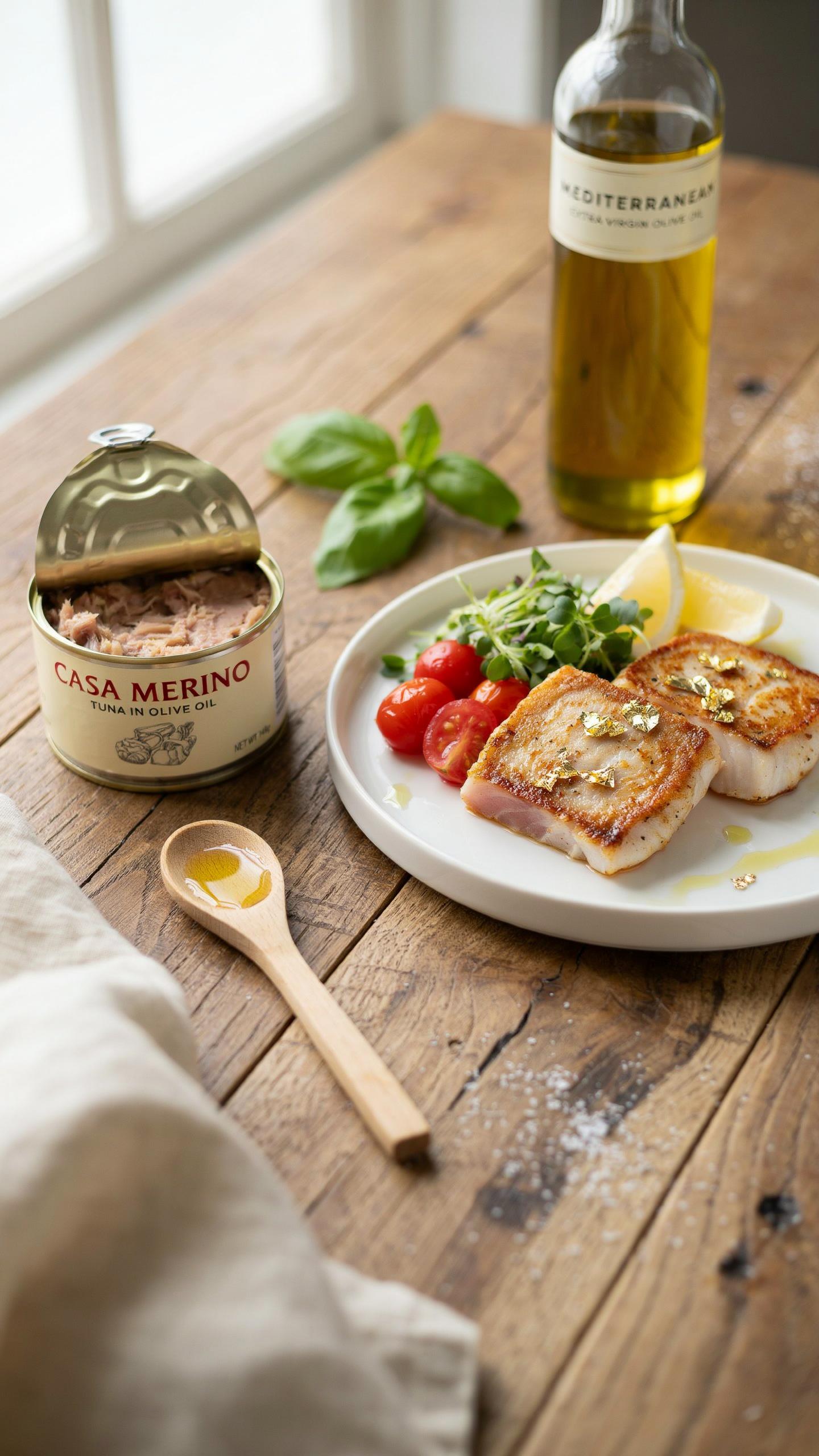
The Spice Stack That Actually Works
You want canned tuna to taste expensive because eating the same thing every day signals failure to your brain. The mechanism is simple: capsaicin, acid, and salt trigger different taste receptors, and stacking them creates the illusion of complexity. Most people dump hot sauce on tuna and call it done. That’s lazy. Real flavor layering uses three compounds in sequence.
Start with salt and acid together, not separately. Lime juice mixed into mayo before adding tuna dissolves salt particles evenly and activates umami receptors immediately. Then add heat last, not first. Cayenne or red pepper flakes hit harder when the tuna is already dressed because capsaicin binds to fat molecules already present in the mayo. The tuna doesn’t taste spicy. It tastes savory with a finish.
Crunch, Softness, And Why It Matters
Texture contrast prevents your brain from tuning out a meal halfway through eating it. This is the principle of contrast from sensory design, and it applies to tuna prep the same way it applies to product packaging. Soft protein plus soft mayo plus soft carbs equals monotony. One texture change resets engagement.
Add raw red onion, not cooked. Raw onion cells stay crisp because heat breaks down their cell walls. Dice it fine and leave it uncooked in the bowl. Your mouth experiences the tuna as soft, then hits crunch, then soft again. This pattern forces sustained attention. Toast your grain or add seeds separately so they don’t absorb moisture and turn to paste. Crunch dies when it sits wet. Keep it apart until eating time, or build the bowl five minutes before lunch instead of Sunday meal prep.
The Bioavailability Blueprint Maximizing Nutrient Absorption
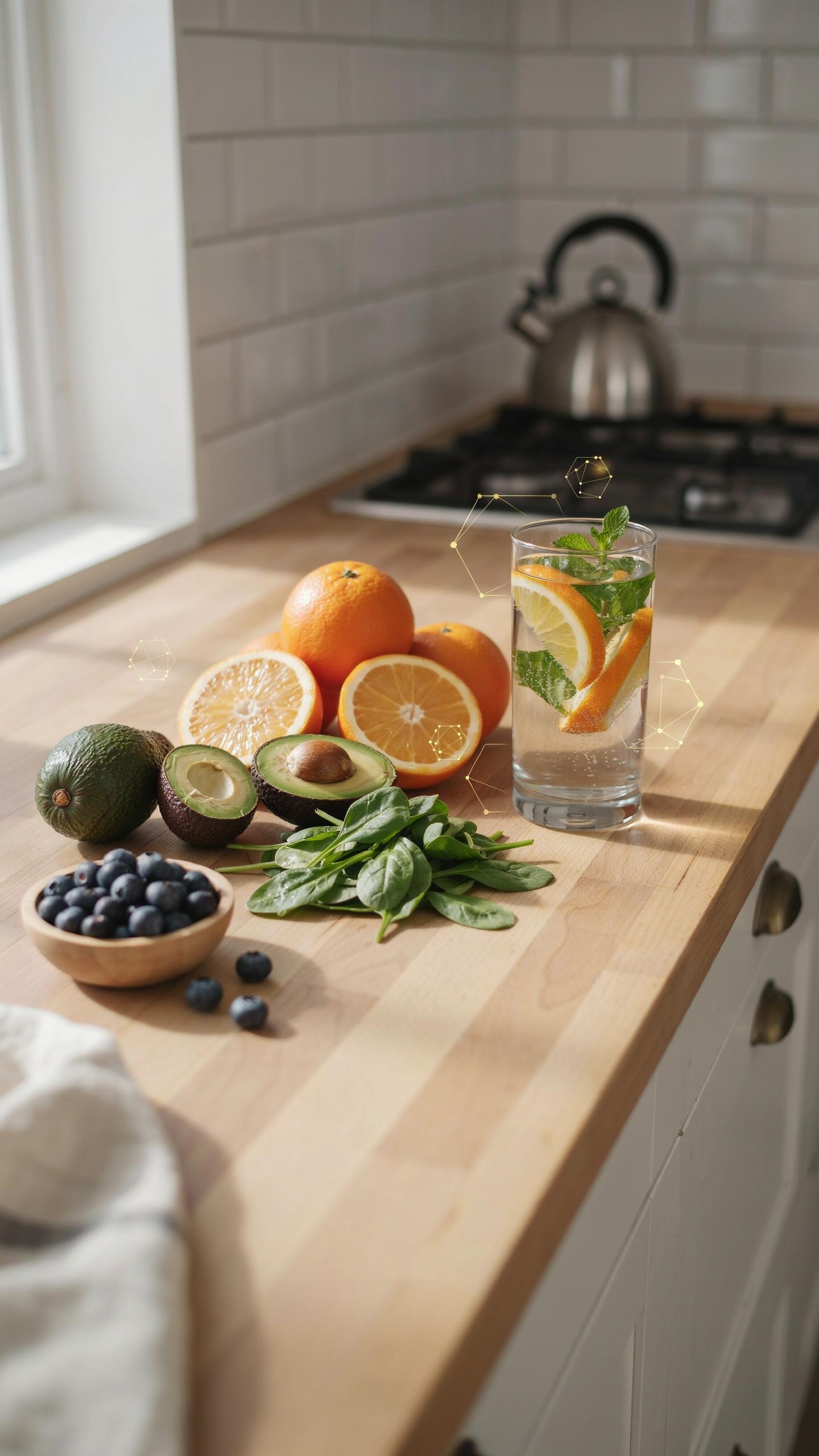
Fat Pairing For Vitamin Delivery
You want to believe tuna is complete nutrition on its own. It isn’t. Bioavailability is borrowed from pharmacology, which measures how much of a substance your body actually absorbs and uses. Your intestinal wall treats fat-soluble vitamins like vitamin D and vitamin A as cargo that needs lipid transport. Without fat, they pass through you.
Canned tuna in water with a side salad accomplishes nothing beyond protein intake. Add olive oil, avocado, or fatty fish like salmon to the same bowl, and your body now absorbs the selenium and vitamin D the tuna contains. The fat isn’t decoration. It’s the mechanism that determines whether the micronutrients reach your cells or exit as waste.
Enzyme Alignment With Food Order
The common advice to “eat balanced meals” misses the actual biology. Your digestive enzymes operate on a schedule. Lipase handles fat breakdown, protease handles protein, amylase handles carbs. When you layer these macros carelessly, enzymes compete for substrate and digestion slows. Absorption suffers.
Start your tuna bowl with cooked vegetables or grains. These prime amylase production and warm your digestive tract. Place tuna in the middle. Finish with fats and raw vegetables last. This sequence gives each enzyme class its moment without bottlenecking. Your stomach processes the bowl faster, and nutrient absorption completes before the meal exits your small intestine.
The Zero Compromise Condiment Strategy
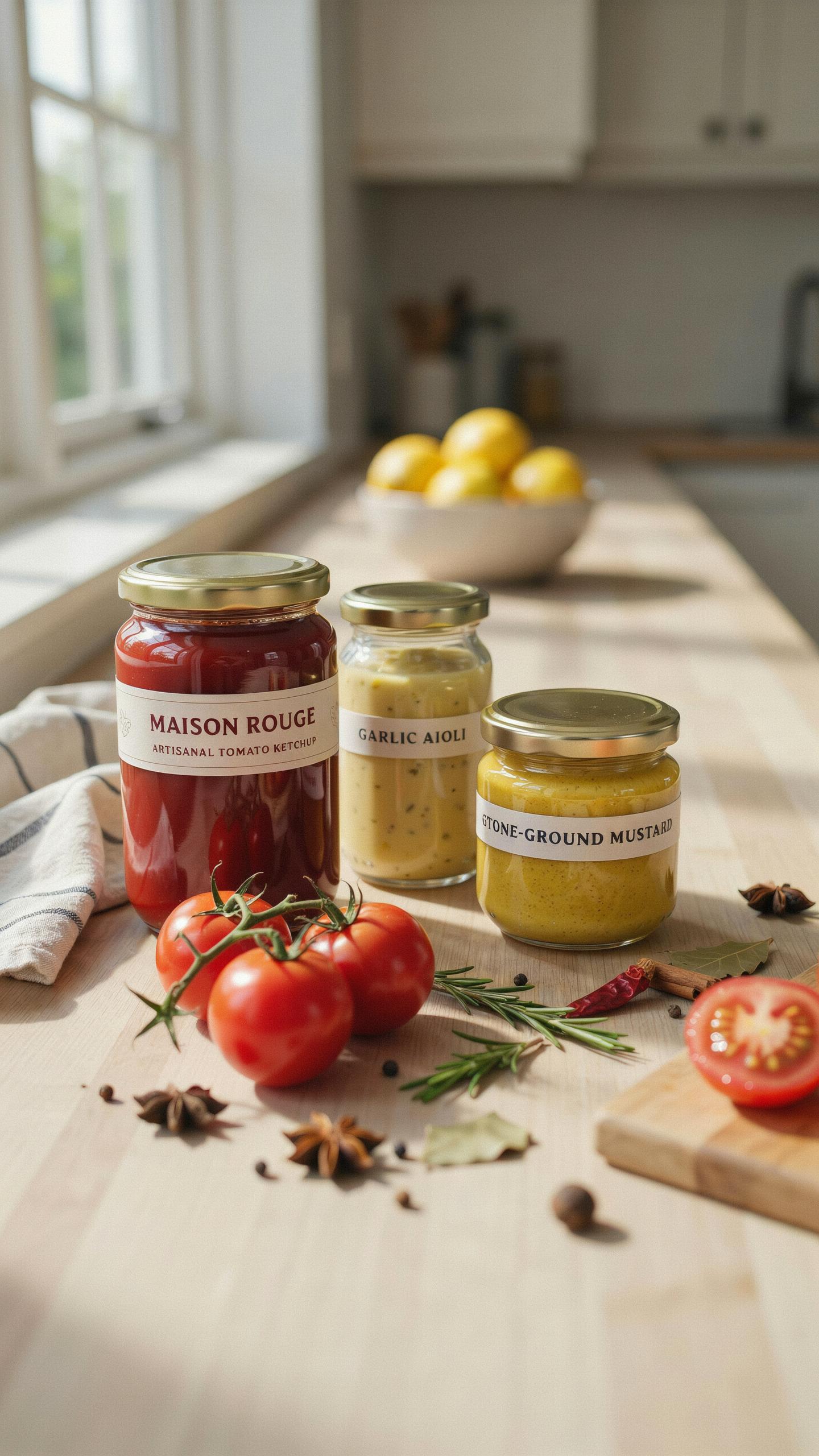
Make Your Own Sauce
You want the convenience story without admitting you’ve outsourced your nutrition to a label. Here’s the mechanism: commercial sauces use emulsifiers and thickeners that make flavor stick around longer than it should, which means manufacturers can cut the actual flavor compound and still hit your taste receptors hard. You taste salt and sugar instead of actual depth. Homemade sauces skip this trap entirely because you control the ratio of acid to fat to salt, which is the only thing that matters for taste.
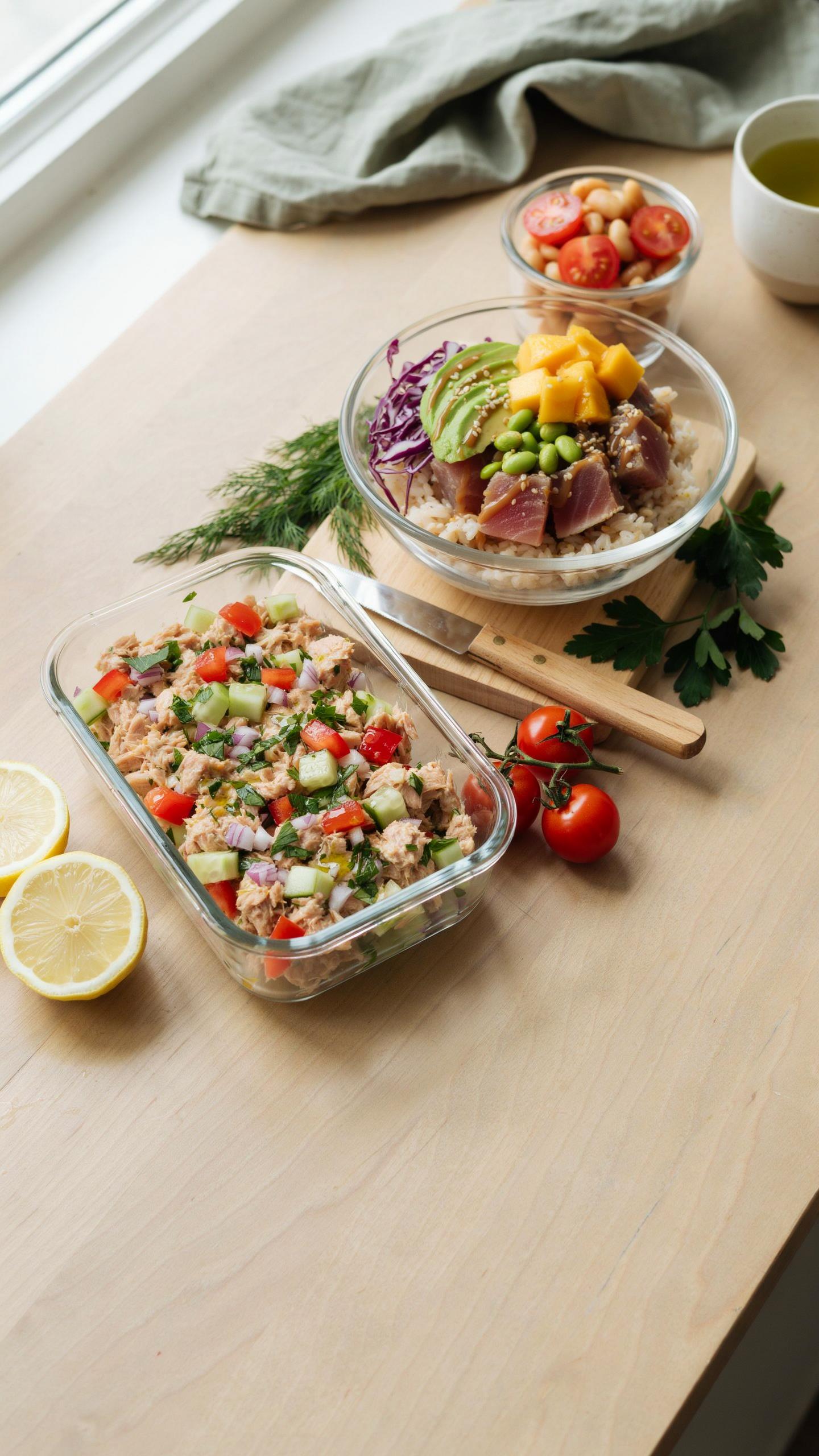
A basic tuna sauce takes five minutes: combine olive oil, lemon juice, minced garlic, Dijon mustard, and salt. The acid from lemon brightens the tuna and prevents the bowl from tasting flat by day three. You’re not building something complex. You’re building something stable that tastes like actual food. Store it separately from the tuna to prevent the fish from absorbing liquid and turning into paste.
Strip The Label Lies
The “natural flavoring” label is a legal fiction designed to make you stop reading. Most commercial condiments marketed for protein bowls contain between 4 and 8 grams of added sugar per serving, hidden behind terms like “cane juice” or “tapioca syrup.” Your meal prep becomes a carbohydrate bomb before you eat a single bite. Unhealthy fats hide the same way, usually as “vegetable oil” which is processed seed oil that oxidizes faster than you can store it.
Read ingredient lists backward from the end. Manufacturers stack items by weight, but the damage lives in items three through six. Mayo brands vary wildly: some use soybean oil and add sugar, others use eggs and nothing else. Vinegars and mustards contain nearly zero sugar and zero bad fats, making them the actual foundation of any condiment strategy. Your protocol: make three sauces on Sunday (lemon garlic, balsamic vinegar based, and sriracha lime), portion them into small containers, and rotate them across five bowls to hit different flavor notes without touching store-bought dressings.
The Anti Boredom Algorithm For Tuna Meal Prep Bowls
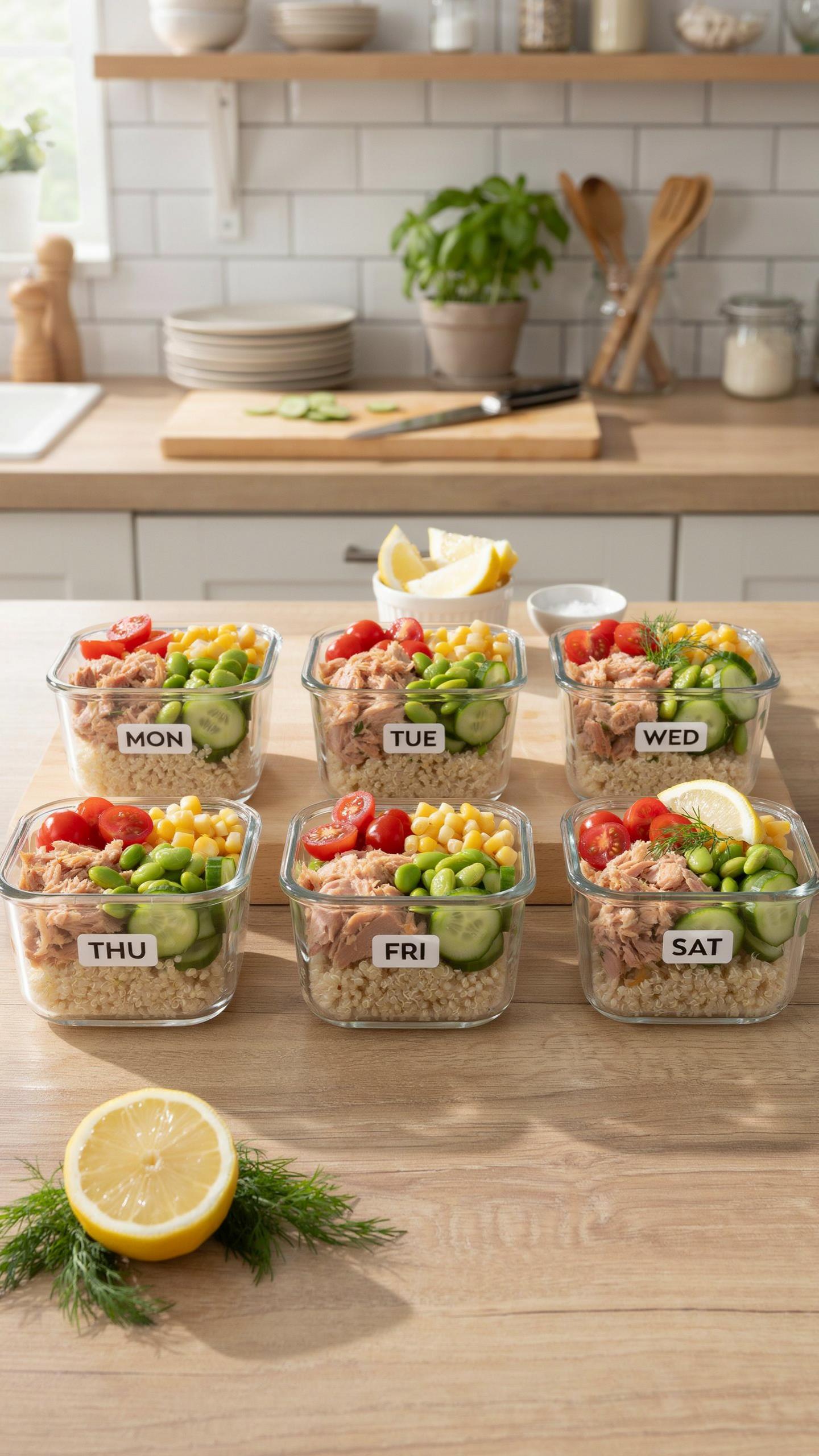
Rotation Systems That Actually Work
You’re afraid eating the same bowl five days straight will break your momentum. That’s not weakness—that’s your brain recognizing that monotony kills compliance faster than difficulty does. The mechanism is simple: novelty in meal prep isn’t decoration, it’s behavioral fuel. You need constraint within rotation, not infinite options.
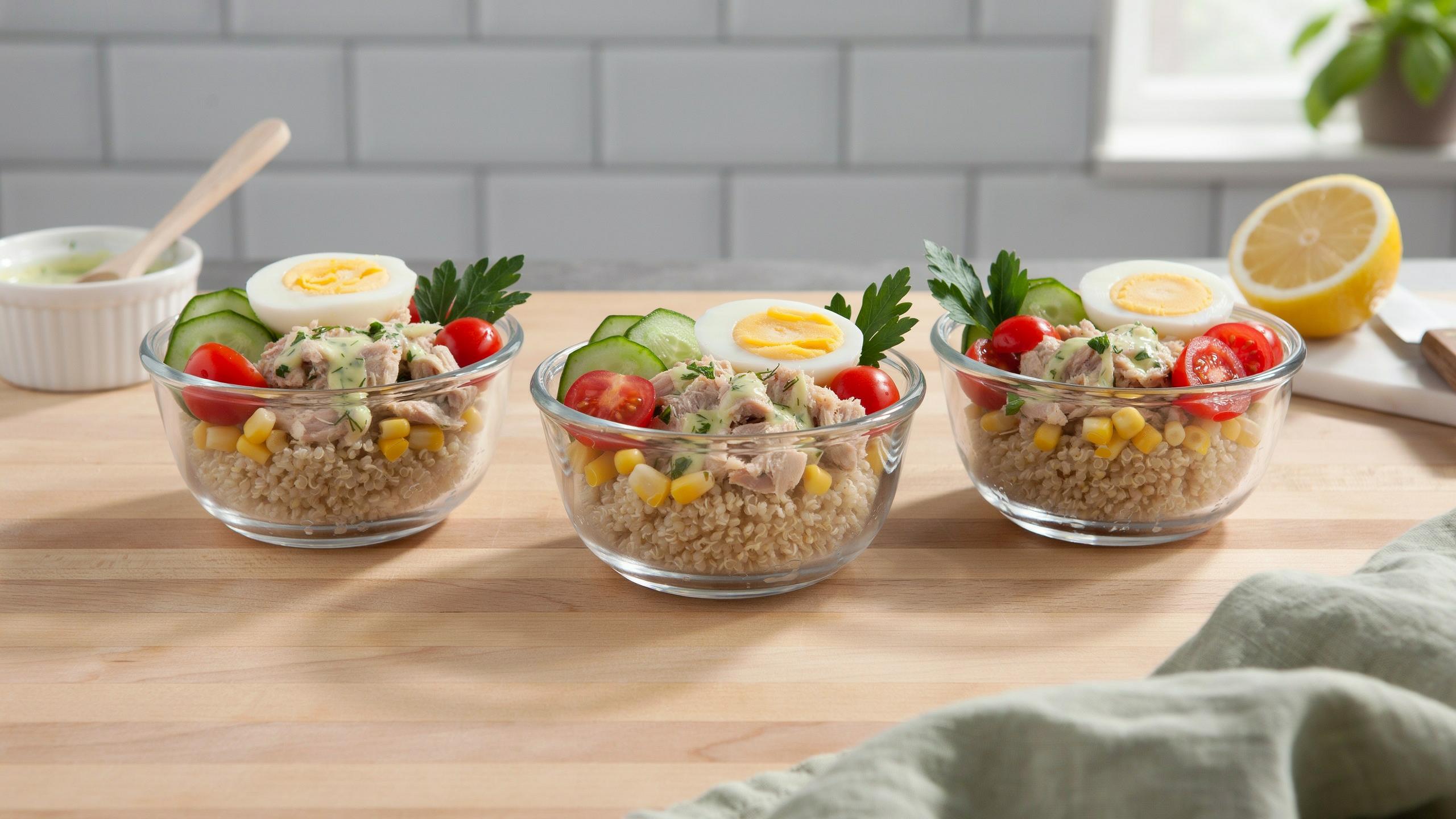
Build a three-tier system. Tier one is fixed: canned tuna, base grain, raw vegetables. Tier two rotates weekly: one of three proteins additions, one of three sauce profiles. Tier three changes daily: one vegetable swap, one texture element. This creates 27 distinct combinations from nine total ingredients. You’re not inventing new meals—you’re mixing predetermined blocks.
- Protein Tier: Hard-boiled eggs, chickpeas, or white beans. Each adds different texture and macros without requiring separate cooking.
- Sauce Tier: Lemon tahini, sriracha mayo, or balsamic vinaigrette. Mix ahead of time, store separate, apply fresh.
- Grain Tier: Rotate between rice, quinoa, and farro weekly. Same prep method, different satiety signals to your brain.
- Crunch Tier: Almonds, sunflower seeds, or crushed chickpeas. Store separately, add before eating to maintain texture integrity.
- Fresh Tier: Cucumber, bell pepper, or shredded carrot. Buy one per week, vary which you use each day.
The rotation prevents decision fatigue and ingredient waste simultaneously. You buy the same nine items every two weeks, but your palate never registers repetition. Execute the same prep schedule—same day, same time, same containers—but swap one element from each tier on days three and five.
Building Your Ingredient Library Strategy
Most people stock tuna meal prep components randomly, then wonder why they’re eating the same bowl anyway. The real game is building a library where everything works with everything else. This requires thinking in flavor families and texture contrasts, not random groceries.
Start with neutral anchors: white rice, canned tuna in water, cucumber, and lemon. These ingredients cost less, store longer, and combine with almost anything without creating bad flavor combinations. From there, add one item to each of four categories: salty, acidic, creamy, and crunchy. This gives you enough diversity to rotate without overthinking compatibility.
Your acidic tier should include lemon juice, lime juice, rice vinegar, or balsamic vinegar. Your creamy tier needs tahini, Greek yogurt, or avocado mayo. Your salty tier pulls from capers, olives, or miso paste. Your crunchy tier uses almonds, seeds, or roasted chickpeas. When you pick one from each category, the bowl balances automatically. You’re not relying on intuition or recipes—you’re using flavor structure. Buy items that last: jarred ingredients over fresh, frozen vegetables over produce that wilts, shelf-stable proteins over ones requiring immediate use.
Speed Simplicity The Minimalist Prep Advantage

Cook Tuna Once, Use It Three Ways
You want this section because you’re scared you’ll spend Sunday afternoon in your kitchen and still eat the same boring lunch five days straight. Here’s the mechanism: treat your tuna prep like a manufacturing operation with one input and multiple outputs. You cook the protein once. The variables change around it, not the tuna itself.
Boil or bake your weekly tuna in one batch. A five-pound batch takes thirty minutes max. Cool it completely before storage, then divide it into portions. Don’t pre-mix it with mayo or seasonings yet. This separation is the tactical move. Raw tuna absorbs flavors during storage. Mixed tuna gets mushy and oxidizes faster. Keep the protein neutral, and you control the final dish composition at serving time.
The Five Minute Assembly Protocol
Most meal prep advice tells you to make five identical bowls on Sunday. That’s lazy thinking and why people quit. Your actual constraint is assembly speed, not cooking speed. Cook once, assemble five different times. This means your tuna stays fresh longer and you pick your components based on what you actually want that day, not what you committed to six days ago.
Your protocol: store cooked tuna in an airtight container on ice. Store your carbs and vegetables separately. When you build a bowl, grab tuna, add your carb choice of that day, add your vegetable mix, add your sauce or dressing. This takes four minutes, not forty. You build each bowl forty-eight hours before eating it maximum. Your tuna stays moist, your vegetables don’t wilt into paste, and you maintain control over every variable that hits your plate.
Your Lunch Your Legacy Beyond Just Healthy
Fuel Compounds Your Trajectory
You care about this because you want proof that your discipline matters. Here’s the mechanism: tuna meal prep works as a compound interest vehicle for cognitive function. Borrow a term from biology—homeostasis—the body’s ability to maintain stable internal conditions. Most people treat lunch as interruption recovery. You’re treating it as a system input that either maintains or advances your mental output.
Canned tuna delivers 25 grams of protein and omega-3 fatty acids per serving without blood sugar spikes. This stabilizes dopamine and sustains focus for 4 to 6 hours. The consistency of eating the same prepped bowl trains your body to expect steady fuel. Your brain stops fighting for energy and starts working for you. Competitors eating random lunches experience energy crashes that derail their afternoon execution.
Decision Fatigue Dies With Repetition
The real psychological edge isn’t motivation. It’s the removal of choice. Every decision you don’t make is mental energy you redirect toward work that matters. When your lunch is already portioned, refrigerated, and waiting, you eliminate the 2 PM decision loop that kills focus.
Repeated eating patterns trigger automatic neural pathways. Your brain stops allocating resources to “what should I eat” and reserves that bandwidth for problem solving. Studies in behavioral psychology show that reduced decision burden correlates directly with sustained output. A tuna bowl becomes invisible infrastructure. You eat it. You continue working. The meal disappears from your conscious awareness, which is exactly when it’s working hardest.
The true cost of a bad lunch isnt hunger its the unlived potential of your afternoon Stop settling for convenient and start demanding dominant

Most people treat lunch as an interruption. You’re treating it as fuel for dominance. Tuna meal prep forces a choice: spend two hours Sunday cooking protein bowls, or waste two hours every weekday at 1 PM crashed and scrolling. Pick one today. Buy a can of tuna. Buy a container. Cook your Monday lunch before Monday arrives. Your afternoon performance doesn’t negotiate with your lunch choices.