
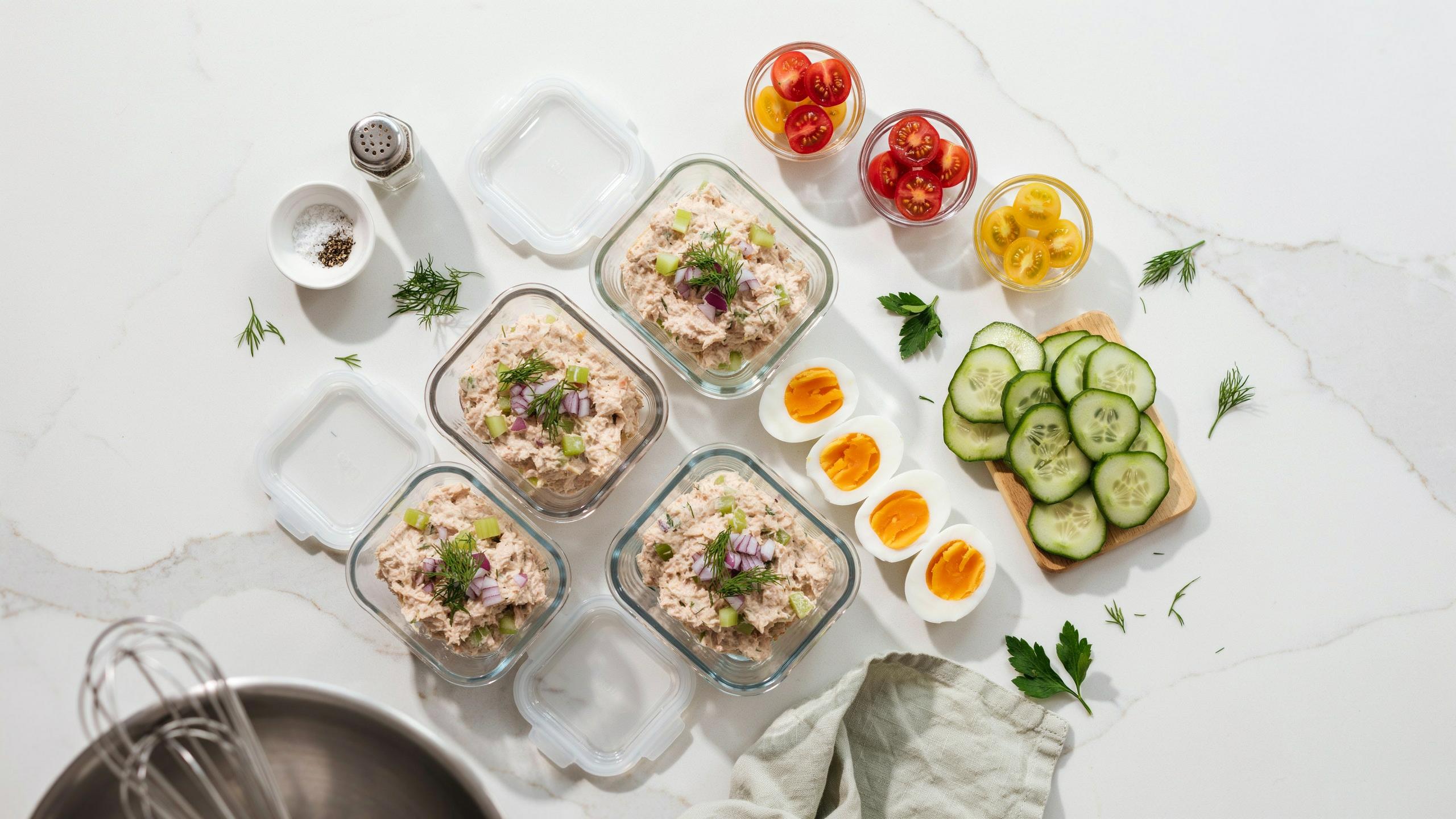
The Illusion Of Easy Tuna Salad Beyond Generic Convenience
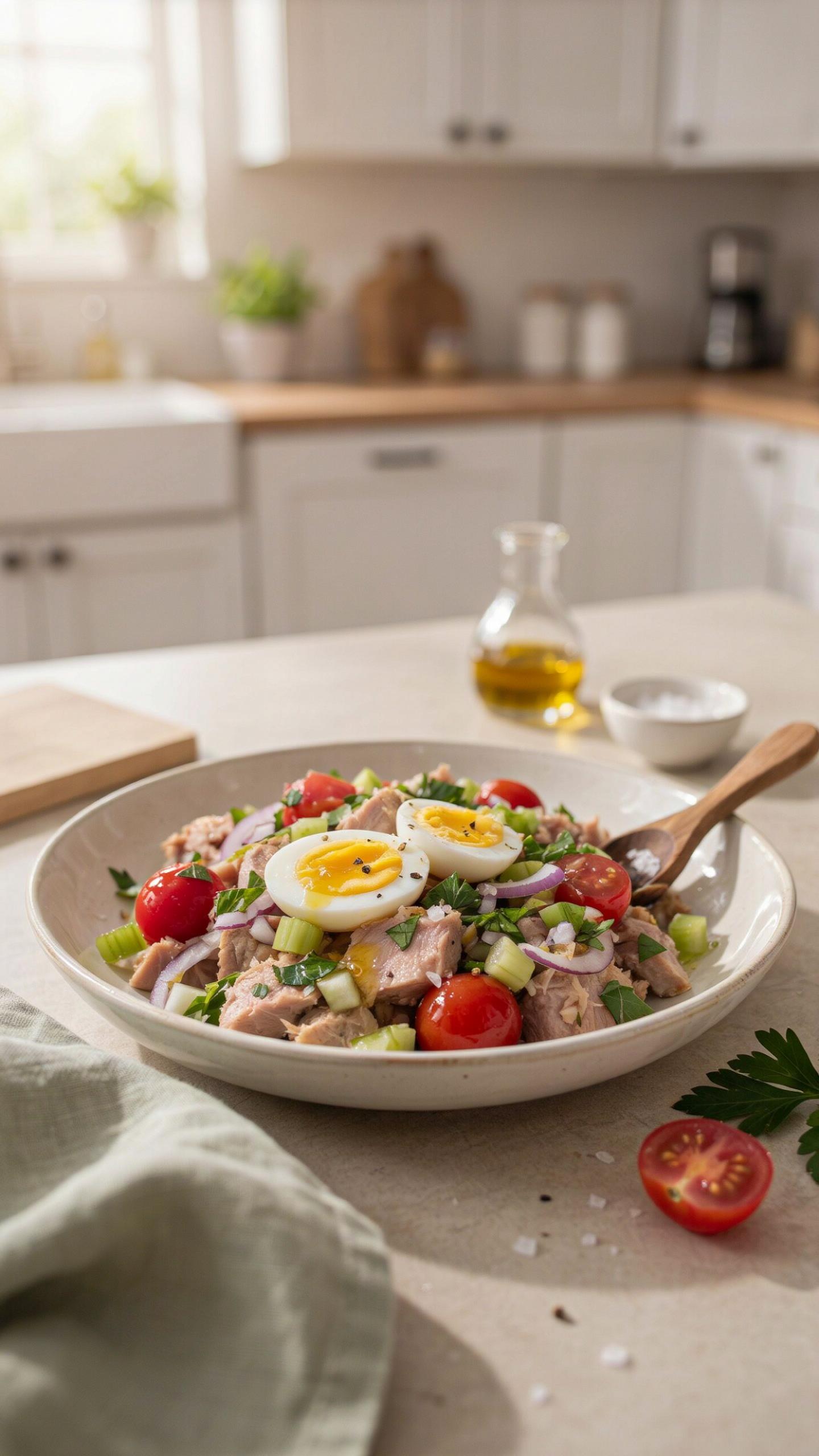
Convenience Is A Tax You Pay In Quality
You want tuna salad meal prep to feel effortless because you’re tired of thinking about lunch. That desire is real. But here’s the mechanism: convenience and efficiency are not the same thing. Convenience is the path of least resistance in the moment. Efficiency is choosing the system that delivers the best outcome per unit of effort over time. Most people conflate them and lose both.
Grabbing canned tuna, mixing it with mayo, and calling it done feels convenient on Monday. By Wednesday, oxidation has accelerated spoilage, separation has made the texture unappetizing, and you’re ordering takeout instead. You’ve now wasted the ingredients, the time you spent prepping, and the money. The “easy” approach created a cascading problem. True efficiency means understanding why tuna salad degrades and building a protocol that stops it.
The Actual Cost Of Thoughtless Assembly
Most advice on tuna salad meal prep ignores storage physics. Canned tuna has already oxidized once during processing and canning. When you expose it to air, moisture, and fluctuating temperatures inside a lunch container, you accelerate the second oxidation cycle. Mayonnaise masks this decay initially, creating a false sense of freshness. You eat it anyway and feel fine, or you don’t and waste food.

The hidden cost isn’t the ingredients themselves. It’s the decision fatigue of not knowing whether your lunch is still safe to eat, the replacement lunches you buy mid-week, and the protein target you miss because you defaulted to something else. Eliminate this by storing tuna separately from dressing and adding it no more than two hours before eating, or by using oil-packed tuna with controlled moisture exposure. Pick one protocol and stick to it.
The Performance Protocol Tuna Salad For Cognitive Edge
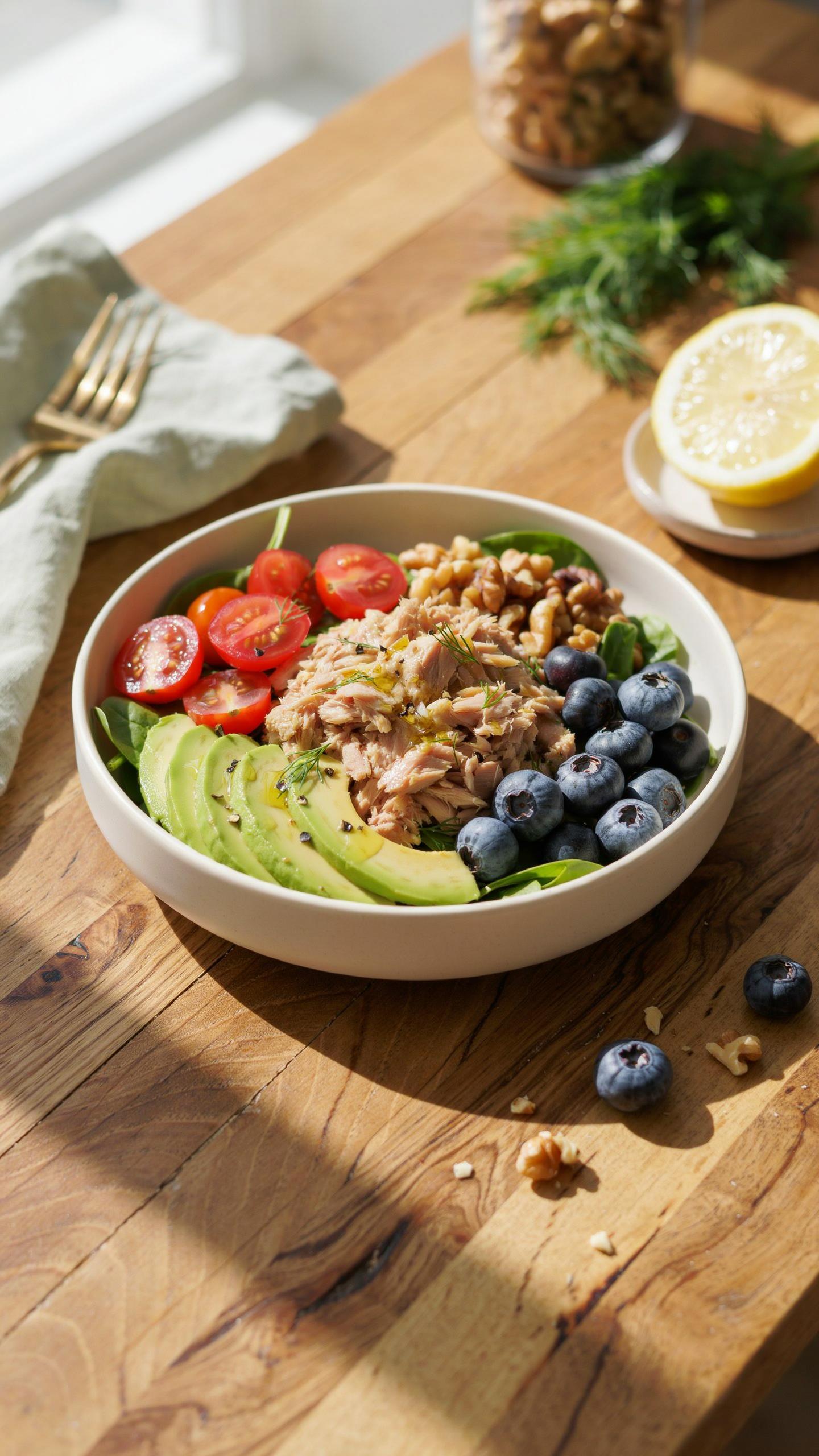
Protein Timing For Sustained Focus
You want to believe meal timing doesn’t matter because consistency sounds easier than precision. The real mechanism is simple: protein stabilizes blood glucose, which stabilizes neurotransmitter production. Eat tuna salad between 11 AM and noon, not at your desk at 2 PM. This window aligns with your natural cortisol dip and prevents the attention collapse that follows a carb-heavy lunch. The protein you consume now directly influences dopamine availability in the next 90 minutes.
Tuna provides 20 to 25 grams of protein per 3-ounce serving. Pair it with vegetables and moderate fat to slow glucose absorption. Skip the bread or crackers entirely. The goal isn’t fullness. It’s sustained acetylcholine production, which directly controls focus duration. Eat your tuna salad prep container at the same time daily for two weeks and watch your afternoon mental performance flatten the dip.
Brain Function Fueled By Tuna Recipes
Generic advice says omega-3s help your brain. That’s incomplete. Tuna contains EPA and DHA, which repair the myelin sheath around your neurons, but only if you eat it consistently and combine it with choline-rich ingredients like eggs. Most tuna salad recipes ignore this pairing entirely, which is why people notice no cognitive shift after switching to it.
Build your prep around canned tuna, hard-boiled eggs, and celery. Add quality olive oil instead of mayo. The eggs provide choline. The tuna provides EPA and DHA. The celery provides fiber to moderate glucose spike. You’re not making a salad. You’re constructing a neurochemical delivery system. Assemble five containers on Sunday. Eat one daily Monday through Friday. Your working memory capacity increases measurably within three weeks because you’ve stopped the glucose oscillations that kill sustained thought.
Beyond Macros Micronutrient Mastery In Tuna Salad
What Actually Matters Beyond Protein Grams
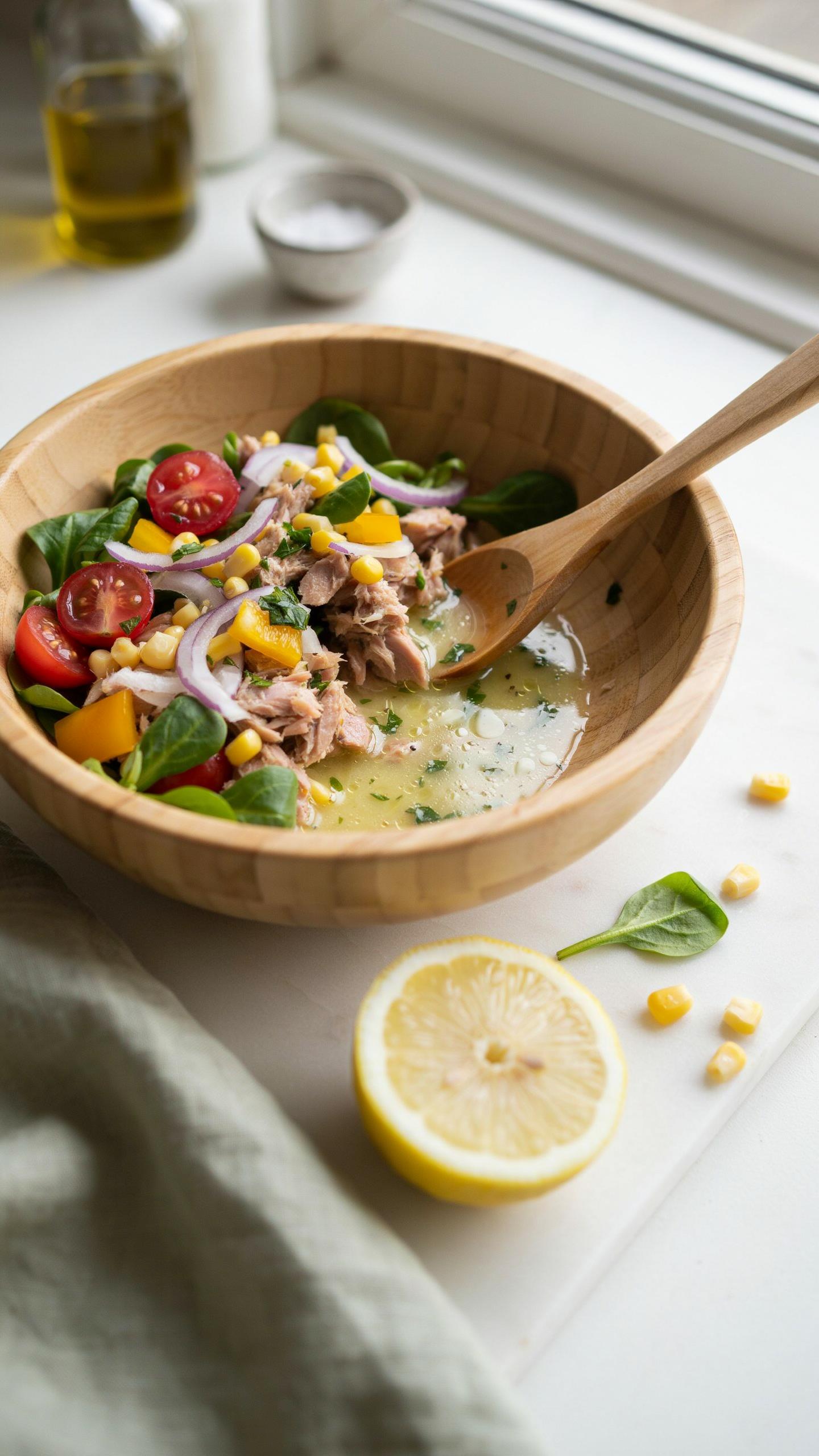
You want the micronutrient breakdown because you think it separates you from people eating garbage. The real mechanism is bioavailability—your body absorbs nutrients only when conditions are right, and tuna salad either creates those conditions or wastes them. Canned tuna delivers selenium, B12, and iodine at levels most people never reach. But these minerals need cofactors to convert into usable form. You’re not just eating nutrients. You’re engineering absorption.
Tuna contains heme iron, which your body absorbs at 15 to 35 percent efficiency. Canned tuna packed in oil adds vitamin D and fat-soluble vitamins your gut actually needs to process minerals. The mayo and oil aren’t filler. They’re the mechanism that makes the micronutrients land. Most meal prep advice skips this because it’s harder to Instagram than “add more greens.”
Stacking Ingredients For Actual Nutrient Density
Biology teaches us about substrate specificity—each enzyme works only on its matched molecule. Apply this to tuna salad: pair your tuna with ingredients whose micronutrients enhance each other rather than compete for absorption. Celery adds potassium and small amounts of molybdenum. Red onion brings quercetin, a compound that boosts iron absorption. This isn’t random combination. It’s deliberate nutrient synergy.
Stop building tuna salad around crunch and flavor alone. The layout matters. Oil at the base buffers stomach acid and extends nutrient contact time. Tuna sits next to fat-soluble vitamins it can carry. Acidic elements like lemon juice lower pH, which increases mineral bioavailability in your small intestine. Refrigerated overnight, the mixture becomes even more bioavailable as acid permeates the protein. The prep timing and ingredient order are the protocol.
The Omega 3 Arsenal Upgrading Your Tuna Salad Meal Prep
Why EPA And DHA Matter More Than You Think
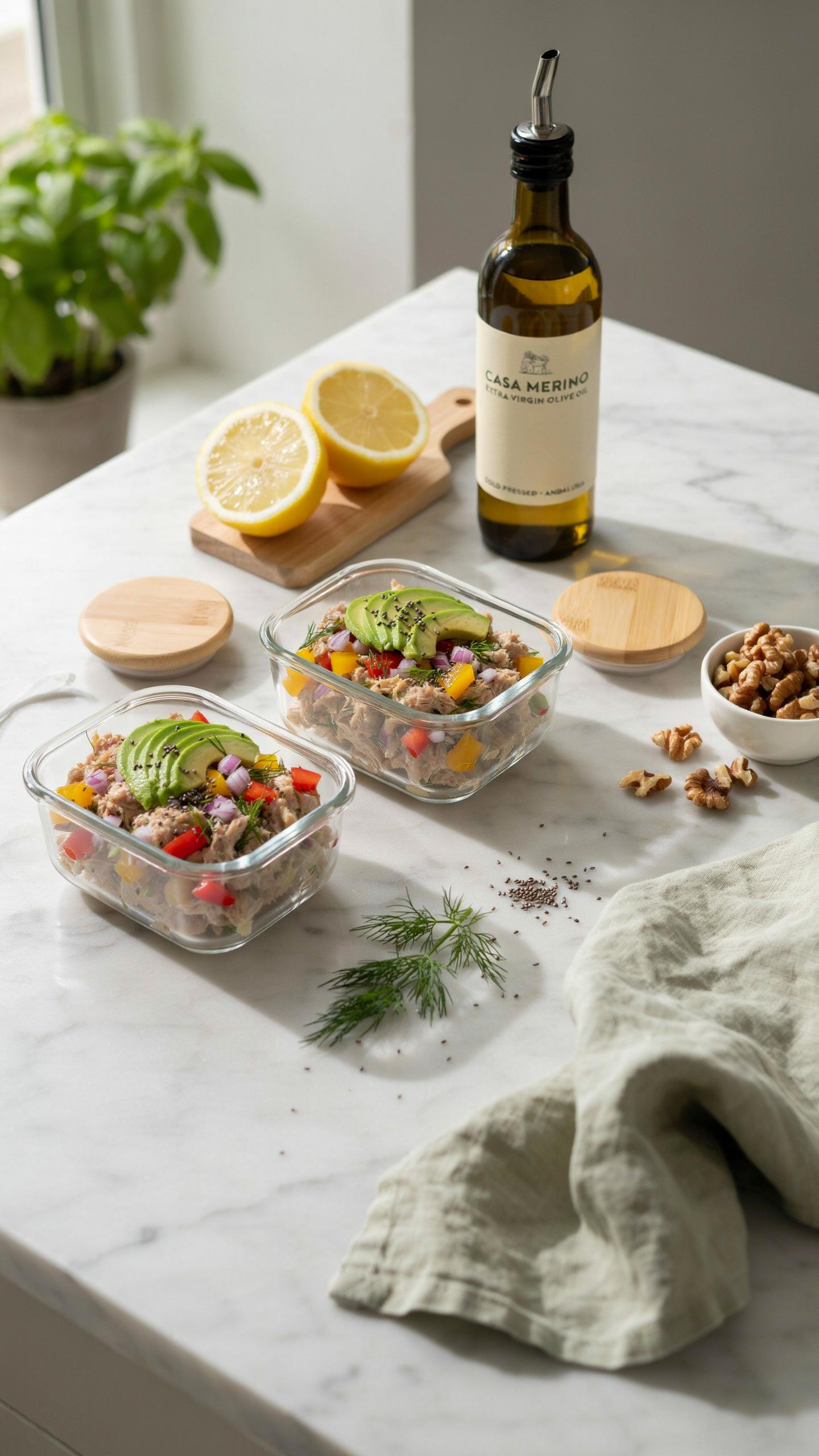
You want the cognitive edge without the prescription. EPA and DHA are long-chain omega-3 fatty acids that cross the blood-brain barrier and reduce neuroinflammation, which directly impacts mood regulation and executive function. Tuna contains both, but the concentration varies by species and storage method. Most people treat omega-3s as a checkbox nutrient instead of understanding the dose-response relationship.
Two cans of skipjack tuna deliver roughly 250-300 milligrams of combined EPA and DHA per week if you eat one serving daily. This matters because clinical research shows cognitive benefits emerge around 1,000-2,000 milligrams weekly. Your tuna salad meal prep alone won’t hit that threshold, which means you’re getting a supporting dose, not a therapeutic one. Pair tuna with flax seeds or a separate fish oil source if you want measurable mental clarity.
Picking The Right Tuna For Your Prep
The common advice says all canned tuna is the same nutritionally. It’s not. Albacore tuna contains nearly triple the mercury of skipjack but also delivers higher omega-3 density. Yellowfin sits in the middle. For meal prep specifically, skipjack offers the best risk-to-benefit ratio because you’re eating it repeatedly throughout the week.
Water-packed tuna loses some omega-3s during processing compared to oil-packed varieties, but the difference is marginal enough that storage and freshness matter more. Buy from brands that list catch dates or use pole-and-line methods instead of mass trawling, which correlates with fresher product. Store unopened cans in a cool, dry place and use opened portions within two days of mixing your salad to prevent oxidation that degrades the fatty acids you paid for.
Deconstructing The Dreaded Tuna Salad Recipe The Essential Elements
What Actually Makes It Work
You want this to taste good and not feel like punishment for choosing protein. The mechanism that separates edible from forgettable is fat balance. Most recipes treat tuna salad as a vehicle for mayo, then wonder why it tastes one-dimensional by Wednesday. Tuna is lean muscle. Mayo is pure fat. You need the fat to make the fish palatable, but the ratio determines whether you’re eating lunch or mayonnaise with tuna mixed in.
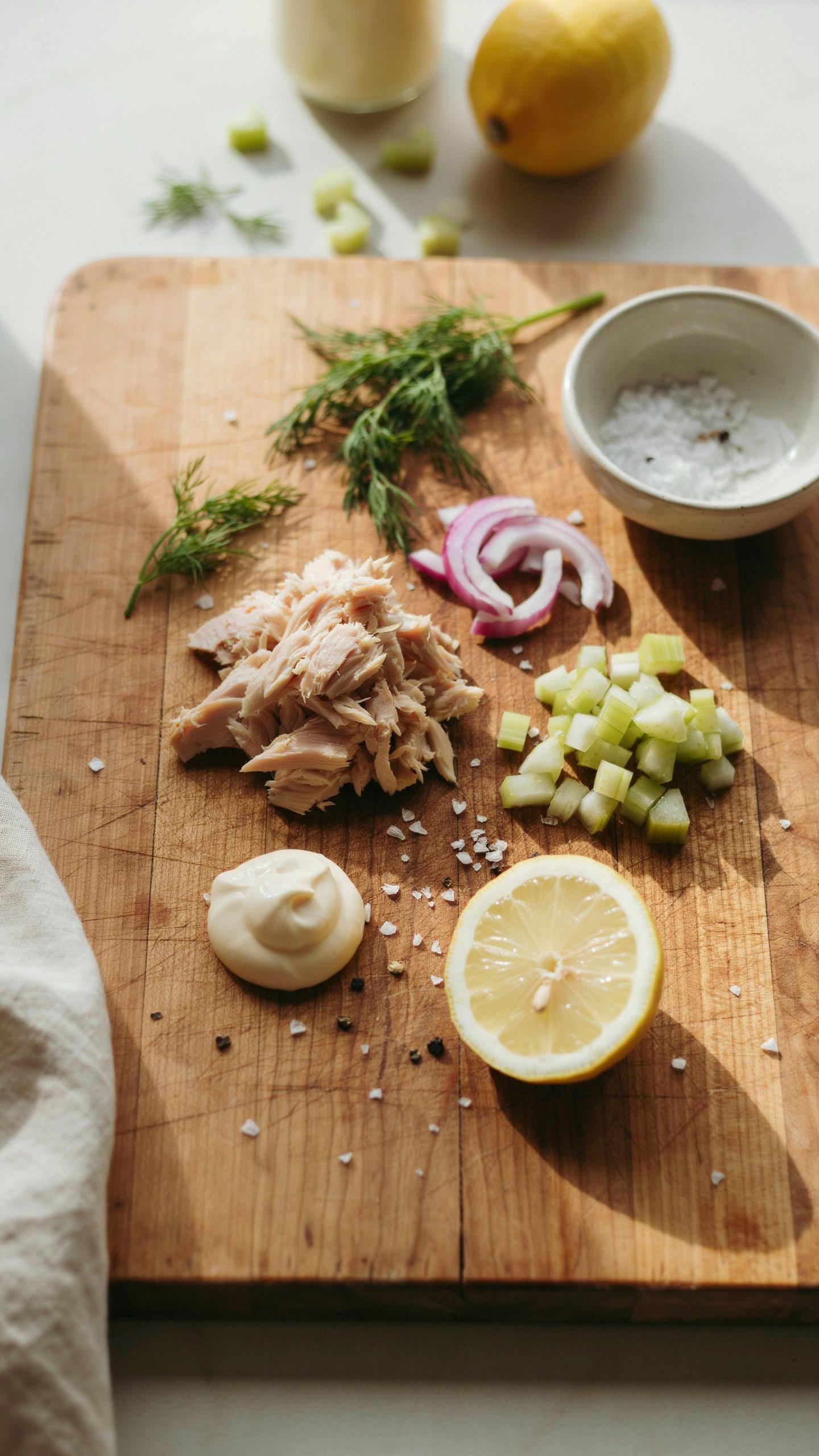
Start with high-quality canned tuna packed in water, not oil. Drain it thoroughly. One can of tuna around 5 ounces contains roughly 25 grams of protein and almost no fat. Add one tablespoon of mayo per can, not three. This gives you emulsification and moisture without coating your mouth. The rest comes from texture elements that force your palate to work: diced celery, red onion, and a squeeze of lemon juice. These components create actual flavor separation instead of a uniform paste.
The Mistake Everyone Makes First
Most advice tells you to focus on freshness and ingredient quality. That’s half true and half avoidance of the real problem. The actual issue is moisture management over time. Tuna salad doesn’t get stale. It gets wet. Water leaches from the vegetables and mayo oxidizes, creating a greasy, separated mass by day three.
The fix is architectural, not philosophical. Keep your protein and binder separate from your vegetables until you’re ready to eat. Store drained tuna in one container with mayo and seasoning. Store your diced celery, onion, and any add-ins like pickle relish or capers in a separate container. Combine them in a bowl five minutes before eating. This single protocol change adds three days to shelf life and prevents the degradation nobody mentions. Temperature consistency matters too. Tuna salad stored at 40 degrees Fahrenheit stays stable. Above 45 degrees, bacterial growth accelerates faster than flavor stays intact.
The Fuel Cycle Method Optimizing Your Easy Lunches
The Rotation That Keeps You Consistent
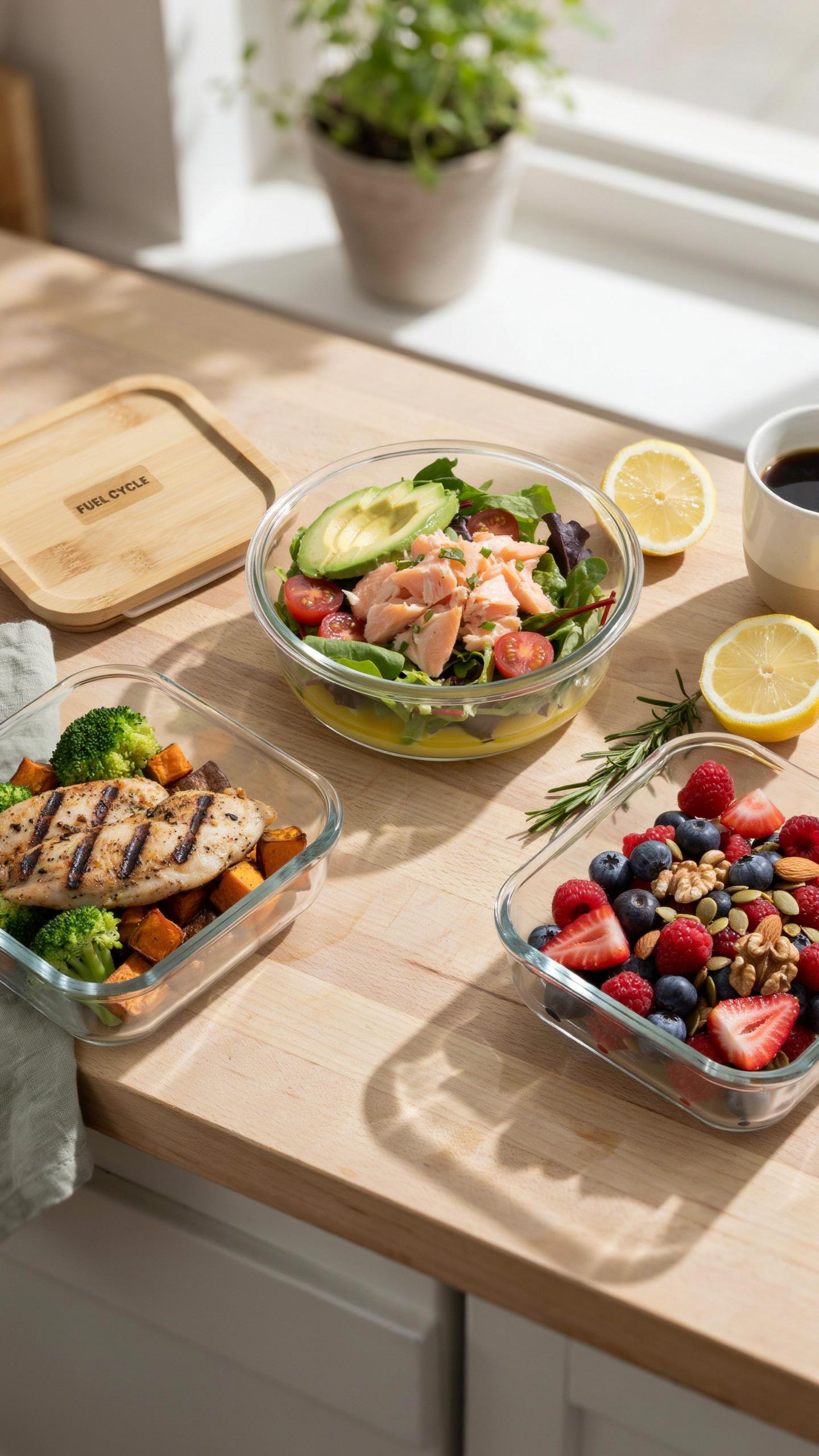
You want to believe one tuna salad recipe works forever. It doesn’t. Your brain is wired to reject repetition, and you’ll sabotage your meal prep the moment boredom hits harder than hunger. The mechanism is simple: novelty sustains compliance. Borrowing from supply chain management, you need inventory rotation. Think of your tuna salad variations as stock units cycling through your weekly rotation. Each recipe gets a scheduled slot, then rotates out before fatigue sets in.
- Base Mix One: Tuna, mayo, celery, red onion. Your reliability anchor. Bland enough to pair with anything, nutritionally consistent week to week.
- Base Mix Two: Tuna, Greek yogurt, dill, lemon juice. Lower calorie density, different flavor profile. Rotates in when you need perceived freshness.
- Base Mix Three: Tuna, avocado oil mayo, jalapeño, lime. Spiced variation. Keeps palate stimulation high without adding prep complexity.
- Base Mix Four: Tuna, dijon mustard, capers, tarragon. Umami-forward option. Trains your taste buds to enjoy savory depth over mayo sweetness.
- Protein Booster: Tuna plus hard-boiled eggs or chickpeas added alternate weeks. Shifts macros slightly, signals to your brain that something changed.
The rotation schedule matters more than the recipes themselves. Commit four weeks to your cycle. Week one uses Mix One, week two Mix Two, week three Mix Three, week four Mix Four. Reset. You remove the decision fatigue that kills meal prep compliance before it starts. Your prep time stays identical. Your nutrition stays predictable. Your adherence climbs because your brain gets what it needs: controlled variation.
When Batch Cooking Breaks Down
Most meal prep advice tells you to cook all your tuna salad on Sunday and eat it for five days. That’s incomplete. Raw tuna and mayo separate over time. Vegetables release water. The salad deteriorates in quality by day four. Better approach: cook your base proteins in bulk, but assemble the salad two days before eating it.
Cook all your tuna on Sunday using the same prep method each time. Store it in airtight glass containers with minimal air contact. Chop all your fresh vegetables on Sunday as well, but store them separately in sealed containers. On day one, mix your first batch. On day three, assemble your second batch using fresh components from your stored vegetables. This adds one assembly step but eliminates the soggy salad problem entirely. Your texture stays firm. Your palatability remains high enough that you actually eat what you prepped instead of abandoning the containers halfway through the week.
Tuna Salad Ideas Constraint As Creativity For Peak Nutrition
The Math Of Sameness
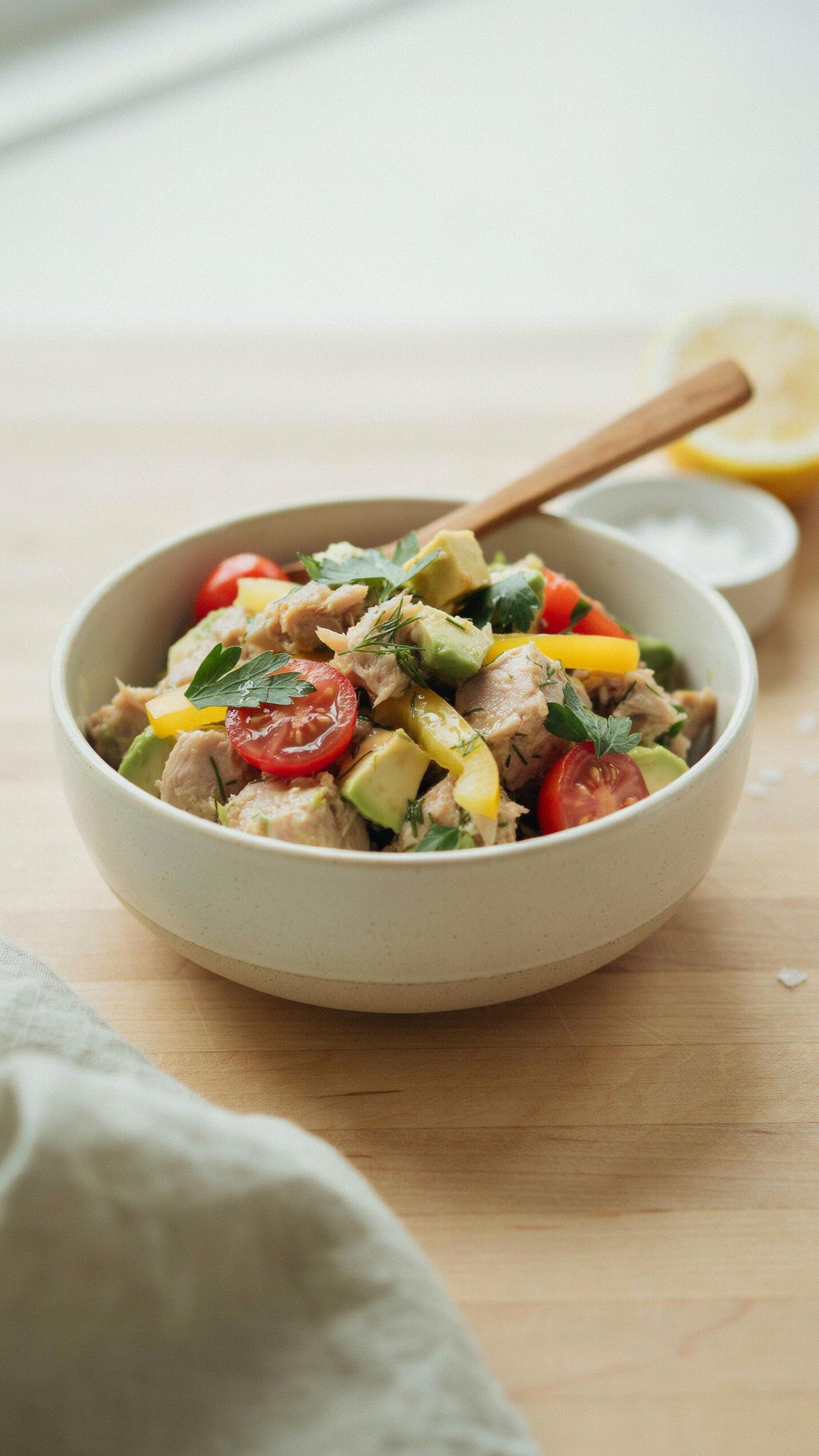
You want permission to eat the same thing without feeling like you’re settling. That’s the real issue here. The mechanism is simple: tuna salad uses constraint like an engineer uses parameters. You lock down the protein source and base, then vary everything else within those fixed boundaries. This creates infinite combinations from a closed ingredient set. Most people think creativity means starting from scratch every time. Wrong. It means mastering the leverage points within a system.
A tuna salad framework has three locked variables: canned tuna, mayo or vinegar base, and greens or filler. Everything else is a dial you turn. Celery, red onion, pickles, hard boiled eggs, nuts, seeds, cheese, fresh herbs, hot sauce, lemon juice, Dijon mustard. You’re not inventing from nothing. You’re selecting from a predefined toolkit. This saves decision energy and eliminates the paralysis that kills meal prep consistency. The result is a system that scales without breaking.
Flavor Stacking Inside Boundaries
The real advice on “innovation” tells you to get creative with ingredients. That’s incomplete. The actual mechanism comes from contrast and layering, not novelty. Start with your tuna base. Add one sharp element—pickle juice, hot sauce, mustard. Add one textural element—chopped nuts, seeds, or crispy chickpeas. Add one fresh element—herbs or citrus zest. That’s three dimensions of flavor working together within the same lunch container.
The constraint forces you to think about what each ingredient does rather than throwing random items together. Tuna salad with celery, mayo, and dill tastes different from tuna salad with capers, lemon, and red onion, even though both take five minutes to make. You’re not expanding your toolkit. You’re rearranging fixed pieces until the combination lands. Build your base recipe. Pick three flavor variables. Rotate them weekly. That’s your system.
The Shelf Life Spectrum Engineering Longevity For Healthy Tuna Salad
How Cold Chains Actually Work
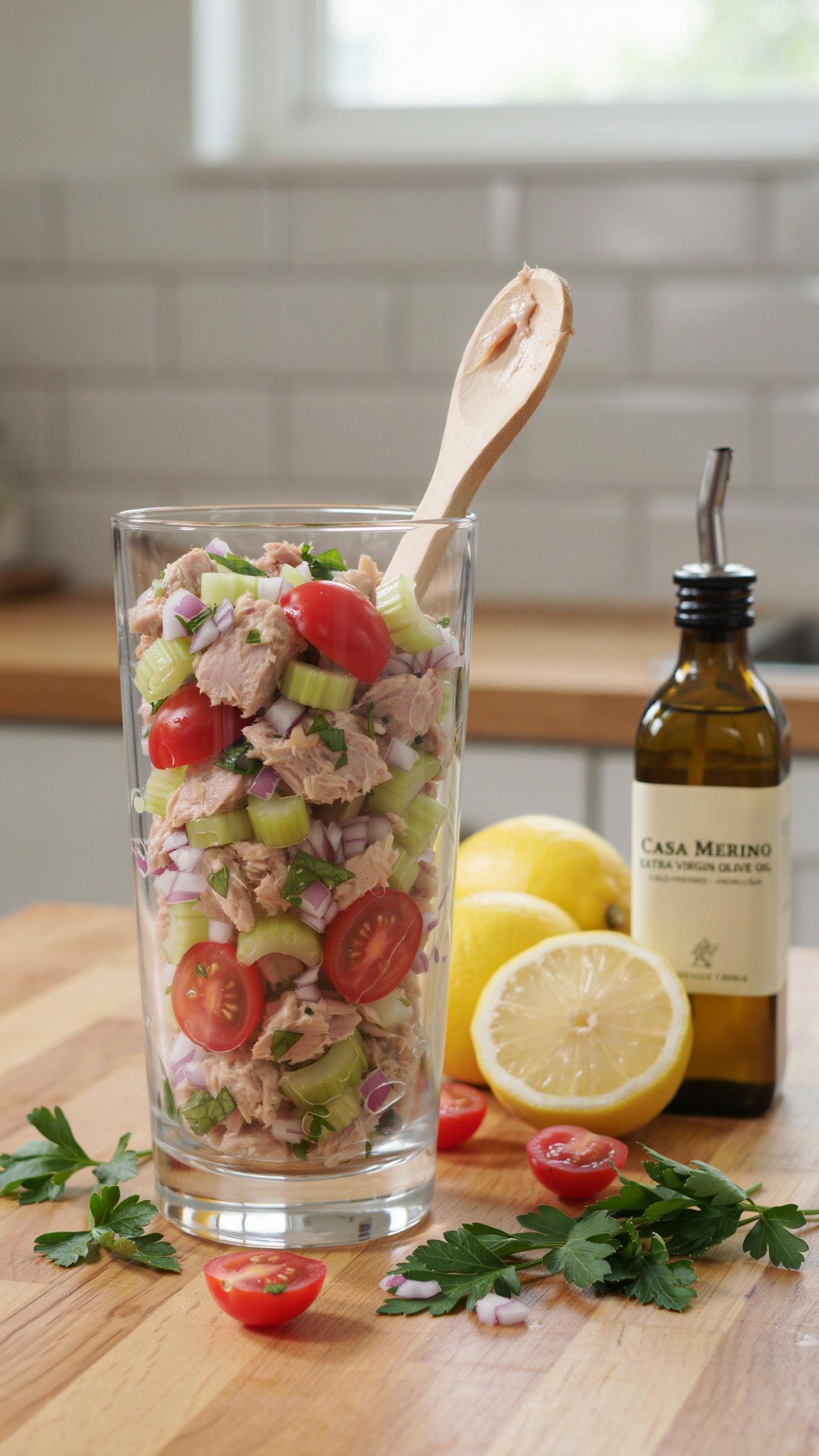
You want your meal prep to last because you’re afraid of food waste and wasted money. Here’s what actually matters: temperature control is a physics problem, not a preference. Cold slows bacterial reproduction exponentially, not linearly. At 40°F, pathogens double every 20 hours. At 32°F, that stretches to 72 hours or beyond. The difference between your fridge at 38°F versus 35°F isn’t trivial—it’s survival math for your lunch.
Tuna salad in a sealed container at 35-38°F stays safe for three to four days maximum. Mayo accelerates this timeline because it’s an emulsion that breaks down as temperature fluctuates. Don’t store tuna salad near the fridge door where temperature swings. Store it on the middle shelf where cold stays stable. If you’re meal prepping five days of tuna salad, you’re already past the safety window by day four. Split your prep into two batches or freeze portions after day two.
When Mayo Turns Against You
The common advice says “just use less mayo” to prevent sogginess. That’s incomplete. Moisture degradation happens through two separate mechanisms: osmosis from the tuna itself and oxidation of the mayo. They’re different problems requiring different solutions.
Drain your canned tuna aggressively. Pat it dry with paper towels. This removes water that will leach into your greens and break down mayo’s structure. For mayo oxidation, add acid. Lemon juice or vinegar creates an environment where rancidity develops slower. A tablespoon of lemon juice per can of tuna isn’t flavor—it’s a preservation protocol. Store dressing separate from greens until consumption. Your salad base should hit the container dry. Mix everything minutes before eating, not hours before.
The Biofeedback Loop Of Easy Tuna Salad A Cybernetic Approach
How Your Body Talks Back After Lunch
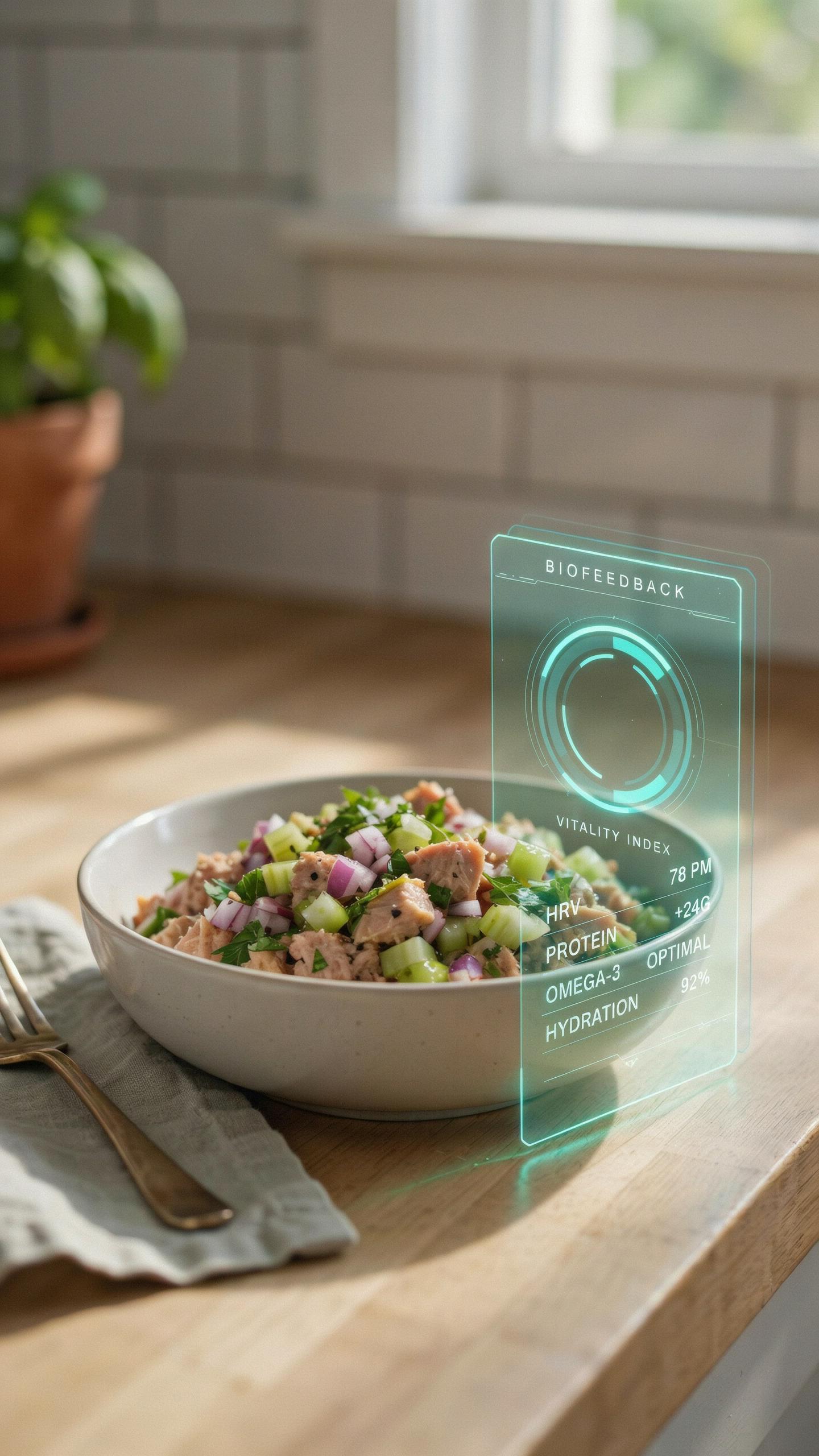
You want to believe meal prep is static, that you nail a recipe once and run it forever. It never works that way. Cybernetics, the study of feedback systems in machines and organisms, maps directly onto tuna salad: your body sends signals, you measure them, you adjust the input. Most people ignore the signal. Post-meal energy crash at 2 PM tells you something specific about your protein to fat ratio or vegetable volume. That data point is more valuable than any generic macronutrient target.
Track what happens in the 90 minutes after eating your prepped tuna salad. Note the energy level, hunger return time, mental clarity. These observations are not optional self-help fluff. They’re your calibration mechanism. A tuna salad that leaves you wired at 1 PM but hungry by 2:30 PM is giving you direct feedback about portion sizing or ingredient balance. Document three variables: protein grams, fat grams from mayo and fish oil, and total vegetable weight. After five meals, patterns emerge.
When Satiety Data Beats Guesswork
Generic advice says eat more protein or add fiber. This is incomplete. Satiety isn’t one lever, it’s a system with multiple pressure points: osmotic load from sodium in tuna, fat density from mayo, fiber from greens, meal volume overall. Most people adjust only one variable at a time and wonder why nothing changes. Satiety data forces you to think like an engineer instead of a dieter.
Build a two-column log for one week. Column A: your honest hunger level two hours after eating (scale 1 to 10). Column B: your tuna salad composition that day. Track mayo percentage, tuna type (canned in water versus oil), vegetable count, and salt level. After seven entries you’ll spot the correlation nobody teaches. If hunger consistently spikes after low-mayo, high-water-tuna batches, your body is telling you fat density matters more than protein quantity for your satiety curve. Adjust the next batch by increasing mayo from two tablespoons to three and measure hunger again.
Your Kitchen As A Lab Iterative Optimization For Tuna Salad Recipe Easy
Flavor And Texture Combinations
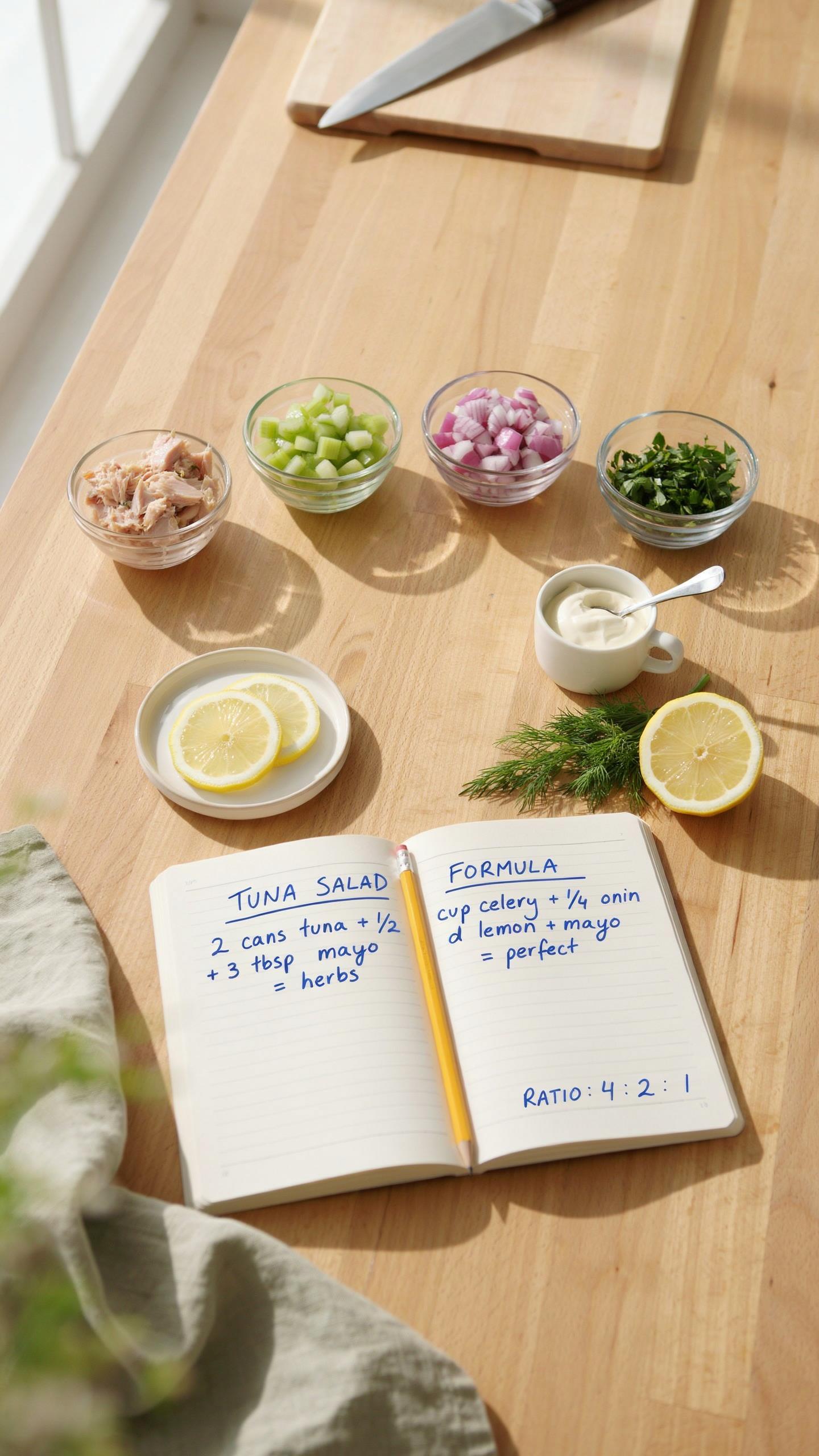
You want to believe there’s a perfect ratio you’ll discover once and use forever. There isn’t. The mechanism is simple: your palate adapts. What tastes bright on Monday tastes flat on Friday. The fix is treating flavor profiles like variables, not constants. Mayo-to-tuna ratio, acid source, textural contrast, salt timing—these are the four levers. Adjust one at a time. Taste the result the next day, not immediately. Immediate taste deceives you.
Texture operates on the same principle as moisture in baking. Too much mayo creates a paste that suffocates the tuna. Too little creates paste that crumbles. The target is a binding agent that holds structure without drowning flavor. This is why adding crunch matters—celery, red onion, or seeds force you to chew, which triggers salivation and resets your taste receptors mid-meal. Acid also functions as a texture agent. Lemon juice or vinegar firms the tuna fiber slightly and cuts through fat fatigue. Test one variable per week.
Document Results For Continuous Improvement
The common advice here is to “keep notes.” That’s too vague to execute. What you actually need is a single row in a spreadsheet: date, tuna brand, mayo percentage, acid type, acid amount, mix-in ingredients, storage days before degradation noticed, and a one-line taste note. This creates a searchable record of cause and effect.
- Tuna Brand And Oil Type: Different brands vary in moisture and salt content. Canned in water versus oil changes mayo absorption rates and flavor carry-over significantly.
- Mayo Percentage By Weight: Record exact ratios. A 3:1 tuna-to-mayo ratio behaves differently than 2.5:1 over a five-day window due to protein breakdown and oil separation.
- Acid Type And Timing: Lemon juice, lime, vinegar, and pickle juice alter preservation speed differently. Document whether you add acid before storage or at serving.
- Texture Additions And Quantity: Celery loses crunch after day two. Seeds stay stable. Track when each ingredient fails and plan prep day accordingly.
- Storage Container Material: Glass and stainless steel preserve flavor longer than plastic. Note any flavor transfer or moisture buildup by container type across days.
After two months, patterns emerge. You’ll see which combinations stay stable through day five and which degrade by day three. You’ll identify the exact mayo percentage that works for your preferred eating window. When a batch tastes wrong, you’ll have data to trace the problem to one variable instead of guessing. The real optimization happens when you stop adjusting based on feeling and start adjusting based on what the numbers show you actually preferred last month.
Your biggest obstacle isnt the tuna its your disordered system
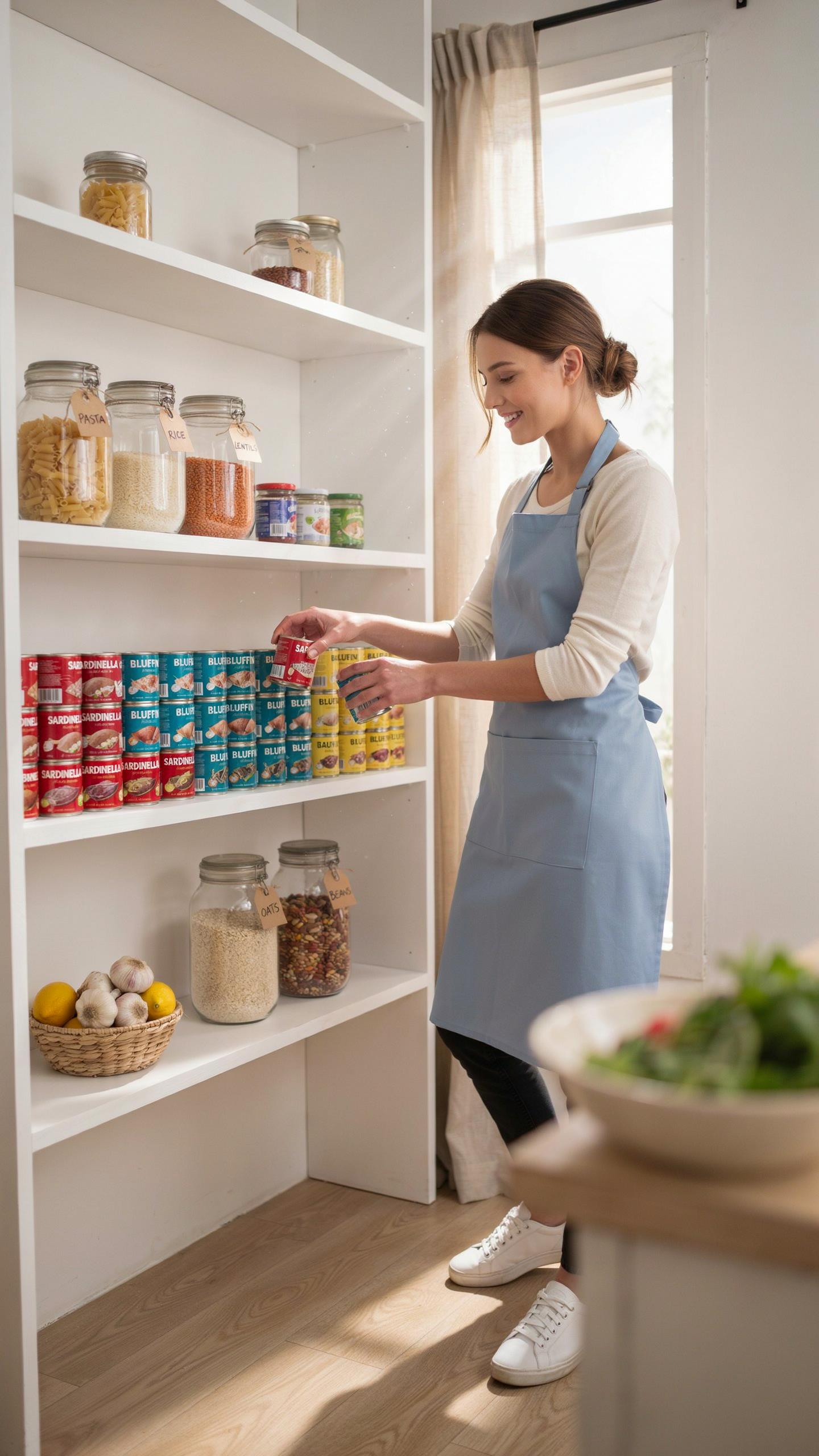
Most people fail at tuna salad meal prep because they treat it like a task instead of a system. You buy tuna randomly. You prep when motivated. You store it wrong. Then you wonder why you’re buying lunch again. The fix is mechanical: pick one day, same day every week, and own that three hours completely. This week, block Sunday at 2pm on your calendar right now. Buy your tuna, vegetables, and containers tomorrow. One decision repeated beats perfect execution attempted once.