

What Is Vitamin B12 And Why Does Your Body Need It

The Role Of Vitamin B12 In Red Blood Cell Production And Nerve Function
Vitamin B12 is essential for DNA synthesis and cellular energy. Your body relies on it to create healthy red blood cells. Without enough B12, these cells grow too large and cannot function. This leads to megaloblastic anemia, which causes severe fatigue and weakness. Your blood must carry oxygen efficiently to keep your organs working. B12 provides the blueprint for this process.

This nutrient also maintains the myelin sheath that protects your nerves. This protective coating ensures fast signal transmission between your brain and your limbs. When B12 levels drop, your nerves suffer permanent damage. This often manifests as numbness, tingling, or balance issues. You need this vitamin to keep your central nervous system stable and your cognitive functions sharp and responsive over time.
How Your Body Absorbs Vitamin B12 And Why Intrinsic Factor Matters
Absorption of B12 is a complex two-step process that starts in the stomach. First, hydrochloric acid and enzymes detach the vitamin from the protein in your food. Once free, B12 must bind to a specific protein called intrinsic factor. Your stomach lining produces this protein specifically to transport B12. This bond allows the vitamin to survive the digestive tract until it reaches the small intestine.

The final stage of absorption occurs in the ileum. Without intrinsic factor, your body cannot pull B12 into the bloodstream, no matter how much you eat. Many people suffer from low levels because their stomachs fail to produce this transport protein. This condition disrupts the entire nutrient supply chain. Understanding this mechanism is vital for identifying why diet alone might not solve a deficiency.
Top Animal Based Vitamin B12 Foods You Should Eat Regularly
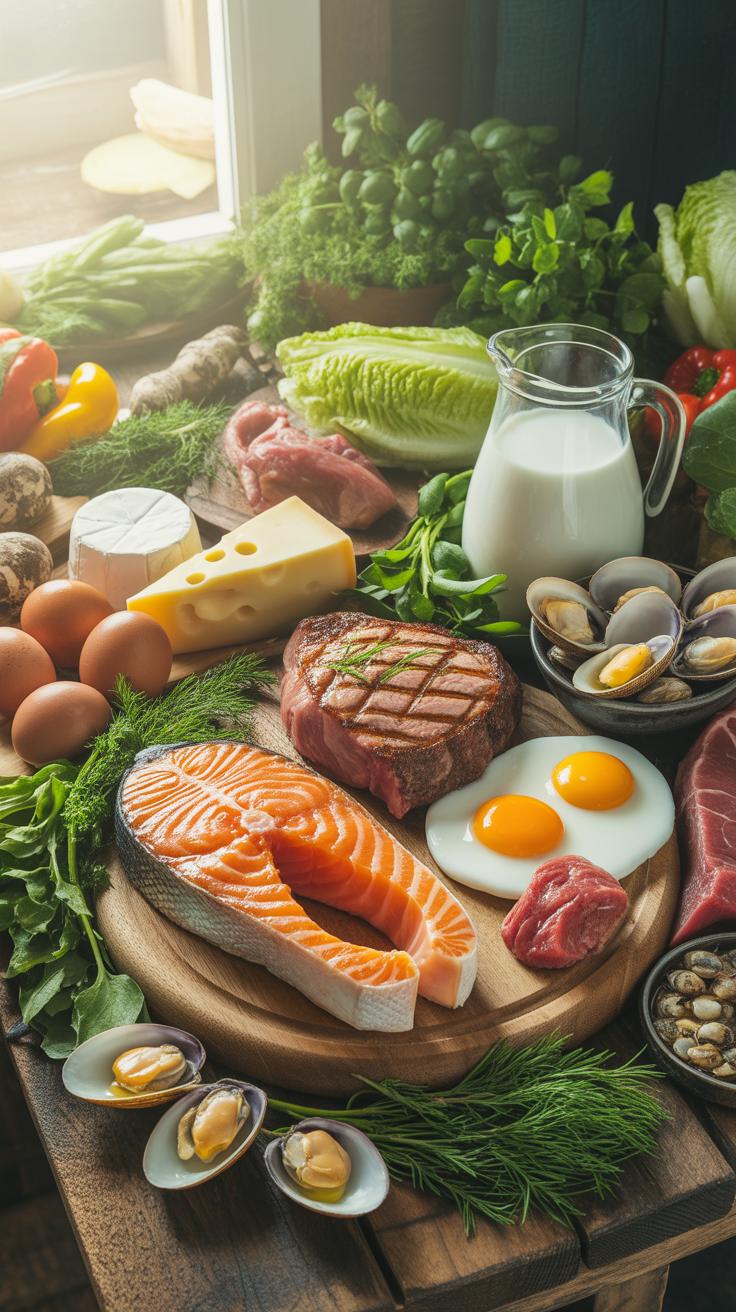
Why Beef Liver, Clams, And Salmon Are Among The Most Potent B12 Rich Foods
Beef liver and clams provide the highest concentrations of B12 available. A single serving of beef liver exceeds the daily requirement for most adults. These organ meats store vitamins directly. Clams offer similar density. They provide more than 3,000 percent of your daily value per three-ounce serving. This makes them the most efficient way to correct a deficiency quickly through whole food sources.
Salmon and other fatty fish serve as excellent secondary sources. These fish accumulate B12 from the small organisms they eat in the wild. Farmed varieties also contain high levels due to fortified feed. Salmon provides high amounts of protein and omega-3 fatty acids alongside the vitamin. Consuming these foods twice a week ensures your blood levels remain stable. They offer high bioavailability for immediate use by the body.
Eggs, Dairy, And Poultry As Reliable Everyday Sources Of Vitamin B12
Eggs and dairy products act as essential maintenance tools for B12 levels. While they contain less B12 than liver, they are easier to eat daily. Two large eggs provide about one microgram of the vitamin. Most of this nutrient sits in the yolk rather than the white. Dairy products like milk and yogurt show even higher absorption rates. The body absorbs B12 from dairy better than from meat.
Poultry provides a lean option for consistent intake. Chicken and turkey contain moderate amounts of the vitamin. You should prioritize dark meat over white meat for higher nutrient density. These sources work well for people who do not enjoy organ meats or seafood. Daily consumption of these animal products prevents the slow depletion of B12 stores. Consistent intake is the only way to maintain long-term neurological health.
Best Plant Based And Fortified Vitamin B12 Rich Foods For Vegans

Why Fortified Plant Milks, Cereals, And Nutritional Yeast Are Key Vit B12 Rich Foods For Non Meat Eaters
Plant foods do not naturally produce B12. Bacteria create this essential nutrient in the digestive tracts of animals. For vegans, fortified foods act as the primary delivery system to prevent nerve damage. Manufacturers add synthetic B12 to soy milk, almond milk, and breakfast cereals during processing. These products mimic the nutrient profile of animal products. They provide a predictable dose that the human body can absorb efficiently.
Nutritional yeast is a specific staple for plant based diets. Many brands fortify these yellow flakes with high doses of cyanocobalamin. This form of B12 is stable and has a long shelf life. You must eat these foods several times a day to maintain steady blood levels. Relying on unfortified organic products will lead to a deficiency. Consistency is the only way to ensure your nervous system functions correctly without meat.
How To Read Food Labels To Identify Fortified Vitamin B12 Sources Accurately
Reading the nutrition facts panel is a mandatory skill for every vegan. Do not trust the front of the package. Turn the box over and look at the ingredient list first. Specifically search for the word cobalamin or cyanocobalamin. These terms confirm the manufacturer added the vitamin to the product. If these words are missing, the food contains zero B12. Marketing claims about natural energy often mislead consumers without these facts.
Check the daily value percentage listed on the label. High quality fortified foods usually provide twenty five percent or more of your daily needs per serving. Be aware that bioavailability varies between products. Some cereals offer one hundred percent of your requirement in a single bowl. Always verify the serving size to calculate your actual intake accurately. Precise tracking prevents the fatigue and cognitive decline associated with low vitamin B12 levels.
How Vitamin B12 Directly Powers Your Energy Levels Every Day

The Link Between Vitamin B12, Methylmalonyl CoA Metabolism, And Cellular Energy Production
Vitamin B12 acts as a vital cofactor for the enzyme methylmalonyl-CoA mutase. This enzyme facilitates the conversion of methylmalonyl-CoA into succinyl-CoA inside your mitochondria. Succinyl-CoA is a primary entry point for the Krebs cycle. This cycle is the main engine through which your cells generate chemical energy. Without sufficient B12, this metabolic pathway stalls. Your body cannot efficiently burn fats and proteins for fuel.
Failure in this process leads to a buildup of methylmalonic acid in the blood and tissues. High levels of this acid signal that your cellular machinery is failing to produce ATP. ATP is the universal currency of energy in the human body. When you consume vitamin B12 foods, you provide the raw materials necessary to keep this engine running. Accurate B12 levels ensure your metabolism converts nutrients into usable power.
Nourishing your body with the wholesome foods of our ancestors provides the vital spark that keeps your inner light burning bright. When you honor your health with the right nutrients, you rediscover the boundless energy of your youth.
Why Fatigue Is One Of The Earliest Warning Signs Of Low B12 Intake
Fatigue manifests early because B12 is essential for red blood cell formation. These cells transport oxygen to every organ and muscle. When B12 intake drops, red blood cells cannot mature properly. They become large, fragile, and inefficient at carrying oxygen. This condition is known as megaloblastic anemia. Your heart and lungs must work harder to circulate oxygen, leaving you feeling drained and physically weak.
Beyond blood health, B12 protects the myelin sheath that covers your nerves. A damaged sheath slows down nerve impulses and depletes mental energy. You might experience brain fog or a lack of focus before physical symptoms worsen. This neurological drain adds to the systemic exhaustion caused by poor oxygen transport. Prioritizing vitamin b12 foods prevents this double hit to your physical and mental stamina.
Signs You May Not Be Getting Enough B12 Foods In Your Diet

Common Physical Symptoms Of Vitamin B12 Deficiency You Should Not Ignore
Vitamin B12 supports red blood cell production and neurological function. When levels drop, your body struggles to transport oxygen and maintain nerve sheaths. Early symptoms often appear subtle but intensify as depletion continues. Ignoring these biological red flags leads to permanent nerve damage. You must recognize the shift from simple fatigue to clinical deficiency markers to protect your long term health.
- Persistent Fatigue: This is not standard tiredness from lack of sleep. It results from megaloblastic anemia where red blood cells are too large to function. Your tissues receive less oxygen which causes constant physical exhaustion and muscle weakness throughout the day.
- Paresthesia or Tingling: You may feel pins and needles in your hands and feet. This sensation signals that the protective myelin sheath around your nerves is degrading. Without enough B12, your nervous system cannot transmit electrical signals accurately which leads to numbness or coldness.
- Cognitive Decline: Deficiency often manifests as brain fog or memory loss. You might struggle to find words or lose track of basic tasks. Since B12 is essential for brain health, low levels mimic early signs of dementia or significant mental impairment in adults.
- Glossitis and Mouth Ulcers: Your tongue may become swollen, red, and painful. This inflammation changes the texture of the tongue by smoothing out the tiny bumps called papillae. Recurrent mouth sores or a burning sensation in the oral cavity often indicate a serious nutritional gap.
- Dizziness and Loss of Balance: Frequent bouts of vertigo or feeling unsteady while walking are common indicators. This happens because the nervous system loses its ability to coordinate movement and maintain equilibrium. It increases the risk of falls and signals advanced depletion in the body.
Monitoring your body for these specific changes is a tactical necessity. Physical signs act as a diagnostic roadmap before you seek blood work. Most people dismiss these signals as stress or aging. However, clinical deficiency requires immediate dietary intervention or supplementation. Catching these symptoms early prevents the progression of neurological issues that become irreversible if the diet remains unchanged for years.
Who Is Most At Risk Of B12 Deficiency And Why Diet History Plays A Role
Strict vegans and vegetarians face the highest risk because B12 occurs naturally only in animal products. This nutrient binds to animal proteins, making plants a poor source. If you have followed a plant based diet for over three years without fortification, your internal stores are likely low. The body stores B12 in the liver, but these reserves eventually run dry without consistent intake.
Age and digestive health also dictate your risk profile. Older adults often produce less stomach acid which is required to strip B12 from food proteins. People using acid blockers or those with history of gastrointestinal surgery cannot absorb the vitamin effectively. Even a high protein diet fails if your gut mechanics are compromised. Tactical awareness of your medical history ensures you manage your B12 levels before symptoms manifest.
How Much Vitamin B12 Do You Actually Need From B12 Foods Daily
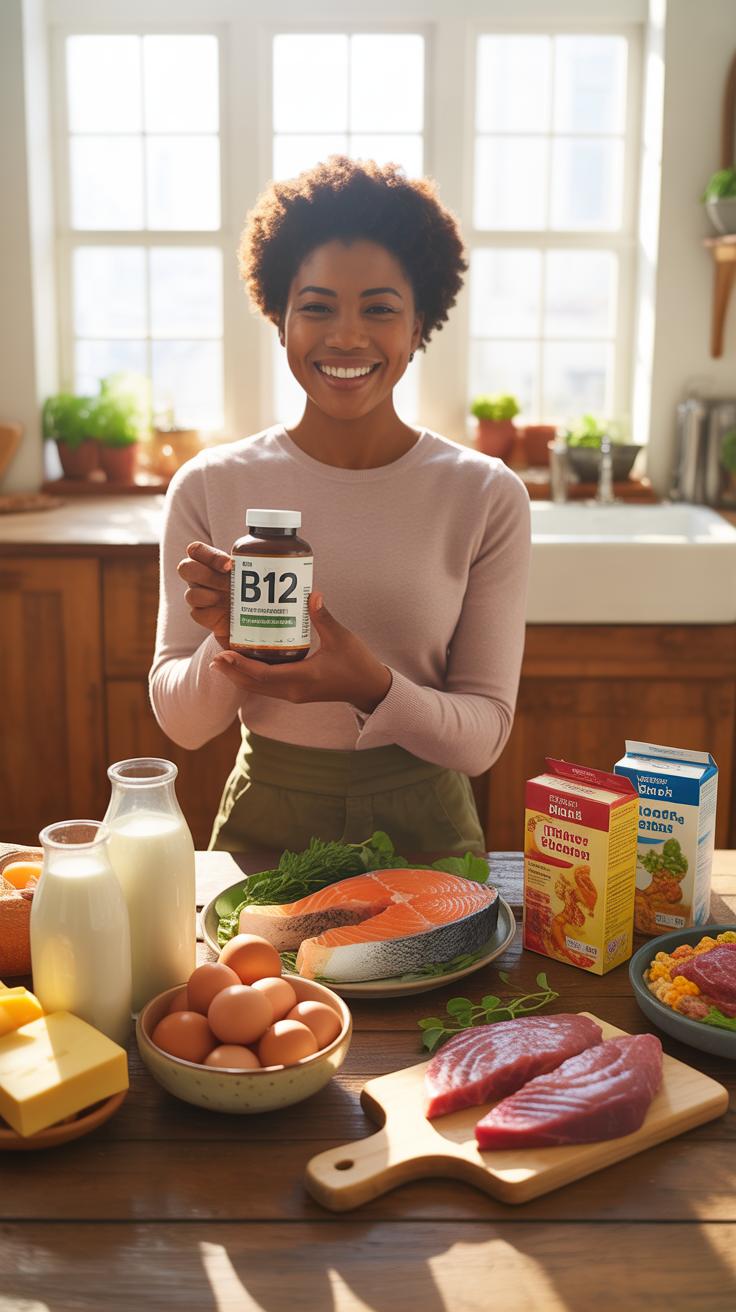
Recommended Daily Intake Of Vitamin B12 For Adults Pregnant Women And Older Adults
Healthy adults require 2.4 micrograms of B12 every day to maintain nerve function and DNA synthesis. This target increases for specific life stages. Pregnant women need 2.6 micrograms to support fetal development. Breastfeeding women require even more at 2.8 micrograms daily. These amounts ensure the body replaces what it loses through metabolic processes. Precise intake prevents the onset of megaloblastic anemia and permanent neurological damage.
Older adults face unique challenges with absorption. Many people over age fifty develop thin stomach linings or low acid levels. This condition prevents the body from stripping B12 from animal proteins effectively. While the official dosage remains the same, doctors often suggest higher targets or fortified sources. Efficient absorption depends on intrinsic factor protein production. Monitor these levels closely to maintain cognitive health and consistent energy levels as you age.
Why Cooking Methods And Food Processing Can Reduce B12 Content In Your Meals
High heat destroys the delicate molecular structure of vitamin B12. Boiling meat or milk for long periods can leach up to 50 percent of the vitamin into the liquid. Microwave cooking also speeds up the degradation of B12 compared to traditional frying or roasting. To keep the nutrient density high, avoid overcooking your protein sources. Quick searing or steaming preserves the chemical integrity of the vitamins found within the muscle fibers.
Food processing further strips vitamins from natural sources. Ultra-processed meats often lose their nutritional value during grinding and preservation stages. Manufacturers sometimes add synthetic B12 back into cereals to fix this loss. However, whole food sources remain superior for bioavailability. You must balance your cooking temperature and time to protect your investment in high-quality meat. Raw or lightly cooked options usually retain the highest concentration of the essential nutrients you need.
Practical Ways To Add More B12 Vitamin Rich Foods To Your Meals

Simple Meal Planning Tips To Consistently Include B12 Rich Foods Throughout The Week
Successful B12 intake requires a tactical approach to daily meal prep. You cannot rely on sporadic consumption. Most people need to secure their intake through animal products or fortified sources. Planning ensures you hit your daily targets without guesswork. Focus on high-density sources like liver, clams, and fish. These provide massive amounts per serving. Balance these with dairy or eggs for consistent baseline levels.
- Batch Cook Eggs: Hard-boiled eggs offer a portable and reliable source of B12. Prepare a dozen at the start of the week. This ensures you have an immediate protein and vitamin source for breakfast or midday snacks. It eliminates the excuse of poor timing.
- Rotate Seafood Selections: Integrate sardines, mackerel, or salmon into your lunch rotation. Canned fish provides a stable shelf life and high B12 concentrations. This strategy works well for busy professionals who need quick meals. Use these as primary protein toppers for greens or grains.
- Utilize Fortified Nutritional Yeast: This is a critical tool for those limiting meat. Sprinkle it on popcorn, pasta, or roasted vegetables. It adds a savory flavor profile while delivering a synthetic yet effective dose of B12. Check labels to ensure the brand includes cyanocobalamin or methylcobalamin.
- Incorporate Organ Meats: Beef liver contains the highest concentration of B12 available. You do not need large portions to see results. Freeze small portions and mix them into ground beef for burgers or stews. This hides the strong flavor while maximizing the nutritional density of your meal.
- Daily Dairy Integration: Greek yogurt and cottage cheese provide steady B12 throughout the day. Use yogurt as a base for sauces or snacks. These foods also offer calcium and protein. Consistent dairy consumption helps maintain your levels when you skip larger meat-heavy meals during a busy work week.
Consistency wins over intensity. Do not try to eat a week’s worth of B12 in one sitting. Your body absorbs small amounts more efficiently through the intrinsic factor process in the gut. Spread your intake across three meals. This keeps your energy steady and prevents depletion. Monitor your choices to ensure every plate has at least one reliable B12 source included.
How Combining B12 Foods With Other Vitamin B Foods Supports Overall Nutritional Balance
Vitamin B12 works in a tight chemical partnership with Folate and B6. This trio manages homocysteine levels in your blood. High homocysteine poses risks to your heart and brain. You must pair B12 rich meats with leafy greens or legumes. This combination ensures your body processes these vitamins correctly. Neglecting one B vitamin can stall the benefits of the others.
Strategic pairing creates a synergistic effect. When you eat beef, add spinach or asparagus to the side. This provides the Folate necessary for DNA synthesis. Your metabolism depends on the entire B-complex family to convert food into usable energy. Raw ingredients alone are not enough. You need the right combinations to unlock tactical health advantages. Focus on whole food synergy for maximum impact.
Vitamin B12 Supplements Vs Vitamin Rich Foods What Science Says
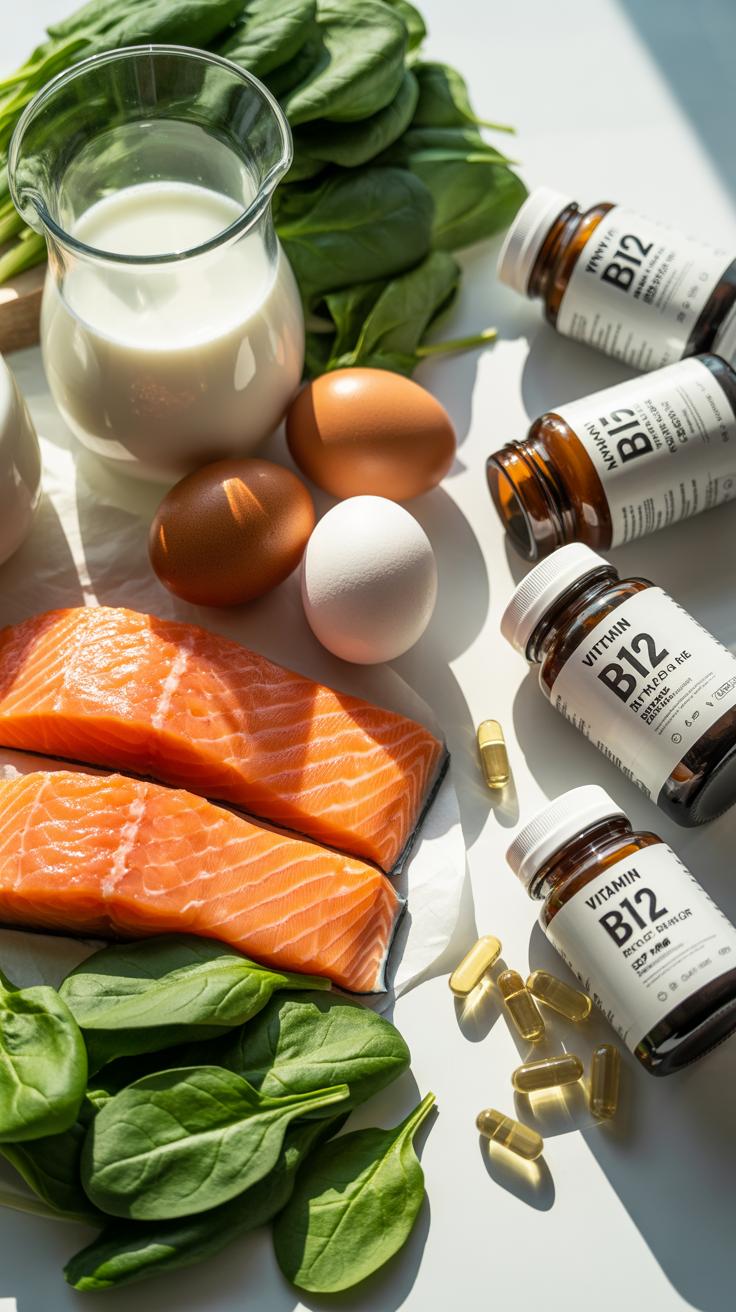
Guidance When Whole Food Sources Of B12 Are Sufficient And When Supplementation Becomes Necessary
Healthy adults with functional digestive systems usually meet their needs through animal products. Clams, beef liver, and fish provide high concentrations of the nutrient. Your body stores several years of this vitamin in the liver. If you eat meat and dairy regularly, your levels likely remain stable. Food sources provide a complex matrix of nutrients that aid in natural absorption and utilization.
Dietary intake fails when your body cannot produce enough intrinsic factor. This protein is essential for absorbing B12 in the small intestine. Pernicious anemia, gastrointestinal surgery, or aging often block this process. Strict vegans also lack natural food sources. In these cases, oral supplements or injections become mandatory. You cannot rely on food alone if your biological machinery for absorption is broken or missing.
Understanding The Different Forms Of B12 Supplements And How They Compare To Dietary Sources
Supplements primarily use cyanocobalamin or methylcobalamin. Cyanocobalamin is a synthetic form known for its high stability and low cost. It performs well in clinical settings and has a long track record of success. Methylcobalamin is the naturally occurring coenzyme form found in food and human tissue. While some claim it absorbs better, the body processes both types effectively to prevent deficiency and keep nerves healthy.
Food sources provide B12 bound to animal proteins. Stomach acid must first release the vitamin before it can bind to transport proteins. Supplements offer the vitamin in a free form that does not require this initial separation. This makes supplements a tactical choice for people with low stomach acid. However, food sources offer better overall nutrition since they contain other essential amino acids and minerals.
Special Populations Who Need To Pay Closer Attention To B12 Foods

Why Older Adults Absorb Vitamin B12 Less Efficiently And How To Compensate Through Diet
Aging reduces the stomach’s ability to produce hydrochloric acid. This acid is necessary to release B12 from animal proteins. Many adults over fifty develop atrophic gastritis. This condition thins the stomach lining and stops the production of intrinsic factor. Without this specific protein, the body cannot move B12 into the bloodstream. Relying solely on meat becomes less effective as digestion slows down.
To fix this, older adults should prioritize fortified foods alongside traditional sources. Foods like nutritional yeast and fortified cereals contain synthetic B12. This form is already free from protein bonds and does not require heavy stomach acid for initial breakdown. Consuming these items regularly bypasses the absorption barriers caused by aging. High bioavailability is the goal for maintaining cognitive function and nerve health in later years.
How Pregnant And Breastfeeding Women Can Safely Meet Their Vitamin B12 Needs Through Food
Maternal B12 levels directly impact fetal brain development and infant growth. Pregnancy increases the daily demand for this nutrient to support new red blood cell production. If the mother is deficient, the baby may face permanent neurological damage. Plants do not provide this vitamin. Expectant mothers must focus on high-density animal sources like salmon, lean beef, and eggs to ensure a steady supply.
Breastfeeding mothers transfer their B12 stores to their infants through milk. If the mother’s diet lacks B12, the infant becomes deficient within months. This risk is highest for those following plant-based diets. These women must consume fortified milks or nutritional yeast every day. Consistent intake is better than large, occasional doses. Frequent consumption helps maintain the serum levels necessary for both the mother and the developing child.
Frequently Asked Questions

Why is Vitamin B12 so important for our daily energy levels?
Vitamin B12 is essential because it helps your body convert the food you eat into glucose, which provides the fuel your cells need to function. Without enough vitamin b12 foods in your diet, your body struggles to produce healthy red cells, leading to persistent fatigue and weakness. Maintaining adequate levels ensures your metabolism runs efficiently, keeping your energy steady and your nervous system healthy throughout the entire day.
How can I easily incorporate more Vitamin B12 into my daily meals?
Boosting your intake is simple with a few intentional swaps. Start your morning with a bowl of fortified cereal or Greek yogurt. For lunch or dinner, prioritize animal proteins like salmon, lean beef, or eggs, as these are the most potent vitamin b12 foods available. If you follow a plant-based lifestyle, focus on nutritional yeast, fortified plant milks, and tempeh to ensure you are hitting your daily nutritional requirements consistently.
Are there affordable ways to get enough B12 without buying expensive supplements?
Absolutely! You don’t need a massive budget to stay energized. Many affordable pantry staples are naturally rich in this essential nutrient. Canned tuna, sardines, and eggs are incredibly cost-effective options that pack a significant nutritional punch. Additionally, many budget-friendly store-brand cereals and grains are fortified with B12 specifically to help consumers meet their needs, making it accessible to maintain your health without overspending at specialty health food stores.