
Why Food For Energy Matters More Than You Think

How The Body Converts Food Into Usable Energy
The human body breaks down carbohydrates, fats, and proteins into adenosine triphosphate, or ATP. This molecule serves as the primary fuel source for every cellular function. Digestive enzymes dismantle complex food structures into glucose and fatty acids. These substances enter the bloodstream and travel to the mitochondria. Here, cells execute a chemical process to create the steady power required for physical movement and mental focus.
Glucose acts as the fastest energy source for the brain and muscles. When you eat, your pancreas releases insulin to move sugar from the blood into your cells. Efficient conversion depends on the glycemic index of the food you consume. Complex structures take longer to break down, providing a sustained release. Simple structures hit the system fast. Your metabolic rate determines how quickly you burn through these available stores.
Why Poor Food Choices Lead To Fatigue And Energy Crashes
Refined sugars and processed grains trigger a rapid spike in blood glucose levels. This sudden surge forces the pancreas to overproduce insulin to compensate. Excessive insulin clears the sugar from your blood too quickly. This process causes a sharp drop in available fuel. You experience this dip as a physical crash. It results in immediate brain fog, irritability, and a desperate need for more sugar.

Chronic consumption of low-quality calories creates a cycle of inflammation and oxidative stress. Processed foods often lack the magnesium and B vitamins necessary for ATP production. Without these micronutrients, your mitochondria cannot process fuel effectively. You feel tired despite eating enough calories. This biological inefficiency forces your body to work harder for less output. Consistent poor choices lead to long term metabolic exhaustion and decreased daily performance.
Complex Carbohydrates The Foundation Of Energy Giving Foods
Oats And Whole Grains As Sustained Energy Sources
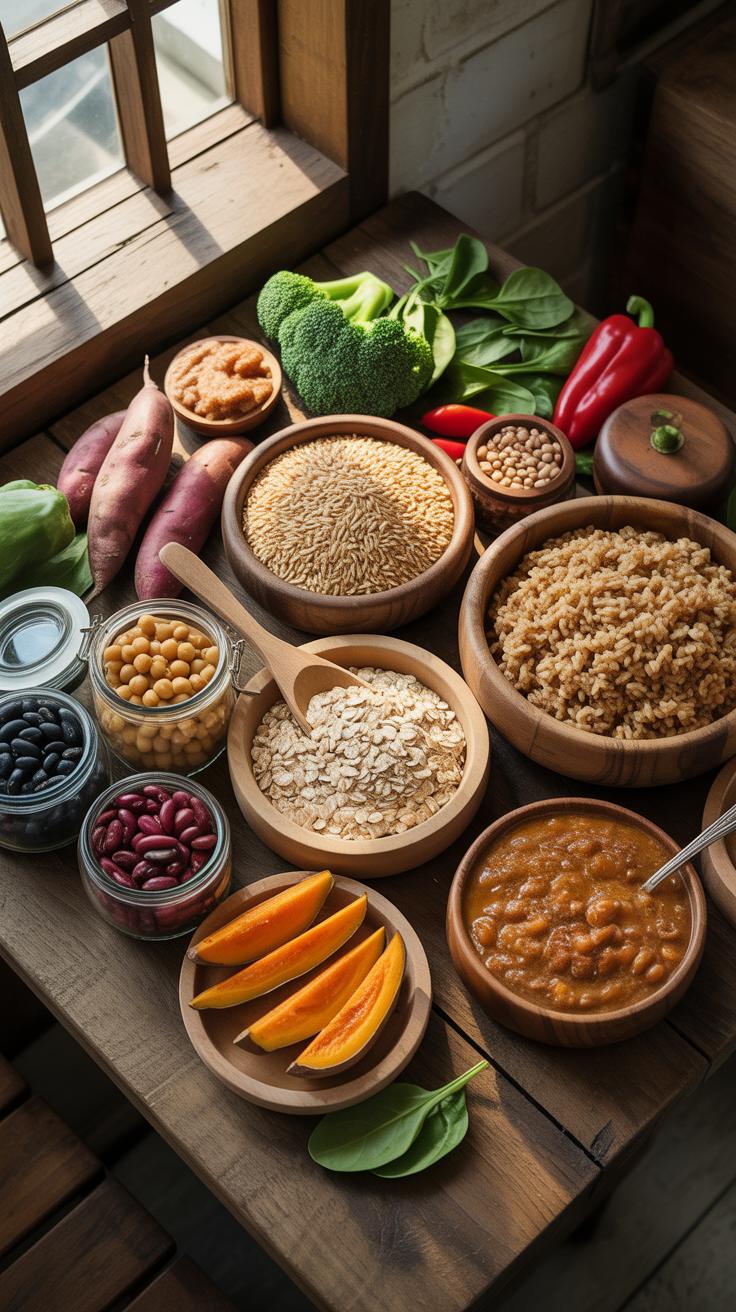
Oats contain beta-glucan. This soluble fiber creates a thick gel in your digestive tract. This gel slows down the absorption of glucose into your bloodstream. You avoid the sharp insulin spikes common with processed cereals. This mechanism ensures your body receives steady fuel for several hours. Steel-cut varieties offer the lowest glycemic index because they undergo minimal processing during production.
Whole grains like barley and quinoa provide high levels of manganese. This mineral helps your enzymes break down carbohydrates and proteins. Your body converts these nutrients into useable ATP more efficiently. Using these grains replaces the rapid burn of white flour with durable energy. Historically, Roman soldiers relied on barley for endurance during long marches. Modern nutrition confirms these grains support consistent physical and mental performance.
Sweet Potatoes And Brown Rice For Long Lasting Fuel
Sweet potatoes are a primary source of complex carbohydrates and fiber. They provide a high dose of Vitamin A and potassium. Potassium maintains fluid balance and electrolyte levels in your cells. This prevents the muscle fatigue that often stops your productivity. The fiber content ensures the natural sugars release slowly. You get a reliable stream of energy without a mid-afternoon sugar crash.
Brown rice retains its bran and germ layers during milling. These layers contain essential B vitamins and minerals that white rice lacks. Your body uses these B vitamins to convert food into fuel. The outer fiber coating slows digestion and keeps you full longer. This grain serves as a stable base for any high-performance meal plan. Consuming it regularly helps maintain your energy levels throughout a demanding workday.
Protein Rich Foods For Energy And Muscle Support
Eggs, Chicken, And Lean Meats That Keep You Going
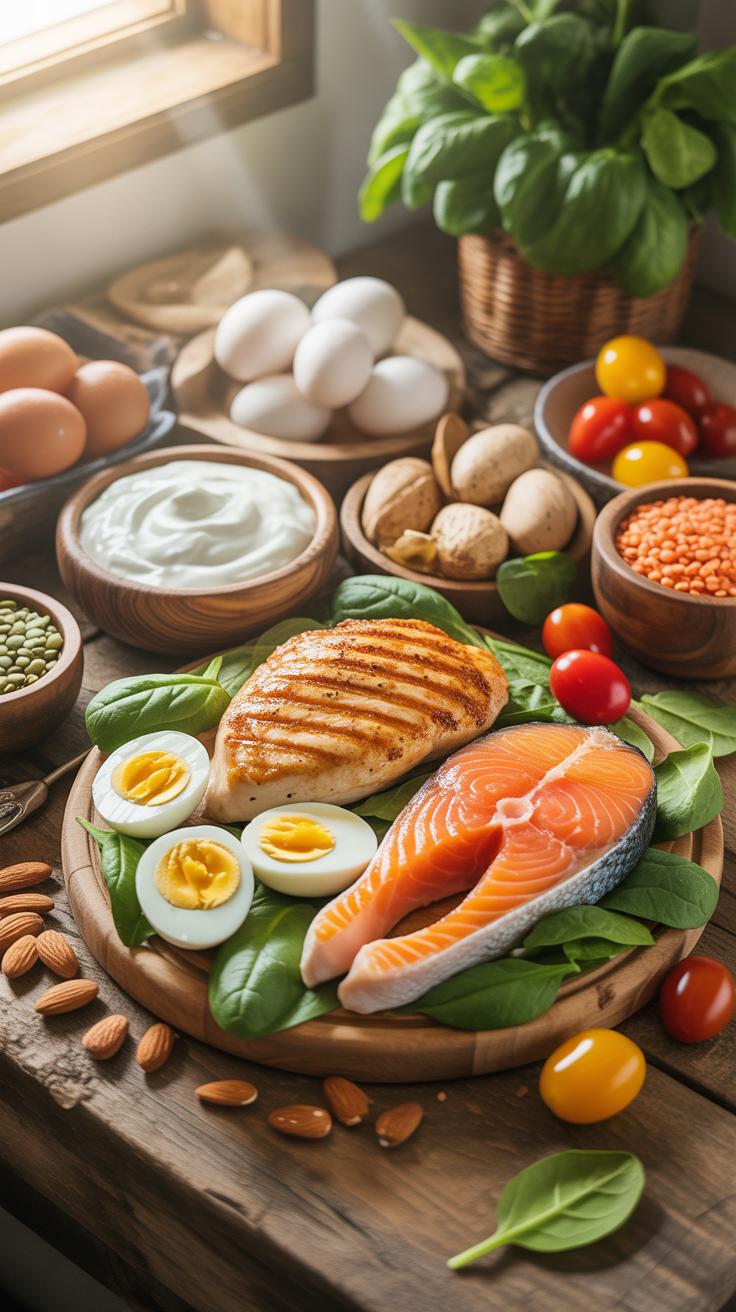
Animal proteins provide complete amino acid profiles necessary for cellular repair and metabolic function. Eggs contain leucine which triggers energy production in cells and helps muscles utilize glucose effectively. This prevents the mid-morning slump common with high-carb breakfasts. Choline in the yolk further supports brain function and focus. Consistent intake of these dense proteins ensures your body has the structural components to maintain physical output.
Lean meats like chicken and turkey deliver high amounts of vitamin B12 and iron. These nutrients are critical for converting food into usable ATP energy. Iron carries oxygen to your muscles and brain to prevent fatigue and brain fog. Choose grilled or roasted preparations to avoid heavy fats that slow down digestion. High-quality animal protein keeps you full longer by regulating hunger hormones like ghrelin throughout the day.
Plant Based Proteins Like Lentils And Chickpeas For Steady Fuel
Lentils and chickpeas offer a strategic combination of protein and complex carbohydrates. This pairing ensures a slow release of glucose into the bloodstream for sustained endurance. The high fiber content in legumes prevents rapid insulin spikes that lead to energy crashes. These foods provide a reliable source of fuel for long-duration tasks. They also contain folate and magnesium which assist in the chemical reactions that create energy.
Legumes act as a dual-purpose fuel source by feeding the gut microbiome while providing steady calories. A healthy gut improves nutrient absorption and overall energy efficiency. Chickpeas specifically provide manganese which is a key cofactor in energy-producing enzymes within your mitochondria. Incorporating these plants into your diet builds a foundation for long-term stamina. They offer a cost-effective way to maintain high performance without the inflammatory effects of processed meats.
Fruits That Give Energy NatureS Best Foods That Give You Energy
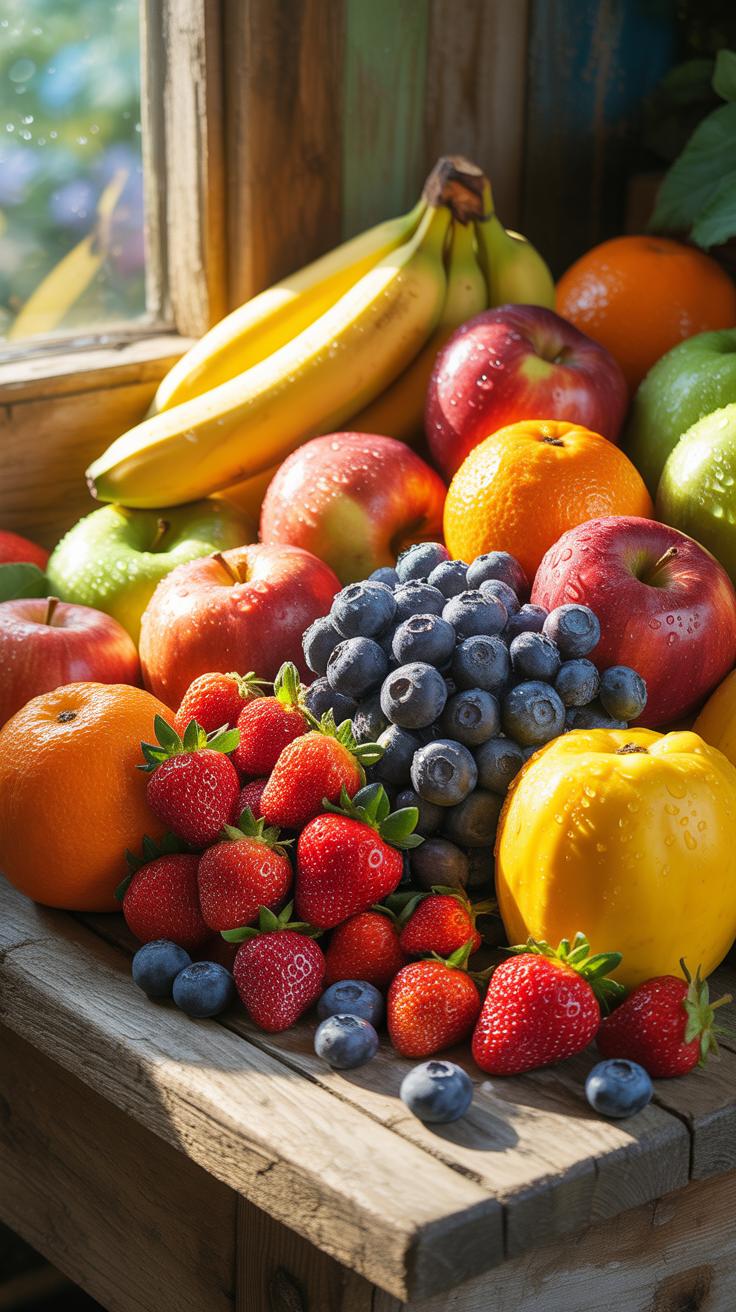
Bananas, Dates, And Berries As Quick Natural Energy Boosters
Bananas provide a reliable blend of complex carbohydrates and potassium. Potassium maintains nerve function and muscle control during physical activity. These fruits contain high amounts of vitamin B6, which aids energy metabolism. The fiber content ensures the natural sugars release into the bloodstream at a steady rate. This prevents the sharp insulin spikes and subsequent crashes common with processed snacks.
Dates offer a highly concentrated source of glucose and fructose for immediate fuel. Their high density makes them ideal for rapid calorie replacement during intense endurance tasks. Berries supply antioxidants that reduce oxidative stress in cells. This protection helps the body maintain efficiency during periods of high exertion. Anthocyanins in berries also support better blood flow to the brain for improved mental focus.
Citrus Fruits And Apples For Vitamin C And Glucose Balance
Citrus fruits like oranges and grapefruits provide high levels of vitamin C. This nutrient is essential for carnitine synthesis, which allows the body to turn fat into energy. Vitamin C also helps the gut absorb iron from other foods more effectively. Proper iron levels prevent fatigue by ensuring oxygen reaches your muscles. These fruits offer a high water content to keep metabolic processes running.
Apples contain fiber and natural sugars that provide a sustained energy lift. The pectin in apples slows down the digestion of glucose. This mechanism keeps your blood sugar levels stable for several hours after eating. An average apple also provides polyphenols that protect the mitochondria in your cells. Healthy mitochondria produce more cellular energy efficiently. Eating apples with the skin on maximizes these metabolic benefits.
Nuts Seeds And Healthy Fats On Any Energy Boosting Foods List
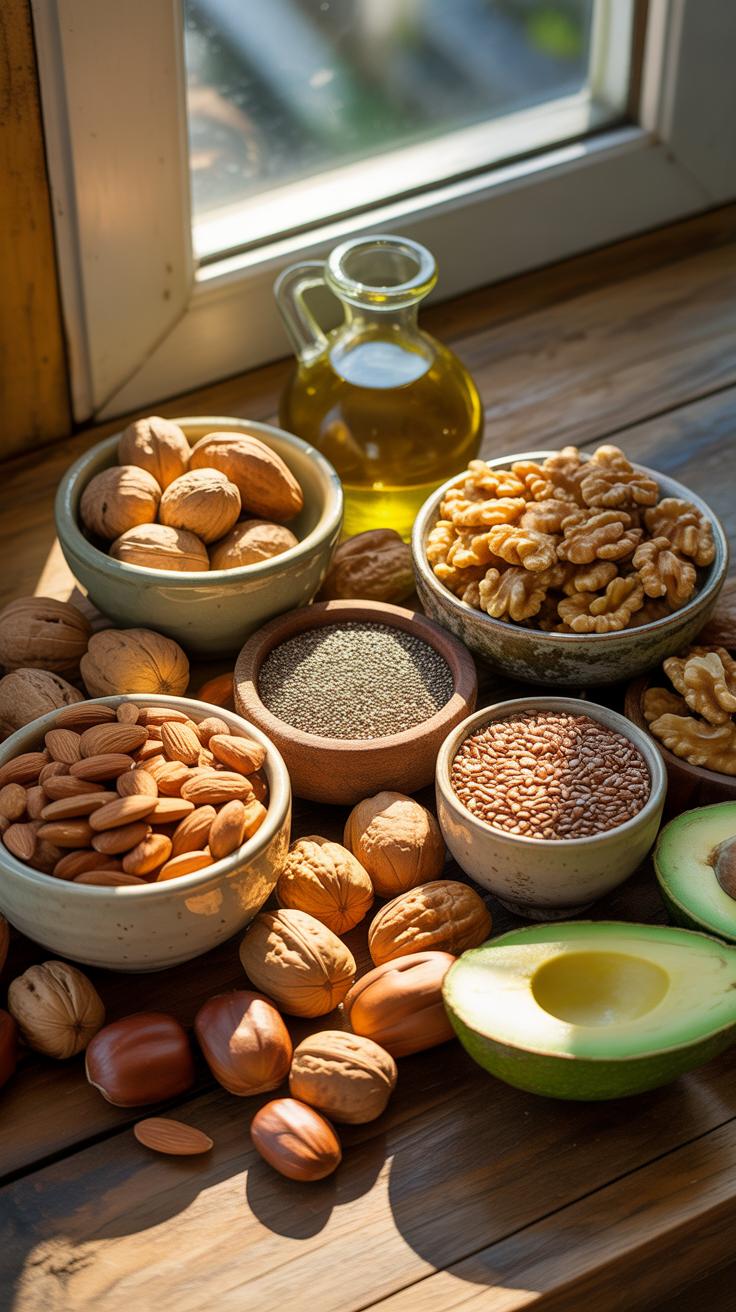
Almonds, Walnuts, And Chia Seeds For Dense Nutritional Energy
Almonds and walnuts provide high caloric density and essential minerals. Almonds contain magnesium. This mineral supports over three hundred biochemical reactions in the human body. One key reaction is breaking down glucose into energy. Walnuts provide alpha-linolenic acid. This omega-3 fatty acid supports brain function and metabolic health. These nuts offer a portable way to maintain steady blood sugar levels during long work hours.
Chia seeds provide a unique energy profile due to their fiber content. They absorb up to twelve times their weight in water. This process slows digestion and creates a steady release of glucose into the bloodstream. They also contain protein and healthy fats. These nutrients prevent the rapid insulin spikes associated with simple carbohydrates. Frequent consumption improves endurance by keeping your body hydrated and fueled over several hours.
Avocados And Olive Oil As Slow Burning Healthy Fat Sources
Avocados serve as a primary source of monounsaturated fats. These fats act as a long-term fuel source for the body. They take longer to break down than sugars or starches. This slow digestion provides a consistent stream of energy for your cells. Avocados also contain high amounts of potassium. Potassium helps regulate nerve signals and muscle contractions. This prevents physical fatigue during high-intensity tasks.
Extra virgin olive oil contains oleic acid and polyphenols. These compounds reduce oxidative stress in the mitochondria. The mitochondria are the powerhouses of your cells. Efficient mitochondria produce more energy with less waste. Combining olive oil with complex carbohydrates lowers the overall glycemic index of the meal. This tactic prevents the mid-afternoon energy crash common with low-fat diets. Use it as a functional fuel for sustained mental clarity.
Hydration And Energy Food Why Water Rich Foods Matter
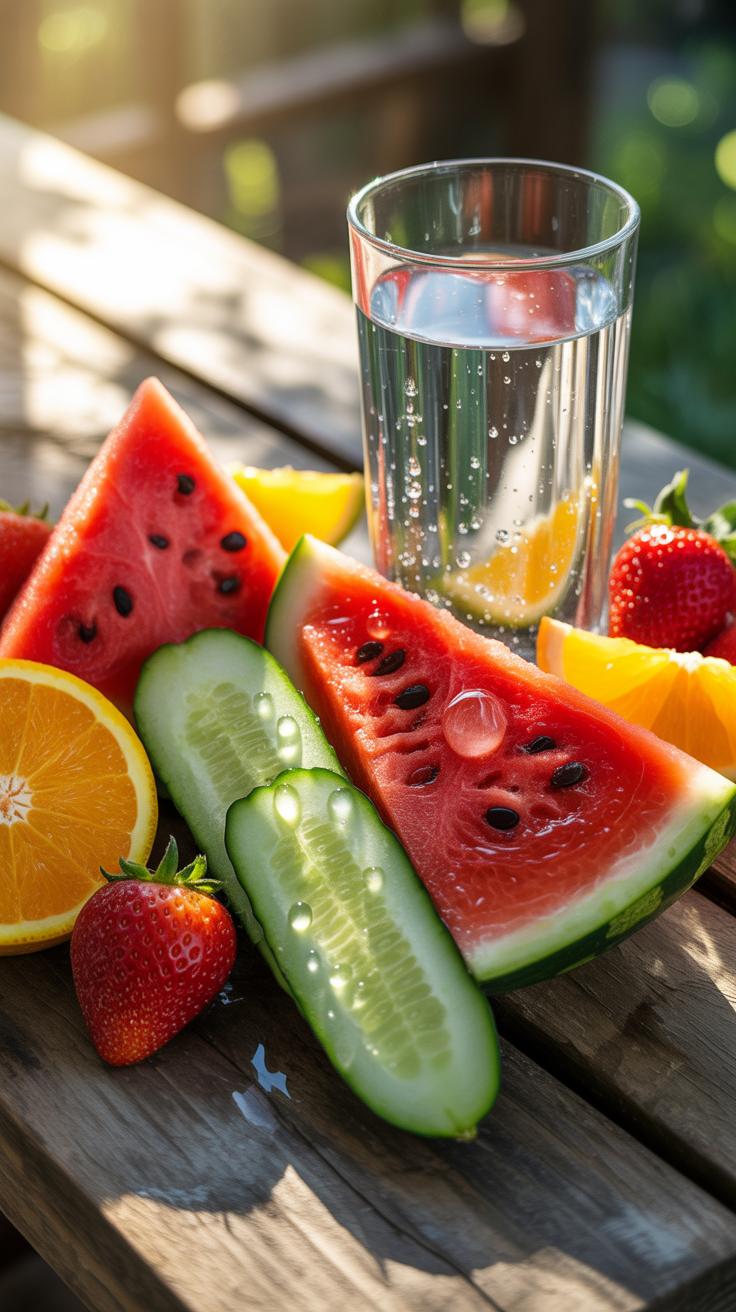
How Dehydration Directly Reduces Physical And Mental Energy
Dehydration lowers your total blood volume. This forces your heart to work harder to pump oxygen to your muscles and brain. When blood thickens from lack of water, nutrient delivery slows down significantly. You feel this as physical fatigue and heavy limbs. Your body cannot maintain its core temperature or fuel efficiency. Staying hydrated ensures your metabolic processes run at peak speed.
Mental clarity relies on proper fluid balance in brain cells. Even minor dehydration causes brain tissue to shrink slightly. This leads to immediate cognitive decline and poor focus. You will experience headaches and irritability when your fluid levels drop by just two percent. Proper hydration keeps neurotransmitters firing correctly. It prevents the mid-afternoon slump that most people mistake for a caloric deficit or hunger.
To eat is a necessity, but to eat intelligently is an art that sustains the spirit through every hour. Fuel your memories with the simple, wholesome power of nature’s bounty.
Cucumbers, Watermelon, And Leafy Greens That Support Hydration
Cucumbers and watermelon provide more than just plain water. These foods contain essential electrolytes like magnesium and potassium. These minerals help your body absorb fluid into cells more effectively than tap water alone. Eating water-rich produce creates a steady release of hydration during the digestion process. This helps maintain your energy levels over several hours. It provides a tactical advantage for sustained physical performance throughout your workday.
Leafy greens like spinach and lettuce are nearly ninety-five percent water. They offer a high volume of fiber which regulates your blood sugar levels. Incorporating these into your meals prevents the energy crashes associated with dry, processed snacks. You gain micronutrients like folate and iron while maintaining your fluid balance. Using these foods as a primary energy source reduces the burden on your digestive system and keeps your mind sharp.
Healthy Food For Energy Building The Right Daily Meal Plan

How To Structure Breakfast, Lunch, And Dinner For All Day Energy
Eat complex carbohydrates and protein for breakfast to start your metabolism. This combination prevents insulin spikes that lead to early morning fatigue. Steel cut oats or eggs provide a steady stream of glucose. Avoid sugary cereals or white bread. These processed foods cause a rapid blood sugar crash. Start with high fiber to keep your energy levels stable until your next meal.
For lunch and dinner, balance your plate with lean proteins and healthy fats. Use green leafy vegetables to add volume and essential micronutrients. Middle of the day meals should remain moderate in size. Heavy meals divert blood flow to digestion and cause afternoon sluggishness. Dinner should include magnesium rich foods like spinach. This helps your body transition into a restful state for overnight recovery.
Smart Snacking: Energy Foods Healthy Enough To Eat Between Meals
Tactical snacking prevents the energy gaps between major meals. Choose snacks that combine fiber with healthy fats to slow digestion. This strategy keeps your brain fueling on a consistent basis. Avoid vending machine options high in refined sugars. These products provide a fast hit but lead to a harsh decline in focus. Pick whole foods that require minimal preparation for maximum efficiency.
- Raw Almonds: These nuts provide a potent mix of magnesium and healthy monounsaturated fats. They help maintain cell function and provide a slow burn of energy. Keep portions to a handful to avoid excessive caloric intake during the workday.
- Greek Yogurt: This snack offers a high concentration of protein compared to standard yogurt. It contains probiotics that improve gut health and nutrient absorption. Select plain versions to avoid the inflammatory effects of added cane sugars and artificial syrups.
- Hard Boiled Eggs: Eggs are a complete protein source containing all nine essential amino acids. They provide choline which supports cognitive function and brain health. Prepare them in advance for a quick portable energy source that requires no additional cooking.
- Apple Slices: Apples contain high amounts of fiber and natural fructose for immediate energy. The pectin helps regulate blood sugar response. Pairing them with a small amount of nut butter adds the fat necessary for longer lasting satiety and focus.
- Pumpkin Seeds: These seeds are an excellent source of iron and zinc. Iron is critical for transporting oxygen to your cells for energy production. They provide a crunchy texture and high nutrient density without the sugar load found in most processed bars.
Timing your snacks is as important as the food itself. Eat a small snack two to three hours after lunch. This window is when most people experience a natural dip in core body temperature and alertness. Proper snacking bridges the gap to dinner without ruining your appetite. Stick to whole, single ingredient foods for the best results. Consistency in these habits builds a resilient metabolic foundation.
Foods To Avoid What Drains Your Energy Instead Of Giving It
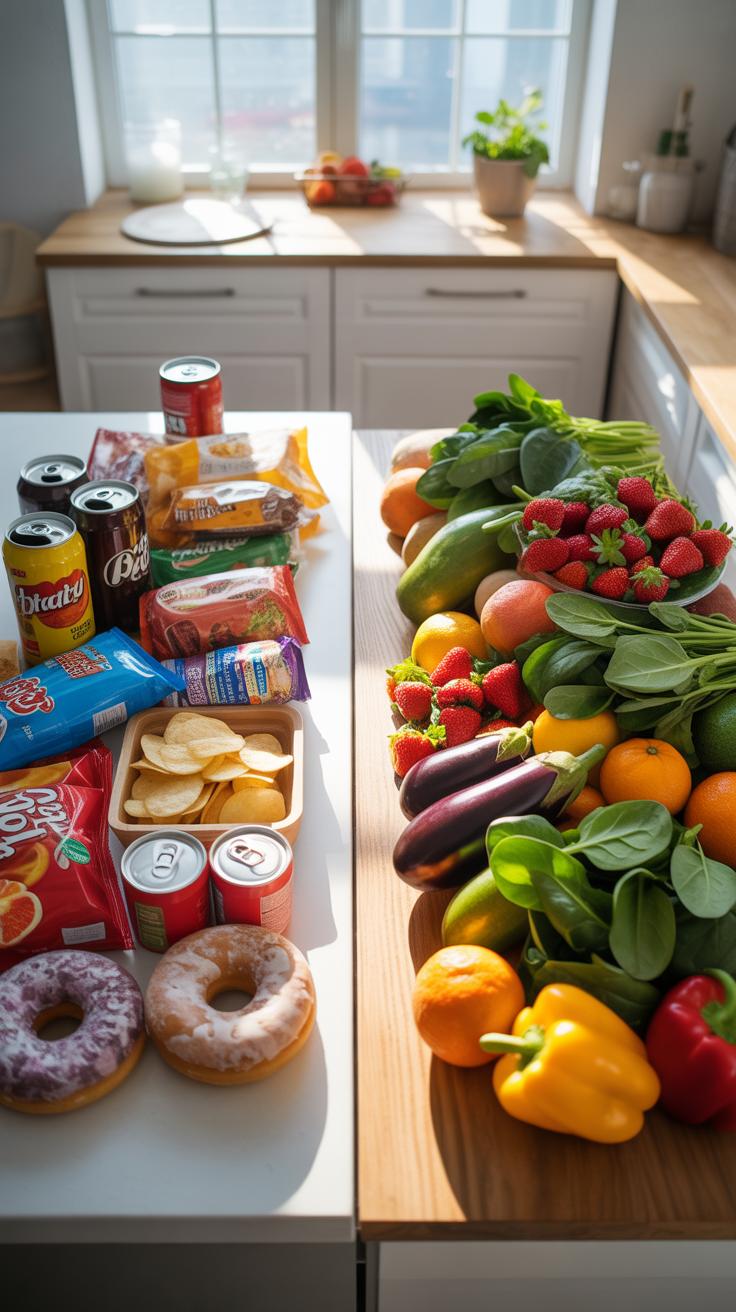
Refined Sugars And Ultra Processed Foods That Spike And Crash Energy
Refined sugars and ultra-processed foods cause a rapid rise in blood glucose levels. This spike triggers a massive insulin release to clear the sugar from your bloodstream. Your body moves the glucose too quickly. This results in a sharp energy crash that leaves you feeling tired and mentally foggy. These foods lack the fiber required to slow digestion and stabilize your fuel.
White flour and sugary snacks offer zero long-term nutritional value. They act as short-term fuel that burns out almost immediately after consumption. Manufacturers strip the germ and bran from grains during processing. This removal eliminates the B vitamins and minerals your cells need to produce energy. Choosing these foods creates a cycle of hunger and exhaustion that forces you to seek more sugar.
Alcohol, Excess Caffeine, And Fried Foods That Rob Your Vitality
Alcohol and excessive caffeine disrupt your natural sleep architecture. Alcohol acts as a sedative initially but prevents deep REM sleep later in the night. This lack of quality rest ensures you wake up with low energy the next day. Caffeine blocks adenosine receptors in your brain to mask fatigue. Once the caffeine wears off, the accumulated adenosine floods your system and causes a total collapse.
Fried foods tax your digestive system and drain your energy reserves. These items contain high levels of saturated fats and industrial seed oils. Your body requires significant blood flow and metabolic effort to break down these heavy fats. This process diverts oxygen and energy away from your brain and muscles. You feel physically heavy and sluggish for several hours after eating a meal high in grease.
Foods For Energy Across Different Lifestyles And Activity Levels
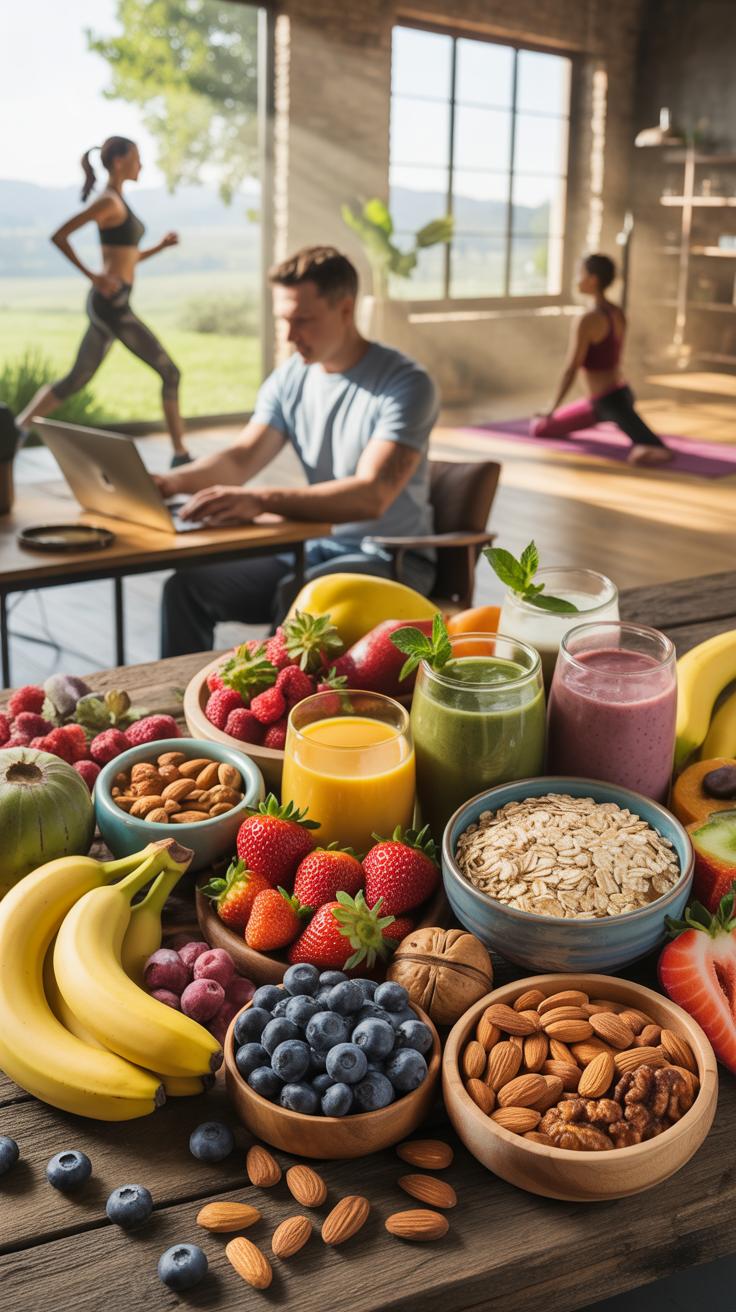
Best Energy Food Choices For Athletes And Highly Active Individuals
Athletes require high glycemic index carbohydrates immediately before and during intense training. These sugars enter the bloodstream fast to fuel muscle contractions. Glycogen stores deplete during heavy lifting or long runs. Replacing these stores requires starch and simple sugars. This prevent muscle breakdown and keeps power output high. Specific timing ensures the body uses food for movement rather than storing it as fat.
Recovery requires a strategic mix of lean protein and complex carbohydrates. Protein repairs muscle fibers damaged during physical exertion. Complex carbs like brown rice or sweet potatoes restock energy levels for the next session. Without this balance, athletes face chronic fatigue and reduced performance. High activity levels demand more calories to maintain metabolic health. Choosing dense nutrients over empty calories ensures sustained stamina and faster tissue repair.
Food That Gives Energy To Desk Workers, Seniors, And Busy Parents
Low activity levels require foods that stabilize blood sugar to avoid energy crashes. Desk workers and seniors often struggle with brain fog caused by insulin spikes. Choosing high fiber foods and healthy fats provides a slow release of glucose. This keeps the mind sharp without the need for constant snacking. Proper nutrient density supports cognitive function and prevents the lethargy common in sedentary roles.
- Walnuts: These nuts contain omega 3 fatty acids that support brain health and cognitive function. For desk workers, they provide a steady energy source that does not cause the mid afternoon slump associated with sugary snacks or heavy caffeine use.
- Greek Yogurt: High protein content helps seniors maintain muscle mass while providing a slow release of energy. The probiotics support gut health, which is linked to better nutrient absorption and consistent daily vitality for people with lower metabolic rates.
- Oatmeal: Steel cut oats offer a low glycemic index and high fiber content. This combination ensures that busy parents have a reliable energy base for several hours. It prevents the sudden hunger and irritability that interferes with managing a hectic schedule.
- Berries: Blueberries and strawberries provide antioxidants and natural sugars with a low caloric load. They offer a quick mental lift for those who spend a lot of time sitting. The fiber prevents the rapid insulin rise found in processed sweets.
- Eggs: A complete protein source that contains choline for brain health. Eggs provide long lasting satiety and energy for seniors and parents alike. They are easy to prepare and help regulate appetite throughout the day to prevent overeating.
Seniors and parents must prioritize iron and B vitamins to fight fatigue. Iron carries oxygen to cells, which is vital for maintaining physical energy. B vitamins help the body convert food into usable fuel efficiently. Small, frequent meals consisting of lean proteins and vegetables work best for these groups. This approach maintains a steady state of alertness and prevents the digestive heaviness that leads to naps.
Frequently Asked Questions

What are the main types of food that provide lasting energy?
To maintain stamina, focus on a balance of complex carbohydrates, lean proteins, and healthy fats. Unlike sugary snacks that cause a crash, complex carbs like oats and quinoa release glucose slowly into your bloodstream. When searching for the best foods for energy, look for fiber-rich options that stabilize your blood sugar, ensuring you feel revitalized for hours rather than experiencing a brief, jittery peak followed by a mid-afternoon slump.
How can I structure my meals to avoid afternoon fatigue?
Preventing the dreaded 3 p.m. slump starts with consistent fueling. Aim for small, balanced meals every three to four hours rather than three heavy ones. Incorporating the best foods for energy, such as almond butter on whole-grain toast or Greek yogurt with berries, ensures a steady supply of fuel. Always pair a carbohydrate with a protein or fat to slow digestion, which keeps your energy levels significantly more consistent throughout your workday.
Can I eat for high energy without spending a lot on superfoods?
Absolutely! You don’t need expensive supplements or imported berries to feel great. Budget-friendly staples like bananas, eggs, beans, and seasonal lentils are incredibly effective for maintaining vitality. Buying oats in bulk and opting for frozen spinach or peanut butter provides nutrient-dense fuel at a fraction of the cost. These accessible pantry essentials offer a perfect foundation for anyone looking to optimize their daily performance while keeping their grocery bill manageable.