

What Makes Foods High In Magnesium So Powerful For Sleep And Recovery

How Magnesium Supports The Nervous System And Promotes Deeper Sleep
Magnesium regulates neurotransmitters that send signals throughout the brain and nervous system. It binds to gamma aminobutyric acid receptors. This action calms nerve activity and prepares your body for rest. Without enough magnesium, your central nervous system stays in a state of high alert. This prevents you from falling asleep quickly. You need this mineral to maintain a healthy circadian rhythm.

Dietary magnesium also controls melatonin production. Melatonin is the hormone responsible for your sleep wake cycles. High magnesium levels help lower cortisol, which is the primary stress hormone. High cortisol keeps your brain awake and alert at night. By shifting the body into a parasympathetic state, magnesium allows for longer periods of deep sleep. This restorative phase is critical for long term cognitive health.
The Role Of Magnesium In Muscle Repair And Post Exercise Recovery
Muscles require magnesium to relax after a contraction. During heavy exercise, your body uses oxygen and energy to move. This process creates tension in the muscle fibers. Magnesium acts as a natural calcium blocker inside the cells. Calcium causes muscles to contract, while magnesium forces them to release. Lack of magnesium leads to persistent cramping and painful muscle spasms after workouts.

This mineral also plays a vital role in protein synthesis. Your body must build new proteins to repair the small tears caused by physical training. Magnesium helps your cells create the energy needed for this structural repair. It also helps manage systemic inflammation following intense exertion. Adequate intake speeds up the healing process so you can train again sooner. It is a fundamental building block for physical resilience.
Dark Leafy Greens Among The Most Nutrient Dense Foods With Magnesium

Why Spinach And Swiss Chard Are Standout Magnesium Sources
Spinach and Swiss chard provide high concentrations of bioavailable magnesium. These plants pull minerals directly from the soil and store them in their cellular structures. One cup of cooked spinach contains approximately 157 milligrams of magnesium. This amount covers nearly forty percent of your daily requirement. Dark greens also contain chlorophyll which has magnesium at its center. This makes them efficient delivery systems for the mineral.
Swiss chard offers a similar profile with distinct benefits. It provides roughly 150 milligrams of magnesium per cooked cup. These greens also contain potassium and calcium. These minerals work with magnesium to regulate nerve function and muscle relaxation. Consuming these vegetables helps restore mineral balances depleted by stress or exercise. They are foundational tools for physical recovery. Focus on these greens to hit your daily targets quickly and effectively.
How To Incorporate Dark Leafy Greens Into Your Evening Meals For Better Sleep
Cooking these greens increases the amount of magnesium you can consume per serving. Raw leaves take up significant volume but wilt down when heated. Sautéing spinach or chard in olive oil makes the nutrients more accessible. This method allows you to eat larger quantities without feeling full. Pair these greens with a protein source during dinner. This timing ensures magnesium levels peak when your body prepares for rest.
Add chopped Swiss chard to soups or stews for an easy boost. The magnesium remains in the liquid even if it leaches out of the leaves. You can also blend spinach into a late afternoon smoothie if you prefer liquid nutrition. Avoid heavy seasoning that contains high sodium. Excess salt can interfere with mineral absorption and disrupt sleep. Keep the preparation simple to maintain the integrity of the nutrients and maximize recovery.
Nuts And Seeds Convenient And Calorie Efficient Magnesium Foods

Pumpkin Seeds And Almonds: Two Of The Highest Magnesium Snacks Available
Pumpkin seeds provide approximately 150 milligrams of magnesium per ounce. This satisfies nearly 40 percent of the daily value for most adults. These seeds also contain high levels of zinc and healthy fats. You can eat them raw or roasted for maximum nutrient density. They are one of the most concentrated sources of magnesium available in a standard whole food diet today.
Almonds offer about 80 milligrams of magnesium per one-ounce serving. They provide a high ratio of magnesium to volume. This makes them an efficient choice for people tracking caloric intake. Almonds also contain vitamin E which helps protect cells from oxidative stress. Regular consumption supports bone density and nerve function. Choose unsalted versions to avoid excess sodium intake during your daily recovery routine.
Best Times To Eat Nuts And Seeds To Support Overnight Muscle Recovery
Eat magnesium-rich nuts approximately 60 to 90 minutes before sleep. This timing allows the body to begin the digestion process. Magnesium acts as a natural calcium blocker to help muscles relax. It also regulates neurotransmitters that send signals through the nervous system. Consuming these foods late in the day ensures the mineral is available during the peak of your sleep cycle.
Consistency matters more than perfection in timing. Pair these seeds with a small amount of protein to stabilize blood sugar. Stable blood sugar prevents cortisol spikes that wake you up at night. Proper magnesium levels help the heart maintain a steady rhythm during rest. This strategy optimizes the physical repair of muscle tissue while you sleep. Use this tactical approach to enhance your overall recovery speed.
Legumes And Beans Affordable Magnesium Glycinate Foods Alternatives In Whole Form
Black Beans, Edamame, And Lentils As Reliable Dietary Magnesium Sources
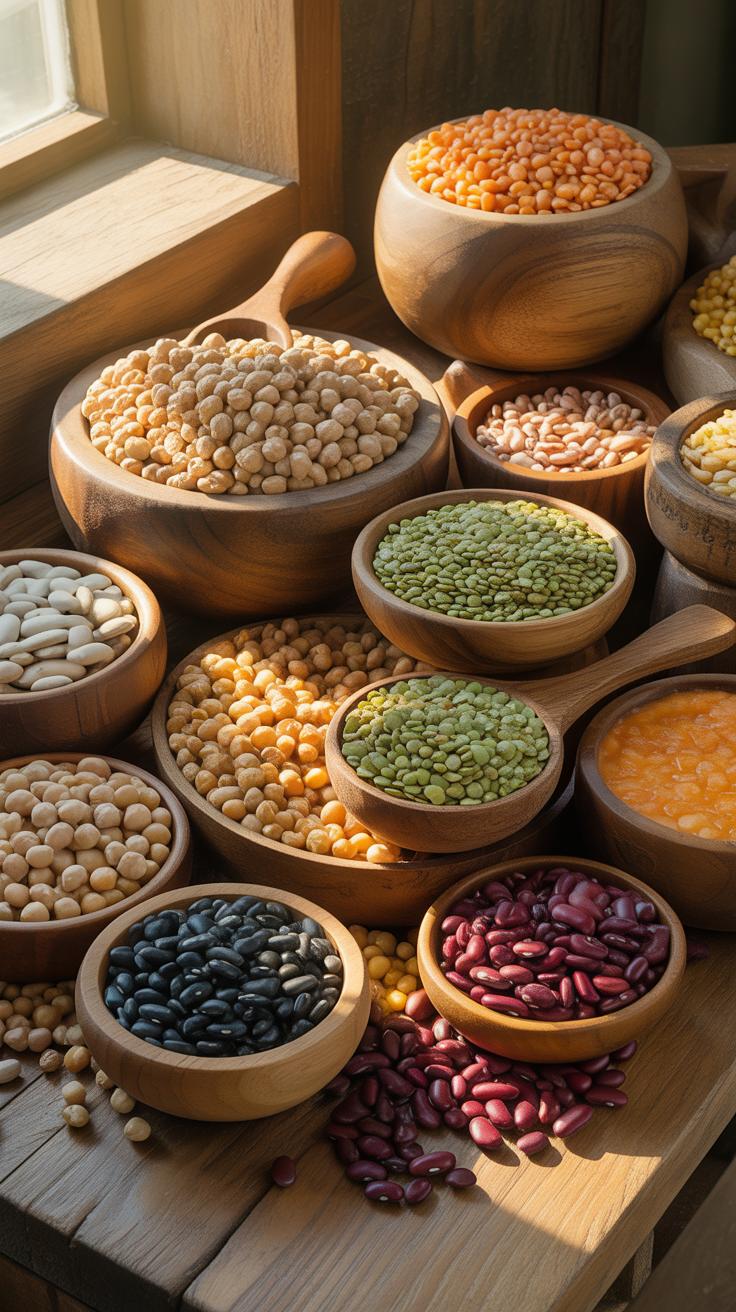
Black beans lead this category by providing roughly 120 milligrams of magnesium per cooked cup. This amount covers nearly thirty percent of the daily value for most adults. These legumes offer a dense concentration of minerals alongside high fiber content. This combination stabilizes blood sugar levels while delivering essential nutrients to the muscles. Consistent consumption ensures a steady baseline of magnesium without the gastrointestinal distress linked to poor supplements.
Edamame and lentils provide secondary but critical sources for daily intake. One cup of cooked edamame contains approximately 100 milligrams of magnesium. Lentils offer about 70 milligrams per cup while providing significant protein for muscle repair. You should prioritize these whole foods to maintain electrolyte balance and support nervous system function. Using these staples lowers your reliance on processed powders. They offer a cost-effective strategy for long-term health.
Let food be thy medicine and medicine be thy food. A quiet mind and a rested body begin with the simple, earthy nourishment provided by the nature around us.
How Plant Based Magnesium From Legumes Compares To Supplement Forms
Legumes deliver magnesium in a matrix of protein and fiber that slows absorption. This natural delivery system mimics the slow release of magnesium glycinate. Whole foods provide additional co-factors like potassium and B vitamins that aid mineral uptake. Supplements often lack these secondary nutrients required for optimal cellular function. Choosing beans over pills reduces the risk of osmotic diarrhea. It provides a more balanced approach to mineral replenishment.
Bioavailability remains high when you prepare legumes correctly through soaking or sprouting. These methods reduce phytic acid which can bind to minerals and prevent absorption. This makes the magnesium in black beans and lentils highly accessible to your body. Whole foods do not contain the synthetic fillers or binders found in many cheap tablets. You gain more control over your recovery by eating these nutrient-dense plants. They represent the most efficient way to fuel your body.
Whole Grains Everyday Foods Rich In Magnesium You May Already Be Eating
Brown Rice, Quinoa, And Oats As Steady Sources Of Dietary Magnesium
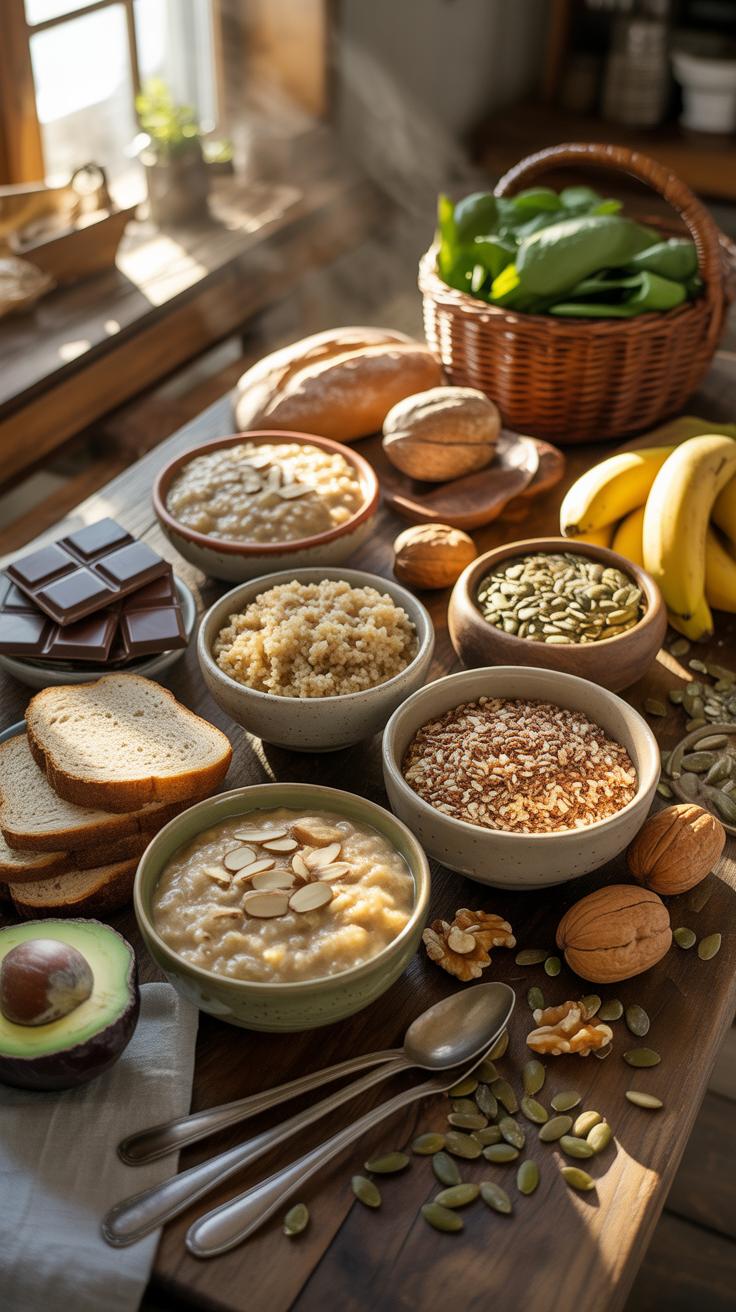
Cereal crops provide a reliable foundation for daily mineral intake. Brown rice contains about 80 milligrams of magnesium per cooked cup. This amount covers nearly one fifth of the daily requirement for most adults. Quinoa offers even higher density with 118 milligrams per cup. These grains provide the body with complex carbohydrates. This energy source supports steady metabolic function and cellular recovery throughout the night.
Oats serve as a versatile vehicle for magnesium delivery. One cup of cooked oatmeal provides approximately 60 milligrams of the mineral. Consistency in consuming these staples ensures a baseline level of magnesium in the blood. This steady supply assists with muscle relaxation and nervous system regulation. You should integrate these grains into evening meals to maximize their recovery benefits. They offer a practical solution for meeting nutritional targets.
Why Choosing Whole Grains Over Refined Grains Preserves Magnesium Content
The structural anatomy of a grain determines its nutritional value. Most magnesium resides in the outer bran and the germ layers. Modern milling processes remove these sections to create white flour and polished rice. This industrial refining strips away up to 80 percent of the natural magnesium content. Manufacturers often add synthetic vitamins back into refined grains. However, they rarely replace the essential minerals lost during high speed processing.
Whole grains maintain their original biological integrity. Leaving the bran and germ intact preserves the minerals needed for protein synthesis. This structural difference impacts how the body recovers from physical stress. Refined grains trigger rapid blood sugar spikes which can deplete mineral stores. Whole grains digest slowly and protect your magnesium levels. Prioritize unprocessed grains to ensure you receive the full mineral profile required for deep sleep and muscle repair.
Fatty Fish And Seafood High Magnesium Foods That Double As Recovery Proteins

Salmon, Mackerel, And Halibut: Magnesium And Omega 3 In One Meal
Fatty fish serve as efficient sources of dietary magnesium. A single fillet of Atlantic mackerel provides approximately 82 milligrams of this mineral. This amount covers nearly twenty percent of your daily requirement. Halibut and salmon also offer significant levels. These fish deliver high concentrations of omega-3 fatty acids alongside their mineral content. This nutrient profile targets systemic inflammation and supports heart health directly.
You should prioritize wild-caught varieties to ensure optimal nutrient density. Magnesium in fish works with Vitamin D to regulate calcium absorption in the body. Most Americans lack adequate levels of both nutrients. Consuming these fish twice per week addresses these common deficiencies. This strategy stabilizes your electrolyte balance. It also improves cardiovascular function through better vascular tone. Focus on clear, measurable intake to maintain these essential levels.
How The Protein And Magnesium Combination In Fish Accelerates Tissue Repair
The synergy between high-quality protein and magnesium drives muscle recovery. Magnesium acts as a cofactor in protein synthesis. It helps the body turn dietary amino acids into new muscle tissue. Fish provide complete proteins that contain all essential amino acids. When you eat fish after exercise, you give your body the tools for repair. This process reduces muscle soreness and speeds up the healing of micro-tears.
Magnesium also regulates muscle contractions by acting as a natural calcium blocker. This prevents muscles from staying contracted and causing cramps. Proper levels allow your muscles to relax fully during sleep. Deep sleep is when the body releases the most growth hormone for tissue restoration. By eating magnesium-rich seafood, you improve your sleep quality. Better sleep leads to faster physical recovery and improved athletic performance the next day.
Dark Chocolate And Avocado Surprisingly Satisfying Magnesium Food Choices

The Magnesium Content In Dark Chocolate And Why Cacao Percentage Matters
Dark chocolate serves as a dense source of magnesium for recovery. A one ounce serving of high quality dark chocolate contains approximately 64 milligrams of this essential mineral. This amount covers roughly 15 percent of the recommended daily intake. The magnesium in cacao helps regulate neurotransmitters that signal the brain to relax. It also supports the maintenance of healthy levels of gamma aminobutyric acid.
Cacao percentage determines the actual mineral density of the product. Lower percentages indicate higher sugar content and fewer minerals. You must select chocolate with at least 70 percent cacao to maximize magnesium benefits. High cacao content ensures you receive polyphenols and flavanols alongside the minerals. These compounds work together to reduce oxidative stress in the body. Avoid milk chocolate as the added dairy and sugar dilute the nutrient profile.
Avocado As A Magnesium Rich Food That Also Supports Anti Inflammatory Recovery
Avocados provide a unique combination of magnesium and healthy fats. One medium avocado contains about 58 milligrams of magnesium. This represents approximately 14 percent of your daily requirement. The monounsaturated fats in avocados improve the absorption of fat soluble vitamins. Magnesium works within the cells to relax muscles after intense physical exertion. Consuming avocados helps restore mineral balance while providing the body with sustained caloric energy.
The anti inflammatory properties of avocados further enhance the recovery process. These fruits contain high levels of potassium and antioxidants like lutein. Potassium works with magnesium to manage fluid balance and prevent muscle cramps. This synergy makes avocados a superior choice for post workout nutrition. The combination of minerals and healthy oils reduces systemic inflammation. This helps the body repair tissue and improve heart health over long periods of time.
Bananas And Figs Natural Foods That Have Magnesium And Aid Relaxation

How Bananas Use Magnesium And Potassium Together To Ease Nighttime Muscle Cramps
Bananas provide a tactical blend of magnesium and potassium to stabilize muscle function. Magnesium facilitates the active transport of calcium and potassium ions across cell membranes. This process controls nerve impulses and muscle contractions. Without enough magnesium, muscles cannot relax after a contraction. Bananas deliver a quick dose of these essential electrolytes to prevent the involuntary spasms that disrupt deep sleep cycles.
The fruit acts as a natural relaxant by lowering cortisol levels in the blood. High cortisol keeps the body in a state of alert. Magnesium suppresses the release of this stress hormone while promoting physical rest. Consuming a banana before bed ensures your nervous system receives the signals needed to shut down. This combination of mineral support and hormonal regulation makes bananas an effective tool for physical recovery.
Dried Figs As A Sweet Pre Bed Snack With Meaningful Magnesium Levels
Dried figs offer a concentrated source of magnesium compared to most fresh fruits. A small serving provides a significant amount of the daily requirement for mineral intake. Magnesium works as a natural calcium blocker to help muscles relax. This allows the heart and skeletal muscles to stay calm during the night. Figs also contain soluble fiber which ensures a slow release of nutrients into the bloodstream.
Traditional Mediterranean diets have used figs as a restorative food for centuries. The high density of minerals in dried figs supports the parasympathetic nervous system. This system governs the rest and digest phase of human biology. Eating figs late in the evening helps shift the body away from a high tension state. This snack provides the raw materials necessary for cellular repair while you sleep.
Magnesium Rich Food Combinations Pairing Foods For Maximum Absorption
Nutrients That Enhance Or Inhibit Magnesium Absorption In The Body
Magnesium absorption depends on the presence of specific cofactors and the absence of inhibitors. Vitamin D regulates the transport of magnesium across the intestinal wall. Without sufficient Vitamin D, your body cannot pull magnesium into the bloodstream efficiently. Optimal absorption requires a balance of minerals. You must manage your intake of calcium and zinc to prevent them from competing for the same transport proteins in your gut.
Avoid consuming high doses of phytates and oxalates alongside magnesium sources. These compounds bind to minerals and prevent the body from processing them. Phytic acid exists in raw grains and legumes while oxalates appear in spinach and rhubarb. High levels of caffeine and alcohol also increase magnesium excretion through the kidneys. Focus on pairing your magnesium rich foods with healthy fats to improve the solubility of fat soluble vitamins.
Top Meal Pairings That Maximize Magnesium Uptake Before Bedtime
Strategic pairing increases the biological value of every milligram you consume. Combining magnesium with protein keeps the mineral soluble in the digestive tract longer. This prevents the mineral from precipitating out of solution before the body can absorb it. Use these specific food combinations to ensure your body receives the raw materials needed for deep sleep and muscle recovery.
- Pumpkin Seeds and Greek Yogurt: Pumpkin seeds provide a concentrated source of magnesium while the yogurt provides high quality protein. The amino acids in the dairy help stabilize the magnesium during digestion. This combination also offers tryptophan to support natural melatonin production.
- Almonds and Hard Boiled Eggs: Almonds contain high magnesium levels and healthy fats that aid mineral transport. Eggs provide Vitamin D which is essential for systemic magnesium regulation. This pairing ensures the mineral crosses the intestinal barrier and enters the blood effectively.
- Cashews and Salmon: Salmon is rich in Vitamin B6 and Vitamin D which both assist in magnesium utilization. Cashews deliver a dense dose of the mineral itself. The combination of healthy omega-3 fatty acids reduces inflammation and improves the cellular uptake of minerals.
- Chia Seeds and Kelp: Kelp provides iodine and trace minerals that work with the magnesium in chia seeds. Chia seeds offer a high fiber content that slows digestion for a steady release of nutrients. This slow transit time allows for more thorough absorption across the gut.
- Brazil Nuts and Sardines: Brazil nuts are high in selenium which acts as a powerful antioxidant alongside magnesium. Sardines provide the necessary Vitamin D and protein to facilitate mineral transport. This duo supports cardiac health and muscle relaxation through superior mineral bioavailability.
Eat these combinations at least ninety minutes before you plan to sleep. This timing allows your digestive system to process the nutrients without causing discomfort. Avoid drinking large amounts of tea or coffee with these snacks because tannins block mineral entry. Consistent pairing habits ensure that your dietary choices translate into measurable physical recovery and improved sleep quality.
How Much Magnesium Do You Actually Need Daily Targets From Magnesium Foods

Recommended Daily Magnesium Intake For Adults By Age And Activity Level
Adult men require between 400 and 420 milligrams of magnesium each day to maintain basic biological functions. Adult women generally need 310 to 320 milligrams daily to support bone density and muscle repair. These figures represent the baseline for healthy individuals. If you do not meet these targets through diet, your body pulls magnesium from stored reserves in your bones.
Physical exertion and stress increase your daily magnesium requirements significantly. Heavy sweating flushes electrolytes like magnesium out of your system during intense training sessions. High performers often need 10 to 20 percent more than the standard daily allowance. This extra intake prevents muscle cramping and improves sleep quality. Focus on consistent intake from whole food sources to keep your levels stable over time.
Signs You May Not Be Getting Enough Magnesium From Your Diet
Low magnesium levels manifest through clear physical and neurological signals that disrupt your performance. Your body uses magnesium to regulate muscle contractions and nerve impulses. When levels drop, you will notice involuntary physical reactions and changes in your energy levels. Chronic deficiency often stays hidden until symptoms become severe enough to interfere with your daily sleep or recovery cycles.
- Muscle Spasms and Cramps: Low magnesium causes an involuntary flow of calcium into nerve cells. This overexcites the muscle nerves and results in painful twitching or persistent cramping. It often happens at night or after physical exercise.
- Mental Health Fluctuations: Magnesium regulates the hypothalamic pituitary adrenal axis which controls your stress response. Deficiency often leads to increased anxiety or feelings of apathy. Your brain needs this mineral to maintain a calm and balanced mood.
- Physical Fatigue and Weakness: Magnesium is essential for ATP production which provides energy to your cells. Without enough of it, you will feel a constant lack of strength. This prevents you from training hard or recovering properly from daily tasks.
- Irregular Heartbeat Patterns: The heart represents your most important muscle and requires magnesium to maintain rhythm. Low levels can lead to heart palpitations or an irregular pulse. This occurs because the mineral balances other electrolytes like potassium and calcium.
- High Blood Pressure: Insufficient magnesium intake causes blood vessels to constrict rather than relax. This tension increases the force of blood against your artery walls. Maintaining proper levels helps your vascular system stay flexible and keeps your blood pressure stable.
Assess your diet if you experience these symptoms regularly. Processed foods lack the natural magnesium found in plants and seeds. Soil depletion has reduced mineral content in modern produce compared to historic levels. You must prioritize high density sources like spinach and pumpkin seeds to hit your targets. Addressing a deficiency immediately improves your sleep depth and muscle recovery speed.
Frequently Asked Questions

Why is magnesium so important for getting a good night’s sleep?
Magnesium plays a vital role in regulating neurotransmitters that calm the nervous system and prepare your brain for rest. By supporting healthy levels of GABA, this mineral helps reduce stress and promotes deep, restorative sleep. Incorporating magnesium rich foods into your evening routine can help relax your muscles and stabilize your mood, making it much easier to transition from a hectic day into a peaceful, recovery-focused night of slumber.
How can I easily incorporate more magnesium into my daily meal plan?
Boosting your intake is simple with a few strategic swaps. Start your morning with an oatmeal bowl topped with pumpkin seeds and almonds, or blend a handful of spinach into your afternoon smoothie. For a satisfying dinner, focus on magnesium rich foods like black beans, quinoa, or baked salmon. Even your dessert can contribute to recovery; a few squares of high-quality dark chocolate provide a delicious and effective dose of this essential mineral.
Are there affordable options for someone trying to eat magnesium on a budget?
Absolutely! You don’t need expensive supplements or specialty health foods to see results. Many of the most potent sources are pantry staples that are very budget-friendly. Dried beans, lentils, and chickpeas are incredibly cheap when bought in bulk and are packed with minerals. Brown rice, bananas, and large bags of sunflower seeds are also excellent, accessible choices that prove nourishing your body for better sleep doesn’t have to be costly.