
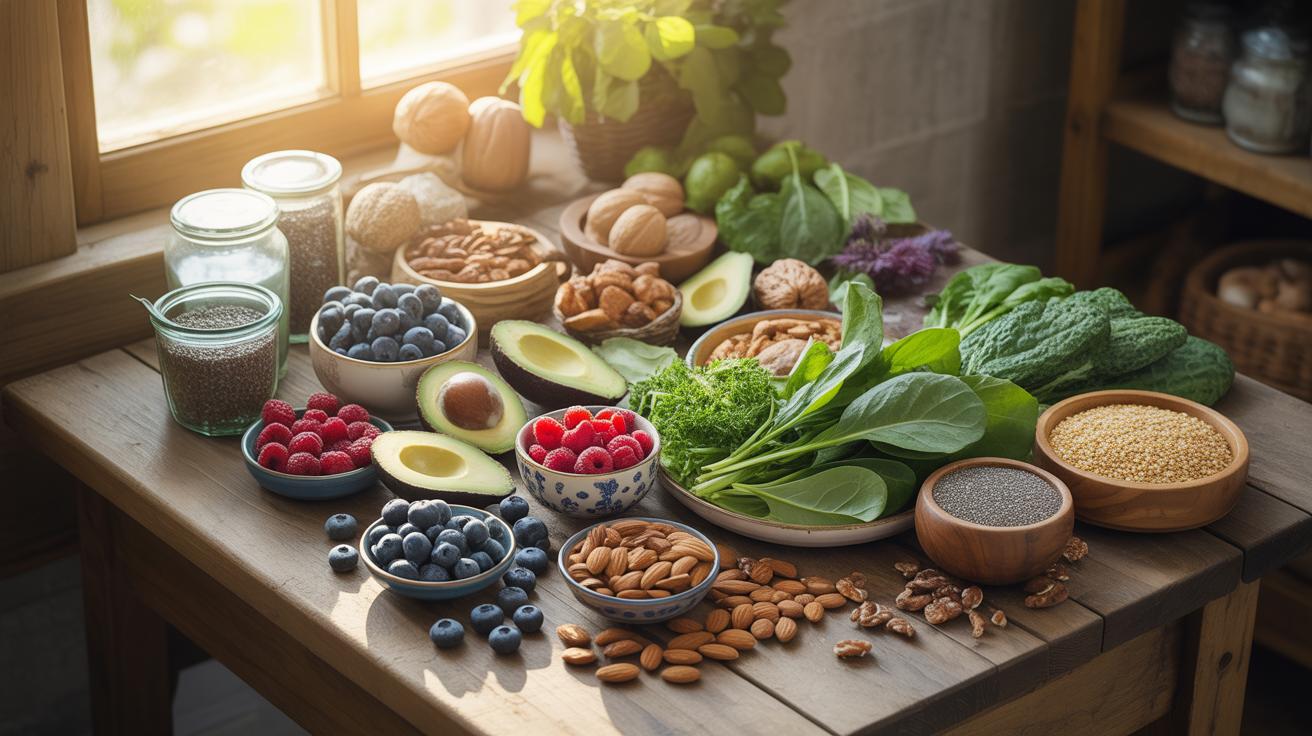
Understanding How Foods To Balance Hormones Work In The Female Body

How Hormones Shift After Age 35 And Why Nutrition Responds
After age 35, progesterone levels often drop faster than estrogen. This creates a state of estrogen dominance. Your ovaries become less predictable as you approach perimenopause. Insulin sensitivity also declines with age. These shifts trigger weight gain and mood swings. High fiber intake and specific fats help stabilize these fluctuating levels. Tactical nutrition choices provide the raw materials needed for endocrine repair.

Functional foods mitigate the effects of declining reproductive hormones. Crucial nutrients like magnesium and vitamin B6 support progesterone production. Fiber binds to excess estrogen in the digestive tract to ensure its removal. Maintaining steady blood sugar prevents cortisol spikes that disrupt sleep and energy. You must choose nutrient-dense foods to compensate for the natural biological slowdown. Strategic eating acts as a primary tool for hormonal regulation.
The Gut Hormone Connection Every Woman Over 35 Should Know
The gut microbiome regulates estrogen through a collection of bacteria called the estrobolome. These bacteria produce an enzyme that determines if estrogen stays in the body or leaves through waste. Poor gut health causes estrogen to recirculate in the bloodstream. This buildup increases the risk of heavy cycles and bloating. You must eat fermented foods to keep this system functioning properly.

A healthy gut also controls your hunger hormones, insulin and ghrelin. Chronic inflammation in the digestive tract blocks hormone signals to the brain. This makes you feel hungry even when you have eaten enough. Fiber fuels the beneficial bacteria that lower systemic inflammation. Eating prebiotic foods strengthens the intestinal barrier. This prevents toxins from entering the blood and stressing your adrenal glands.
Cruciferous Vegetables And Their Role In Healthy Hormones
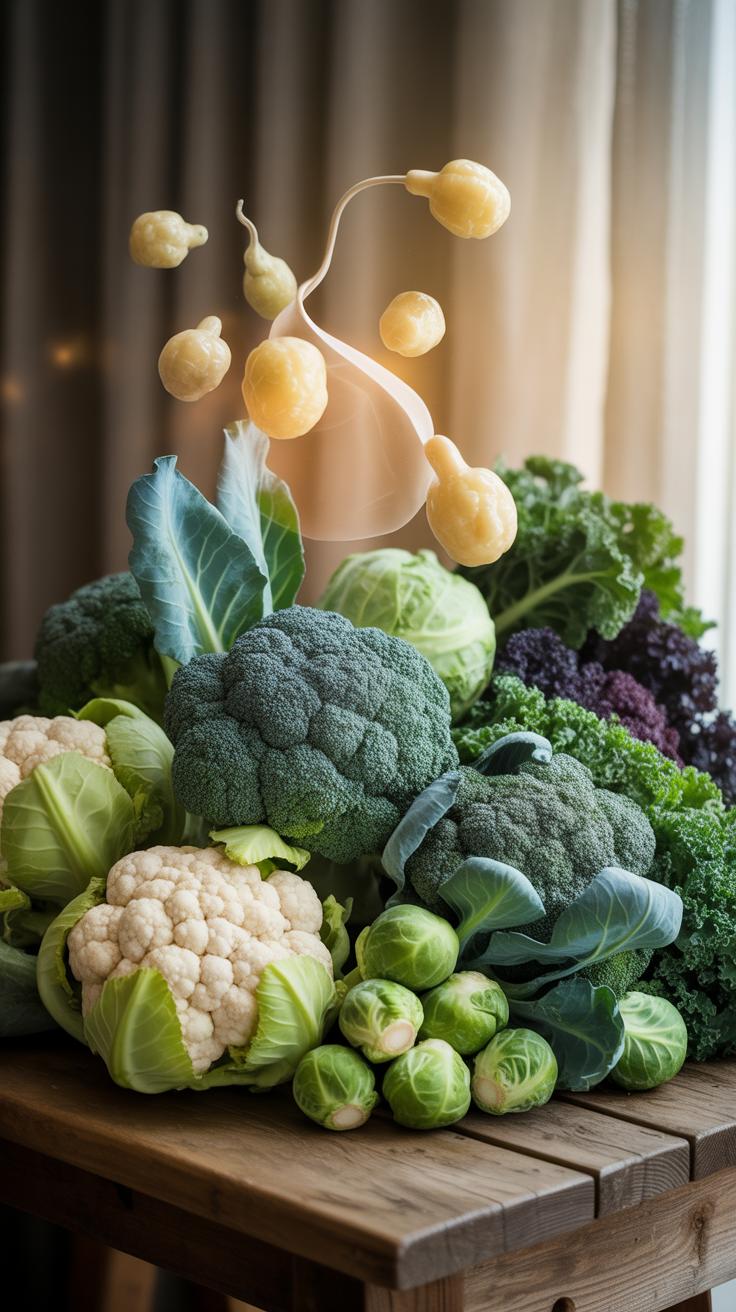
How Indole 3 Carbinol In Cruciferous Vegetables Supports Estrogen Metabolism
Cruciferous vegetables contain a compound called Indole-3-carbinol. When you digest these plants, your stomach acid converts this compound into diindolylmethane. This molecule helps your liver process estrogen. It promotes a pathways that creates 2-hydroxyestrone. This is a weaker and safer form of estrogen. This process ensures your body clears out old hormones efficiently. It prevents estrogen from circulating too long.
Effective estrogen metabolism reduces the risk of estrogen dominance. This condition often causes weight gain and mood swings in women over 35. Indole-3-carbinol specifically balances the ratio of good to bad estrogen metabolites. You need this balance to maintain a steady hormonal environment. Regular consumption provides the raw materials your liver requires for detoxification. This is a tactical dietary shift for long term health.
The Best Cruciferous Vegetables To Add To Your Weekly Meals
Broccoli and cauliflower are the primary sources for hormone support. They are easy to find and simple to prepare. These vegetables provide high concentrations of the necessary compounds. You should also include kale and Brussels sprouts in your rotation. These greens offer fiber which aids in the physical removal of estrogen through the gut. Diverse vegetable intake ensures you get a wide range of micronutrients.
Rotation is the key to a successful hormone balancing diet. Do not eat the same vegetable every day. Switch between bok choy, cabbage, and arugula to maintain interest and nutrient density. Lightly steaming these vegetables is the best preparation method. This technique preserves the sensitive enzymes that activate the beneficial compounds. Raw consumption can be hard on the thyroid for some women. Cooked versions offer the safest profile.
Healthy Fats As Foods For Hormone Balance You Should Prioritize
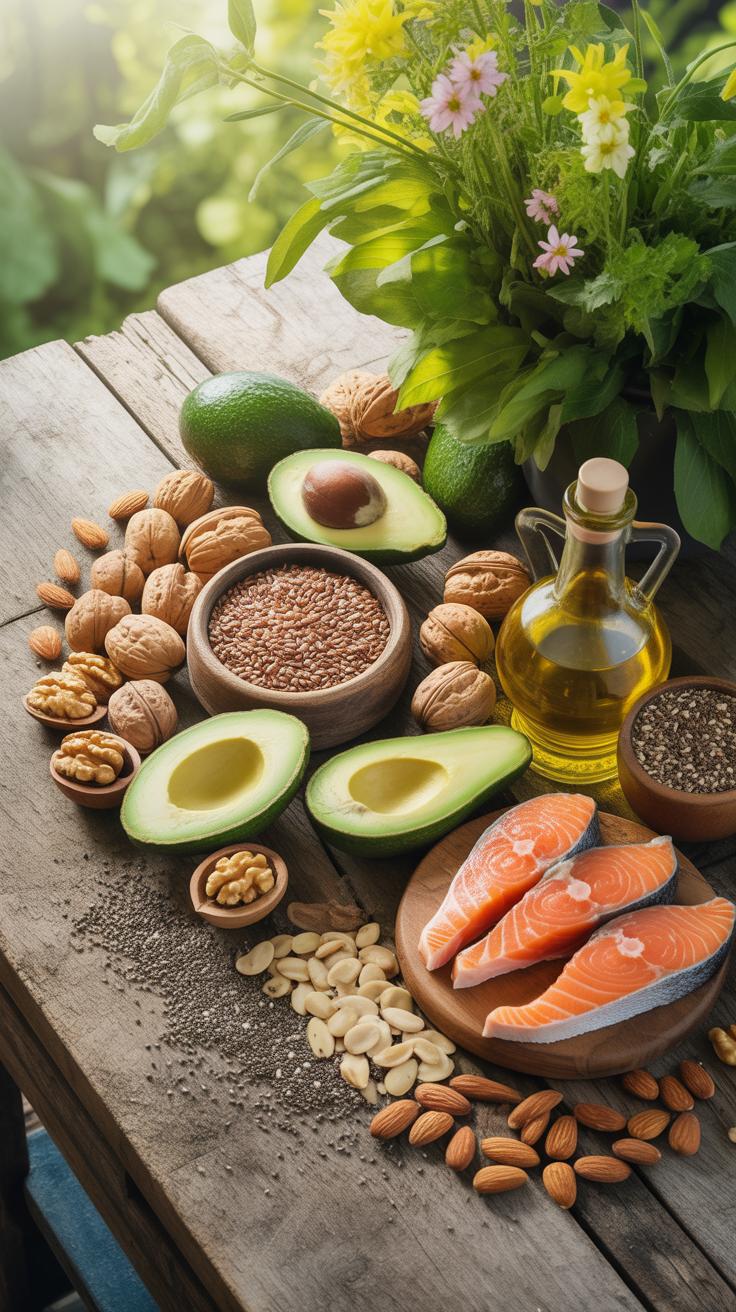
Why Cholesterol Rich And Omega 3 Fats Are Essential For Hormone Production
Cholesterol serves as the primary building block for steroid hormones. Your body uses it to manufacture estrogen, progesterone, and cortisol. Without enough dietary fat, your endocrine system lacks the raw materials for synthesis. This shortage leads to lower hormone levels and disrupted cycles. Women over 35 must prioritize these fats to maintain steady production as natural levels begin to decline during the perimenopause transition.
Omega-3 fatty acids regulate the communication between your cells. These fats build the membranes that shield your cells from damage. They also lower systemic inflammation which helps manage insulin levels. When inflammation is low, your body can process hormones more efficiently. This leads to better mood stability and improved metabolic health. High-quality fats ensure your internal signaling remains sharp and your energy levels stay consistent.
Avocados, Olive Oil, And Fatty Fish: What The Research Actually Shows
Research confirms that avocados provide high levels of plant sterols. These compounds block excess estrogen absorption while supporting progesterone production. Avocados also contain fiber which helps your body clear out used hormones. This prevents the toxic buildup that often causes bloating or mood swings. Eating half an avocado daily provides a steady source of monounsaturated fats. These fats keep your heart healthy and your hormones balanced.
Clinical studies show that fatty fish like salmon reduces high cortisol levels. The heavy concentration of EPA and DHA inhibits the stress response in your brain. Extra virgin olive oil acts as a powerful anti-inflammatory agent in the blood. It contains oleocanthal which mimics the effects of ibuprofen without the side effects. Research proves these fats improve skin elasticity and bone density. Consistent intake supports the long-term health of your reproductive system.
Phytoestrogen Rich Foods As A Natural Hormonal Balance Food Strategy
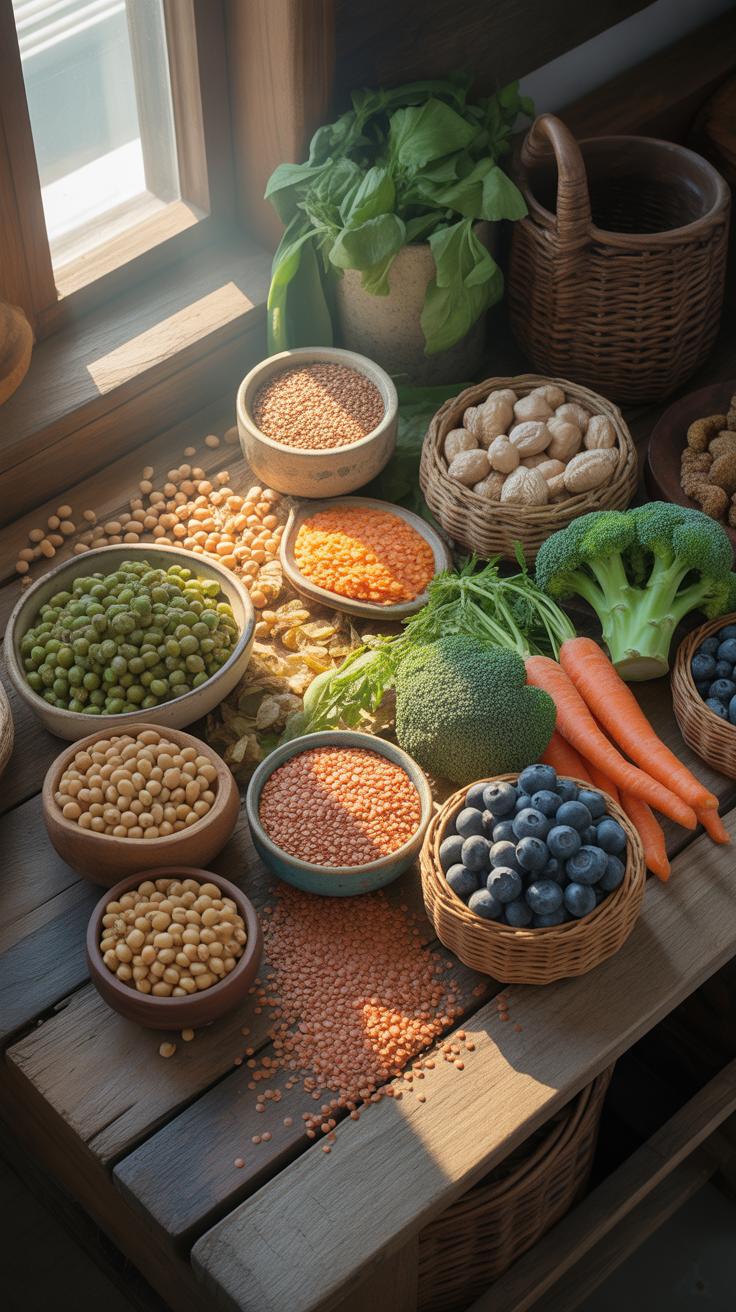
What Phytoestrogens Are And How They Interact With Estrogen Receptors
Phytoestrogens are plant-based compounds that mimic the chemical structure of human estrogen. They are not actual hormones. Instead, they function as selective estrogen receptor modulators. This means they can bind to the same docking sites as your body’s natural estrogen. This interaction helps stabilize hormonal activity. When your levels are too low, they provide a mild boost. When levels are too high, they block stronger estrogens.
Women over 35 experience wild fluctuations in estrogen levels as they enter perimenopause. These botanical compounds provide a tactical advantage by smoothing out these spikes and drops. They target alpha and beta receptors differently depending on the specific tissue in the body. This selective binding helps maintain bone density and heart health without overstimulating the uterine lining. Use these foods to create a consistent internal environment during hormonal shifts.
Flaxseeds, Soy, And Legumes: Separating Fact From Fiction
Flaxseeds contain high concentrations of lignans which are potent phytoestrogens. These seeds also provide essential fiber that helps the liver clear out used hormones. This prevents estrogen dominance which often causes weight gain and mood swings. You must grind flaxseeds to access these benefits. Whole seeds pass through the digestive tract largely intact. Incorporating them daily provides a steady baseline for hormonal regulation and metabolic health.
Soy is often misunderstood due to conflicting data. Modern research shows that fermented soy like tempeh and miso is highly beneficial for women over 35. These foods contain isoflavones that reduce hot flashes and support cardiovascular health. Legumes like chickpeas and lentils offer similar benefits along with high protein content. Avoid highly processed soy isolates found in protein bars. Focus on whole or fermented sources to ensure you get the correct nutrient profile.
Seeds And Nuts As Hormone Boosting Foods For Daily Support
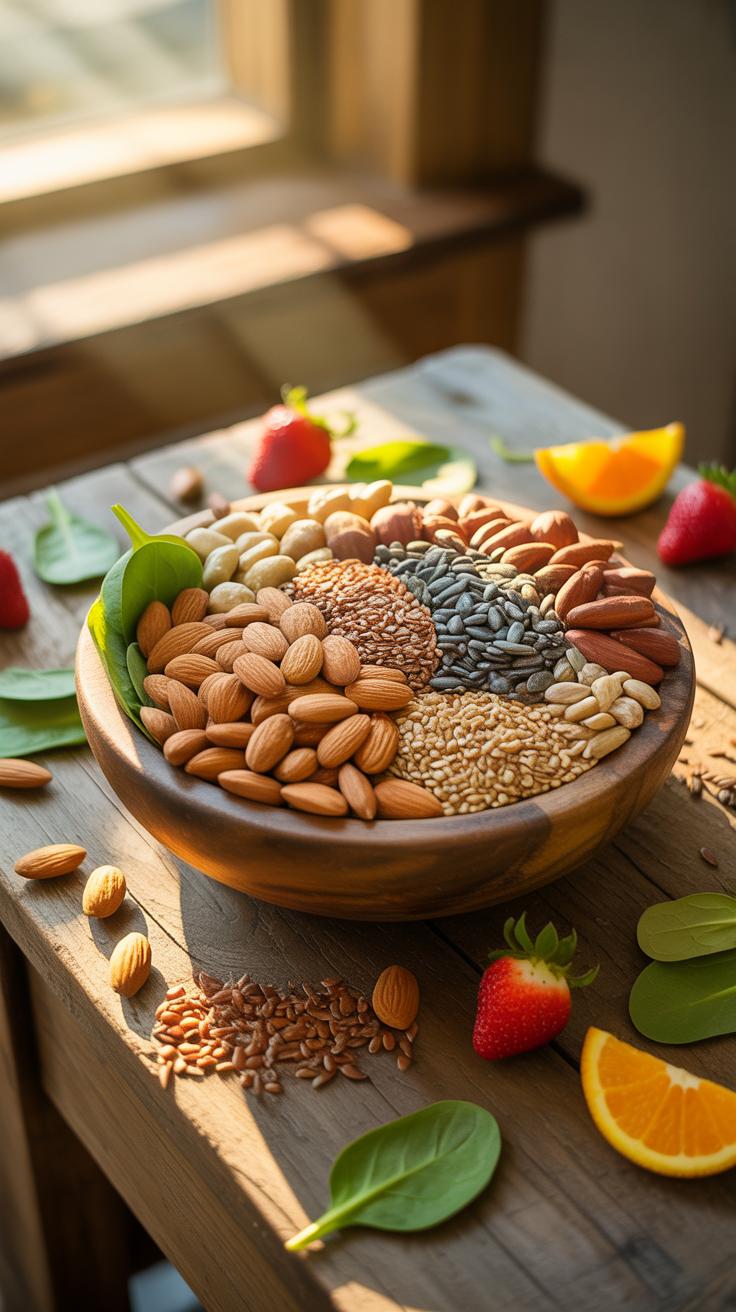
Seed Cycling: What It Is And What The Evidence Currently Supports
Seed cycling involves eating specific seeds during different phases of the menstrual cycle to balance estrogen and progesterone. You consume flax and pumpkin seeds during the follicular phase to support estrogen metabolism. You switch to sesame and sunflower seeds during the luteal phase to boost progesterone levels. This practice targets the natural rhythm of your body to reduce common PMS symptoms.
Scientific evidence regarding seed cycling remains limited and mostly anecdotal. Most clinical studies focus on the individual components of the seeds rather than the rotation method itself. Lignans and fatty acids found in these seeds definitely influence hormone pathways. Women over 35 use this method to manage perimenopause symptoms. Results vary based on individual metabolic health and consistency of daily intake.
Top Nuts And Seeds To Rotate Into Your Diet For Hormonal Support
Nuts and seeds provide the raw materials for hormone production and detoxification. They contain essential fatty acids and minerals like zinc and magnesium that regulate the endocrine system. Adding these foods to your daily routine stabilizes blood sugar and prevents insulin spikes. Rapid insulin changes disrupt sex hormones during your late thirties. Focus on high quality fats to maintain cellular health.
- Flaxseeds: These seeds contain high levels of lignans which bind to estrogen receptors. They help balance estrogen levels by blocking stronger forms of the hormone when levels are too high. Grind them to ensure your body absorbs the nutrients.
- Pumpkin Seeds: High zinc content makes these seeds vital for progesterone production and thyroid health. Zinc supports the corpus luteum after ovulation occurs in the cycle. They also provide magnesium which reduces stress hormones like cortisol during busy days.
- Walnuts: These nuts contain omega 3 fatty acids that reduce systemic inflammation in the body. Lower inflammation levels allow hormone receptors to function more efficiently. They also support brain health and cognitive function during the transition into perimenopause.
- Brazil Nuts: A single nut provides the daily requirement of selenium for most adults. Selenium is a critical mineral for converting thyroid hormones into their active states. Proper thyroid function ensures your metabolism and energy levels remain stable throughout the month.
- Sunflower Seeds: These are rich in vitamin E and selenium which support liver detoxification. A healthy liver clears out used hormones to prevent estrogen dominance. They also provide a boost of fiber to help move waste through the digestive tract.
Consistency is the most important factor when using nuts and seeds for hormonal health. You should eat at least two tablespoons of seeds or a small handful of nuts daily. Store these items in a cool, dark place to prevent the delicate oils from going rancid. Freshness ensures you get the full anti inflammatory benefits. Monitor your energy levels and cycle regularity to track your personal progress.
Leafy Greens And Fiber As Foods For Hormone Balance For Women
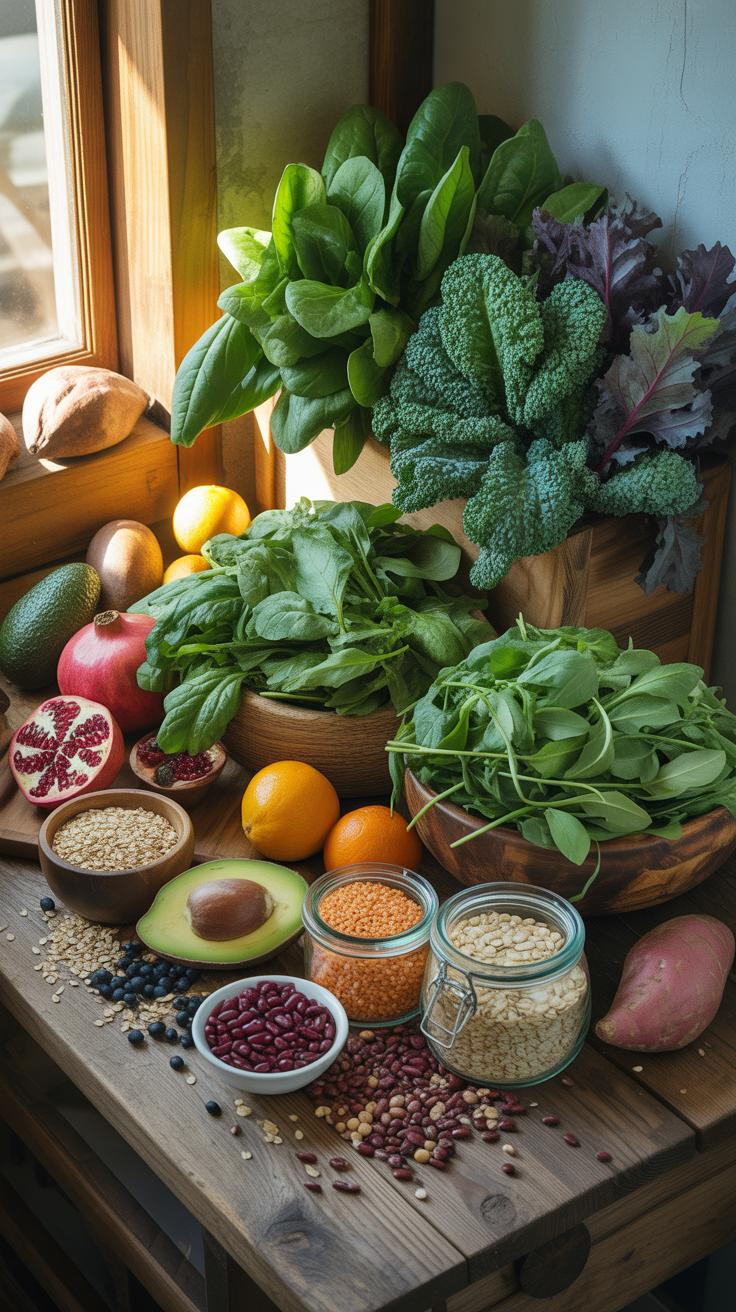
How Dietary Fiber Helps The Body Clear Excess Estrogen Through The Digestive System
The liver processes spent estrogen and sends it to the intestines for disposal. Dietary fiber acts as a physical vehicle to move these waste products out of the body. Without enough fiber, the stool sits in the colon too long. This delay allows an enzyme called beta-glucuronidase to unbind the estrogen. Once unbound, the hormone re-enters the bloodstream and causes dominance.
Estrogen dominance triggers weight gain and heavy periods in women over 35. You need twenty-five to thirty grams of fiber daily to prevent this recycling process. Insoluble fiber increases bulk and speeds up transit time to ensure toxins leave the system. This mechanical action is a primary defense against hormonal shifts. Consistent fiber intake keeps your baseline levels stable by removing what your body no longer needs.
Nourishing your body with whole, hormone-balancing foods is a beautiful way to honor the wisdom of your years. Let your kitchen be a sanctuary where every meal feels like a gentle return to your most vibrant self.
Magnesium In Leafy Greens And Its Direct Link To Cortisol And Sleep Hormones
Leafy greens provide high concentrations of magnesium which regulates the hypothalamic-pituitary-adrenal axis. This mineral prevents the adrenal glands from overproducing cortisol during stress. When cortisol stays elevated, it blocks progesterone receptors and disrupts your cycle. Magnesium intake effectively lowers the biological stress response. This process allows the body to prioritize sex hormone production over survival hormones, which is critical for women during perimenopause.
Magnesium also controls the conversion of tryptophan into serotonin and then into melatonin. Melatonin governs your circadian rhythm and sleep quality. Poor sleep causes a spike in ghrelin and insulin resistance the next day. By eating greens like spinach or kale, you supply the raw materials for deep rest. Proper sleep cycles ensure your endocrine system can repair itself and maintain metabolic health.
Fermented Foods As Hormone Healthy Foods That Support The Microbiome
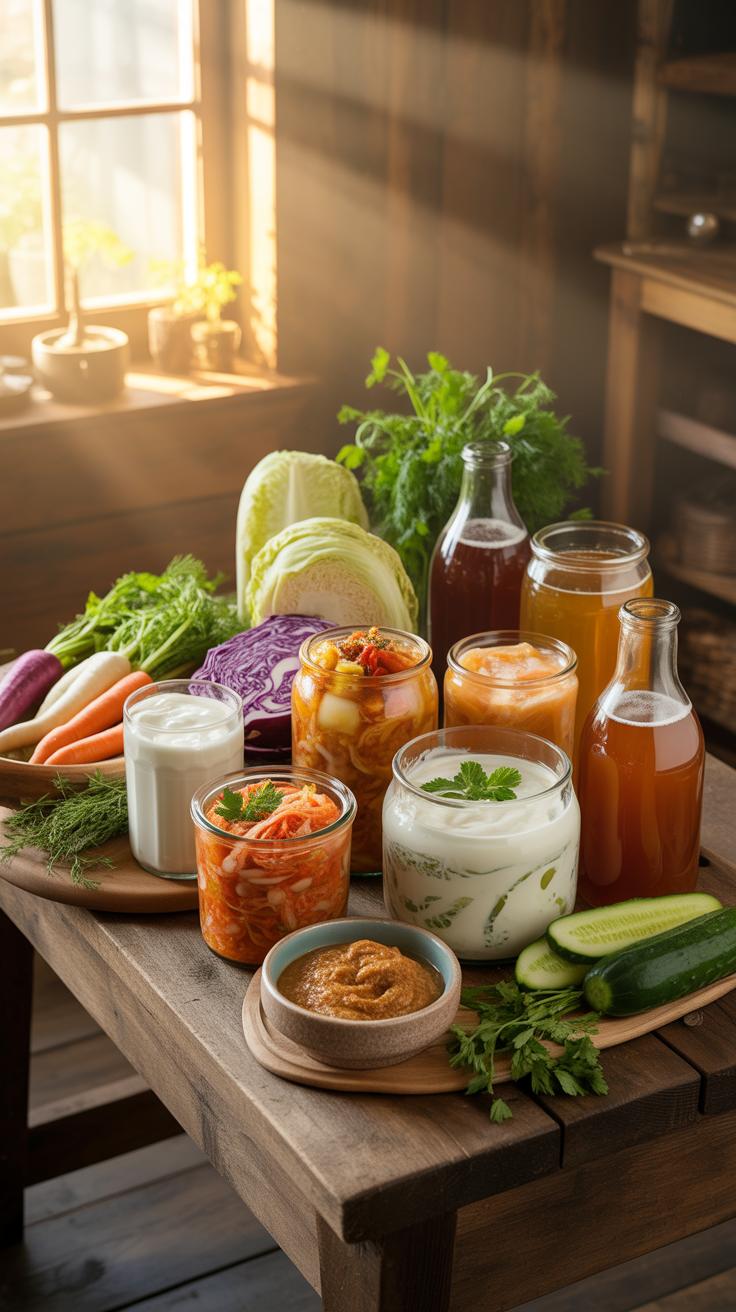
The Estrobolome: How Gut Bacteria Regulate Circulating Estrogen Levels
The estrobolome is a specific collection of bacteria in your gut. These bacteria produce an enzyme called beta-glucuronidase. This enzyme dictates how your body processes estrogen. When your gut stays healthy, it sends excess estrogen out through waste. A weak microbiome keeps estrogen trapped in your blood. This leads to estrogen dominance, causing weight gain and mood swings for women over 35.
Tactical hormone management requires a diverse gut environment. You must maintain the right bacterial balance to prevent estrogen recycling. Poor gut health forces the body to reabsorb old hormones. This creates a toxic loop that disrupts your cycle and sleep. Strengthening the estrobolome ensures your body clears hormones efficiently. This process is vital for maintaining steady energy levels and metabolic health as you age.
Yogurt, Kefir, Sauerkraut, And Kimchi: Choosing The Right Fermented Foods
Fermented foods provide the live cultures needed to populate your gut. Yogurt and kefir deliver high doses of lactobacillus. This strain actively helps break down hormones in the digestive tract. You must choose unsweetened versions to avoid insulin spikes. Sugar feeds bad bacteria and cancels out the benefits of the probiotics. Aim for one serving daily to maintain a consistent bacterial colony.
Sauerkraut and kimchi offer raw, plant-based probiotics and fiber. The fermentation process creates organic acids that support a low-pH environment in the gut. This acidity prevents the growth of harmful pathogens. These foods also provide prebiotics to feed your existing good bacteria. Consuming diverse fermented sources ensures a wider range of bacterial strains. This variety is the most effective way to stabilize your hormone levels naturally.
Foods To Limit Or Avoid When Eating Hormonal Foods For Balance
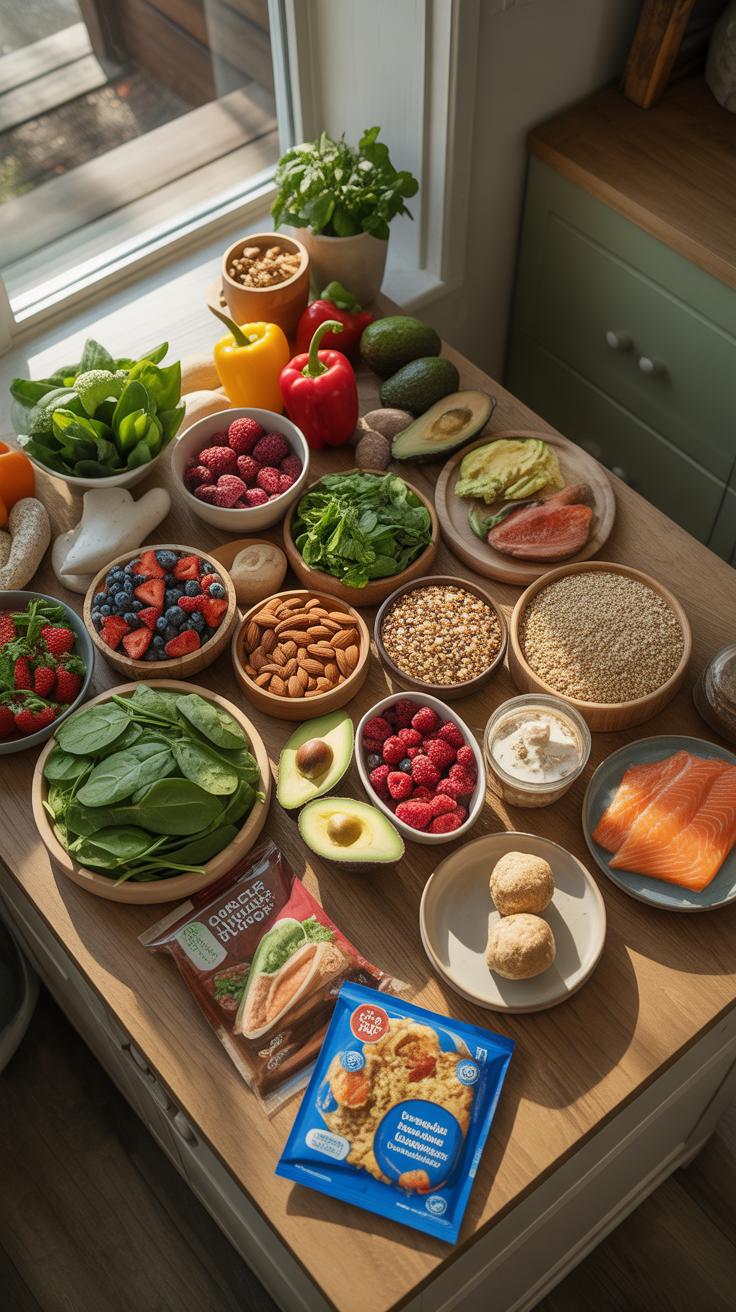
How Ultra Processed Foods Refined Sugar And Alcohol Disrupt Hormonal Signaling
Ultra processed foods and refined sugars trigger rapid insulin spikes. Constant high insulin levels force the liver to produce less sex hormone binding globulin. This increase in free estrogen leads to dominance issues for women over 35. These foods also cause systemic inflammation. Inflammation blocks hormone receptors and prevents cells from receiving chemical signals effectively. You cannot balance hormones while eating items that cause cellular resistance.
Alcohol disrupts the endocrine system by taxing the liver. The liver must prioritize breaking down ethanol over metabolizing excess estrogen. This delay causes recirculating hormones to build up in the bloodstream. Alcohol also increases cortisol production and interferes with blood glucose regulation. High cortisol directly suppresses progesterone production. Eliminating these toxins restores the natural rhythm of your endocrine glands and improves overall metabolic health.
Practical Swaps To Reduce Hormone Disrupting Ingredients In Everyday Meals
Reducing hormone disruptors requires replacing inflammatory items with nutrient dense alternatives. Stop buying vegetable oils like soybean or corn oil which contain high levels of omega six fatty acids. These fats promote inflammation and damage cell membranes. Switch to stable fats that support steroid hormone production. Focus on whole food sources that provide steady energy without causing the massive insulin surges found in processed snacks.
- Avocado Oil for Vegetable Oil: Highly refined seed oils like soybean or canola oil oxidize easily and promote systemic inflammation. Avocado oil has a high smoke point and contains monounsaturated fats that support healthy cell membrane function and hormone receptor sensitivity.
- Stevia or Monk Fruit for Refined Sugar: White sugar triggers insulin spikes that disrupt the balance of estrogen and progesterone. Natural non glycemic sweeteners prevent these spikes while satisfying cravings. This swap keeps blood glucose stable and protects your metabolic rate during hormonal shifts.
- Sparkling Water for Alcoholic Beverages: Alcohol prevents the liver from clearing excess estrogen and raises cortisol levels. Replacing wine or cocktails with flavored sparkling water eliminates toxins. This allows your liver to focus on primary metabolic tasks and maintains better sleep quality for recovery.
- Sweet Potatoes for White Bread: Refined flour acts like sugar in the body and lacks fiber. Sweet potatoes provide complex carbohydrates and high fiber content. This combination slows glucose absorption and provides the raw materials needed for consistent energy and thyroid hormone conversion.
- Raw Nuts for Processed Snack Bars: Many commercial bars contain soy protein isolates and synthetic additives that can mimic estrogen. Raw walnuts or almonds provide essential fatty acids and minerals. These nutrients act as precursors for hormone synthesis without the chemical interference found in packaged goods.
Eliminate hidden disruptors by reading labels for chemical additives and preservatives. Common fillers like carrageenan or artificial dyes can trigger immune responses that stress the adrenal glands. Focus on single ingredient foods to ensure you are not consuming hidden sugars or inflammatory fats. These tactical changes lower the total toxic load on your body. Consistent swaps create a stable environment where your hormones can finally reach a state of equilibrium.
Building A Daily Meal Plan Around Foods Good For Hormone Balance

How To Structure Meals Throughout The Day To Support Stable Blood Sugar And Hormones
Eat within ninety minutes of waking to stop cortisol spikes. Start the day with thirty grams of protein to stabilize insulin early. Combine healthy fats with fiber at every meal. This prevents the glucose crashes that trigger mood swings and fatigue. Avoid high sugar breakfasts that cause afternoon energy slumps. Stability starts with the first bite and continues through consistent meal timing.
Stop eating at least three hours before bedtime to protect melatonin production. Late night snacking raises core body temp and disrupts deep sleep cycles. Focus on complex carbohydrates during your evening meal to support serotonin levels. These tactical shifts regulate the endocrine system without needing complex supplements. Consistent fuel delivery keeps the thyroid and adrenal glands from overworking during the busy workday.
Lifestyle Factors That Multiply The Benefits Of A Hormone Supportive Diet
Prioritize strength training over intense cardio to manage stress hormones. Heavy lifting builds muscle mass which improves insulin sensitivity significantly. High intensity interval training can raise cortisol too high if performed daily. Limit these sessions to twice a week for maximum benefit. Proper exercise selection ensures your body uses nutrients efficiently. Moving your body after meals also blunts the blood sugar response.
Deep sleep is the foundation for all hormonal repair processes. Your body regulates growth hormone and cleanses brain toxins during the night. Aim for seven to nine hours of rest in a cool room. Minimize blue light exposure two hours before sleep to keep circadian rhythms in check. Chronic sleep debt overrides even the cleanest diet. Rest acts as a primary lever for long term metabolic health.
Frequently Asked Questions

What are hormone balancing foods and why do women over 35 need them?
Hormone balancing foods are nutrient-dense ingredients that support endocrine health during the transition toward perimenopause. For women over 35, hormone levels like estrogen and progesterone begin to fluctuate, often leading to fatigue or mood swings. Incorporating specific items like cruciferous vegetables, healthy fats, and high-fiber grains helps stabilize these shifts naturally. Focusing on these dietary choices ensures your body has the raw materials necessary to maintain optimal hormonal equilibrium and cellular function.
How can I easily incorporate hormone balancing foods into my daily meal plan?
The best way to start is by following the “plate method” at every meal. Aim to fill half your plate with colorful vegetables, add a palm-sized portion of lean protein, and include a serving of healthy fats like avocado or walnuts. Adding flaxseeds to your morning smoothie or swapping processed snacks for berries is an effortless way to integrate more hormone balancing foods into your routine without needing complex, time-consuming recipes.
Can I eat for hormonal health on a budget without buying expensive supplements?
Absolutely! You don’t need pricey superfoods to see results. Budget-friendly staples like dried lentils, chickpeas, eggs, and frozen broccoli are incredibly effective. Buying seasonal produce or choosing canned wild-caught sardines provides essential omega-3s and fiber at a fraction of the cost of high-end supplements. Prioritizing these affordable, whole-food options allows you to nourish your endocrine system effectively while keeping your grocery bill manageable and your kitchen well-stocked with essentials.