
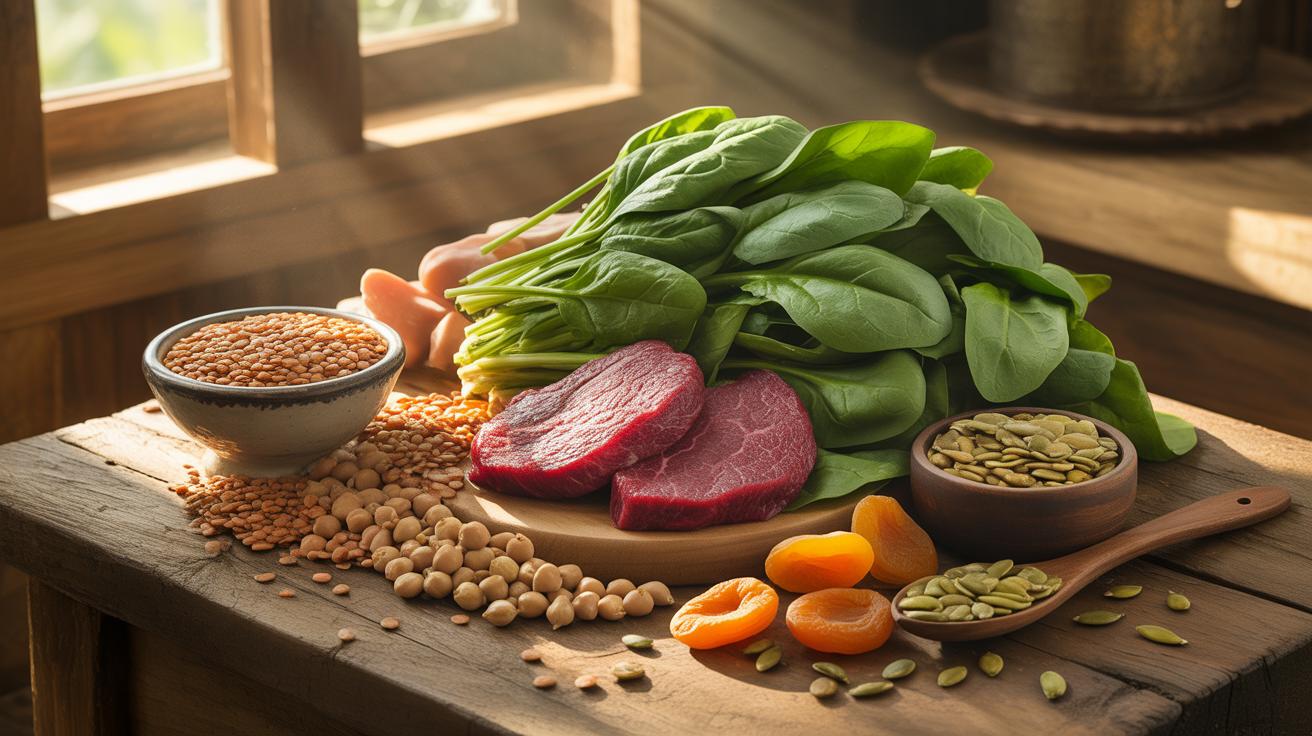
Understanding Iron Foods And Why Your Body Needs Them
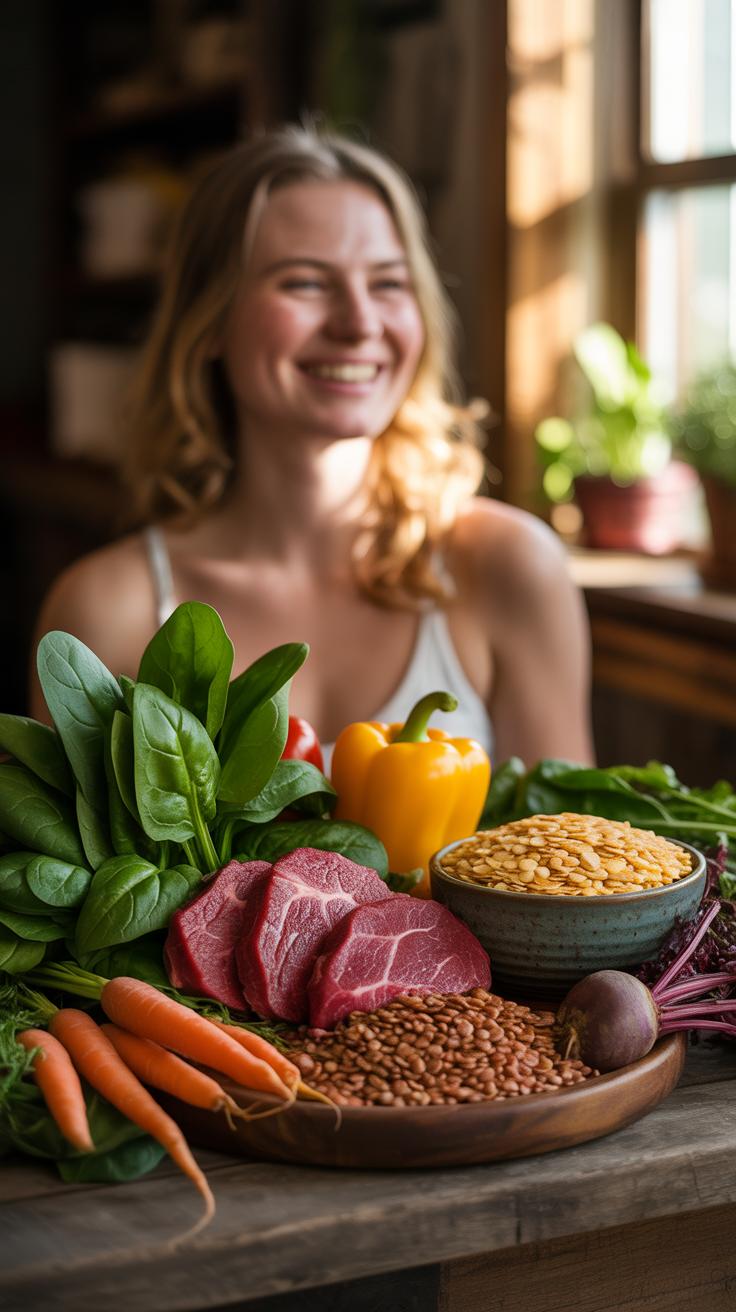
The Role Of Iron In Red Blood Cell Production And Oxygen Transport
Iron serves as the primary building block for hemoglobin. Hemoglobin is a protein found in red blood cells. Its main job involves grabbing oxygen in the lungs and carrying it to your tissues. Without enough iron, your body cannot create healthy red blood cells. This failure slows down the delivery of oxygen to every organ and muscle in your system.
The biological process is simple but vital for survival. Iron also supports the production of myoglobin. This protein stores oxygen specifically within your muscle cells. This storage allows your muscles to function during physical exertion. Maintaining high iron levels ensures your heart and brain receive the constant fuel they need. This mineral keeps your internal systems running at peak performance levels daily.
How Low Iron Levels Directly Trigger Fatigue And Low Energy
Low iron levels lead to a state called iron deficiency. When iron is scarce, your body produces fewer and smaller red blood cells. This condition results in less oxygen reaching your brain and limbs. You feel tired because your cells are essentially starving for air. This lack of fuel forces your heart to work harder to move blood, which drains your remaining energy.

Fatigue from low iron is not just a feeling of sleepiness. It manifests as physical weakness and mental fog that rest cannot fix. Your muscles tire faster during basic movements. Your brain loses the ability to focus on complex tasks. Correcting this deficiency through diet is the most direct way to restore stamina. Understanding this link is the first step toward regaining your physical edge.
Heme Vs Non Heme The Two Types Of Iron Rich Foods Explained
What Makes Heme Iron More Bioavailable And Easier To Absorb
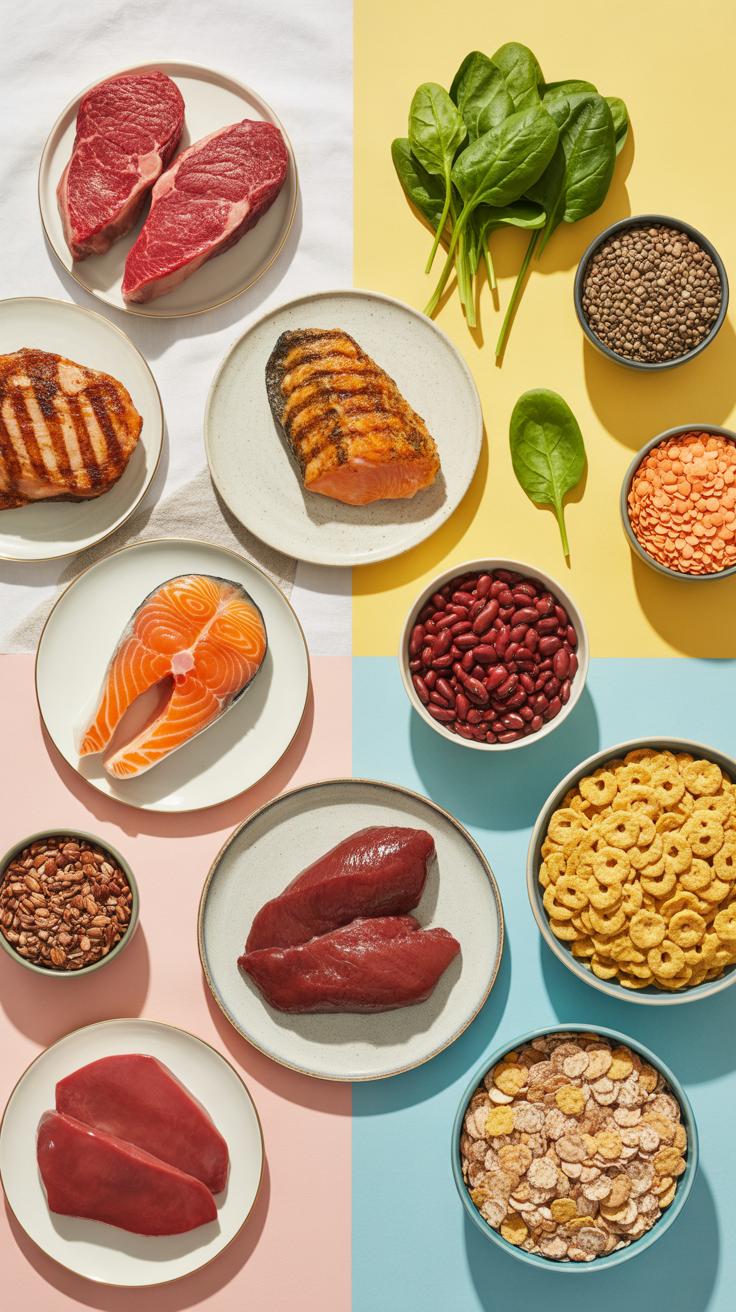
Heme iron comes exclusively from animal tissues. You find it in red meat, poultry, and seafood. This form of iron bound to hemoglobin and myoglobin molecules. Your body absorbs it directly through specific transporters in the gut. Efficiency is high because the molecular structure remains intact during digestion. Most people absorb fifteen to thirty five percent of the heme iron they eat.
The body does not struggle to break down this form. It enters your bloodstream faster than plant based options. Factors like tea or grain phytates do not block its path. This makes it the most reliable source for raising blood iron levels quickly. It bypasses the common hurdles that slow down mineral uptake. Focus on these sources if your goal is rapid recovery from fatigue.
Non Heme Iron Sources And How To Boost Their Absorption Naturally
Non-heme iron fills the majority of a standard diet. Sources include beans, spinach, fortified grains, and nuts. However, the body absorbs this type poorly. Typical absorption rates hover between two and ten percent. Chemical inhibitors in coffee and whole grains often bind to this iron. This makes the mineral unavailable for your body to use. You must work harder to extract value.
You can force higher absorption by pairing these foods with Vitamin C. Ascorbic acid breaks the iron down into a more soluble form. This simple tactical move can triple your uptake from plant sources. Avoid drinking caffeine for one hour before and after these meals. Proper timing ensures you do not waste the nutrients you consume. Strategy matters more than volume when eating plant iron.
Top Animal Based Iron Deficiency Foods To Add To Your Diet
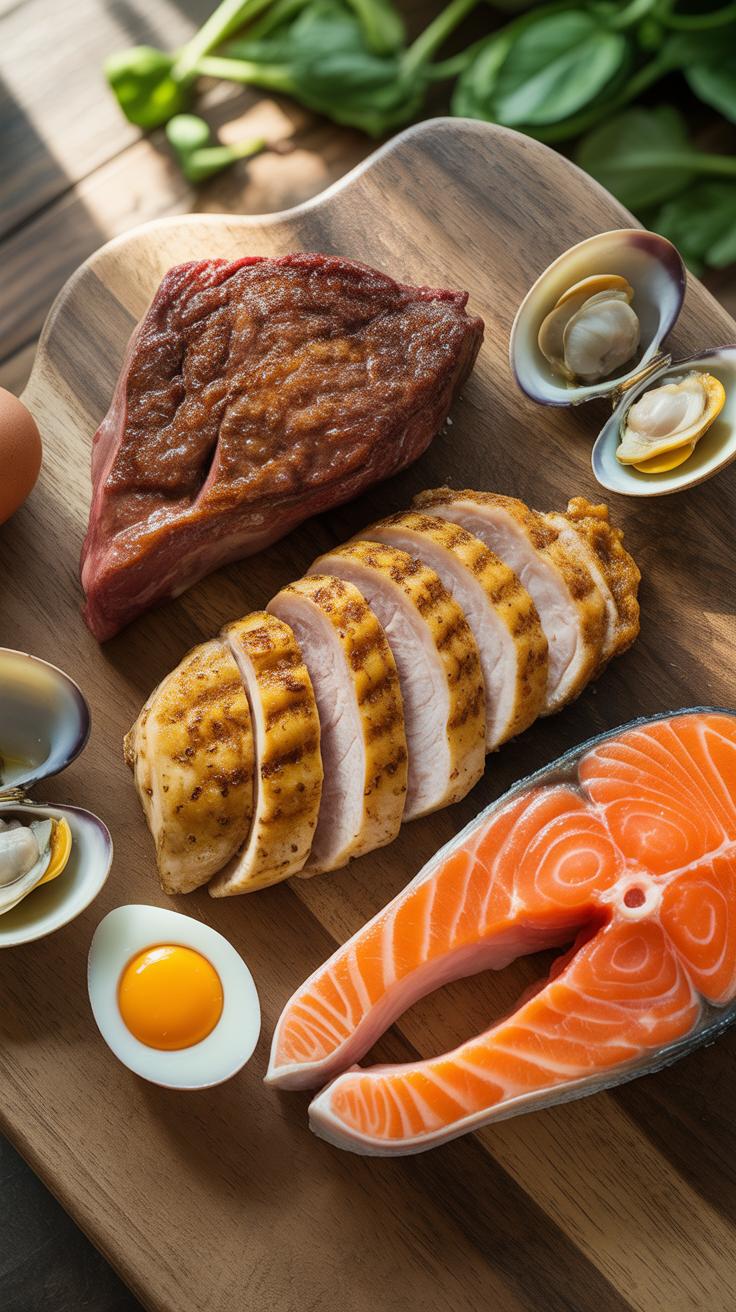
Red Meat, Poultry, And Seafood As Powerful Dietary Iron Sources
Animal products contain heme iron. This form of iron comes from hemoglobin and myoglobin. Your body absorbs heme iron much better than non-heme iron from plants. Red meat like beef and lamb offers the highest density of this mineral. Consuming these proteins directly increases your blood iron levels. This process works faster than relying on supplements or vegetable sources alone.
Poultry and seafood also provide significant amounts of heme iron. Chicken thighs and turkey drumsticks contain more iron than white breast meat. Clams, mussels, and oysters rank as top seafood choices for iron content. These foods offer a complete amino acid profile. Eating these items with vitamin C increases absorption paths. You should prioritize these animal sources to reverse a deficiency quickly and effectively.
Why Organ Meats Like Liver Are Among The Highest Iron Foods Available
Organ meats are the most concentrated sources of heme iron. Beef liver contains more iron per ounce than almost any other food. It also provides high levels of copper and vitamin A. These nutrients help your body move iron into your bloodstream. Ancient cultures prioritized organ meats for strength and recovery. Modern nutritional data confirms that liver acts as a powerful natural multivitamin.
Consistency is key when eating organ meats. You do not need large quantities to see results. A small serving of chicken liver or beef heart provides a massive boost to your daily intake. These meats bypass the slow absorption rates of plant-based foods. They provide raw materials for new red blood cell production. Use these dense sources to fix your iron levels with precision and speed.
Best Plant Based Food With Iron For Vegetarians And Vegans
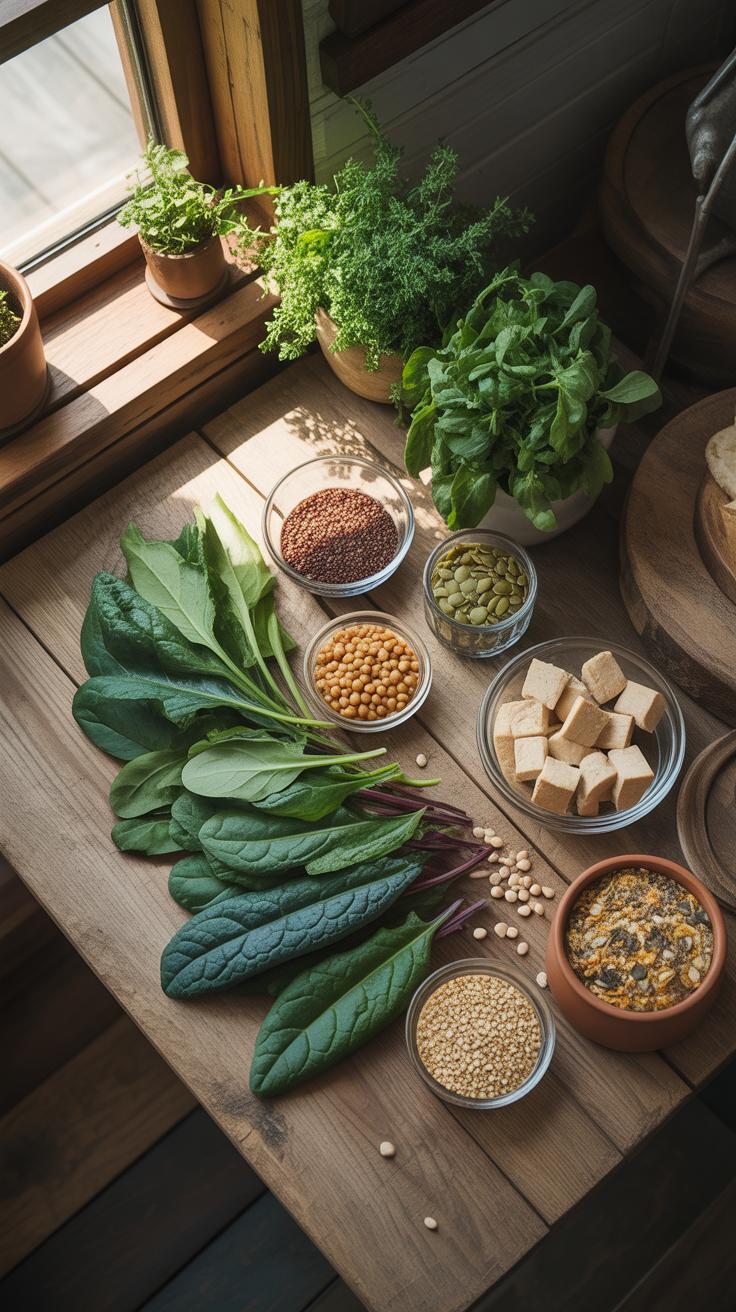
Legumes, Lentils, And Beans As Reliable Plant Based Iron Sources
Lentils and beans provide the most stable supply of non-heme iron for plant-based diets. One cup of cooked lentils contains approximately 6.6 milligrams of iron. This amount fulfills a significant portion of your daily requirement. These legumes offer a dense nutrient profile that supports steady energy levels. You must consume these foods regularly to maintain adequate iron stores without eating meat products.
Pair these legumes with vitamin C to increase absorption rates. Non-heme iron does not enter the bloodstream as easily as heme iron from animal sources. Acidic components like lemon juice or bell peppers break down phytates that usually block iron uptake. This strategic pairing maximizes the biological value of every meal. Consistency ensures your body receives a frequent supply of the minerals needed to fight fatigue.
Leafy Greens Like Spinach And Kale As Everyday Iron Rich Options
Leafy greens like spinach offer a concentrated source of non-heme iron in a low-calorie package. Three cups of raw spinach provide roughly 2.7 milligrams of iron. While this volume seems high, cooking the greens reduces their bulk and makes the nutrients more accessible. Dark greens also contain antioxidants that support general vascular health. They serve as a foundational component for any vegetarian nutrition plan.
Specific compounds in greens can hinder iron absorption if you do not prepare them correctly. Oxalates found in spinach bind to iron and prevent the body from using it fully. Lightly steaming these vegetables helps reduce these anti-nutrients. You should avoid drinking tea or coffee during meals featuring these greens. The tannins in those drinks stop your body from absorbing the iron you just consumed.
Iron Sources Food You Can Find In Seeds Nuts And Whole Grains
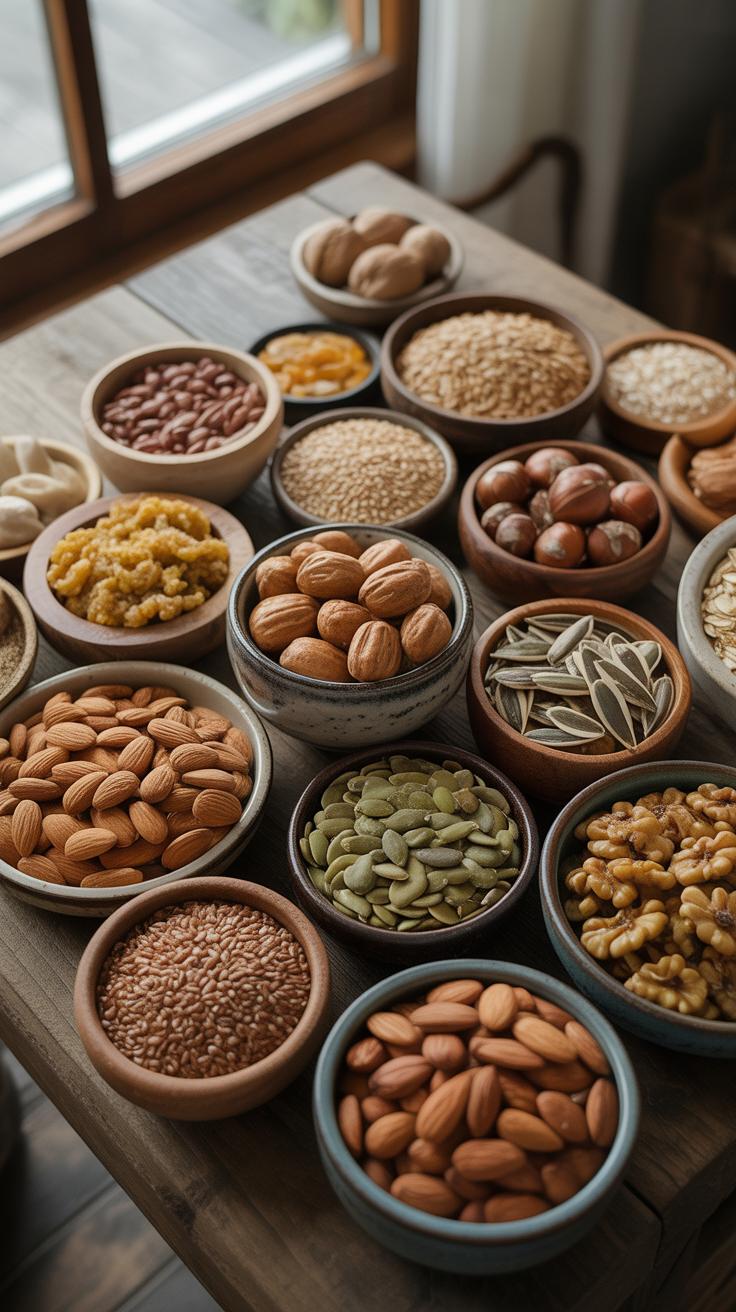
Pumpkin Seeds, Hemp Seeds, And Quinoa As Convenient Iron Snack Sources
Pumpkin seeds deliver high iron content in small portions. Just one ounce provides significant mineral value to your daily requirements. These seeds work well for mobile snacking because they require no refrigeration or cooking. They also contain magnesium and zinc to support overall metabolic function. Eat them raw or dry roasted to maximize nutrient density without adding unnecessary industrial seed oils.
Hemp seeds and quinoa provide plant based proteins alongside iron. Quinoa is technically a seed but functions as a grain in modern diets. One cup of cooked quinoa offers roughly three milligrams of iron. Hemp seeds add a Nutty flavor and essential fatty acids to your meals. Use these items as base ingredients for salads or snacks to maintain consistent energy levels throughout the workday.
How Fortified Cereals And Whole Grains Contribute To Daily Iron Intake
Fortified cereals serve as a primary iron source for many adults. Manufacturers add elemental iron or ferrous fumarate to these products during processing. This technique started in the early twentieth century to combat widespread nutrient deficiencies. Check the nutrition label to ensure the product contains one hundred percent of the daily value. Pair these cereals with vitamin C to increase the absorption rate of the added minerals.
Whole grains like oats and brown rice contain natural iron found in the bran and germ layers. Refining these grains removes the nutrient rich outer shell and lowers the mineral content. Stick to minimally processed versions to get the full biological benefit. Whole grains also provide fiber which slows sugar absorption and prevents energy crashes. Consistency with these staples ensures a steady supply of iron for red blood cell production.
High Iron Food Pairings That Maximize Nutrient Absorption
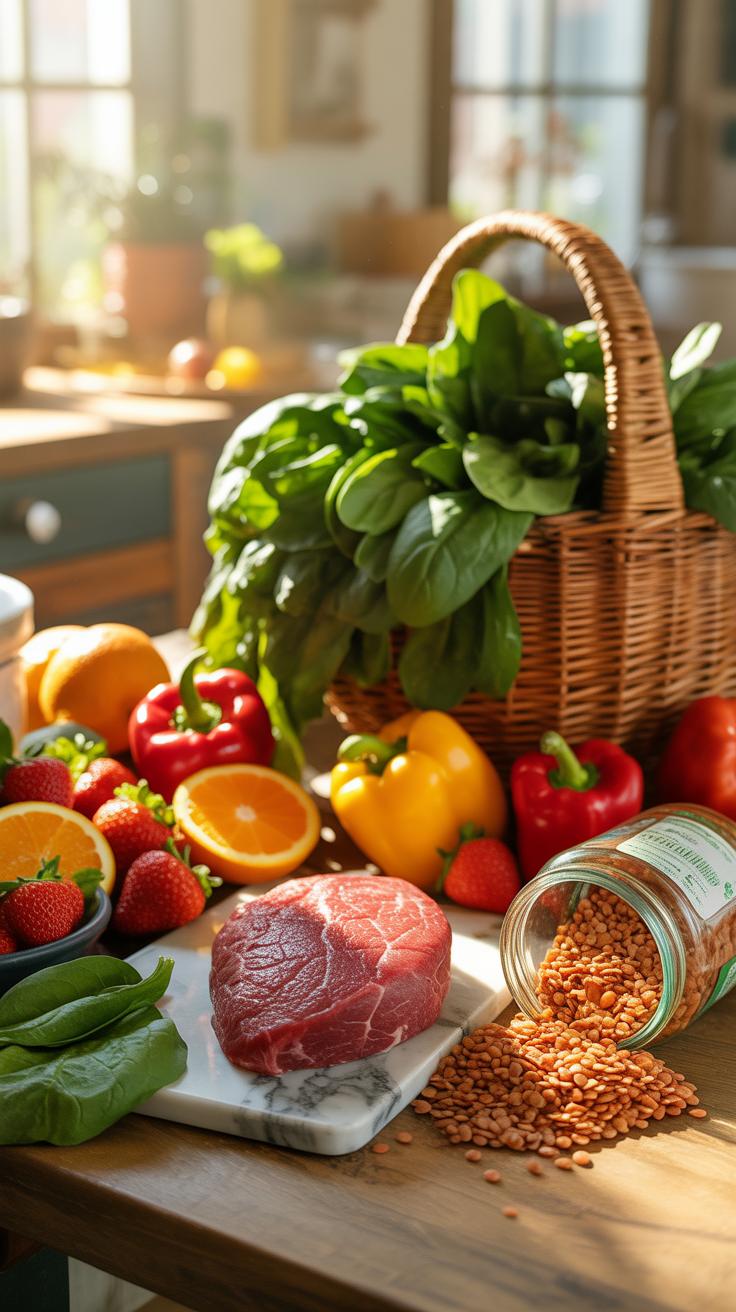
Why Vitamin C Rich Foods Should Always Be Paired With Iron Sources
Non-heme iron comes from plant sources like spinach and beans. This form of iron has low bioavailability. Your body struggles to absorb it during digestion. Vitamin C acts as a powerful enhancer. It breaks down the iron into a form your gut absorbs easily. Pairing these nutrients ensures you get the most value from every meal. It turns low-quality intake into high-quality fuel.
Citrus fruits and bell peppers provide the best results. You must consume them at the exact same time as your iron source. Timing is critical for chemical reactions in the stomach. Vitamin C prevents the formation of insoluble iron compounds. This strategy is vital for people who do not eat meat. It maximizes efficiency and prevents nutrient waste. Stop eating iron alone if you want more energy.
Let food be thy medicine and medicine be thy food. A table filled with the earth’s iron-rich bounty restores the spirit and banishes the weary soul.
Foods And Beverages That Block Iron Absorption You Should Avoid
Certain compounds actively stop iron from entering your bloodstream. Phytic acid in whole grains and legumes binds to iron. This makes the mineral unavailable for use. Polyphenols and tannins found in coffee and tea also present major hurdles. These substances can reduce absorption by over fifty percent. If you drink coffee with your meal, you are losing valuable nutrients. Most people overlook this tactical error.
Calcium competes with iron for the same entry points in your cells. High doses of dairy can block both heme and non-heme iron. To solve this, separate your iron intake from high-calcium foods by two hours. Avoid drinking tea or coffee during your main meals. This small shift protects your mineral levels. High performance requires managing these chemical blockers. Strategic timing ensures your body utilizes every milligram of iron consumed.
Recognizing Iron Deficiency And Which Foods High In Iron Can Help
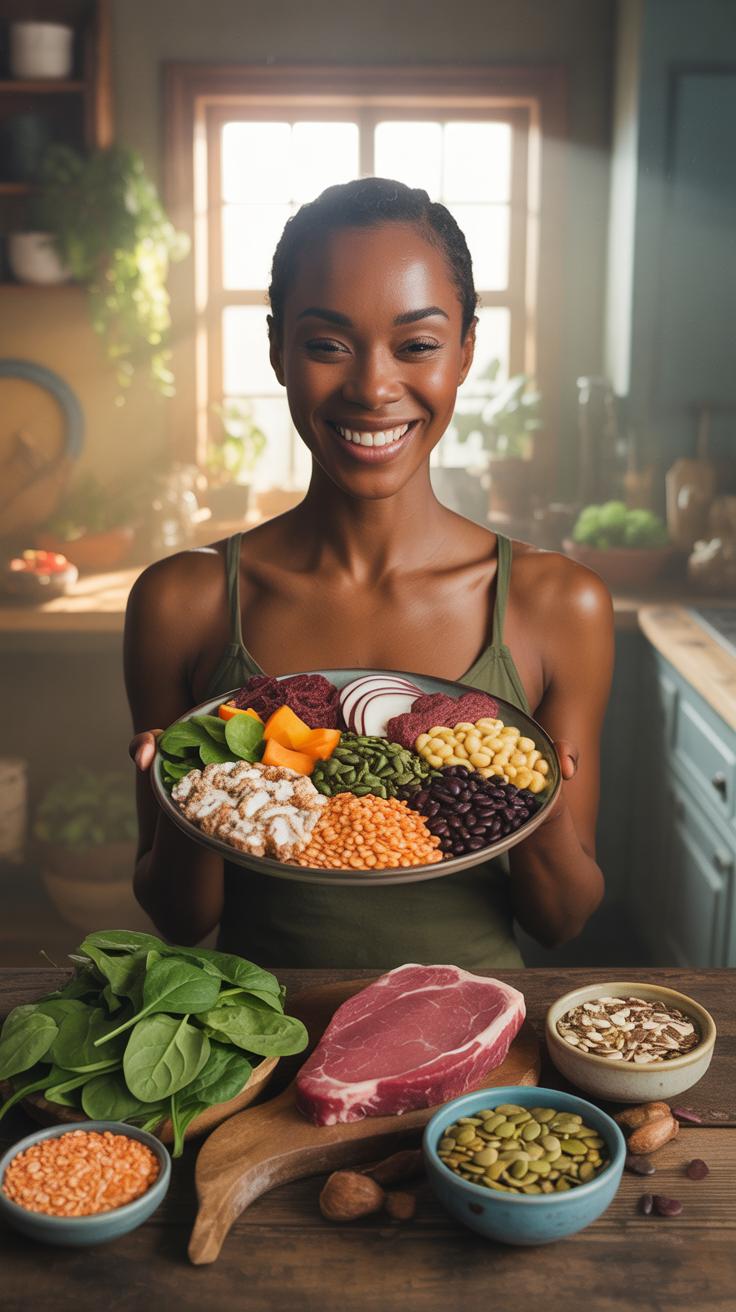
Common Symptoms Of Iron Deficiency Beyond Tiredness And Fatigue
Iron deficiency impacts more than just your energy levels. Your body requires iron to produce hemoglobin for oxygen transport. When levels drop, physical signs manifest across your skin, nails, and cognitive functions. Identifying these markers early allows for faster intervention. Ignoring these signals can lead to chronic health issues that require more aggressive medical treatments or long term iron supplementation.
- Persistent Coldness: Poor circulation often results from low iron levels because fewer red blood cells reach your extremities. You may feel a constant chill in your hands and feet regardless of the ambient temperature or your clothing.
- Pale Skin and Membranes: Lower hemoglobin levels give blood a less vibrant red color which shows through the skin. This paleness usually appears most clearly in the inner eyelids, gums, and nail beds during a physical examination.
- Brittle or Spoon-Shaped Nails: A condition called koilonychia causes the nails to become thin and concave. This structural change indicates a severe lack of iron over a long period and signifies that the body cannot maintain basic connective tissues.
- Shortness of Breath: Your muscles do not receive enough oxygen to perform routine tasks when iron is low. You might find yourself gasping for air during simple activities like walking up stairs or carrying light groceries from the car.
- Pica Cravings: Many people with iron deficiency experience strange cravings for non-food items. This often includes an intense desire to chew on ice, dirt, or clay. These cravings typically disappear once you restore your iron levels to a healthy range.
Cognitive performance also suffers when your brain lacks adequate oxygen. You might experience brain fog, irritability, or a lack of focus. These symptoms often mimic stress or lack of sleep but stem from a biological shortage. Tracking these physical changes helps you decide when to seek professional blood testing. Accurate diagnosis is the first step toward reclaiming your health through dietary changes.
How Dietary Changes With Iron Rich Foods Can Complement Medical Treatment
Dietary adjustments provide a sustainable foundation for long term iron maintenance. While doctors may prescribe high dose supplements for immediate crises, iron rich foods offer a more natural absorption rate. Whole foods contain cofactors that help your body utilize the mineral effectively. Red meat and poultry provide heme iron which the body absorbs much easier than plant based options found in spinach.
Integrating these foods into your daily meals ensures consistent iron intake without the digestive side effects of pills. Combining iron sources with vitamin C enhances absorption significantly across all meal types. You should avoid drinking tea or coffee with meals as tannins block iron uptake. A disciplined approach to your plate supports the work of medical professionals and helps prevent future relapses into deficiency.
How To Build A Daily Meal Plan With Foods With Iron At Every Meal
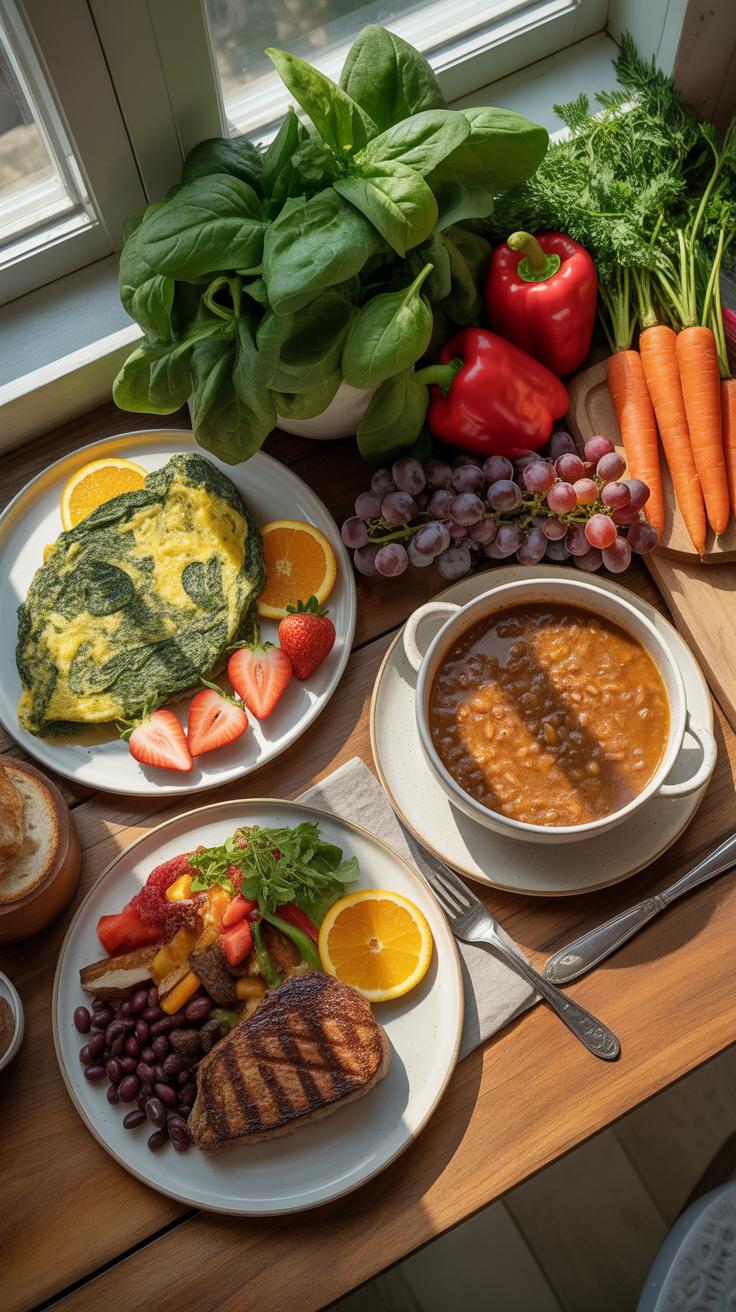
Iron Boosting Breakfast And Lunch Ideas That Are Easy To Prepare
Efficiency starts with choosing high-yield iron sources for the first two meals. Breakfast focuses on fortified grains or eggs to set a solid baseline. Lunch requires portable proteins and leafy greens. You must pair these items with vitamin C to increase the absorption of non-heme iron. Avoid drinking coffee or tea during these meals because polyphenols block iron uptake.
- Fortified Oatmeal: Pre-packaged or bulk oats often contain added elemental iron. One serving can provide a significant percentage of your daily requirement. Top with sliced strawberries or citrus fruits to ensure the vitamin C helps your body process the mineral effectively.
- Scrambled Eggs and Spinach: Eggs provide heme iron while fresh spinach offers a non-heme boost. Sauté the spinach lightly to reduce volume and increase the density of the nutrients per bite. This combination delivers a dual-source iron profile for better morning energy.
- Quinoa Salad with Chickpeas: Quinoa is a rare grain that contains iron and all essential amino acids. Mix it with canned chickpeas and red bell peppers for lunch. The peppers provide the necessary vitamin C to unlock the mineral content found in the legumes.
- Canned Sardines on Toast: Sardines are a concentrated source of heme iron and healthy fats. Mash them onto whole-grain bread for a quick midday meal. This option requires zero cooking and provides a highly bioavailable form of the mineral for immediate use.
- Lentil Soup: Prepared lentil soup is a staple for high-volume iron intake. Lentils contain more iron than most other beans and legumes. Serve with a squeeze of fresh lemon juice to maximize nutrient absorption and improve the flavor profile without adding sodium.
Smart meal prep saves time and ensures consistency in your mineral intake. Prepare large batches of quinoa or lentils on Sunday to use throughout the work week. Use airtight containers to keep greens fresh and ready for quick assembly. Constant access to these ingredients prevents you from choosing low-nutrient convenience foods. Focus on mechanical execution of these simple pairings to fight fatigue daily.
Dinner Recipes That Naturally Combine Multiple High Iron Ingredients
Dinner is the primary window for consuming heme iron from animal tissues. Red meat and shellfish offer the highest bioavailability for human digestion. Combine these with plant-based iron sources like broccoli or kale to saturate your system. Modern cooking techniques like using a cast-iron skillet further increase the iron content of your food during the heating process. This strategy maximizes every bite.
Focus on stews and stir-fry dishes to keep all nutrients in the pan. When you cook beef with dark leafy greens and tomatoes, you create a synergy of heme iron, non-heme iron, and vitamin C. This triple-threat approach ensures the highest possible absorption rates before sleep. Skip the dairy-based sauces at dinner because calcium competes with iron for the same entry points in your gut.
Special Groups Who Need Iron Rich Nutrition The Most
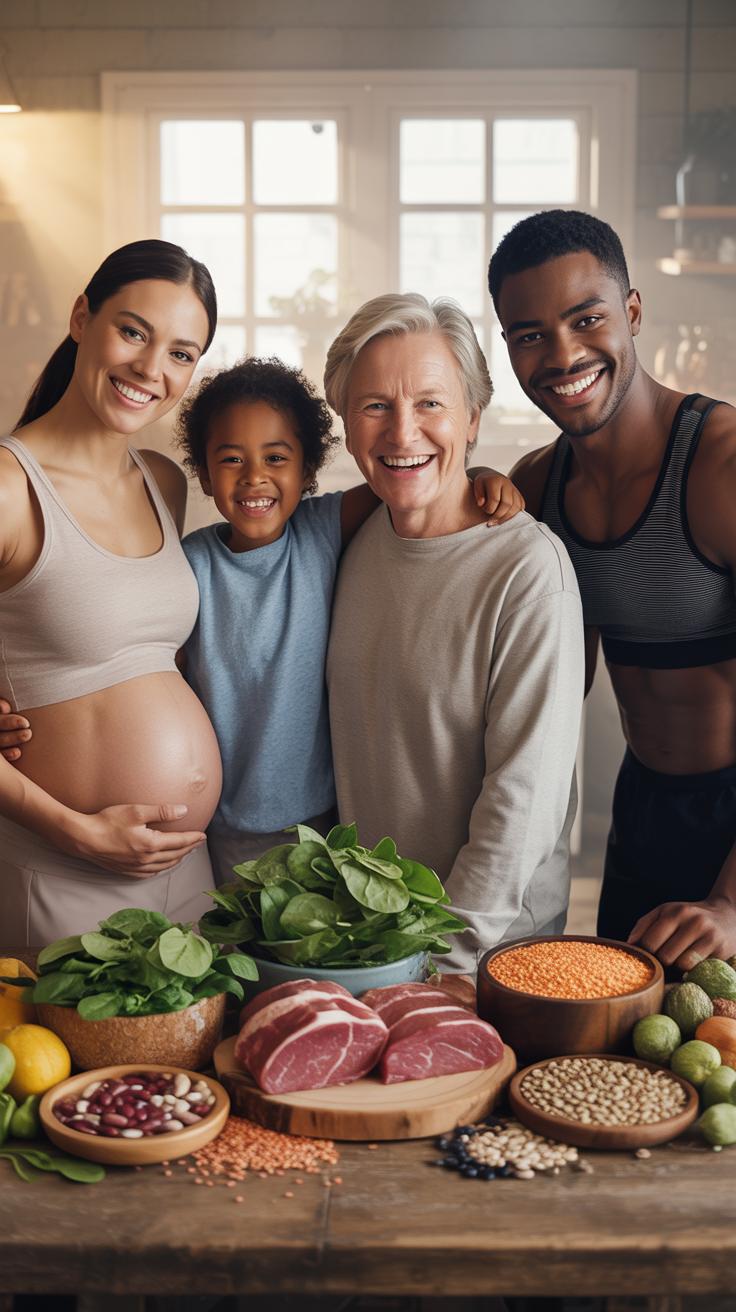
Why Pregnant Women, Children, And Athletes Have Higher Iron Requirements
Pregnancy triggers a massive increase in blood volume to support the growing fetus and placenta. Most women cannot meet these demands through standard diets alone. Lack of iron during this phase leads to low birth weight or preterm delivery. The body prioritizes the baby, often leaving the mother depleted and exhausted. Iron ensures the expanding circulatory system functions without putting strain on the heart.
Children experience rapid growth spurts that require constant iron for muscle development and brain function. Low levels in youth cause permanent cognitive delays and behavioral issues. Athletes face high iron loss through sweating and foot-strike hemolysis during intense training. This mechanical destruction of red blood cells forces the body to rebuild oxygen carriers faster. Performance drops instantly when these iron stores fall below optimal tactical levels.
How Menstruation And Age Affect Iron Needs In Women
Monthly blood loss is the primary cause of iron deficiency in premenopausal women. Each cycle depletes the body of vital hemoglobin used to transport oxygen to tissues. Women with heavy periods lose twice as much iron as those with average flows. This chronic loss necessitates a higher daily intake of iron rich foods to maintain energy levels and prevent the onset of clinical anemia.
Aging changes how the body absorbs and utilizes minerals from food. Postmenopausal women require less iron because menstruation stops, but digestive efficiency often declines with age. Poor absorption can lead to hidden deficiencies even if intake seems sufficient. It is crucial to monitor levels during this transition. Maintaining precise iron balance prevents the cognitive decline and physical weakness often mistaken for standard aging processes.
Frequently Asked Questions About Iron Rich Dietary Choices
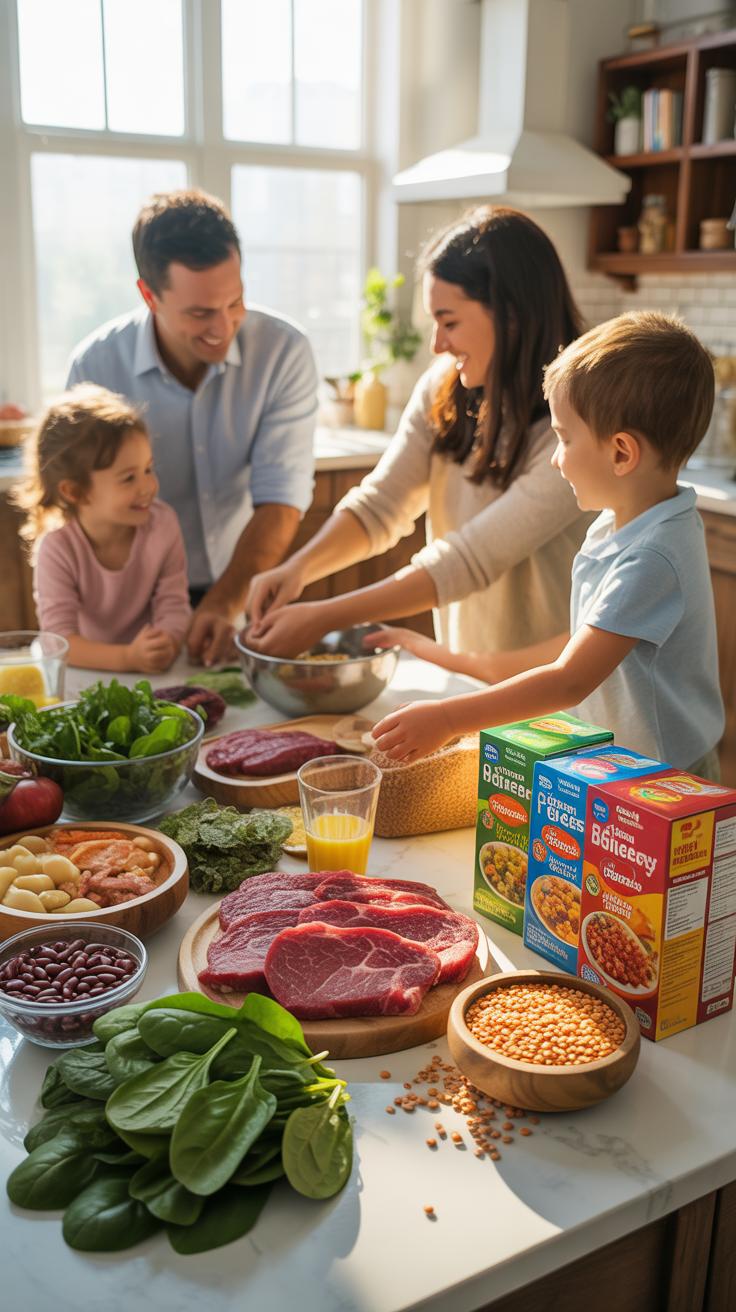
Can You Get Enough Iron From Diet Alone Without Supplements
Most healthy people can meet their iron needs through strategic food choices. You must prioritize heme iron from animal sources like red meat and bivalves. This type of iron enters your bloodstream easily. If you rely on plant sources, you must pair them with vitamin C. This tactic helps your body break down the more difficult non-heme iron found in vegetables.
Supplements are not necessary for everyone. You should only use them if a blood test confirms a deficiency. Overloading on iron through pills can damage your liver and heart. Focus on a balanced plate first. Include lean proteins, leafy greens, and legumes in your daily rotation. This food-first approach provides other vital nutrients and avoids the digestive side effects of synthetic pills.
How Much Iron Do You Actually Need Per Day Based On Age And Gender
Iron requirements change significantly based on your biology and life stage. Adult men generally need eight milligrams per day. Women of childbearing age require much more at eighteen milligrams daily. This higher dose accounts for blood loss during menstruation. Pregnancy pushes this need even higher to twenty-seven milligrams to support fetal growth. You must track these numbers to avoid chronic fatigue.
Age also dictates your intake strategy. Infants and teenagers need high levels for rapid growth spurts. After menopause, a woman’s requirement drops to eight milligrams, matching the intake of men. If you follow a strict vegan diet, you must double these targets. Your body absorbs plant iron less efficiently. Calculate your daily intake based on these specific biological markers to maintain peak energy levels.
Frequently Asked Questions
Why is it important to include iron-rich foods in my daily diet?
Incorporating iron-rich foods into your meals is essential for maintaining high energy levels and overall vitality. Iron is a key component of hemoglobin, the protein in red blood cells responsible for carrying oxygen throughout your body. When you lack sufficient iron, your tissues don’t receive enough oxygen, leading to the persistent exhaustion known as fatigue. Eating a variety of these nutrient-dense foods helps support healthy blood oxygenation and natural metabolic function.
How can I maximize the absorption of iron from the meals I eat?
To get the most out of your iron-rich foods, try pairing them with sources of Vitamin C, such as citrus fruits, bell peppers, or strawberries. This is particularly important for plant-based sources, as Vitamin C helps convert iron into a form that is more easily absorbed by your body. Additionally, try to avoid drinking coffee or tea during your meals, as the tannins can interfere with how well your body processes the mineral.
What are some affordable ways to add more iron to a grocery budget?
Boosting your intake doesn’t have to be expensive. Some of the most cost-effective options include dried lentils, chickpeas, and beans, which are versatile pantry staples that last for months. Canned sardines and spinach are also budget-friendly choices that pack a significant nutritional punch. By focusing on these affordable whole foods, you can effectively combat low energy levels and improve your health without overspending on specialty supplements or premium cuts of meat.