

Understanding How Foods That Cause Fatigue Affect Your Body

The Science Behind Food And Energy Levels
Food serves as raw fuel for your cells. Scientists measure this energy in calories. Your body breaks down macronutrients like carbohydrates, fats, and proteins to create adenosine triphosphate. This molecule powers every movement and thought. When you eat the wrong things, your body struggles to produce this energy efficiently. Metabolic processes slow down and you feel physical exhaustion immediately.

Nutrient density determines your metabolic speed. High-quality fuels provide vitamins and minerals that act as catalysts for energy production. Low-quality foods lack these essential components. Your system must work harder to process empty calories without getting any nutritional return. This mismatch creates a physiological deficit. You spend more energy Digesting the food than you actually gain from the nutrients consumed.
How Digestion And Blood Sugar Fluctuations Drain Your Energy
Blood sugar levels dictate your daily alertness. When you consume simple sugars, your glucose levels spike rapidly. The pancreas releases a massive dose of insulin to manage this surge. This hormone clears sugar from your bloodstream too fast. Your energy levels then plummet below baseline. This biological reaction is known as reactive hypoglycemia. It leaves you feeling weak, shaky, and mentally clouded.

Digestion is an energy-intensive process for the human body. Large or heavy meals redirect blood flow away from the brain and toward the gut. This shift reduces oxygen delivery to your vital organs and muscles. Specific foods require complex chemical breakdowns that take hours to complete. Your nervous system shifts into a rest-and-digest state. This physiological transition naturally induces sleepiness and lowers your overall physical output.
Top Foods That Cause Fatigue You Should Know About

Refined Carbohydrates And Sugary Foods That Lead To Energy Crashes
Refined carbohydrates lack fiber and essential nutrients. White bread and pasta trigger a rapid spike in blood glucose levels. Your pancreas responds by releasing large amounts of insulin to clear the sugar. This process causes blood sugar to plummet shortly after eating. This sudden drop leaves your brain starved for immediate fuel. You feel tired and lose your mental focus quickly.
Sugar heavy snacks provide a brief rush of dopamine and energy. This effect is temporary and deceptive for your body. The subsequent crash forces your system to work harder to stabilize itself. High intake of simple sugars disrupts your natural circadian rhythm and sleep quality. You enter a cycle of craving more sugar to fix the exhaustion. This habit destroys your long term metabolic efficiency and daily stamina.
Processed And Ultra Processed Foods That Rob You Of Vitality
Processed foods contain high levels of sodium and chemical preservatives. These ingredients force your kidneys and digestive system to work overtime. High sodium intake causes fluid retention and disrupts cellular hydration. Your heart must pump harder to move thickened blood through your veins. This internal stress consumes significant energy reserves. You feel physically heavy and sluggish throughout the entire afternoon.
Manufacturers strip natural nutrients away during industrial food production. These items often contain unhealthy trans fats that cause systemic inflammation. Inflammation blocks the efficient production of energy within your mitochondria. Your body views these synthetic additives as foreign invaders. It diverts energy from your brain to your immune system to handle the load. Eating these foods consistently ensures you remain in a state of chronic fatigue.
Chronic Inflammation How Certain Foods Fuel Fatigue Over Time

What Is Chronic Inflammation And Why Does It Make You Tired
Chronic inflammation occurs when your immune system stays active without a clear threat. This persistent state wastes massive amounts of metabolic energy. Your body redirects resources away from physical movement and mental focus to fuel the immune response. High levels of inflammatory markers circulate in your blood. These chemicals directly interfere with how your brain produces energy. You feel heavy and sluggish throughout the day.
Inflammation damages your mitochondria. These are the engines inside your cells that create fuel. When these engines fail, your energy production drops. Scientists connect this process to mitochondrial dysfunction. This condition forces you to work harder for the same results. Chronic inflammation also impacts your sleep quality. You wake up feeling unrefreshed despite sleeping for eight hours. Addressing your diet stops this internal drain on your vitality.
Common Inflammatory Foods That Quietly Deplete Your Energy Reserves
Refined sugars and processed grains are the primary culprits. They trigger a rapid rise in blood glucose and insulin. This spike forces the body to release inflammatory cytokines. These proteins signal the brain to slow down and rest. Regular consumption keeps your system in a state of high alert. You experience brain fog and physical weakness. This cycle makes it impossible to maintain steady energy levels during your workday.
Industrial seed oils and trans fats also drive inflammation. These ingredients appear in most fried and packaged foods. They contain high levels of omega 6 fatty acids that disrupt cellular health. Excessive intake creates an imbalance in your body. This imbalance leads to systemic stress and tissue irritation. Your heart and lungs must work harder to circulate oxygen. Eliminating these oils provides an immediate boost to your daily stamina and focus.
Foods For Mental Health The Diet And Brain Energy Connection
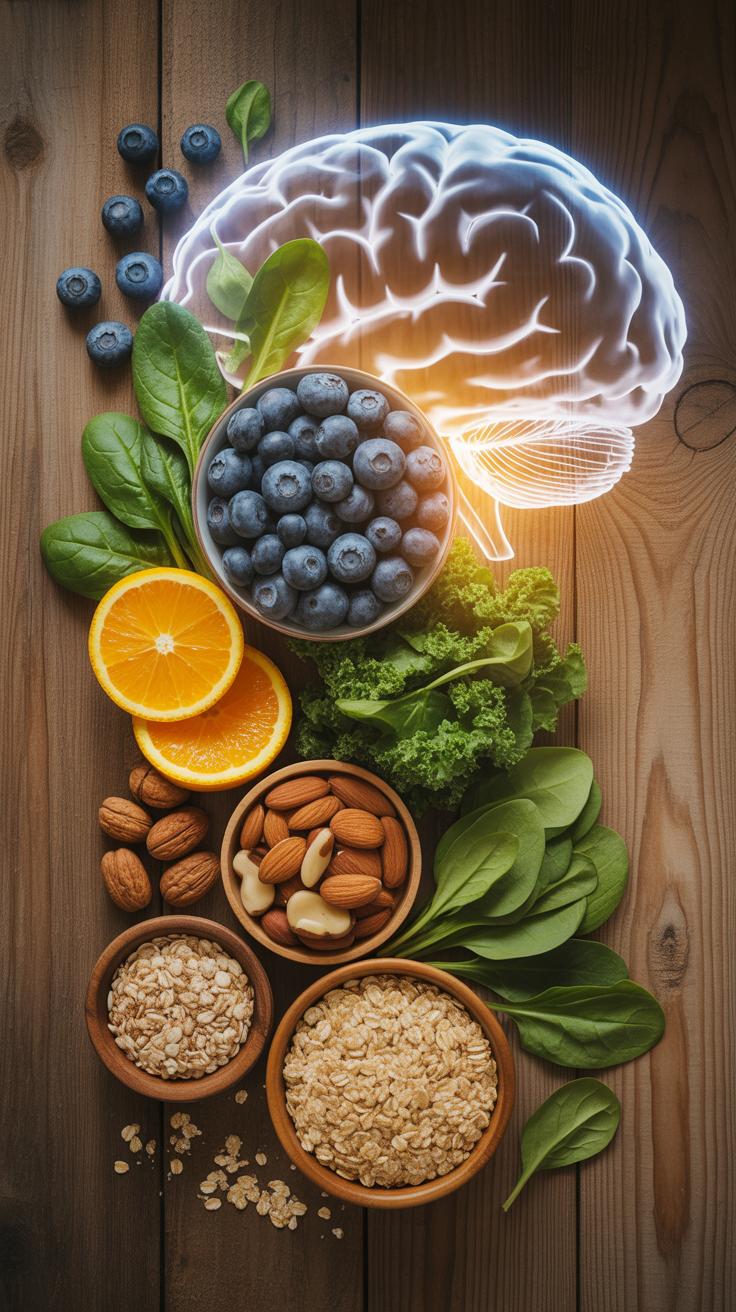
How Poor Nutrition Contributes To Mental Fatigue And Brain Fog
Processed sugars and refined carbohydrates cause rapid spikes in blood glucose. Your brain relies on steady fuel to maintain focus. When glucose levels crash after a sugar high, the brain loses its primary energy source. This drop triggers mental fatigue and brain fog. These fluctuations disrupt your ability to process information. You feel exhausted because your neurons lack consistent fuel for neurological tasks.
Chronic inflammation from poor diet choices damages cognitive function over time. High intake of trans fats and vegetable oils increases oxidative stress in brain tissues. This stress slows down signal transmission between your brain cells. The result is a sluggish mental state and poor memory recall. Efficient cognitive performance requires a stable internal environment. Foods that cause fatigue ruin this balance and force the brain to work harder.
Foods Good For Mental Health That Also Sustain Cognitive Energy
Fatty fish and leafy greens provide the structural building blocks for brain health. Omega-3 fatty acids improve the fluidity of cell membranes in the brain. This enhancement allows for faster communication between neurons and reduces mental exhaustion. Stable energy comes from nutrients that support blood flow to the head. These foods prevent the midday slump by keeping your cognitive systems running at a high level.
Complex carbohydrates like oats and quinoa deliver glucose at a slow and steady rate. This consistent delivery prevents the energy crashes associated with simple sugars. Antioxidants from dark berries protect brain cells from daily wear and tear. You gain better focus when your brain does not have to fight inflammation. Focus on nutrient density to keep your mind sharp and your energy levels high throughout the day.
Energy Boosting Foods To Eat Instead Of Fatigue Causing Ones
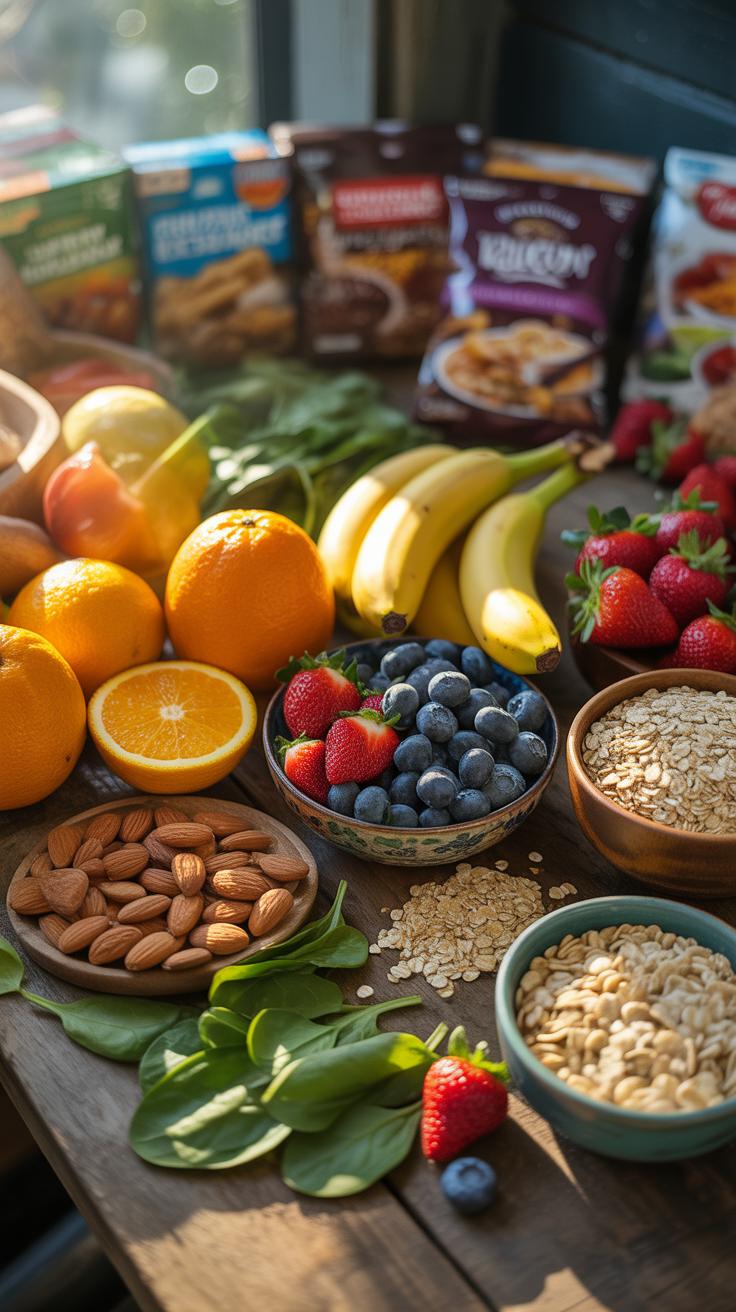
Whole Foods And Complex Carbohydrates That Provide Steady Energy
Complex carbohydrates offer long chains of sugar molecules that your body breaks down slowly. This process prevents the rapid insulin spikes associated with white bread and sugary snacks. Foods like steel-cut oats, brown rice, and quinoa maintain stable blood glucose levels. You avoid the sudden drop in energy that causes the mid-afternoon slump. This steady release of fuel keeps your brain and muscles active for hours.
Fiber plays a critical role in slowing digestion and managing energy expenditure. Soluble fiber found in beans and lentils creates a gel-like substance in the gut. This delays the absorption of sugar into the bloodstream. You get a consistent stream of energy rather than a short burst. Choose intact grains over processed flours to keep the husk and germ. These parts contain the essential nutrients required for cellular energy production.
Protein And Healthy Fat Sources That Keep You Fueled Throughout The Day
Protein stabilizes your metabolic rate and keeps you satiated between meals. Lean sources like poultry, eggs, and Greek yogurt provide the amino acids necessary for neurotransmitter function. This supports mental clarity and prevents the brain fog often linked to high-carb diets. Eating protein at every meal reduces the glycemic load of your entire plate. It forces your body to expend more energy during the thermic process of digestion.
Healthy fats serve as a concentrated and long-lasting energy source for the heart and brain. Monounsaturated fats from avocados and polyunsaturated fats from walnuts provide structural support for cell membranes. These fats do not cause the inflammation often triggered by industrial seed oils or trans fats. Omega-3 fatty acids specifically improve blood flow to the brain. This enhancement helps maintain focus and prevents physical exhaustion during high-stress work periods.
Nutrition Recipes Simple Meal Ideas To Fight Fatigue Daily

Easy Anti Fatigue Breakfast And Lunch Recipes To Start Strong
Ditch the sugary cereals and white bread toast immediately. These high-glycemic foods cause rapid insulin spikes that lead to a mid-morning energy crash. Start your day with a bowl of steel-cut oats topped with walnuts and chia seeds. This combination provides complex carbohydrates and healthy fats. These nutrients digest slowly. They keep your blood sugar stable and provide a steady stream of fuel for your brain.
For lunch, avoid heavy pasta dishes or fast food burgers that trigger post-meal sleepiness. High-fat, low-fiber meals force your body to divert massive amounts of energy toward digestion. Instead, prepare a spinach salad with grilled chicken and avocado. The iron in spinach helps transport oxygen to your cells. The lean protein and healthy fats provide sustained satiety. This prevents the afternoon slump often caused by heavy, processed grain-based meals.
Energizing Dinner And Snack Combinations To Avoid The Evening Slump
Evening fatigue often stems from eating large, carb-heavy dinners that disrupt your circadian rhythm. You need meals that support muscle repair and metabolic health without overloading your digestive system. Focus on lean proteins and cruciferous vegetables like roasted salmon and broccoli. These foods provide essential omega-3 fatty acids and fiber. They stabilize your glucose levels throughout the evening and help you maintain focus until bedtime.
- Greek Yogurt with Almonds: This snack provides a high concentration of protein and magnesium. Magnesium is a vital mineral that helps convert food into energy. The healthy fats in almonds slow down the absorption of lactose for steady energy.
- Hummus and Bell Pepper Strips: Chickpeas contain complex carbohydrates and fiber that prevent blood sugar spikes. Bell peppers offer high levels of Vitamin C. This nutrient is essential for your adrenal glands to function properly and fight off daily fatigue.
- Hard-Boiled Eggs: Eggs are a complete protein source containing B vitamins and choline. These nutrients are critical for energy metabolism and brain function. Eating one or two as a snack provides a quick, portable boost without any added sugar.
- Apple Slices with Peanut Butter: Use natural peanut butter to avoid inflammatory seed oils and added sugars. The fiber in the apple combined with the monounsaturated fats in the peanuts creates a sustained energy release. This prevents the common sugar crash.
- Cottage Cheese with Flaxseeds: Cottage cheese offers slow-digesting casein protein which keeps you full for hours. Flaxseeds provide alpha-linolenic acid, an omega-3 fatty acid that reduces cellular inflammation. Lower inflammation levels correlate directly with higher perceived energy levels throughout the day.
Strategic snacking prevents the intense hunger that leads to overeating during your final meal. Choose snacks that combine fiber and protein to keep your metabolism active. Avoid processed bars labeled as healthy that are secretly loaded with corn syrup. Keep your portions small to ensure your body focuses on repair rather than heavy digestion. Consistent nutrient timing ensures you maintain peak performance from sunrise until you finally go to sleep.
Nutrition Tips And Wellness Tips To Sustain Your Energy All Day

Daily Eating Habits And Meal Timing Strategies That Prevent Fatigue
Erratic eating patterns force the body to manage massive blood sugar fluctuations. When you skip meals, your glucose levels drop. This triggers cortisol release to mobilize energy stores. Frequent spikes followed by crashes leave you exhausted. Stabilizing your intake prevents the physical stress of these highs and lows. You must view food as a steady fuel source rather than an occasional reward.
- Eat Fiber First: Consuming greens or fiber before carbohydrates slows down glucose absorption. This technique flattens the glycemic curve and prevents the post-meal slump common after high-carb lunches. It protects your insulin sensitivity over time.
- Front-Load Calories: Shift your largest caloric intake to the morning and afternoon. Your body processes nutrients more efficiently during daylight hours. Smaller dinners prevent the digestive system from working too hard during sleep, which improves morning alertness levels.
- Strategic Protein Pacing: Include twenty grams of protein at every meal. Protein stimulates glucagon, a hormone that balances insulin. This steady intake maintains muscle mass and keeps your metabolic rate high, preventing the midday brain fog often caused by meals.
- Avoid Late Snacking: Stop eating at least three hours before bed. Digestion requires significant blood flow and energy. Eating late raises your core body temperature and disrupts your circadian rhythm. This leads to poor sleep quality and chronic morning fatigue.
- Small Frequent Meals: Consume smaller portions every four hours to provide a constant stream of energy. Large meals divert blood away from the brain to the gut for digestion. Consistent fueling prevents the physical exhaustion associated with heavy processing of massive food volumes.
Consistency builds metabolic flexibility. Your body learns to burn fuel efficiently when it expects nourishment at set intervals. Avoid the temptation to fast until noon if you experience morning crashes. A disciplined schedule reinforces your internal clock and improves hormonal balance. Mastering meal timing reduces the burden on your pancreas and liver. This tactical approach ensures you remain productive throughout the entire workday.
When you choose real food that grew from the earth, you are honoring the cozy, vibrant energy that your body remembers from nature. Trade those heavy, processed burdens for the bright vitality of a simple harvest to feel truly awake again.
Hydration And Micronutrient Habits That Support All Day Vitality
Hydration status directly dictates your blood volume and oxygen transport. Even mild dehydration makes blood thicker and harder to pump. This forces your heart to work more and drains your stamina quickly. You lose focus and energy long before you feel thirsty. Drink water consistently to maintain vascular efficiency. Electrolytes like sodium and potassium ensure your cells actually absorb the fluid you consume.
Metabolic reactions require specific vitamins and minerals to convert food into cellular energy. Magnesium deficiency is a primary cause of physical tiredness because it regulates ATP production. B vitamins act as necessary cofactors for your mitochondria. If these nutrients are missing, your body cannot unlock the energy stored in your meals. Focus on nutrient density to ensure your biological machinery operates at peak performance levels daily.
Food To Help With Fatigue Building A Long Term Eating Plan

How To Gradually Replace Fatigue Causing Foods With Nourishing Alternatives
Stop searching for a quick fix. Shift your focus to a slow transition. Begin by swapping refined grains for complex carbohydrates. Simple sugars cause insulin spikes that lead to heavy crashes. Replace white bread with oats or brown rice to stabilize blood glucose. This change ensures a steady flow of energy. Use small steps to prevent metabolic shock and maintain dietary consistency.
Focus on protein and healthy fats to increase satiety. High-glycemic foods leave you hungry and tired an hour after eating. Add nuts, seeds, or lean proteins to every meal. These slows digestion and prevents the rapid rise of blood sugar. Eliminate one processed food item each week. Replacing sugar-heavy snacks with fiber-rich alternatives creates a sustainable foundation for high performance and lasting physical endurance.
Tracking Your Energy Levels To Identify Personal Dietary Triggers
Data clears the path to better health. Start an energy log to find hidden patterns. Record everything you eat and note your fatigue levels two hours later. This process identifies specific foods that drain your battery. Everyone reacts differently to dairy, gluten, or legumes. Use a simple scale from one to ten to quantify your alertness. Objective data beats guesswork every time.
Refine your plan based on these recorded results. If a specific lunch causes a mid-afternoon slump, change the ingredients immediately. Look for trends over a fourteen-day period. This timeframe allows you to see how cumulative habits affect your baseline. Adjusting your intake based on evidence ensures your diet supports your workload. Tracking turns vague symptoms into actionable insights for long-term vitality and mental clarity.
Frequently Asked Questions

Why do certain foods make me feel so tired after eating?
Many people feel sluggish because they consume processed items high in refined sugars and simple carbohydrates. These are primary foods that cause fatigue because they trigger a rapid spike in blood glucose followed by a sharp “crash.” To keep your energy levels stable, try swapping sugary snacks for complex carbohydrates like oats or quinoa, which provide a steady release of fuel to your brain and body throughout the entire day.
How can I adjust my daily meal plan to avoid an afternoon energy slump?
To prevent a midday crash, focus on balancing your plate with lean proteins, healthy fats, and fiber-rich vegetables. Instead of reaching for heavy pasta or white bread, which are common foods that cause fatigue, opt for a leafy green salad topped with salmon or chickpeas. Making this simple switch ensures you receive sustained nutrients, helping you maintain mental clarity and physical stamina until your evening meal without needing extra caffeine.
Is it possible to eat for better energy without spending a lot of money?
Absolutely! Improving your stamina doesn’t require expensive supplements or high-priced superfoods. Budget-friendly staples like dried lentils, brown rice, bananas, and eggs are excellent alternatives to costly processed snacks. By purchasing these whole foods in bulk and prepping meals at home, you can easily avoid the convenience items that drain your energy and your wallet, proving that a high-vitality diet is accessible for every household budget and lifestyle.