
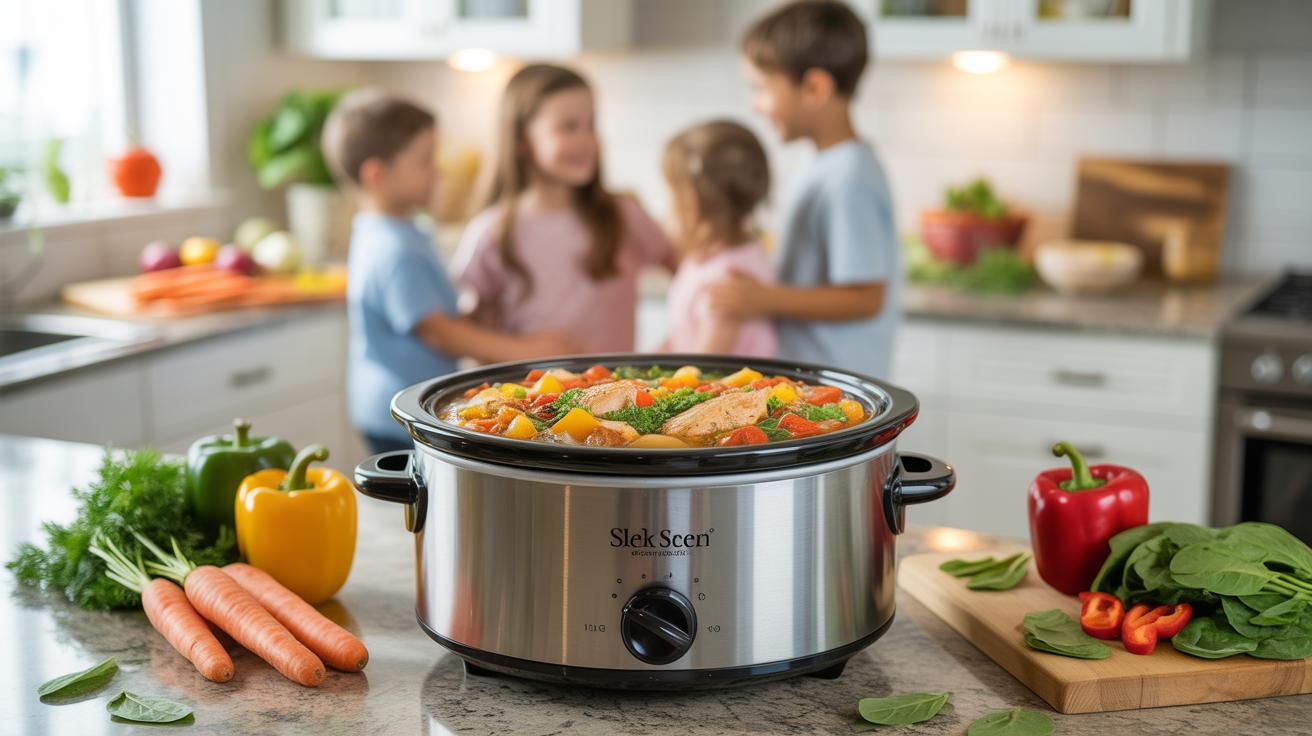
Why Crockpot Dishes Are A Game Changer For Nutritious Family Meals
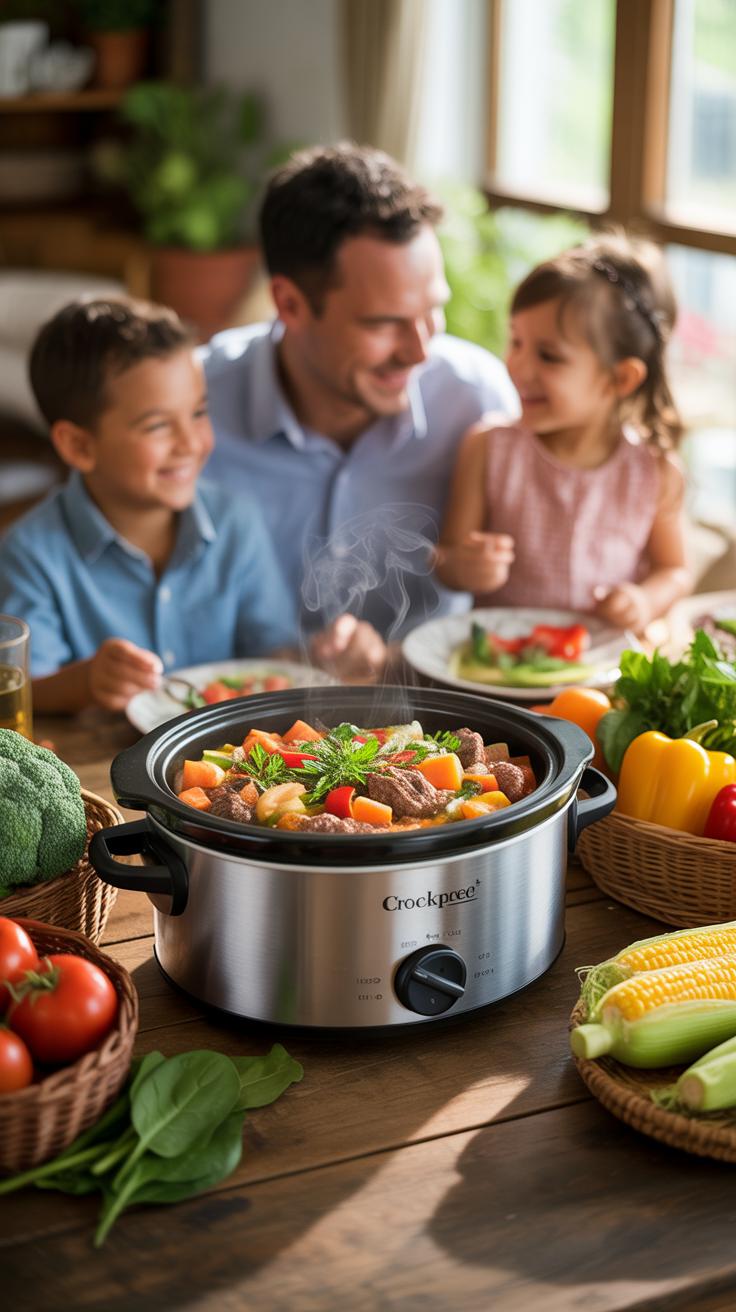
The Science Behind Low And Slow Cooking And Nutrient Retention
Slow cookers use low heat to cook food over several hours. This method preserves heat-sensitive vitamins better than high-heat boiling or frying. The sealed environment traps steam and moisture inside the pot. This prevents the loss of water-soluble nutrients through evaporation. You keep more of the vitamins and minerals in the dish rather than losing them to the air or high heat.
The low temperature breaks down tough collagen in lean meats effectively. This process turns connective tissue into gelatin without scorching the proteins. It makes cheaper, leaner cuts of meat tender and easy to digest. Vegetables also soften without losing their structural integrity or mineral content. You get a Nutrient-dense meal because the liquid remains in the pot. You consume every milligram of nutrients released during the process.
How A Slow Cooker Fits Into A Balanced Weekly Meal Plan
Strategic meal planning requires efficiency and consistency. A slow cooker allows you to prepare batch meals with minimal active labor. You can load the pot with proteins, fiber, and complex carbohydrates in the morning. This ensures a hot, healthy meal is ready exactly when the workday ends. It eliminates the temptation to order processed fast food when you are tired or short on time.

Control over ingredients is the primary benefit of home-cooked slow cooker meals. You decide the exact amount of sodium, fat, and sugar in every recipe. Most pre-packaged dinners contain excessive preservatives to maintain shelf life. Using a slow cooker lets you prioritize fresh, whole foods. This habit builds a foundation for long-term health and keeps your grocery budget under control through smart bulk cooking.
Getting Started With Easy Crockpot Dinners Equipment And Pantry Essentials
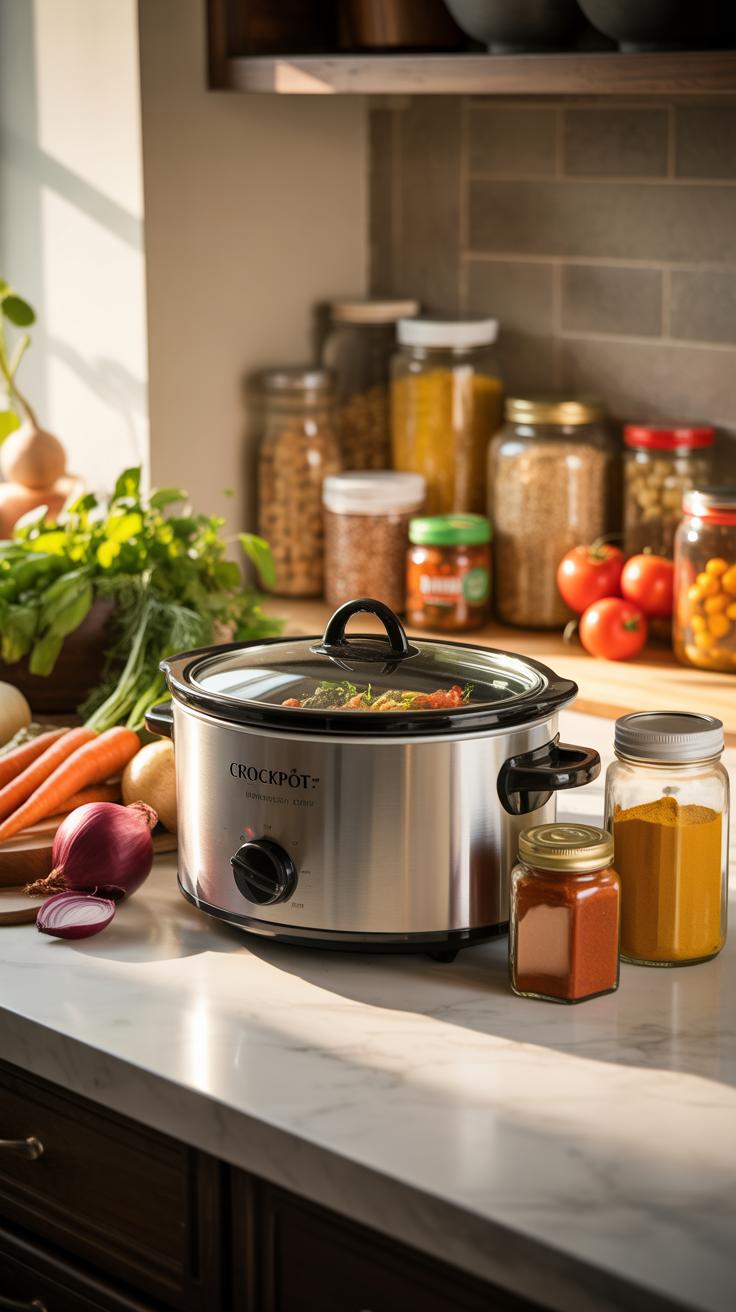
Choosing The Right Slow Cooker Size And Settings For Your Household
Select a slow cooker based on your household volume to ensure even cooking. A three quart model suits individuals or couples. Families of four require a six quart unit. Oversized crocks lead to scorched edges and dry meat. Undersized crocks overflow and fail to reach safe internal temperatures. Match the vessel volume to your specific meal prep goals for consistency.
Modern units offer manual or programmable interfaces. Manual dials use simple heating elements for basic low and high settings. Programmable models switch to a warm setting once the timer expires. This prevents overcooking when you are away from home. Choose a model with a locking lid if you plan to transport meals. Prioritize a removable ceramic insert for easy cleaning.
Healthy Pantry Staples To Always Have On Hand For Quick Crockpot Meals
Stocking the right dry goods eliminates the need for last minute grocery trips. High quality liquids and thickeners form the base of every successful slow cooker recipe. You need items that withstand long heat cycles without breaking down. Focus on nutrient dense ingredients that provide fiber and protein. These staples allow you to assemble a balanced dinner in under ten minutes.
- Low Sodium Broth: Use vegetable or chicken broth to control salt intake. It provides the necessary steam for tenderizing lean proteins. Store cartons in the pantry to create instant soups and stews without added fats or oils.
- Dried Beans and Lentils: These provide cheap plant based protein and significant fiber. Unlike canned versions, dried beans hold their shape during six hour cook cycles. They absorb the flavors of your aromatics and spices more effectively than pre-cooked alternatives.
- Canned Tomatoes: Keep diced and crushed tomatoes for acidity and moisture. The lycopene content increases during the slow cooking process. They serve as a base for chilis and pasta sauces while keeping chicken breasts moist during the long heating period.
- Whole Grains: Steel cut oats and brown rice perform well in wet heat. These grains have a thick outer bran that prevents them from turning into mush. They add essential complex carbohydrates to your diet and keep you full for longer periods.
- Dried Spices and Herbs: Stock cumin, garlic powder, and smoked paprika for flavor depth. Use whole bay leaves and dried oregano to season meats without adding calories. Spices are the most efficient way to maximize taste while maintaining a strict healthy profile.
Organize these essentials by expiration date to maintain a rotating inventory. Replace dried spices every six months to ensure maximum potency. Having these items ready allows you to utilize whatever fresh produce or meat is on sale. This strategy reduces food waste and lowers your weekly grocery bill. A well stocked pantry is the foundation of a consistent healthy eating habit.
Crockpot Beef Recipes That Are Hearty Lean And Full Of Flavor
Best Cuts Of Beef For Slow Cooking And Why They Work So Well
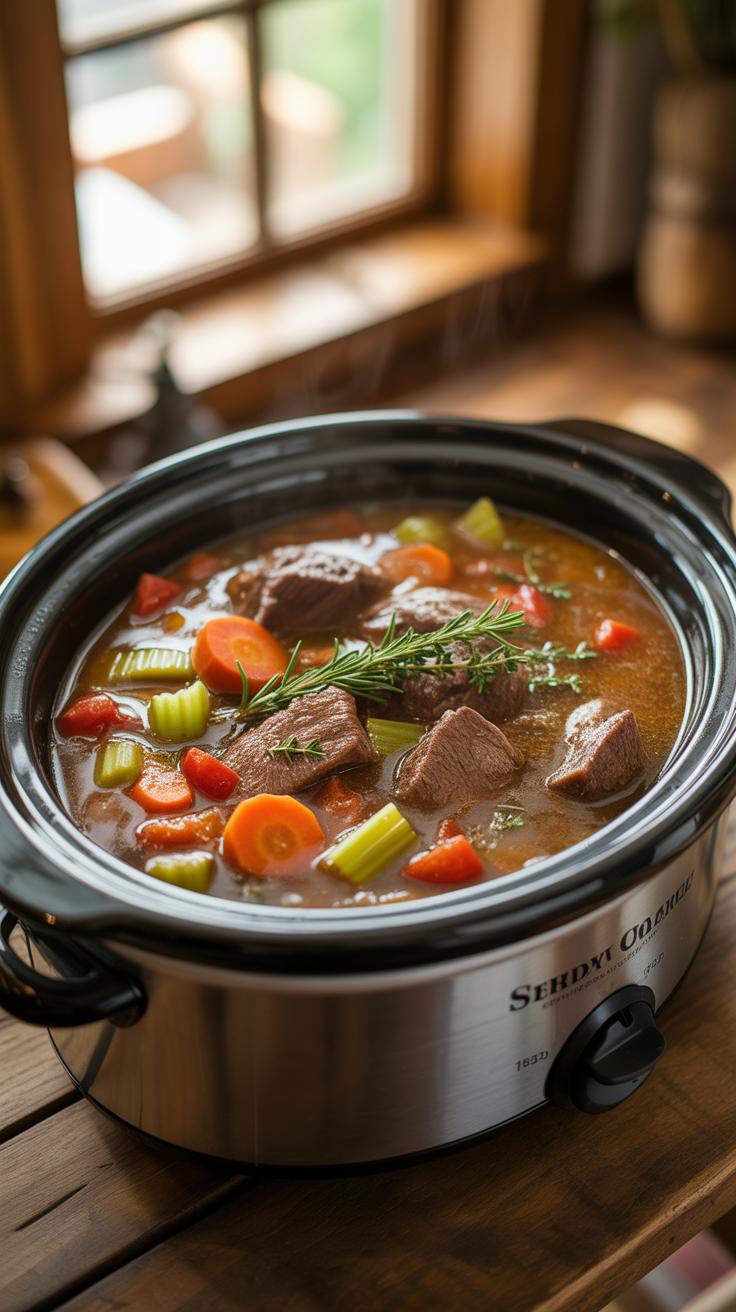
Slow cooking requires specific beef cuts to succeed. Choose cuts with high connective tissue like chuck roast or bottom round. Heat breaks down tough collagen into gelatin over several hours. This process creates a tender texture without adding fat. Leaner cuts like sirloin dry out because they lack this structural makeup. Always prioritize muscle groups that work hard on the animal for the best results.
Trim external fat before placing meat in the pot. This step prevents your meal from becoming greasy. Searing the exterior in a hot pan first adds depth through the Maillard reaction. This chemical change creates complex flavors that raw simmering cannot replicate. Use grass fed beef to increase omega three fatty acids and reduce total calorie count. Tactical prep ensures the meat holds its shape throughout the long cook time.
A Wholesome Slow Cooker Beef And Vegetable Stew Worth Making Every Season
Traditional beef stew provides a complete nutritional profile in one pot. Use low sodium beef bone broth to control salt intake while maximizing protein. Add root vegetables like carrots and parsnips to provide natural sweetness and fiber. Celery and onions build a savory base layer. These ingredients withstand long cooking cycles without turning to mush. Keep vegetable chunks large to ensure they finish at the same time as the beef.
Avoid using flour based thickeners to keep the recipe clean. Puree a portion of the cooked vegetables to create a rich consistency instead. This method adds thickness without unnecessary carbohydrates. Fresh herbs like rosemary and thyme provide high impact flavor with zero calories. Add leafy greens like kale or spinach during the final thirty minutes of cooking for a nutrient boost. This strategy delivers a high protein meal that supports long term health.
Healthy Crockpot Meals That Support Your Wellness Goals Without Sacrificing Taste
How To Reduce Sodium And Saturated Fat In Slow Cooker Recipes
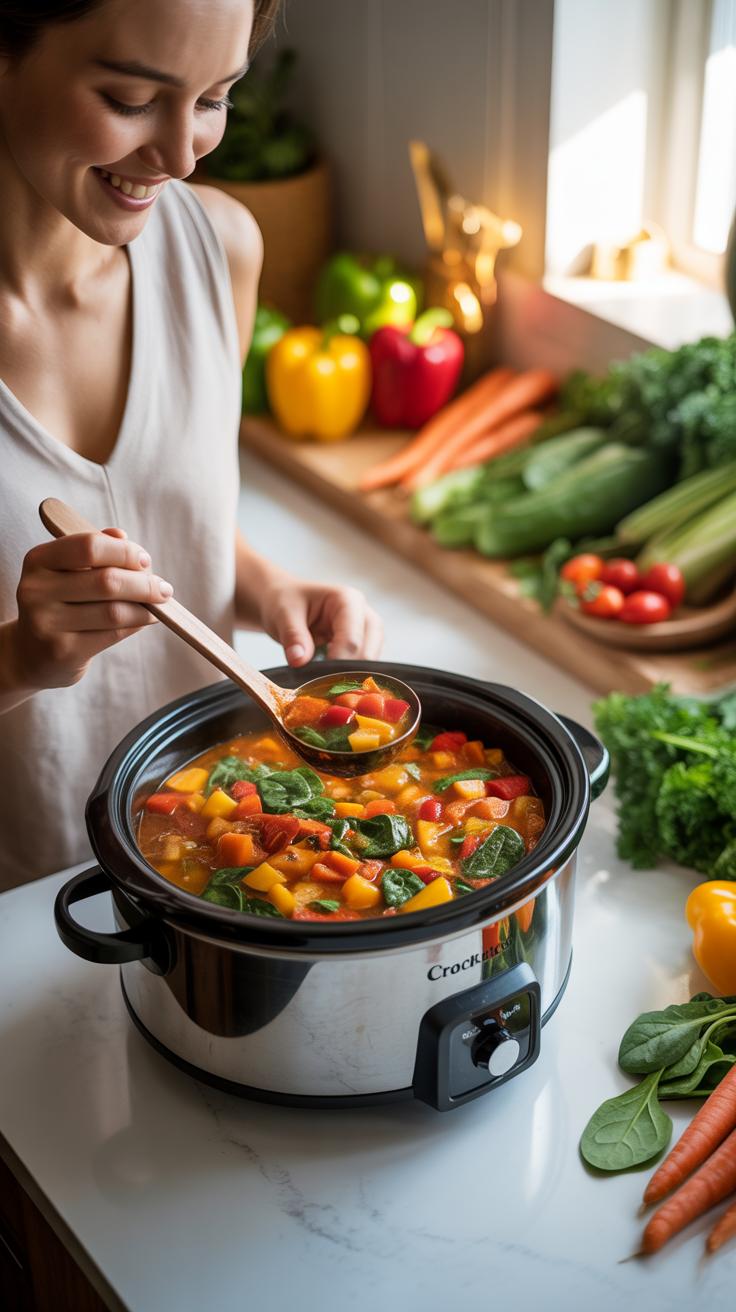
High heat typically masks saltiness but slow cookers trap steam and concentrate minerals. To lower sodium, swap bouillon cubes for low sodium stocks or water. Avoid processed spice blends that use salt as a filler. Use fresh herbs and citrus juice to build flavor profiles without adding salt. This strategy prevents fluid retention and supports long term heart health goals during busy weeks.
Control saturated fat by choosing lean protein cuts like chicken breast or turkey. Remove skin from poultry before cooking to stop fat from melting into the sauce. If using beef, select chuck or round cuts and trim visible white fat manually. Proper trimming reduces the need to skim grease from the pot later. These simple mechanical changes lower the caloric density of every meal you prepare.
The smell of a slow cooker at the end of a long day is the scent of a home that cares for you. Let your supper simmer with love so you can find your rest.
Incorporating More Vegetables And Legumes Into Your Slow Cooker Dinners
Vegetables provide bulk and fiber without adding excessive calories to your diet. Hardy root vegetables like carrots and parsnips withstand long cooking times without turning to mush. Chop these into uniform sizes to ensure even heat distribution. Adding greens like spinach or kale during the last twenty minutes of cooking preserves their nutrient content. This method ensures your meal remains high in essential vitamins.
Legumes like lentils and beans add plant based protein and stabilize blood sugar. Soak dried beans overnight to reduce cooking time and improve digestion. If using canned beans, rinse them thoroughly to remove excess canning liquid and sodium. Legumes act as natural thickeners for soups and stews. They absorb the flavors of your broth while providing a satisfying texture that replaces more expensive meat portions.
Exploring Crockpot Recipes Slow Cooker Fans Keep Coming Back To
Classic Comfort Dishes Reimagined With Healthier Slow Cooker Techniques
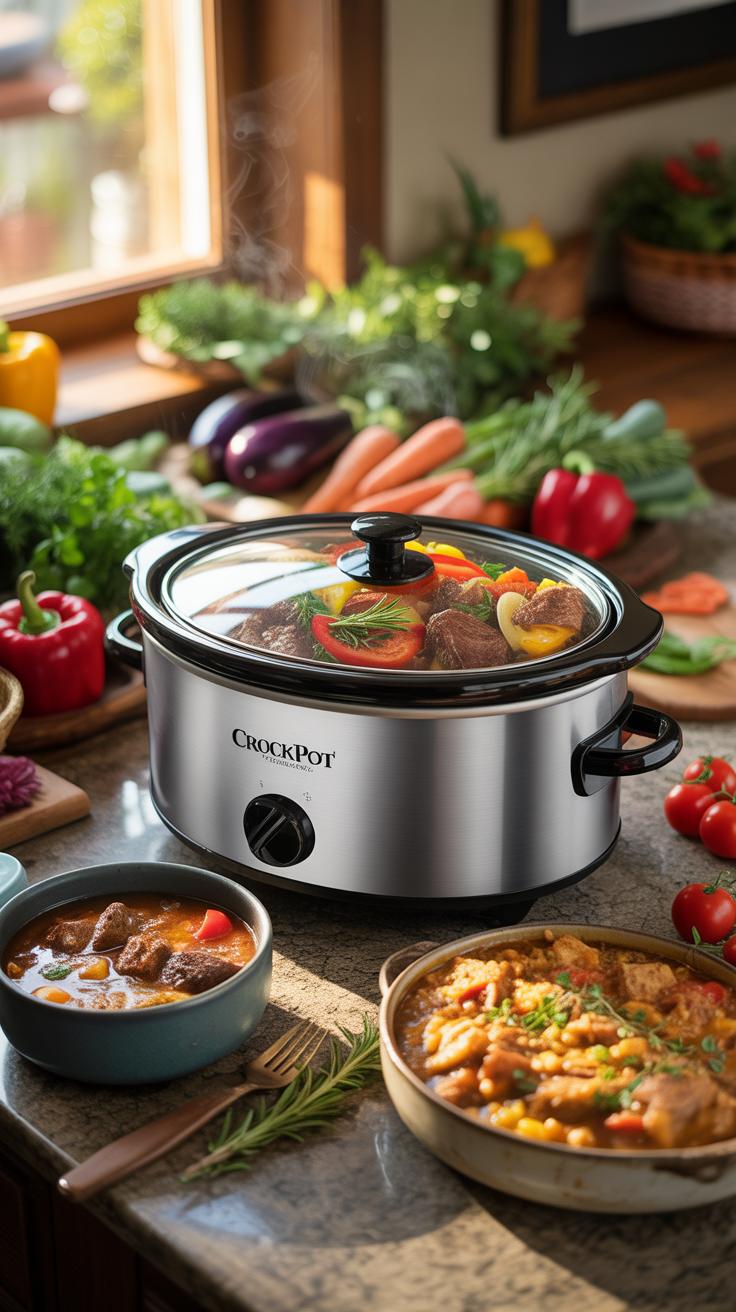
Traditional comfort foods rely on heavy fats and processed starches for flavor. You can swap these for nutrient-dense alternatives without losing the core appeal. Use lean proteins like turkey or grass-fed beef to reduce saturated fat. Replace heavy creams with pureed cauliflower or Greek yogurt. These simple substitutions lower the calorie count while maintaining the thick texture people expect from slow cooker meals.
Technique matters more than ingredients when focusing on health. Brown your meats before adding them to the pot to build deep flavor through the Maillard reaction. This step eliminates the need for excess salt or artificial flavor boosters. Use low-sodium bone broth to increase protein intake. Monitor cook times carefully to prevent vegetables from turning into mush. Fresh herbs added at the end restore vibrancy and micronutrients.
Global Inspired Crockpot Recipes That Bring Bold Flavors To The Dinner Table
Global cuisines often utilize long simmer times to tenderize tough cuts of meat. Moroccan tagines and Indian curries work perfectly in a slow cooker environment. These dishes use spices like turmeric, ginger, and cumin to provide health benefits and intense flavor. You do not need heavy oils when the moisture stays trapped inside the ceramic insert. This creates a high-intensity flavor profile using only whole food ingredients.
Expand your menu by incorporating diverse plant-based proteins into these international recipes. Lentils and chickpeas hold their shape well during an eight-hour cook cycle. They absorb the aromatics of Thai green curry or Mexican pozole effectively. Use citrus juices and vinegars after cooking to brighten the finished dish. This strategy reduces the reliance on sodium. Consistent heat ensures that every spice penetrates the protein for a professional result.
Mastering Crock Pot Cooking Tips For Better Results Every Time
Common Slow Cooker Mistakes And How To Avoid Them For Healthier Meals
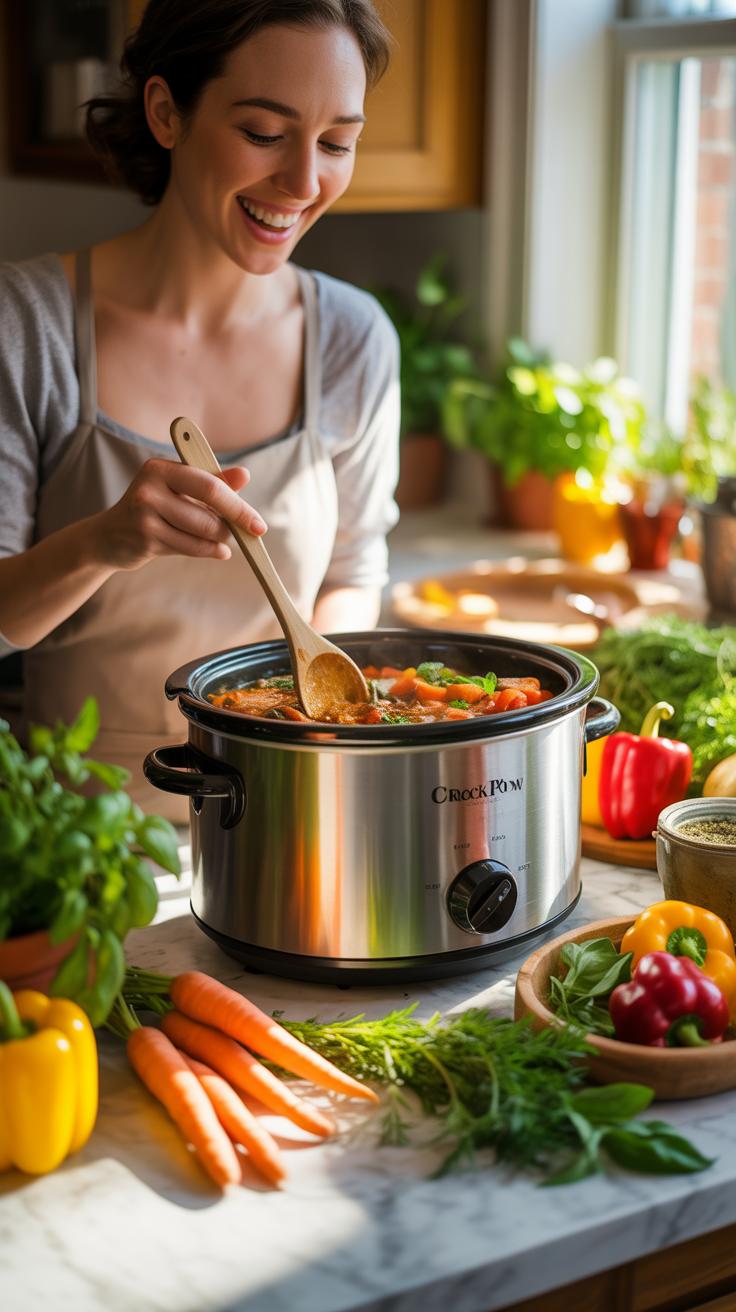
Overfilling the ceramic insert ruins heat circulation and food safety. Keep the contents between one half and two thirds full for even cooking. Excessive liquids dilute flavors and increase sodium density if using broths. Most vegetables release their own water during the slow heating process. Stop adding extra liquid to every dish. You only need enough to cover the bottom for steam.
Lifting the lid during the cycle is a major tactical error. Every peek releases heat and adds twenty minutes to the total cook time. This temperature drop can keep meat in the danger zone for bacterial growth. Add dairy and soft herbs only in the final thirty minutes. High heat curdles milk products and destroys the nutritional value of fresh leafy greens or delicate herbs.
Smart Meal Prep Strategies To Make Crock Pot Cooking Even More Efficient
Prepping ingredients the night before eliminates morning friction. Grouping proteins and chopped vegetables into containers allows for immediate assembly when time is short. However, never put a cold ceramic insert directly into a preheated heating base. This causes thermal shock and cracks the stoneware. Keep dry and wet ingredients separated until you are ready to start the heating cycle.
- Pre Cut Aromatics: Dice onions, celery, and carrots in large batches on Sundays. Store them in airtight containers to shave ten minutes off your daily prep. Standardized cuts ensure that every piece of vegetable softens at the exact same rate during the day.
- Batch Spice Blends: Mix dry rubs for different flavor profiles like taco seasoning or herb blends ahead of time. Store these in small jars to avoid measuring individual spices during the busy work week. This step ensures consistent flavor and controls the amount of salt in every recipe.
- Vacuum Sealing: Seal raw meats with marinades to accelerate flavor penetration before cooking. This technique prevents freezer burn and allows you to dump the entire contents into the pot without touching raw protein. It keeps your kitchen clean and reduces the risk of cross contamination.
- Flash Freezing: Freeze individual sauce portions in silicone trays for easy portion control. Drop a frozen cube of homemade stock or tomato paste into the pot for instant depth. This method prevents waste and allows you to customize the liquid levels for specific recipe requirements.
- Staggered Loading: Place hard root vegetables like potatoes and carrots at the bottom of the vessel. This area receives the most direct heat from the base. Put lean proteins on top of the vegetables to prevent them from drying out or becoming tough through overexposure to the heating element.
Standardize your vegetable sizes to ensure everything finishes simultaneously. Large chunks of meat require a longer duration than small cubes. Matching the size of your ingredients to your planned cooking window is essential for texture. Do not salt your beans until they are fully soft. Salt toughens the outer skins of legumes and prevents them from reaching the desired creamy consistency.
The Perfect Slow Cooker Dinner Building A Complete And Balanced Plate

Pairing Slow Cooker Proteins With Whole Grains And Fresh Sides
Slow cooker proteins often lack texture after hours of moist heat. You must balance the soft consistency of braised meats with firm whole grains. Prepare batches of quinoa, brown rice, or farro separately to maintain structural integrity. Do not cook grains inside the pot for long durations as they turn to mush. Keep these complex carbohydrates separate until you serve the meal.
Texture and nutrition require fresh components added at the end. Slow cooking destroys heat-sensitive enzymes and softens fiber. Serve your rich stews alongside raw leafy greens or crunchy slaw. Squeeze fresh lemon juice or add raw herbs over the finished plate. These additions provide the acid and crunch needed to cut through the heavy fats of slow-cooked meats and legumes.
Portion Planning And Leftover Management With Slow Cooker Dinner Recipes
Standard slow cookers hold six to eight quarts. This size produces more food than a small family consumes in one sitting. You must divide the yield immediately after cooking to prevent overeating. Use a kitchen scale to ensure precise protein portions. Proper portioning turns one cooking session into multiple controlled meals. This strategy prevents the common mistake of grazing from the pot.
Store leftovers in shallow airtight containers to speed up cooling. Modern food safety standards require rapid temperature drops to prevent bacterial growth. Label every container with the date and contents. Reheat only the amount you intend to eat. Repeated heating cycles degrade the nutritional quality of the vegetables. Use these pre-portioned containers for work lunches to maintain your dietary goals during the busy week.
5 Star Slow Cooker Recipes That Consistently Impress At The Dinner Table
What Makes A Slow Cooker Recipe Truly Stand Out From The Rest
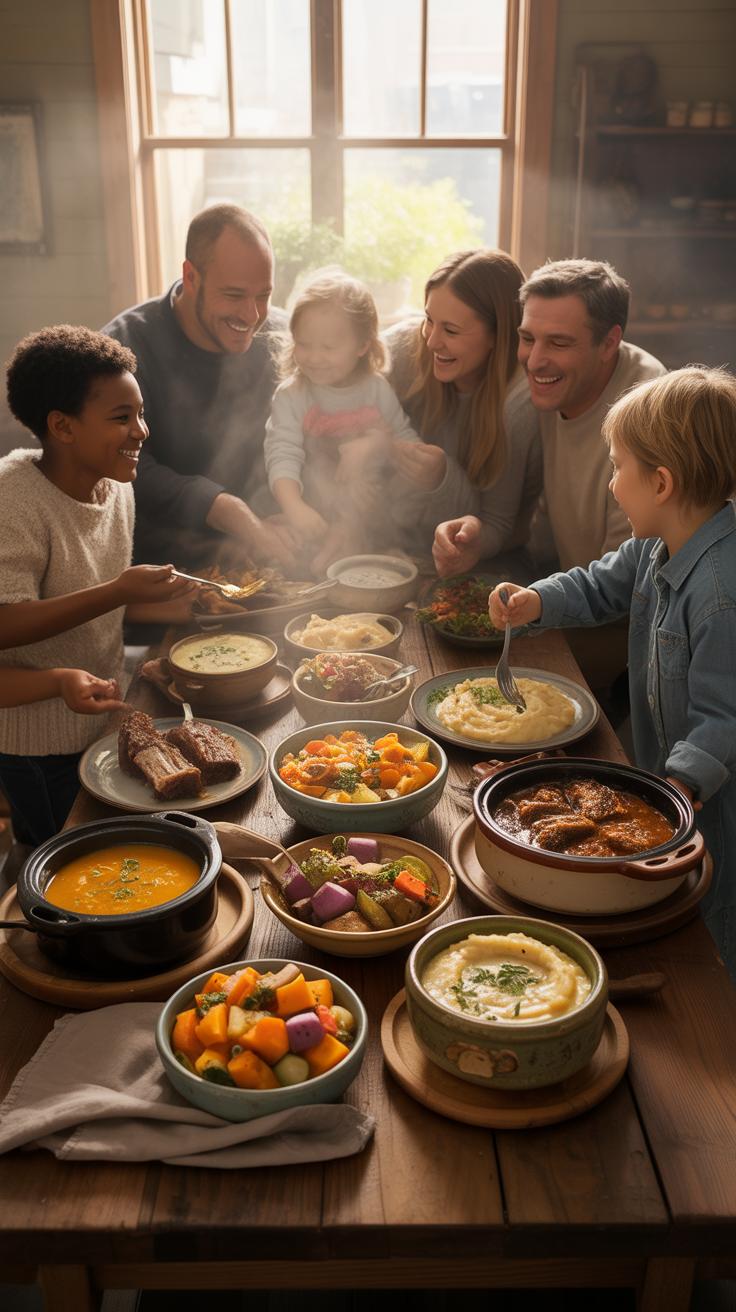
A superior slow cooker recipe balances moisture and texture. Most home cooks fail because they add too much liquid. This dilutes the flavor and turns vegetables into mush. Professionals use the low heat setting to break down tough connective tissues in lean meats. This process creates a tender result without adding heavy fats or oils. Use high quality aromatics to build a deep flavor base early.
The best recipes also utilize a finishing step to improve presentation. Slow cookers cannot create a crust or a sear. High quality dishes often require a five minute broil or a fresh garnish at the end. Adding bright acids like lemon juice or vinegar right before serving cuts through the heavy fat. This technique wakes up the palate and prevents the meal from tasting flat or one dimensional.
Crowd Pleasing Slow Cooker Dishes Worthy Of A Five Star Rating From The Family
Turkey chili is a reliable high protein option for families. Use lean ground turkey and dry beans for the best texture. Canned beans often disintegrate over eight hours of cooking. Adding cocoa powder or smoked paprika provides a complex flavor profile. This dish scales easily for large groups. It stays stable on the warm setting for hours without losing its structural integrity or nutritional value.
Slow cooker pot roast remains a standard for a reason. Select a grass fed chuck roast for superior fat distribution. Place hardy root vegetables like carrots and parsnips at the bottom of the ceramic pot. These vegetables cook slower than the meat. Do not submerge the roast in water. Use a small amount of beef bone broth to create a natural gravy. This method produces a concentrated and savory dinner.
Chicken Crockpot Recipes That Are Lean Delicious And Weeknight Friendly
Why Chicken Is One Of The Best Proteins For Slow Cooker Healthy Dinners
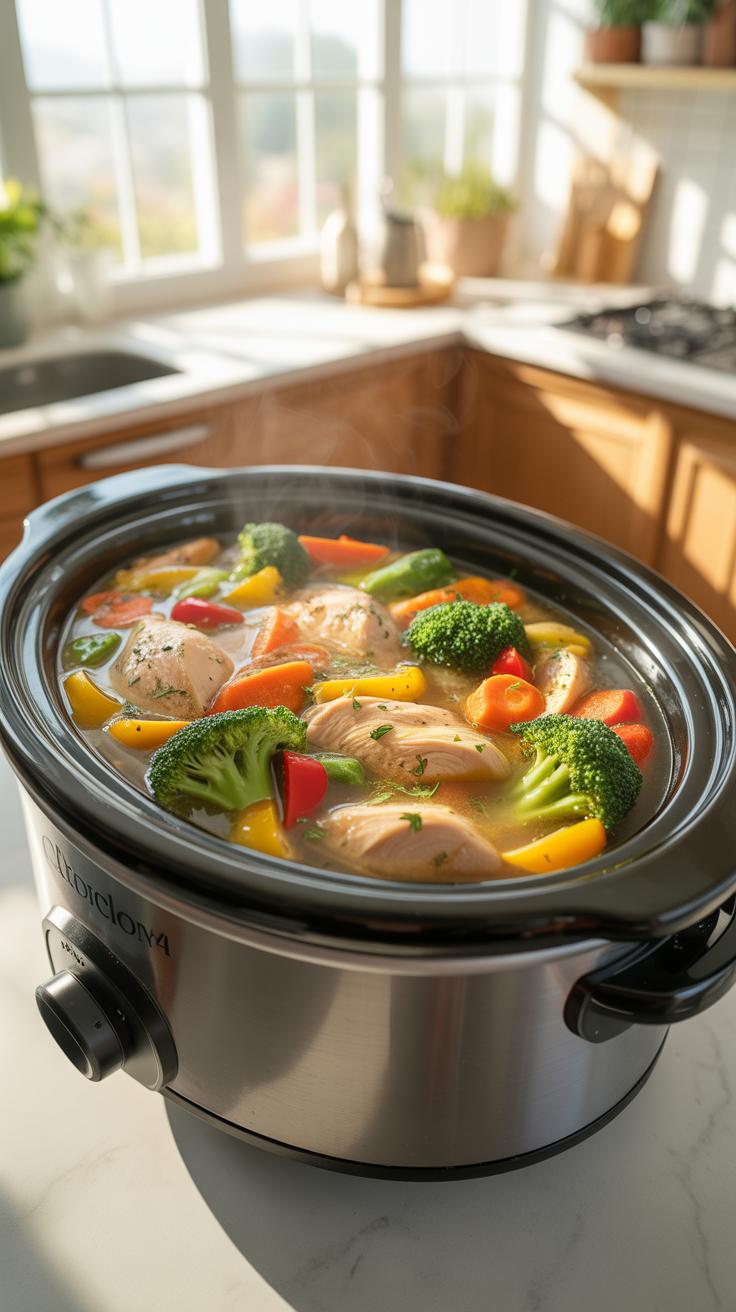
Chicken provides a high protein-to-calorie ratio that fits most nutritional plans. Lean cuts like breasts and thighs remain stable during long cooking cycles. This meat absorbs seasonings effectively while maintaining its structural integrity. You get a reliable source of amino acids without the high saturated fat found in red meats. Using chicken allows for precise caloric control in every meal.
The slow cooker environment prevents lean poultry from drying out. Traditional high-heat methods often toughen white meat. Low temperatures break down connective tissues slowly which preserves moisture. This process creates a tender texture that requires no additional oils or fats. You save time and reduce calories by letting the steam do the work. It is a tactical choice for consistent and healthy results.
Flavor Packed Healthy Chicken Crockpot Ideas From Soups To Shredded Mains
Shredded chicken serves as a versatile base for multiple meal types. You can cook large batches of breast meat with salsa or citrus juice. This method provides the foundation for tacos, salads, or grain bowls. Use low-sodium broth to keep the salt levels manageable. Clear liquids translate to fewer hidden calories while maximizing the taste of the added spices and fresh herbs.
Vegetable-heavy chicken stews provide fiber and essential vitamins. Combine root vegetables like carrots and onions with lean protein for a complete meal. Use Greek yogurt instead of heavy cream to thicken sauces at the end. This swap adds protein and reduces fat content. Consistent meal prep with these recipes ensures you have high-quality food ready after work. It eliminates the need for processed convenience foods.
Making Slow Cooker Healthy Dinners A Sustainable Habit For The Long Term
How To Build A Rotating Weekly Slow Cooker Menu Your Family Won’T Get Tired Of
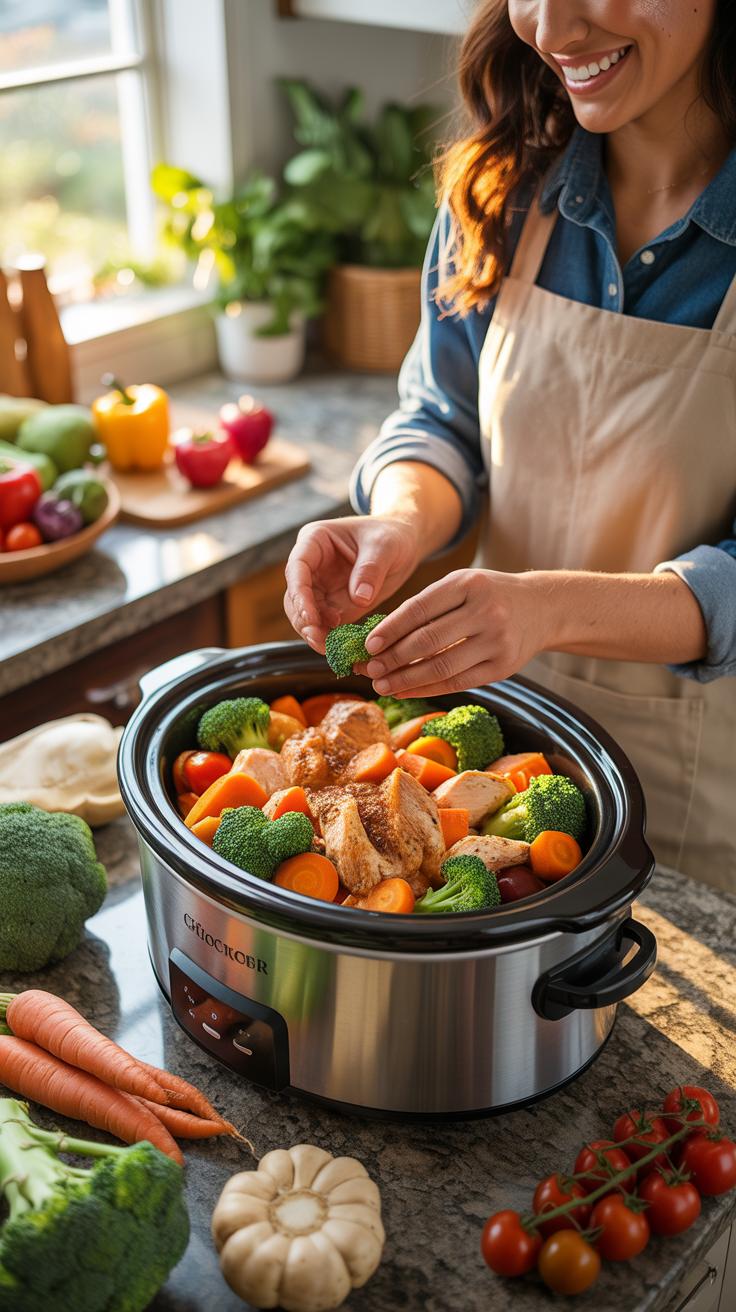
Successful meal planning requires a modular system. Group your recipes by protein source and flavor profile to avoid repetition. Assign specific themes to different days of the week. This strategy reduces decision fatigue and keeps the menu predictable for grocery shopping. Use three unique recipe cycles over a twenty-one day period. This gap prevents palate boredom while allowing you to master specific cooking techniques.
Standardize your base ingredients to streamline the prep process. Use common aromatics like onions, carrots, and celery across multiple dishes. Vary the final seasonings and garnishes to change the identity of each meal. Rotate seasonal vegetables into your slow cooker to ensure nutritional variety. Consistent mapping of your meals ensures the slow cooker remains a tool for efficiency rather than a source of dietary monotony.
Adapting Slow Cooker Dinners For Dietary Needs Including Gluten Free And Dairy Free
Gluten-free slow cooking requires specific thickeners. Standard wheat flour does not hold up well over long cook times and contains gluten. Substitute with cornstarch slurries or mashed potatoes to achieve the desired consistency. Always verify that pre-packaged broths and seasoning mixes do not contain hidden grain fillers. Use whole grains like quinoa or brown rice directly in the pot to add bulk without using gluten-based pasta.
Dairy-free adaptations rely on heat-stable fats and liquids. Replace heavy cream with full-fat coconut milk or cashew cream during the final thirty minutes of cooking. Adding dairy too early causes curdling due to the prolonged heat exposure. Use nutritional yeast or miso paste to provide a savory profile similar to cheese. These adjustments maintain the creamy texture of traditional comfort foods while meeting strict dietary requirements for every family member.
Frequently Asked Questions

Are slow cooker meals actually healthy or just convenient?
While many people associate crockpots with heavy stews, you can easily prioritize nutrition by focusing on slow cooker healthy dinners. The low-heat simmering process preserves essential nutrients in vegetables and keeps lean proteins moist without needing excess oils or fats. By choosing whole-food ingredients like lentils, skinless poultry, and colorful root vegetables, your appliance becomes a powerful tool for maintaining a balanced diet throughout even your most hectic work weeks.
How can I prevent my healthy slow cooker meals from becoming mushy?
To keep your slow cooker healthy dinners texturally appealing, timing is everything. Always place hearty root vegetables at the bottom and add delicate greens or dairy alternatives during the last thirty minutes of cooking. Avoid overfilling the ceramic pot with water; since the lid traps moisture, you need less liquid than traditional stovetop simmering. Choosing tougher cuts of lean meat also ensures they become perfectly tender rather than disintegrating during the long cycle.
Is it expensive to prepare nutritious slow cooker meals for a family?
Not at all! In fact, the “set it and forget it” method is incredibly budget-friendly because it excels at tenderizing affordable, lean cuts of meat that might otherwise be tough. You can also bulk up recipes with inexpensive staples like dried beans, brown rice, or seasonal produce. Preparing these meals in large batches reduces food waste and prevents the need for costly, processed takeout on those busy weeknights when time is short.