
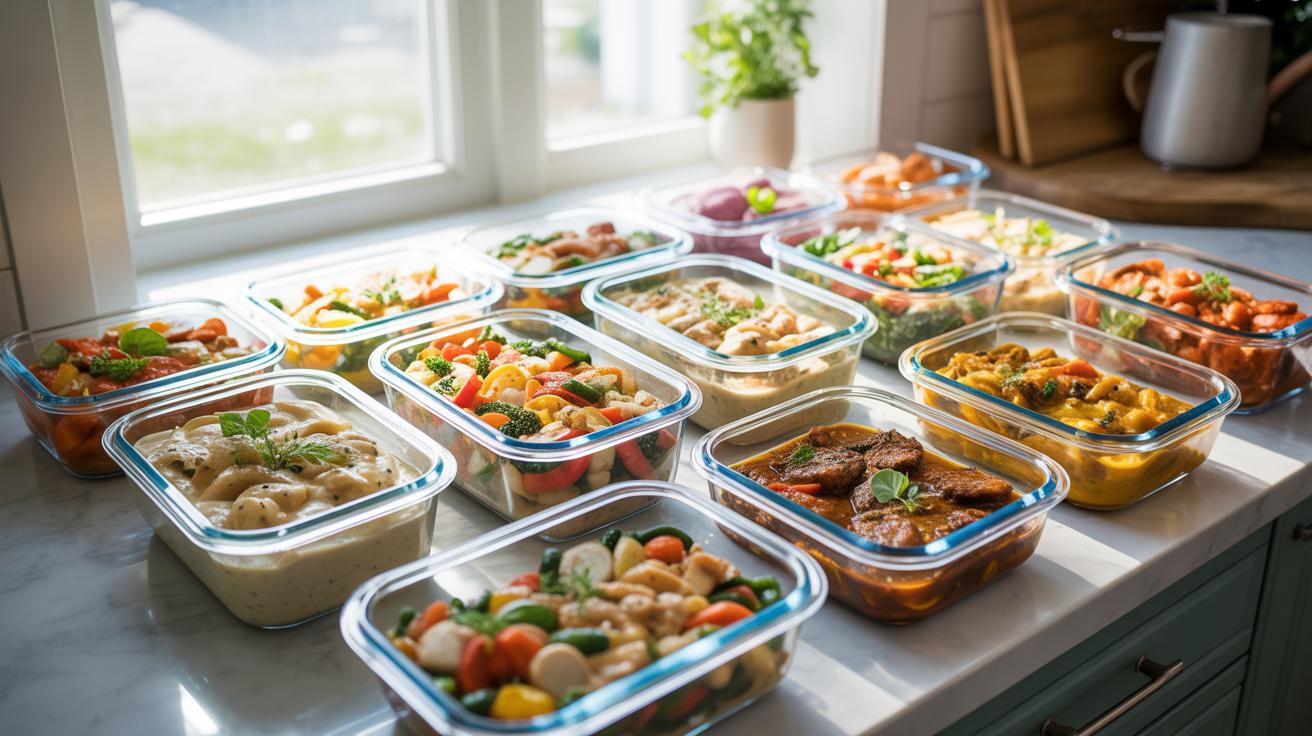
What Are Meal Prep Healthy Freezer Meals And Why Do They Work
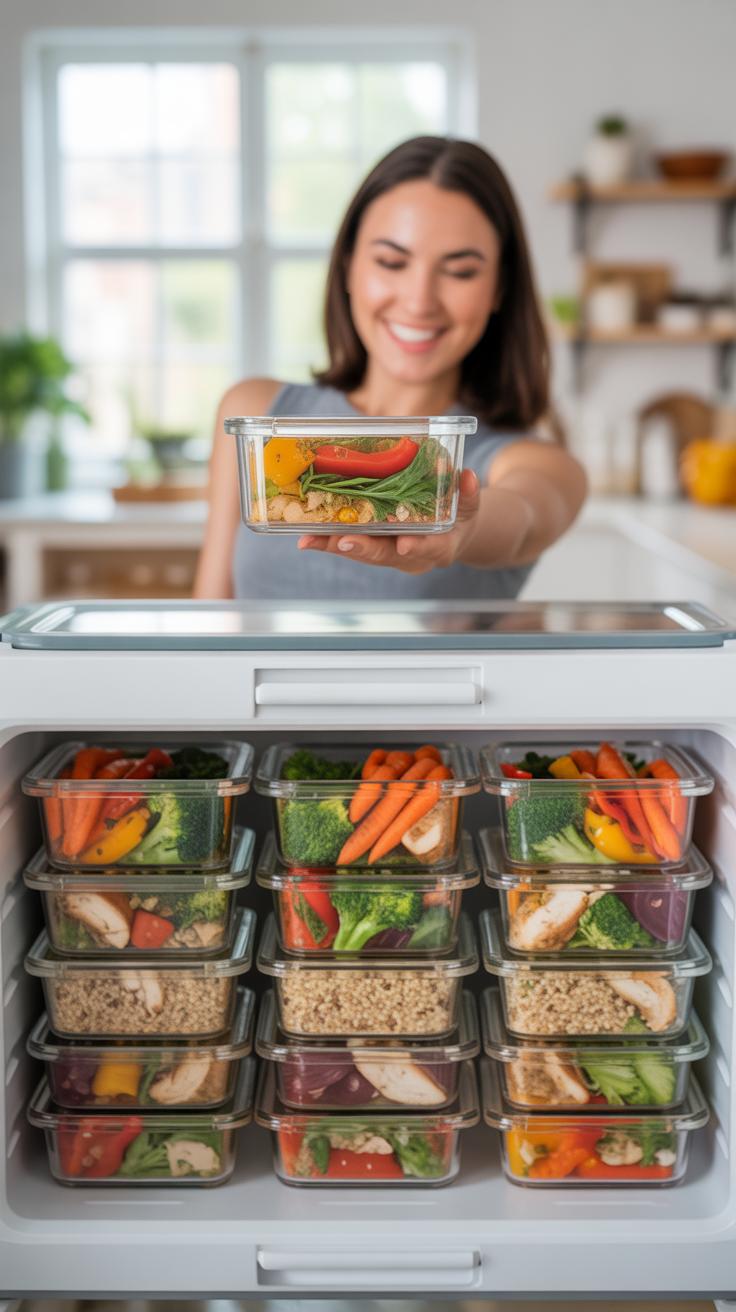
The Core Concept Behind Freezer Meal Prepping
Freezer meal prep involves preparing entire meals or specific components before you need them. You store these items in a freezer at zero degrees Fahrenheit to stop bacterial growth. This method relies on batch cooking or assembly-line production. You prepare multiple servings at once to save time later. It converts active cooking time into passive heating time during your busy work week.
Technique determines the final quality of your food. You must remove as much oxygen as possible to prevent freezer burn and ice crystals. Proper packaging like vacuum sealing or heavy-duty containers protects the texture of the ingredients. This strategy works because it eliminates the daily need for decision-making and prep work. You create a personal inventory of ready-to-heat inventory that fits your specific schedule.
How Freezer Meal Prep Supports Healthier Eating Habits At Home
Preparing meals in advance gives you total control over every ingredient. You decide the exact amount of sodium, sugar, and fats in your food. Most processed frozen dinners contain high levels of preservatives and additives to extend shelf life. When you prep at home, you rely on cold temperatures rather than chemicals. This control allows you to meet specific dietary goals without extra effort.

Reliability is the biggest factor in maintaining a healthy diet. You are less likely to order fast food when a nutritious meal is already in the freezer. Having these meals ready prevents the poor choices people make when they are tired or hungry. It creates a path of least resistance toward eating whole foods. This system turns healthy eating into a convenient and repeatable habit for long-term success.
Planning Your Freezer Meal Prep Sessions From Start To Finish
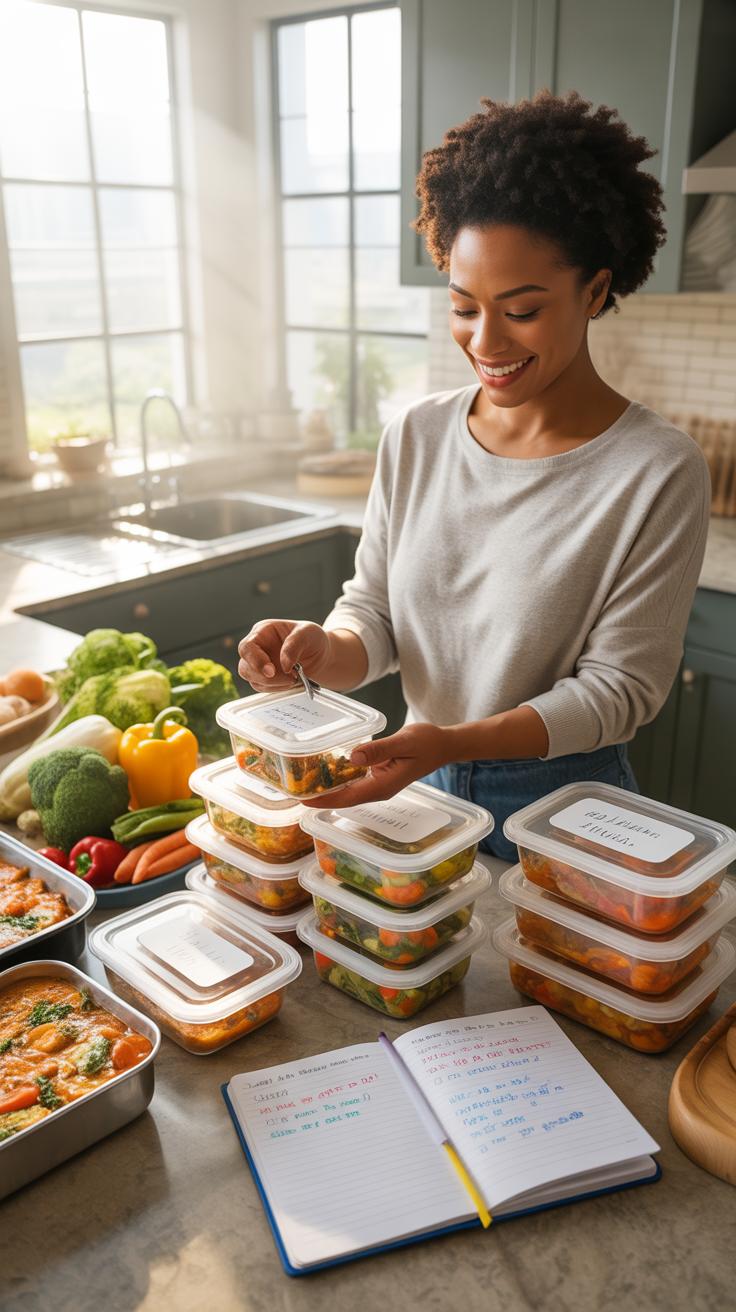
How To Schedule A Productive Freezer Meal Prep Session
Successful freezer prep requires a dedicated block of time to maintain efficiency. Block three to five hours on a weekend for a full session. This timeframe allows you to process bulk ingredients and clean as you work. Use the first thirty minutes for vegetable chopping and meat portioning. Grouping these tasks prevents repeated tool washing and maintains a steady workflow.
Efficiency drops when you switch between unrelated tasks too often. Complete all knife work before you turn on the stove or oven. Arrange your storage containers and labels before you start cooking. This organization ensures food moves from the heat to the freezer without sitting at unsafe temperatures. Speed depends on a logical progression from raw prep to final cooling and packing.
Building A Realistic Weekly Or Monthly Freezer Meal Plan
Effective plans focus on shared ingredients to reduce total costs and prep labor. Select three or four proteins and use them across multiple recipes to maximize your bulk purchases. Avoid complex dishes that require unique, non-freezable garnishes or delicate textures. Stick to stews, casseroles, and marinated meats that survive the sublimation process well. A lean plan is easier to execute than a diverse one.
Account for your actual freezer capacity before you buy groceries. Measure your shelf space to ensure your planned container count fits. Overfilling leads to slow freezing times and potential food safety issues. Match your plan to your household consumption rate so inventory rotates every three months. Freshness peaks within this window before ice crystals degrade the quality of your stored meals.
Best Dinners To Freeze Top Choices For Easy Weeknight Meals
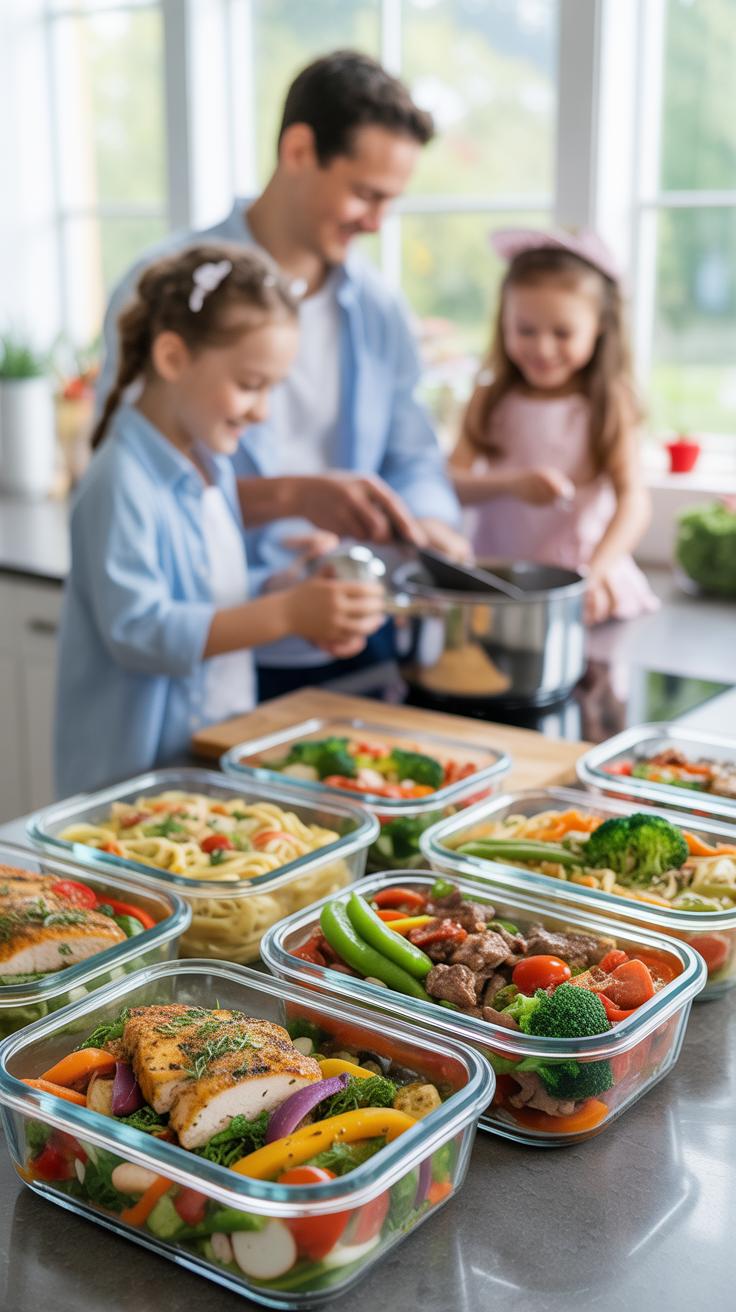
Which Dinner Recipes Hold Up Best After Freezing And Reheating
Success in freezer meal prep depends on moisture content and structural integrity. High-moisture dishes like stews and sauces protect proteins from oxidation and freezer burn. These recipes reheat evenly because the liquid conducts heat through the solids. Starchy binders like flour or cornstarch in sauces help maintain consistency. Choose meals that traditionally require long, slow cooking times during their initial preparation.
- Chili and Hearty Stews: High liquid content prevents air exposure and preserves the texture of beans and meat. These dishes often improve in flavor after freezing as spices infuse more deeply into the ingredients during the thawing process.
- Lasagna and Casseroles: Solid layers of pasta or vegetables protected by cheese and sauce resist structural breakdown. These meals retain heat well and maintain their shape when transferred from the freezer directly to a hot oven for cooking.
- Marinated Raw Meats: Freezing raw proteins in marinades allows the acid and salt to tenderize the meat during the freeze and thaw cycles. This method saves space and ensures the meat stays juicy once you finally grill or bake it.
- Curries and Braised Meats: Fat and coconut milk act as protective barriers against cold air. Slow-cooked meats like pulled pork or beef short ribs stay tender because the connective tissues have already broken down into gelatin which resists drying out.
- Enchiladas and Burritos: Corn or flour tortillas wrapped tightly around dense fillings like shredded chicken and beans freeze exceptionally well. The lack of excess air inside the wrap prevents ice crystals from forming and damaging the internal texture of the meal.
Focus on recipes that utilize wet heat cooking methods. Braising, stewing, and simmering are the most reliable techniques for long-term storage. These methods ensure the meal stays shelf-stable for three to six months without losing nutritional value or flavor profile. Always cool these meals completely before freezing to prevent steam from creating large ice crystals. This step preserves the original bite and mouthfeel of the food.
The magic of a freezer full of meals is that it allows you to give your future self the gift of time and a warm seat at the table. Planning ahead is the ultimate act of love for the family that gathers there.
Dinners You Should Avoid Freezing And Why
Avoid freezing dishes that rely on high water content or delicate cellular structures for their appeal. Raw vegetables with high water mass, such as cucumbers or lettuce, turn into mush when ice crystals rupture their walls. Fried foods lose their crispness because moisture migrates from the interior to the crust during storage. Emulsified sauces based on eggs or heavy cream often break and separate upon reheating.
Do not freeze cooked pasta or rice dishes unless they sit in a significant amount of sauce. These starches continue to absorb moisture and become bloated and gummy over time. Soft cheeses like ricotta or goat cheese change texture and become unpleasantly grainy. If a recipe calls for these ingredients, add them fresh after you reheat the base meal. This strategy ensures your dinner meets professional quality standards every time.
Freezable Meals Understanding What Foods Actually Freeze Well
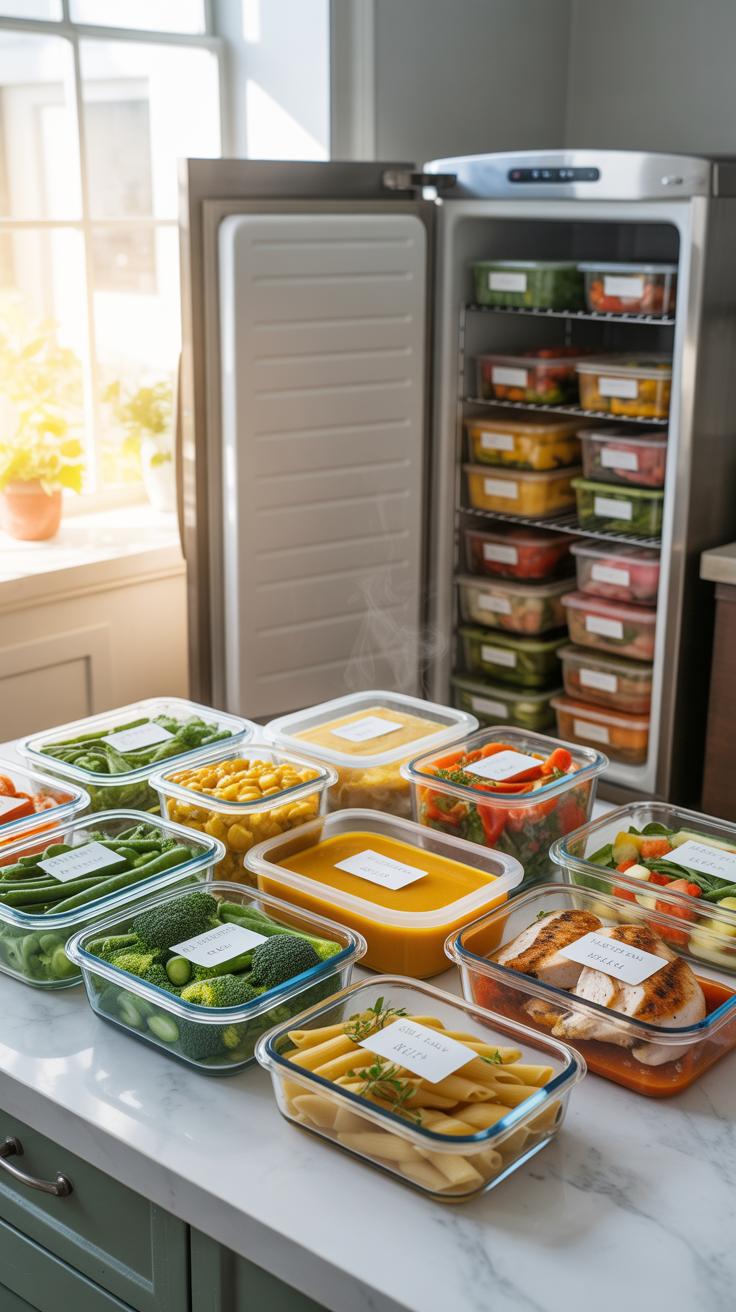
The Science Behind How Freezing Affects Food Texture And Safety
Freezing stops microbial growth but does not kill all bacteria. Water inside food cells expands into ice crystals during the freezing process. Large crystals rupture cell walls and destroy structural integrity. Rapid freezing creates smaller crystals and preserves more texture. You must control temperature fluctuations to prevent sublimation. This process pulls moisture out of food and causes tough freezer burn patches.
Safety depends on maintaining a constant temperature of zero degrees Fahrenheit. Enzymes stay active at low temperatures and eventually degrade color and flavor. Blanching vegetables before freezing halts these enzymatic reactions. Thawing should always occur in the refrigerator to prevent the outer layers from entering the danger zone. Proper sealing keeps oxygen out and prevents oxidative rancidity in fats and oils over long periods.
Key Ingredients That Retain Quality After Being Frozen
Dense proteins and high starch carbohydrates survive the freezing process best. Beef, pork, and poultry maintain their structure because their muscle fibers are resilient. Sauces and soups provide a protective barrier against air exposure and dehydration. Use heavy cream or full fat dairy to prevent separation during the thaw. Legumes and grains hold their shape well when cooked slightly underdone before you freeze them.
Avoid high water content vegetables like lettuce or cucumbers because they collapse into mush. Use root vegetables or thick walled peppers instead. Hard cheeses freeze better than soft cheeses due to lower moisture levels. Casseroles with binders like eggs or thick gravies stay cohesive after reheating. Always cool food completely before packaging to stop steam from turning into ice inside the container and ruining the meal.
Freezer Bag Meal Prep Best Bags For Freezer Meals And Smart Storage
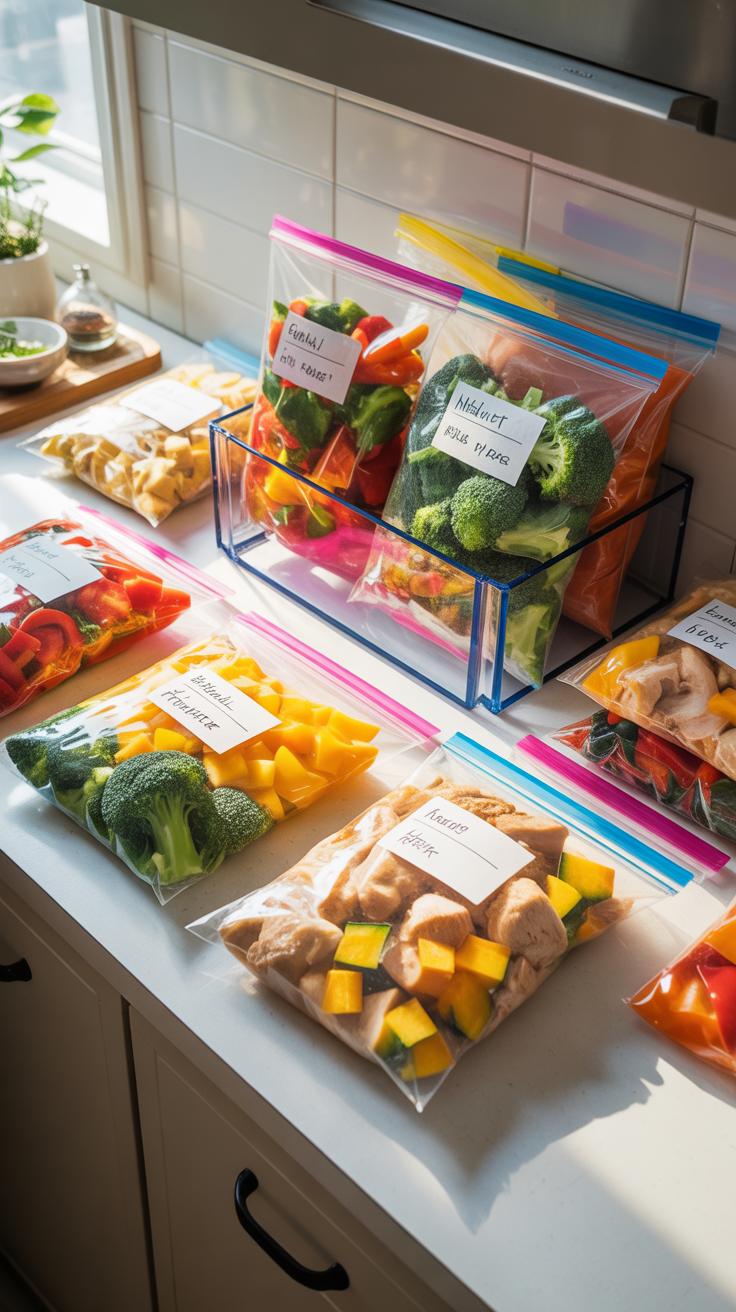
Choosing The Right Freezer Bags And Containers For Long Term Storage
Freezer meal prep requires specific materials to prevent oxygen exposure and moisture loss. Standard sandwich bags fail because their thin plastic allows air transfer. You must use bags labeled specifically for the freezer. These bags use thicker polyethylene or specialized resins to create a dense barrier. High quality seals ensure the contents do not leak during the critical expansion phase of freezing.
- Heavy Duty Polyethylene Bags: These disposable bags offer the best moisture vapor transmission rate for short to mid-term storage. The plastic is significantly thicker than standard storage bags to resist punctures from frozen food corners.
- Vacuum Sealer Bags: These represent the gold standard for long-term storage. By removing all air, you eliminate the risk of freezer burn and oxidation. These bags utilize a multi-layer construction that remains airtight for months.
- Silicone Reusable Bags: High-grade silicone provides a sustainable alternative that handles temperature shifts well. These bags are thick and durable but require a mechanical slider or tight seal to ensure they remain airtight in the freezer.
- Glass Containers: Borosilicate glass resists thermal shock and prevents chemical leaching into your food. These are ideal for liquid-heavy meals like stews. Always leave head space at the top of the container to allow for liquid expansion.
- Aluminum Foil Trays: Heavy-gauge aluminum is perfect for oven-ready meals like lasagna or casseroles. These containers conduct heat efficiently and protect food from light. Always wrap the top with a double layer of freezer-grade plastic wrap before adding the lid.
Rigid containers protect delicate items from being crushed but take up more physical space. If using plastic containers, look for the snowflake symbol to ensure the material will not become brittle and crack. Glass is superior for flavor preservation because it is non-porous. Select the container based on the expected storage duration and the specific reheating method you plan to use.
How To Label Stack And Organize Freezer Bags For Maximum Efficiency
Proper organization begins with the vertical freeze method. Lay bags flat on a cookie sheet until they are solid. This creates a uniform shape that you can stack like books on a shelf. This thin profile allows the food to freeze faster, which preserves the texture of vegetables and proteins better than slow freezing. Faster freezing creates smaller ice crystals inside the food cells.
Labels must include the recipe name, prep date, and specific cooking instructions. Use a permanent marker on the bag before you fill it with wet ingredients. Group similar meals together in plastic bins to manage your inventory quickly. Place the newest meals at the back and move older items to the front. This first-in, first-out system ensures you use food before the quality begins to degrade.
Meal Prep Ideas For Freezer Creative And Practical Recipes To Try
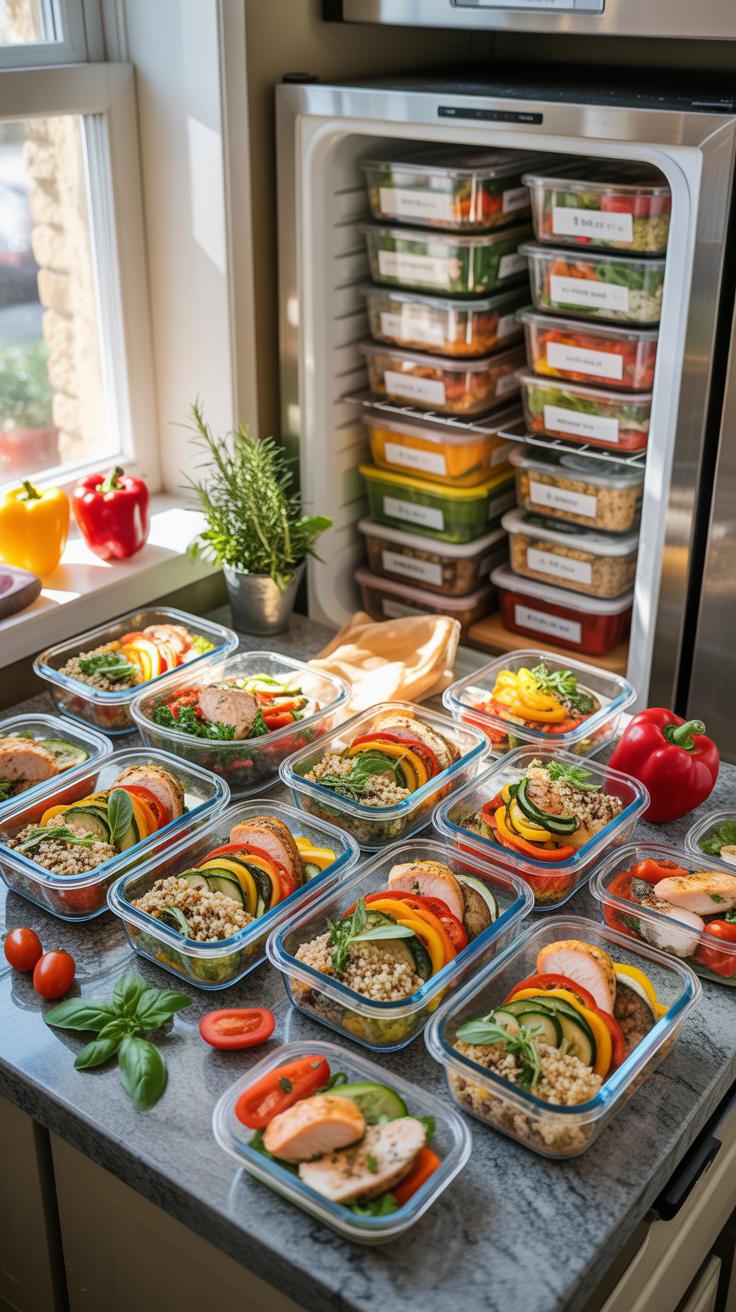
Protein Based Freezer Meal Ideas That The Whole Family Will Enjoy
Meat based freezer meals provide the dense calories and essential amino acids active families require. Prepare raw marinated meats like lemon herb chicken or garlic steak tips in vacuum sealed bags. These kits transition from the freezer to the grill or slow cooker without extra labor. Ensure you remove all air from the packaging. This prevents ice crystals from destroying the cellular structure of the animal protein.
Ground meat bases offer the highest level of recipe flexibility. Cook huge batches of seasoned taco meat or meatballs before freezing. These items reheat in minutes and maintain their texture well during the thawing process. Use heavy duty freezer bags to save horizontal space in your storage unit. Label every container with the date and type of meat to ensure you use older stock first.
Plant Based And Vegetarian Freezer Meal Ideas Worth Making In Advance
Plant based recipes often survive the freezing process better than animal products due to high fiber content. Legume centric dishes like black bean chili or red lentil soup maintain their nutritional profile and flavor for months. Prepare these meals in silicone molds to create individual portions. This allows you to reheat small amounts without defrosting the entire batch. It reduces food waste and saves significant time.
Grain bowls and stuffed peppers provide structural integrity after months of cold storage. Use hearty grains like farro or brown rice because they resist becoming mushy during reheating. Blanch vegetables before freezing to stop enzymatic reactions that cause spoilage and color loss. This technique preserves the snap and vitamin content of the produce. Store these components in airtight glass containers to avoid any chemical leaching from plastic.
Batch Freezer Meals How To Cook In Bulk The Smart And Efficient Way
The Batch Cooking Method: Doubling And Tripling Recipes For The Freezer
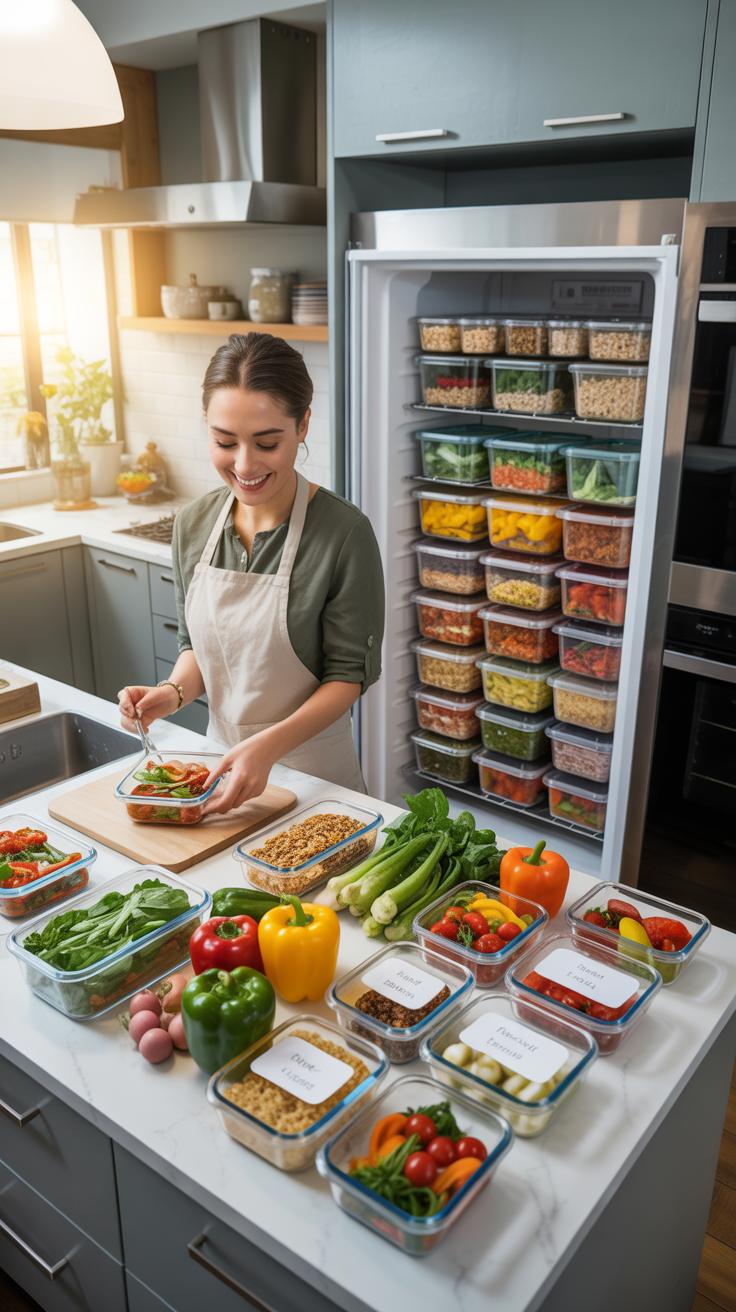
Batch cooking requires a shift from daily meal prep to assembly line logic. You must select recipes with overlapping ingredients to maximize your time. Doubling or tripling a recipe does not double or triple your active work time. You chop once and clean once. This method uses your stove and oven at full capacity. It turns one hour of labor into six separate family dinners.
Success depends on raw inventory management and vessel size. Ensure your stock pots and pans can handle the increased volume without overcrowding. Overcrowding drops the temperature and steams meat instead of searing it. This ruins the texture of the final frozen product. Always measure spices accurately when scaling up. Do not guess. Some seasonings do not scale linearly and can overpower the entire batch.
How To Avoid Common Mistakes When Preparing Batch Freezer Meals
The biggest mistake is freezing food while it is still warm. Steam trapped inside a container creates ice crystals. These crystals break down cell walls and turn vegetables into mush. Heat also raises the internal temperature of your freezer. This puts other stored food at risk of spoilage. Use an ice bath or shallow pans to drop food temperatures to forty degrees Fahrenheit before sealing.
Proper portioning prevents food waste and uneven reheating. Large frozen blocks take too long to thaw and cook through. Divide your bulk batches into single meal containers based on your family size. Label every bag with the dish name and the date it was made. Identify the specific reheating instructions on the label. This removes guesswork during a busy week. Clear organization keeps your inventory moving.
Freezer Dinners Reheating Methods Serving Tips And Time Saving Strategies
Safe And Effective Ways To Reheat Frozen Dinners Without Losing Quality
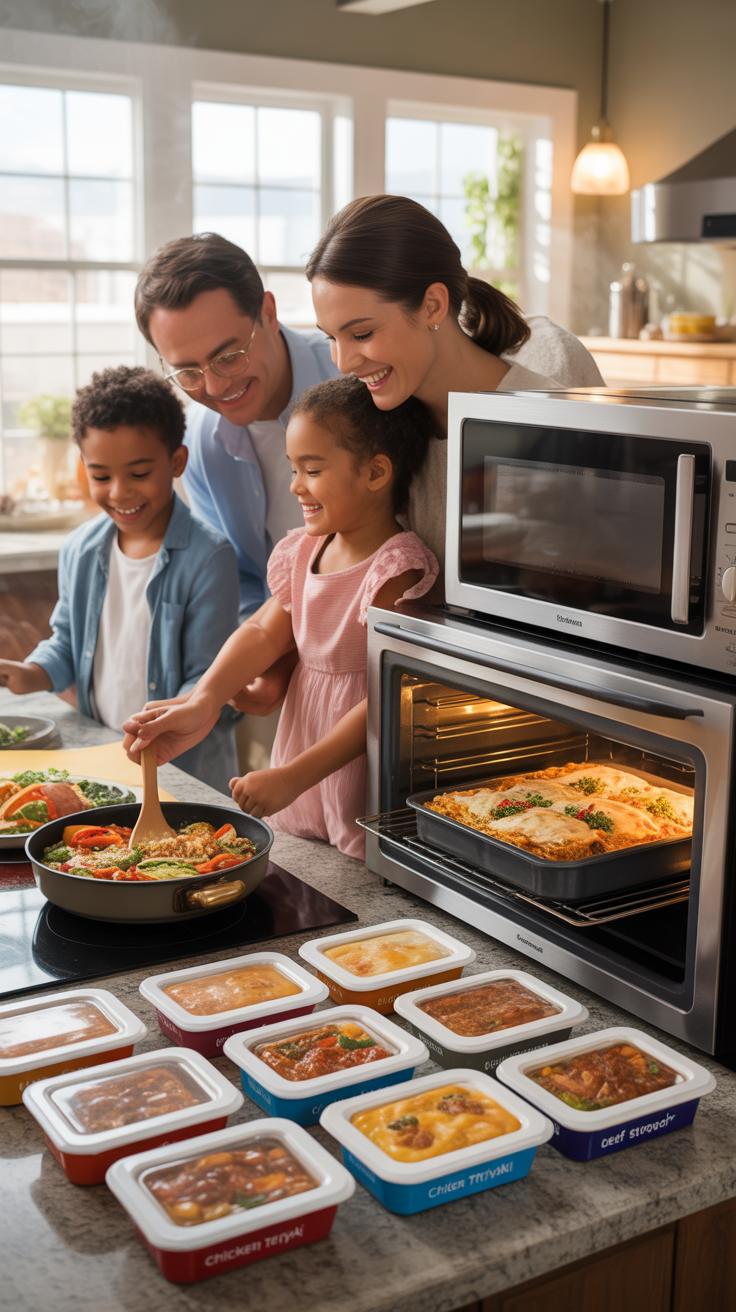
Thawing is the most critical step for maintaining food texture. Move your frozen meal to the refrigerator at least twenty-four hours before cook time. This slow temperature change prevents the cellular breakdown that causes mushy food. Never thaw meat or perishables at room temperature on the counter. Use a thermometer to ensure your reheated dinner reaches an internal temperature of one hundred sixty-five degrees.
Choose the reheating equipment based on the original cooking method of the dish. Use the oven for casseroles and baked goods to preserve a crisp exterior. Cover the dish with foil to trap moisture and prevent drying. Use the stovetop for soups and stews to control the reduction of liquid. Microwave reheating works best for individual portions. Add a splash of water to steam the food and ensure even heating.
How To Build A Weekly Dinner Routine Around Your Freezer Meal Stock
Successful meal routines rely on an inventory system. Post a physical list on your freezer door to track what you have. Note the date you froze each item and the number of servings. Plan your weekly menu based on the oldest items first. This rotation prevents freezer burn and minimizes food waste. Dedicate one specific evening each week to pull the upcoming meals from the freezer.
Integrate fresh components to improve the final meal. Serve frozen entrees with a fresh salad or steamed vegetables. This balance reduces the time spent at the stove while providing better nutrition. Keep a small supply of dry goods like rice or pasta to round out the meal. Treat your freezer stock as the main protein or starch component. Execute this system consistently to eliminate daily decision fatigue and reduce grocery costs.
Frequently Asked Questions

What is the best way to start with freezer meal prep if I am a beginner?
The secret to successful freezer meal prep for beginners is starting small. Instead of filling your entire freezer at once, try doubling your favorite dinner recipes and freezing half. This “cook once, eat twice” method helps you understand how different textures hold up after thawing. Focus on hearty soups, stews, or casseroles, as these dishes are incredibly forgiving and maintain their flavor beautifully during the freezing and reheating process.
How can I prevent freezer burn and keep my prepared meals tasting fresh?
To maintain high quality during freezer meal prep, you must remove as much air as possible from your packaging. Use heavy-duty freezer bags and squeeze out the air before sealing, or invest in a vacuum sealer for professional results. Additionally, always allow your cooked food to cool completely in the refrigerator before moving it to the freezer. This prevents steam from creating ice crystals, which often leads to soggy textures and bland flavors.
Is meal prepping for the freezer actually cheaper than buying pre-made frozen dinners?
Absolutely! Preparing your own meals is significantly more cost-effective because you can buy ingredients in bulk and take advantage of seasonal sales. By avoiding the high markup and preservatives found in processed convenience foods, you save money while controlling the nutritional content. Utilizing pantry staples like rice, beans, and frozen vegetables allows you to build a diverse inventory of healthy, ready-to-heat dinners without breaking your weekly grocery budget.