

Why Healthy Fun Meals For Kids Matter More Than You Think
The Link Between Childhood Nutrition And Long Term Health Outcomes
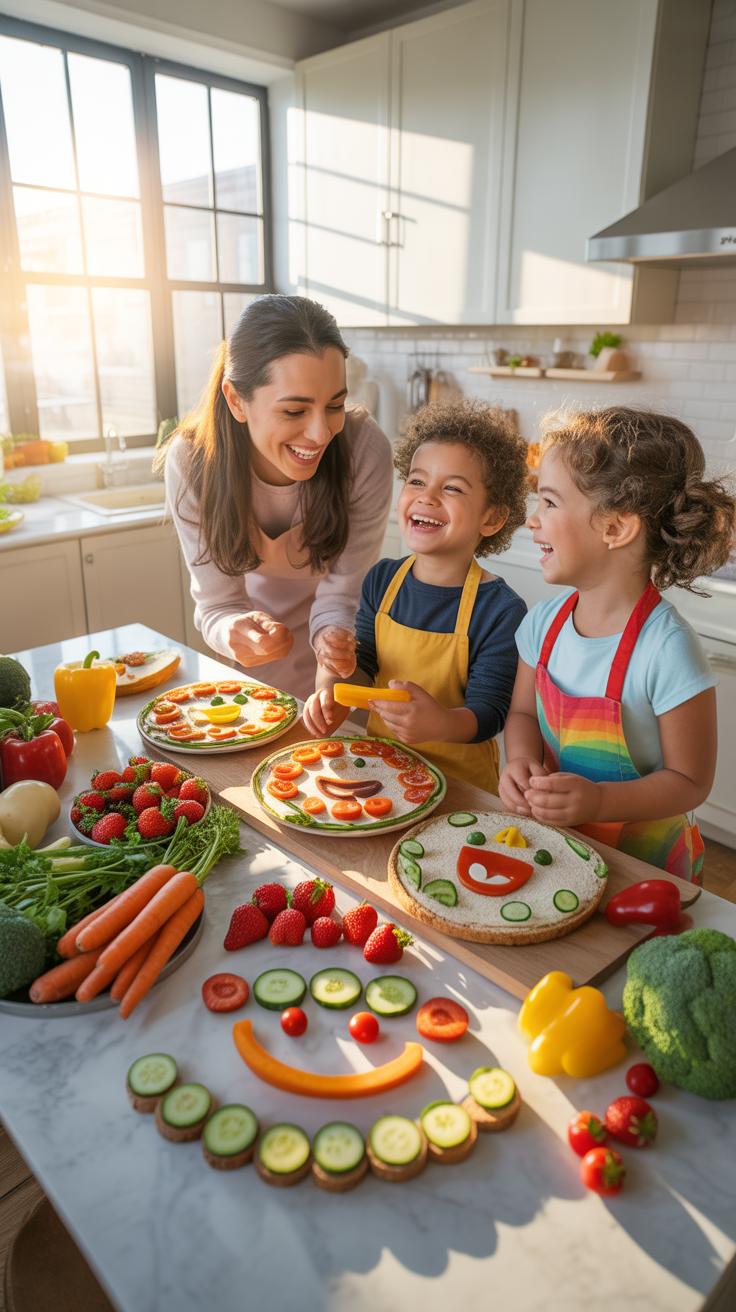
Early nutrition sets the foundation for adult physical health. Children require specific macronutrients and micronutrients to build bone density and develop brain tissue. Chronic patterns of poor eating lead to immediate issues like low energy and poor focus. Long-term data shows that childhood diet directly correlates with the risk of developing heart disease and type 2 diabetes later in life.

Strategic feeding prevents metabolic damage. Providing kid friendly healthy dinners ensures children receive stable glucose levels. This stability regulates mood and prevents insulin resistance. Accurate dietary habits established before age ten significantly impact life expectancy and weight management in adulthood. High quality proteins and healthy fats are non-negotiable for proper growth. You must prioritize nutrient density to ensure your child hits developmental milestones.
How Positive Mealtime Experiences Shape A Child’S Relationship With Food
The psychological environment of a meal dictates future eating habits. Children who experience high stress or pressure at the dinner table often develop avoidant behaviors. Making healthy meals fun reduces the “fight or flight” response during feeding. When children associate vegetables with positive social interactions, they are more likely to try new foods. This reduces the risk of long-term eating disorders.
Positive associations create food autonomy. A child who enjoys the mealtime process learns to listen to internal hunger cues. This skill prevents overeating in later years. Factually, the social context of eating is as important as the vitamins on the plate. Use tactical serving methods to keep the atmosphere light. This strategy builds a resilient and healthy relationship with food that lasts into the teenage years and beyond.
Building A Balanced Plate Kid Friendly Healthy Recipes Made Simple
Understanding Macronutrients And Micronutrients In A Child’S Diet
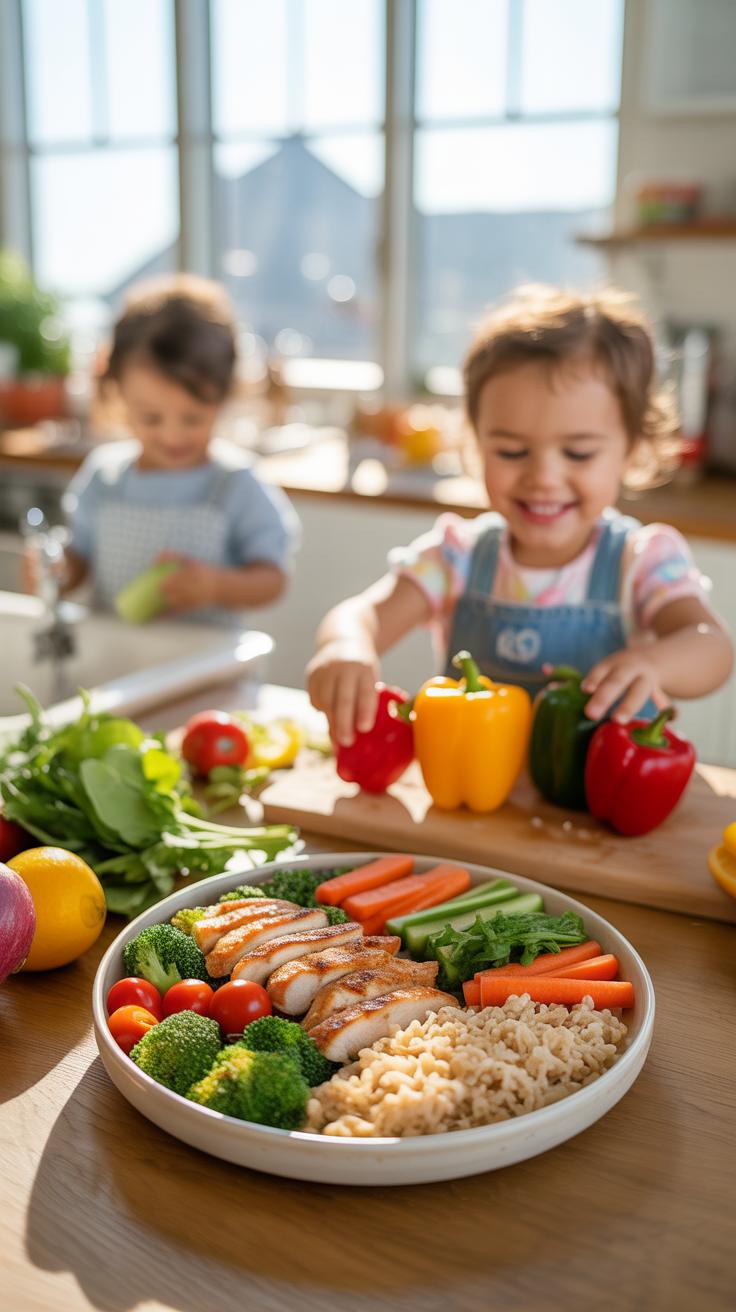
Children require three primary macronutrients to sustain growth and daily energy levels. Carbohydrates provide the main fuel source for the brain and muscles. Proteins build and repair tissues while supporting immune function. Healthy fats aid brain development and help the body absorb specific vitamins. Balancing these three components ensures a child stays full and focused throughout the evening until breakfast.
Micronutrients consist of vitamins and minerals needed in smaller amounts for vital biological processes. Calcium and vitamin D are essential for building strong bone density during peak growth years. Iron supports oxygen transport in the blood to prevent fatigue. Zinc and vitamin C strengthen the immune system against common illnesses. Prioritizing nutrient-dense whole foods over processed options ensures children receive these critical elements.
The fondest memories are made when gathered around the table, sharing a meal that nourishes both the body and the soul.
How To Use The MyPlate Guidelines To Build Kid Approved Balanced Dinners
The MyPlate model provides a visual framework for portioning meals effectively. Divide the plate into four sections for fruits, vegetables, grains, and protein. Fill half the plate with colorful produce to maximize fiber and nutrient intake. Ensure the grain section consists of at least half whole grains like brown rice or whole wheat pasta. This structure simplifies meal planning and guarantees a diverse nutritional profile.
Execution requires specific portion control based on a child’s age and activity level. Choose lean proteins such as poultry, fish, or beans to limit saturated fat intake. Incorporate a small side of dairy or a calcium-rich alternative to meet daily requirements. Using this method removes the guesswork from cooking and creates a consistent pattern for healthy eating. Proper plating habits established now will dictate a child’s health trajectory.
Easy Kid Friendly Dinners Healthy Enough For Busy Weeknights

Smart Meal Prepping Strategies That Save Time Without Sacrificing Nutrition
Efficiency starts with component prepping rather than full meal cooking. Wash and chop hardy vegetables like broccoli and carrots on Sunday to eliminate ten minutes of labor during the week. Store these in airtight glass containers to maintain crispness and nutrient density. Raw preparation ensures you have grab-and-go options for side dishes or stir-fry bases. Fast execution requires having these ingredients visible and ready for high-heat cooking.
Batch cook lean proteins to serve as the foundation for multiple meals. Grill chicken breasts or brown ground turkey in large quantities to use throughout the week. This strategy removes the messiest part of dinner preparation from your nightly routine. You can pivot from tacos to pasta dishes using the same pre-cooked base. This tactical approach reduces your kitchen time while ensuring kids eat high-quality protein every single night.
Quick 30 Minute Healthy Dinner Ideas That Kids Will Actually Clear Their Plates
Speed requires a focus on high-yield recipes that use simple cooking techniques. Focus on meals that combine a familiar shape with hidden nutritional value. Most children respond well to bite-sized foods and mild flavor profiles. Use high heat for roasting or quick boiling for whole grain pasta to keep textures firm. These meals provide the necessary vitamins without requiring hours of labor over a hot stove.
- Sheet Pan Chicken Sausage: Arrange sliced turkey sausage and frozen bell peppers on a large baking sheet. Roast at four hundred degrees for twenty minutes until edges are crisp. This method provides protein and fiber with minimal cleanup for parents.
- Whole Wheat Turkey Tacos: Brown ground turkey with cumin and chili powder for a lean protein source. Serve in whole wheat tortillas with fresh avocado and shredded cabbage. This meal offers healthy fats and complex carbohydrates that keep kids full for hours.
- Lentil Pasta Marinara: Substitute traditional white pasta with noodles made from red lentils or chickpeas. Use a low sugar tomato sauce to add lycopene and essential vitamins. This simple swap significantly increases the protein and fiber content of a standard dinner.
- Deconstructed Chicken Power Bowls: Serve grilled chicken strips alongside small piles of quinoa, steamed peas, and cucumbers. Kids prefer seeing individual ingredients rather than mixed salads. This layout allows them to control their portions while eating a balanced and colorful meal.
- Baked Salmon Sticks: Cut fresh salmon fillets into strips and coat them in seasoned breadcrumbs. Bake for twelve minutes to create an Omega-3 rich version of a fish stick. Serving these with a yogurt-based dipping sauce adds calcium and probiotics to their diet.
Successful weeknight dinners depend on one-pot or one-pan methods to reduce cleanup. Use high-quality frozen vegetables to shave off prep time without losing nutritional integrity. Modern flash-freezing techniques preserve more vitamins than produce that sits on grocery shelves for weeks. Select recipes with five ingredients or fewer to maintain a fast pace. Tactical simplicity ensures the family eats healthy meals even during your most demanding work weeks.
Nutritious Meals For Kids Sneaking Vegetables Into Every Dinner
Creative Ways To Incorporate Vegetables Into Sauces, Soups, And Casseroles
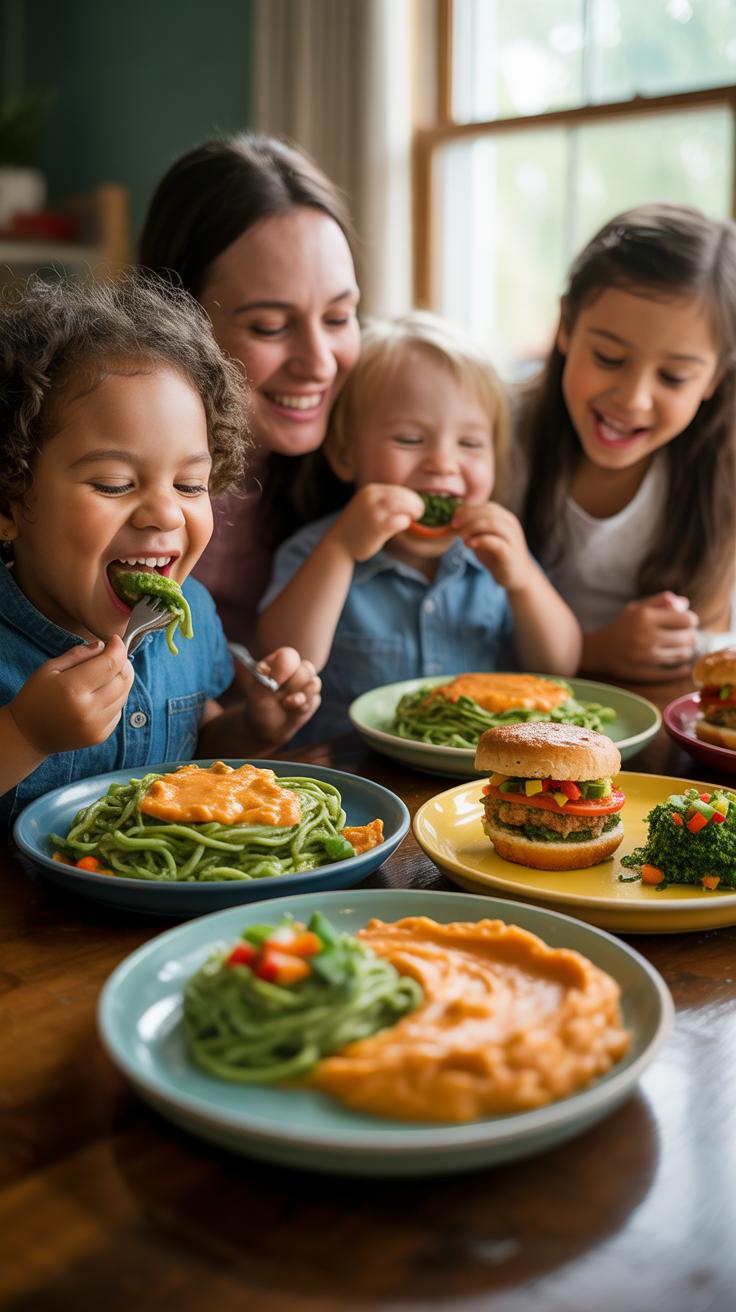
Pureeing vegetables into existing sauces changes the nutrient profile without altering the texture. Use a high-speed blender to turn steamed carrots, butternut squash, or cauliflower into a smooth paste. Stir this paste into tomato marinara or cheese sauce. The sauce hides the color and flavor of the vegetables. This strategy works because it removes the visual barrier that often causes children to reject new foods.
Finely grated vegetables integrate seamlessly into meat-based dishes and casseroles. Use a box grater to shred zucchini or mushrooms into ground beef for tacos or meatballs. These vegetables retain moisture and shrink during cooking. They become nearly invisible to the eye. This tactical approach increases fiber intake. It also lowers the caloric density of the meal. You deliver high nutrition without a struggle at the dinner table.
Why Repeated Exposure To Vegetables Helps Kids Develop A Taste For Them
Repeated exposure is a proven psychological method for expanding a child’s palate. Research shows children may need to see a food fifteen times before they try it. Consistent presence on the plate reduces the fear of the unknown. Do not force the child to eat the vegetable. Simply place a small portion within their reach. Familiarity breeds acceptance over time. This process requires patience and zero pressure.
Strategic exposure works best when you offer vegetables in various forms. Serve the same vegetable raw, roasted, or steamed across different nights. This helps the child learn that flavor and texture can change. Avoid making the vegetable the center of a power struggle. Keep the environment neutral. Success grows from habit rather than force. Your goal is to make these healthy options a standard part of their daily environment.
Healthy Dinners That Kids Will Eat Crowd Pleasing Family Favorites
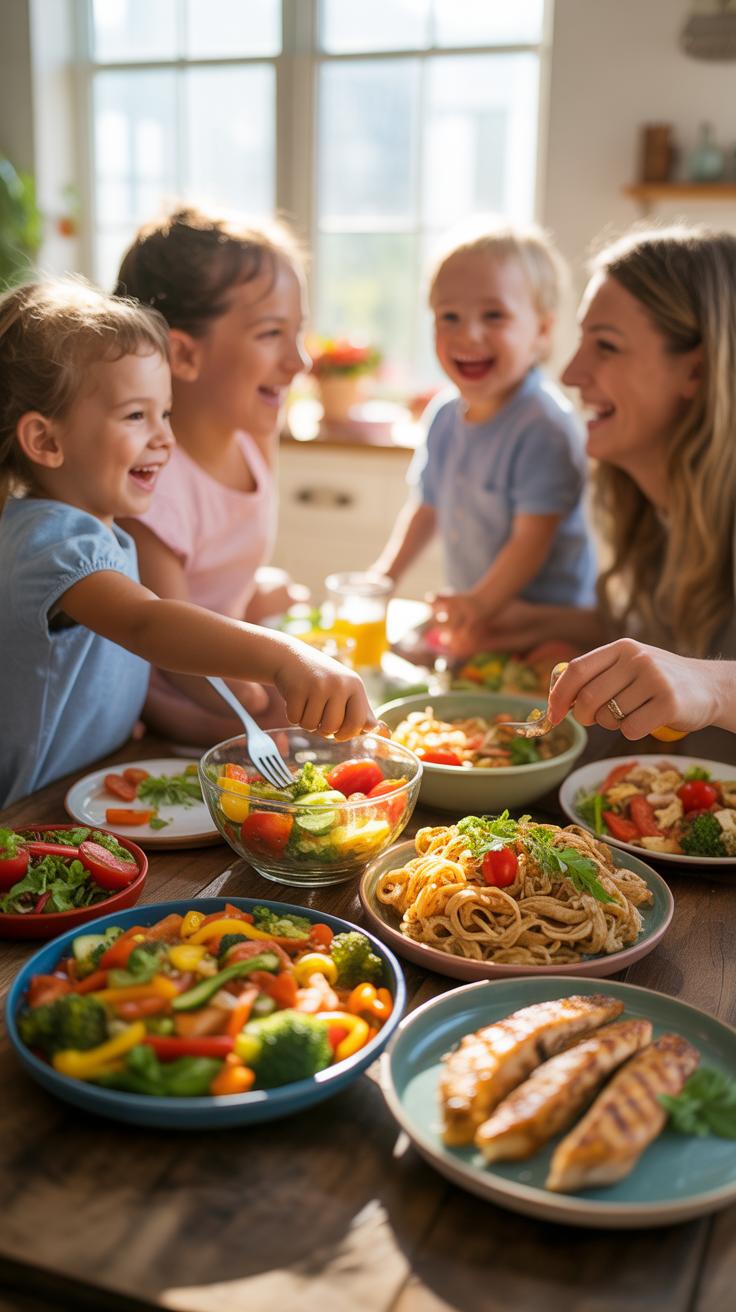
Reinventing Classic Comfort Foods With Healthier Wholesome Ingredients
Smart substitution preserves the texture of comfort foods while increasing nutritional density. Swap refined white pasta for whole grain or pulse-based varieties to boost fiber and protein intake. Use ground turkey or lean grass-fed beef in place of high-fat meats. These changes maintain the flavor profile kids expect. You provide essential nutrients without compromising the familiar experience of a traditional family dinner.
Incorporate vegetables directly into sauces to improve the vitamin profile. Pureed carrots, squash, or bell peppers blend seamlessly into marinara or mac and cheese sauce. This method bypasses the texture issues that cause many children to reject whole vegetables. Focus on moisture and seasoning to ensure the healthy version tastes like the original. Consistency is the key to gaining long-term child approval.
How Presentation And Plating Tricks Encourage Picky Eaters To Try New Foods
Plating influences how children perceive the taste of their food. Small portions on large plates reduce the visual overwhelm for a hesitant eater. Use separate compartments to prevent different foods from touching. This strategy appeals to the natural Caution kids feel toward mixed textures. Clean lines and organized layouts make the meal look safe and manageable. Visual order leads to higher consumption rates.
Shape and size also determine fruit and vegetable acceptance. Use cookie cutters to create interesting shapes from standard produce like cucumbers or melons. Bite-sized pieces make it easy for children to use their hands or small utensils. Interactive elements like dipping sauces encourage kids to engage with the food. By changing the physical form, you remove the intimidation factor of whole, unfamiliar ingredients.
Healthy Supper For Kids Protein Packed Dinners That Fuel Growing Bodies
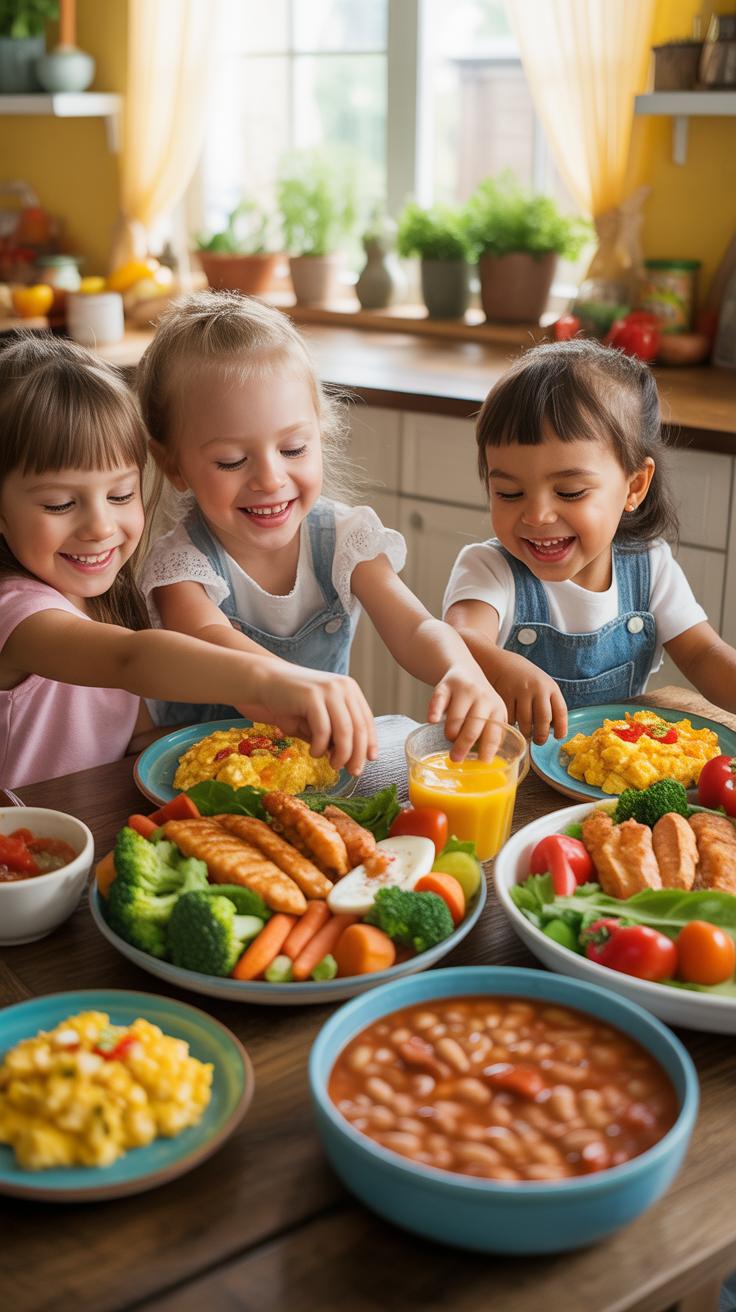
The Role Of Protein In Children’S Muscle Development And Energy Levels
Protein provides the essential amino acids required for tissue repair and muscle growth. Children undergo rapid physical changes that demand a steady supply of these building blocks. Without adequate protein, the body cannot effectively build new cells or maintain existing muscle mass. This macronutrient serves as the primary structural component for every cell in a developing child.
Beyond physical growth, protein regulates energy levels by slowing the absorption of glucose. This prevents the sugar crashes often associated with high-carbohydrate meals. High-quality protein keeps children full for longer periods and supports metabolic health. Consuming protein during dinner ensures the body has the necessary resources for recovery and growth during the critical overnight sleep cycle.
Top Lean Protein Sources To Build Into Your Weekly Kid Friendly Dinner Rotation
Selecting lean proteins ensures children receive maximum nutrition without excessive saturated fats. Use versatile ingredients that integrate into standard family recipes like pasta, tacos, or stews. Consistent rotation of different protein sources prevents dietary boredom and provides a wider spectrum of micronutrients. Focus on high-bioavailability options that the young digestive system can process efficiently for immediate physiological use.
- Ground Turkey: This lean alternative to beef offers high protein content with less fat. It works well in burgers, meatloaves, and pasta sauces. It absorbs flavors easily, making it a reliable choice for picky eaters who prefer mild tastes.
- Lentils and Beans: These plant-based proteins provide significant fiber alongside essential amino acids. Use them to bulk up soups or replace meat in taco fillings. They are cost-effective and shelf-stable, making them a practical staple for any healthy household pantry.
- Skinless Chicken Breast: A powerhouse of lean protein that supports muscle repair. Grilling or poaching keeps the calorie count low while maintaining nutritional integrity. Slice it thin for wraps or dice it for quick stir-fry dishes to ensure fast cooking.
- White Fish: Cod or tilapia provide high-quality protein and essential minerals like iodine. These fish have a mild flavor profile that children typically accept more readily than oily fish. Bake or air-fry them with a light breading for a healthy texture.
- Greek Yogurt: This thick dairy product contains significantly more protein than standard yogurt. Use it as a base for savory dips or as a healthy substitute for sour cream. It provides calcium and probiotics, which support bone health and digestion simultaneously.
Incorporate these proteins into meals using simple cooking methods like roasting or sautéing. Avoid heavy breading or deep-frying, as these techniques add unnecessary fats and chemicals. Serve each protein with a side of vegetables to create a balanced plate. Tracking protein intake helps ensure children meet their daily requirements for physical and cognitive development.
Easy Healthy Kid Friendly Meals One Pan And Sheet Pan Dinner Solutions
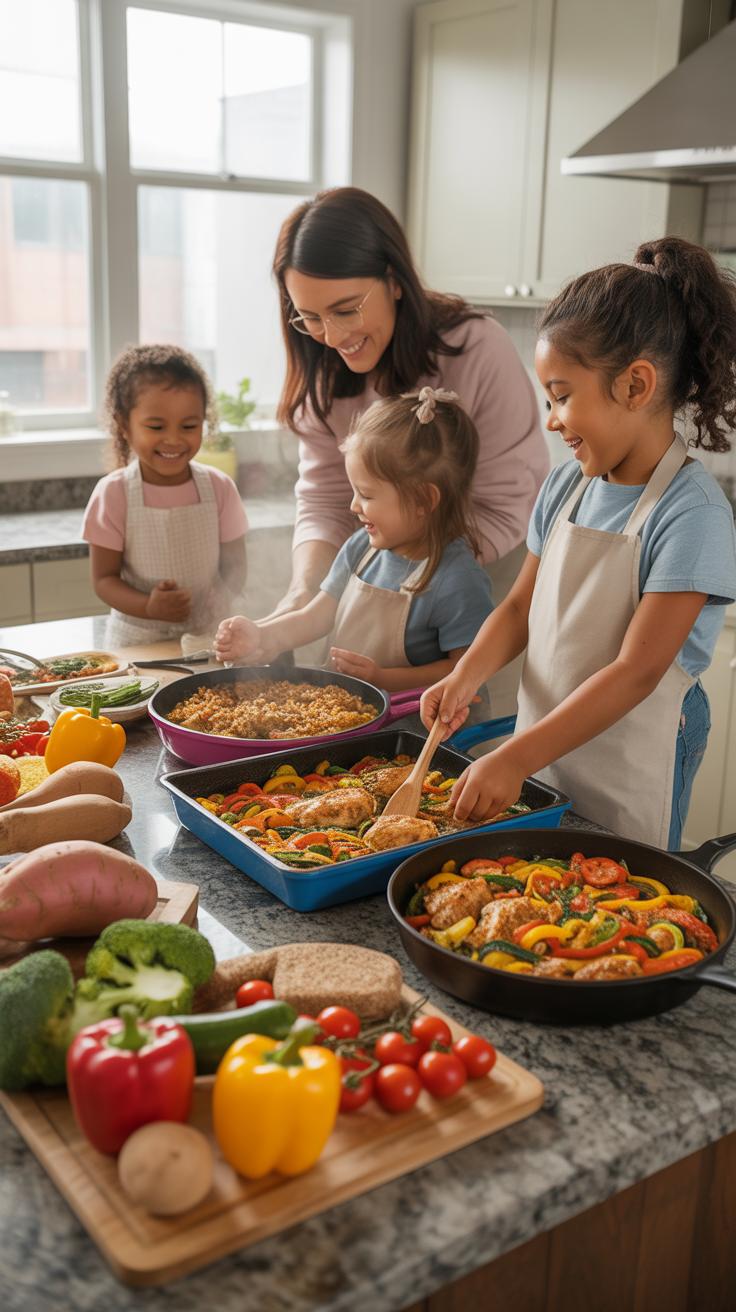
Why One Pan Dinners Are A Game Changer For Nutritious Family Cooking
Efficiency drives successful family nutrition. One-pan cooking reduces cleanup time and keeps parents in the kitchen for shorter periods. This method preserves nutrients that often vanish during boiling or multiple transfer steps. High heat roasting locks in natural sugars found in vegetables. This makes healthy foods more appealing to children. You control every ingredient in a single vessel to ensure a balanced meal.
Strategic meal prep relies on the simplicity of the single pan. You can layer proteins and fibers to cook simultaneously using different heat zones. This technique prevents overcooking and maintains food texture. Busy schedules often lead to processed food choices. One-pan solutions remove the friction of complex recipes. You save energy and water by using fewer dishes. Minimal effort results in high-quality whole food dinners for the family.
How To Build A Flavor Packed Sheet Pan Meal Kids Will Request Again And Again
Texture determines if a child eats the meal. Use a heavy rimmed baking sheet to distribute heat evenly. Cut vegetables into small uniform pieces so they soften completely. Crowd the pan less to ensure roasting rather than steaming. Toss ingredients in olive oil and basic spices before heating. This creates a crispy exterior that mimics snack foods. Familiar textures bridge the gap to new healthy ingredients.
Balance the tray with high-protein anchors and colorful carbohydrates. Combine chicken breast or salmon with sweet potatoes and broccoli. Add a dipping sauce on the side to give children a sense of control. This tactile experience increases meal acceptance. Use parchment paper to prevent sticking and speed up the final cleaning process. Consistent results build trust with picky eaters. Smart preparation leads to empty plates and better health outcomes.
Beef Casserole Recipes The Whole Family Will Look Forward To

Why Beef Casseroles Are A Practical And Nutritious Choice For Family Dinners
Beef casseroles allow parents to combine protein and vegetables in one single baking dish. This strategy reduces kitchen cleanup time and streamlines evening chores. Ground beef or lean cuts provide iron and zinc. These minerals support healthy growth in young children. Cooking everything together helps flavors meld. This makes even less popular vegetables more acceptable to picky eaters during a busy school week.
Casseroles serve as an efficient tool for meal prep and food waste reduction. You can bake these dishes ahead of time and reheat them without losing texture or nutritional value. Large batches yield leftovers for lunch the next day. Slow cooking methods soften tough meat fibers and make them easier for small children to chew. This format ensures every family member receives a balanced ratio of macronutrients.
Key Ingredients That Make A Healthy Beef Casserole Both Hearty And Balanced
A healthy beef casserole starts with high quality protein components. Use ninety percent lean ground beef or grass fed chuck roast to limit saturated fats. Incorporate complex carbohydrates like brown rice, whole wheat pasta, or sweet potatoes. these provide steady energy throughout the evening. Using natural thickeners instead of heavy creams keeps the calorie count managed. High fiber binders help keep the family full for longer periods.
Vegetables act as the nutritional foundation for these one pot meals. Finely chopped carrots, onions, and spinach vanish into the sauce. This increases the vitamin content without altering the overall taste profile. Low sodium beef broth and tomato puree provide moisture without adding excessive salt. Fresh herbs like thyme or rosemary add flavor while reducing the need for sodium. Careful ingredient selection transforms a heavy comfort food into a light meal.
Dinner Ideas For Kids Healthy Enough To Serve Every Night Of The Week

How To Plan A Full Week Of Healthy Kid Friendly Dinners Without Repetition
Effective meal planning requires a rotating framework based on primary protein sources. Assign a specific food category to each night of the week to eliminate decision fatigue. Use themes like poultry, lean ground meats, seafood, and plant-based proteins. This structure ensures nutritional variety while simplifying your grocery list. A fixed schedule allows you to buy staples in bulk and reduces last-minute trips to the store.
Rotate cooking methods to change the texture and flavor of similar ingredients. Serve roasted chicken on Monday and use remnants for shredded chicken tacos on Tuesday. Steam vegetables one night and sauté them the next to prevent sensory boredom. This tactical approach keeps menus fresh without requiring new recipes daily. Focus on swapping sauces and spices to transform base ingredients into entirely different regional cuisines throughout the week.
Involving Kids In Dinner Planning And Cooking To Build Lifelong Healthy Habits
Give children specific age-appropriate tasks to increase their investment in the meal. Young children can wash produce or tear greens. Older kids can measure dry ingredients or stir cool liquids. Research shows that children who participate in food preparation are more likely to try new vegetables. Exposure during the cooking process reduces fear of unfamiliar textures. This participation builds a sense of pride and ownership over their health.
Let kids choose between two healthy vegetable options during the planning phase. Providing limited choices empowers them without compromising nutritional standards. Consistent involvement teaches basic kitchen safety and food science. These practical skills stay with them through adulthood. Focus on the process rather than the final presentation. Early engagement prevents picky eating habits and promotes a positive relationship with whole foods. Daily repetition reinforces these essential life skills.
Frequently Asked Questions

What exactly makes a meal both nutritious and appealing to children?
Finding the balance between nutrition and appeal starts with familiar textures and flavors. Kid friendly healthy dinners typically feature lean proteins, whole grains, and colorful vegetables presented in an approachable way. By deconstructing complex dishes or using mild seasonings, you can ensure the meal provides essential vitamins while still tasting delicious. The key is making sure the food looks inviting and isn’t too intimidating for smaller, more sensitive palates to try.
How can I encourage my picky eaters to try new nutritious recipes?
One effective strategy is to involve your children in the meal prep process, which gives them a sense of ownership over what they eat. When serving kid friendly healthy dinners, try the “one-bite rule” or pair a new vegetable with a favorite dipping sauce like hummus or Greek yogurt ranch. Consistency is vital, so continue offering variety without pressure, and eventually, their curiosity will outweigh their hesitation toward trying new healthy ingredients.
Is it possible to prepare wholesome family meals on a tight budget?
Absolutely! You can create affordable meals by focusing on versatile staples like beans, lentils, eggs, and seasonal produce. Buying frozen vegetables is a cost-effective way to add nutrients to soups or pastas without worrying about spoilage. Planning your menu around weekly sales and cooking in bulk also helps stretch your dollar. With a little creativity, you can serve high-quality, nourishing food that keeps both your wallet and your family full.