
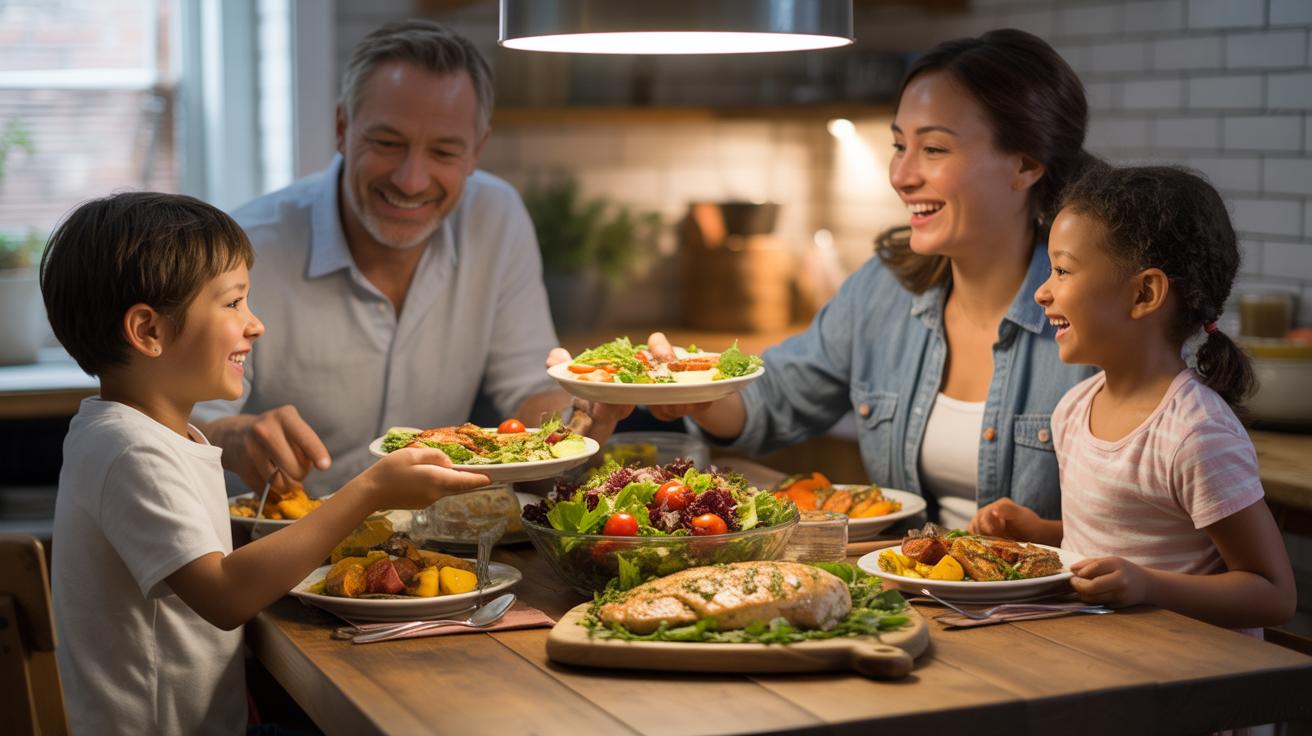
Why Healthy Dinner Ideas DonT Have To Cost A Fortune
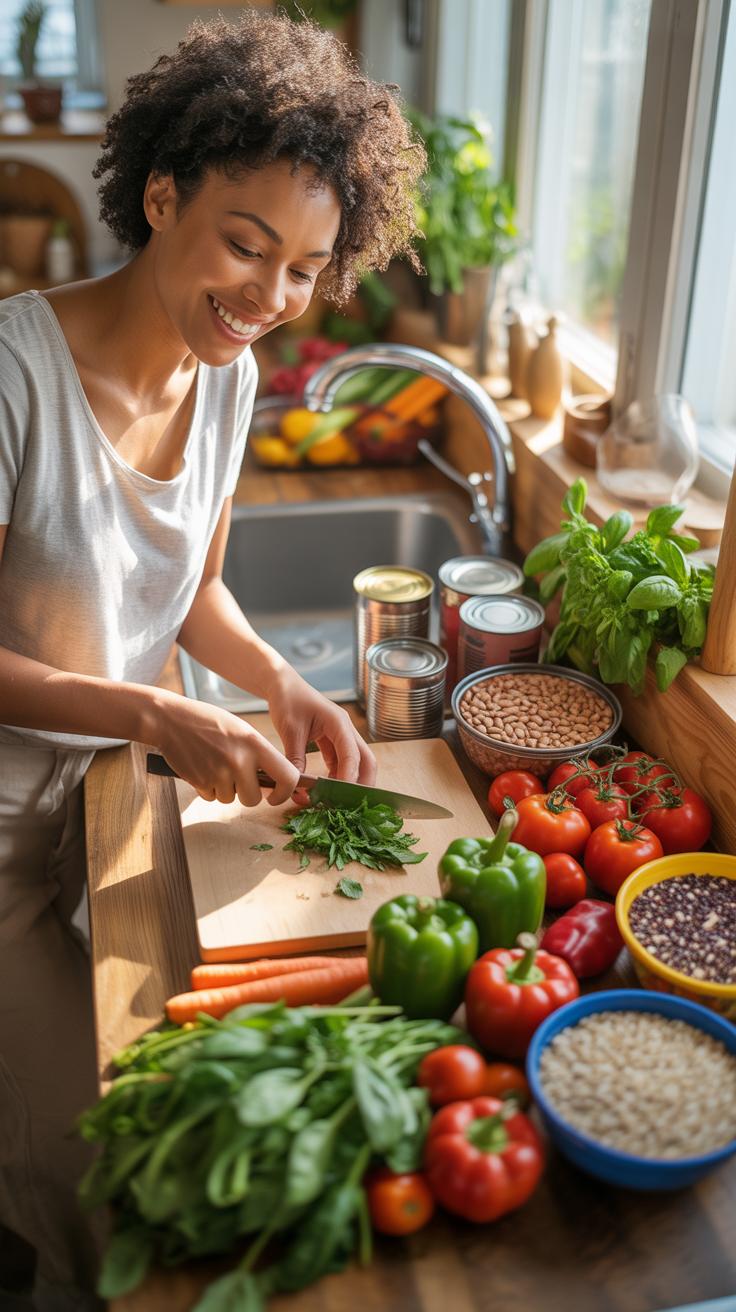
The Real Cost Of Eating Healthy At Home Vs. Dining Out
Dining out adds a heavy markup to every calorie consumed. Restaurants factor in labor, rent, and waste into their pricing. A standard family meal at a casual restaurant costs significantly more than the raw ingredients. Making healthy family dinners at home removes these service fees. You control the oil, salt, and portion sizes. This shift saves money and improves long term health outcomes for everyone.

Home cooking utilizes bulk ingredients like grains and legumes. These staples cost pennies per serving compared to prepared restaurant sides. Research shows that families who cook at home eat more fiber and less sugar. You pay for the convenience of dining out with both your wallet and your health. Preparing simple meals in your own kitchen remains the most effective way to manage a tight food budget.
How Smart Grocery Shopping Stretches Your Dinner Budget Further
Strategic shopping requires a firm plan before entering the store. Buy seasonal produce to secure the lowest prices and best nutrients. Frozen vegetables offer the same vitamins as fresh options but cost much less. They do not spoil quickly, which eliminates food waste. Waste is the silent killer of a food budget. Buy generic store brands to save money on basic pantry items like beans.

Focus on versatile proteins that work in multiple recipes. Large bags of rice and dry lentils provide a solid base for many healthy family dinners. Check unit prices on shelf tags to find the best value per ounce. Avoid pre-cut fruits and vegetables because stores charge extra for that labor. Do the prep work yourself to keep costs low. High quality nutrition depends on smart choices, not high prices.
Building The Foundation For Healthy Family Dinners Every Week
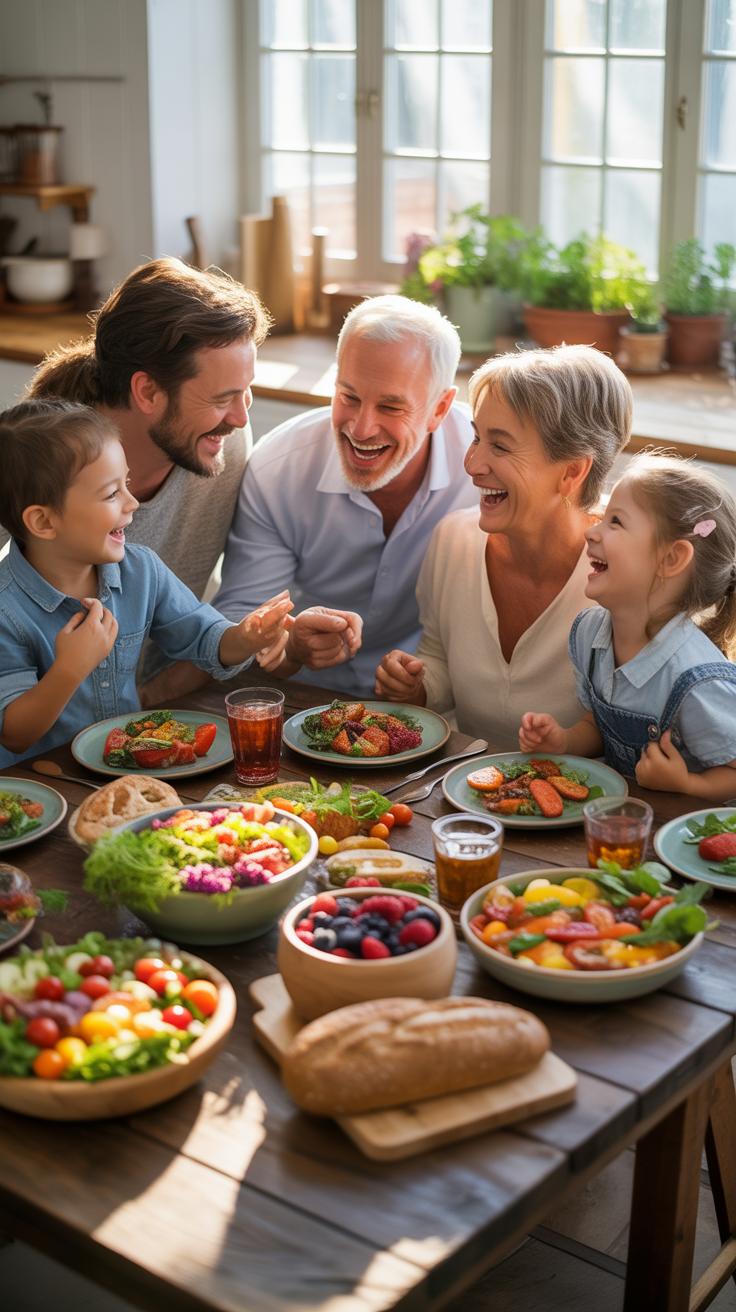
How To Plan A Weekly Dinner Menu That Saves Time And Money
Strategic meal planning reduces decision fatigue and prevents impulse spending. Review your current inventory before visiting the store. Identify core proteins and grains already in your kitchen. Map out five nightly meals based on shared ingredients to minimize waste. This systematic approach ensures you use every item you buy. Focus on high-volume, low-cost meals that provide leftovers for the following day.
Execute your shopping list based on seasonal produce prices. Fruits and vegetables cost less when they are in peak supply. Use a revolving schedule of familiar recipes to streamline the process. Assign specific themes to nights like Mondays or Thursdays to simplify the mental load. Consistent planning stabilizes your food budget. It also guarantees that your kitchen contains the necessary components for healthy family dinners without emergency store runs.
Stocking A Budget Friendly Pantry With Nutritious Staple Ingredients
A tactical pantry acts as a buffer against high grocery bills. Prioritize shelf-stable items that offer high nutritional density and long storage lives. Dry goods like beans and lentils provide cheap protein sources that do not spoil quickly. Maintain a stock of whole grains and healthy fats to serve as the base for various flavor profiles. Strategic stocking allows for flexible cooking during busy weeknights.
- Dried Legumes: Lentils and chickpeas are cheap protein sources with long shelf lives. They provide high fiber and iron content for growing children. Use them to bulk up soups and stews without increasing your total meat costs significantly.
- Whole Grains: Brown rice and quinoa offer complex carbohydrates for sustained energy levels. Buying these in bulk reduces the per-serving cost. They serve as a versatile foundation for bowls, side dishes, or cold grain salads throughout the week.
- Canned Tomatoes: Canned crushed or diced tomatoes provide a base for sauces and chili. They retain high levels of lycopene even after processing and storage. This staple eliminates the need for expensive, sugar-laden pre-made pasta sauces from the supermarket shelves.
- Healthy Fats: Extra virgin olive oil and avocado oil withstand different cooking temperatures. These fats are essential for nutrient absorption and heart health. Store them in a cool, dark place to prevent oxidation and maintain their nutritional integrity over several months.
- Generic Spices: Garlic powder, cumin, and smoked paprika add flavor without adding sodium or calories. Buying generic brands or bulk containers saves money over name-brand glass jars. Spices transform basic staple ingredients into diverse international cuisines with very little financial investment.
Inventory management prevents overbuying and food spoilage. Rotate your stock using the first-in, first-out method to ensure freshness. Store dry goods in airtight containers to protect against pests and humidity. A well-organized pantry enables you to prepare meals even when the fridge is nearly empty. Focus on ingredients that serve multiple purposes across different recipes. This efficiency is the core of maintaining healthy family dinners.
Top Healthy Food Dishes The Whole Family Will Actually Eat
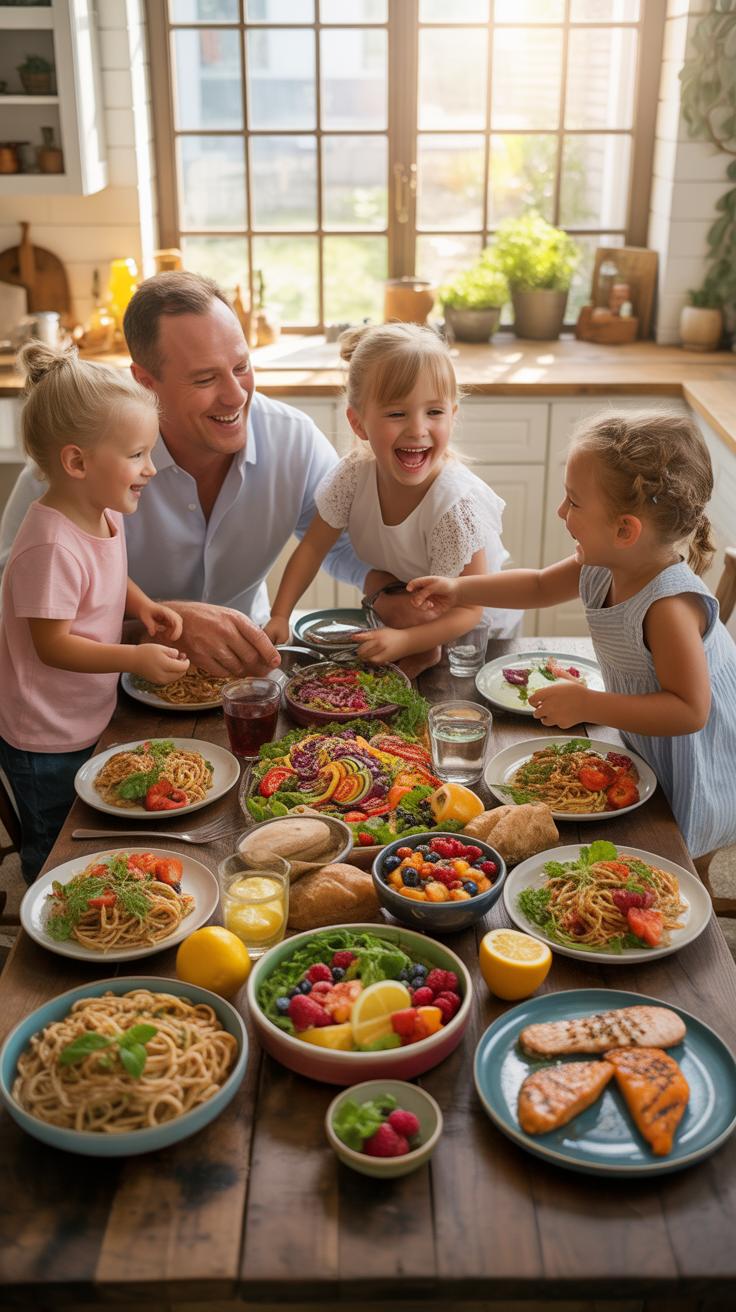
Crowd Pleasing Vegetable Based Meals That Satisfy Picky Eaters
Vegetable-based meals succeed when they mimic familiar textures and flavors. Cauliflower serves as a neutral base for rice or pizza crust to lower caloric density. High-fiber legumes like lentils replace half the ground meat in sauces to maintain volume while cutting costs. These swaps increase micronutrient intake without triggering resistance from children. Success depends on small transitions rather than sudden, drastic changes to the family plate.
Roasting vegetables at high heat creates natural caramelization through the Maillard reaction. This process turns bitter brassicas into sweet, crispy sides that appeal to modern palates. Blending spinach or carrots into tomato sauce hides textures that often cause sensory issues for picky eaters. You must prioritize flavor profiles like garlic, onion, and nutritional yeast. These ingredients provide the savory depth found in meat-centric dishes without the high fat content.
Lean Protein Dinner Options That Are Affordable And Nutritious
Lean proteins are the most expensive part of the grocery budget. Smart shoppers buy skinless chicken breasts or thighs in bulk when prices drop. These cuts provide high biological value protein with minimal saturated fat. Canned tuna and salmon offer omega-3 fatty acids at a fraction of the cost of fresh fillets. Use these staples to build consistent, high-protein meals that support muscle growth and satiety.
Ground turkey and extra-lean beef are versatile foundations for healthy family dinners. Drain the rendered fat after browning to reduce total calories. Eggs represent the cheapest high-quality protein source available on the market. Serve them soft-boiled or poached over whole grains for a dense nutritional profile. Balancing expensive animal proteins with plant-based sources like beans keeps costs low. This strategy ensures the family receives essential amino acids daily.
Healthy Family Dinner Recipes Using Everyday Ingredients
One Pot Meals That Minimize Cleanup And Maximize Nutrition
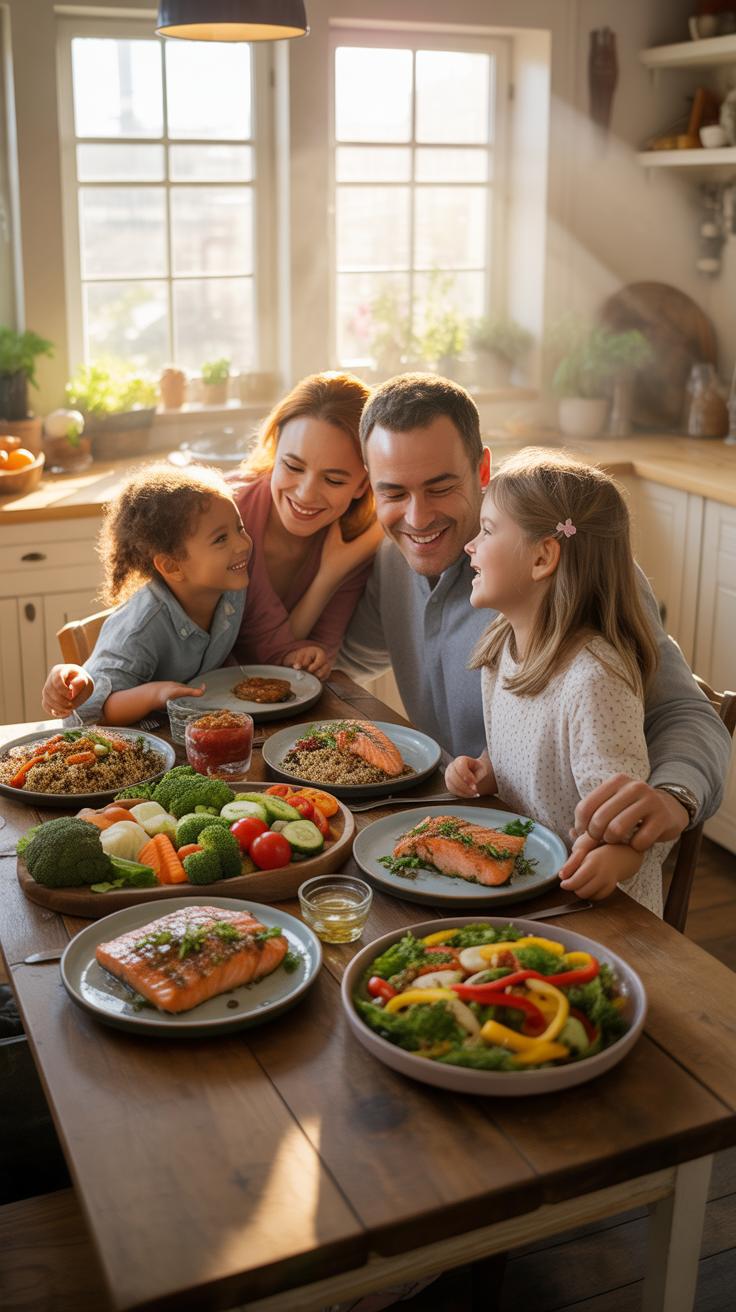
One-pot cooking saves time and reduces water waste. This method uses a single vessel like a Dutch oven or large skillet to cook proteins and starches together. You retain all vitamins and minerals within the pot instead of draining them away. This technique relies on layering ingredients based on cook times. Start with aromatics and hard vegetables before adding liquids and grains.
Choose high-fiber bases like brown rice or lentils to increase satiety. These ingredients absorb the flavors of the cooking liquid and provide steady energy. Efficient one-pot meals require a balance of moisture and heat. Keep the lid closed to maintain pressure and ensure even cooking. This strategy cuts down on dishwashing tasks. It also ensures the family eats a cohesive meal with consistent nutritional density.
Sheet Pan Dinners That Deliver Flavor With Minimal Prep Work
Sheet pan cooking utilizes dry heat to caramelize sugars in vegetables and meat. This process is called the Maillard reaction. It creates deep flavor without adding expensive sauces or excess fats. You must cut ingredients into uniform sizes so they finish cooking at the same time. Use heavy-duty aluminum pans to prevent warping and ensure even heat distribution across the entire metal surface.
Select sturdy vegetables like broccoli, carrots, or potatoes for the best results. These items withstand high oven temperatures without turning into mush. Arrange the food in a single layer to avoid steaming the ingredients. Air must circulate around each piece to produce a crisp texture. This method allows for bulk cooking which provides leftovers for the next day. It is a reliable system for busy weeknights.
30 Minute Meals Healthy Enough For Busy Weeknights
Fast And Balanced Dinners You Can Have On The Table In Half An Hour
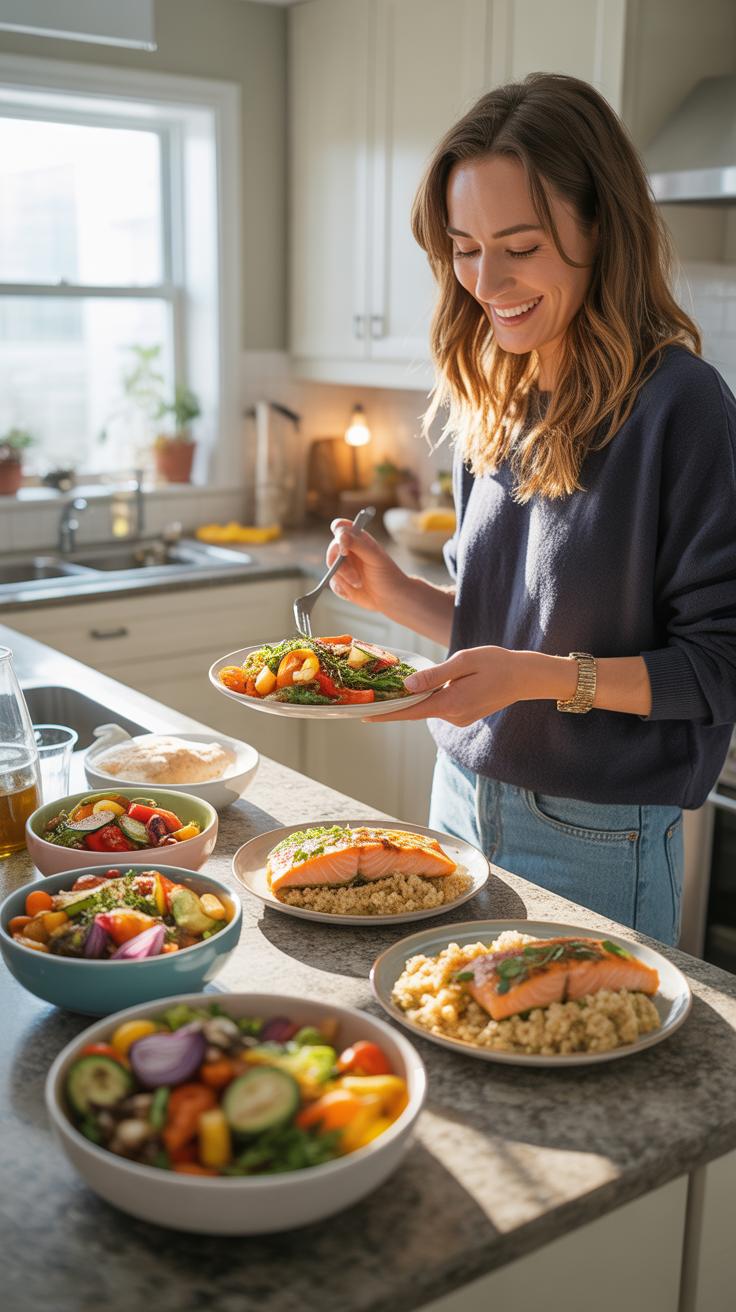
Speed does not require you to sacrifice nutrition or structure. A balanced meal must include a lean protein, a complex carbohydrate, and a significant portion of fiber. Use high heat cooking methods like searing or stir frying to cook meat and vegetables quickly. These techniques preserve the texture of the food and prevent moisture loss while ensuring the meal is ready in minutes.
Plan your plate around the cook time of your starch. Quinoa and couscous cook faster than brown rice or potatoes. Thinly sliced chicken or fish fillets require less time on the stove than whole roasts. Use frozen vegetables to skip the cleaning and chopping phases. Modern freezing technology locks in nutrients at the peak of freshness. This approach delivers a complete meal without the long wait.
The most indispensable ingredient of all good home cooking is love, and it doesn’t cost a penny to feed your family well.
Time Saving Prep Tricks That Make Quick Healthy Cooking Easier
Efficiency in the kitchen starts before the stove is even turned on. Successful short order cooking relies on a concept called mise en place. This means you have every ingredient chopped, measured, and ready to go. When you remove the friction of preparation, the actual cooking process becomes seamless and fast. Use these specific tactics to shave minutes off your total nightly kitchen time.
- Batch Prep Aromatics: Chop onions, garlic, and peppers at the start of the week. Store them in airtight containers for immediate use in any pan. This eliminates ten minutes of manual labor from every single dinner you prepare later.
- Uniform Vegetable Sizing: Cut all sturdy vegetables into small, equal pieces to ensure they cook at the same rate. This prevents a mix of raw and mushy ingredients. Smaller pieces also have more surface area to absorb seasoning and heat faster.
- Hot Water Starts: Fill your electric kettle or pot with hot tap water immediately upon entering the kitchen. Boiling water for pasta or grains is often the slowest part of the process. Starting with high temperature water reduces the wait time significantly.
- Sheet Pan Strategy: Roast meat and vegetables together on a single tray at four hundred degrees. This method uses dry heat to develop flavor while leaving your hands free for other tasks. Cleanup is restricted to one pan, saving time after the meal.
- Pre Cooked Grains: Boil a large pot of brown rice or barley on Sunday to use throughout the week. Reheating grains takes three minutes compared to the forty minutes required for traditional cooking. This allows you to focus energy on fresh protein and greens.
Standardize your workspace to maintain a high speed of operation. Keep essential tools like a sharp chef knife and a wooden spoon within reach. Clutter on the counter slows down your movement and increases the risk of mistakes. A clean environment allows you to transition between tasks without looking for gear. Practice these habits to make healthy cooking a permanent fixture in your daily routine.
What Makes A Healthy Supper Truly Nutritious For Growing Kids
Key Nutrients Children And Teens Need At The Dinner Table
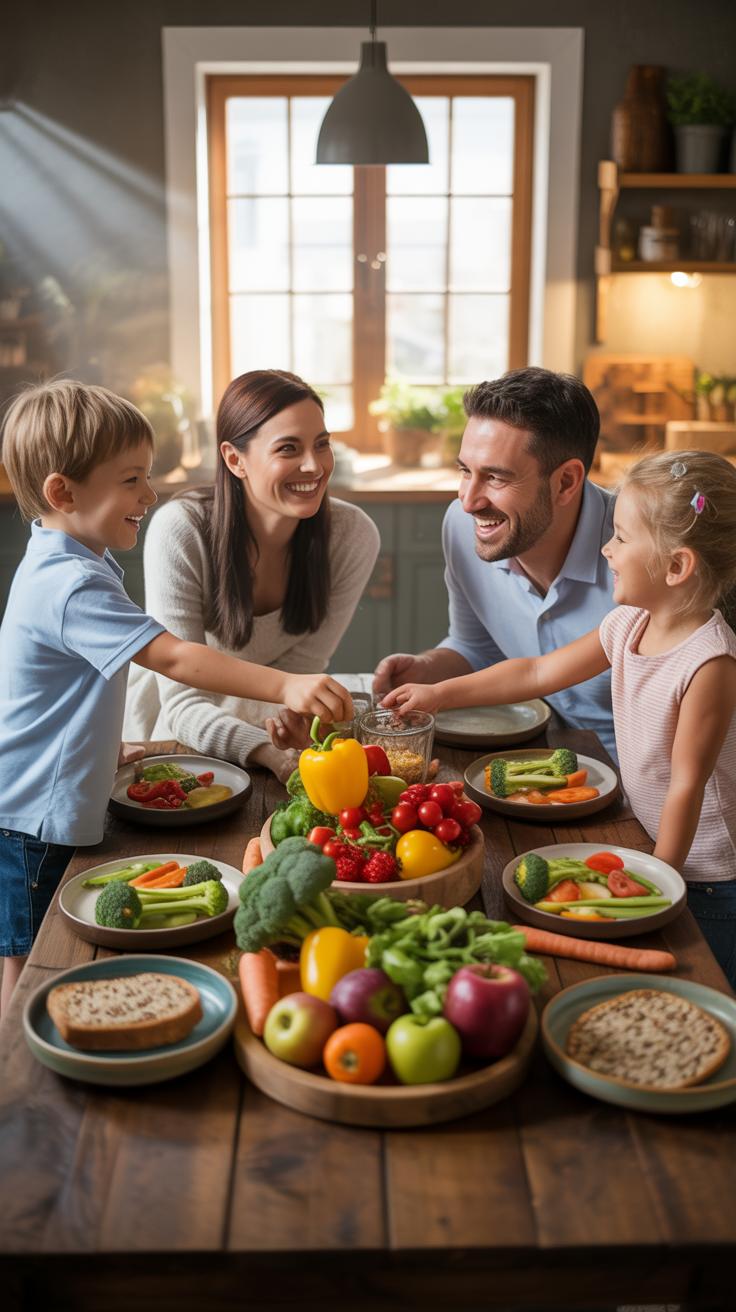
Growing bodies require specific building blocks to develop properly. Protein serves as the primary structural component for muscle and tissue repair. You must prioritize iron to support brain development and oxygen transport in the blood. Calcium and vitamin D are non-negotiable for bone density. Zinc supports the immune system and cell growth. These nutrients ensure children reach developmental milestones without physical or cognitive delays.
Healthy family dinners must bridge the gap between caloric intake and nutrient density. Most modern diets provide enough energy but fail on micronutrients. Focus on choline for cognitive function and fiber for digestive health. For teenagers, increased caloric needs must come from whole foods rather than empty sugars. Strategic dinner planning ensures these essential vitamins and minerals appear on the plate every single night.
How To Balance Macronutrients In A Family Meal Without Overcomplicating It
Effective meal planning follows a simple structural ratio. Fill half the plate with non-starchy vegetables to provide essential fiber and antioxidants. Reserve one quarter of the plate for lean proteins like poultry, beans, or fish. Use the final quarter for complex carbohydrates such as brown rice or sweet potatoes. This visual method ensures a low-glycemic response and keeps children satiated for longer periods.
Avoid the trap of low-fat diets for children. Young brains require healthy fats from sources like olive oil or avocados for optimal neurological development. Focus on monounsaturated and polyunsaturated fats while limiting processed trans fats. Consistent macronutrient balancing prevents blood sugar spikes and crashes. This stability improves mood and focus in school-aged children. Use these three pillars to build every dinner without overthinking the math.
Weeknight Dinner Recipes Easy Enough For Beginners To Master
Simple Cooking Methods That Anyone Can Use To Make Healthy Dinners
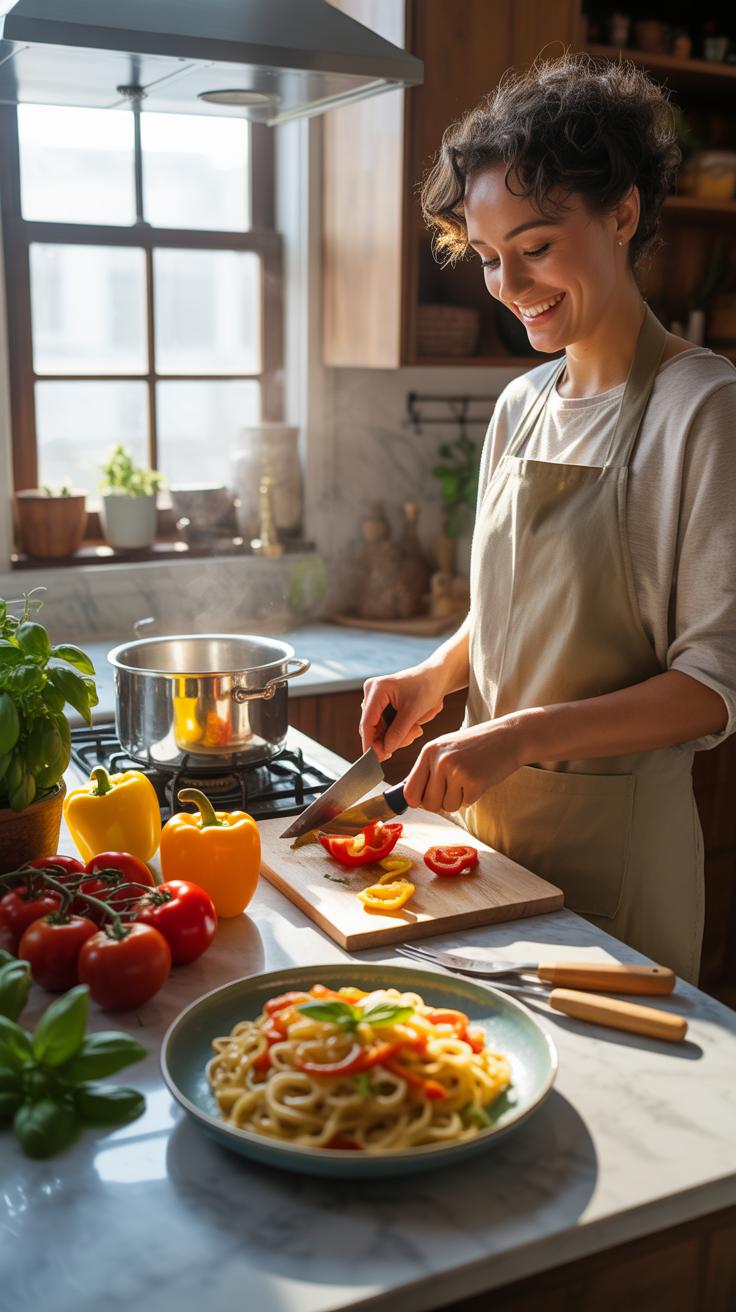
Beginners must focus on high yield techniques like roasting and sautéing. Sheet pan roasting involves placing proteins and vegetables on one tray. This method uses dry heat to caramelize food and enhance flavor without expensive sauces. It reduces cleanup time and allows for hands-off cooking. You control the oil and salt levels easily. This ensures the meal stays nutritious while remaining very simple to execute.
Sautéing provides another fast path to a healthy dinner. Use a heavy pan to cook lean meats and greens over medium heat. This technique preserves the texture and nutrients of your ingredients better than boiling. High heat creates a sear that locks in moisture. Keep a few basic aromatics like garlic and onions ready. These staples provide flavor foundations for hundreds of different regional dishes.
How Batch Cooking On Weekends Makes Weeknight Meals Effortless
Batch cooking involves preparing large quantities of base ingredients during your free time. Roast three pounds of chicken or boil two cups of brown rice on Sunday. This strategy removes the need for daily prep work. You spend less time using the stove during the busy work week. Having pre-cooked components prevents poor nutritional choices caused by hunger and lack of time. It ensures consistency.
Store these prepared items in airtight containers to maintain freshness and safety. You can combine these bases into different meals each night to avoid flavor fatigue. Mix your pre-cooked protein with various frozen vegetables or different spices. This system turns cooking into a simple assembly process. It cuts active dinner preparation down to under ten minutes. Reliable systems beat willpower every single time in a domestic kitchen.
Dinner Recipes Healthy Family Traditions Are Built Around
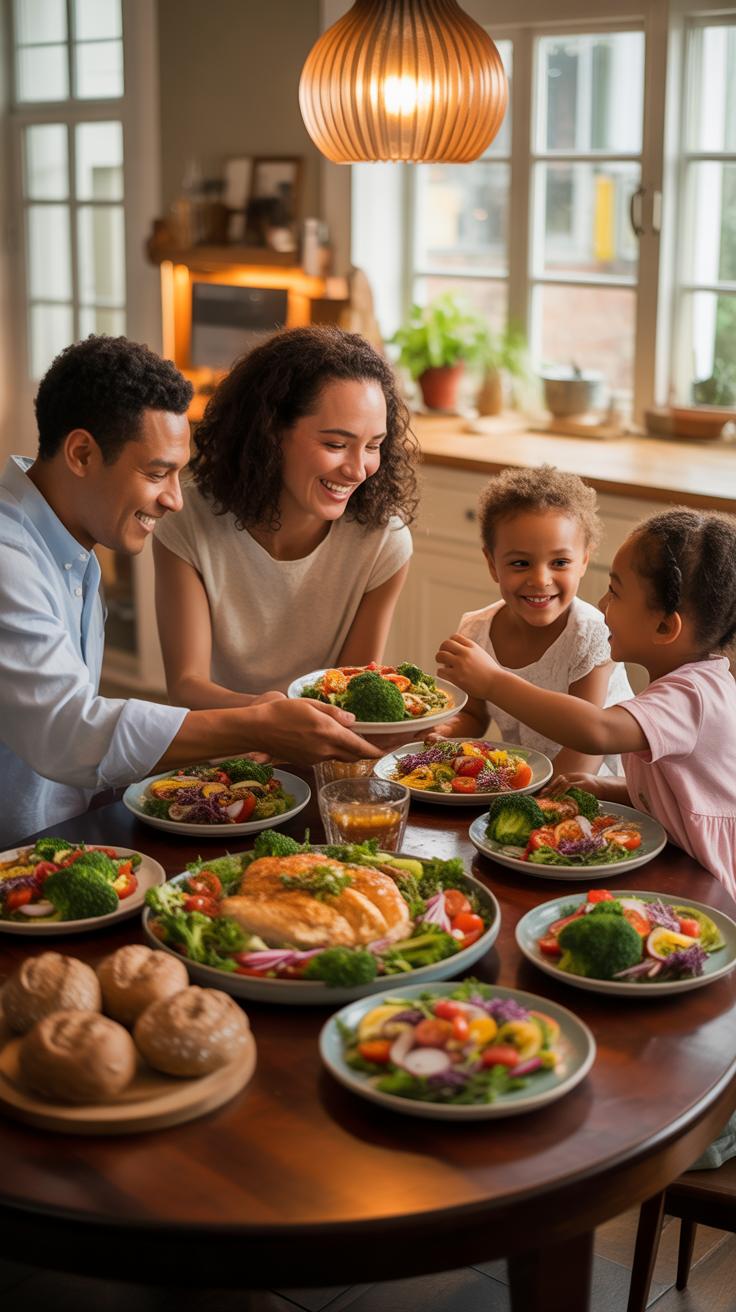
How Shared Family Meals Support Better Health And Stronger Connections
Shared family meals directly improve nutritional intake. Studies show that families who eat together consume more fruits and vegetables. They also eat fewer fried foods and drink less soda. Regular meal times create a predictable structure for children. This consistency reduces stress levels for every family member. It also prevents mindless grazing on processed snacks throughout the evening hours.
Routine dining provides a platform for social development. Children learn better communication skills by observing adult conversations. Parents can monitor the emotional well-being of their kids in a low-pressure setting. This habit strengthens domestic bonds and lowers the risk of disordered eating. Tactical use of the dinner table transforms a basic biological need into a strategic tool for long-term mental health.
How To Involve Kids In Cooking To Build Lifelong Healthy Eating Habits
Involving children in food preparation increases the likelihood they will try new items. Assign age-appropriate tasks like washing produce or stirring ingredients. Exposure to raw ingredients desensitizes kids to unfamiliar textures and smells. This hands-on experience reduces picky eating behavior over time. Active participation shifts their role from passive consumers to informed creators. It builds confidence in their culinary abilities.
Cooking teaches practical math and science skills through measuring and heat application. Following recipes improves reading comprehension and logical sequencing. Kids who learn to cook rely less on expensive convenience foods as adults. This education creates a foundation for financial and physical independence. Master these basic skills early to ensure the next generation can manage their own health and household budgets effectively.
Frequently Asked Questions

What are the simplest ways to start cooking healthy family dinners?
Starting doesn’t require complex recipes or gourmet ingredients. Focus on the “Plate Method” by filling half your dish with colorful vegetables, one quarter with lean protein, and one quarter with whole grains. Creating healthy family dinners can be as simple as roasting a tray of seasonal veggies and chicken thighs with olive oil and basic herbs. Start with familiar ingredients and gradually introduce new flavors to keep your family engaged and excited.
How can I meal prep healthy family dinners to save time during the week?
Effective meal prepping is the secret to maintaining consistency. Spend an hour on Sunday washing and chopping vegetables, cooking a large batch of brown rice or quinoa, and marinating proteins. By having these components ready, you can assemble healthy family dinners in under twenty minutes on busy weeknights. Consider making “planned-over” meals, where a roast chicken from Monday becomes the base for nutritious tacos or a hearty salad on Tuesday night.
Is it possible to eat nutritious meals if I have a very limited grocery budget?
Absolutely! Nutritious eating is often cheaper than buying processed convenience foods. Focus on purchasing pantry staples in bulk, such as dried lentils, beans, and oats, which provide excellent fiber and protein for pennies per serving. Choose frozen vegetables over fresh ones to reduce waste and lock in nutrients at a lower price point. Shopping the sales flyer and building your weekly menu around seasonal produce ensures your household eats well without overspending.