
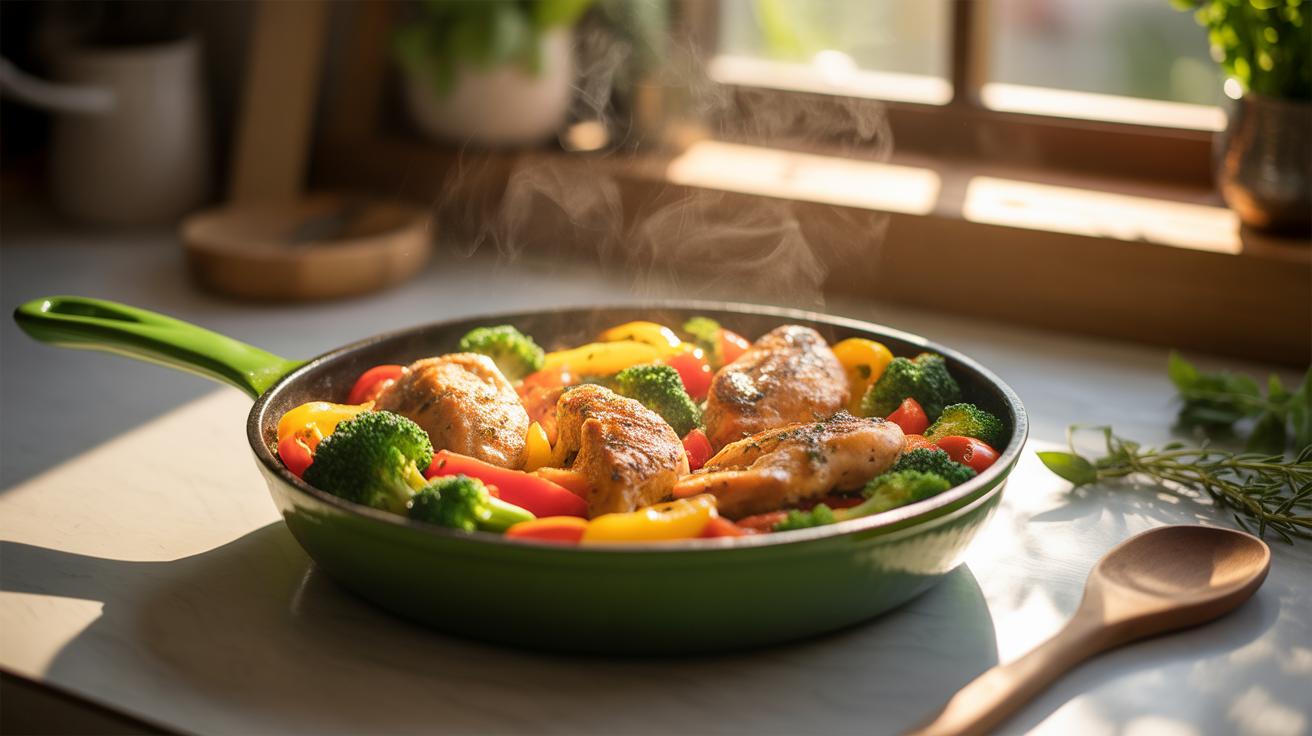
What Are Single Pan Meals And Why Are They A Game Changer
The Core Concept Behind Single Pan Meals And How They Work
Single pan cooking relies on heat transfer efficiency. You cook proteins, vegetables, and starches on one surface. This method uses conductive heat from a sheet pan, skillet, or Dutch oven. It forces ingredients to exchange flavors in a confined space. You must group items by density and water content. High-density foods like root vegetables require more time than lean proteins like fish or chicken.

Successful one pan cooking requires precise timing and temperature control. You often add ingredients in stages. Start with long-cooking items first. Add delicate greens or quick-cooking seafood later. This technique prevents overcooking and ensures even textures across the entire meal. Using a single heat source simplifies the process. It eliminates the need for managing multiple burners or timers. This method provides a streamlined path to a complete meal.
How One Pan Cooking Reduces Cleanup Time Without Sacrificing Nutrition
One pan meals maximize speed by reducing mechanical tasks. Traditional cooking uses multiple pots and pans. This creates a large volume of dirty dishes and wasted effort. A single vessel cuts cleaning time by eighty percent. You spend less time at the sink and more time eating. Removing these barriers makes healthy eating sustainable for busy people. It turns a complex chore into a simple task.
Nutrition remains high because you retain all juices and nutrients. In boiling, vitamins often leach into the water and disappear. In one pan roasting or sautéing, the food absorbs its own liquids. You use less added fat because the ingredients baste each other. This creates a dense nutrient profile with minimal caloric waste. You get high-quality macro-nutrients without the logistical headache of traditional multi-pot cooking methods.
Essential Kitchen Tools For Mastering Healthy Pan Recipes
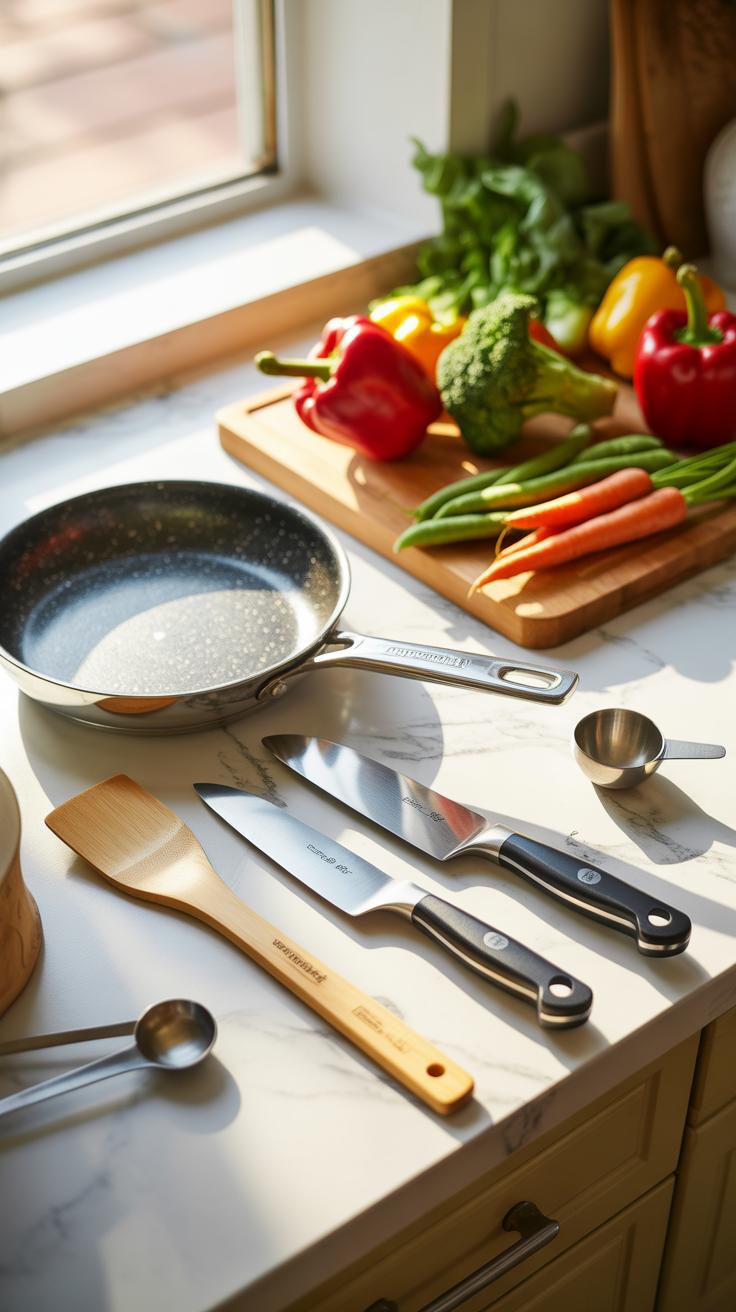
Choosing The Right Pan: Cast Iron, Stainless Steel, And Non Stick Options
Cast iron pans provide superior heat retention and a natural non-stick surface when seasoned. This material radiates heat evenly for a perfect sear on lean proteins. It handles high oven temperatures without warping. Use cast iron for recipes that start on the stove and finish under the broiler. This tool lasts for generations and adds small amounts of iron to your diet.
Stainless steel pans offer precise temperature control and do not react with acidic ingredients like lemon or tomatoes. Use these for deglazing to capture flavorful browned bits for healthy pan sauces. High-quality tri-ply designs feature an aluminum core for rapid heating. Ceramic non-stick pans work best for delicate fish or eggs with minimal oil. Choose PFOA-free coatings to maintain food safety.
Must Have Pantry Staples That Make Healthy Pan Recipes Come Together Fast
Stocking specific high-utility ingredients allows you to cook without a grocery run. High-smoke point oils like avocado oil prevent toxic breakdown during high-heat roasting. Acidic components like apple cider vinegar or balsamic glaze brighten heavy flavors without adding extra sodium. Dry spices provide intense flavor profiles without the calories found in pre-made bottled sauces. These staples create a reliable cooking foundation.
- High-Smoke Point Oils: Use avocado or grapeseed oil for high-heat roasting and searing. These oils remain stable at temperatures where olive oil smokes and turns bitter. Stability ensures your food tastes clean and avoids the production of free radicals during the cooking process.
- Low-Sodium Broths: Vegetable or chicken broth adds moisture to the pan for steaming vegetables or deglazing. This liquid builds a flavorful base for sauces without the high fat content of cream or butter. Always select low-sodium versions to maintain total control over the seasoning.
- Acidic Brighteners: Lemons and vinegars break down tough fibers and balance savory flavors. A splash of acid at the end of cooking transforms a flat dish into a professional meal. Citrus juice also helps prevent the oxidation of fresh green vegetables during the roasting process.
- Aromatic Alliums: Garlic, shallots, and onions provide the primary flavor layer for almost every healthy pan dish. Storing these in a cool, dark place ensures you always have a flavor base ready. They release natural sugars when roasted, providing depth and sweetness to roasted sheet pan dinners.
- Whole Grains: Quick-cooking grains like quinoa or pre-steamed farro integrate directly into pan recipes. These add fiber and complex carbohydrates to turn a side dish into a complete meal. Using grains that absorb the pan juices ensures that no flavor or nutrients are wasted.
Organization is the final step in tactical meal preparation. Group your spices and oils near the stove for rapid access during active cooking phases. Pre-chopping hardy vegetables on your prep day saves fifteen minutes of work per night. Use glass jars for storage to see your inventory at a glance. Efficiency in the pantry leads directly to consistency in your healthy eating habits.
Getting Started With Sheet Pan Dinners Recipes For Beginners
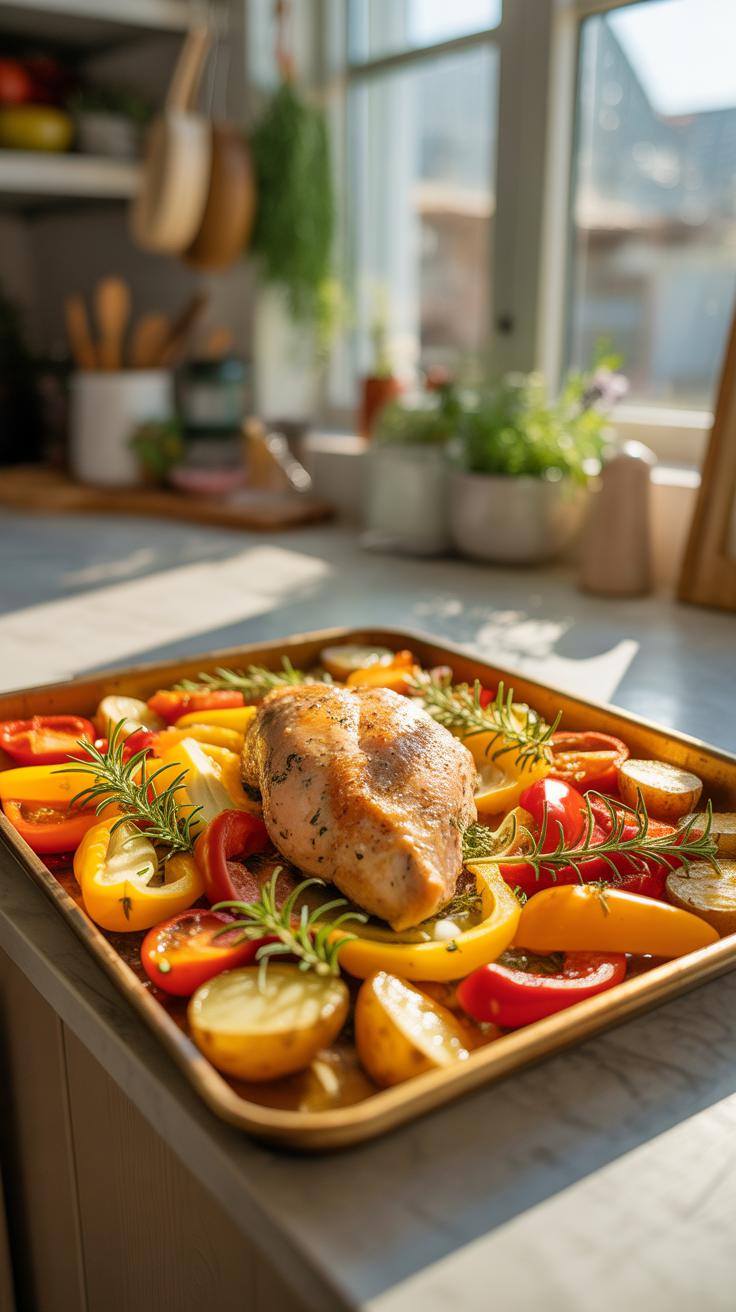
Understanding Roasting Temperatures And Cook Times For Balanced Sheet Pan Meals
Successful sheet pan cooking requires a standard temperature of 400 to 425 degrees Fahrenheit. This range triggers the Maillard reaction to brown surfaces while keeping interiors moist. Lower temperatures steam the food instead of roasting it. Proper heat levels ensure proteins reach safe internal temperatures at the same time vegetables soften. You must calibrate your oven to avoid raw meat or burnt greens.
Consistency depends on thermal mass and spacing. Densely packed pans lower the oven temperature and create moisture. This moisture prevents crisping. You must leave space between items for hot air to circulate. Use a heavy rimmed baking sheet to prevent warping under high heat. High quality pans distribute heat evenly across the entire surface. This prevents hot spots that ruin sections of your meal.
How To Layer Proteins And Vegetables On A Sheet Pan For Even Cooking
Strategic placement dictates the final texture of your dinner. Place heavy proteins like chicken or pork in the center of the pan. This area stays the hottest. Put hardy root vegetables around the edges where they can caramelize. Smaller or delicate items like asparagus or cherry tomatoes require less time. Add these items halfway through the total cook time to prevent overcooking.
Surface area determines how fast your food cooks. Cut all vegetables to a uniform size for predictable results. If you use large pieces of meat, cut vegetables into larger chunks to match the timing. Oil every component thoroughly to facilitate heat transfer. Dry food burns or sticks to the metal surface. Proper coating ensures every ingredient finishes at the exact same moment for a balanced meal.
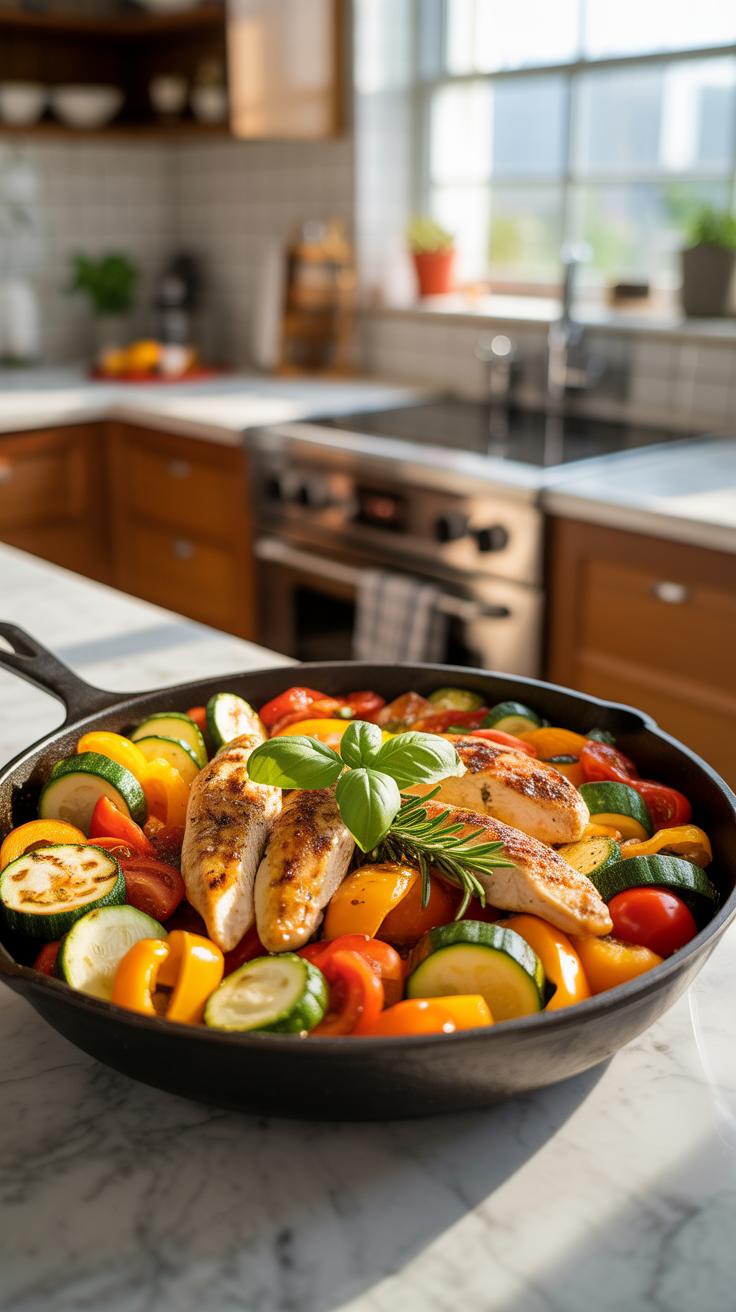
Sheet Pan Basil Chicken A Fresh And Flavorful Weeknight Favorite

Why Basil And Chicken Work So Well Together In A Sheet Pan Format
Basil and chicken create a functional pairing because of their chemical profiles. Chicken serves as a neutral protein base that absorbs aromatic oils effectively. Fresh basil contains high levels of linalool. This compound provides a clean scent that cuts through the heavy fats in chicken skin or thighs. Using a sheet pan ensures even heat distribution to release these essential oils during the roasting process.
Sheet pan cooking allows the basil to infuse the protein without losing its distinct identity. High heat quickly draws moisture out of the vegetable components. This process creates a concentrated sauce on the pan surface. You get a balance of savory meat and bright herbs in every bite. This method eliminates the need for heavy cream sauces or complex reduction steps. It maximizes flavor with minimal physical labor.
Key Ingredients And Simple Marinade Tips For A Perfect Sheet Pan Basil Chicken
Successful sheet pan basil chicken requires high quality fats and acids. Use extra virgin olive oil to carry the basil flavor into the meat fiber. Add lemon juice or balsamic vinegar to break down connective tissues. This step ensures the chicken stays moist at high temperatures. Include minced garlic to add a sharp depth that supports the herbal notes. Salt remains the most critical tool for moisture retention here.
Apply the marinade at least thirty minutes before cooking for the best results. Coat the chicken and vegetables thoroughly to prevent sticking on the metal tray. Use dried basil in the initial marinade for heat stability. Save fresh basil leaves for the final two minutes of roasting. This prevents the delicate leaves from burning or turning bitter. Rapid cooking at four hundred degrees ensures the exterior crisps while the interior stays tender.
How To Build An Easy Healthy Dinner One Pan Style In Under An Hour
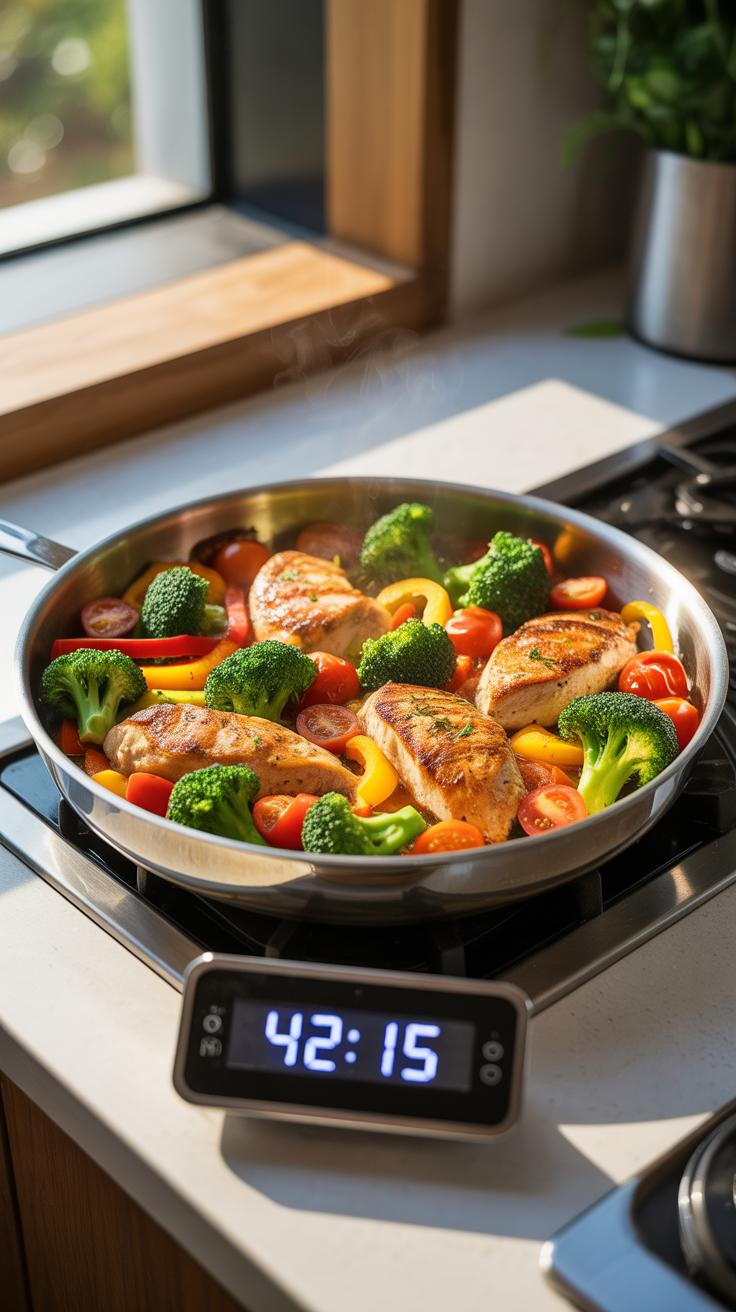
Smart Ingredient Pairing Strategies That Keep Meals Nutritious And Simple
Tactical ingredient pairing relies on matching cook times and moisture levels. Combine dense root vegetables with poultry or thick fish fillets. These items require similar thermal exposure to reach safe internal temperatures. High-heat roasting caramelizes sugars in vegetables while rendering fat in meats. This process creates flavor without extra sauces or oils. Select lean proteins and fibrous vegetables to maximize nutrient density per square inch of pan space.
Avoid pairing delicate greens with heavy proteins. Spinach wilts in seconds while steak takes minutes. Add fragile components during the final three minutes of cooking. Use acidic elements like lemon juice or vinegar to brighten flavors after removing the pan from the heat. This prevents the dulling of nutrients caused by overcooking. Choose seasonal produce to ensure peak vitamin content and better texture. This strategy keeps meals efficient and highly nutritious.
Time Saving Prep Habits That Make Easy Healthy Dinner One Pan Cooking Effortless
Efficiency begins with uniform knife work. Cut all hardy vegetables into equal sizes to ensure they cook at the same rate. This prevents a mix of burnt and raw pieces. Prepare your protein by patting it dry before seasoning. Removing surface moisture allows for better searing and prevents steaming. Arrange ingredients on the pan in a single layer. Overcrowding traps steam and stops the browning process essential for flavor.
Organize your workspace for speed. Lay out all seasonings and oils before you start cutting. Use parchment paper or silicone mats to eliminate scrubbing time later. Preheating the oven is a mandatory step for immediate heat transfer. Clean your station while the food roasts to finish the process entirely within sixty minutes. These habits transform cooking from a chore into a repeatable system. Mastery of these basics ensures consistent results every night.
Top Healthy Dinner Recipes One Pan Families Will Actually Love
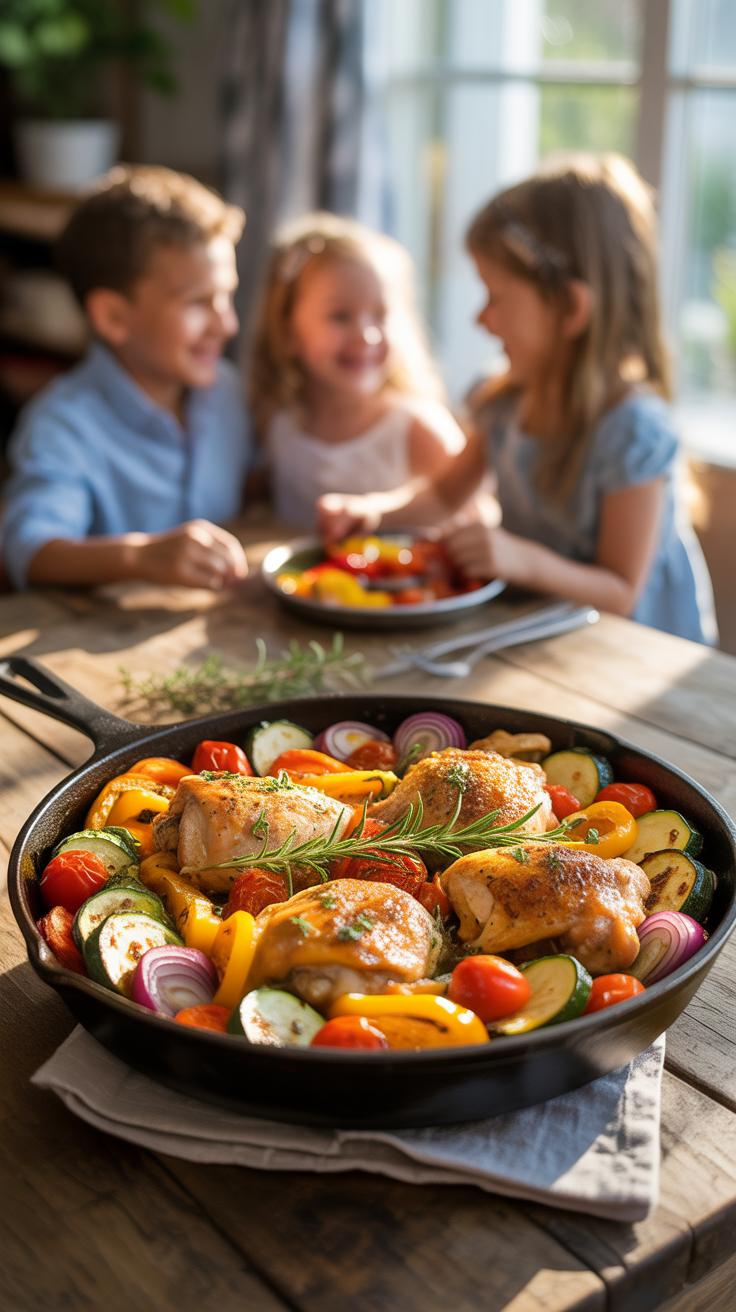
Crowd Pleasing One Pan Salmon And Vegetable Recipes That Deliver On Flavor
Salmon provides essential omega-3 fatty acids and high protein levels. Use a heavy sheet pan to ensure even heat distribution. Place salmon fillets alongside hardy vegetables like asparagus or broccoli. Coat everything in olive oil and lemon juice. Roast at four hundred degrees Fahrenheit until the fish reaches an internal temperature of one hundred forty-five degrees. This method prevents overcooking and preserves nutrients.
Choose wild-caught salmon for higher mineral content and lower contaminants. Season with dry rubs like garlic powder and smoked paprika. These spices add depth without adding calories or sugar. High heat roasts the vegetables quickly to maintain a crisp texture. This prevents the mushy consistency that children often reject. The process takes less than twenty minutes. It is the most efficient way to serve high-quality fats.
One Pan Chicken And Sweet Potato Dinners That Balance Protein And Complex Carbs
Chicken breasts and sweet potatoes provide a stable energy source. Cut the sweet potatoes into small half-inch cubes to ensure they cook at the same rate as the meat. Use boneless skinless breasts for the leanest profile. Toss the ingredients in avocado oil because it has a high smoke point. This setup delivers a mix of glucose-balancing fiber and muscle-building amino acids.
Arrange the chicken in the center of the pan for maximum heat exposure. Surround the meat with the potato cubes to catch the juices. This technique adds flavor without extra sauces. Sweet potatoes offer vitamin A and a lower glycemic index than white potatoes. This combination keeps blood sugar levels steady throughout the evening. You get a complete meal with minimal cleanup and zero processed ingredients.
Mastering 30 Min Healthy Dinners With One Pan Techniques

How High Heat Roasting And SautéIng Help You Hit The 30 Minute Mark Consistently
High heat cooking reduces total time by accelerating the Maillard reaction. This chemical process creates browning and depth of flavor quickly. You must set your oven to at least 425 degrees Fahrenheit for roasting. This temperature forces moisture out of vegetables and proteins fast. It creates a crisp exterior while keeping the interior moist. Low temperatures take too long and result in soggy food.
Sautéing requires a heavy pan to hold heat. Use a cast iron or heavy stainless steel skillet. These materials transfer heat energy directly into the food. You want to cook over medium high heat to sear surfaces instantly. Moving food constantly prevents burning while ensuring even heat distribution. This technique finishes most thin cuts of meat in under ten minutes. Speed comes from high thermal energy and direct contact.
The most indispensable ingredient of all home cooking is love for those you are cooking for. One pan on the stove is enough to gather the family and nourish the soul.
Quick Cook Proteins And Vegetables That Are Perfect For 30 Min Healthy Dinners
Success depends on choosing ingredients that cook at the same fast rate. You cannot pair slow roasting root vegetables with delicate seafood. Select proteins that reach safe internal temperatures within fifteen minutes. Cut larger items into uniform bite sized pieces to increase surface area. This ensures every component finishes at the same time. Efficiency starts with the knife work before the heat is even applied.
- Shrimp and Scallops: These shellfish cook in three to five minutes. They are perfect for last minute additions to a hot sheet pan. Their high protein content and low fat make them an ideal choice for fast healthy meals.
- Chicken Thighs: Deboned and skinned thighs cook faster than bone-in cuts. They handle high heat better than breasts without drying out. Slicing them into strips further reduces the cooking time to about eight minutes in a hot skillet.
- Zucchini and Bell Peppers: These vegetables have high water content and thin cell walls. They soften and char quickly under a broiler or in a sauté pan. They take roughly five to seven minutes to reach a tender crisp texture.
- Asparagus and Green Beans: These stalk vegetables require minimal prep and cook rapidly. Trim the ends and toss them in oil. They roast perfectly in ten minutes at high heat. They provide fiber and micronutrients without requiring long simmering or steaming.
- White Fish Fillets: Cod or tilapia fillets are thin and lean. They flake easily after ten minutes in a hot oven. Use parchment paper on your pan to prevent sticking and ensure a fast cleanup after the meal is done.
Balance your pan by grouping ingredients with similar densities. Put harder vegetables like broccoli on the pan first if using a roasting method. Add thin proteins during the final minutes to prevent overcooking. Use a meat thermometer to verify doneness without guessing. This tactical approach eliminates the risk of dry meat. Mastering these pairings allows you to rotate flavors while keeping the process under thirty minutes.
Exploring One Pan Healthy Dinner Recipes Across Different Cuisines
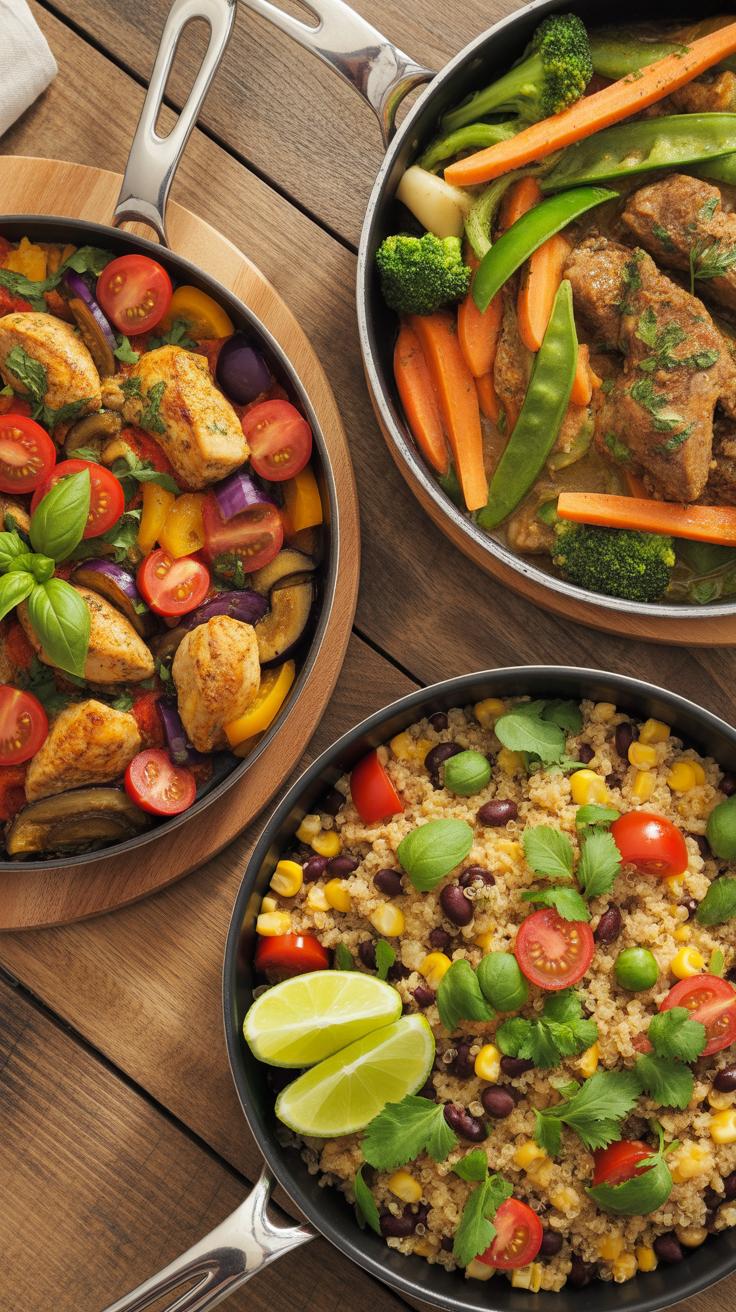
Mediterranean Inspired One Pan Healthy Dinner Recipes Full Of Herbs And Olive Oil
Mediterranean cooking focuses on heart healthy fats and lean proteins. Use a single sheet pan to roast chicken thighs with cherry tomatoes and kalamata olives. Apply extra virgin olive oil to increase the smoke point and improve nutrient absorption. Add dried oregano and fresh rosemary for high antioxidant content. This method uses dry heat to caramelize natural sugars in vegetables without adding processed sugars.
Proper heat management ensures the vegetables soften while the meat reaches a safe internal temperature. Place denser root vegetables like potatoes on the outer edges of the pan. These areas receive more direct heat in standard ovens. Finish the dish with fresh lemon juice to brighten the flavor profiles. This technique relies on high quality ingredients rather than complex sauces. These meals provide high fiber and healthy monounsaturated fats.
Asian Inspired Sheet Pan Stir Fry Dinners That Bring Bold Flavors To Your Table
Sheet pan stir fry mimics the high heat of a traditional wok. Use a hot oven set to four hundred degrees Fahrenheit. Cut broccoli, snap peas, and bell peppers into uniform sizes for even cooking. Toss these ingredients in a mixture of liquid aminos or low sodium soy sauce and toasted sesame oil. This approach reduces the total fat content compared to traditional deep frying methods.
Protein selection is critical for quick cooking times. Use thin strips of flank steak or firm tofu to ensure the protein finishes with the vegetables. Grate fresh ginger and garlic directly onto the pan to maximize aromatic release. Avoid bottled sauces containing high fructose corn syrup or thickeners. This ensures the final meal remains low in refined carbohydrates. The result is a high protein dinner with minimal cleanup requirements.
One Pan Meals Healthy Easy Dinners Gluten Free Options Everyone Can Enjoy
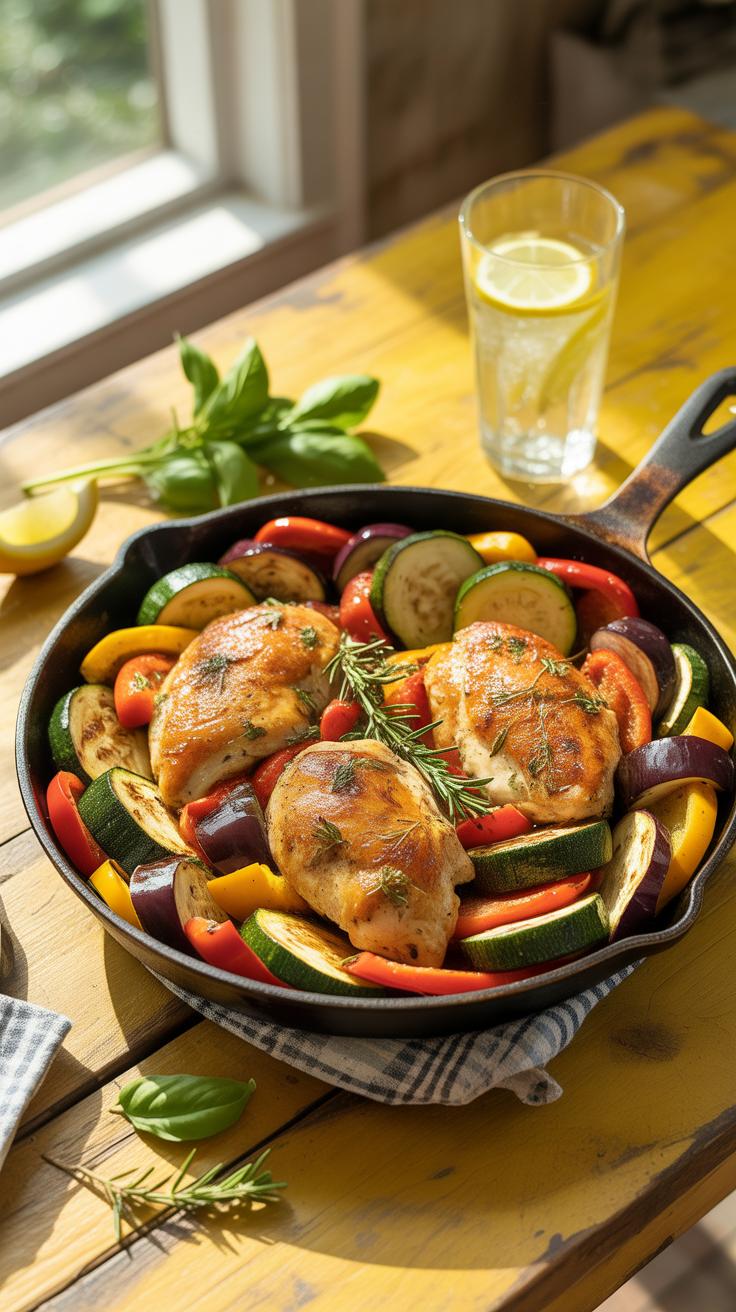
Why One Pan Cooking Naturally Lends Itself To Gluten Free Meal Preparation
One pan cooking simplifies gluten free requirements by focusing on whole food foundations. Most wheat based items like pasta or bread require specific boiling or toasting steps that complicate single pan workflows. By removing these elements, you rely on naturally gluten free bases like potatoes, rice, or squash. This shift eliminates the risk of cross contamination often found in complex multi pot recipes.
Strategic heat management ensures these whole ingredients cook evenly without the need for thickeners. Many traditional sauces use flour based roux for consistency. One pan methods use reduction or fat emulsification to build texture instead. This approach keeps the meal clean and safe for those with celiac disease. You save time while maintaining strict dietary standards through simple ingredient selection and heat control.
Delicious Gluten Free One Pan Meals Using Whole Ingredients And Simple Seasonings
Effective gluten free meals prioritize high quality proteins and sturdy vegetables. Chicken thighs paired with root vegetables provide a reliable fat source and consistent cooking times. You should use dry rubs or oil based marinades to add flavor without hidden additives. Avoid pre packaged spice mixes that often contain wheat starch as a flow agent. Stick to pure herbs and sea salt for safety.
Sheet pan salmon with asparagus and lemon serves as a tactical standard for fast results. The natural fats in the fish coat the vegetables, removing the need for heavy sauces. Always check labels on liquid ingredients like tamari or apple cider vinegar to ensure they are certified gluten free. These simple swaps allow you to produce high volume meals that satisfy diverse dietary needs without extra labor.
Meal Planning Tips To Make One Pan Healthy Dinners A Weekly Routine
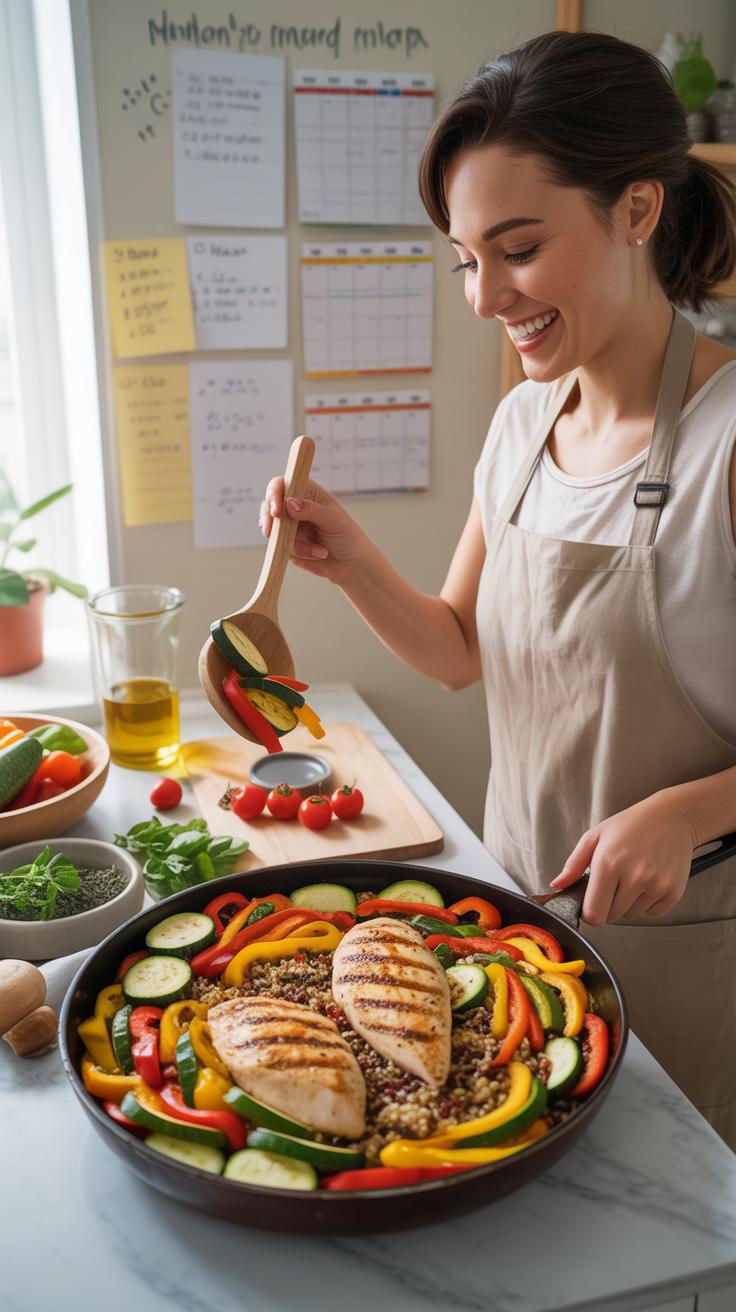
Select three different protein sources each week to maintain nutritional balance. Map out your schedule to identify days with the least free time. Assign your simplest sheet pan recipes to those high stress nights. Use a mix of dense root vegetables and quick leaf greens. This strategy ensures you meet fiber goals without overcomplicating your kitchen workflow or increasing cleanup time.
Standardize your grocery list by grouping ingredients by cooking temperature. Most one pan healthy dinners require 400 degrees Fahrenheit for optimal results. Buy bulk vegetables that withstand high heat like broccoli, peppers, and carrots. Rotate your spice blends to change flavors without buying new primary ingredients. This methodical approach saves money and reduces decision fatigue. Your kitchen remains efficient and your diet stays consistent.
Store leftovers in glass airtight containers immediately after the meal cools. Portion these servings by weight to ensure they meet your caloric needs for lunch. Keeping the sauce separate prevents your roasted vegetables from becoming soggy during storage. Label every container with the date and contents. Use these prepped meals within three days to maintain peak food safety and flavor standards.
Transform remaining components into new dishes to avoid routine boredom. Toss leftover roasted chicken and vegetables into a cold grain bowl or a fresh salad. You can also mash cooked tubers into a base for a different meal. This tactic eliminates food waste and reduces your total cooking time for the following day. Rational kitchen management relies on maximizing every ounce of energy and food you use.
Frequently Asked Questions

What are the main benefits of preparing one pan healthy dinners for my family?
The primary advantage of one pan healthy dinners is the incredible time saved on both preparation and cleanup. By using a single sheet pan or skillet, you minimize the mountain of dishes usually associated with nutritious cooking. These meals make it much easier to stick to a balanced diet during busy work weeks because they focus on roasting whole proteins and fresh vegetables together to lock in natural flavors and essential nutrients.
How can I ensure that meat and vegetables finish cooking at the same time?
To master one pan healthy dinners, timing is everything. Start by cutting denser vegetables like carrots or potatoes into smaller pieces, while keeping quick-cooking greens larger. If you are preparing a dish with thick chicken breasts and delicate asparagus, simply add the vegetables to the pan halfway through the roasting process. This staggered approach ensures your protein stays juicy while your produce reaches the perfect level of tenderness without burning.
Can I make these types of meals on a tight grocery budget?
Absolutely! These meals are exceptionally budget-friendly because they rely on simple, versatile ingredients. You can utilize affordable staples like frozen broccoli, chickpeas, or seasonal root vegetables as the bulk of your dish. By focusing on whatever produce is currently on sale and using dried pantry spices for flavor, you can create delicious, nutrient-dense meals that feed the whole family for a fraction of the cost of takeout or complex multi-course recipes.