
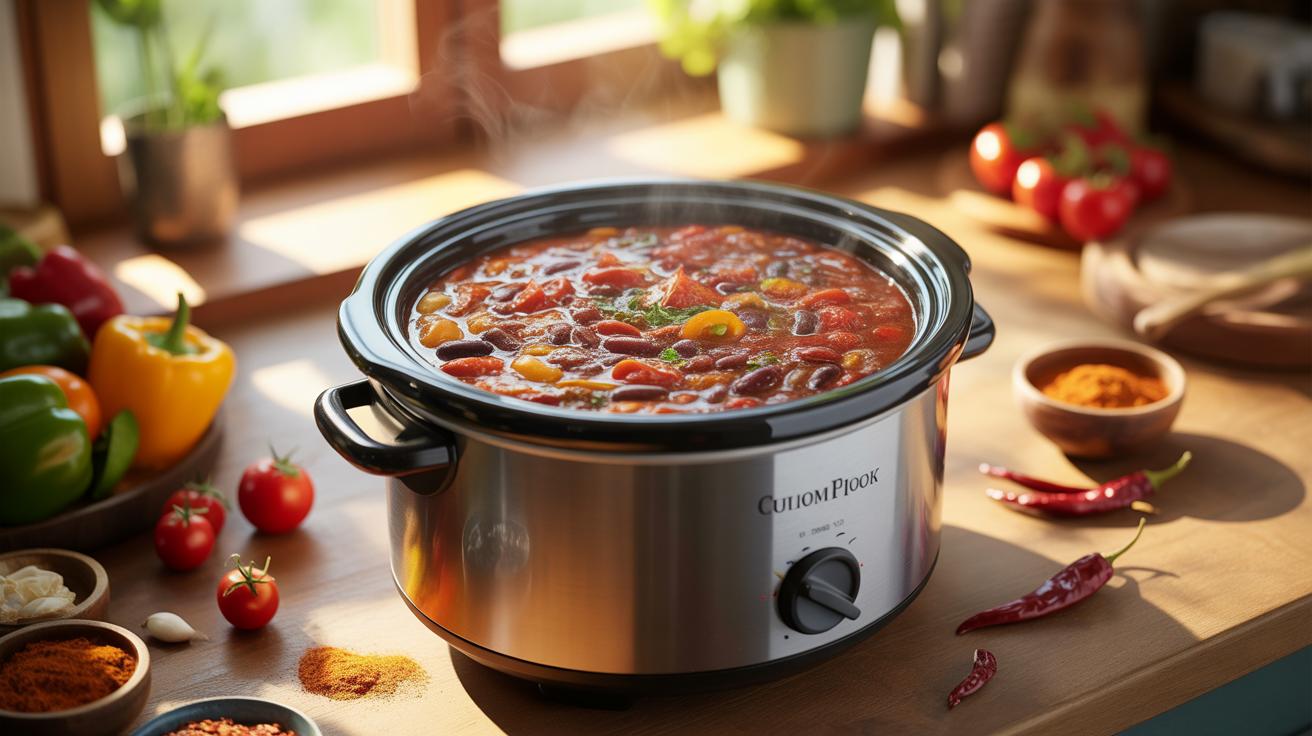
Skipping The Browning Step Before Adding Meat To Your Healthy Chilli Recipe Crock Pot
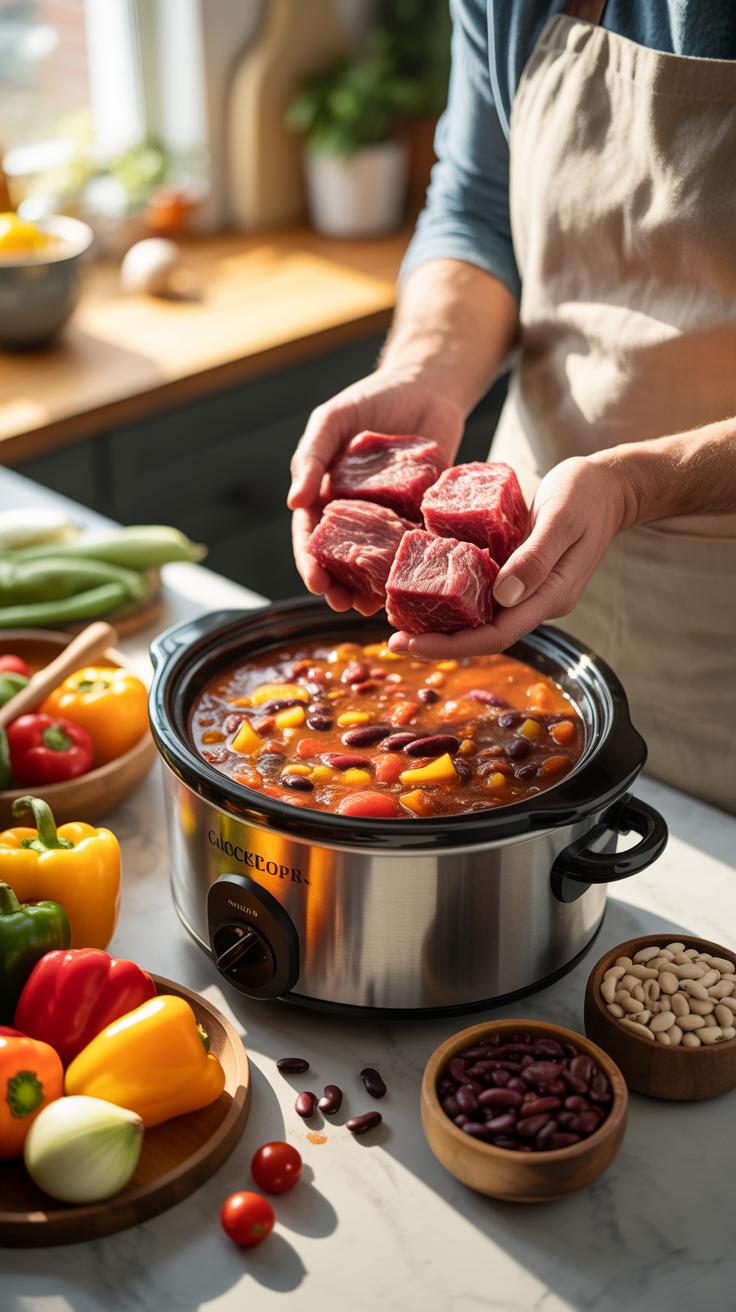
Why Browning Meat First Builds A Deeper, Richer Flavor Base
Browning meat creates flavor through the Maillard reaction. This chemical process occurs when heat breaks down amino acids and sugars. It produces hundreds of different flavor compounds. These compounds provide a savory depth that slow cooking alone cannot achieve. Raw meat simmered in liquid stays pale and lacks complexity. You miss the essential umami foundation required for a high quality chili.

Effective browning requires high heat and a dry pan surface. Use a heavy skillet to sear the exterior of the ground beef or turkey. This step develops a dark crust that dissolves into the sauce later. The brown bits stuck to the pan hold intense flavor. Deglaze the pan with water or broth to capture every drop. Transfer these juices into your crock pot for maximum impact.
How Raw Meat Dumped Straight In Can Affect Texture And Fat Content
Dumping raw meat directly into a slow cooker ruins the final texture. The meat fibers clump together into large, rubbery chunks. These pieces become tough because they boil in their own moisture. You lose the fine, crumbly consistency found in traditional chili. Proper browning allows you to break the meat into consistent bits. This ensures a uniform mouthfeel and a better distribution of protein in every spoonful.

Browning meat also serves a critical health function by rendering out excess grease. You can drain this fat before adding the meat to your crock pot. Skipping this step means all the saturated fat stays in your healthy slow cooker chili recipe. Excess oil floats to the top and creates a greasy film. Removing this fat reduces the total calorie count and improves the overall nutritional profile of your meal.
Using Too Much Or Too Little Liquid When Making Chili In Crockpot Easy Recipes
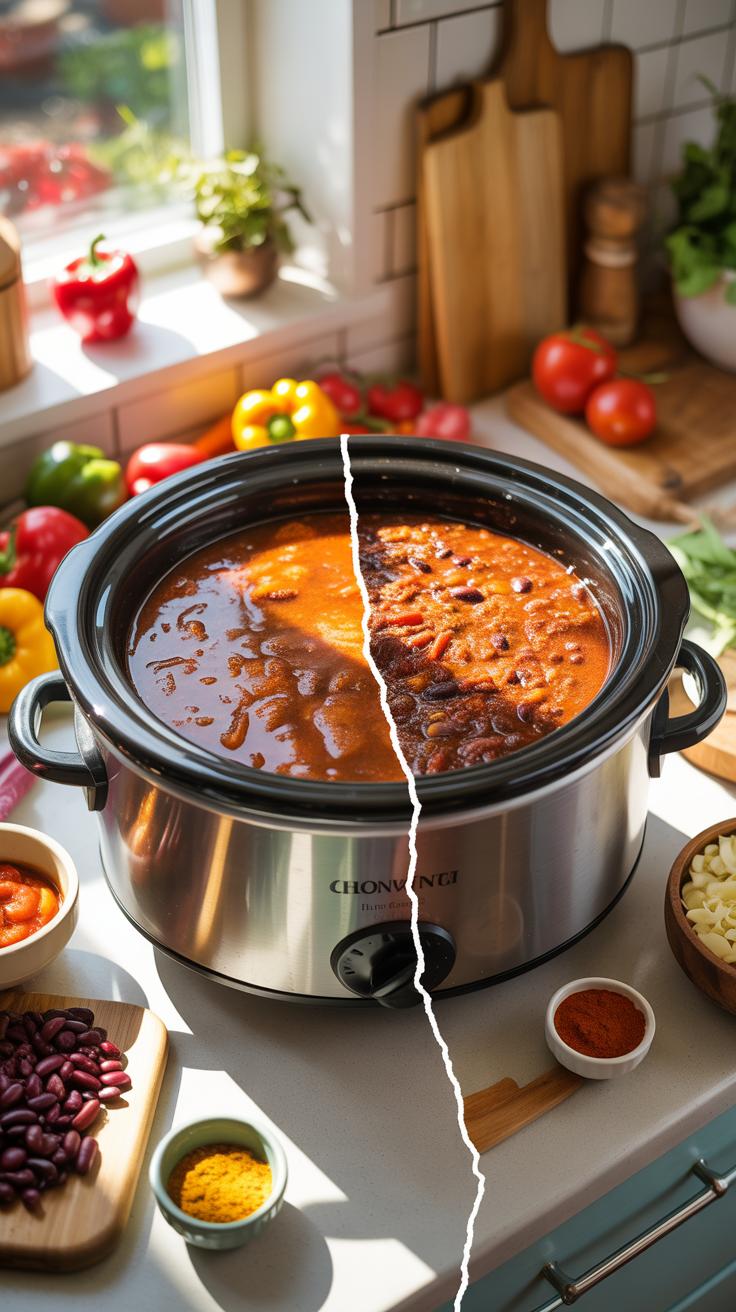
Understanding How A Slow Cooker Traps Moisture Differently Than A Stovetop
Standard stovetop cooking relies on evaporation to thicken sauces and concentrate flavors. Heat causes steam to escape the pot into the kitchen air. A healthy slow cooker chili recipe functions as a closed system. The heavy lid traps almost all moisture during the long cooking process. Steam hits the lid, cools, and drips back into the vessel. This cycle prevents the liquid volume from reducing.
You must adjust your liquid ratios to prevent a soggy result. Most beginners add too much water or broth out of habit. Vegetables and meat release their own juices as they break down over several hours. This extra moisture dilutes your seasoning profile if you start with too much liquid. Use approximately twenty-five percent less liquid than a traditional stovetop recipe requires. This shift ensures a hearty texture.
Signs Your Chili Is Too Watery Or Too Thick And How To Fix Both
Watery chili appears thin and lacks a cohesive bind between the beans and meat. Liquid pooling at the bottom of the bowl indicates an imbalance. Fix this by mashing a half-cup of beans directly in the pot. The released starches act as a natural thickening agent. You can also leave the lid off for the final thirty minutes of cooking to allow some evaporation.
Thick chili looks like a dry paste and might scorch at the edges. This happens if you add too many dry spices or omit the tomato base. Fix a dry batch by stirring in small amounts of low-sodium beef broth or tomato juice. Add liquid slowly to avoid overcorrecting. A proper consistency should hold its shape on a spoon without appearing dry or crumbling.
Adding Delicate Vegetables Too Early In Sweet Potato Veggie Crockpot Chili
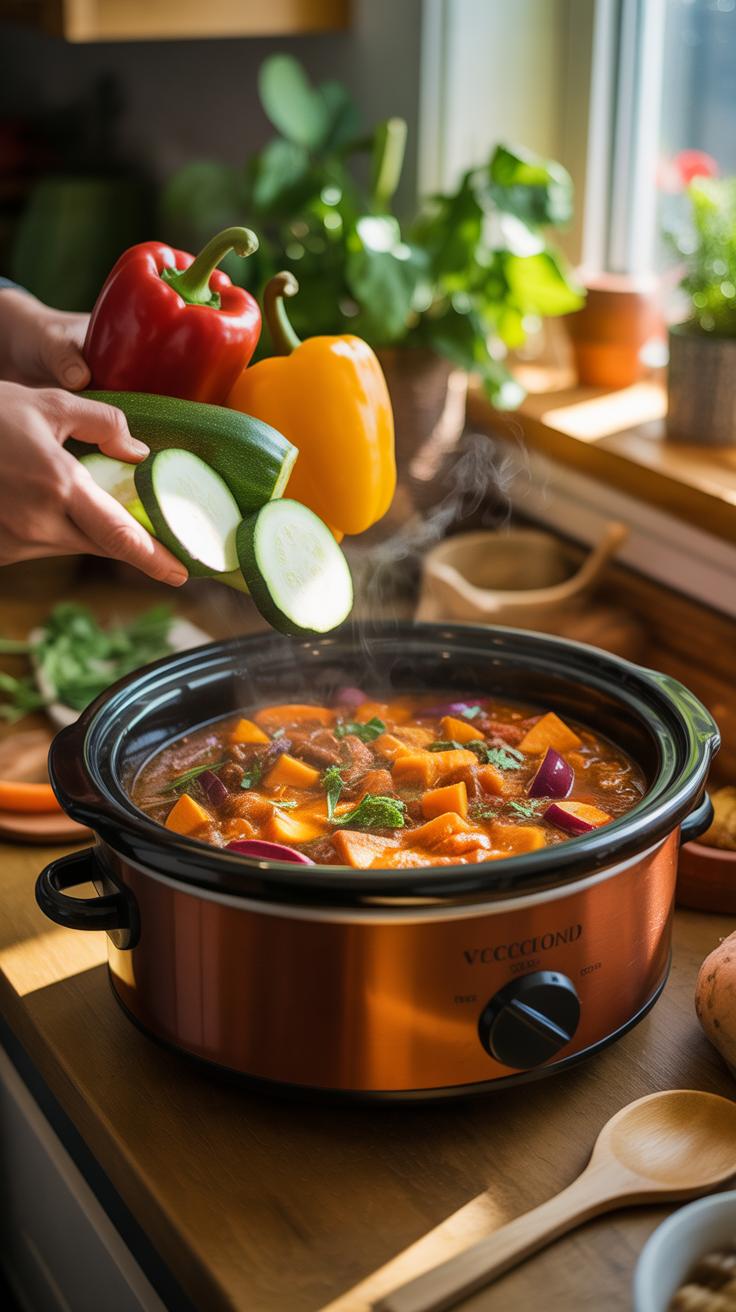
Which Vegetables Hold Up Well Over Long Cook Times And Which Do Not
A healthy slow cooker chili recipe fails when texture disappears. High-moisture vegetables collapse under prolonged heat. This breakdown turns your meal into a grainy puree rather than a chunky stew. You must categorize ingredients by their cell wall strength. Sturdy roots withstand hours of simmering. Soft greens and thin-skinned peppers require minimal heat to reach their peak.
- Root Vegetables: Carrots and parsnips contain dense cellulose structures. These survive the entire six to eight hour cooking cycle without losing their shape or becoming mushy.
- Firm Alliums: Yellow and white onions provide the flavor base for your chili. Long cook times allow these to melt into the sauce and provide essential savory depth.
- Leafy Greens: Spinach and kale are highly heat-sensitive. Adding them at the start results in a slimy texture and bitter taste. Stir these in during the final ten minutes.
- Bell Peppers: These vegetables have high water content. Cooking them for eight hours destroys their structural integrity. Add them in the last ninety minutes for a crisp-tender bite.
- Zucchini and Squash: These summer vegetables lack the fiber to survive long heat exposure. They release excess water and dilute your chili. Only add these during the final hour of cooking.
Timing determines the nutritional and structural success of your dish. Overcooked vegetables lose heat-sensitive vitamins like Vitamin C and B. You want a variety of textures to keep the meal satisfying. Use the long cook time for flavor extraction from aromatics only. Save the vibrant and delicate items for the finish. This strategy ensures every spoonful has a distinct and pleasant mouthfeel.
The Right Time To Add Sweet Potatoes For The Perfect Tender Bite
Sweet potatoes are the primary starch in a healthy slow cooker chili recipe. They require more time than peppers but less time than dried beans. If you add them too early, they dissolve and thicken the chili into a paste. This ruins the clarity of the broth. Aim for a cube size of one inch to ensure even cooking and structural stability.
Add your sweet potato chunks during the final three to four hours on low heat. This timeframe allows the natural sugars to caramelize without the flesh disintegrating. If you use high heat, two hours is sufficient. Test the potatoes with a fork for resistance. They should be soft enough to pierce but firm enough to hold their cubed shape when stirred.
Getting The Spice Balance Wrong In A Slow Cooker Beef Chili Recipe
Why Slow Cooking Intensifies Some Spices And Dulls Others Over Time
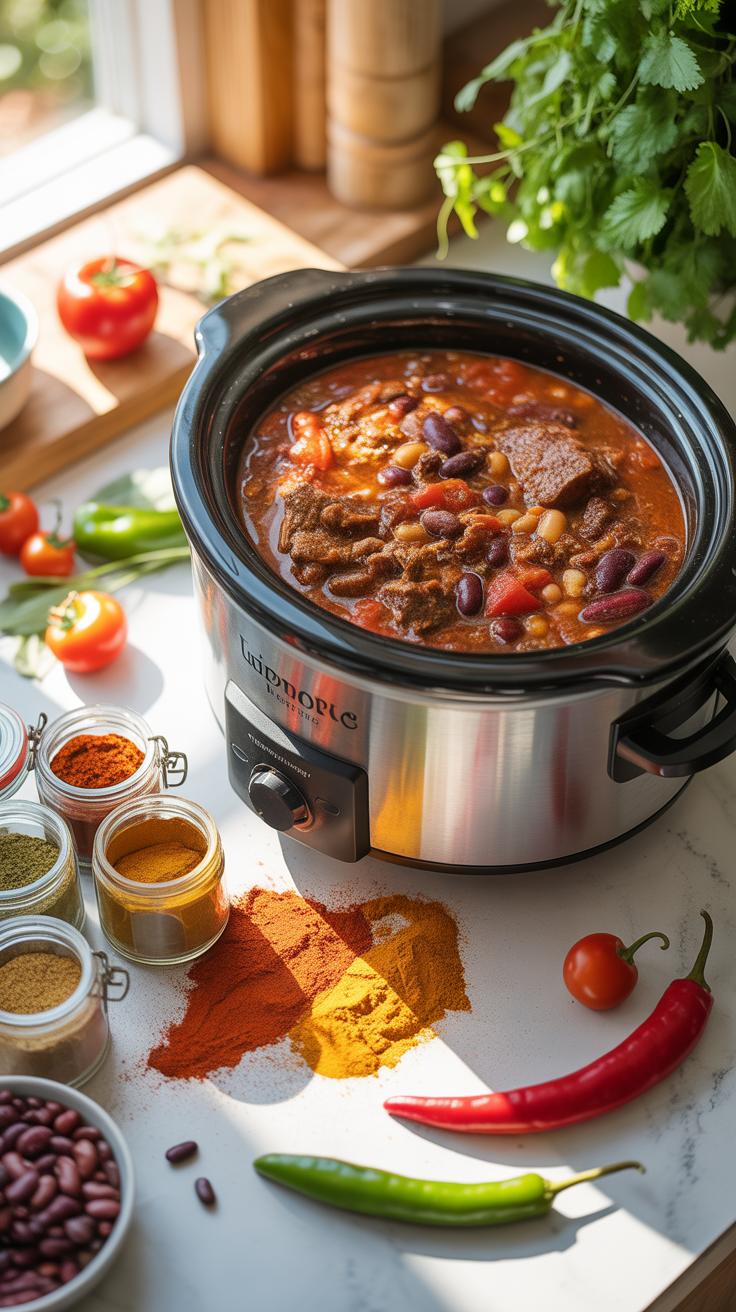
Slow cookers use low heat and trapped moisture. This environment changes how spices behave. Capsaicin in chili peppers survives the heating process well. It leaches into the fat and water over several hours. This often makes the dish taste hotter than planned. You must account for this heat buildup when prepping your healthy slow cooker chili recipe ingredients early.
Conversely, volatile oils in ground spices like cumin or oregano dissipate during extended cooking. These aromatics escape into the steam or break down chemically. Bold flavors can become flat or dusty after eight hours of simmering. This creates a profile where the heat remains but the complexity vanishes. You must manage the timing of your spice additions to maintain a balanced flavor profile.
When To Season Your Chili During Cooking For The Best Final Flavor
Layer your seasoning to achieve professional results. Add hardy spices like dried chilies and bay leaves at the beginning. This allows their compounds to meld with the meat and beans. Ground spices added too early lose their punch. Use half your spice blend during the initial sear or assembly. This builds a foundational depth that permeates the protein across the long cooking cycle.
Add the remaining spices during the final thirty minutes of cooking. This late addition restores the bright and earthy notes that the heat destroyed. Test for salt at this stage as well. Reducing liquids concentrate salt levels naturally. Seasoning at the end ensures you do not over-salt the pot. This tactical approach keeps your healthy slow cooker chili recipe vibrant rather than muted or overly spicy.
Ignoring Bean And Legume Prep In A Sweet Potato Black Bean Crockpot Chili
The Difference Between Using Canned Beans Versus Dried Beans In A Slow Cooker
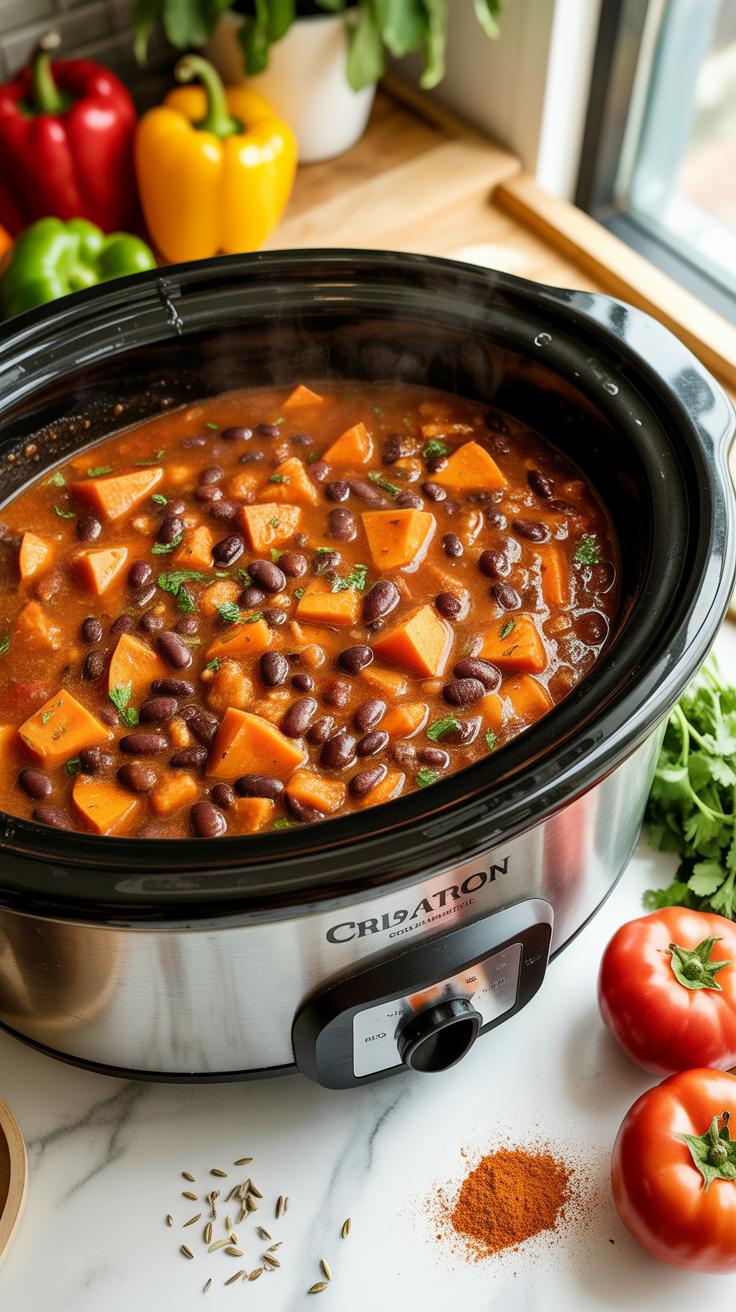
Dried beans produce a superior texture and richer flavor in a healthy slow cooker chili recipe. They hold their shape during long cooking cycles and release natural starches that thicken the sauce. However, dried beans require significant upfront planning. You must soak them overnight or use a quick-boil method. They also demand more liquid in the pot because they absorb moisture while softening.
Canned beans offer speed and convenience for busy schedules. Manufacturers process these beans under high pressure, so they are already soft. Adding them at the start of a long slow cooker cycle often results in mushy legumes. To maintain structure, rinse canned beans thoroughly to remove excess sodium and metallic canning liquids. Add them during the final thirty minutes of cooking to preserve their integrity.
The secret to a rich chili is the patience to brown your meat first, for rushing the process robs the pot of its soul. Treat every ingredient with respect, and the slow cooker will reward you with the taste of home.
Why Dried Kidney Beans Must Be Boiled Before Slow Cooking For Food Safety
Raw kidney beans contain high levels of Phytohaemagglutinin, a toxic plant protein. Many other beans have this toxin, but red kidney beans have the highest concentration. Consuming just a few undercooked beans causes severe food poisoning. Slow cookers often fail to reach the temperature necessary to destroy this toxin. Low heat can actually increase the toxicity levels instead of neutralizing the threat.
You must boil dried kidney beans in fresh water for at least ten minutes. This high-temperature phase breaks down the harmful lectins completely. Do not use the soaking water for cooking the chili. Drain the beans and rinse them before adding them to your crockpot. This step is non-negotiable for safety. Skipping this process turns a healthy meal into a serious health risk for your family.
Overcooking Or Undercooking Your Chilli Recipe Crockpot Turkey
How Ground Turkey Behaves Differently Than Beef In A Slow Cooker Environment
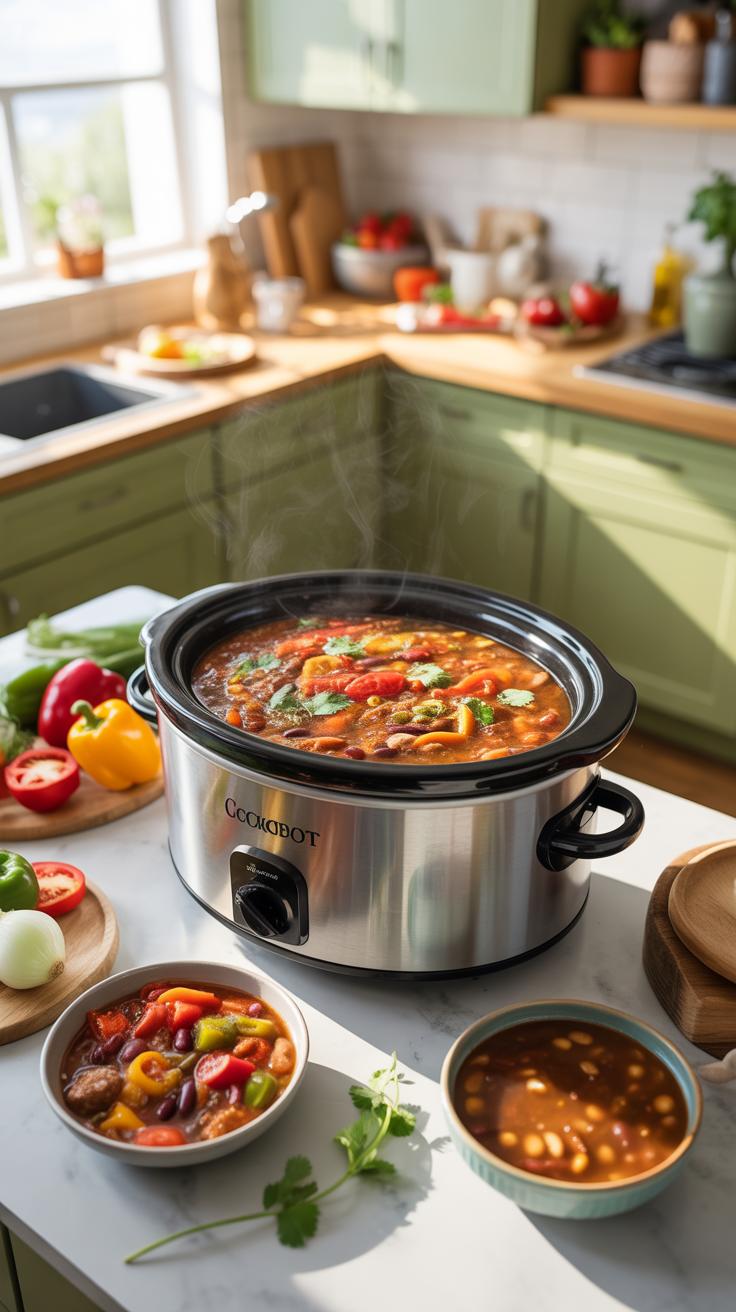
Ground turkey contains less fat and connective tissue than ground beef. This lean profile makes the meat prone to drying out during long cook cycles. Beef benefits from slow heat because collagen breaks down into gelatin. Turkey does not have this structural advantage. Extended cooking times will turn ground turkey into a grainy and mealy texture rather than a tender bite.
Lean poultry requires moisture management to stay palatable. You must brown the turkey in a skillet before adding it to the slow cooker. This step develops flavor through the Maillard reaction. Raw turkey dropped directly into a slow cooker often clumps together. It creates a dense and unappealing texture. Use chicken broth or tomato juice to keep the turkey hydrated throughout the entire heating process.
Choosing The Right Low Or High Heat Setting And Cook Time For Turkey Chili
Heat control determines the success of a healthy slow cooker chili recipe. Set your device to low for six to seven hours for the best results. High heat settings finish the dish in three to four hours but increase the risk of overcooking the turkey. Lean proteins toughen quickly when the liquid reaches a hard boil. Maintain a gentle simmer to preserve the meat.
Proper timing prevents undercooking which poses a food safety risk. Ensure the turkey reaches an internal temperature of 165 degrees Fahrenheit. Low heat allows flavors to meld without destroying the integrity of the beans and vegetables. Stop the cooking process as soon as the turkey is tender and the base thickens. Leaving the pot on the warm setting for too long will eventually dry out the protein.
Leaving Out Key Compliant Ingredients In A Whole 30 Chili Recipe Crock Pot
Common Non Compliant Ingredients That Sneak Into Slow Cooker Chili Recipes
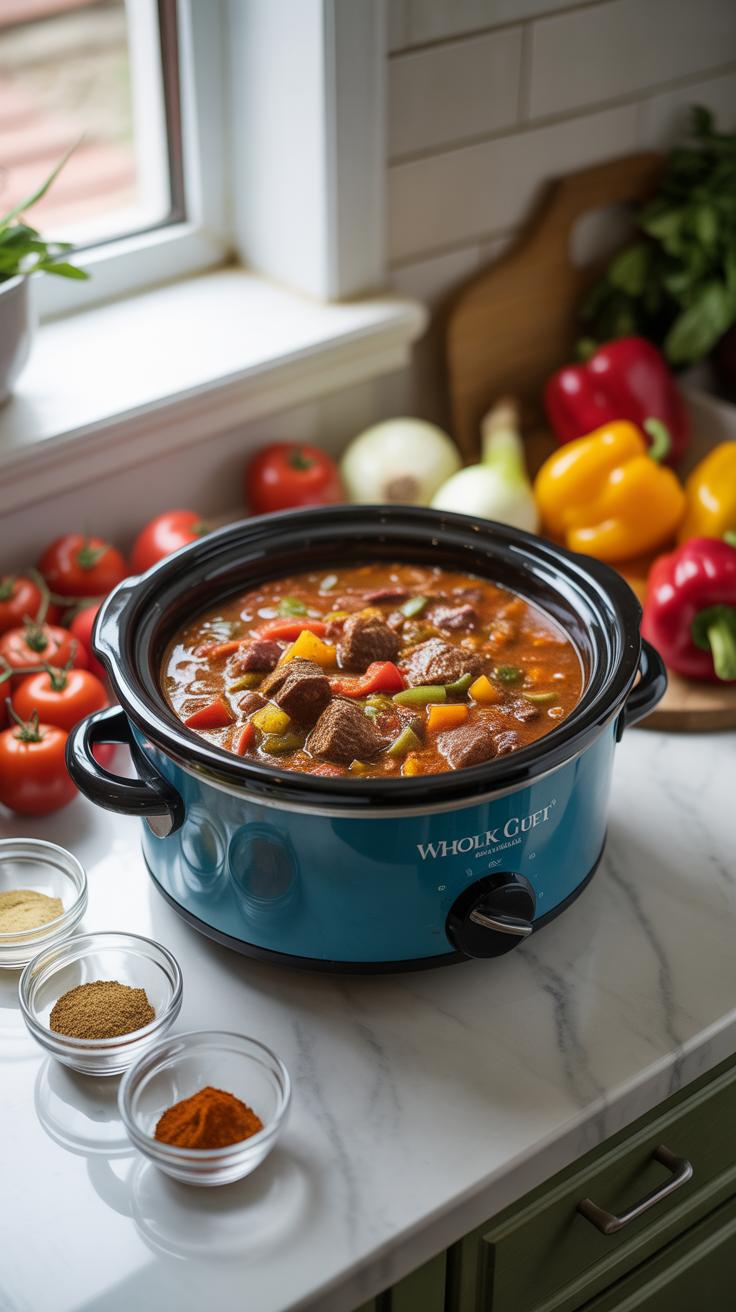
Standard chili recipes rely on convenience products that violate Whole30 protocols. These hidden additives stall progress and trigger inflammatory responses. Most commercial spice packets contain cornstarch or maltodextrin as anti-caking agents. Canned tomatoes often use added sugar to balance acidity. You must verify every label to ensure your healthy slow cooker chili recipe remains compliant. Failing to check labels results in accidental consumption of prohibited grains and sweeteners.
- Legumes and Beans: Black, pinto, and kidney beans are strictly prohibited on Whole30. These provide bulk in traditional chili but contain lectins and phytates that can irritate the gut. You must replace them with hearty vegetables to maintain texture.
- Added Sweeteners: Many canned tomato brands and broth concentrates contain white sugar, dextrose, or stevia. These sweeteners are used to cut the metallic taste from cans. For a compliant recipe, you must source products that list only salt and water.
- Corn and Soy Fillers: Processed meat products like pre-cooked sausage or chorizo often utilize soy protein or corn-based thickeners. These additives are common in budget-friendly proteins. Strategic chefs choose single-ingredient ground meats to avoid these hidden grains and fillers during the slow cooking process.
- Processed Dairy Garnishes: Sour cream and shredded yellow cheese are the standard finishes for traditional chili. These are non-compliant dairy products that cause inflammation for many people. You must use healthy fats like avocado or compliant coconut milk to recreate that creamy mouthfeel.
- Alcoholic Bases: Traditional recipes often call for a splash of beer or red wine to deglaze the pan. Alcohol is eliminated entirely on the Whole30 program. Use high-quality beef bone broth or a blend of tomato juice and vinegar to achieve similar flavor depth.
Eliminating these items shifts the focus to high-quality proteins and fresh produce. The slow cooker excels at breaking down tough muscle fibers without the need for chemical tenderizers. You must prioritize nutrient density by choosing grass-fed beef or organic poultry. This approach ensures your meal aligns with the program goals while providing sustained energy. Proper preparation starts with vetting your pantry for these common compliance traps.
How To Build Bold Flavor In A Whole30 Chili Without Beans, Sugar, Or Dairy
Building flavor without sugar or dairy requires using heat and acid strategically. Start by browning your meat in a skillet before adding it to the crock pot. This Maillard reaction creates complex flavor compounds that raw meat cannot produce during low-heat simmering. Use high-quality chili powder, smoked paprika, and cumin to create a foundational spice profile. These spices provide the smoky depth usually found in commercial mixes.
Acidity is the secret to finishing a bean-less chili properly. Add a splash of apple cider vinegar or fresh lime juice during the final thirty minutes of cooking. This brightens the heavy flavors of the meat and concentrated tomatoes. For texture, use finely diced sweet potatoes or butternut squash. These vegetables break down slightly to thicken the sauce and provide a natural sweetness that replaces forbidden sugars.
Skipping Protein Or Hearty Fillers In Vegan Sweet Potato Crockpot Recipes
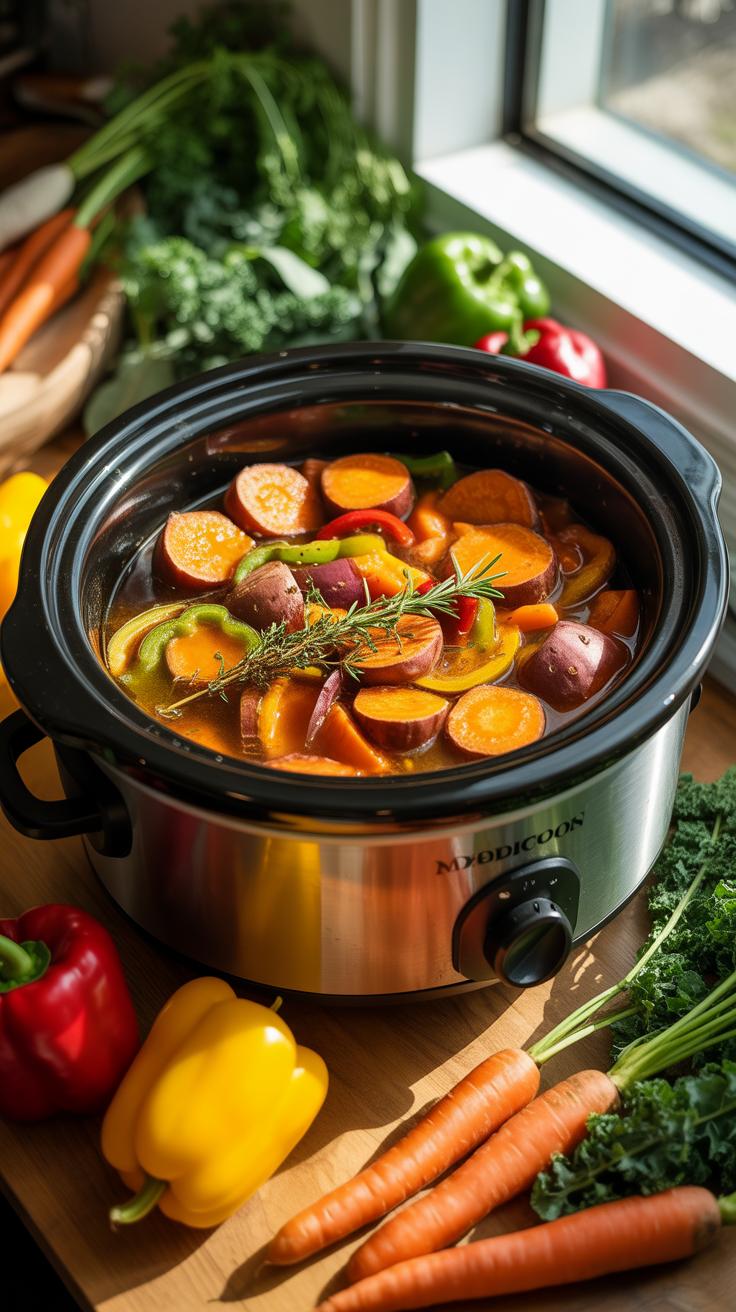
Plant Based Protein Sources That Work Best In A Sweet Potato Crockpot Chili
Black beans and kidney beans remain the standard for a healthy slow cooker chili recipe because they hold their shape during long cooking cycles. Lentils also provide a dense texture but require careful timing to avoid turning into mush. Use dry beans for better structure or canned beans added later in the process. These legumes provide the necessary amino acids to make the meal nutritionally complete.
Quinoa serves as a powerful addition to the crockpot because it absorbs excess liquid and adds a grain like bite. Use firm tofu or tempeh crumbles if you want to mimic the mouthfeel of traditional ground meat. These soy based options take on the flavor of the chili spices without breaking down. Always match your protein choice to the total cooking time to ensure the final texture remains firm.
How To Make A Satisfying Vegan Chili That Does Not Feel Thin Or Incomplete
A thin chili results from too much broth and not enough starch. Mash a portion of the sweet potatoes or beans against the side of the slow cooker to create a natural thickener. This release of starch bonds the liquid together for a richer consistency. You can also add tomato paste early in the process to build a deep base that supports the heavier vegetable ingredients.
Texture contrast keeps a vegan recipe from feeling one dimensional. Add walnuts or sunflower seeds near the end of the cooking cycle for a crunch that simulates meat fat. Incorporate mushrooms to provide savory depth through their natural glutamates. These additions ensure the dish provides a high level of satiety. A finished chili should be thick enough to hold a spoon upright without any visible watery separation.
Frequently Asked Questions

Why does my slow cooker chili often turn out too watery or bland?
This usually happens because liquid doesn’t evaporate in a sealed crockpot like it does on a stove. To avoid a soupy mess, reduce the added broth and resist the urge to peek, as lifting the lid releases essential heat. If you are following a healthy slow cooker chili recipe, ensure you brown your meat and aromatics first to lock in deep, savory flavors that won’t get diluted during the long simmer.
How can I prevent the beans in my chili from becoming mushy or falling apart?
Mushy beans are often the result of overcooking or adding canned beans too early in the process. For the best texture, use dried beans that have been soaked overnight or add canned, rinsed beans during the last 30 to 60 minutes of cooking. This simple timing adjustment ensures your healthy slow cooker chili recipe maintains a satisfying, hearty bite without sacrificing the nutritional integrity or structure of the ingredients.
Is it possible to make a delicious slow cooker chili on a tight budget?
Absolutely! Slow cooking is actually one of the most budget-friendly ways to feed a family. You can save money by using plant-based proteins like lentils and extra kidney beans, or by choosing tougher, cheaper cuts of meat that tenderize beautifully over several hours. Bulk up the pot with seasonal vegetables and pantry staples like canned tomatoes and dried spices to create a nourishing, filling meal without spending a fortune on specialty items.