
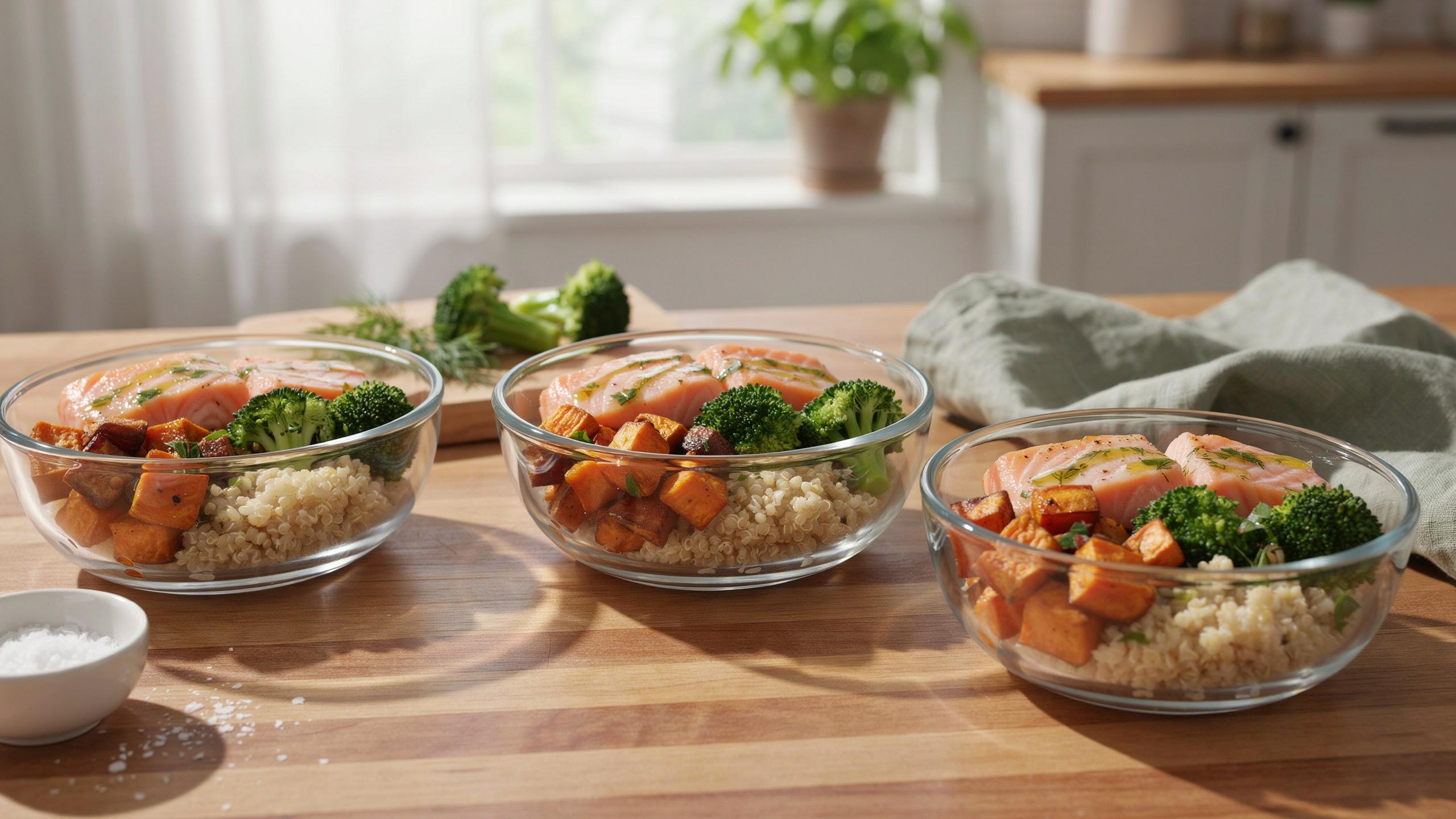
The Salmon Bowl Fallacy Why Recipes Trap You
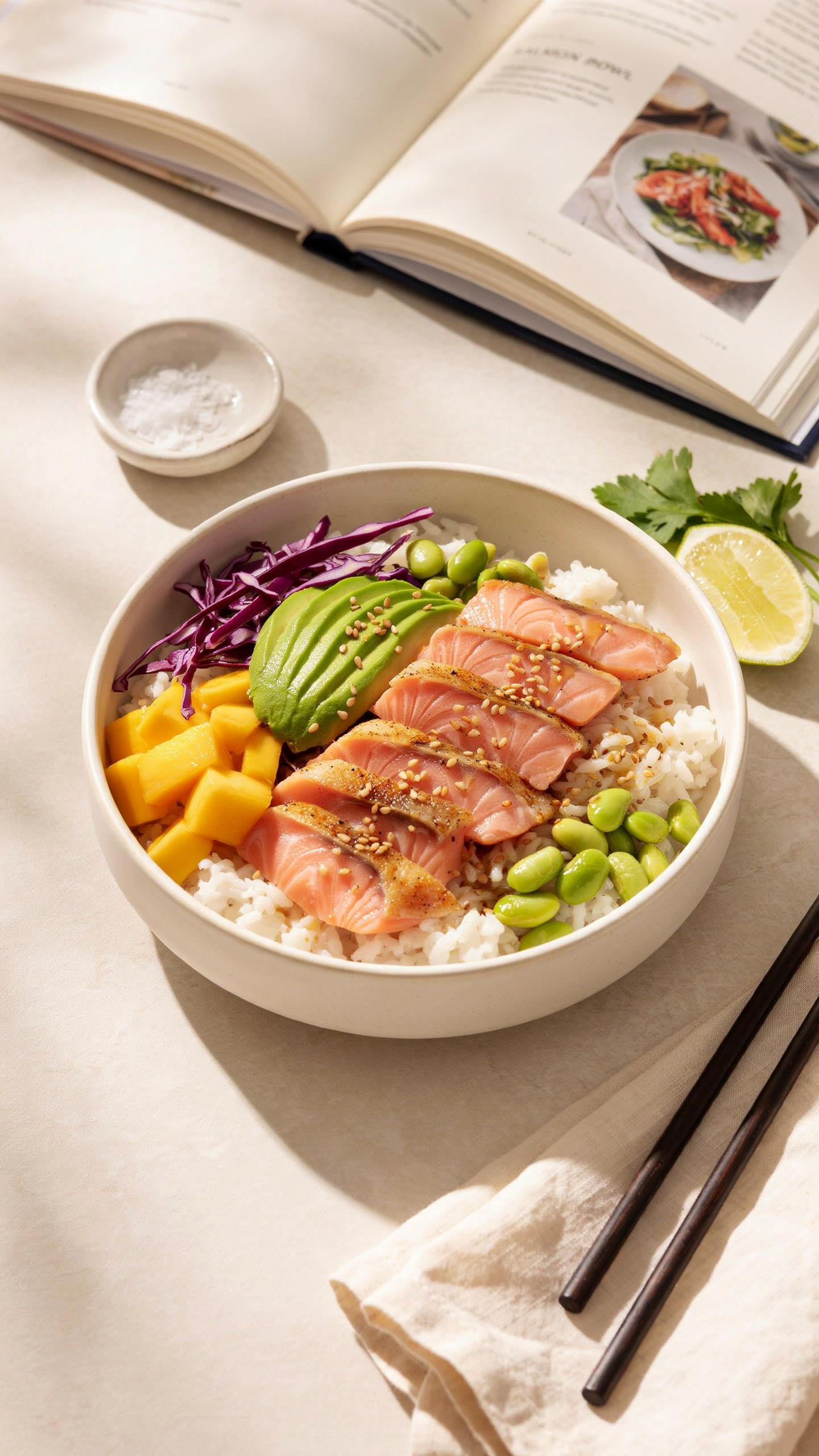
When A Recipe Becomes Your Cage
You follow recipes because you want permission to stop thinking. The real mechanism is constraint masquerading as guidance. A recipe locks you into fixed ratios, ingredient lists, and cooking methods that work once, under ideal conditions, then become worthless the moment your reality shifts. You’re seeking certainty when what you actually need is a decision framework.
Recipes train your brain to execute, not to understand. When salmon costs 40% more this month or your grocery store runs out of quinoa, you panic because you never learned why those ingredients mattered. You memorized steps instead of grasping the relationship between protein density, grain absorbency, and vegetable cooking time. That’s not meal prep mastery. That’s learned helplessness dressed up as meal prep.
Scarcity Forces The Real Skill
Economics teaches resource allocation under constraint. Your salmon bowl operates under the same principle: you have limited money, limited time, and limited shelf space. The gap between what the recipe demands and what you can actually obtain forces adaptation. Ignoring that gap kills your meal prep system before week two starts.

When your preferred salmon fillet isn’t available, you pivot to canned salmon or frozen alternatives without losing nutritional density because you understand protein per dollar, not brand loyalty. When you’re short 30 minutes this Sunday, you pick grains that cook faster or prep vegetables that require less knife work. You don’t abandon the system. You apply real constraints to real constraints. That’s when meal prep stops being a chore and becomes a reliable lever you actually use.
Deconstructing The Healthy Salmon Bowl Core Components
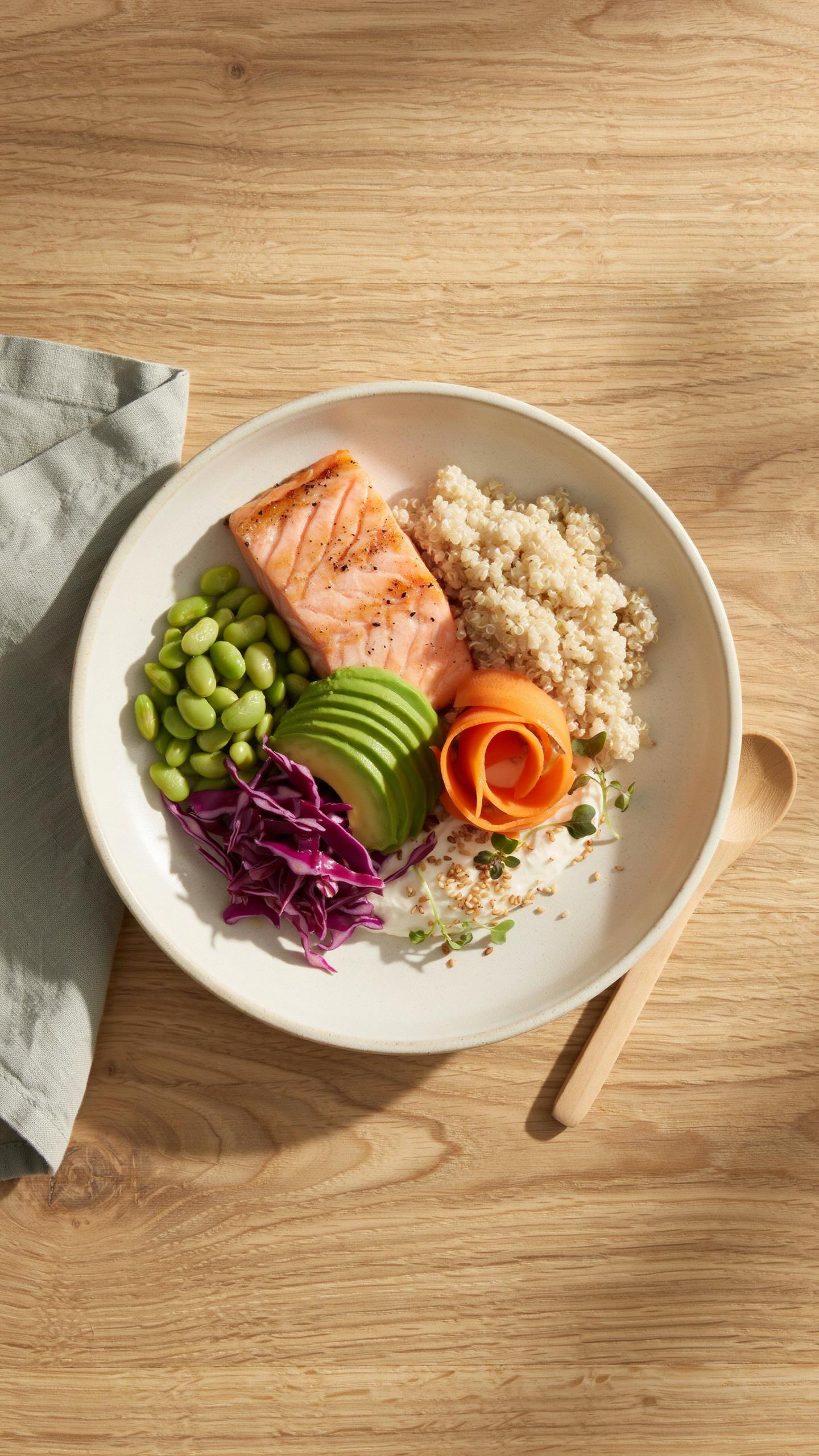
Choosing Your Salmon Cut
You want to believe salmon is salmon, that the choice doesn’t matter. It does, and here’s why: the fat content and omega-3 density swing wildly based on the cut you pick. Think of salmon like portfolio allocation in finance—you’re distributing your protein investment across different risk profiles to hit specific returns.
Wild-caught Atlantic salmon doesn’t exist commercially. Farm-raised Atlantic dominates because it’s consistent and affordable. Sockeye and coho offer higher omega-3 counts and leaner profiles. Pink salmon costs less but carries less fat and fewer micronutrients. For meal prep, farmed Atlantic works fine if you’re optimizing for cost per serving and shelf stability. Wild options deteriorate faster once cooked and stored, which breaks the prep window most people need.
The practical move: buy skinless fillets that weigh between 5 and 7 ounces each. Skin adds prep friction and complicates storage. Frozen fillets thaw evenly and lock in nutrients better than fresh sitting in a distributor’s case for days. Portion them immediately after thawing, then store in airtight containers with parchment between layers to prevent sticking.
Grain Selection For Sustained Energy
Most meal prep advice treats grains as interchangeable filler. They’re not. The grain you pick determines blood sugar response, satiety duration, and whether you’re actually fueling or just adding calories.
Brown rice, quinoa, and farro each behave differently when cooked and stored. Brown rice retains moisture and doesn’t compact—it stays separate after five days refrigerated. Quinoa absorbs flavoring quickly but turns mushy after day three. Farro holds structure and pairs well with acidic dressings. Oats work for breakfast bowls but turn gelatinous when stored with wet components like roasted salmon. For a five-day prep cycle, brown rice is the anchor because it performs consistently across temperature and doesn’t degrade in texture.
Cook grains with a 2-to-1 water ratio, bring to boil, then reduce heat and cover. Don’t stir mid-cook—this breaks the grain structure and creates starch paste. After cooking, spread on a sheet tray to cool before containers. This stops the carry-over cooking that turns grains mushy. Store grains separately from wet proteins until assembly to maximize container lifespan.
The Prep Protocol Maximizing Efficiency
Cook Grains In Bulk, Not Daily
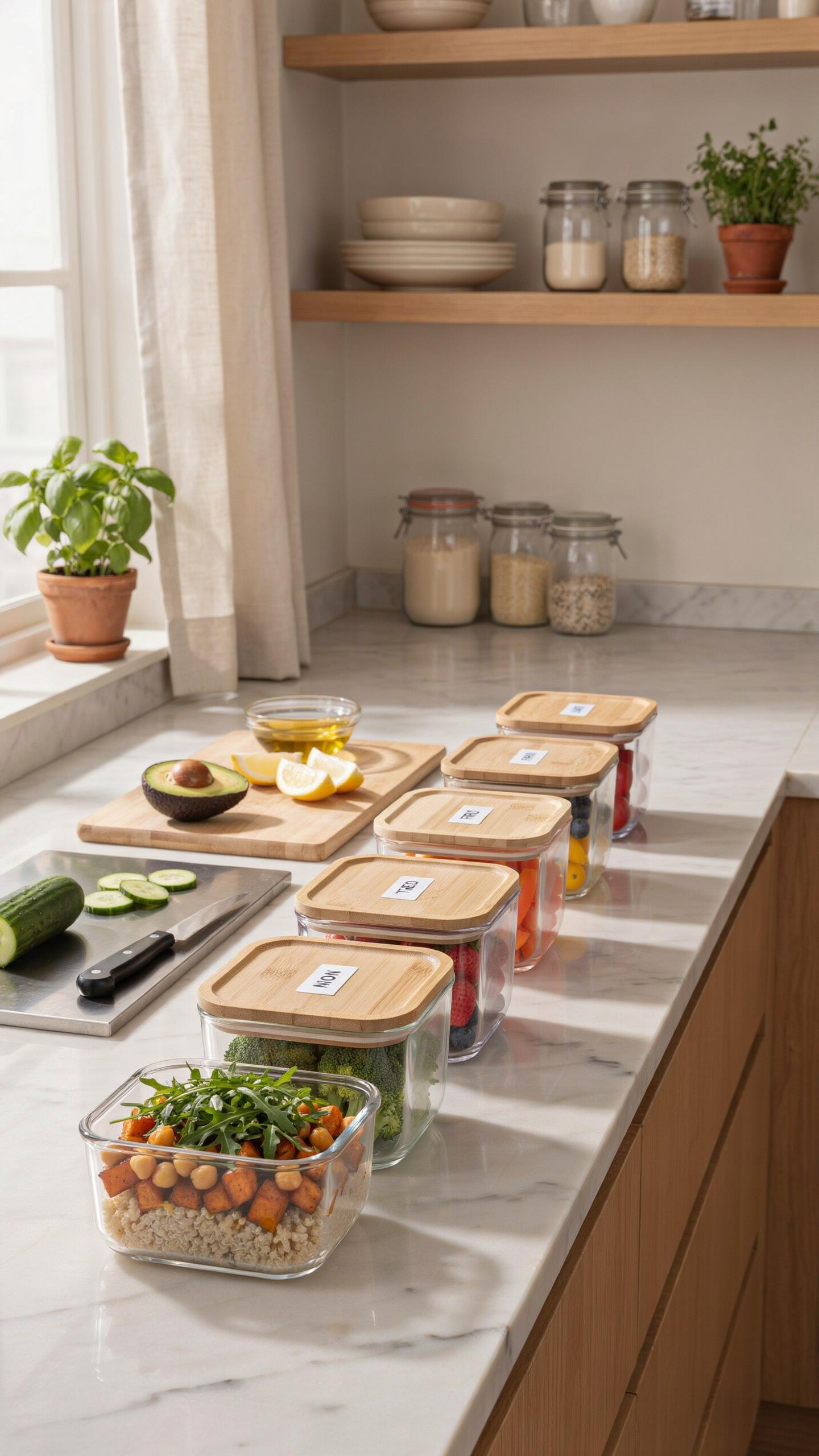
You want to believe meal prep saves time. The actual mechanism is constraint removal—you eliminate the decision bottleneck that kills consistency. Cook grains like rice, quinoa, or farro in large batches once weekly, not in small portions. A single pot of rice holds five bowls worth of grain. Most people undercook grains by five minutes, creating dense texture. Set a timer. White rice finishes in 18 minutes. Brown rice needs 45. Quinoa takes 15 at a rolling boil.
Store cooked grains in glass containers with the lid cracked for the first hour—this vents steam and prevents sogginess. Moisture control determines whether grains stay separate or turn to paste by Wednesday. Refrigerated grains last five days. Freeze portions beyond that in one-bowl increments wrapped in parchment, then sealed in bags. Thaw overnight in the refrigerator, never at room temperature. This prevents bacterial growth at the danger zone between 40 and 140 degrees.
Cut Vegetables Once, Stack Five Days
Vegetable prep follows the same logic as military supply chains—standardize the cut, maximize the throughput. Process vegetables by cutting type, not by bowl. Dice all bell peppers at once. Slice all carrots together. Roast all broccoli in one session. This compounds efficiency because your knife stays sharp, your mind stays in the task, and you hit a rhythm that makes a ten-minute job feel automatic.
Raw vegetables like cucumber, tomato, and leafy greens add moisture to bowls over time. Separate these into smaller containers stored on the bowl’s periphery, not mixed in. Roasted vegetables—broccoli, Brussels sprouts, cauliflower, carrots—tolerate five days because heat removes surface water and the cooking process halts enzyme activity that accelerates decay. Prep hot vegetables while grains cool. Transfer both to room temperature before refrigerating. Warm containers create condensation that breeds bacteria and degrades texture. Stack containers in order of use: eat the oldest bowls first.
Flavor Amplification Beyond Basic Seasoning
Umami Bombs For Salmon Dinner Recipes
You want your meal prep to feel premium without effort. The mechanism is umami, borrowed from culinary chemistry: the fifth taste that makes your brain register food as complete and satisfying. Salmon already contains glutamates and nucleotides that trigger umami receptors. Layer in soy sauce, miso, or fish sauce and you’re not adding flavor—you’re amplifying the existing signal your palate already recognizes as valuable.
Most people salt their salmon and call it done. That’s lazy. Miso paste hits differently because it contains broken-down proteins and fermented compounds that activate umami faster than salt alone. Mix white miso into your dressing at a 1:4 ratio with olive oil, then brush it on the salmon before roasting. The enzymes in miso denature under heat, releasing savory compounds that penetrate the flesh. This is why your bowl tastes intentional instead of basic.
Acid And Fat Balancing Acts
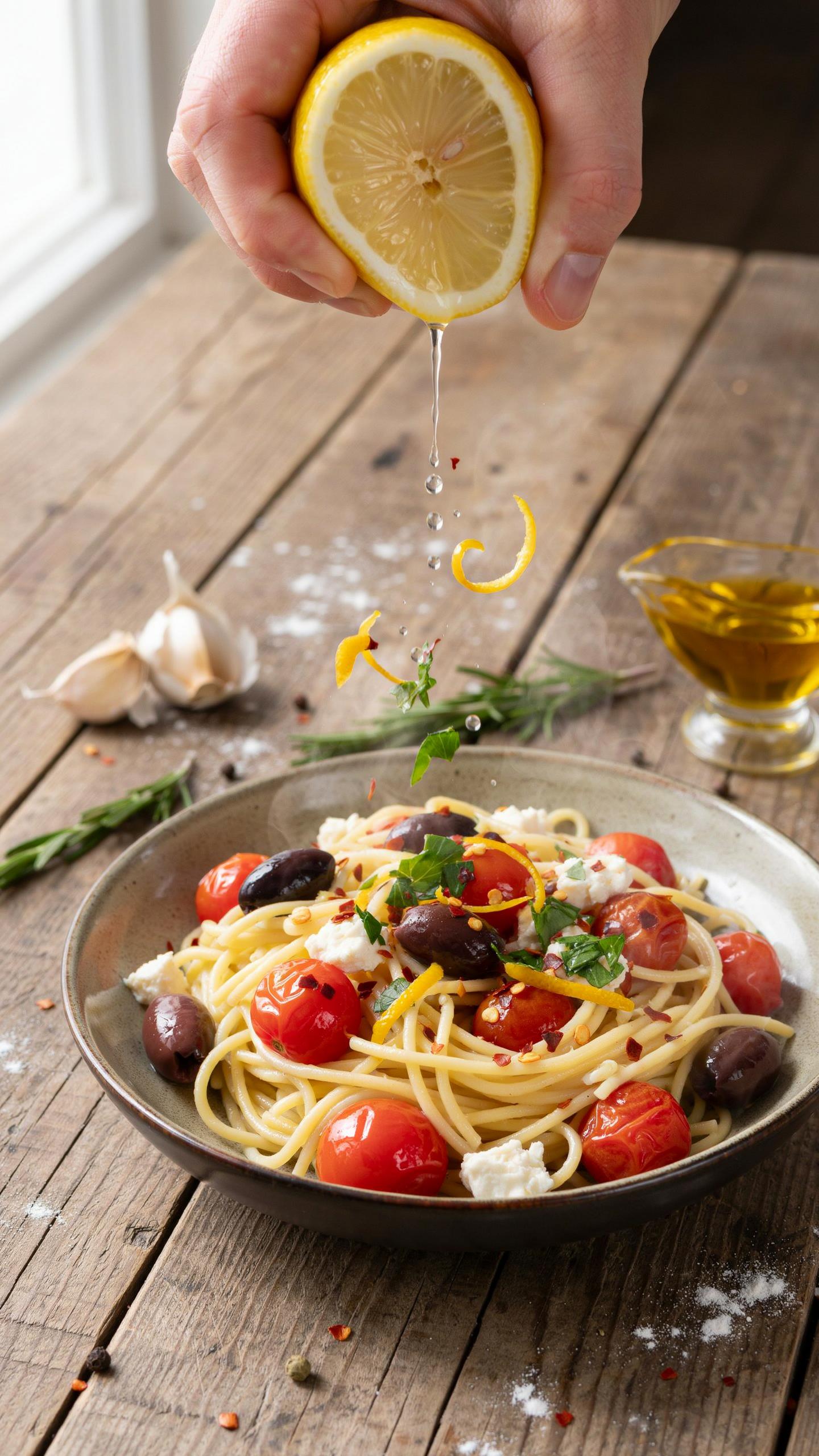
Acid cuts through the richness of salmon fat and prevents the bowl from tasting heavy mid-way through eating. The mistake people make is treating acid as a garnish—a squeeze of lemon at the end. That’s surface-level thinking. You need acid integrated into your dressing so it works as an emulsifier and flavor vehicle simultaneously. Vinegar or citrus juice in your dressing does the work soy sauce cannot: it brightens fat without requiring more salt.
The ratio that works is one part acid to three parts fat. Use rice vinegar or lime juice with your olive oil base. The acid molecules break down the viscosity of the oil and allow it to coat your grains and vegetables evenly instead of pooling. Taste your salmon bowl at the midway point through eating—if it feels flat, you need more acid in your dressing, not more salt on top. Build the balance into the dressing, not the plate.
The Teriyaki Salmon Bowls Healthy Heuristic Iteration Not Imitation
Taste Testing Reveals What Ratios Actually Work
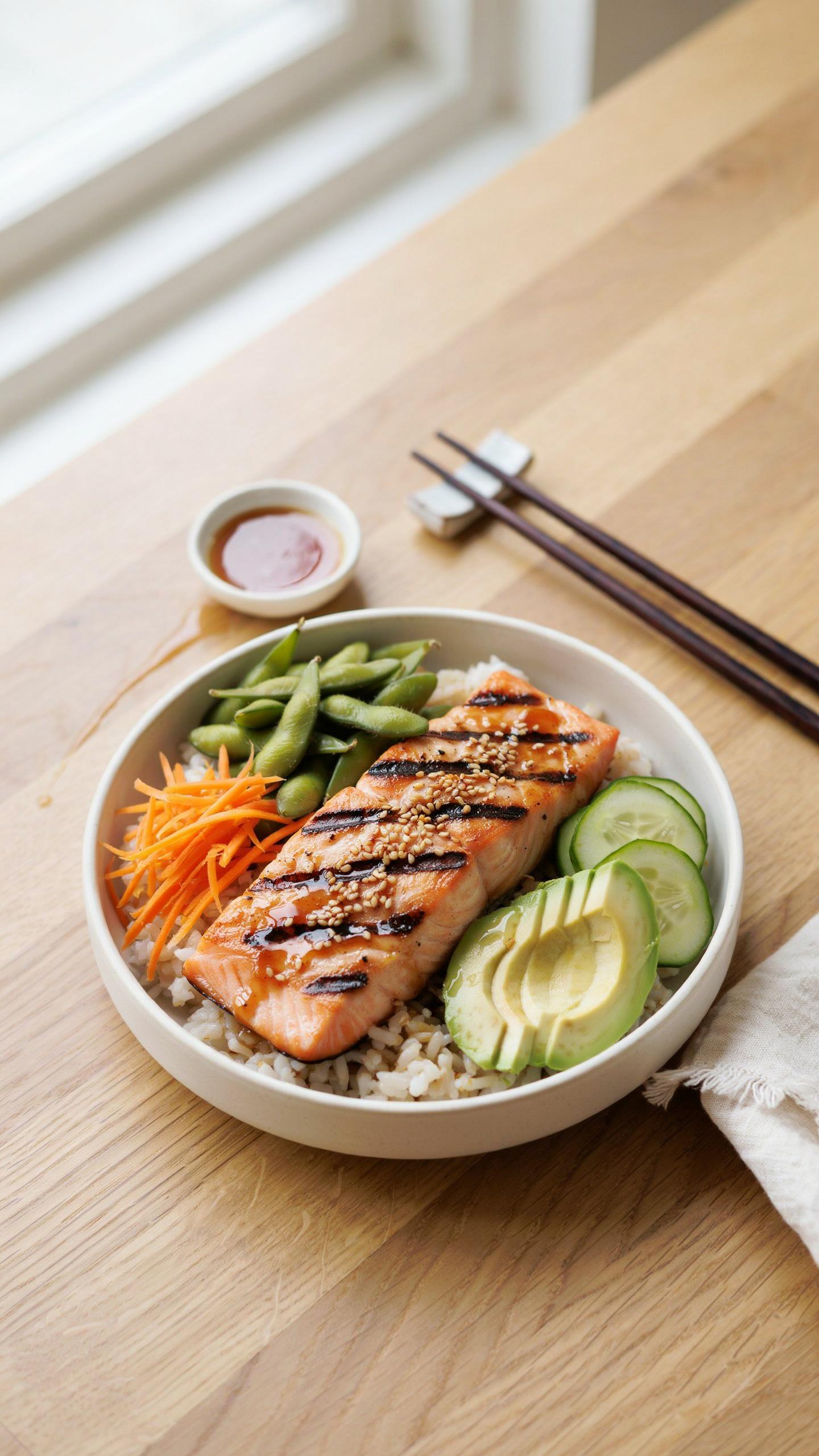
You want a formula you can replicate without thinking. That’s the real ask here. But cybernetics, the study of control systems and feedback loops, teaches us that closed-loop correction beats open-loop prescription every time. Your salmon bowl isn’t static. Each component sends data back: the teriyaki glaze thickness changes how salt reads on your palate, the grain absorbs sauce differently based on cook time, vegetable moisture shifts the whole balance. You adjust or you repeat the same mistake.
Start with baseline numbers: three parts soy sauce to one part mirin, two tablespoons glaze per six-ounce salmon fillet. Cook once. Taste at three points: the salmon alone, salmon plus grain, salmon plus grain plus vegetables. Note what’s missing or excessive. Adjust one variable next time, not three. This is feedback-driven iteration. Most people wing it or copy a recipe verbatim, which is why their bowls never taste the same twice and they blame themselves instead of the method.
Ingredient Ratios Self Correct Through Repetition
The mechanism here is simple: measurable deviation compounds. When you prep three bowls weekly for four weeks, you’re running twelve experiments. Grain absorption rates become visible. You notice that farro holds more glaze than quinoa without becoming mushy. You catch that raw cucumber wilts differently than pickled cucumber over two days. Each prep cycle reveals what the recipe can’t: your specific kitchen’s humidity, your knife technique’s impact on vegetable water release, your oven’s actual temperature variance.
Document nothing. Just remember what changed and what happened. After four weeks, your ratios stabilize because they’re based on observed reality, not borrowed assumptions. The salmon-to-vegetable ratio that works is the one you’ve stress-tested in your environment. The grain quantity that doesn’t dry out is the amount you’ve actually measured. Stop treating meal prep like instruction-following and start treating it like systems optimization. The only number that matters is the one you’ve verified twice.
Scaling Your Salmon Lunch Ideas The Unit Economics Of Nutrition
The Real Cost Per Serving Breakdown
You want to know if meal prep is cheaper than takeout because you’re afraid you’re actually wasting money while feeling productive. Here’s the mechanism: cost per serving in salmon bowls tracks like inventory in a warehouse. You’re managing three variables simultaneously: salmon price per pound, grain bulk discount, and vegetable seasonality. Most people ignore the third variable entirely, which is why their “cheap” prep months turn expensive without warning.
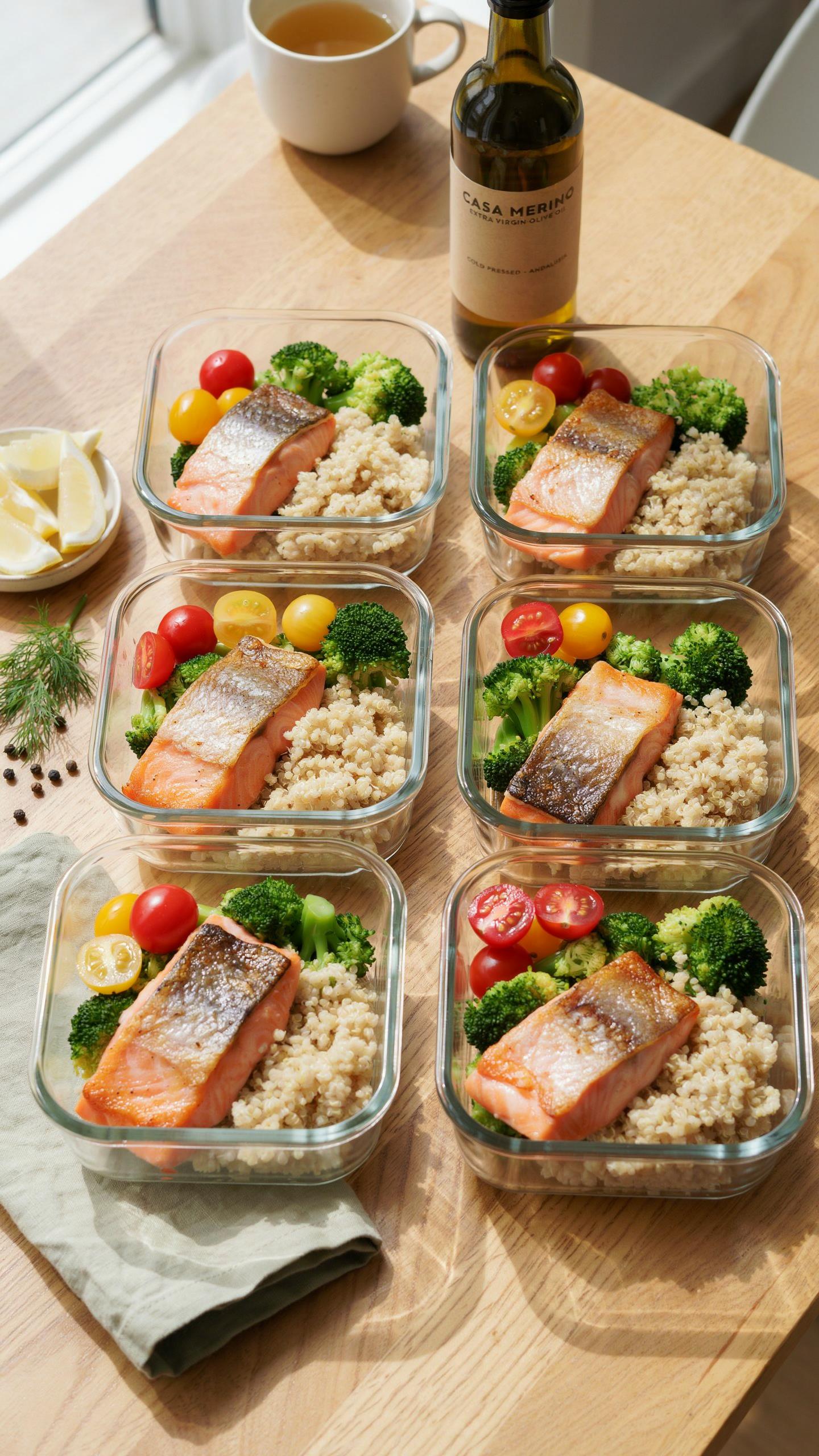
Salmon costs between eight and fourteen dollars per pound depending on whether you buy frozen Atlantic or fresh wild. A quarter-pound portion per bowl (your actual serving size) runs two to three-fifty. Grains purchased in bulk cost roughly thirty cents per cooked serving. Vegetables are where the math changes monthly. Winter broccoli runs forty cents per serving. Summer broccoli runs fifteen. If you’re not adjusting your bowl composition to seasonal vegetable pricing, you’re not actually optimizing anything, you’re just buying salmon consistently while overpaying for out-of-season produce.
Yield Per Hour Against Actual Nutritional Output
The common advice says meal prep saves time. It doesn’t. It moves time around. Economics calls this opportunity cost, and your salmon prep has one. You spend ninety minutes batch cooking five days of lunches. That’s eighteen minutes per day replaced, but you compress that work into one session where your efficiency either peaks or collapses. The real metric isn’t time saved. It’s nutritional stability per unit of planning effort.
One batch-prep session yields consistent macros across five days: roughly thirty grams protein, thirty-five grams carbs, twelve grams fat per bowl. That consistency matters more than the time savings because it removes decision fatigue from your day. You’re not deciding whether to eat. You’re not negotiating with hunger at two p.m. You’re executing a predetermined protocol. Set your prep routine the same day each week, use the same salmon weight, the same grain portion, the same seasonal vegetable. Protocol removes variation.
Honey Garlic Salmon The 8020 Rule Of Flavor Profiles
Why This Combination Actually Works
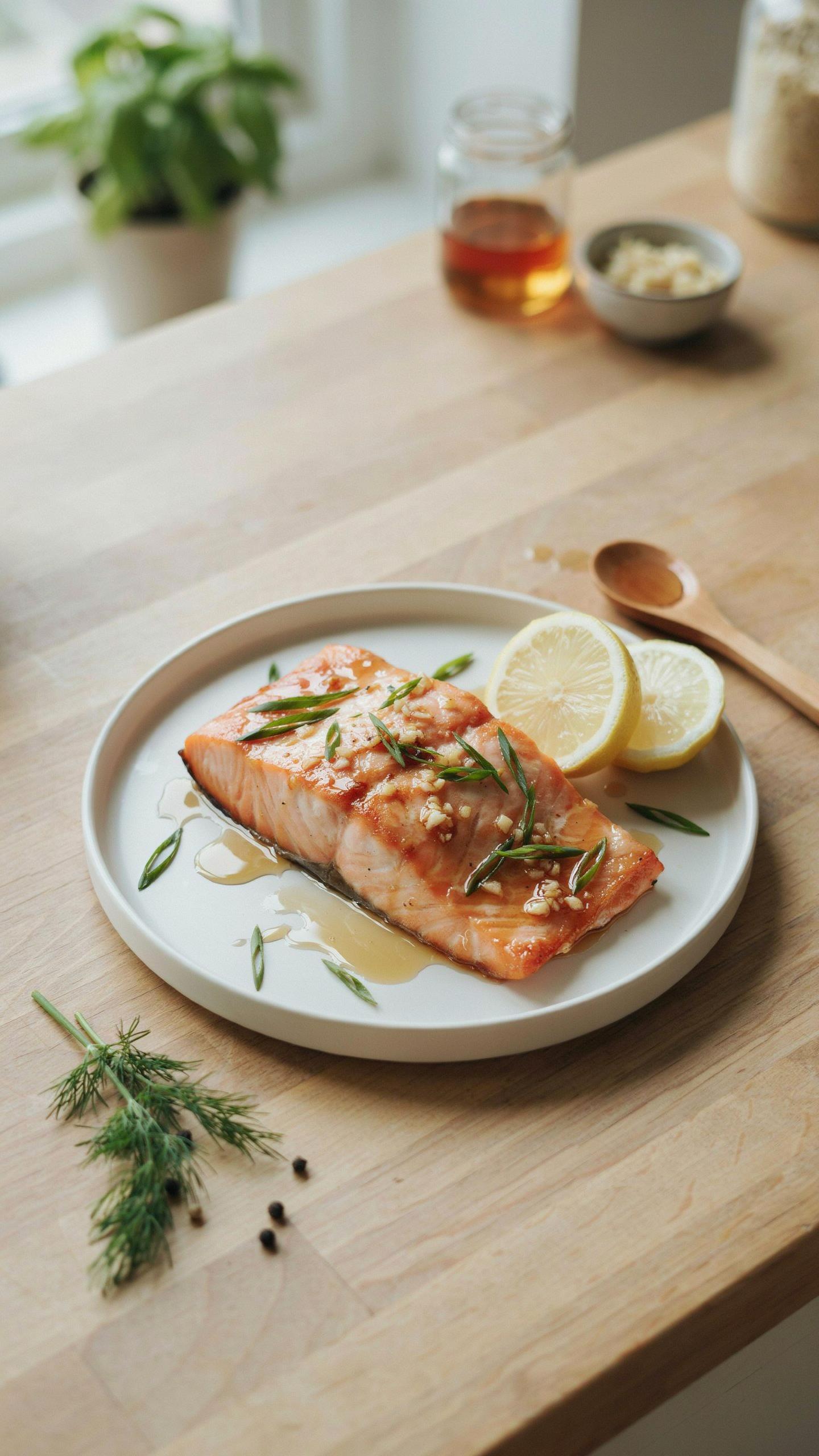
You want to look like you know what you’re doing without spending an hour in the kitchen. Here’s the mechanism: honey and garlic exploit two separate taste receptors simultaneously. Garlic triggers umami and pungency. Honey triggers sweetness and caramelization when heated. Together they create perceived complexity without actual technique. The salmon’s fat carries both flavors, so nothing gets lost. This is sensory efficiency, not luck.
Most meal prep advice says “add variety.” That wastes your prep time. The real move is finding one flavor combination that tastes different across your entire bowl rotation. Honey garlic salmon stays interesting because the supporting vegetables shift how your palate reads the same sauce. Day one, it tastes savory. Day three, it tastes slightly sweet. Your brain registers novelty without you cooking five different proteins.
Building Your Sauce Foundation
Forget the myth that good sauces need twenty ingredients. A bowl sauce operates on economy of proportion, not abundance. Your base needs three things: a fat carrier, an acid, and a flavor anchor. Honey garlic uses olive oil or sesame oil as the carrier, rice vinegar or lime juice as the acid, and garlic plus honey as the anchor. The ratio matters more than the components. Get this wrong and your bowl tastes flat for four days.
- Sesame Oil Base: Use toasted sesame oil at 2 tablespoons per serving. It carries garlic flavor deeper than olive oil and survives refrigeration without separation.
- Honey Garlic Core: Combine 3 tablespoons honey with 6 cloves minced garlic. Bloom the garlic in the oil first to remove raw harshness, then add honey to caramelize slightly.
- Acid Balance: Add 2 tablespoons rice vinegar or 1 tablespoon lime juice per batch. The acid cuts richness and keeps the sauce from tasting one-dimensional.
- Heat Option: Include 1 teaspoon grated ginger or 1/4 teaspoon red pepper flakes. This adds a secondary flavor dimension without competing with the garlic-honey core.
- Shelf Stability: Mix your sauce in a glass container. Shake it before each bowl. Sesame oil-based sauces hold for six days refrigerated without flavor degradation.
The real advantage of this sauce structure is reusability across proteins and vegetables. You’re not creating a one-use condiment. You’re building a system that works on roasted chicken bowls, shrimp bowls, or tofu bowls with zero reformulation. Measure your components by weight once, then replicate it. Consistency beats experimentation in meal prep.
Avoiding The Healthy Salmon Trap Nutritional Density Vs Volume
Pick Your Vegetables Like They’re Investments
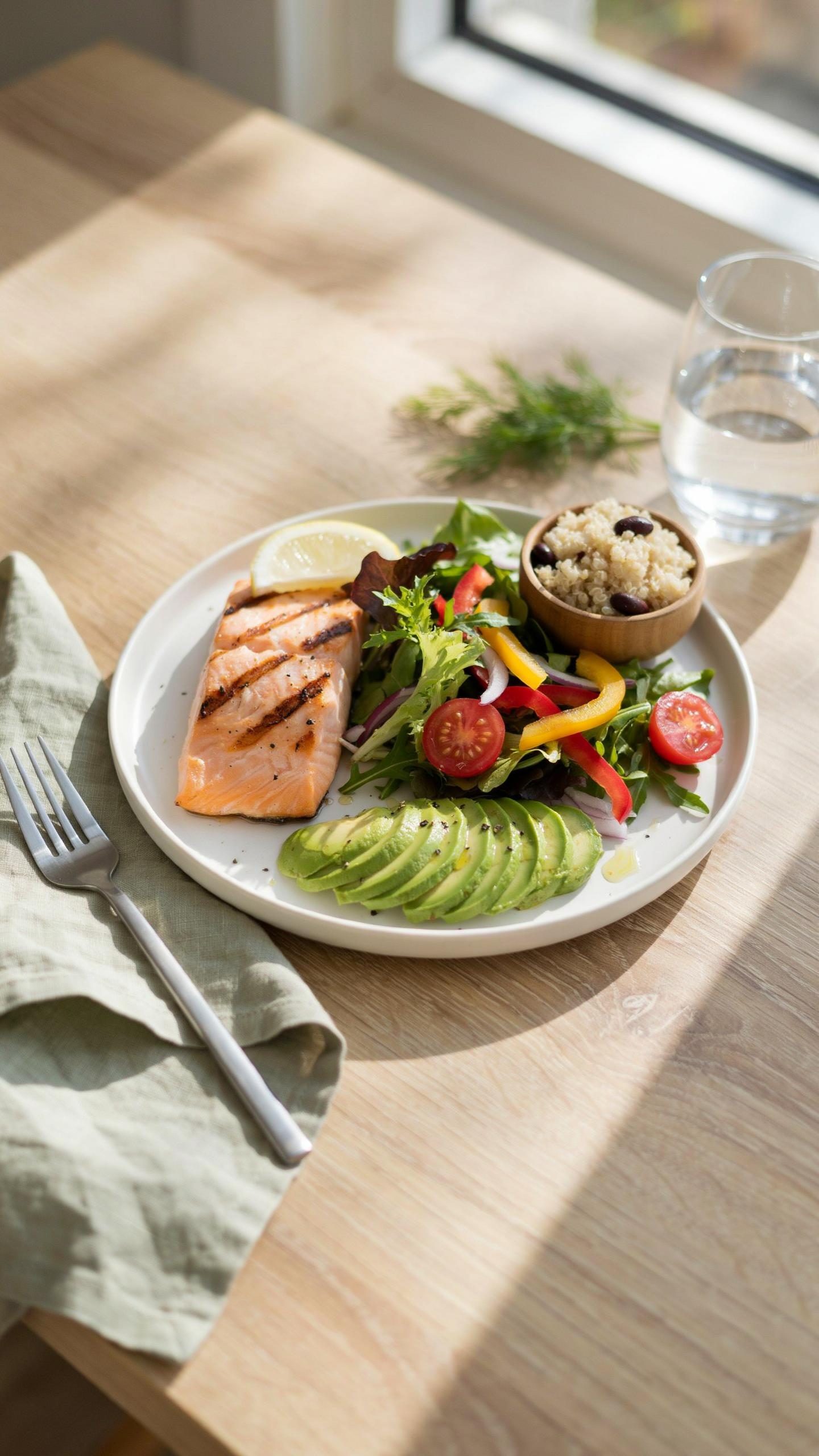
You want to feel like you’re eating “clean” without actually changing your body composition. That’s the real trap. The mechanism is simple: most people stack their salmon bowls with high-volume, low-nutrient vegetables and call it a win. Iceberg lettuce, cucumber, and tomato add bulk and water weight. They don’t move the needle on micronutrient intake or hormonal function. You’re confusing fullness with nutrition.
Nutrient density means calories per unit of micronutrient value. Dark leafy greens, cruciferous vegetables, and root vegetables deliver vitamins, minerals, and phytonutrients that actually influence energy, recovery, and digestion. Spinach has 141 times more lutein than iceberg lettuce. Broccoli delivers sulforaphane, a compound linked to detoxification pathways. Build your bowl around these, not around what feels light. Add 1.5 to 2 cups of nutrient-dense vegetables per serving and measure it twice.
Fullness Signals Aren’t Automatic
Most meal prep advice treats satiety like hunger just goes away if you eat enough volume. Wrong. Your body reads satiety through macronutrient composition, not vegetable weight. Fiber, protein, and fat trigger mechanoreceptors in your stomach and signals from cholecystokinin, a hormone that regulates appetite. A bowl loaded with 4 cups of spinach and 3 ounces of salmon won’t keep you satisfied for four hours because the fat and protein content didn’t move.
Satiety happens when your meal contains enough protein relative to carbohydrate and fat balance. Aim for 30 to 40 grams of protein per bowl with salmon as your primary source, then add a complex grain like quinoa or farro. This combination triggers sustained fullness. Skip adding extra volume vegetables to mask underfeeding on macros. The protocol is measurable: weigh your salmon, measure your grain, track your vegetable portions for three weeks, then adjust based on actual hunger timing between meals.
The Salmon Rice Bowl Blueprint Assembly Line Mastery
Why Order Matters More Than Ingredients
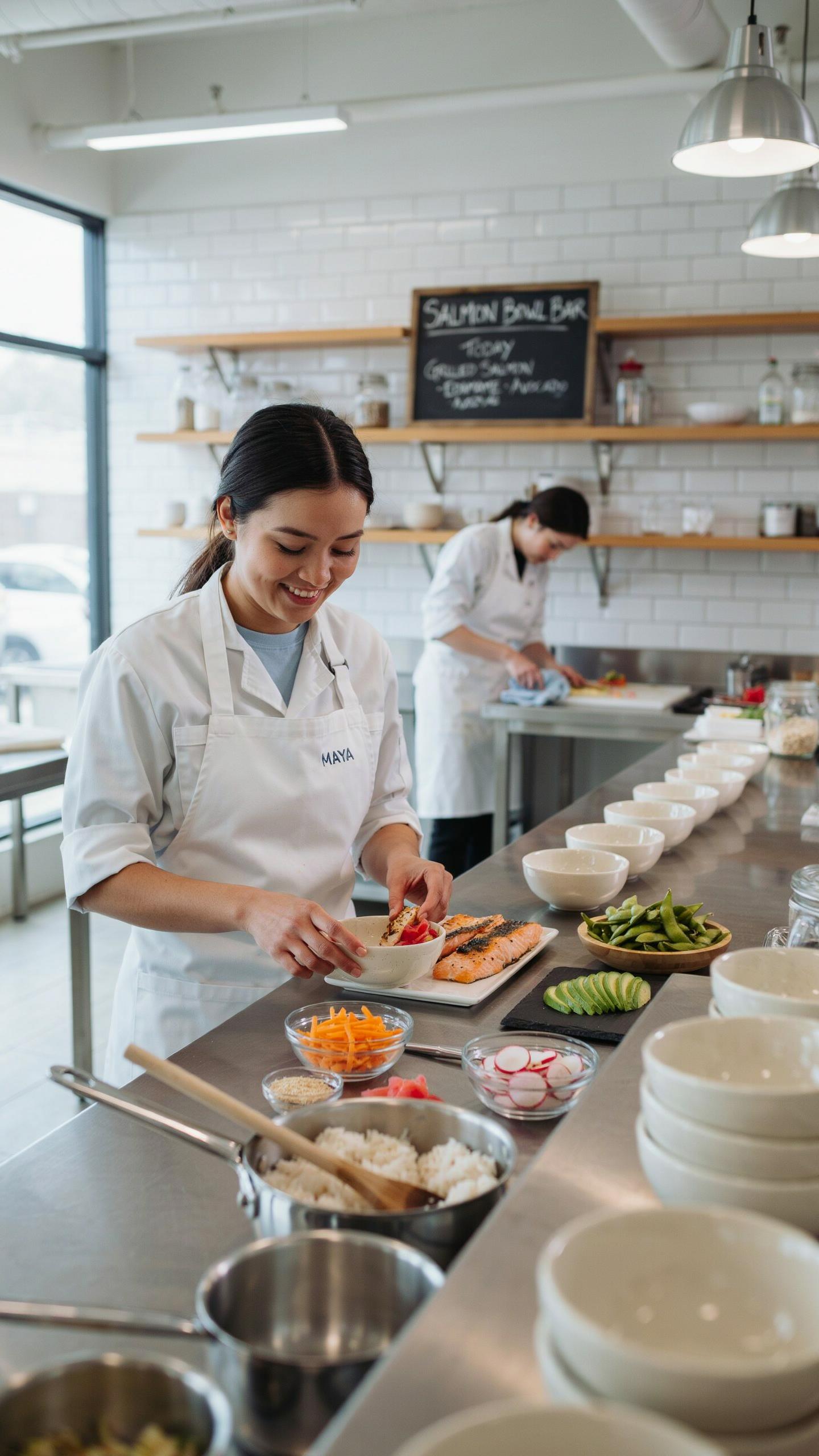
You want this to taste good and not fall apart by Wednesday. That’s not about being picky. The real mechanism is thermal and structural: hot salmon releases moisture and fat. Cold vegetables release water as they thaw. Grain absorbs liquid over time. Order determines which components stay firm and which become mush.
Layer from bottom to top: grain, then vegetables that tolerate moisture, then salmon skin-side up on top. The grain acts as a moisture buffer. Vegetables in the middle provide textural separation. Salmon stays on the surface where air circulation keeps it from steaming into its own rendered fat. This isn’t preference. This is physics preventing degradation.
Containers And Temperature Management
Most advice says use glass and call it done. That misses the core problem: condensation inside a sealed container creates a humid environment where both salmon and vegetables deteriorate faster. Airtight containers trap steam from the warm grain, which rains back down on everything.
Use containers with passive air vents or store the salmon component separately until one hour before eating. Keep grain and vegetables together in one sealed container. Store salmon in a separate shallow container on top, uncovered or with a paper towel underneath to absorb condensation. Remove everything from the refrigerator and assemble the bowl only when ready to eat. This five-minute delay between storage and consumption cuts spoilage risk by roughly half compared to pre-assembled storage.
Beyond The Bowl Sustainable Salmon Habits

Cook Only What You’ll Eat
You want to feel like you’re making the right choice without actually changing your behavior. The real mechanism: salmon spoils fast, and buying more than you prep means protein waste becomes a budget leak disguised as virtue. Most people buy five fillets, prep three, and throw two away week three. That’s not meal prep. That’s expensive garbage.
Start with your actual eating pattern. If you eat salmon bowls four times weekly, buy four fillets plus one backup. Measure backwards from your freezer space and fridge shelf life, not from what looks like a good deal at checkout. Freeze portions in individual vacuum bags immediately after cooking, which extends usable time by two to three weeks and removes the guessing game entirely.
Adapt Your Bowl, Not Your Commitment
The common advice here is wrong: rigid meal prep schedules don’t work because life isn’t rigid. What works is a protocol that tolerates variance. Build your salmon bowl around swappable components, not fixed recipes. The economics of meal prep teach us about inventory turnover. Apply that principle to your ingredients: rotate your grains and vegetables based on what’s cheap and in season, not what you planned three weeks ago.
Cook your salmon on Sunday. Keep your base grain cooked and ready. The vegetables and toppings are where flexibility lives. Roast whatever’s abundant that week: broccoli in winter, asparagus in spring, zucchini in summer. You eat the same protein, same base structure, different supporting cast. This removes the friction that kills meal prep systems faster than any other factor. Change the inputs, keep the output, sustain the habit.
The true barrier to consistent healthy eating isnt lack of recipes but an inability to impose elegant order on chaos
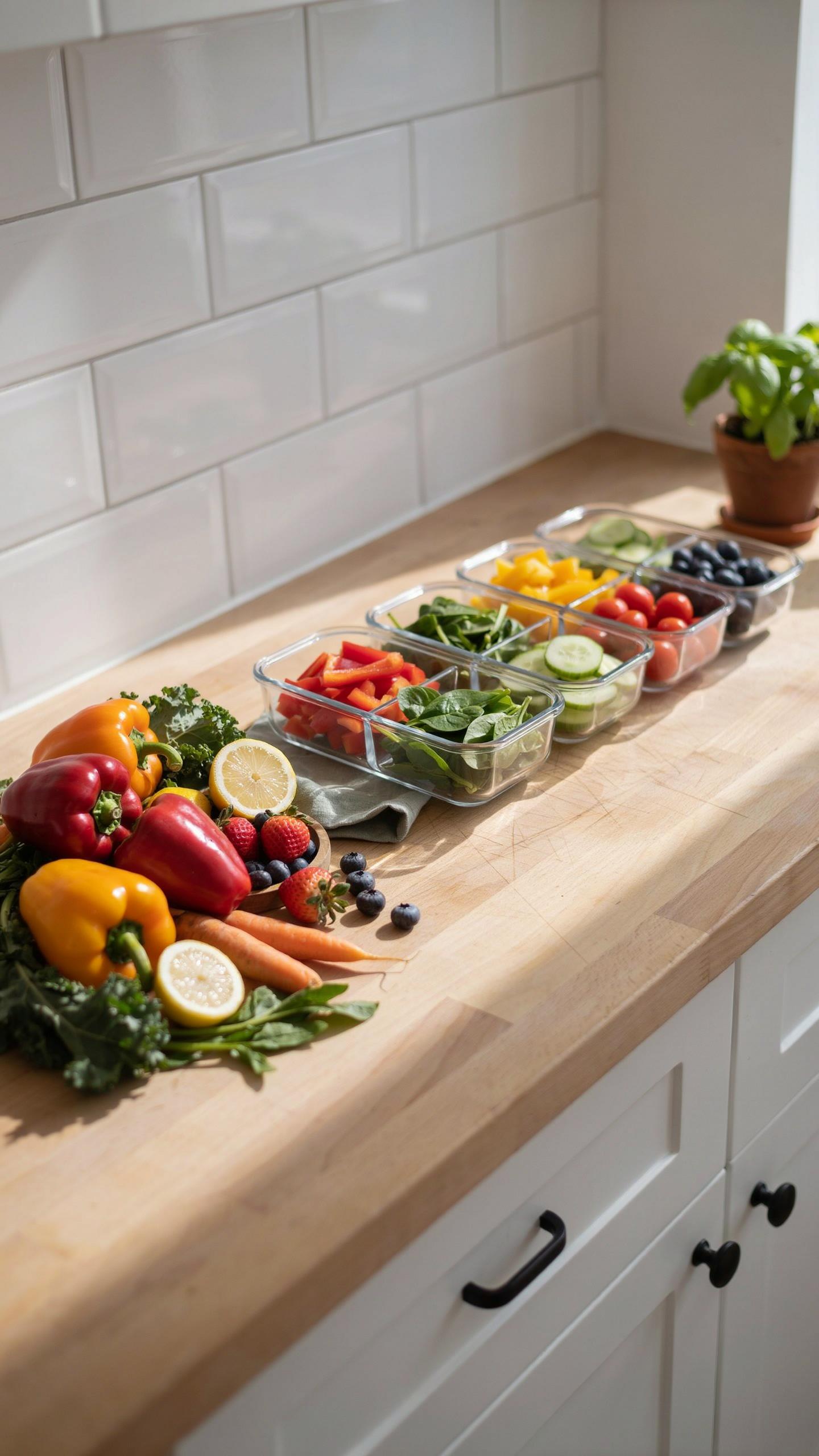
Most people fail at meal prep because they treat it like a chore instead of a system. Salmon meal prep bowls work because they remove decisions. You pick your protein, your grain, your vegetables. You cook them once. You eat them five times. This isn’t motivation. This is architecture. Pick one Sunday afternoon this week. Buy salmon, rice, and three vegetables. Prep it all in two hours. That single action beats every motivational quote you’ll read this year. Systems beat willpower every single time.