
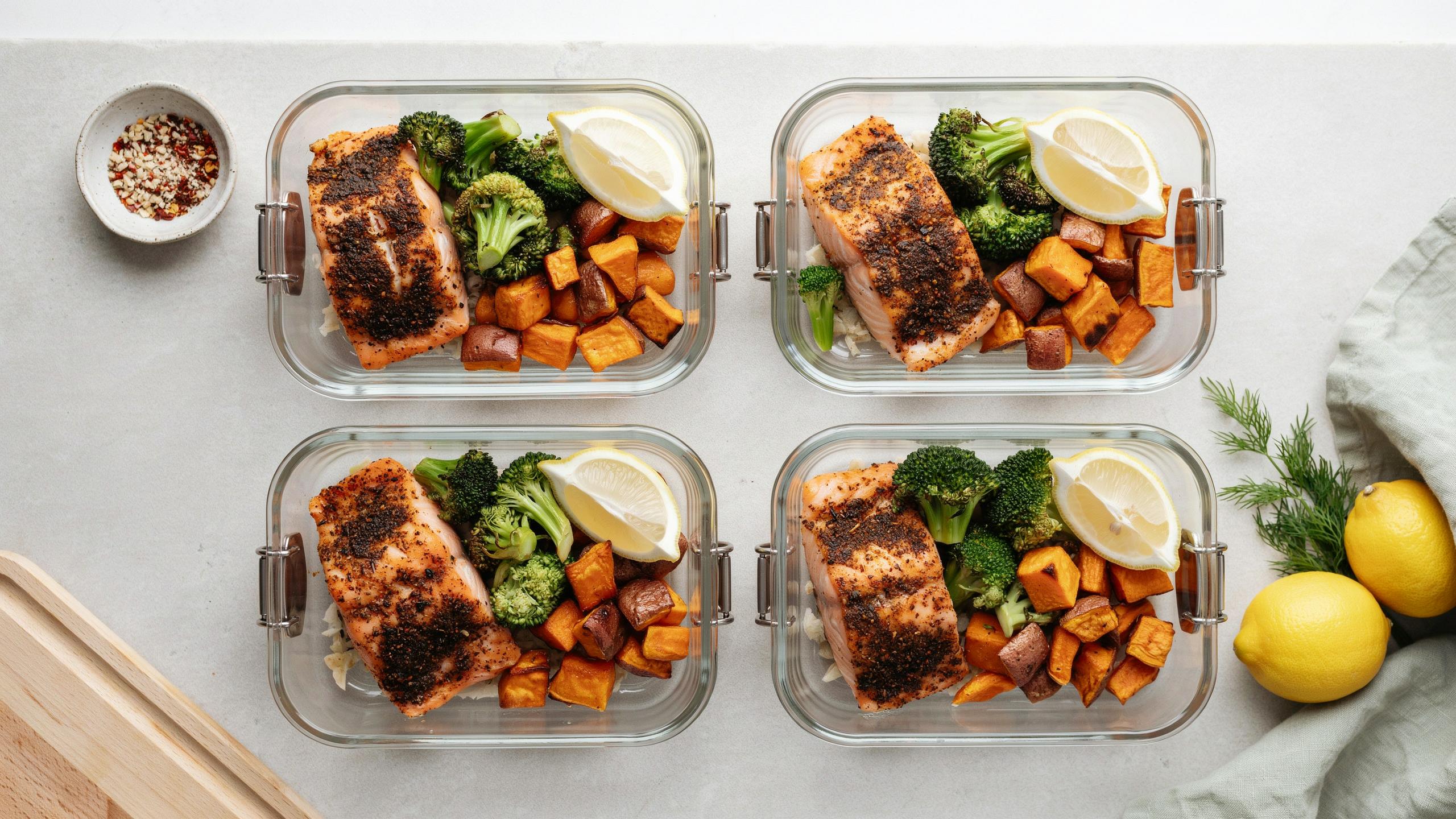
Blackened Salmon Beyond The Hype
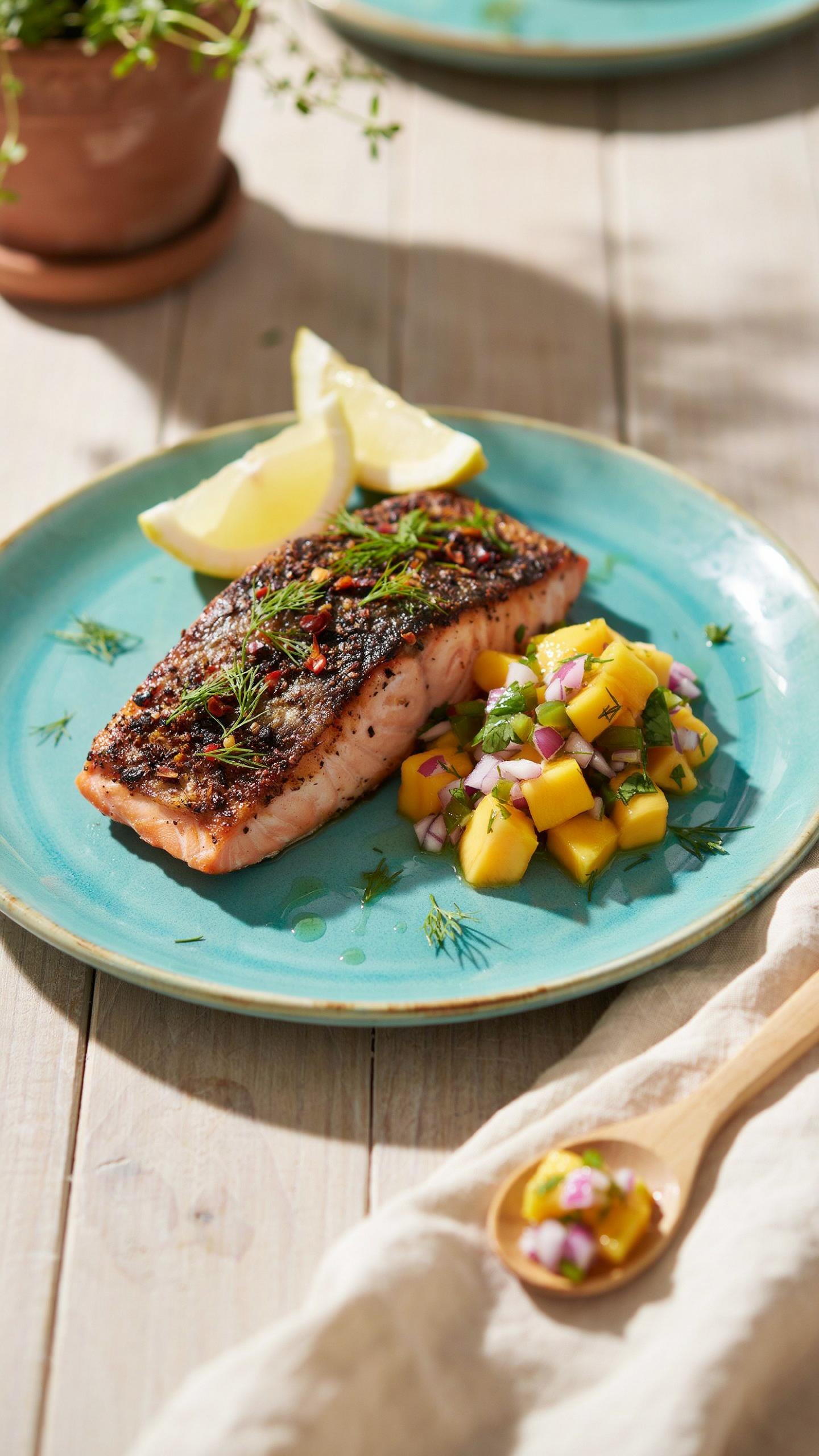
The Status Trap Of Healthy Eating
You want blackened salmon in your meal prep because it signals discipline. That’s the real draw, not the food itself. Here’s what actually matters: blackened salmon works because the preparation method creates a protein-dense meal that doesn’t require willpower to finish. The Maillard reaction that forms the blackened crust triggers flavor compounds that make your brain register satisfaction faster than plain grilled fish. You eat less total food and feel fuller longer.

The consensus says salmon is a superfood. That framing is lazy. Salmon contains omega-3 fatty acids and high-quality protein, which are useful for muscle recovery and satiety. The blackening process doesn’t degrade these nutrients—high heat actually seals in moisture and prevents the protein from drying out during storage. The real advantage isn’t that blackened salmon is magic. It’s that the preparation makes a high-protein dinner taste good enough to repeat without motivation.
Protein Density Without The Texture Problem
Most meal prep protein sources create a problem: they taste worse by day three. Chicken breast gets dry. Turkey becomes rubber. Blackened salmon avoids this through oil content. The fish’s natural fat keeps it moist through refrigeration, which means the protein source tastes nearly identical on day one and day four. A typical blackened salmon fillet contains 25-30 grams of protein per 100-gram serving, matching lean poultry while maintaining palatability.

The blackening spice crust also performs mechanical work. It creates a barrier that slows moisture loss and masks the subtle fish flavor change that occurs during storage. This isn’t sentiment. It’s material science applied to meal prep. When you reheat blackened salmon, the crust traps steam and prevents the interior from becoming stringy. Store it in airtight containers with a paper towel to absorb excess moisture, and keep reheating time under two minutes.
The Cognitive Offload Protocol For Blackened Salmon
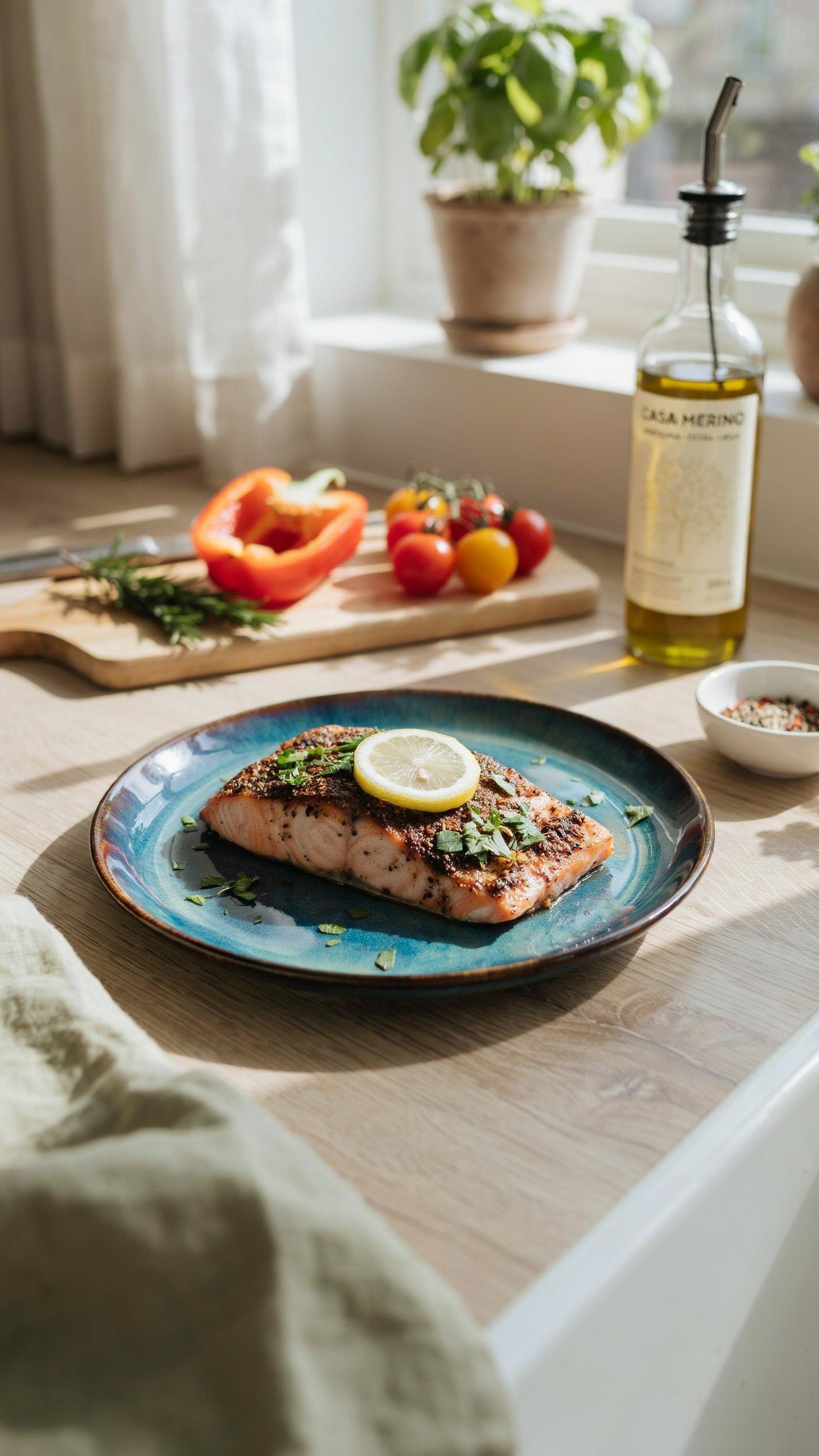
Build A Repeatable Cooking Template
You want meal prep to feel effortless because you’re afraid consistency will expose how lazy you actually are. The real mechanism is this: every decision you make while cooking drains the same mental resource you need for work. Eliminate decisions by locking in one blackened salmon template and never changing it. Same rub ratios. Same pan temperature. Same timing. Your brain stops evaluating and starts executing.
Write down your exact blackened seasoning ratio by weight, not feel. Document the precise pan temperature where your cast iron sits before the salmon hits it. Record how many minutes at that heat produces the doneness you want. These three numbers become your operating system. You execute the same sequence five times weekly with zero deliberation. The cognitive load drops to near zero.
Batch Cook And Section Into Portions
Decision fatigue from meal prep isn’t random—it compounds across every small choice you make during the process. Cook five salmon fillets in one session instead of cooking one nightly. Prep all your rub at once. Season all fillets simultaneously. This isn’t about saving time in aggregate; it’s about making one batch of decisions instead of five. You pay the mental cost once, then reap five days of autopilot execution.
After cooking, portion each fillet into containers while still warm so they cool evenly and you can store them properly. Pair each with your prepared sides in the same container setup each time. Label with the date. This front-loaded structure means your only future decision is whether to eat at 6 PM or 7 PM, not how to feed yourself. The protocol becomes invisible.
How To Make Blackened Seasoning For Salmon The Flavor Catalyst
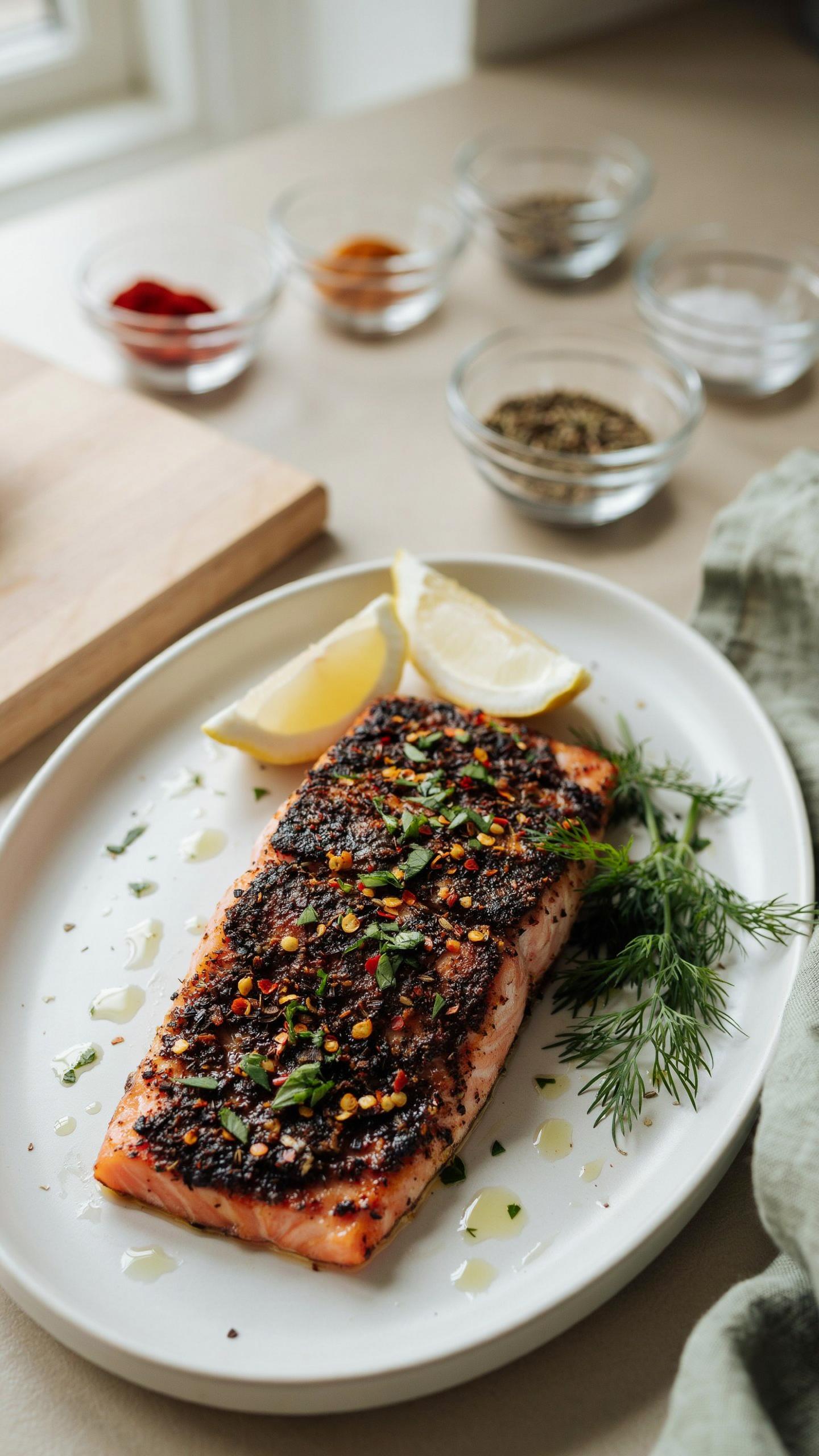
The Core Spice Foundation
You want this to taste restaurant-quality without admitting you meal-prepped it. That fear of mediocrity is exactly why most people skip the seasoning step or buy pre-mixed garbage. The mechanism is simple: blackened seasoning works because it builds flavor through heat activation, not just surface taste. Ground spices release oils and volatile compounds only when they contact the salmon’s moisture and the pan’s temperature. You need the right components in the right ratios or you get either a one-note burn or a forgettable dust.
- Paprika: The base note. Use true paprika, not smoked, unless you want a competing flavor. It provides color and a mild sweetness that balances heat.
- Cayenne pepper: The heat driver. Start with half a teaspoon per batch and adjust up. Cayenne burns faster than other peppers, so it contributes to the char.
- Garlic powder: Not fresh garlic. Powder concentrates and distributes evenly. Fresh garlic scorches and creates bitter spots on the fish.
- Onion powder: Adds umami depth and prevents the seasoning from tasting thin. It works synergistically with paprika to build complexity.
- Black pepper and thyme: Black pepper provides sharpness and bite. Thyme adds an herbal undertone that keeps the seasoning from becoming one-dimensional.
Most recipes say “mix equal parts everything.” That’s wrong. Paprika and garlic powder should dominate by weight. The rest are support players. A workable ratio: two tablespoons paprika, one tablespoon garlic powder, one teaspoon cayenne, one teaspoon onion powder, half teaspoon black pepper, half teaspoon dried thyme. Mix in a small bowl and store in an airtight container. The seasoning stays potent for six weeks if you keep it dry and sealed.
Layering Heat For Maximum Impact
The goal isn’t a uniform coat. It’s controlled char that penetrates the exterior without burning the interior. Think of blackening like military strategy: you’re deploying force to specific coordinates. The salmon’s moisture is your target zone. When you apply seasoning to dry skin, the spices sit dormant. When you apply it to surface moisture, the heat activates the oils instantly and transfers that flavor into the fish’s protein matrix.
Pat the salmon skin completely dry with paper towels before seasoning. This removes the barrier between the spice blend and the cooking surface. Apply seasoning generously to the skin side only. The other side gets a light coating. Heat your cast iron or stainless steel pan to medium-high until a drop of water dances and evaporates instantly. Place the salmon skin side down first. The seasoning hits the pan and blooms. Leave it untouched for three to four minutes. That’s where the char happens.
Blackened Salmon Recipes Pan Seared Mastering The Maillard Reaction
High Heat, Short Duration Wins
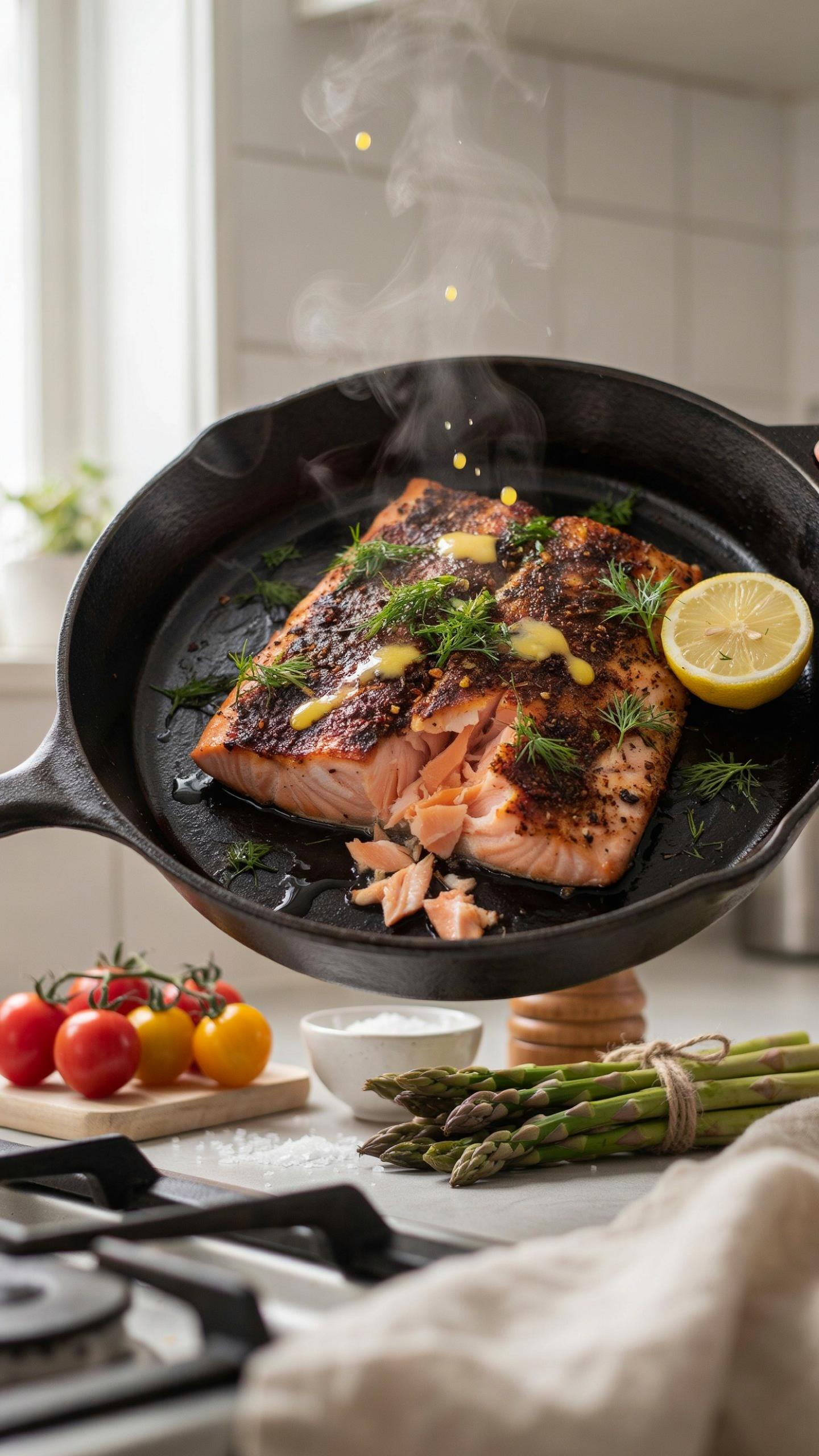
You want the crust. That’s the real reason you’re here, not the protein or the meal prep efficiency. The mechanism is chemistry, not effort. The Maillard reaction—where amino acids and reducing sugars bond under heat above 300 degrees Fahrenheit—only happens fast at high temperatures. Low heat for long durations produces steam and pale flesh instead of the dark, flavorful crust that justifies the blackened salmon name.
Get your cast iron or stainless steel pan to smoking point before the salmon touches it. This takes 3 to 4 minutes on high. Pat the salmon completely dry with paper towels first. When you place the fillet skin-side up into the pan, you hear immediate sizzle. Leave it untouched for 3 to 4 minutes. The crust forms only during this stationary window. Moving it breaks the contact needed for the reaction to complete.
Where Most People Miss
The common advice says “don’t flip too early.” That’s incomplete. Most people actually flip too late or flip repeatedly, which ruins the second side by cooking it at lower residual heat. The real problem: nobody acknowledges that the pan loses temperature when you add cold salmon. Your heat needs to exceed the Maillard threshold on both sides, which means the pan must start hotter than necessary.
The second mistake is prepping too far ahead. Salmon releases moisture as it sits. Wet surfaces steam instead of sear. Blacken your spice blend on dry fish within five minutes of cooking, not an hour. Moisture ruins the Maillard reaction more than any other variable. Cook within your meal prep cycle, not before it.
The Kaizen Cook Method For Easy Blackened Salmon Lunch
Your Prep Workflow Gets 1% Better Every Cook
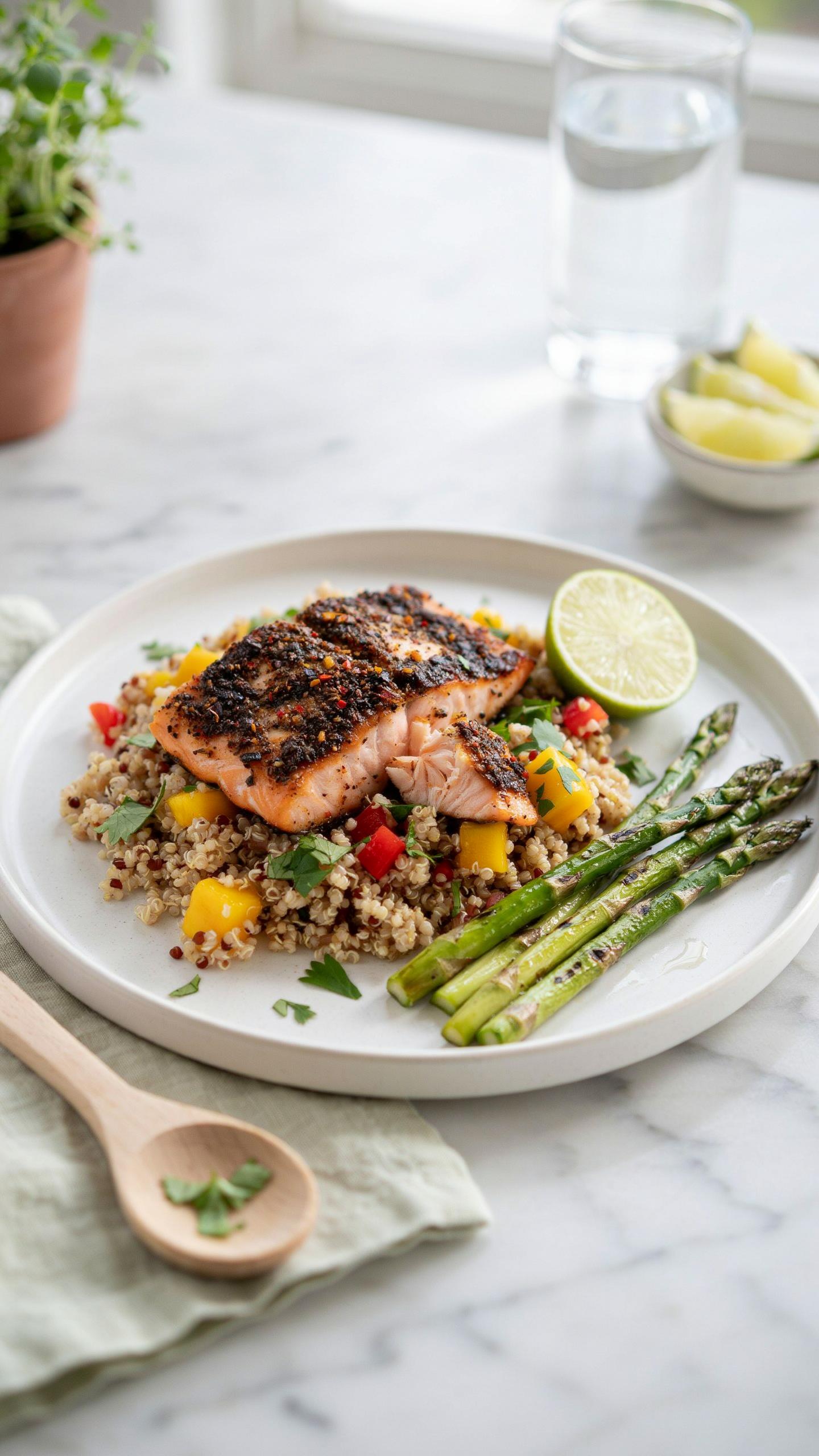
You want meal prep to feel automatic so you stop thinking about dinner. The mechanism that makes this happen isn’t motivation—it’s incremental friction reduction. Biology calls this “adaptation,” and it’s how your nervous system learns physical tasks. Apply it to blackened salmon prep: each cook session, you eliminate one bottleneck. Maybe it’s pan positioning. Maybe it’s seasoning batch timing. Never overhaul the whole process. Small changes compound into a system that runs without mental overhead.
Track what slows you down in real time, not memory. Write it down the moment it happens: “Salmon sticks to pan when I flip too early” or “I’m measuring spices twice.” Then adjust one variable next cook. A properly seasoned cast iron eliminates sticking. Pre-measuring your blackening spice into small bowls eliminates the second measurement. After eight cooks, you’ve removed eight friction points. The system now runs on autopilot, and your brain saves energy for other work.
The System That Beats Your Last Attempt
Evolutionary theory says organisms that adapt faster to environmental pressure outcompete those that don’t. Your meal prep environment includes time constraints, ingredient availability, and how hungry you actually are that week. Standard meal prep advice says “prep the same thing every Sunday.” That’s garbage. It ignores that your real constraints shift. Build flexibility into your blackened salmon protocol instead of rigidity. If you’re low on time one week, you prep four fillets instead of eight. If salmon prices spike, you shift one dinner to ground turkey with the same blackening spice.
Document what worked and what didn’t after each session. Not feelings—specifics. “Cooked at 425 degrees for 12 minutes, texture was dry” or “Batch seasoning in bowl held for three days without clumping.” Over time, you build pattern recognition. You notice that thicker fillets need 14 minutes, not 12. You see that your spice mix works better in glass containers than plastic. Your next cook beats your last one because you’re measuring against what actually happened, not what you think should happen.
Grilled Blackened Salmon Outdoor Efficiency
Heat Layering For Crust Development
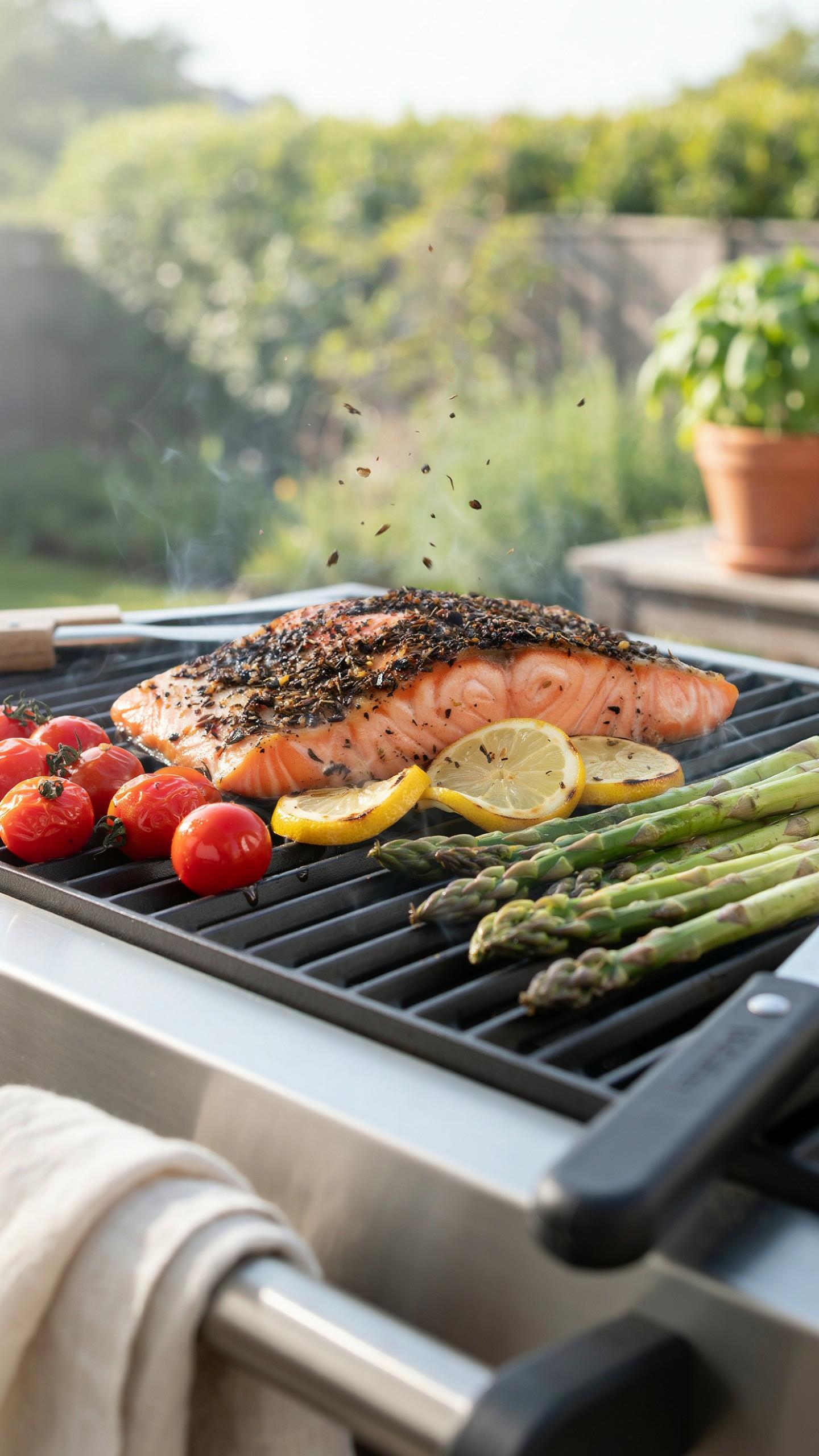
You want people to think you can cook. Here’s what actually matters: the crust forms through the Maillard reaction, a chemistry principle where amino acids and reducing sugars bond under high heat. Blackened salmon demands a two-zone grill setup. One side runs at 450°F plus. The other stays cooler. This isn’t about searing then moving. This is about searing aggressively on high heat for exactly 3 minutes per side, then finishing on lower heat if the salmon thickness demands it.
The blackening spice crust burns if you don’t control timing. High heat creates that char without turning the spice into ash. Most people treat the grill like a flat pan. They don’t. A grill’s radiant heat from below and overhead convection are different animals. Preheat your grill 10 minutes minimum, oil the grates, and place salmon skin side up on the hot zone. Flip once. The crust hardens, the interior stays medium rare. Temperature check at the thickest point: 120-125°F for medium rare, no higher.
Batch Timing Without Crowding
The real brake on meal prep speed isn’t cooking time. It’s managing carryover heat and grill space without losing your crust quality. If you crowd the grill, you drop the temperature, steam the salmon instead of char it, and lose the mechanism that makes this method worth doing. Work in batches of 3-4 fillets maximum depending on grill size. The first batch finishes, rests on a clean plate for 3 minutes. The second batch starts immediately on the same hot grates. This rhythm holds for 8-12 fillets per session.
Resting isn’t optional. It stops the carryover cooking that can push salmon from medium rare to medium. Three minutes does it. Your total time per batch is 7-8 minutes from grill placement to plate. For four fillets, that’s roughly 15 minutes active cooking. This beats oven baking because the high-heat crust develops in real time instead of requiring a separate sear step.
Quick And Easy Blackened Salmon Beyond The Pan
Oven And Broiler Methods
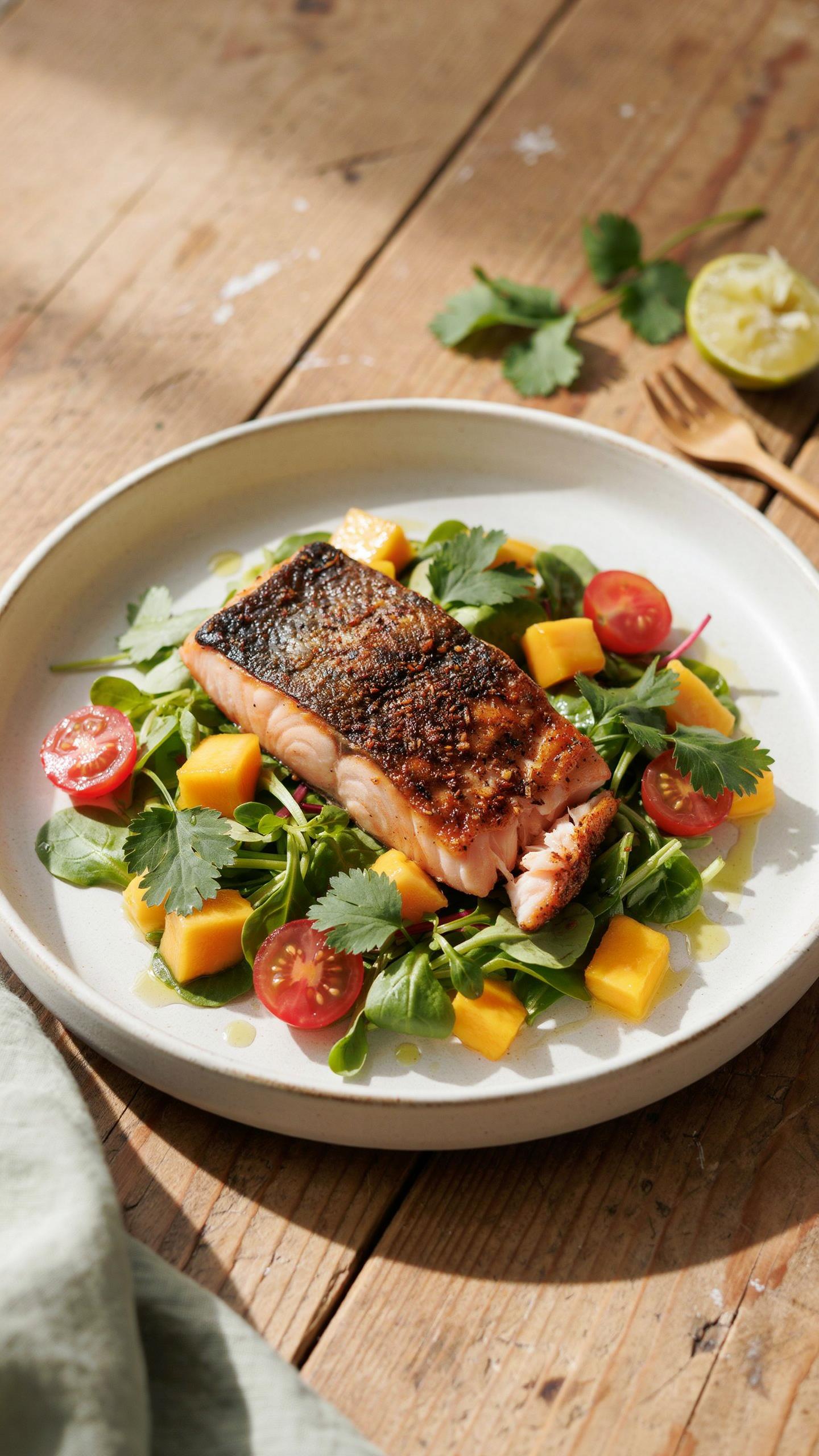
You want the blackened crust without standing over heat, which reveals the real mechanism at work: the Maillard reaction doesn’t care about your attention span, only about temperature and surface contact. Oven broiling delivers 500+ degree heat from above, creating the char you need without pan babysitting. The salmon cooks from both sides simultaneously, which means faster throughput and less timing precision than stovetop work demands.
Broiler timing runs 8 to 12 minutes depending on thickness and your rack position. Place the seasoned salmon skin-side down on an aluminum-lined sheet, position the rack 4 to 6 inches from the heating element, and walk away. You’ll get the blackened exterior and medium-rare center without the sear-and-flip choreography. This method works best for batch prep because you load multiple fillets at once and they finish together.
Parchment Paper And Sheet Pan Setup
The cleanup obsession people have with blackened salmon is misdirected. They focus on scrubbing when they should focus on architecture, the engineering principle of designing failure out before it happens. One layer of parchment paper under your salmon eliminates the protein-to-pan bond entirely, and fish skin becomes a non-stick surface on its own.
Use heavy-duty parchment, not the flimsy stuff. Fold the edges up slightly to catch seasoning runoff and any rendered oil. After the meal preps finish cooking, you fold the parchment into the trash and rinse the pan for 30 seconds. Your blackened salmon prep becomes a five-minute cleanup task instead of a 20-minute scrubbing session.
Blackened Salmon Recipe Your Personal Blueprint
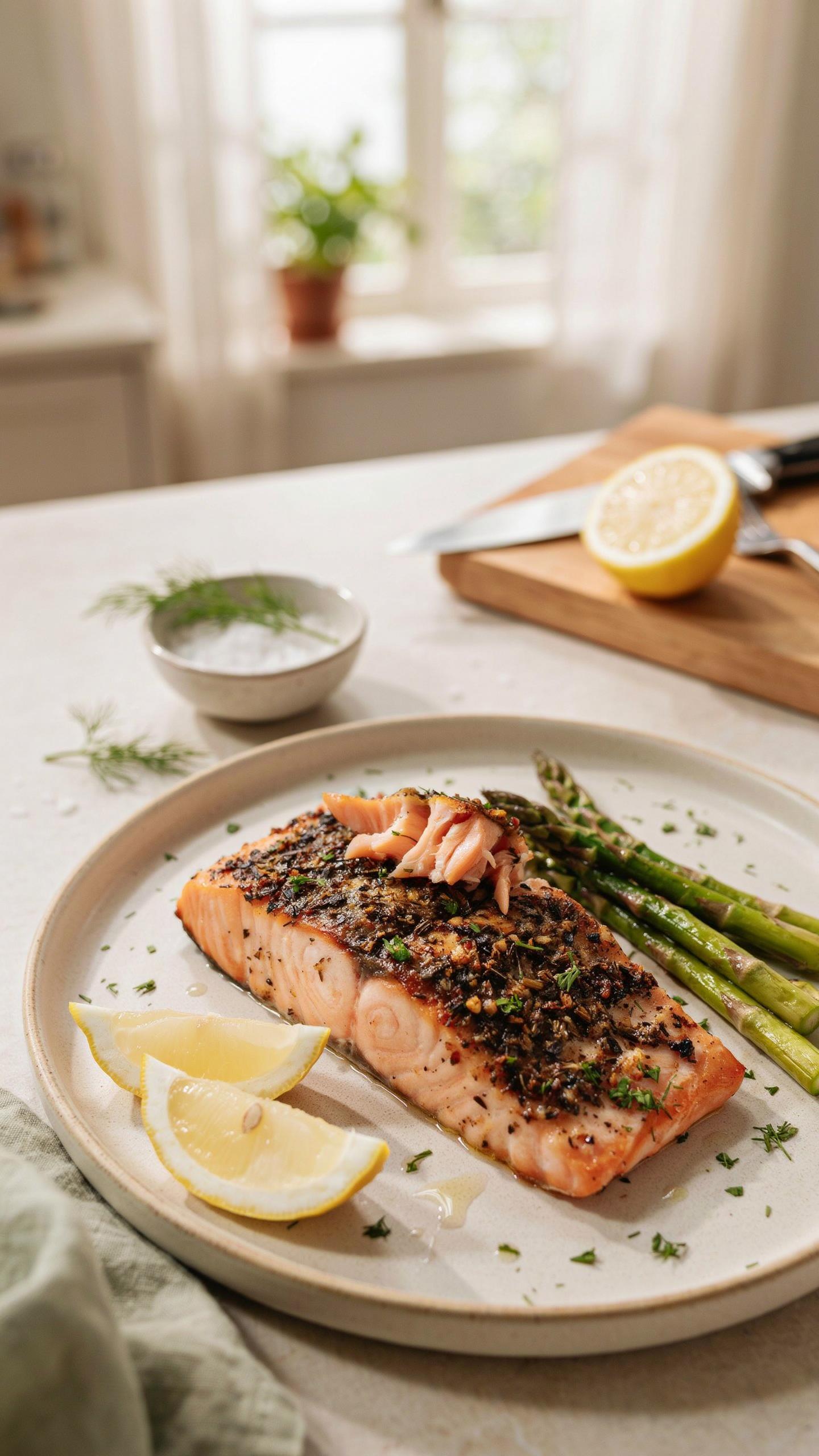
Build Your Version Without Overthinking It
You want permission to skip the “authentic” recipe and make it yours because you’re tired of gatekeeping disguised as expertise. The real mechanism is simple: blackened salmon relies on a spice crust and high heat sear, not specific ingredients. Everything else is substitution space. Your pantry ingredients work fine if they follow the same flavor profile logic.
The Cajun spice mix is the load-bearing wall. Paprika, cayenne, garlic powder, onion powder, and thyme create the crust structure. Black pepper and salt amplify it. Swap paprika for smoked paprika if you want depth. Use oregano instead of thyme. The ratio matters more than the brand. When you understand you’re building a flavor density on the surface, not following a sacred formula, you stop wasting mental energy on whether your cayenne is the “right” one.
Match The Recipe To What You Actually Eat
Scaling blackened salmon works like supply chain logistics: the core product stays the same, but you adjust portion size and prep complexity based on your constraint. Two people eat different amounts than six. Your freezer space isn’t unlimited. Your actual schedule isn’t your ideal schedule.
A single person meal preps three fillets per session. A family of four needs eight to twelve. The cooking time stays constant per fillet, around six to eight minutes total. What changes is your batch sequence and container strategy. Cook in two separate pans if you have them. Prep vegetables in scaled quantities so you’re not making surplus you’ll waste. The mechanism is direct ratio: more servings means more ingredients and more pan real estate, nothing hidden. Your constraint determines your approach, so identify it first before deciding how many batches to run.
Your real obstacle isnt time its the mental friction of unnecessary decisions

You already know blackened salmon meal prep works. The bottleneck isn’t knowledge. It’s that every Sunday you stand in your kitchen deciding between cajun spice blends, oil types, and container sizes. That decision tax kills momentum. Pick one spice mix today. Buy five identical containers. Season salmon the same way every week. Remove the choice, and suddenly you’re doing it. The difference between meal prep that sticks and meal prep that dies lives in the systems you build, not the recipes you collect.