

Understanding Food Health Benefits Why What You Eat Truly Matters

How Nutrients In Whole Foods Support Your Bodys Core Functions
Whole foods provide the raw materials your body requires to operate. Proteins break down into amino acids to repair muscle tissue and create enzymes. Carbohydrates supply glucose which fuels your brain and central nervous system. Fats protect your organs and support hormone production. These macronutrients act as the primary building blocks for every physical structure and chemical process inside your frame.

Micronutrients like vitamins and minerals catalyze specific biological reactions. Vitamin C aids collagen synthesis for skin and bone health. Magnesium regulates over three hundred biochemical reactions including nerve function and blood pressure control. Without these essential compounds your internal systems fail to communicate or recover. Consuming varied whole foods ensures you get the full spectrum of elements needed to maintain high performance and vitality.
The Link Between A Balanced Diet And Long Term Disease Prevention
A balanced diet serves as your primary defense against chronic illness. High fiber intake from vegetables and grains lowers systemic inflammation and improves cholesterol levels. This reduces your risk of heart disease and stroke. Stable blood sugar prevents insulin resistance which stops the development of type two diabetes. Proper nutrition creates a biochemical environment where many common lifestyle diseases simply cannot gain a foothold.

Eating nutrient dense foods also protects your cellular integrity over time. Antioxidants found in colorful plants neutralize free radicals that damage DNA. This process slows down cellular aging and lowers the probability of certain cancers. Consistent healthy eating habits provide a cumulative effect that extends your health span. You are not just avoiding immediate sickness. You are actively building a durable body that resists decay and prevents future medical complications.
Healthy Food Chart A Visual Breakdown Of The Most Nutrient Dense Foods
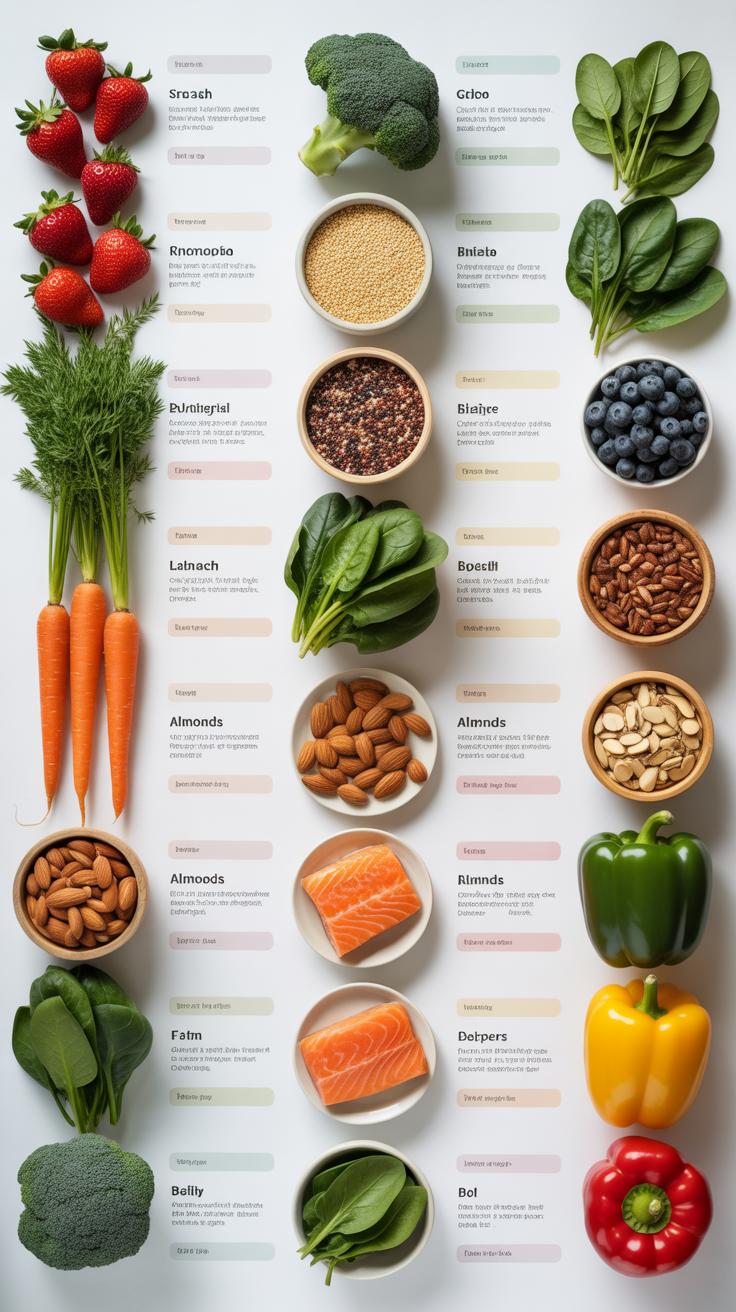
How To Read And Use A Healthy Food Chart For Smarter Meal Planning
A healthy food chart ranks items by nutrient density. This metric measures the ratio of vitamins and minerals to total calories. You must look for foods that provide high micronutrient counts without excessive energy filler. Tactical meal planning starts here. Use the chart to identify primary fuel sources and secondary support foods. Correct interpretation helps you avoid empty calories that lead to systemic inflammation.
Focus on the Aggregate Nutrient Density Index or similar scaling systems. These charts prioritize leafy greens and cruciferous vegetables at the top. They place processed sugars and refined grains at the bottom. Check for high concentrations of fiber and essential amino acids. Use these data points to build your weekly grocery list. This strategy ensures your body receives maximum nutritional benefits of food for every dollar you spend.
Top Food Categories Ranked By Nutrient Density And Health Impact
Dark leafy greens hold the highest rank for nutrient density. These plants provide massive doses of vitamin K, calcium, and magnesium with very few calories. Cruciferous vegetables like broccoli and cauliflower follow closely. They contain sulforaphane which aids in cellular repair. Organ meats and small fatty fish provide essential fats and B vitamins. These categories form the foundation of a high-performance diet for long-term health.
Legumes and starchy tubers serve as efficient energy sources with moderate density. Berries offer high antioxidant counts and fiber compared to other fruits. You must limit processed oils and refined flours because they offer zero micronutrient value. High-impact eating requires choosing foods from the top tiers of the chart daily. This approach stabilizes blood sugar and hormone levels. Track your intake to ensure you hit these nutrient targets consistently.
Avocado Nutrition Benefits One Of NatureS Most Complete Whole Foods

Avocado Nutrients Explained: Healthy Fats, Fiber, Potassium, And Beyond
Avocados provide a dense concentration of monounsaturated fatty acids. Most of this fat is oleic acid. This is the same heart-healthy component found in olive oil. These fats help the body absorb fat-soluble vitamins like A, D, E, and K from other vegetables. Combining avocado with salads maximizes your nutrient uptake. You get more value from every bite when you include these healthy fats in your meal.
One medium avocado contains approximately ten grams of fiber. This fruit provides both soluble and insoluble fiber types. This combination supports healthy digestion and stabilizes blood sugar levels. Avocados also offer more potassium than bananas. This mineral is essential for maintaining electrical gradients in your body cells. Potassium supports healthy blood pressure levels. It also helps manage fluid balance and prevents muscle cramps during intense physical activity.
Avocado Benefits Facts: What The Science Says About Heart And Brain Health
Clinical studies show that avocados improve cardiovascular health by managing cholesterol levels. Regular consumption can lower LDL cholesterol and blood triglycerides. It also helps raise HDL, which people call the good cholesterol. This shift reduces the risk of heart disease and stroke. The fruit contains phytosterols that block the absorption of cholesterol in the gut. This makes it a tactical tool for long-term heart maintenance.
Brain health depends on consistent blood flow and low inflammation. Avocado provides lutein and zeaxanthin. These antioxidants protect brain cells and improve cognitive function. High levels of monounsaturated fats support the structural integrity of brain membranes. Research links avocado consumption to better memory and problem-solving skills in older adults. Eating this fruit provides the steady energy your brain needs to perform complex tasks and remain alert all day.
Herbs For Health How Everyday Herbs Deliver Powerful Nutritional Benefits

The Medicinal And Nutritional Properties Of Common Culinary Herbs
Culinary herbs provide dense concentrations of phytochemicals that support human health. These plants contain essential oils and antioxidants that reduce oxidative stress in the body. Rosemary and oregano hold high levels of phenolic acids. These compounds help protect cells from damage. Scientific studies confirm that regular consumption of these herbs supports a healthy immune system and improves metabolic function.
Fresh and dried herbs offer significant nutritional value beyond flavor. Parsley delivers high amounts of Vitamin K which is vital for bone health and blood clotting. Sage contains compounds that may improve brain function and memory. These plants have served as medicine for thousands of years. Modern science now verifies their role in reducing chronic inflammation. Using herbs regularly maximizes the nutritional benefits of food.
Let food be thy medicine and medicine be thy food.
How To Incorporate Health Boosting Herbs Into Your Daily Meals
Adding herbs to your diet requires simple tactical changes to your cooking routine. Start by replacing salt with potent dried herbs like thyme or basil to lower sodium intake. Fresh herbs provide more volatile oils when added at the end of the cooking process. High heat can destroy sensitive nutrients during long simmer times. Consistent intake is the key to gaining long term advantages.
- Fresh Garnish: Chop fresh cilantro or parsley and sprinkle it over every savory dish before serving. This method preserves heat-sensitive vitamins and enzymes while adding raw fiber to the meal. It increases the nutrient density of simple proteins and grains.
- Herb Infused Oils: Steep rosemary or garlic in olive oil to create a base for dressings and marinades. This technique pulls fat-soluble antioxidants into the oil for better absorption by the body. Store these oils in dark containers to prevent oxidation of the delicate compounds.
- Green Smoothies: Blend fresh mint or basil into fruit and vegetable drinks for a concentrated boost of minerals. Mint aids digestion and adds a refreshing taste without extra sugar. This is an efficient way to consume a large volume of raw leafy herbs quickly.
- Homemade Rubs: Combine dried oregano, red pepper, and turmeric to create a dry rub for meats and roasted vegetables. These spices work together to lower the formation of harmful compounds during high-heat cooking. Dry herbs stay shelf-stable while keeping their concentrated health properties.
- Herbal Teas: Steep fresh ginger or sage in hot water to extract water-soluble nutrients. This practice provides a direct way to consume medicinal compounds without added calories. Drinking herbal infusions throughout the day keeps the body hydrated and supports steady metabolic health.
Smart meal prep involves cleaning and storing herbs properly to ensure they remain viable for use. Wrap fresh sprigs in damp paper towels and store them in the refrigerator crisper drawer. This prevents wilting and nutrient loss over several days. Use a sharp knife when cutting to avoid bruising the leaves. Proper handling keeps the nutritional profile intact until the moment of consumption.
Healthy Kitchen Essentials Stocking Your Pantry With Nutritious Staples

Must Have Healthy Kitchen Ingredients That Support A Nutrient Rich Diet
Successful meal preparation starts with high-density fuel and stable fats. A tactical pantry eliminates the need for processed convenience items. You must prioritize items with long shelf lives that provide immediate micronutrients and fiber. These staples form the foundation of most healthy recipes. Focus on whole ingredients that require minimal intervention to become a meal. This strategy ensures you always have a healthy option available.
- Legumes: Dried or canned lentils and chickpeas provide plant-based protein and high fiber content. They stabilize blood sugar and offer significant amounts of iron and folate. These items store for years without losing their primary nutritional value.
- Cruciferous Seeds: Items like chia and flax seeds deliver concentrated omega-3 fatty acids. They contain lignans and fiber which support heart health and digestion. You can add them to various dishes to increase nutrient density without changing the flavor profile significantly.
- Unrefined Oils: Extra virgin olive oil and avocado oil provide monounsaturated fats. These fats support hormone production and nutrient absorption. Choose cold-pressed options to avoid chemical solvents used in industrial seed oil extraction. High smoke points are vital for safe cooking.
- Whole Grains: Quinoa and steel-cut oats offer complex carbohydrates for sustained energy release. They contain B vitamins and minerals like magnesium. Unlike refined grains, these retain the bran and germ. This structure prevents rapid insulin spikes after consumption.
- Alliums: Garlic and onions contain sulfur compounds and antioxidants like quercetin. These ingredients serve as the base for many dishes while boosting immune function. They have a long history in traditional medicine for reducing inflammation. Keep these in a cool, dark place.
Pantry management prevents poor decision-making during peak hunger periods. Stocking these specific items allows you to assemble a balanced plate in under twenty minutes. Control your environment to control your intake. Inventory these essentials weekly to ensure zero gaps in your nutrition plan. A prepared kitchen is the most effective tool for maintaining long-term health goals and avoiding biological stress.
How Your Kitchen Setup Influences The Nutritional Quality Of Your Meals
The physical layout of your workspace dictates your cooking habits. Professional kitchens use a system called mise en place to ensure efficiency. You should apply this logic to your nutrition. Visible storage of healthy tools like steamers and cast iron pans increases their usage. If you hide healthy equipment in deep cabinets, you will use the microwave instead. Visibility drives your daily actions.
The materials used in your kitchen also impact food safety and quality. Stainless steel and glass are non-reactive and do not leach chemicals into your food. Avoid damaged non-stick coatings which can release synthetic compounds at high temperatures. Place your cutting board and high-quality knives in central locations. This setup reduces the friction required to process fresh vegetables. Good design makes healthy choices the easiest path.
Home Health Remedies Using Food As Medicine In Your Everyday Life

Time Tested Food Based Remedies Backed By Nutritional Science
Ginger contains gingerols that effectively reduce nausea and inflammation. This root has served as a digestive aid for centuries across Asia. Modern science confirms its ability to accelerate gastric emptying. It works by blocking serotonin receptors in the gut that trigger the vomit reflex. Using fresh ginger provides the highest concentration of active compounds. Use it for motion sickness or general stomach upset.
Honey offers proven antibacterial properties due to its low pH and hydrogen peroxide content. Research shows it coats the throat to suppress coughs as effectively as some over the counter medicines. It draws moisture out of bacteria to kill them. Local buckwheat honey typically provides the highest antioxidant levels. Use it to soothe respiratory tract infections. Always choose raw honey to ensure the enzymes remain active and effective.
When To Rely On Food Remedies And When To Seek Professional Medical Advice
Food remedies work best for mild symptoms and preventive care. They support the body during minor illnesses like common colds or indigestion. You must monitor your progress closely when using these methods. If symptoms do not improve within forty eight hours, stop the home treatment. Food acts slowly compared to pharmaceutical drugs. Use it as a first line of defense for non urgent issues only.
Seek immediate professional help for severe pain or high fevers. Shortness of breath and sudden weight loss require a doctor right away. Food cannot replace emergency medicine or surgery. Nutritional strategies should complement a medical plan, not replace it entirely during a crisis. Discuss all home remedies with a physician if you take prescription blood thinners. Safety requires knowing the limits of your kitchen pantry during health emergencies.
Healthy Kitchen Habits How Cooking Methods Preserve The Nutritional Benefits Of Food

Cooking Techniques That Retain The Most Vitamins And Minerals In Food
Steaming is the most effective way to keep vitamins in your vegetables. This method prevents food from touching boiling water. Water-soluble nutrients like vitamin C and B vitamins stay inside the plant fibers. You use indirect heat to soften the food without leaching its chemical compounds. It is fast and keeps the natural structure of the produce intact for better consumption.
Microwaving provides a tactical advantage for nutrient density. It uses very little liquid and short heating times. Shorter exposure to high heat prevents the breakdown of heat-sensitive antioxidants. Many studies show that microwave cooking preserves more polyphenols than pressure cooking or frying. High-speed cooking reduces the window for nutrient loss. Use this method for dense vegetables to ensure you get the maximum dose of minerals.
Common Kitchen Mistakes That Strip Nutrients From Whole Foods
Boiling vegetables is the fastest way to lose nutritional value. Large volumes of water pull vitamins out of the food through osmosis. Most people dump this nutrient-rich water down the drain. This process removes up to fifty percent of certain minerals from greens and tubers. Unless you are making soup, avoid submerging produce in water. High heat combined with high water volume destroys the most critical health components.
Deep frying adds harmful fats and subjects food to extreme thermal stress. The high temperatures oxidize healthy oils and create toxic compounds. This method destroys the vitamin E and vitamin A found in many vegetables. Prolonged exposure to air and heat during frying strips the food of its natural vitality. Stick to quick searing or roasting at lower temperatures. You must protect the chemical integrity of your food to see real results.
Macronutrients And Micronutrients The Building Blocks Behind Every Food Health Benefit
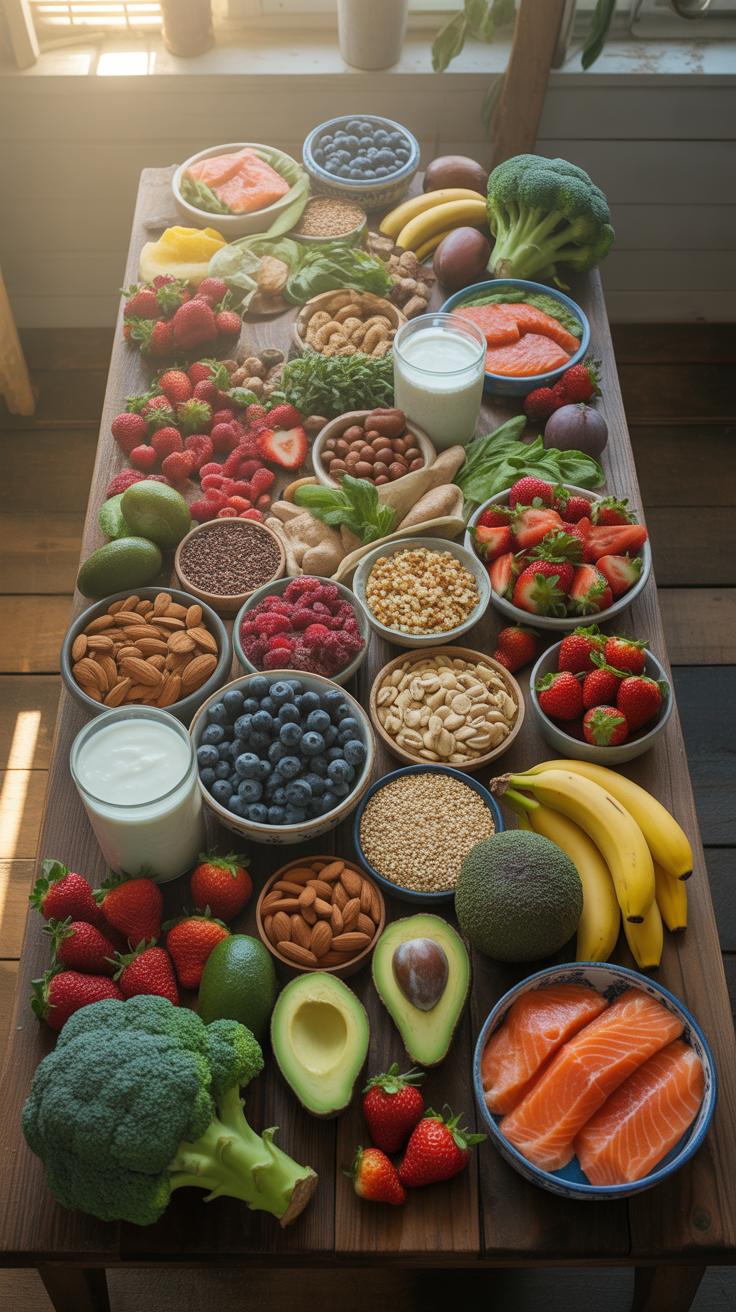
Understanding Proteins, Carbohydrates, And Fats And Their Role In Body Health
Macronutrients provide the bulk of the energy your body needs to function daily. Proteins build and repair tissues while supporting immune function and hormone production. Carbohydrates act as the primary fuel source for your brain and muscles during physical activity. Fats protect your organs and help your body absorb specific vitamins. You must consume these three components in large quantities to maintain basic survival.
The nutritional benefits of food depend on the quality of these macronutrients. Simple carbohydrates spike blood sugar quickly while complex versions provide steady energy. Saturated fats and unsaturated fats impact heart health differently. Complete proteins contain all essential amino acids that the body cannot produce on its own. Balancing these three pillars ensures your metabolism runs efficiently and prevents muscle wasting or chronic fatigue.
Why Vitamins And Minerals Are Essential To Unlocking Food’S Full Health Potential
Micronutrients do not provide calories but they trigger critical chemical reactions. Vitamins organic compounds sourced from plants and animals regulate cell production and nerve signaling. Minerals inorganic elements from soil and water maintain bone density and fluid balance. Without these small components your body cannot convert macronutrients into usable energy. Deficiency in even one mineral can stall vital metabolic processes and weaken your defenses.
Effective nutrient absorption requires a variety of micronutrients working together. For example vitamin D helps the body pull calcium into the bones for strength. Vitamin C improves how much iron you absorb from plant based meals. These interactions define the true nutritional benefits of food beyond simple calorie counts. Consistent intake of diverse micronutrients prevents long term disease and ensures every internal system operates at peak capacity.
Building A Sustainable Healthy Eating Plan Using The Nutritional Benefits Of Food

How To Create A Realistic Weekly Meal Plan Rooted In Whole Food Nutrition
Successful meal planning relies on a foundation of nutrient density. You must audit your current intake to identify gaps in vitamins and minerals. Focus on whole foods that provide the highest nutritional return on investment. Start by selecting three protein sources, four vegetables, and two whole grains. This specific selection prevents decision fatigue and ensures you hit your daily macro requirements without excess calories.
Prepare your ingredients in bulk to save time during the work week. Use basic cooking methods like roasting or steaming to preserve the heat-sensitive micronutrients. Do not overcomplicate your recipes. Simple preparations allow the natural nutritional profile of the food to remain intact. Map your meals against your caloric needs. This tactical approach turns complex nutritional science into a repeatable weekly system that supports long-term health.
Practical Strategies For Maintaining Healthy Eating Habits Over The Long Term
Consistency beats intensity every time in nutrition. You must view food as fuel for biological processes rather than just emotional rewards. High-fiber foods and lean proteins stabilize blood sugar levels throughout the day. This prevents the energy crashes that lead to poor food choices. Replace processed snacks with whole-food alternatives to maintain a steady intake of essential nutrients and avoid inflammatory refined sugars.
Environment dictates behavior more than willpower does. Keep your kitchen stocked with foods that support your goals and remove those that do not. Adjust your plan based on how your body responds to specific nutrients. Track your energy levels and digestion to refine your food choices. This objective feedback loop ensures your eating habits remain effective as your lifestyle and physical demands change over time.
Frequently Asked Questions

Why is understanding the nutritional benefits of food important for beginners?
Understanding the nutritional benefits of food is the foundation of a healthy lifestyle. When you learn how different vitamins, minerals, and antioxidants support your bodily functions, you can make informed choices rather than simply following restrictive diets. This knowledge empowers you to fuel your body for sustained energy, improved mood, and long-term disease prevention, turning everyday eating into a proactive way to support your overall physical and mental well-being.
How can I maximize the nutrients in my daily meals?
To maximize the nutritional benefits of food, focus on variety and preparation methods. Aim to fill half your plate with colorful vegetables, as different pigments represent different phytonutrients. Try steaming or roasting instead of boiling to preserve water-soluble vitamins. Additionally, pairing healthy fats like olive oil with leafy greens helps your body absorb fat-soluble nutrients like Vitamin K, ensuring you get the most impact from every ingredient you prepare at home.
Is it possible to eat a nutrient-dense diet on a tight budget?
Absolutely! You don’t need expensive “superfoods” to enjoy the nutritional benefits of food. Staples like dried lentils, canned beans, oats, and frozen vegetables are incredibly affordable and packed with essential fiber and protein. Buying seasonal produce or choosing store-brand frozen options ensures you receive high-quality vitamins without the premium price tag. With a little meal planning, eating for your health can be both accessible and cost-effective for any household.