

What Is Vitamin D And Why Does Your Body Need It

The Role Of Vitamin D In Bone Immune And Muscle Health
Vitamin D acts as a hormone to regulate calcium and phosphorus levels. Without it, your body cannot absorb the minerals needed for strong bones. This deficiency leads to rickets in children and osteomalacia in adults. You need it to maintain skeletal integrity throughout your life. It prevents bones from becoming thin, brittle, or misshapen over time.

This nutrient also drives your immune system performance. It helps your white blood cells identify and destroy pathogens. Low levels increase your risk of infections and chronic inflammation. Your muscles need Vitamin D to function and repair themselves effectively. Optimized levels improve balance and reduce the risk of falls. Strong muscles support your joints and prevent injury during physical activity.
How Your Body Produces And Absorbs Vitamin D
Your skin produces Vitamin D3 when hit by ultraviolet B radiation from the sun. This process starts with a cholesterol precursor called 7-dehydrocholesterol. Geography, skin pigment, and age dictate how much you make. People in northern latitudes or those with darker skin produce less. You must rely on diet or supplements when sun exposure remains insufficient for your needs.

Dietary intake provides Vitamin D2 from plants and D3 from animal sources. Your small intestine absorbs these forms along with dietary fats. The liver then converts them into 25-hydroxyvitamin D for storage. Finally, the kidneys transform it into the active form called calcitriol. This complex pathway ensures your cells receive a steady supply. Efficient absorption requires a healthy digestive tract and functional organs.
Recognizing Vitamin D Deficiency Signs And Symptoms To Watch For

Common Physical Symptoms Of Low Vitamin D Levels
Vitamin D regulates calcium absorption and bone mineralization. Low levels often manifest as persistent fatigue or deep bone pain. Professional athletes and manual laborers frequently mistake these symptoms for overexertion. However, chronic deficiency weakens the skeletal structure. This leads to increased fracture risk and muscle weakness. You must monitor these signals early. Ignoring them results in long term mobility issues and decreased physical performance.
Immune function relies heavily on adequate vitamin D saturation. Frequent respiratory infections or slow wound healing indicate a systemic deficit. The body cannot repair tissue efficiently without this fat soluble hormone. Hair loss and lower back pain also serve as clinical indicators. If you experience unexplained exhaustion despite resting, check your blood levels. Targeted nutrition and sunlight exposure address these foundational health failures before they become permanent.
Let the sun kiss your skin and the goodness of the earth’s harvest fill your plate with strength. A meal of fresh fish and golden eggs is like catching a sunbeam from the inside out.
Who Is Most At Risk For Vitamin D Deficiency And Why
Geography and biology dictate your risk level. People living in northern latitudes receive insufficient UVB radiation for much of the year. Melanin also acts as a natural sunblock. Darker skin tones require significantly more sun exposure to produce the same amount of vitamin D as lighter skin. This biological reality puts specific populations at a higher statistical risk for chronic deficiency symptoms.
Age and body composition further complicate nutrient absorption. Seniors often have thinner skin which produces less vitamin D. The kidneys also become less efficient at converting the vitamin into its active form over time. Obesity also plays a major role. Fat cells sequester the vitamin and keep it from entering the bloodstream. Understanding these physical barriers helps you determine if your diet requires aggressive fortification immediately.
Top Foods High In Vitamin D You Should Add To Your Plate

Fatty Fish, Egg Yolks, And Other Natural Vitamin D Food Sources
Fatty fish provide the highest concentration of naturally occurring vitamin D3. Wild-caught salmon, mackerel, and herring contain significant amounts of this fat-soluble nutrient stored in their tissues. These sources are biologically superior because they provide the active form of the vitamin your body requires. Consuming these fish twice a week can bridge the gap during months with low sun exposure and improve blood levels.
Egg yolks and beef liver offer additional natural sources of vitamin D. Pasture-raised chickens produce eggs with higher nutrient levels because they spend time outdoors in the sun. Beef liver is a traditional nutrient-dense food that provides vitamins and minerals often missing from modern diets. You must consume the fat-containing parts of these foods to absorb the vitamin. Relying on whole foods ensures better delivery of the nutrient.
Best Vitamin D Rich Foods To Prioritize In Your Weekly Meals
Prioritize these specific foods to maximize your daily intake of vitamin D. Choose wild-caught options whenever possible to ensure higher nutrient density. These items represent the most efficient way to get your requirements through diet alone. Focus on consistent consumption rather than large, infrequent doses. Integrating these foods into your meal prep routine will stabilize your levels over time and prevent common deficiency symptoms.
- Sockeye Salmon: This oily fish offers one of the highest natural sources of D3 per serving. It provides essential omega-3 fatty acids that help your body absorb the vitamin more efficiently for better overall bone health and immune system function.
- Cod Liver Oil: One tablespoon delivers a massive dose of vitamin D and vitamin A. This supplement has been used for centuries to prevent rickets and maintain health in northern climates where natural sunlight is scarce during the winter months.
- Canned Sardines: Sardines are a convenient and affordable way to boost your levels quickly. They are low in mercury and high in protein, making them a safe and effective dietary staple for increasing your fat-soluble vitamin intake throughout the week.
- Fortified Mushrooms: Certain mushrooms exposed to ultraviolet light produce vitamin D2. While D2 is slightly less potent than D3, these mushrooms provide a critical plant-based option for vegans and vegetarians looking to avoid animal-based sources while maintaining healthy serum levels.
- Pastured Egg Yolks: Eggs from hens raised with access to sunlight contain significantly more vitamin D than caged hens. The yolk contains the fat necessary for absorption, so you must eat the whole egg to receive the full nutritional benefits.
Compare labels on fortified foods like milk, orange juice, and cereals to find the highest concentrations. Manufacturers often add vitamin D2 or D3 to these products to help populations meet baseline requirements. While whole foods are best, these fortified items serve as a reliable backup system. Use them to supplement your primary intake from fish and eggs to ensure you hit your daily targets consistently.
Vitamin D Rich Foods For Women Addressing Unique Nutritional Needs

Why Women Face Higher Risks Of Vitamin D Deficiency Across Life Stages
Women encounter specific biological hurdles that deplete Vitamin D levels faster than men. Pregnancy and breastfeeding create a high demand for this nutrient to build fetal bone structures. If intake does not match this demand, the body pulls minerals from the mother. This creates a lasting deficit. Estrogen also plays a key role in how the kidneys process this specific vitamin.
Aging adds more risk as the skin loses its ability to synthesize Vitamin D from sunlight. During menopause, falling estrogen levels decrease the efficiency of Vitamin D receptors. This change speeds up bone density loss and increases the risk of fractures. Cultural factors like consistent sunscreen use or modest clothing can further limit natural synthesis. Women must prioritize dietary sources to maintain health.
Vitamin D Rich Foods For Women That Support Hormonal And Bone Health
Fatty fish like wild salmon and sardines provide the most effective dietary Vitamin D. These foods deliver the D3 form which the body uses more efficiently than plant-based D2. Regular consumption supports the calcium absorption needed to prevent osteoporosis. Women should aim for two servings per week to stabilize their baseline levels. This strategy directly protects skeletal integrity as hormone levels shift.
Egg yolks and fortified dairy products offer additional tactical options for daily intake. While whole foods are better, fortified cereals and milk provide a reliable backstop for busy schedules. These items help bridge the gap when sun exposure is low. Consistent intake of these foods regulates mood and supports immune function. Focus on high-quality sources to ensure the body gets the maximum nutritional impact.
Vitamin D Rich Food From Fortified Sources What To Look For

Understanding Fortified Foods And How They Boost Your Vitamin D Intake
Fortified foods are industrial products with added vitamins and minerals. Manufacturers add Vitamin D to items that do not naturally contain it. This practice started in the 1930s to eradicate rickets. These foods provide a steady supply of nutrients for people with limited sun exposure. They serve as a primary tool for public health intervention in northern climates where natural food sources are scarce.
You must rely on these sources if you do not eat fatty fish or organ meats. Most people get their daily Vitamin D from fortified milk, cereal, and orange juice. The synthetic form used is usually Vitamin D3 or D2. D3 comes from animal sources and raises blood levels more effectively. D2 is plant-based and often used in vegan products. Stick to these staples for consistent results.
Reading Labels: How To Identify Quality Vitamin D Food Products
Check the nutrition facts panel to find the actual Vitamin D content. Look for the Daily Value percentage listed on the back of the package. A product providing 20 percent or more of the Daily Value is high in Vitamin D. Manufacturers must list the amount in micrograms or International Units. Compare different brands to find the highest concentration per serving size.
Examine the ingredient list for specific forms of the vitamin. Look for Cholecalciferol to ensure you are getting Vitamin D3. Avoid products with excessive added sugars or hydrogenated oils that negate health benefits. High-quality fortified foods use stable delivery methods to ensure the vitamin survives shelf life. Verify that the serving size matches your actual consumption habits to track your daily intake accurately.
Food Health Benefits Beyond The Bone What Vitamin D Does For Your Whole Body

How Adequate Vitamin D Supports Heart Health, Mood, And Immunity
Vitamin D acts as a hormone that regulates over two hundred genes in your body. It manages the innate immune system to fight off pathogens and bacteria. Proper levels help white blood cells identify and destroy viruses quickly. This nutrient also lowers systemic inflammation to protect your arteries and heart. It ensures your vascular system remains flexible and reduces overall blood pressure.
Your brain contains many vitamin D receptors that influence chemical pathways. Stable levels assist in the production of serotonin and dopamine to stabilize your daily mood. This connection helps prevent seasonal blues and mental fatigue. Low levels often lead to brain fog and poor cognitive function. Staying consistent with vitamin D intake keeps your mental energy high and your nervous system functioning at its peak.
The Link Between Vitamin D Deficiency And Chronic Disease Risk
Chronic deficiency forces the body into a state of constant stress. This lack of nutrients increases the risk of developing long-term insulin resistance and type 2 diabetes. The body requires vitamin D to manage glucose levels and maintain metabolic health. Without it, your cells become less responsive to insulin. This failure leads to high blood sugar and potential weight gain over several years.
Long-term low levels also correlate with autoimmune disorders where the body attacks its own tissues. Conditions like multiple sclerosis and rheumatoid arthritis show strong links to insufficient vitamin D exposure. Research indicates that maintaining high levels can slow the progression of these diseases. Protecting your cellular health requires a steady intake of vitamin D to prevent the onset of these debilitating chronic health conditions.
Vitamin D Foods For Plant Based And Vegetarian Diets
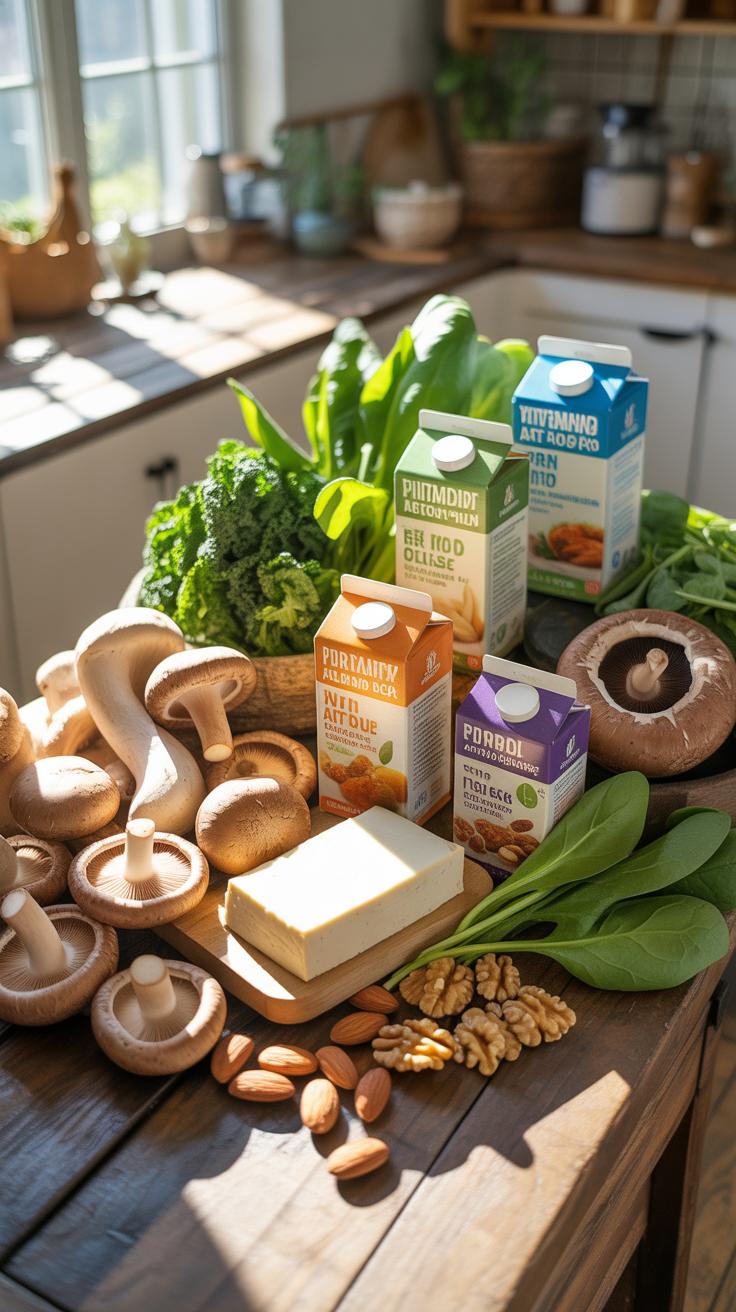
Plant Based Vitamin D Sources Mushrooms Fortified Milks And More
Plant based diets face a significant hurdle because Vitamin D3 occurs naturally almost exclusively in animal products. Most vegan sources provide Vitamin D2 instead. Mushrooms offer the only natural produce source of this nutrient. When growers expose mushrooms to ultraviolet light they convert ergosterol into Vitamin D2. This process mimics how human skin produces the vitamin from sunlight. You must select specific UV treated varieties to get significant levels.
Fortified foods fill the gap left by natural plant sources. Companies add Vitamin D to soy milk almond milk and oat milk to match dairy profiles. Many breakfast cereals and orange juice brands also include added D2 or D3. Check labels to ensure the product contains at least twenty percent of your daily value. Relying on these processed items becomes a tactical necessity for those avoiding fish and eggs.
Practical Tips For Vegans And Vegetarians To Meet Their Vitamin D Needs
Meeting daily requirements without meat requires a disciplined approach to grocery shopping and food preparation. You cannot assume all plant milks or grains contain the nutrient. Verification of the nutrition facts panel is the only way to confirm intake levels. Combine these fortified foods with intentional sun exposure to maximize your levels. Strategic meal planning ensures you do not fall into a chronic deficiency state.
- UV Exposed Mushrooms: Buy mushrooms specifically labeled as high in Vitamin D. Standard commercial mushrooms grown in the dark contain very little. Placing store bought mushrooms in midday sunlight for fifteen minutes can significantly increase their D2 content before you cook them.
- Fortified Plant Milks: Select unsweetened soy or pea milks that manufacturers supplement with Vitamin D. These beverages often provide twenty five percent of the daily recommended intake per serving. Shake the carton well before pouring because added minerals often settle at the bottom.
- Fortified Cereals and Grains: Choose whole grain cereals that list Vitamin D on the ingredient label. Many bran and corn based cereals include this as a standard additive. Eat these with fortified milk to double your intake during a single morning meal for maximum efficiency.
- Enriched Orange Juice: Purchase orange juice brands that explicitly state they are fortified with Calcium and Vitamin D. This provides a bioavailable source of the vitamin for those who dislike milk alternatives. One glass can provide up to one hundred international units of the nutrient.
- Dietary Fat Pairing: Consume Vitamin D sources alongside healthy fats like avocados or nuts. Vitamin D is fat soluble and requires lipids for proper absorption in the gut. Eating fortified cereal with plain water or fat free liquids reduces the total amount your body can actually use.
Focus on consistency across all meals to maintain steady blood levels. Small doses throughout the day work better than one large dose because the body processes nutrients more effectively in increments. Use blood tests every six months to track your progress and adjust your diet. If food sources fail to raise your levels seek professional guidance on high quality lichen based D3 supplements.
How To Build A Vitamin D Deficiency Fighting Meal Plan

Pairing Vitamin D Foods With Healthy Fats For Better Absorption
Vitamin D is a fat soluble nutrient. It requires lipids for proper transport through the intestinal wall. Eating fortified cereal or salmon alone is less effective than pairing them with a fat source. Your body absorbs significantly more vitamin D when you consume it with dietary fats. This biological mechanism ensures the nutrient enters the bloodstream instead of passing through your system unused.
Strategies for absorption focus on meal timing and composition. Add avocado, olive oil, or nuts to your vitamin D rich meals to trigger bile release. Bile salts break down fats and the vitamin D dissolved within them. Aim for at least ten grams of fat per meal to maximize this process. This tactical approach ensures you derive the highest nutritional value from every gram of food you eat.
When Food Alone Is Not Enough Knowing When To Consult Your Doctor
Dietary intake often fails to correct severe deficiencies. Food sources like egg yolks and mushrooms contain low concentrations of the nutrient compared to clinical needs. Your skin synthesis may also be insufficient due to geographic location or age. If your energy levels remain low despite better eating habits, you must seek professional medical testing. Only a blood test can confirm your specific serum levels.
Physicians provide the data required for precise supplementation. High dose prescriptions outperform over the counter options for rapid correction. Doctors also screen for underlying malabsorption issues like Celiac disease or Crohn’s. These conditions prevent your body from utilizing the nutrients you ingest. Professional oversight prevents toxicity from self medicating with excessive doses. Use medical data to guide your long term recovery strategy and maintenance plan.
Frequently Asked Questions

What are the most common signs of a vitamin D deficiency?
Many people don’t realize they are low until they experience persistent fatigue, bone pain, or frequent mood shifts. Because this “sunshine vitamin” supports immune function and calcium absorption, a lack of it can lead to getting sick often or feeling physically weak. Identifying these symptoms early is the first step toward recovery, often involving a strategic increase in vitamin d deficiency foods like fatty fish and egg yolks to boost levels.
How can I incorporate more vitamin D into my daily meals?
To see results, focus on consistency by adding vitamin d deficiency foods to every breakfast or lunch. Try starting your day with poached eggs on whole-grain toast or a bowl of fortified cereal with milk. For dinner, grilled salmon or sautéed mushrooms treated with UV light are excellent choices. Combining these items with healthy fats, like avocado or olive oil, helps your body absorb the nutrient much more efficiently for better health.
Are there affordable food options for increasing vitamin D on a budget?
Seeking out nutrients doesn’t have to be expensive. Canned fish, such as sardines or tuna, is one of the most cost-effective ways to get a concentrated dose of this essential nutrient. Additionally, fortified cow’s milk, soy milk, and orange juice are accessible pantry staples that provide a significant boost without breaking the bank. Mushrooms are another budget-friendly plant source, especially if you place them in sunlight before cooking to increase their potency.