
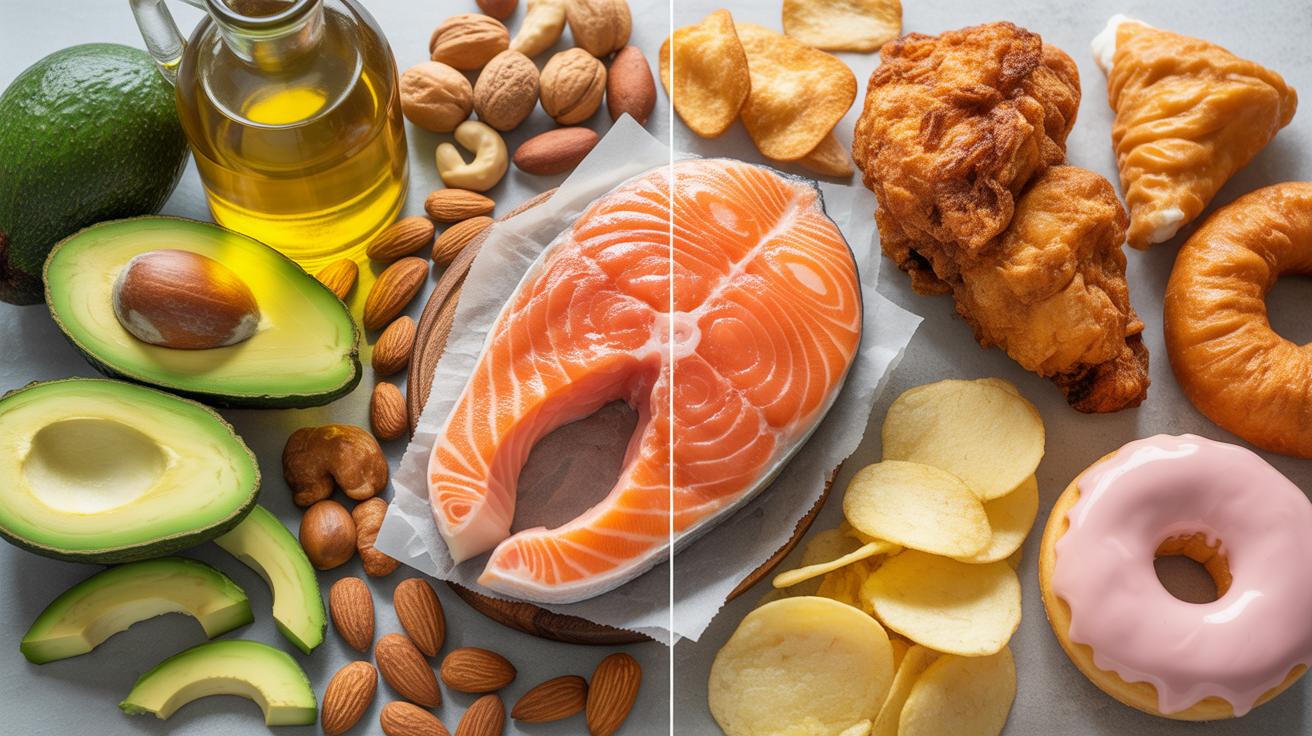
Understanding Healthy Fats Why Not All Fats Are Created Equal
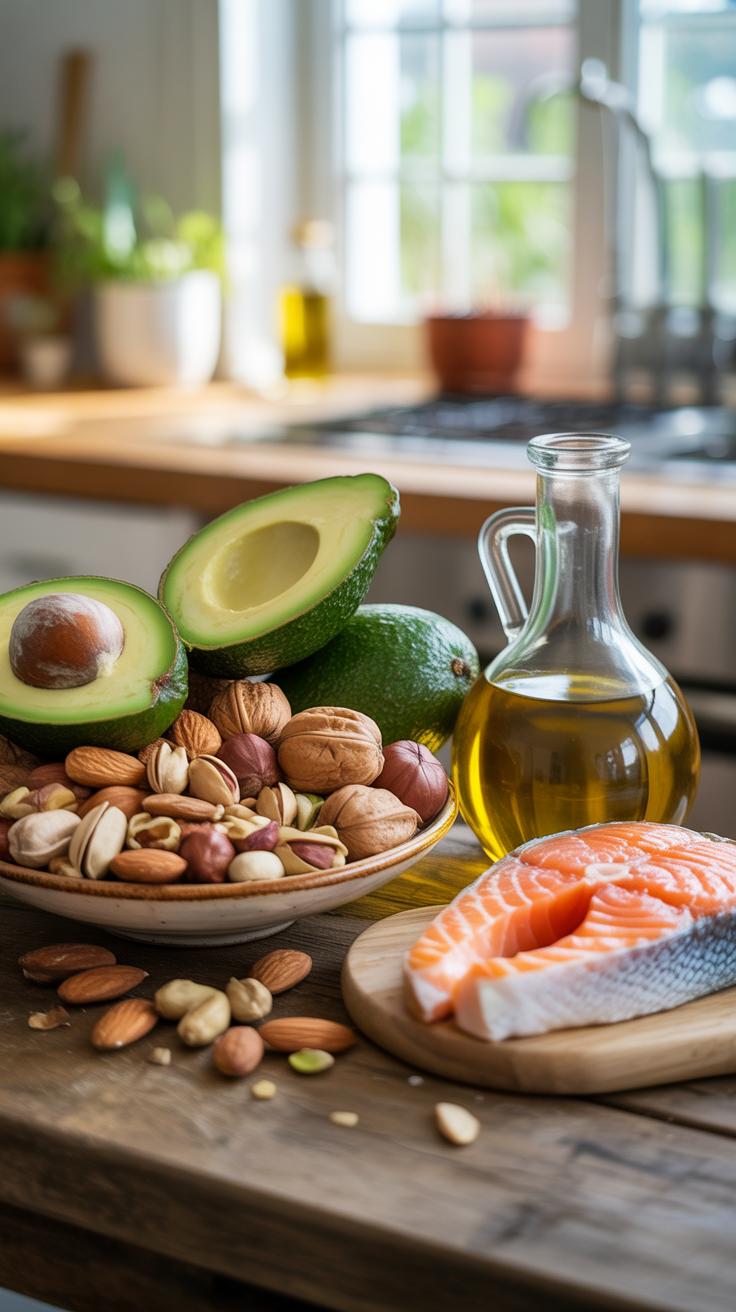
The Basic Science Behind Dietary Fat And How Your Body Uses It
Dietary fats consist of carbon and hydrogen atoms bonded together in chains. These molecules provide nine calories per gram. This energy density makes fat the primary storage form for fuel in the body. Your digestive system breaks these chains into fatty acids. These acids travel through the bloodstream to reach cells. Muscles burn them for energy during low intensity activities and rest.

The shape of the chemical bond defines how the fat behaves. Saturated fats have straight chains that pack tightly. This makes them solid at room temperature. Unsaturated fats have bends in their chains. These bends keep them liquid. Your body uses these different shapes to build cell membranes. Flexible membranes allow nutrients to enter and waste to exit. Proper structure ensures cellular health.
Why Healthy Fats Are Essential For Brain Function, Hormones, And Energy
Your brain is nearly sixty percent fat by weight. It requires specific fatty acids to build insulating sheaths around nerve fibers. These sheaths allow electrical signals to travel fast. Without high quality fats, cognitive processing slows down. Healthy fats also facilitate the absorption of vitamins A, D, E, and K. You cannot utilize these vital nutrients without an adequate fat intake in your diet.

Hormone production depends entirely on lipid availability. The body uses cholesterol and various fats as raw materials for chemical messengers. These messengers regulate metabolism, stress responses, and reproductive health. Restricting fat intake disrupts these systems and leads to fatigue. Consuming stable fats provides a long burning energy source. This prevents the blood sugar spikes and crashes associated with high carbohydrate consumption patterns.
Healthy Fats Vs Bad Fats Breaking Down The Core Differences
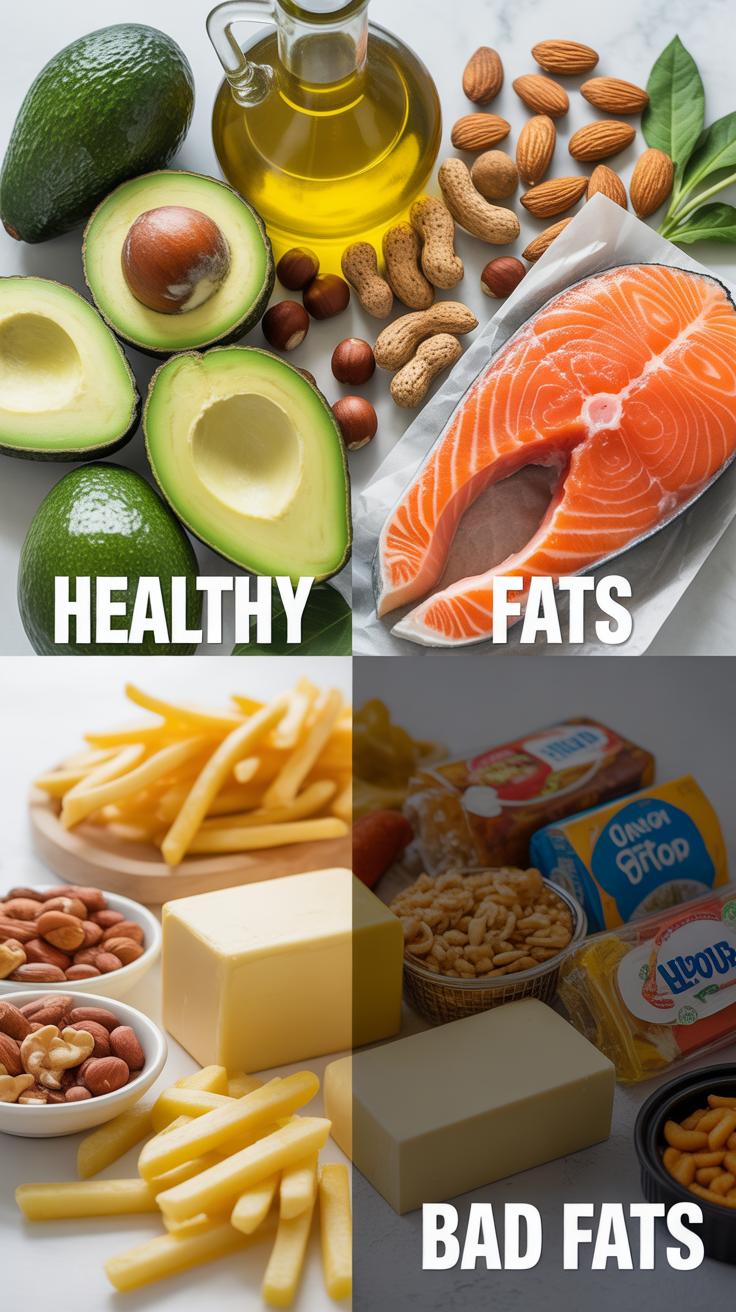
Saturated, Unsaturated, And Trans Fats: What Each One Actually Means
Saturated fats contain no double bonds between carbon atoms. These molecules pack together tightly. This makes them solid at room temperature. Most animal products like beef and butter contain high levels of these fats. Historically, experts linked them to heart disease. Current research shows their impact depends on the overall diet. They remain stable under heat and do not oxidize easily during cooking processes.
Unsaturated fats have one or more double bonds. These bonds create kinks in the fatty acid chains. This prevents tight packing and keeps the fat liquid at room temperature. You find these in olive oil, nuts, and fish. Trans fats are industrial byproducts. Manufacturers create them by adding hydrogen to liquid oils. These fats raise bad cholesterol and lower good cholesterol. They damage your metabolic health.
How Fat Structure At The Molecular Level Determines Its Effect On The Body
The molecular shape of a fat dictates how your body processes it. Saturated chains are straight and rigid. This rigidity allows them to integrate into cell membranes differently than curved unsaturated chains. Your body uses different fats for energy storage or cell signaling. Unsaturated fats improve cell membrane fluidity. This helps your cells communicate and transport nutrients. Proper structure ensures your hormones function correctly.
Trans fats have a straight shape similar to saturated fats but behave differently. The body cannot process these artificial structures effectively. They cause inflammation in the lining of your blood vessels. This leads to plaque buildup and heart issues. Chemical stability also matters for health. Highly unstable fats break down into toxic compounds when exposed to heat or light. Choosing the right molecular structure prevents internal oxidative stress and long-term damage.
The Truth About Trans Fat The Most Harmful Fat Inclusion In The Modern Diet
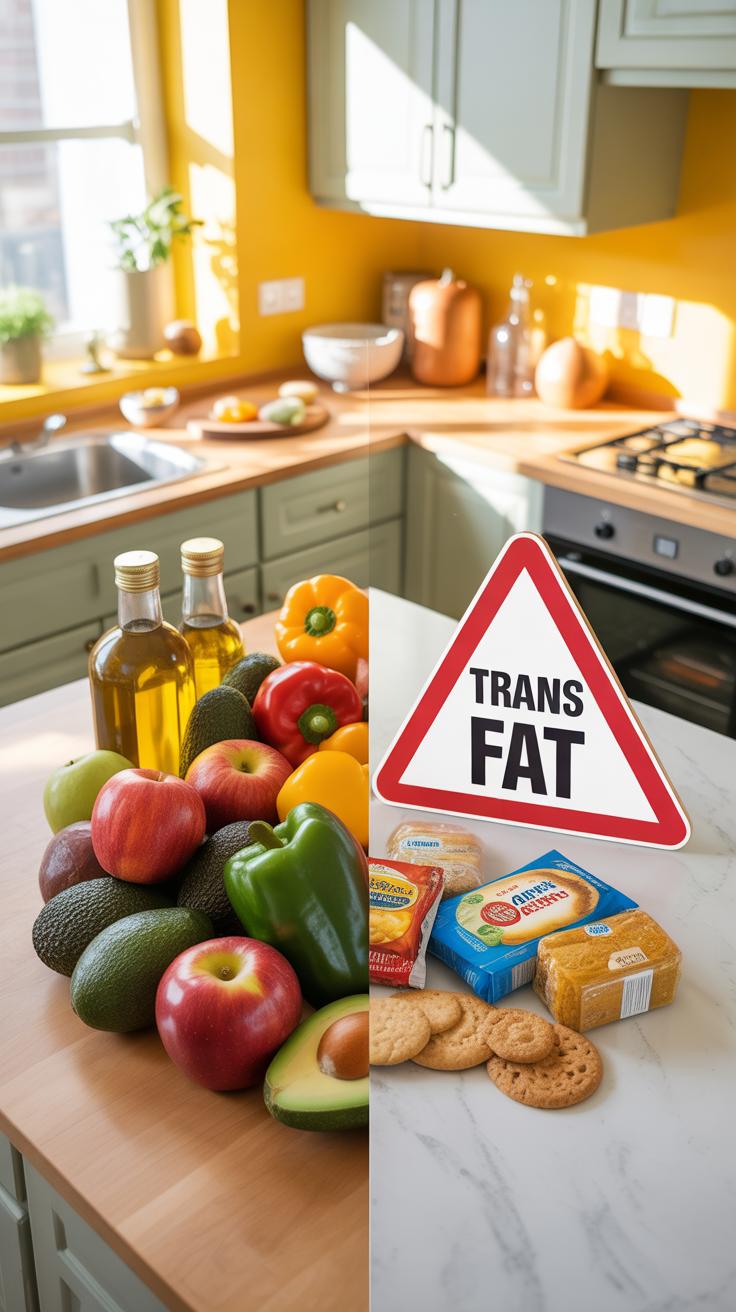
How Artificial Trans Fats Are Made And Why They Were Widely Used In Processed Foods
Manufacturers create artificial trans fats through industrial hydrogenation. This chemical process adds hydrogen to liquid vegetable oils. It turns liquid oil into a solid or semi solid fat. This change alters the molecular structure of the fat. It makes the oil more stable at room temperature. Engineers developed this method to solve specific logistics and storage problems for food companies.
Food companies chose trans fats for three main reasons. First, they are very cheap to produce compared to animal fats. Second, they extend the shelf life of packaged goods significantly. Third, they provide a desirable texture to fried foods and baked goods. These fats withstand repeated heating without breaking down. This stability made them the primary choice for fast food chains and industrial bakeries.
The Documented Health Risks Of Trans Fat Consumption Including Cardiovascular Disease
Trans fats pose a double threat to your heart health. They raise your low density lipoprotein or bad cholesterol levels. Simultaneously, they lower your high density lipoprotein or good cholesterol. This combination creates a high risk for plaque buildup in your arteries. No other type of fat causes this specific damage to your cholesterol profile. It is the most dangerous fat for your heart.
Consumption of these fats triggers systemic inflammation throughout the body. This inflammation damages the lining of the blood vessels. It leads to insulin resistance and increases the risk of developing type 2 diabetes. Most health organizations state there is no safe level of trans fat consumption. Even small amounts can increase the risk of heart disease. Strict regulations now limit their use in many global markets.
Healthy Vs Unhealthy Fats A Closer Look At Monounsaturated And Polyunsaturated Fats
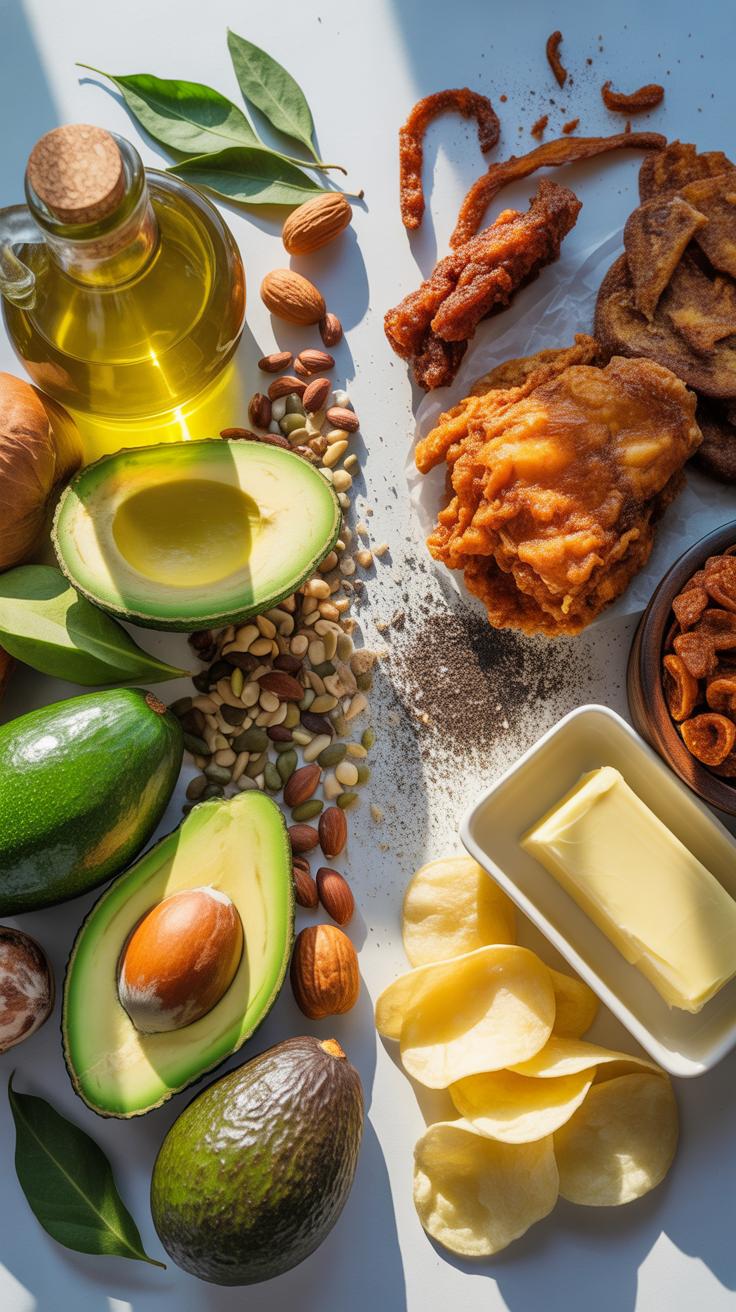
Monounsaturated Fats Found In Olive Oil, Avocados, And Nuts And Their Benefits
Monounsaturated fats remain liquid at room temperature and turn solid when chilled. Olive oil serves as the primary source of these fats. Avocados and nuts like almonds also provide high concentrations. These fats improve your cholesterol profile by lowering bad LDL levels. They help reduce inflammation throughout your cardiovascular system. Consistent intake supports long-term heart health and stabilizes your blood sugar levels effectively.
Dietary monounsaturated fats provide essential nutrients like Vitamin E. This antioxidant protects your cells from oxidative damage and supports your immune system. You should replace butter or lard with olive oil to reduce heart disease risk. These fats offer high stability during low-heat cooking processes. Incorporating them into your daily meals ensures better nutrient absorption. They are a core component of healthy fat consumption strategies.
Omega 3 And Omega 6 Polyunsaturated Fatty Acids And The Importance Of A Balanced Ratio
Polyunsaturated fats include essential fatty acids that your body cannot produce alone. You must get Omega-3 and Omega-6 from your diet. Omega-3 fats found in fatty fish reduce blood pressure and prevent arterial plaque. Omega-6 fats mostly come from vegetable oils and provide energy. Most modern diets contain too many Omega-6 fats. This imbalance can trigger chronic inflammation and lead to metabolic diseases.
You must maintain a healthy ratio between these two fatty acids. Aim for a ratio close to four to one. High intake of processed seed oils pushes this ratio to twenty to one. Use walnuts and flaxseeds to boost your Omega-3 levels naturally. Limit corn and soybean oils to keep Omega-6 levels under control. Balancing these fats optimizes brain function and protects your cellular membranes from damage.
Fried Food And Unhealthy Fats What Happens To Fat When It Is Cooked At High Heat

How Deep Frying Transforms Healthy Oils Into Harmful Compounds Through Oxidation
Extreme heat triggers a chemical breakdown in liquid oils. This process is called oxidation. When you heat unsaturated fats above their smoke point, oxygen reacts with the carbon bonds. This reaction creates polar compounds and lipid peroxides. These new materials are unstable and toxic to human cells. Frying changes the molecular structure of the oil. It turns a clean fuel into a source of cellular stress.
Reusing oil makes the transformation worse. Each heating cycle increases the concentration of degradation products. This includes the formation of small amounts of trans fats in some vegetable oils. High temperatures also produce acrylamide in starchy foods. These chemical changes strip the oil of its original nutritional value. You are left with a liquid that promotes arterial damage instead of heart health. The fat becomes a delivery vehicle for toxins.
Choosing the golden pour of olive oil is like remembering the simple wisdom of a Mediterranean kitchen, where every drop nourishes the heart. True health is found in honoring the wholesome traditions that once graced our grandmother’s table.
Why Regularly Eating Fried Food Is Linked To Inflammation And Weight Gain
Fried foods contribute to chronic inflammation through oxidized fats. These damaged fats trigger an immune response in your body. This response irritates the lining of your blood vessels. Over time, high intake leads to systemic inflammation. This state is a primary driver of heart disease and type 2 diabetes. Your body struggles to process these altered molecules. This metabolic strain slows down your natural recovery processes.
The high caloric density of fried food causes rapid weight gain. Fat absorbs into the food during the frying process. This increases the total calories per bite significantly. These foods often lack fiber and water. You consume more energy before your brain signals that you are full. The combination of high salt and high fat makes these foods addictive. This leads to frequent overeating and long term storage of body fat.
Heart Health And Dietary Fat How Your Fat Choices Directly Impact Cardiovascular Risk
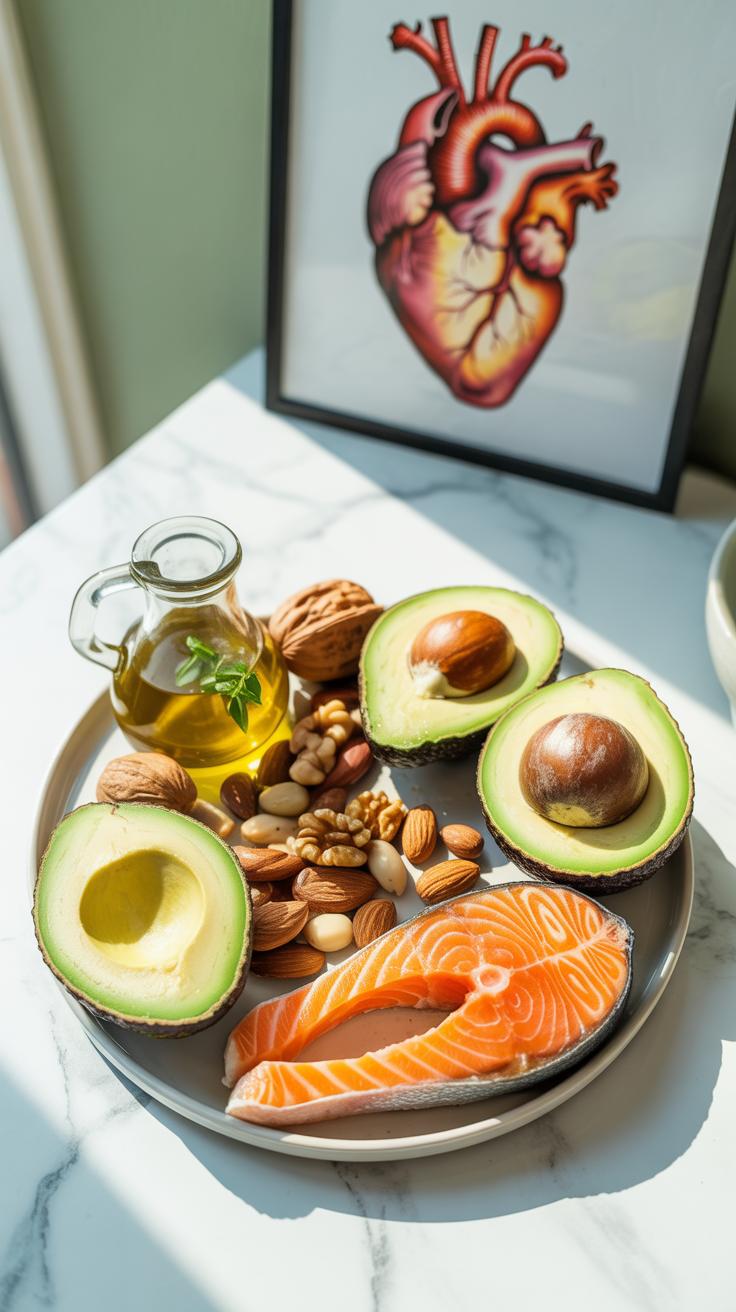
How LDL And HDL Cholesterol Levels Are Influenced By The Types Of Fat You Eat
Saturated fats and trans fats raise your LDL cholesterol. Doctors call this the bad cholesterol because it builds up in your artery walls. This buildup creates hard plaques that narrow your blood vessels over time. High LDL levels increase your risk for heart attacks and strokes. You must monitor these fat sources to keep your blood flowing freely through your entire body.
Unsaturated fats improve your profile by raising HDL cholesterol. This is the good cholesterol because it acts like a vacuum. It picks up excess cholesterol from your bloodstream and takes it back to your liver. The liver then removes the waste from your system. Replacing butter with olive oil helps maintain this balance. This specific swap lowers your overall risk for cardiovascular disease.
The Role Of Healthy Fats In Reducing Inflammation And Supporting Arterial Health
Omega 3 fatty acids lower systemic inflammation. Chronic inflammation damages the lining of your blood vessels and leads to heart disease. These healthy fats stabilize the electrical activity in your heart muscle. This prevention helps stop irregular heartbeats that can lead to sudden death. You gain these benefits by eating fatty fish or walnuts. They provide the raw materials for a stronger heart.
Healthy fats also improve the flexibility of your arteries. Researchers call this endothelial function. Flexible arteries expand and contract easily to manage your blood pressure. Stiff arteries force your heart to work harder. This extra work leads to heart failure over time. Eating monounsaturated fats keeps your vessel walls soft and responsive. This mechanical advantage is a primary defense against high blood pressure and future strokes.
Nutrition Tips How To Identify Healthy And Unhealthy Fats On A Food Label
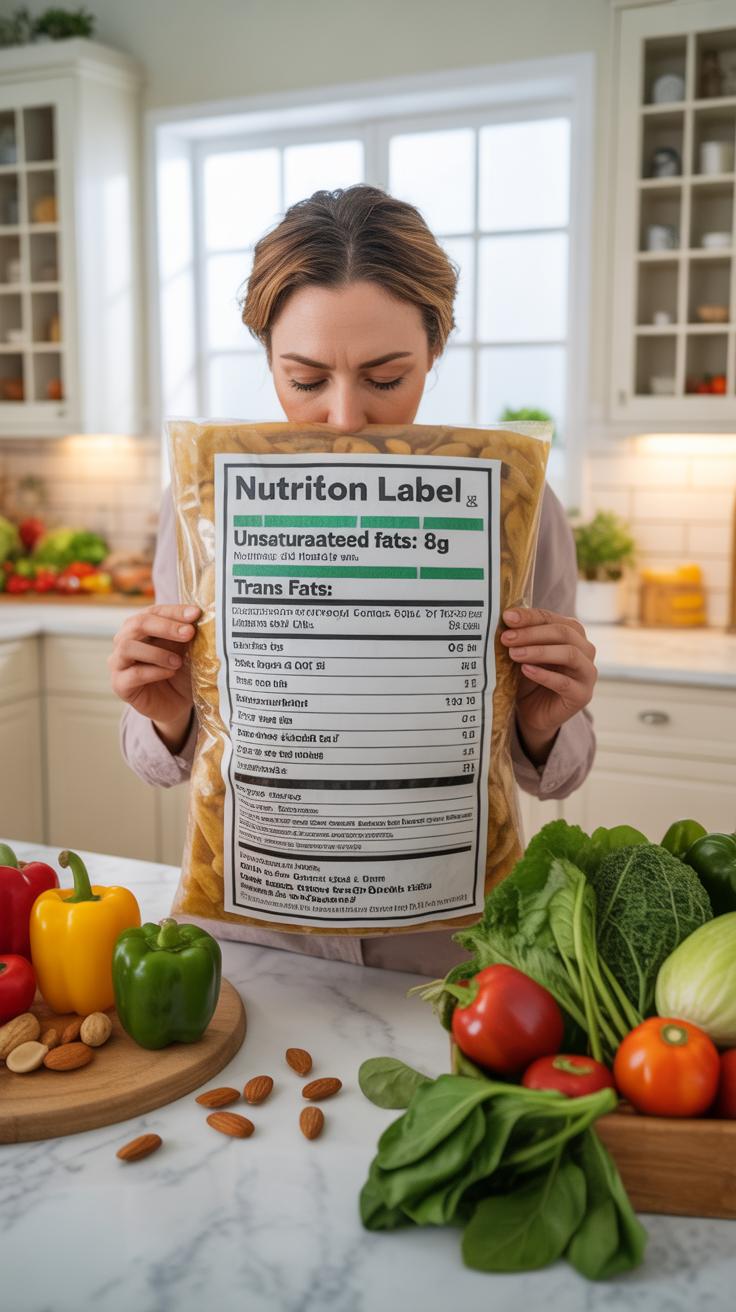
Decoding The Nutrition Facts Panel: Where To Find Trans Fat, Saturated Fat, And Total Fat
Standardize your approach by looking at the indented lines under Total Fat. The FDA requires manufacturers to list Saturated Fat and Trans Fat clearly. Total Fat represents all lipid types combined, including monounsaturated and polyunsaturated sources. These two healthy types are often missing from the label because the law does not require them. You must subtract the unhealthy fats from the total to find the healthy balance.
Saturated fat levels should stay low to protect your heart health. Trans fat remains the most dangerous category and should always show zero grams. Check the serving size before you trust these numbers. Small serving sizes allow companies to round down fat totals. A product with 0.4 grams of trans fat per serving can legally claim zero. You must multiply the grams by the total servings you actually eat.
Common Label Tricks And Misleading Claims That Hide Unhealthy Fats In Packaged Foods
Marketing teams use the zero trans fat claim to distract you from poor ingredients. Flip the package over and scan the ingredient list for partially hydrogenated oils. This specific phrase confirms the presence of synthetic trans fats regardless of the nutrition table. If you see this term, put the product back. Many brands also use palm oil or coconut oil to maintain shelf stability while keeping the label clean.
Focus on the oil source to determine the fat quality. Liquid oils like olive, avocado, or sunflower indicate better fat profiles. Solid fats at room temperature usually signal high saturated fat content. Watch for the term hydrogenated without the word partially. This means the fat is fully saturated and shelf-stable. Avoid products that list vegetable oil without naming the specific plant source. These blends usually contain the cheapest and least healthy options.
Your Healthy Eating Fat Guide Best Food Sources Of Beneficial Dietary Fats
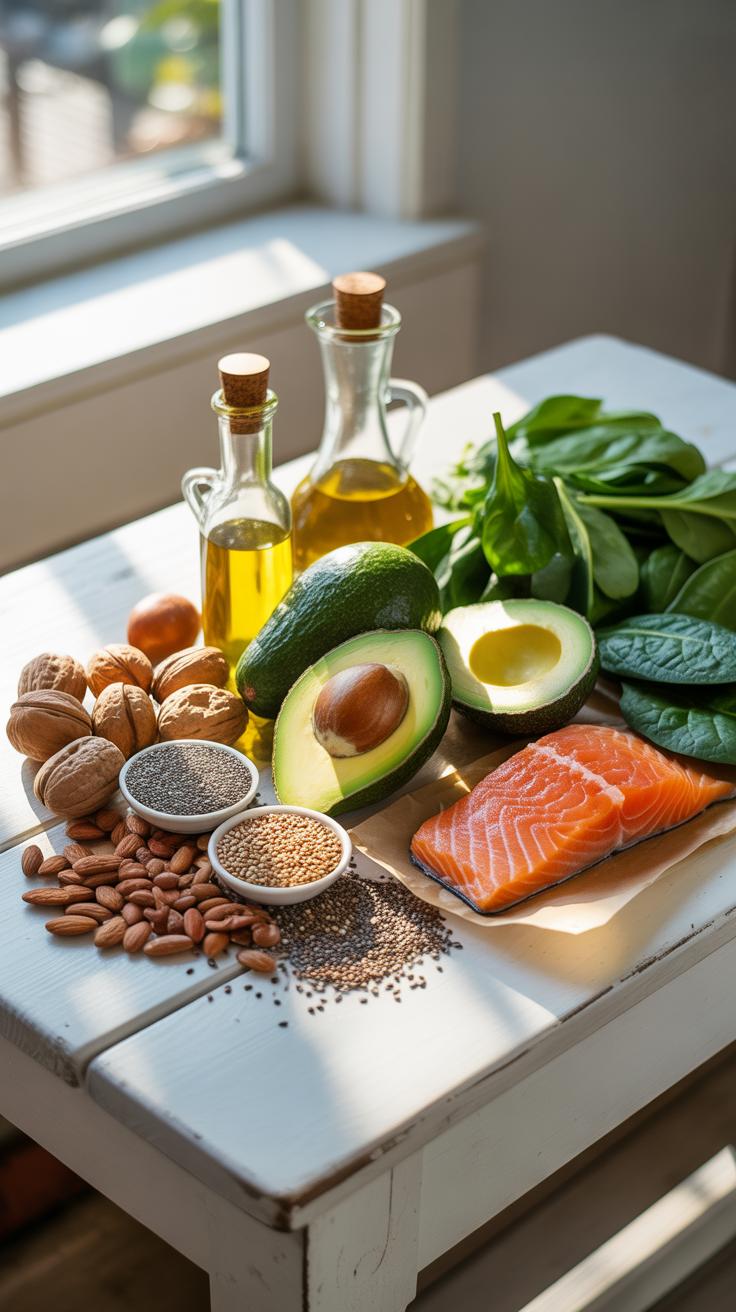
Top Whole Food Sources Of Healthy Fats You Should Be Including In Your Daily Diet
Whole foods provide the best delivery system for essential fatty acids and fat soluble vitamins. You need monounsaturated and polyunsaturated fats to maintain cell membrane integrity and hormone production. Focus on plant based sources and cold water fish to maximize nutrient density. These foods offer more than just energy. They provide antioxidants and fiber that processed oils lack entirely.
- Avocados: These fruits contain high amounts of oleic acid and potassium. They provide a creamy texture that replaces processed spreads. Use them to lower systemic inflammation while increasing your daily intake of fiber and essential minerals.
- Extra Virgin Olive Oil: This oil is a staple of Mediterranean nutrition with proven cardiovascular benefits. It contains polyphenols that protect your heart and blood vessels. Always choose cold pressed versions to ensure the chemical compounds remain intact and effective.
- Walnuts: These nuts offer a significant amount of alpha-linolenic acid which is a plant based omega 3 fatty acid. They support brain health and improve cholesterol profiles. Eat them raw to avoid damaging the delicate fats through high heat roasting.
- Fatty Fish: Salmon and sardines provide direct sources of EPA and DHA. These long chain omega 3s are vital for heart rhythm and cognitive function. Aim for two servings per week to meet your physiological requirements for these specific fatty acids.
- Chia Seeds: These seeds deliver a concentrated dose of healthy fats and soluble fiber. They help stabilize blood sugar levels and promote digestive health. Add them to liquids or yogurts to create a nutrient dense snack that keeps you full.
Quality matters more than quantity when selecting these items. Avoid products with added sugars or refined seed oils during processing. Check labels to ensure you are buying 100 percent pure sources. Regular consumption of these whole foods builds a foundation for long term health. It shifts your metabolism toward burning fat efficiently and reduces the risk of chronic disease.
How To Balance Fat Intake Across Meals Without Overcounting Calories Or Cutting Fat Entirely
Use visual cues to manage your fat portions instead of logs or scales. A single serving of added fat should match the size of your thumb. This simple rule prevents excessive calorie intake while ensuring you get enough nutrients. Distribute these portions across three main meals to maintain steady energy levels. Balanced meals prevent the hunger spikes caused by low fat dieting.
Combine your healthy fats with lean proteins and high fiber vegetables. Fat slows down digestion which helps your body absorb nutrients from other foods more effectively. Do not fear fat but respect its energy density. Replace refined carbohydrates with healthy lipid sources to improve your metabolic health. Consistent daily habits outperform short term restriction and lead to sustainable fat loss and muscle maintenance.
Clean Eating And Fat How To Swap Out Unhealthy Fats Without Sacrificing Flavor
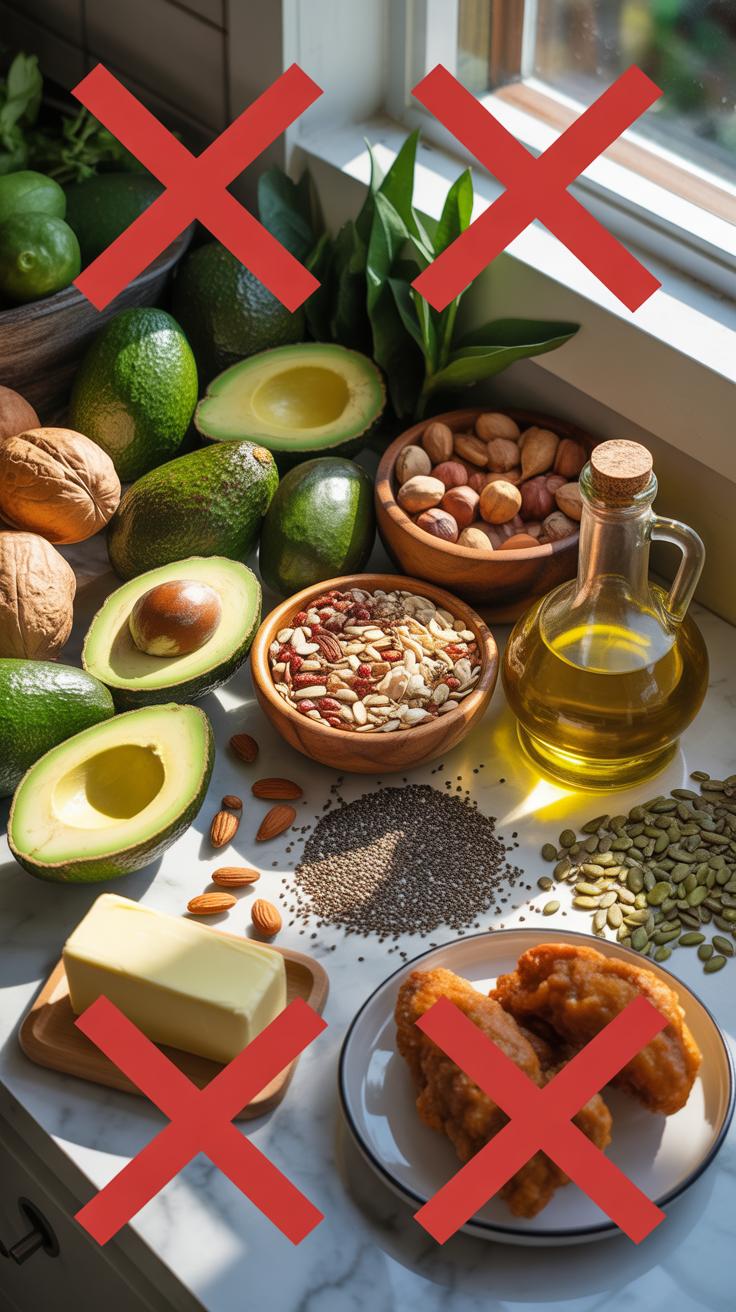
Simple Ingredient Swaps That Replace Harmful Fats With Healthier Alternatives In Everyday Cooking
Swapping fats requires a focus on smoke points and nutrient density. Most processed vegetable oils contain high levels of omega 6 fatty acids which promote inflammation. Replacing these with stable monounsaturated fats improves heart health without changing the cooking process. You must choose fats that provide structural stability in recipes. High quality fats carry flavor better than refined synthetic alternatives while providing essential fat soluble vitamins.
- Avocado Oil for Vegetable Oil: Avocado oil has a high smoke point of 520 degrees Fahrenheit. It remains stable under high heat unlike soybean or corn oils. Use it for searing and roasting to avoid toxic fuming and lipid oxidation during the cooking process.
- Extra Virgin Olive Oil for Butter: Cold pressed olive oil contains polyphenols and oleic acid. Use it as a finishing oil or in low heat sautéing to replace dairy fats. This swap reduces dietary cholesterol and adds antioxidants that protect your cardiovascular system from daily oxidative stress.
- Greek Yogurt for Mayonnaise: Plain Greek yogurt provides a creamy texture with significantly less saturated fat than traditional mayo. It adds protein and probiotics to dressings and spreads. This substitution maintains the mouthfeel of heavy sauces while cutting empty calories and processed soybean oil found in jars.
- Mashed Avocado for Margarine: Avocados provide monounsaturated fats and fiber that keep you full. Use mashed avocado as a spread on toast or inside sandwiches to eliminate industrial trans fats found in margarine. This whole food source delivers potassium and vitamin E along with its rich creamy texture.
- Nut Butters for Cream Cheese: Natural almond or walnut butters contain healthy fats and minerals. Use them on bagels or fruit to replace processed cream cheese. These fats support brain function and provide sustained energy levels throughout the day without the inflammatory response triggered by high lactase proteins.
Smart swaps do not rely on low fat products which often contain hidden sugars. You should prioritize whole food sources over refined liquids whenever possible. This strategy ensures you receive fiber and micronutrients alongside your lipids. Successful cooking involves matching the flavor profile of the healthy fat to the dish. Using diverse fat sources prevents nutritional gaps and keeps your daily meals satisfying and functional.
How A Clean Eating Approach Helps You Naturally Reduce Trans And Saturated Fat Consumption
Clean eating forces you to audit every ingredient in your pantry. This methodology prioritizes whole foods and eliminates ultra processed items. Most harmful trans fats exist in packaged goods to extend shelf life. When you cook from scratch you gain total control over the lipid profile of your meals. This shift automatically removes industrial seed oils and hydrogenated fats from your daily nutritional intake.
A clean diet emphasizes plants and lean proteins over factory farmed meats. This focus naturally lowers your intake of low quality saturated fats. You begin to view fat as a functional tool rather than a filler ingredient. By choosing grass fed beef or wild caught fish you optimize your omega 3 to omega 6 ratio. This strategic approach minimizes systemic inflammation and supports long term metabolic health through superior nutrient selection.
Healthy Fats In Special Diets Keto Mediterranean And Plant Based Approaches Compared
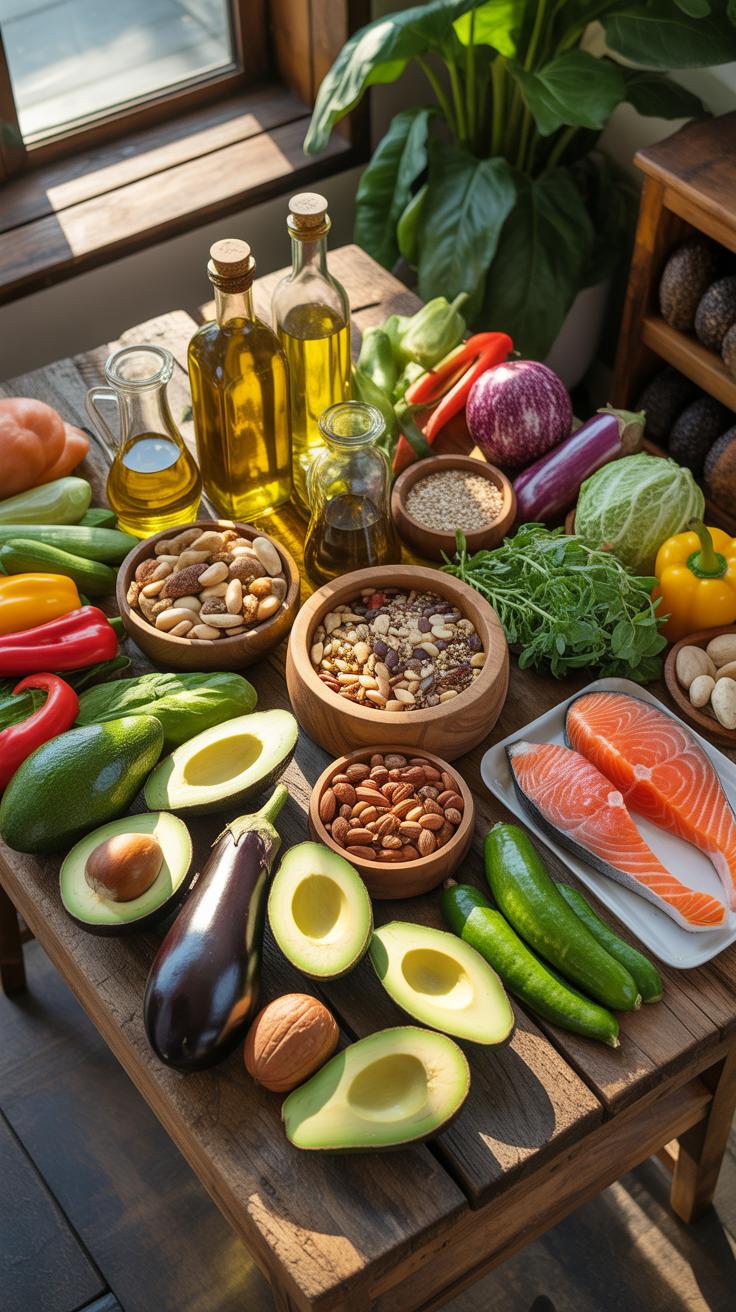
How The Mediterranean Diet Prioritizes Healthy Fats As A Core Pillar Of Long Term Wellness
The Mediterranean diet uses monounsaturated fats as its primary energy source. High consumption of extra virgin olive oil provides oleic acid and polyphenols. These compounds reduce systemic inflammation and support heart health. This diet emphasizes whole food sources like nuts, seeds, and fatty fish. It limits saturated fats from red meat and dairy. This strategic balance lowers the risk of stroke and cardiovascular disease.
Reliable data shows this approach creates sustainable metabolic health. You focus on high-quality lipids that improve cholesterol profiles. The diet replaces butter and lard with liquid vegetable oils. This shift changes how the body processes fats and manages insulin sensitivity. It is not a low-fat diet but a right-fat diet. Consistent intake of omega-3 fatty acids from sardines and mackerel further optimizes your brain function.
Navigating Fat Quality On Keto And Plant Based Diets To Avoid Replacing Bad Fats With Other Bad Fats
Keto diets often fail when users rely on processed meats and low-quality saturated fats. Eating excessive bacon and heavy cream can spike LDL cholesterol levels. You must prioritize avocado, olive oil, and wild-caught fish to maintain vascular health while in ketosis. Avoid the trap of “dirty keto” which uses refined seed oils and shelf-stable fats. Success requires a focus on nutrient density rather than just hitting fat percentages.
Plant-based diets face a different risk regarding fat quality. Many vegans replace animal fats with highly processed industrial seed oils or coconut oil. While plant-based, these options can still contain high levels of pro-inflammatory omega-6 or saturated fats. You should stick to whole food fat sources like walnuts, flaxseed, and chia. Monitor your intake of tropical oils to ensure your plant-based transition actually improves your lipid profile and heart health.
Frequently Asked Questions

What are the main differences between good and bad fats?
Understanding healthy fats vs unhealthy fats is all about how they affect your heart health. Healthy fats, like monounsaturated and polyunsaturated fats, are typically liquid at room temperature and help lower bad cholesterol. Conversely, unhealthy fats—specifically trans fats and excessive saturated fats—can clog arteries and increase inflammation. Choosing the right types of fat provides lasting energy and helps your body absorb vital vitamins while supporting overall cellular function and brain health.
How can I easily swap unhealthy fats for healthy fats in my daily cooking?
Making the switch to a heart-healthy diet is simpler than you might think. Start by replacing butter or lard with olive or avocado oil when sautéing vegetables. Instead of using creamy dressings or mayo, try mashing a ripe avocado onto your sandwich for a dose of nutrients. Evaluating healthy fats vs unhealthy fats in your pantry helps you make small, sustainable changes that significantly improve your long-term cardiovascular wellness and energy levels.
Are healthy fat sources too expensive for a standard grocery budget?
Adding nutritious fats to your diet doesn’t have to break the bank. While fresh salmon or boutique oils are popular, budget-friendly options like sunflower seeds, peanuts, and canned sardines offer incredible value. Buying bulk bags of walnuts or flaxseeds is another cost-effective way to secure these essential nutrients. By focusing on versatile staples like eggs and affordable olive oil, you can prioritize wellness without overspending on your weekly grocery bill.