
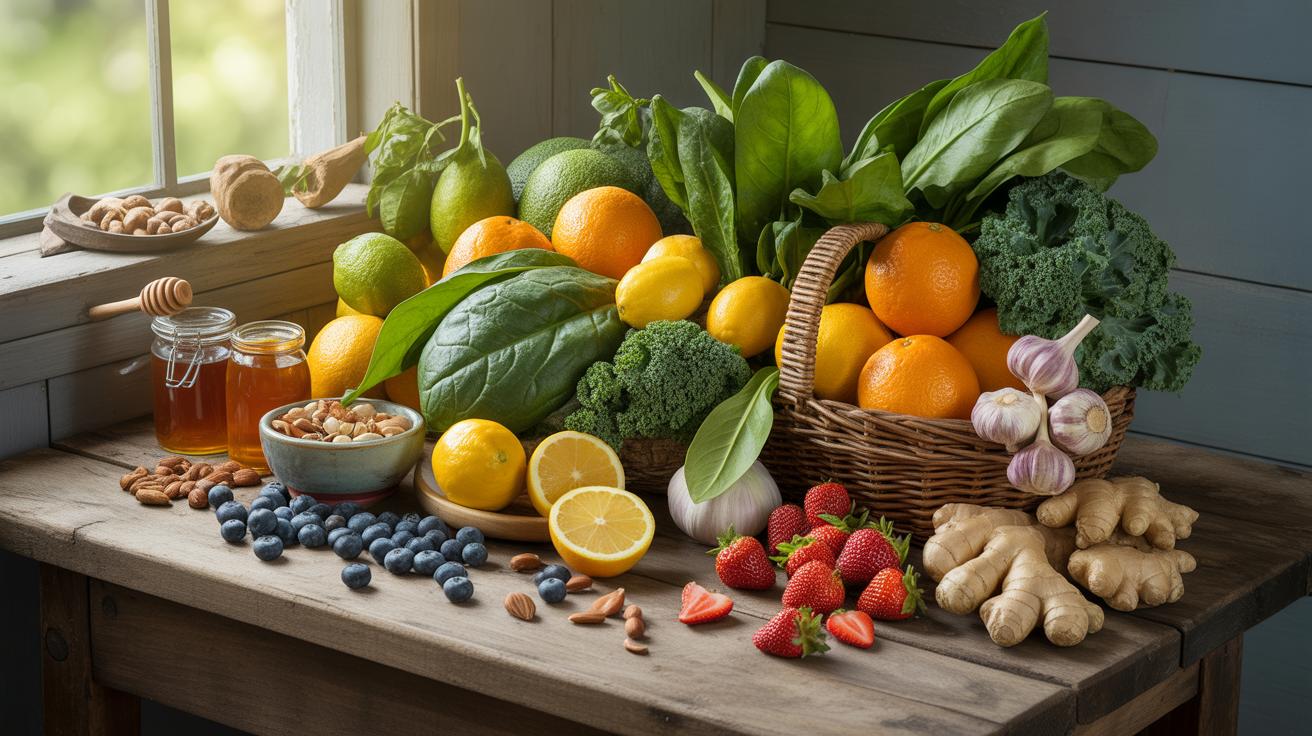
How Food To Boost Immune System Health Actually Works In The Body

The Link Between Nutrition And Immune Function
The immune system requires specific raw materials to produce white blood cells and antibodies. Your body cannot manufacture essential vitamins and minerals on its own. It relies on dietary intake to fuel the chemical reactions that identify and destroy pathogens. Without these nutrients, your biological defenses slow down. A lack of fuel leads to a weak response against infections.

Nutrients like vitamin C, zinc, and protein act as structural components for immune cells. They facilitate cell division and communication between different parts of the lymphatic system. When you consume the best foods for immune system health, you provide the tools needed for rapid response. Direct nutritional support ensures your body reacts quickly to viruses. Proper fuel prevents the system from attacking healthy tissue.
Why Consistency Matters More Than A Single Superfood
Loading up on vitamin C after you get sick is a late strategy. The immune system operates on a continuous cycle of surveillance and repair. It needs a steady supply of micronutrients to maintain its readiness. Spiking your intake once a month does not correct a long term deficiency. Daily habits build a resilient foundation that handles stress and environmental threats effectively.

Single doses of high intensity nutrients often get flushed out of the body quickly. Water soluble vitamins do not stay in your system for long periods. You must replenish these stores every day to keep your defenses sharp. Consistency ensures that your blood plasma levels remain stable. This steady approach allows your bone marrow and spleen to produce high quality cells on a predictable schedule.
Citrus Fruits As A Foundational Food For Immune System Support
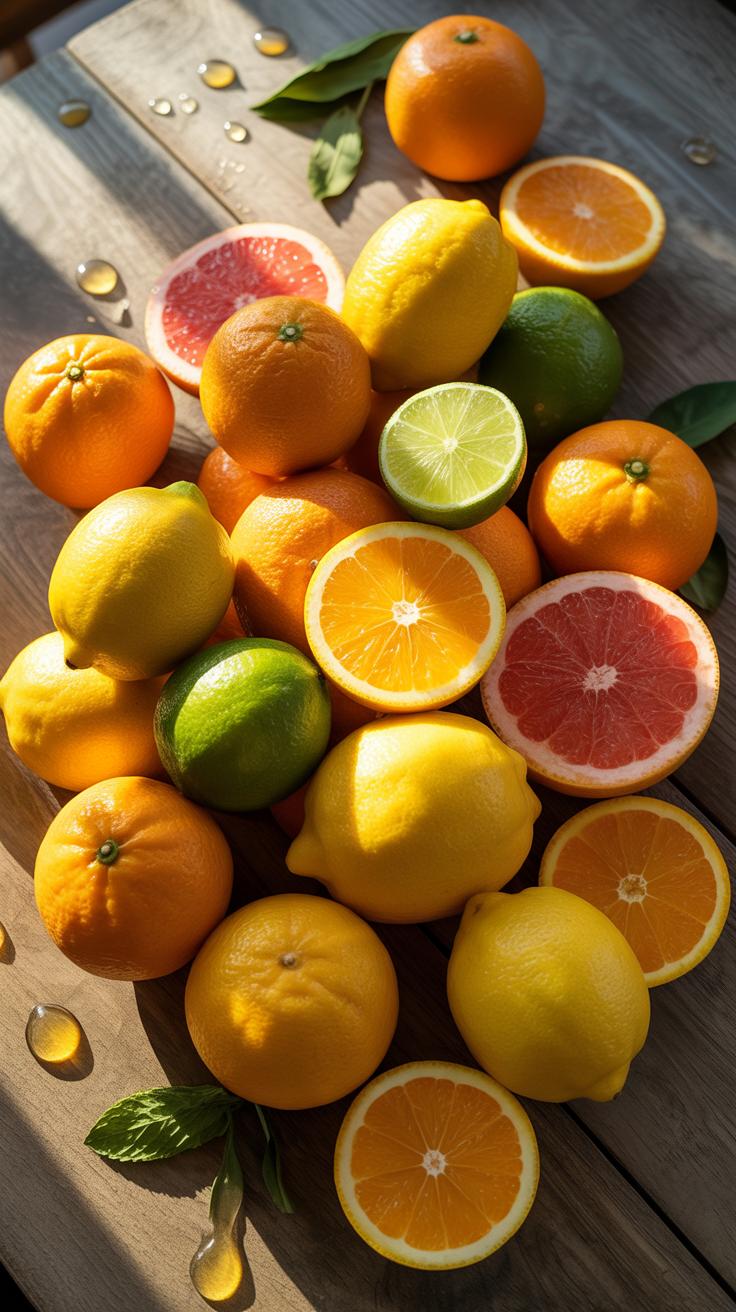
How Vitamin C In Citrus Fruits Supports White Blood Cell Production
Vitamin C acts as a critical fuel for your immune system. It directly increases the production of white blood cells known as lymphocytes and phagocytes. These cells serve as your primary defense against infections. Without sufficient Vitamin C, cell signaling slows down. This delay gives pathogens more time to spread and cause illness. You must maintain blood levels to keep your defense response sharp.
Your body cannot produce or store Vitamin C naturally. It is a water-soluble nutrient that exits your system quickly through waste. You need a daily supply to maintain high white blood cell activity. Vitamin C also strengthens the skin barrier against microbes. High concentrations of the vitamin exist in immune cells. These cells use the nutrient to neutralize harmful free radicals during an active immune response.
Best Citrus Varieties To Add To Your Weekly Diet
Grapefruit and oranges provide the highest volume of Vitamin C per serving. One medium orange typically covers your daily requirement. Choose whole fruit over juice to get essential fiber. Fiber feeds the gut microbiome, which controls most of your immune function. Lemons and limes offer high acidity and concentrated nutrients. Use them as base ingredients for daily systemic maintenance and pH balance.
Mandarins and clementines are practical options for rapid intake. They contain high levels of bioactive flavonoids that reduce inflammation. Inflammation distracts the immune system from fighting actual pathogens. Consuming these fruits weekly ensures your body has the materials needed for cellular repair. Focus on variety to get different phytonutrients. Each citrus type offers a specific profile of antioxidants that support different layers of immune health.
Garlic And Ginger Time Tested Immunity Boosting Foods
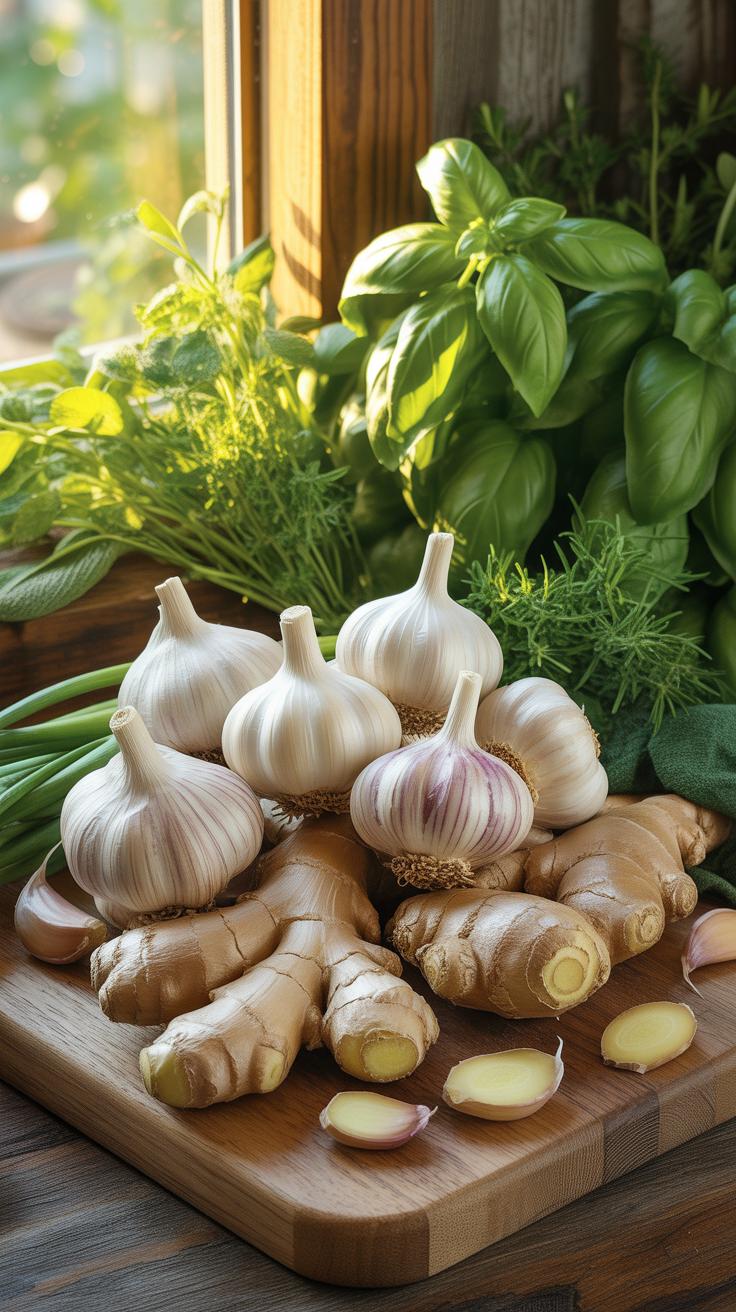
The Active Compounds In Garlic That Support Immune Defense
Garlic contains a high concentration of sulfur-containing compounds. Allicin is the primary active component responsible for garlic’s immune properties. You create allicin when you crush or chew raw garlic cloves. This compound enters the bloodstream and interacts with white blood cells. These cells help the body fight off common viruses. Garlic has served as a medical tool since ancient Egyptian times for these specific reasons.
To maximize the benefits, you must let crushed garlic sit for ten minutes before cooking. Heat can deactivate the enzymes required to form allicin. Regular intake helps keep your immune system in a state of readiness. It improves the response of T-cells which find and destroy pathogens. This food works as a preventive measure rather than a quick fix. Consistent weekly consumption provides the best results for long-term health.
How Ginger’S Anti Inflammatory Properties Contribute To Immune Health
Ginger contains gingerol, a bioactive substance that reduces oxidative stress in the body. Chronic inflammation weakens the immune system over time. Gingerol works by blocking pro-inflammatory cytokines that cause cellular damage. This process allows the immune system to focus on external threats like bacteria. Ancient medicinal practices used ginger to treat respiratory issues because it thins mucus and clears pathways for easier breathing.
Using ginger regularly helps lower your overall inflammatory markers. It possesses antimicrobial properties that help inhibit the growth of certain bacteria. You can consume it fresh, dried, or as an oil to gain these benefits. It also helps with gut health where a large portion of the immune system lives. A healthy gut ensures your body absorbs the nutrients needed for defense. Use ginger in tea or meals to maintain a steady baseline.
Leafy Greens And Vegetables Among The Best Immunity Foods You Can Eat
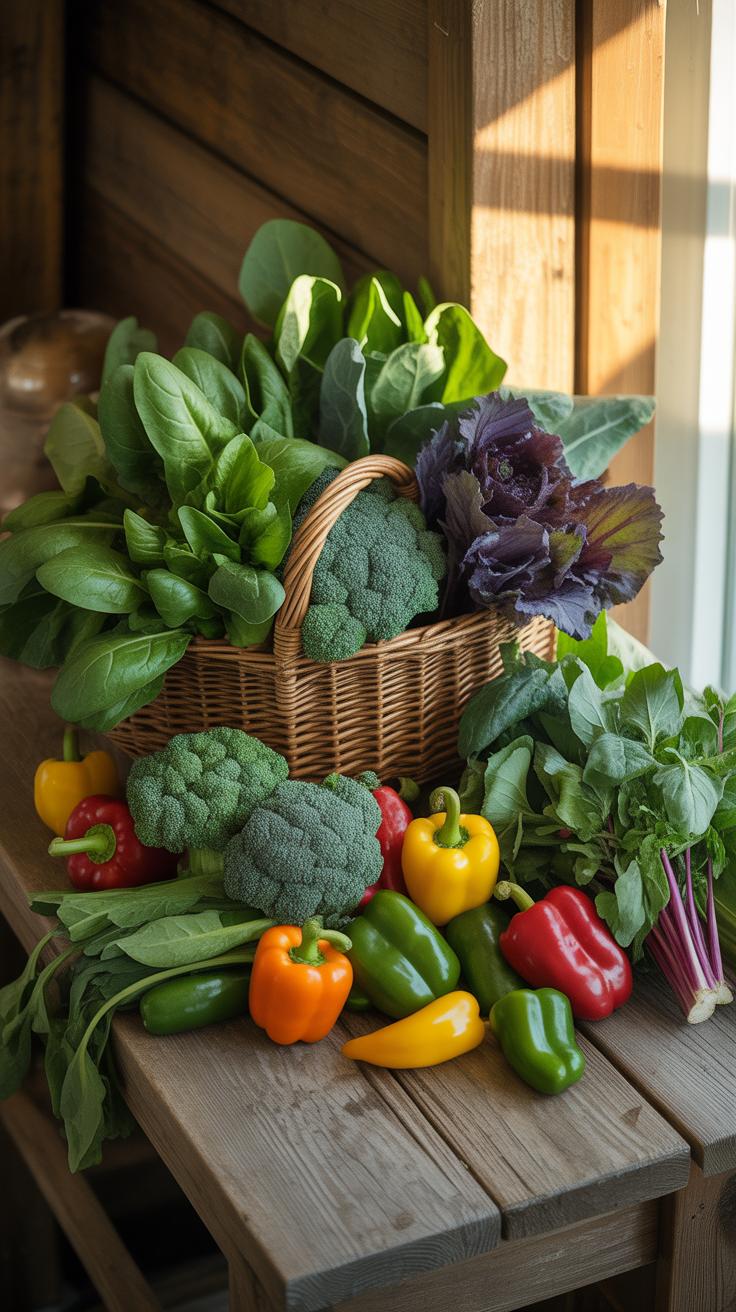
Why Spinach And Broccoli Are Nutritional Powerhouses For Immunity
Spinach and broccoli rank as top tier fuels for your immune system. These vegetables contain high levels of vitamin C and multiple antioxidants. These compounds protect your cells from oxidative stress. Broccoli specifically provides sulforaphane which triggers antioxidant genes and enzymes in immune cells. You must cook these vegetables minimally to keep their nutrients intact. Steam them lightly to avoid destroying vital heat-sensitive enzymes.
These greens also provide high fiber to support your gut microbiome. A healthy gut dictates most of your immune response. Fiber helps beneficial bacteria thrive and create short-chain fatty acids. These acids regulate inflammatory responses throughout your body. Spinach offers beta carotene which your body converts into vitamin A. This vitamin keeps your skin and respiratory tract membranes strong to block invading pathogens.
Key Vitamins And Minerals In Dark Leafy Greens That Fuel Immune Cells
Dark leafy greens supply the essential minerals that activate your white blood cells. Magnesium and iron are critical for cell division and oxygen transport. Without these minerals your immune system cannot produce enough cells to fight infections. Kale and collard greens provide dense concentrations of these elements. You need these foods weekly to maintain a baseline of protective minerals in your bloodstream.
Folate is another critical component found in these vegetables. It aids in the production of DNA and RNA for new immune cells. When your body detects a virus it must replicate cells quickly to win. Folate ensures this process happens without errors. Vitamin E in these greens acts as a fat-soluble antioxidant to protect cell membranes. Use these greens daily to ensure your defenses stay sharp and functional.
Yogurt And Fermented Foods For Immunity The Gut Immune Connection
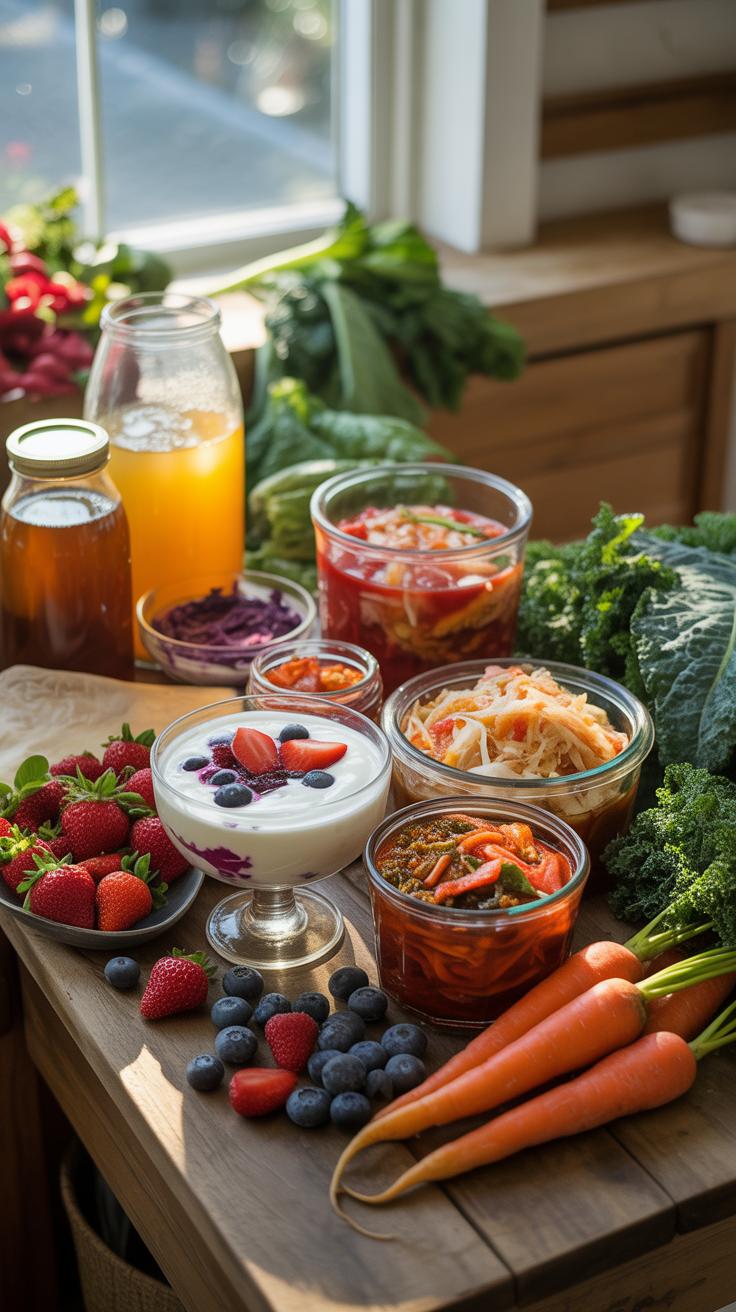
How A Healthy Gut Microbiome Directly Influences Immune Response
Your gut contains seventy percent of your immune system. This network of lymphoid tissue stays in constant contact with your microbiome. Beneficial bacteria signal your body to produce more white blood cells. These cells identify and destroy pathogens before they cause infection. A diverse gut stays ready for attacks. Low diversity leaves your defenses weak and slow to respond when germs enter your system.
Gut bacteria also strengthen the physical barrier of your intestinal lining. This prevents harmful toxins from leaking into your bloodstream. When this barrier stays intact, your immune system avoids chronic inflammation. Constant inflammation taxes your body and wastes resources. By maintaining a clean gut environment, your immune cells focus on actual threats. Proper gut health ensures a fast and accurate immune response every single day.
Top Fermented Foods For Immunity To Include Every Week
Probiotics are live microorganisms that provide a health benefit to the host. Adding these to your diet replaces good bacteria lost to stress or poor nutrition. Fermented foods offer a natural delivery system for these organisms. They provide diverse strains of bacteria that pills cannot always match. Choose high quality sources to ensure these delicate microbes reach your digestive tract alive.
- Greek Yogurt: This fermented dairy product contains concentrated amounts of Lactobacillus. It supports the production of antibodies that fight viruses. Check labels for live and active cultures to ensure the bacteria are still present and functional after processing.
- Kefir: This fermented milk drink offers more bacterial diversity than standard yogurt. It contains several major strains of friendly bacteria and yeasts. These organisms colonize the gut and inhibit the growth of harmful salmonella and E. coli bacteria.
- Sauerkraut: Fermented cabbage provides a shelf stable source of probiotics and fiber. The lactic acid produced during fermentation supports a healthy gut pH level. This acidic environment helps beneficial microbes thrive while making it difficult for bad bacteria to survive.
- Kimchi: This traditional Korean staple contains unique probiotic strains like Lactobacillus kimchii. It also delivers high levels of Vitamin C and antioxidants from ginger and garlic. These ingredients work together to stimulate immune cell activity and reduce overall systemic inflammation.
- Miso: This Japanese seasoning made from fermented soybeans provides essential minerals and probiotics. It improves digestion and nutrient absorption in the gut. Efficient nutrient uptake ensures your immune system has the fuel it needs to build new defensive cells.
Consistency matters more than quantity when consuming fermented foods. Small daily servings keep your microbiome stable and resilient. This steady supply of probiotics prevents opportunistic pathogens from gaining a foothold. Combine these foods with prebiotic fiber like onions or garlic to feed the new bacteria. This strategy maximizes the survival rate of the beneficial microbes you consume for long term immunity.
Nuts Seeds And Healthy Fats As Food For Immune System Boost
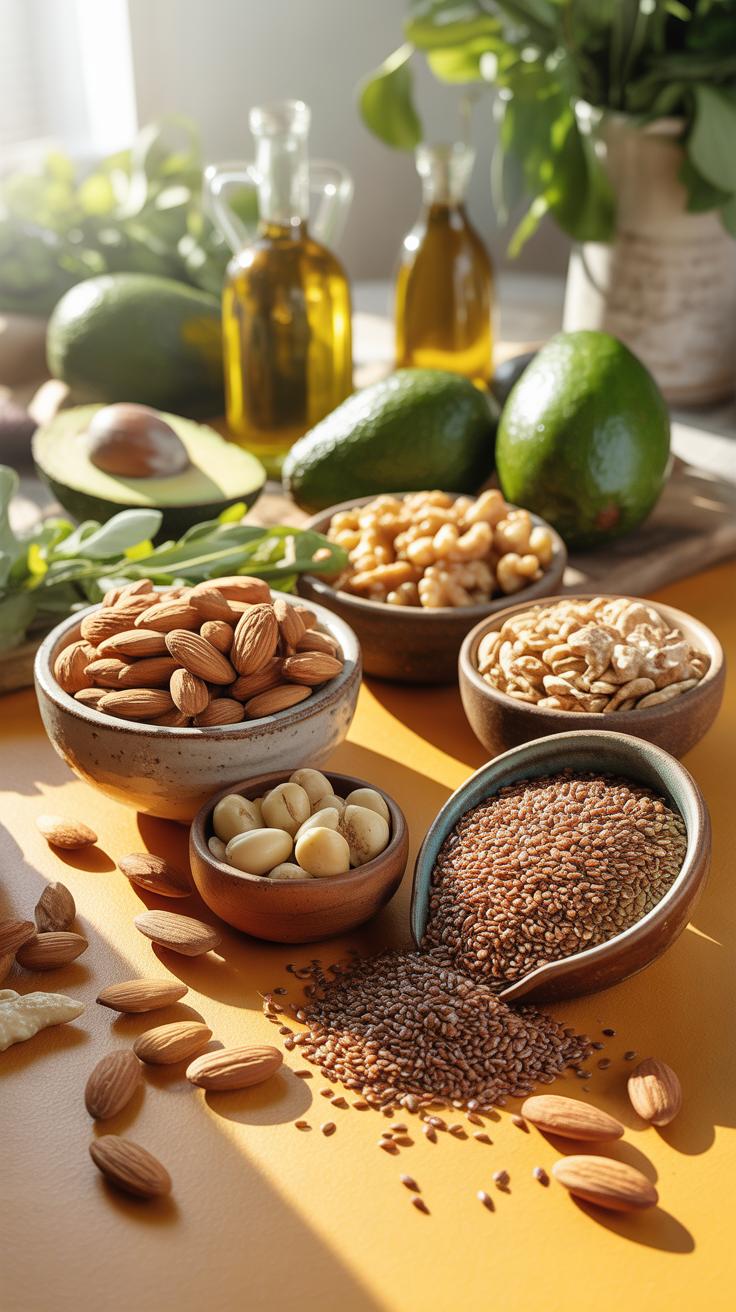
The Role Of Vitamin E And Zinc In Almonds And Sunflower Seeds
Vitamin E serves as a powerful fat-soluble antioxidant. It protects cell membranes from oxidative damage. Almonds provide high concentrations of this nutrient. Most people focus only on Vitamin C for immunity. However, Vitamin E is essential for maintaining the integrity of immune cells. A handful of almonds meets the daily requirement. This strengthens the primary barrier against pathogens and environmental toxins.
Sunflower seeds deliver high amounts of zinc and selenium. Zinc is a critical mineral for immune cell development. It helps the body produce T-cells and natural killer cells. Deficiencies in zinc directly lead to an impaired immune response. These seeds also contain phosphorus and magnesium. Consuming these nutrients weekly ensures the body can repair damaged tissues efficiently. This creates a more resilient biological defense system.
How Omega 3 Fatty Acids From Walnuts And Flaxseeds Reduce Inflammation
Omega-3 fatty acids regulate the inflammatory response. Chronic inflammation weakens the immune system over time. Walnuts provide alpha-linolenic acid to combat this issue. These fats help the body manage cytokine production. This prevents the immune system from overreacting to minor threats. High intake of these healthy fats supports white blood cell function. It keeps the internal environment stable and ready for actual pathogens.
Flaxseeds offer a concentrated source of lignans and fiber alongside Omega-3s. These compounds improve gut health where most immune cells reside. A healthy gut lining prevents harmful bacteria from entering the bloodstream. You must grind flaxseeds to access these benefits. Otherwise, the body cannot digest them. Adding these to your diet reduces systemic stress. This allows the immune system to focus resources on fighting external infections effectively.
Berries And Colorful Fruits Among The Most Effective Immune System Foods
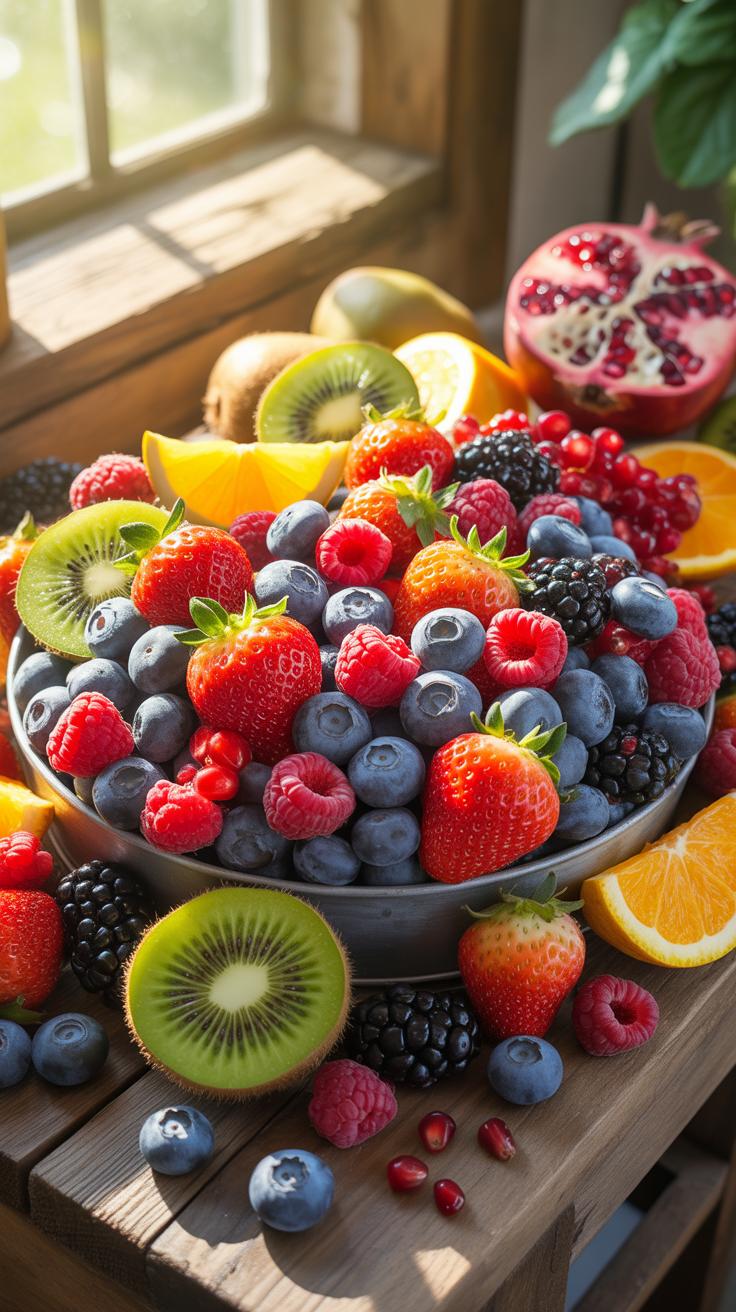
How Antioxidants In Blueberries And Elderberries Protect Immune Cells
Blueberries contain high levels of anthocyanins. These flavonoids give the fruit its dark color and provide potent antioxidant effects. These compounds neutralize free radicals that damage healthy cells. This process reduces oxidative stress within the body. When stress levels drop, your immune system functions more efficiently. Protecting these cells ensures your internal defenses remain ready to fight pathogens quickly.
Elderberries provide concentrated doses of quercetin and vitamin C. Research shows these berries can shorten the duration of respiratory infections. They block viral entry into host cells and prevent reproduction. This tactical advantage stops a minor infection from becoming a major illness. Use these berries as a tool to strengthen the respiratory tract. They provide a physical shield against common seasonal viruses.
Let food be thy medicine and medicine be thy food. A table filled with the vibrant colors of nature is the truest way to nourish the soul and keep the body strong.
Why Eating A Rainbow Of Fruits Delivers Broader Immune Benefits
Different colors in fruits represent unique phytochemical profiles. Red fruits like strawberries offer lycopene and vitamin C. Orange fruits provide beta-carotene for mucosal health. Yellow fruits deliver bioflavonoids that support blood vessel strength. Each color targets a specific part of the immune response. Eating a variety ensures you cover every vulnerability. Broad nutrient intake prevents gaps in your chemical defenses.
Strategic nutrition requires diversity to be effective. A single fruit cannot provide every necessary micronutrient for the immune system. Phytochemicals work together to enhance cellular communication. This synergy allows white blood cells to identify and destroy threats faster. Focus on a wide spectrum of colors every week. This habit ensures your body has the raw materials needed for peak performance and long term resilience.
Turmeric And Green Tea As Potent Immune System Boosting Foods
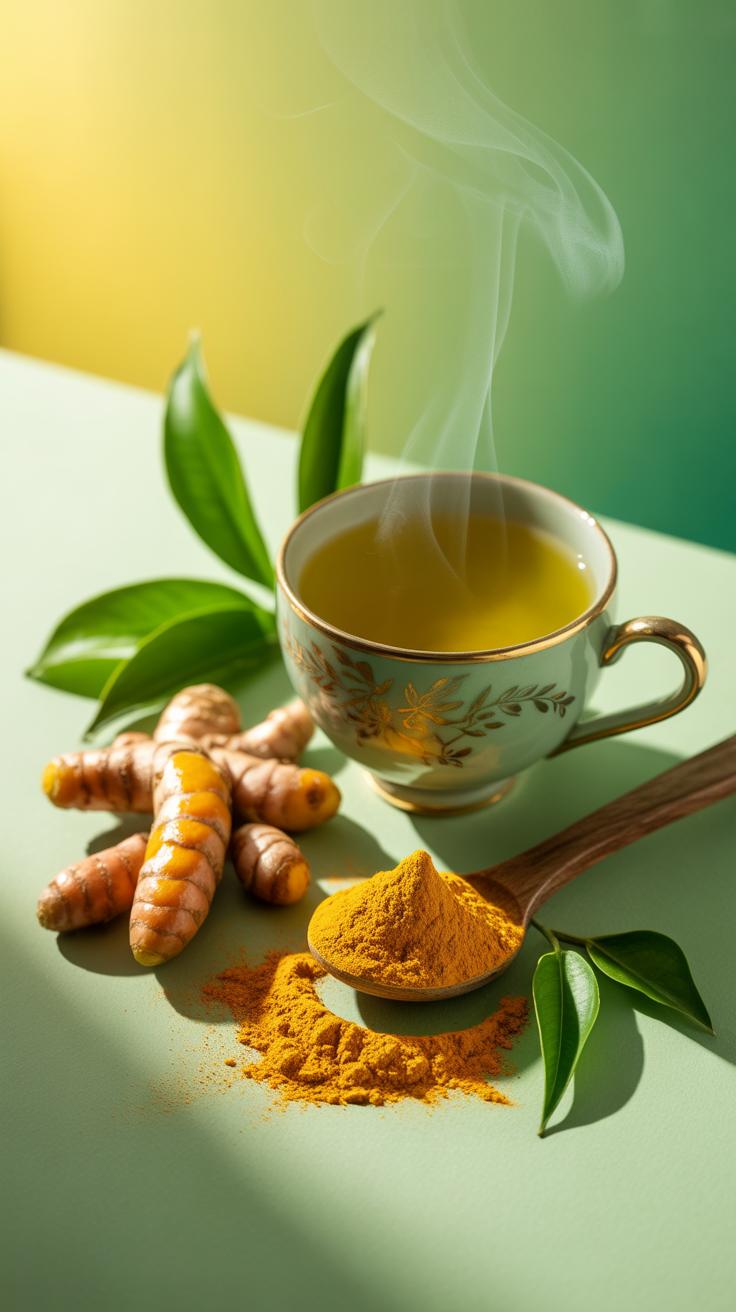
Curcumin In Turmeric And Its Well Studied Anti Inflammatory Effects
Turmeric contains curcumin as its primary active compound. This substance acts as a bioactive agent that fights inflammation at the molecular level. It blocks NF-kB which is a molecule that travels into the nuclei of your cells and turns on genes related to inflammation. By suppressing this process curcumin helps the immune system stay balanced. Frequent consumption prevents the body from overreacting to internal stressors.
You must consume turmeric with black pepper to see results. Black pepper contains piperine which improves curcumin absorption by two thousand percent. Without this addition your body simply flushes the compound out as waste. For maximum tactical benefit combine turmeric with a healthy fat during cooking. This strategy ensures the nutrient enters your bloodstream to support white blood cell function and overall immune system readiness.
The Antioxidant Compounds In Green Tea That Support Immune Defense
Green tea provides high levels of epigallocatechin gallate or EGCG. This powerful antioxidant enhances immune function by protecting cells from damage caused by free radicals. Research shows EGCG increases the production of regulatory T cells. These cells play a vital role in controlling the immune response and preventing autoimmune issues. Drinking green tea regularly establishes a constant baseline of protection for your cellular health.
Processing matters when choosing your tea source. Green tea is steamed rather than fermented which preserves the potent polyphenols inside the leaves. This makes it superior to black tea for actual immune support. The presence of the amino acid L-theanine also aids in the production of germ-fighting compounds in your T cells. Switch your caffeine source to green tea to gain these direct biological advantages every day.
How To Build A Weekly Meal Plan Around Immune Boosting Foods
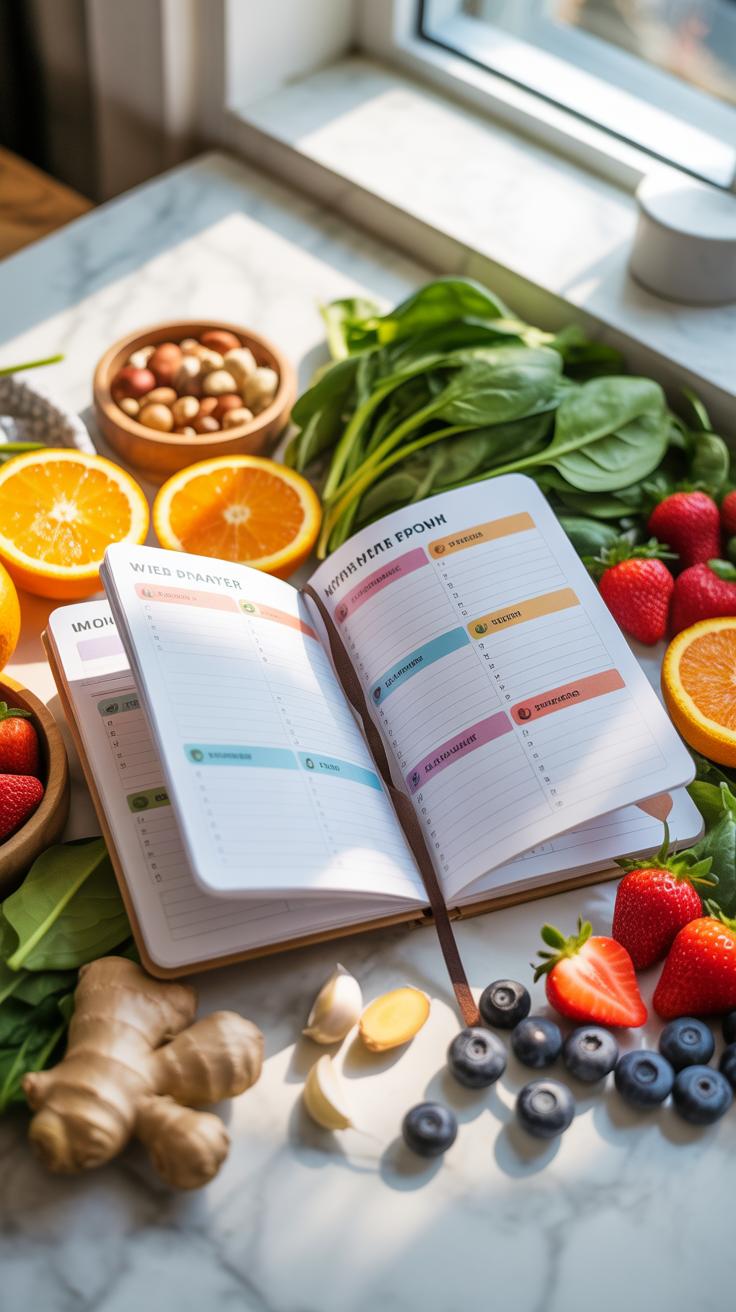
Practical Tips For Incorporating Immune Supporting Foods Into Every Meal
Effective meal planning requires a strategic focus on nutrient density across every sitting. You must integrate high-dose vitamin sources into your daily routine to maintain steady baseline defenses. Stop treating nutrition as an afterthought and start treating it as a physiological requirement. Use these specific tactics to ensure your body receives the raw materials it needs to fight pathogens every single day.
- Pre-cut Alliums: Chop garlic and onions during weekend prep to release allicin before cooking. This chemical reaction maximizes the health benefits of these sulfur-rich foods. Store them in airtight containers for quick use in any dinner recipe.
- Batch Prep Cruciferous Greens: Steam or roast broccoli and kale at the start of the week. These vegetables provide essential fiber and vitamins that support gut-mediated immunity. Adding these to lunches ensures you meet your daily antioxidant quotas without extra effort.
- Zinc-Rich Seeds: Keep pumpkin and sunflower seeds on your counter for easy access. Zinc is a critical mineral for T-cell function and development. Sprinkle these on morning oats or salads to hit your daily requirements with zero cook time.
- Fermented Food Rotation: Inventory your fridge with kimchi, sauerkraut, or kefir to prioritize gut health. Probiotics strengthen the intestinal barrier where most immune cells reside. Consume one small serving daily to maintain a diverse and resilient microbiome.
- Citrus Integration: Keep lemons and oranges visible to encourage daily vitamin C intake. This vitamin supports various cellular functions of both the innate and adaptive immune systems. Use juice as a salad base or snack on whole fruits.
Consistency outperforms intensity when building an immune-supportive diet. Adding one or two powerhouse ingredients to every plate prevents nutritional gaps that viruses exploit. Use acidic dressings and fresh herbs to increase the bioavailability of minerals in your vegetables. This tactical approach turns standard meals into functional tools for long-term health. Monitor your pantry levels weekly to ensure these staples never run out.
Lifestyle Habits That Enhance The Effects Of An Immune Supportive Diet
Nutrient intake only works if your body can process those nutrients efficiently. High stress levels produce cortisol which suppresses your immune response and negates the benefits of a clean diet. Prioritize seven hours of sleep to allow your system to repair and regenerate. Without rest, your white blood cells cannot circulate effectively regardless of what you eat. Schedule your downtime as strictly as your meals.
Hydration and movement serve as the transport system for your nutrients. Water flushes out toxins and keeps your lymphatic system moving properly. Low-impact exercise increases blood flow and helps immune cells travel through the body faster. Maintain a consistent hydration schedule to ensure your mucosal barriers stay thick and protective. These habits provide the infrastructure for your diet to achieve maximum biological impact.
Frequently Asked Questions

What are the simplest foods to add to my diet to improve my immunity?
Starting your journey is easier than you think! Incorporating citrus fruits like oranges and grapefruits provides a vital punch of Vitamin C, while garlic and ginger add flavor and anti-inflammatory benefits to almost any meal. These are widely considered some of the best foods for immune system support because they are nutrient-dense and readily available at any grocery store, making them perfect for beginners looking to improve their daily wellness.
How can I meal prep these immune-boosting ingredients for the busy week ahead?
To maximize efficiency, try roasting a large batch of bell peppers, broccoli, and sweet potatoes on Sunday. These colorful vegetables are among the best foods for immune system health and stay fresh in the fridge for days. You can also mince fresh ginger and garlic in advance or blend leafy greens into frozen smoothie packs. Preparing these essentials ahead of time ensures you have nutrient-rich options ready even on your busiest afternoons.
Is it possible to strengthen my immune system if I am shopping on a tight budget?
Absolutely! Prioritizing health doesn’t have to be expensive. Staple items like dried lentils, chickpeas, and canned tomatoes are incredibly affordable and packed with the protein and antioxidants your body needs to stay strong. Buying seasonal produce or frozen fruits and vegetables is another excellent way to save money while still consuming high-quality nutrients. Budget-friendly seeds and oats also offer a great foundation for a resilient, health-conscious lifestyle without breaking the bank.