

What Is Metabolism And Why Does It Matter For Weight Management

Understanding Basal Metabolic Rate BMR And How Your Body Burns Calories At Rest
Basal Metabolic Rate represents the minimum energy your body requires to function while at rest. This energy supports vital processes like breathing, blood circulation, and cell production. Your BMR accounts for roughly sixty to seventy percent of your total daily calorie expenditure. Factors such as age, gender, and muscle mass directly influence this rate. Muscle tissue burns more calories than fat tissue.

Increasing your lean muscle mass raises your basal energy needs over time. A higher BMR allows your body to process energy more efficiently throughout the day. You burn these calories regardless of your physical activity levels. Understanding this number is the first step in managing your weight. It provides a baseline for your daily caloric intake. Use it to create a strategic nutrition plan.
How A Sluggish Metabolism Affects Energy Levels Weight Gain And Overall Health
A slow metabolism means your body converts fuel into energy at a reduced pace. This inefficiency often leads to excess calories being stored as body fat. You might experience persistent fatigue because your cells lack immediate energy. Weight gain becomes easier while weight loss becomes harder. This imbalance creates a physical hurdle for weight management. It can lead to insulin resistance and other metabolic issues.

Low energy levels affect your ability to stay active and focused. This creates a cycle where you move less and store more fat. Over time, a sluggish metabolism contributes to systemic inflammation and poor heart health. You must identify the foods that speed up metabolism to break this cycle. Choosing the right nutrients optimizes your chemical processes. Better energy conversion improves your daily performance and long-term vitality.
##表达 The Role Of Food That Speeds Up Metabolism: Separating Fact From Fiction
The Thermic Effect Of Food: How Certain Foods Make Your Body Work Harder To Digest
The Thermic Effect of Food represents the energy cost of processing what you eat. Your body burns calories simply to break down, absorb, and dispose of nutrients. This process accounts for roughly ten percent of your total daily energy expenditure. Not all nutrients require the same effort. Some foods demand significantly more biological work to process than others during the digestive cycle.
Protein has the highest thermic effect of any macronutrient groups. It requires up to thirty percent of its contained calories just for digestion and processing. In contrast, carbohydrates and fats require much less energy to break down. Choosing high protein options forces your system to work harder. This mechanical reality increases your metabolic rate for several hours after you finish a meal.
Why Not Every Metabolism Boosting Claim Holds Up And How To Spot Reliable Evidence
Marketing teams often exaggerate the impact of specific ingredients on metabolic speed. Small increases in body temperature or heart rate do not always lead to significant fat loss. Many products claim to torch calories but lacks clinical backing. You must distinguish between a temporary chemical spike and a sustainable metabolic shift. Most miracle food claims rely on anecdotes rather than peer reviewed data.
Reliable evidence comes from controlled human trials rather than petri dish experiments. Check if studies used human subjects and realistic dosages. Many metabolism boosting ingredients only show results at concentrated levels impossible to consume through whole foods alone. Ignore vague promises of fast results. Focus on repeatable science that measures actual energy expenditure over time. Verify every claim against established physiological laws.
Metabolism Boosting Foods 1 Green Tea And Its Active Compounds

How Catechins And Caffeine In Green Tea Work Together To Increase Fat Oxidation
Green tea contains high levels of EGCG. It is a powerful catechin that inhibits the enzyme that breaks down norepinephrine. This hormone signals your fat cells to break down stored fat into the bloodstream. When you increase the levels of norepinephrine, you trigger a faster release of energy. This process allows your body to use fat as its primary fuel source.
Caffeine works beside EGCG to produce a synergistic effect on your metabolic rate. It stimulates the central nervous system and increases the firing of neurons. This combination raises the amount of energy your body burns while at rest. Researchers call this thermogenesis. It ensures you burn more calories even when you are not moving. This chemical duo provides a measurable metabolic advantage for fat loss.
How Much Green Tea You Need Daily To Experience A Measurable Metabolic Benefit
You must consume between two and three cups of green tea daily to see real results. This amount provides enough EGCG and caffeine to shift your metabolic baseline. Drinking just one cup occasionally will not produce a lasting change in how your body processes energy. Consistency matters more than the specific time of day you choose to drink the tea.
Steeping your tea for at least three minutes maximizes the extraction of active compounds. Use hot water but avoid boiling it to prevent the destruction of sensitive antioxidants. You can also use high quality green tea extracts if you prefer a concentrated dose. Ensure the supplement contains at least forty five percent EGCG to match the levels found in clinical research studies.
Foods That Boost Metabolism 2 Lean Proteins Like Chicken Fish And Legumes

Why Protein Has The Highest Thermic Effect Among Macronutrients And What That Means For Calorie Burn
Protein consumption triggers the highest thermic effect of food compared to fats or carbohydrates. This process represents the energy your body uses to digest, absorb, and process nutrients. While fats and carbs require minimal energy for breakdown, protein demands significant metabolic effort. Your body burns up to thirty percent of the protein calories consumed just during the digestion phase alone.
High protein intake forces your system to maintain a higher metabolic rate for several hours after eating. This metabolic spike happens because breaking down peptide bonds is a complex chemical task. Consistent protein consumption also protects lean muscle mass during weight loss. Muscle tissue naturally burns more calories at rest than fat tissue. Higher muscle retention ensures your baseline metabolism stays elevated during caloric deficits.
The Best Lean Protein Sources To Add To Your Diet For Sustained Metabolic Support
Lean proteins provide high nutritional density without excessive calorie counts from saturated fats. Choosing the right sources ensures you maximize the thermic effect while maintaining a healthy nutrient profile. These foods offer the essential amino acids your body requires for muscle repair and metabolic enzyme production. Prioritizing these specific items allows for better appetite control and more efficient energy expenditure throughout the day.
- Chicken Breast: This skinless poultry cut provides high protein density with very little fat. It is a fundamental staple for increasing daily metabolic output. The amino acid profile supports rapid muscle tissue repair and growth.
- White Fish: Varieties like cod or tilapia offer pure protein with minimal caloric load. These sources are easy to digest and provide essential minerals like iodine. Iodine is critical for supporting thyroid function, which regulates your overall metabolic rate.
- Lentils and Legumes: These plant based sources combine high protein levels with significant fiber content. Fiber requires additional energy to process and slows digestion for steady energy release. This combination prevents insulin spikes that can lead to fat storage.
- Greek Yogurt: Unsweetened Greek yogurt contains double the protein of standard yogurt varieties. It also provides probiotics that improve gut health and nutrient absorption. Efficient digestion ensures your body processes metabolic catalysts more effectively from all other food sources.
- Egg Whites: Egg whites are almost pure protein and have a high biological value. The body absorbs and utilizes the protein in eggs more efficiently than most other sources. They provide a low calorie way to trigger the thermic effect of food frequently.
Incorporate these lean options into every meal to keep your metabolic rate consistently high. Rotating these sources prevents nutritional gaps and provides a steady stream of amino acids. High protein diets also increase satiety, which reduces the urge to snack on metabolism slowing sugars. Focus on total daily intake to ensure your body has the raw materials needed for constant energy production.
Food That Boosts Metabolism 3 Chili Peppers And The Power Of Capsaicin

What Capsaicin Is And How It Triggers Thermogenesis In The Human Body
Capsaicin is the primary bioactive alkaloid found in chili peppers. It creates the heat sensation when you eat spicy food. This compound binds to TRPV1 receptors in your mouth and digestive tract. This binding signals the nervous system to increase body temperature. Your body then works to cool itself down. This process is called diet induced thermogenesis. It burns calories immediately.
This metabolic spike lasts for several hours after consumption. Research shows that capsaicin also promotes fat oxidation. It helps the body use fat as fuel instead of storing it. It targets brown adipose tissue to increase energy expenditure. Daily intake can reduce appetite and limit total calorie consumption. This makes it a powerful tool for weight management. Use it consistently for the best results.
Fresh Vs. Dried Chili Peppers: Which Form Delivers The Most Metabolic Benefit?
Both fresh and dried chili peppers contain high levels of capsaicin. The metabolic benefit depends on the concentration of the compound. Dried peppers often have a higher concentration by weight. This happens because the drying process removes water content. You get more capsaicin per gram in powder or flakes. This makes dried forms very effective for boosting your daily metabolic rate.
Fresh peppers offer vitamin C and hydration along with the heat. However, the intensity of the heat determines the metabolic impact. Habaneros and bird eye chilies rank high on the Scoville scale. These peppers provide the strongest thermogenic response. Choose the hottest pepper you can tolerate. Consistency matters more than the specific form. Add them to meals regularly to maintain a higher metabolic speed.
Foods That Accelerate Metabolism 4 Coffee And The Stimulating Effects Of Caffeine

How Caffeine Stimulates The Central Nervous System To Temporarily Elevate Metabolic Rate
Caffeine acts as a central nervous system stimulant. It blocks adenosine receptors in the brain. This process prevents feelings of tiredness and triggers the release of epinephrine. Epinephrine travels through your blood to the fat tissues. It signals these tissues to break down fats and release them into your blood. This direct stimulation increases your resting metabolic rate by three to eleven percent.
The body burns more calories through a process called thermogenesis. Heat production increases as your heart rate and respiration speed up. Studies show that lean individuals see a higher boost in fat burning than obese individuals. However, the metabolic spike remains significant for most users. This effect happens quickly after ingestion. It provides a short term metabolic advantage that helps the body utilize stored energy more efficiently.
Nature provides all we need to stoke the hearth of our inner fire through the simple, honest ingredients of the earth. When we nourish ourselves with intention, we rediscover the timeless vitality that has always lived within us.
Smart Coffee Consumption Habits That Maximize Metabolic Gains Without Disrupting Sleep
Timing determines the effectiveness of caffeine on your metabolism. Drink your coffee black to avoid added sugars and fats. These additives spike insulin and cancel out the metabolic benefits. Consume your last cup of coffee at least eight to ten hours before bed. This window allows the liver to clear the stimulant from your system. It ensures that your deep sleep remains undisturbed for optimal recovery.
Hydration is critical when using coffee as a metabolic tool. Caffeine has a mild diuretic effect on the body. Drink one glass of water for every cup of coffee you consume. Avoid overconsumption to prevent caffeine tolerance. When you build a tolerance, your metabolic response weakens significantly. Rotate your intake days to keep your system sensitive to the stimulant. This strategy maintains the fat burning power of your daily brew.
Foods To Help Speed Up Metabolism 5 Whole Grains Like Oats Brown Rice And Quinoa
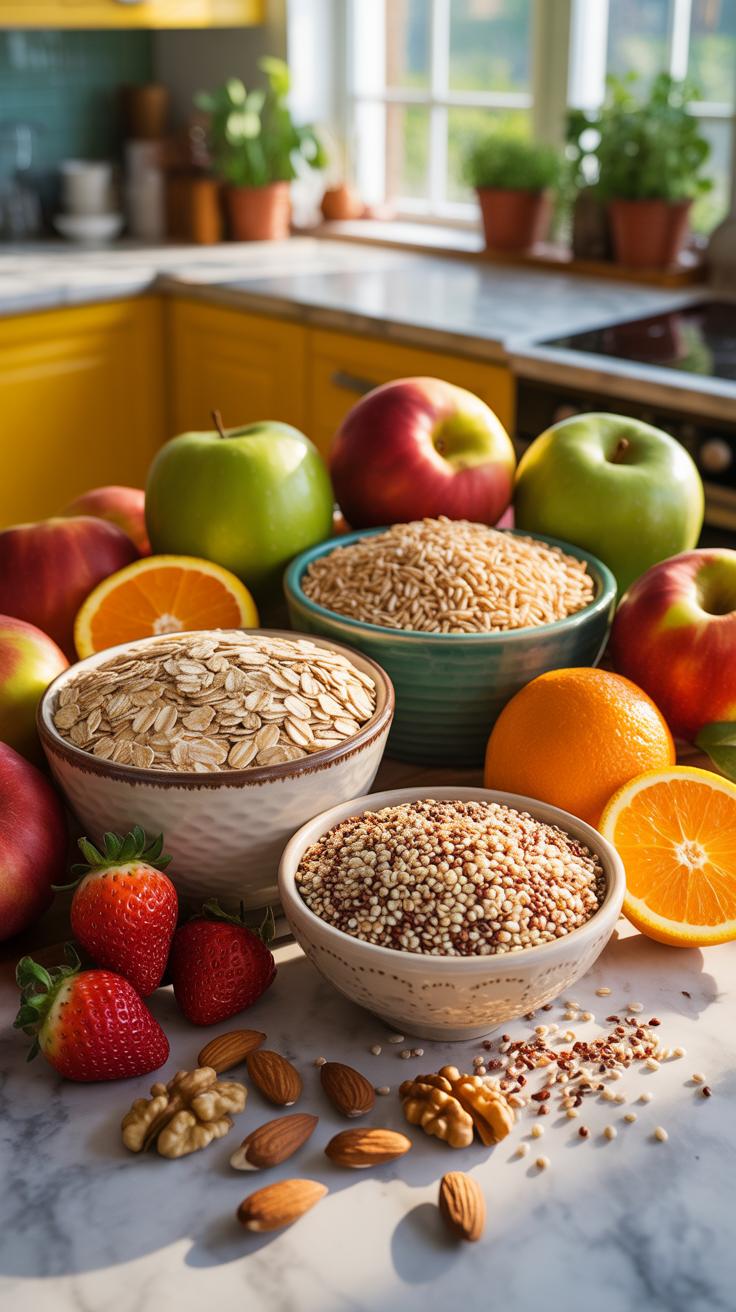
Why Complex Carbohydrates In Whole Grains Require More Energy To Process Than Refined Grains
Your body works harder to break down whole grains compared to processed flour. Whole grains contain the bran and germ. These layers are high in fiber and dense in structure. You burn more calories during the digestion process because your stomach must physically dismantle these tough fibers. This energy expenditure is the thermic effect of food. Refined grains lack this complexity and digest too fast.
Fiber also stabilizes your blood sugar and insulin levels. High insulin tells your body to store fat instead of burning it for fuel. Whole grains prevent these sharp insulin spikes by releasing glucose slowly into your bloodstream. This steady energy supply keeps your metabolic rate higher for a longer duration. Choosing intact grains turns your digestive system into a more efficient furnace for burning calories.
Practical Ways To Swap Refined Grains For Whole Grains In Your Everyday Meals
Switching to whole grains requires simple tactical replacements in your current diet. Most people eat processed carbohydrates out of habit or convenience. You can increase your metabolic burn by changing the base of your meals. Replace white flour products with dense alternatives that provide more chew and more nutrients. These swaps lower your calorie intake while raising the energy needed for digestion.
- Replace Morning Cereal with Steel Cut Oats: Most boxed cereals are highly processed and spike insulin quickly. Steel cut oats are minimally processed and keep you full longer. They require significant digestive energy to break down during your morning hours.
- Use Quinoa instead of White Rice: White rice is a simple starch that digests rapidly. Quinoa is a seed that acts like a grain and provides high protein and fiber. This combination forces your body to work harder during the metabolic process.
- Switch to Whole Grain Sprouted Bread: Traditional white bread loses its fiber during the milling process. Sprouted grain breads use the entire seed and often contain more bioavailable nutrients. This choice prevents the rapid blood sugar rise associated with standard grocery store loaves.
- Swap Pasta for Buckwheat or Farro: Standard pasta is made from refined flour that the body treats like sugar. Ancient grains like farro or buckwheat have a thick texture and high fiber content. These grains take more time and energy for your stomach to process.
- Use Popcorn instead of Crackers or Chips: Most crackers are made from white flour and inflammatory vegetable oils. Air-popped popcorn is a 100 percent whole grain snack that is low in density. It provides the crunch you want while offering significant fiber for your gut.
Focus on the texture of your food to identify whole grains. If the grain looks like its original shape, it is better for your metabolism. Processed powders and flours do not offer the same thermic benefits. Start by changing one meal per day to build the habit. These small tactical shifts result in a measurable increase in your daily caloric burn over time.
What Foods Speed Up Metabolism Lifestyle Habits That Amplify The Effect Of These Foods

How Hydration, Sleep Quality, And Meal Timing Work Alongside Metabolism Boosting Foods
Water intake is essential for cellular function and heat production. Dehydration slows down the chemical reactions required to burn fuel. Drinking cold water forces the body to use energy to regulate internal temperature. Proper hydration ensures the nutrients from metabolism-boosting foods reach your cells efficiently. Without enough water, your metabolic rate drops as your body tries to conserve resources and fluids.
Sleep regulates the hormones that control hunger and energy use. Poor sleep raises cortisol levels and lowers insulin sensitivity. This hormonal shift makes your body store fat instead of burning it. Consistent rest allow your organs to recover and maintain a steady baseline metabolic rate. Aligning meal timing with your natural wake cycles prevents late-night insulin spikes. Eating during daylight hours matches your body’s peak processing power.
Why Combining Resistance Training With A Metabolism Supportive Diet Delivers The Best Long Term Results
Muscle tissue demands more energy than fat tissue even at rest. Lifting weights creates micro-tears in the muscle fibers that require energy to repair. This process elevates your metabolic rate for hours after a workout ends. Consuming high-protein foods during this recovery phase maximizes muscle growth. More muscle mass increases your daily basal metabolic rate permanently. This creates a feedback loop that burns more calories.
Resistance training prevents the metabolic slowdown often caused by calorie restriction. Your body tries to save energy when you eat less. Building muscle counters this biological trend. Use compound movements like squats and presses to engage the most muscle fibers at once. This strategy forces your body to utilize the nutrients from your diet for fuel. Strength training turns your body into a more efficient calorie-burning machine every day.
Frequently Asked Questions

What exactly are metabolism boosting foods and how do they work?
Metabolism boosting foods are specific ingredients that increase your body’s metabolic rate through the thermic effect of food. When you consume high-protein options or spicy peppers, your body requires more energy to process them, leading to a temporary calorie-burning spike. Incorporating these foods that speed up metabolism into your daily meals can help optimize your energy expenditure and support long-term weight management goals when paired with a balanced lifestyle.
How can I easily incorporate these metabolism-boosting ingredients into my daily meals?
Integrating these power foods is simpler than you might think. Start your morning by adding green tea or a pinch of cayenne pepper to your eggs. For lunch and dinner, focus on lean proteins like lentils or chicken breast. By consistently choosing specific foods that speed up metabolism, you create a sustainable habit that keeps your energy levels high without requiring complicated recipes or hours of extra preparation in the kitchen.
Do I need to buy expensive supplements or “superfoods” to see real results?
Not at all! Many of the most effective options are budget-friendly staples found at any local grocery store. Common items like coffee, chili peppers, legumes, and whole grains are incredibly effective and affordable. You don’t need high-end supplements to see a difference; focusing on whole, minimally processed ingredients is a cost-effective way to nourish your body and support your metabolic health without breaking the bank on trendy health products.