
What Is An Alkaline Foods List And Why Does It Matter

Understanding PH And How It Relates To Alkaline Food
Human biology requires a tightly regulated blood pH between 7.35 and 7.45. This scale measures how acidic or basic a substance is. Food does not change blood pH because the body has built-in systems to maintain balance. However, the digestion process leaves behind a mineral residue known as ash. Scientists measure this ash to determine if a food is acid-forming or alkaline-forming.

Alkaline foods contain high levels of minerals like magnesium, potassium, and calcium. These elements create a basic byproduct after your body breaks them down. Phosphorus and sulfur create acidic byproducts instead. Most vegetables and fruits result in alkaline residue. Legumes and grains usually lean toward the acidic side. Understanding this chemical outcome helps you categorize what you eat based on post-digestive results rather than raw taste.
How An Alkaline Foods List Can Guide Healthier Eating Choices
An alkaline food chart identifies which items support better metabolic function. People use these charts to reduce the load on their internal buffering systems. High-acid diets often force the body to pull minerals from bones to neutralize acid. By choosing more items from the alkaline list, you provide the body with the necessary tools to maintain balance. This strategy prioritizes whole, unprocessed nutrient sources over refined options.

Tactical use of an alkaline food chart simplifies meal planning. It helps you swap processed sugars and heavy proteins for leafy greens and root vegetables. This shift naturally increases your intake of fiber and antioxidants. You stop guessing which foods are healthy and start following a clear chemical framework. Using the chart ensures your diet stays focused on nutrient density. This methodical approach leads to better energy levels and improved long-term physical health.
How To Read An Alkaline Foods Chart

Breaking Down Ph Scale Values On An Alkaline Foods Chart
The pH scale measures how acidic or alkaline a substance is on a scale from zero to fourteen. On an alkaline food chart, seven represents the neutral point. Values below seven indicate acidity while values above seven indicate alkalinity. Most charts use color coding to help you identify these levels quickly. Red usually signals high acidity and blue or purple signifies high alkalinity.
Understanding these numbers requires focusing on the potential renal acid load of the food. Charts do not measure the physical pH of the food in its raw state. They measure the pH of the ash left behind after your body digests the nutrients. A food with a high positive number on the chart is very alkaline. Low numbers near zero show the food is nearly neutral.
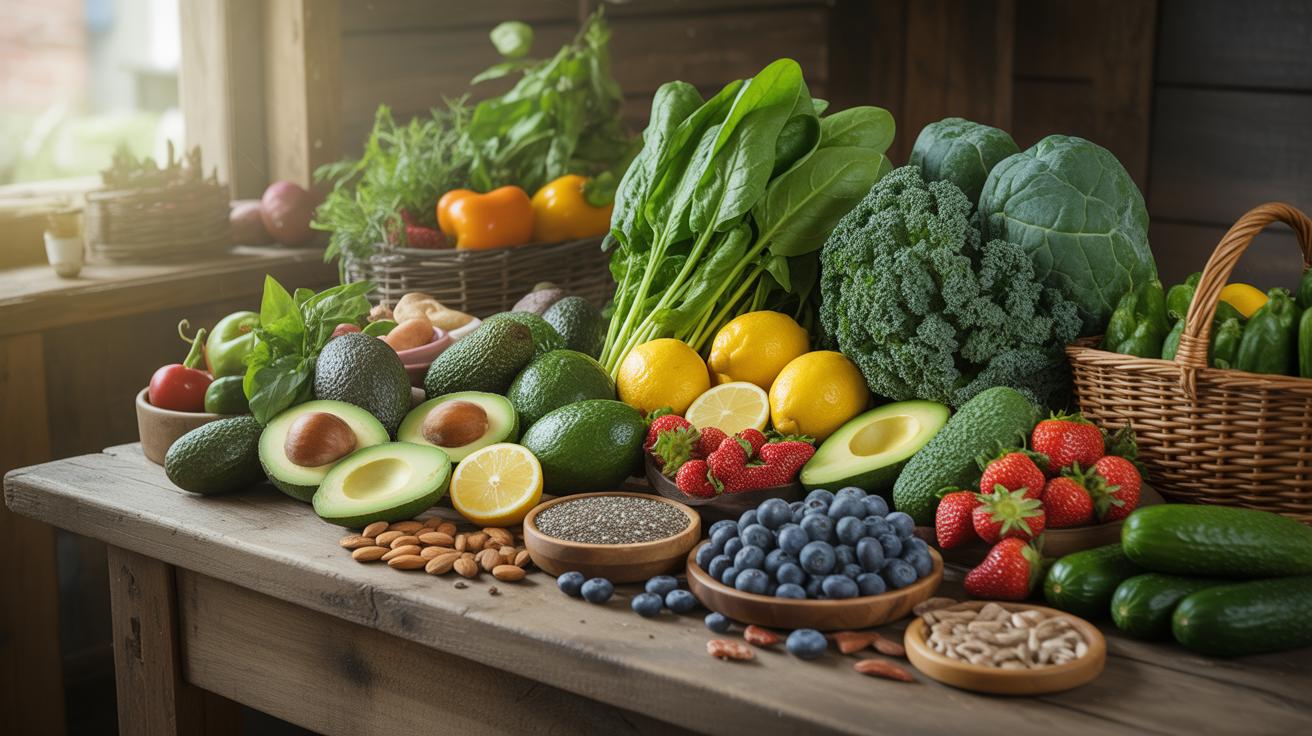
Nature provides a vibrant harvest to restore your body’s inner harmony and timeless vitality. Each leaf and root on this list carries the gentle wisdom of the earth to heal you from within.
The Difference Between Acidic Neutral And Alkaline Foods On A Chart
Alkaline foods typically include green vegetables, low sugar fruits, and certain nuts or seeds. These items sit at the top of the chart with pH values between eight and ten. They provide essential minerals like magnesium, potassium, and calcium. Dietitians use these charts to help people balance their internal chemistry. High alkaline foods counteract the heavy acid load found in modern processed diets.
Acidic foods occupy the bottom of the chart with values from zero to six. This group includes meat, dairy, sugar, and highly processed grains. Neutral foods like pure water or specific fats sit right at the seven mark. They do not shift your pH balance in either direction. Use the chart to pick more items from the high end to offset the acid forming foods you consume.
High Alkaline Foods You Should Know About
Top High Alkaline Foods Found In Fruits And Vegetables
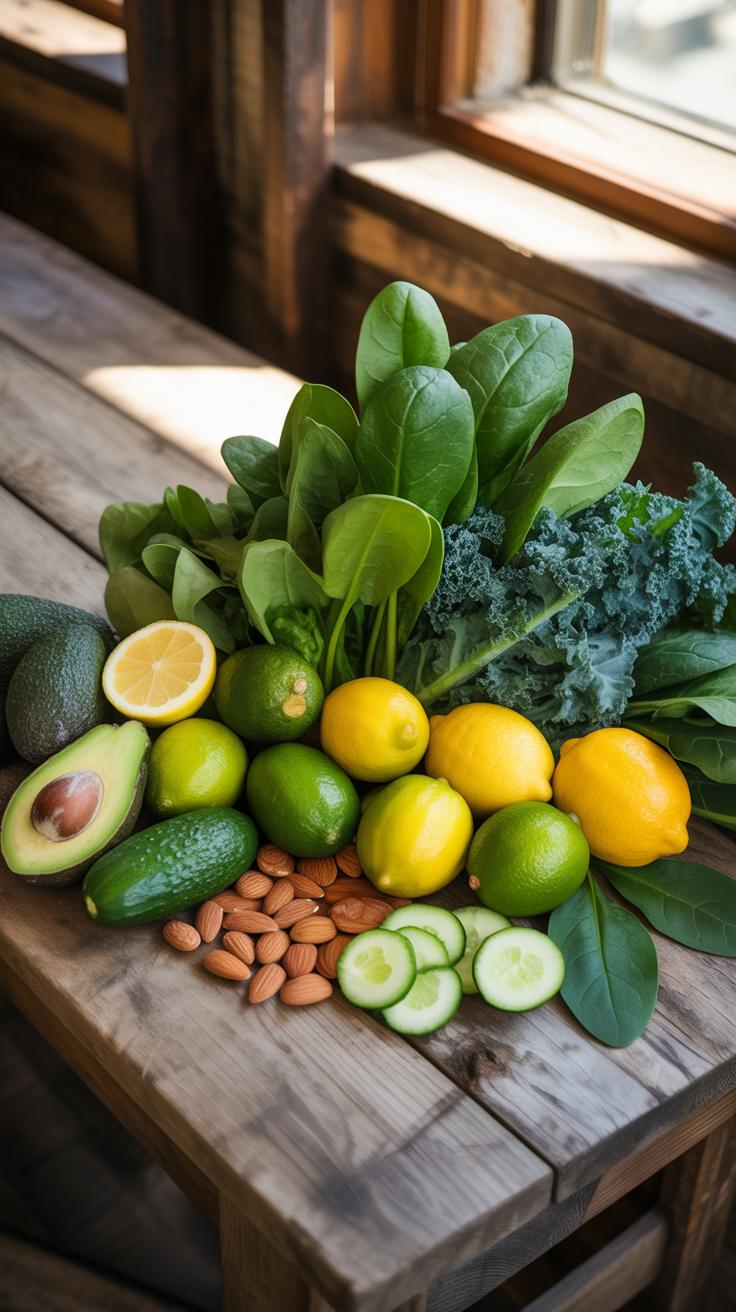
An alkaline food chart identifies items that leave an alkaline ash after digestion. This process measures the potential renal acid load of specific foods on the body. Leafy greens and root vegetables sit at the top of this hierarchy. They provide critical minerals that neutralize acid byproducts. Consuming these foods helps maintain the tight pH range required for blood and cellular function.
- Spinach: This leafy green contains high levels of chlorophyll and minerals. It provides a massive hit of magnesium and potassium. These elements are primary components in the alkaline buffering process within human tissue and blood.
- Kale: This cruciferous vegetable offers high concentrations of Vitamin K and calcium. It acts as a powerful alkalizing agent due to its low sugar content and dense mineral profile. It supports bone health and reduces dietary acid load.
- Cucumber: This vegetable has a high water content and specific alkaline minerals. It helps flush out acidic waste products from the urinary system. It provides a quick way to hydrate while delivering cooling, non-acidic nutrients to the gut.
- Celery: This stalk vegetable is a staple on any alkaline food chart. It contains high amounts of sodium and potassium which act as natural electrolytes. These minerals neutralize acidic compounds and support the body in maintaining its natural pH balance.
- Lemon: While acidic in its raw form, lemon has an alkalizing effect once metabolized. The citric acid converts into alkaline bicarbonates during digestion. This makes it a tactical tool for shifting the body away from a state of chronic acidity.
Precision in food selection determines the success of an alkaline diet. Focus on raw or lightly steamed vegetables to preserve mineral integrity. High heat can sometimes alter the chemical structure of these nutrients. Consistent intake of these specific fruits and vegetables reduces the strain on your body. It ensures your internal systems do not have to leach minerals from bones to neutralize acid.
Why High Alkaline Foods Are Celebrated For Their Nutrient Density
High alkaline foods provide more than just pH balance. They carry a massive load of vitamins and antioxidants per calorie. Most items on an alkaline food chart are whole plants. These plants grew in mineral-rich soil and absorbed essential elements. These elements include magnesium, calcium, and potassium. These minerals provide the building blocks for every major biological function in your body.
Nutrient density means you get more fuel with less metabolic waste. Processed foods create heavy acidic loads and offer zero nutritional value. Alkaline foods reverse this trend by providing cellular repair tools. They protect your cells from oxidative stress and inflammation. This efficiency makes them the primary choice for anyone focused on long-term health. You feed your body exactly what it needs to perform at a high level.
PH Balancing Foods Supporting Your BodyS Natural Equilibrium

How PH Balancing Foods Work In The Context Of Human Physiology
Your body maintains a blood pH between 7.35 and 7.45. This tight range is non-negotiable for survival. The kidneys and lungs manage this balance through complex buffering systems. When you eat, your metabolism breaks down food into chemical ash. This ash is either acidic or alkaline based on mineral content. High protein foods often leave acidic residue. Minerals like magnesium and potassium create alkaline ash.
Dietary choices do not change your blood pH. That is a common myth. Instead, alkaline foods reduce the metabolic load on your buffering systems. Eating these foods prevents the body from drawing minerals from bones to neutralize acid. This process preserves your mineral stores. It helps the kidneys function more efficiently. Focus on mineral-rich inputs to support these internal systems. This strategy optimizes your natural physiological recovery.
Everyday PH Balancing Foods You Can Easily Add To Your Diet
Leafy greens and root vegetables are the most effective alkaline inputs. Spinach and kale provide high concentrations of chlorophyll and essential minerals. These plants have a low PRAL score. PRAL stands for Potential Renal Acid Load. A negative score means the food helps the body stay balanced. You can swap refined grains for tubers like sweet potatoes. These simple shifts lower your total daily acid burden quickly.
Lemons and limes are functionally alkaline despite their citric acid content. Once metabolized, they leave behind alkaline minerals. Hydration plays a critical role in this process as well. Water carries away metabolic waste and supports kidney filtration. Avoid processed sugars and heavy salt. These ingredients increase the acid load and stress your system. Stick to whole, plant-based foods to keep your chemistry stable and efficient.
Alkaline Water PH Chart What It Tells You About Hydration

Understanding The Alkaline Water PH Chart And What PH Levels Mean
The alkaline water pH chart measures the concentration of hydrogen ions in your liquid. This scale runs from zero to fourteen. Neutral water sits exactly at seven. Anything below seven is acidic. Anything above seven is alkaline. Most bottled alkaline waters aim for a pH between eight and nine. High pH water contains more basic minerals like calcium, magnesium, and potassium than standard tap water.
Higher pH levels on the chart indicate a greater capacity to neutralize acid. Science defines this as alkalinity or buffering capacity. Standard tap water often fluctuates based on local treatment processes. An alkaline chart helps you identify liquid sources that provide specific mineral loads. You use this data to select water that fits your dietary goals. Accurate charts prevent you from drinking fluids that are too caustic.
Comparing Alkaline Water To Regular Water For Daily Hydration
Regular tap water typically maintains a neutral pH near seven. Most municipalities treat water to prevent pipe corrosion. This result is safe but lacks high mineral concentrations. Alkaline water differs because it undergoes ionization or mineral addition. This process raises the pH level significantly. Fans of alkaline water claim it hydrates better than tap water. They point to smaller molecular clusters for faster absorption.
Clinical evidence on superior hydration remains limited but shows some promise. Specific studies suggest high pH water reduces blood viscosity after intense exercise. This means your blood flows more easily to deliver oxygen. Regular water provides basic hydration without these specific metabolic effects. Choose alkaline water if you need high mineral intake during recovery. Stick to regular water for standard daily needs. Both sources keep your body functioning and prevent dehydration.
Low Acid Recipes That Align With An Alkaline Diet

Guidance What Makes A Recipe Low Acid And Alkaline Friendly
Alkaline recipes focus on the Potential Renal Acid Load or PRAL score of ingredients. These meals prioritize minerals like potassium, magnesium, and calcium. You must remove high-protein meats, refined sugars, and processed grains. Most vegetables and specific fruits act as the foundation. These components leave an alkaline ash residue after metabolism. This residue helps the body maintain a stable internal pH balance.
Proper preparation ensures the meal stays low acid. Avoid deep-frying or overcooking vegetables because high heat destroys vital minerals. Use cold-pressed oils like olive or avocado oil instead of butter or lard. Limit salt and replace it with fresh herbs or lemon juice. These choices lower the acidic impact on your kidneys. Consistency with these ingredient swaps determines the overall effectiveness of your alkaline food chart.
Simple Low Acid Recipes To Start Incorporating This Week
Begin with meals that require minimal processing to retain nutrient density. Focus on raw or lightly steamed components to keep the PRAL score low. You can assemble these dishes quickly using common pantry staples. Use leafy greens as a base for every meal to maximize mineral intake. These recipes provide immediate fuel without triggering the heavy acid production associated with standard diets.
- Green Spinach and Cucumber Salad: Mix fresh spinach leaves with sliced cucumbers and pumpkin seeds. Dress the greens with lemon juice and a small amount of extra virgin olive oil. This combination provides a high dose of chlorophyll and minerals that neutralize acid quickly.
- Zucchini Noodle Stir Fry: Use a spiralizer to create noodles from fresh zucchini. Sauté the strands lightly with garlic, ginger, and red bell peppers in avocado oil. This dish serves as a low-carbohydrate alternative to wheat pasta which is highly acid-forming.
- Quinoa and Roasted Root Vegetables: Combine cooked quinoa with roasted beets and carrots for a filling lunch. Quinoa is one of the few grains that remains relatively neutral on the alkaline scale. It offers complete protein without the metabolic acid load found in beef or poultry.
- Avocado and Sprouts Power Bowl: Mash ripe avocado over a bed of alfalfa sprouts and shredded kale. Top the bowl with hemp hearts for healthy fats and extra minerals. This meal is highly satisfying and contains zero refined ingredients that disrupt your internal pH levels.
- Steamed Broccoli with Sesame Seeds: Steam fresh broccoli florets until they are just tender but still bright green. Toss them with toasted sesame seeds and a dash of coconut aminos for flavor. This side dish delivers high levels of calcium and fiber to support digestive health.
Select one of these recipes to replace your heaviest daily meal. Most people see the best results by starting with an alkaline breakfast or lunch. This strategy prevents the mid-afternoon energy crash caused by acidic foods. Continue rotating these simple meals to build a sustainable routine. You do not need complex cooking skills to follow an alkaline food chart effectively every day.
Alkaline Diet Recipes Practical Meals Built Around Alkaline Principles

Breakfast And Lunch Alkaline Diet Recipes For Busy Lifestyles
Start your morning with high-water content foods to hydrate the body after sleep. A green smoothie using kale, cucumber, and lemon provides a dense dose of chlorophyll. Avoid processed grains or sugary cereals that cause insulin spikes. Instead, use chia seeds soaked in unsweetened almond milk. This combination offers a steady energy release without the acidic residue found in traditional dairy-heavy breakfasts.
Lunch requires portability and speed for the professional environment. Build a large bowl using dark leafy greens as the foundation. Add healthy fats like avocado to maintain satiety throughout the afternoon. Steer clear of heavy animal proteins that lead to midday lethargy. Dress the salad with cold-pressed olive oil and lime juice. These ingredients occupy the high-alkaline end of the food chart and prevent energy crashes.
Dinner Alkaline Diet Recipes That Are Both Satisfying And Nutritious
Evening meals should focus on vegetables that provide bulk and minerals. Roasting root vegetables like sweet potatoes and beets creates a dense base for the plate. These foods sit in the neutral to alkaline range when prepared without refined oils. Incorporate cruciferous vegetables like broccoli or cauliflower to aid in natural detoxification processes. Proper preparation ensures you get essential fiber without relying on acidic refined carbohydrates.
Finish the day with warm vegetable broths or lightly sautéed greens. Use garlic and ginger to add flavor while supporting immune function. These aromatics are highly alkaline and improve digestion before sleep. Limit salt intake to minimize water retention and maintain mineral balance. A simple stir-fry using quinoa and bell peppers offers a complete protein source. This strategy ensures you remain within your target alkaline parameters while feeling full.
The Alkaline Diet Evidence Benefits And Realistic Expectations

What The Research Says About The Alkaline Diet And Health Outcomes
Current medical research confirms that food cannot change your blood pH levels. The body maintains a tight range between 7.35 and 7.45 through the kidneys and lungs. If your blood pH shifted significantly based on your dinner, you would face immediate medical failure. Forget the idea of systemic alkalizing. Your body regulates its own acid base balance regardless of what you eat today.
Scientific studies do show that a low acid load diet improves bone density and muscle mass. High fruit and vegetable intake provides essential minerals like potassium and magnesium. These elements reduce the workload on your kidneys over time. While the diet does not cure cancer or change blood chemistry, it reduces inflammation. It works because it forces you to eat nutrient dense whole foods.
Setting Realistic Goals When Following An Alkaline Diet Long Term
Stop tracking urine pH strips to measure your success. These strips only show the pH of your waste, not your internal health status. Use the alkaline food chart as a tool for fiber and mineral density instead. Your goal should be a 70/30 balance of alkaline to acidic foods. This ratio allows for lean proteins and grains while prioritizing green vegetables and low sugar fruits.
Sustainable health comes from consistency, not perfection. You do not need to eliminate all acidic foods to see results. Focus on reducing processed sugars and heavy sodium intake. This shift lowers blood pressure and improves digestive health. Watch for increased energy and better skin as your primary metrics. Treat this as a high performance fueling strategy rather than a rigid medical mandate.
Frequently Asked Questions

What exactly is an alkaline diet and how does it benefit my body?
An alkaline diet focuses on consuming foods that have a basic rather than acidic effect on the body after metabolism. By prioritizing items high on an alkaline food chart, such as leafy greens and citrus fruits, you can help reduce internal inflammation and improve bone health. Many people find that balancing their body’s pH through nutrition leads to increased energy levels, better digestion, and a more radiant, glowing complexion.
How can I easily incorporate more alkaline choices into my daily meal planning?
The best way to start is by keeping a printed alkaline food chart on your refrigerator for quick reference during meal prep. Try swapping your morning coffee for green tea or lemon water, and ensure that at least seventy percent of your dinner plate consists of root vegetables and fresh cruciferous greens. Small, consistent changes, like adding handfuls of spinach to fruit smoothies, make transitioning to a pH-balanced lifestyle feel effortless and sustainable.
Can I maintain an alkaline lifestyle on a tight budget without expensive specialty items?
Absolutely! You do not need pricey “superfoods” to see results. Many affordable staples like bananas, carrots, potatoes, and bulk bags of lentils are incredibly alkalizing. Buying seasonal produce and choosing frozen vegetables are cost-effective ways to follow the diet. Most of the essentials found on a standard alkaline food chart are basic whole foods available at any local grocery store, making this a very accessible way to improve your long-term health.