
The Myth Of The Easy Breakfast Why Your Oatmeal Cups Fail

Where Batch Cooking Dies In Practice
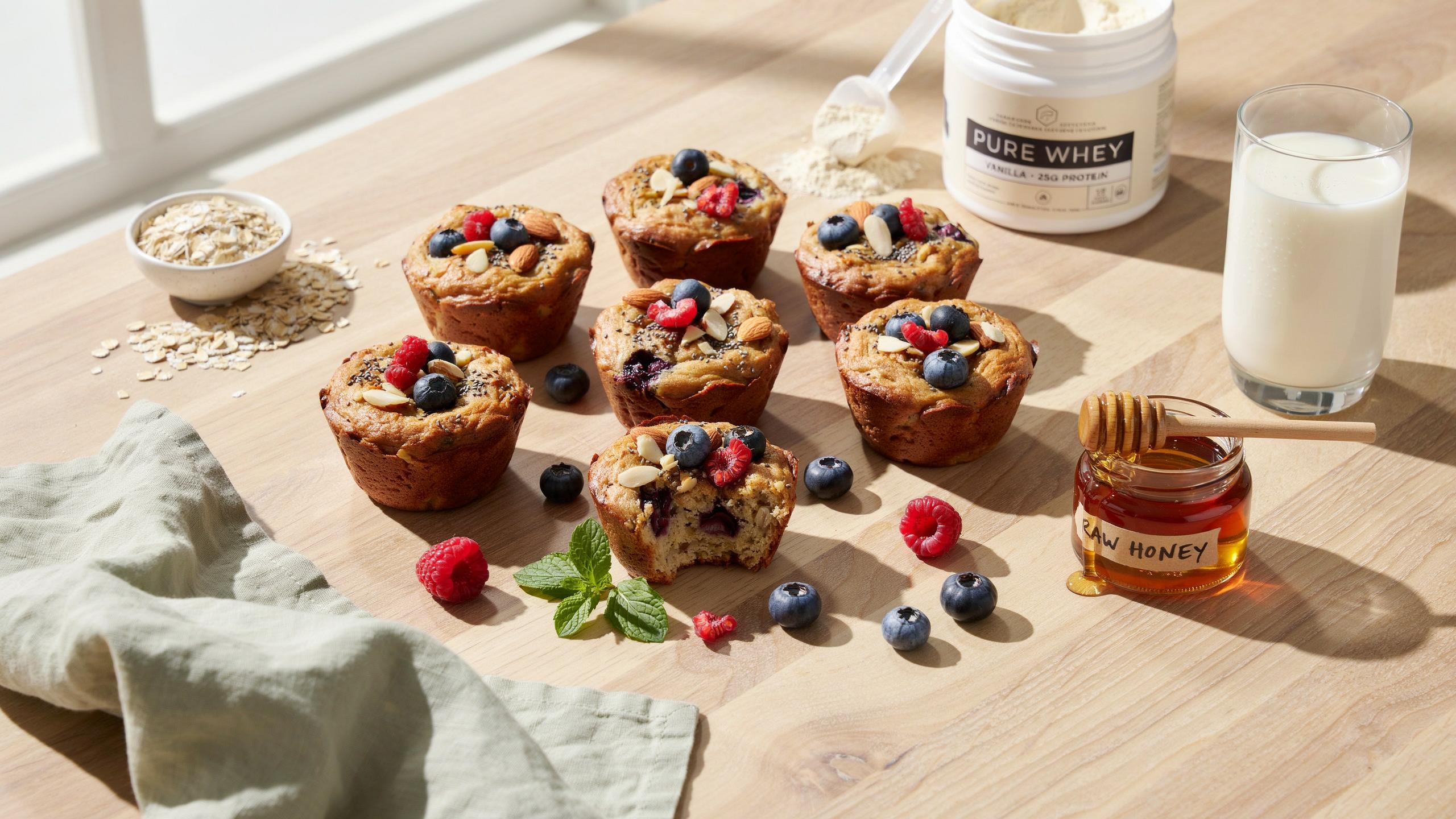
You want to believe prep day solves breakfast forever. It doesn’t, because you’re optimizing for the wrong variable. The real mechanism at work here is thermodynamic degradation, borrowed from food science. Your baked oatmeal cups don’t stay “meal prepped”—they transform. Moisture migrates. Starches retrogress. Texture collapses. Most people blame storage or recipes. The actual culprit is that you’re treating a prepared meal like a shelf-stable product.

The first failure point happens on day three. Your cups were dry and dense when baked. Now they’ve absorbed moisture from the fridge air and from the protein powder itself. What seemed like a solved problem becomes a texture liability you’ll skip rather than eat. You didn’t plan for this shift. You just assumed the same cup from Monday works on Thursday. It doesn’t.
The Time Trap Nobody Names
Most prep guides ignore the hidden labor: you’re not just cooking once, you’re cooking and then managing spoilage. If you bake eight cups, four will degrade before you eat them. You’ve now wasted ingredients and time. The real cost isn’t the 45 minutes of active prep—it’s the four days of decision friction deciding whether each cup is still acceptable to eat. That friction kills compliance faster than any recipe fails.

The actual protocol fixes this by shortening your prep window. Batch cook only what you’ll eat in three days maximum. This means prepping twice a week instead of once, but each session is faster because you’re working with smaller numbers. Store your cups in airtight containers, not open shelves. Check temperature: keep your fridge at 35 to 40 degrees Fahrenheit to slow starch retrogression. This single variable determines whether your prep survives the week.
The High Protein Mandate Beyond Basic Oatmeal Cups
Why Satiety Isn’t Optional
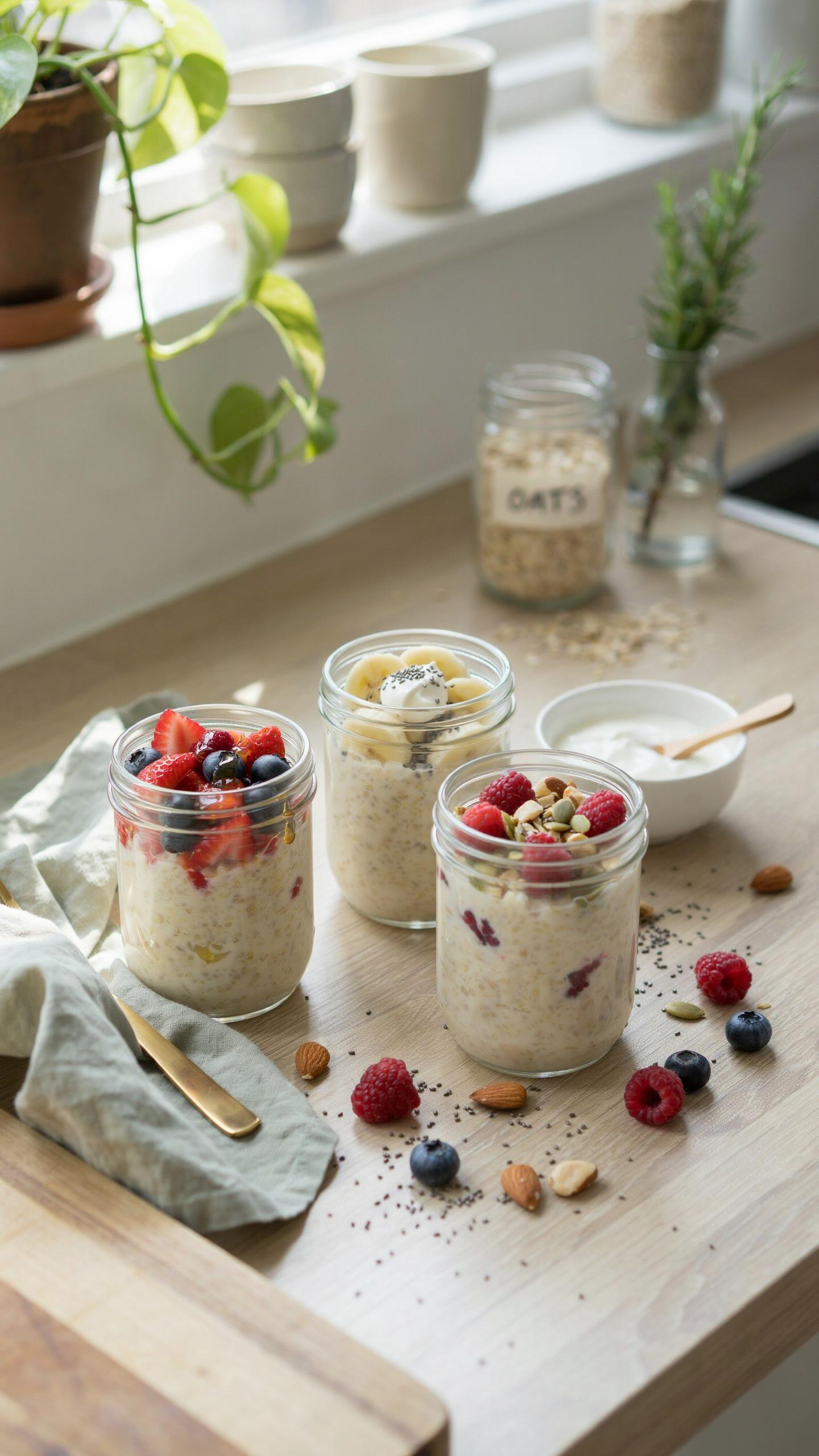
You want these cups to keep you full because you’re tired of eating again two hours later. Here’s what actually happens: protein triggers CCK and PYY, hormones that signal fullness to your brain. Without enough protein, your body keeps hunting for calories regardless of volume. Standard oatmeal cups fail because they rely on carbs and fiber alone. Carbs spike and crash. Protein doesn’t. The difference between a cup with 5 grams and 20 grams of protein is the difference between a snack and a meal.
Satiety works like a lock and key mechanism in biology. Your hunger hormones need the right chemical signal or they keep firing. Oatmeal provides bulk, which helps, but bulk without protein is noise. You can stuff yourself with plain baked oats and still feel hungry thirty minutes later because your body never received the satiety signal it needed. That’s not a willpower problem. That’s a formulation problem. Add 20 to 25 grams of protein per cup and the mechanism switches off.
What Actually Works In Baked Oatmeal Cups
Most meal prep guides list protein sources without explaining why some work better than others in a baked format. Greek yogurt and cottage cheese are the obvious picks, but here’s what people miss: they need to be full-fat or at least 2% to hold moisture in the oven. Low-fat versions separate and leave you with a dry, crumbly texture. Whey protein powder works fine, but it needs sufficient liquid or the cups turn dense. Eggs bind everything while adding complete protein. They’re not optional for texture.
Nut butters deserve a mention because they contribute protein, fat, and richness without the density of pure powder. Two tablespoons of almond butter adds eight grams of protein while improving palatability. Cottage cheese curdles slightly in the oven, which sounds bad but actually improves the texture if you use it correctly. The curd structure creates a more interesting bite than a smooth, uniform cup. Mix your protein sources instead of relying on one. Combine Greek yogurt with whey powder and you get better structure, better satiety, and better taste than either alone.
The Minimum Viable Prep Protocol For Baked Oatmeal Cups

What Actually Goes Into The Pan
You want to believe prep is complicated so you have an excuse to buy prepackaged versions. The mechanism is simple: baked oatmeal cups work because you’re creating a stable matrix that holds protein and moisture together. Rolled oats act as the structural scaffold. Eggs or egg whites bind everything. Protein powder fills the amino acid gaps without requiring extra cooking steps. Nut butter adds fat for satiety. Liquid (milk or yogurt) hydrates the oats so they don’t bake into hockey pucks. That’s the core stack. Everything else is variation.
The ratio that works across dozens of batches: two cups rolled oats, one cup protein powder, four eggs, half cup nut butter, one cup milk, sweetener to taste. This makes roughly twelve cups. Scale it linearly if you need more or less. The oats-to-protein ratio stays 2:1 by weight because oats need the protein density to become a meal instead of a snack. Most people underestimate protein powder quantity and end up with something that tastes like mushy cardboard by Wednesday.
The Assembly Line That Actually Scales
Factory production uses batching to eliminate setup and teardown costs between tasks. Your kitchen should work the same way. Mix all dry ingredients in one bowl. Whisk all wet ingredients in another. Combine them once. Portion into twelve muffin cups in one motion. Bake all twelve at once. This takes forty minutes total, including oven time. Breaking it into steps across three days wastes decision energy and creates contamination risk as you reopen containers.
Use a standard muffin tin with parchment liners or silicone cups. They release cleanly after baking at 350 degrees for twenty-five to thirty minutes. You’ll know they’re done when the edges pull slightly from the sides and a toothpick comes out dry. Cool them for ten minutes before removing. Store in airtight containers at 40 degrees or below. They hold for five days, which means you prep once and stop thinking about breakfast until the next batch.
The Calorie Density Delusion Smart Fueling With Protein Oatmeal Cups
Stop Counting Calories, Start Counting Satiety
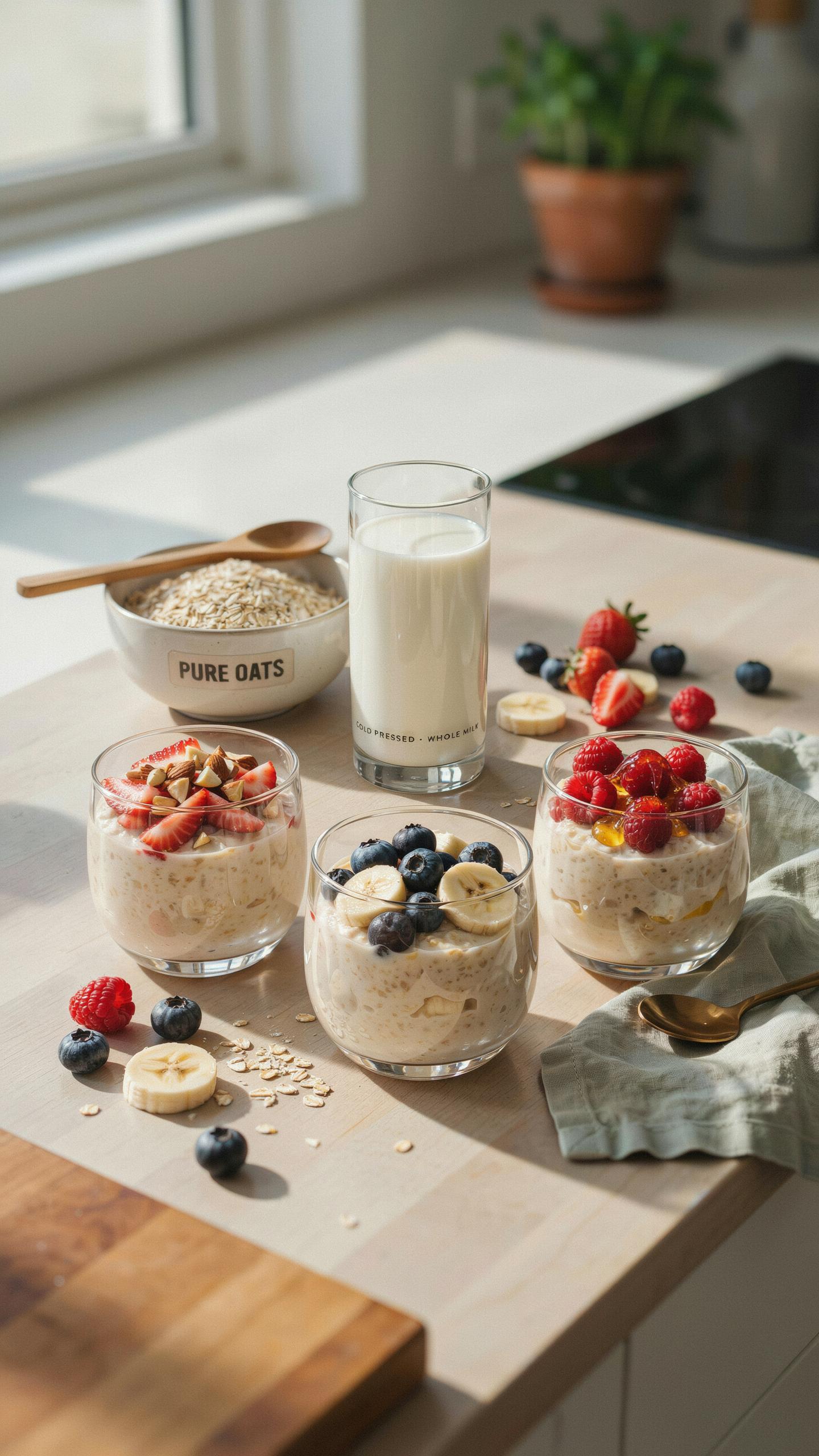
You want to believe a number on a package tells you whether you’ll stay full. It doesn’t. Satiety is a biological signal controlled by protein, fiber, and meal composition, not total calories. High protein oatmeal cups work because they trigger the satiety mechanism faster than carbs alone. When you pack 15-25 grams of protein into an oatmeal cup, you’re not just hitting a macro target. You’re changing how your gut signals fullness to your brain, which means you eat less at the next meal without willpower.
The mechanism is simple: protein stimulates cholecystokinin and peptide YY release in your intestines. These hormones suppress hunger for hours. A 150-calorie oatmeal cup with 3 grams of protein leaves you hungry. A 200-calorie oatmeal cup with 20 grams of protein leaves you satisfied. The extra 50 calories saved you hundreds because you didn’t graze afterward. Bulk prep forces consistency. Make ten cups at once with the same protein ratio, and you stop the variable that wrecks most diets: inconsistent ingredient choices.
The Ingredient Trade Off That Actually Matters
Generic nutrition advice says pick low-calorie fillers. Wrong. Low-calorie fillers are why most oatmeal cups taste like cardboard and leave you hungry ninety minutes later. The real trade-off is between empty volume and nutrient density. Greek yogurt, cottage cheese, and whey protein powder add calories but also add the compounds that trigger fullness and muscle protein synthesis. Your job is not to minimize calories. Your job is to maximize the signal-to-noise ratio of what you eat.
When you bulk prep, you’re committing to a formula. Choose sources that deliver protein efficiently: rolled oats as the base, Greek yogurt or cottage cheese for protein and creaminess, whole eggs or egg whites for binding and additional protein, and minimal sweetener. Skip the artificial fillers designed to add volume without nutrition. Each ingredient earns its spot because it serves the satiety mechanism or structural integrity of the cup. The result: you prep once, eat consistently, and stop negotiating with hunger.
Flavor Matrix Engineering Escaping Bland Baked Oatmeal Muffins
The Contrast Principle That Fixes Everything
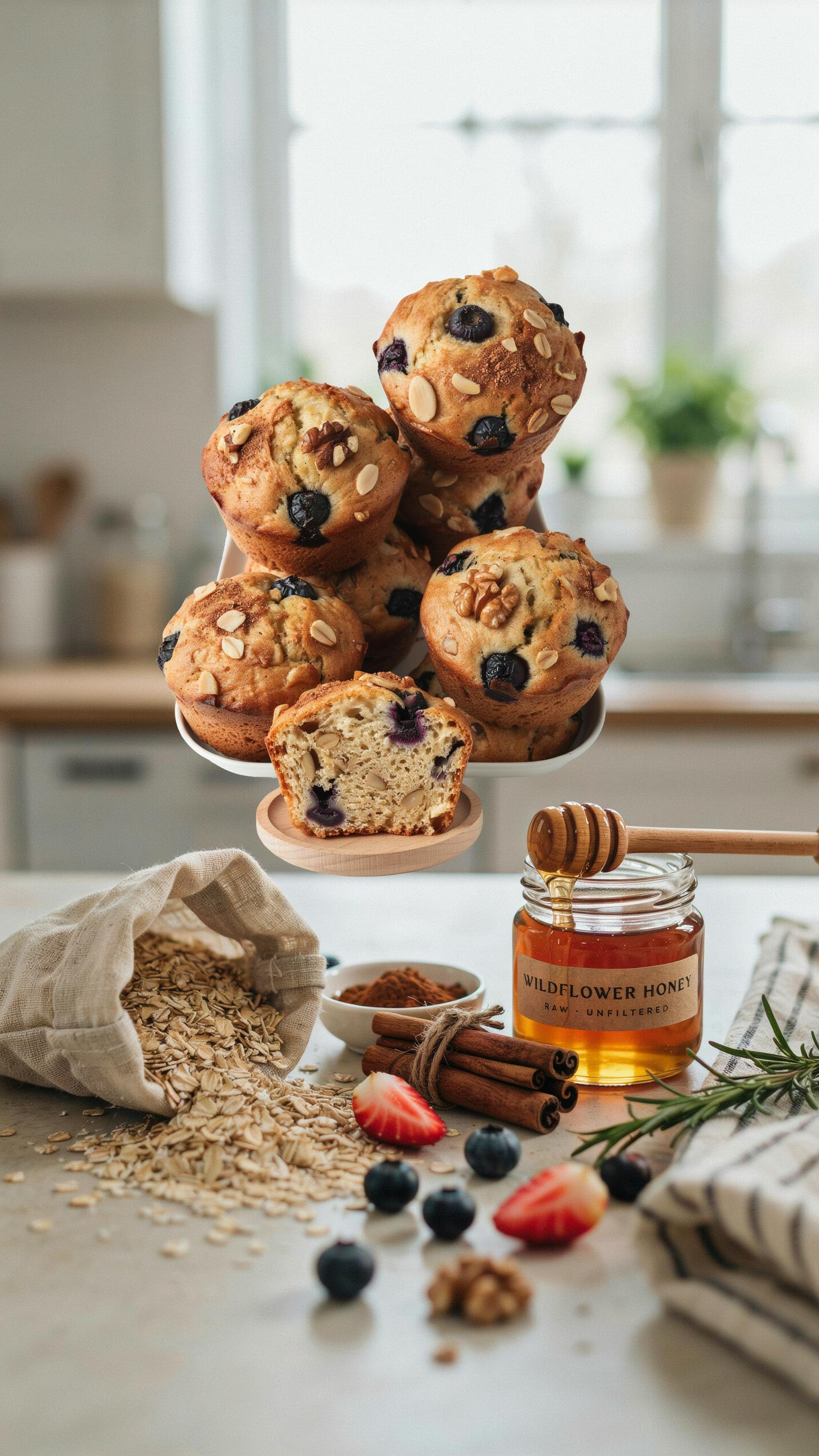
You want your oatmeal cups to taste like food you’d choose, not punishment you’d tolerate. That gap exists because most recipes layer similar flavor densities together, creating a flat, one-note result. Borrow from culinary science: contrast is the mechanism. Sweet needs salt. Soft needs texture. Warm needs cool. One dominant flavor needs a counterpoint that makes it pop without overpowering it.
The reason bland oatmeal cups dominate is laziness in the ingredient pairing stage. People add oats, protein powder, sweetener, and milk, then act surprised when nothing tastes like anything. You need opposing forces. Combine peanut butter with espresso powder and sea salt. Mix banana with cardamom and black pepper. Pair berries with lemon zest and vanilla. The mechanism is simple: each ingredient makes the others sharper by contrast, not by volume.
Temperature And Texture As Flavor Multipliers
Most bakers treat mouthfeel as decoration. It’s not. From food science, texture directly influences flavor perception. Add something crunchy to something soft. The contrast triggers different taste receptors and forces your brain to engage. Granola clusters on top, crushed nuts mixed in, or even a thin brittle layer baked separately all work because they break the uniformity your mouth expects.
Build this into your prep protocol. Toast chopped almonds or pecans separately for two to three minutes at 350 degrees until fragrant, then fold them in after the wet ingredients combine with dry. This prevents them from softening during the bake and keeps them performing their job: interrupting the soft oat matrix with structure. Chill your oatmeal cups for 30 minutes before serving to make sweetness less obvious and texture more pronounced.
The Shelf Life Optimization Strategy For Baked Oatmeal Cups
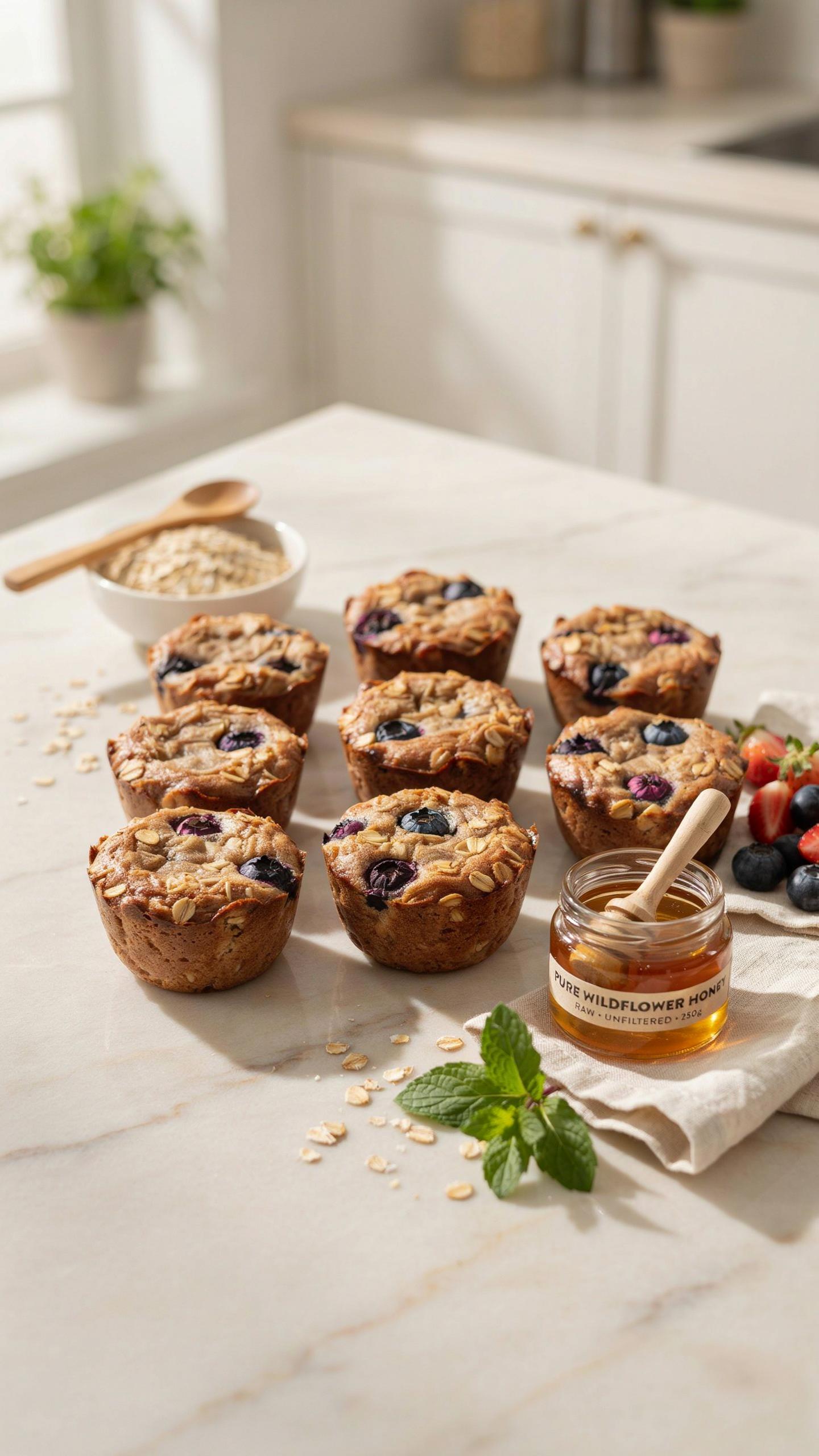
Why Moisture Migration Matters More Than Expiration Dates
You want to know how long these will last because you’re terrified of food waste killing your ROI on prep work. Here’s the mechanism: baked oatmeal cups don’t spoil like you think they do. They fail through moisture migration, a principle borrowed from food science where water moves from wet zones to dry zones until equilibrium forms. Your oatmeal cup starts moist. The edges dry first. Starch recrystallization hardens the texture. This happens regardless of bacterial growth, which takes far longer in a cold environment. The real shelf-life window is determined by when the cup becomes unpalatable, not when it becomes unsafe.
Refrigerated oatmeal cups stay fresh for five to seven days before texture degradation becomes obvious. The proteins and fats slow moisture evaporation, but they don’t stop it. Room temperature accelerates this process by two to three days. Freezing halts moisture migration almost entirely, extending usability to three months because ice crystals lock water in place. Most people throw away perfectly safe cups after five days, thinking bacterial risk is higher than it actually is in an acidic, high-protein environment with consistent cold storage.
Airtight Containers Control The Variable You Can Actually Control
The generic advice says “store in airtight containers.” That’s incomplete. The real variable isn’t the container type, it’s the air gap between the cup and the lid. Oxygen exposure accelerates lipid oxidation in the protein powder and oats, which creates off-flavors and texture breakdown before moisture issues matter. Eliminate the air gap by using containers with minimal dead space relative to your cup size, or layer parchment between the cup and lid to block direct oxygen contact.
Silicone cupcake liners inside glass or plastic containers outperform paper wrapping because they create a microclimate that slows both moisture migration and oxidation. Individual vacuum-seal bags work for three-month freezer storage but add cost and packaging waste. Your move: prep in bulk, portion into glass containers with fitted lids, and refrigerate the five to seven day window. Freeze remainder in weekly batches. Thaw overnight in the fridge before eating. This protocol trades convenience for zero waste and three months of usable inventory.
The Bio Rhythm Sync When To Deploy Your Healthy Breakfast Muffins
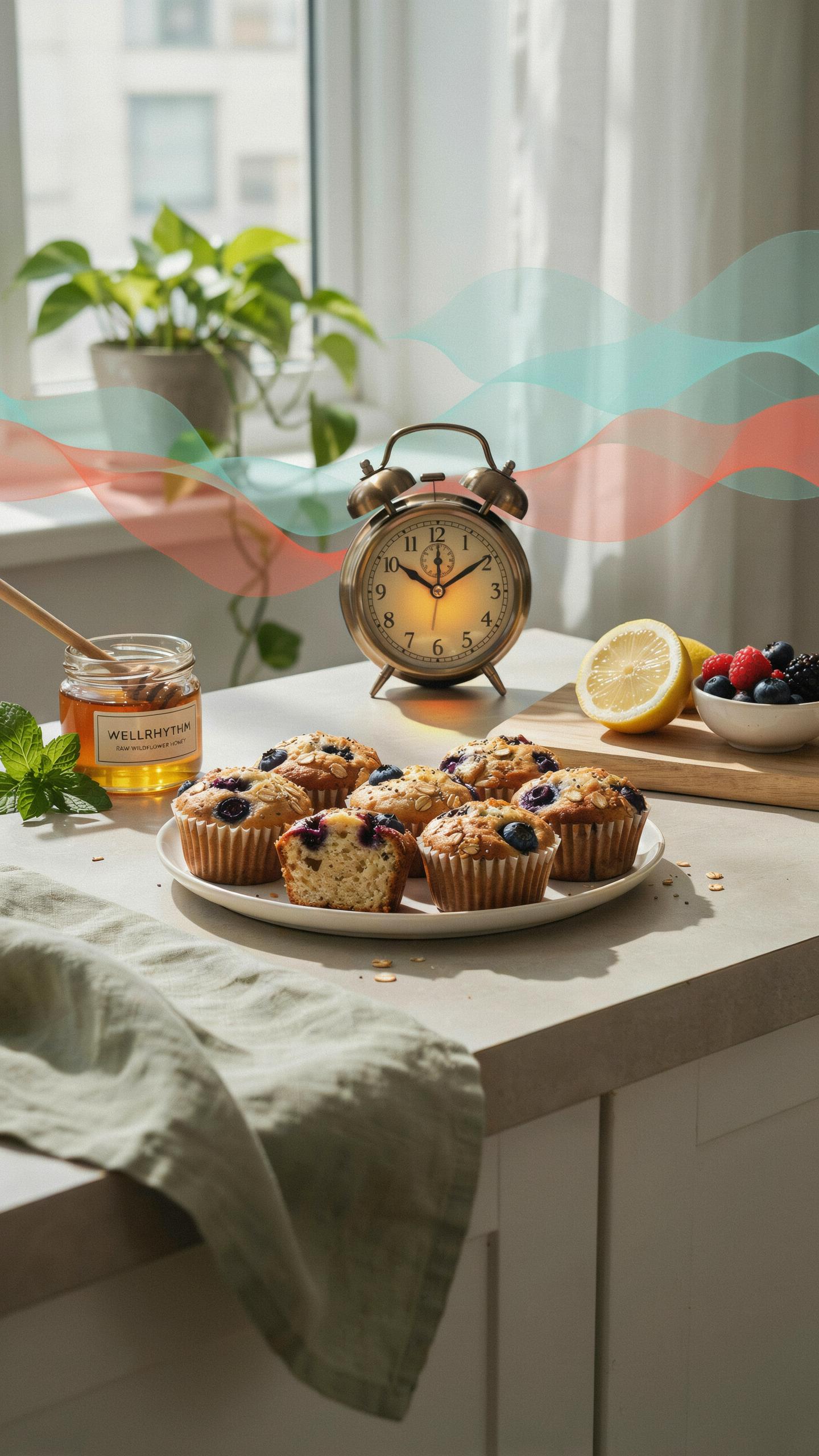
Your Cortisol Window Isn’t Magic
You want to feel sharp without the crash, which is why timing matters more than the ingredient list. Biology calls this circadian synchronization: your body’s hormone patterns align with light exposure and feeding windows. Think of cortisol as your metabolic throttle. It peaks at dawn, then declines throughout the day. Eating protein and complex carbs during this peak window doesn’t fight your biology—it uses it. Your oatmeal cup at 7 AM lands differently than the same cup at 11 AM because your insulin sensitivity and cortisol trajectory have shifted.
The mistake most people make is treating meal timing like it’s optional flavor. It isn’t. Your body has rhythms independent of willpower. A high protein oatmeal cup consumed within two hours of waking syncs with your natural cortisol elevation and sets your blood glucose response for hours afterward. Skip this window and eat at 10 AM instead, and your body treats the same macros as excess energy to store rather than deploy. The mechanism is hormonal, not caloric. Prep your cups on Sunday and grab one before 8 AM on workdays. That’s the protocol.
Energy Release And The Glucose Timing Question
Conventional breakfast advice says eat within an hour of waking. That’s incomplete because it ignores what happens after you eat. Oatmeal’s carbohydrate structure creates a predictable glucose curve based on when you consume it. Fiber and protein slow digestion, but timing determines the baseline your body starts from. Morning cortisol is high, which means your cells accept glucose more readily for energy and less readily for fat storage.
Eat your oatmeal cup at breakfast and the glucose enters your bloodstream during your body’s natural energy demand phase. Eat it at 2 PM and you’re adding energy when your circadian dip has already begun. You’ll feel the energy boost temporarily, then experience the compensatory crash harder. The practical move: prep identical cups and treat breakfast timing as non negotiable. Your energy levels across the day depend on stacking one decision correctly at dawn, not on finding the perfect flavor profile.
Beyond The Bake Scaling Your Oatmeal Cup Ideas For The Week
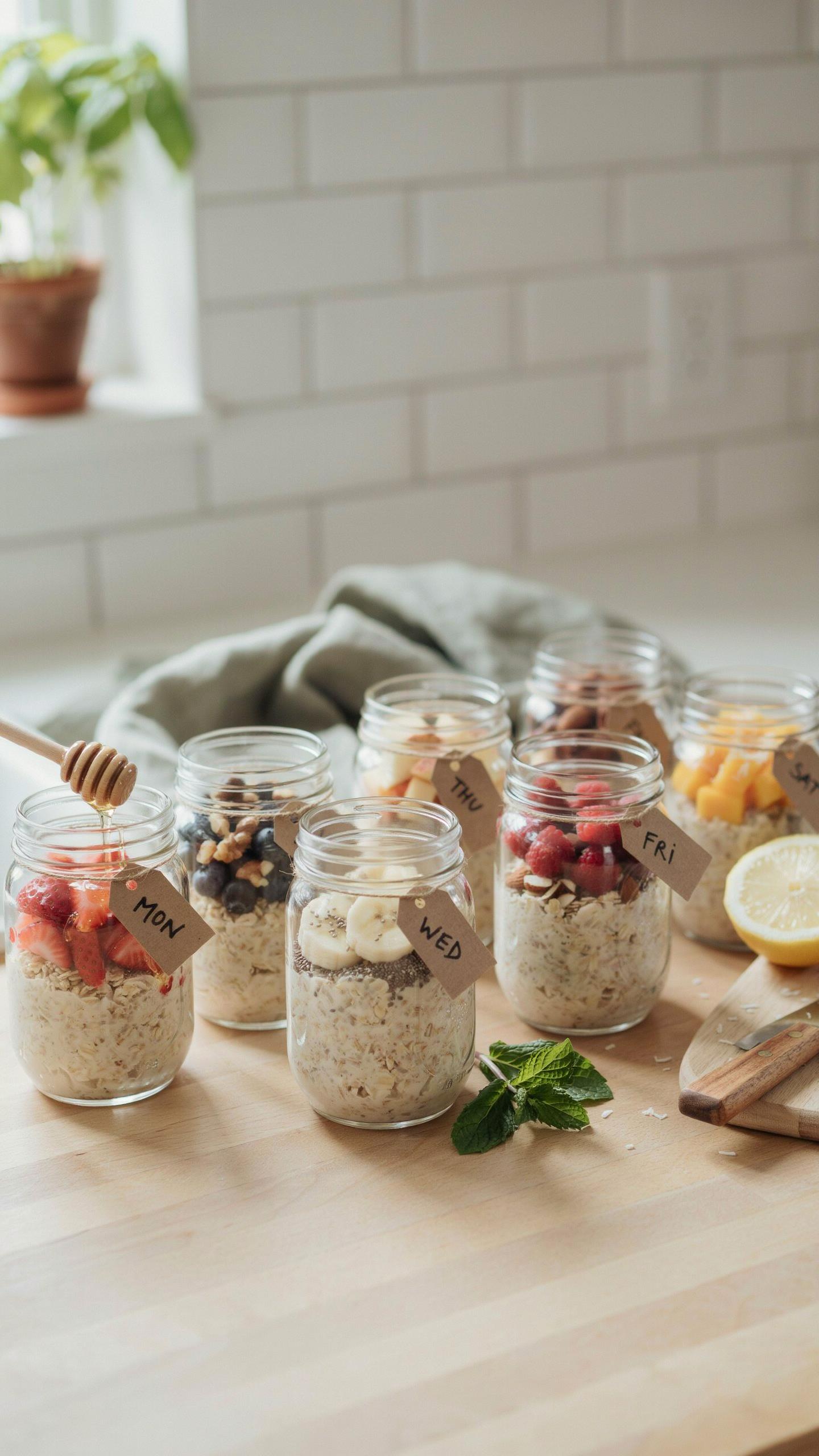
Make Freezing Work For You, Not Against You
You want to feel organized without actually committing to the work. That’s the real tension here. The mechanism is this: oatmeal cups freeze well because their fat and protein content stabilizes moisture. Unlike plain oats that turn to rubber, the egg and nut butter in these cups protect the crumb structure during freezing and thawing. Bake a full batch on Sunday, cool completely, then wrap each cup individually in parchment before placing in a freezer container. This prevents ice crystal formation that damages texture.
The window matters more than most people think. Oatmeal cups stay safe frozen for up to three months, but quality peaks at six weeks. Stack them flat for the first 24 hours to set properly, then stand them upright to save space. Label with the bake date using a permanent marker on the parchment. You’re not just storing food. You’re controlling when degradation starts, which gives you actual flexibility across the month instead of pretending Tuesday’s batch is identical to Friday’s.
Reheat Strategically, Not Just Hot
Most people microwave everything and wonder why texture suffers. Wrong tool for the job. A toaster oven at 325 degrees for eight to ten minutes restores the cup to near-fresh quality because it reheats the interior without overdrying the exterior. This matters if you’re eating these at work or on a drive. Microwave creates steam pockets that make the cup soggy. The toaster oven’s dry heat brings back structure.
For pure speed without sacrificing much, microwave at 50 percent power for 60 to 90 seconds, checking halfway through. This slower energy transfer gives moisture time to redistribute rather than concentrate. Room temperature cups need less time than frozen ones, so adjust accordingly. Keep a toaster oven at your desk or in a break room if your workplace allows it. That single infrastructure decision eliminates the worst reheating mistake most people make every morning.
The No Excuse Framework For Consistent Protein Oatmeal Cups
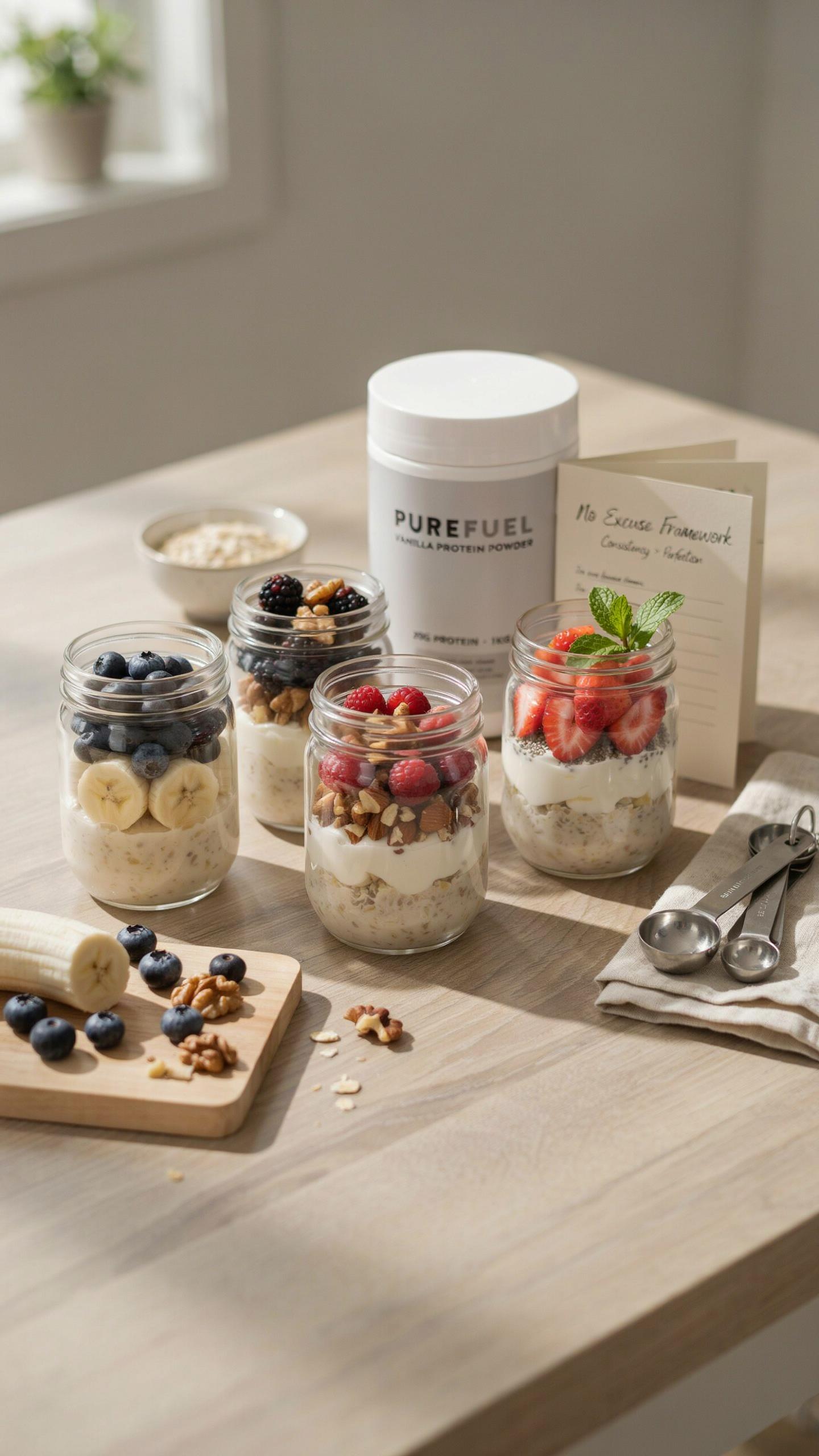
Stop Negotiating With Yourself At 6 AM
You want the breakfast solved so you don’t look weak by noon, eating whatever’s in reach. Here’s the mechanism: decision fatigue is real, but it’s not about willpower. It’s about reducing the number of choices your brain makes before you’ve eaten protein. When you open your fridge and the oatmeal cup is there, ready, the decision is already made. No negotiation happens. You eat it or you don’t, but there’s no intermediate step where you convince yourself a pastry is fine.
The second layer: morning hunger clouds judgment. Your prefrontal cortex is offline. If you’ve prepped five cups on Sunday, you’re operating on a system, not instinct. You grab one. You eat one. That’s it. The work was done when you had full cognitive capacity. Your only job at 6 AM is execution, not creation.
The Batch Prep Operating System
Systems thinking from manufacturing applies here: you want to batch similar tasks to minimize setup and transition costs. With oatmeal cups, one prep session replaces seven separate breakfast decisions. Mix your dry ingredients once. Portion once. Bake once. Store once. Done for the week.
Most people fail here because they try to make prep fit their existing routine instead of replacing it entirely. Sunday afternoon becomes your oatmeal cup factory. You set a timer. You use one mixing bowl, one muffin tin, one oven. You don’t make breakfast on Monday, Tuesday, Wednesday, Thursday, Friday. You make it on Sunday. Your only variable during the week is which cup you grab. That single constraint is what makes the system stick.
Evolving Your Baked Oatmeal Recipes Customization As A Force Multiplier

Swapping Ingredients Without Breaking The Recipe
You want to believe one recipe works forever because variation feels like failure. The real mechanism is ratio. Baked oatmeal cups are a system held together by the liquid-to-dry ratio and binding power, not specific ingredients. Swap oats for quinoa flakes, milk for almond milk, or eggs for applesauce, and the structure holds as long as you maintain roughly 1 part liquid to 1.5 parts dry solids plus a binder. This is why generic recipes fail when you substitute blindly—people change ingredients without understanding what each one does.
Protein powder density matters here. Whey concentrates at roughly 25 grams per scoop while plant-based powders pack 20 grams per scoop with more volume. If you substitute one for the other without adjusting dry ingredient ratios, your cups turn dense or crumbly. The fix is simple: reduce total dry ingredients by 10 percent when switching protein types, then bake a test batch. Dietary restrictions don’t require reinvention—they require understanding which component you’re replacing and what that component was doing structurally.
Breaking The Flavor Cycle Before It Breaks You
Flavor fatigue isn’t about the oatmeal itself—it’s about sensory adaptation, the mechanism your brain uses to stop noticing repeated stimuli. Eat the same maple walnut cup five days straight and your palate stops detecting it by day three. Most advice here tells you to “rotate flavors,” which is true but incomplete. The real move is building a flavor rotation system with structural variance, not just taste variance.
Create three distinct oatmeal cup templates based on texture and temperature contrast: one cold-set (no bake, overnight base), one standard baked (room temperature), one with crispy topping (baked high, then torched). Rotate through these weekly rather than baking identical cups. Switch proteins monthly—vanilla whey one month, chocolate plant-based the next. Build your batches around one core flavor that stays consistent (cinnamon, cocoa, vanilla) while rotating secondary flavors weekly. This keeps your palate engaged without requiring new recipes every rotation.
The only thing holding you back from consistent nutrition isnt time its your weak system

You already know oatmeal cups work. You’ve seen the recipe. What you’re missing is the friction killer. Sunday becomes the day you batch these because you remove the decision. One hour, one bowl, one oven. No willpower required. Today, buy your ingredients and set a phone reminder for Sunday at 2pm. Your future self eating consistent protein isn’t more disciplined than you. He just automated what you’re still thinking about.