
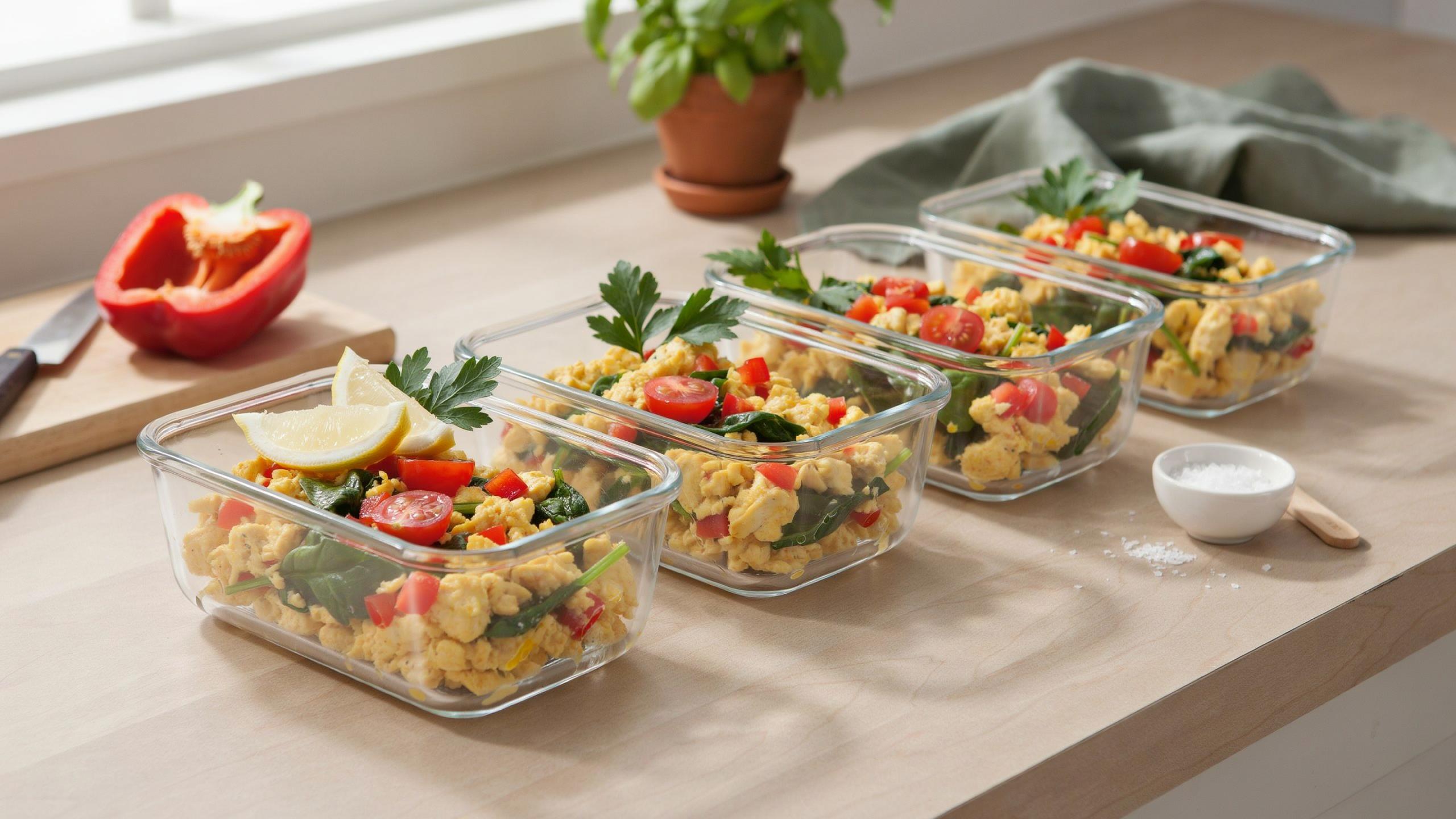
The Illusion Of Effortless Mornings Why Your Meal Prep Fails
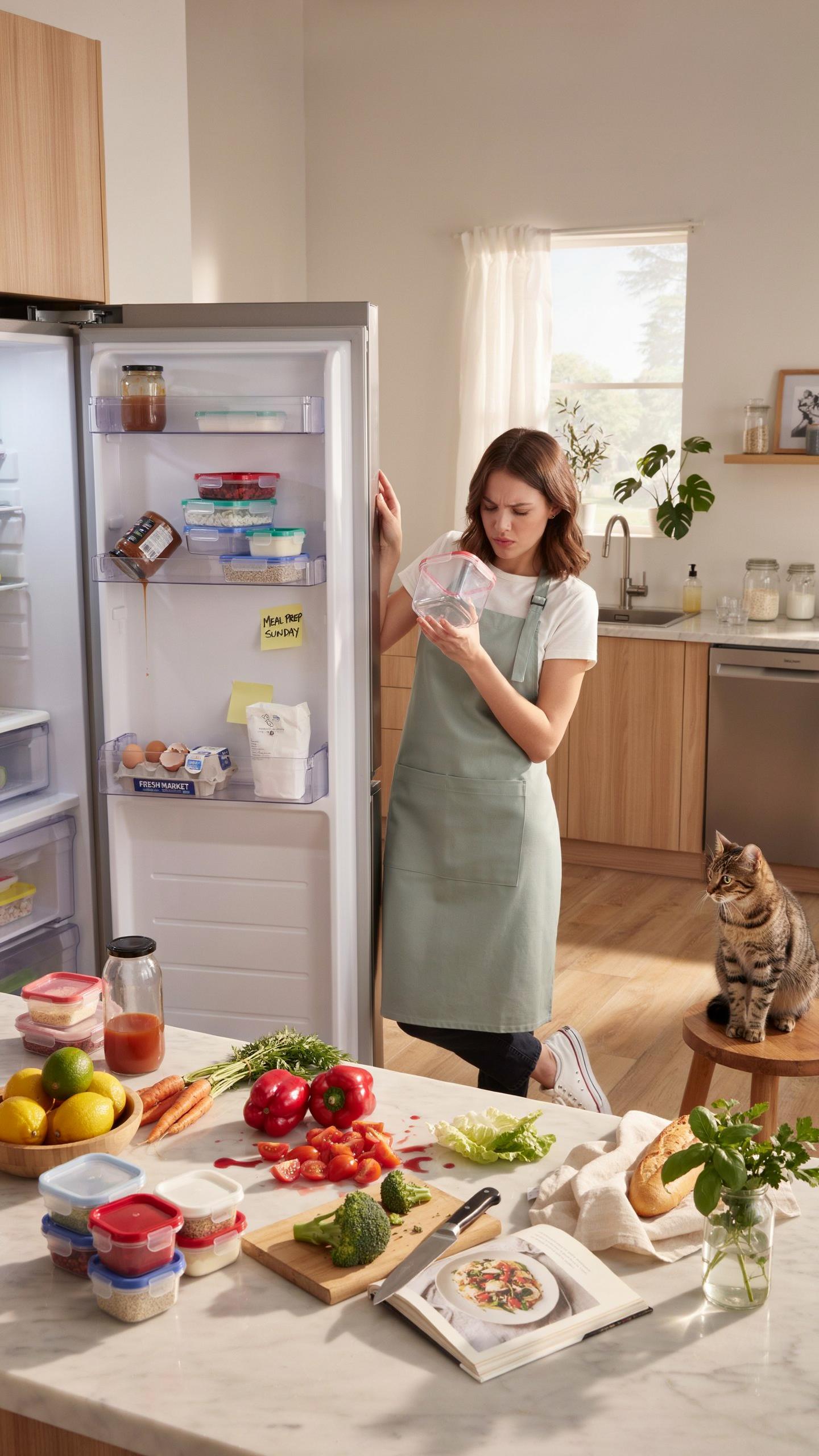
What Actually Kills Your Prep Routine
You want to believe meal prep is simple because admitting it requires systems makes you confront how disorganized you actually are. The mechanism is straightforward: tofu scramble fails in meal prep because most people treat it like a static dish instead of a component that degrades across specific failure points. Moisture accumulates. Seasoning distribution breaks down. Texture separates. You’re not failing at cooking. You’re failing at understanding what happens to food over time in storage.

Most guides skip the actual variables that determine whether your Sunday scramble tastes decent on Thursday or tastes like wet sponge. Temperature fluctuations in your fridge matter. Container airflow matters. The ratio of pressed tofu to binding ingredients matters. Meal prep isn’t magical. It’s applied food science with hard constraints. When your scramble turns watery on day three, that’s not bad luck. That’s water migrating from the tofu into the surrounding vegetables and oil through osmotic pressure over seventy-two hours.
The Real Time Sink Nobody Names
Nobody mentions this because it breaks the fantasy of quick breakfasts: the actual work happens before you ever open a container. Pressing tofu properly takes twelve to fifteen minutes minimum. Most people rush this step or skip it entirely, then wonder why their scramble separates. Dicing vegetables into consistent sizes takes another eight to ten minutes if you want uniform cooking and even texture in the reheated version. That’s twenty-five to thirty minutes of unglamorous prep before you even touch the skillet.
The second hidden time sink is the cooling period. Hot scramble packed into containers immediately generates steam, which breaks down texture and creates condensation that becomes soggy scramble by morning two. You need to cool it to room temperature, which takes fifteen to twenty minutes, then chill it fully before storage. That’s another thirty to forty minutes of actual elapsed time where you’re waiting. The standard advice of “just prep ahead” ignores that high protein tofu scramble actually requires staged timing and temperature management, not just cooking it once and dividing it up.
Beyond The Buzz Deconstructing High Protein Vegan Claims
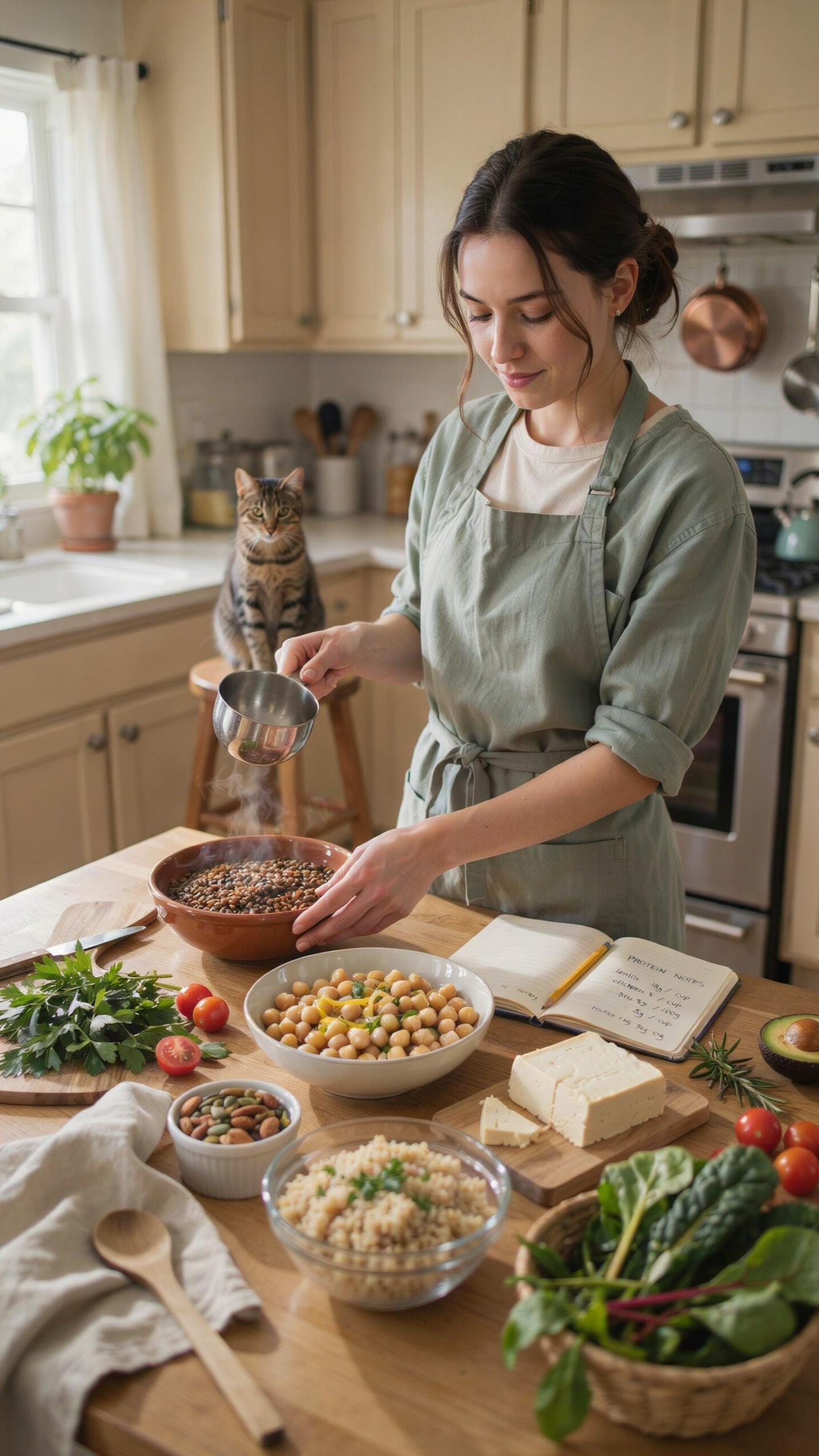
What A Tofu Scramble Actually Delivers
You want the protein number to justify your meal choice. Here’s the mechanism: a standard tofu scramble doesn’t hit the protein target most people claim it does. A typical serving uses 150 to 200 grams of crumbled firm tofu, which contains roughly 15 to 20 grams of protein. Add vegetables, oil, and seasoning, and that number stays the same. The protein per calorie ratio matters more than the absolute number.
Most recipes pad the story by counting added ingredients like nutritional yeast or plant-based sausage as if they were the main protein source. They’re not. Tofu carries the load. If you’re meal prepping five days, you need 15 to 20 grams of protein per serving as your baseline, not your peak. Anything beyond that comes from deliberate additions, not from tofu’s inherent composition. Track the actual macros from plain tofu first, then build outward.
The Plant Protein Myth Nobody Names
Nutrition science borrowed from chemistry the concept of bioavailability, which measures how much of a nutrient your body actually absorbs and uses. Plant protein has lower bioavailability than animal protein because it lacks certain amino acids in optimal ratios. Tofu contains all nine essential amino acids, which makes it rare among plant sources, but the leucine content is still lower than in animal proteins of equal weight.
The real claim people make without saying it: plant protein counts the same as animal protein gram for gram. It doesn’t. Your body processes it differently. For muscle adaptation during meal prep cycles, you need leucine threshold activation, and tofu requires larger serving volumes to trigger the same response as chicken or eggs. This isn’t ideology. It’s biochemistry. If you’re building a tofu scramble for protein, accept you need higher total grams or pair it with leucine-rich additions like hemp seeds or nutritional yeast to close the gap efficiently.
The Scrambled Tofu Recipe Efficiency As A Weapon
What Actually Goes In The Pan
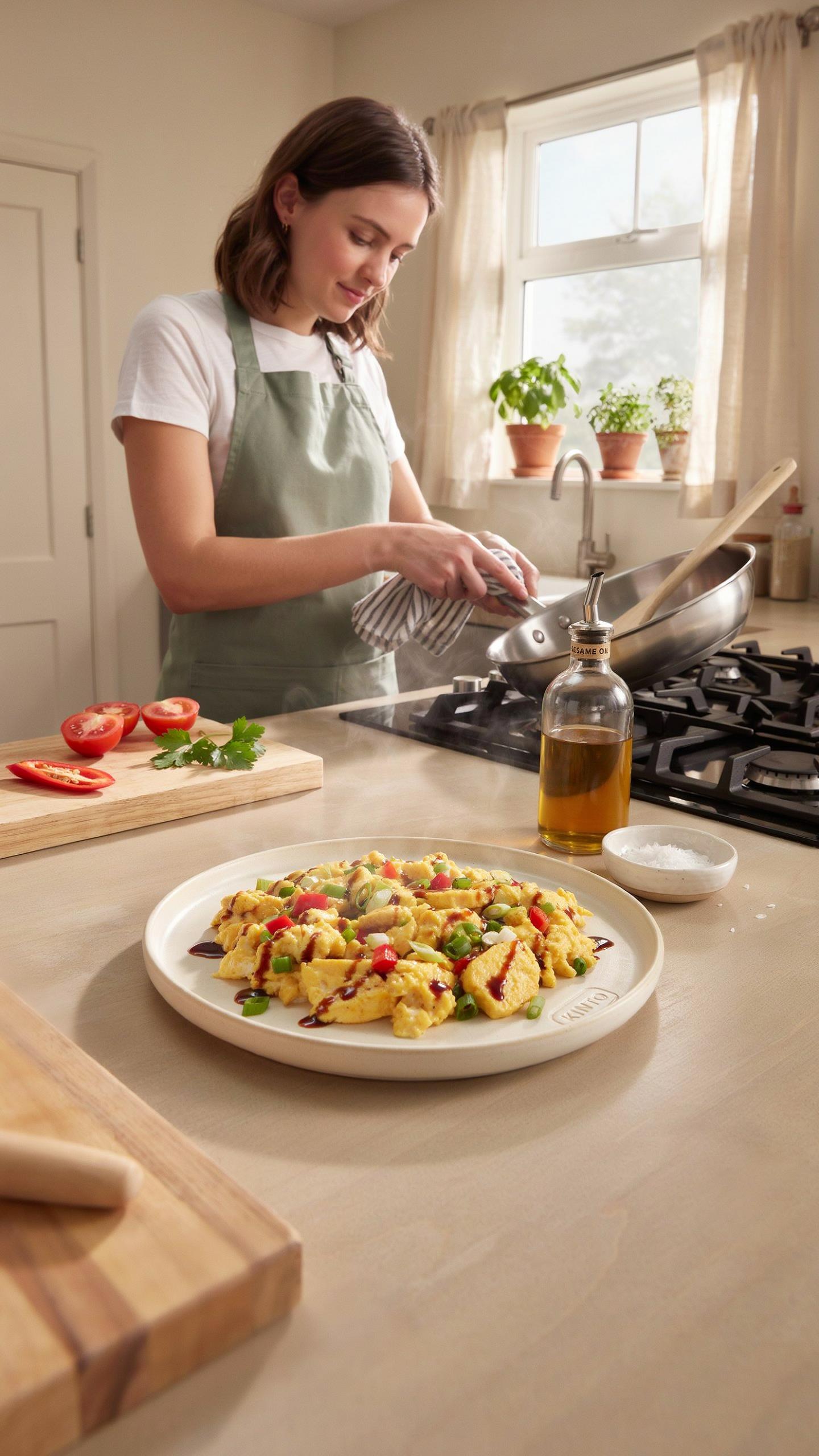
You want permission to skip the seventeen-ingredient wellness bowl that makes you feel virtuous. Here’s the mechanism: constraint forces clarity. In systems design, reducing variables eliminates failure points. With tofu scramble, fewer ingredients mean fewer things that can spoil, fewer textures that separate during storage, and fewer reasons to rationalize skipping meal prep altogether.
Start with firm or extra-firm tofu, turmeric, nutritional yeast, salt, and fat. That’s it. The turmeric isn’t decoration—it delivers color and mild earthiness while serving as a mild anti-inflammatory compound. Nutritional yeast provides B vitamins and umami depth that mimics savory complexity. Everything else you’ve seen in tofu scramble recipes is ego masquerading as necessity. You don’t need garlic powder if you’re eating the same meal five times a week. You don’t need paprika for visual interest when meal prep isn’t about aesthetics.
Cook Once, Eat Five Days
The actual advantage of this recipe isn’t flavor variety. It’s that scrambled tofu reaches peak texture consistency immediately after cooking and holds it through five days of refrigeration without becoming rubbery or separating from its liquid base. Most other tofu preparations degrade. This one doesn’t, because you’re working with the protein’s natural stability rather than fighting it.
Press your tofu for thirty minutes minimum. This removes the water that would otherwise steam and create mushiness during storage. Crumble by hand instead of using a fork—irregular chunks signal texture contrast to your brain, which prevents palatability collapse. Cook in a cast iron skillet over medium heat with enough fat to create a light crust without deepening into browning. This takes twelve to fifteen minutes. The mechanism: Maillard reaction halts protein degradation during storage. Cool completely before transferring to five separate containers. Refrigeration time starts the moment it hits room temperature, not when it’s still warm.
The Dan Koe Tofu Press Protocol Maximize Texture Minimize Waste
How To Actually Press Tofu Without Destroying It
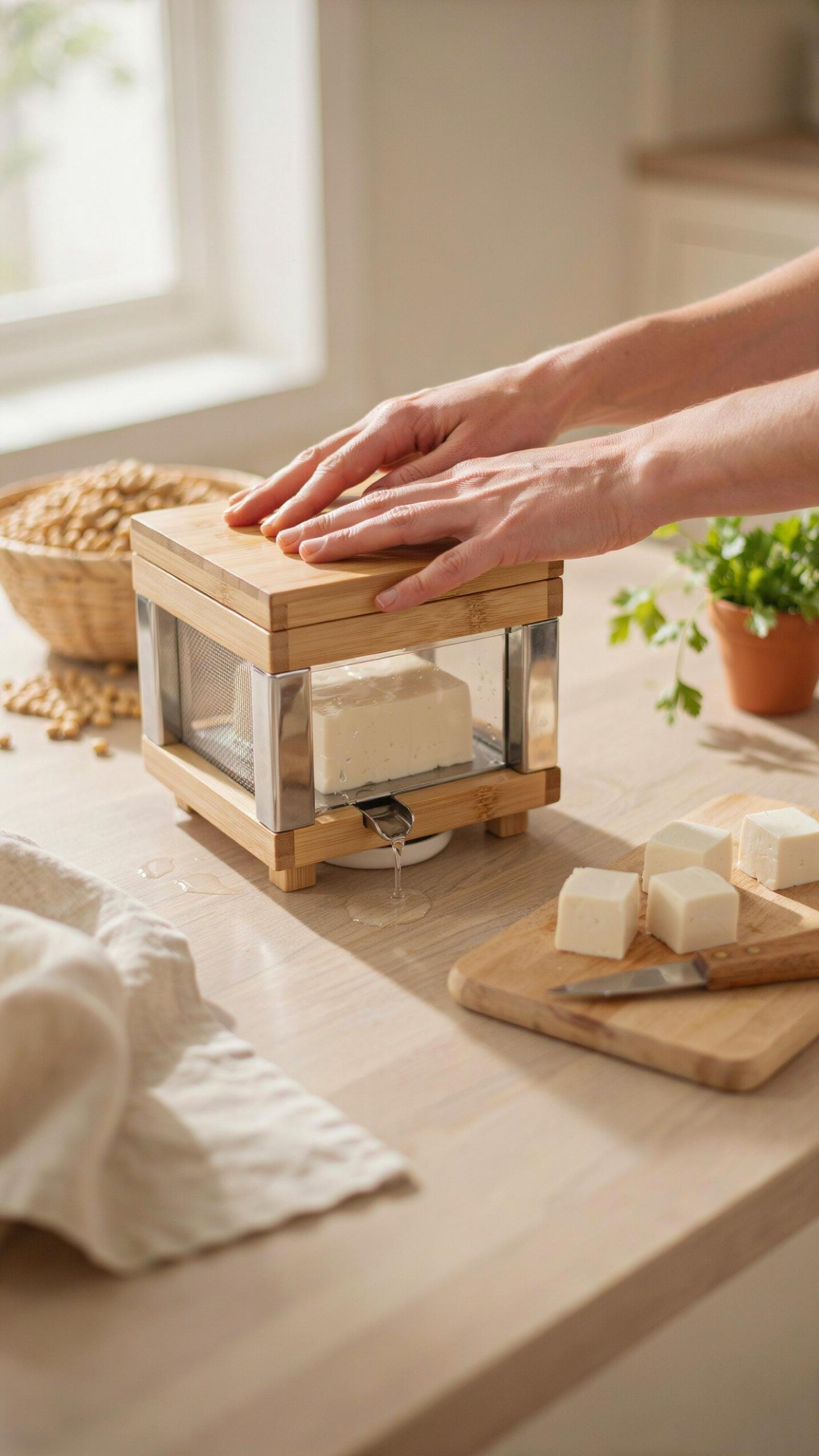
You want the crumbly texture that mimics scrambled eggs because it signals legitimacy to your brain. Here’s what matters: tofu releases water through osmotic pressure, and you need to control how much leaves the block. Buy a wooden tofu press or stack two cutting boards with a cast iron skillet on top. Wrap the block in a clean kitchen towel, not paper towels. Paper disintegrates and leaves fibers in your food.
Press for fifteen to twenty minutes at room temperature. This is the window where you extract maximum water without compressing the curds so hard they become rubber. The towel absorbs moisture while the weight does the mechanical work. After pressing, the tofu crumbles into irregular pieces instead of falling apart into paste. This texture holds during reheating across five meal prep days. Don’t overpress.
Marinades Work While Water Exits
Think of pressing like applied biology: osmosis moves molecules across membranes based on concentration gradients. Your marinade sits on the tofu surface while water leaves the block. Salt in the marinade actually speeds water departure while pulling in flavor compounds. Use a simple mixture: low sodium soy sauce, rice vinegar, and sesame oil. Three tablespoons soy sauce, one tablespoon vinegar, half tablespoon oil per block.
Apply the marinade right after pressing, while the block is still warm and its cell structure remains porous. The warm tofu absorbs the liquid faster than cold tofu. Let it sit for five minutes minimum before crumbling. The flavored liquid coats every piece as you break the block by hand into one to two inch chunks. This approach beats dumping seasoning on after cooking because the flavor integrates rather than sitting on the surface.
The Tofu Scramble Vegan Flavor Stacking Not Just Seasoning
Umami Bombs For Plant Based Dishes
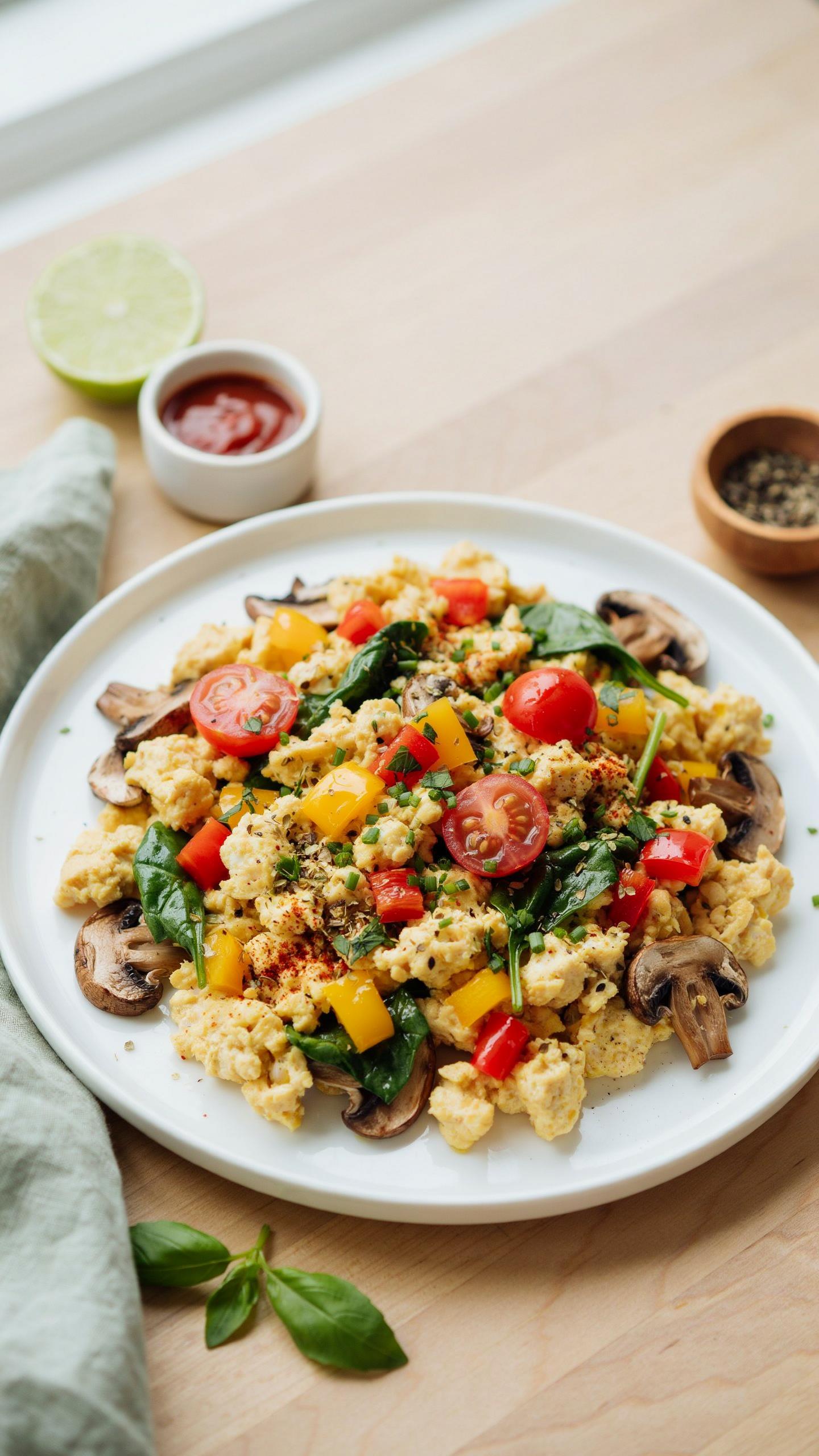
You want this to taste like real food, not health food. That’s the real reason you’re reading this. The mechanism is simple: umami is a taste sensation that signals protein and satisfaction to your brain. In plant-based cooking, umami isn’t optional—it’s structural. Without it, your tofu scramble tastes like obligation.
Miso paste, nutritional yeast, and soy sauce aren’t garnishes. They’re the load-bearing walls of flavor in tofu scrambles. Each one contains glutamates or nucleotides that trigger the same receptors salt and fat do in animal products. A single tablespoon of miso paste into your scramble’s cooking liquid creates depth that no amount of garlic or paprika can replicate. This is why meal prepping matters: umami compounds actually intensify over 24 to 48 hours as they hydrate and distribute through the tofu.
Layering Spices For Depth
Most people season once and call it done. That’s why their meal prep tastes flat by day three. The real work happens in phases: dry spice bloom in oil first, then fresh aromatics, then acidic elements last. This sequence matters because heat activates volatile compounds in whole spices before moisture locks in salt and acid flavors.
Start your scramble by toasting cumin and turmeric in oil for 60 seconds before adding diced onion and garlic. Add your crumbled tofu after the aromatics soften, about three minutes. Save lemon juice or hot sauce for the final 30 seconds of cooking. When you reheat meal prep portions, add a splash of fresh acid again—citrus and vinegar oxidize and flatten during storage, so you rebuild that brightness on the plate, not in the container.
The Shelf Life System Extending Your High Protein Investment
Glass Containers Over Everything Else
You want your meal prep to feel effortless so you actually stick with it. The real mechanism here is oxygen exposure. Glass doesn’t degrade, doesn’t leach into food, and creates an airtight seal when paired with silicone lids. Plastic containers are cheaper but they absorb odors, scratch easily, and develop micro-cracks that let moisture escape. Your tofu scramble dries out faster in plastic. The protein denatures slightly, texture suffers, and you waste the prep work.
Borosilicate glass handles temperature swings without warping. You can move your scramble straight from fridge to microwave without transferring it. Stack containers vertically in your fridge to maximize space and visibility. Buy containers sized to individual portions, not one massive container. Portion control becomes automatic, and you’re less likely to dig through a large batch and contaminate the whole thing. Store lids separately to let moisture escape before sealing.
Moisture Management Through Layering
People assume tofu scramble stays fresh if you just refrigerate it. That’s wrong. Excess moisture pooling at the bottom accelerates bacterial growth and turns texture into mush. Apply the principle of water activity from food science: reduce free water, extend shelf life. Place a paper towel on the bottom of your container before adding the scramble. The paper absorbs condensation that forms overnight.
Leave the container unsealed for the first two hours after cooking. This lets steam escape instead of collecting inside. Once cooled to room temperature, seal and refrigerate. Your scramble stays fresh for four to five days this way. If you seal immediately while hot, condensation pools and creates the exact environment that degrades texture and accelerates spoilage. The timing matters more than most people realize.
Reheating Without Texture Collapse
Microwaving at full power turns tofu scramble into rubber. Use 50 percent power for two minutes, stir halfway through. The lower wattage lets heat distribute evenly instead of creating hot spots that destroy the crumbly structure. Stir from the edges toward the center. This keeps curds intact and prevents the dense, compressed texture that makes people think tofu scramble can’t be prepped.
Alternatively, reheat in a skillet over medium heat with a splash of water or vegetable broth. Add the scramble and break it up gently with a wooden spoon for ninety seconds. This method restores the original texture better than microwaving because it reintroduces moisture gradually instead of blasting it with radiation. Store your reheated scramble in the same glass container. You’re not adding dishes or friction to the process.
The High Protein Fuel Matrix Energy Management From Cybernetics
When Hunger Stops Being Your Enemy
You want to stop thinking about food so you can think about what matters. That’s the real reason satiety matters to you. Cybernetics teaches us that feedback loops control systems. Your tofu scramble operates as a feedback mechanism: protein intake triggers satiety signals that keep dopamine stable and hunger suppressed for hours. Without the right protein dose, your feedback loop breaks and willpower becomes worthless.
A high protein tofu scramble meal prepped properly delivers 20 to 25 grams of protein per serving because that threshold crosses into genuine satiety territory. Most people underestimate portion size and wonder why they’re hungry two hours later. The mechanism is simple: leucine and other amino acids from tofu signal your brain that nutrient density has arrived. Scramble 150 grams of firm tofu with one whole egg and you hit the number. Prepare five servings on Sunday and your feedback loop stays intact all week.
Sustained Focus Requires Input Discipline
Energy management and output capacity are not mystical. You manage one to control the other. A tofu scramble that skips carbohydrates or fat will spike and crash your blood glucose, tanking focus by midmorning. The real optimization is matching macronutrient ratios to your work schedule, not chasing the trendy macro split. One serving of high protein tofu scramble with two slices of whole grain toast and half an avocado stabilizes glucose for five to six hours of unbroken focus.
Meal prep forces consistency on a system that otherwise runs on impulse. When your scramble sits portioned in containers, you remove the decision tax from breakfast. You eat the same time, the same amounts, the same protein-to-carb ratio daily. This isn’t boring. It’s operational precision. Your cortisol stays level, your blood sugar doesn’t spike, and your prefrontal cortex remains online. The protocol: prepare portions every Sunday evening, store in glass containers at 32 to 40 degrees Fahrenheit, consume one serving within ninety minutes of waking.
High Protein Vegan Recipes Beyond The Scramble
What Your Prepped Tofu Actually Solves
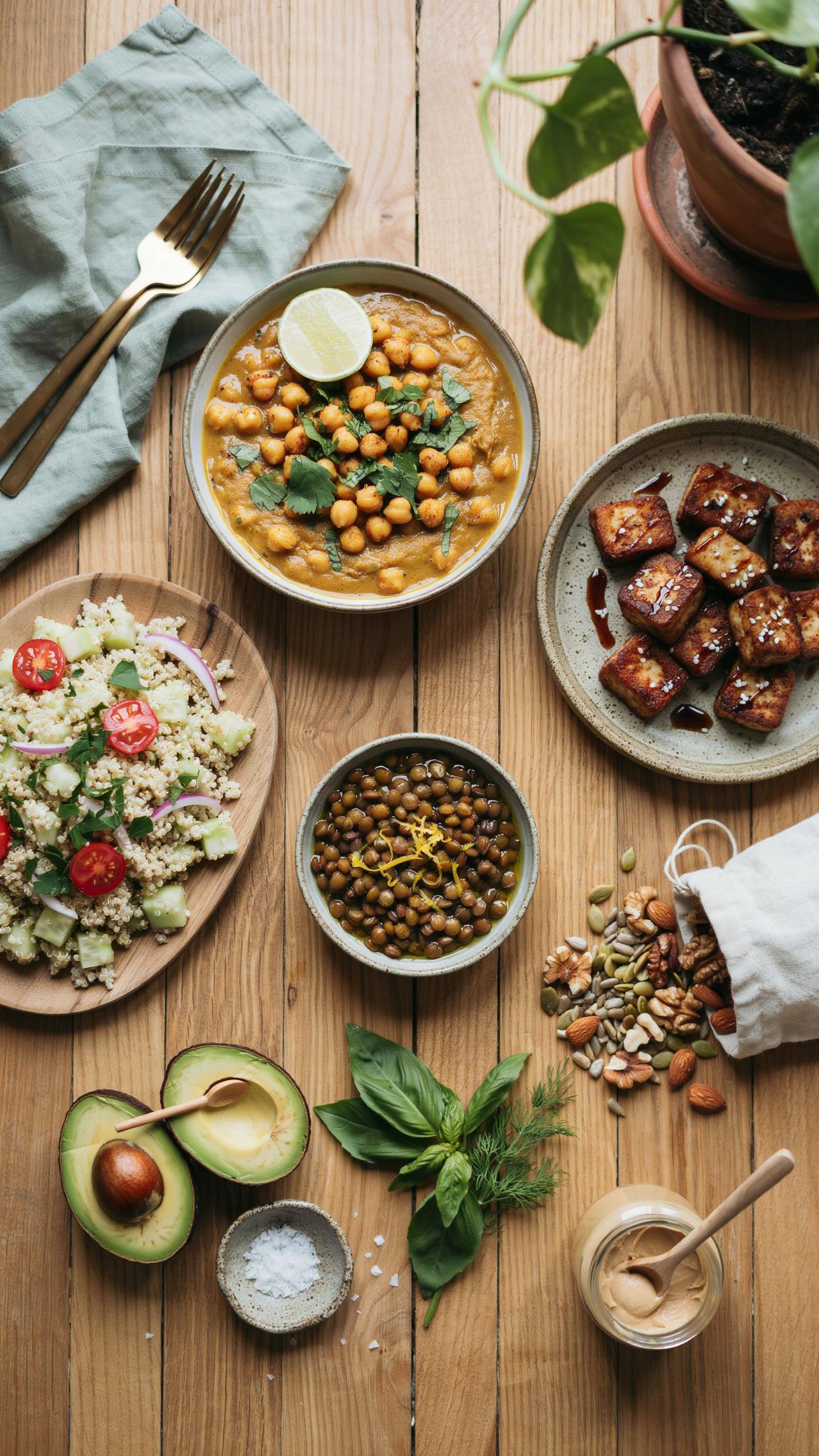
You want to feel like meal prep is working for you without spending Sunday in the kitchen. The real mechanism is texture consistency. Prepped tofu scramble maintains its crumble across five days because the press-and-cook method removes enough moisture that oxidation doesn’t turn it into a dense brick. Store it in an airtight container at 40 degrees or below and the protein stays stable.
The scramble works as a base because tofu absorbs whatever flavor you pair it with. Use it as a grain bowl protein, mix it into wraps, layer it into breakfast burritos, or load it into pasta. The cooking method stays identical. You change the surrounding components, not the tofu itself. This is why prepping the scramble first unlocks the rest of your week.
Building Tofu Into Lunch And Dinner
The common mistake is treating tofu scramble as breakfast only. That limits your meal prep ROI. Tofu scramble functions like a seasoned protein base in systems thinking. You can substitute it anywhere you’d use ground turkey or crumbled sausage without texture mismatch.
Layer prepped scramble into grain bowls with roasted vegetables and dressing. Mix it cold into salads. Warm it and fold it into fried rice. Use it as a pizza topping or taco filling. The scramble doesn’t degrade when reheated because it’s already broken into small pieces. One prep session feeds you across three different meal categories with zero recipe repetition.
Cost Benefit Analysis Is Your Healthy Breakfast A Drain
What You’re Actually Paying Per Meal
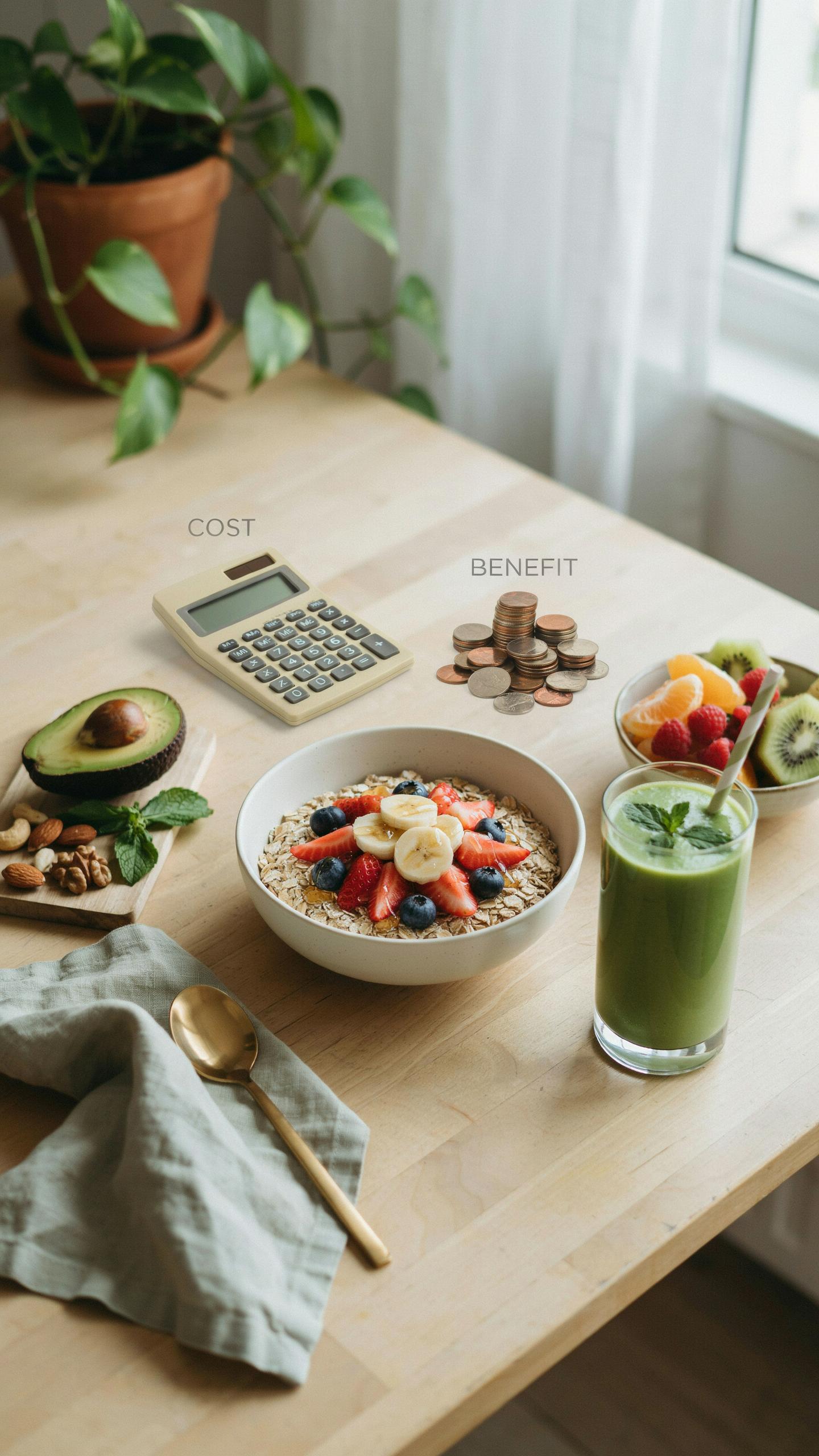
You want to believe your breakfast choice is economical because admitting it isn’t means you’ve wasted money and time on the wrong system. Here’s the mechanism: convenience foods use economics from the retail sector, where markup happens at the point of sale, not production. A tofu scramble from a cafe charges you 3 to 5 times the ingredient cost. You pay for the location, the labor, the packaging, and the permission to not think about breakfast.
A prepped tofu scramble at home costs roughly 2 to 3 dollars per serving when you buy firm tofu in bulk, add frozen vegetables, and portion nutritional yeast and oil. The labor is front loaded, not distributed across every single morning. Buying individual components beats buying pre-assembled versions. The math doesn’t care about your preference.
Protein Density Versus Dollar Spent
Economics calls this efficiency ratio, but you’ll recognize it as bang for buck. One block of firm tofu gives you roughly 20 grams of protein for under two dollars. Eggs cost similar amounts but contain less micronutrient diversity. When you meal prep, you control the exact protein load per container, which means no overpaying for portions that don’t match your goal.
Most breakfast foods fail this test because they optimize for taste and shelf life, not nutritional return. A tofu scramble with added hemp seeds or nutritional yeast pushes protein to 30 grams per meal without raising cost proportionally. Calculate your cost per gram of protein, then compare it against what you currently buy. The gap is usually 50 to 70 percent in favor of home prep.
The Consistency Compound How Simple Tofu Scramble Builds Momentum
Routine As Decision Architecture
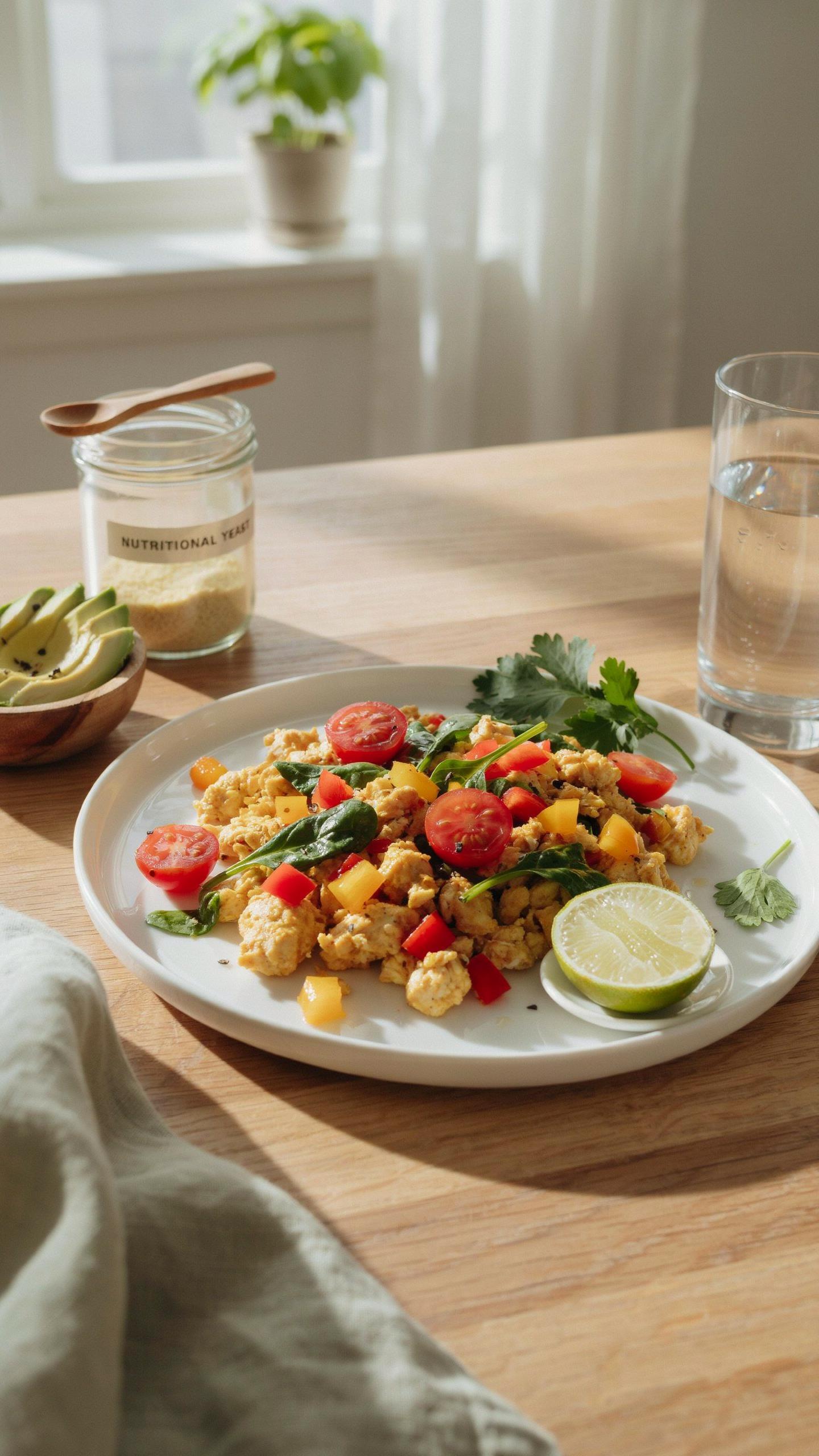
You want proof that you’re serious about your goals without actually having to think about it every day. That’s the real draw here. Routine doesn’t build discipline—it eliminates the need for it. Think of routine like compound interest in physics: small repeated forces in the same direction create exponential velocity over time. A tofu scramble meal prep ritual works the same way. You’re not relying on motivation Monday morning. You’re installing a system that runs whether you feel like it or not. The protein hits your system the same window each time, your body adapts to the schedule, and the decision friction drops to zero.
What separates people who stick with protein intake from people who don’t is friction, not willpower. Most advice says “just stay consistent”—useless. The real mechanism: you prep the same recipe the same day each week in the same way until the steps require zero conscious thought. Your brain stops asking “what’s for breakfast?” Five containers of tofu scramble in your fridge answer it for you. You reach, you eat, you move on. That’s how momentum actually builds. Not through inspiration. Through mechanical repetition that removes the choice.
Small Wins Compound Into Identity Shift
A single high-protein tofu scramble isn’t motivating. Five in a row hits different. Each meal you execute without derailing is data that proves the system works. That’s not sentiment—it’s pattern recognition your brain runs automatically. You stop thinking “I’m trying to eat more protein” and start thinking “I’m someone who preps protein.” The shift happens quietly, but it’s structural. One successful week becomes two. Two becomes a month. The identity hardens because the evidence mounts.
This is where most people choke: they underestimate how small the wins need to be. You don’t need a transformation. You need breakfast handled for five days straight. That’s it. When you own that, the next behavior becomes easier to install because your brain already believes you’re capable. The tofu scramble isn’t nutrition—it’s proof. You prep one batch, you eat it, you prep the next batch. The consistency itself becomes the feedback loop. Repeat until the behavior calcifies.
The real obstacle isnt the scramble its your inability to commit to a repeatable system

You don’t need a better recipe. You need to stop treating meal prep like a weekend project and start treating it like a non-negotiable business operation. Spend two hours Sunday making five containers of high protein tofu scramble. That’s it. Do it this week. Not next week. This week. The protein hits different when you’ve already won the decision before hunger shows up.