
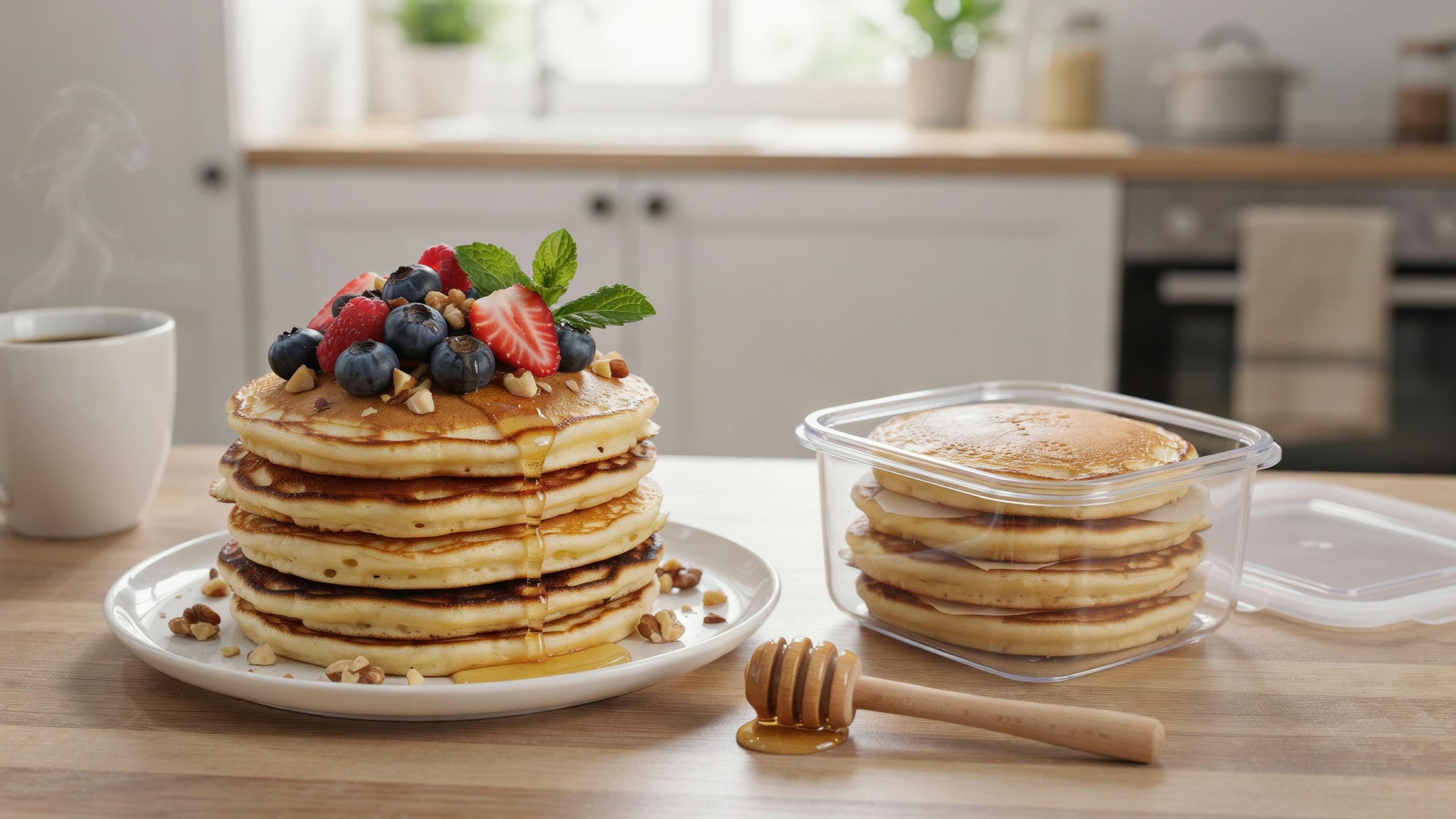
The Cognitive Load Tax Why Most Breakfasts Impoverish Your Day

Decision Fatigue Before Nine AM
You want to believe breakfast doesn’t matter because admitting it does means you have to change something that feels locked in. The mechanism is borrowed from economics: every decision depletes a finite resource called willpower. Your brain treats choosing between cereal, toast, or eggs the same way it treats choosing between job offers. By 9 AM, most people have already burned through decision capital they need for actual work.
Standard breakfast advice says “eat something healthy.” That’s lazy. The real problem is friction. You wake up, your blood sugar is low, your prefrontal cortex is offline, and now you face options. Frozen high protein pancakes eliminate the decision entirely. You grab a stack, heat it, eat it. No negotiation with yourself. No choosing. You preserve willpower for decisions that actually move the needle.
The Suboptimal Fuel Penalty
Most people fuel their morning with refined carbs and skip protein. What happens next is metabolic: blood sugar spikes fast, then crashes. You feel alert for an hour, then foggy. Your focus fragments. You reach for coffee and snacks to compensate. This isn’t a feeling. It’s a chain reaction in your bloodstream that sabotages three hours of your day.

High protein pancakes reverse this. Protein slows carb digestion, stabilizes blood glucose, and triggers satiety hormones your brain respects. You don’t get hungry two hours later. You don’t crash. You don’t waste mental energy fighting your own physiology. Meal prepping them removes the morning friction that pushes people toward worse options when they’re tired and depleted.
The 3 Tier Protein Pancake Protocol Engineering Effortless Mornings
Why Batching Works When Willpower Fails
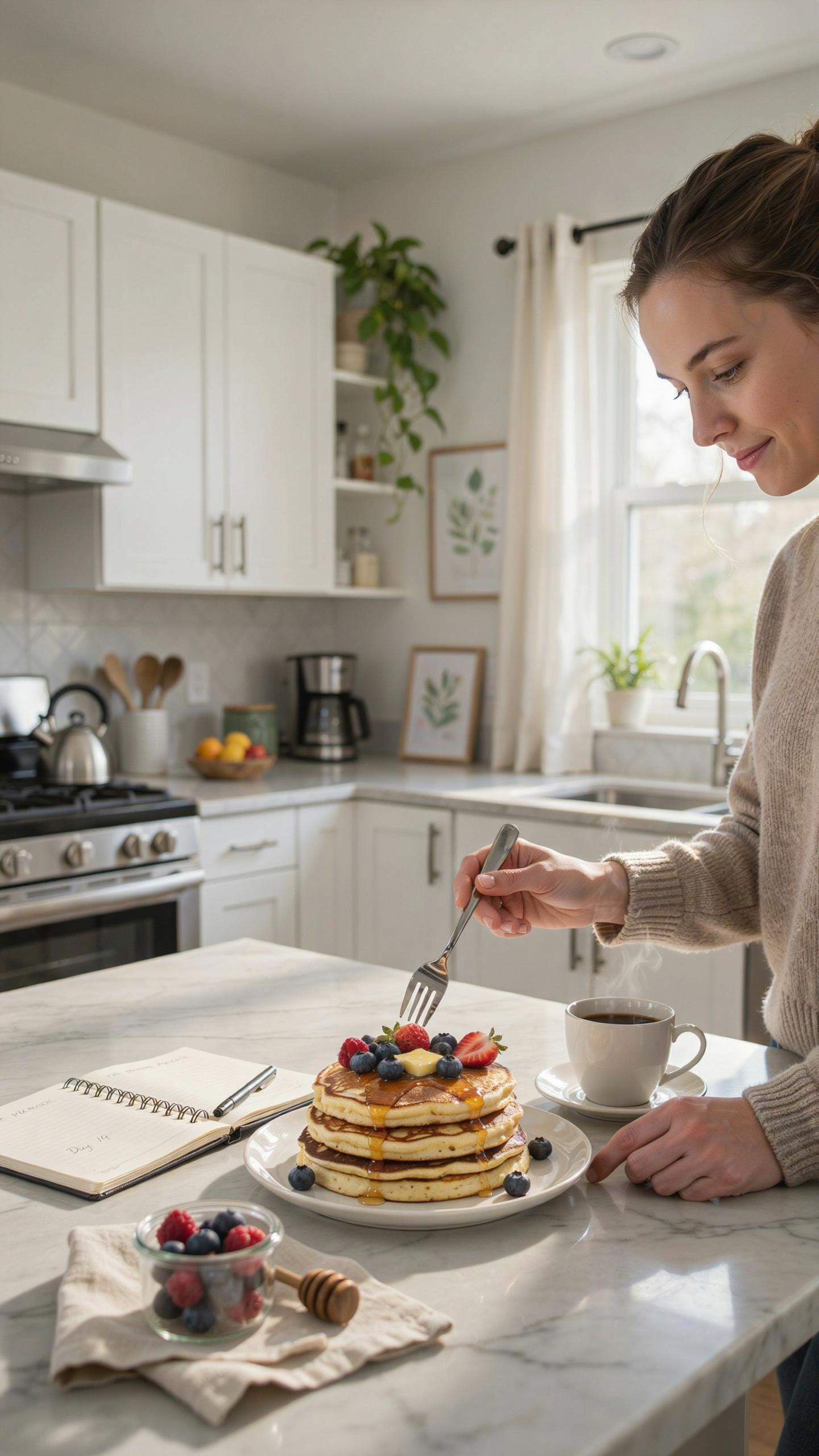
You want to believe discipline will carry you through weekday mornings. It won’t. The real lever is thermodynamics: batching collapses the activation energy between intention and execution. When you cook one pancake, you negotiate with yourself. When you cook twenty, you negotiate once. Mix, pour, flip, stack, freeze. The decision architecture disappears. You’re not choosing breakfast each morning because breakfast already exists.
The mechanism borrows from manufacturing: standardization reduces friction. One recipe, one mixing bowl, one griddle session replaces nine mornings of setup and cleanup. Most people treat meal prep as obligation. It’s actually leverage. You compress five hours of future decision-making into one focused block. The pancakes sit frozen, indifferent to your motivation level. You reheat and move forward.
Macronutrient Balance For Real Sustained Energy
Common advice treats protein pancakes like a simple swap: add powder, eat, done. Wrong. The actual mechanism involves glycemic load and satiety hormones working together. High protein alone doesn’t prevent the energy crash. You need the ratio right. Twenty-five to thirty grams of protein per pancake (two medium ones) paired with slow-digesting carbs from oats or almond flour keeps blood glucose stable for four to five hours. The fat from eggs or Greek yogurt slows gastric emptying, which extends fullness.
Your macronutrient baseline per serving should target 25-30g protein, 35-45g carbs, and 8-12g fat. Exceed the protein and you’re competing with carbs for absorption. Skimp on fat and the meal empties too fast. Mix Greek yogurt into your batter. Use whole eggs, not just whites. Include rolled oats as your primary flour component. Freeze batches in pairs so reheating aligns with actual portion size, not guesswork.
Beyond Basic High Protein Pancakes The Ingredient Matrix For Peak Performance
Protein Sources That Actually Densify
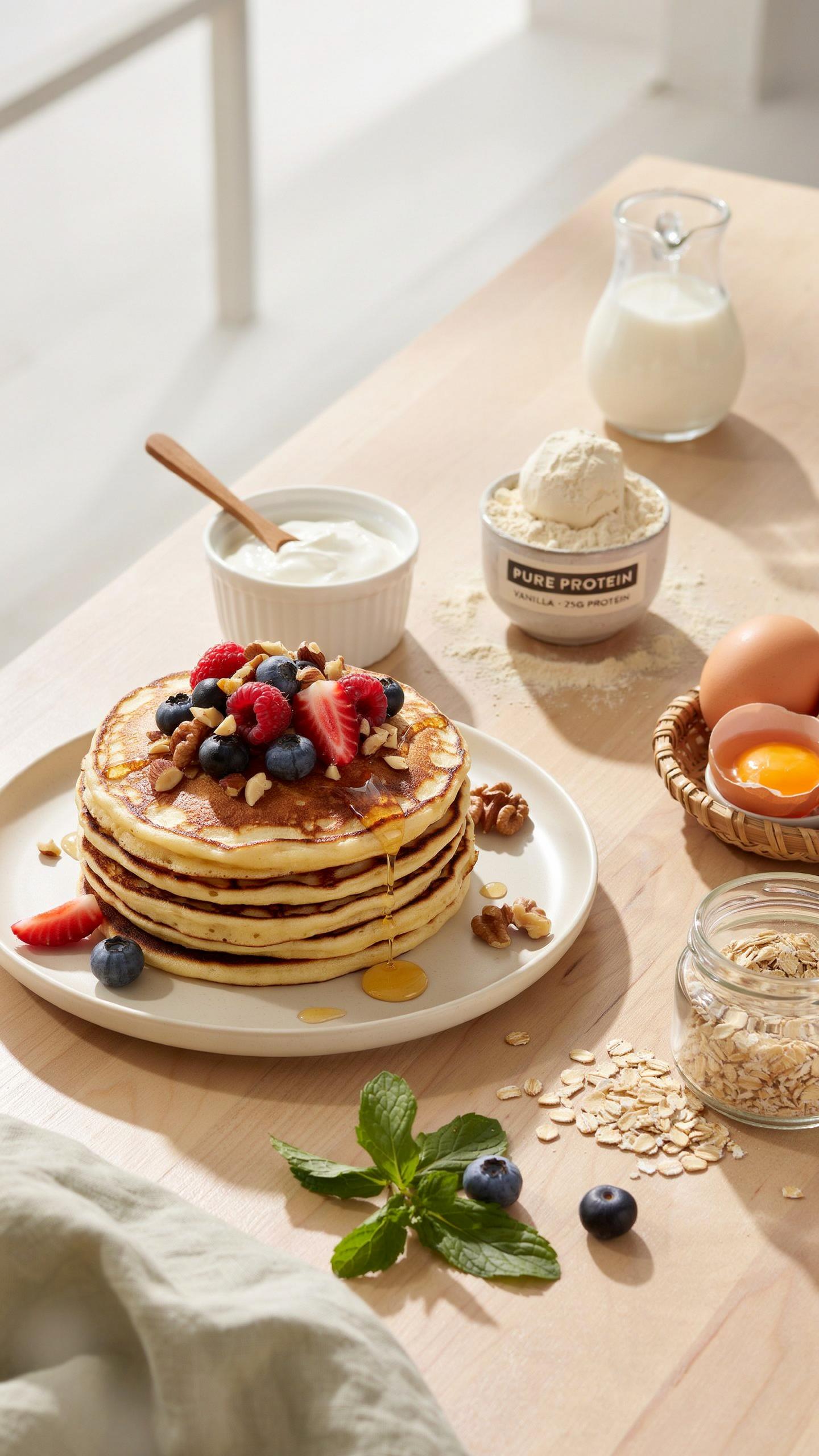
You want people to think your meal prep is sophisticated. That’s the real reason you’re looking beyond whey powder. Here’s what actually matters: protein density in pancakes works like load-bearing walls in architecture. You need multiple support points, not one single column holding everything up.
Whey isolate is fine but incomplete for freezer longevity. Cottage cheese adds casein, which creates a denser crumb structure that survives thaw cycles without turning into rubber. Greek yogurt contributes both whey and casein while adding moisture that prevents ice crystal formation. Egg whites remain the foundation for structure. Combine all three and your pancakes hold texture through freeze-thaw better than single-protein formulas. The mechanism: casein proteins cross-link during cooking and freezing in ways whey alone cannot replicate.
Fiber And Micronutrient Architecture
Fiber isn’t just digestive filler you add to hit a macro target. It’s the nutrient density lever that determines whether your pancakes become a blood sugar spike vehicle or a sustained-energy tool.
- Allulose: A rare sugar that doesn’t spike glucose, adds sweetness without triggering insulin response, and freezes cleanly without crystallizing like regular sugar does.
- Ground flaxseed: Contributes lignans and ALA omega-3s while adding 1.5g fiber per tablespoon; integrate at 2-3 tablespoons per batch to avoid density loss.
- Oat flour: Provides beta-glucan soluble fiber that slows digestion and stabilizes blood sugar; use 20-30% of total flour weight to maintain rise.
- Psyllium husk powder: Adds 4g fiber per 2 teaspoons but requires precision: add only 1-2 teaspoons per batch or pancakes become gummy.
- Nutritional yeast: Fortified with B vitamins and chromium, which regulates blood glucose; use 2 tablespoons per batch for mineral density without flavor conflict.
Micronutrient integration requires one non-negotiable constraint: freeze only what you’ve validated in a test batch first. Spinach powder adds iron and folate but can degrade texture if added above 1 tablespoon per batch. Zinc from pumpkin seeds supports immune recovery during high-protein consumption phases. Calcium-fortified plant milk replaces regular milk to offset the mineral density loss that high protein consumption creates in many lifters. Layer these ingredients systematically, not randomly.
The Prep To Plate System Mastering Meal Prep Protein Pancakes For The Win
How To Batch Cook Without Losing Your Mind
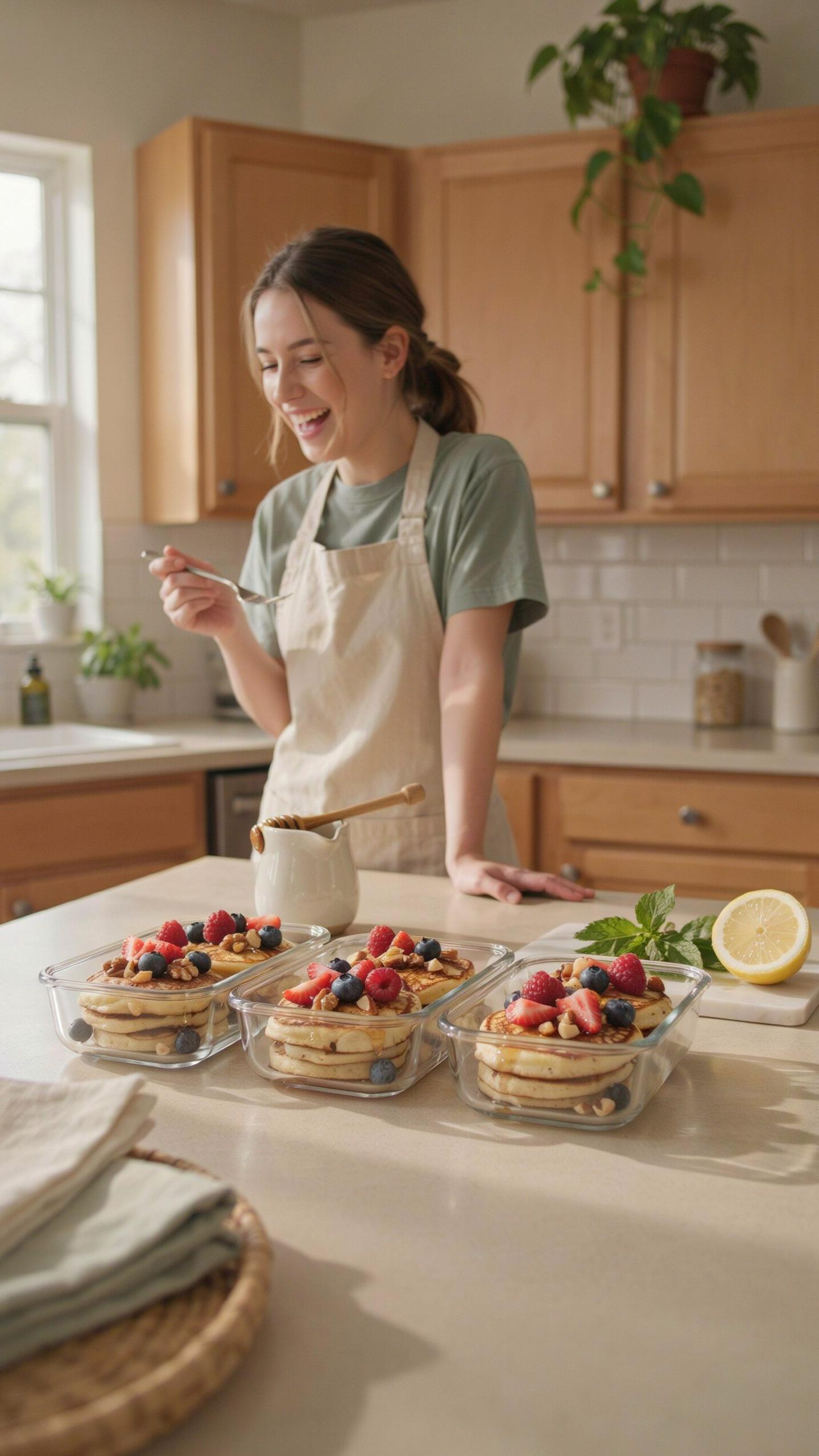
You want efficiency because you’re terrified of wasting time on a system that falls apart by Wednesday. Here’s the actual mechanism: treat your kitchen like a manufacturing line, not a cooking session. One station preps ingredients, one cooks, one plates and cools. This isn’t optimization theater. It’s the division of labor that factories discovered in the 1700s, applied to your stovetop. You move through one task repeatedly instead of context-switching between five.
Start with mise en place that actually matters. Measure all dry ingredients into a single bowl. Mix all wet ingredients into another. Room temperature eggs blend faster and distribute evenly through batter. Cook pancakes on medium-high heat, not the temperature you think feels right. A 12-inch nonstick griddle cooks four pancakes simultaneously. Line them up in rows. Work through one full batch before plating anything. Speed comes from repetition and predictable spacing, not rushing individual pancakes.
Freezing Mechanics That Preserve What You Built
Most advice on freezing pancakes is incomplete. You can’t stack them while warm. You also can’t freeze them in airtight containers immediately. Moisture will make them rubbery within three days. The real protocol requires two distinct phases: flash freeze first, then package. Spread cooked pancakes on a sheet tray in a single layer. Put them in the freezer uncovered for two hours until solid. This stops condensation from forming inside the stack.
Once frozen solid, stack them and transfer to an airtight container or freezer bag. Protein powder and eggs stabilize the crumb structure better than plain flour pancakes do. The high protein content actually works in your favor here because it holds moisture more consistently during thaw cycles. You can keep them frozen for up to two months without noticeable texture degradation. Reheat by wrapping in a damp paper towel and microwaving for 45 seconds, or use a toaster oven at 350 degrees for two minutes to recover the original texture.
High Performance Toppings Upgrading Your Protein Pancake Bowls
Fat Sources That Stick With You
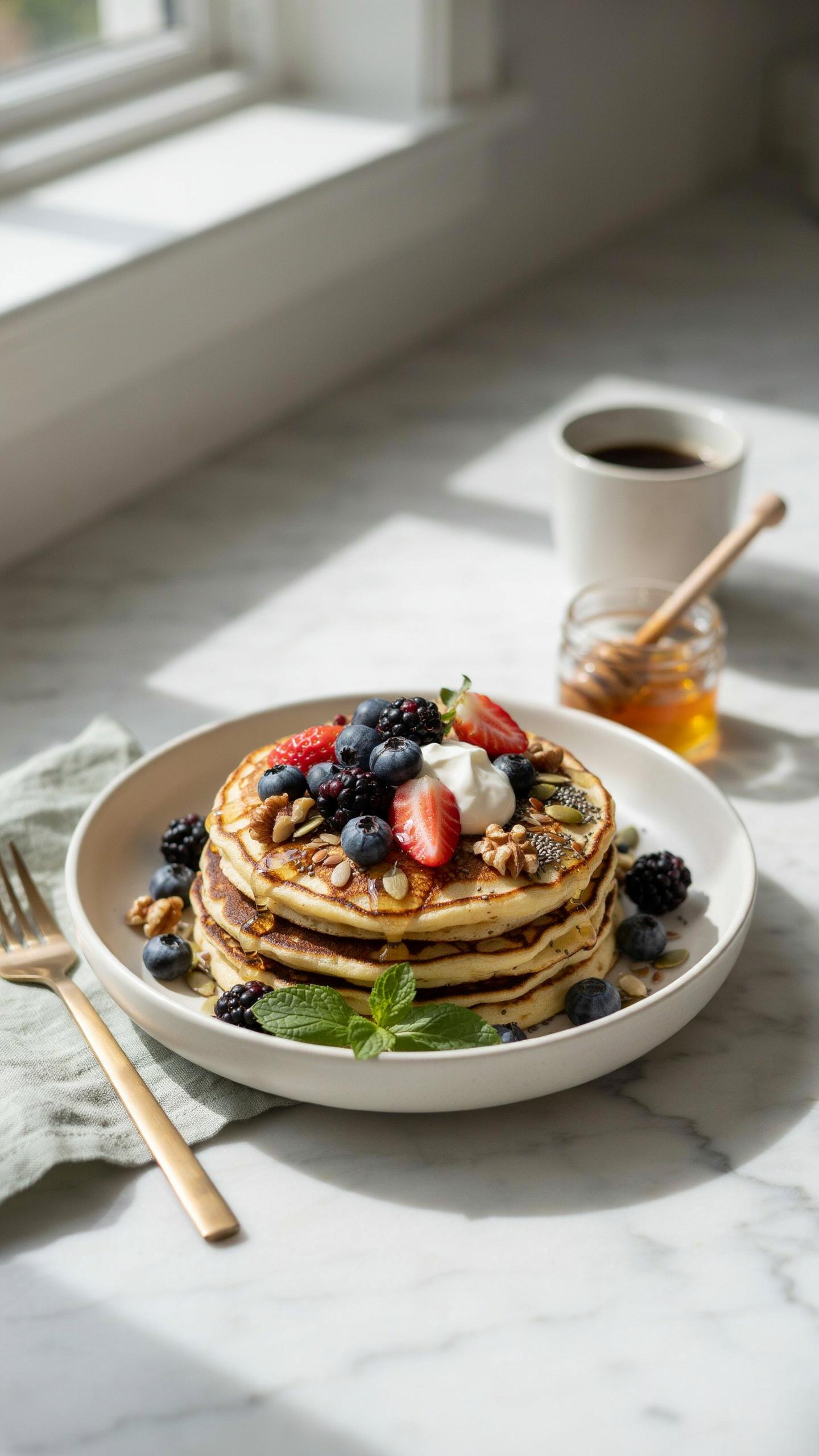
You want your meal to feel complete so you stop thinking about food two hours later. That’s the real mechanism at play here, not some vague wellness concept. Borrowing from biochemistry: satiety operates on a dose-response curve, where dietary fat triggers cholecystokinin release and slows gastric emptying more reliably than carbs alone. Adding 10-15 grams of strategic fat to your protein pancake bowl extends fullness by 2-4 hours. The fat source matters less than the consistency of inclusion across batches.
Almond butter, coconut oil, and whole eggs in the batter work. Nut butters add 3-4 grams of fat per tablespoon and create texture. Coconut oil blends into the mixture during cooking without changing the pancake’s structure. Avoid the mistake of treating fats as optional toppings. Distribute them throughout the batter or between layers before freezing so every reheated portion delivers the same satiety effect, not just the first bite.
Antioxidants That Actually Scale
Most people add berries because they’ve heard berries are healthy, then freeze them separately and watch them turn to mush. That’s not a tactic, that’s compliance theater. Freeze-dried berries maintain their structure and antioxidant density through thaw cycles. Fresh berries release water and break down. Cinnamon and turmeric don’t require special handling and deliver measurable polyphenol content without changing pancake texture.
Layer freeze-dried berries between pancakes before freezing, not on top. They’ll stay intact through reheat and provide actual flavor on day five instead of becoming soggy filler. Turmeric adds 150-200 mg of curcumin per teaspoon, cinnamon delivers 20-30 mg of polyphenols. These spices integrate during cooking and survive the freeze-thaw cycle without degradation. Measure spices by weight before batching to ensure consistency across all meal prep portions.
The Protein Baking Fallacy Why Most Recipes Fail Your Standards

When Protein Powder Becomes The Problem
You want to believe a pancake can hold 30 grams of protein and still taste like food. That’s the real motive here, and it’s honest. But protein baking operates under a constraint from chemistry: protein powder displaces flour, and flour provides structure. When you swap one for the other without adjustment, you lose the gluten network that traps moisture and creates lift. Most recipes ignore this trade-off entirely.
The mechanism is simple. Whey isolate, casein, and plant proteins all lack the viscoelastic properties of wheat gluten. They don’t form sheets. They don’t stretch. They absorb liquid differently and set at different temperatures. A pancake loaded with protein powder needs fat and eggs to compensate for the structural loss, or it becomes dense. Standard recipes just dump protein in and wonder why the result tastes like rubber.
Substitutions That Sound Smart But Destroy Texture
The consensus says swap all-purpose flour for protein powder at a one-to-one ratio. This is wrong. This creates pancakes that collapse in the freezer or turn into hockey pucks when reheated because they’ve lost elasticity. Greek yogurt sounds like a win until you realize it adds liquid without providing structure, forcing you to either reduce wet ingredients (dry pancakes) or add more binder (gummy pancakes).
Allulose and monk fruit seem neutral, but they behave differently than sugar during the Maillard reaction and affect how proteins coagulate. Egg whites instead of whole eggs cuts fat, which is needed to carry flavor and coat your mouth after freezing dulls the taste. Each substitution solves one problem and creates two others. The move is to stay with proven bases: eggs, a modest amount of protein powder, proper flour, and adjust ratios through testing, not guessing.
Behavioral Economics Of Healthy Meal Prep Pancakes The Nudge Effect
How You’re Actually Making Decisions About Food
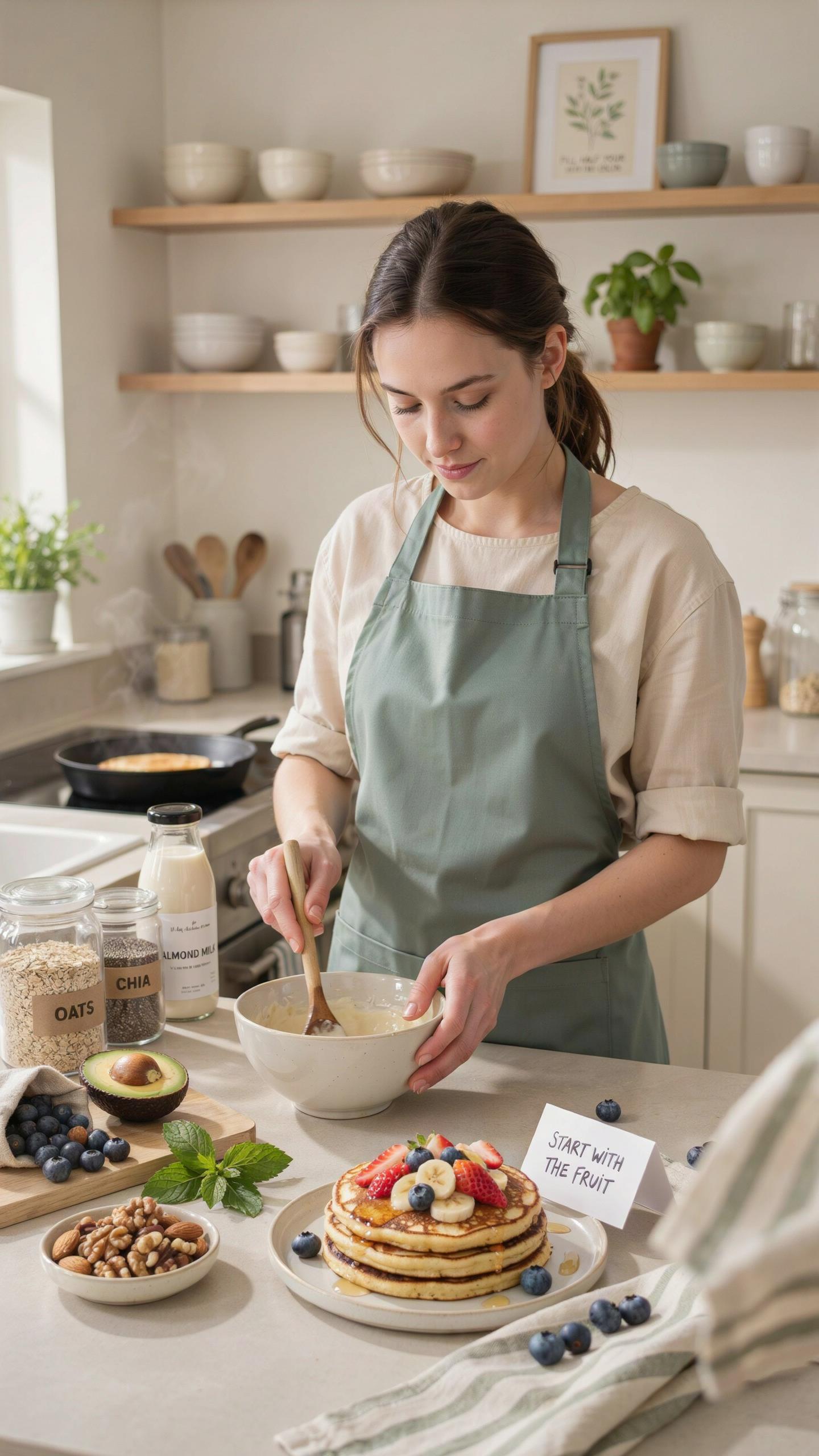
You think you choose what to eat. You don’t. You’re operating on autopilot, and behavioral economics proves it. The real motive here is control—you want to believe your meal prep discipline comes from willpower, not from how your environment is rigged. Behavioral economics names this as “choice architecture,” the invisible structure that predetermines outcomes before conscious decision-making enters the room. With frozen high protein pancakes, you’re not fighting willpower battles every morning. The decision collapses the moment the pancakes exist in your freezer.
When you batch-prep pancakes on Sunday and freeze them, you’ve removed friction from the healthy choice. That’s not motivation. That’s physics. The pancakes become the path of least resistance. Your brain defaults to grabbing them because the alternative—making something else or skipping breakfast—requires more effort. This is what choice architecture does: it makes one option so convenient that other options functionally disappear.
Designing Your Kitchen For Automatic Compliance
Most meal prep advice stops at recipes. It misses the point entirely. The real work happens in your kitchen’s physical layout, not in your discipline. Your freezer compartment is either optimized for these pancakes or it isn’t. If the pancakes sit buried under ice packs and frozen vegetables, you won’t grab them. If they’re stacked at eye level in a labeled container, you will. Environmental design is the mechanism that turns intention into behavior without relying on your mood.
Create a dedicated frozen protein pancake zone in your freezer. Stack them in a shallow container, flat, so you can grab one without excavating. Label it. Put it where you see it first when the freezer opens. The barrier between craving cereal and reaching for your pancakes should be nonexistent. This isn’t about organization aesthetics. It’s about removing the single cognitive step that separates decision from action. When friction disappears, compliance becomes automatic.
Advanced High Protein Breakfast Recipes Beyond The Pancake Paradigm
When Repetition Becomes A Liability
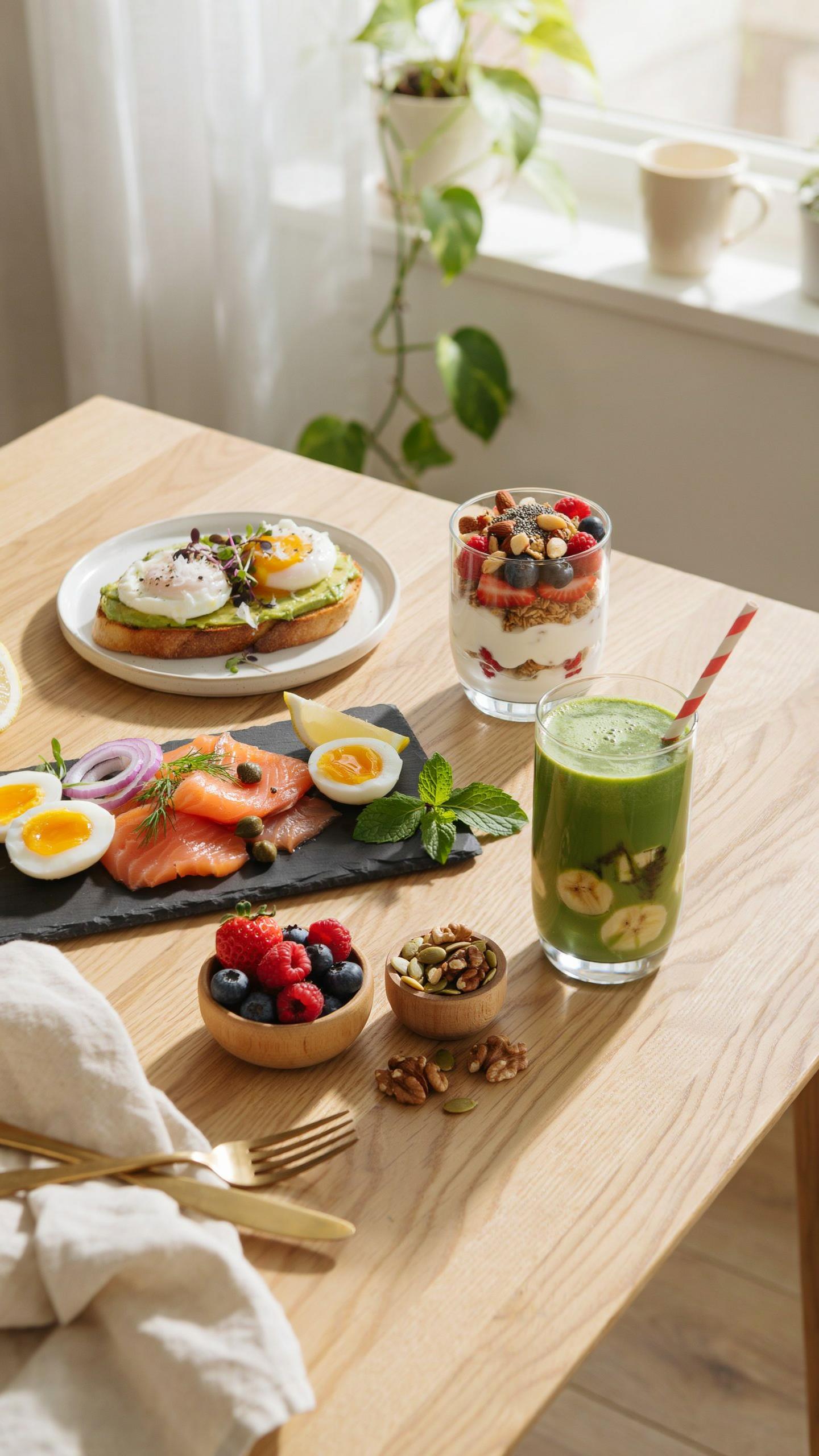
You want to know if there’s something better than pancakes because you’re afraid of getting bored and quitting the whole system. The real mechanism: your brain treats repetition as a signal that the behavior is low-status or insufficient. The solution isn’t variety for its own sake—it’s strategic rotation that maintains the meal prep infrastructure you’ve already built. Pancakes work because they freeze and reheat without texture collapse. Other proteins do the same if you choose the right carriers.
Waffles, crepes, and Dutch babies all freeze identically to pancakes because they share the same batter chemistry. The difference is execution: waffles maintain crispness longer in frozen storage due to surface area, while crepes pack flatter and reheat faster. Egg-based muffins and breakfast casseroles freeze indefinitely when wrapped properly. You’re not abandoning the system—you’re expanding the output from the same prep time investment. Batch three different breakfast vehicles in one session, rotate them daily, and your brain stops flagging the behavior as monotonous.
Macrocycles And Protein Distribution Timing
Nutrition science borrowed the periodization concept from strength training. In that field, “undulating periodicity” means you vary stimulus intensity across different time blocks. Apply that directly: your protein intake doesn’t need to be identical every day. On training days, front-load protein into breakfast with an extra egg or additional protein powder. On rest days, drop it by 10-15 grams and increase carbs instead. Your frozen pancakes become a flexible template, not a rigid prescription.
This isn’t complicated dogma. It’s metabolic efficiency through pattern variance. Your body adapts to constant stimulus, which means constant protein intake eventually requires more total volume to maintain the same muscle retention benefit. Rotating between 35 grams and 50 grams of protein at breakfast across a seven-day cycle maintains novelty at the cellular level while keeping prep overhead identical. Make two batches: one standard, one with added protein powder, freeze them separately, and alternate them throughout the week based on your training schedule.
The Feedback Loop Iterating On Your Baked Protein Pancake Bowl Recipe For Mastery
What You’re Actually Measuring
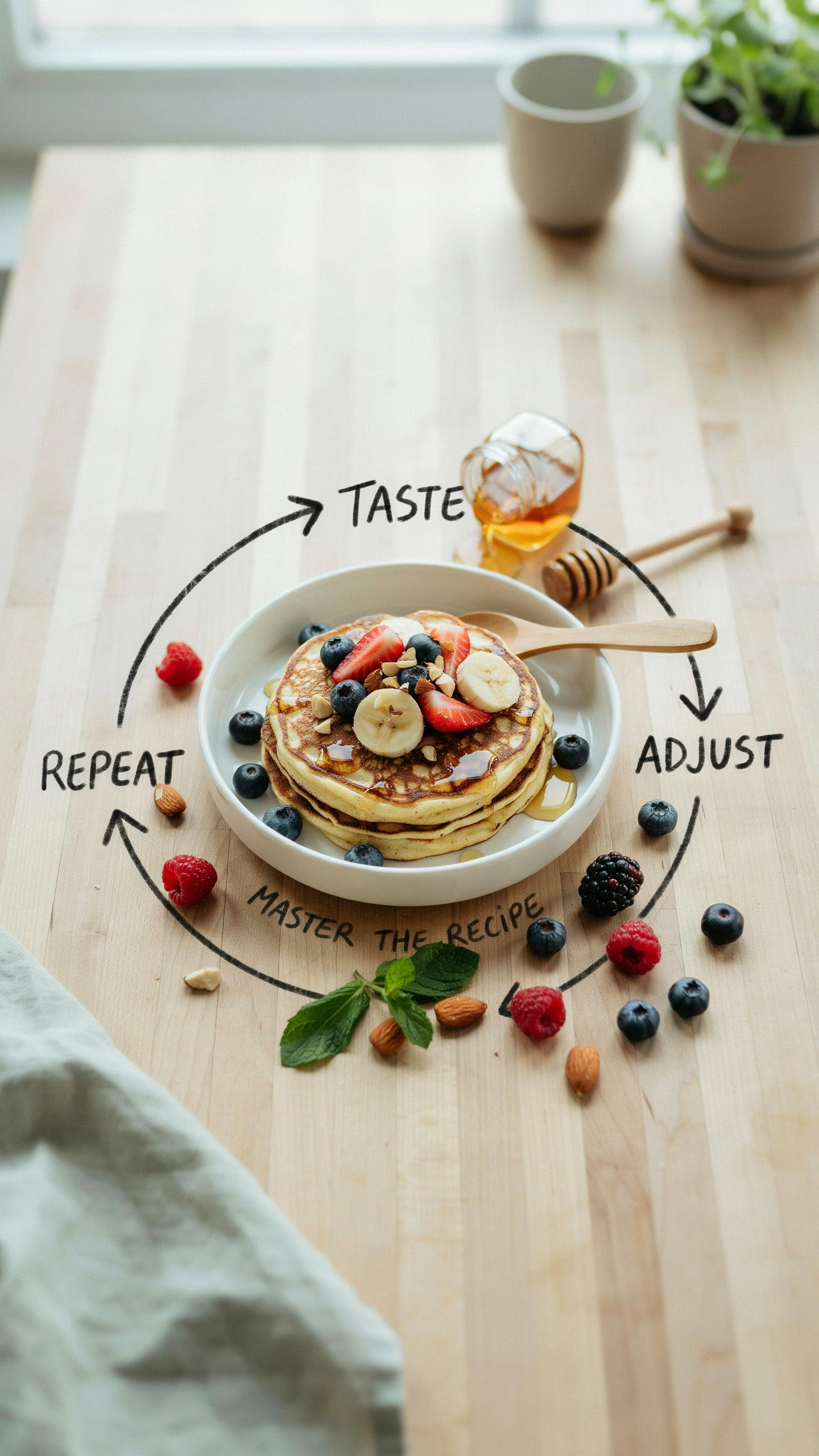
You want proof that your system works before you commit to it long-term. That’s the real fear here. Most people track calories and macros, which tells you nothing about whether the meal is actually sustaining you through your day. Energy, focus, and satiety are the only metrics that matter because they’re the output. Borrowed from biology: homeostasis. Your pancake meal is only successful if it maintains stable blood glucose and satiety hormones for four to six hours post-consumption. Protein percentage, meal timing, and fat-to-carb ratio all feed into this single outcome.
Track these three signals for two weeks with your current recipe. Rate energy on a ten-point scale one hour after eating, then at three hours. Rate mental focus the same way. Satiety gets scored by how hard you hit cravings before lunch or dinner. Write these down. Patterns emerge fast. If energy drops at the two-hour mark, you need more fat or adjust protein timing. If focus stays flat, carb quality matters more than quantity. This data is your feedback mechanism. Without it, you’re guessing.
Refining The System Through Repetition
The common advice says “adjust one variable at a time,” which is incomplete. You need to adjust one variable while holding everything else constant for three consecutive batches. One batch is noise. Three batches is a trend. If you change flour type, pancake size, and protein powder simultaneously, you won’t know which one actually shifted your energy. Your baked protein pancake system lives or dies on this precision.
Start with your highest-friction element. If freezing damages texture, test thawing methods across five batches before touching the recipe itself. If morning prep takes thirty minutes, measure exactly where time leaks. If satiety drops by hour three, raise protein by five grams per pancake and retest for a week. Document each iteration with a date, the specific change, and your three scores. After four weeks of disciplined iteration, you’ll own a breakfast system that actually works instead of a recipe you abandoned.
Your true obstacle isnt time or ingredients its the illusion that a good life must be chaotic to be earned

You think meal prep sounds boring because you’ve confused discipline with deprivation. It’s the opposite. Spending two hours making high protein pancakes you freeze unlocks the rest of your week. No decisions. No excuses. No 11pm drive-thru runs. Make a batch today. Stack them in your freezer. Watch what happens when you stop performing chaos and start building systems. Discipline is what sets you free.