

The High Protein Illusion What Youre Really Missing

Micronutrients Win The Long Game
You care about this because hitting 30 grams of protein feels like you’ve solved breakfast. You haven’t. The mechanism is simple: protein without supporting micronutrients creates incomplete nutrient absorption and metabolic friction. Your body needs cofactors to process amino acids efficiently. Iron, B vitamins, magnesium, and zinc aren’t optional accessories to protein—they’re the infrastructure that makes protein usable.

Most meal prep guides stop at chicken breast plus carbs plus fat. That’s nutritional laziness. A high protein breakfast hash needs vitamin C for iron absorption, folate for one-carbon metabolism, and potassium for cellular function. These micronutrients come from vegetables, organ meats, and whole food sources most people skip because they’re harder to portion than ground turkey. The difference between adequate protein and optimal protein absorption is the difference between looking recovered and actually being recovered.
Generic Protein Sources Leave Money On The Table
The conventional advice is that all proteins are equivalent as long as you hit your macros. That’s incomplete. Muscle tissue adaptation depends not just on amino acid profile but on the micronutrient density of your protein source. Ground beef and chicken breast deliver different mineral compositions, different amino acid ratios, and different signaling molecules. One builds differently than the other.

Egg yolks contain choline and lutein. Beef liver contains retinol and heme iron. Canned salmon delivers selenium and omega-3 fatty acids with astaxanthin. Standardized chicken breast delivers none of these. When you meal prep the same protein source five days a week, you’re not optimizing for muscle growth—you’re optimizing for convenience while leaving adaptogenic compounds on the table. Your hash needs variety in protein sources to trigger different repair pathways and nutrient uptake mechanisms.
The Breakfast Hash Blueprint Fueling Cognitive Output

Ingredients That Sustain, Not Spike
You want to feel sharp at 10 AM instead of nodding off at your desk, which means you need to stop treating breakfast like a blood sugar emergency. The mechanism here is glycemic load: how fast carbohydrates enter your bloodstream and trigger insulin response. High protein breakfast hash controls this by prioritizing protein and fat density over simple carbs, creating a slower glucose curve that keeps cortisol stable and mental output consistent through the morning.
The standard advice says “eat balanced.” That’s incomplete. You need the right ratio: aim for 30-40 grams of protein, 15-20 grams of fat, and 25-35 grams of complex carbohydrates per serving. Eggs provide both protein and choline for cognitive function. Ground meat or breakfast sausage adds sustained satiety. Root vegetables like sweet potato or regular potato provide carbs that digest slowly when paired with fat and protein. Cook everything together in a single pan so the starches absorb rendered fat, which further slows digestion.
Mental Clarity Beyond The Morning Crash
The post-breakfast fog most people experience is blood sugar dysregulation masquerading as low energy, and you fix it by eliminating the spike-and-crash cycle entirely. When you combine high glycemic foods with nothing else, insulin surges, your blood glucose drops fast, and your brain signals starvation even though you just ate. Adding protein and fat to your hash dramatically extends the digestive timeline, keeping glucose delivery steady for hours instead of minutes.
The practical protocol: cook your hash with whole eggs (yolks included for the fat and lecithin), never remove the rendered fat from the pan, and include at least one cruciferous or leafy green element like spinach or kale. These vegetables add micronutrients that support dopamine and serotonin synthesis while adding negligible carbs. Protein saturation is the lever that prevents the mental crash. Aim for your hash to have a slightly heavy, sustained feeling in your stomach after eating, not lightness that disappears in an hour.
The Meal Prep Paradox Efficiency Vs Efficacy

How Heat Destroys What You’re Cooking For
You want meal prep to feel effortless because you’re afraid that if it requires thought, you’ll abandon it. Here’s the mechanism: protein denatures under sustained heat. Cook your hash once, store it, reheat it. The protein structure breaks down twice. You lose amino acid bioavailability each time.
Most meal prep advice ignores this. It says cook everything Sunday, eat all week. That works for calories. It doesn’t work for muscle protein synthesis. The hash that tastes fine on day five has undergone thermal stress that reduces how efficiently your body uses it. Cook components separately and assemble cold, or cook in smaller batches mid-week and reheat once only.
Strategy Over Speed Solves The Real Problem
Systems thinking teaches us that constraints become assets. Think of batch cooking like supply chain management. Your constraint is time. Your asset is the ability to prep multiple components in parallel, not sequentially. Cook your protein base one day. Prep vegetables another. Store each independently.
This removes the false choice between convenience and nutrient preservation. You gain speed through compartmentalization, not consolidation. Cook ground beef or turkey in bulk, yes. But store it plain. Roast potatoes, dice them, store separately. Build the hash at meal time or cook the assembly in smaller portions. One reheating cycle instead of multiple degradation events. The system wins because each component stays fresh until final assembly.
Beyond Turkey Breakfast The Protein Source Hierarchy
Complete Amino Acid Profiles Trump Protein Grams
You want the label number to be high because you think that’s the bottleneck. It’s not. Bioavailability—the actual percentage of protein your body absorbs and uses—is what determines whether you build muscle or waste money. Think of protein sources as supply chains in logistics. A shipment that arrives incomplete is worthless, regardless of its original size.
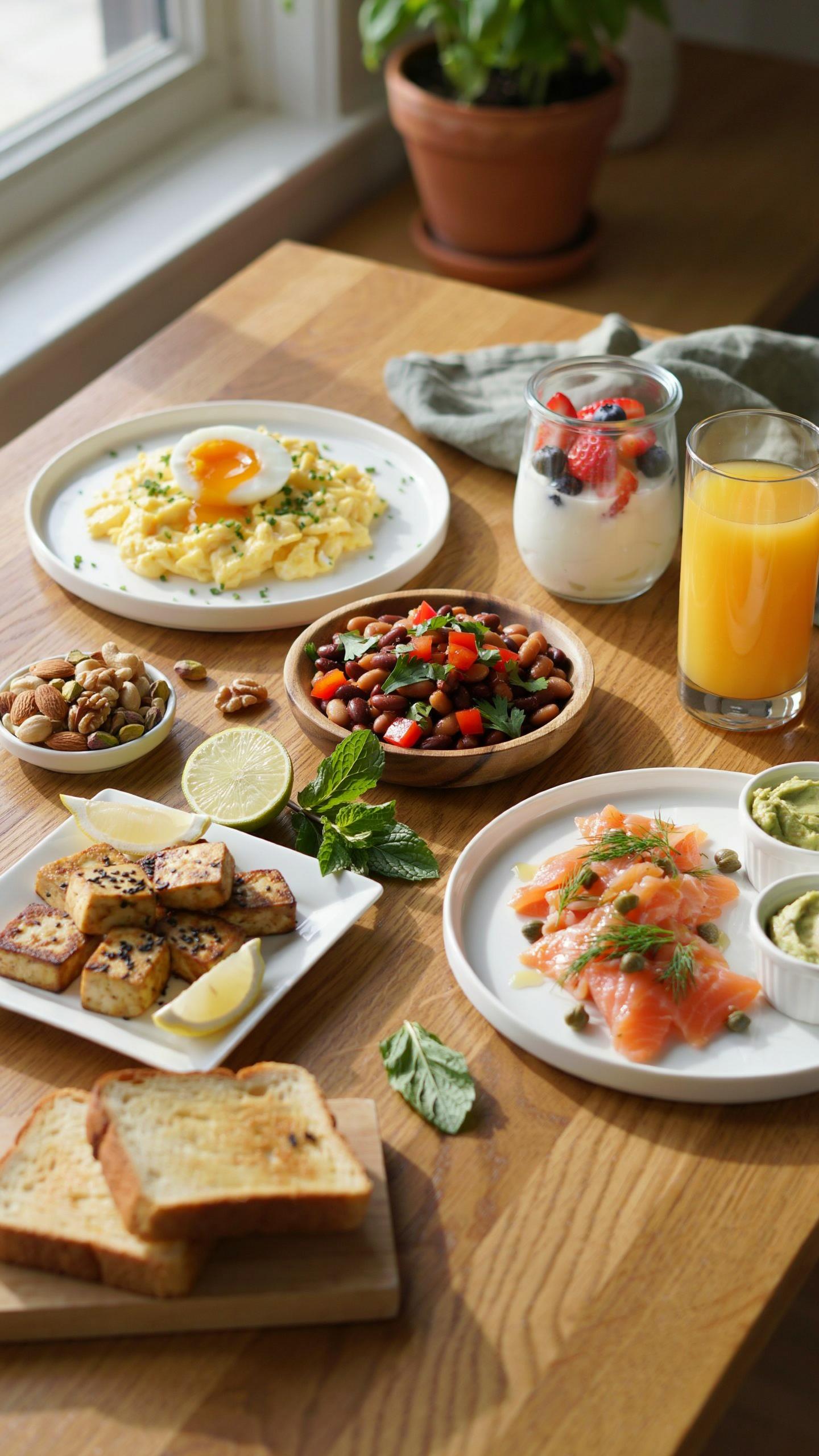
Egg whites have a 90% biological value. Ground beef sits at 80%. Chicken breast lands around 79%. The difference compounds weekly. When you meal prep a hash with whole eggs instead of whites, you’re not just adding fat—you’re adding leucine, which triggers muscle protein synthesis more effectively than isolated amino acids alone. Your body recognizes complete proteins with all nine essential amino acids and processes them with less metabolic friction.
What “Lean” Actually Means To Your Body
Most advice says pick lean protein to cut calories. That’s incomplete and sometimes backwards. Lean doesn’t mean better absorption—it means less fat, which some people actually need for hormone production and satiety. Ground beef at 85% lean has fat content that stabilizes blood sugar during digestion. Chicken thigh outperforms chicken breast on micronutrient density despite higher fat.
The real filter: choose protein sources where the amino acid cost per dollar matches your prep volume. Cottage cheese, ground turkey, and canned tuna dominate breakfast hash meal prep because they’re affordable, shelf-stable, and deliver complete profiles consistently. Store your hash in glass containers and portion it into 150-gram servings. Reheat to 165 degrees Fahrenheit before eating.
Sweet Potato Breakfast Hash The Unsung Hero Of Carbs

Why Glycemic Load Actually Matters Here
You want steady energy without the crash because you’re betting your productivity on it. Here’s the mechanism: glycemic load accounts for both sugar concentration and portion size, while glycemic index only measures how fast carbs hit your bloodstream. A medium sweet potato has a moderate glycemic load around 11 grams of glucose equivalents per serving. That matters for meal prep because you’re eating a fixed portion each morning, not variable amounts.
The real advantage of sweet potato in breakfast hash is predictability. A large russet potato hits different than a sweet potato of the same size—the sweet potato’s fiber and resistant starch slow glucose absorption. You prep the same portion weekly and get the same energy curve. That consistency is what lets you actually measure how food affects your work output instead of guessing.
Fiber Holds Everything Together
Fiber does two jobs most people compress into one vague idea of “keeps you full.” Physiologically, it slows gastric emptying—your stomach releases food slower into the intestines. That’s satiety. But fiber also increases the viscosity of your intestinal contents, which reduces how fast nutrients cross the intestinal wall. This is absorption regulation, not just fullness theater.
Sweet potato contains about 3 grams of fiber per medium potato, much of it soluble. That soluble fiber literally coats your digestive tract and slows nutrient absorption, flattening your glucose response. When you meal prep the same hash five times, you’re creating a controlled variable. Pair that sweet potato with 30 to 40 grams of protein from eggs or sausage, and fiber becomes your insurance policy against mid-morning hunger. The mechanism is simple: slower absorption plus sustained protein digestion equals stable blood sugar for four to five hours.
The Breakfast Hash Algorithm A 3 Step System
Why Your Ingredients Matter More Than Your Recipe
You want the hash to taste good without effort. That’s the real reason you’re reading this. The mechanism is synergy: certain proteins, starches, and fats amplify each other’s effects on satiety and absorption. This isn’t philosophy. Ground beef and potatoes together create a slower glucose release than either alone because fat delays carbohydrate absorption. Eggs add choline, which potentiates the cognitive benefit of the B vitamins in the beef. The whole delivers more stable energy than the sum.
Most advice treats ingredients as interchangeable units. Wrong. A hash made with ground chuck, waxy potatoes, and egg yolks will stabilize blood sugar differently than one made with ground turkey, russet potatoes, and egg whites. The fat content changes the glycemic impact. The potato starch type changes the digestibility timeline. The yolk-to-white ratio changes the micronutrient density. You’re not just combining foods. You’re engineering a delivery system. Stack high-fat protein with resistant starch potatoes and you get sustained energy. Swap those for lean protein and instant carbs and you get a spike followed by a crash.
Cook Low, Preserve Everything
Temperature management isn’t about taste preference. It’s about retaining the nutrients that create the satiety effect in the first place. Cooking beef above 325 degrees Fahrenheit oxidizes the B vitamins and damages the amino acid chains. Potatoes boiled at a rolling boil leach water-soluble nutrients faster than simmered potatoes. Your goal is extraction, not destruction.
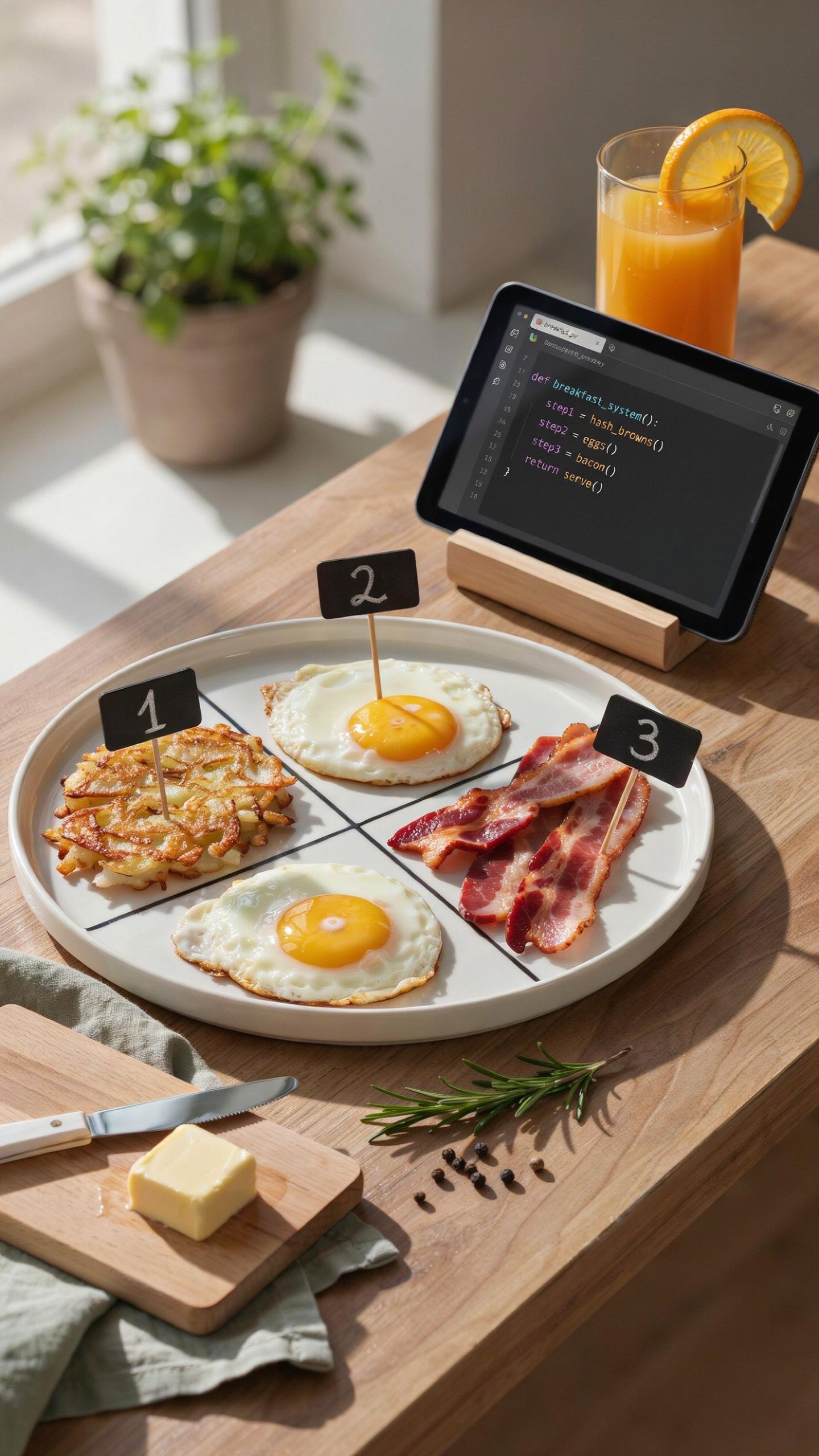
The standard approach is to fry everything hot in a cast iron. That’s fine for flavor and texture, but it’s wrong for nutrient density. Hash browns fried at 375 degrees lose significant choline compared to potatoes that hit 280 degrees for longer. Cook your ground beef low and slow first, then finish the hash at medium heat. Dice potatoes small so they cook through without prolonged heat exposure. Add eggs at the very end or poach them separately. The protocol is: sear the beef gently, soften the potatoes in low heat with fat, combine, finish without scorching.
Optimization Of Breakfast Meal Prep The Stoics Approach

Kitchen Workflow As Supply Chain
You want this to feel effortless because effortless signals competence. The real mechanism is borrowed from military logistics: a supply line only moves as fast as its slowest checkpoint. Your kitchen workflow has checkpoints too, and most people optimize the wrong ones.
Start by mapping prep in sequence, not by ingredient. Dice all proteins first. Then vegetables. Then combine. This isn’t about speed—it’s about eliminating context switching, which taxes your brain more than the actual work does. One task per station, one task per tool. You touch each container once.
What Shortcuts Actually Cost
The common advice says cut corners to save time. That’s incomplete. Economics has a term called opportunity cost: what you give up by choosing one option over another. Skipping a step in hash prep doesn’t save time—it redistributes it into lower-value work later.
- Skipping protein browning: You lose texture and flavor development. Reheating a steamed hash tastes like protein soup. This costs satisfaction, which costs consistency.
- Using pre-cut vegetables: Convenience costs freshness and structural integrity. Your hash turns to mush by day four instead of staying firm through day five.
- Not cooling properly before containers: Steam creates condensation. Moisture breeds mold and texture breakdown. You waste the entire batch and your money.
- Skipping seasoning at prep time: Underseasoned hash gets reheated and tastes flatter. You add salt during eating, which wastes precision and creates inconsistent portions.
- Mixing all containers at once: You can’t adjust ratios or swap components. Boredom hits by Wednesday and adherence breaks down completely.
The real cost of a shortcut isn’t time saved now—it’s consistency lost later. When your hash stays firm, tastes sharp, and stays fresh, you eat it. Do the work upfront or don’t do it at all.
The Long Game Sustainable Healthy High Protein Breakfast Habits

Flexibility Beats Perfection Every Time
You want a system that works forever because commitment anxiety keeps you searching for the perfect meal plan instead of just eating. The real mechanism here comes from systems design: build redundancy, not rigidity. Your high protein breakfast hash works best when you stop treating it like a prescription and start treating it like a template.
The template has fixed components: protein source, vegetable base, fat for satiety, carbs for energy. Everything else rotates. One week your hash uses ground turkey and sweet potato. The next week it’s sausage and regular potato. The hash itself doesn’t change. Your compliance does because you’re not bored. Flexibility is the load-bearing wall. Remove it and the whole structure collapses by week three.
The Anti Diet Approach Actually Works
Everyone preaches balance and moderation because it sounds intelligent. It’s actually just lazy. The real anti-diet move is the opposite: you commit hard to one thing, make it stupid easy, then you stop thinking about it. Your high protein breakfast hash becomes the non-negotiable. Everything else gets flexible.
This removes decision fatigue from the equation. You’re not choosing between oatmeal, eggs, yogurt, and a protein shake every morning. You made that choice once. Now you execute it. The mental energy you save gets redirected to work, relationships, actual meaningful decisions. The mechanism isn’t willpower. It’s elimination. Cook your hash on Sunday, eat it for five days, and watch how much easier the rest of your diet becomes because you’re not burning calories deciding what breakfast is.
The true obstacle isnt the recipe its your addiction to instant gratification

You want the result without the work. That’s the real problem. A high protein breakfast hash meal prep doesn’t fail because the recipe is hard. It fails because you’d rather grab a bagel than spend thirty minutes on Sunday cooking. Pick one day this week. Buy the ingredients. Cook the hash. Your future self either eats it or doesn’t, but at least you’ll know if you’re serious. The only difference between people who transform their body and people who talk about it is one Sunday afternoon.