
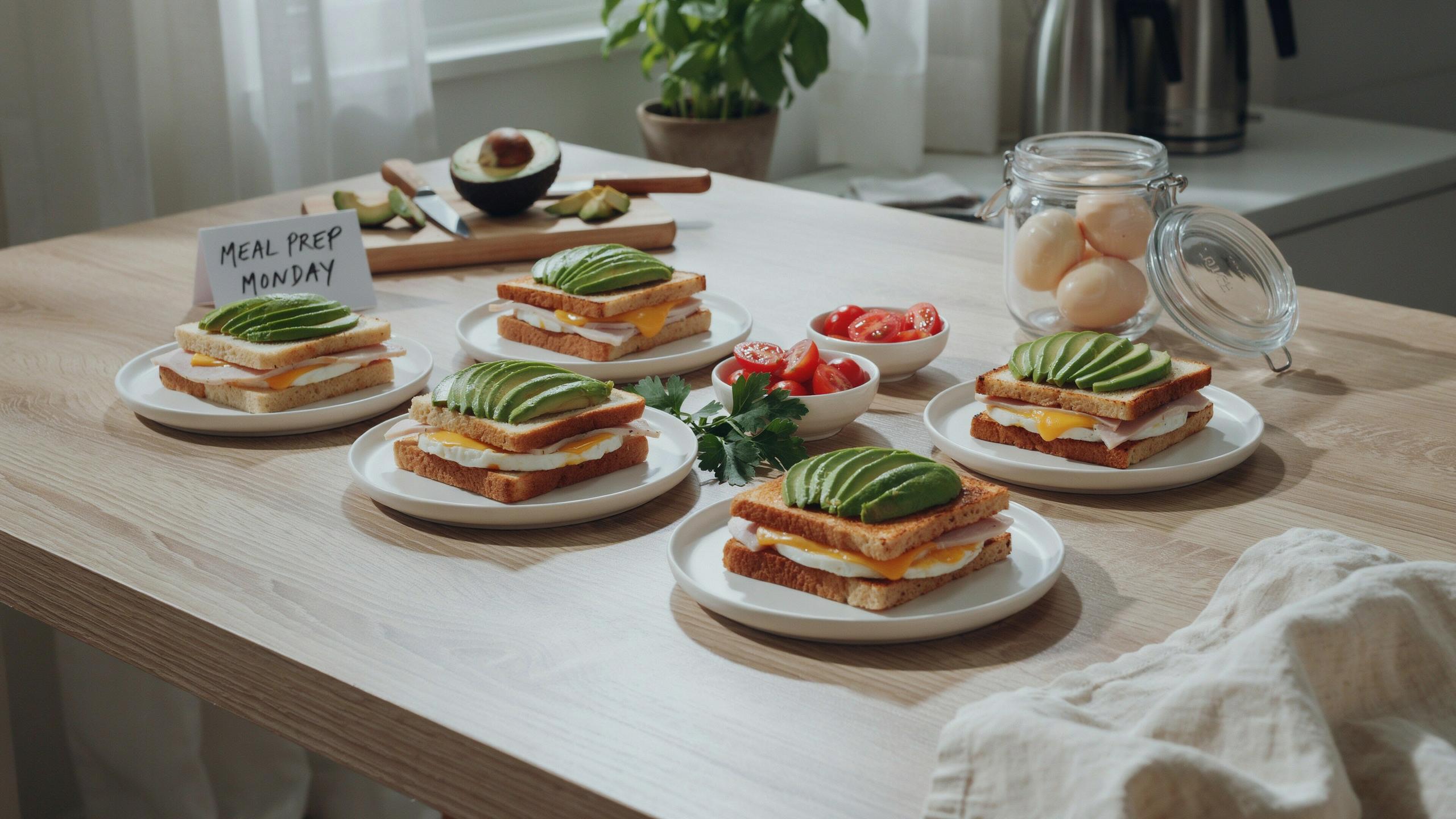
Beyond Healthy The Performance Driven Protein Breakfast Sandwich
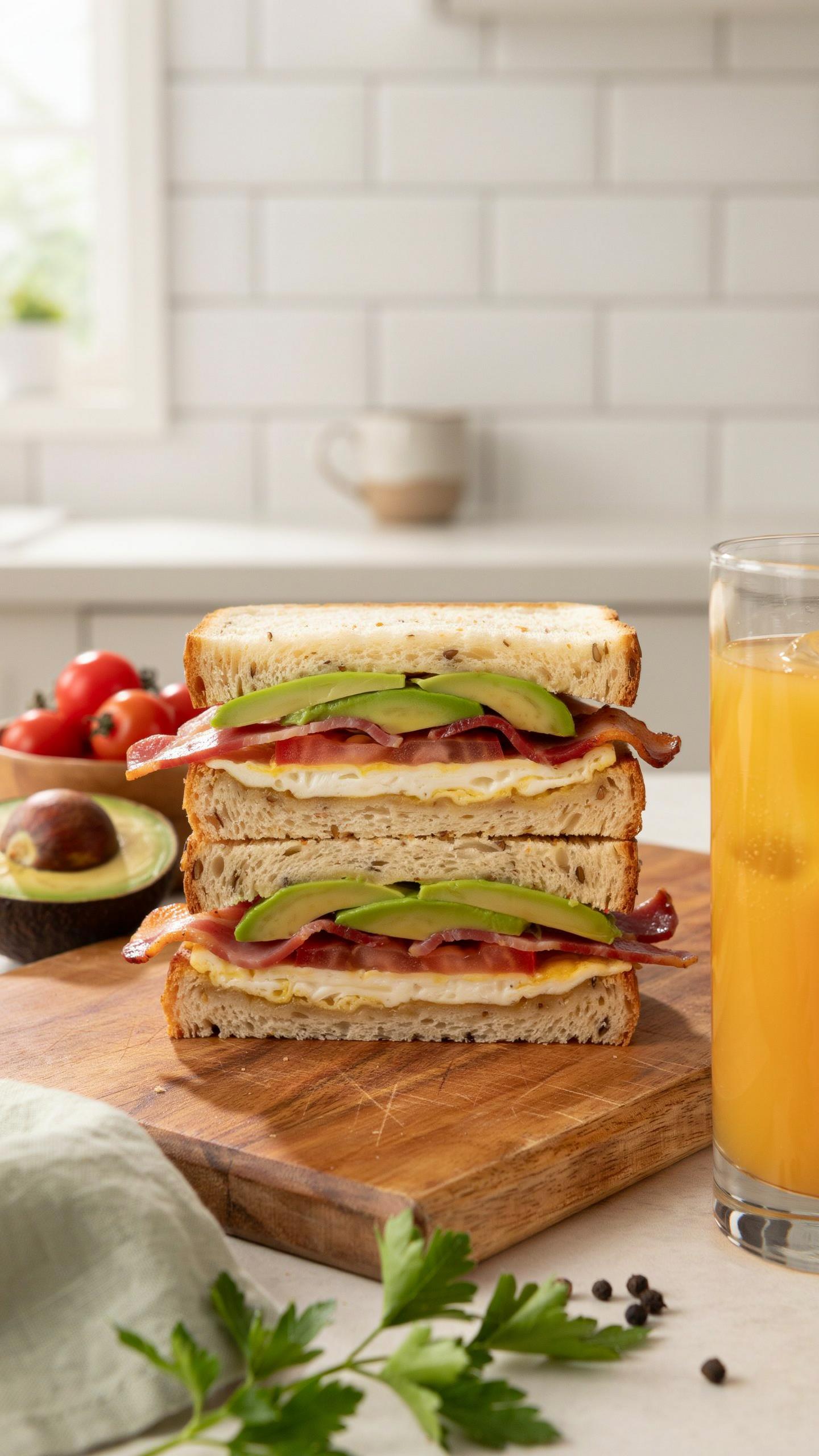
What “Healthy” Really Means You’re Avoiding
You want permission to stop feeling guilty about eating the same thing every day. That’s the real driver here. The mechanism is simple: “healthy” is marketing language that obscures the actual variable that matters for your output, which is nutrient density per calorie, not virtue signaling through food variety. Most breakfast advice treats food as moral choice instead of fuel input. A protein sandwich built on engineered macros beats a bowl of granola and yogurt every single time for sustained energy and muscle preservation, regardless of how the latter photograph on Instagram.

The difference isn’t subtle. Your body doesn’t care if your breakfast came from a juice cleanse or a frozen patty between two slices of bread. It cares about the amino acid profile hitting your bloodstream and whether your blood sugar stays stable for four hours. Meal prep works because consistency removes decision fatigue and guarantees your morning input matches your afternoon output demands. Build your sandwich around complete protein sources, not around what food media decided was trendy this quarter.
Precision Nutrition For Output
This applies the economics principle of input-to-output efficiency directly to breakfast architecture. You’re building a system where every component produces a measurable effect on your performance metrics, not your Instagram aesthetic. Protein intake at breakfast correlates directly with midday focus retention and reduced hunger hormones through lunch. The specific threshold matters: research shows 25 to 40 grams of protein at breakfast creates stable energy through a full work block, while typical breakfast carbs without that protein create a crash by 11 AM.

The math is mechanical. Eggs deliver complete amino acids at roughly 6 grams of protein per large egg. Two ounces of deli turkey adds 14 grams. One slice of whole grain bread adds 4 grams. Total: 24 grams before you add cheese. Hitting 30 to 35 grams per sandwich becomes your actual target, not “more protein is better.” Prep five of these on Sunday, store them in your fridge, and remove the guessing game from your morning. Protein structure also slows gastric emptying, which means your blood sugar rises slower and your satiety hormones trigger on schedule, keeping your energy flat instead of spiking and crashing.
The Anabolic Advantage Why Protein Dominates Your Morning
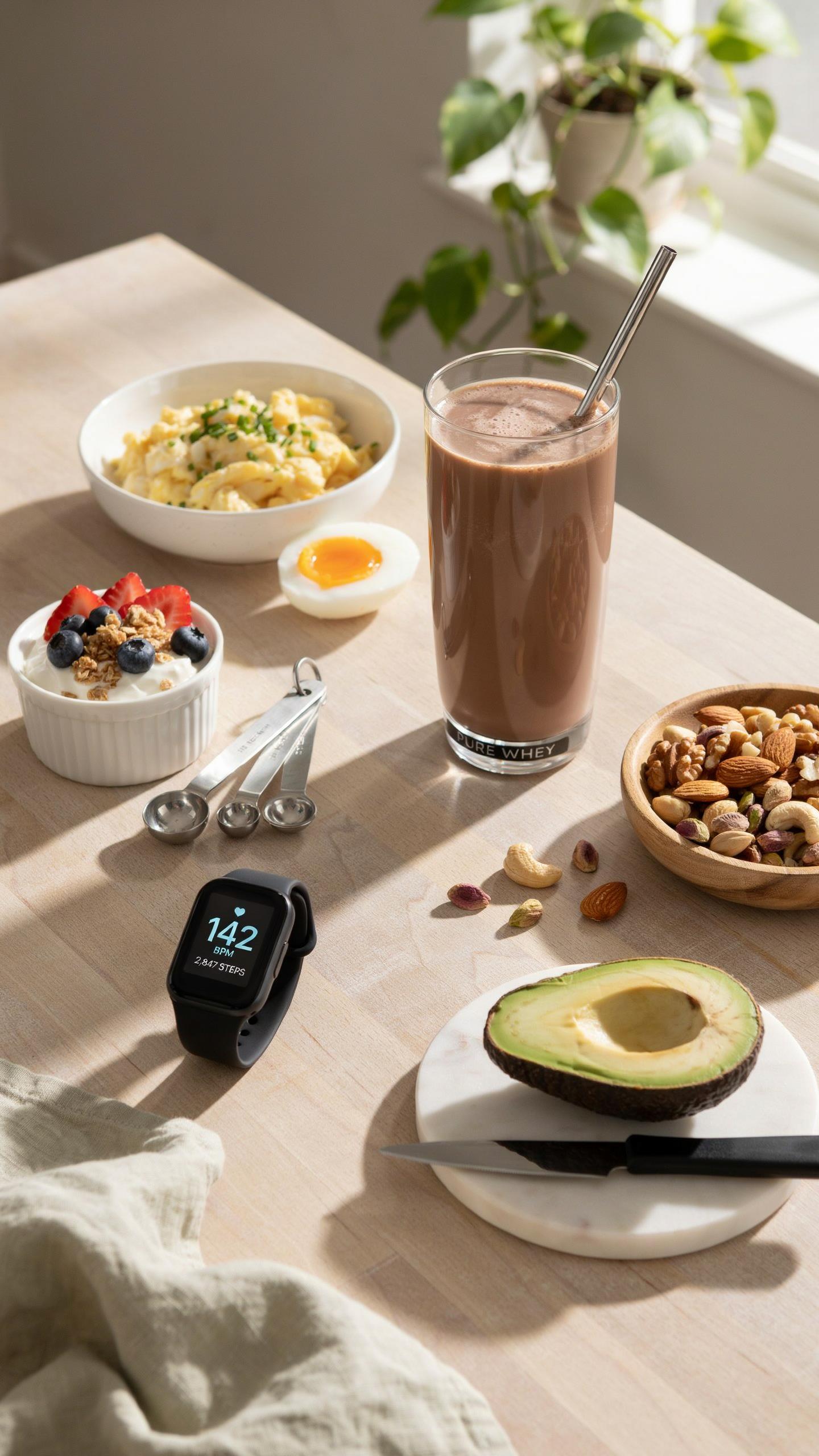
How Your Muscles Actually Build Themselves
You want muscle because muscle signals competence. Here’s what actually happens: muscle protein synthesis is the biological process where your body assembles amino acids into new muscle tissue. Think of it like construction—protein is both the worker and the material. Eating protein at breakfast doesn’t build muscle by itself. It provides the raw amino acids your body uses to repair and grow muscle fibers that were stressed during training. Timing matters less than total daily intake, but breakfast is when most people skip it entirely.
The window after waking is when your amino acid levels are lowest. Your body spent 8 hours without food. Breakfast protein stops the breakdown of existing muscle tissue and triggers the machinery for building new tissue. A high protein breakfast sandwich—40 to 50 grams—shifts your body from a catabolic state into an anabolic one. This isn’t about feeling full. This is about preventing muscle loss and creating conditions for growth.
Satiety That Lasts Until Lunch
Everyone says protein keeps you full. That’s true but incomplete. Protein triggers three satiety mechanisms your body actually uses: it requires the most energy to digest, it activates specific appetite-suppressing hormones like peptide YY, and it takes longer to move through your digestive system than carbs. A high protein breakfast sandwich delays stomach emptying. You don’t feel hungry at 11 AM because your body is still processing the meal, not because protein is magic.
Most people blame willpower for mid-morning snacking. The real problem is breakfast carbs without protein. Toast and jam spike blood sugar, trigger insulin, then crash two hours later. Your body interprets the crash as a food shortage and demands more calories. A sandwich with 40 grams of protein and whole grain bread maintains stable blood glucose and extends satiety by 4 to 5 hours. The mechanism is biochemical, not psychological. Prep one sandwich the night before and you’ve eliminated the decision to snack.
The Cognitive Fuel Protocol Engineering Your Brain With High Protein Breakfast

Amino Acids As Neurotransmitter Raw Material
You want to feel sharp at 10 AM because you’re terrified of looking slow in front of people who matter. Here’s what actually happens: your brain runs on neurotransmitters, and neurotransmitters run on amino acids. Protein isn’t just muscle fuel—it’s the precursor material your nervous system needs to manufacture dopamine, norepinephrine, and serotonin. A high protein breakfast sandwich delivers this raw material directly. Skip protein and your brain defaults to whatever baseline neurotransmitter capacity you have left from yesterday. That’s not strategy, that’s drift.
Tyrosine and tryptophan are the two amino acids that matter most for morning cognition. Tyrosine builds dopamine and norepinephrine, the neurotransmitters responsible for focus and motivation. Tryptophan builds serotonin, which stabilizes mood and prevents the crash. A breakfast sandwich with 30-40 grams of protein from eggs, turkey, or lean beef gives you both in meaningful quantities. You’re not just eating breakfast. You’re stocking your neurotransmitter factory before the workday demands spike. The protein hits your system within two hours, and your cognitive performance follows.
Stable Blood Sugar Equals Unbroken Focus
Everyone says “don’t spike your blood sugar,” then they eat a bagel and wonder why they crash. The real mechanism is simpler: blood sugar swings create cognitive noise. When glucose spikes and crashes, your prefrontal cortex—the part that makes decisions and maintains attention—has to work harder to compensate. Your brain perceives this as threat, redirects resources, and you feel foggy. High protein breakfasts prevent this by slowing glucose absorption. Fat and fiber help, but protein is the primary governor.
A 30-40 gram protein breakfast sandwich with whole grain bread and one serving of fat (cheese, mayo, avocado) creates a steady glucose release over four to five hours. No spike, no crash, no cognitive noise. Your blood sugar stays flat. Your attention stays where you put it. This isn’t motivation or willpower—it’s physiology. When you prep these sandwiches and eat the same one every workday, you eliminate the variable. Your brain performs at baseline consistently instead of swinging between sharp and useless depending on what you grabbed first.
Deconstructing The High Protein Breakfast Sandwich Essential Components
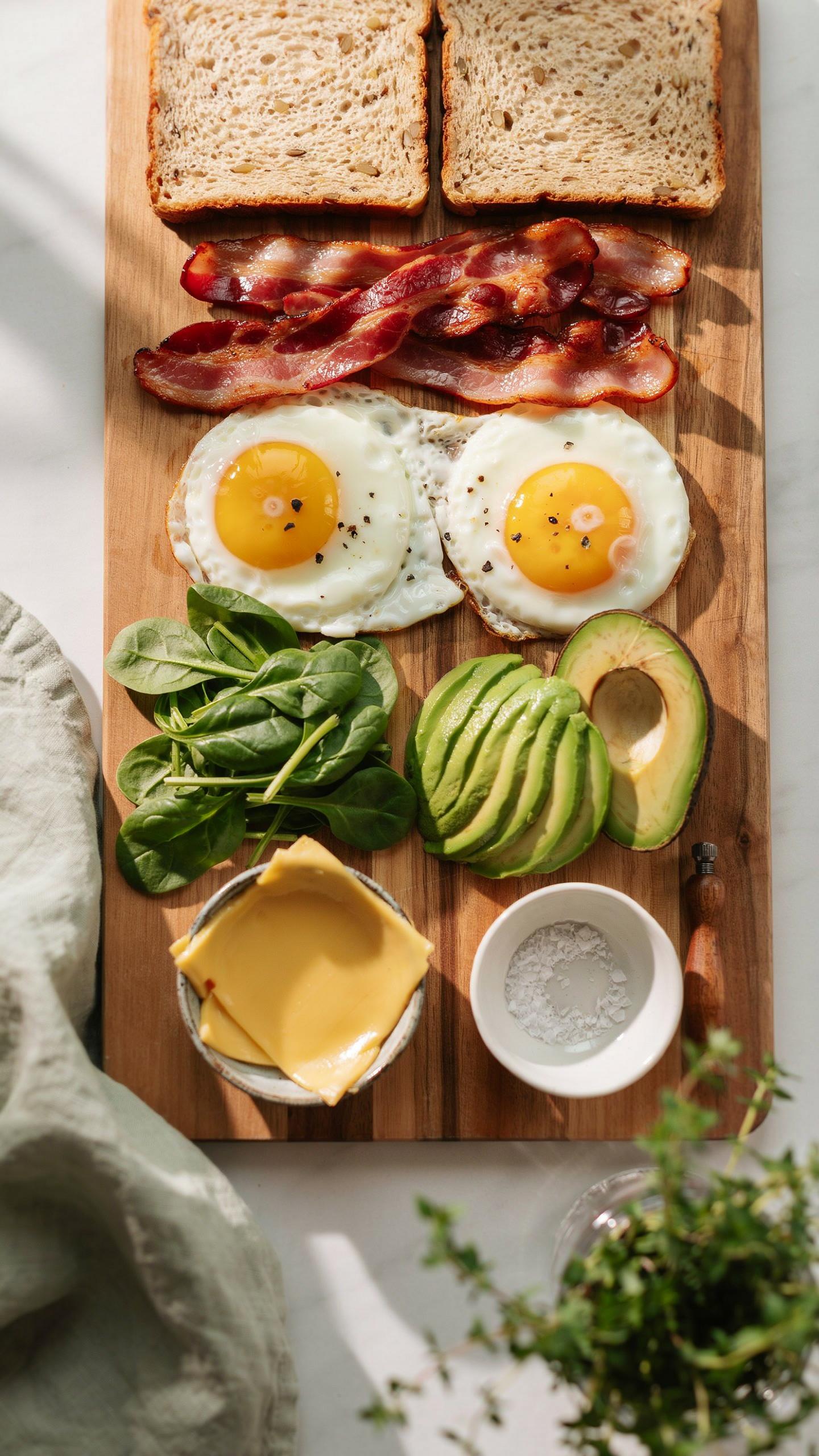
Protein Sources That Actually Work
You want the protein count to look impressive on your nutrition label, but what you really want is satiety that lasts until lunch without blood sugar crashes. Here’s what matters: pick proteins with high thermic effect and minimal processing overhead. Your body burns calories digesting protein itself, which means you’re not just eating fuel, you’re eating a metabolic event.
Egg-based proteins dominate breakfast sandwiches because they’re shelf-stable when hard-boiled, absorb flavor quickly, and pack roughly 6 grams of protein per large egg. Turkey sausage patties deliver 10-12 grams per patty with lower fat than pork alternatives. Canadian bacon strips offer 6-8 grams per slice and won’t spoil your prep container like regular bacon does. Greek yogurt isn’t a sandwich protein on its own, but mixing it into egg salad stretches your protein volume while keeping moisture levels controlled. The mechanism here is simple: denser proteins require more chewing and digest slower, which triggers satiety signals your brain actually respects.
Carriers And Fat Balance That Won’t Spike You
Bread choice determines whether your sandwich sustains you or betrays you two hours later. Whole grain bread contains fiber that slows carbohydrate absorption, but fiber alone doesn’t prevent the glucose spike if your carrier carbs exceed 30-40 grams per sandwich. Using economics terminology, you’re managing your caloric spending across the entire sandwich structure to maximize the return on satiety.
Sourdough fermentation actually breaks down some of the starches naturally, which lowers the glycemic load compared to standard sandwich bread. Sprouted grain bread increases nutrient bioavailability and lowers phytic acid, so your body absorbs minerals more efficiently. Adding fat sources like avocado slices or full-fat cheese slows carbohydrate digestion mechanically, creating a buffer between the bread’s glucose and your bloodstream. Pair your chosen carrier with at least 8-10 grams of fat per sandwich to flatten the blood sugar curve, then store your sandwiches in parchment paper to prevent the bread from absorbing moisture and becoming a dense brick by Wednesday.
The Time Leverage Method Smart Protein Breakfast Sandwich Prep

Cook Once, Eat Multiple Days
You want to feel productive without actually changing your behavior. Here’s what matters: batch cooking isn’t about cooking more. It’s about cooking strategically. Think of time leverage like compound interest in physics—you apply force once, and the returns compound across multiple days. Cook your protein components on Sunday. Cook chicken breasts, turkey sausage patties, or bacon strips all at once. Store each in its own container. This removes the decision point every morning and eliminates the bottleneck that kills meal prep compliance.
The real mechanism: separate your cooking from your assembly. Most people cook and assemble the same day, which burns mental energy twice. Instead, cook proteins only on prep day. Assemble sandwiches fresh each morning in under three minutes. Your morning brain doesn’t have to solve the “what protein do I use” question. It’s already solved. This is why people who batch cook proteins stick to breakfast sandwiches. The friction drops below the threshold where they skip it.
Freeze, Thaw, Reheat In Sequence
Everyone gets freezing wrong. The common advice says freeze fully assembled sandwiches. That’s incomplete because bread absorbs moisture during thawing and becomes soggy. Freeze only the protein components in airtight containers at zero degrees Fahrenheit or below. Proteins like cooked chicken, sausage, and bacon hold their texture through freeze cycles better than bread does. Thaw in the refrigerator overnight, never at room temperature. Cold thawing takes time but prevents bacterial multiplication and maintains protein structure.
Reheat the thawed protein component only, not the full sandwich. Thirty seconds in a skillet or microwave restores warmth without overcooking. Assemble on fresh bread or a toasted English muffin while the protein is still hot. This takes the total morning time to under four minutes. The sandwich tastes fresh because the bread never touched freezer air. You eat it the morning you thaw it, not three days after prep day when ice crystals have compromised texture.
Beyond The Egg Advanced Protein Breakfast Sandwich Combinations

Proteins Beyond The Standard
You want to sound like you know something others don’t. That’s the real pull here. The mechanism is simple: most people default to eggs because they’re visible and familiar, which means the actual protein-dense alternatives get ignored despite performing better on satiation metrics and prep efficiency.
Canned fish outperforms eggs on protein density per ounce. Sardines pack 25 grams of protein in a 3.75-ounce can with zero cooking required. Smoked salmon delivers 20 grams per 3-ounce serving plus omega-3s that regulate hunger hormones. Greek yogurt, often dismissed as breakfast bowl material, works structurally on bread when you drain it for 2 hours minimum to remove whey. The texture becomes spreadable without watering down your sandwich. Ground turkey or lean ground beef prepped in bulk on Sunday requires one pan, one seasoning pass, and delivers 28 grams per quarter-pound serving with no handling waste.
Rotisserie chicken breast is the overlooked winner. You buy it pre-cooked, shred it in five minutes, and get 35 grams of protein per 3.5-ounce portion. Most people never consider it for sandwiches because they’ve mentally categorized it as dinner food. This categorization is arbitrary and costs you prep time. Build your protein rotation around whatever requires the least active cooking time, then varies enough to prevent taste fatigue across the work week.
Flavor Stacking Without Complexity
Borrowing from culinary chemistry: saturation is the principle where adding a third flavor element stops your palate from detecting individual components and instead creates a unified taste. Most breakfast sandwich builders add toppings, then wonder why the sandwich tastes flat. They’re oversaturating with weak flavors instead of creating opposition.
Acid cuts fat. Fat carries flavor. Heat opens receptors. You stack these. Smoked salmon plus dill plus lemon juice on toasted bread hits all three. Sardines in olive oil plus red onion plus whole grain mustard does the same. Ground turkey plus sriracha plus fresh cilantro on toasted everything bagel creates contrast instead of monotony. The common advice is to “add vegetables for nutrition.” That misses the mechanism. Vegetables should earn their spot through flavor opposition, not guilt-based inclusion. Crisp cucumber provides textural contrast to dense protein. Peppery arugula cuts through fat. Charred red onion adds sulfur notes that make other flavors pop.
Prep your flavor components separately and assemble cold sandwiches fresh each morning in 90 seconds, or assemble and wrap the night before so flavors integrate without sogginess. The second method works because bread absorbs moisture slowly over 8 hours without reaching the waterlogged threshold that occurs in 24 hours. Document which combinations you reach for twice in one week, then batch-prep only those.
The Antifragile Breakfast Building Resilience With Your Protein Egg Sandwich
Your Body Needs Predictable Fuel
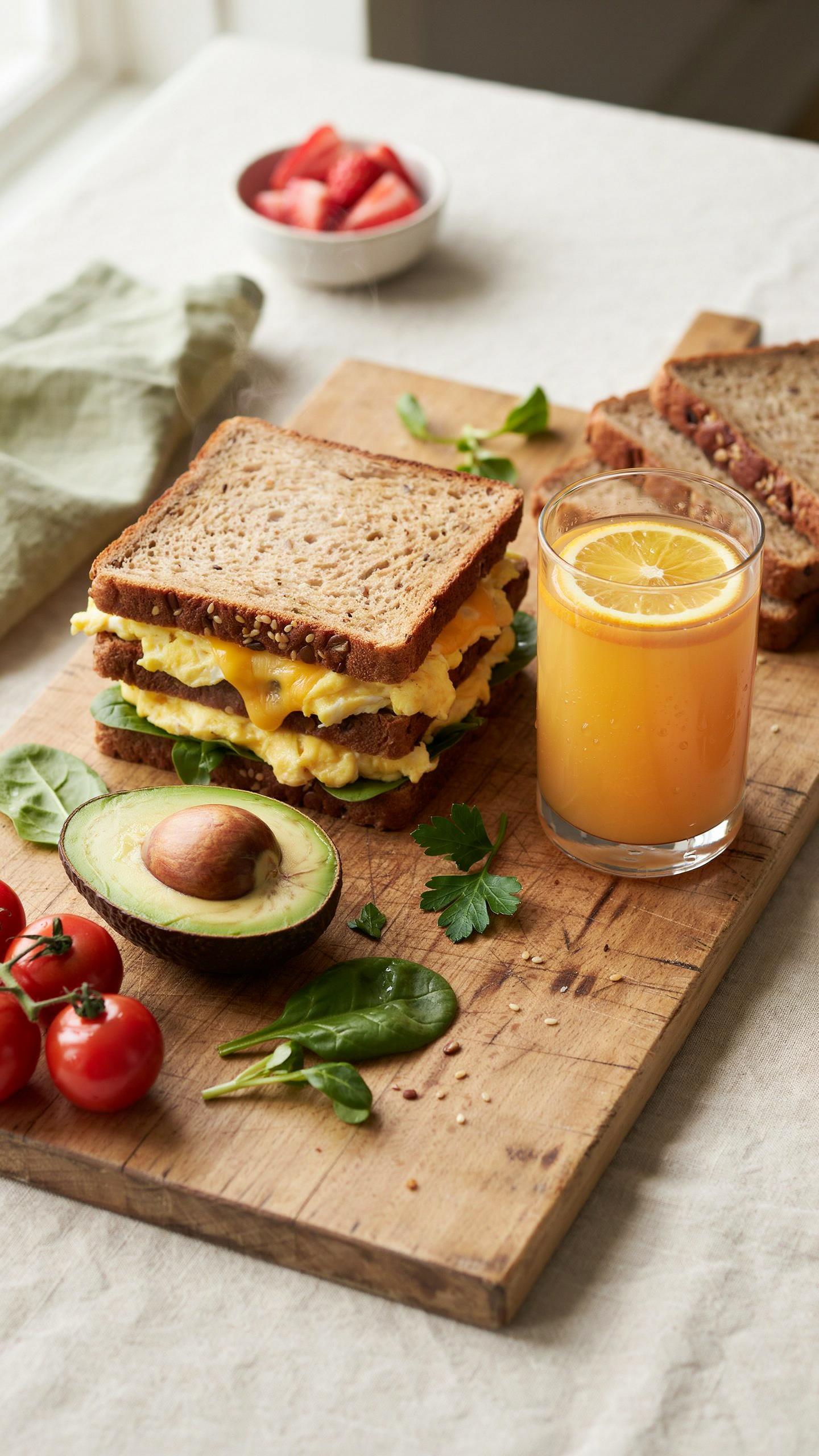
You want to feel stable at 10 AM instead of crashing. Here’s the mechanism: evolutionary biology shows that humans evolved on inconsistent calorie intake, but your modern brain runs on glucose consistency. A protein egg sandwich creates what biologists call “dietary resilience”—the ability to absorb metabolic stress without breaking down. When you eat 25-35g of protein with complex carbs and fat, you’re not just eating breakfast. You’re installing a buffer against blood sugar volatility that keeps your nervous system from triggering fight-or-flight responses mid-meeting.
The mechanism works because protein digests slower than carbs alone. Eggs contain leucine, an amino acid that directly signals satiety to your brain. Combined with the fat in the yolk and a whole grain bread base, this sandwich delays gastric emptying. Your stomach releases food into your intestines gradually instead of in a dump, which means steady glucose absorption and zero insulin spike. This is why people who prep these sandwiches report stable energy until lunch. The alternative—cereal, toast, pastries—triggers a blood sugar spike followed by a crash that neurotransmitters amplify into perceived hunger at 9:30 AM.
Metabolic Consistency Beats Willpower
Stop thinking about breakfast as a reward or a choice. Treat it like infrastructure. Your metabolism doesn’t adapt to variety—it adapts to repetition. When you eat the same high-protein sandwich five days in a row, your digestive system learns the incoming fuel pattern and optimizes enzyme production. Your pancreas reduces insulin secretion because it expects stable protein and fat arrival. Your gut bacteria shift to favor species that thrive on consistent protein and fiber, which improves nutrient absorption overall.
This is why meal prep works and “flexible eating” fails for most people. Prep one sandwich formula on Sunday. Make five copies. Consistency triggers metabolic efficiency far faster than rotating options ever will. Your body enters a state where digestion requires less energy expenditure, leaving more glucose available for cognitive work. After two weeks of the same sandwich, you’ll notice your afternoon focus sharpens. That’s not placebo—your metabolic machinery has adapted to predictable fuel delivery. This adaptation is why prepped meals matter: you’re not fighting your biology weekly, you’re working with it.
Common Traps What To Avoid In Your Protein Breakfast Sandwich Meal Prep
The Sugar And Oil Problem
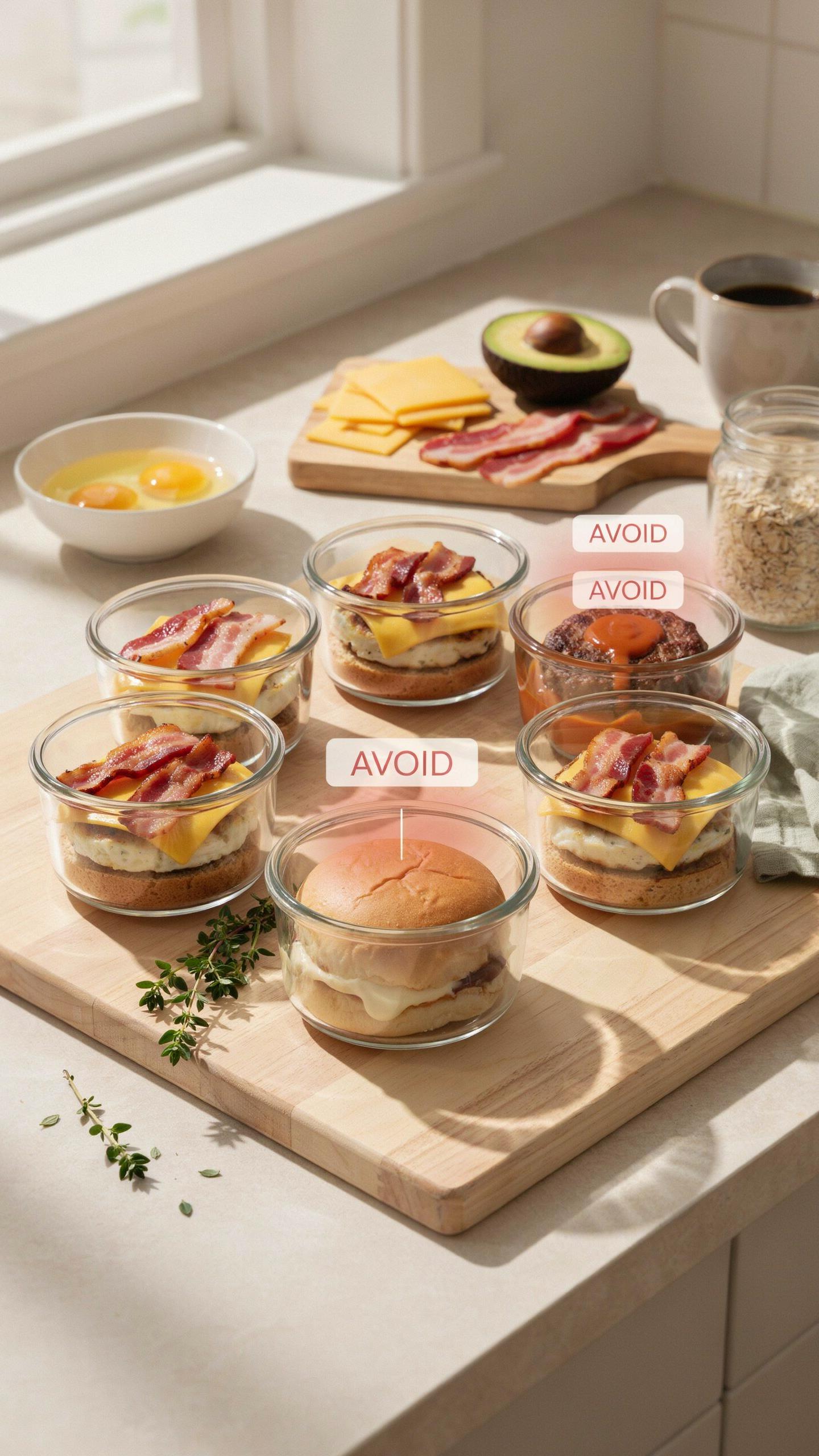
You want to believe your prep is clean. That’s the real fear underneath this section—that you’re already failing before you start. Here’s the mechanism: yogurt-based spreads and “healthy” condiments hide 4-8 grams of added sugar per serving. Bread manufacturers use seed oils because they’re cheap and extend shelf life. Neither makes your sandwich worse on day one. Both degrade your energy stability by day three when you’re eating the prepped batch.
The trap isn’t obvious because the sandwich still tastes fine and the label marketing points to protein content. Vegetable oils oxidize in storage, especially when exposed to moisture from wet ingredients like eggs or tomatoes. This oxidation triggers a low-grade inflammatory response your body notices as afternoon energy crashes. Skip the flavored Greek yogurt spreads. Use plain Greek yogurt mixed with mustard. Choose bread with olive oil or no added oil. Check your mayonnaise ingredient list—most commercial brands use soybean oil; Hellmann’s and Duke’s make versions with avocado oil.
Ingredient Quality Determines Shelf Stability
Economics teaches us about input costs. Breakfast sandwiches work like supply chains—your output quality depends entirely on input selection. Cheap deli meat contains phosphates and sodium nitrite that speed oxidation and create off-flavors by day four. High-quality deli meat from a butcher counter or brands like Hempler’s or Applegate costs more upfront but stays fresh longer and doesn’t taste metallic after refrigeration.
Eggs from pasture-raised hens have stronger membranes and thicker yolks that hold up better during prep and reheating. Cheese matters too—real cheddar from a block stays stable longer than pre-sliced varieties wrapped in cellulose. Your prep window determines your sourcing: if you’re eating these sandwiches within two days, standard supermarket ingredients work fine. Beyond that, upgrade the protein sources. Budget ten dollars more per week for quality. Get the shelf life extension you actually need.
Your Weekly Blueprint High Protein Breakfast Sandwich Meal Prep Plan
The Sunday Cook Session
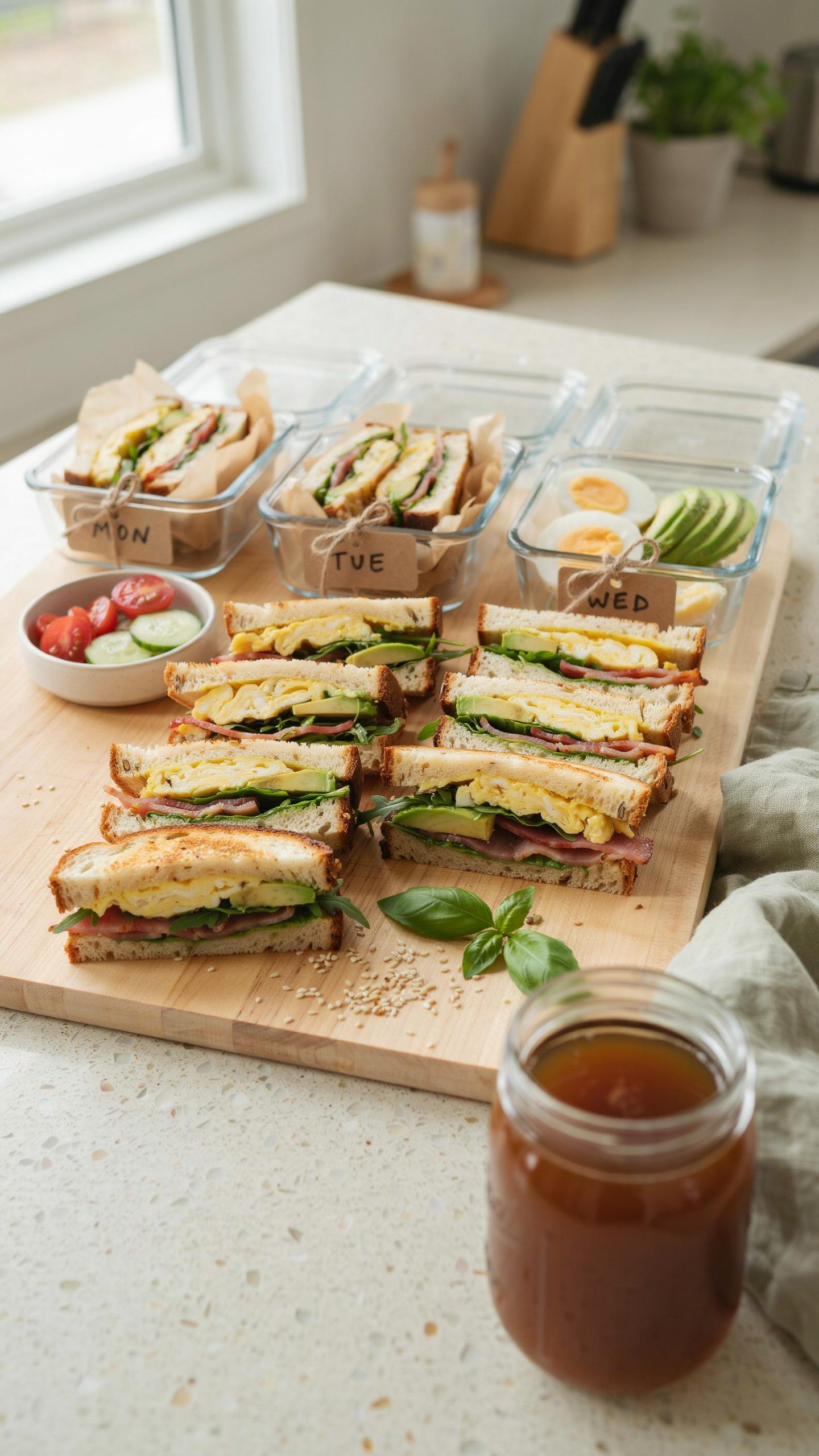
You want this section because you’re hoping a system exists that makes mornings frictionless. Here’s the mechanism: meal prep works because it removes the decision at the moment you’re weakest. Treat prep like inventory management from supply chain logistics. You’re not cooking breakfast seven times. You’re manufacturing a standardized product once, then distributing it across the week. The difference between those two framings changes whether you actually do it.
Block two hours on Sunday. Cook proteins first: grill chicken breasts, bake bacon strips, cook sausage patties. While proteins rest, toast bread or English muffins. Assemble sandwiches on a clean counter in an assembly line, not one at a time. This rhythmic repetition cuts your total time by 30 percent compared to scattered cooking throughout the week. Stack finished sandwiches in a shallow container with parchment between layers to prevent sticking.
- Proteins to cook Sunday: Grill or bake chicken breasts whole, lay bacon flat on sheet pans for even cooking, brown ground turkey in bulk for crumbled texture options.
- Bread choices: English muffins toast evenly and store longer than regular bread, whole wheat bagels hold fillings better, sourdough resists moisture longer than white bread.
- Assembly order: Layer cheese first to create a moisture barrier, add proteins second, vegetables last so they don’t wilt into bread, wrap immediately in foil.
- Storage containers: Use 6-inch square containers to stack sandwiches flat, line with parchment to prevent condensation buildup, keep wrapped sandwiches at 40 degrees or below.
- Timing your cook: Start proteins at 12:00 PM, finish toasting by 1:15 PM, complete assembly by 2:00 PM to account for cooling and wrapping time.
This system eliminates the “what do I eat” question before work. You grab the sandwich, eat it, and move on. No willpower required because no choice exists at decision time.
Shopping List And Quantity Estimates
Most people estimate protein quantities wrong because they don’t track actual consumption. Buy four pounds of chicken breast for four sandwiches per week. That’s one pound per sandwich, accounting for moisture loss during cooking and the actual weight of cooked protein you need for satiety. Buy two dozen eggs if you’re also making egg-based sandwiches. A dozen large eggs yields roughly eight sandwiches with two eggs per sandwich, so redundancy matters when meal prep fails halfway through the week.
Cheese requires one pound for five weeks of sandwiches at two ounces per sandwich. Bread calculations depend on density: five loaves of regular bread per week, or two packages of English muffins for the same seven sandwiches. Buy bacon by the case if your store sells it. One case yields roughly four pounds, which translates to 28 slices or four sandwiches with seven slices each. Vegetables matter less for protein targets but buy fresh greens, tomatoes, and onions the same day you prep. They deteriorate fastest and will rot in your drawer if you prep them too early in the week.
The ROI Of A Protein Breakfast Compounding Daily Gains

Energy And Focus Returns Compound Like Interest
You want the edge without admitting you’re behind. Here’s the mechanism: protein stabilizes blood glucose, which controls cortisol and dopamine availability throughout your morning. Economics calls this “compounding returns” because small daily gains stack. A 40-gram protein breakfast sandwich prevents the 11 AM crash that kills focus and decision quality. That’s not motivation talk. That’s glucose biochemistry.
The difference between a carb-only breakfast and a protein sandwich shows up in sustained attention within 90 minutes. Your prefrontal cortex runs on stable glucose. Protein slows carbohydrate absorption, extending the energy plateau instead of creating the spike-and-crash cycle that kills productivity. You don’t feel it as inspiration. You feel it as fewer decisions needed to stay on task. That’s the ROI: reclaimed mental cycles you were already losing.
Long Term Health Compounds Into Unearned Advantage
Muscle tissue burns calories at rest. That’s not new information, but here’s what gets skipped: consistent protein intake at breakfast establishes a metabolic baseline that improves your health trajectory over years, not weeks. Most people optimize for the wrong timeline and quit before the mechanism pays out. A 40-gram protein breakfast sandwich becomes the non-negotiable anchor that keeps your protein total high enough to preserve muscle mass while aging.
The compounding happens silently. After two years of consistent protein breakfast prep, your body composition, insulin sensitivity, and recovery capacity outpace peers who never committed to the protocol. You’re not special. You just removed the friction. Meal prep eliminates the daily decision of whether to eat protein in the morning. Stack that small decision removal across 730 days and you’ve built an unfair advantage that looks effortless from the outside. The protocol: prep five sandwiches every Sunday, store them in separate containers, and eat one before 10 AM without exception.
Your true obstacle isnt hunger its the illusion that basic sustenance equates to optimized performance

Most people treat breakfast like an afterthought. They grab whatever sits closest and wonder why their energy crashes by 10 AM. High protein breakfast sandwiches aren’t a trend. They’re fuel engineering. Your brain doesn’t care about your intentions. It cares about what you actually eat. Spend two hours this Sunday making five sandwiches. Grab one tomorrow. Watch what happens to your focus, your hunger, your entire day. You’ll never go back to chaos.