
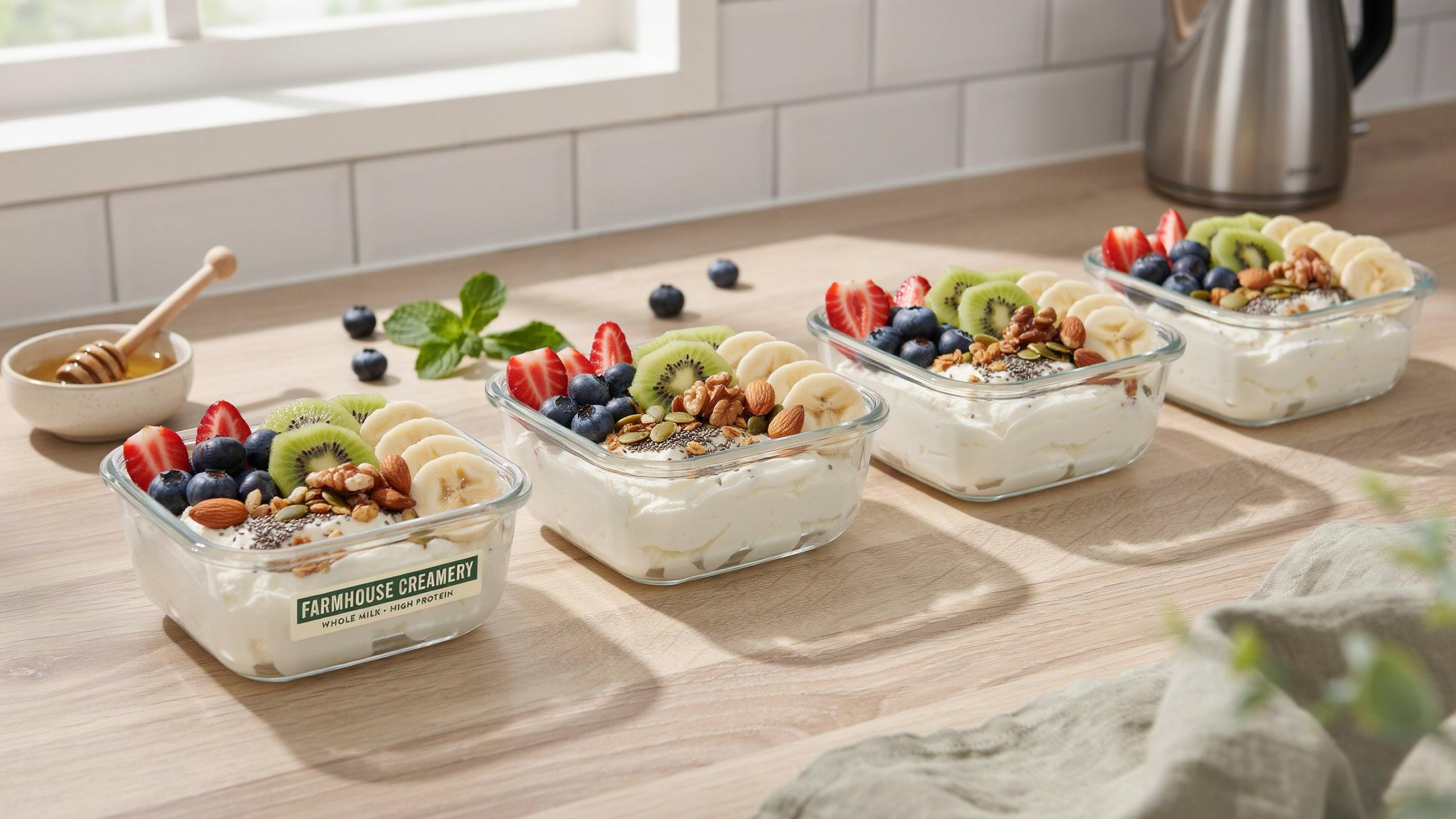
The Glycemic Control Protocol Beyond Basic High Protein Cottage Cheese Breakfast
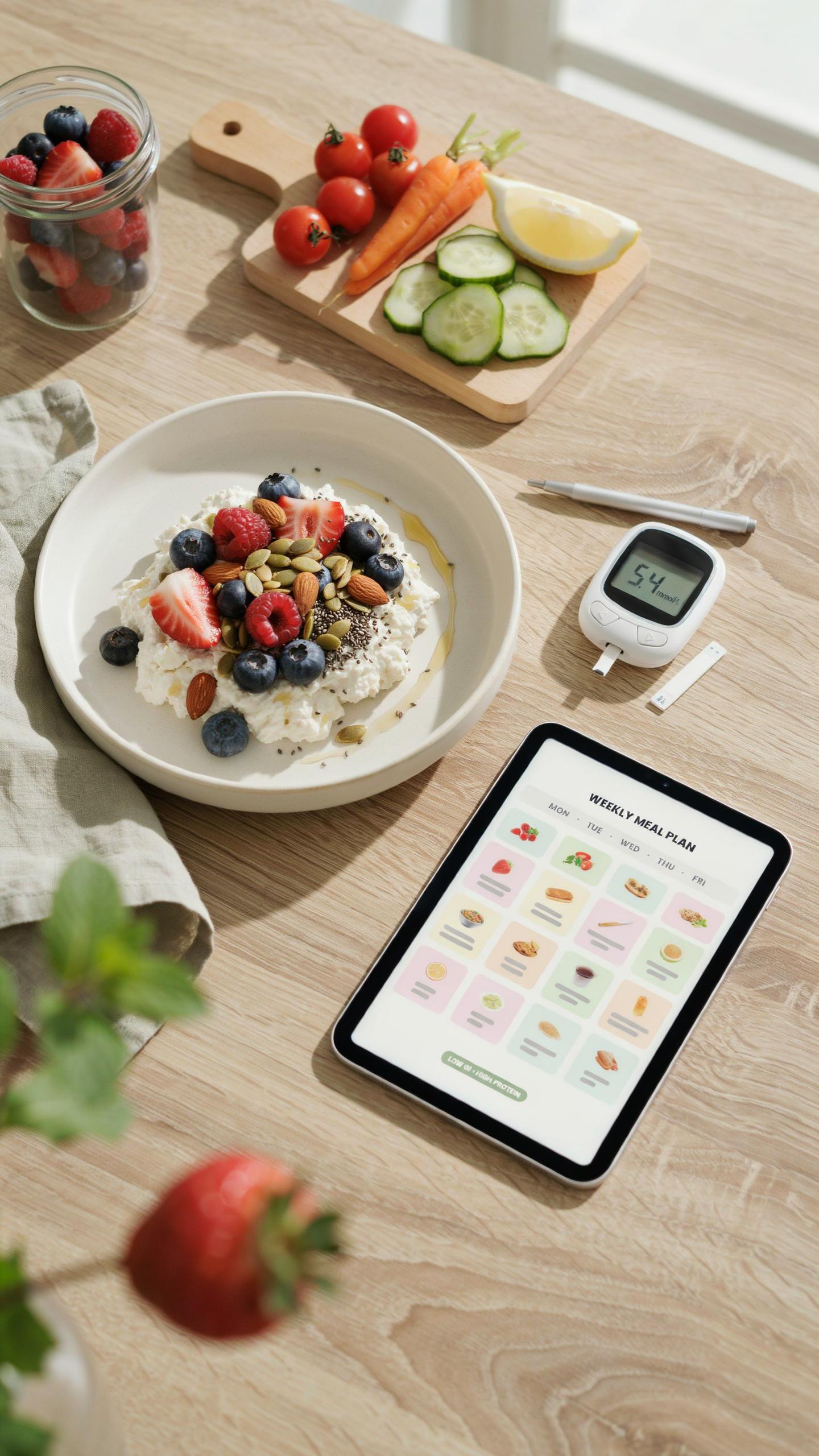
Why Blood Sugar Stability Matters Before 10am
You want energy without feeling like you’re managing a medical condition by noon. Blood sugar control is a thermostat problem, not a willpower problem. Your breakfast macronutrient ratio functions like a thermostat’s sensor: it either prevents temperature swings or guarantees them. Most people eat carbs alone at breakfast, spike insulin, then crash hard. Cottage cheese changes this equation because the casein protein digests slowly, releasing amino acids steadily for hours. Pair it with fiber and minimal refined carbs, and you’ve eliminated the spike entirely.

The mechanism is straightforward. Protein slows gastric emptying, meaning food stays in your stomach longer before hitting your bloodstream. Fat does the same thing. When cottage cheese sits alongside berries and nuts, glucose enters your blood gradually instead of flooding it. Your pancreas doesn’t overreact with excess insulin. Blood sugar stays in the 90 to 120 range instead of spiking to 140 and crashing to 70. Stable blood sugar means steady dopamine and sustained focus. This is why the meal works as prep: you’re not hunting for snacks by 9:30am because your fuel supply never depleted.
The Mid Morning Crash Is A Macronutrient Ratio Problem
Most advice says eat protein and you’re fine. That’s incomplete. The real enemy is the carb-to-protein ratio at breakfast, not just hitting a protein target. A typical 8-ounce cottage cheese bowl with granola and fruit can easily become 15g protein, 50g carbs, and 8g fat. That ratio invites a crash because carbs outweigh the braking mechanisms. The insulin response still happens, just delayed enough that you feel okay for ninety minutes.

Fix the ratio deliberately. Aim for a 1:1 or even 2:1 protein-to-carb ratio in grams. An 8-ounce cottage cheese serving gives you 28g protein. Add 15 grams of carbs from berries and nuts, and you’re at roughly 2:1. Add one tablespoon of almond butter for fat. This ratio holds blood sugar flat because the fiber and fat slow carb absorption while protein triggers glucagon, which counteracts insulin. You stop the crash before it starts by building the bowl with actual numbers, not feelings.
Cottage Cheese Breakfast Bowls Bio Optimization Not Just Food
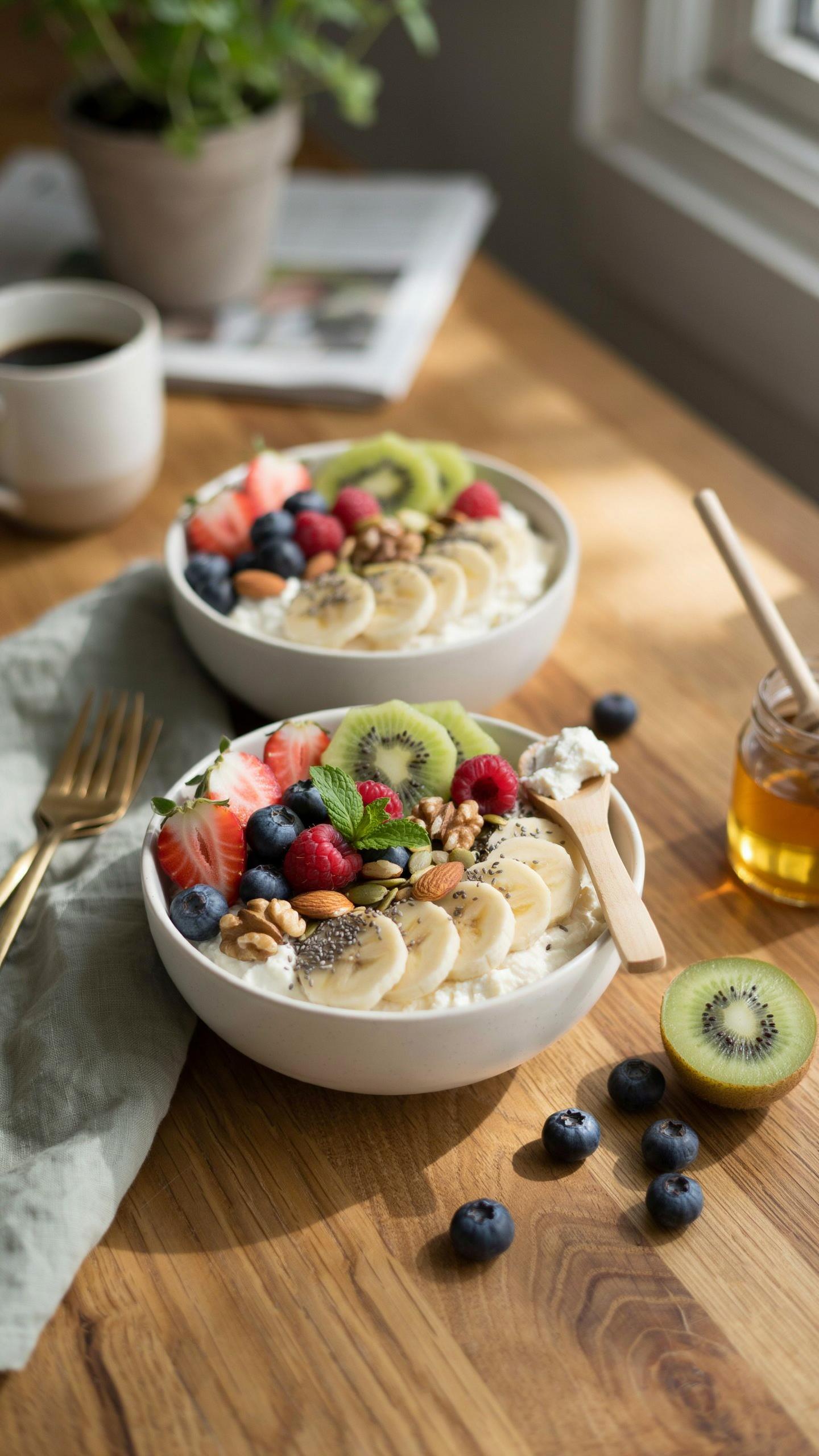
Why Protein Actually Controls Your Morning
You want to feel sharp and in control of your day, and you’re hoping breakfast is the lever. Here’s what actually happens: protein triggers satiety through mechanoreceptors in your stomach and CCK hormone release in your small intestine. Cottage cheese delivers casein and whey, both slow and fast absorption pathways. This dual mechanism means you stop hunting for food by 10 AM instead of crashing at 9:30.
The math is simple. A 150-gram serving of cottage cheese contains roughly 28 grams of protein. That’s enough to suppress ghrelin (your hunger hormone) for 4-5 hours without blood sugar volatility that comes from carb-heavy breakfasts. Muscle synthesis also accelerates when you consume protein within the first two hours of waking because amino acid availability meets elevated cortisol and growth hormone levels. You’re not just eating. You’re timing a biological window.
Nutrient Density Shapes Cognition Before Noon
Cognitive function depends on micronutrient cofactors your brain uses to synthesize neurotransmitters and maintain mitochondrial ATP production. Most breakfast advice ignores this entirely and focuses only on calories. Cottage cheese contains selenium for glutathione peroxidase activity, phosphorus for ATP synthesis, and B12 for myelin formation. Pair it with berries for polyphenols, nuts for magnesium, and you’ve engineered a breakfast that doesn’t just fill your stomach.
Your prefrontal cortex demands stable glucose and consistent micronutrient availability to maintain executive function through decision-making tasks. Adding a specific protocol: combine 150g cottage cheese with a quarter cup of almonds (magnesium, vitamin E), half cup blueberries (anthocyanins), and 10 grams of ground flaxseed (ALA for neuroinflammation). Prep this in glass containers Sunday through Thursday. This combination prevents the dopamine crash that hits most people by mid-morning.
The Metabolic Compound Interest Method Cottage Cheese High Protein Breakfast Ideas
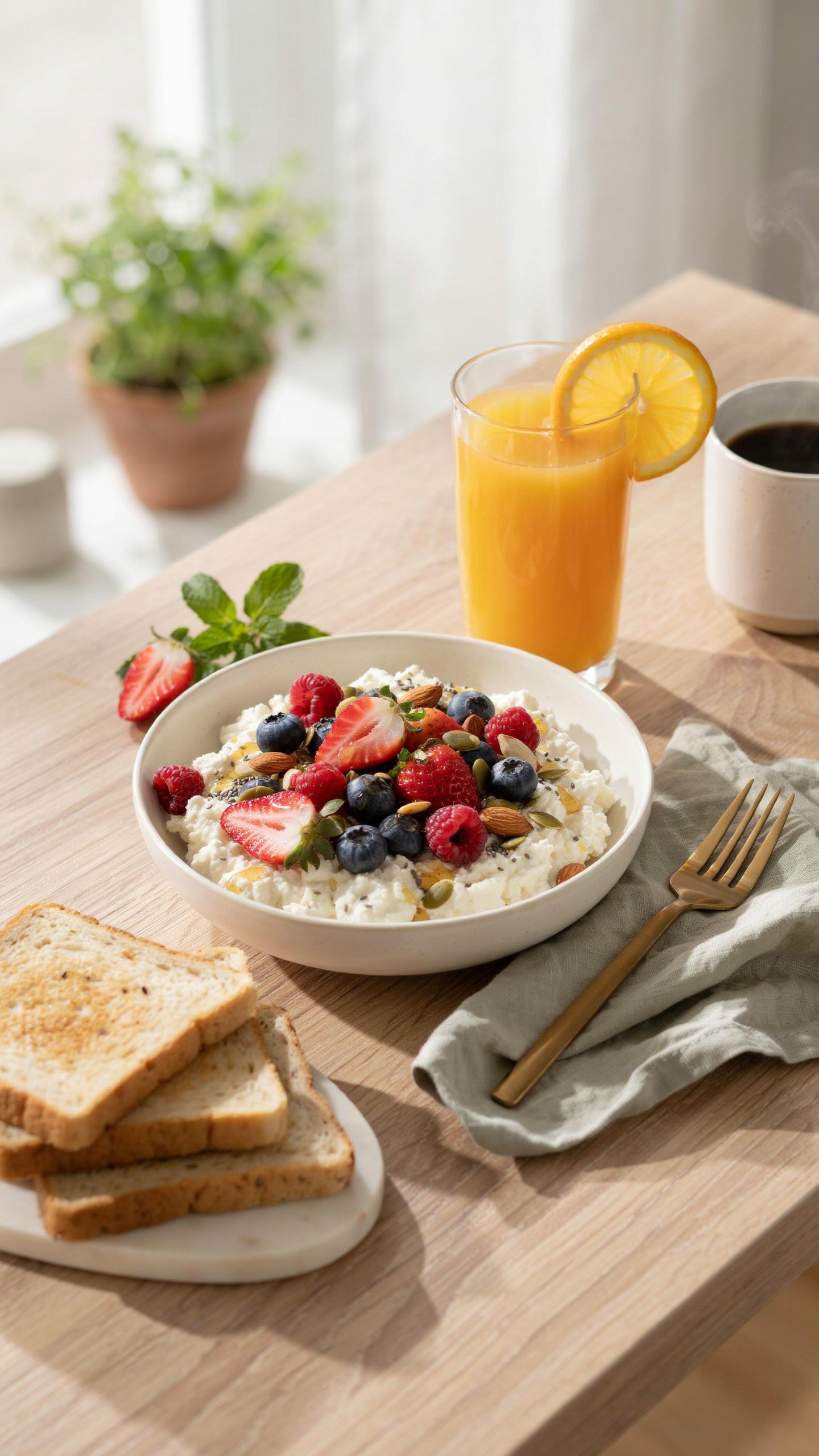
Protein Intake Builds On Itself
You want to believe breakfast choice doesn’t matter because admitting otherwise means you have to change. Here’s what actually happens: consistent protein intake compounds like financial interest, but in your body’s tissue repair and appetite regulation systems. Borrow the economics term “compounding returns” and map it directly here. Each high-protein cottage cheese breakfast you eat doesn’t just fill your stomach that morning. It triggers muscle protein synthesis, stabilizes blood glucose through the day, and primes your hormones for the next meal.
The mechanism is simple. Cottage cheese delivers casein and whey proteins that digest at different rates. This dual-speed absorption keeps amino acids available to muscle tissue for hours, not minutes. Skip this and you’re essentially throwing away the adaptation window your body opens after sleep. One breakfast won’t move the needle. Forty breakfasts in a row will rewire your metabolic baseline and reduce how much total food you need to feel satisfied.
The Long Term Payoff Compounds Silently
Everyone obsesses over the single meal and misses the actual game. Strategic cottage cheese breakfast prep builds metabolic resilience over months. Your body adapts to sustained protein intake by improving insulin sensitivity, increasing satiety hormone output, and preserving lean mass during calorie restriction. The generic advice says “eat protein” and leaves you there. The real mechanism is that consistent high-protein mornings lower your hunger set point permanently, meaning you naturally eat less without fighting cravings by afternoon.
This compounds in ways that show up in your body composition, energy levels, and how easily you maintain weight. The payoff isn’t visible in week one. It’s visible in month four when you realize you stopped craving mid-morning snacks and your clothes fit different. Prep your cottage cheese bowls with the same portion of protein each morning, track your body weight over twelve weeks, and measure the gap between perceived hunger and actual caloric need. That gap widens. That’s the dividend.
Deconstructing The Cottage Cheese Fruit Bowl Maximizing Nutrient Synergy
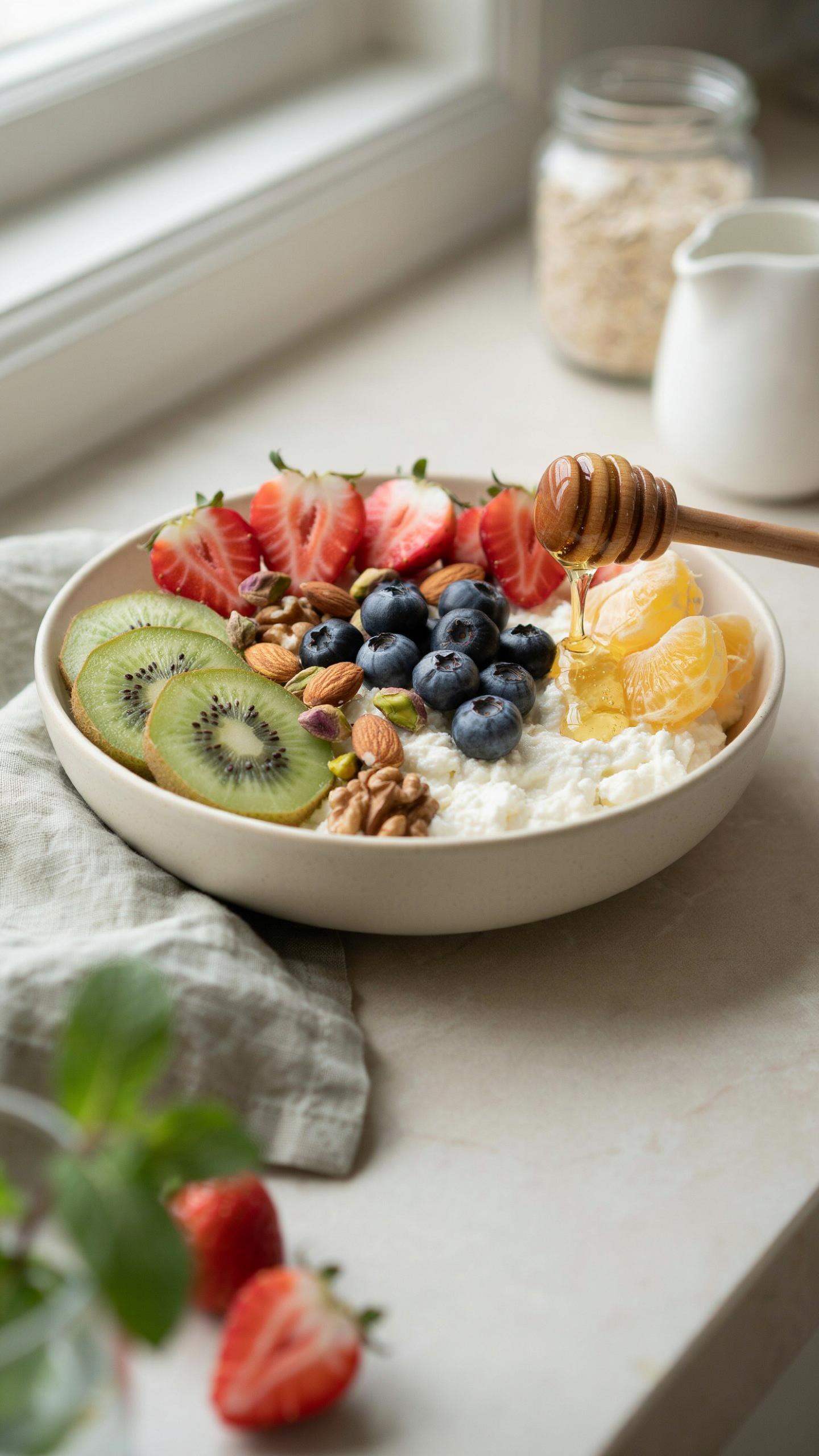
Pairing Fruit For Optimal Fiber And Antioxidant Absorption
You want the metabolic edge without the work of thinking through actual biochemistry. Here’s the mechanism: fiber slows gastric emptying, which extends the window where your digestive system absorbs the polyphenols in fruit. Treat this like drug delivery in pharmacology. The cottage cheese is the carrier; the fruit is the payload. Berries, stone fruits, and apples contain both fiber and antioxidants that absorb better when their transit time through your stomach increases, not decreases.
Most breakfast advice treats fruit as decoration. The real play is selecting fruits with meaningful fiber density relative to their sugar load. Raspberries deliver eight grams of fiber per cup with twelve grams of carbs. Blueberries sit at four grams fiber per cup. Prep your bowls with the denser fiber fruits front-loaded, so they interact with the cottage cheese protein first. This ordering matters for absorption sequencing.
Fruit Choices Matter More Than Fruit Quantity
The common pitch is eat fruit for antioxidants. That’s incomplete. Fruit selection determines blood glucose response, which determines whether your protein actually suppresses hunger or just sits there while your insulin spikes. This is applied glucose metabolism, not abstract health theory. Mangoes and dried fruit spike blood sugar aggressively. Strawberries, blackberries, and cantaloupe don’t. The difference isn’t semantic.
When you prep cottage cheese bowls, use berries as your default base. They maintain stable glucose profiles while delivering fiber. Pair them with a single palm-sized portion of something sweeter if you need volume. Add a small handful of nuts for fat absorption of the fruit’s fat-soluble vitamins. Store the fruit separately from cottage cheese until serving to prevent texture breakdown and maintain the fiber structure that controls your digestion rate.
The First Strike Advantage Breakfast Bowl Prep As Strategic Maneuver
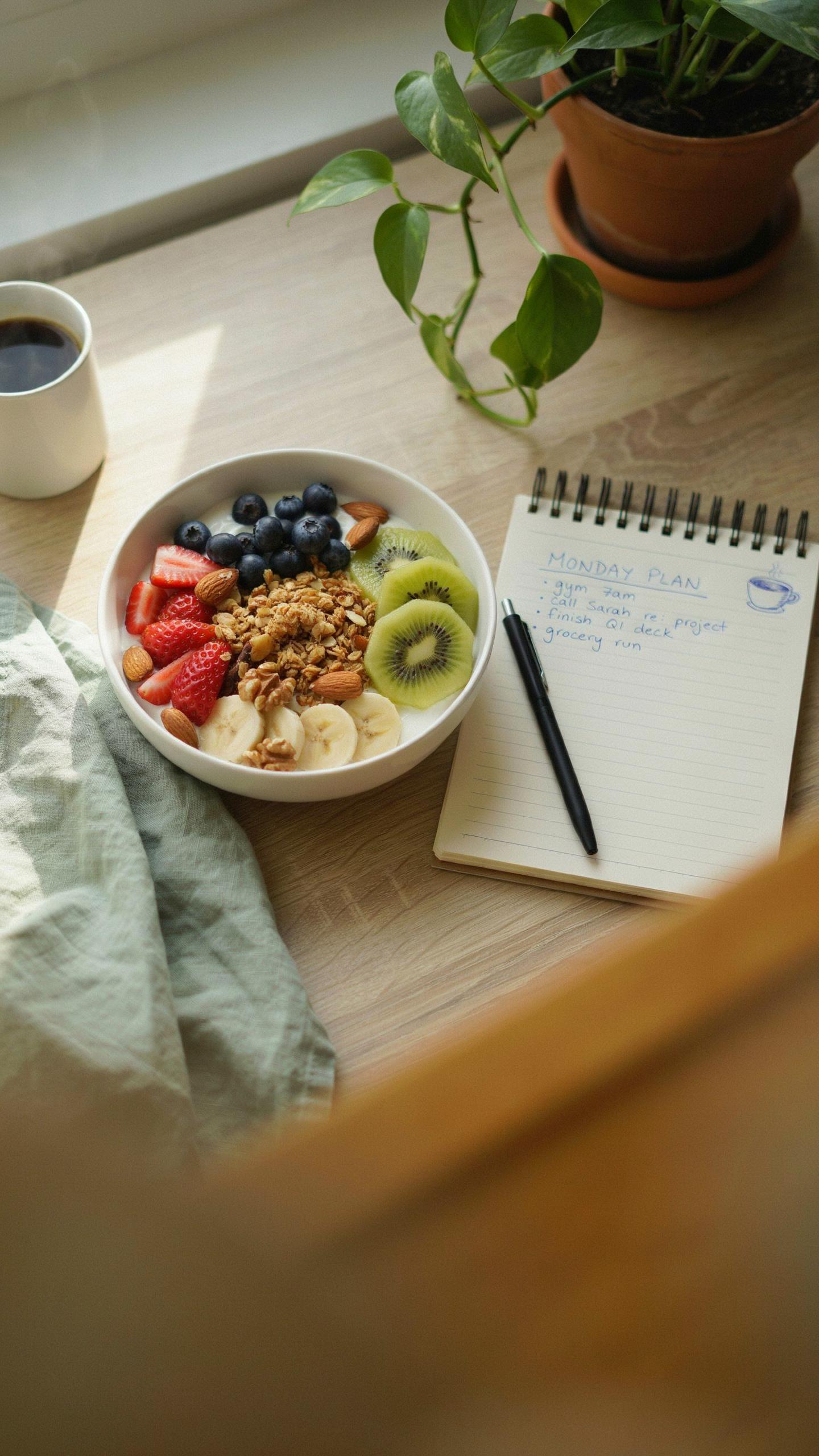
Win The Morning Before It Starts
You want this because you’re tired of making decisions when your willpower is lowest. Military strategy calls this a “preemptive strike”—you control the outcome before the moment of weakness arrives. In nutrition terms, that means your protein intake for the day locks in before 9 AM, before hunger distorts your judgment. Cottage cheese bowls prepped Sunday eliminate the friction between intention and action. You open the fridge. The bowl exists. You eat it. No negotiation.
The mechanism is simple: decision fatigue compounds across the day. Studies on glucose and willpower show the brain depletes its decision-making capacity with each choice. Breakfast prep removes one major decision from tomorrow’s supply. You’re not being disciplined at 7 AM—you’re being smart. You already chose. The choice sits on the shelf waiting.
Batch Prep Architecture For Daily Dominance
Prep day works like a supply chain. You move ingredients once, portion once, store once. Most people waste effort by prepping individual components separately—fruit Monday, cottage cheese Tuesday, granola Wednesday. That’s friction masquerading as organization. Efficient batch prep means you assemble the full system in one window, typically Sunday evening or Friday night, so every morning requires zero assembly.
- Container Selection: Use opaque 16-ounce glass or BPA-free plastic containers with tight seals. Cottage cheese releases whey liquid, so drainage or layering prevents sogginess across five days.
- Cottage Cheese Portion: 1.5 cups per bowl delivers 35-40 grams of protein. Buy full-fat or 2% varieties for texture stability over 5 days. Skim separates more aggressively.
- Fruit Timing: Layer berries or diced fruit on top of cottage cheese, not mixed in. This slows oxidation and maintains structural integrity. Add dried fruit or nuts in a separate compartment if moisture sensitivity is high.
- Granola Buffer: Place granola in its own sealed section or add fresh the morning of consumption. This prevents moisture transfer that degrades texture by day three or four.
- Temperature Consistency: Store all containers at 38-40 degrees Fahrenheit. Fluctuating temps accelerate bacterial growth and protein degradation. Keep them toward the back of the fridge, not the door.
The output is five identical bowls ready for grab-and-go consumption. Each one contains 35-40 grams of protein, taking under two minutes from fridge to mouth. You’ve collapsed the decision and the friction simultaneously. That’s the actual advantage.
Apple Cottage Cheese Bowl An Underrated Powerhouse Combo
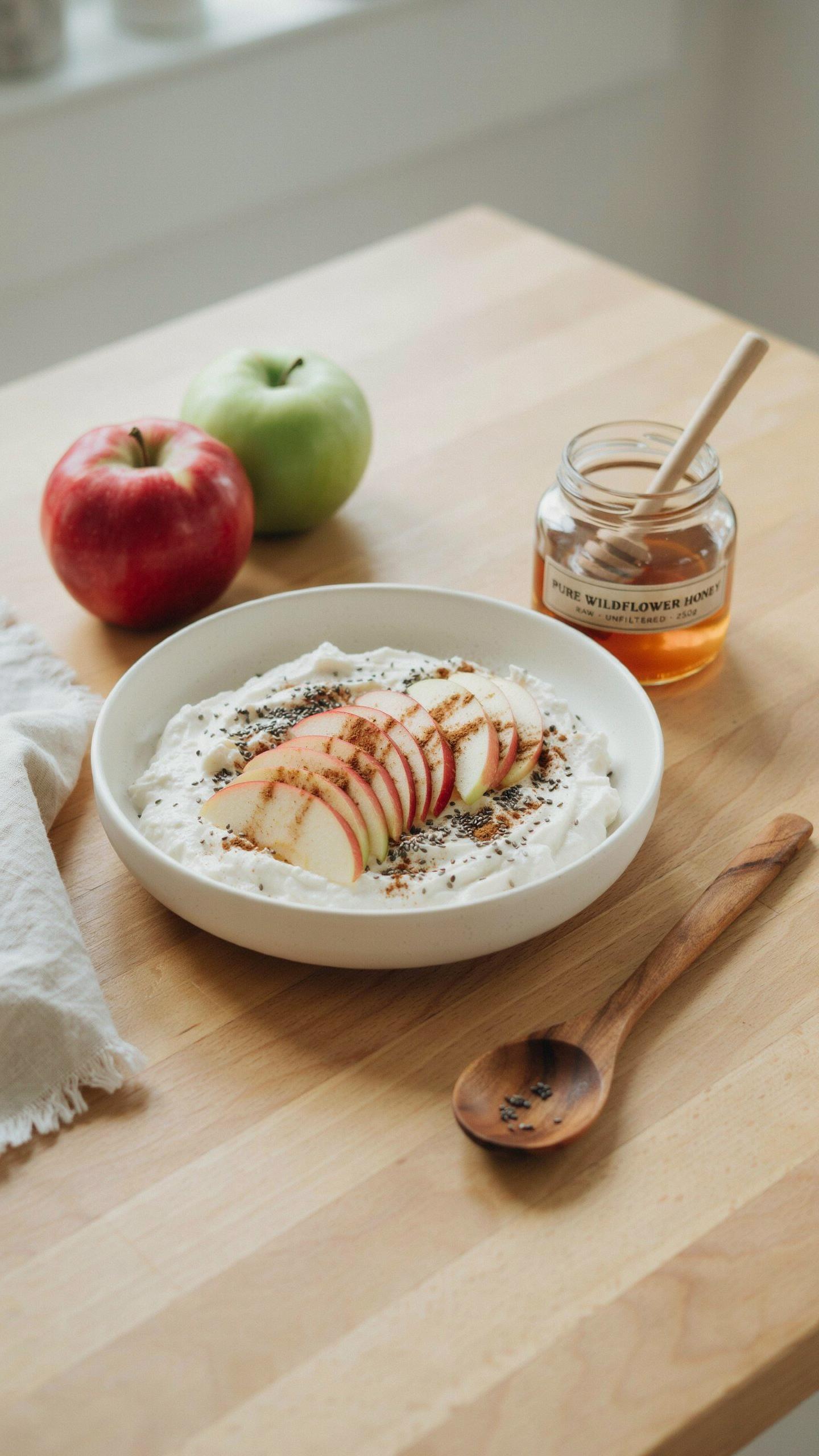
Pectin And Protein Work Together On Digestion
You want this bowl because it signals you’re not just eating protein—you’re engineering your bloodwork. Here’s the mechanism: pectin, a soluble fiber in apples, functions like a biological brake in your digestive system. It slows gastric emptying, which means protein stays in your system longer and releases amino acids gradually instead of spiking and crashing. Cottage cheese’s casein protein already digests slowly compared to whey. Stack them together and you’ve eliminated the blood sugar volatility most people blame on breakfast carbs.
The math is simple. A medium apple contains roughly 4 grams of pectin. Cottage cheese delivers 25 to 30 grams of protein per half-cup serving. That combination creates a 3 to 4-hour satiation window because neither component rushes through your gut. Your body doesn’t trigger hunger signals when protein and fiber are both present and moving deliberately. This is why the apple-cottage cheese pairing outperforms oatmeal plus protein powder—you get the fiber benefit without the starch bulk that causes the secondary crash.
Flavor Strategy Fixes The Biggest Prep Failure
Most people kill the apple-cottage cheese bowl before day three because they eat it plain. Cottage cheese’s texture and bland taste make repetition brutal. The fix isn’t adding sugar—it’s understanding that salt, acid, and fat are your actual flavor multipliers. A quarter teaspoon of sea salt plus a tablespoon of raw honey and a drizzle of walnut oil completely reshape how the bowl registers on your palate without turning it into dessert.
The texture problem solves itself through contrast, not through mixing everything into mush. Dice the apple into half-inch cubes and leave them separate from the cottage cheese. Add toasted walnuts or pecans for crunch. Prep the components in separate containers, then combine them at eating time or thirty minutes before. This preserves the apple’s firmness and prevents the cottage cheese from absorbing moisture. One simple protocol: stack your proteins and fiber, keep textures distinct, and add salt before sweetness.
Beyond Basic Cottage Cheese Recipes Healthy Unconventional
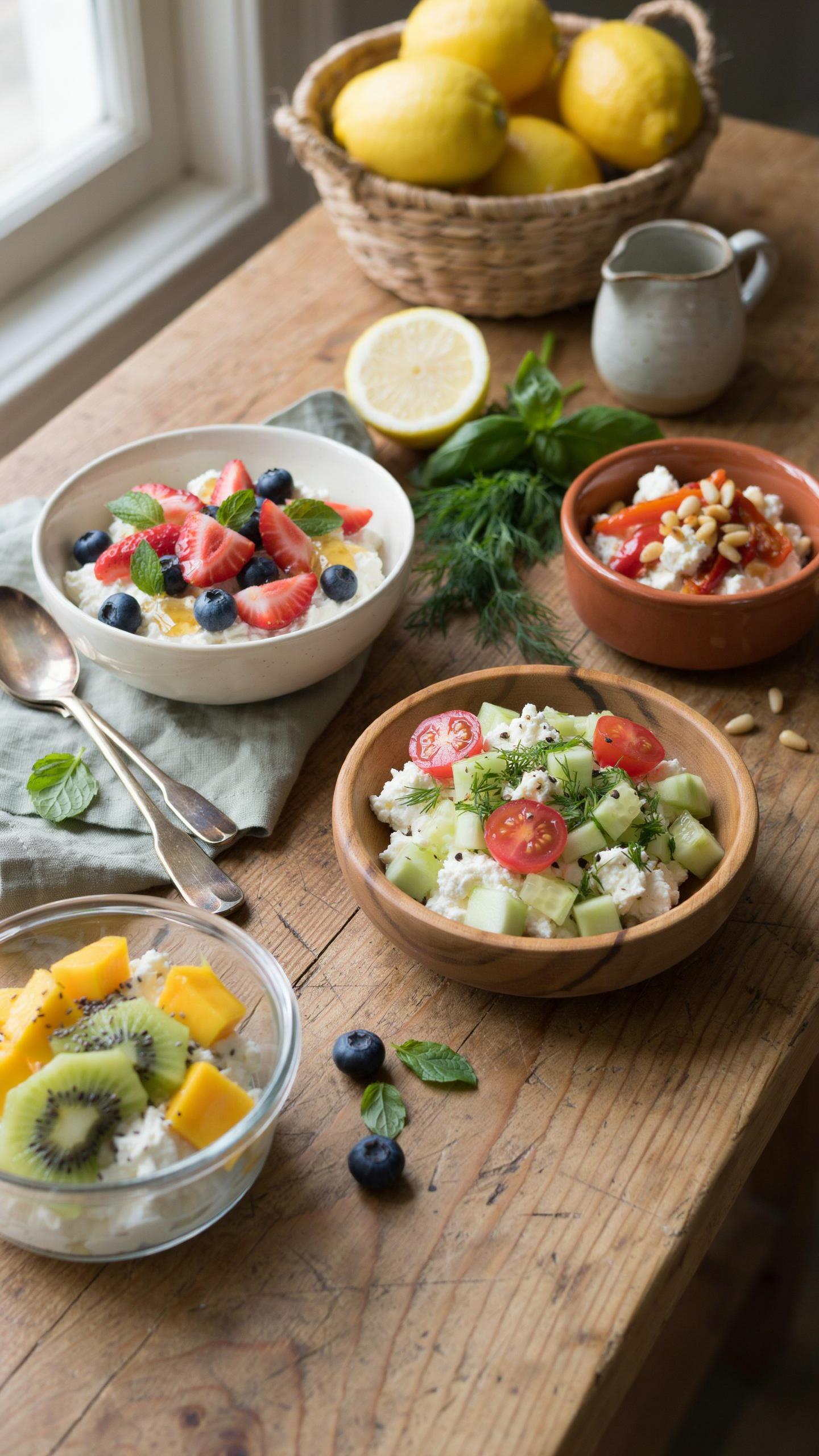
Savory Cottage Cheese Bowls Break Breakfast Norms
You want permission to eat breakfast food that doesn’t taste like dessert masquerading as health. The mechanism is simple: savory breakfast activates different satiety signals than sweet. Your brain registers salt and umami as “meal,” triggering longer appetite suppression. Sweet triggers a reward loop that leaves you hunting carbs by 10 AM. Cottage cheese’s neutral flavor profile makes it the ideal base for savory builds because it doesn’t fight against garlic, miso, or fish sauce.
Most people still treat cottage cheese as a sweet vehicle. That’s lazy. The real play is using it as a protein anchor for breakfast that functions like lunch nutritionally but takes three minutes to assemble. Layer cottage cheese with everything bagel seasoning, sliced avocado, a soft egg, and crispy bacon. The fat and salt combination extends fullness four to six hours. You’re not eating “breakfast food.” You’re eating a protein-dense meal that happens to be convenient.
Spice And Herb Pairings For Metabolic Activation
Thermogenesis is the mechanism from biochemistry that matters here: your body burns calories processing certain foods. Capsaicin in peppers and piperine in black pepper increase metabolic heat temporarily. The cottage cheese high protein breakfast prep application is direct. Add freshly cracked black pepper, cayenne, or hot sauce to your bowl and you’ve added a measurable metabolic nudge. It’s not a fat burner. It’s a documented metabolic signal that functions alongside the protein itself.
The common advice stops at “add spices for flavor.” That misses the point entirely. Certain herbs like cilantro and parsley add mineral density without calories, which matters for hydration and recovery. Dill with smoked salmon cottage cheese creates a neurological pattern match to salty, savory meals your body recognizes as substantial. Fresh ginger grated into a cottage cheese bowl with lemon signals digestive activation. Pick one primary flavor anchor per bowl (dill, curry powder, za’atar, or furikake), then layer one supporting herb. Consistency matters more than variety here. Build the same savory cottage cheese bowl three days in a row and your appetite regulation stabilizes.
Mastering Your Morning Cottage Cheese Recipes For Unwavering Output

The Compounding Edge Of Repetition
You want to believe breakfast doesn’t matter. It does, because you’re looking for permission to stay inconsistent. Here’s the mechanism: the nervous system doesn’t distinguish between small wins and large ones. It registers completion. A repeated action at the same time, in the same place, trains your brain to enter a state of execution before you even taste the food. This is how cottage cheese breakfast prep functions as a neurological lever, not a nutritional one.
Consistency builds momentum in the body the same way compound interest builds money. You don’t feel the difference between day one and day two, but between week one and week four, your baseline energy shifts. The cottage cheese breakfast works because it removes the decision tax. You eat the same macronutrient ratio, the same volume, the same time. Your body adapts. Your willpower stays intact for tasks that actually demand it.
The Ritual That Shapes Discipline
Breakfast isn’t about food. It’s about whether you can follow a protocol you set for yourself. This is where most people fail: they treat breakfast as optional, subject to how they feel. That’s the opposite of discipline. Discipline is doing what you decided when the conditions don’t matter anymore.
A cottage cheese bowl takes twelve minutes to prepare if you batch-build it on Sunday. Twelve minutes five times a week costs you one hour. In that one hour, you’ve eliminated five mornings of decision fatigue, hunger spikes that tank productivity, and the narrative that you can’t stick to anything. You’ve also raised your protein intake to the threshold where muscle retention actually happens. The protocol becomes the permission structure. You follow it because it’s written down, not because you woke up motivated.
The ultimate obstacle isnt time its your refusal to engineer your own biochemical reality

You already know protein matters. You already know prep saves time. What you’re missing is the decision to stop treating breakfast like something that happens to you. Make one cottage cheese bowl today. Tomorrow, make three. Watch your energy stabilize, your hunger disappear, your body recompose itself without willpower. The difference between people who transform and people who don’t isn’t knowledge—it’s the willingness to do the obvious thing consistently.