
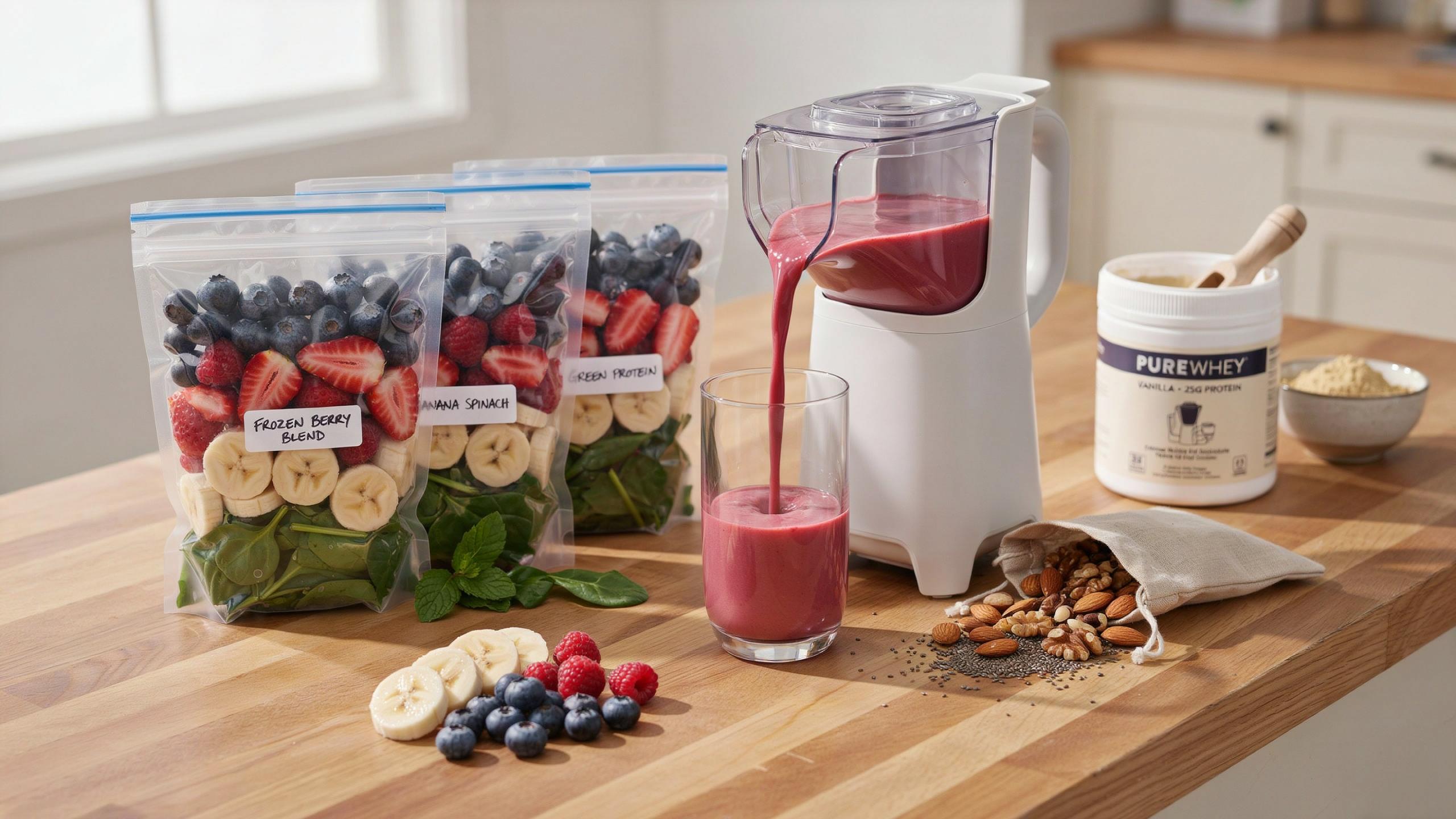
The Anabolic Alchemy Protocol Engineering Peak Protein Intake
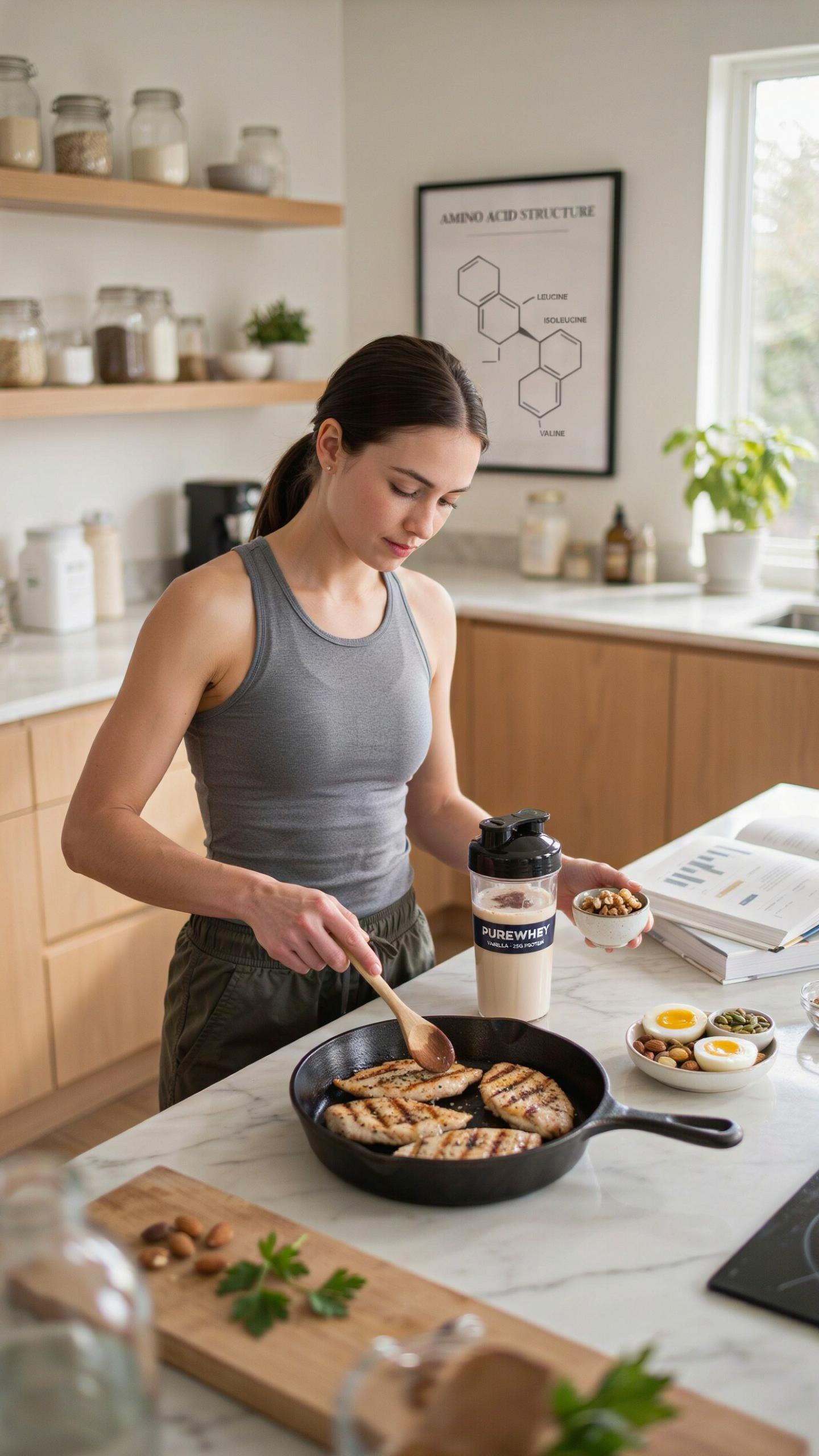
Ingredient Synergy Beats Raw Numbers
You want the status of looking lean and strong without actually understanding why your current smoothie isn’t delivering results. Here’s the mechanism: protein absorption isn’t a simple input-output equation. It’s a competition problem. When you dump whey isolate, frozen fruit, and nut butter into one pack, you’re creating interference. Carbs spike insulin, which accelerates protein synthesis but also fat storage. Fat slows gastric emptying, which means slower amino acid delivery to muscles. Neither is bad alone. Together without strategy, they’re working against your recovery window.
The real move is layering ingredients by absorption priority, not convenience. Whey protein isolate (fast, minimal fiber) pairs with slow-release carbs like oats or banana only if you’re training within two hours. If you’re drinking this at rest, fast carbs become stored fat. Add a fattier element like almond butter or MCT oil only when you need sustained energy past four hours. The pack itself becomes a timed-release system. You’re not blending ingredients. You’re sequencing them.
Macronutrient Density And Satiety Timing
Biology classifies nutrients by their thermic effect, which is the energy cost to digest them. Protein carries a 20 to 30 percent thermic cost. Fat carries 5 to 15 percent. Carbs carry 5 to 10 percent. Most people ignore this and dump equal portions of each. That’s leaving performance on the table. A 40-30-30 split looks balanced on paper. A 35-20-45 split (higher protein and carbs, lower fat) creates greater satiety per calorie while maximizing the thermic burn. The pack design determines whether you feel full or hungry two hours later.

Satiety also depends on fiber presence and liquid volume. Greek yogurt powder adds protein while creating thickness that signals fullness faster. Chia seeds or ground flax add fiber without much calorie cost. But here’s what most guides miss: you’re not maximizing satiety by adding more bulk. You’re maximizing it by controlling the rate your stomach empties. Thick texture signals fullness to your brain before calories even register. Freeze your packs solid and blend them cold. The slower melt rate and higher viscosity extend satiety by 40 to 60 minutes compared to room-temperature blends.
High Protein Breakfast Smoothie Recipes Debunking The Bland Myth
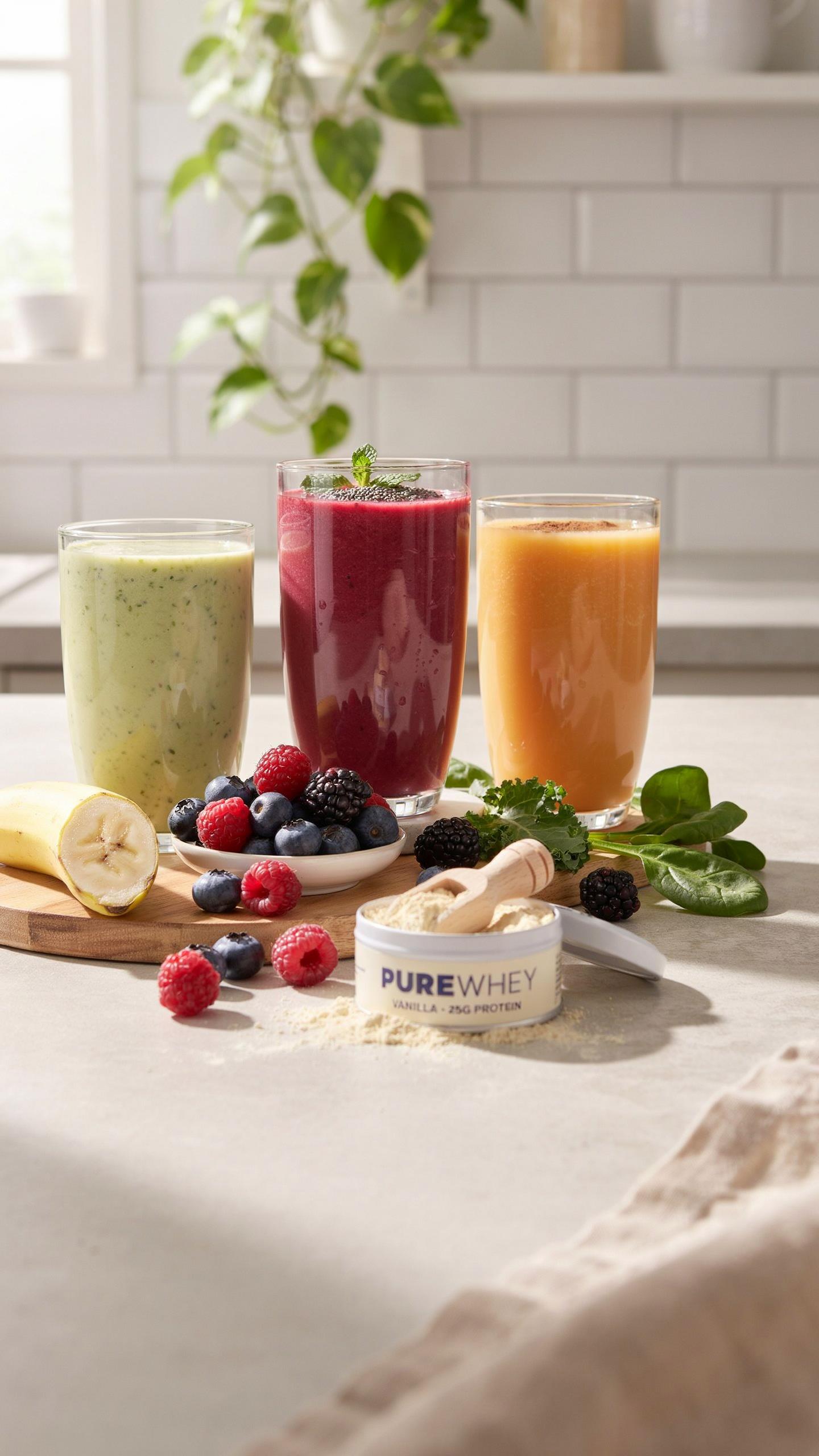
The Flavor Layering Strategy
You want to believe a smoothie can taste good while hitting your protein targets because admitting otherwise means accepting meal prep as a chore instead of a shortcut. Here’s what actually works: flavor doesn’t come from one dominant ingredient. It comes from opposition. Culinary professionals call this contrast. You’re building tension between sweet, bitter, sour, and fat elements in the same pack. A frozen banana alone tastes cloying. Add cocoa powder and salt to the same pack, and the cocoa sharpens while salt suppresses the sweetness’s edge. The flavor amplifies through friction.
Start with a base note: unsweetened cocoa, vanilla extract, or instant coffee. These are bitter anchors. Add a middle note: frozen fruit or nut butter for sweetness and fat. Close with a top note: Greek yogurt powder or a tiny pinch of citric acid to brighten and create complexity. When you freeze these components together in your pack, they don’t merge into mush. They sit layered until blending, which means each component hits your palate separately for a split second before integrating. That separation is where flavor lives. Most people skip this because they think smoothies should taste like melted dessert. They’re wrong.
Textural Contrast Elevates Execution
Texture is where smoothie packs separate from protein shakes that taste like drinking chalk. Most guidance says blend everything into submission until smooth. That’s incomplete advice that kills what makes frozen packs worth the effort. You need at least two textural elements competing in the same container. Cacao nibs or granola stay frozen longer than banana, so they maintain crunch even after blending. Nut butters create a thick, creamy base that your tongue reads as richness. When these textures stack, your brain registers the experience as a meal, not a drink.
The mechanism comes from sensory neurology. Repetitive texture feels like nothing after thirty seconds. Variation resets that adaptation. Pack in granola or chopped almonds alongside your frozen fruit and protein powder. These don’t fully blend. They soften slightly but hold structure. When you drink, you hit smoothness, then resistance, then smoothness again. Your mouth stays engaged instead of disengaging halfway through the glass. The pack dissolves into something drinkable while preserving the textural elements that make it feel intentional instead of accidental.
High Protein Breakfast Smoothies Healthy The Hidden Cost Of Compromise
Sugar’s Trojan Horse
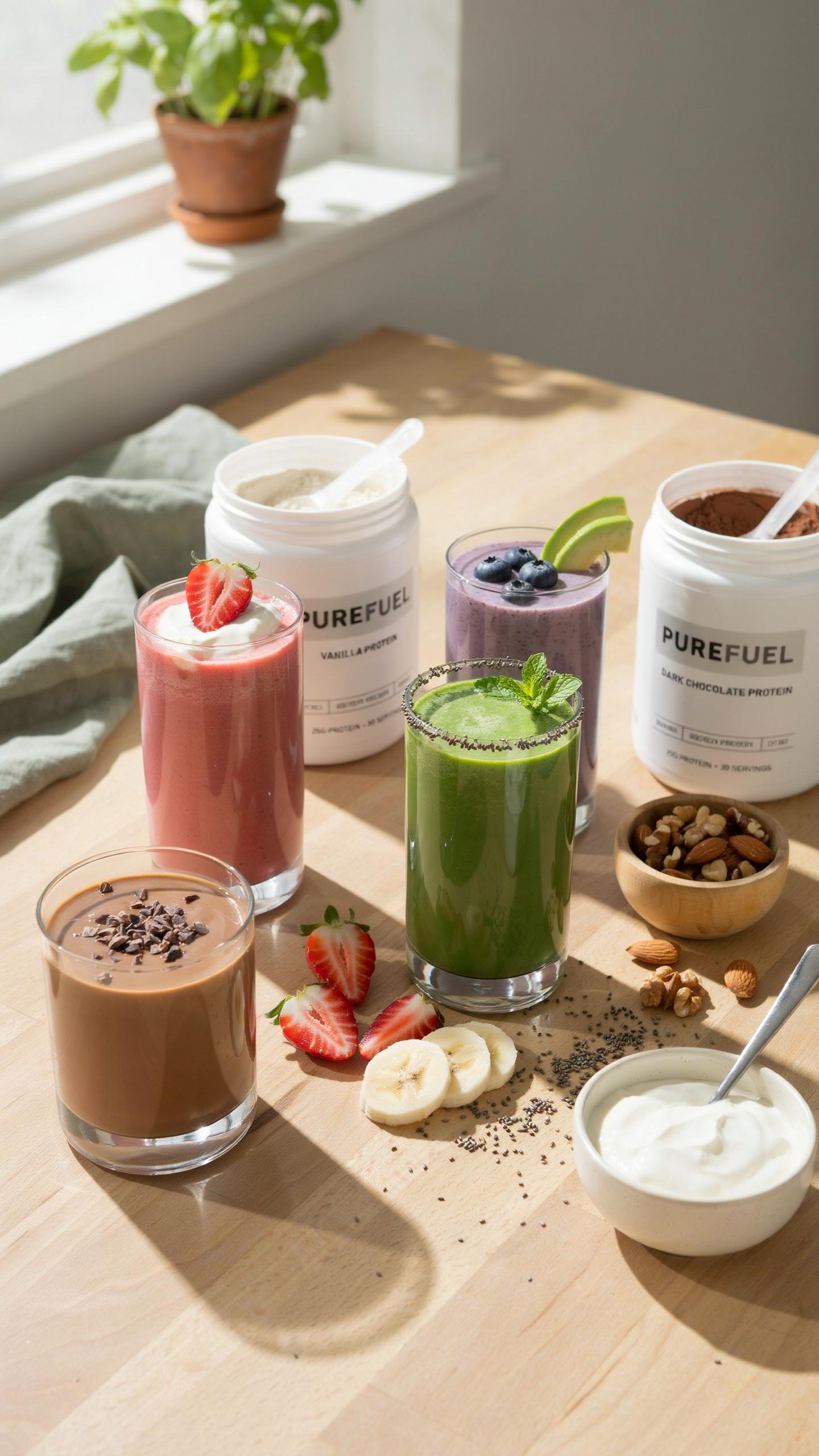
You want to believe your smoothie is healthy because admitting it isn’t means you’ve wasted money on prep containers and a blender. Here’s the mechanism: added sugars disguise themselves as “natural” ingredients and fruit concentrates. Manufacturers know people scan labels for protein numbers and skip past the carbohydrate line. A 40-gram protein smoothie pack can contain 35 grams of sugar from whey isolate blends, maltodextrin, and dried fruit. Your blood glucose spikes the same way it does from soda. The protein doesn’t matter if insulin response sabotages your metabolic goals.
Read ingredient lists backward, starting from the bottom. That’s where manufacturers hide the real culprits: monk fruit extract, agave syrup, and cane juice solids. A clean smoothie pack lists protein source first, then fat, then carbs from whole food sources like oats or seeds. If sugar appears before fiber in the ingredient order, the pack prioritizes sweetness over satiation. Your hunger returns in ninety minutes anyway.
Nutrient Density Per Sip
Biochemistry teaches us about stoichiometry: the ratio of inputs to outputs determines efficiency. Apply this to smoothie packs. You’re not paying for protein alone. You’re paying for micronutrient availability per calorie consumed. Most commercial packs optimize for shelf stability and taste, not micronutrient concentration. They skip magnesium-rich pumpkin seeds, use cheap cocoa powder instead of cacao, and omit trace minerals entirely. You absorb fewer nutrients than a whole-food meal with similar calories.
Build packs around nutrient density anchors: hemp seeds for omega fatty acids and complete amino acids, nutritional yeast for B vitamins, and raw almonds for vitamin E and magnesium. Frozen berries contribute anthocyanins and real fiber. One tablespoon of chia seeds adds more bioavailable minerals than three tablespoons of typical whey blends. Measure your packs by what you’re absorbing, not what the label claims.
Protein Breakfast Smoothie Your Personalized Fuel Matrix
Know Your Protein Ceiling, Not Your Target
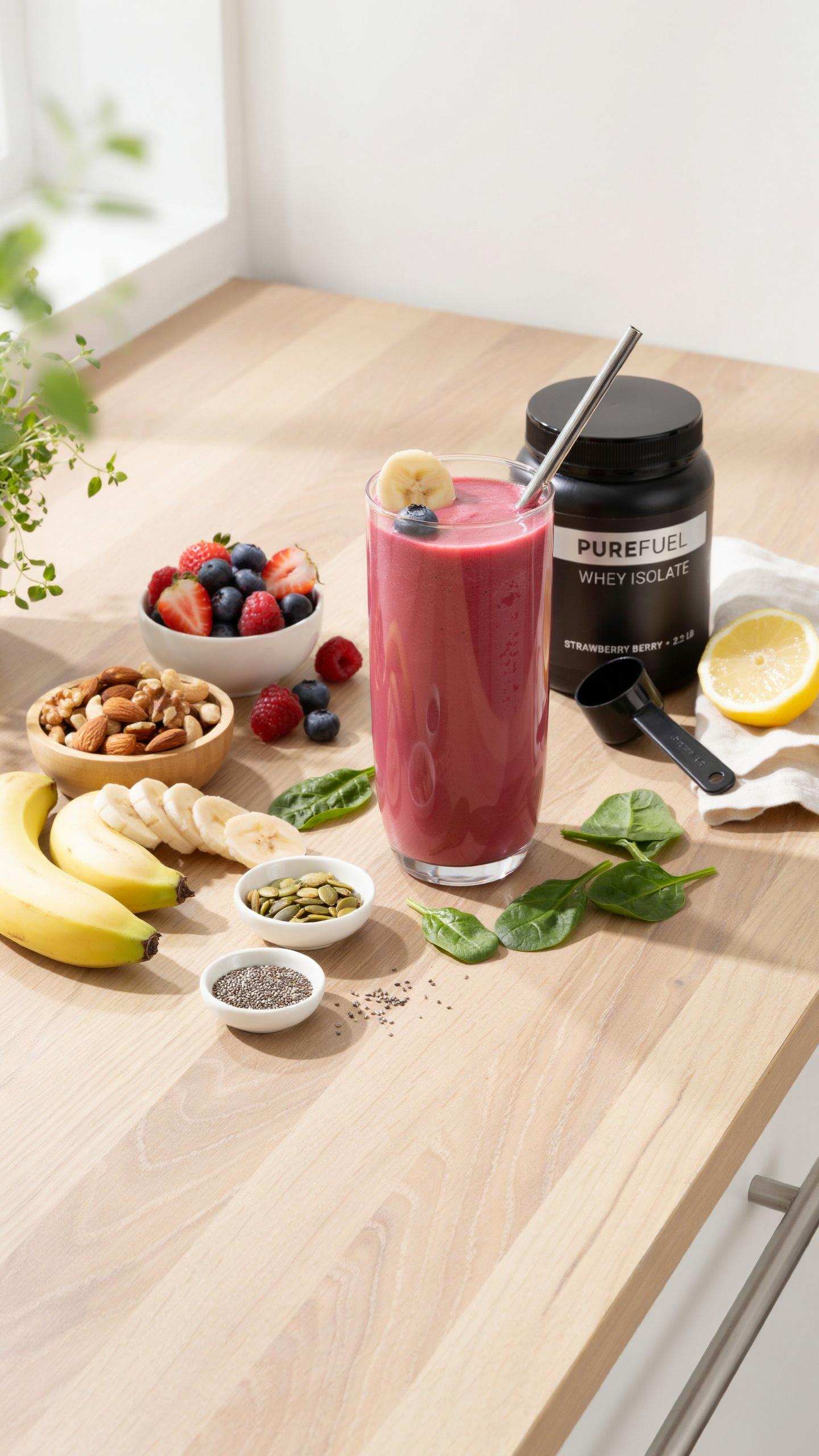
You want the formula so you can feel like you’re optimizing. Here’s the mechanism: your body has a maximum amount of protein it can synthesize per meal, and excess protein either oxidizes for energy or converts to fat. Most people don’t know this number for themselves, so they guess at “high protein” and waste money on excess powder.
Your protein ceiling depends on muscle mass, training stimulus, and meal timing. A 150-pound sedentary person peaks around 30 to 40 grams per meal. A 200-pound lifter training hard hits 50 to 60 grams. Test this by tracking your energy and digestion for two weeks at different doses, then anchor your smoothie pack ratio to the point where you feel full without heaviness.
Adjust Your Mix Based On What Your Body Actually Does
Cybernetics is the study of feedback loops and control systems. Your smoothie pack is a control input, and your energy levels and recovery are the output signals you monitor. Most people make one pack formula and repeat it for six months, ignoring the feedback entirely.
Track three metrics for two weeks: energy two hours post-smoothie, hunger at lunch, and sleep quality. If energy crashes, increase fat content or reduce simple carbs. If you’re still hungry, add fiber or lower the protein slightly to allow better satiety signaling. Adjust one variable at a time, then freeze ten new packs with the updated ratio and measure again.
Smoothie Prep The Anti Decision Framework
Batching Efficiency Cuts Decision Fatigue
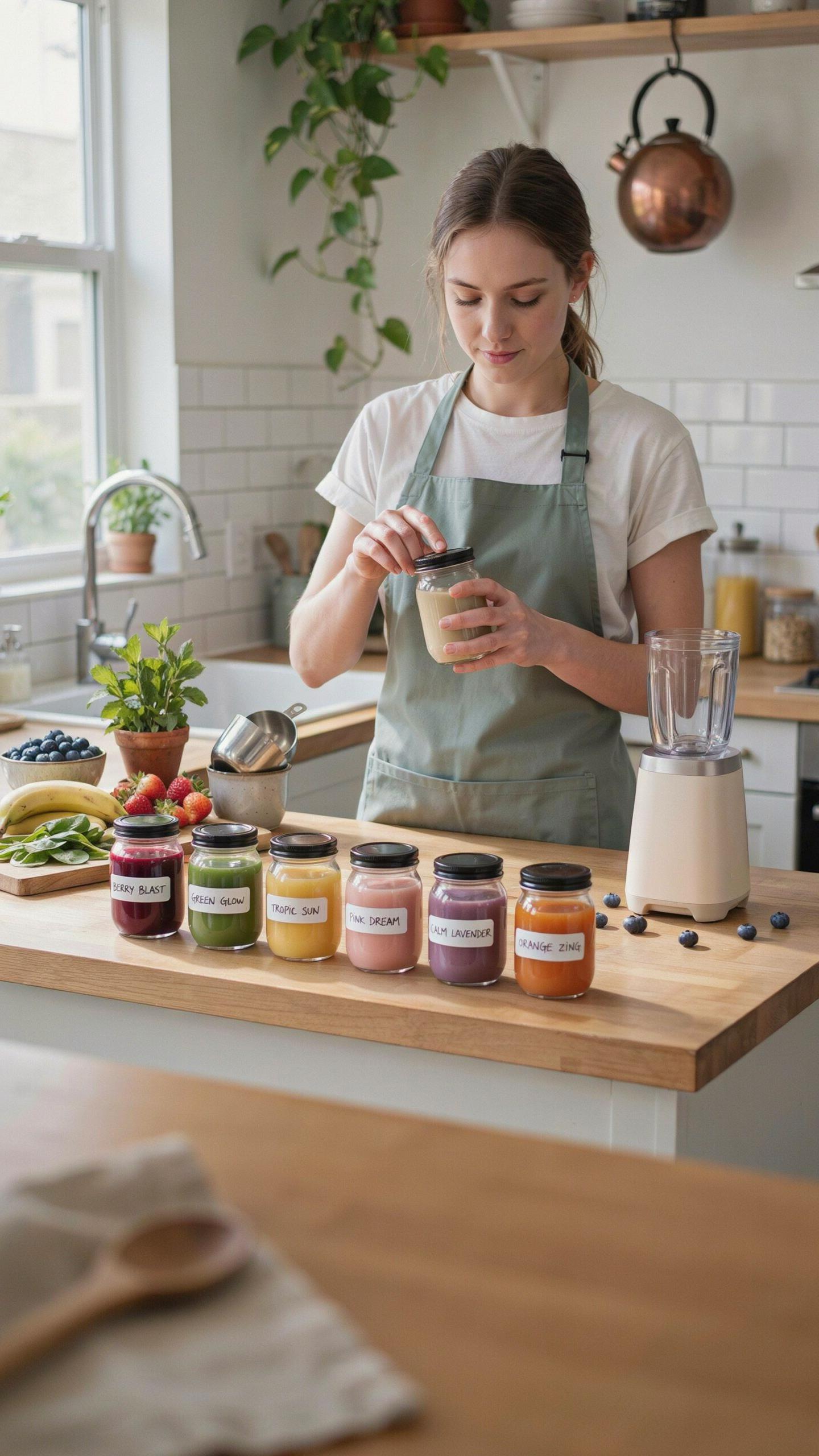
You want meal prep to feel effortless so you actually stick with it. The real mechanism is this: every decision you make depletes your cognitive capacity. Batching works because it collapses seven days of “what protein should I use” into one afternoon of deliberate choice. You decide once, execute once, freeze the results. The decision load drops to zero for six days.
Most people batch poorly because they treat it like cooking. They make each smoothie individually, which defeats the purpose entirely. Instead, measure all your protein powder at once. Combine all your fruit. Layer all your liquid base. You’re not making smoothies yet. You’re creating pre-portioned components that your future self simply dumps into a blender. The friction disappears. You do the cognitive work upfront when you’re fresh, not at 6 AM when willpower is depleted.
Freezer Optimization Preserves Texture And Protein Integrity
Physics governs what happens to your smoothie pack once it enters the freezer. Ice crystals form slowly at inconsistent rates, which damages cell walls in fruit and separates protein from its suspension medium. You control this by understanding one principle: rapid, uniform freezing preserves quality better than slow freezing. Flash freeze your packs by laying them flat on a sheet tray for four hours before stacking them vertically. This creates even ice crystal formation instead of the uneven crystallization that turns fruit into mush.
Temperature fluctuation is your actual enemy, not time spent frozen. A smoothie pack stays viable for up to three months if your freezer maintains a consistent zero degrees Fahrenheit. Label each pack with the date you froze it. Store packs in airtight freezer bags to prevent freezer burn and odor transfer. When you’re ready to blend, add the frozen pack directly to your blender with your chosen liquid. The pack thaws as the blades break it down, keeping your smoothie cold without watering it down.
Good Protein Smoothie Recipes Decoding The Good
Where Your Protein Actually Comes From
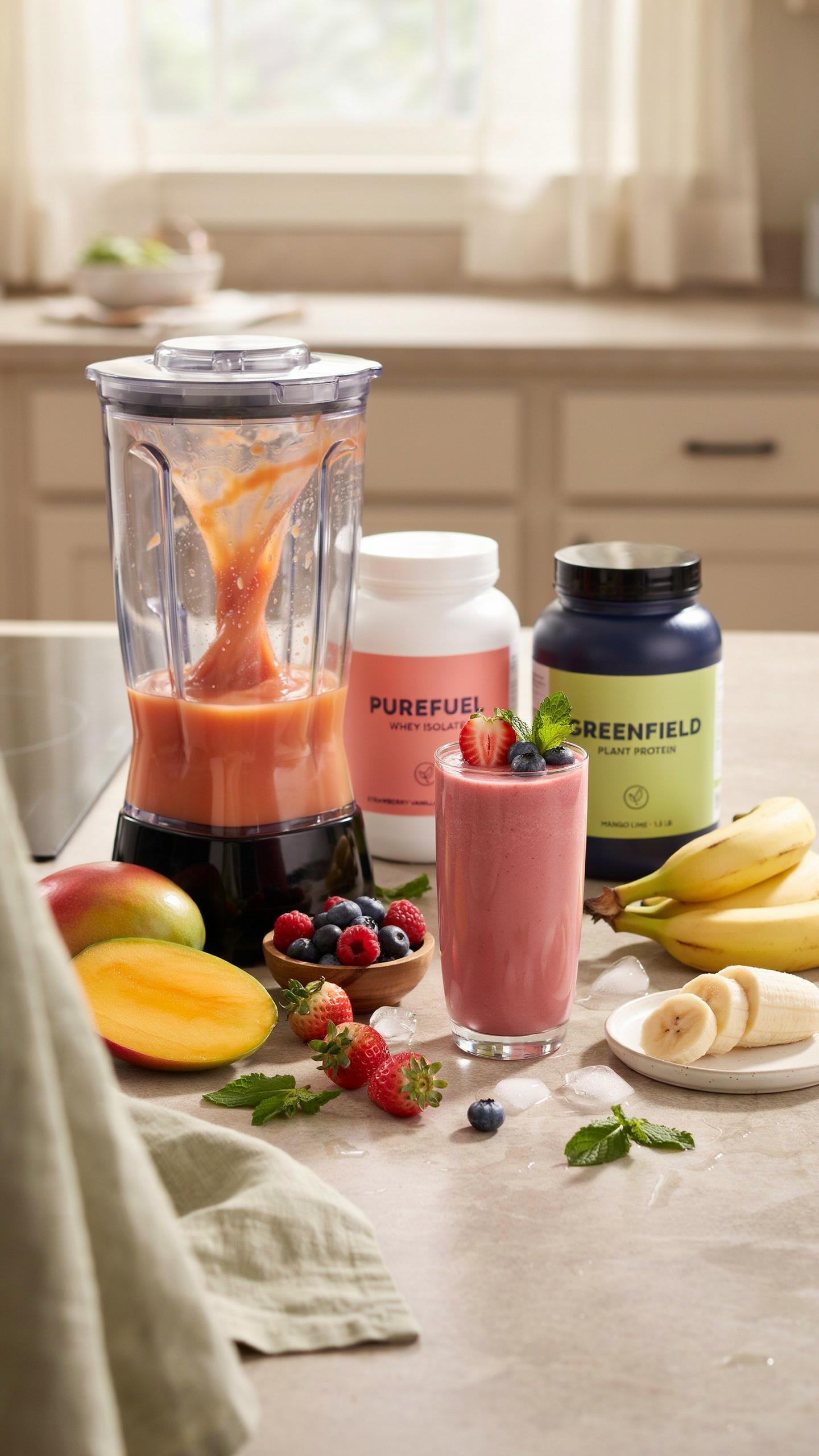
You want the recipe that sounds impressive at brunch, not the one that works. That’s the real filter here. The mechanism is simple: protein source determines absorption speed, satiety duration, and whether your body actually uses it. Whey isolate hits fast. Casein sticks around. Whole food sources require digestion work your body must complete. Most people chase taste or brand names instead of matching the protein form to when they need it.
The ingredient sourcing question isn’t about organic versus conventional. It’s about whether your protein source creates the metabolic outcome you’re actually after. A frozen smoothie pack with milk protein concentrate behaves differently than one with Greek yogurt. One delivers speed. The other delivers sustained release. Pick based on your eating window, not based on what sounds cleaner.
Swapping Without Losing The Architecture
Think in systems, not substitutions. Use information architecture from software engineering: each ingredient plays a structural role, and changing one role breaks the load-bearing function. Swap the liquid and you alter hydration ratios. Swap the carb source and you shift glycemic response. Swap the fat and you change satiety mechanics. Most people treat smoothie recipes like they’re interchangeable puzzle pieces. They’re not.
Your frozen pack needs a primary protein, a carb ballast, a fat for absorption, and a liquid binder. Each role is fixed. You can swap whey for pea protein, but you can’t swap both the protein and the carb without recalibrating the entire structure. Build a three-by-three matrix: list your protein options in column one, your carb options in column two, your fat options in column three. Test one combination per week, track your hunger response at hour three, then iterate. That data tells you which swaps work for your digestion.
High Protein Shakes Vs Smoothie Packs The Unspoken Hierarchy
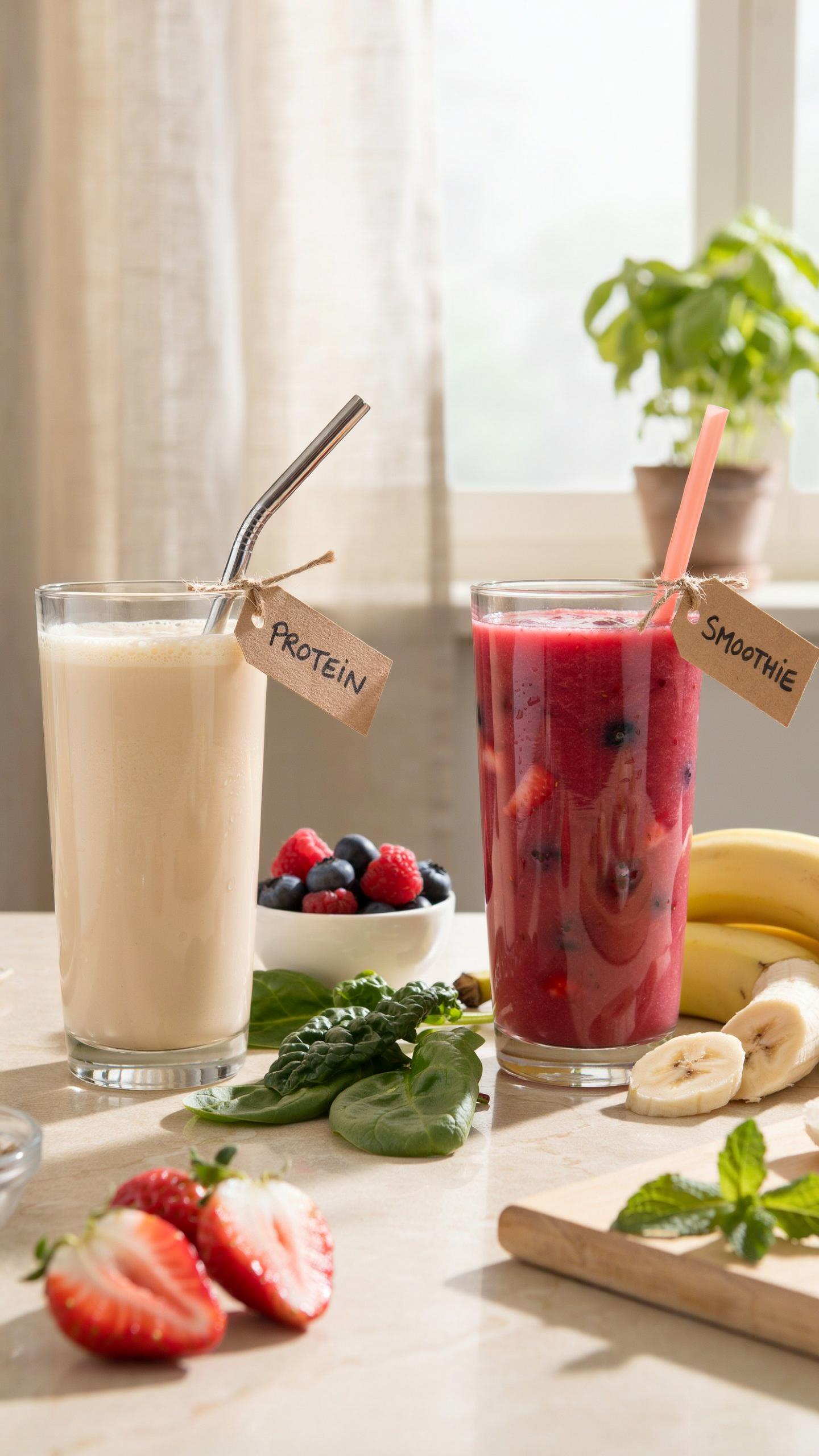
Whole Food Advantage Beats Liquid Convenience
You want the shortcut that doesn’t feel like a shortcut. That’s the real reason this matters. The mechanism is simple: whole foods in smoothie packs retain fiber, enzymes, and cellular structure that liquid protein shakes destroy during processing. A commercial shake is protein suspended in liquid with minimal fiber. A smoothie pack with frozen fruit, nut butter, and greens keeps the matrix intact. Your digestive system processes them differently. One triggers faster blood sugar spikes. The other doesn’t.
Sustained energy isn’t marketing speak here. It’s biology. When fiber stays in the equation, nutrients release gradually into your bloodstream. Your body doesn’t spike insulin hard, then crash. You stay fuller longer because your stomach actually has to work. Smoothie packs with whole oats, seeds, and frozen vegetables create satiety protein shakes can’t replicate. The trade-off is blending time, not nutrition. That’s the actual choice.
Pre And Post Workout Precision
Strategy demands different fueling at different times. In sports physiology, timing windows exist because your body’s nutrient absorption capacity peaks around training. Pre-workout needs fast carbs and moderate protein to fuel the session. Post-workout needs protein and carbs to rebuild and replenish. Liquid protein shakes win pre-workout because they digest faster. Smoothie packs win post-workout because they deliver sustained recovery with whole carbs that replenish glycogen properly.
Don’t treat all smoothie packs the same. The math changes based on when you drink it. Post-workout, you want oats, banana, Greek yogurt, and protein powder blended together because whole carbs restore muscle glycogen while protein synthesizes new tissue. Pre-workout, you might skip the pack entirely and drink a shake instead. Custom your pack ingredients to the window, not just the macros. This is where most people waste time: they optimize for taste or convenience instead of matching nutrient timing to their training schedule.
Gym Protein Smoothie Fruit Protein Smoothie Fueling Specific Goals
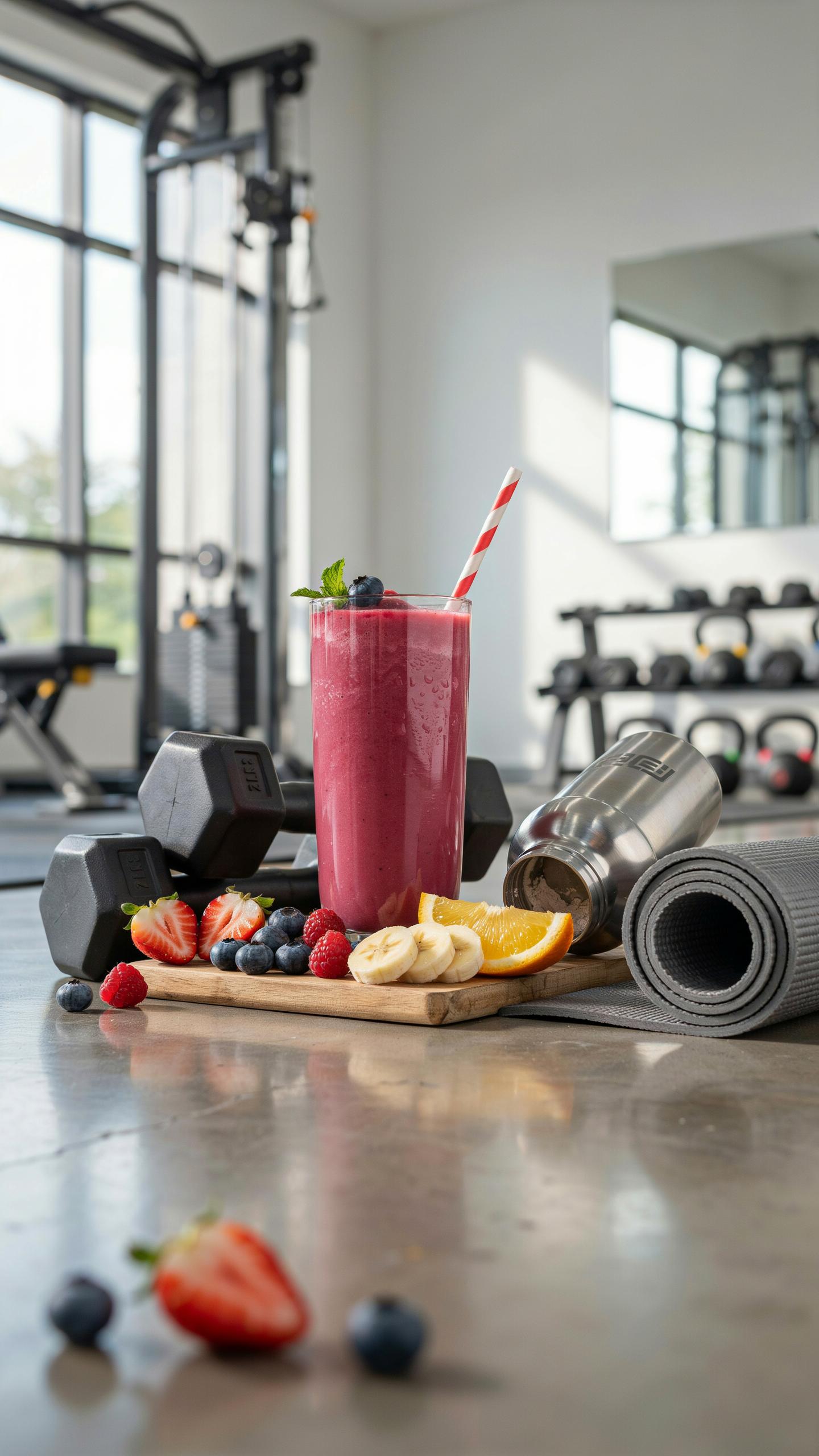
Accelerating Recovery Through Targeted Nutrient Stacking
You want faster results without waiting longer than everyone else. That fear drives the entire recovery supplement market. Here’s the mechanism: muscle damage isn’t repaired by protein alone. Your body needs amino acids, carbohydrates to restore glycogen, and electrolytes to manage inflammation. Protein smoothie packs freeze-thaw without separation because their binding agents stabilize amino acid chains during storage. This matters because a frozen pack maintains bioavailability across weeks.
Most recovery smoothies miss the carb-to-protein ratio that actually drives repair. Aim for a 3:1 or 4:1 carb-to-protein split post-workout, not equal parts. Your frozen smoothie pack should include simple carbs like banana or oats that thaw quickly and absorb fast. The mechanism is straightforward: glucose spikes insulin, which shuttles amino acids into muscle tissue. Blend within 30 minutes of training for maximum effect.
Antioxidant Defense Through Berry Concentration
Berry blends work because they contain anthocyanins and polyphenols, the same compounds you’d buy separately as supplements at markup. Biology teaches us about antioxidant capacity measured in ORAC units, and frozen berries maintain that capacity through cryogenic preservation. Your smoothie pack’s berry base doesn’t degrade sitting in your freezer. What degrades is the convenience myth. One cup of frozen blueberries delivers more antioxidant density per dollar than fresh berries wilting in your fridge.
The real leverage isn’t the berries themselves. It’s consistency. A frozen smoothie pack removes the decision about whether to buy produce that spoils in five days. You grab the pack, blend it, and consume 15 grams of polyphenols before they oxidize in your stomach. Add greens like spinach to your frozen pack base, not fresh spinach that freezes into clumped waste. Frozen vegetables maintain cellular structure and nutrient concentration far better than thawed fresh produce sitting in liquid.
Your Biggest Obstacle Isnt Time Its The Absence of a Nutritional Operating System
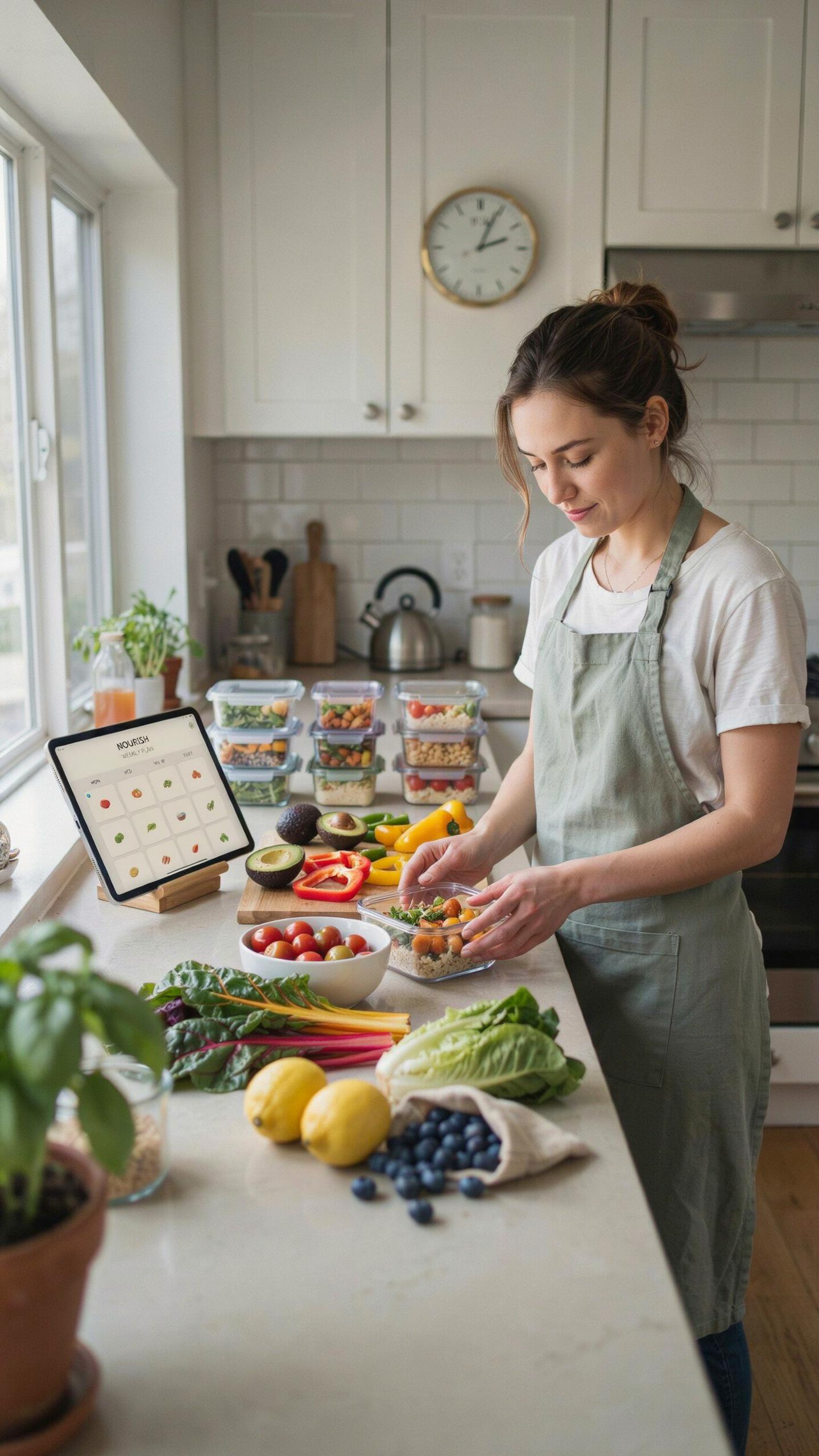
Most people fail because they treat meal prep like a chore instead of a system. You don’t need motivation. You need a framework that removes decisions. Frozen smoothie packs do this. They collapse the gap between intention and action. Today, buy ingredients for five packs and freeze them. One decision made five times over eliminates fifty future decisions. You don’t rise to the level of your goals. You fall to the level of your systems.