
Why Dinner Matters Most For Losing Weight Dinner Ideas That Work

How Your Evening Meal Affects Metabolism And Calorie Balance
Your body handles calories differently as the day ends. Most people reduce their physical activity after dinner. This drop in movement means your body burns fewer calories during the evening hours. If you eat a heavy dinner, your system stores the extra energy as fat. Controlling your portion sizes at night ensures your body stays in a caloric deficit.

Your metabolism does not stop during sleep but it does slow down significantly. Large meals late at night force your body to focus on digestion instead of cell repair. This timing disrupts your natural rhythm and can lead to weight gain. Eating a light meal early in the evening helps your metabolic rate stay efficient. This tactical timing supports consistent fat loss over time.
The Science Behind Eating The Right Foods At Dinner For Fat Loss
High protein and fiber intake at dinner triggers specific fat loss hormones. Protein requires more energy to digest compared to fats or carbohydrates. This process is the thermic effect of food. It keeps your metabolism active while you rest. Fiber keeps you full so you do not snack before bed. Choosing these nutrients prevents blood sugar spikes that cause fat storage.

The composition of your dinner impacts your insulin levels until morning. Simple carbohydrates cause insulin to rise quickly which stops fat burning. You should prioritize lean meats and green vegetables to keep insulin stable. This strategy forces the body to use stored fat for energy overnight. Following these dietary rules creates a chemical environment that favors weight loss. Consistent nutrient selection is the primary driver of results.
Top Fat Burning Dinner Ideas Backed By Nutrition Science
High Protein Low Carb Dinners That Help Your Body Burn Fat Overnight
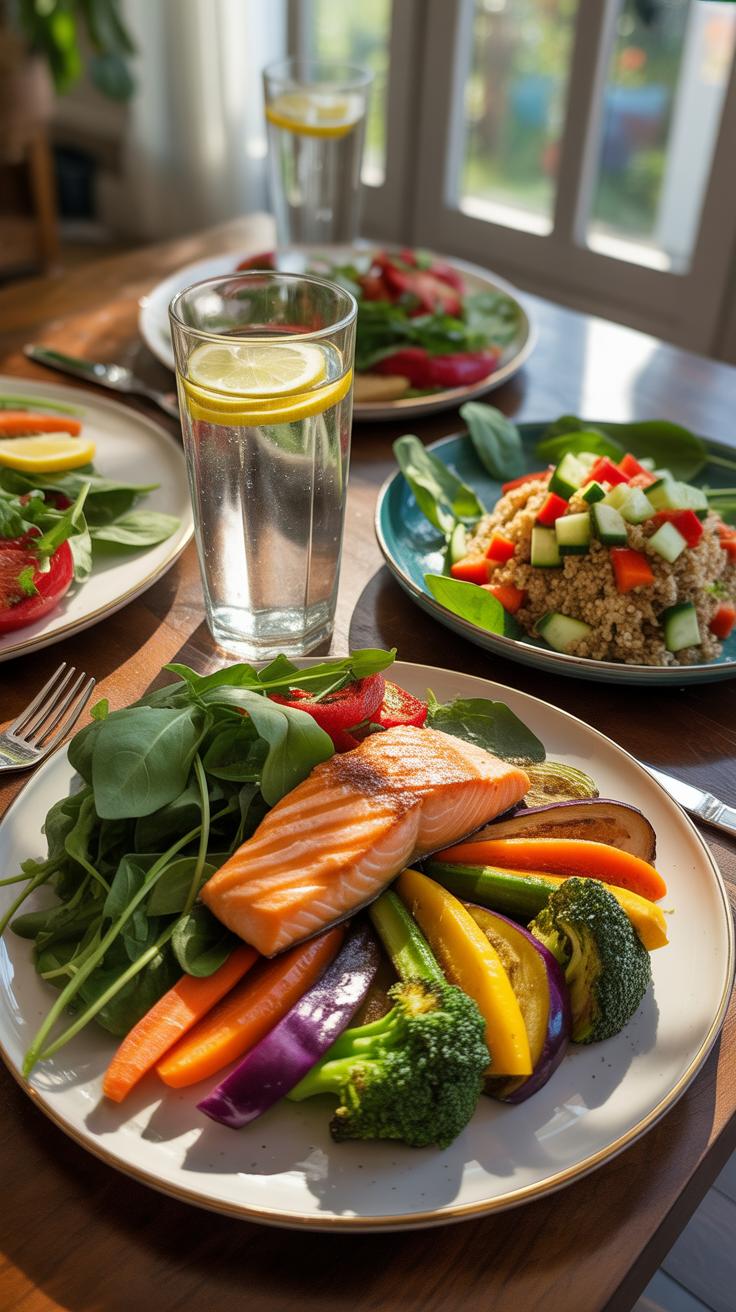
High protein meals increase the thermic effect of food. Your body spends more energy digesting protein than fats or carbs. Consuming lean proteins like chicken or white fish at dinner stabilizes blood sugar levels. This prevents insulin spikes that lead to fat storage. Low carbohydrate intake before sleep forces the body to access stored adipose tissue for metabolic needs during rest periods.
Muscle protein synthesis occurs while you sleep. A protein rich dinner provides the amino acids necessary for this process. Preserving lean muscle mass is vital because muscle tissue burns more calories at rest than fat tissue. Removing refined sugars and starches from your final meal of the day optimizes growth hormone production. This hormone plays a critical role in lipolysis and effective long term weight management.
Thermogenic Foods To Include In Your Evening Meals For Better Results
Thermogenic foods contain specific compounds that increase your internal body temperature. Capsaicin found in chili peppers is a primary example. It stimulates the sympathetic nervous system to boost metabolic rate for several hours after consumption. Adding these ingredients to dinner enhances the total caloric burn of the meal. They work by activating brown adipose tissue which burns energy to produce heat for the body.
Ginger and mustard seeds also possess thermogenic properties that aid digestion and lipid metabolism. These ingredients improve satiety and decrease the desire for late night snacking. Green tea extracts or freshly ground black pepper can be integrated into sauces to inhibit new fat cell formation. Focus on these whole food additions to maximize the metabolic efficiency of every meal you prepare. Use them consistently to see measurable physiological changes.
Dinner For Losing Weight Recipes For A Leaner Healthier You

Balanced Plate Method: How To Build A Weight Loss Dinner From Scratch
The balanced plate method prioritizes volume and satiety over calorie restriction. Divide your plate into three distinct zones based on macro-nutrient density. Fill half your plate with non-starchy vegetables like broccoli, spinach, or peppers. This adds fiber and essential vitamins while keeping caloric density low. Fiber slows digestion and promotes fullness throughout the evening to prevent late-night snacking.
Allocate one quarter of the plate to lean protein sources. Options include grilled chicken breast, white fish, tofu, or lean beef. Protein preserves muscle tissue during fat loss and requires more energy to digest than fats or carbs. Fill the final quarter with complex carbohydrates like quinoa or sweet potatoes. These provide steady glucose levels and prevent energy crashes or hunger spikes.
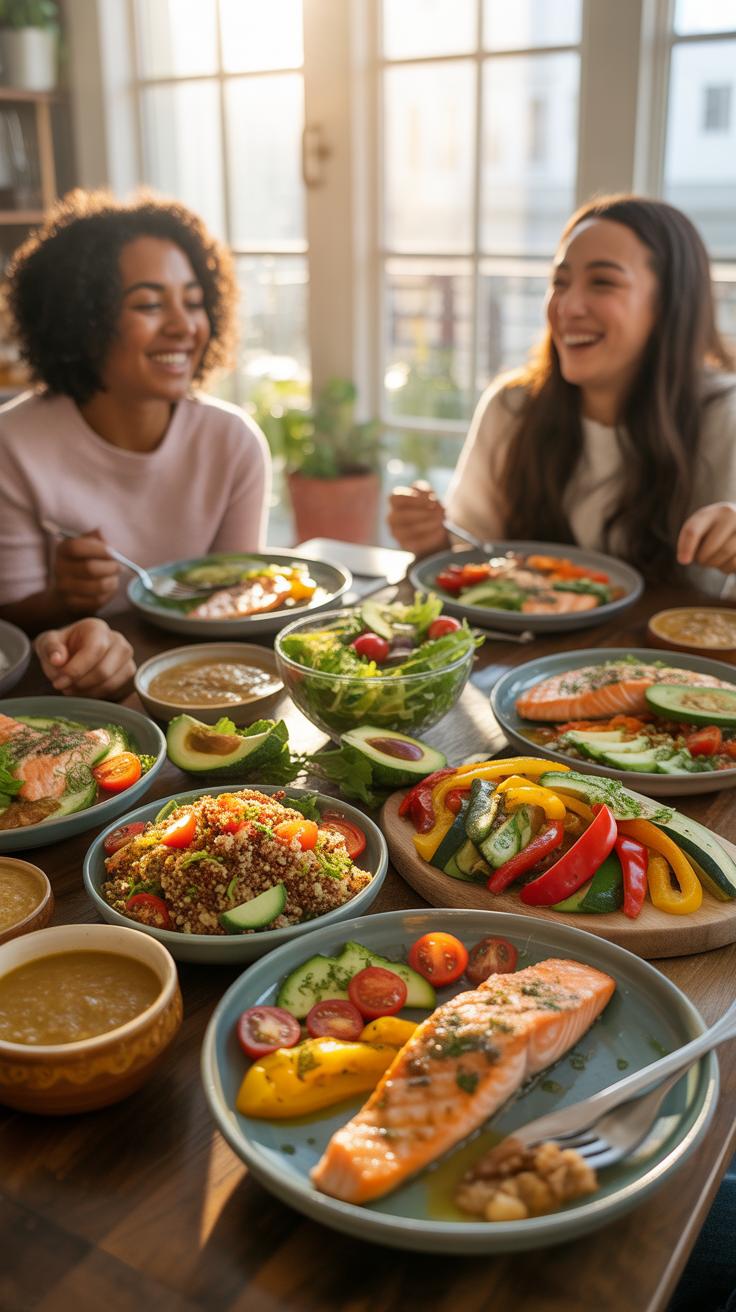
Cooking is all about people. Food is maybe the only universal thing that really has the power to bring everyone together.
Five Simple And Satisfying Recipes Perfect For Dinner Weight Loss Goals
Effective weight loss meals focus on high protein and high fiber combinations. Sheet pan salmon with asparagus and cherry tomatoes offers a fast, nutrient-dense option. Season with lemon and herbs instead of heavy sauces to keep the calorie count low. Zucchini noodles with ground turkey marinara provide a high-volume alternative to traditional pasta. This swap significantly reduces carbohydrate intake while maintaining a high protein profile.
A Mediterranean chickpea salad with grilled shrimp delivers healthy fats and lean protein quickly. Use olive oil and vinegar for a heart-healthy dressing that avoids processed sugars. Stir-fry lean beef with cabbage and snap peas for a crunchy, filling meal. Use soy sauce and ginger for flavor without adding fat. Finally, roasted chicken thighs with cauliflower rice provide a satisfying, low-carb dinner that supports metabolic health.
Healthy Dinner Recipes For Weight Loss A Full Weekly Meal Plan
How To Structure A Seven Day Healthy Dinner Rotation For Weight Loss
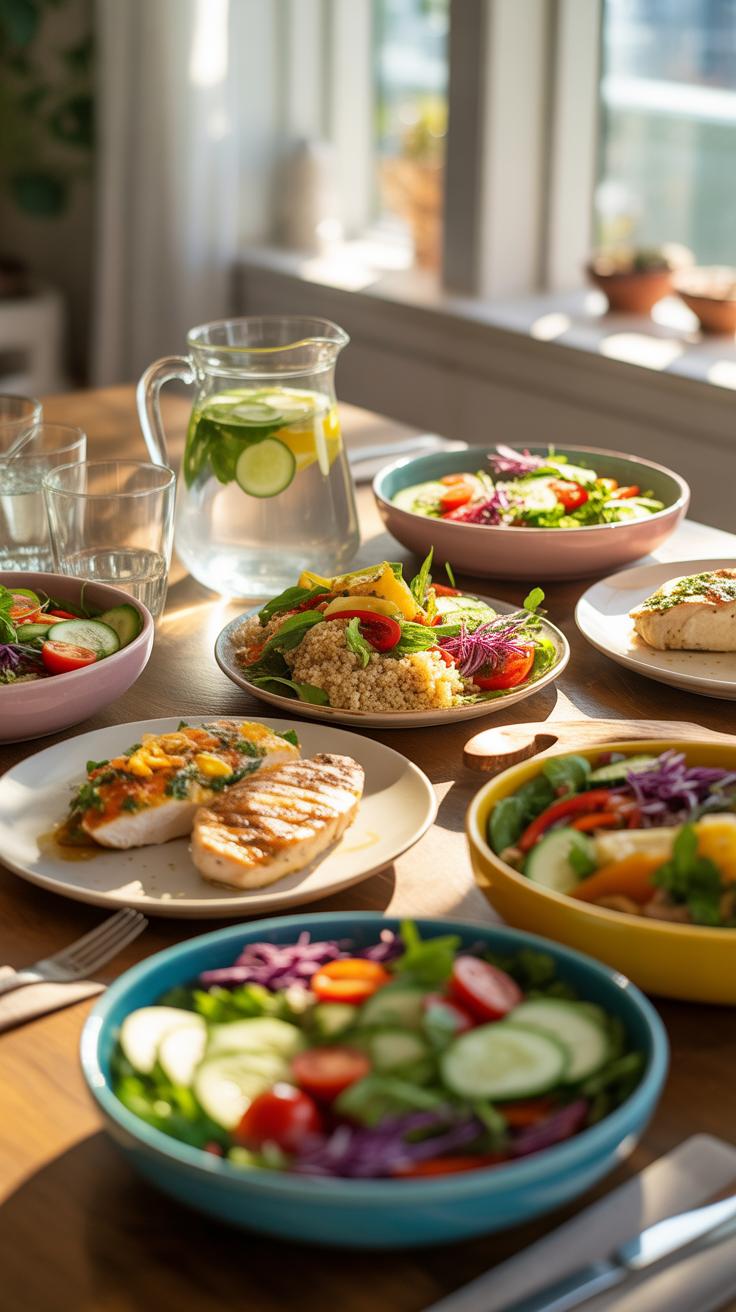
Weight loss requires a consistent caloric deficit and specific nutrient timing. You must rotate high-protein meals with fiber-dense vegetables to maintain metabolic health. A successful seven-day plan focuses on volume eating. This means consuming large portions of low-calorie foods like leafy greens and cruciferous vegetables. You should schedule complex carbohydrates for evenings following physical activity to help muscle recovery and stabilize blood sugar.
Structure your week by prepping specific protein sources on Sundays. Assign two nights to lean poultry, two nights to seafood, and two nights to plant-based proteins. Reserve the final night for a creative use of leftovers to reduce food waste. This tactical approach eliminates decision fatigue. It prevents you from choosing high-calorie takeout when your energy is low. Predictability in your food choice leads to reliable weight loss results.
Key Ingredients To Keep Stocked For A Successful Weight Loss Dinner Plan
A prepared pantry dictates your success rate. You must stock ingredients that provide maximum satiation for minimal caloric cost. Focus on shelf-stable proteins and high-fiber grains that cook quickly. These items allow you to build a fat-burning meal in under twenty minutes. Having these essentials on hand stops you from deviating from your nutrition plan during busy work weeks.
- Frozen Cruciferous Vegetables: Keep broccoli, cauliflower, and Brussels sprouts in the freezer. These vegetables provide essential bulk and fiber without the risk of spoilage. They require minimal preparation and help you feel full after every meal.
- Lean Canned Proteins: Stock wild-caught tuna, pink salmon, and chickpeas. These items provide immediate access to high-quality protein and healthy fats. They are essential for building muscle and keeping your metabolism active throughout the overnight fasting period.
- Low-Sodium Chicken or Vegetable Broth: Use broth for sautéing instead of butter or oil. This technique removes hundreds of hidden calories from your cooking process while adding flavor. Broth is a vital tool for making healthy soups and stews that aid weight loss.
- Whole Grains and Legumes: Keep dry lentils, quinoa, and black beans in airtight containers. These complex carbohydrates provide sustained energy and slow digestion. They prevent the late-night hunger pangs that often lead to overeating and weight gain during a diet.
- Acidic Flavor Agents: Store lemons, limes, and various vinegars in your kitchen. Acid enhances the flavor of food without adding sodium or fat. Using acid instead of heavy sauces keeps your caloric intake low while making your dinner recipes taste professional.
Organize your kitchen to keep these items visible and accessible. When you see healthy choices first, you are more likely to use them. Remove processed snacks that trigger cravings. Replace them with these foundational blocks of weight loss. Expert meal planning relies on a robust inventory of high-nutrition, low-calorie staples. Consistent results come from a controlled environment where the healthy choice is the easiest choice.
Lo Calorie Meals And Healthy Dinners That Keep You Full Longer
Understanding Calorie Density And Why It Changes How Satisfied You Feel
Calorie density measures the number of calories in a specific weight of food. High-density foods pack many calories into small portions. Low-density foods provide more volume for fewer calories. You feel full when your stomach physically expands. Foods with high water and fiber content stretch the stomach lining without adding excessive energy. This mechanical process signals your brain to stop eating before you overconsume calories.
Prioritizing low-density foods allows you to eat larger portions. Vegetables and lean proteins take up more physical space than fats or refined carbs. This volume helps stabilize blood sugar and prevents hunger spikes. You must focus on water-rich plants and structural proteins to maximize satiety. Choosing these ingredients ensures you reach your weight loss goals without suffering from constant hunger. Strategic eating relies on physics and biology.
Best Low Calorie Dinner Recipes That Deliver Big Flavor Without The Guilt
Effective low-calorie dinners utilize moisture and spice to replace fat. Sheet pan chicken with roasted cruciferous vegetables offers high protein and fiber. Large salads with grilled shrimp provide massive volume for minimal energy cost. These meals succeed because they require significant chewing time. Slower eating allows your hormones to register fullness. You get maximum satisfaction from every gram of food consumed during the evening.
White fish poached in tomato broth provides a lean meal with high liquid volume. Zucchini noodles with turkey bolognese offer the texture of pasta without the heavy carbohydrate load. Lean proteins like bison or chicken breast are the foundation of these recipes. They possess high thermic effects during digestion. Your body burns more energy processing protein than fat. Stick to these foundational ingredients to maintain your caloric deficit easily.
Health Chicken Dinner Recipes That Make Weight Loss Easier
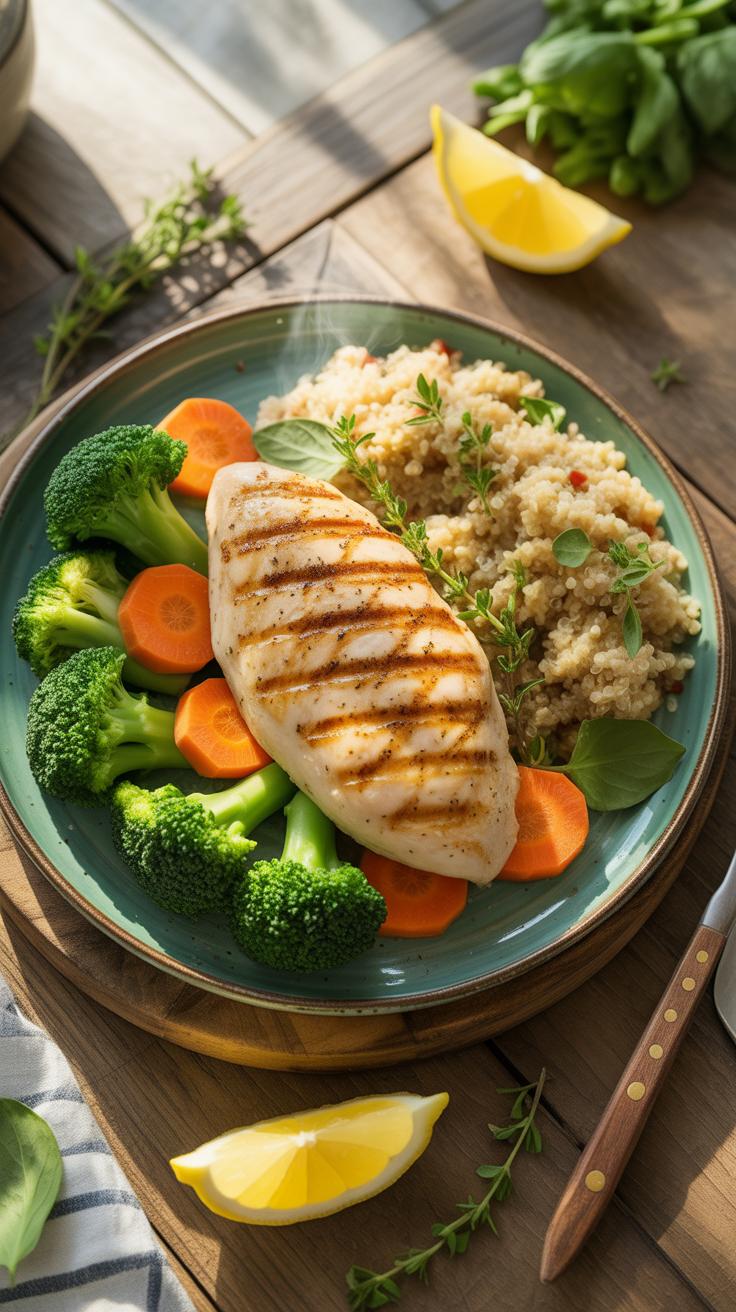
Why Chicken Breast Is One Of The Best Proteins For A Weight Loss Diet
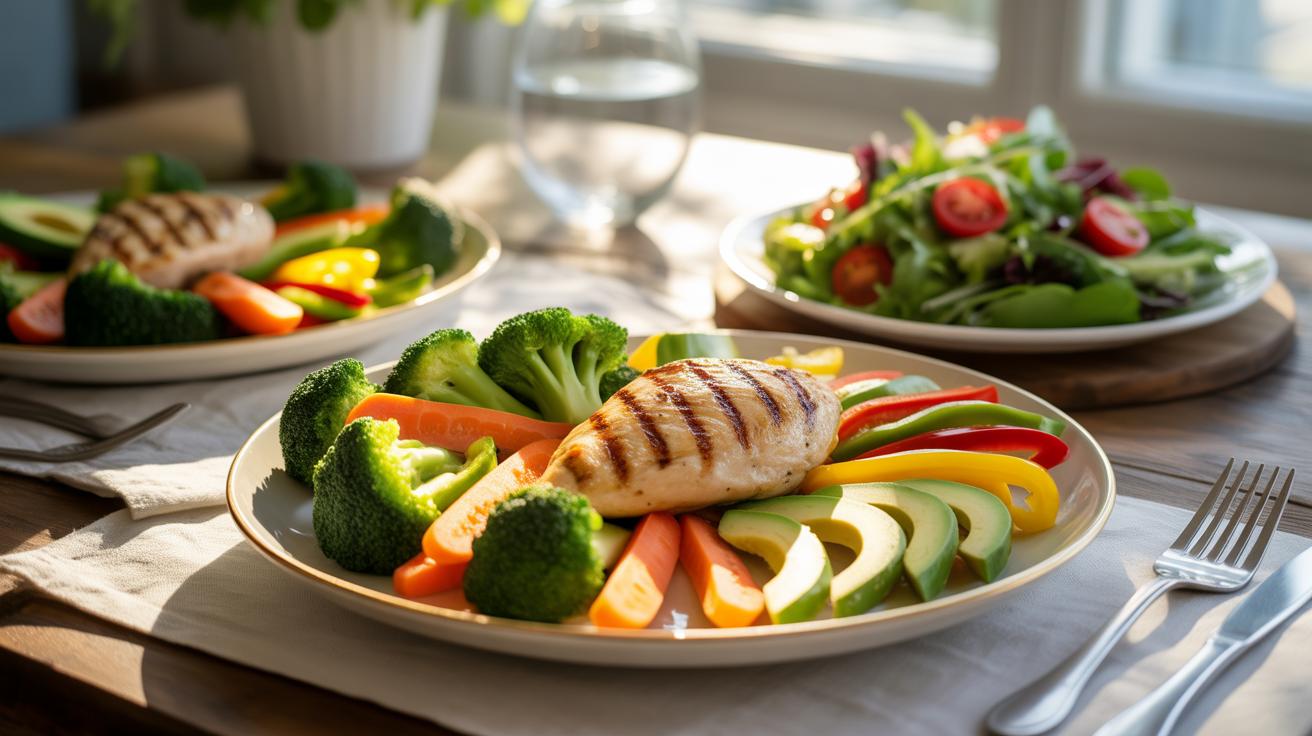
Chicken breast provides a high concentration of protein with very little fat. This lean profile helps you maintain a calorie deficit without sacrificing muscle mass. Protein has a higher thermic effect than fats or carbs. Your body burns more energy just digesting it. This metabolic advantage makes chicken breast a core tool for anyone serious about dropping body fat quickly and safely.
The high protein content also triggers satiety hormones like cholecystokinin. These signals tell your brain you are full. This prevents overeating and late-night snacking. Lean poultry contains essential amino acids that repair tissue after workouts. Unlike red meats, chicken breast lacks the high saturated fat levels that increase caloric density. Stick to skinless cuts to keep the fat content low and the nutrient density high.
Flavorful Healthy Chicken Dinner Ideas From Grilled To Sheet Pan Bakes
Sheet pan bakes maximize efficiency and nutrition. Toss cubed chicken breast with broccoli, bell peppers, and lemon juice. Roast them at high heat to achieve flavor through the Maillard reaction without adding heavy oils. This technique locks in moisture and keeps the meal under 400 calories. Using dry spices like cumin, smoked paprika, or garlic powder adds intense flavor without increasing the sodium or sugar content.
Grilling offers another tactical advantage by allowing excess fat to drip away from the meat. Prepare a simple marinade using apple cider vinegar and fresh herbs to tenderize the protein. Avoid store-bought sauces that contain high-fructose corn syrup or honey. Focus on high-volume vegetable sides like zucchini noodles or sautéed spinach. These pairings provide fiber which slows digestion and extends the feeling of fullness throughout the evening.
Non Boring Healthy Meals Keeping Dinner Exciting While Losing Weight
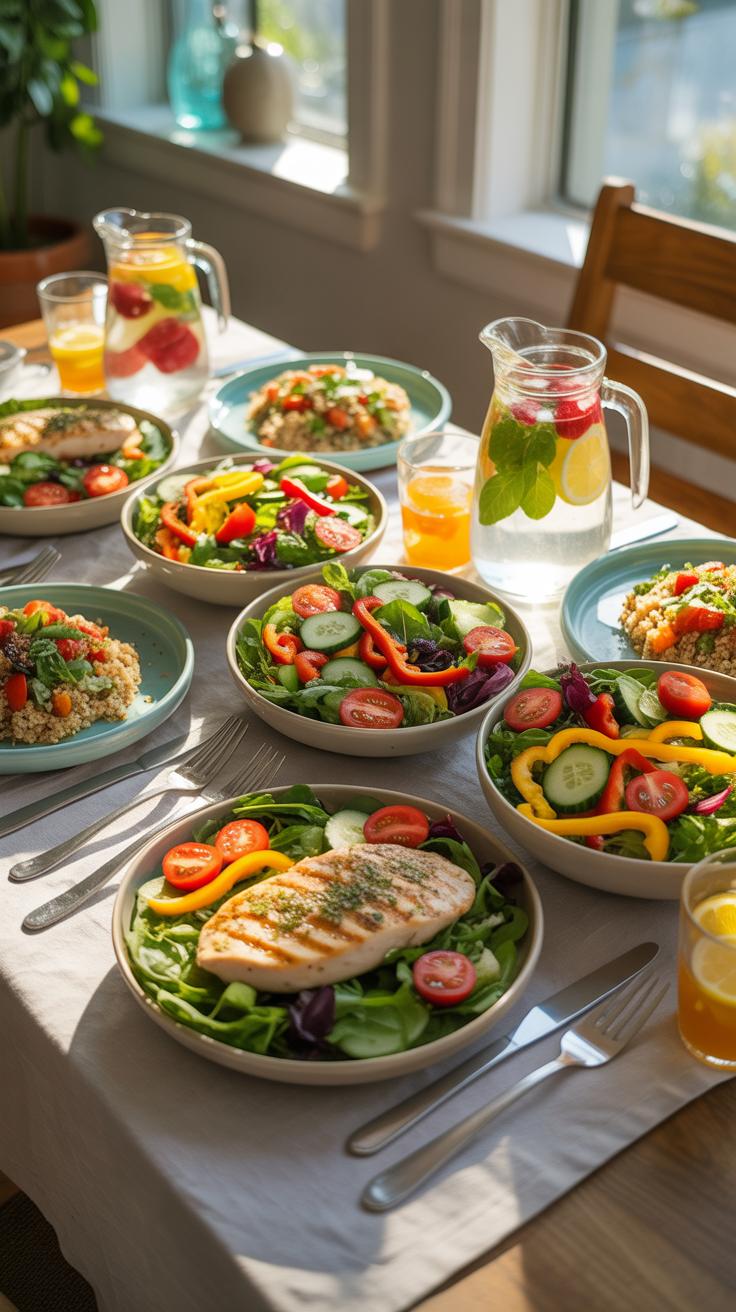
Global Cuisine Inspiration For Healthy Dinners That Never Feel Repetitive
Global flavor profiles prevent diet fatigue. Traditional Mediterranean and East Asian cooking focus on lean proteins and high vegetable volume. You should utilize regional spice blends like North African harissa or Japanese shichimi togarashi. These provide high impact taste without adding significant calories. Shifting your palate to international styles ensures you do not rely on a single repetitive food group every night.
Integrating diverse cooking styles changes how you view restriction. Mexican street tacos using cabbage slaw and lime provide crunch and acidity without heavy fats. Thai curries made with light coconut milk and shellfish offer protein and heat. These cuisines rely on fresh herbs and aromatics for depth. This tactical approach turns fat loss meals into a culinary exploration rather than a chore of bland boiled foods.
Smart Flavor Swaps And Cooking Techniques To Add Variety To Clean Eating
Texture and acidity dictate how much you enjoy a meal. Replace heavy cream with blended silken tofu or Greek yogurt to slash fat counts while maintaining creaminess. Use vinegar and citrus juices to brighten dull dishes. High heat roasting or charring vegetables changes their chemical structure through the Maillard reaction. This creates a natural sweetness and smokiness that steaming cannot replicate for your nightly dinners.
Adopt specific tools to change food density. Use a spiralizer for vegetable noodles or a mandoline for thin slaws to alter mouthfeel. Dehydrating mushrooms creates a concentrated savory flavor known as umami. This replaces the need for excessive salt. You must master quick pickling to add immediate zing to grilled meats. These technical adjustments keep your palate engaged and prevent you from returning to high calorie comfort foods.
Easy Meals For Weight Loss That Fit Into Any Busy Schedule
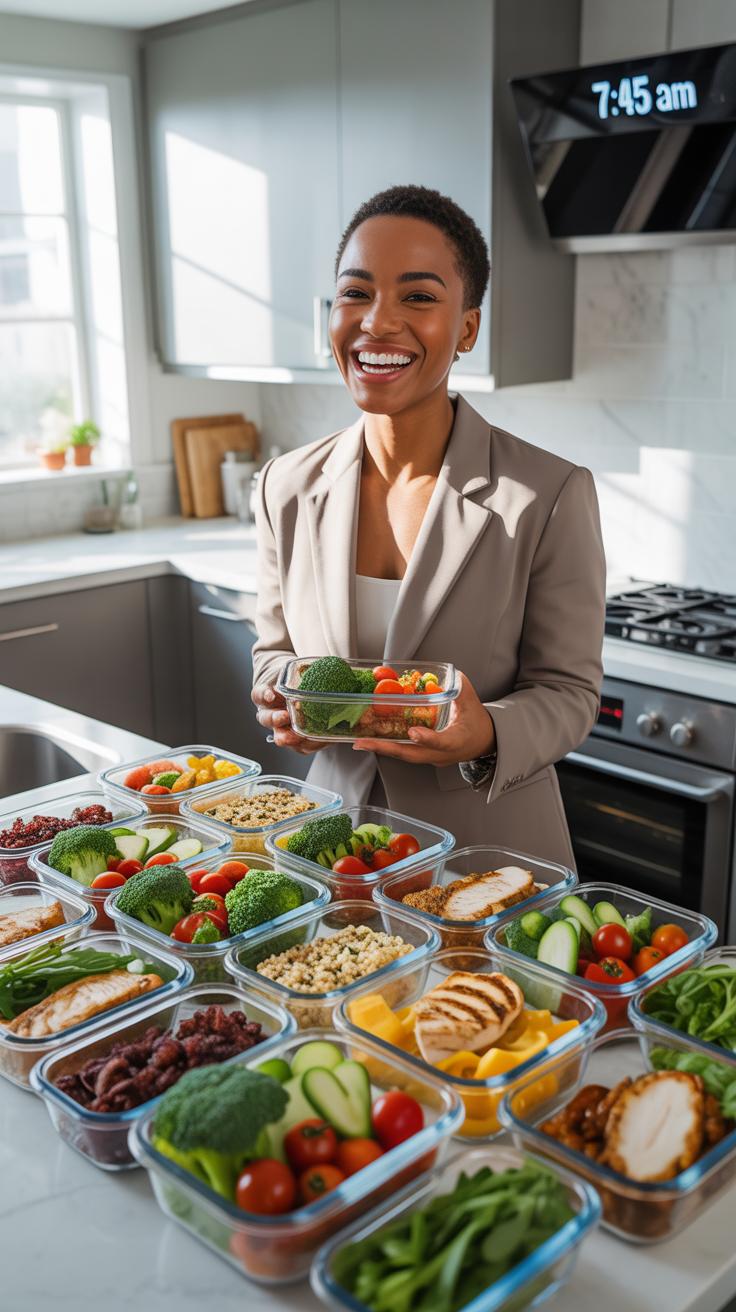
30 Minute Or Less Healthy Dinner Recipes For People With Limited Time
Short cooking times prevent reliance on processed convenience foods. High heat techniques like stir-frying or broiling cook lean proteins in under ten minutes. Focus on thin cuts of meat like chicken cutlets or shrimp to reduce thermal requirements. Use pre-washed greens and frozen vegetables to eliminate prep labor. These methods maintain nutritional density while fitting into tight schedules. You save time without compromising your caloric goals.
Speed requires a tactical approach to kitchen management. Use a single pan to minimize cleanup and streamline the workflow. Boiling water in a kettle is faster than using the stove. Utilize acidic marinades like lemon or vinegar to tenderize meat quickly while adding flavor without heavy fats. This strategy ensures you eat a high-protein meal within thirty minutes. Consistent execution of these fast recipes builds lasting weight loss habits.
Meal Prep Strategies That Make Weeknight Weight Loss Dinners Effortless
Batch cooking is the most effective way to control your caloric intake during the work week. Devote one afternoon to preparing bulk proteins and complex carbohydrates for several days. This move eliminates the need for daily decision-making which often leads to poor food choices. Storing pre-portioned meals ensures you track every gram of macronutrients accurately. Efficiency in the kitchen translates directly to consistency in your diet.
- Batch Protein Roasting: Cook three to four pounds of chicken breast or lean turkey at once using basic seasoning. Store this cooked protein in the refrigerator to use as a base for salads, wraps, or grain bowls throughout the entire week.
- Pre-Chopping Aromatics: Dice onions, peppers, and garlic in large quantities on Sunday nights. Storing these in airtight containers reduces the daily friction of starting a meal. Most vegetables remain fresh for five days when kept in the proper cold environment.
- Vance Sheet Pan Assembly: Arrange raw vegetables and proteins on sheet pans before the week begins. Cover them with foil and slide them into the oven when you get home. This technique delivers a fresh, hot meal with zero active cooking time after work.
- Measured Grain Portions: Boil large batches of quinoa or brown rice and divide them into half-cup servings immediately. Cooling these grains quickly and storing them in individual containers prevents overeating. It also provides a ready-made complex carbohydrate source for every evening meal.
- Sauce and Dressing Prep: Blend low-calorie dressings using Greek yogurt or mustard bases ahead of time. Store these in small jars to add moisture and flavor to dry proteins. Avoid store-bought versions that contain hidden sugars and inflammatory oils which stall weight loss progress.
Smart organization turns your kitchen into a high-performance fuel station. Use transparent containers to see exactly what supplies you have left. Label each container with the date and portion size to maintain strict discipline. Having ready-to-eat healthy options kills the urge to order takeout. Successful weight loss depends on your ability to make the right choice the easiest choice. Tactical preparation ensures you never fail a meal.
Healthy But Not Boring Meals Plant Based Dinners For Weight Loss
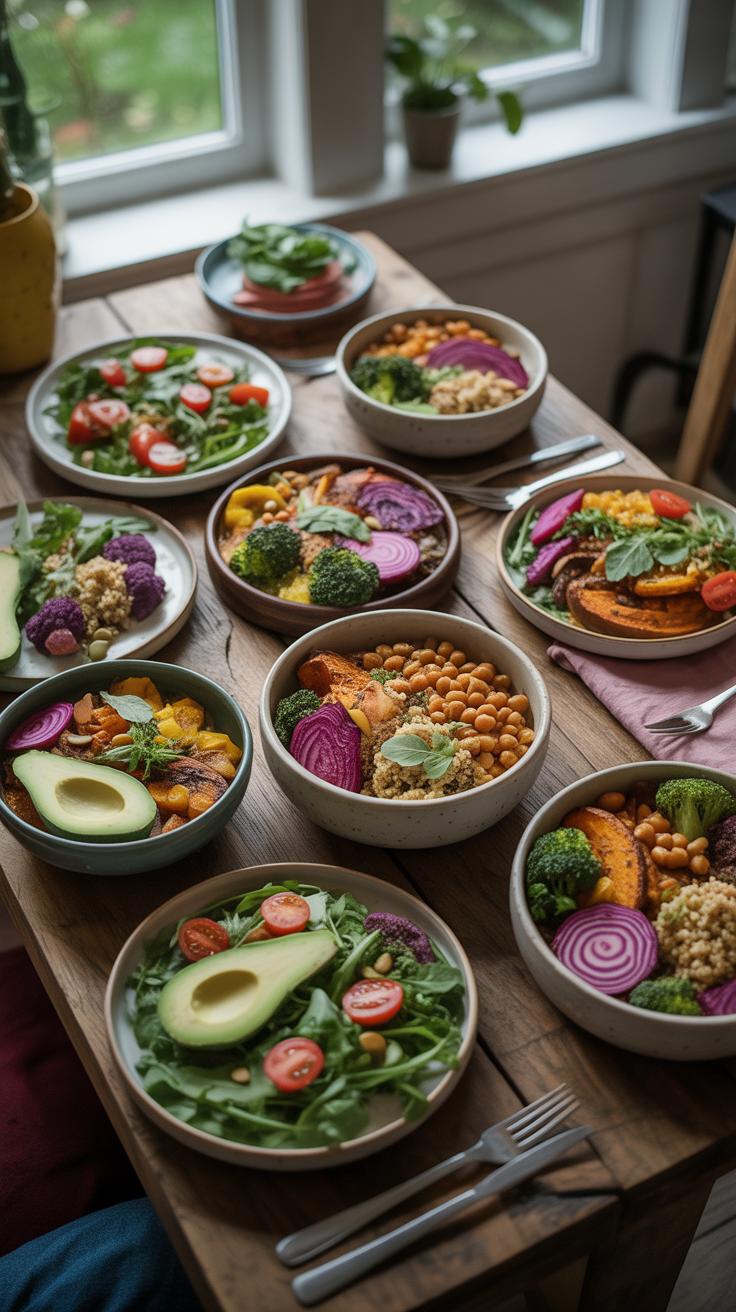
How Plant Based Proteins Like Lentils, Beans, And Tofu Support Fat Loss
Plant proteins drive weight loss through high fiber content and low calorie density. Lentils and beans contain resistant starch. This starch resists digestion and functions like fiber. It keeps you full for longer periods. Fiber also slows glucose absorption into your bloodstream. This prevents insulin spikes that lead to fat storage. High fiber intake correlates directly with lower body weight in clinical studies.
Tofu and chickpeas provide complete amino acids without the saturated fats found in red meat. These proteins require more energy to digest than fats or carbohydrates. This process is the thermic effect of food. Choosing plant proteins reduces your overall calorie intake while maintaining muscle mass. Consistent consumption of legumes improves metabolic health. It helps you burn fat while staying satiated throughout the evening.
Delicious Vegetarian And Vegan Dinner Recipes That Help You Lose Weight
Effective plant-based dinners focus on volume and nutrient density. A black bean and sweet potato chili provides complex carbohydrates and steady energy. You get high protein without the inflammatory properties of processed meats. Steamed vegetables added to these dishes increase meal size without adding many calories. This strategy tricks the brain into feeling satisfied. Use spices like cumin and chili powder to boost flavor.
A tofu stir fry with broccoli and peppers offers a fast, high-protein meal. Pressing the tofu removes water and improves texture. Use a small amount of sesame oil to keep fat counts low. Cauliflower rice serves as a low-calorie base for these recipes. It cuts the carbohydrate load by eighty percent compared to white rice. These meals ensure you meet your daily nutritional requirements while maintaining a necessary calorie deficit.
Common Dinner Mistakes That Slow Down Weight Loss And How To Fix Them
Hidden Calorie Traps In Seemingly Healthy Dinners You Should Avoid
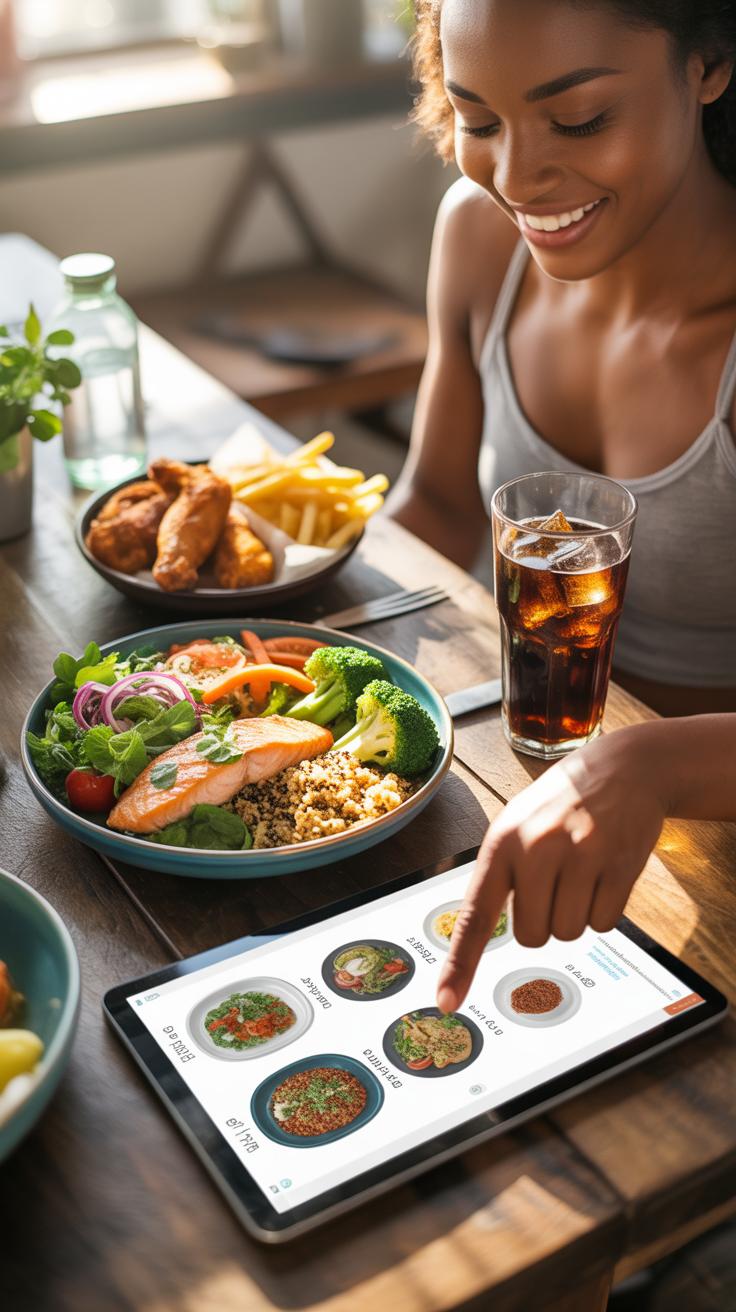
Salad dressings and cooking oils often sabotage weight loss efforts. Many people pour liquid calories onto lean proteins without measuring them. One tablespoon of olive oil contains one hundred twenty calories. Most home cooks use three times that amount. Creamy sauces and store bought marinades also pack high levels of sugar and sodium. These additives trigger water retention and increase the total energy density of your plate.
Store bought rotisserie chickens and pre-marinated meats contain hidden fats and preservatives. Manufacturers add these to keep the meat moist under heat lamps. You consume excess sodium that stalls fat loss. Always check the labels for added syrups or vegetable oils. Switch to dry rubs and citrus juices for flavor. Controlling every ingredient prevents the calorie creep that keeps you from reaching your target weight goal fast.
How Portion Control And Mindful Eating At Dinner Accelerate Weight Loss
Plate size directly impacts how much food you consume. Larger plates trick your brain into thinking portions are small. This leads to overeating healthy foods. Use smaller dinnerware to create a visual sense of fullness. Fill half your plate with fibrous vegetables first. This strategy ensures you feel satisfied while keeping total calories low. High volume low calorie foods are the key to metabolic success.
Slowing down your chewing pace allows your brain to receive fullness signals. It takes twenty minutes for the stomach to tell the brain it is full. Eating in front of a screen leads to mindless consumption. You lose track of how much you have eaten. Put your fork down between bites. This simple habit reduces your caloric intake significantly. Focus on the food to stop eating before you feel stuffed.
Frequently Asked Questions

What are the best types of meals to start with when trying to lose weight?
When starting your journey, the most effective healthy dinner recipes for weight loss focus on high-protein sources and fiber-rich vegetables. Beginners should look for balanced meals, such as grilled chicken with roasted broccoli or a satisfying turkey chili. These ingredients keep you feeling full longer, preventing late-night snacking. Starting with simple, whole-food recipes ensures you build sustainable habits without feeling overwhelmed by complex cooking techniques or restrictive dieting.
How can I meal prep dinner effectively to stay on track with my fitness goals?
Successful meal prep starts with choosing versatile ingredients that work across multiple healthy dinner recipes for weight loss. Spend your Sunday roasting a large tray of seasonal vegetables and cooking a batch of lean protein like quinoa or salmon. Store these in airtight containers to assemble different bowls throughout the week. This organization saves time and ensures you always have a nutritious, calorie-conscious option ready when your schedule gets busy.
Is it possible to eat healthy for weight loss on a tight monthly budget?
You absolutely do not need expensive “superfoods” to see results. Focus on affordable staples like canned beans, lentils, frozen vegetables, and brown rice to create nutrient-dense meals. Buying seasonal produce and choosing plant-based proteins a few nights a week can significantly lower your grocery bill. With a little creativity, these humble ingredients form the foundation of delicious meals that support your health goals without straining your wallet or your schedule.