
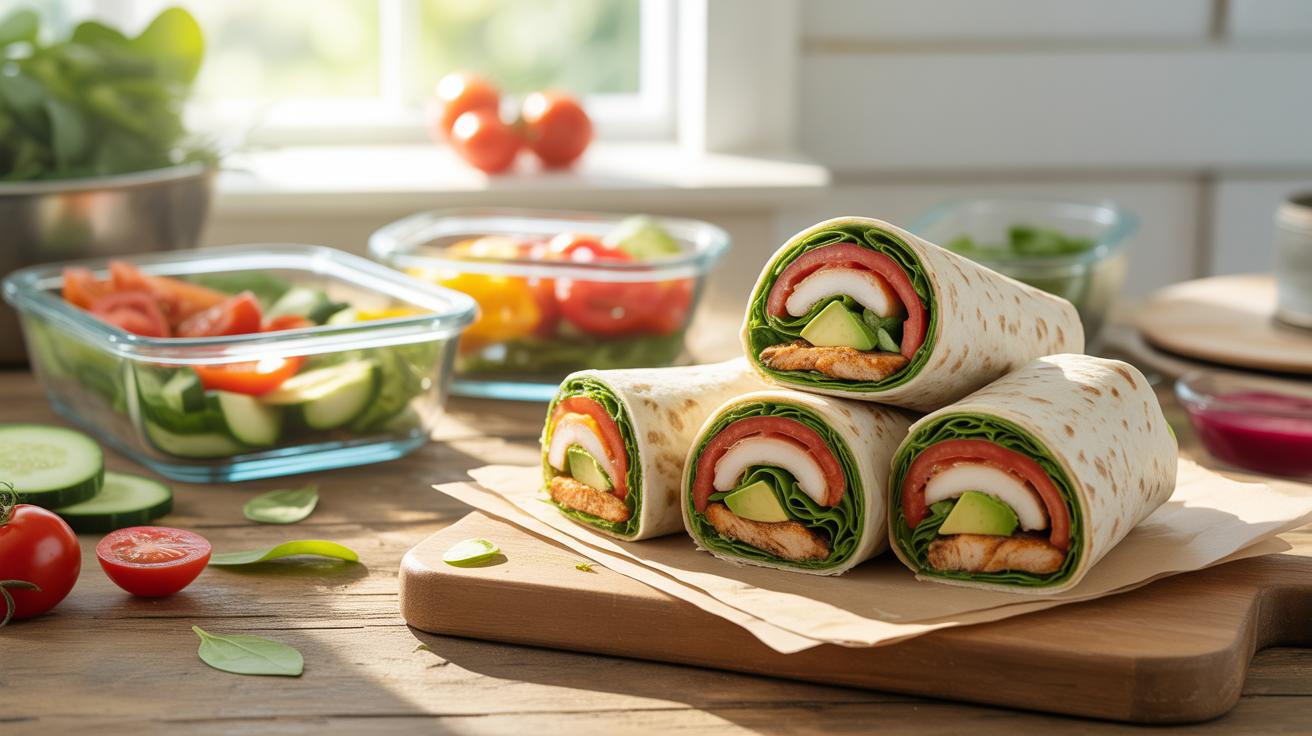
What Makes A Wrap Healthy The Foundation Of Wrap Healthy Recipes
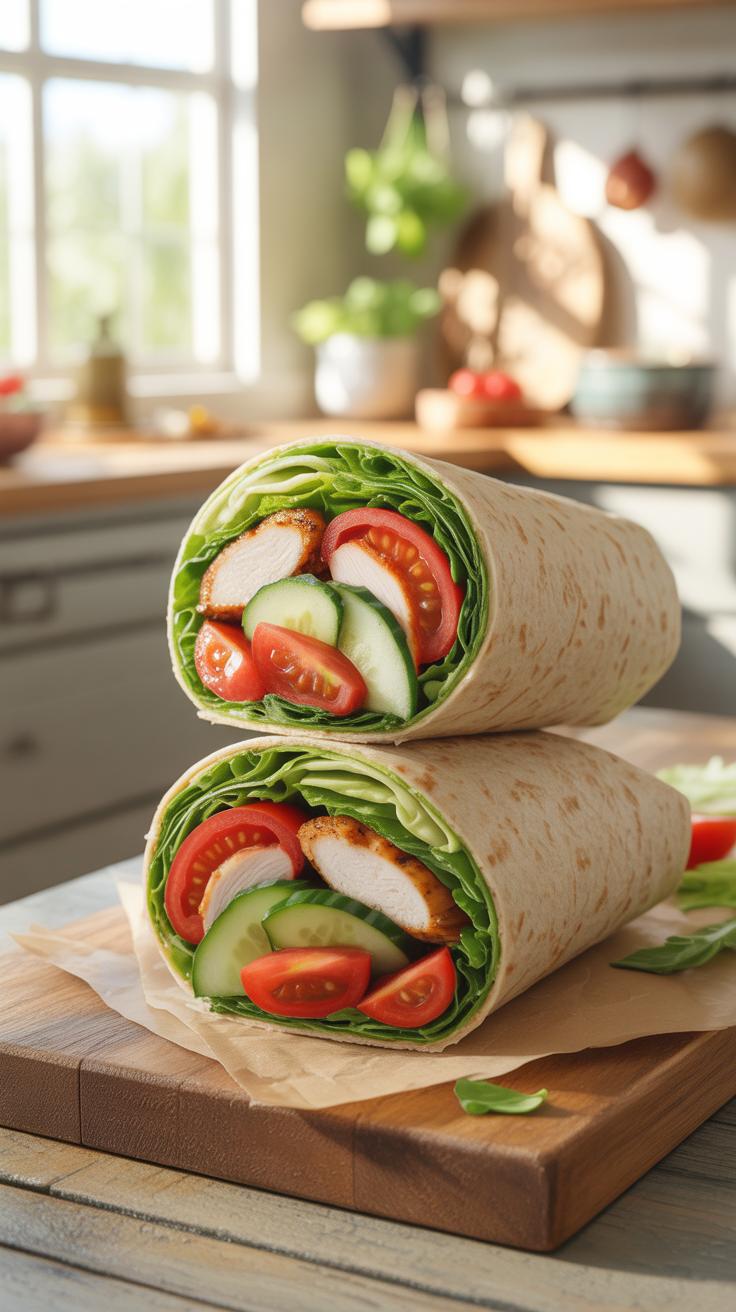
Choosing The Right Tortilla: Whole Wheat, Spinach, And Low Carb Options
The tortilla serves as the structural base and primary carbohydrate source of the meal. Most standard flour tortillas use refined white flour which lacks fiber and spikes blood sugar. You must select whole grain or sprouted wheat versions to ensure sustained energy release. High-quality options provide at least three grams of fiber per serving. This fiber slows digestion and keeps you full for longer periods.
Marketing often highlights spinach or tomato wraps as healthier alternatives. Check the ingredient labels carefully before purchasing these products. Most commercial brands use food coloring and dried powders rather than significant vegetable portions. Low-carb tortillas often use almond flour or flaxseed to reduce the glycemic load. These grain-free alternatives work well for specific dietary goals but require careful handling to prevent tearing during assembly.
Balancing Macronutrients: Protein, Fiber, And Healthy Fats In Every Wrap
A healthy wrap requires a precise balance of macronutrients to prevent energy crashes. Lean protein must be the centerpiece to support muscle maintenance and satiety. Use grilled chicken, turkey, or plant-based legumes as your primary anchor. Without sufficient protein, the wrap becomes a high-carb snack rather than a complete meal. Aim for twenty to thirty grams of protein per wrap to maximize the nutritional impact.

Healthy fats and fiber complete the metabolic profile. Add avocado or nut-based spreads to improve nutrient absorption and provide essential fatty acids. Avoid heavy mayonnaise or ranch dressings that add empty calories without nutritional value. Fill the remaining space with raw or roasted vegetables to increase volume and micronutrient density. This tactical combination creates a lunch that supports focus and physical performance throughout the afternoon.
The Best Veggie Wrap Recipe Ideas For A Plant Powered Lunch
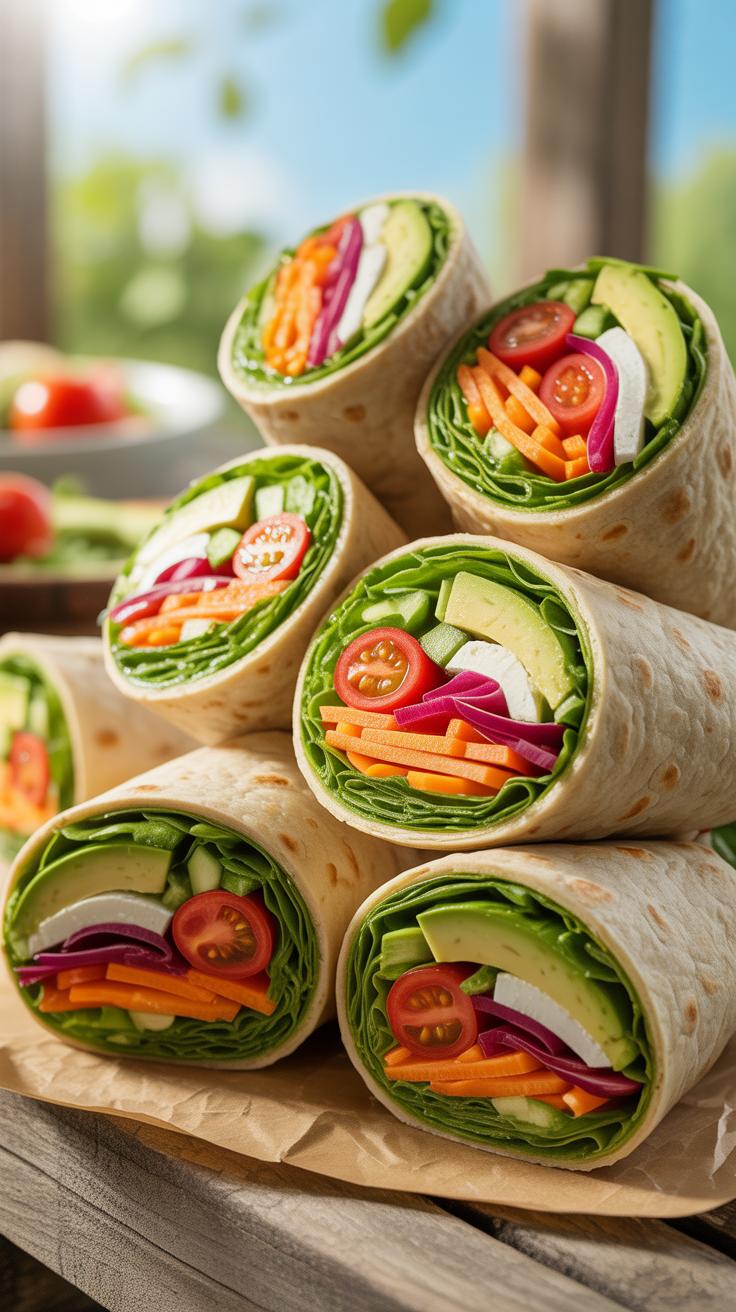
Rainbow Veggie Wraps: How To Layer Colorful Vegetables For Maximum Nutrition
Layering determines the structural integrity of your wrap. Place heavy leaf greens like spinach or kale directly against the tortilla. These act as a moisture barrier. Add dense root vegetables such as shredded carrots next. Place wet ingredients like sliced bell peppers or cucumbers in the center. This strategic placement prevents the wrap from getting soggy during storage and transport.
Color variety ensures a broad range of micronutrients and phytonutrients. Red peppers provide vitamin C. Purple cabbage offers anthocyanins. Green leafy vegetables deliver iron and folate. Use thin slices or julienne cuts for even distribution. Compact layers prevent the wrap from falling apart when you bite into it. Proper stacking makes the meal easy to eat and nutritionally complete for your mid-day energy needs.
Flavor Boosters: Sauces, Seasonings, And Spreads That Elevate Veggie Wraps
Effective spreads serve two purposes. They add flavor and act as a glue for the vegetables. Use hummus or mashed avocado for healthy fats and protein. These thick pastes hold the smaller veggie pieces together. Avoid thin dressings that leak out of the ends. Apply the spread evenly across the top two thirds of the wrap surface to ensure a tight seal.
Enhance the flavor profile without adding excessive liquid. Use dry spice blends like za’atar, smoked paprika, or garlic powder. Fresh herbs provide intense flavor without extra calories. Pickled ingredients like red onions or jalapeños add acidity. This acidity cuts through the richness of the spreads. Balance your fats, salts, and acids to create a satisfying meal that remains stable in your lunch box.
Plats Healthy How Wraps Fit Into A Balanced Nutritious Diet
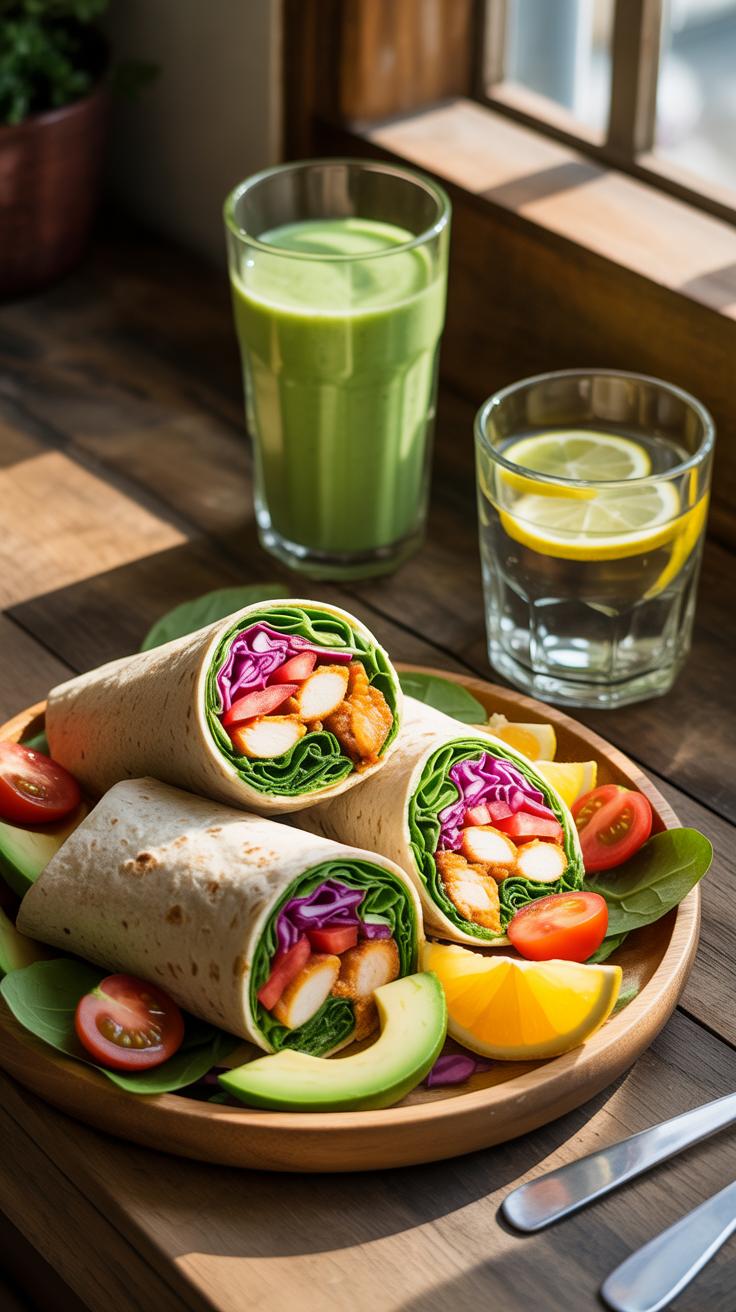
Wraps As A Wholesome Meal: Calories, Nutrients, And Portion Awareness
Healthy lunch wraps provide a compact format for delivering essential macronutrients. A standard flour tortilla often contains 200 calories or more. You must account for these calories before adding fillings. Total nutritional value depends on the ration of protein to refined carbohydrates. Large wraps can lead to overeating if you do not monitor the diameter and thickness of the bread choice.
Prioritize fiber to manage glucose response and maintain fullness. Whole grain or sprouted wheat wraps offer more B vitamins and minerals than white flour options. Use the wrap as a vessel for lean proteins and raw vegetables rather than heavy starches. Control your portions by measuring fats like hummus or avocado. Proper assembly ensures you meet daily caloric targets without exceeding your energy needs.
How To Keep Your Wraps Light Without Sacrificing Taste Or Satiety
Satiety comes from volume and protein, not just fat. Increase the bulk of your wrap with high-moisture vegetables like cucumbers, bell peppers, and shredded cabbage. These add crunch and micronutrients without adding significant calories. Use Greek yogurt or mustard instead of mayonnaise to reduce lipid content. High-protein fillings like grilled chicken or chickpeas keep hunger away longer by slowing down the digestion process.
Flavor density eliminates the need for excess salt and heavy dressings. Use fresh herbs, citrus juice, and dry spices to enhance the taste profile of your ingredients. Vinegar-based pickles provide a sharp contrast that cuts through the richness of proteins. Texture variety also improves the eating experience. Combine soft fats with crunchy greens to hit different sensory targets. This strategy makes a lighter wrap feel substantial.
Recetas Fitness High Protein Wraps To Fuel Your Active Lifestyle

Pre And Post Workout Wrap Fillings That Support Muscle Recovery
Strategic fueling requires a balance of fast-digesting carbohydrates and lean proteins. Before training, focus on glucose sources like sliced bananas or sweet potatoes inside your wrap. These provide immediate energy for muscle contractions. Avoid high-fiber vegetables immediately before gym sessions to prevent digestive distress. Keep fat content low to ensure nutrients reach your bloodstream quickly. Simple structures work best for performance.
Recovery hinges on protein synthesis and glycogen replenishment. Use a whole-wheat wrap to provide sustained energy release after exercise. Pair this with grilled chicken or egg whites to repair muscle tissue tears. Sodium from sea salt or spinach helps replace electrolytes lost through sweat. Adding avocado provides healthy fats that reduce inflammation. Proper timing within two hours of training maximizes these nutritional benefits.
Lean Protein Sources For Fitness Wraps: Turkey, Tuna, Eggs, And Legumes
Lean meats offer the highest protein-to-calorie ratio for weight management. Oven-roasted turkey breast provides a dense source of leucine, an amino acid critical for muscle growth. Canned tuna in water offers a portable, high-protein option with minimal prep time. Both options work well for cold meal prep. Ensure you drain liquids thoroughly to prevent the wrap from becoming soggy during storage.
Plant-based proteins and eggs offer versatility for different dietary needs. Hard-boiled eggs provide high-quality protein and essential choline for brain health. Mash them with Greek yogurt instead of mayo to keep fat low. Legumes like chickpeas or black beans add fiber alongside protein for better satiety. These ingredients stabilize blood sugar and prevent energy crashes. Mixing animal and plant proteins creates a complete amino acid profile.
Recette Sant Fresh And Wholesome Wrap Recipes Inspired By Clean Eating
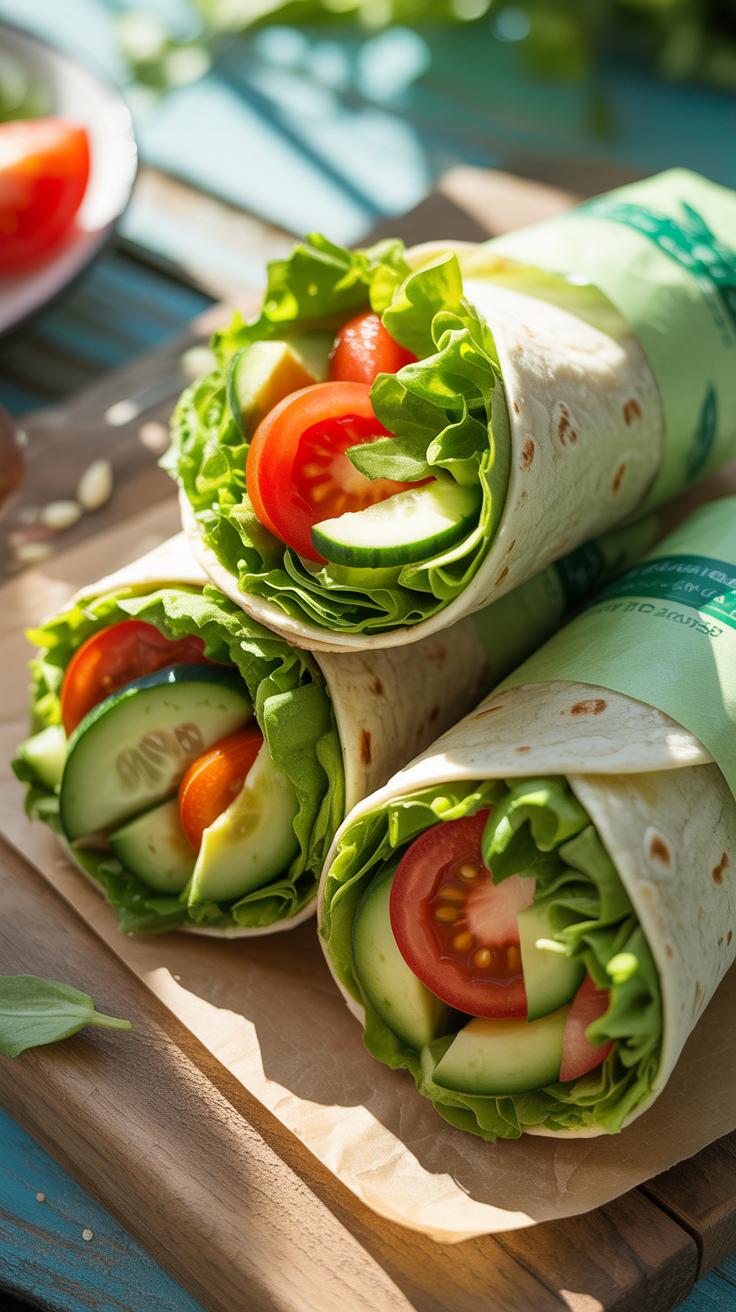
Clean Ingredient Wraps: Why Whole Foods Make The Best Fillings
Whole foods provide maximum nutrient density for healthy lunch wraps. Clean eating focuses on minimally processed ingredients to avoid hidden sugars and excess sodium. Use lean proteins like grilled chicken or chickpeas to maintain muscle mass. Fresh vegetables provide fiber and essential vitamins. These ingredients stabilize blood sugar levels and prevent afternoon energy crashes. High-quality whole foods ensure the body receives fuel without chemical additives.
Select wraps made from sprouted grains or 100 percent whole wheat. Processing often strips grains of their germ and bran. Whole grains contain more magnesium and B vitamins than refined white flour. Combine these with healthy fats from avocado or olive oil for better nutrient absorption. Clean fillings reduce internal inflammation and improve digestion. Using natural components allows the true flavor of the food to stand out without artificial enhancers.
Simple Recette Santé Wrap Assembly Tips For Busy Weekday Meal Prep
Effective meal prep requires a systematic approach to assembly. You must protect the wrap from moisture to ensure a palatable texture days later. Construct a barrier between wet ingredients and the tortilla using dry greens or healthy fats. This method prevents the structural failure of the bread. Speed and efficiency result from prepping all components individually before you begin the final rolling process.
- Moisture Barrier: Place large leaves of romaine or kale directly against the wrap. These hardy greens act as a waterproof layer between juicy tomatoes and the bread. This technique keeps the exterior firm for up to forty-eight hours in the refrigerator.
- Layering Density: Put the heaviest and driest proteins at the bottom of the stack. Placing chicken or beans first creates a stable base for the roll. This arrangement keeps the wrap from falling apart when you take the first bite during a busy lunch.
- Condiment Placement: Spread hummus or Greek yogurt toward the center of the fillings rather than on the bread. This prevents the sauce from soaking into the tortilla fibers during storage. Controlled placement preserves the integrity of the wrap and keeps the flavors concentrated.
- Cooling Proteins: Ensure all cooked meats or vegetables reach room temperature before assembly. Steam from hot food creates condensation inside the storage container. This moisture leads to soggy wraps and bacterial growth. Proper cooling increases food safety and maintains an ideal texture.
- Proper Wrapping Technique: Fold the sides inward first and then roll tightly from the bottom. Use parchment paper or aluminum foil to secure the bundle. A tight wrap prevents oxygen from reaching the ingredients and keeps the fillings fresh for much longer.
Storage containers play a vital role in keeping healthy lunch wraps fresh. Use airtight glass containers to maintain constant temperature and humidity. Do not pack wraps too tightly together in one box to avoid smashing the bread. Label each container with the date of preparation for safety. These tactical steps ensure that clean eating remains convenient and effective throughout the entire work week.
Veggie Wraps With Hummus A Classic Combination Worth Mastering
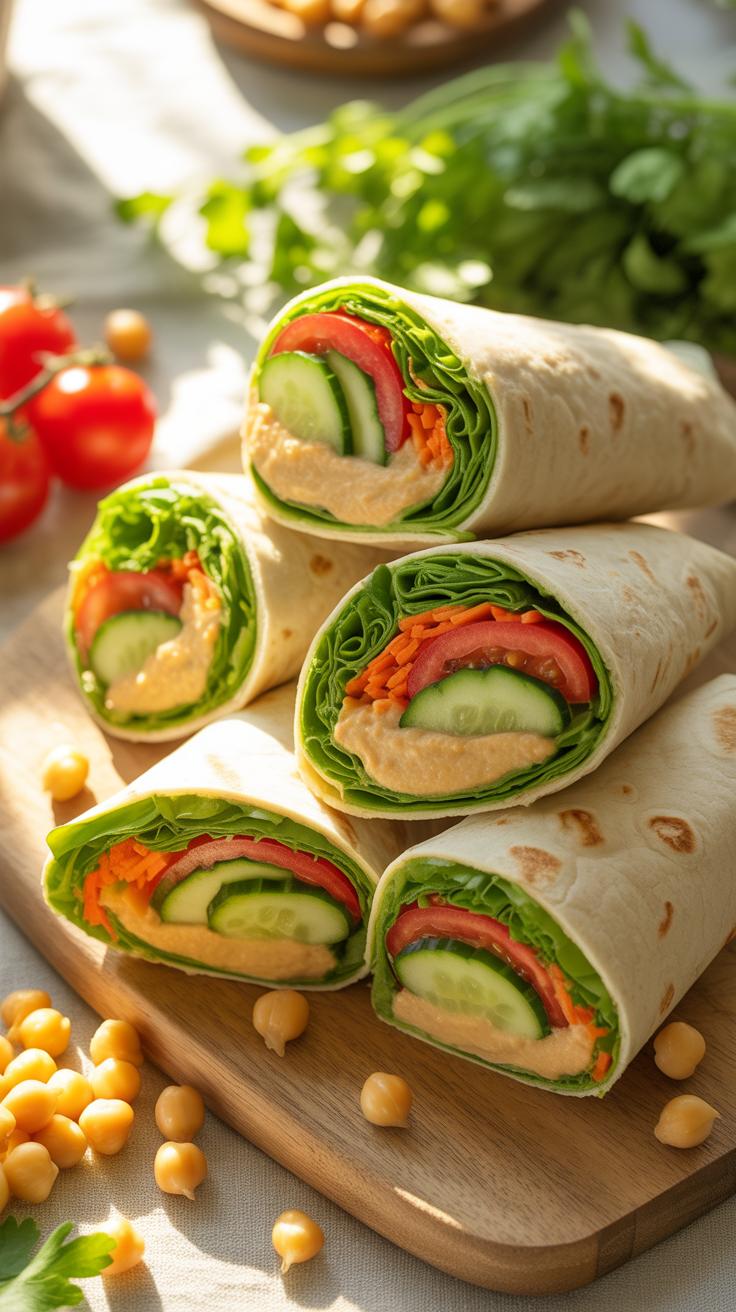
Why Hummus Is The Perfect Wrap Spread: Nutrition, Taste, And Texture
Hummus serves as a functional binder in healthy lunch wraps. It replaces high calorie condiments like mayonnaise or oil based dressings. The blend of chickpeas and tahini provides a complete plant protein source. This spread contains healthy fats that slow down digestion. It keeps you full for longer periods during the workday. The thick consistency prevents the tortilla from becoming soggy over time.
The pH level of lemon juice in hummus acts as a natural preservative for fresh vegetables. It adds a savory umami profile without excessive sodium. The creamy texture balances crunchy raw ingredients. It creates a moisture barrier between the wrap and watery fillings. Using hummus simplifies meal prep by combining protein and sauce into one step. This strategy reduces the total number of ingredients needed for your recipes.
Best Vegetable Pairings For Hummus Based Wraps: Crisp, Creamy, And Satisfying
Strategic vegetable selection determines the structural integrity of the wrap. Dense root vegetables like shredded carrots provide a firm base. Sliced cucumbers add hydration and a sharp crunch. Red bell peppers offer high vitamin C content and structural strength. Avoid high water vegetables like large tomato slices for long term storage. These ingredients release liquid that degrades the wrap material within hours.
Green leafy components must remain dry during assembly. Spinach and kale outperform iceberg lettuce because they do not wilt quickly. Pickled onions or cabbage add acidity to cut through the density of the chickpeas. Sprouting seeds like alfalfa increase the nutrient density without adding bulk. Use thinly sliced radishes for a peppery finish. Proper stacking ensures every bite contains a mix of fiber and micronutrients for sustained energy.
Healthy Food Dishes Reimagined Global Wrap Inspirations From Around The World
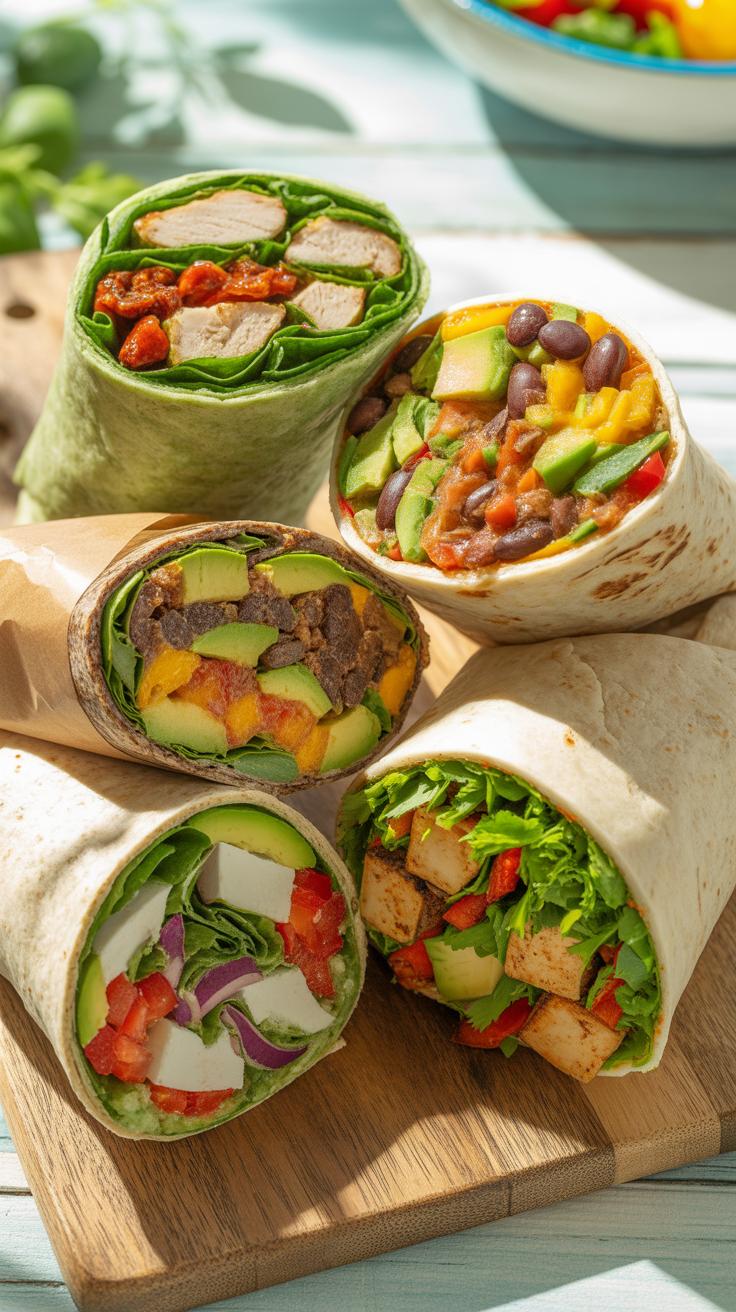
Mediterranean, Asian, And Mexican Inspired Healthy Wrap Variations
Mediterranean wraps leverage the historical Levantine and Greek focus on legumes and lean fats. You replace heavy breads with thin lavash or whole grain flatbreads. Traditional hummus provides the structural base and a source of plant protein. Roasted chicken or fish adds lean mass. Vegetables like cucumbers and tomatoes provide essential hydration and fiber without adding significant calories to the meal.
Asian profiles focus on the contrast between heat, acid, and salt. Use large collard green leaves or rice paper to mimic traditional spring rolls. Fill these with shredded cabbage, soy-glazed tofu, or poached shrimp. Avoid heavy oils and sugar-laden sauces. Use lime juice and ginger for flavor intensity instead. These ingredients maintain high nutrient density while keeping the overall glycemic load very low.
Adapting International Flavors Into Nutritious And Easy Meal Prep Wraps
Successful meal prep requires moisture control to keep wraps from getting soggy. Place dry proteins and fibrous greens directly against the wrap surface. Keep sauces or wet ingredients like salsa and yogurt in the center. Mexican themes work well for this strategy. Black beans and grilled corn provide shelf-stable nutrients. Use Greek yogurt as a high-protein substitute for traditional sour cream or mayonnaise.
Batch cooking proteins saves time and ensures consistency. Grill chicken or flank steak in bulk using dry rubs like cumin or five-spice. These spices add flavor without extra moisture that ruins wrap integrity. Store ingredients separately if you plan to eat them after three days. This keeps the textures fresh. Assemble the wraps the night before you need them. This maximizes efficiency while maintaining high food quality.
Chicken Wrap Recipes Versatile Protein Rich Favorites For Meal Prep
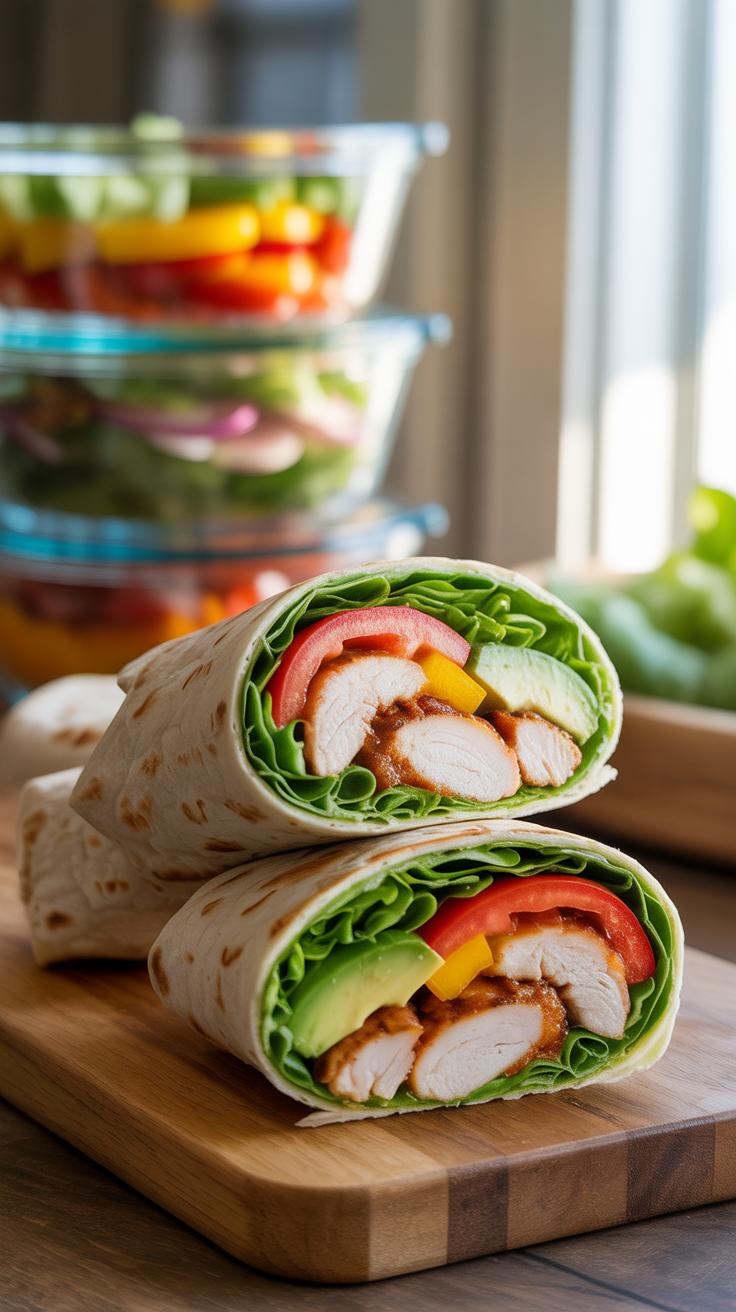
Grilled Vs. Roasted Chicken In Wraps: Flavor, Texture, And Meal Prep Suitability
Grilled chicken offers a firm texture and high-heat char that holds up well against wet ingredients. This method sears the exterior and locks in moisture. For meal prep, grilled breast or thigh strips maintain their structural integrity inside a wrap for three days. Use a cast iron pan or outdoor grill to achieve the necessary Maillard reaction for depth without adding heavy sauces.
Roasted chicken provides a softer and more succulent bite that integrates easily with spreads. Slower oven cooking allows seasoning to penetrate the meat deeply. This method works best for shredded preparations which absorb dressings better than sliced meat. For bulk prep, roasting whole pans of chicken saves time. It remains tender when eaten cold, making it the superior choice for refrigerated office lunches.
Preparing a simple, wholesome wrap is like packing a little bit of home to carry with you through the day. It is a reminder that slowing down to nourish yourself is the ultimate act of kindness.
Top Chicken Wrap Flavor Profiles: Caesar, Southwest, Greek, And Beyond
Flavor profiles dictate the nutritional balance and shelf life of your lunch wraps. Strong regional seasoning allows you to use less salt while maintaining high palatability. Classic combinations rely on specific ratios of acid, fat, and spice to keep the meat tasting fresh. Choose a profile based on your available fresh produce to ensure your meal prep stays crisp for several days.
- Greek Style: Combine sliced chicken with feta, kalamata olives, cucumbers, and tomatoes. Use a lemon and oregano vinaigrette rather than heavy creams. This profile offers a high water content from vegetables and remains stable for forty eight hours.
- Southwest Chipotle: Mix black beans, corn, and bell peppers with spiced chicken breast. Apply a thin layer of chipotle yogurt sauce for heat and creaminess. This combination provides extra fiber and holds its flavor profile well even when consumed at room temperature.
- Caesar Foundation: Focus on crisp romaine hearts and parmesan cheese with grilled chicken strips. Use a light yogurt-based dressing to reduce total fat content. Keep the dressing separate or apply it sparingly to the meat to prevent the tortilla from becoming soggy.
- Buffalo Spice: Toss shredded roasted chicken in hot sauce and pair with celery and carrots. Use a Greek yogurt blue cheese spread to provide the traditional tangy taste with less calories. This profile is highly effective for masking the dry texture of overcooked breast meat.
- Thai Peanut: Integrate shredded cabbage, carrots, and cilantro with ginger-seasoned chicken. Use a thin peanut sauce made with lime juice and soy sauce. This profile offers a distinct crunch and high nutrient density due to the raw cruciferous vegetable base.
Balance these flavor profiles by selecting the right wrap vessel for the ingredients. High-moisture fillings like Greek or Caesar require thicker whole wheat tortillas or a layer of leafy greens to protect the bread. Dry or spice-heavy profiles like Southwest or Buffalo work well with thinner flax or oat-based wraps. Proper ingredient layering ensures that your healthy lunch wraps remain appetizing throughout the work week.
Wrap Recipes For The Week Meal Prep Storage Freshness And Planning Tips
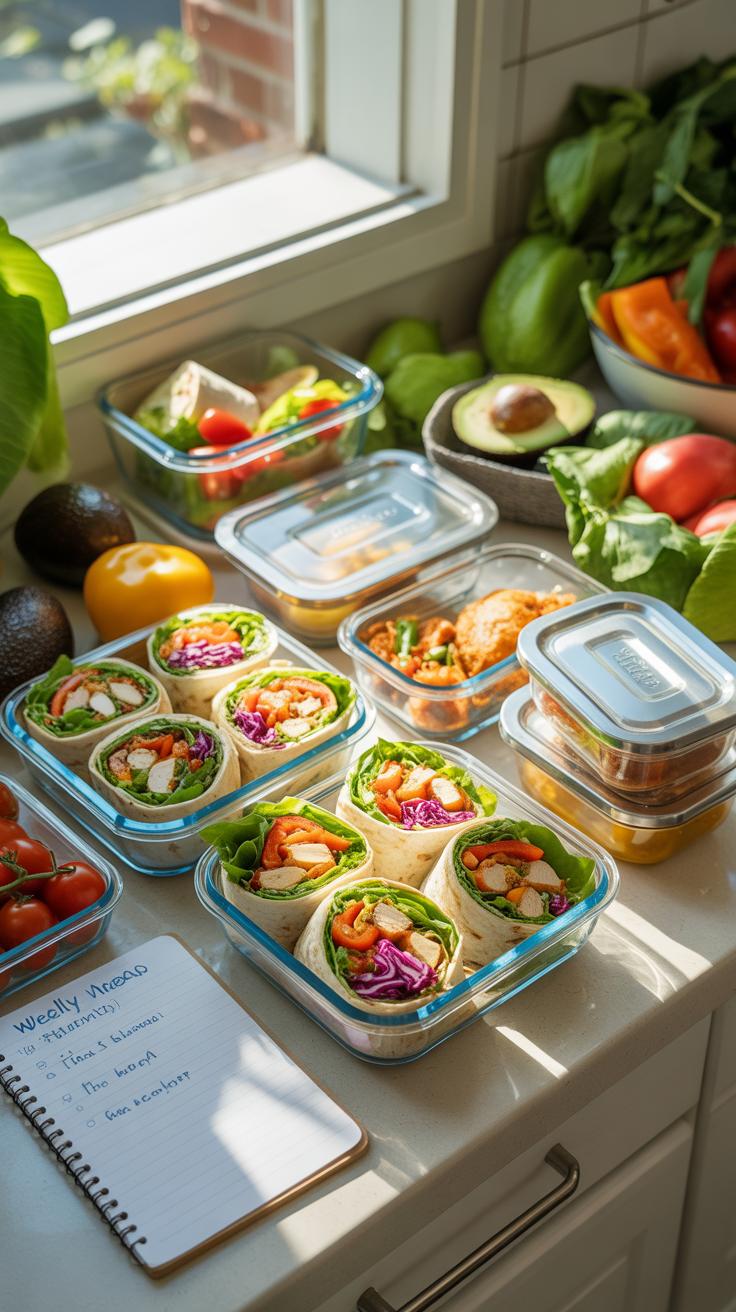
How To Store Healthy Lunch Wraps Without Sogginess Or Spoilage
Moisture ruins wraps during storage. You must create a physical barrier between wet fillings and the tortilla. Spread a thin layer of fat like butter, cream cheese, or hummus across the entire surface. This prevents liquid from seeping into the bread. Place dry greens like spinach or kale directly against the wrap. Put sliced tomatoes and juicy proteins in the center to keep them away from the edges.
Temperature control prevents bacterial growth and texture loss. Let cooked proteins cool completely before assembly to avoid steam buildup inside the packaging. Wrap each finished product tightly in parchment paper or foil. This compression maintains structural integrity. Store the bundles in an airtight container in the refrigerator. Use a paper towel inside the container to absorb excess humidity. Eat prepared wraps within three days for optimal safety and taste.
Building A Weekly Wrap Meal Prep Plan: Batch Cooking, Rotation, And Variety
Efficiency requires batch cooking core components. Roast two large sheet pans of diverse vegetables and proteins on Sunday. Season half with Mediterranean spices and the other half with southwest flavors. This strategy provides two distinct profiles from one cooking session. Prepare a single large batch of grains like quinoa or farro. These stable bases work across different recipes. Use these prepped ingredients to build fresh wraps each morning or evening.
Variety prevents palate fatigue and ensures nutritional balance. Rotate your base materials every week. Switch between whole wheat, spinach, and flour tortillas to change the texture. Use different spreads like pesto, Greek yogurt, or spicy mustard to alter the flavor profile without adding significant calories. Standardize your portion sizes using a scale or measuring scoop. This practice ensures consistent calorie counts. Update your ingredient list based on seasonal produce availability to keep costs low.
Frequently Asked Questions

What are the best types of tortillas to use for healthy lunch wraps?
When choosing a base, opt for whole-grain, spinach, or sprouted grain tortillas to boost your fiber intake. These options provide sustained energy throughout your afternoon and hold up better during storage than traditional white flour versions. For those monitoring carbs, collard greens or large butter lettuce leaves serve as excellent gluten-free alternatives that keep your healthy lunch wraps fresh, crunchy, and packed with vital nutrients for a balanced meal.
How can I prevent my lunch wraps from getting soggy when meal prepping?
The secret to success is smart layering. Always place your “moisture barriers,” like large lettuce leaves or slices of cheese, directly against the tortilla before adding proteins or juicy vegetables. Keep dressings and sauces in a separate small container to drizzle over your healthy lunch wraps right before eating. This simple technique ensures your wrap stays firm and delicious for several days in the refrigerator without becoming mushy or falling apart.
Can I make nutritious lunch wraps on a tight grocery budget?
Absolutely! You can create affordable wraps by focusing on plant-based proteins like canned chickpeas, black beans, or hard-boiled eggs, which are much cheaper than deli meats. Bulk-buying seasonal vegetables and opting for store-brand whole-wheat wraps also keeps costs low. A little creativity with pantry staples, such as making a simple vinegar-based slaw, adds incredible flavor and crunch to your wraps without requiring expensive specialty ingredients or gourmet sauces.