
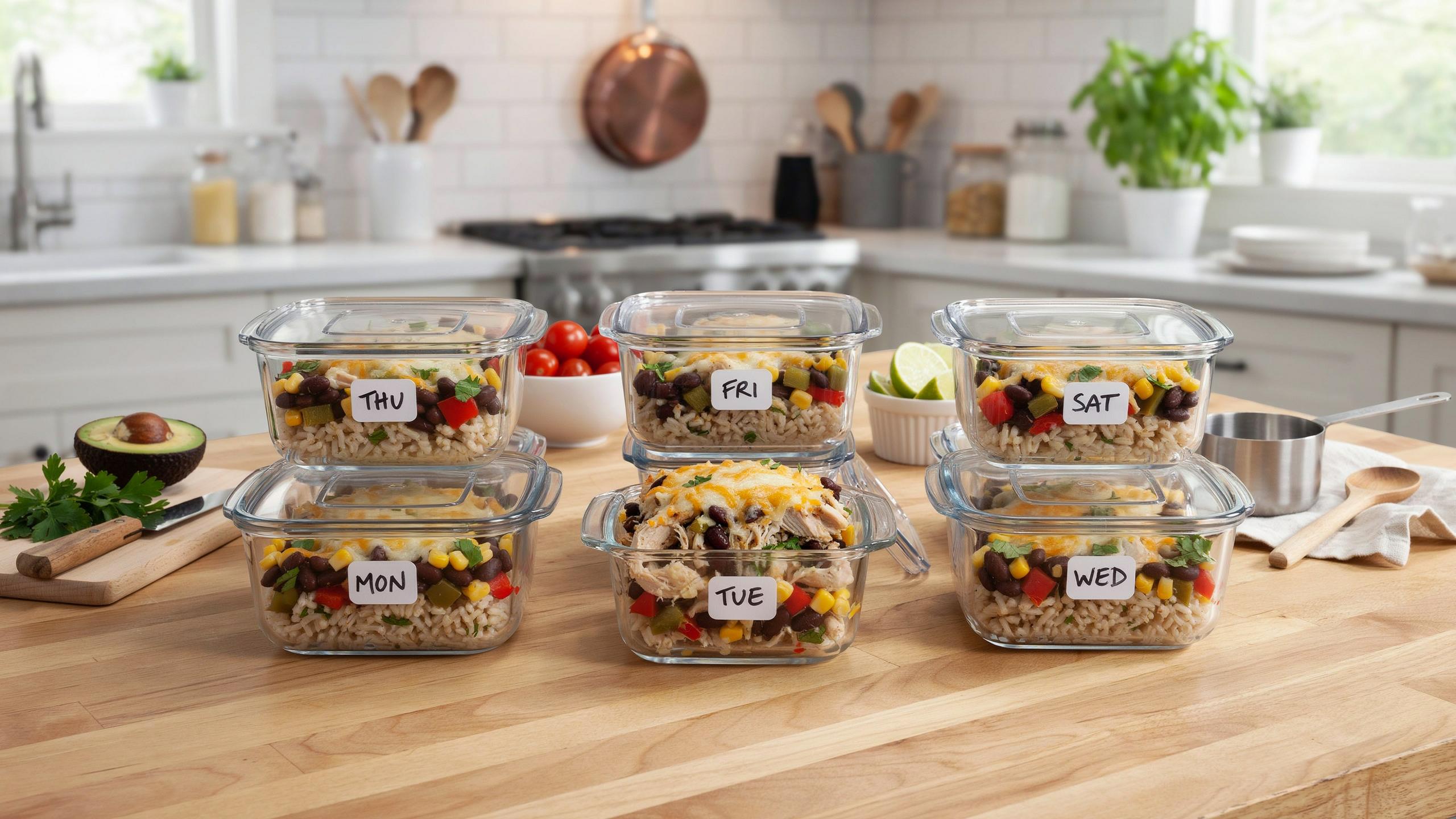
The Bulk Efficiency Fallacy In High Protein Casserole Freezer Prep
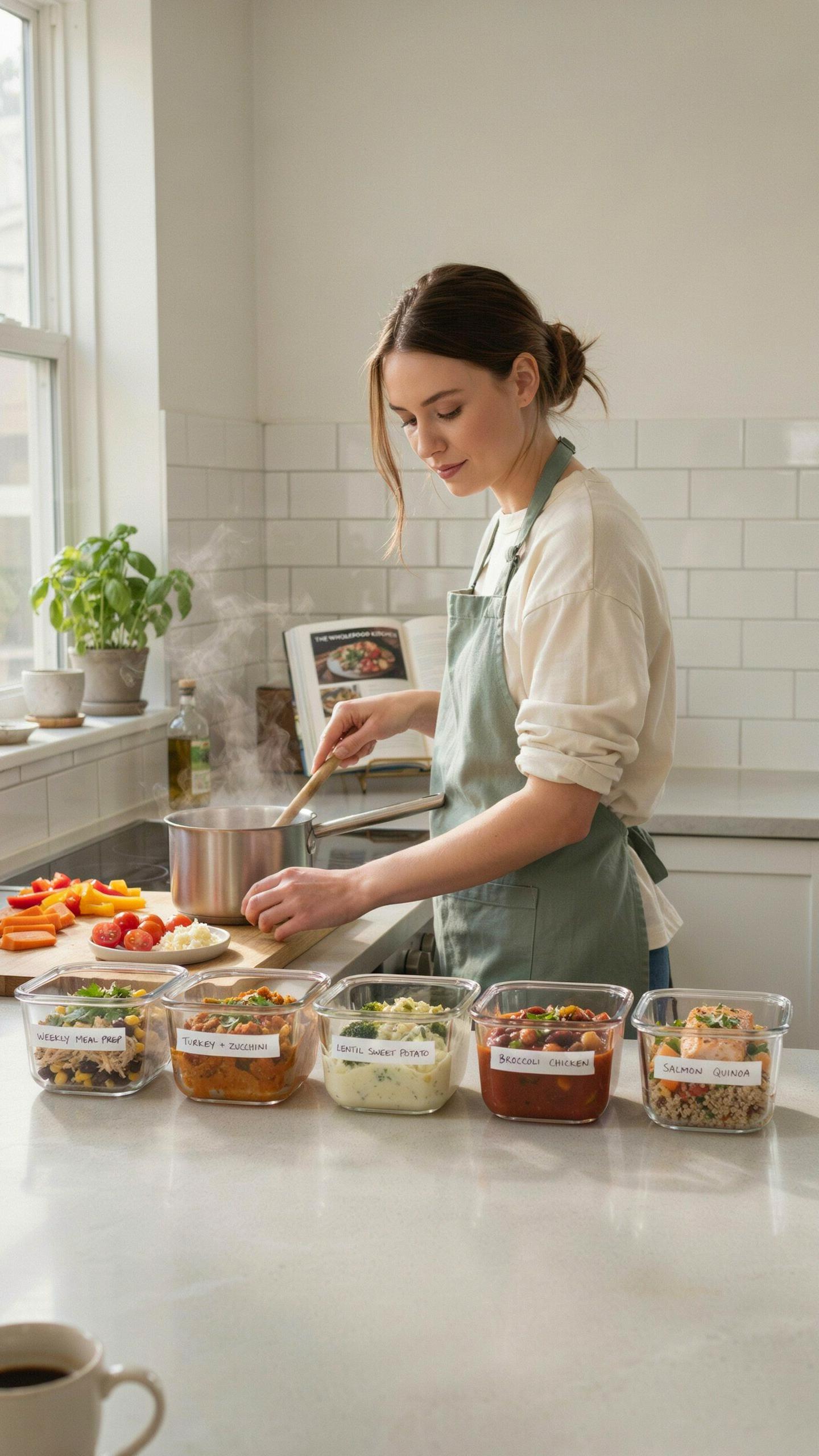
Volume Does Not Equal Velocity
You want to feel productive. Making ten casseroles at once feels like you’re solving the problem forever. You’re not. The real mechanism here is borrowed from manufacturing: throughput versus quality control. In batch cooking, volume masks the fact that your protein source degrades differently depending on casserole position, oven hot spots, and cooling rate. More batches do not mean better nutrition outcomes. They mean more opportunities for mistakes you won’t notice until you’re eating them.
The common advice says prep in bulk to save time. What actually happens is you rush the layering, skip temperature checks between batches, and freeze casseroles at different core temperatures. Protein oxidation accelerates in some dishes while others stay stable. You’ve created a freezer full of inconsistent products. The math looks good on paper. The biology doesn’t cooperate. Focus on one casserole type perfected across three batches instead of ten mediocre ones that blur together.
The Hidden Tax Of Convenience
Rushed nutrition has a cost you don’t calculate: nutrient loss stacks across freeze cycles and reheating protocols. When you prep carelessly to hit a number, you’re actually extending the time between raw ingredient quality and consumption. Frozen protein degrades through ice crystal formation. Vegetables lose micronutrients. You saved two hours of prep time but paid it forward in degraded meals you’ll eat for weeks.
The protocol that works: prep one casserole type per session with documented cooling times and freezer placement. Measure internal temperature before freezing. Freeze flat on sheet trays first, then stack. Label with date and intended reheat method. This takes longer than bulk dumping, but produces meals that still have their protein bioavailability intact when you eat them. The efficiency gain isn’t in volume. It’s in consistency.
The Macro Precision Protocol For Protein Packed Freezer Meals
How Much Protein Actually Goes In
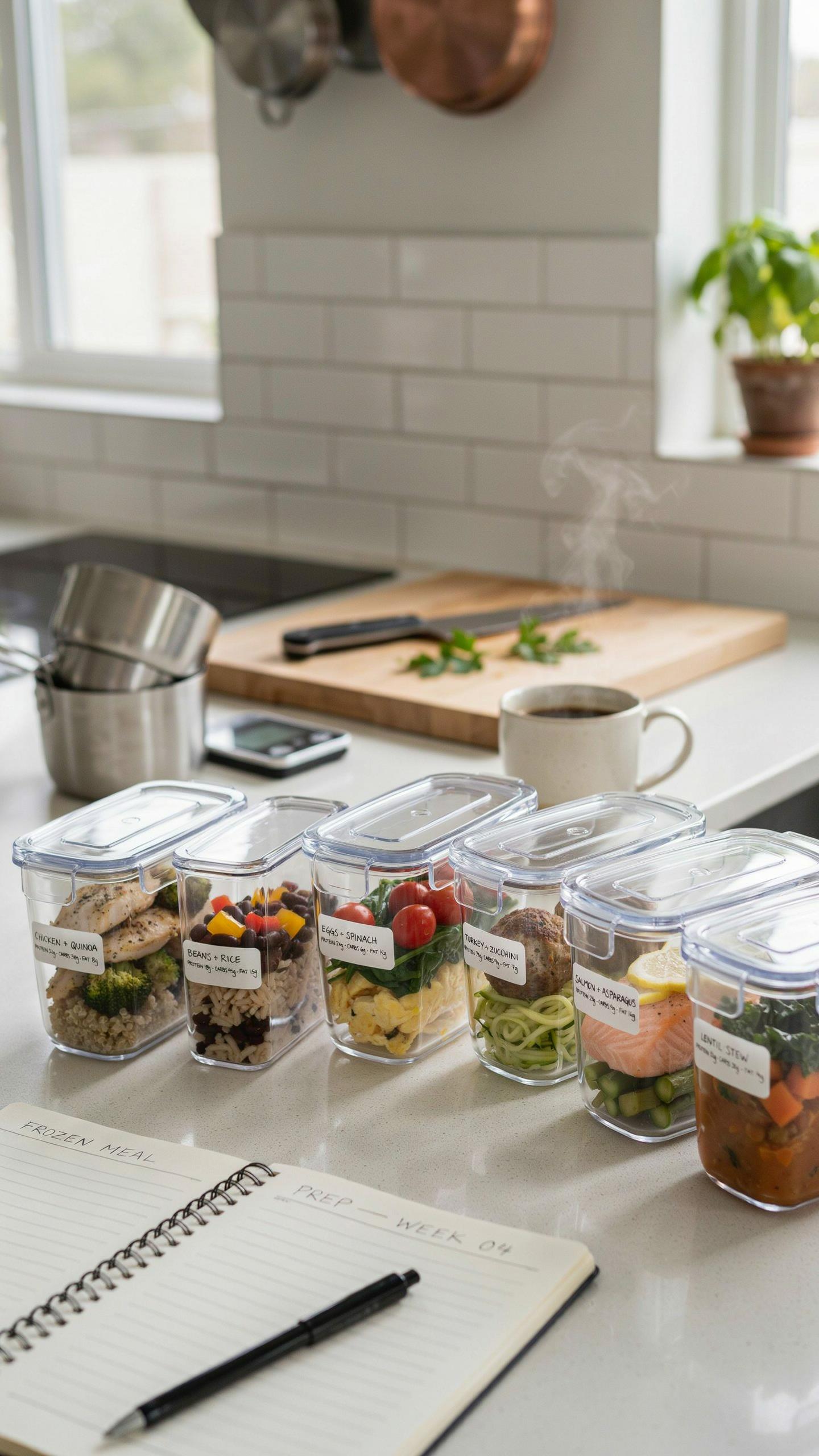
You want the math to validate your effort. That’s the real reason you care about ratios. Here’s the mechanism: protein dosing in casseroles isn’t about hitting some magic number—it’s about satiety density per serving. Divide total grams of protein by the number of portions you’ll cut. Most people freeze casseroles in 8 to 12 portions. Aim for 30 to 40 grams per portion minimum. This threshold is where appetite suppression actually engages.
The common mistake is treating protein like a side stat instead of the load-bearing structure. You calculate total casserole weight, add protein sources, then hope the math works. Wrong sequence. Start with your target protein per portion, then build the casserole around that number. A 9×13 inch casserole with 10 portions needs 300 to 400 grams of protein total. Ground beef, Greek yogurt, cottage cheese, and eggs are your density anchors. When you reverse-engineer from portion size instead of guessing, your freezer meals stop being random and start being predictable fuel.
Density Over Volume Wins
Nutrient density is a term borrowed from economics. In economics, it’s about output per unit input. Here it means micronutrient return per calorie spent. A casserole loaded with pasta but light on vegetables is volume fraud. You’re full but undernourished. The mechanism is simple: vegetables, cheese, and protein sources pack more minerals and vitamins than filler carbs do. Spinach, broccoli, and mushrooms add density without inflating portion sizes.
Build your casserole with a 50-30-20 ratio of protein sources to vegetables to binding agents like sauce or cheese. This isn’t arbitrary—it forces density. The protein keeps you satiated, vegetables deliver micronutrients and fiber, and binding agents hold it together when thawed. Too many people load casseroles with cream-based sauces to make everything stick, then wonder why the macros are off. Use eggs and cheese for binding. They contribute to your protein target instead of diluting it. Your finished casserole should feel heavy for its volume, not puffy.
Thermodynamics Of Freezing Maximizing Protein Freezer Meals
Water Crystal Formation And Protein Structure
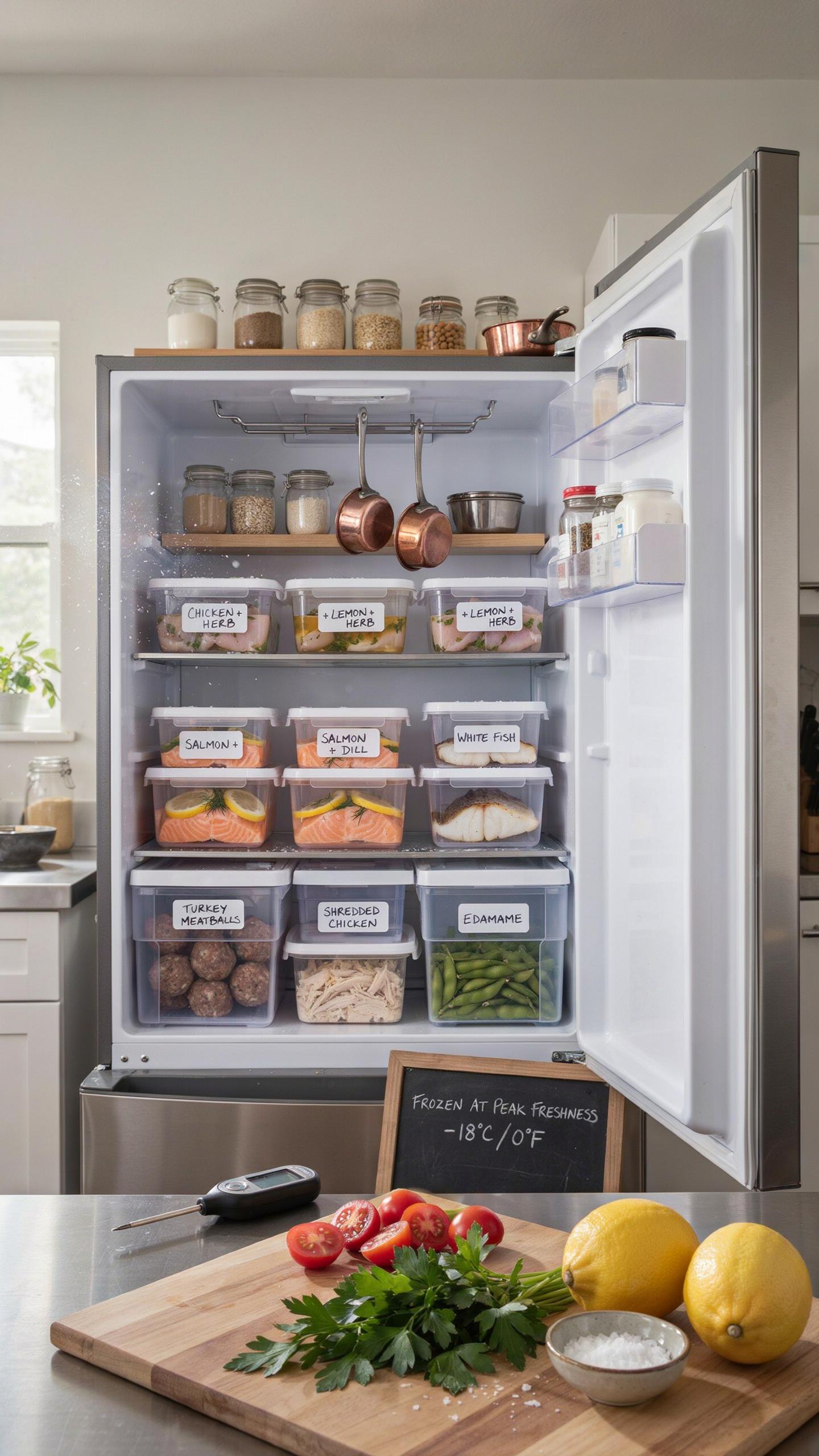
You want this section to tell you that freezing won’t ruin your meal prep investment. It won’t, if you understand the actual mechanism. Physics calls this phase transition: liquid water becomes solid ice, and the mechanism that matters is ice crystal size. Large crystals rupture cell walls and denature protein strands. Small crystals preserve structure. Temperature descent speed determines crystal size. Slow freezing creates large crystals. Fast freezing creates small ones. Most people freeze casseroles at standard freezer temperature, which is neither optimal nor harmful, but it’s inefficient. You lose structural integrity you don’t have to lose.
The practical move: freeze at negative 4 degrees Fahrenheit or colder for the first six hours after assembly. This accelerates the phase transition and locks proteins in their native state before ice has time to reorganize. Your casserole sits in this temperature band briefly, then moves to standard freezer storage. Don’t invest in a blast freezer for home use. Place your assembled casserole directly on the coldest shelf, typically the back bottom, where air circulation is lowest and temperature most stable. This single protocol step preserves protein matrix integrity across six months of storage.
Moisture Stability And Nutrient Retention
Freezing doesn’t destroy nutrients, but dehydration during frozen storage does. The real risk isn’t the freeze itself, it’s vapor migration over time. Ice sublimes at freezer temperatures, meaning solid water converts directly to vapor without passing through liquid phase. Your casserole loses moisture to the air inside the freezer. This concentrates salt, oxidizes fats, and denatures residual moisture-dependent proteins. Proper containment stops this completely.
Use airtight containers with minimal headspace. Don’t leave quarter-inch gaps for air circulation. Press plastic wrap directly onto the casserole surface before sealing the container. This eliminates the vapor zone where sublimation occurs. Label with date and contents. Store casseroles away from the freezer door, where temperature fluctuates with opening cycles. Consistent temperature below negative 4 degrees preserves nutrient density and protein bioavailability across your entire batch.
Ingredient Selection The Unseen ROI Of Healthy High Protein Freezer Meals
Prioritize Bioavailable Sources
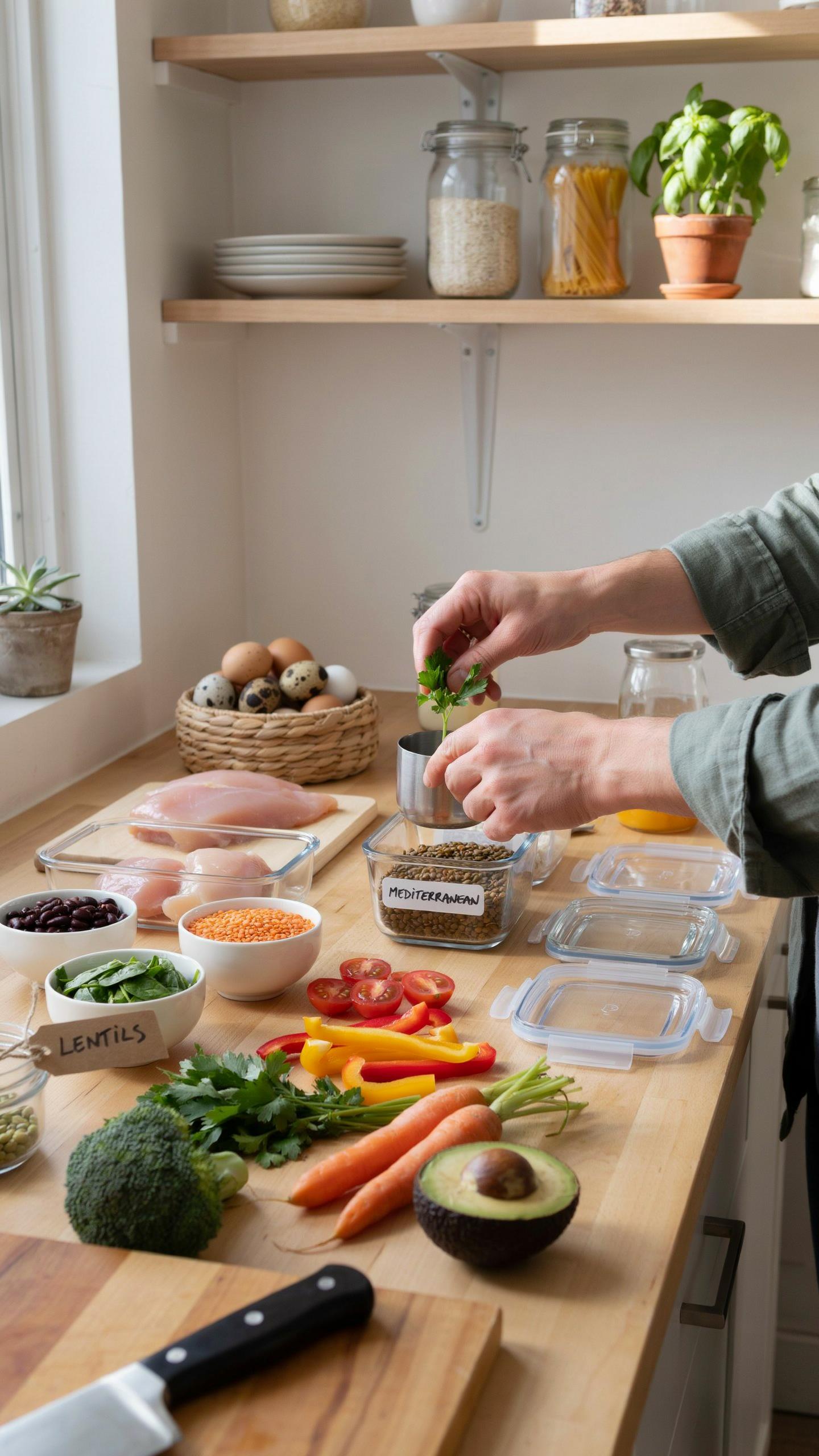
You want the protein to actually work, not just sit on the nutrition label. That’s the mechanism most people skip: bioavailability is the economics term applied to nutrition, where your body’s absorption rate determines the real cost per gram of usable protein. High bioavailability means less waste, faster recovery, and fewer calories burned to digest the ingredient itself.
- Grass-fed ground beef: Contains higher omega-3 ratios and conjugated linoleic acid compared to grain-fed, improving tissue repair efficiency in frozen storage.
- Pasture-raised chicken: Absorbs at 95% efficiency with complete amino acid profiles. Freezes without significant textural degradation when breaded or in sauce.
- Eggs: Scored 100 on the PDCAAS scale. Binds casserole structure while adding choline, which most people don’t get enough of.
- Greek yogurt: Contains twice the protein of regular yogurt. Acid content preserves casserole texture during freezing cycles by stabilizing moisture.
- Wild-caught salmon: Provides complete protein plus astaxanthin, which survives freezing better than fresh water fish varieties.
The difference between a casserole that builds muscle and one that just fills your stomach happens at the ingredient level, not at the oven. Your body processes these sources at different speeds, which changes hunger patterns and energy stability across the week.
Avoid Nutrient Depleting Fillers
Most casserole recipes use fillers as shortcuts, not strategy. Bread crumbs, rice, and pasta bulk up the dish cheaply but dilute protein concentration and introduce refined carbs that spike blood sugar before crashing. The real cost isn’t the price per pound, it’s the metabolic disruption you pay for later.
Flour-based binders thicken casseroles but also oxidize during freezing cycles, creating rancid compounds that degrade both flavor and nutrient density. Replace flour with egg, Greek yogurt, or bone broth reductions. These coagulate under heat without the oxidation problem. Cream-based sauces made from actual cream outlast butter roux mixtures in the freezer because butterfat remains stable longer than starch-thickened sauces do. Your casserole should freeze as a protein vehicle, not as a starch delivery system with protein attached.
The Architects Blueprint For Freezer Casseroles
How To Stack Components Without Collapse
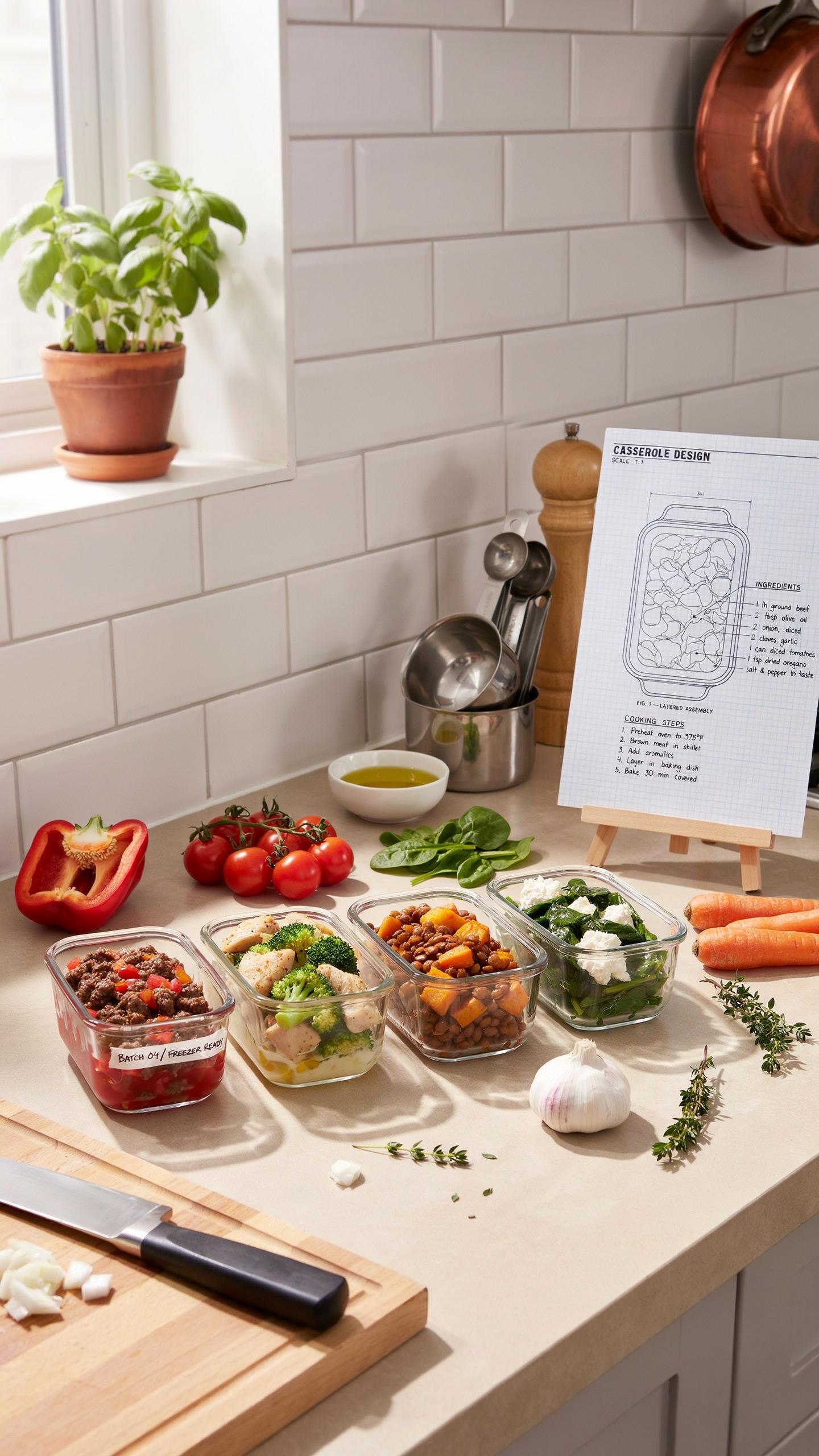
You want this to look intentional when you pull it from the freezer, not like a failed experiment. That’s the real motive here. The mechanism borrowed from structural engineering: load distribution. In casseroles, you’re distributing protein, carbohydrate, and fat across vertical planes so nothing compresses into mush. Place your densest protein layer first, then carbs, then sauce, then binding elements on top. This sequence prevents the weight of wet ingredients from crushing delicate textures below.
The second layer of strategy is buffer placement. Sauces and dairy products freeze differently than solids. Put your sauce between solid components, never as the final layer touching the container wall. This creates a thermal buffer that slows ice crystal formation and protects the structural integrity of each layer during the freeze-thaw cycle. The casserole stays intact instead of separating into distinct, unappetizing phases when you reheat it.
When Moisture Becomes Your Enemy
Everyone says “don’t use too much liquid.” That’s incomplete. The real problem is uncontrolled moisture migration during freezing. When water freezes, it expands and moves toward cold zones, concentrating at container walls and separating from protein. Use a binder instead of relying on sauce volume. Greek yogurt, cottage cheese, or egg albumin lock moisture in place by creating a protein matrix that stops the water from traveling. This keeps your casserole cohesive from freezer to oven.
Temperature gradient management is where most people fail silently. Freeze casseroles at zero degrees Fahrenheit or below for consistent crystallization. Anything warmer creates large, destructive ice crystals that rupture cell walls in meat and vegetables. Once frozen solid, store in the coldest part of your freezer, away from the door where temperature fluctuates. Pull from the back, never the front. This single protocol step prevents the textural degradation that makes thawed casseroles taste like soggy regret.
Mitigating Flavor Atrophy In Casserole To Freeze
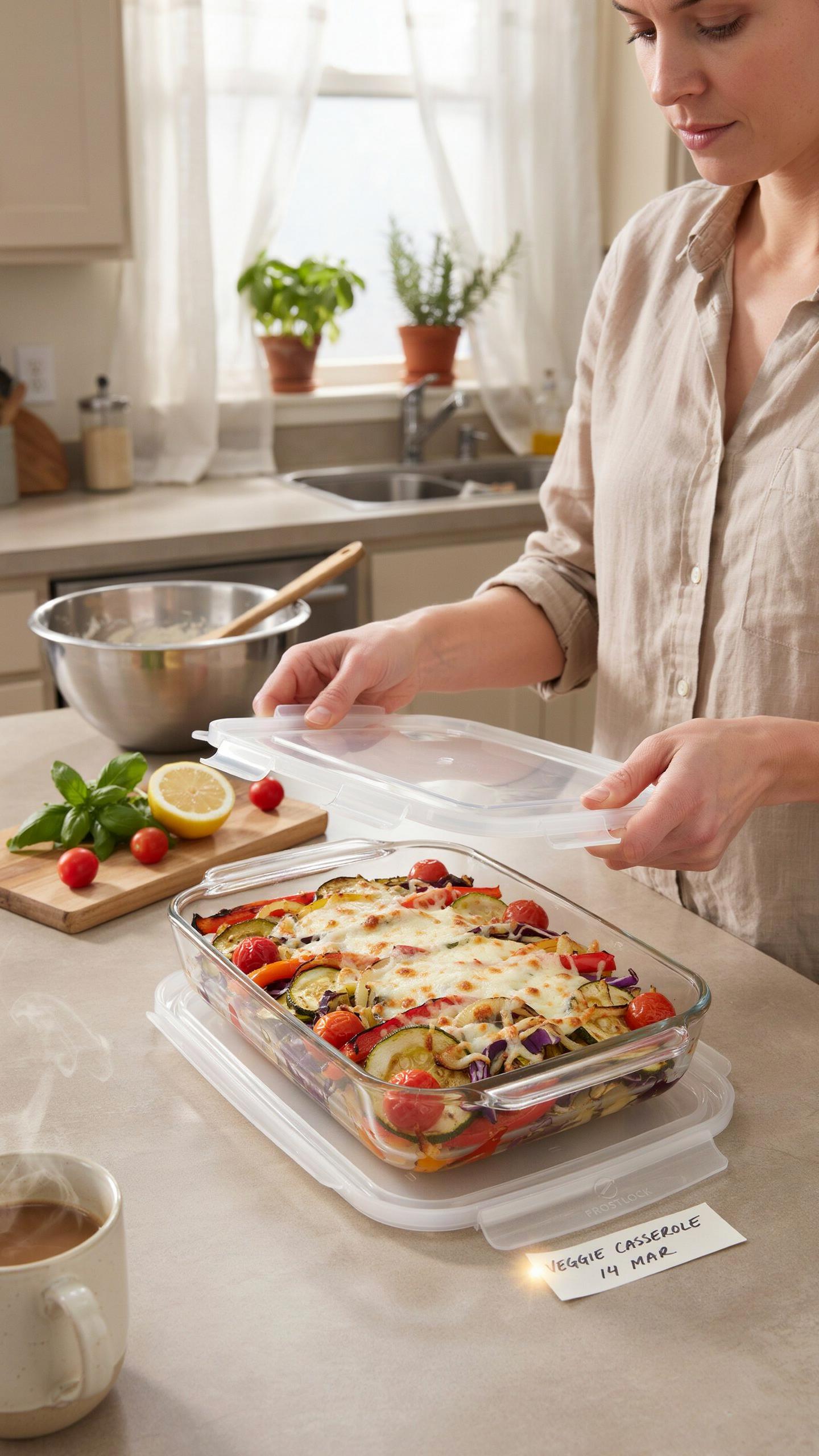
Build Seasoning Into The Structure
You’re worried the casserole will taste like cardboard in two weeks, so you’re tempted to oversalt everything now. That’s backward. Freezing doesn’t kill flavor compounds, but it does mute volatile aromatics and salt perception drops as taste receptors slow in cold storage. The mechanism is thermodynamic: frozen molecules move less, so your palate registers less intensity. Compensate by seasoning the protein and sauce separately before assembly, then layer salt strategically into the binding agent rather than dumping it across the top.
The real play is using salt as a flavor anchor in the richest component—usually the sauce or cheese layer. Salt binds to fat molecules and stays stable through freeze cycles. Season your ground beef, turkey, or chicken to restaurant standard before it hits the casserole dish. Your vegetables should hit the pan already salted during the saute step, not raw. This distributes flavor throughout the structure instead of creating dead pockets that taste flat when reheated.
Reactivate Cold Dormant Aromatics
Freezing doesn’t eliminate aromatics, it paralyzes them. Biology calls this molecular arrest, and your frozen casserole experiences the same state. Garlic, onion, and spice compounds are still present but inaccessible to your olfactory receptors until heat restarts their volatilization. The amateur move is adding fresh herbs before freezing, watching them turn gray and flavorless. Don’t do that. Save the aromatic pop for the reheating phase where it actually functions.
Build your aromatics into the initial cooking step, then add a second aromatic layer when you reheat. Sauté your garlic and onion into the meat sauce before freezing. When reheating from frozen, add fresh cracked pepper, a pinch of smoked paprika, or fresh garlic powder directly into the dish during the oven warm-up. The residual heat will volatilize them without burning. This two-phase aromatic strategy keeps your casserole tasting intentional instead of stale.
The Thaw To Performance Cycle For High Protein Dinner
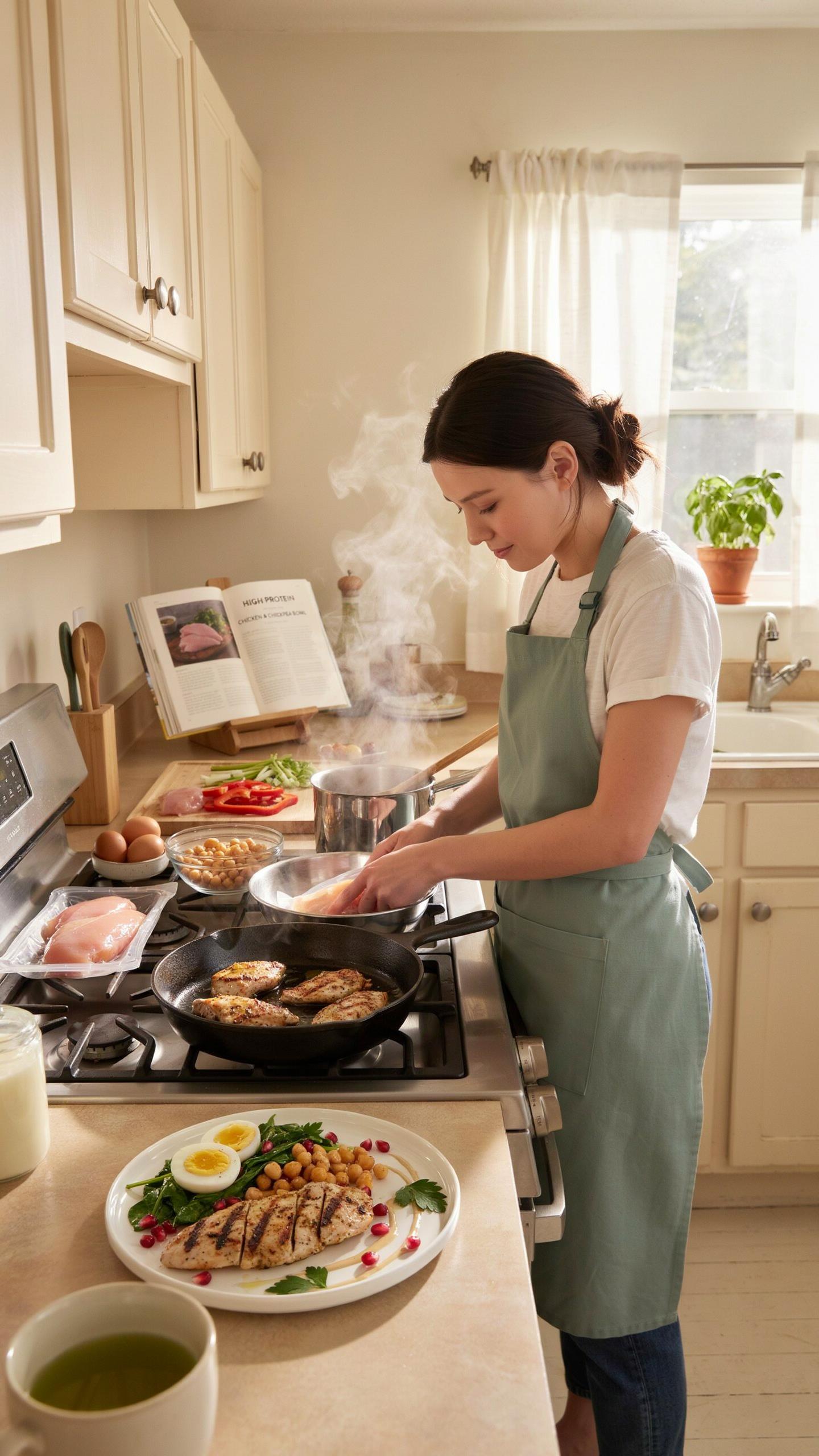
How To Defrost Without Destroying Texture
You’re avoiding the kitchen because you think thawing ruins your meal. It doesn’t. The real mechanism is ice crystal formation and protein denaturation during freezing, and how you reverse that process determines whether your casserole stays intact or turns to mush. Thawing speed directly controls how much liquid leaches from the protein matrix.
- Refrigerator overnight (36 to 48 hours): Slowest method. Ice crystals form small and controlled. Proteins retain moisture. Takes planning but delivers best texture and structural integrity for reheating.
- Cold water submersion (2 to 4 hours): Sealed casserole sits in cold water, changed every 30 minutes. Faster than fridge without shocking the proteins. Works when you forgot to plan ahead.
- Countertop at room temperature (not recommended): Thaws fast but bacteria multiply in the danger zone between 40°F and 140°F. Proteins start breaking down unevenly. Skip this entirely.
- Partial thaw then reheat: Pull casserole from freezer and reheat directly at lower temperature for longer. Slower but avoids full thaw. Protein stays firmer because it never fully denatures before heat sets it again.
- Slow cooker thaw and heat: Set on low for 4 to 6 hours. Gradual temperature rise minimizes protein shock. Ideal for ground beef and poultry casseroles where texture matters most.
Refrigerator thawing creates the smallest ice crystals because temperature drops gradually. Your casserole survives the freeze-thaw cycle intact. This is the only method that preserves the original bite of your protein and binder structure.
Reheating For Peak Quality
Ignore the advice to blast your casserole in a hot oven. You’ll dry out the protein and separate the sauce. The real principle comes from thermal physics: gradual, even heat distribution prevents moisture loss and keeps proteins from squeezing out their water content. Temperature control matters more than speed.
Reheat frozen casseroles at 325°F for 30 to 45 minutes covered with foil. The lower temperature allows the interior to warm while the top stays moist. If your casserole thawed overnight, drop to 300°F for 20 to 30 minutes. Add a tablespoon of water or broth under the foil if the top looks dry after 15 minutes. Remove foil in the final 5 minutes to restore surface texture. Your casserole reaches 165°F internal temperature throughout without sacrificing the protein structure you preserved during thawing.
The sequence matters more than the individual steps. Lower temperature applied earlier wins against higher temperature applied faster.
Beyond Convenience The Cognitive Load Reduction Of Healthy Freezer Meals
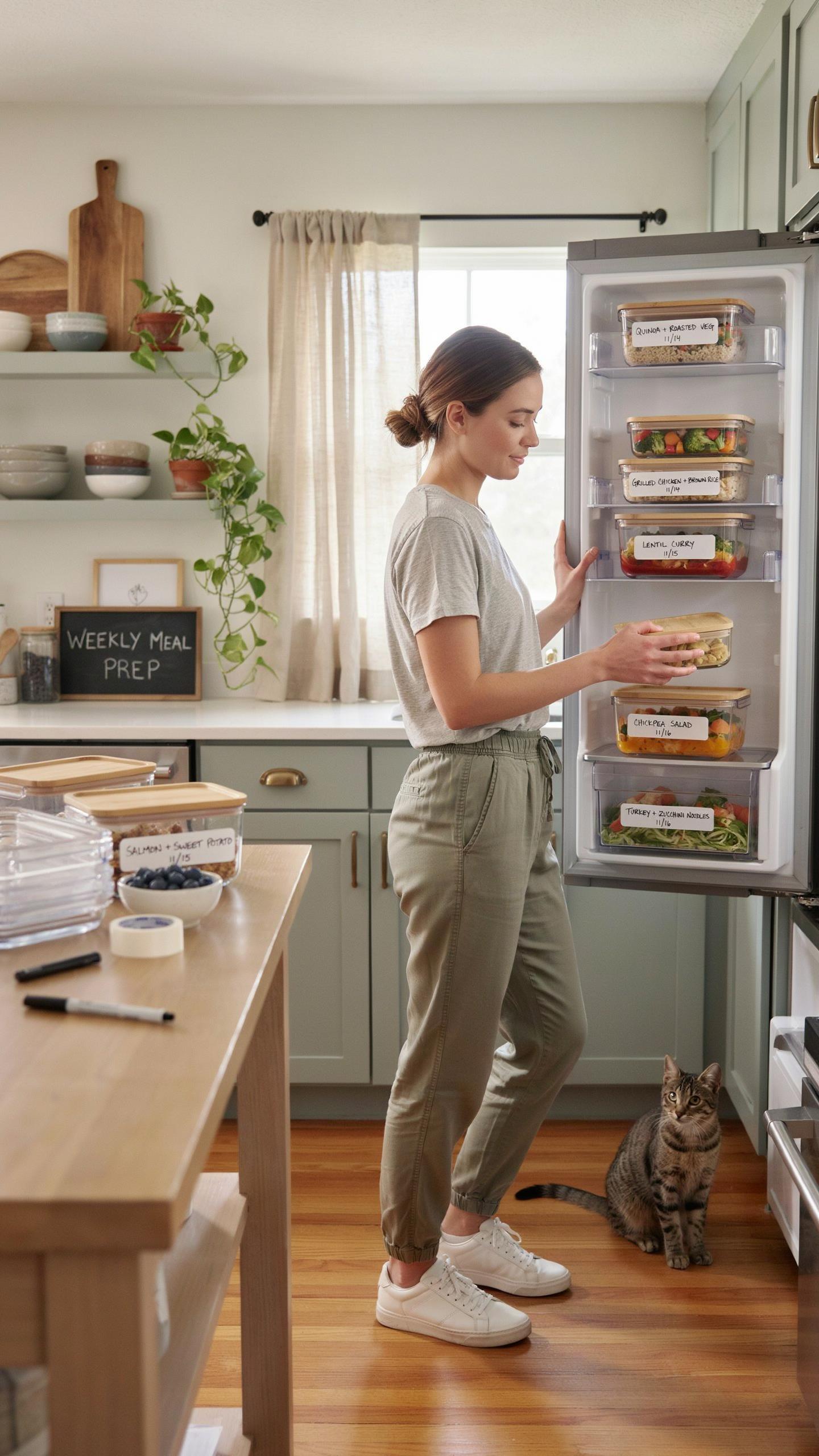
Decision Fatigue Disappears When You Remove The Choice
You want to believe willpower is unlimited. It isn’t. Decision fatigue is real neuroscience, not motivation theory, and it compounds every single day. Each food choice depletes the same mental resources you need for work, relationships, and actually executing your goals. High protein casserole freezer meal prep doesn’t just save time. It eliminates the decision entirely. You don’t choose what to eat on Tuesday. The choice was already made on Sunday. This shifts the burden from daily willpower to one bulk prep session.
The mechanism is simple but brutal. Every morning, you wake up with a finite pool of decision capacity. Breakfast, commute route, email priority, lunch location, dinner ingredients, workout timing. Each one drains the tank. By dinner, you’re depleted. This is when you either eat the casserole sitting in your freezer or you compromise. Prep removes the depleted-state trap. You made your decision when your mental resources were full, not empty. The casserole is already portioned, already thawed if you planned it right, already there.
Your Brain Runs On Bandwidth You Don’t Know You Have
Nobody admits this: recapturing mental bandwidth is the real reason you’re interested in meal prep. You say it’s convenience. You mean it’s freedom from thinking about feeding yourself. Economics calls this scarcity mindset, and it applies here perfectly. Scarcity of mental attention is more valuable than scarcity of time. Time you can buy back with money or delegation. Mental bandwidth you cannot.
When meals are predetermined and sitting in your freezer, your brain stops running the background process called food planning. That’s not a metaphor. Your subconscious literally stops looping through restaurants, recipes, ingredient lists, and cooking steps. You recapture that cycle for actual output. Work gets deeper focus. Projects move faster. Your mood stabilizes because you’re not making food decisions in a state of hunger and fatigue. The casserole gets reheated. Your cognitive resources go somewhere that matters.
The Performance Dividend Why Strategic Freezable High Protein Meals Matter
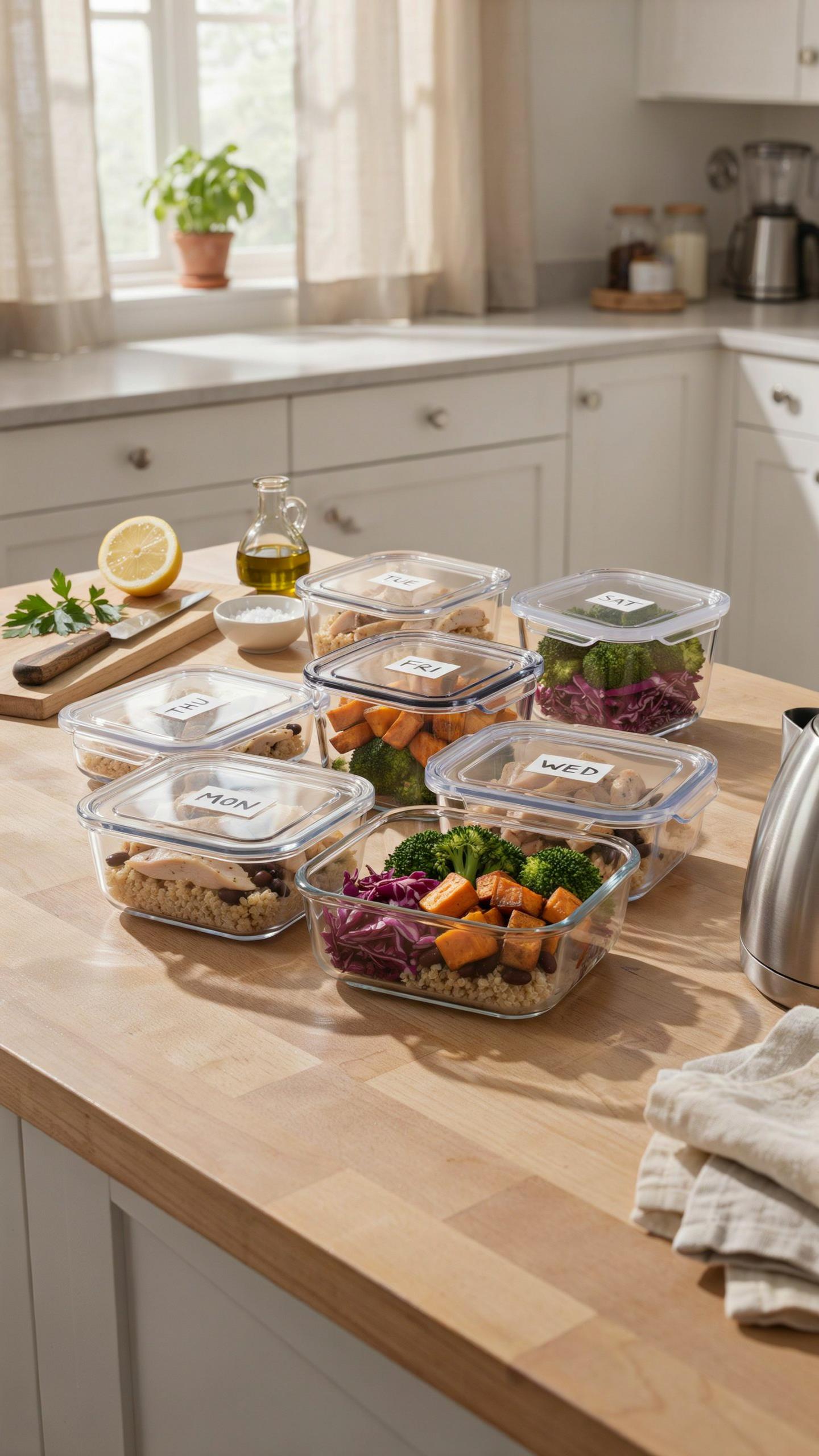
Stable Energy Without The Crash
You want to feel like you have your life together without actually thinking about food. Here’s what actually happens: protein stabilizes blood glucose, which means your nervous system stops demanding quick energy fixes. This is basic endocrinology applied to meal prep. When you batch-cook high protein casseroles and freeze them, you’re engineering consistency into your caloric intake. Your body stops running on glucose spikes and crashes. Instead it maintains steady fuel delivery across eight to twelve hours.
Most people think willpower solves energy dips. It doesn’t. A casserole with thirty to forty grams of protein per serving does. The mechanism is straightforward: protein digests slowly, releasing amino acids and glucose at a measured rate. Your insulin doesn’t spike. Your cortisol stays flat. You don’t raid the pantry at three PM because your blood sugar never dropped in the first place. Freezer casseroles eliminate the decision fatigue that kills consistent eating.
Muscle Repair Accelerates On Protocol
Protein synthesis requires two things: amino acids and timing. You already know this. What you don’t do is execute it, because ad hoc meals never deliver the same dose twice. Freezer casseroles solve this through standardization. When you prepare five identical casseroles with forty grams of protein each, you remove the variable that sabotages recovery. Your muscles get what they need, when they need it, without negotiation.
The real advantage isn’t the protein itself. It’s the removal of friction between knowing what helps and actually doing it. Post-workout windows, daily totals, consistent macros during high-volume training cycles—these only work if eating is automatic. A frozen casserole you reheat in four minutes beats a perfect plan you never execute. Portion control and nutrient density collapse into a single action.
The Discipline Of Advanced Meal Preparation
Building Systems That Stick
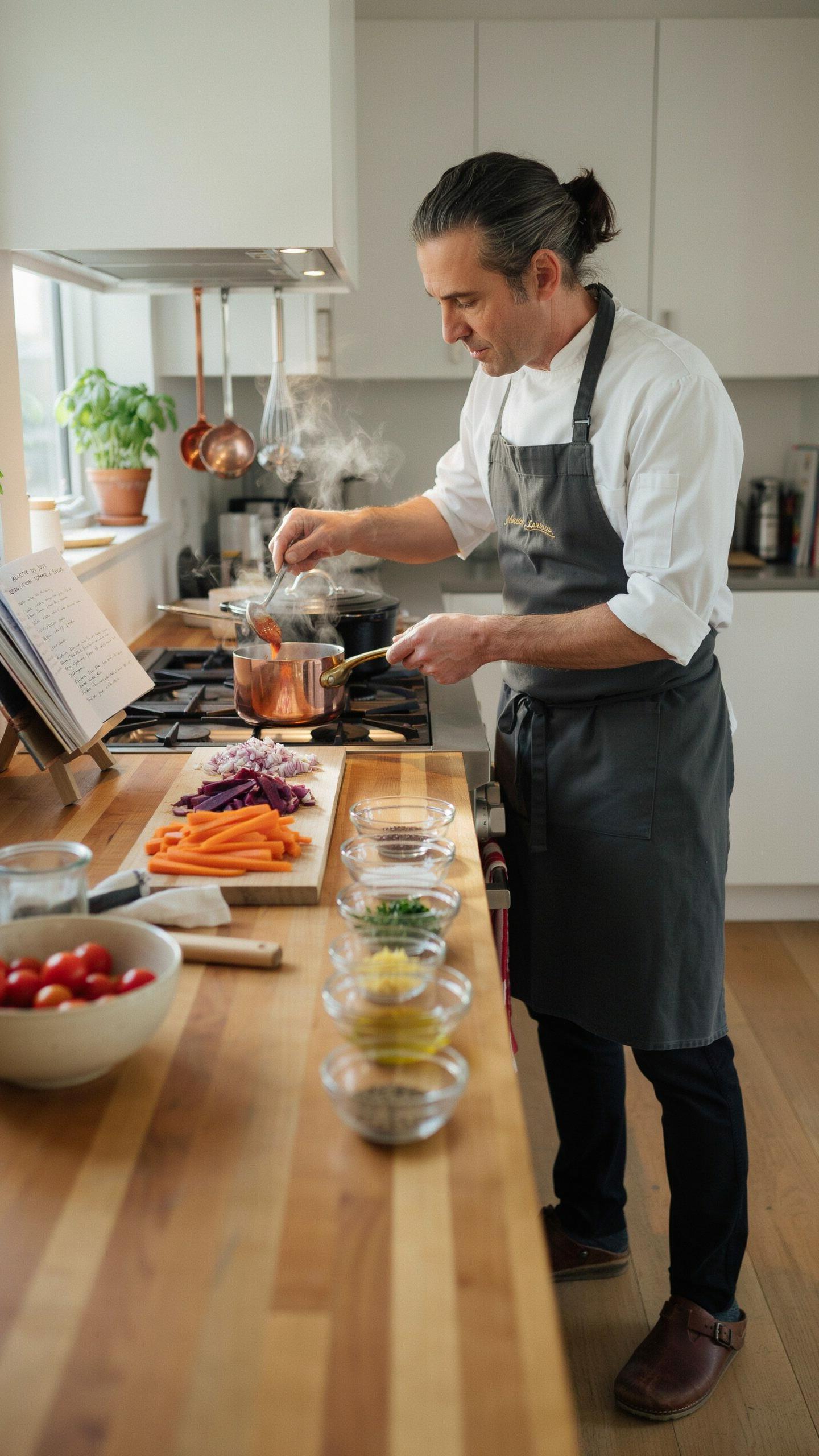
You want this to feel effortless so you stop thinking about food decisions. That’s the real driver. The mechanism is this: habit formation in freezer meal prep works like operant conditioning. You create a specific trigger, repeat the same action in the same context, and reinforce it with immediate reward. The reward isn’t motivation or willpower. It’s the absence of friction.
Most people fail because they treat meal prep like a one-time event. They cook once, freeze twenty containers, then abandon the system when life gets chaotic. The actual protocol is different. You prep the same casserole recipe on the same day each week. You use the same containers, the same workspace, the same sequence. Repetition makes the behavior automatic. Your brain stops negotiating whether to do it.
Command Your Protein Intake
Everyone talks about hitting protein targets like it’s about discipline. It’s not. It’s about removing the variable. Once you decide a casserole contains forty grams of protein per serving, you’ve eliminated the daily math. You don’t negotiate or estimate. You eat the portion. Freezer casseroles give you control over the one nutritional input that matters most for body composition and satiety.
The design of your casserole determines whether you hit your targets or miss them consistently. Ground turkey or chicken provides reliable protein density. Layer it predictably into the same casserole ratio every time. Your body doesn’t change from motivation spikes. It changes from cumulative input over months. Each frozen casserole is a decision you made weeks ago that removes your future self’s ability to choose poorly.
Your greatest obstacle isnt the clock its your resistance to systematic selfmastery

Most people know freezer casseroles work. They don’t do them because consistency feels boring compared to the fantasy of discipline kicking in “next Monday.” Pick one casserole recipe today. Buy ingredients tomorrow. Cook this weekend. The system doesn’t reward motivation, it rewards showing up when motivation dies. You don’t need perfection, you need the first batch done so your future self stops negotiating with hunger.