
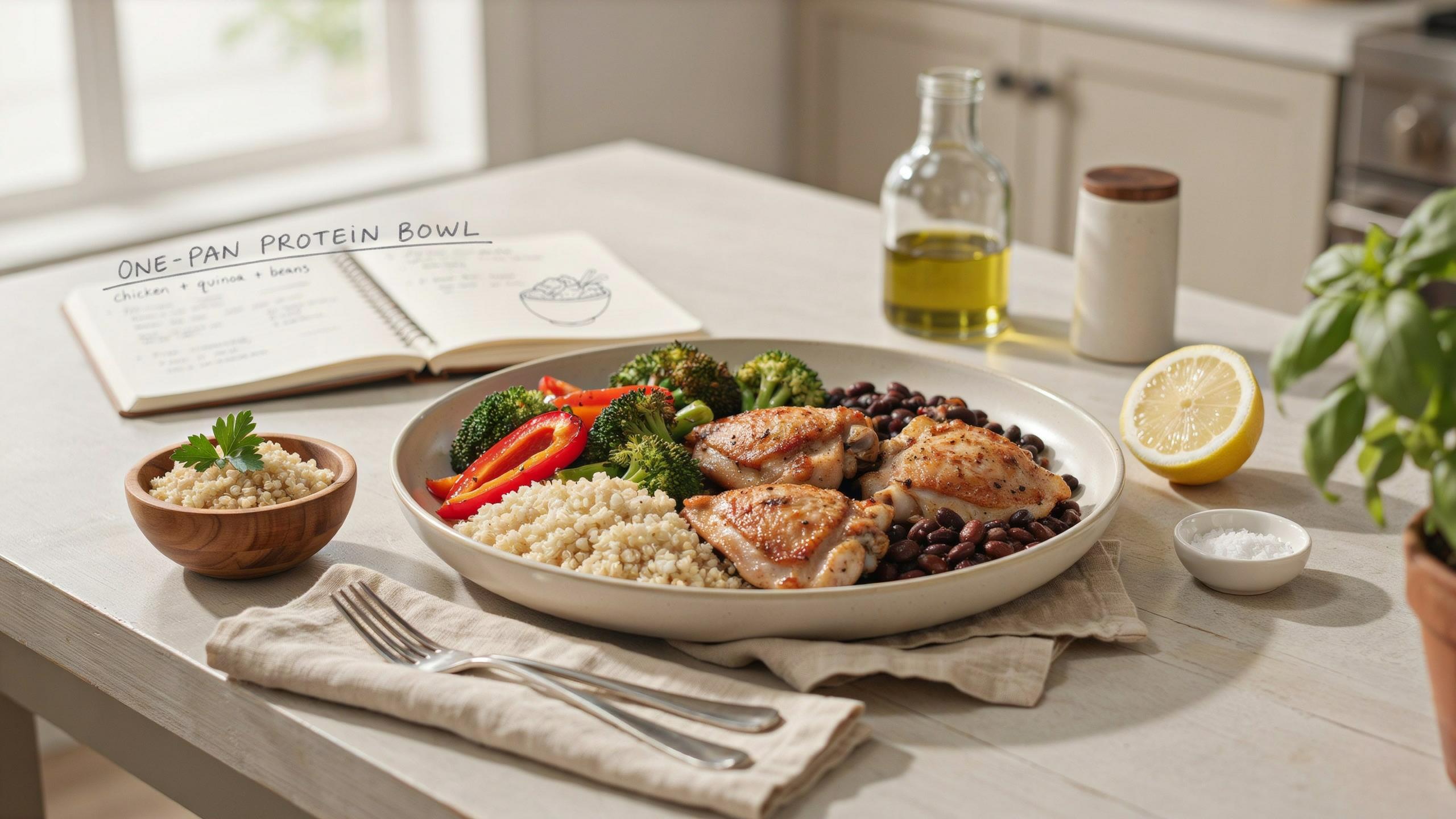
The Myth Of Fast Why Speed Is Sabotaging Your Nutrition

What Convenience Actually Costs
You want fast because you’re terrified of being the person who “didn’t have time” to eat right—as if that’s a legitimate excuse rather than a planning failure. Here’s the mechanism: speed and convenience are inversely correlated with nutrient density until you systematize the process. When you chase speed without structure, you default to whatever cooks fastest, which is usually what tastes best and fills you most cheaply. That’s ultra-processed protein bars, rotisserie chicken with inflammatory seed oils, or pasta with lean ground meat. You hit your macros. You move on. Your body doesn’t.
The real cost isn’t time—it’s the gap between satiety and actual nutrition. A fast meal often means high calories, lower micronutrients, and zero fiber strategy. You feel full because of volume and salt, not because your body received what it needed. This creates a hidden loop: incomplete nutrition drives cravings, cravings drive snacking, snacking tanks your discipline. Fast without system design creates the opposite of what you wanted.
Protein Load Versus Nutrient Density
Economics calls this the efficiency frontier—the point where you can’t improve one variable without sacrificing another. In one pan dinners, that frontier is the tension between total protein grams and the minerals, vitamins, and fiber your body actually uses to process that protein. Most advice says “just get your protein in.” That’s incomplete. A pan of chicken thighs with white rice hits 50g protein easily. It also hits 1200 calories with minimal micronutrient support for metabolism.
Nutrient density means the ratio of micronutrients to calories. A properly layered one pan dinner sacrifices zero grams of protein but adds vegetables with phytonutrients, resistant starch from strategic carbs, and fat sources with vitamin E and K2. You’re not eating more. You’re eating the same protein load with actual metabolic infrastructure underneath it. The mechanism is simple: add vegetables before protein, cook in the correct fat, then finish with acid. This sequence determines whether your body absorbs and uses the meal or stores excess and craves more later.
Beyond The Recipe The Energy Exchange Protocol For One Pan Mastery
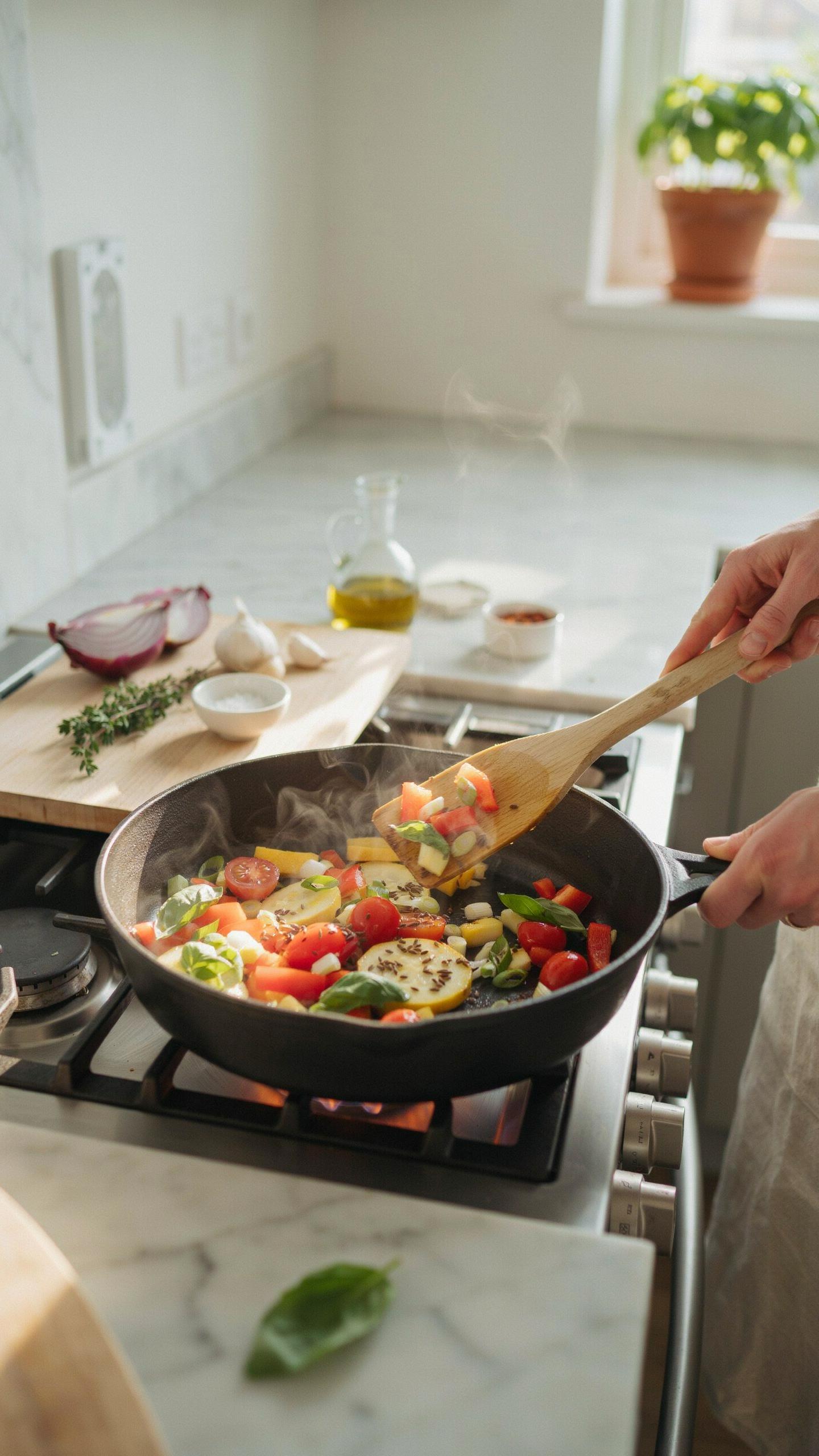
What You’re Actually Buying With Calories
You think you’re optimizing for convenience, but you’re really buying back hours of your life you’ve already spent earning money to pay for food you won’t digest efficiently. The real mechanism here is economics: input-output ratios. You trade dollars for ingredients, then trade digestion time and nutrient absorption for the energy those ingredients provide.
Most people count calories like accountants count dollars, missing the actual exchange rate. A 500-calorie chicken thigh with skin costs your body far less digestive energy than 500 calories of processed carbs. Your pancreas doesn’t work harder to extract energy from protein and fat. One pan meals let you stack this advantage by cooking protein with fat and minimal processing, meaning the calories you consume actually reach your bloodstream instead of feeding your gut bacteria or sitting undigested.
Thermic Cost Changes Everything
Thermodynamics teaches us that energy transformation always costs energy. Your body pays a literal metabolic price to digest different foods, and this is where one-pan protein meals win the game nobody talks about. Protein demands 20 to 30 percent of its caloric value just to break down and absorb. Fat costs 5 to 15 percent. Carbs cost 5 to 10 percent.
A 400-calorie chicken breast with olive oil and vegetables in one pan means your body burns 80 to 120 of those calories just processing the meal. You’re not gaining 400 calories of usable energy. You’re gaining closer to 300. This isn’t theory. It’s basic biochemistry. Stack high protein, add enough fat for saturation, skip the empty carbs, and your body extracts maximum energy with minimum storage waste. Cook it all in one pan so the fat binds to the protein and nothing separates during reheating.
Deconstructing The High Protein One Pan Meals Illusion
What Actually Counts As High Protein
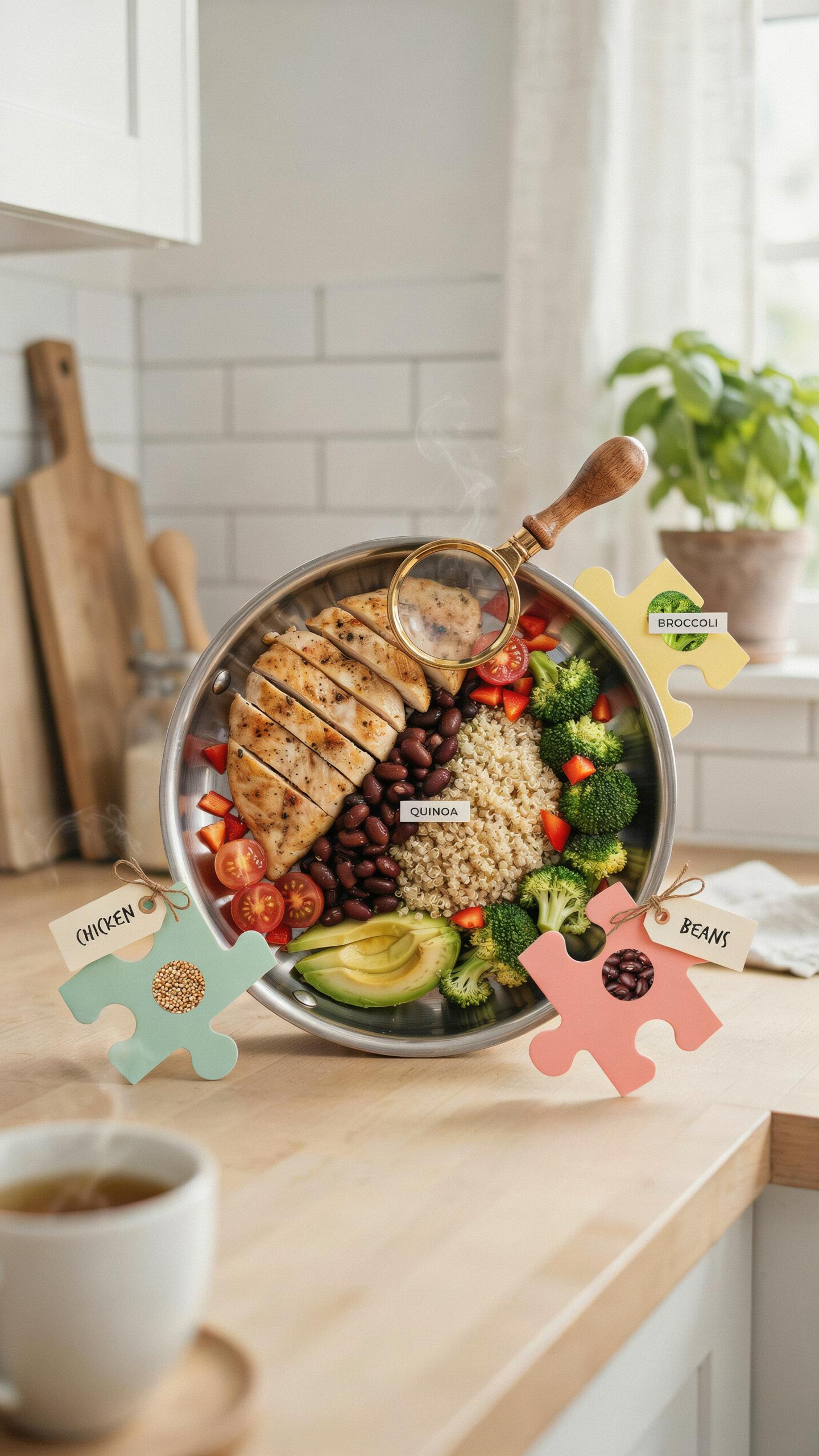
You want to feel like you’re optimizing without doing the math yourself. Here’s what actually matters: high protein means 30 grams or more per serving, and most people get this wrong because they confuse portion size with protein density. A chicken breast is high protein. A cup of cooked rice is not. The mechanism is simple. Protein by weight matters more than protein by calories. If your one pan meal doesn’t deliver at least 30 grams per serving, you’re eating a regular dinner and calling it a strategy.
Most “high protein” recipes online hit 20 grams and stop. They’re not lying, but they’re not solving the problem either. You need to reverse engineer from the protein target first, then build the meal around it. That means starting with your protein source, measuring it raw, calculating the cooked weight, then adding carbs and fat to make it actually taste like food. Track one meal completely. You’ll see how fast the math breaks down when you’re not deliberate about it.
Beyond The Chicken Broccoli Trap
Chicken and broccoli work because they’re foolproof, not because they’re the only option. The real constraint isn’t variety, it’s that most people confuse “variety” with “effort.” Ground turkey, ground beef, salmon, eggs, cottage cheese, Greek yogurt, and canned tuna all hit 30 grams protein in a single pan faster than chicken breast if you know the ratios. The trap is thinking you need to rotate proteins for motivation. You don’t. You need proteins that stay shelf stable and cook in under 20 minutes.
Ground beef in a one pan wins because it renders fat you use for cooking, creates its own sauce base, and pairs with any carb without extra steps. Eggs work because they’re done in five minutes and pair with anything. Canned tuna requires zero cooking and holds for weeks. Pick one protein and master the ratio first. Rotate later. The mechanism: standardize your protein source for four weeks, then switch. Your body doesn’t need novelty. Your dopamine does. Build the system around protein density and cooking speed, and the rest handles itself.
The Sheet Pan Dinners Protein Blueprint Maximize Output Minimize Effort
Ingredient Pairing For Real Results
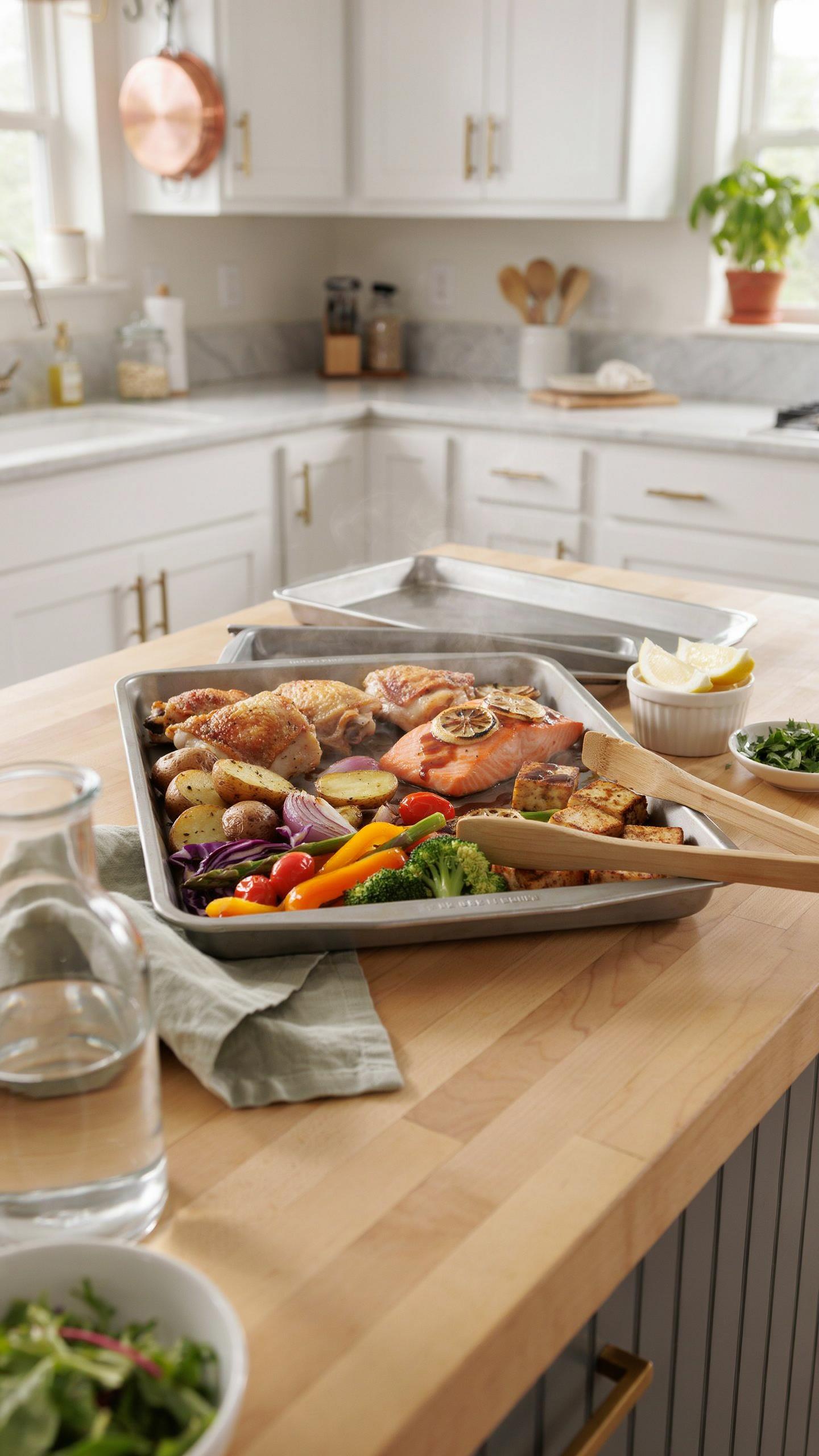
You want this to work because you’re tired of cooking twice a day and pretending meal prep doesn’t feel like a second job. The mechanism is simple: certain proteins and vegetables cook at different rates, so you layer them by density and moisture content to hit done simultaneously. This isn’t about flavor combinations. It’s about thermal mass and evaporation rates determining whether your chicken dries out while your broccoli stays raw.
- Lean proteins with quick vegetables: Chicken breast pairs with asparagus, snap peas, or thin-cut zucchini that finish in 18-22 minutes at 425°F without overcooking the meat.
- Fattier proteins with dense vegetables: Ground beef or thighs work with root vegetables like potatoes and carrots that need the extra 30-35 minute window and benefit from rendered fat.
- Fish with cruciferous: Salmon or white fish cooks in 12-15 minutes alongside cauliflower, broccoli, or Brussels sprouts that tolerate high heat and caramelization.
- Ground turkey with mixed timing: Layer faster-cooking items like green beans on top, slower items like cubed sweet potato underneath to stagger doneness across the pan.
- Seasoning oil as insulation: Toss proteins in high-smoke-point oil first to create a moisture barrier, then pile vegetables on top to steam off residual heat after oven time ends.
Most recipes treat the pan as decoration. The pan is your only tool. You’re managing heat distribution across a single surface, so ingredient placement matters as much as temperature. Front of the pan runs hotter. Back runs cooler. Denser items go back and down. Everything else layers on top. This stacking strategy cuts actual cooking time because items aren’t fighting for direct heat.
Zones, Temperature, And The Real Timeline
Conventional wisdom says “roast at 400°F until done.” That’s vague nonsense that guarantees inconsistent results. Think of your sheet pan like an oven’s thermal field: the back corner runs 15-25°F cooler than the front edge. You exploit this instead of fighting it. Dense vegetables and thicker proteins go to the back half. Quick-cooking items and lean cuts go to the front where heat intensity peaks.
Start your pan in a 425°F oven for eight minutes empty. This preheating step matters because cold metal radiates heat unevenly. Once the surface is hot, add proteins and dense vegetables, then set your timer for 12 minutes before adding quick-cooking items on top. This stagger prevents everything from finishing at different times. Chicken breast takes 18-20 minutes total. Ground meat takes 16-18 minutes. Fish takes 12-14 minutes. The vegetables on top finish in the final 6-8 minutes as residual heat and carryover cooking flatten their texture. Rotate the pan halfway through if your oven has a hot spot.
One Pan Protein Meals The Micro Optimization Of Flavor And Texture
Build Flavor Before Heat Hits
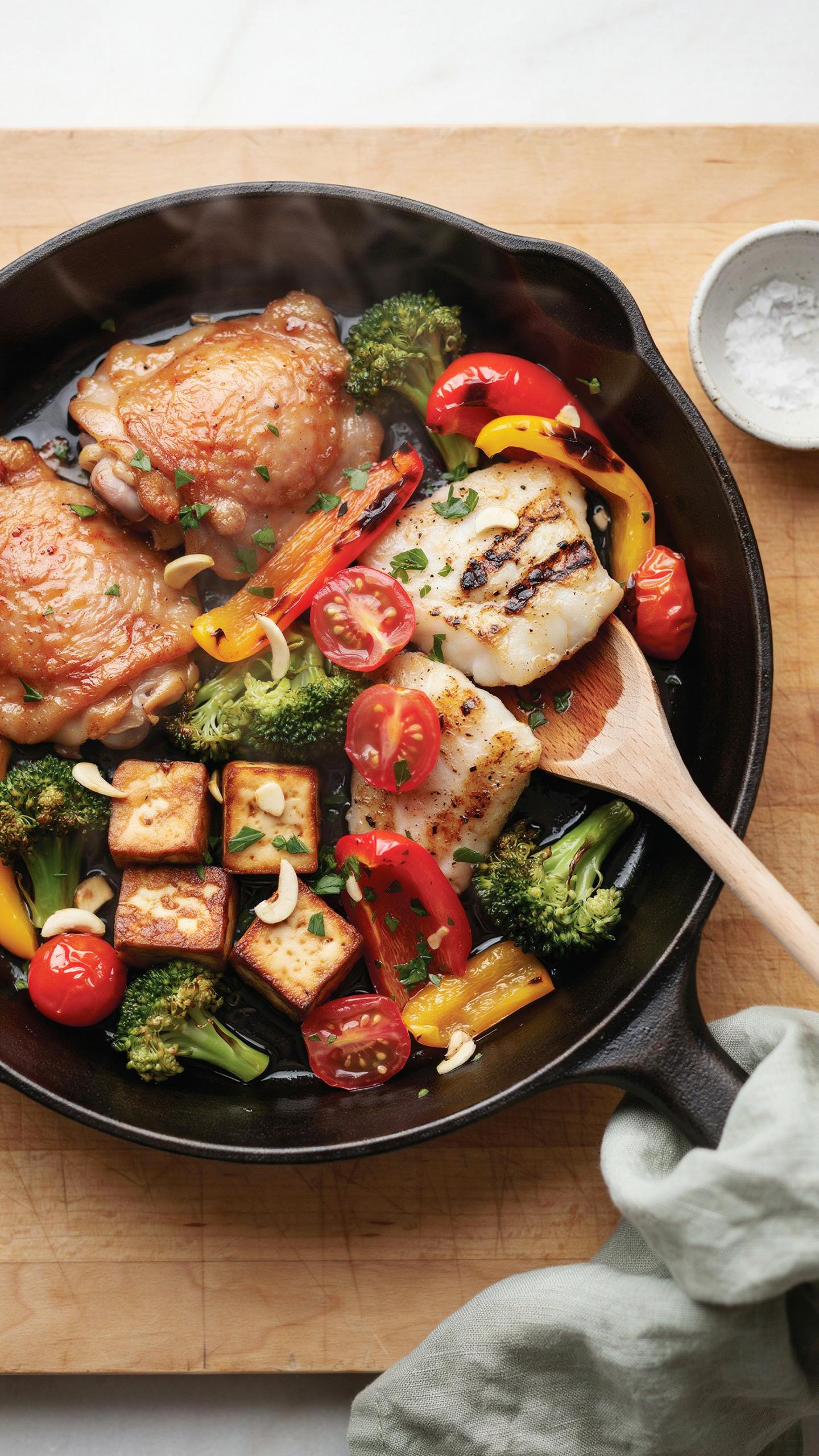
You want to believe seasoning happens during cooking. It doesn’t, and that’s why your meal-prepped proteins taste flat by Wednesday. The mechanism is simple: salt and spices need contact time with protein and fat to penetrate. You’re competing against time decay in storage, so you build flavor density upfront.
Toast your spices dry in the pan before adding oil or protein. This blooms volatile compounds and locks them in faster. Add salt directly to raw protein 10 to 15 minutes before cooking, letting it begin brining the surface. Layer acid (vinegar, lemon juice) after initial protein sear to avoid toughening. This creates flavor scaffolding that survives the microwave.
Moisture Control Is Textural Physics
Soggy one pan meals aren’t a texture problem, they’re a water management problem. Think of it like thermodynamics: every component releases or absorbs moisture at different rates, and your pan is a closed system where steam has nowhere to escape except back into your food.
Arrange vegetables by water content, not by cooking time. Place high moisture items (zucchini, tomatoes) on top where steam rises away from protein. Pat proteins dry before the pan. Use medium-high heat for the first five minutes to force surface moisture into steam rather than letting it sit as condensation. Finish on high heat for 90 seconds to drive off residual moisture, then cool uncovered for three minutes before sealing containers.
The High Protein Dinner Fallacy Its Not Just About Amount
Protein Quality Determines What Your Body Actually Uses
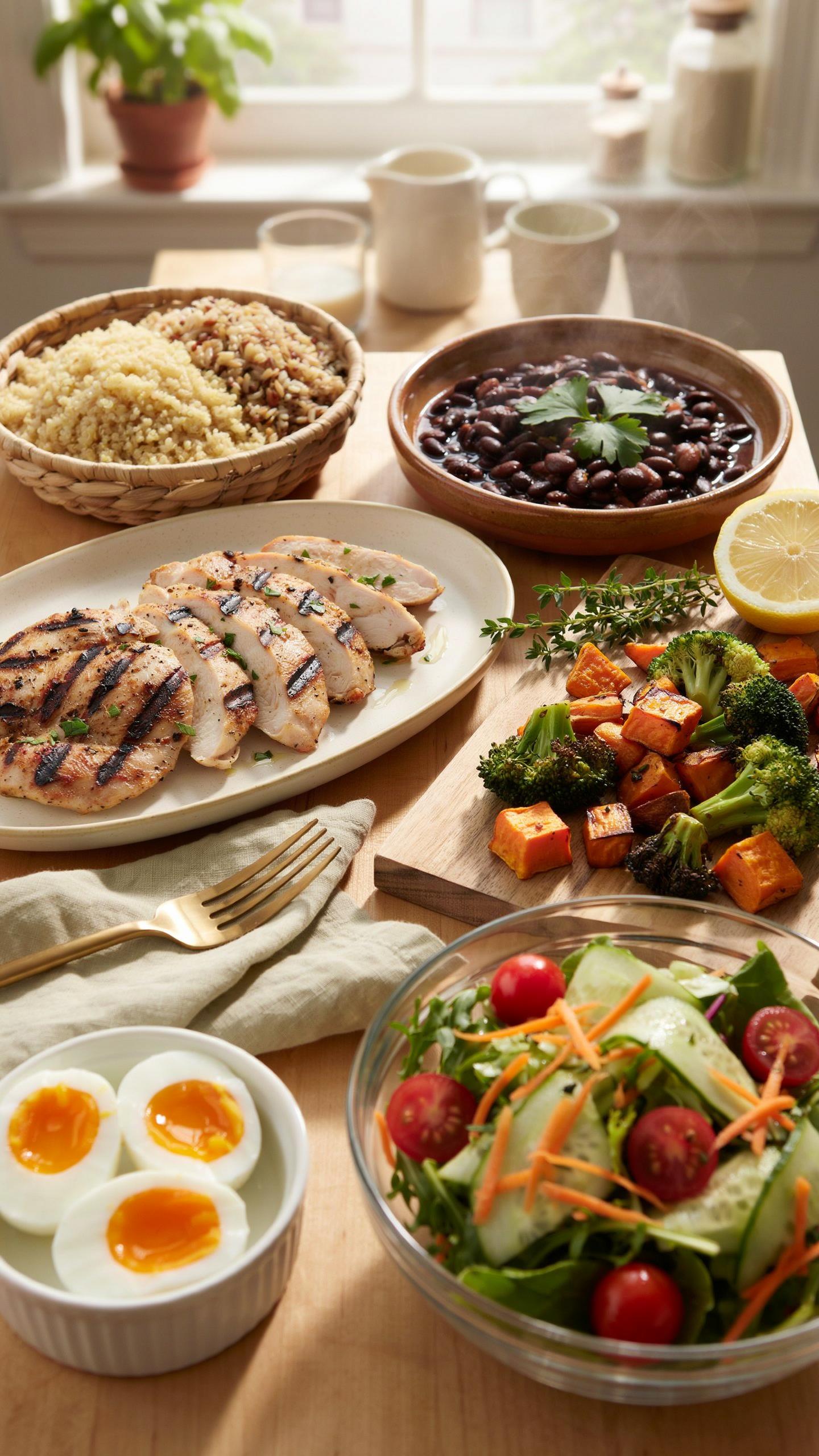
You’re counting grams because it feels scientific, but you’re ignoring the real variable that separates muscle builders from people spinning their wheels. Protein quality is borrowed from biochemistry’s concept of bioavailability, which measures how much of what you consume your body actually absorbs and uses. A 30-gram chicken breast and a 30-gram serving of low-quality plant protein hit your stomach with identical numbers but leave your muscles with vastly different raw materials.
The common advice treats all protein as interchangeable. It isn’t. Animal proteins contain all nine essential amino acids in ratios your body recognizes immediately. Plant proteins force your body to compensate for missing or imbalanced amino acids, reducing the usable protein available to you. One-pan dinners with chicken thighs, ground beef, or eggs deliver amino acid profiles your muscles can process without waste. The digestibility of animal protein runs 90-95 percent; most plant proteins clock in at 60-80 percent. Your actual protein intake is lower than the label claims.
Absorption Window Is Smaller Than You Think
Meal timing matters less than meal composition does. This is where people abandon strategy for dogma. Your body doesn’t absorb 40 grams of protein in 30 minutes or store it like a gas tank. Instead, your digestive system works at a fixed capacity. Eating 50 grams in one sitting means your intestines can only process roughly 30-35 grams; the remainder moves through your system underutilized. Protein synthesis happens for hours after eating, not in a magical post-workout window.
One-pan dinners work because they control portion and composition simultaneously. Cook 150 grams of ground turkey with vegetables in a single pan, divide into four containers, and eat them across your day. You’re hitting 30-35 grams per meal, staying within your absorption capacity, and triggering consistent muscle protein synthesis across multiple meals. Space your protein intake at least three to four hours apart. This protocol ensures you’re using what you eat instead of creating expensive urine.
One Pot High Protein Low Carb Meals The Unseen Benefits Beyond Weight Loss
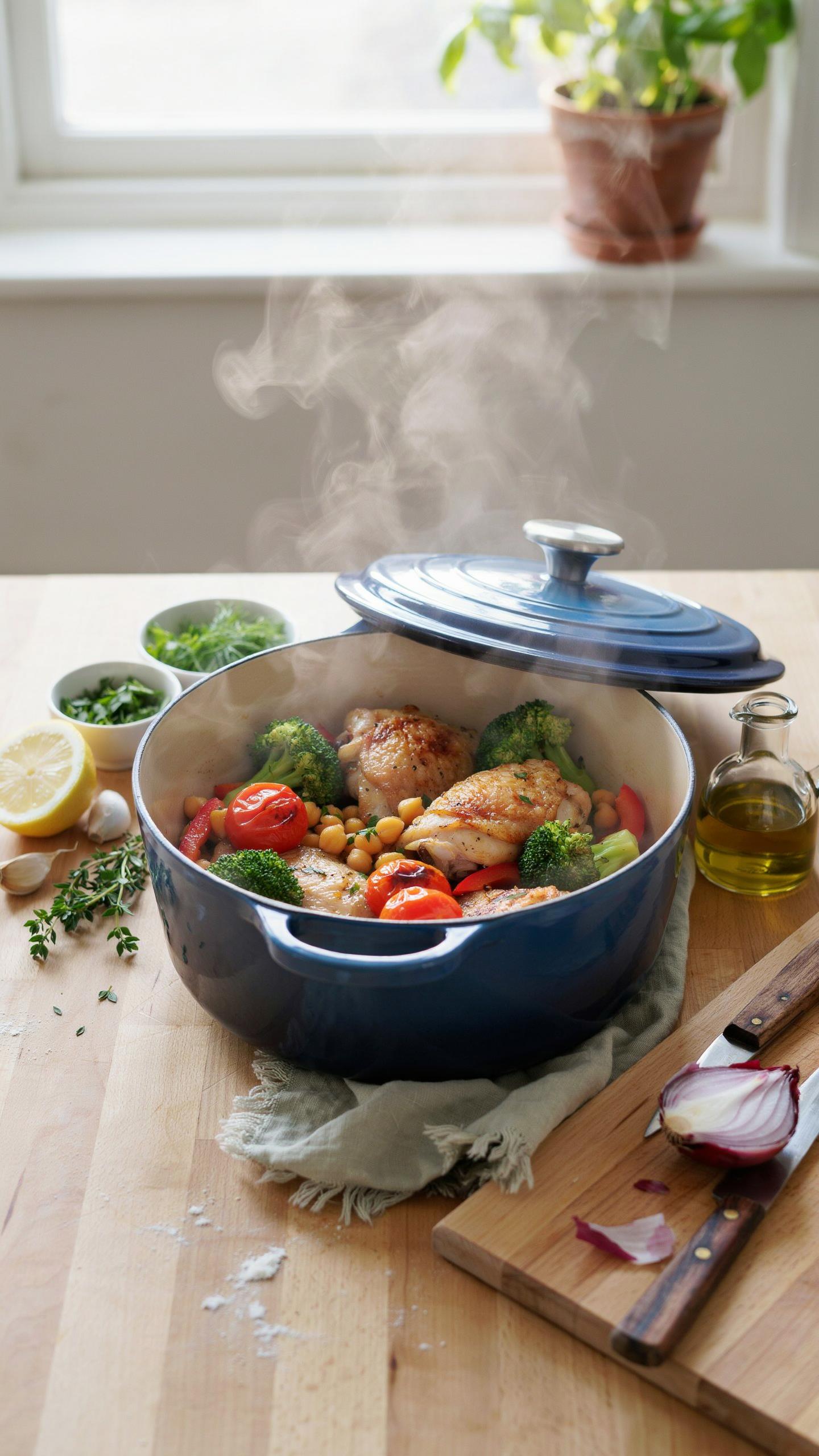
Metabolic Flexibility Sharpens Decision Making
You want this section because you’re hoping protein and low carb eating will make you smarter, and you’re right to suspect the mechanism exists. Borrow from neurology: your brain operates on two fuel sources, like a generator with dual inputs. Glucose dominates when carbs are plentiful. Fat oxidation takes over during low carb periods. One pan high protein meals train your brain to switch between these fuels efficiently, which neurology calls metabolic flexibility.
When you eat high protein one pan dinners with minimal carbs four or five times weekly, your body stops demanding constant glucose hits. Your prefrontal cortex, the decision-making center, stabilizes because blood sugar no longer spikes and crashes. Stable fuel means consistent cognitive output. The protein maintains satiety signals and preserves muscle during fat adaptation. Meal prep removes decision fatigue around what to eat, which preserves the mental energy your brain would’ve spent on food choices.
The Actual Payoff Sits Outside The Keto Narrative
Everyone talks about ketones and weight loss, which is correct but incomplete. The real advantage is what happens after four weeks of consistent high protein low carb one pan meals: your hunger hormones recalibrate. Ghrelin, the appetite hormone, drops. Leptin sensitivity improves. You stop experiencing the constant low-level craving that derails people who eat carb-heavy diets with scattered protein.
This matters because it’s the only sustainable mechanism for compliance. You don’t white-knuckle your way through meal prep when your body isn’t fighting you. High protein content in a single pan means every portion delivers enough leucine to trigger muscle protein synthesis. Consistency beats perfection. Make the same chicken thighs, broccoli, and rice one pan meal three times weekly. After three weeks, your appetite settles into alignment with your actual caloric needs, not manufactured hunger signals.
Healthy One Pot Meals High Protein The Sustainment Strategy For Longevity
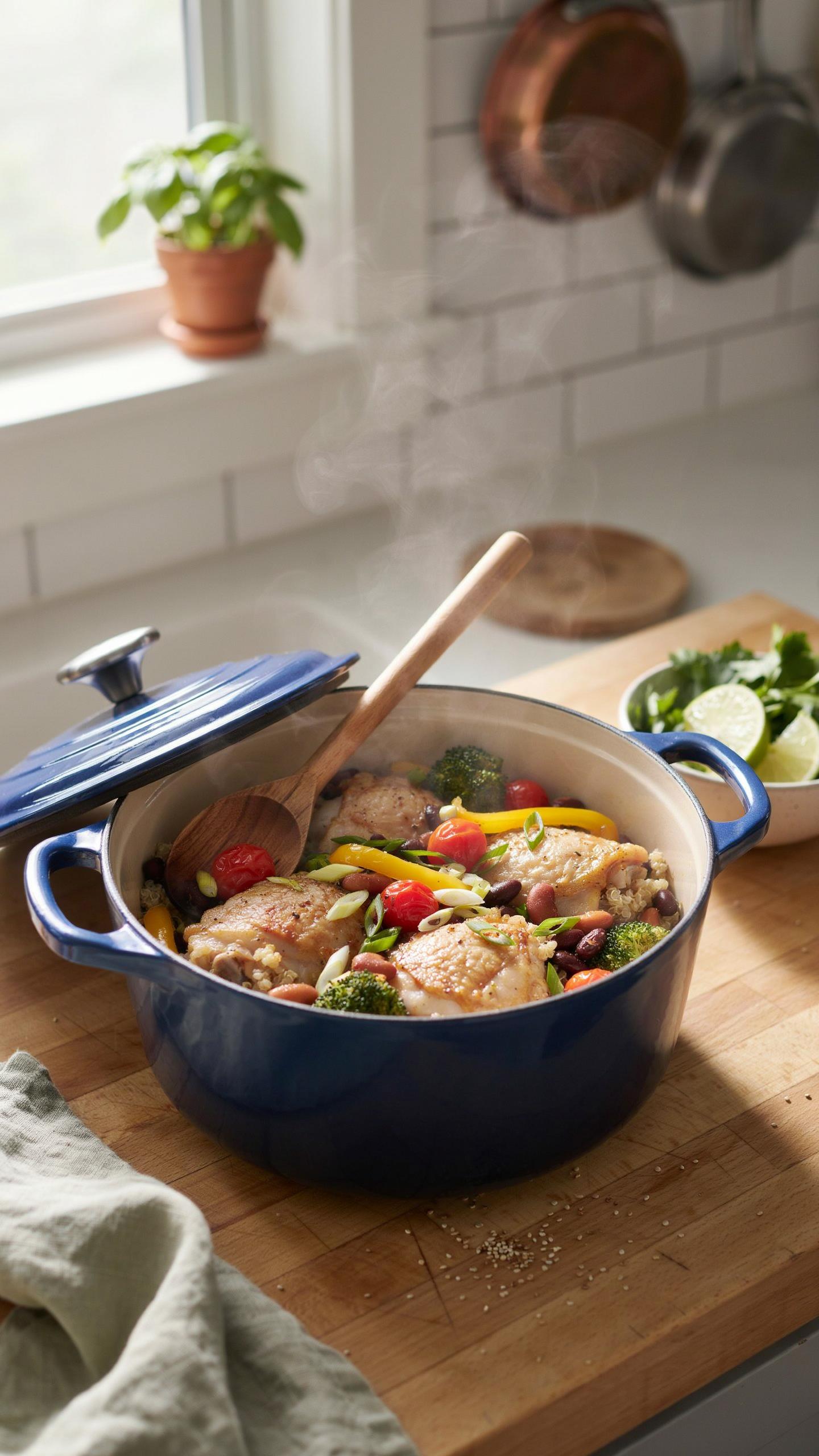
Micronutrient Density Per Serving
You want this section to validate that your meal prep is “optimized” so you can stop thinking about food and feel productive. Here’s the real mechanism: your body runs on cofactors, not just protein. Micronutrients are the enzymes’ fuel. When you cram seven ingredients into one pan, most people add protein and carbs, then wonder why they crash by 3 PM. That’s not bad luck. That’s underspecification.
A single high protein one pan dinner should supply at least three categories of micronutrient-dense foods per meal. Iron-rich beef or lentils. Vitamin C from tomatoes or peppers. Magnesium from leafy greens or pumpkin seeds. This isn’t new age thinking. Your mitochondria actually require these materials to convert protein into usable energy. When you skip mineral diversity, you’re running your recovery on half power.
Anti Inflammatory Protein Ratios
The nutrition consensus says “eat less inflammatory food.” That’s useless because it doesn’t name which foods trigger your specific inflammation response. Better: build one pan meals around protein sources and fats that shift your inflammatory baseline downward, then add the vegetables that provide antioxidant load alongside it.
Fatty fish, grass fed beef, and eggs create a different inflammatory environment than chicken breast alone. Pair each with cruciferous vegetables, olive oil, and garlic. The mechanism works through omega-3 density and polyphenol exposure in a single cooking event. You’re not trying to be perfect. You’re stacking two or three anti-inflammatory signals into one meal so adaptation happens faster than depletion.
The One Pan Healthy Meals Arsenal Tools Not Gimmicks
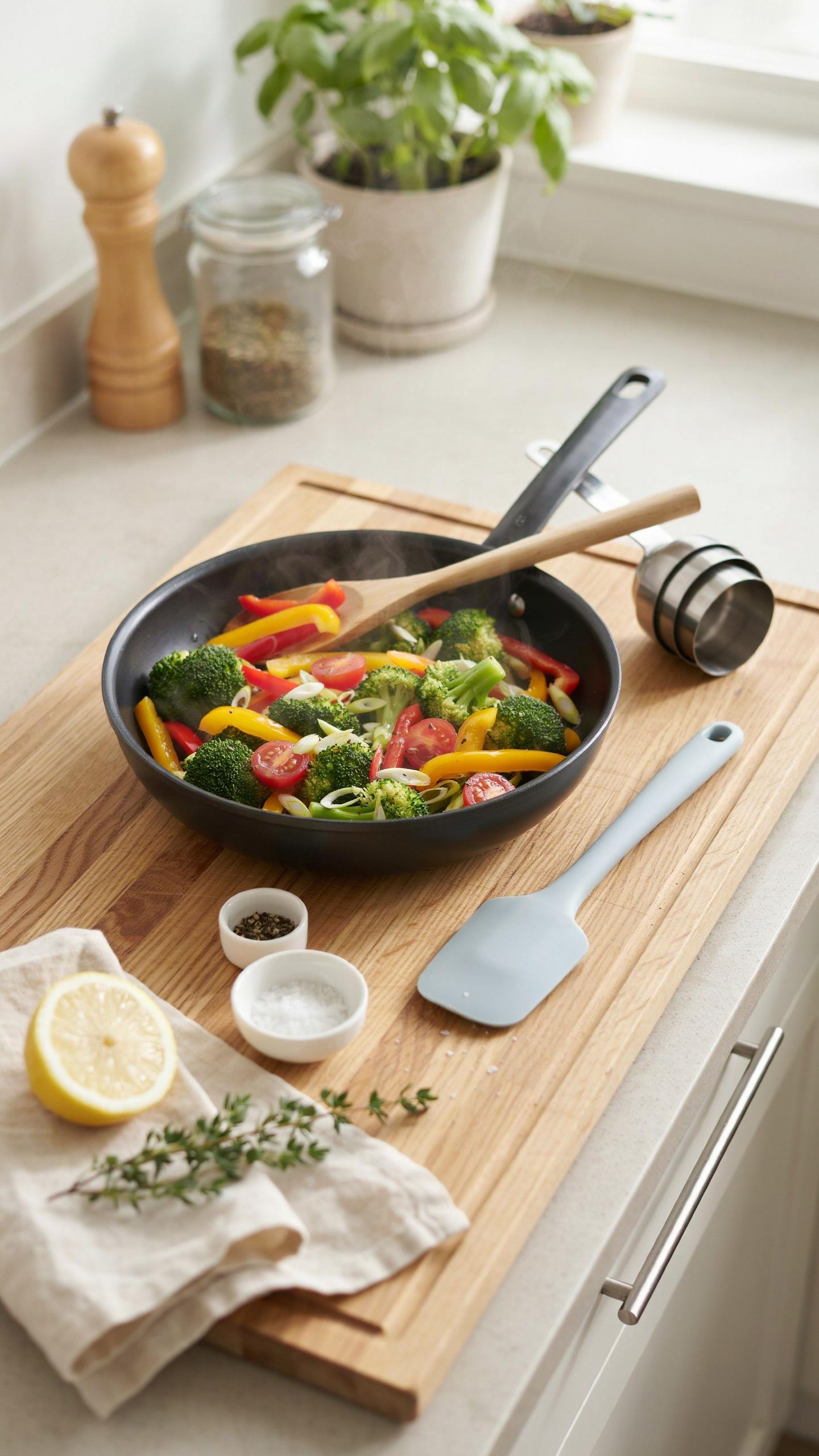
What You Actually Need To Own
You want permission to buy less stuff. That’s the real reason you’re reading this. The mechanism is simple: constraints force better decisions. In cooking, fewer tools mean you learn them deeply instead of collecting gear you’ll never master. A heavy stainless steel skillet, a sheet pan, a Dutch oven, and one good knife handle 95 percent of high protein one pan cooking. Everything else is distraction masquerading as capability.
The common advice here is backwards. People say “invest in quality” without naming what quality means. It means thermal mass, which distributes heat evenly and prevents protein from sticking or burning unevenly. A six-quart Dutch oven, a 12-inch cast iron or stainless skillet, and a rimmed sheet pan with true sides do this. That’s your arsenal. Stop there and cook better meals than people with ten thousand dollars in equipment.
The Moves That Actually Compress Time
Time savings in meal prep don’t come from speed. They come from eliminating decisions. Mise en place before you touch heat is the real protocol. Measure protein portions into containers before cooking anything. Prep your vegetables in the same sequence every time. Cook at the same temperature. The brain spends calories deciding. Every decision you make before cooking removes one from during cooking.
Batch browning protein works because you’re not multitasking. Brown all your chicken or ground meat at once in one pan, then divide into storage containers. Season it once for multiple meals instead of seasoning individual portions. This reduces handling, reduces contamination risk, and cuts your active cooking time by half. The mechanism: fewer transitions between tasks means fewer mental resets and less time lost to context switching.
Your real problem isnt cooking skill its a lack of a coherent system for fueling your ambition

Most people treat meals like interruptions. They scramble, grab whatever, then wonder why they crash at 3 PM. One pan dinners aren’t about convenience. They’re about removing the friction between your goals and the fuel your body needs to chase them. Pick one recipe today. Cook it Sunday. Eat it all week. That’s the system. The protein doesn’t matter if you never actually execute. Your ambition dies in the gaps between intention and consistency.