
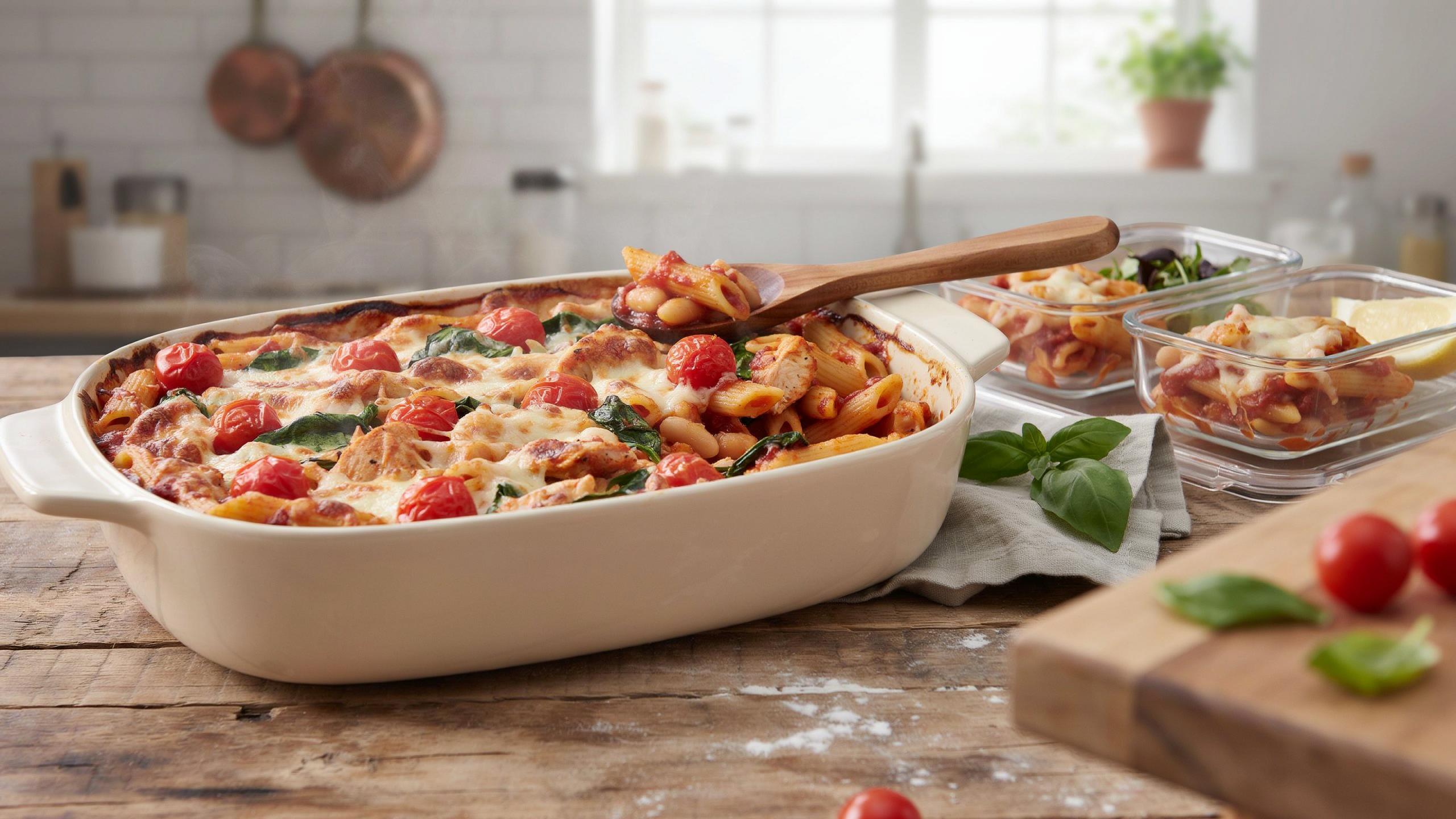
The Abundance Principle Why Restriction Fails High Protein Pasta Meal Prep
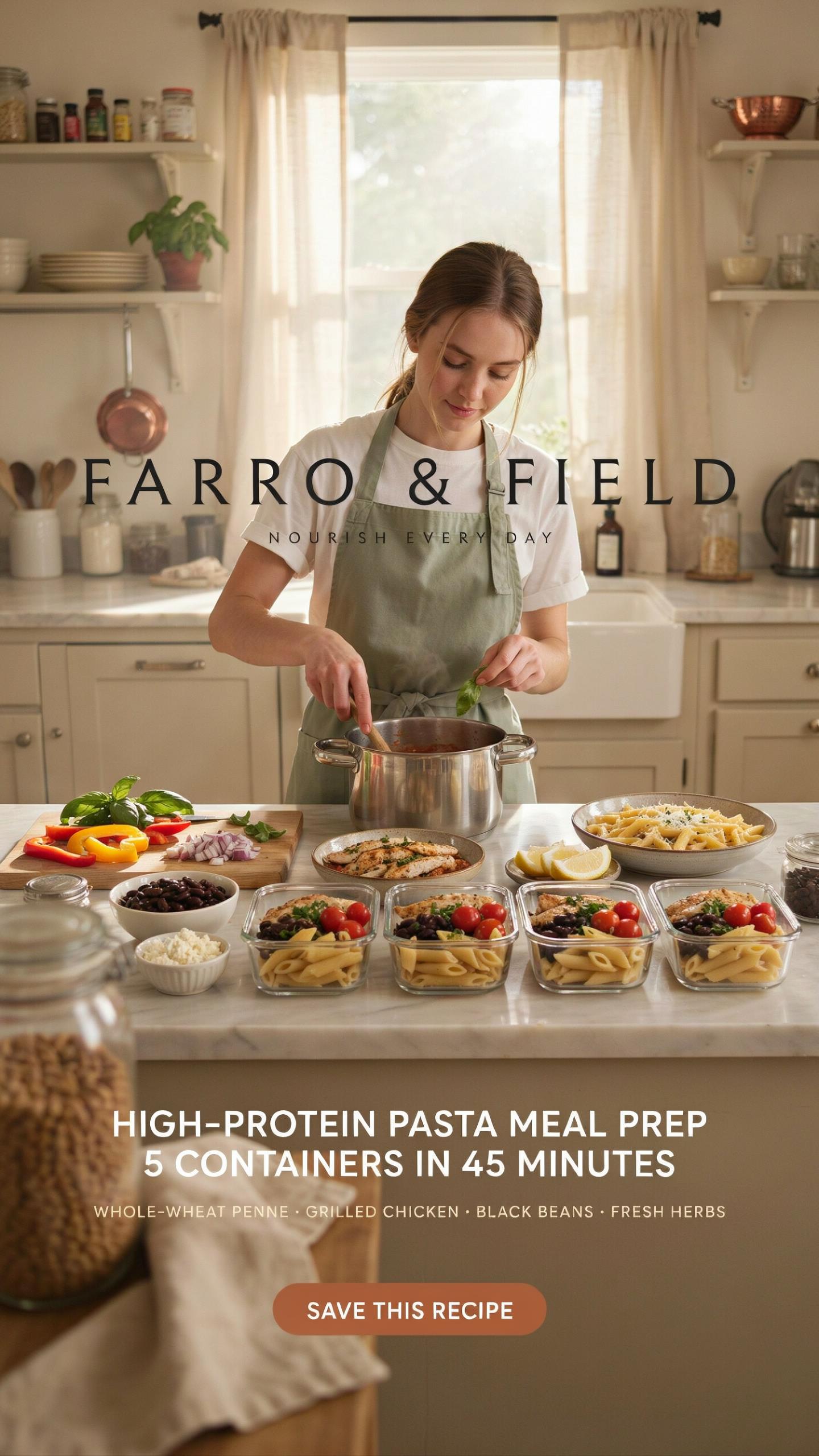
More Options, Less Failure
You want permission to eat what you actually like so you stop feeling guilty about abandoning another meal plan. Here’s the mechanism: restriction doesn’t scale because your brain treats it as scarcity. Scarcity triggers avoidance. You avoid the meal prep entirely, or you prepare it and then skip it because the monotony signals deprivation. The fix is the opposite of what diet culture preaches. Build your pasta bake with protein options you’d choose anyway, not what you think you should choose. When you have three viable protein sources rotating through your week instead of one, compliance rates jump because you’re working with preference, not against it.
The reason this works ties directly to behavioral economics. In economics, the paradox of choice states that too many options paralyze you. But that paradox assumes options are all equally foreign or difficult. Your pasta bake reverses this. Your options aren’t new recipes or unfamiliar cuisines. They’re variations on what you already eat. Ground beef one week, Italian sausage the next, chicken the third. You’re not overthinking because the decision space is bounded by your actual taste preferences. Prepare three pasta bake formulas, rotate them, and you’ll finish what you made instead of watching it rot in your fridge.
Protein Enough To Matter
Enough protein doesn’t mean maxed out. It means the threshold where your body stops signaling hunger before your next meal. Most high protein pasta bake advice focuses on total grams per serving without measuring against actual satiety duration. You need roughly 25 to 35 grams of protein per serving if you’re eating a standard portion size, depending on your body weight and meal frequency. Below that range, you’ll feel satisfied for two hours, then hungry again. Above that range, you’re wasting digestive effort and money on surplus that your body won’t utilize in a single sitting.
The mechanism is straightforward: protein requires more time to digest than carbs or fat, so it creates a sustained satiation signal. A pasta bake with 30 grams of protein per serving from a mix of ground meat and ricotta or cottage cheese will keep you full through your workday or training session. A pasta bake with 15 grams triggers appetite again within ninety minutes. You’re not chasing performance gains or body composition perfection. You’re hitting the minimum effective dose for meal adherence. That dose is your actual constraint, not your aspiration. Once you’re at that threshold, prepare four servings, refrigerate them, and eat them methodically. The simplicity is the strategy.
Deconstructing Protein Pasta Beyond The Label Hype
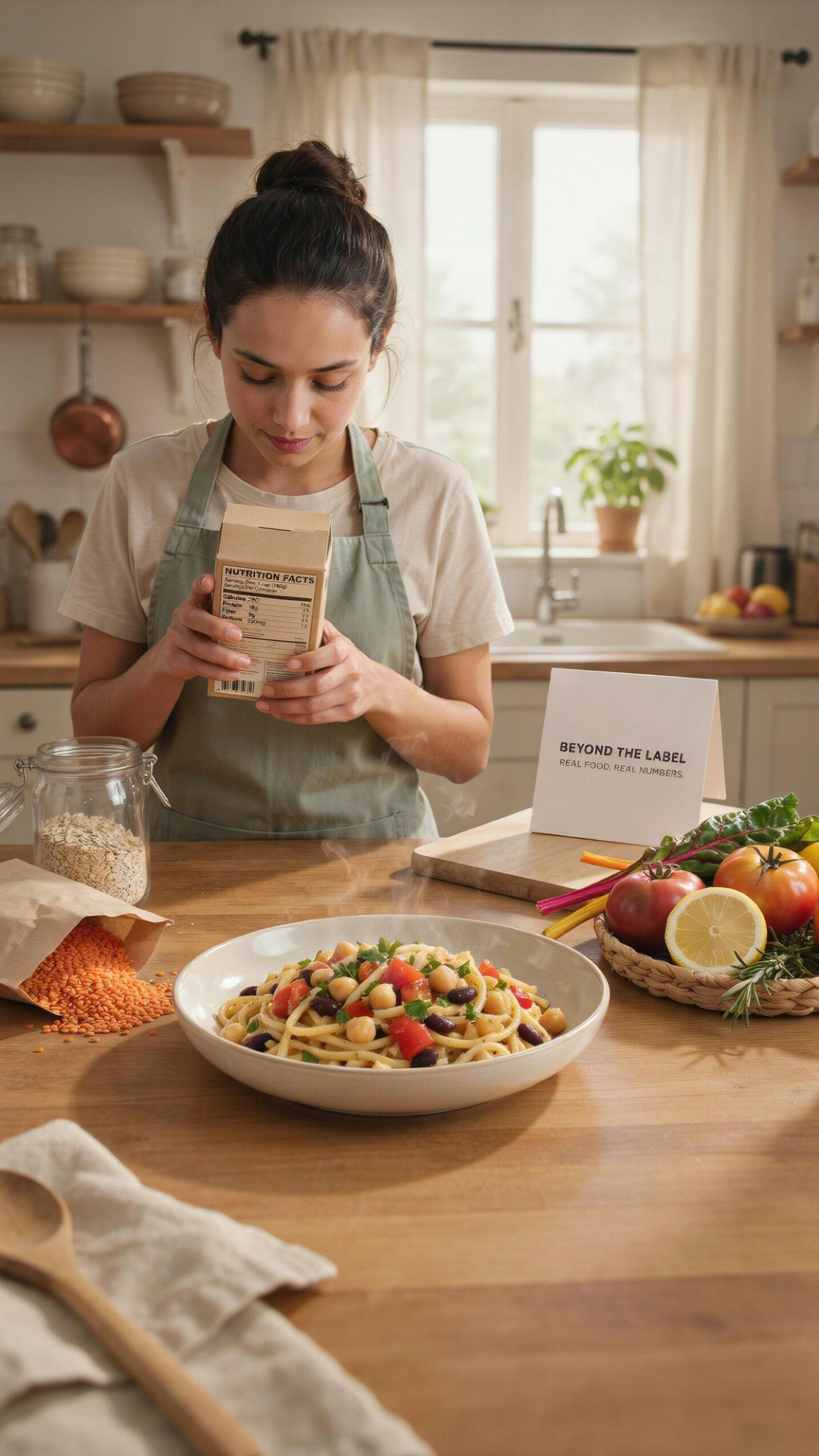
Real Protein Sources For Authentic Results
You want the macro count on the box to match what actually hits your plate. The mechanism is simple: most people confuse protein pasta with high-protein pasta. Protein pasta (made from chickpea, lentil, or legume flour) delivers 8-10g protein per 56g dry serving. High-protein pasta adds isolated whey or plant protein, pushing toward 20g per serving. The difference matters in meal prep because one actually changes your macro targets and the other just makes the label feel better.
Mixing protein sources in your bake matters more than the pasta type alone. Ground turkey, Greek yogurt, cottage cheese, and eggs form the real protein backbone. A standard high-protein pasta bake uses 1.5 lbs ground turkey, 1 cup Greek yogurt, 2-3 whole eggs, and 8 oz cottage cheese. This combination hits 60-75g total protein per four-serving batch. Pasta choice becomes secondary. The pasta contributes 8-12g. The protein sources contribute the rest. This is why bakes outperform other pasta dishes for meal prep.
What High Protein Actually Means On The Label
The FDA doesn’t define “high protein” for pasta. Manufacturers use it loosely, which means a box claiming high protein could contain anywhere from 12-20g per serving depending on formulation. Most conventional pasta sits at 7-8g protein per 56g serving. Anything above 12g per serving typically comes from added protein isolates, legume flour, or both. You must read the ingredient list, not just the front marketing. If whey concentrate or pea protein isolate appears in the first five ingredients, the brand prioritized protein addition. If legume flour dominates, you’re getting naturally higher protein from the carb source itself.
The practical move for meal prep is measuring your total protein per batch, not trusting individual component labels. A 1-pound box of high-protein pasta contributes roughly 20-25g protein total. Your filling (meat, dairy, eggs) contributes 50-80g. Protein from pasta matters less than people think. What matters is hitting your daily target across the entire meal. Calculate based on what you’re combining, not what one ingredient promises. This prevents the common trap of buying premium pasta and skipping other protein sources because the box felt sufficient.
The One Pan Protocol Strategic Simplification For High Protein Chicken Pasta Bake
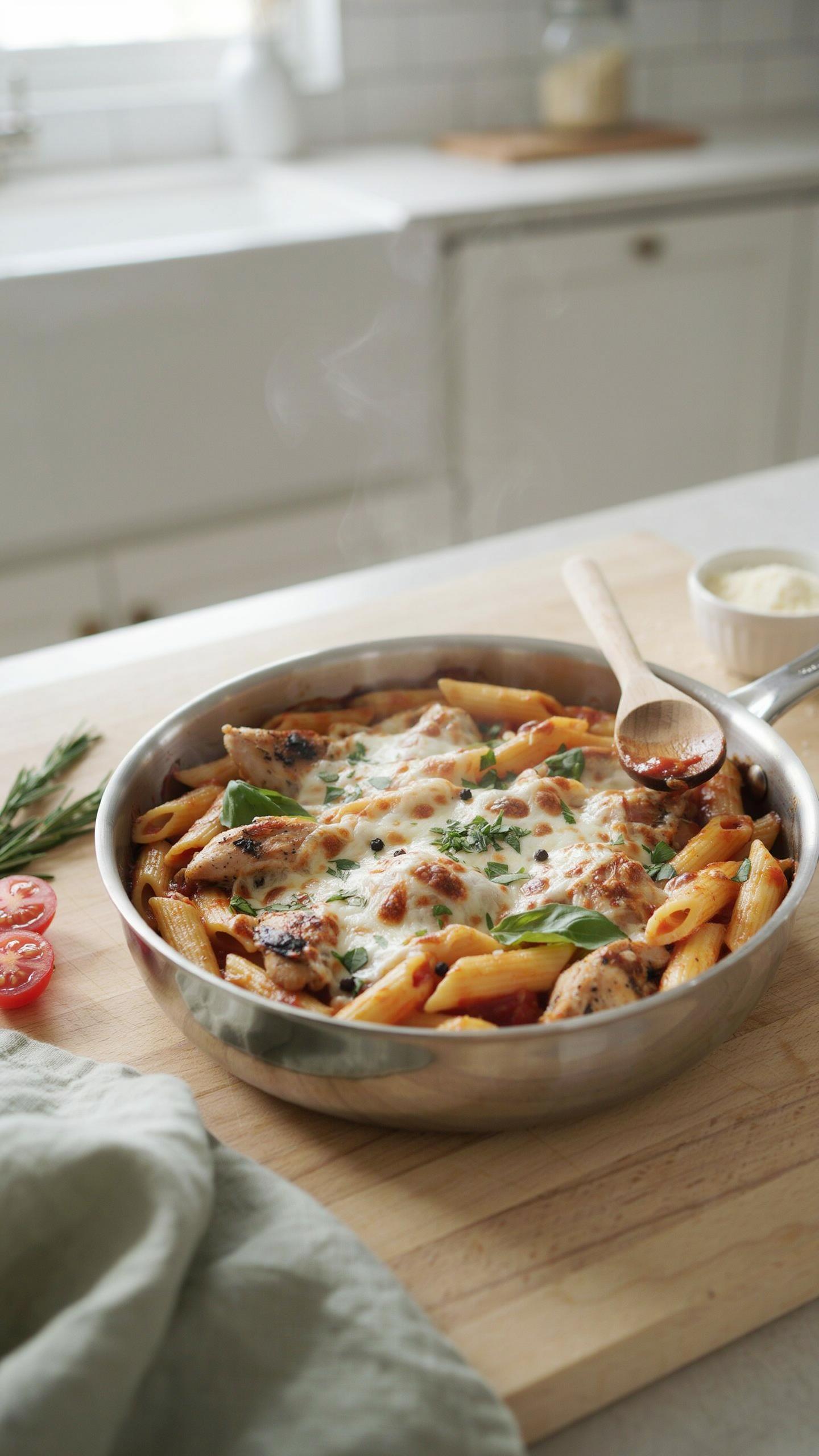
Fewer Choices, Fewer Failures
You want this to feel effortless so you actually stick with it. The real mechanism here is decision fatigue. Every additional variable in your prep process is a friction point where you’ll deviate or quit. A one-pan pasta bake eliminates the need to coordinate timing between a stovetop protein, a separate pasta pot, and a sauce. You mix, you pour, you bake. One outcome. One temperature. One timer.
This isn’t minimalism for aesthetic reasons. It’s engineering around human behavior. Most meal prep fails because people underestimate how many micro-decisions drain their willpower before they even cook. When you collapse five cooking steps into one, you remove the mental load. You show up, execute the protocol, and move on. The protein stays moist because it braises in the sauce. The pasta finishes cooking in the oven. No babysitting required.
Baking Strips Out Your Margin For Error
Think of baking as a constraint from thermodynamics: unlike stovetop cooking where timing is fuzzy and heat is manual, an oven is a closed system with predictable energy distribution. This is your forced error-reduction mechanism. You cannot accidentally scorch a pasta bake or forget about it mid-cook the way you can with a skillet. The oven’s thermal consistency does the work.
The common advice here is wrong. People think baking is slower or requires more planning. False. Baking is actually faster for meal prep because it runs unattended and delivers more consistent results across multiple containers. You set 375 degrees for 25-30 minutes, and every single tray cooks the same way. No stirring. No heat adjustment. No guessing whether the chicken is done. The internal temperature rises on schedule, the pasta absorbs liquid evenly, and you pull five identical portions out at once.
The Antifragile Ingredient Matrix For High Protein Baked Pasta
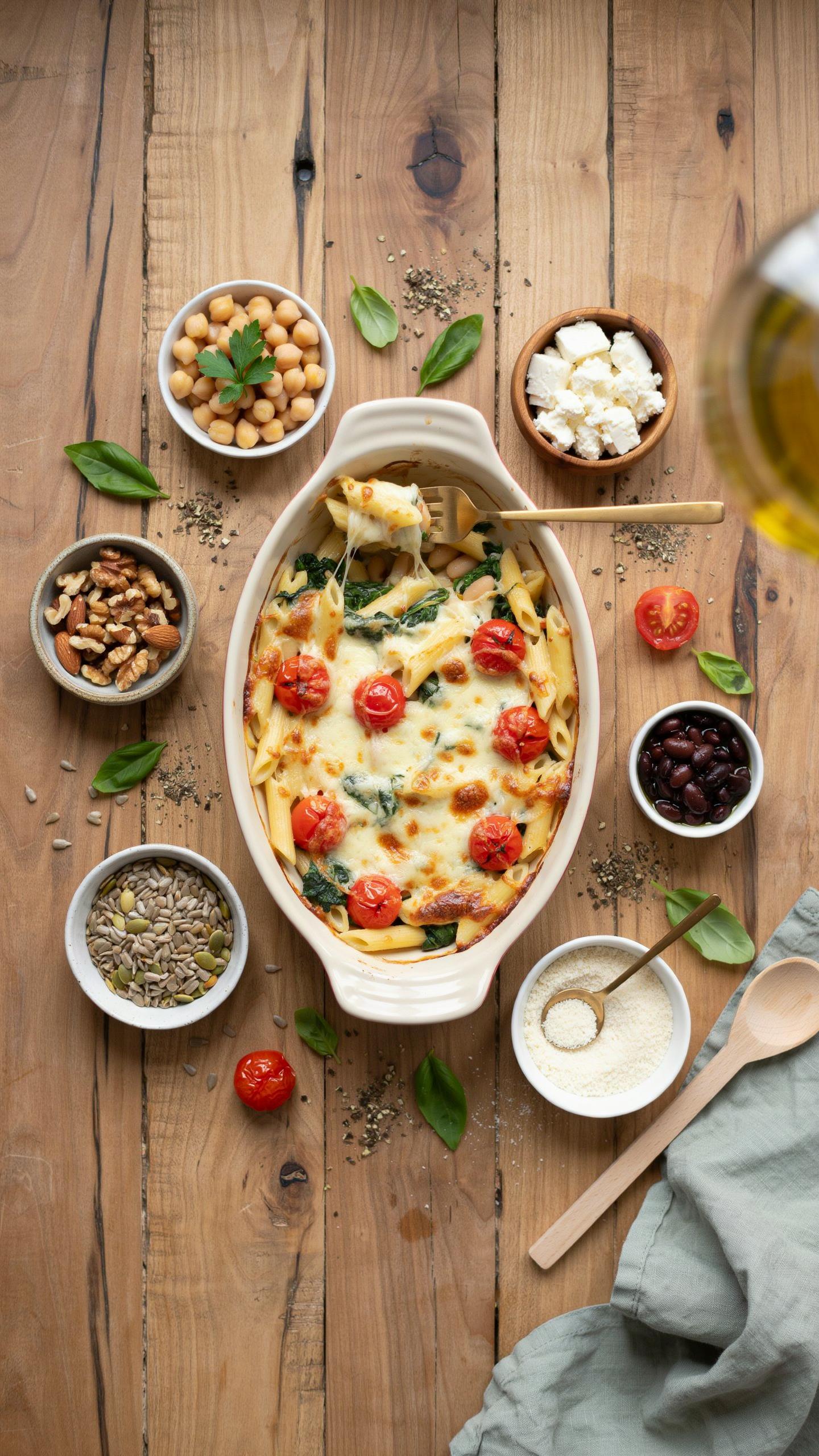
Ingredients That Survive Neglect
You want a meal prep system that doesn’t require babysitting, and that desire reveals the real problem: most recipes break the moment conditions deviate from lab precision. Biology shows us that organisms thrive under stress, not comfort, and the same principle applies to pasta bake architecture. Select proteins and starches that improve with time and temperature fluctuation rather than degrade.
Dried pasta, canned tomatoes, and hard cheeses don’t spoil from sitting. Greek yogurt, cottage cheese, and eggs stabilize protein content without requiring fresh refrigeration cycles that degrade texture. These ingredients exhibit what biologists call stress tolerance: they maintain structural integrity under the chaos of a home freezer cycle, temperature swings during transport, and reheating. The mechanism is simple: ingredients with low water activity or high acid content resist bacterial growth and enzymatic breakdown that ruins delicate proteins.
Design For Temperature Variance, Not Control
Systems theory teaches us that robust designs accommodate disturbance rather than eliminate it. A pasta bake built on the assumption of perfect 40-degree storage will fail the moment your freezer dips to 15 degrees or a delivery sits in a warm car. Build instead for the range of conditions that actually exist.
Use high-fat cheese blends that don’t separate when frozen solid, then thawed, then reheated. Combine protein sources so one compensates if another denatures under stress. Whole milk ricotta mixed with Greek yogurt creates redundancy: if one breaks down, the other maintains creaminess. The final step is spacing pasta evenly so heat penetrates uniformly during reheating, preventing dry edges while centers stay moist. This prevents the meal from becoming a casualty of your actual kitchen conditions.
Flavor Scaffolding Building Cravings Not Just Healthy Pasta Bake
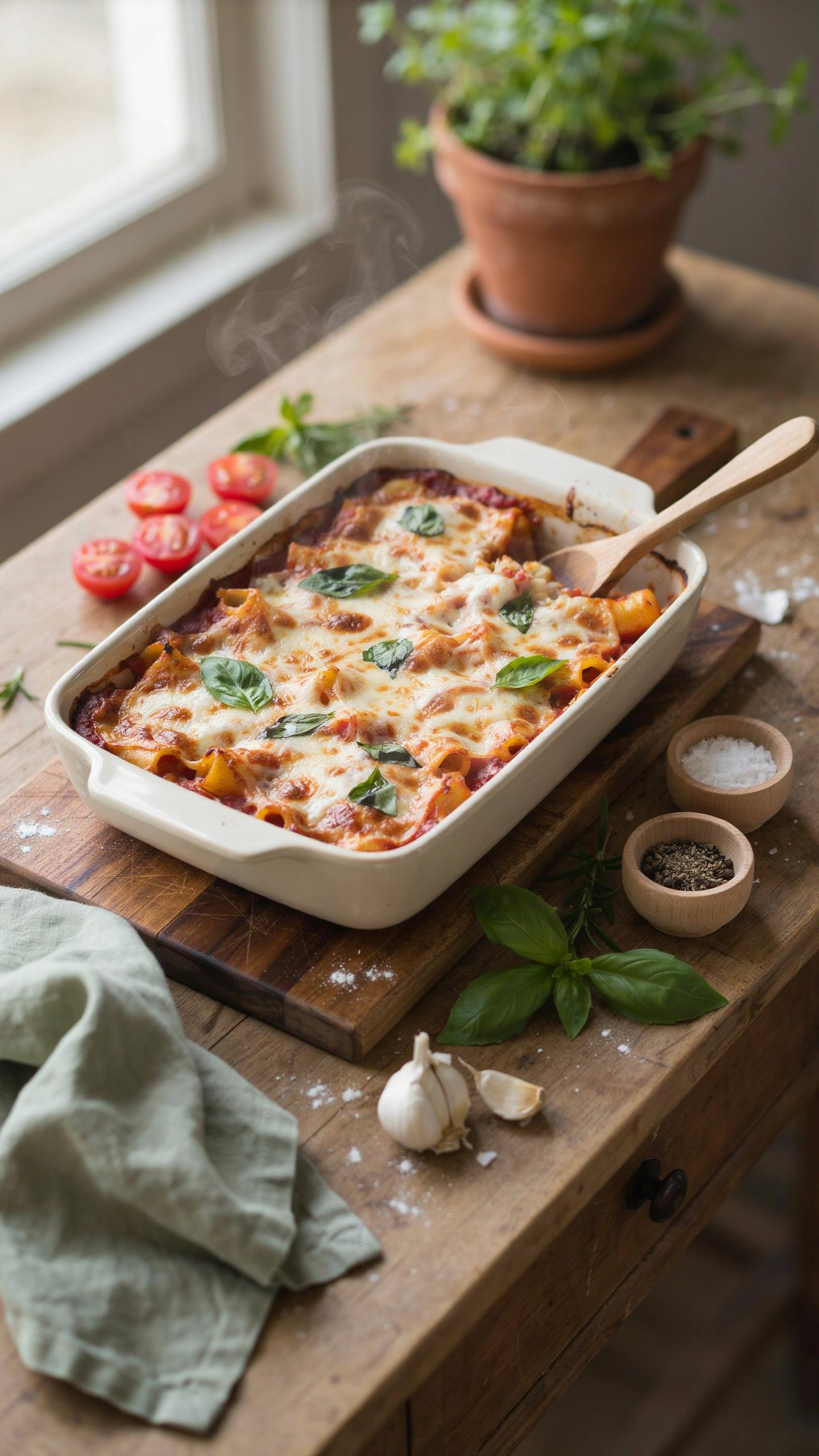
Fat, Salt, Acid: The Real Hierarchy
You want this to taste good so you actually eat it instead of ordering takeout. That’s the real reason you care about flavor scaffolding. Borrowing from culinary science, fat, salt, and acid function like the three load-bearing walls in architecture: remove one and the structure collapses. Most protein pasta bakes fail because people prioritize protein powder or chicken breast as the hero, when those ingredients are structurally inert without the right fat-salt-acid balance. Your taste buds respond to contrast, not virtue.
Fat carries flavor compounds and triggers satiety signals faster than protein alone. Salt enhances perceived saltiness at lower concentrations through receptor amplification, meaning you need less total sodium to hit the satisfaction threshold. Acid cuts through richness and prevents the monotone, grainy texture that kills repeat consumption. A pasta bake with ricotta, mozzarella, and ground beef tastes flat until you add tomato paste, lemon juice, or vinegar. The acid isn’t a garnish. It’s the mechanism that separates “I’m forcing this down” from “I actually want another portion.”
Layering Without The Redundancy
Most people layer flavor by repeating the same ingredient at different stages, which creates boredom, not depth. Add garlic to the meat, then garlic powder to the sauce, then more garlic in the cheese layer. You’ve made garlic boring. Real layering means each component tastes distinct but reinforces the others. Cook aromatic vegetables until they caramelize before adding them to the meat. Bloom dried herbs in the hot fat. Add fresh herbs or acid only at assembly or just before baking.
The texture trap kills more pasta bakes than flavor does. A fully cooked noodle mixed with sauce and baked again turns to mush. Use pasta that’s one minute under al dente. The residual heat from assembly and a 25-minute bake at 375°F finishes cooking without breakdown. Grate your cheese fresh before mixing, don’t use pre-shredded. The anti-caking agents in shredded cheese prevent proper melting and create grainy texture. Layer sauce on the bottom, noodles, protein mixture, then cheese on top so the top browns while the bottom stays moist and the middle stays distinct.
The Iterative Bake Perfecting Your High Protein Pasta Recipe

Start Small Before You Commit
You want to skip ahead because you think you already know what works. You don’t. The mechanism here comes from engineering: iteration reduces failure cost. Make one pasta bake at half or third scale first. Use a smaller baking dish. Cook for the same time, check doneness earlier. You learn protein curdle points, cheese browning speed, and moisture loss without wasting five pounds of ingredients on a mistake that tanks your whole week.
Small batches force you to notice what actually happens instead of what you assumed would happen. The protein powder that seemed fine in the dry mix separates during the bake. The cottage cheese layer stays wet while everything around it dries out. The pasta absorbs more liquid than you calculated because your brand is slightly different. None of this surfaces until you watch it happen.
Track What Changes, Not What Stayed The Same
People confuse effort with data. Writing down that your bake turned out “good” teaches you nothing. The real feedback loop requires specific variables. Record oven temperature, actual bake time, protein powder type and amount, cheese ratio, moisture level going in, and texture of the finished product. One sentence per test: “Casein plus ricotta split; pasta too soft at 45 min; reduce liquid by half cup next round.”
After three to four small batches, patterns emerge that your memory would never catch. You see that your oven runs five degrees hot, so doneness hits earlier than recipes state. You discover that blending your protein powder into the ricotta prevents separation better than dry mixing. You find the exact liquid-to-pasta ratio for your specific pasta brand and oven. This is not optimization theater. This is the data that makes your meal prep actually reproducible.
Scaling Up The Logistics Of Easy High Protein Meals
When Time Becomes Your Constraint
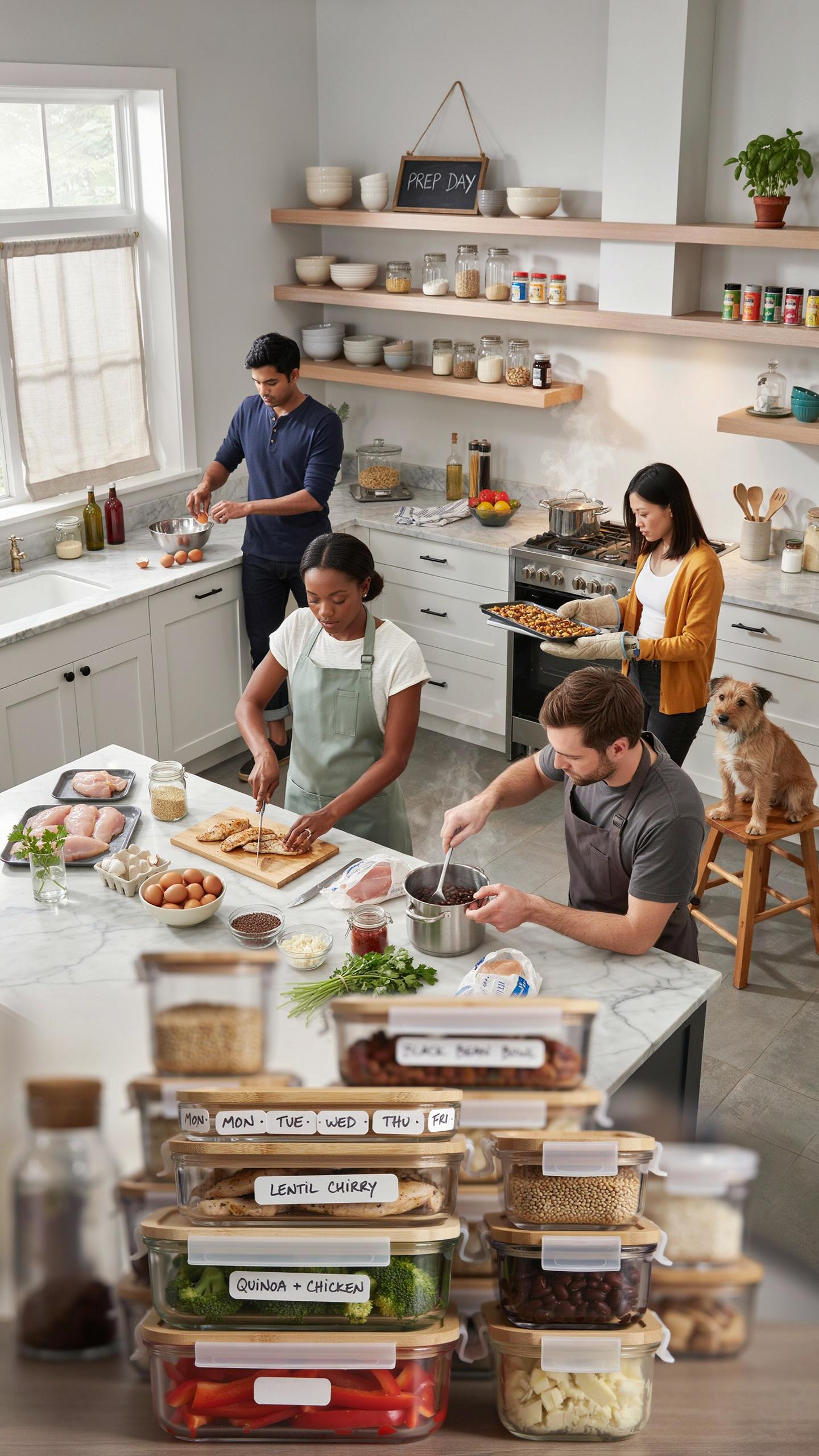
You want meal prep to feel effortless, but you’re actually afraid it’ll consume your entire Sunday. That’s the real tension here. Batch cooking efficiency isn’t about speed—it’s about energy expenditure per meal produced. Economics calls this “marginal utility.” Cook one pasta bake and you burn mental energy on setup, cleanup, decision-making. Cook four identical ones and you compress those fixed costs across units. The mechanism is identical to manufacturing: your setup phase stays constant, but your per-unit labor collapses.
Most people approach this wrong by trying to cook faster. The real move is cooking longer batches less often. A single three-hour session producing four full pasta bakes costs less total energy than four separate one-hour sessions. You boil water once, not four times. You preheat the oven once. You dirty one cutting board, not four. The friction disappears when you stop treating meal prep like a sprint and treat it like a production run. Stack your ingredients, batch your actions, reduce decision fatigue by 75 percent through repetition.
Container Choice Determines Compliance
Your container doesn’t just hold food—it determines whether you actually eat it. The wrong container kills compliance before taste or nutrition does.
- Glass with snap-lock lids: Microwave-safe, reusable indefinitely, prevents freezer burn better than plastic. Doesn’t retain odor or staining. Worth the upfront cost.
- Polypropylene containers (PP5 or PP6): Durable freezer storage, withstands temperature swings without cracking. Lighter than glass for grab-and-go. Verify freezer-safe rating before purchase.
- Stainless steel containers: Zero plastic leaching, excellent insulation if you’re eating cold. Heavier than alternatives. Harder to see portion size without opening.
- Divided compartment trays: Prevents pasta bake from contacting other foods, useful if you’re adding vegetables separately. Takes up more fridge space. Overkill for single-dish meals.
- Parchment-lined aluminum: Single-use alternative for freezing. Transfers to microwave easily. Creates waste and costs more per meal than reusable options.
The real variable is whether your container fits your actual routine. If you eat at your desk, grab-and-go weight matters more than perfect aesthetics. If you reheat in a microwave, glass outperforms plastic for heat distribution. If you freeze immediately and thaw before eating, any container works. Portion your pasta bake into containers within two hours of cooking, label with date and protein content, stack in freezer in single-file rows to maximize visibility. You’ll eat what you see.
Beyond The Bake Repurposing Leftovers For Pasta Dishes Healthy
Transform Baked Pasta Into New Meals
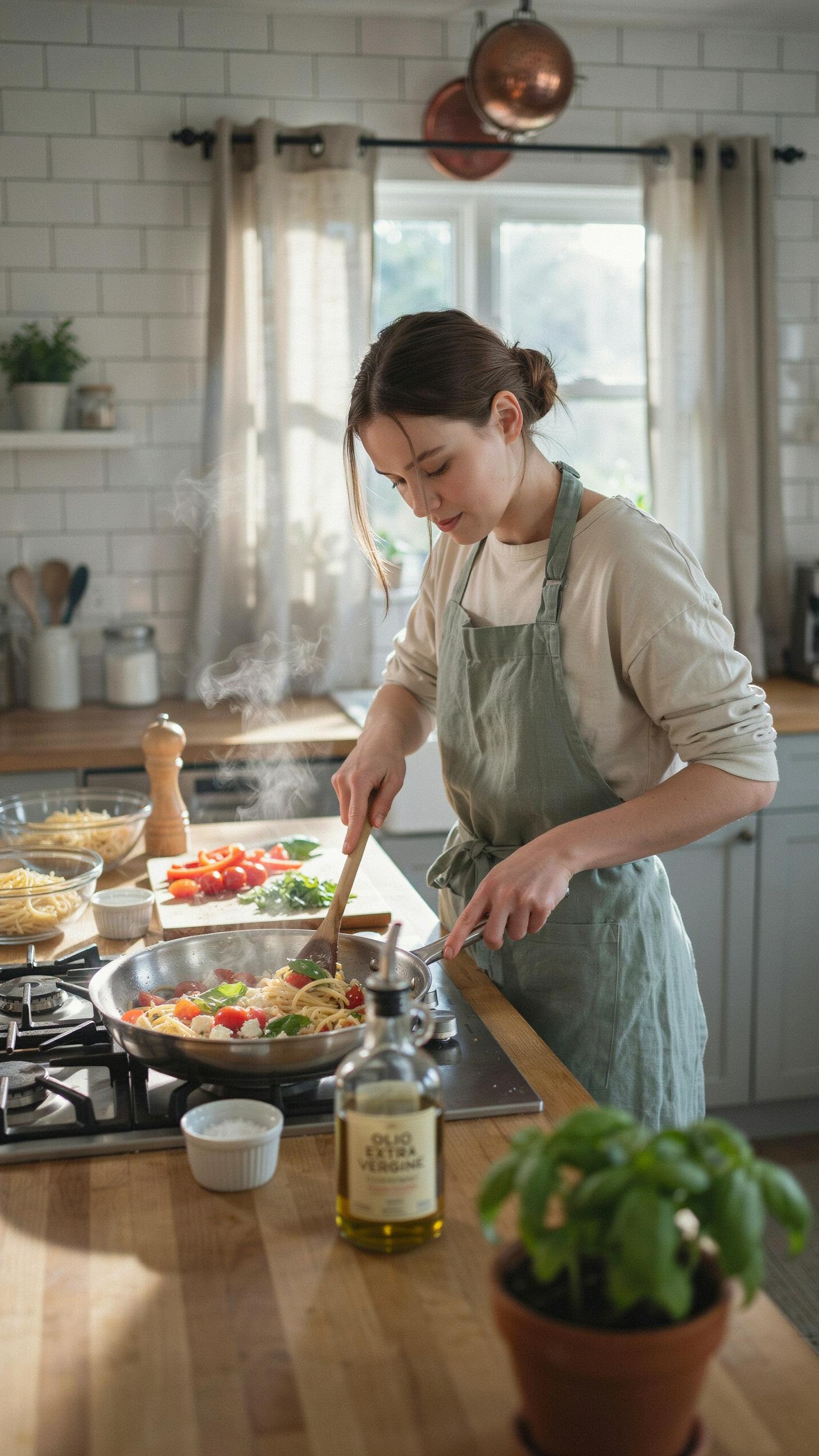
You’re afraid eating the same thing five days straight will break you mentally. The real mechanism is this: texture degradation. Pasta bake hardens as it sits. Moisture gets trapped and redistributes unevenly. The cheese layer separates from the noodles. Your brain registers repetition plus sensory disappointment, which kills compliance faster than hunger does. The fix isn’t willpower. It’s changing the physical form of what you’re eating.
Crumble cold pasta bake into a bowl and add fresh greens, olive oil, and acid like lemon juice or vinegar. The broken texture now reads as a salad instead of leftover. Add a fried egg on top and protein jumps without cooking new meat. The bake becomes a base, not the final dish. This shift requires zero additional meal prep time. You’re just rearranging existing components into a different sensory profile.
Stretch Your Cook Time Across More Servings
Economics calls this yield optimization. One hour of active cooking should feed you longer than five days. Most people waste this by eating the same portion size repeatedly until the food spoils. That’s inefficient. Instead, use leftover bake to build a pasta frittata by layering chunks with beaten eggs and cheese, then baking again. Or mix crumbled portions into a ground meat and tomato sauce for a hybrid dish that feels new while requiring no additional protein cooking.
The protocol is this: before you finish the original bake on day three, identify what you’ll convert it into on days four through six. Portion accordingly. A standard 9×13 bake gives you roughly 12 ounces of cooked pasta and protein. Split this into two base servings plus two transformation servings. Base servings get eaten warm in their original form. Transformation servings get repurposed into salads, frittatas, or mixed into fresh sauces. Track this during your initial prep session, not during the week.
The Minimalist Kitchen Arsenal For High Protein Pasta Success
Tools That Multiply Your Output
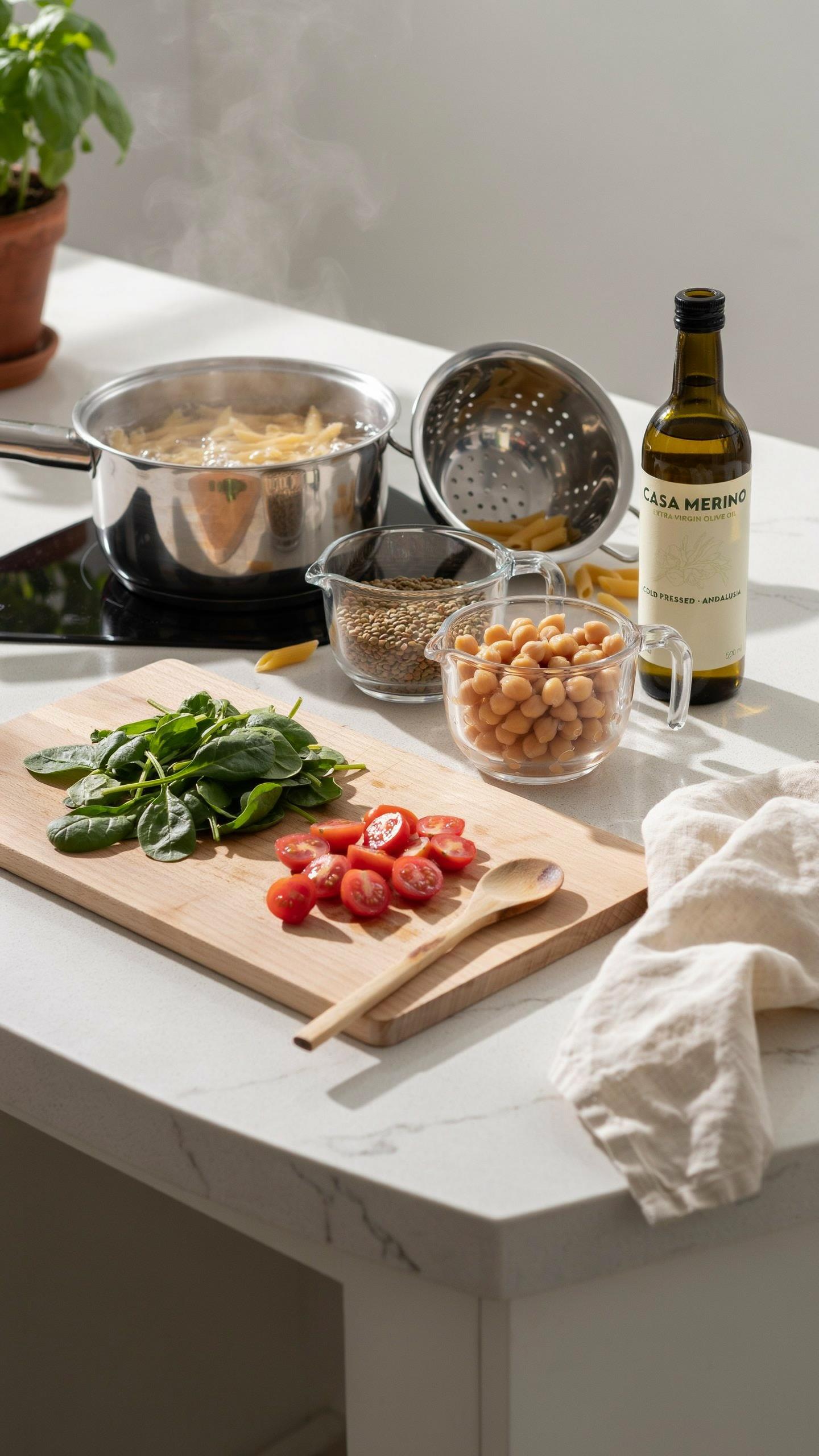
You want to believe the right equipment will make you disciplined. It won’t. But the wrong equipment will make you quit before you start. This is leverage in action: one tool removes friction at a specific bottleneck, compressing hours into minutes. A 9×13 baking dish becomes your production line. A sturdy colander drains pasta without splashing water everywhere and losing heat. A digital scale eliminates guessing on protein powder ratios, which directly affects texture and macros. A wooden spoon rated for high heat prevents scratches in nonstick surfaces that degrade over time. These aren’t nice-to-haves. They’re the difference between a system you actually use and one that lives in your head.
The mechanism is elimination of decision points during prep. You grab the same tools every time. Your hands know where they are. No hunting through drawers. No substituting inferior equipment. A standard 13-inch rectangular baking dish fits in a standard oven, holds six to eight servings, and conducts heat evenly across the surface. That consistency matters more than owning ten specialized gadgets you’ll use twice. Buy once, use for years. The pasta bake becomes repeatable because the physical environment is predictable.
Space That Supports Repetition
Most people declutter wrong. They keep tools they like the idea of using instead of tools they actually use. Your pasta bake prep fails not because you lack space, but because active gear competes with dead weight. Clear one shelf in your fridge dedicated solely to meal prep containers. Clear one cabinet shelf for baking dishes and colanders. Remove everything else from those zones. This creates a launch pad, not a storage problem. Your brain recognizes the space as a system, not a chore location.
A friction-free prep environment means you reach for what you need without scanning past unused equipment. Restaurant kitchens don’t store thirty pans. They store the five pans they use daily within arm’s reach. Replicate that. Stack your meal prep containers in one spot. Keep your baking dish on the counter or in an easily accessible rack. When ingredients and tools live in predictable locations, you prep faster. Prep faster, you do it more consistently. The protocol is simple: touch each tool only if it participates in pasta bake assembly.
Your biggest obstacle isnt discipline its a poorly designed system for inevitable culinary victory
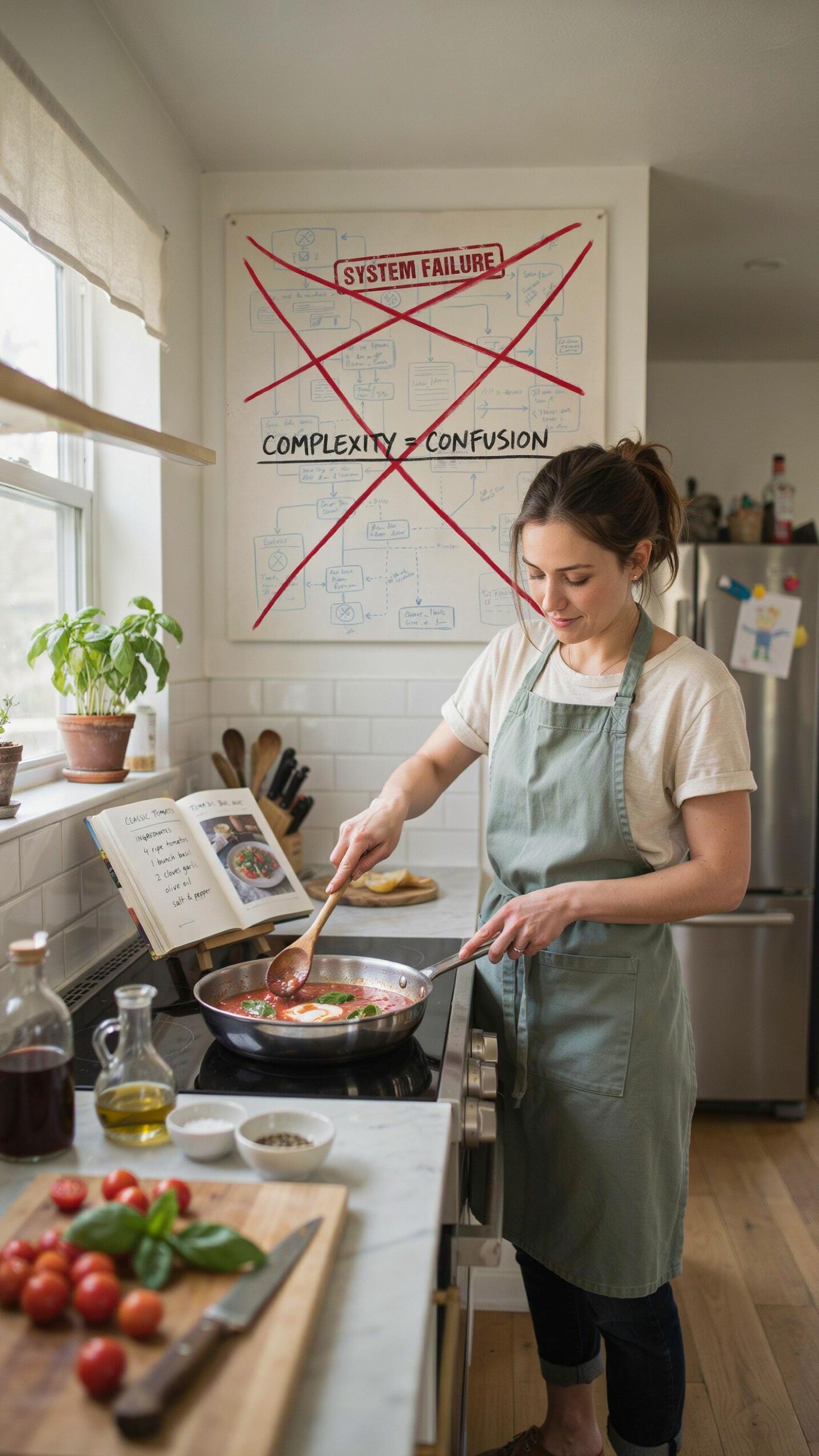
Most people fail at meal prep because they treat it like punishment instead of efficiency. A high protein pasta bake works because it collapses decision-making. You cook once. You eat well all week. Your body gets the protein it needs without negotiation. Stop waiting for motivation. Buy your ingredients today and assemble one bake tonight. The difference between people who stay lean and people who don’t isn’t willpower; it’s having food ready when hunger hits.