
The Bio Optimization Blueprint High Protein Breakfast For Peak Performance
Pick Your Protein Sources First
You want to feel like you’re making a smart choice without actually having to think. That’s the real reason most people obsess over breakfast timing and nutrient timing—it’s easier than admitting protein selection determines everything else. Borrow from nutritional biochemistry: amino acid bioavailability is your rate-limiting step. You can’t build sustained energy from incomplete proteins, and you can’t build muscle from foods your body poorly absorbs. Protein sources aren’t interchangeable.
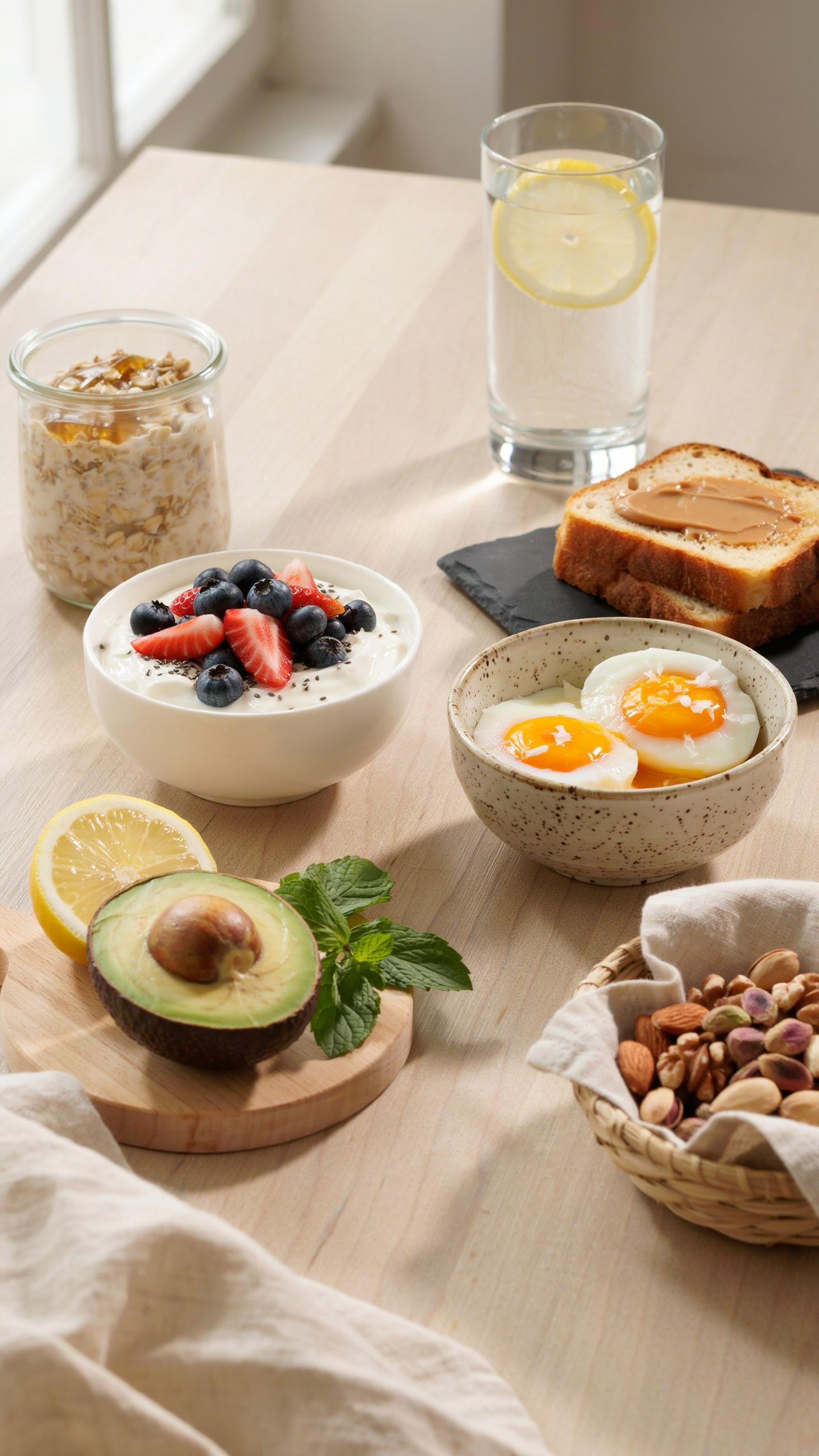
- Greek yogurt: 20g protein per 7oz serving, complete amino acid profile, high leucine content triggers muscle protein synthesis efficiently.
- Eggs: 6g protein per egg, contains all nine essential amino acids, leucine concentration rivals whey protein per gram.
- Cottage cheese: 14g protein per half-cup, slow digesting casein proteins provide sustained amino acid delivery over hours.
- Ground turkey or chicken: 25-30g protein per 3.5oz, minimal fat variation if you source ground breast, mixes seamlessly into bowls.
- Canned tuna or salmon: 20-25g protein per can, omega-3 density adds cognitive benefit, shelf-stable for actual meal prep consistency.

Your bowl’s protein foundation determines whether you crash at 11am or sustain focus until lunch. Build around sources with complete amino acid profiles and high bioavailability, then layer carbs and fats around that anchor. This isn’t preference. This is substrate availability.
Carbohydrate Timing Shapes Your Actual Output
The conventional advice says eat carbs with protein for “balance.” That’s incomplete thinking. Carbohydrates trigger insulin release, which accelerates amino acid uptake into muscle cells. The mechanism here matters: your carb choice and portion directly control whether that protein gets utilized or stored. Oats spike blood glucose steadily. Rice does it faster. Berries do it slowly. Your morning work determines which one you need.

If you’re sitting in meetings and writing until noon, slower carbs like steel-cut oats or chia seeds prevent the glucose spike-and-crash cycle that kills focus. If you’re training or doing physical work in the first three hours, white rice or sweet potato carbs deliver glucose when your muscles actually demand it. Stop eating the same breakfast every day and expecting different results. Match your carb source to your actual morning workload, measure your focus and energy for three days per carb type, then commit to what you observe.
Beyond Fuel High Protein Breakfast Bowls As Cognitive Offload

Decision Making On Autopilot
You want to believe willpower is infinite. It isn’t. Every morning choice erodes the mental energy you need for work that matters. Meal prep removes breakfast from the decision queue entirely. You don’t choose what to eat. The choice already happened Sunday night. This is cognitive load reduction, borrowed from systems design: you’re eliminating a low-stakes decision node so your prefrontal cortex doesn’t waste cycles on it.
Most people frame meal prep as time-saving. That’s incomplete. The real mechanism is attention preservation. When a high protein breakfast bowl sits ready in your fridge, your brain doesn’t activate the decision-making process at all. No scanning the pantry. No weighing options. No negotiating with yourself about whether eggs or oatmeal works today. You eat, then move to problems that generate revenue or output.
Reclaiming Your Actual Working Hours
Decision fatigue compounds across the day. Small choices early multiply into cognitive fog by noon. A prepped breakfast bowl protects your peak mental hours for deep work, not food logistics. The mechanism is simple: you reduce total decisions in your morning, which means higher quality decisions later when stakes are higher.
Prep a breakfast bowl Sunday or whenever you have low-priority time. Include a protein source, a carbohydrate base, and vegetables or fruit. Refrigerate for 3 to 4 days. Monday through Thursday, grab the bowl and eat without thinking. This single protocol reclaims roughly 5 to 10 minutes of mental bandwidth each morning, which compounds to nearly an hour per week of protected cognitive capacity.
The Metabolic Advantage Sustained Energy Not Spikes

Why Protein Stabilizes Your Blood Sugar
You want to feel sharp at 11am because you’re tired of the afternoon collapse that makes you useless. Here’s the mechanism: protein slows gastric emptying, the rate at which food leaves your stomach. In biology, this is called a buffering effect, and it’s the single most underrated lever in meal design. When you eat carbs alone, they hit your bloodstream fast. Your insulin spikes, your cells absorb glucose, and two hours later you’re depleted and hungry again. Protein + carbs creates a different curve entirely.
Protein triggers glucagon release and slows carbohydrate absorption through the small intestine. You get a flatter glucose arc instead of a spike-and-crash pattern. This isn’t theoretical. Blood glucose monitors show the difference in real time: high-carb breakfast alone produces a sharp rise and fall; add 30-40 grams of protein and the curve flattens dramatically. Your energy stays stable because your blood sugar stays stable. The common advice says “eat breakfast” without naming why protein specifically matters more than meal timing.
The Real Reason You Crash At 10:30am
The crash isn’t hunger. It’s insulin sensitivity dysregulation from the previous meal’s glucose spike. When you prep a bowl with adequate protein the night before, you remove the decision friction that leads most people to grab a bagel or cereal. High insulin spikes trigger a compensatory dip 2-3 hours later because your pancreas overshoots in response. Protein-forward breakfasts prevent this overshoot by moderating the insulin response itself.
Store your prepped bowl in the refrigerator and eat it within 3-4 days. The protein content remains stable, the satiety benefit compounds, and your morning cortisol and energy output stabilize across the week. The mechanism is consistent: steady amino acid absorption means steady neurotransmitter production, which means steady dopamine and sustained focus. This is why people who meal prep protein bowls report cleaner afternoons. You’re not fighting a blood sugar crash because you never created one.
Protein Breakfast Architecting Your Macro Landscape

Protein Satiety And Muscle Retention
You want to feel full without thinking about food again until lunch because hunger is a distraction you can’t afford. Protein is a leverage point in satiety—borrowed from thermodynamics, it’s the macronutrient with the highest thermic effect, meaning your body burns calories just digesting it, and it triggers stronger satiety signals than carbs or fat do. When you build a breakfast bowl around 30 to 40 grams of protein, you’re not just hitting a number. You’re engineering a metabolic state where ghrelin (hunger hormone) stays suppressed and your brain stops negotiating for snacks by 10 AM.
Muscle retention tracks directly to protein consistency, not occasional surplus. Your body breaks down muscle tissue daily, especially if you train or are in any caloric deficit. A high protein breakfast bowl isn’t optional—it’s the first payment on preserving what you’ve built. Hit your protein threshold at breakfast and you remove one major variable from the rest of your day. The mechanism is straightforward: amino acids from that morning bowl go to work repairing muscle fibers and signaling your body that tissue preservation matters.
Energy Systems Without The Collapse
The common advice about “balanced macros” is incomplete because it ignores meal timing’s actual effect on blood glucose stability and sustained energy. A breakfast with adequate protein and fiber prevents the blood sugar spike and crash cycle that kills productivity by 11 AM. This isn’t about willpower or feeling motivated—it’s about not flooding your system with glucose that your pancreas then has to aggressively manage.
When you prep bowls with protein, complex carbs (oats, quinoa), and fiber (vegetables, seeds), you’re creating a flat energy curve instead of a mountain and valley. Your brain gets steady fuel. Your cortisol doesn’t spike from the stress of a crash. You stay capable of actual work for four to five hours, which is the standard interval between breakfast and lunch. The protocol: measure your protein first (target is 0.8 to 1 gram per pound of body weight daily, split across meals), then layer in carbs and fat around that anchor.
Simple Meal Prep Breakfast The Minimum Effective Dose Of Effort
Do Three Things, Not Twelve
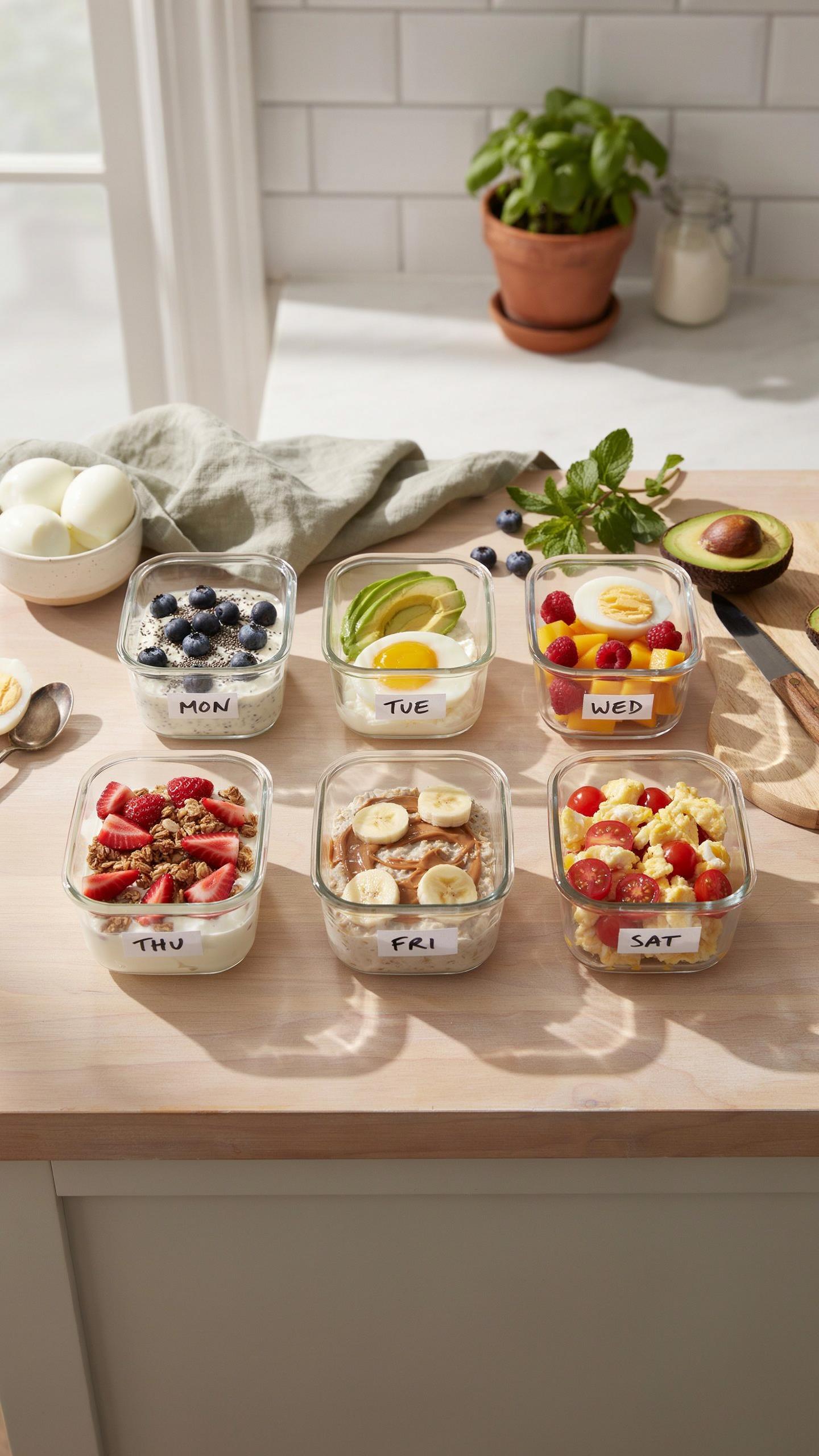
You want to feel like you have it figured out without actually spending Sunday afternoon in your kitchen. That’s the real constraint here. The mechanism is this: most people confuse options with progress. In manufacturing, they call this eliminating waste. For breakfast bowls, waste is every decision you haven’t made yet. Pick your protein source. Pick your carb. Pick your vegetable or fruit. Stop. Three components—not twelve ingredients swapped in rotation—force you to batch cook one recipe instead of planning variety you’ll never execute.
The math works because repetition kills cognitive load. You cook the same chicken, the same rice, the same broccoli every week. Your hands remember the quantities. Your timer doesn’t need resetting. You finish in under an hour what someone else spends three hours planning and second-guessing. The friction between intention and execution vanishes when you remove the decision-making loop entirely.
The Complexity Trap Is Real
Most breakfast prep advice tells you to build flexibility into your system. That’s incomplete guidance designed to sell you more containers. Flexibility without constraints is just procrastination wearing workout clothes. Your system should have exactly one variable: the quantity you cook based on how many breakfasts you need that week. Everything else locks in place. Protein stays the same. Carb ratio stays the same. Texture, seasoning, preparation method—all fixed.
When you stop treating meal prep like an art project and start treating it like a protocol, you eliminate the failure points where most people quit. They get bored by week three because they’re still deciding. You get faster by week three because you’re operating on autopilot. Prepare your three components in a single batch session, portion into containers immediately after cooling, refrigerate, and eat the same bowl five mornings straight. That’s the actual system.
The Cybernetic Feedback Loop Of High Protein Meal Prep
The System That Corrects Itself
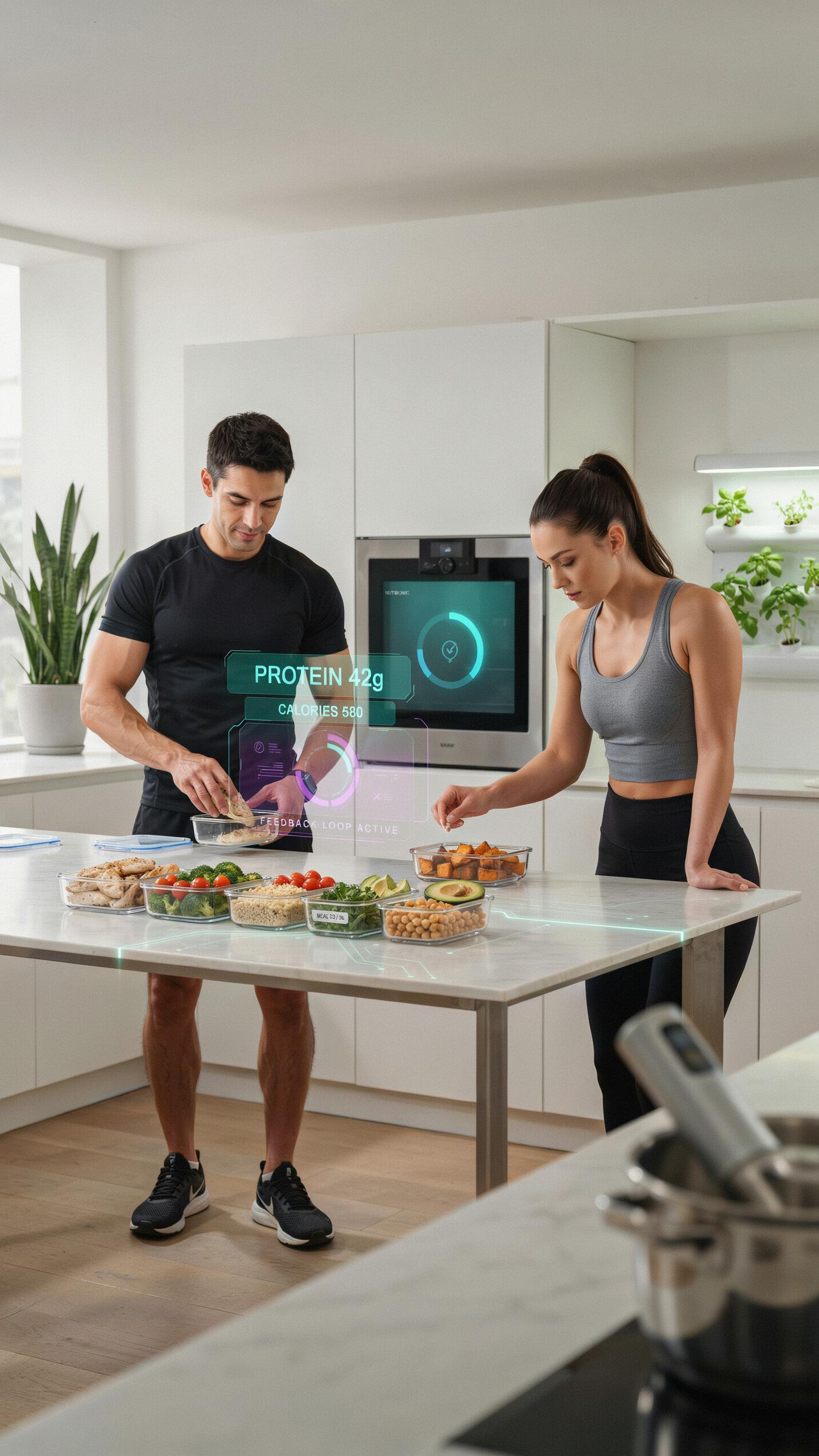
You’re reading this because you want to believe meal prep removes decision fatigue. It doesn’t. It transfers it. Cybernetics, the study of self-regulating systems, reveals how meal prep actually works: you’re building a feedback loop where output data forces input adjustment. Your breakfast bowl isn’t just food. It’s a measurement device that tells you what to change next week.
Most meal prep advice treats the bowl as static. You make five identical bowls Sunday, eat them Monday through Friday, and hope consistency solves everything. This ignores how your body responds. Protein intake, appetite, digestion speed, and energy levels shift based on sleep, training, and stress. A true system adapts to these signals or it fails.
Calibrating Inputs For Repeatable Results
The common mistake: people fixate on perfect macros and ignore what actually happens when they eat. Your bowl’s protein amount, carb timing, and fat ratio should shift based on measurable feedback, not a generic formula. Track one variable at a time. If you’re underfed (persistent hunger, energy crashes), add 10 grams of protein and 15 grams of carbs. If digestion stalls, reduce fiber by half a cup and track the shift.
This is mechanical, not inspirational. Monday you eat the bowl and note your energy at 10am, hunger at noon, performance in training. By Friday you have five data points. If the pattern holds, the system works. If it fails, you adjust inputs the following week. Protein amount, vegetable type, and carb source are independent variables. Change only one per week. Document the result in a spreadsheet or notes app.
The No Brainer Bowl Easy High Protein Meals For Relentless Consistency
The Setup That Removes Friction
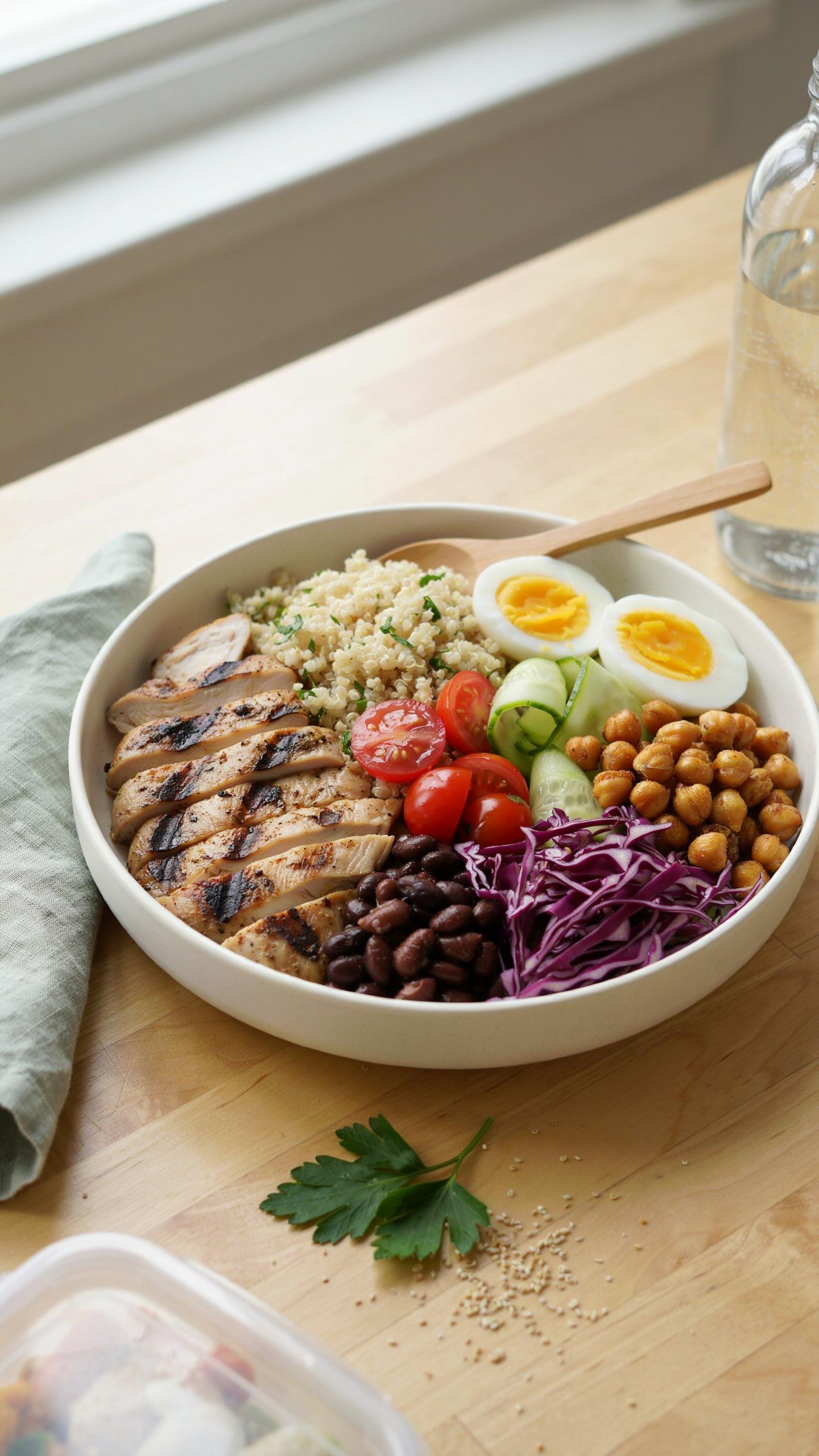
You want consistency without thinking about it. That’s not motivation talking—that’s fear of failure dressed up as convenience. The mechanism here is friction reduction: every decision point you eliminate before Monday morning is one less reason to eat cereal instead. Meal prep works because it removes the gap between intention and action.
The math is simple. A high protein breakfast bowl takes 90 seconds to reheat. Building one from scratch takes 15 minutes. Humans choose the path with lowest friction. You’re not lazy. The system is just fighting you.
- Cook protein in bulk on Sunday: Bake chicken breasts, grill ground turkey, or poach eggs in volume. Cool completely before storing to avoid condensation and bacterial growth.
- Pre-portion grains into containers: Cook rice, oats, or quinoa once. Divide into five equal portions in glass containers. They keep five days refrigerated.
- Wash and chop vegetables Saturday evening: Hard vegetables like broccoli, carrots, and bell peppers last longer than soft ones. Store separately to prevent sogginess.
- Keep sauces and toppings separate: Store Greek yogurt, hot sauce, and nuts outside the bowl. Add them when eating. This preserves texture and prevents flavor bleeding.
- Use uniform containers: Five identical containers create a visual barrier. You see the week’s meals stacked in the fridge. Consistency becomes a tangible object, not an idea.
The containers themselves matter more than people admit. Clear glass shows you what you have. You eat what you see. Stack them front-to-back so you grab Monday first—not the oldest one hidden in back.
The Habit Stack That Actually Holds
Maintaining the routine isn’t about willpower. It’s about attachment. Breakfast bowls fail when people treat them as a temporary diet hack, not a permanent structure. The real obstacle emerges around week three, when novelty dies and the bowl becomes routine.
Attach the prep ritual to something you already do. Sunday dinner cleanup becomes Sunday protein cooking. Saturday’s coffee becomes Saturday vegetable prep. You’re not adding new time—you’re stacking new tasks onto existing anchors. The bowl itself never needs motivation if the prep is scheduled before motivation enters the equation.
Obstacles hit differently when they’re expected. Winter travel, schedule changes, and restaurant meals will break the streak. Plan for this. Keep frozen protein options in the freezer. Know which restaurants serve bowlable meals. Build a two-week backup system so you don’t restart from zero. The habit survives disruption if you stop treating disruption as failure.
High Protein Breakfast Recipes Deconstructing The Perfect Bowl
Build Structure Before Taste
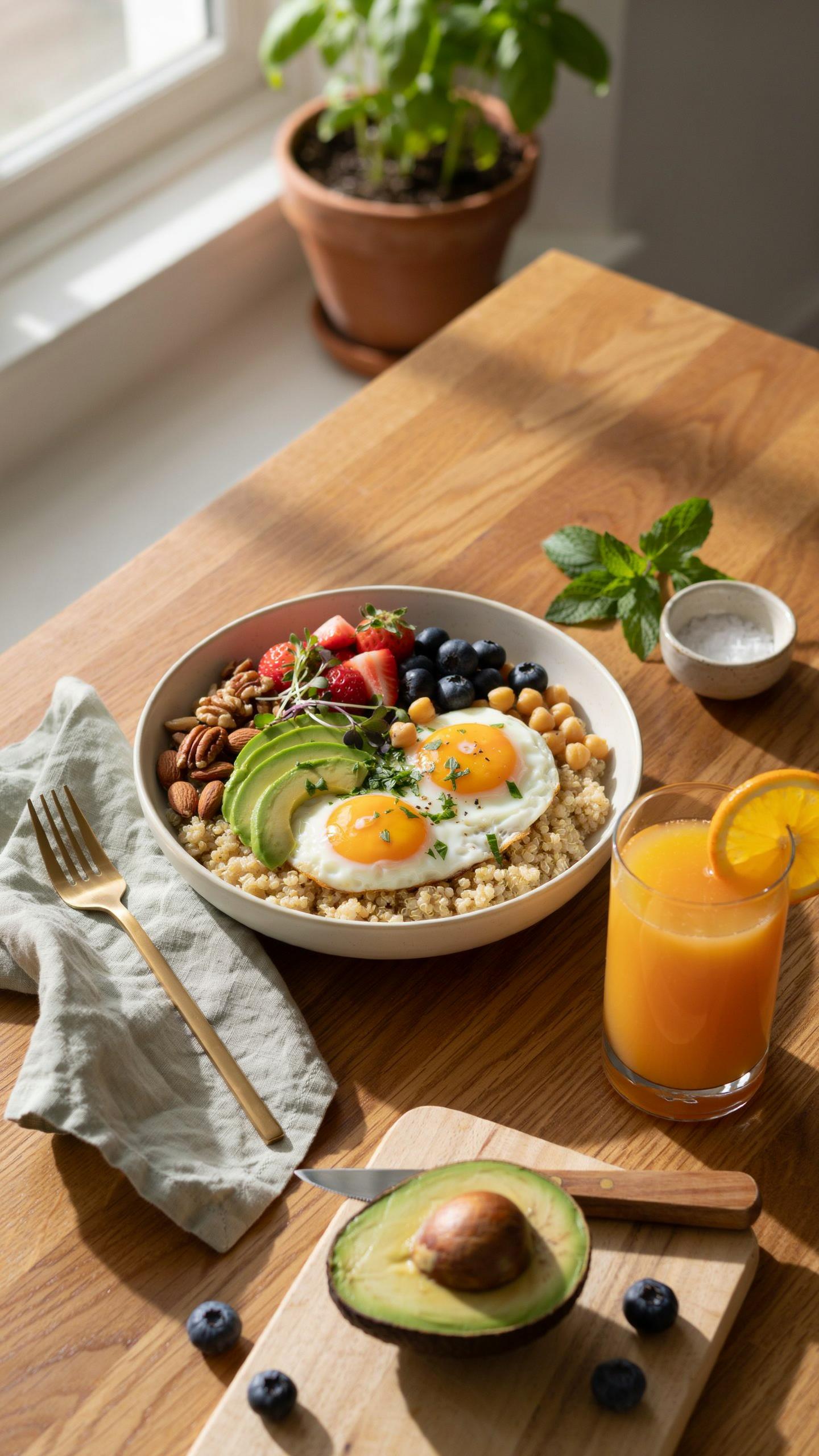
You want to feel like you’ve optimized something without actually changing your behavior. Here’s the mechanism: a bowl is a delivery system, not a meal. Treat it like systems engineering. You’re stacking layers of macronutrient density and shelf stability to survive five days in a refrigerator without the protein breaking down or the texture turning to paste. The protein goes first as your anchor. Everything else orbits around preventing moisture migration and bacterial growth. Temperature consistency matters more than ingredient novelty.
The common advice says “balance protein, carbs, and fat.” That’s incomplete. You need to engineer container longevity. Wet components separate from dry ones. Acidic components slow oxidation. Protein density determines how long the bowl stays edible before water activity causes degradation. Pack your grain or starch on the bottom to act as a moisture barrier. Lay protein on top. Store vegetables separately if they’re raw, or cook them past the point where they’ll weep liquid. The bowl that sits pretty in a photo dies by Wednesday. The one built for storage thrives.
Reverse Engineer Your Constraints
Stop pretending everyone’s macros are the same. They’re not, and neither are your compliance windows. This section requires honest assessment: Do you actually eat breakfast, or skip it until 11 AM? Do you hate eggs but force them because they’re cheap protein? Are you training hard enough to justify 40 grams of protein at breakfast, or are you hitting 20 grams and stalling because you’re overthinking it?
Start with your real eating pattern, not the optimal one. If you travel three days a week, your bowl needs to survive plane food storage and hotel refrigerators. If you wake up hungry, you need more volume than macros alone suggest. If you train fasted and eat after, your breakfast timing changes everything about what protein source works. Your constraint becomes your design specification. Build from there, not from Instagram.
The real obstacle isnt discipline its designing a system that makes failure irrelevant

Most people fail at meal prep because they treat it like motivation. You don’t need willpower to eat a bowl that’s already made. You need one Sunday afternoon and five containers. Pick a protein, a grain, a vegetable. Cook once. Eat all week. The system removes the decision. Stop waiting for discipline to show up. Build the breakfast bowls today, then watch how the rest of your week stops falling apart. Systems beat motivation every single time.