
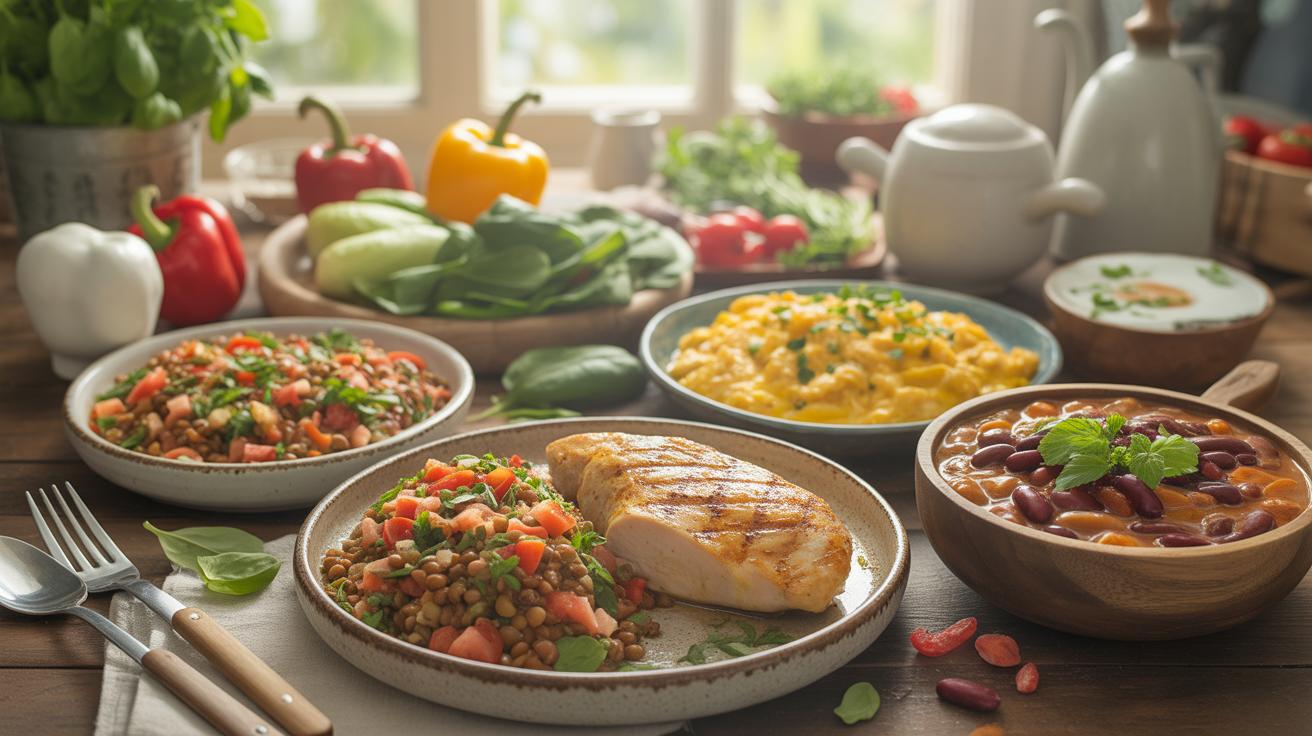
Why High Protein Dinner Ideas Belong In Every Weekly Meal Plan
The Role Of Protein In Keeping You Full And Fueled Through The Night
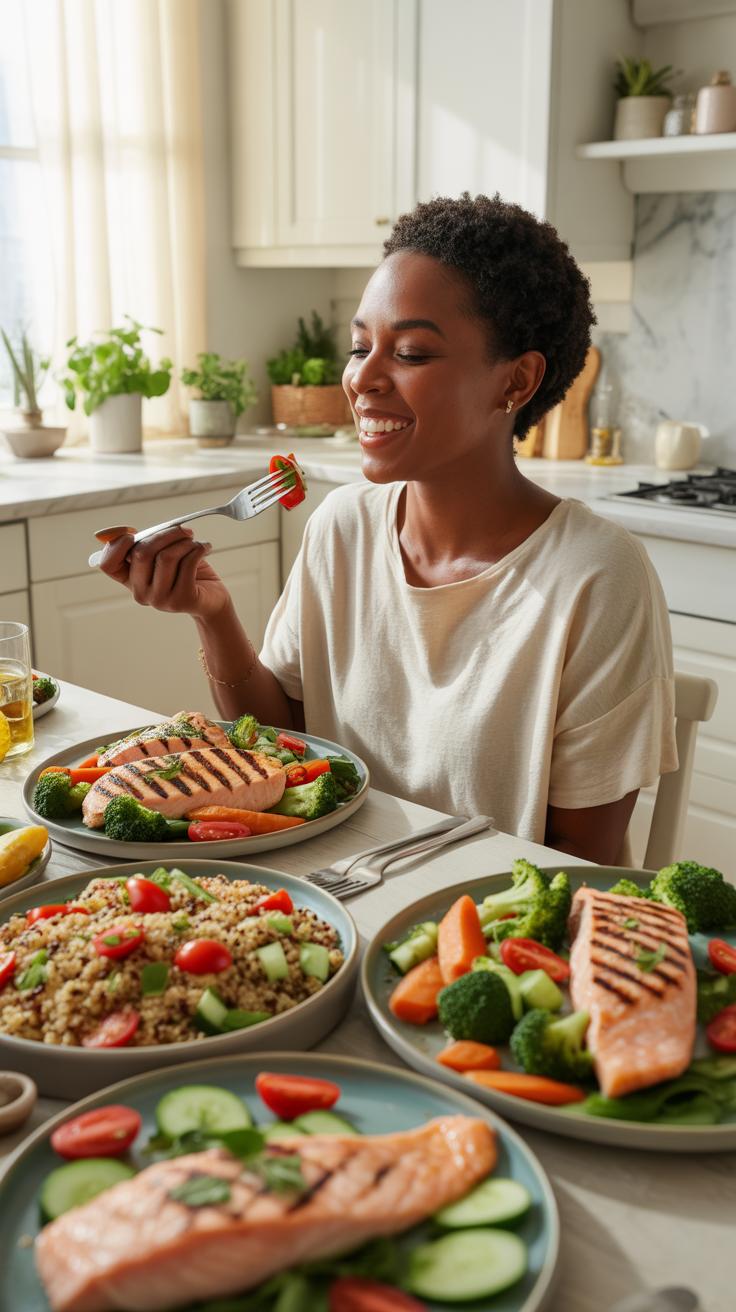
Protein increases the production of satiety hormones while reducing levels of the hunger hormone ghrelin. This biological mechanism prevents late night snacking and overeating after dinner. When you consume enough protein at night, your body processes the nutrients slowly. This slow digestion keeps your blood sugar stable. Stable blood sugar prevents energy crashes and keeps your appetite in check until the morning breakfast.
Easy high protein dinner recipes provide the amino acids necessary for sustained energy. Unlike simple carbohydrates, protein does not cause a rapid insulin spike. Your body requires more energy to break down protein than fats or carbs. This process is called the thermic effect of food. Eating protein at night ensures your body has a steady supply of fuel to maintain vital functions while you sleep.
How A Protein Rich Dinner Supports Muscle Repair And Metabolic Health
Your body repairs muscle tissues during deep sleep. A high protein dinner provides the raw materials needed for this synthesis. Without adequate protein intake before bed, the body may break down existing muscle mass to find necessary amino acids. Consuming lean meats, beans, or dairy at dinner speeds up physical recovery. This is vital for active individuals who want to maintain strength and lean body mass.

Consistent protein intake boosts your basal metabolic rate. Processing protein burns more calories than processing other macronutrients. This metabolic advantage helps with weight management over time. A protein-rich meal also preserves bone density and supports immune function. By prioritizing protein in your evening meal, you optimize your body’s ability to recover from daily stress. This strategy builds a stronger foundation for long-term health and physical performance.
Budget Friendly Protein Meals That Deliver Big Nutrition For Less
The Most Affordable High Protein Ingredients Worth Stocking Every Week
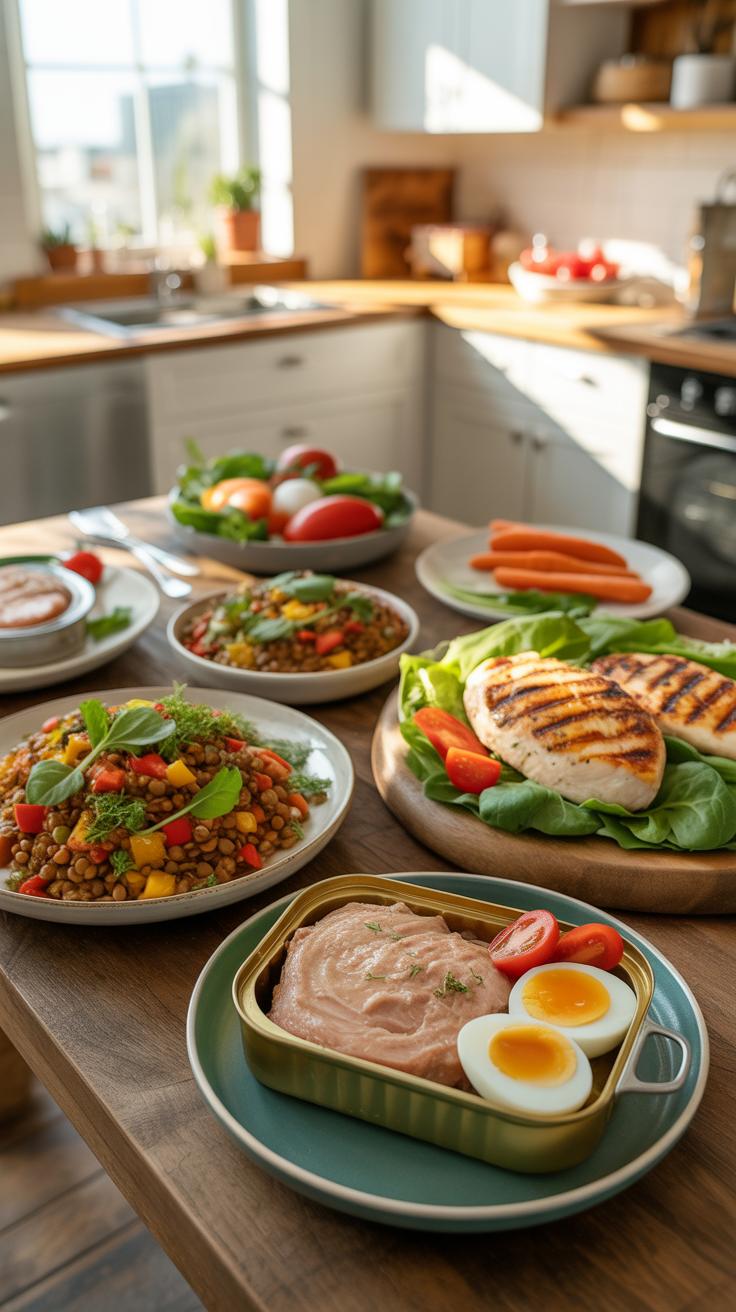
High protein efficiency starts with the price per gram of protein. You must prioritize stable items that do not spoil quickly and offer high nutrient density. Buying these items in bulk reduces the cost per serving significantly. Focus on versatile staples that serve as a base for multiple flavor profiles. This strategy ensures you always have a protein source ready for quick cooking.
- Chicken Thighs: These offer more fat and flavor than breasts at a lower price point. Use them for roasting, braising, or pan-searing. They remain moist during reheating, making them superior for meal prep and leftovers throughout the busy week.
- Dry Lentils: This legume provides a massive amount of protein and fiber for pennies per serving. They cook faster than dried beans and do not require pre-soaking. Store them in an airtight container to maintain a shelf life of over one year.
- Canned Tuna: This is a pure lean protein source with zero prep time required. It offers high-quality omega-3 fatty acids and stays shelf-stable for years. Always select tuna packed in water to keep the calorie-to-protein ratio as high as possible.
- Greek Yogurt: Plain Greek yogurt contains double the protein of regular yogurt. Use it as a base for high-protein sauces or as a direct replacement for sour cream. It provides healthy probiotics and a thick texture that helps you feel full longer.
- Eggs: These are the gold standard for bioavailable protein and cost very little per unit. They work for more than just breakfast. Keep a dozen on hand to add a quick protein boost to stir-fry dishes, salads, or simple grain bowls.
Smart shopping requires looking at the bottom of the shelf for larger bags of beans and grains. Avoid pre-marinated meats which carry a significant price markup for basic spices. Stick to whole ingredients to control your sodium intake and your budget. Stocking these five items allows you to build a foundation for easy high protein dinner recipes without frequent trips to the store.
How To Stretch Cheap Proteins Like Eggs, Lentils, And Canned Tuna Into Full Dinners
Maximize your budget by pairing cheap proteins with high-volume fillers like cabbage, rice, and frozen vegetables. A single tin of tuna becomes a substantial meal when mixed with white beans and dressed with vinegar and oil. Use eggs to bind leftovers together into a frittata or a quick fried rice. These methods increase the physical size of your meal without adding significant costs.
Combine lentils with canned tomatoes and warm spices to create a heavy stew that lasts for days. This approach turns a small amount of dry goods into a high-protein feast. Use acidic ingredients like lemon juice or vinegar to brighten the flavor of inexpensive pantry items. Strong seasoning prevents palate fatigue when eating the same low-cost proteins regularly. Efficiency in the kitchen requires mastering these simple combinations.
Easy High Protein Dinner Ideas You Can Make In 30 Minutes Or Less

Sheet Pan And Skillet Dinners That Pack Protein Without The Prep Time
Sheet pan meals use a single heat source to cook proteins and vegetables together. This method relies on high heat and rapid air circulation to reach safe internal temperatures quickly. Use lean cuts like chicken breast or tilapia to maximize protein density per gram. Thinly slice your meat to ensure the cooking time stays under fifteen minutes. Speed requires strategy.
Skillet cooking provides direct heat transfer for faster browning. Cast iron pans retain heat better than aluminum and provide a superior sear. Saute ground turkey or lean beef with cruciferous vegetables for a high fiber and high protein mix. These meals eliminate complex prep work and focus on raw ingredient quality. You get high protein results with minimal active labor.
One Pot High Protein Recipes That Minimize Dishes And Maximize Flavor
One pot cooking builds flavor layers while reducing cleanup time. Use a heavy bottomed pot to prevent scorching at high temperatures. High protein legumes like lentils and chickpeas cook rapidly when added to boiling liquids. Combine these with lean diced poultry for a double dose of protein. This approach keeps all nutrients in the pot rather than draining them away.
Efficiency is the primary goal for fast weeknight meals. Use acidic ingredients like lemon or vinegar to tenderize cheaper meat cuts quickly. Choose rapid cooking grains like quinoa to bulk out the meal without extending the timeline. Boiling everything in one vessel saves fifteen minutes of cleaning. You maintain a high protein intake while cutting total kitchen time in half.
Easy Fast Healthy Dinners Built Around Lean Meats And Poultry

Why Chicken Breast And Turkey Remain Among The Best Lean Protein Choices
Chicken breast and ground turkey dominate easy high protein dinner recipes for objective reasons. These meats offer an exceptionally high protein-to-calorie ratio. A standard six-ounce serving provides roughly 50 grams of protein with very little fat. This efficiency helps you hit daily targets without overshooting your caloric budget. These proteins are widely available and cost less per gram of protein than beef.
Poultry serves as a neutral base for any flavor profile you choose. It cooks faster than tougher cuts of red meat, which saves time on busy nights. Lean poultry also contains essential micronutrients like B vitamins and selenium. These elements support energy metabolism and immune function. Choosing these proteins ensures your meal is dense in nutrients and low in hidden saturated fats.
Simple Seasoning And Cooking Methods That Keep Lean Proteins Moist And Tasty
Dry meat is the primary failure in lean protein preparation. You must avoid overcooking to maintain texture. Use a meat thermometer to pull chicken at 165 degrees Fahrenheit. Slicing meat into thin strips or small cubes speeds up the process. This method ensures even heat distribution and prevents the outside from drying out before the center finishes cooking.
Salt is the most important tool for moisture retention. Applying salt thirty minutes before cooking helps the protein hold its natural juices. Use dry rubs like garlic powder, smoked paprika, and cumin for instant flavor without adding sugar. Searing meat over high heat creates a crust that seals in flavor. Deglazing the pan with a splash of water or broth creates a fast sauce.
Dinner Soft Foods That Are High In Protein And Easy To Digest

Soft Protein Rich Dinner Options For Those With Chewing Difficulties Or Recovery Needs
Recovery diets require high protein intake to repair tissue and maintain muscle mass. Soft foods reduce the energy spent on mastication and digestion. Scrambled eggs or egg whites provide high bioavailability and a complete amino acid profile. Ground meats like turkey or chicken become easier to swallow when simmered in broth. These options ensure the body receives necessary nutrients without causing physical strain.
Flaky white fish like cod or tilapia breaks down easily during the cooking process. You can poach or steam these proteins to maintain moisture and softness. Ricotta cheese serves as another dense protein source that requires zero chewing. Combining these ingredients creates a meal that supports healing. Focus on textures that are uniform to prevent choking and ensure the digestive tract processes the nutrients efficiently.
Silken Tofu Greek Yogurt Sauces And Slow Cooked Legumes As Gentle High Protein Bases
Silken tofu contains significant plant protein and a creamy profile. It blends into savory sauces or replaces heavier proteins in stir fries. Cold or warm preparations keep the texture consistent and easy to swallow. This ingredient provides a complete protein source while being low in saturated fat. Use it as a base for high protein dressings to boost the nutritional value of any dinner plate.
Greek yogurt serves as a powerful base for savory sauces or cold soups. It contains more protein than regular yogurt due to the straining process. Slow cooked legumes like red lentils break down into a soft mash during cooking. These lentils offer fiber and protein in a form that is gentle on the stomach. Combining these bases allows for diverse flavors while maintaining a soft and safe food consistency.
Quick Healthy Dinner Meals Featuring Plant Based Protein Sources
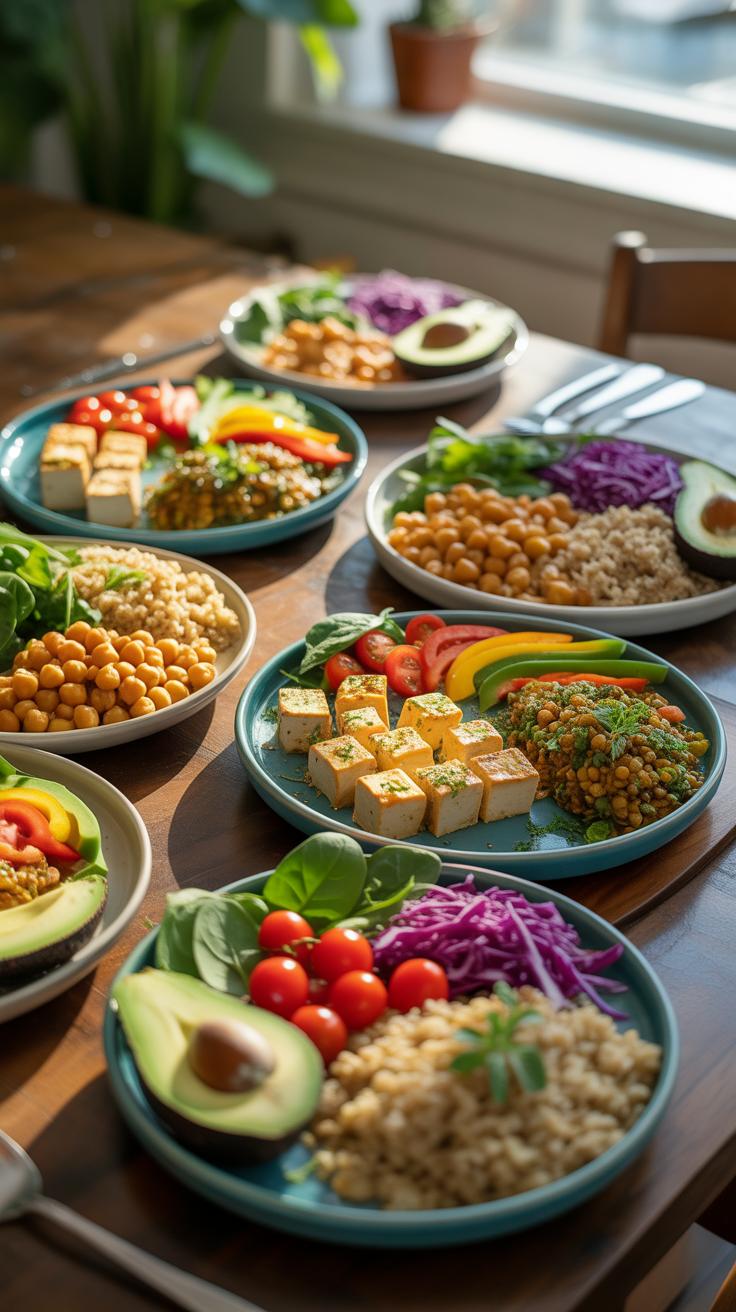
Beans, Chickpeas, And Edamame As Fast And Filling Vegetarian Protein Foundations
Canned beans and chickpeas provide immediate protein without the need for long soaking times. One cup of cooked chickpeas offers roughly fifteen grams of protein. These legumes contain high amounts of fiber which slows digestion and keeps you full. You can toss them into a hot pan with spices for a five minute meal. This speed makes them superior to animal proteins.
Frozen edamame serves as a complete plant protein source with minimal effort. You can steam these young soybeans in the microwave within three minutes. They deliver eighteen grams of protein per cup. Keep these in your freezer to avoid grocery store trips. Use them as a base for easy high protein dinner recipes when time is short. They provide a firm texture and nutty flavor.
How Combining Plant Proteins At Dinner Can Meet Your Daily Amino Acid Needs
Most plant proteins lack at least one essential amino acid. Your body requires nine specific amino acids from food to build muscle. You do not need to eat every amino acid in one single meal. However, mixing different sources ensures your body has the necessary building blocks. Combine grains with legumes to create a profile similar to meat. This strategy optimizes your nutritional intake.
Rice and beans are the standard tactical pairing for vegetarian diets. The sulfur amino acids in rice complement the lysine in beans. This combination creates a complete protein profile for the body to use. Modern research shows your liver stores amino acids for later use throughout the day. Pair whole wheat bread with peanut butter or hummus for similar results. Diversify your ingredients to maximize health gains.
Easy Work Week Dinners That You Can Prep Ahead And Reheat Fast
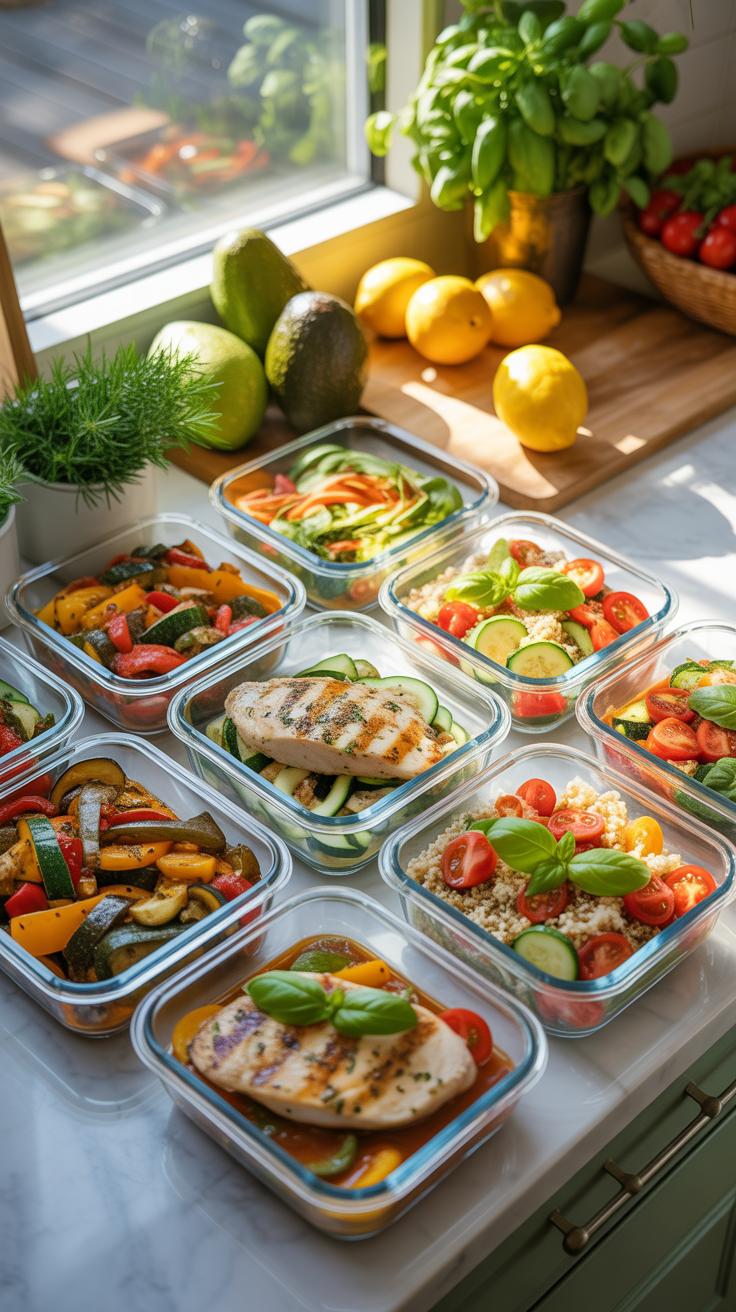
Batch Cooking Strategies That Keep High Protein Dinners Ready In Minutes On Busy Nights
Batch cooking reduces your active kitchen time by centralizing primary labor. Master the assembly line method by cooking two or three proteins at once. Roast chicken breasts, brown lean ground beef, and bake tofu blocks on a single Sunday. This creates a base for multiple easy high protein dinner recipes. Strategic preparation eliminates the decision fatigue that leads to expensive takeout orders.
Focus on modular ingredients over finished recipes to maintain flavor variety throughout the week. Store your seasoned proteins separately from grains and vegetables. This allows you to swap sauces and spices daily. You can turn shredded chicken into tacos on Monday and a stir-fry on Tuesday. This tactic prevents food boredom while ensuring you hit your daily protein targets without extra cooking.
Cooking doesn’t have to be complicated or expensive to nourish your soul and your body. A simple, hearty meal shared around the table is where the best memories are made.
Smart Storage Tips To Preserve The Texture And Nutrition Of Prepped Protein Meals
Food quality drops fast when stored incorrectly in the refrigerator. Air is the enemy of cooked meat and plant proteins. Use airtight glass containers or vacuum-sealed bags to prevent oxidation and moisture loss. Proper sealing stops the development of off-flavors and keeps lean meats juicy. Glass is safer for reheating because it does not leach chemicals into your high protein meals.
- Use Vacuum Sealing: This method removes all oxygen from the storage environment. It prevents freezer burn and keeps cooked chicken or steak fresh for twice as long. It is the best way to maintain protein texture during long-term storage.
- Flash Freeze Portions: Spread cooked proteins on a baking sheet before putting them in the freezer. This stops pieces from sticking together in a solid block. You can then grab the exact amount you need for a single fast dinner.
- Label by Date: Write the cook date and protein weight on every container. Most cooked meats stay safe and tasty for three to four days in the fridge. Clear labeling ensures you eat the oldest meals first to prevent waste and sickness.
- Leave Sauce Separate: Do not add sauces or dressings to your protein until you are ready to eat. Liquids break down muscle fibers and make meat mushy over time. Keeping protein dry preserves the original sear and bite during the reheating process.
- Adjust Temperature Zones: Store your prepped proteins on the bottom shelf of the refrigerator. This is the coldest part of the unit and provides the most stable temperature. Consistent cold prevents bacterial growth and keeps your expensive protein sources safe to consume.
Microwave reheating often turns high protein meals into rubber. Use shorter time intervals and add a splash of water or broth to create steam. This moisture prevents lean proteins from drying out and maintains a pleasant mouthfeel. Covering the dish during the heating process captures heat more efficiently. These tactical steps ensure that your healthy prepped dinners taste just as good as fresh meals.
Lighter Dinner Ideas That Still Hit Your Protein Goals Without Heavy Calories
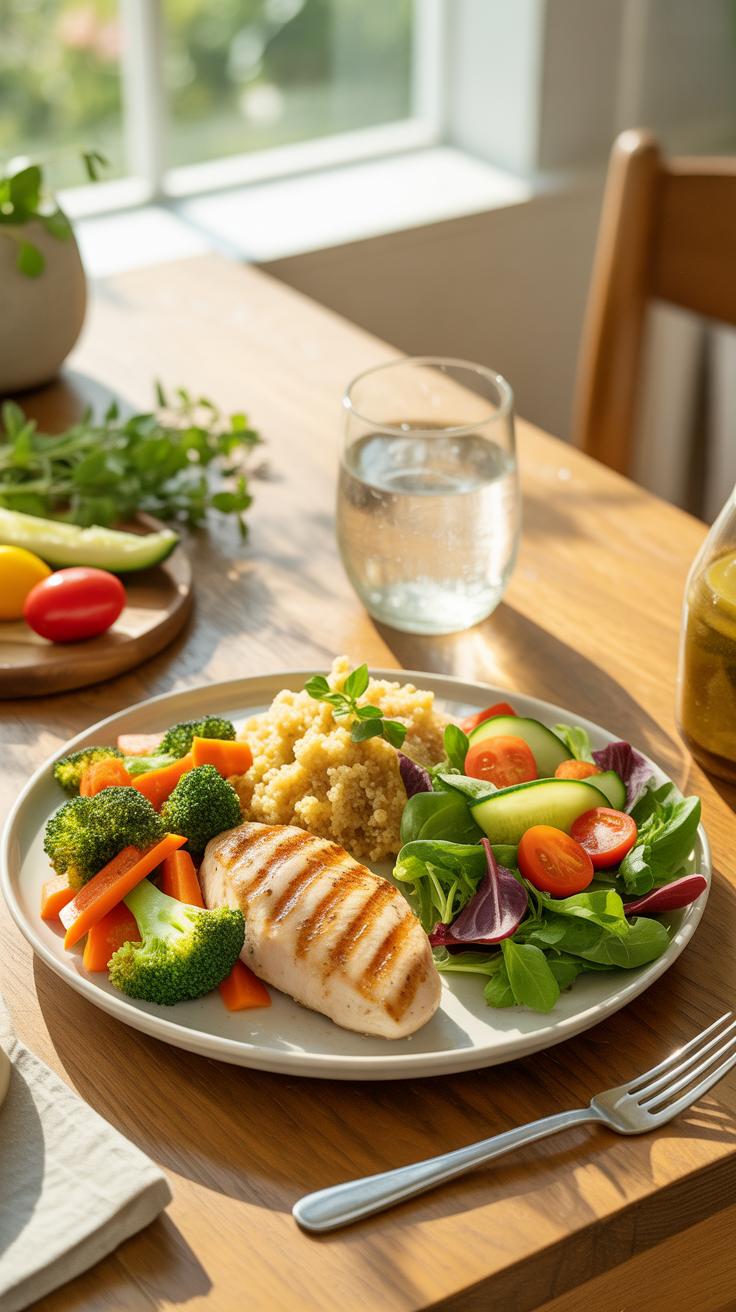
How To Build A High Protein Low Calorie Dinner Using Smart Ingredient Swaps
Lowering calories while maintaining high protein requires volume eating strategies. Substitute heavy carbohydrates like pasta or white rice with spiralized zucchini or riced cauliflower. These swaps reduce caloric density by eighty percent while providing essential fiber. Use Greek yogurt instead of sour cream or mayonnaise to boost protein counts. This tactic keeps the meal light but ensures you hit your daily macronutrient targets without added fats.
Focus on lean animal proteins or plant based alternatives to limit saturated fat intake. Choose chicken breast, turkey mince, or white fish over fatty cuts of beef or pork. Season with dry spices and vinegars instead of oil based marinades or sugary bottled sauces. This approach maximizes the protein to calorie ratio. You get more food on your plate for fewer total calories. It makes fat loss more sustainable.
Seafood And Egg Based Dinners That Offer Lean Protein With A Light Feel
Seafood provides high quality protein with very little fat. White fish like cod, tilapia, or shrimp cook in under ten minutes. These options are ideal for quick dinners. Steam or air fry the fish to avoid using heavy oils. Adding lemon and fresh herbs adds flavor without calories. This method preserves the lean profile of the protein source while keeping the meal rapid and efficient.
Eggs offer a versatile and cheap protein source for evening meals. Use a combination of whole eggs and liquid egg whites to increase protein while controlling cholesterol and calories. A vegetable frittata or scramble provides high satiety for minimal cost. Use a non stick pan to eliminate the need for butter or oil. These meals stay light on the stomach and fit perfectly into a late night schedule.
Easy High Protein Dinner Ideas The Whole Family Will Actually Enjoy
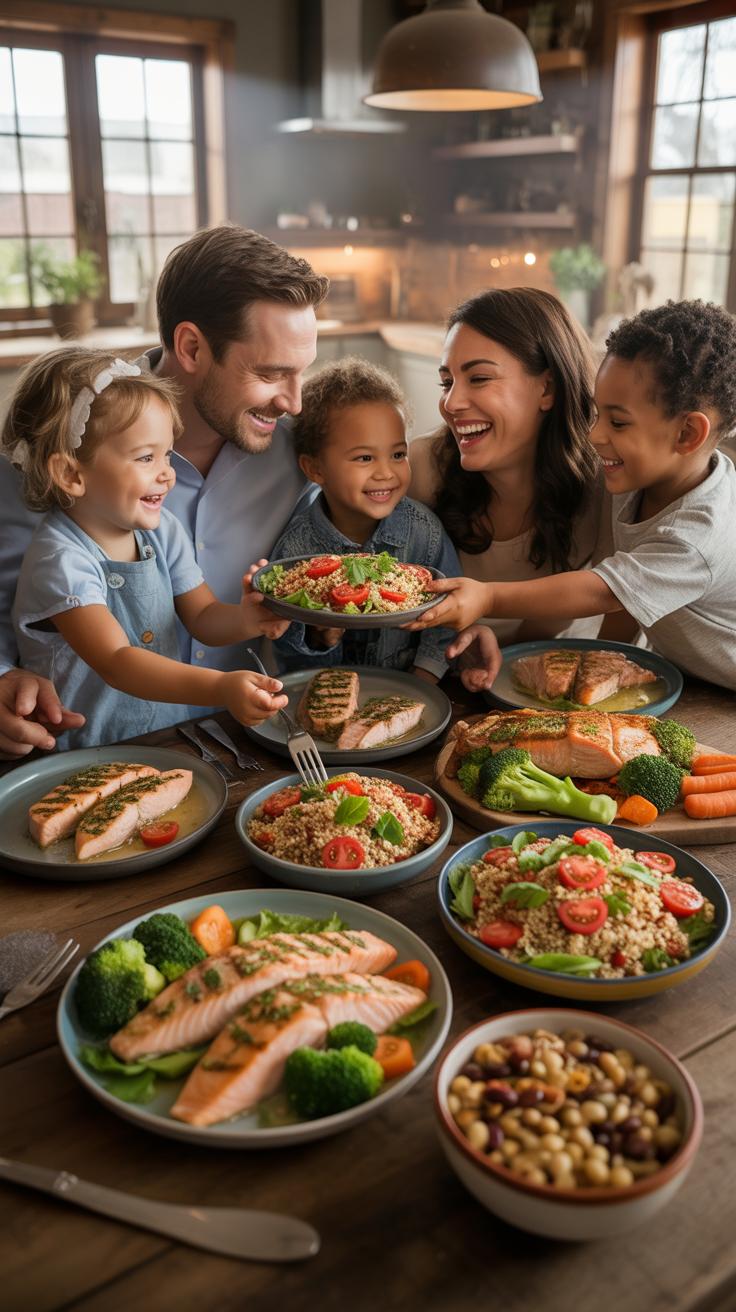
Kid Friendly High Protein Dinners That Are Simple Enough To Make On Any Weeknight
Ground poultry and lean beef provide the fastest path to high protein meals children will eat. Use ground turkey to create taco meat or sliders in under fifteen minutes. These proteins cook quickly and absorb seasonings well. Pair them with black beans to boost fiber and protein content without a high cost. This strategy keeps prep time low and ensures a high density of essential amino acids.
Cheese and Greek yogurt serve as powerful tools for increasing protein in common dishes. Substitute sour cream with plain Greek yogurt for a massive protein spike in baked potatoes or tacos. Add low fat mozzarella to whole wheat pasta for a complete protein profile. These small swaps maintain familiar textures while meeting nutritional targets. Focus on simple preparations that prioritize lean meats and dairy to keep the cooking process efficient.
How To Customize One Base Dinner Recipe To Satisfy Different Tastes And Nutritional Needs
A single protein base allows you to feed a group with diverse preferences. Cook a large batch of shredded chicken or lean steak as the primary component. This central protein serves as the foundation for multiple meals like bowls, wraps, or salads. Individual family members then add their own sauces and sides. This method eliminates the need to cook separate meals for picky eaters or athletes with high caloric demands.
Strategic topping stations provide the most tactical way to handle dietary restrictions. Place high protein additions like hemp seeds or feta cheese in separate containers. Use a neutral base like quinoa or brown rice for complex carbohydrates. This allows one person to focus on low carb intake while another maximizes muscle recovery. Efficiency comes from bulk cooking the main protein and letting the final assembly happen at the table.
Frequently Asked Questions

What are the best protein sources for someone just starting out with healthy cooking?
If you are new to meal prepping, start with versatile staples like eggs, canned tuna, and rotisserie chicken. These ingredients require minimal prep time and serve as a great foundation for easy high protein dinner recipes. You can toss them into salads, wraps, or grain bowls for a satisfying meal that keeps you full without requiring advanced culinary skills or expensive kitchen gadgets.
How can I prepare a high protein meal in under 15 minutes?
Speed is all about utilizing “shortcut” ingredients like frozen edamame, precooked lentils, or thin-cut chicken cutlets that sear quickly. To make easy high protein dinner recipes even faster, focus on one-pan sautés or stir-fries. Combining a quick-cooking protein with bagged slaw mix and a simple soy-ginger sauce ensures you have a nutritious, muscle-building dinner on the table in less time than it takes to order takeout.
Is it possible to eat a high protein diet on a very tight grocery budget?
Absolutely. Plant-based proteins like beans, lentils, and chickpeas are incredibly affordable and shelf-stable, making them perfect for budget-conscious households. To keep costs low, buy your grains and legumes in bulk and opt for frozen poultry or canned fish over fresh cuts. You can easily create filling, nutrient-dense meals for just a few dollars per serving while still hitting your daily protein targets and staying within your weekly budget.