
What Is Clean Eating And Why It Matters For Healthy Meals For The Week

The Core Principles Behind Clean Eating
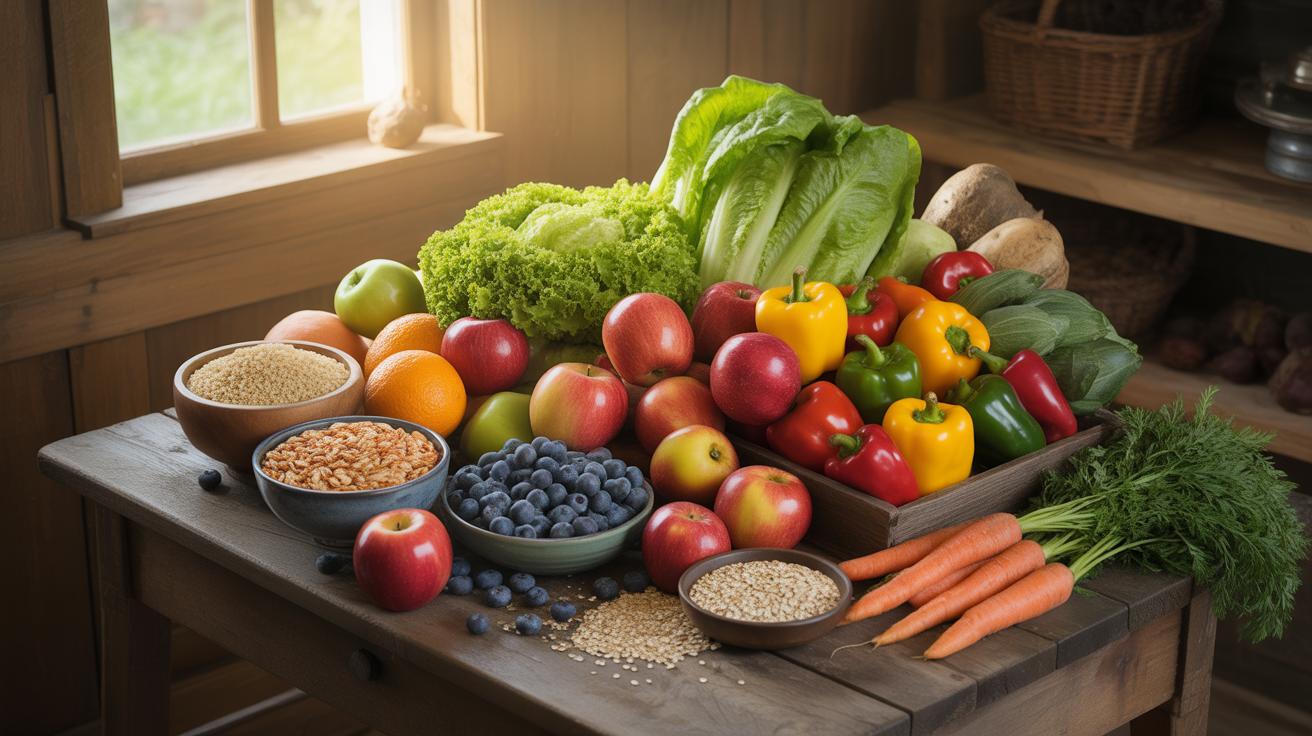
Clean eating focuses on consuming whole foods in their most natural state. This strategy prioritizes items that undergo minimal processing before reaching your plate. You must eliminate refined sugars, high sodium levels, and synthetic chemicals. Tactical clean eating requires selecting foods with short ingredient lists. If you cannot pronounce a label ingredient, the item does not belong in a clean meal plan.

This approach centers on nutrient density to fuel physiological functions. You choose complex carbohydrates, lean proteins, and healthy fats to maintain steady blood glucose levels. Standard grocery store shelves contain ultra-processed options designed for long shelf life rather than human health. A successful weekly plan shifts your sourcing to the perimeter of the store. You buy fresh produce and bulk staples to ensure peak nutritional value.
How Clean Eating Differs From Fad Dieting
Fad diets rely on temporary caloric restriction or the total elimination of entire food groups. They often promise rapid weight loss through unsustainable biological shortcuts. Clean eating is a permanent structural framework for food selection. It does not dictate strict calorie counts or specific macro ratios. Instead, it provides a standard for food quality that applies to any long term nutritional goal or lifestyle.
Sustainability separates this method from short term marketing trends. Most diets fail because they create a psychological cycle of deprivation and bingeing. Clean eating allows for diverse food choices as long as they meet the whole food standard. You avoid the metabolic damage caused by yo-yo dieting. This framework provides a stable foundation for consistent energy and health without the need for constant biological reinvention.
Key Benefits Of Following A Healthy Meal Plan Every Week

Physical Health Benefits Backed By Nutrition Science
Structured clean eating plans regulate glucose levels by eliminating processed sugars. Keeping blood sugar stable prevents insulin spikes that lead to fat storage and chronic inflammation. High intake of fiber from vegetables improves gut health and digestion. These biological shifts lower your risk for cardiovascular disease. You provide your body with the micronutrients it needs to maintain cellular repair and long-term metabolic function.
Consistency in meal planning reduces your exposure to industrial seed oils and excessive sodium. These ingredients cause water retention and raise blood pressure in most adults. Following a precise plan ensures you meet daily protein requirements for muscle maintenance. You replace empty calories with nutrient-dense foods that support immune system performance. This tactical approach to nutrition builds a stronger physical foundation through measurable chemical improvements.
Mental Clarity And Energy Gains From Whole Food Eating
Whole food consumption directly impacts cognitive performance by providing a steady stream of fuel for your brain. Removing artificial additives and dyes eliminates the common brain fog caused by systemic inflammation. You will notice better focus when you prioritize complex carbohydrates and healthy fats. These foods support the production of neurotransmitters like serotonin. Stable energy levels replace the mid afternoon crashes linked to high sugar intake.
Meal planning removes the decision fatigue associated with daily food choices. This mental space allows you to focus on high priority tasks throughout the work day. Eliminating processed chemicals stabilizes your mood by preventing hormonal swings. You gain sustained physical stamina through better mitochondrial support from fresh produce. Clean eating ensures your brain operates at peak capacity. You get more done when your diet supports your nervous system.
Getting Started Healthy Meal Plan For Beginners Made Simple

How To Set Realistic Goals Before You Begin
Systematic clean eating requires objective targets rather than vague intentions. Beginners often fail because they attempt total dietary overhauls in twenty four hours. Start by auditing your current kitchen inventory and identifying three high processed items to remove. Establish a firm schedule for grocery shopping and food preparation to eliminate last minute decisions. Consistency in timing prevents the hunger cues that lead to poor nutritional choices.
Focus on measurable metrics like the number of home cooked meals per week. Avoid tracking complex data points that create mental fatigue early in the process. Your primary objective is to stabilize blood sugar by consuming whole foods at regular intervals. Use a simple log to track how different ingredients impact your energy levels throughout the day. This data allows you to refine your strategy based on your own physiological response.
Essential Pantry Staples Every Beginner Needs To Stock
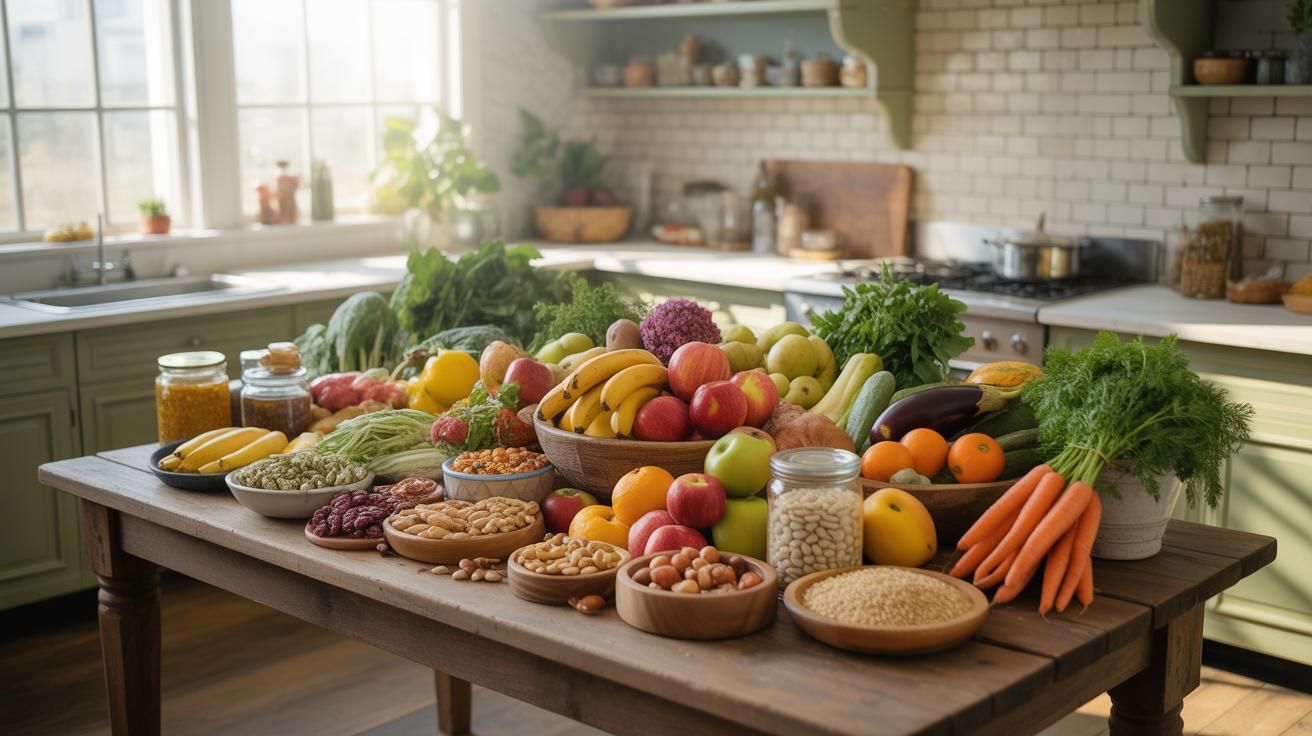
A successful weekly clean eating plan relies on a foundation of versatile long term storage items. These staples allow you to build meals quickly when fresh supplies run low. You must prioritize items with minimal ingredients and no added refined sugars or industrial seed oils. Strategic stocking reduces the friction of preparing healthy food under time pressure. Select high quality basics that serve multiple culinary purposes.
- Ancient Grains: Quinoa and farro provide complex carbohydrates and necessary fiber. These grains have remained largely unchanged for centuries and offer superior nutritional density compared to processed white rice or refined wheat products. They serve as a reliable base for mass prepared bowls.
- Healthy Fats: Extra virgin olive oil and avocado oil are essential for low heat cooking and dressings. Historically, these fats support heart health and nutrient absorption. Avoid vegetable oils like soybean or canola which undergo heavy chemical processing and contain high levels of inflammatory omega six fatty acids.
- Legumes: Canned or dried lentils and chickpeas offer plant based protein and shelf stability. They are budget friendly and require minimal preparation. These ingredients provide the bulk needed to make clean meals feel satiating without the need for refined thickeners or heavy dairy additives.
- Raw Nuts And Seeds: Almonds, walnuts, and chia seeds supply healthy fats and crunch. They function as portable snacks or topping options for salads and breakfast dishes. Ensure these products are raw or dry roasted to avoid the hidden oils and excessive sodium found in standard snack mixes.
- Natural Aromatics: Garlic, onions, and dried herbs provide flavor without adding empty calories or chemicals. Using real spices allows you to control sodium intake effectively. These items are the primary tools for making simple whole foods taste professional and satisfying without relying on pre made sauces.
Inventory management is the final step in pantry organization. Rotate your stock to ensure freshness and prevent waste. Label your containers clearly to track expiration dates and maintain an orderly workspace. A clean pantry reflects a clean diet and simplifies the decision making process during busy weeknights. Once you secure these basics, you can focus on purchasing fresh seasonal produce and high quality proteins.
Building Your Clean Eating Plan Macros Portions And Food Groups
Understanding Macronutrients In A Balanced Clean Diet
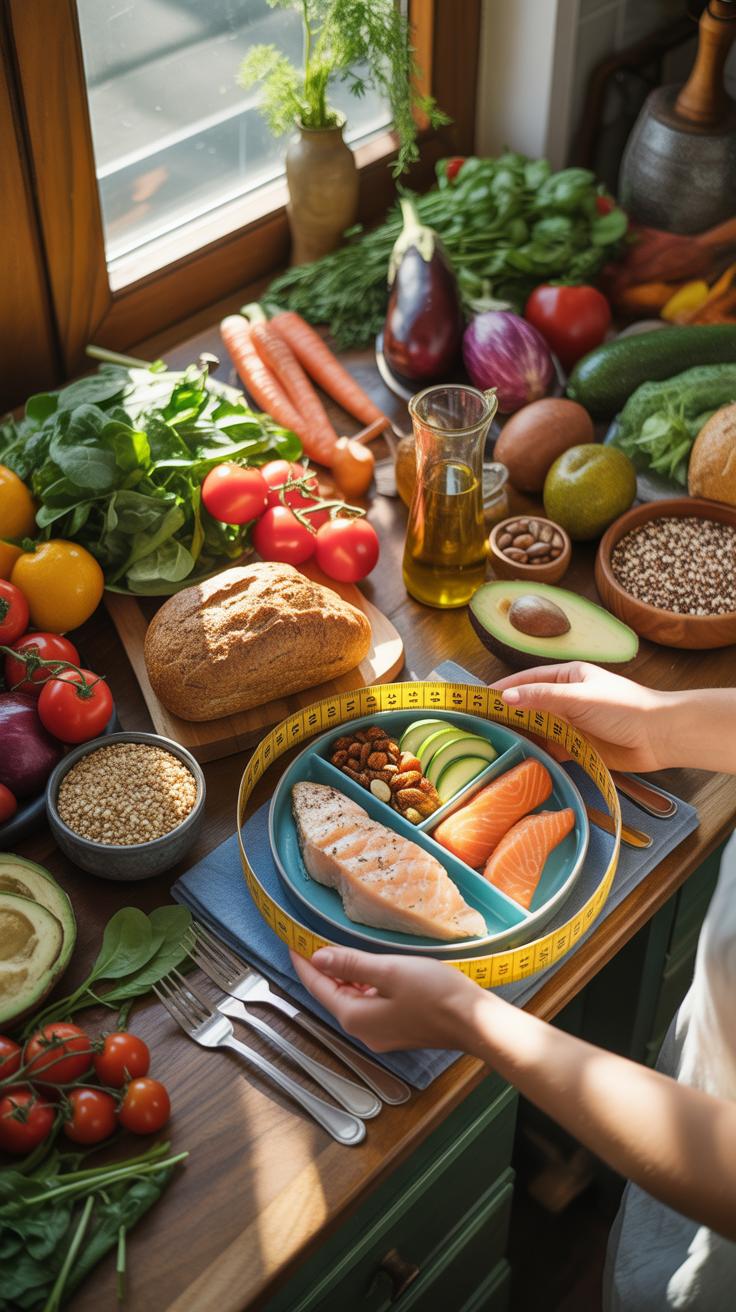
Clean eating relies on three pillars: proteins, carbohydrates, and fats. Proteins repair tissues and build muscle. Choose lean sources like poultry, fish, or legumes. Carbohydrates provide your primary energy source. Focus on complex carbs like sweet potatoes and quinoa instead of refined sugars. Healthy fats support brain function and hormone production. Use avocado, nuts, and olive oil to meet these essential requirements daily.
Balance these macros to stabilize blood sugar levels. A standard clean plate often consists of forty percent carbohydrates, thirty percent protein, and thirty percent healthy fats. This ratio prevents energy crashes and reduces hunger pangs. Avoid processed foods that hide trans fats or excessive sodium. Tracking your intake ensures you hit these targets. Quality matters as much as quantity when selecting your macronutrient sources for long-term health.
How To Portion Meals For Sustained Energy Throughout The Day
Proper portioning prevents overeating and maintains steady metabolic rates. Use your hand as a rough measuring tool for speed. A palm-sized portion of protein is sufficient for most meals. A fist-sized serving of vegetables provides necessary fiber and micronutrients. Cup your hand for carbohydrates and use your thumb to measure fats. This method eliminates the need for scales while maintaining precision in your daily diet.
Strategic timing keeps your performance high from morning to night. Eat a balanced meal every three to four hours to avoid physical fatigue. Smaller, frequent meals often work better than three large ones for consistent focus. Do not skip meals to save calories. Skipping leads to binge eating and metabolic slowdown. Consistent fuel intake keeps your insulin levels steady and ensures your body burns energy efficiently throughout the week.
Your Personalized Nutrition Plan Calories Micronutrients And Hydration
How To Calculate Your Daily Caloric Needs For Clean Eating
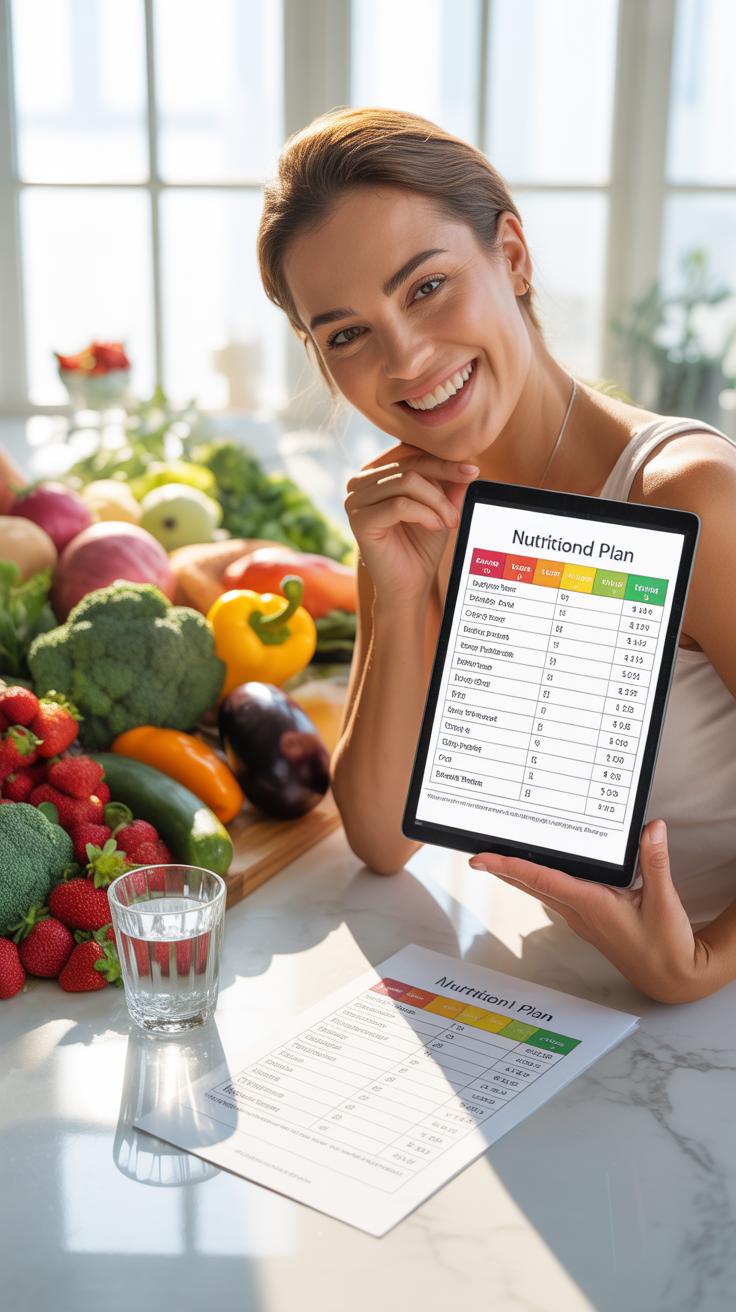
You must establish a baseline for your energy intake to see results. Calculate your Basal Metabolic Rate using the Mifflin-St Jeor equation. This formula remains the industry standard for accuracy. Factor in your activity level by multiplying your BMR by an activity multiplier. A sedentary lifestyle requires less fuel than an active one. Clean eating fails when you ignore these raw numbers.
Adjust your total daily energy expenditure based on your specific goals. Subtract five hundred calories for fat loss or add five hundred for muscle gain. Use a digital scale to track your food portions with precision. Guessing leads to plateaus and frustration. Maintain this caloric target for two weeks before making any changes. Consistency is the only path to measurable data and long-term success.
Each meal prep for the week is a love letter to your future self, rooted in the simple goodness of the earth. Choosing real food is the sweetest way to honor the body that carries your soul.
— Alice Waters
Why Micronutrients And Proper Hydration Are Non Negotiable
Calories provide the energy but micronutrients drive the biological machinery. Vitamins and minerals regulate your hormones and metabolic speed. A weekly clean eating plan lacks value if it ignores these essential components. Focus on high-density foods to meet your daily requirements naturally. Plants and lean proteins offer the best return on investment. Do not rely on supplements to fix a broken diet or poor planning.
Hydration governs every chemical reaction in your body. Water transports nutrients to your cells and flushes out metabolic waste. Dehydration mimics hunger and slows down your cognitive function. Aim for three to four liters of water every day. Monitor your intake using a marked container to ensure you hit your targets. Proper fluid balance is the cheapest way to optimize your physical performance and mental clarity.
The Full Meal Plan For The Week Day By Day Breakdown
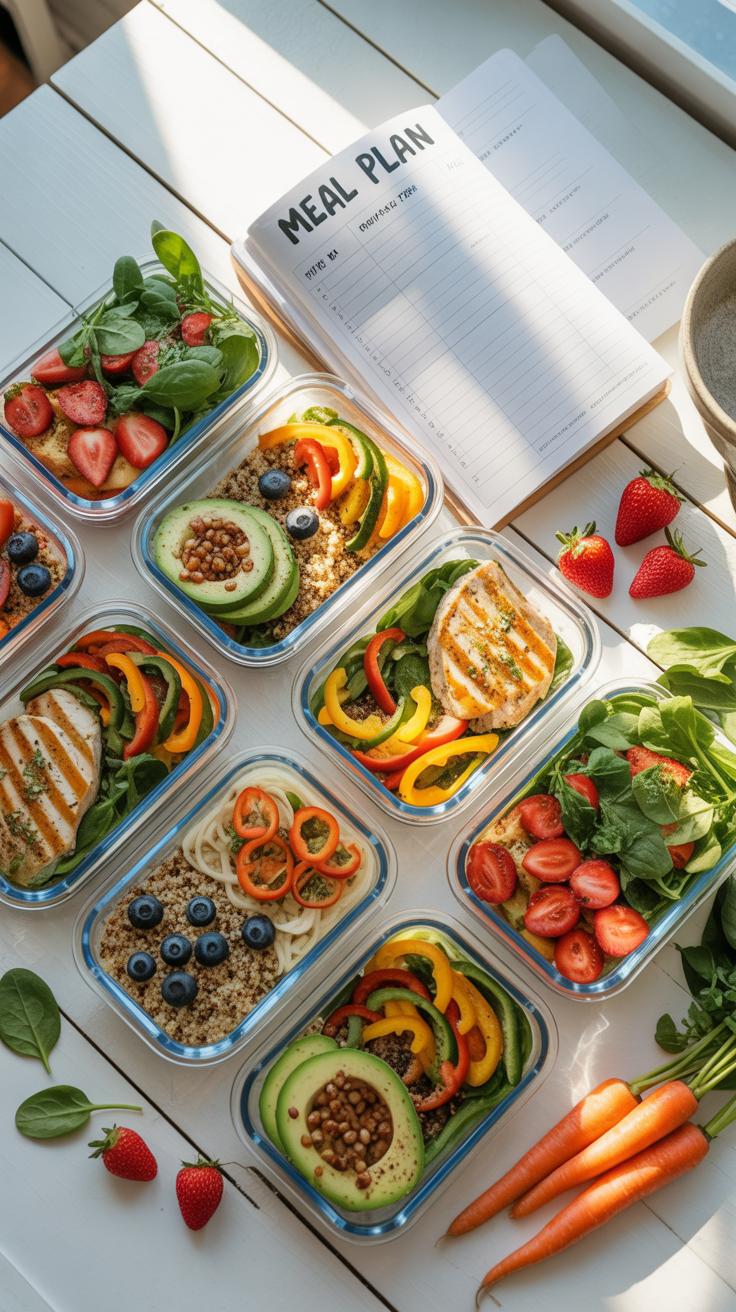
Weekday Meal Ideas: Breakfast, Lunch, And Dinner Mapped Out
Efficiency drives the work week plan. Start every morning with high protein and fiber to stabilize blood sugar. Steel cut oats or eggs provide sustained energy for the morning grind. Prepare these items in bulk on Sunday to save time. This prevents you from choosing processed convenience foods when you are in a rush. Consistent fuel intake keeps your metabolic rate steady and sharpens your focus.
Midday and evening meals focus on lean proteins and complex carbohydrates. Grilled chicken or lentils paired with leafy greens satisfy hunger without causing a late afternoon crash. Use roasted root vegetables for dinner to provide essential minerals. Avoid heavy sauces containing hidden sugars or seed oils. Simple seasoning with sea salt and cracked pepper maintains food integrity. This strategy ensures you hit your nutritional targets daily.
Weekend Meals: How To Stay On Track Without Feeling Restricted
Weekends often break clean eating patterns due to social pressure. Control your environment by hosting meals instead of dining out. Grill wild-caught fish or grass-fed steaks to maintain high quality standards. Use seasonal produce from local markets to enhance flavor naturally. This approach provides a psychological break without compromising your gut health. You enjoy premium ingredients while staying within the boundaries of your nutritional framework.
Strategic preparation prevents poor choices during leisure time. Keep pre-cut vegetables and raw nuts available for snacking. These whole foods stop you from reaching for refined carbohydrates during social gatherings. Focus on hydration to distinguish between actual hunger and thirst. Use sparkling water with fresh lemon to replace sugary drinks. This tactical shift allows you to relax while keeping your inflammatory markers low and your energy levels high.
Smart Meal Prep Strategies For Your Meal Plan For Clean Eating

Step By Step Guide To Prepping A Full Week Of Clean Meals
Effective meal prep requires a linear workflow to prevent kitchen chaos. Start by auditing your inventory to avoid buying duplicates. Wash and chop all hardy vegetables immediately after shopping. Group your ingredients by recipe rather than food type. This organization ensures you have everything ready for the high heat phase of the cooking process. Use high quality glass containers to maintain food freshness and safety throughout the week.
- Pre Wash Produce: Submerge leafy greens and berries in water and vinegar solutions to remove debris. Dry them completely using a salad spinner to prevent premature wilting or mold growth in storage containers.
- Bulk Roast Vegetables: Spread dense tubers and cruciferous vegetables on large sheet pans with minimal oil. Roast at four hundred degrees until tender. This provides a steady supply of fiber for multiple daily meals.
- Protein Preparation: Cook your lean meats or plant proteins in large batches using consistent heat sources. Season them simply with salt and pepper to allow for varied flavor profiles during the actual week of consumption.
- Portion Control: Divide finished components into individual airtight containers immediately after they cool. Sorting meals by caloric needs prevents overeating and ensures you have a grab and go option for every busy morning or afternoon.
- Labeling System: Mark every container with the date of preparation and the contents using masking tape. This practice follows professional kitchen standards. It helps you track shelf life and ensures you eat the oldest prepared food first.
Finalize your prep by cleaning the kitchen as you move between tasks. Empty the dishwasher before you start cooking to manage the mess. Staggering your cooking times allows you to use the oven and stovetop simultaneously without overcrowding burners. Once the containers are sealed, stack them in the refrigerator based on your daily schedule. This tactical approach turns a complex weekly clean eating plan into a manageable routine.
Time Saving Batch Cooking Techniques That Actually Work
Utilize your oven for maximum efficiency by roasting different food groups on separate racks. This method allows you to cook proteins and root vegetables at the same time. Use parchment paper to eliminate heavy cleanup and reduce the need for excess fats. Professional chefs use this technique to maintain consistent texture and flavor across large volumes of food. It saves hours of active standing time.
Invest in a pressure cooker or slow cooker to handle tough fibers and grains while you sleep. These tools use moisture and pressure to break down proteins without constant supervision. Prepare large quantities of brown rice or quinoa to serve as a base for different bowls. Freeze half of your batch cooked items if you do not plan to eat them within four days. This prevents waste and builds a backup food reserve.
Clean Eating Menu Plan Snacks Smoothies And Smart Substitutions

Healthy Snack Options That Align With Clean Eating Principles
Clean eating snacks must bridge the gap between main meals without triggering insulin spikes. Focus on whole foods that require zero processing. Raw nuts provide essential fats and protein to maintain fullness. Fresh fruits offer fiber and natural sugars for quick energy. Avoid pre-packaged bars that contain hidden thickeners or soy isolates. Simple snacks ensure your body stays in a steady metabolic state throughout the day.
Portion control remains vital even with unprocessed foods. Measure out servings of seeds or nut butters to prevent calorie surplus. Hard-boiled eggs offer a portable source of complete protein. Raw vegetables like carrots or peppers provide crunch and hydration. These choices eliminate the need for chemical preservatives and artificial flavorings found in chips. Stick to single-ingredient items to keep your clean eating plan on track easily.
How To Swap Processed Ingredients For Whole Food Alternatives
Replace refined grains with intact whole grains or tubers immediately. Standard white flour lacks the bran and germ found in the original plant. Use quinoa or brown rice to gain fiber and minerals. These swaps lower the glycemic load of your meals. Liquid aminos or tamari serve as direct replacements for chemically aged soy sauce. Small changes in your pantry reduce your total intake of processed sodium and additives.
Eliminate refined white sugar by using mashed fruit or small amounts of raw honey. Refined sugars cause inflammation and energy crashes. Swapping seed oils for cold-pressed fats like olive or avocado oil improves your fatty acid profile. These natural oils retain their nutrients because they do not undergo high-heat chemical refining. Focus on the source of every ingredient. If a lab made it, do not eat it.
Meal Plan Clean Eating On A Budget Eating Well Without Overspending

How To Choose Affordable Whole Foods At The Grocery Store
Strategic grocery shopping starts at the perimeter of the store. This area holds fresh produce, lean meats, and eggs. Ignore the middle aisles filled with expensive processed snacks. Focus on seasonal fruits and vegetables to reduce costs. Buy staple grains like brown rice and oats in large quantities. Bulk buying drops the price per serving significantly. These items form the base of your weekly clean eating plan.
Protein often consumes the largest portion of your budget. Opt for plant-based sources like lentils and dried beans to save money. These options offer high fiber and protein for pennies per meal. When buying meat, choose cheaper cuts or frozen options. Frozen vegetables and fruits provide the same nutrients as fresh versions. They last longer and prevent the need for frequent store trips. Comparison shop based on unit price.
Reducing Food Waste While Maximizing Nutritional Value
Reducing food waste recovers lost capital. Use every part of the plant to extend your budget. Turn vegetable scraps and bones into stocks for soups. This technique extracts maximum minerals and vitamins from your ingredients. Organize your refrigerator so older items stay in front. Practice first-in first-out inventory management. This tactic prevents fresh produce from rotting before you can eat it.
Prepare meals in batches to ensure you use all purchased ingredients. Portioned leftovers serve as quick lunches for the following days. Proper storage techniques extend the life of your food. Keep greens in airtight containers and store roots in cool places. If produce starts to wilt, blend it into smoothies or stews immediately. Total ingredient utilization guarantees you get the most value from every dollar spent on whole foods.
Staying Consistent How To Maintain Your Weekly Clean Eating Plan Long Term

Common Obstacles To Clean Eating And How To Overcome Them
Social pressure and time constraints break most dietary plans. Busy schedules lead to impulsive food choices at convenience stores or fast food outlets. You must anticipate these high-risk situations by keeping portable whole foods available at all times. Preparation stops hunger from dictating your decisions. Treat your meal prep as a non-negotiable business appointment. Failure to plan results in immediate failure to execute your nutritional strategy.
High costs often deter people from sustained clean eating habits. Combat this by purchasing seasonal produce and bulk dry goods like beans or oats. Frozen vegetables offer the same nutrient density as fresh options for a lower price. Avoid expensive pre-packaged health snacks that drain your budget. Stick to single-ingredient items to keep costs manageable. Economic efficiency ensures you can maintain this lifestyle for years without financial stress.
How To Adapt Your Clean Eating Routine As Your Goals Evolve
Your nutritional needs change as your activity levels or body composition shift. A plan designed for weight loss will not support heavy strength training. Increase your intake of lean proteins and complex carbohydrates when physical demands rise. Monitor your energy levels and recovery times every week. Use these data points to adjust your portion sizes. Data driven adjustments prevent plateaus and ensure your body has sufficient fuel.
Aging and lifestyle shifts also require tactical diet updates. Metabolic rates slow down over time and require more nutrient-dense choices with fewer total calories. Replace calorie-heavy grains with fibrous greens if your activity level drops due to a desk job. Focus on anti-inflammatory foods like fatty fish and berries to support long-term joint health. Regular assessment keeps your plan relevant. Consistency requires flexibility to meet your current biological reality.
Frequently Asked Questions

What exactly does clean eating mean for a beginner?
Clean eating focuses on consuming whole foods that are as close to their natural state as possible. For beginners, this means prioritizing fresh vegetables, fruits, lean proteins, and complex carbohydrates while avoiding highly processed items with artificial additives. Starting a weekly clean eating plan simplifies this transition, helping you eliminate refined sugars and preservatives systematically so you can enjoy more energy and better nourishment throughout your busy day.
How do I efficiently prepare a weekly clean eating plan without spending all day in the kitchen?
Efficiency is all about smart meal prep and batch cooking. Start by choosing three core proteins and three versatile grains to prepare in bulk on Sunday. Use these bases to build different bowls, salads, and wraps throughout the week. A solid weekly clean eating plan relies on “cook once, eat twice” strategies, such as roasting an extra tray of seasonal vegetables to use for both dinner sides and quick weekday lunches.
Is it possible to follow a clean eating lifestyle on a tight budget?
Absolutely! You don’t need expensive superfoods to eat well. Focus on affordable staples like dried beans, lentils, brown rice, and seasonal produce. Buying frozen fruits and vegetables is another excellent way to get high-quality nutrition at a fraction of the cost. By planning your meals around sales and heartier, inexpensive whole grains, you can maintain a healthy lifestyle without overspending on your grocery bill each month.