

What Is Clean Eating Understanding The Foundation Of Healthy Food Dishes
The Core Principles Behind Clean Eating
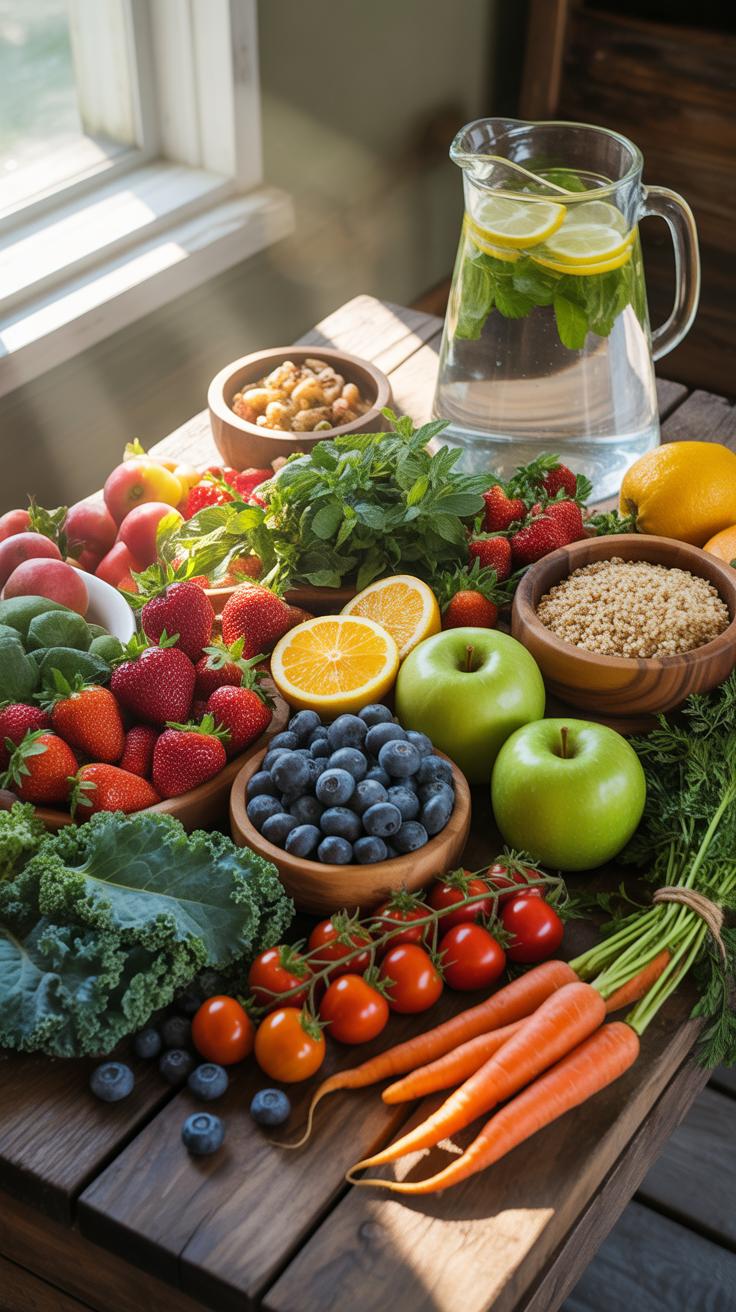
Clean eating focuses on consuming whole foods in their most natural state. You choose foods that undergo minimal processing from farm to table. This strategy eliminates synthetic additives, artificial preservatives, and refined sugars. You prioritize ingredients that offer high nutritional density per calorie. Every meal must center on vegetables, lean proteins, and healthy fats. This approach ensures your body receives necessary micronutrients without chemical interference.

You must read every label to identify hidden fillers and sweeteners. Modern food manufacturing relies on stabilizers and sodium to extend shelf life. Clean eating rejects these methods to favor fresh produce and single-ingredient items. You cook from scratch to control every element of your dinner. This tactical shift reduces systemic inflammation and improves metabolic function. High quality fuel leads to better physical performance and long term health outcomes.
How Clean Eating Differs From Fad Diets
Fad diets rely on extreme calorie restriction or total elimination of specific macronutrients. These trends often have a set end date and lead to weight fluctuations. Clean eating is a permanent framework for food selection rather than a temporary fix. It does not require tracking points or buying branded meal replacements. You focus on the quality of the source rather than just the number of calories consumed.
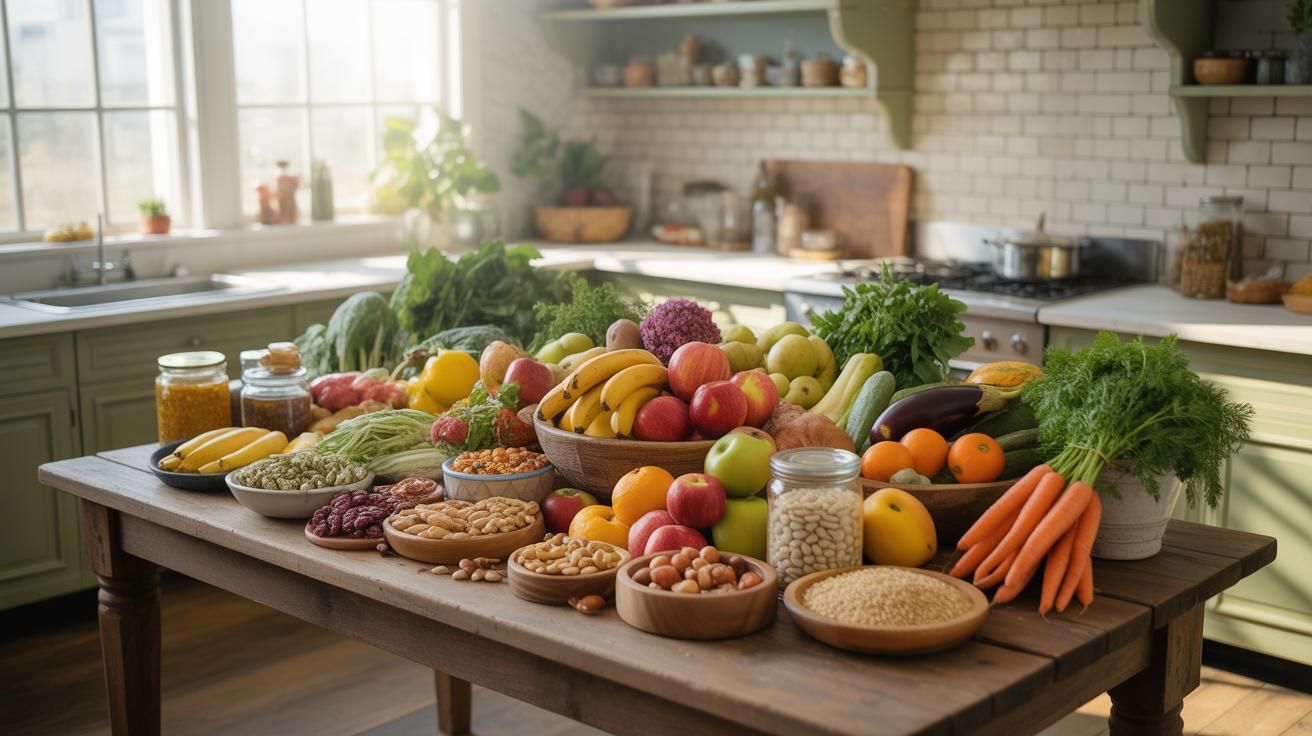
This method avoids the marketing traps found in trendy commercial diet plans. Most fads disappear when results stall or the rules become too difficult to follow. Clean eating stays relevant because it mimics historical human consumption patterns before industrial processing. You gain energy by removing metabolic disruptors found in fast food and boxed goods. It provides a sustainable structure for feeding a family without sacrificing essential daily nutrients.
Building A Weekly Plan With Healthy Dinner Menus Your Family Will Love

How To Structure A Balanced Weekly Dinner Menu
A tactical dinner menu balances macro nutrients and minimizes processed fillers. Start by selecting three core protein sources for the week. Match these with seasonal vegetables and complex carbohydrates like brown rice or sweet potatoes. This vertical structure ensures nutritional density. Rotate your primary ingredients to avoid nutrient deficiencies and meal fatigue. Planning around whole foods prevents the impulse to use pre-packaged kits.
Map your recipes based on preparation complexity. Assign labor-intensive meals to days with more available time. Use high-volume cooking for mid-week transitions. Prepare double portions of proteins on Monday to serve as the base for Wednesday dinner. This logic reduces decision fatigue and keeps the kitchen efficient. Clear organization stops the cycle of ordering takeout when energy levels drop during the work week.
The memories made around a table of real, wholesome food are the ones that nourish our souls forever. Gathering the family for a simple, clean dinner is the ultimate act of love.
— Alice Waters
Smart Grocery Shopping To Support Your Clean Eating Plan
Inventory your pantry before entering the store to avoid redundant purchases. Stick to the perimeter of the grocery store where retailers place fresh produce, meats, and dairy. Central aisles usually contain processed items with refined sugars and industrial seed oils. Buy bulk grains and legumes to lower costs while maintaining food quality. High-quality fats like olive oil and avocado oil are non-negotiable staples for this plan.
Prioritize frozen vegetables when fresh options are out of season. Flash-freezing preserves nutrients better than long-distance shipping of fresh goods. Read labels to identify hidden additives like maltodextrin or high fructose corn syrup. If a product contains more than five ingredients or names you cannot pronounce, leave it on the shelf. Strict adherence to a list prevents emotional buying and ensures you have every necessary component for your recipes.
Healthy Dinner Ideas Quick And Easy For Busy Weeknights
30 Minute Clean Eating Meals The Whole Family Can Enjoy
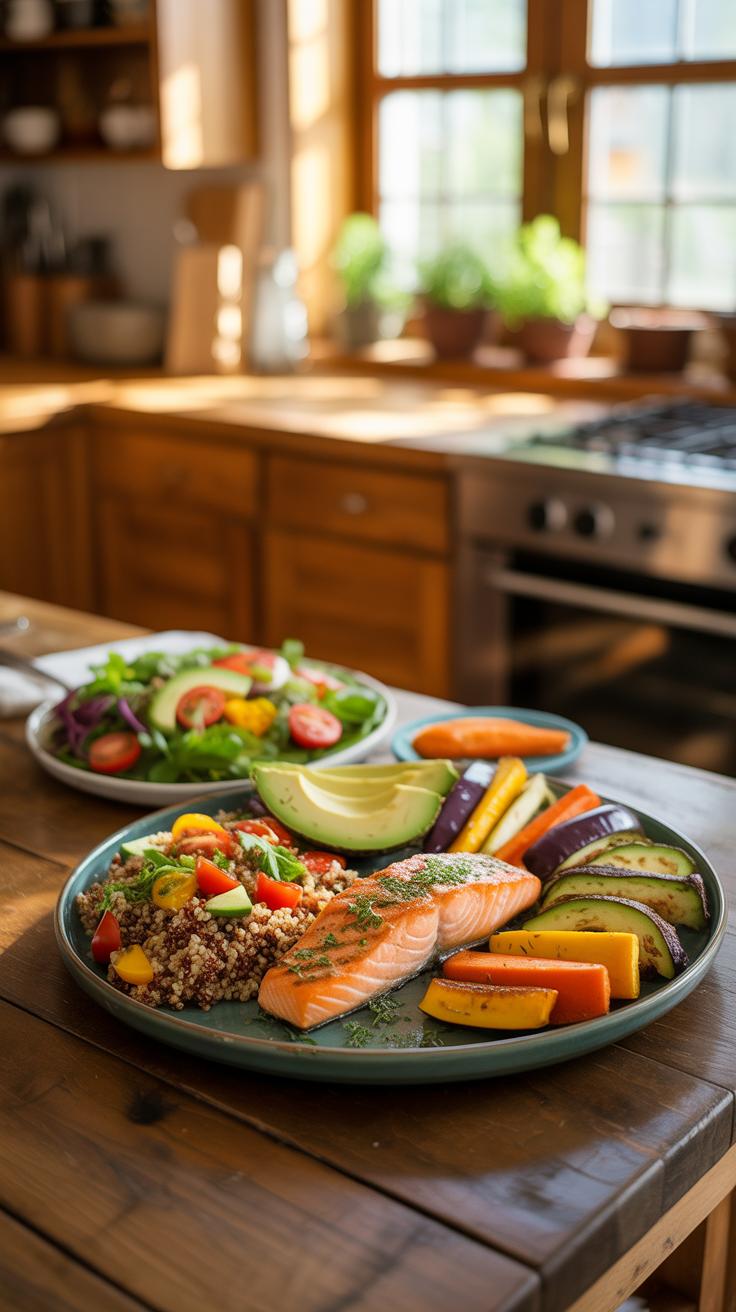
Speed requires prep and simple proteins. Focus on fish, ground turkey, or chicken breast. These meats cook fast and bridge the gap between nutrition and time. Use high heat for searing to lock in flavor. Avoid heavy sauces. Use fresh herbs and citrus juice instead. This method keeps the ingredient list short and the nutrient profile high for every family member.
Planning prevents the use of processed shortcuts. Keep base ingredients like quinoa or brown rice ready in the fridge. Combine these with flash-cooked vegetables like spinach or zucchini. This strategy ensures a complete meal in under thirty minutes. You eliminate the need for boxed fillers. Your goal is a balanced plate with lean protein, healthy fats, and complex carbohydrates every single night.
Sheet Pan And One Pot Dinners That Minimize Cleanup
Efficiency depends on heat conduction and vessel choice. Sheet pan meals work by roasting all components at one temperature. Use parchment paper to eliminate scrubbing time. Choose vegetables with similar density to ensure even cooking. Dense roots like sweet potatoes need smaller cuts to match the cook time of broccoli or peppers. This technique creates a consistent texture throughout the entire meal.
One-pot methods rely on sequential timing. Start with aromatics and hearty proteins. Add liquids and grains last. This process builds layers of flavor without using extra dishes. Cast iron or heavy stainless steel pots distribute heat best. These tools maintain steady temperatures for simmering. You save energy and reduce water waste during cleanup. Clean eating becomes sustainable when the after-dinner workload remains low and manageable.
Wholesome Vegetarian Dishes That Satisfy Every Member Of The Family

Protein Rich Plant Based Dinners Without The Meat
Plant based proteins provide essential amino acids without the saturated fats found in red meat. Lentils and chickpeas offer high fiber content to stabilize blood sugar levels. Quinoa serves as a complete protein source containing all nine essential amino acids. These ingredients form the base of clean eating dinner recipes. They keep the body full and support muscle repair after physical activity.
Cooks replace ground beef with brown lentils in sauces to maintain texture and nutritional density. Tempeh and extra firm tofu provide structural integrity in stir fry dishes. These soy products absorb flavors from spices and citrus juices. Use iron rich greens like spinach or kale to boost the mineral profile of every plate. This approach ensures high energy levels through whole food nutrition.
Kid Friendly Vegetarian Recipes Packed With Nutrients
Children require dense nutrition for growth and brain development. Sweet potatoes and carrots provide beta carotene for eye health. Blending these vegetables into sauces hides the texture while keeping the vitamins intact. Cauliflower works as a substitute for refined grains in pizza crusts or rice dishes. This technique reduces simple carbohydrate intake and increases fiber. It makes vegetable consumption easier for picky eaters.
Portion control and visual appeal drive successful family meals. Use bright colors from bell peppers and peas to engage young interest. Black beans offer a creamy texture that mimics traditional comfort foods. Combine beans with whole grain corn to create a full protein profile. This strategy eliminates processed additives found in boxed meals. Healthy fats from avocados support cognitive function and long term satiety.
The Global Philosophy Of Eating Clean At Home

Global clean eating relies on traditional food systems. These systems focus on seasonal and local harvests. The Mediterranean diet uses healthy fats and fresh plants. Japanese culture prioritizes small portions and fermentation. These habits keep food simple and close to its natural state. Families in these regions avoid processed additives. They use cooking methods like steaming and grilling to preserve nutrients.
Traditional societies view food as fuel and medicine. This approach focuses on nutrient density rather than calorie counting. Farmers in Latin America and Southeast Asia rely on diverse plant proteins. Legumes and ancient grains provide the foundation for most meals. This cultural legacy proves that clean eating is not a modern trend. It is a long-standing practice of eating what the land provides directly.
You can upgrade family dinners by using international whole-food staples. Swap refined grains for quinoa, farro, or black rice. These ingredients offer more fiber and minerals. Use spices like turmeric, ginger, and cumin for flavor instead of salt or sugar. These natural aromatics provide health benefits without adding chemicals. Diverse ingredients make clean eating dinner recipes more sustainable for the family over the long term.
Focus on sourcing quality fats like cold-pressed olive oil or avocado. These fats improve nutrient absorption during digestion. Incorporate fermented foods like kimchi or sauerkraut to support gut health. These traditional elements add complexity to simple vegetable and protein dishes. Look for minimally processed items at local markets. High-quality ingredients reduce the need for complex prep work. This strategy ensures fast and healthy meals daily.
Healthy Meals Easy To Make With Lean Proteins And Whole Grains

Best Lean Protein Sources For Clean Eating Dinner Recipes
Lean proteins provide essential amino acids without the high saturated fat content of processed meats. These sources stabilize blood sugar levels and support muscle repair after daily activity. When selecting proteins for clean eating dinner recipes, prioritize unprocessed options. Avoid pre-marinated cuts that contain hidden sugars and sodium. Freshness and preparation methods determine the final nutritional value of the meal.
- Wild Caught White Fish: Cod and halibut provide high protein with very low fat content. These fish cook quickly and absorb natural seasonings like lemon and herbs. They lack the heavy contaminants often found in larger predatory fish species.
- Organic Chicken Breast: This remains the standard for lean poultry. Removing the skin eliminates most of the saturated fat. It serves as a versatile base for various spices and quick cooking methods like grilling or poaching.
- Grass Fed Lean Beef: Select cuts labeled as loin or round for the lowest fat profile. Grass fed varieties contain higher levels of omega three fatty acids compared to grain fed cattle. This protein adds iron and zinc to the family diet.
- Lentils and Legumes: These plant based proteins offer high fiber alongside protein. They work well in stews or as meat replacements in various dishes. They are shelf stable and cost effective for large family meals throughout the week.
- Pasture Raised Eggs: Eggs provide a complete protein profile and cook in minutes. They contain choline and essential vitamins often lacking in other sources. Buy pasture raised to ensure a better nutrient density and healthy fat balance.
Cooking techniques shift the health impact of these proteins significantly. Baking, steaming, or pan-searing with minimal avocado oil preserves the integrity of the food. Avoid deep frying or heavy breading which adds empty calories. Season with dry rubs or citrus juices instead of bottled sauces. Clean eating requires focus on the ingredient itself rather than masking it with chemical additives or excessive salt.
Why Whole Grains Belong At Your Family Dinner Table
Whole grains contain three distinct parts: the bran, germ, and endosperm. Refined grains strip away the bran and germ, removing fiber and B vitamins. Keeping the grain whole ensures slow digestion and steady energy release. This prevents the energy crashes associated with white flour and processed white rice. Fiber also improves gut health and keeps the family feeling full for a longer duration.
Swap refined carbohydrates for ancient grains like quinoa, farro, or brown rice. These options add texture and a nutty flavor to every dinner plate. They act as a sponge for natural juices and healthy fats. Prepare large batches of these grains at the start of the week to save time. Using whole grains is a tactical move to increase nutrient density without adding significant cost to the budget.
Eating Clean Ideas Swapping Processed Ingredients For Real Whole Foods
Common Processed Foods To Replace In Your Family Dinners
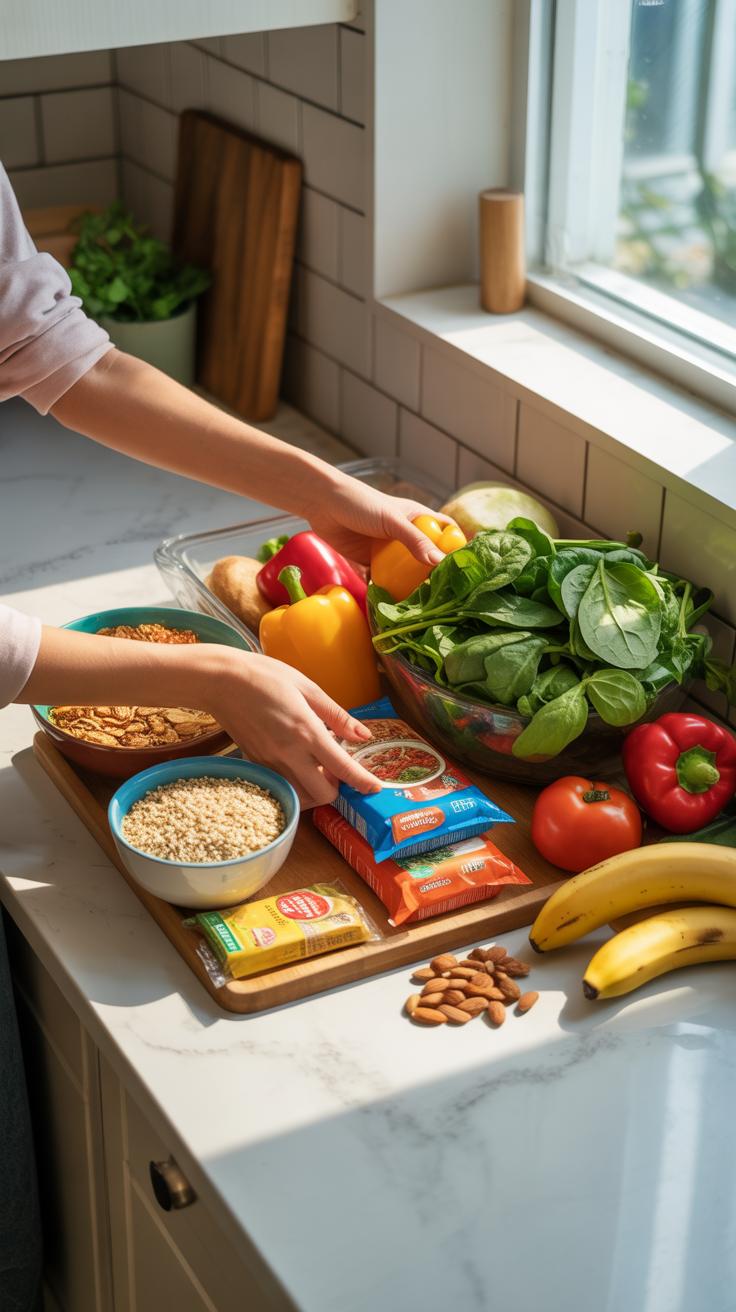
Refined grains and hydrogenated oils dominate modern dinner tables. White flour and white rice lack the fiber and nutrients found in whole versions. Replace these with quinoa, farro, or brown rice to stabilize blood sugar. Most store-bought vegetable oils undergo heavy chemical processing and high heat. Switch to cold-pressed extra virgin olive oil or avocado oil to preserve heart-healthy fats and eliminate toxic trans fats.
Commercial sauces and spice packets often hide excessive sodium and high fructose corn syrup. These additives drive systemic inflammation and dull your palate to real flavors. Create your own bases using fresh aromatics like garlic and ginger. Use vinegars and citrus juices for acidity instead of chemical preservatives. Removing these hidden processed fillers ensures your family consumes only high-density nutrients that fuel bodily recovery and growth.
How To Read Nutrition Labels To Keep Meals Truly Clean
Front-of-package marketing is designed to deceive consumers. Ignore bold claims like natural or healthy because they lack strict legal definitions. Instead, turn the package over and scan the ingredient list immediately. Ingredients appear in descending order by weight. If the first three items are sugar, salt, or refined oils, the product fails the clean eating test. Short ingredient lists usually indicate a superior, less-processed product.
Chemical additives and artificial sweeteners hide under complex scientific names. Avoid any product containing maltodextrin, carrageenan, or artificial dyes. Manufacturers often use multiple names for sugar to keep it lower on the list. Look for terms like cane juice, barley malt, and dextrose. If you cannot recognize a word as a real food grown in nature, do not buy it. Stick to single-ingredient items to maintain absolute control over dinner.
Recipes For Healthy Eating That Kids And Picky Eaters Will Actually Try

Strategies For Getting Kids Excited About Clean Dinners
Involvement creates ownership and reduces mealtime resistance. Take children to the grocery store and let them select one new vegetable each week. When kids help wash produce or stir ingredients, they feel a sense of pride. This psychological connection makes them more likely to eat the final product. Exposure matters more than immediate consumption so keep offering clean options.
Presentation impacts how children perceive unfamiliar foods. Slice vegetables into uniform shapes or use colorful plates to make meals look approachable. Offer components separately rather than mixing them into complex stews. This strategy allows picky eaters to control their environment and identify every ingredient. Small portions prevent overwhelm and encourage kids to try one bite without feeling pressured to finish a large plate.
Simple Flavor Boosters That Make Clean Food Taste Incredible
Clean eating fails when the food lacks depth or seasoning. You must use high-quality ingredients to replace the salt and sugar found in processed goods. Acids, fats, and spices work together to build a complex profile that satisfies the palate. Mastering these few additions allows you to transform basic proteins and vegetables into meals that even the most stubborn eaters appreciate.
- Fresh Citrus Juices: Use lemon or lime juice to brighten heavy dishes. Acid cuts through fat and enhances the natural sugars in roasted vegetables. Always apply the juice right before serving to maintain the most potent flavor impact on the tongue.
- Toasted Nut Butters: Whisk almond or cashew butter into sauces for a creamy texture without dairy. These fats provide satiety and a nutty depth. Use them in dressings or glazes to give lean meats a rich and satisfying mouthfeel.
- Aromatic Alliums: Sauté garlic, onions, or shallots at the start of every meal. These base ingredients provide a foundational savory taste. Slow cooking them caramelizes the natural sugars and creates a sweetness that appeals to children who dislike raw pungent flavors.
- Dry Spices: Smoked paprika and cumin add warmth without excessive heat. These spices mimic the bold flavors found in snack foods. Store them in a cool dark place to ensure they retain their oils and deliver the maximum flavor to your food.
- Vinegar Reductions: Simmer balsamic or apple cider vinegar until it becomes thick and syrupy. This process concentrates the sweetness and removes the sharp bite. Drizzle it over greens or chicken to add a sophisticated tang that balances the entire plate.
Salt remains a critical tool but must be used strategically. Sea salt or kosher salt provides minerals and a cleaner taste than standard table salt. Season your food in layers throughout the cooking process rather than just at the end. This technique ensures the flavor penetrates the center of the ingredients. Proper seasoning reduces the need for heavy sauces and keeps the meal healthy.
Healthy Meals Understanding Macronutrients In Your Clean Eating Dinner Recipes

Balancing Carbohydrates, Proteins, And Fats In Family Dinners
Every clean eating dinner requires a specific ratio of macronutrients to fuel the body correctly. Protein builds muscle and keeps your family full. Focus on lean sources like wild caught fish or grass fed beef. Healthy fats provide essential energy and support cell growth. Use olive oil or avocado to meet this need. Complex carbohydrates furnish the fiber necessary for steady digestion and long term satiety.
Balance these three pillars to prevent energy crashes after eating. A standard plate should feature high protein and plenty of fibrous vegetables. Starchy carbs like sweet potatoes or brown rice must serve as fuel rather than fillers. Adjust the ratios based on age and activity levels of family members. Active children require more carbohydrates. Adults focusing on weight maintenance should prioritize protein and healthy fats to control blood sugar levels.
Portion Control And Serving Sizes For A Healthy Family Dinner Table
Proper portion control prevents overeating even when the food is clean. Use visual cues to guide serving sizes on every plate. A serving of protein should match the size of a palm. Vegetables should take up at least half of the total plate area. Starchy carbohydrates should not exceed the size of a closed fist. These simple measurements ensure the family receives diverse nutrients without consuming excess calories.
Serve meals from the counter instead of placing large platters on the table. This strategy discourages mindless second helpings. Drink a glass of water before starting the meal to aid digestion and signal fullness. Slow down the pace of eating to allow the brain to register satiety. Teaching children these habits now builds a foundation for lifelong health. Consistency in serving sizes eliminates guesswork and keeps your clean eating goals on track.
Meal Prep Strategies To Keep Clean Eating Dinner Recipes Consistent All Week
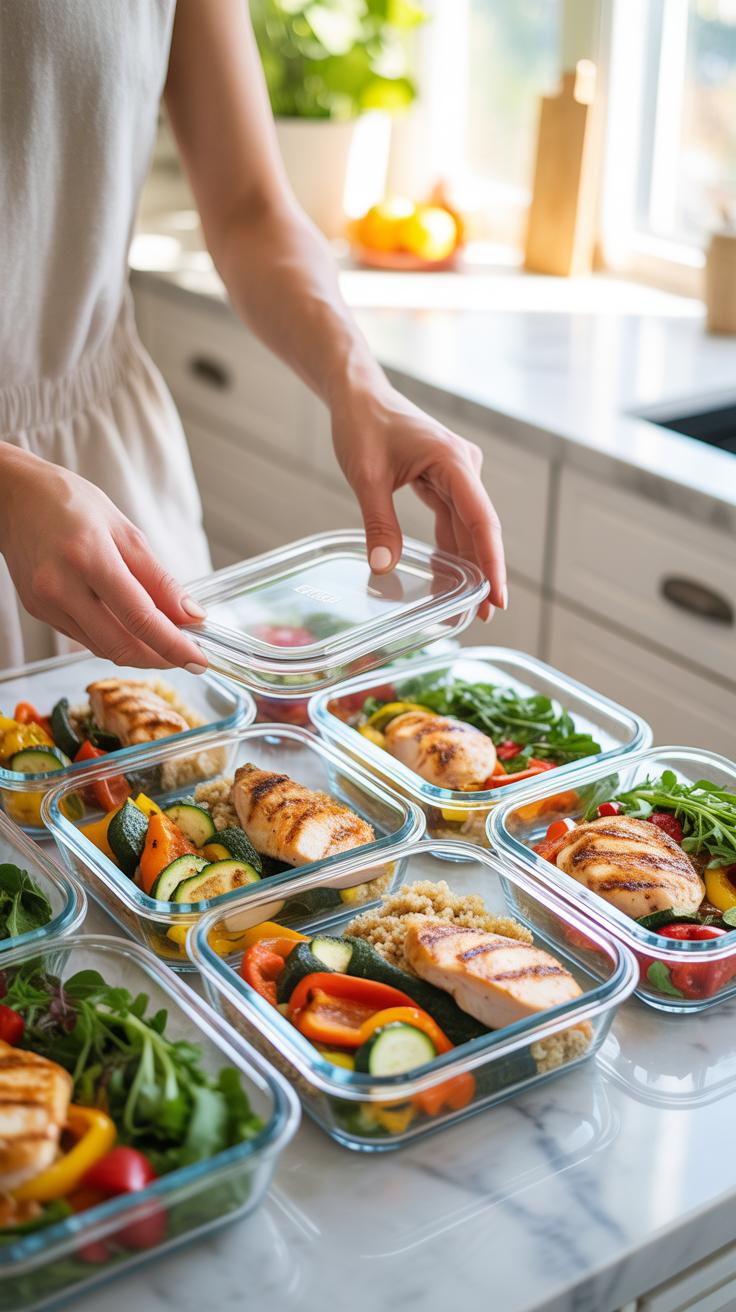
How To Batch Cook And Store Clean Meals Safely For The Family
Batch cooking requires tactical execution to maintain food safety and nutrient density. Cook large proteins like grass-fed beef or organic chicken on Sunday. Use a meat thermometer to ensure every piece reaches safe internal temperatures. Rapidly cool cooked components by spreading them on flat trays. This prevents heat traps that allow bacteria to grow. Divide these bases into individual portions to simplify nightly assembly.
Storage logistics dictate the shelf life of your prep. Keep cooked meats and vegetables in airtight glass containers to avoid chemical leaching from plastics. Most clean meals last three to four days in the refrigerator. Freeze anything you will not eat within ninety-six hours. Label every container with the date and contents. Use the first-in first-out method to reduce waste and ensure family safety.
Keeping Clean Eating Affordable Without Sacrificing Nutrition
Clean eating costs less when you buy whole ingredients in bulk. Purchase dry goods like quinoa, brown rice, and lentils from bulk bins to eliminate packaging costs. Focus on seasonal produce which is cheaper and more nutrient-dense than out-of-season imports. Frozen organic vegetables offer the same vitamins as fresh versions for a lower price point. Avoid pre-cut produce because retailers charge a high premium for labor.
Tactical meal planning reduces grocery bills by limiting impulse buys. Stick to a rigid list based on your chosen recipes to avoid expensive processed snacks. Substitute expensive protein cuts with cheaper plant-based options like chickpeas or black beans twice a week. Buy meat directly from local farmers or in large family packs when on sale. Proper planning ensures you use every ingredient before it spoils to maximize your budget.
Frequently Asked Questions

What exactly qualifies as a clean eating dinner?
At its core, clean eating focus on consuming whole foods that are as close to their natural state as possible. When searching for clean eating dinner recipes, look for meals centered around lean proteins, fresh vegetables, and complex carbohydrates while avoiding processed additives or refined sugars. It is about nourishing your family with real ingredients that offer maximum nutritional value without the chemical preservatives found in pre-packaged convenience meals.
How can I transition my picky eaters to clean eating dinner recipes?
The best approach is to recreate familiar favorites using wholesome ingredients. Start by swapping refined white pasta for zucchini noodles or brown rice alternatives. When introducing new clean eating dinner recipes, involve your children in the meal prep process to build excitement. Small changes, like roasting vegetables to bring out their natural sweetness or making homemade sauces instead of using store-bought jars, can make a significant difference in flavor and acceptance.
Is it possible to eat clean without overspending on my weekly grocery budget?
Absolutely. You do not need expensive “superfoods” to feed your family well. Focus on buying seasonal produce, which is often cheaper and more flavorful, and purchase pantry staples like dried beans, oats, and lentils in bulk. Planning your meals ahead of time helps reduce waste and prevents impulsive purchases. By prioritizing simple, whole ingredients over processed convenience items, you can maintain a healthy lifestyle while keeping your food costs manageable.