

What Is Clean Eating The Core Definition Explained
The Origins And Evolution Of The Clean Eating Concept
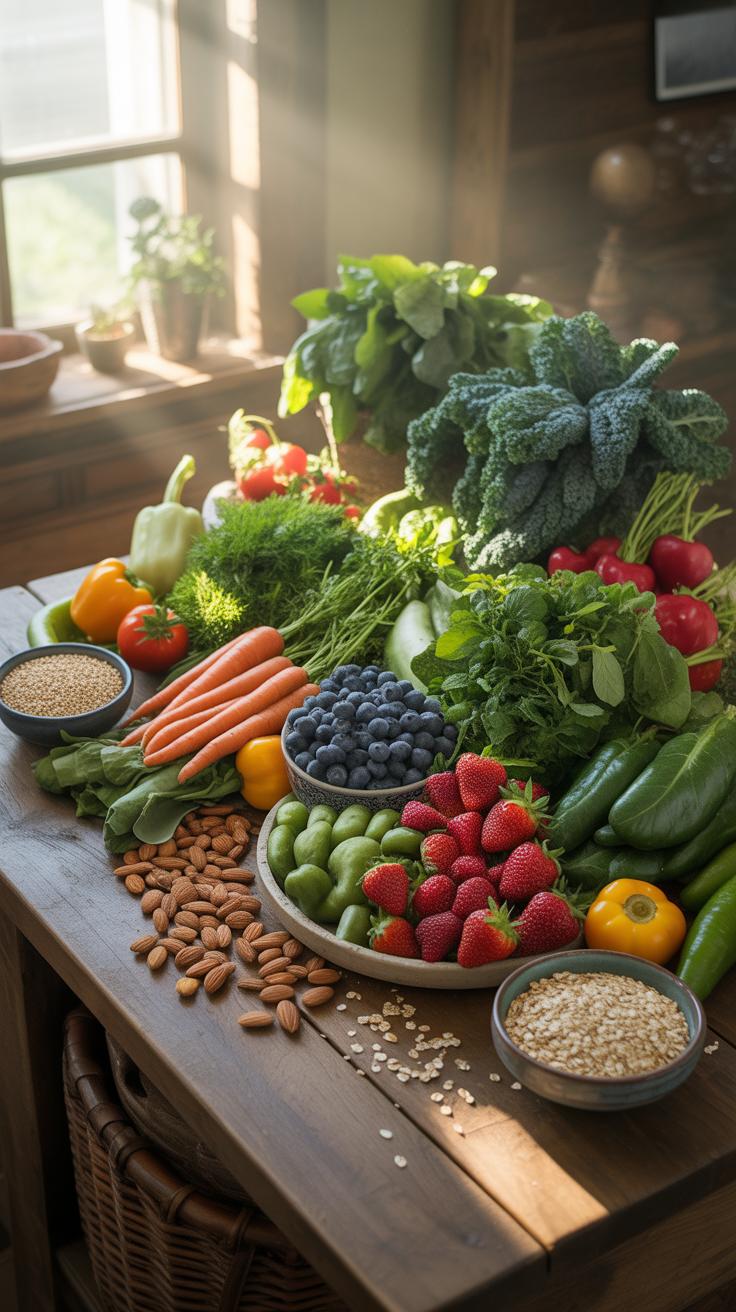
The term clean eating emerged from the natural health movements of the 1960s and 1970s. It focused on whole foods and rejected industrial processing. Early proponents prioritized local farming and seasonal produce. They aimed to reduce exposure to chemical pesticides and synthetic additives. This initial phase was about food quality and environmental health. It provided a clear alternative to the rising popularity of fast food.

During the early 2000s, the fitness industry adopted the term. Bodybuilders used it to describe diets high in lean protein and complex carbohydrates. Social media later transformed the movement into a visual lifestyle brand. This era introduced strict rules about food groups and restricted many common ingredients. The focus shifted from simple health to aesthetic goals. This change created Confusion regarding what actually constitutes a clean diet for average people.
How The Definition Has Shifted Heading Into 2025
The 2025 definition of clean eating rejects rigid perfectionism. Consumers now prioritize ingredient transparency and minimal processing over total restriction. Modern clean eating focuses on the degree of food engineering. People look for short ingredient lists that they recognize. The current standard values metabolic health more than calorie counting. It centers on fiber, healthy fats, and proteins that have undergone little mechanical or chemical change.
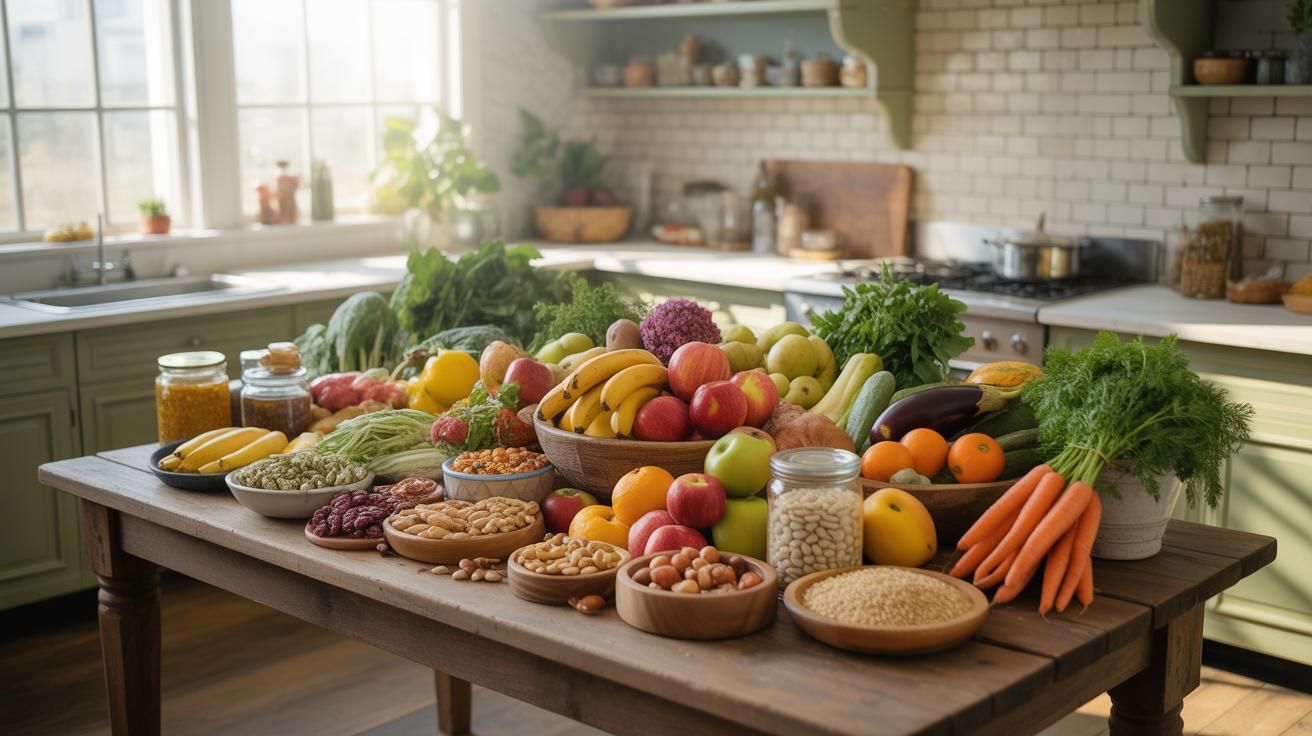
Sustainability and ethical sourcing have become core pillars of the movement today. Modern clean eaters consider the entire supply chain of their food. They evaluate soil health, animal welfare, and carbon footprints. Science-based approaches have replaced influencer trends. The focus has moved toward gut health and the microbiome. Tactical clean eating now means choosing foods that support long-term biological function rather than short-term weight loss.
The Clean Eating Lifestyle Principles That Go Beyond Your Plate

Whole Foods Vs. Processed Foods: Understanding The Core Distinction
Whole foods represent the baseline of clean eating. These items remain close to their natural state. They do not contain added sugars or chemical preservatives. You find them in the produce or butcher sections. These foods retain their fiber and nutrients. Processing often strips away these essential elements. Consuming whole foods ensures you get the maximum nutritional value from every single calorie you eat.
Processed foods undergo industrial changes for long shelf lives. Manufacturers add sodium and stabilizers to prevent spoilage. These additives change how your body burns energy. Ultra-processed items often hide under misleading labels. They include refined grains and high fructose corn syrup. Strategy requires reading labels to identify these fillers. Avoiding processed goods reduces your intake of inflammatory chemicals and empty calories. Focus on ingredients you recognize.
Mindful Eating And Daily Habits That Support A Clean Eating Lifestyle
Mindful eating turns consumption into a deliberate act. It requires you to pay attention to physical hunger cues. You must distinguish between actual hunger and emotional stress. Eating slowly allows your brain to register fullness. This prevents overeating and improves digestion. You should eliminate distractions like screens during mealtime. This focus helps you appreciate the flavor and texture of high quality ingredients.
Consistency drives the success of this lifestyle. You must plan your meals to avoid impulsive decisions. Preparation ensures you always have clean options available. Hydration plays a critical role in metabolic function. Choose water over sweetened beverages to maintain energy levels. Prioritize sleep to regulate the hormones that control your appetite. These daily habits create a sustainable structure. Success depends on these repeatable tactical choices every day.
Clean Eating Food List For Beginners What To Put On Your Plate
The Essential Foods Every Beginner Should Know About
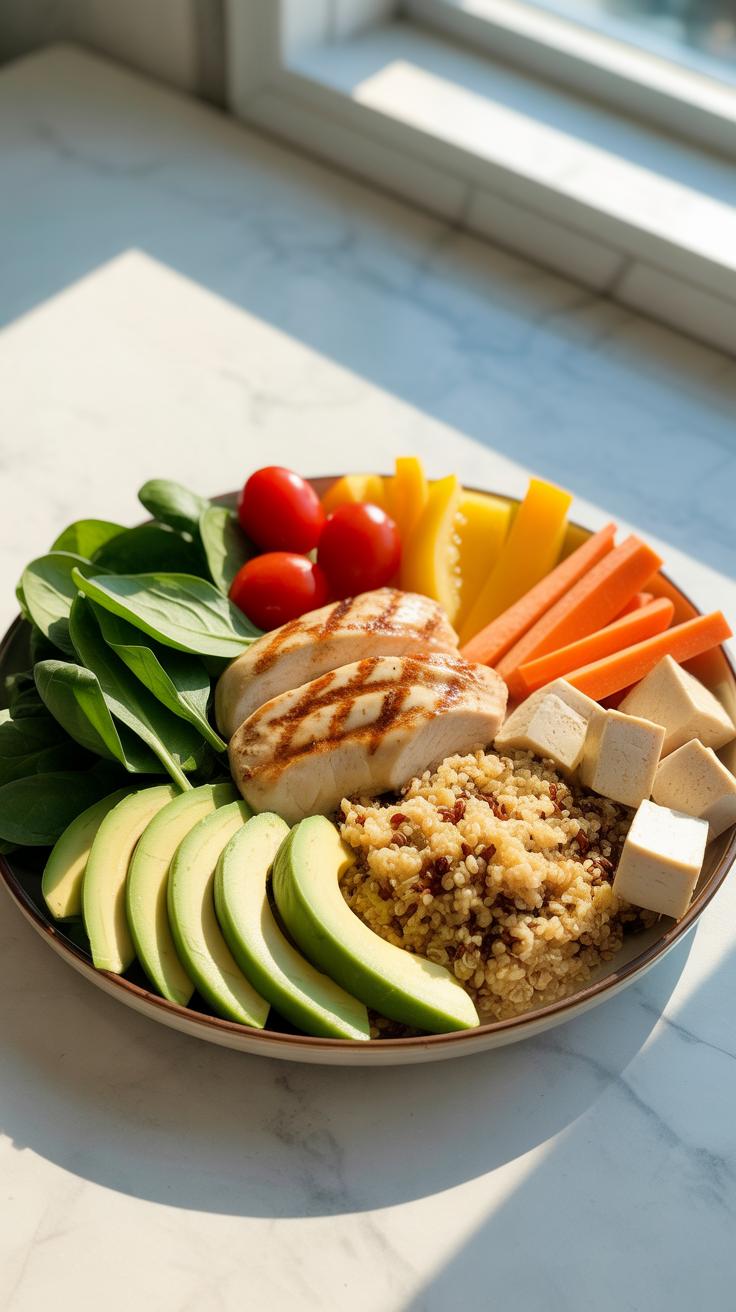
Clean eating requires a focus on whole foods that remain close to their original state. You should prioritize items that contain only one ingredient or have minimal processing. This strategy ensures you consume high nutrient density without hidden chemical additives. Success starts with stocking your kitchen with versatile staples that form the foundation of most meals. Consistency depends on having these items available at all times.
- Leafy Greens: Spinach and kale provide essential micronutrients including iron and calcium. These vegetables serve as a high-volume base for meals while keeping caloric density low. Buy them fresh or frozen to ensure you always have fiber-rich options ready for quick preparation.
- Lean Proteins: Chicken breast, wild-caught fish, and legumes provide the amino acids necessary for muscle repair. Clean eating focuses on unprocessed protein sources rather than deli meats or pre-breaded options. These staples stabilize blood sugar levels and improve satiety throughout the day.
- Whole Grains: Quinoa and brown rice offer complex carbohydrates that provide sustained energy. Unlike refined grains, these versions retain the bran and germ, which contain fiber and B vitamins. Using whole grains prevents the energy crashes associated with white flour and processed sugars.
- Healthy Fats: Avocados and raw nuts deliver monounsaturated fats and essential fatty acids. These fats support brain function and help the body absorb fat-soluble vitamins like A, D, E, and K. Limit your intake to appropriate serving sizes to maintain a balanced caloric profile.
- Cruciferous Vegetables: Broccoli and cauliflower contain powerful phytonutrients and high fiber content. These vegetables are durable and stand up well to roasting or steaming without losing their nutritional integrity. They provide necessary bulk to meals, which helps regulate digestion and overall gut health.
Shop the perimeter of the grocery store to find these essential items. Most whole foods stay in the refrigerated or produce sections rather than the middle aisles. Check labels for short ingredient lists that you actually recognize. If a product has a long shelf life, it likely contains preservatives that do not align with clean eating principles. Simple preparation methods like steaming or roasting preserve the most nutrients.
Foods To Minimize Or Avoid When Eating Clean
Eliminate ultra-processed foods that contain heavy amounts of added sugar and sodium. These ingredients drive systemic inflammation and disrupt your natural hunger cues. Avoid items with artificial flavors, synthetic dyes, and chemical shelf-stabilizers. Industry standards often hide sugar under names like high fructose corn syrup or maltodextrin. Read every label to identify these hidden additives before the product enters your shopping cart.
Heavily refined oils and trans fats also fall outside the clean eating framework. These fats often appear in fried foods and packaged snacks to extend shelf life. Choose natural fats that come from whole food sources instead of chemically extracted seed oils. Reducing your intake of white flour and liquid calories further simplifies the transition. Focus on water or herbal teas to stay hydrated without consuming unnecessary chemicals or sweeteners.
How To Eat Clean For Fitness Fueling Performance With Real Food
Macronutrient Balance And Clean Eating For Active Individuals
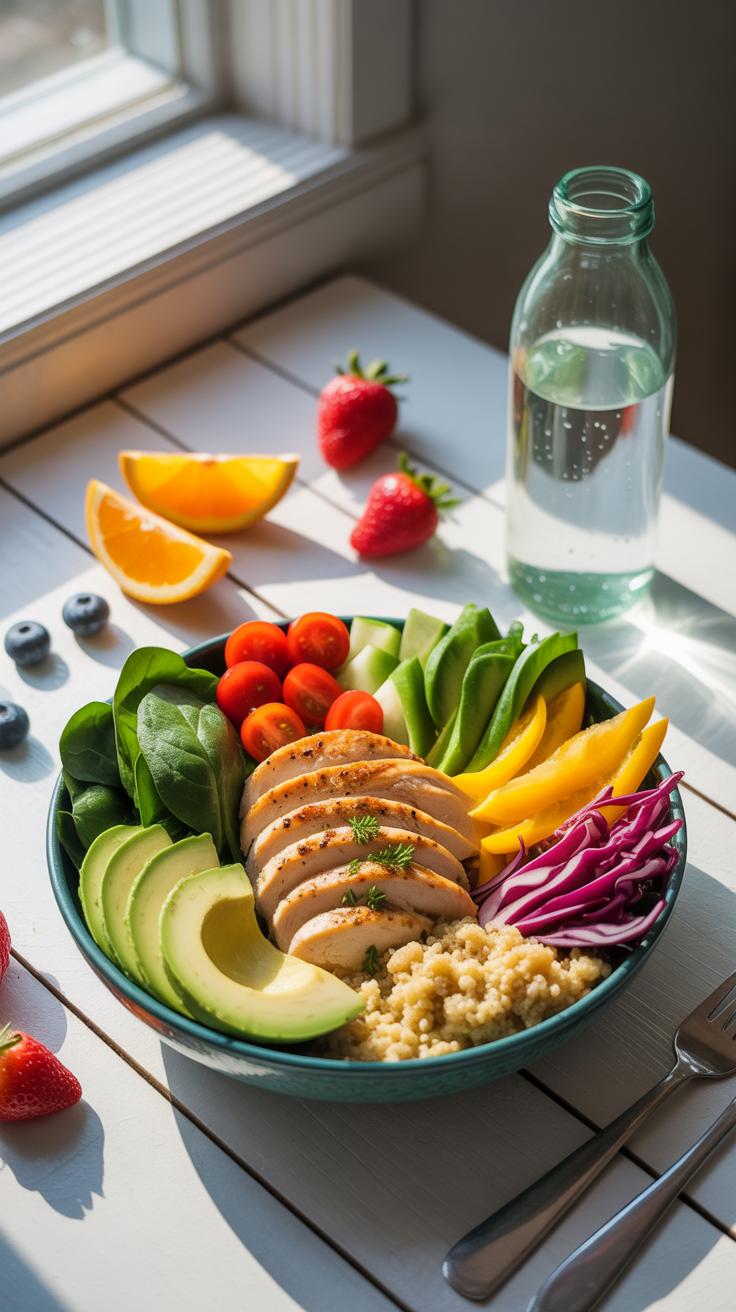
Clean eating requires a precise balance of proteins, fats, and carbohydrates from unprocessed sources. Active individuals need protein to repair muscle tissue after training. Choose grass-fed meats, wild-caught fish, or lentils. Avoid processed protein powders with artificial sweeteners. These whole foods provide essential amino acids without chemical additives. Quality protein supports recovery and maintains lean muscle mass more effectively than synthetic alternatives.
Complex carbohydrates provide the primary energy source for high-intensity exercise. Use sweet potatoes, quinoa, and oats instead of refined flours or sugary cereals. These slow-burning fuels keep blood sugar stable throughout your workout. Healthy fats from avocados and nuts support hormone production and joint health. Balance these three macros based on your specific training volume. Correct ratios ensure you have enough energy without relying on processed supplements.
Eating well in this modern age is simply about returning to the table with intention and honor for the earth. It is a quiet celebration of ingredients that nourish both the body and the soul.
— Alice Waters
Pre And Post Workout Nutrition The Clean Eating Way
Timing your intake of whole foods determines your performance and recovery speed. Eat easily digestible carbohydrates sixty minutes before training. Bananas or rice cakes provide quick glucose without causing stomach distress. Avoid heavy fats or high fiber right before exercise. These take too long to digest and can slow you down. Focus on fueling the immediate physical demand with simple, natural sugars found in fruit.
Recovery starts the moment your workout ends. Consume a mix of clean protein and carbohydrates within one hour of finishing. This window is critical for glycogen replenishment and muscle repair. Roasted chicken and white rice serve as an ideal post-workout meal. These ingredients lack the fillers and gums found in commercial recovery shakes. Whole foods reduce systemic inflammation and help you get back to training faster than processed snacks.
Clean Eating Menu Plan How To Structure Your Week With Intention
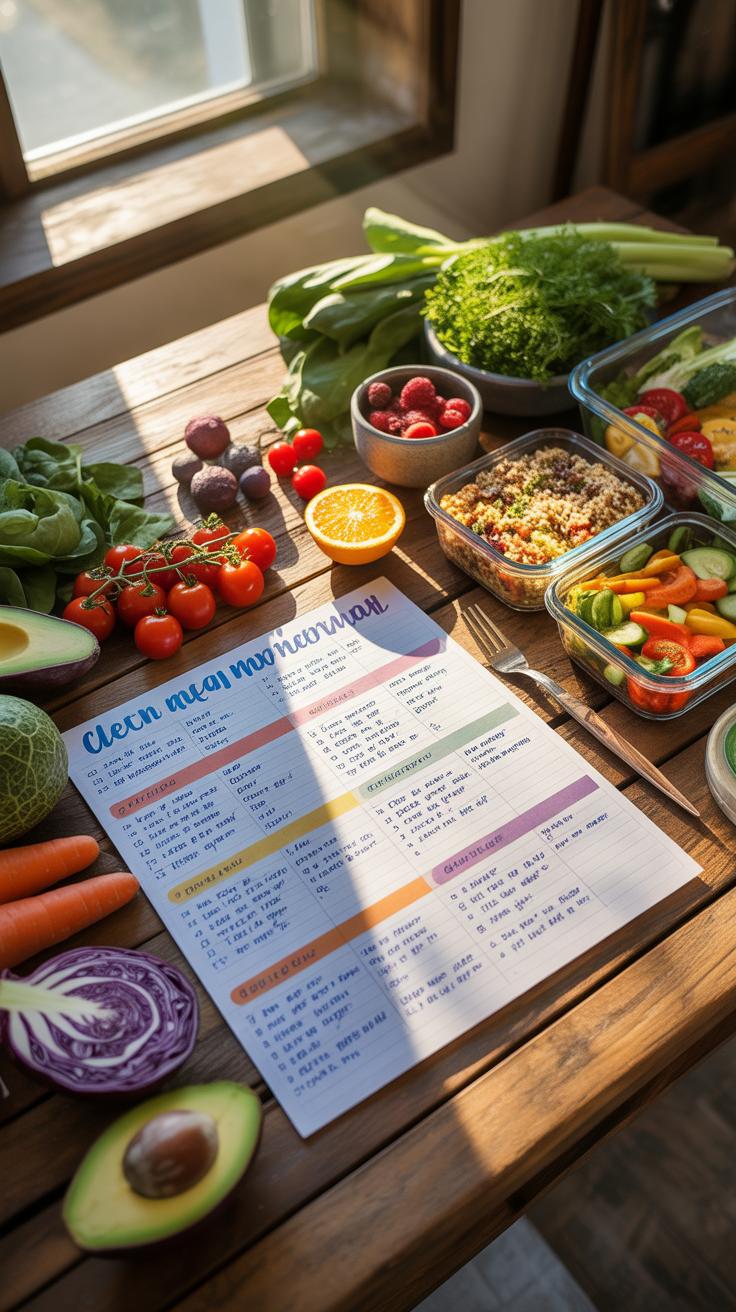
Building A Realistic And Balanced Weekly Clean Eating Menu Plan
Successful clean eating requires a tactical approach to food procurement and preparation. You must map out your protein sources and complex carbohydrates before the week begins. Identify three core proteins and four vegetable types to anchor your meals. This strategy reduces decision fatigue and prevents reliance on ultra-processed convenience foods. Shop the perimeter of the grocery store to find fresh produce and lean meats.
Your plan must account for your actual schedule and cooking capacity. Do not commit to complex recipes on nights when your workload is high. Use a batch cooking method for grains like quinoa or brown rice. Prepare these staples in large quantities on Sundays. This creates a base for quick assembly during the work week. Consistency in your framework ensures you maintain nutritional density without wasting time.
Meal Timing, Portion Awareness, And Avoiding Diet Fatigue
Structured meal timing regulates blood sugar and prevents impulsive snacking on processed items. Aim for consistent intervals to keep energy levels stable throughout the day. Listen to internal hunger cues rather than following rigid external clocks. This approach helps you distinguish between true physical hunger and emotional stress. Professional strategists treat food as fuel for specific physical and mental tasks. High performance requires high quality inputs.
Portion awareness focuses on nutrient density rather than strictly counting every calorie. Fill half your plate with fibrous vegetables to ensure satiety. Include a palm-sized portion of protein and a thumb-sized portion of healthy fats. Variety is the only tool that prevents diet fatigue and flavor boredom. Rotate your spice profiles and seasonal produce to keep the plan sustainable. Log your progress to identify which patterns work best for your body.
Clean Eating Food Plan Practical Strategies For Meal Prep Success

How To Build A Sustainable Clean Eating Food Plan From Scratch
Start by mapping your proteins and produce before the week begins. Focus on high-yield ingredients that work across multiple meals. Roast large batches of vegetables and sear proteins in bulk to save time. This systematic approach prevents decision fatigue and stops you from reaching for processed convenience foods. Consistency depends on having a repeatable framework that fits your specific daily schedule and caloric needs.
Standardize your breakfast and lunch to reduce daily complexity. Use a simple rotation of three core meals for these time slots. Reserve variety for dinners when you have more time to cook. This method ensures you hit your nutritional targets without overthinking every meal. Track your inventory to avoid waste and ensure you always have base ingredients ready. Successful planning removes the guesswork from your nutritional choices.
Smart Grocery Shopping And Pantry Staples That Make Clean Eating Easy
Efficient clean eating starts at the grocery store perimeter. This is where retailers stock fresh produce, meats, and dairy. Avoid the middle aisles where manufacturers shelve ultra-processed goods and shelf-stable snacks. A tactical shopping list focuses on raw materials rather than pre-packaged solutions. Buying whole foods in their natural state reduces your intake of hidden sugars, sodium, and industrial seed oils.
- Ancestral Grains: Bulk oats, quinoa, and brown rice provide essential fiber and complex carbohydrates. These staples stay fresh for months and offer a reliable energy base for numerous clean meals.
- Healthy Fats: Extra virgin olive oil and avocado oil serve as stable cooking mediums. These fats replace refined vegetable oils that often contain high levels of inflammatory omega-6 fatty acids.
- Lean Proteins: Chicken breast, wild-caught fish, and eggs offer high bioavailability. Keeping these items stocked ensures you can meet daily protein requirements while supporting muscle repair and metabolic health.
- Frozen Vegetables: Flash-frozen greens and berries retain peak nutrient density. These items provide a cost-effective way to include diverse micronutrients in your diet without the risk of rapid spoilage.
- Legumes and Pulses: Dry lentils and chickpeas provide plant-based protein and satiety. They are shelf-stable and serve as a versatile foundation for soups, salads, and stews throughout the busy work week.
Organize your pantry by food group to maintain a clear visual of your supplies. Group your grains, proteins, and fats together to speed up meal assembly. Stocking these foundational items allows you to build a compliant meal even when your fresh fridge stock is low. A well-maintained pantry acts as your first line of defense against poor dietary choices and unplanned takeout orders.
Clean Eating For A Month What Happens To Your Body In 30 Days

Week By Week Changes You Can Realistically Expect
In the first week, your body manages blood sugar fluctuations. Removing refined carbohydrates and added sugars stabilizes insulin levels. You will likely lose water weight as glycogen stores drop. You might feel tired or irritable as your brain shifts away from high-dopamine processed snacks. By the second week, digestion improves significantly. Fiber from whole plants regulates bowel movements and reduces physical bloating across your midsection.
During the third week, skin clarity often improves. Lower systemic inflammation reduces redness and acne flare-ups. Energy levels remain steady throughout the day without the typical afternoon crash. In the final week, deep sleep quality increases. Your body has adapted to nutrient-dense fuel. You will likely notice better mental focus and a reduced desire for salty or sugary foods. Weight loss becomes more visible as fat oxidation continues.
Common Challenges During A Month Of Clean Eating And How To Overcome Them
Social pressure and time constraints pose the greatest risks to success. Most people fail because they do not prepare for environments where clean food is unavailable. You must audit your schedule and identify high-risk moments like office lunches or travel. Strategic meal prepping on weekends eliminates daily decision fatigue. Use a simple framework of protein, healthy fats, and greens to keep meals fast and easy.
Cravings for processed additives will occur during the first ten days. These are physiological responses to the removal of hyper-palatable chemicals. Drink more water and increase your intake of healthy fats to signal fullness to your brain. If you fail once, do not abandon the entire month. Resume the plan at your very next meal. Success depends on your ability to manage your environment rather than relying on pure willpower.
Healthy Eating Aesthetic The Visual Culture Around Clean Food In 2025

How Social Media Has Shaped The Look And Feel Of Clean Eating
Social media platforms now dictate the visual standards of clean eating. High-definition cameras and editing tools prioritize color saturation and symmetry. Users associate bright greens and deep purples with nutritional density. This trend forces food producers to focus on visual appeal. Packaging now uses matte finishes and minimalist typography. These design choices signals premium quality and purity to the modern consumer.
Digital algorithms favor repeating patterns and organized layouts. Influencers use overhead shots to showcase bowls with perfectly arranged seeds and sliced fruits. This style mimics mid-century modern design principles. It emphasizes order and cleanliness. Viewers now link visual neatness with internal health. This connection changes how people plate their meals at home. They seek to replicate these filtered images to validate their lifestyle choices.
When Aesthetics Help Motivation And When They Become A Problem
Visual beauty serves as a powerful psychological trigger for habit sticking. Well-presented food increases dopamine levels before the first bite. This chemical reward makes healthy choices more attractive than processed alternatives. People who photograph their meals often stay more aware of their portion sizes. Professional plating techniques turn a chore into a creative hobby. This engagement keeps individuals committed to their dietary goals over long periods.
Elite visual standards also create high barriers to entry. Perfectionism leads to anxiety when real-life meals do not match digital ideals. Many consumers feel inadequate if they cannot afford expensive organic produce or designer kitchenware. This focus on appearance ignores the actual nutrient profile of the food. A meal can look perfect but lack essential macronutrients. Prioritizing the image over the substance creates a false sense of health achievement.
Clean Eating Myths Debunked Separating Fact From Wellness Noise In 2025

The Most Widespread Misconceptions About What Clean Eating Really Is
Many people believe clean eating requires buying only organic or expensive luxury items. This is false. Strategic nutrition focuses on whole ingredients regardless of the price tag. Frozen vegetables often contain more nutrients than fresh ones that sit in transit for weeks. You do not need a high income to eat clean. Marketing teams use the clean label to upsell products that offer no extra health benefits.
Another myth suggests that clean eating means cutting out entire food groups like grains or dairy. Eliminating food groups without a medical reason often leads to nutrient gaps. Clean eating is about the quality of the source and the level of industrial processing. It is not about restriction or following a rigid list of forbidden foods. True clean eating emphasizes balance and the exclusion of synthetic additives and hydrogenated fats.
What Nutrition Science Actually Says About Eating Clean Long Term
Data shows that long-term health depends on dietary patterns rather than single superfoods. Research links diets high in fiber and low in ultra-processed foods to lower disease risks. Science supports eating foods close to their natural state to maintain metabolic health. Long-term success requires a sustainable approach that people can follow for years. Extreme diets usually fail because they are too difficult to maintain during normal life events.
Nutrition science confirms that the body manages natural sugars and fats better than synthetic alternatives. Avoid chemical preservatives and high-fructose corn syrup to reduce internal inflammation. Focus on nutrient density to fuel your cells properly. Clean eating is a tool for better energy and longevity. It is not a temporary detox or a quick fix. Consistent choices over time create the best health outcomes for the average person.
Frequently Asked Questions

For a beginner, what is clean eating in simple terms?
At its core, asking what is clean eating means looking for ways to consume foods in their least processed state. In 2025, this focuses on transparency and whole ingredients like fruits, vegetables, and ancient grains. It is not about strict deprivation or dieting; instead, it is a lifestyle shift toward choosing nutrient-dense options that are free from synthetic additives, excessive refined sugars, and complex chemical preservatives.
How can I start transitioning to a clean eating lifestyle at home?
Transitioning starts in your pantry by reading labels carefully. Focus on shopping the perimeter of the grocery store where fresh produce and proteins are located. To master what is clean eating in your kitchen, try swapping pre-packaged snacks for raw nuts or sliced veggies. Focus on simple, home-cooked meals where you control the sodium and oil levels, gradually making whole, unrefined foods the foundation of your daily plate.
Is it possible to follow a clean eating plan on a tight budget?
Absolutely. Many people worry that eating clean requires expensive specialty stores, but you can find affordable options everywhere. Buying seasonal produce, purchasing grains like brown rice or lentils in bulk, and opting for frozen fruits and vegetables are excellent ways to save money. By focusing on simple, whole staples rather than pricey “superfood” supplements, you can maintain a high-quality, nutritious diet without overspending at the checkout counter.