
What Is A 30 Day Clean Eating Challenge And Why It Works

Defining Clean Eating: What It Means And What It Is Not
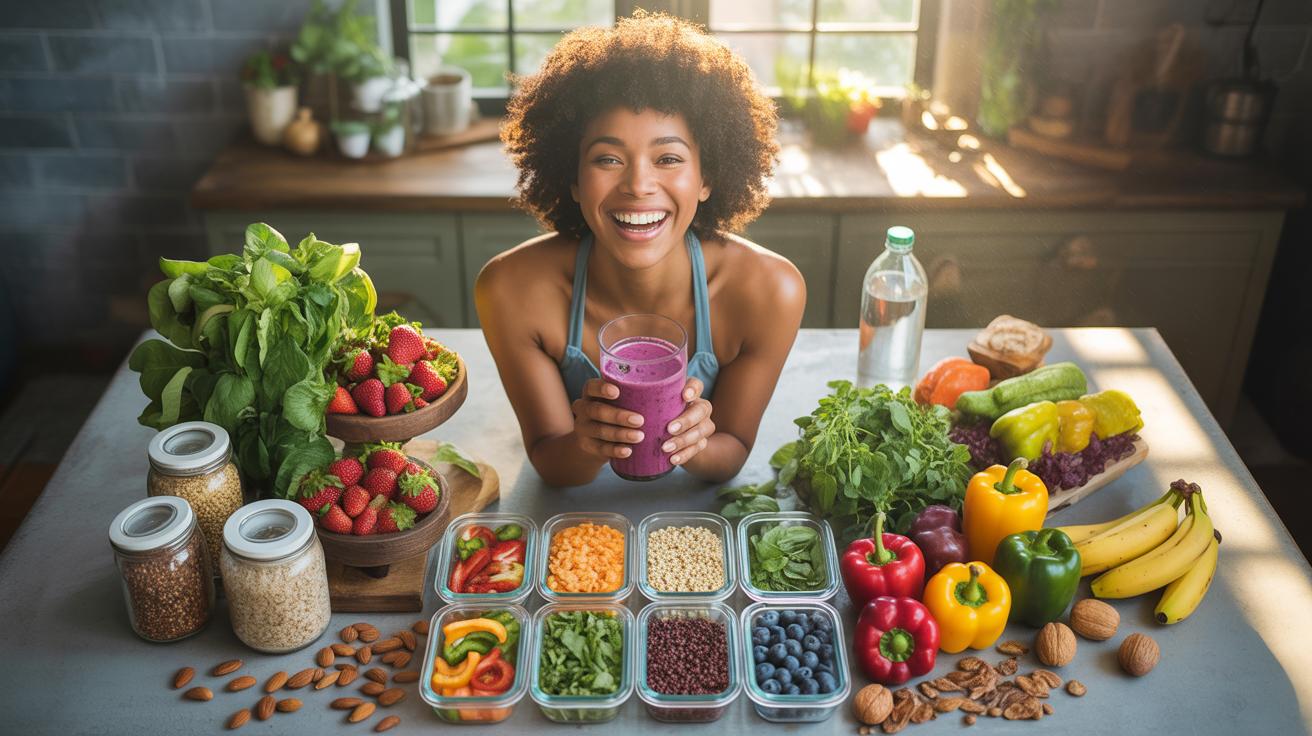
Clean eating focuses on consuming whole foods in their most natural state. You prioritize items that require minimal processing and contain no synthetic additives. This strategy eliminates refined sugars, artificial preservatives, and chemically altered fats. It is not a restrictive starvation diet or a temporary fad. Instead, it is a functional framework for selecting high-quality fuel that supports your body’s biological needs.

Transitioning to this method requires reading every label. You must ignore marketing claims on the front of packages. Focus only on the ingredient list. If a product contains chemicals you cannot pronounce, it does not fit the criteria. Clean eating is about transparency and simplicity. You choose ingredients that came from a farm rather than a laboratory. This approach stabilizes your blood sugar and reduces systemic inflammation.
The Science Behind Why A 30 Day Commitment Creates Lasting Dietary Habits
A 30-day window provides enough time for your brain to rewire its reward circuitry. Short-term bursts do not change cellular memory or taste bud sensitivity. Four weeks of consistency force the body to adapt to new nutrient sources. This duration is long enough to break the cycle of sugar addiction. You move past the initial withdrawal phase into a period of sustained metabolic efficiency.
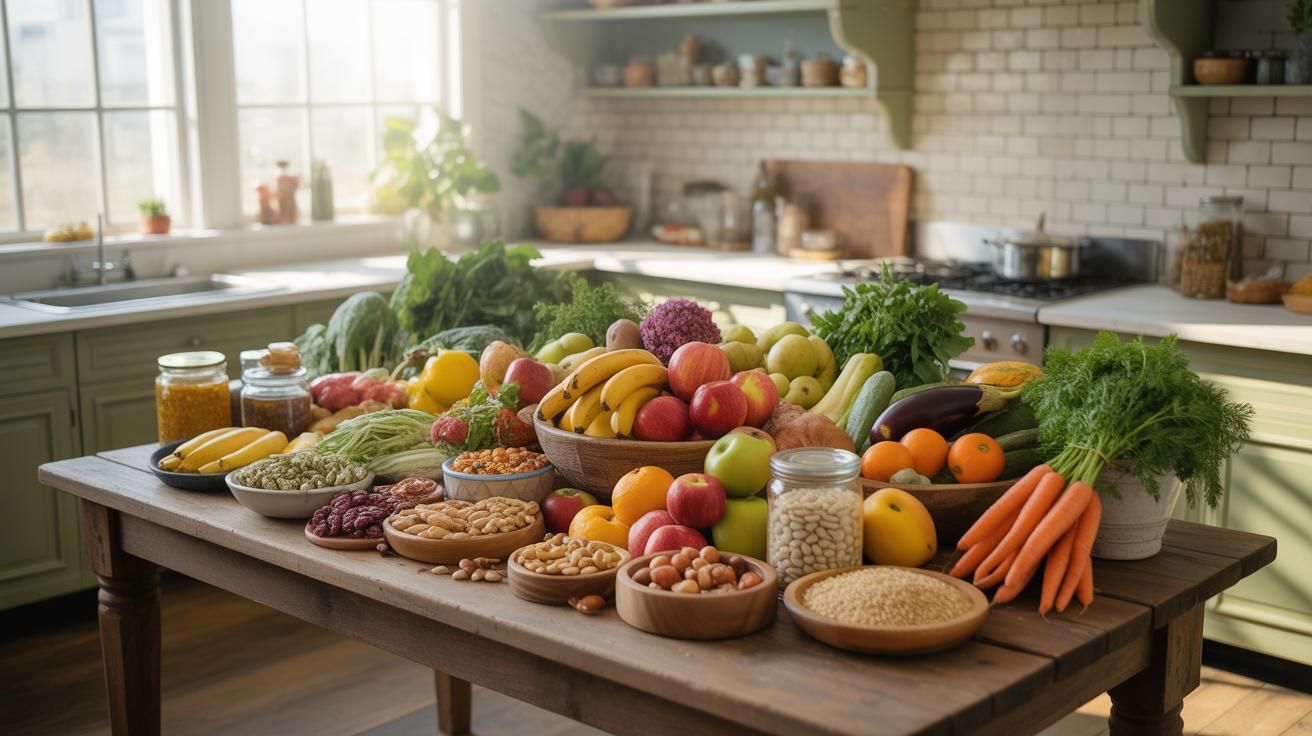
The human brain relies on basal ganglia functions to automate daily routines. Repeating specific food choices for thirty days builds new neural pathways. These pathways make healthy decisions feel automatic rather than forced. By the end of the month, your digestive enzymes and gut microbiome shift to favor whole foods. You stop fighting your cravings because your internal chemistry no longer demands processed triggers for energy.
Health Benefits Of Taking On A 30 Day Health Challenge Food Plan

Physical Benefits: Energy Levels, Weight Management, And Digestive Health
Removing processed sugars and refined grains stabilizes blood glucose levels. This prevents the common mid-afternoon energy crash. When you fuel with complex carbohydrates and lean proteins, your body maintains a steady supply of glycogen. You feel more alert because your brain receives a consistent stream of energy. Constant blood sugar spikes lead to insulin resistance and chronic fatigue over time.
A whole food approach reduces caloric density while increasing fiber intake. Fiber supports a healthy gut microbiome and improves transit time for waste. This process reduces bloating and improves nutrient absorption in the small intestine. By dropping added sodium, the body releases excess water weight quickly. These changes improve metabolic function and help regulate hunger hormones like ghrelin and leptin during the month.
Mental And Emotional Benefits Of Eating Whole, Unprocessed Foods For 30 Days
The gut and brain share a direct link through the vagus nerve. Consuming whole foods reduces systemic inflammation that often affects mood regulation. High intake of additives and artificial dyes correlates with brain fog and irritability. By choosing nutrient-dense foods, you provide the building blocks for neurotransmitters like serotonin. This leads to better focus and more stable emotional states throughout the day.
Completing this challenge also rewires the brain’s reward system. Processed foods trigger dopamine hits that cause cravings and emotional eating cycles. Thirty days of clean eating breaks this dependency. You regain control over food choices rather than acting on impulse. This shift builds mental discipline and increases confidence in your ability to manage your health. Higher food quality translates directly into improved cognitive performance and clarity.
How To Prepare Before You Start Your 30 Days Clean Eating Challenge
Cleaning Out Your Pantry And Restocking With Clean Eating Staples
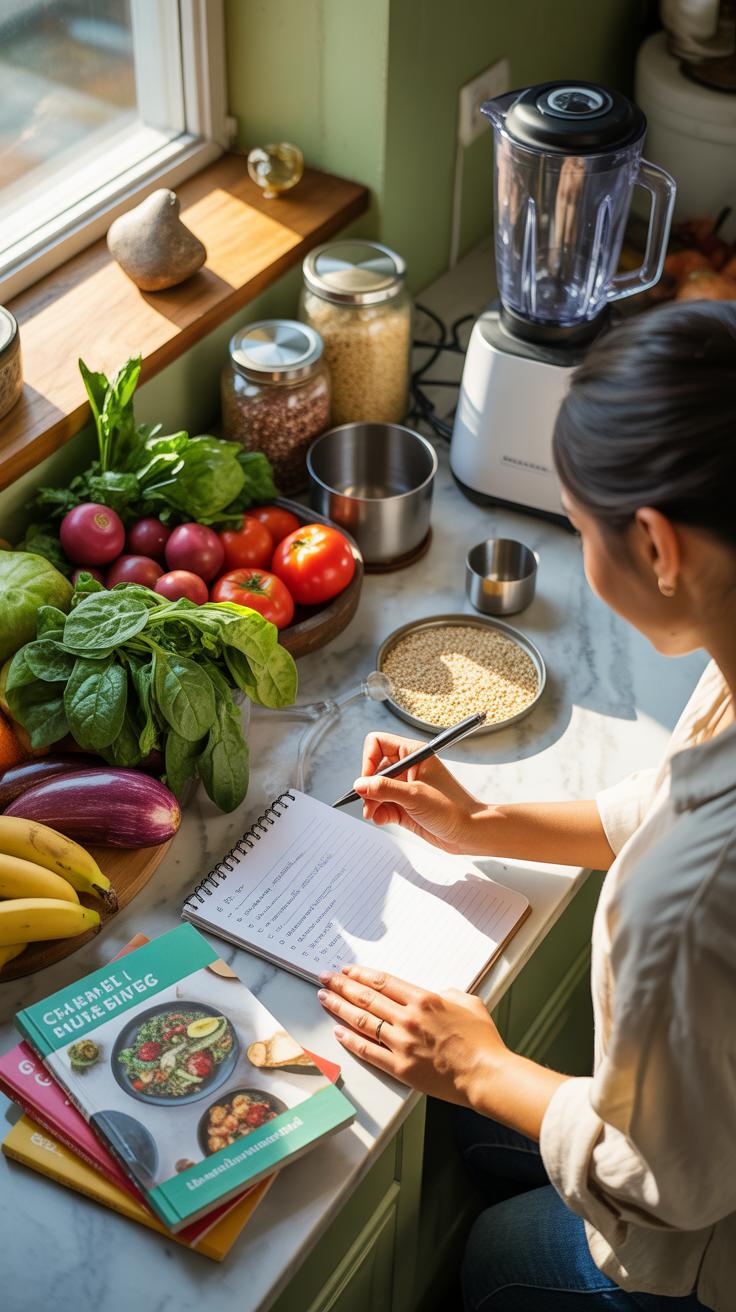
Success starts with a controlled environment. Remove all processed snacks, refined sugars, and items containing hydrogenated oils from your kitchen immediately. If a food item contains chemicals you cannot pronounce, discard it. Emptying your pantry of these triggers prevents late-night lapses in discipline. You cannot eat what is not there. Focus your restocking efforts on whole, single-ingredient foods that provide high nutrient density and satiety.
- Whole Grains: Stock complex carbohydrates like quinoa, brown rice, and steel-cut oats. These grains provide essential fiber and steady energy levels. They replace refined white flours that cause insulin spikes and hunger.
- Healthy Fats: Purchase cold-pressed olive oil, avocado oil, and raw nuts. Avoid vegetable or seed oils processed with high heat or chemicals. These fats support hormone health and keep you full between your scheduled meals.
- Lean Proteins: Fill your freezer with wild-caught fish, grass-fed beef, and organic poultry. Protein is the most thermogenic macronutrient. High-quality sources ensure you maintain muscle mass while your body adjusts to a new caloric profile.
- Legumes and Pulses: Keep dried or low-sodium canned beans and lentils available. They offer a shelf-stable source of plant-based protein and minerals. These staples are cost-effective ways to add bulk to soups and salads.
- Natural Aromatics: Buy fresh garlic, onions, ginger, and dried herbs. These ingredients provide flavor without adding sodium or artificial additives found in pre-packaged sauces. Proper seasoning prevents boredom and helps you stick to the plan.
Organize your new staples by category to make meal assembly efficient. Use clear glass containers for grains and nuts to see your inventory at a glance. Preparation reduces the friction between hunger and your first meal. A clean pantry removes the need for willpower. When your environment aligns with your goals, you eliminate the primary cause of dietary failure. Focus on raw materials that require basic cooking techniques.
Setting Realistic Goals And Building A Personalized Meal Strategy
Specific goals drive consistent action. Avoid vague aims like getting healthy. Instead, define measurable objectives such as preparing twenty-one meals at home per week. Assess your current schedule to identify high-risk times for poor eating. If you have a busy Tuesday, plan a slow-cooker meal for that morning. Strategy beats willpower every time. Anticipate obstacles and create a tactical plan to bypass them before they occur.
Create a weekly menu that utilizes overlapping ingredients to save time and money. Prepare bulk batches of proteins and grains on Sunday to streamline your weekdays. This modular approach to cooking allows you to assemble fresh meals in under ten minutes. Document your plan on paper or a digital calendar. Having a visual roadmap removes decision fatigue. You execute the plan according to the schedule rather than your mood.
Week By Week Breakdown Of Your 30 Day Healthy Eating Challenges

Week One And Two: Eliminating Processed Foods And Overcoming Early Cravings
The first phase focuses on total removal of industrial additives. You must purge refined sugars and chemical preservatives from your kitchen immediately. These substances trigger dopamine responses that make withdrawal difficult during the first seventy-two hours. Focus on whole proteins and fiber to stabilize blood glucose levels. This prevents the physiological energy crashes that tempt you to return to convenience foods.
By the second week, your body begins adjusting to lower sodium levels. You will likely notice a reduction in water retention and bloating. Stay aggressive with meal preparation to avoid hunger-based decisions. Cravings often stem from dehydration or lack of sleep rather than genuine hunger. Drink water and prioritize protein at every meal. This tactical approach ensures you survive the hardest transition period.
Week Three And Four: Building Momentum, Noticing Changes, And Staying Consistent
The third week marks a shift from resistance to habit formation. Your taste buds have cleared from the dulling effects of excess salt and sugar. Natural flavors in vegetables and fruits become more distinct. Energy levels should remain steady throughout the day without the need for stimulants. Continue tracking your intake to ensure you consume enough calories. Undereating leads to late-night binges and failure.
During the final week, focus on long-term sustainability. Evaluate which whole food groups provide the most satiety and energy for your specific body type. You have successfully reset your digestive system and metabolic responses. Use this time to refine your cooking techniques and plan for life after the challenge. Mastery of these thirty days provides the blueprint for permanent health rather than a temporary fix.
Beginner Friendly Meal Ideas For Your 30 Day Food Challenge Clean Eating Plan
Simple Breakfast, Lunch, And Dinner Ideas Built Around Whole Foods
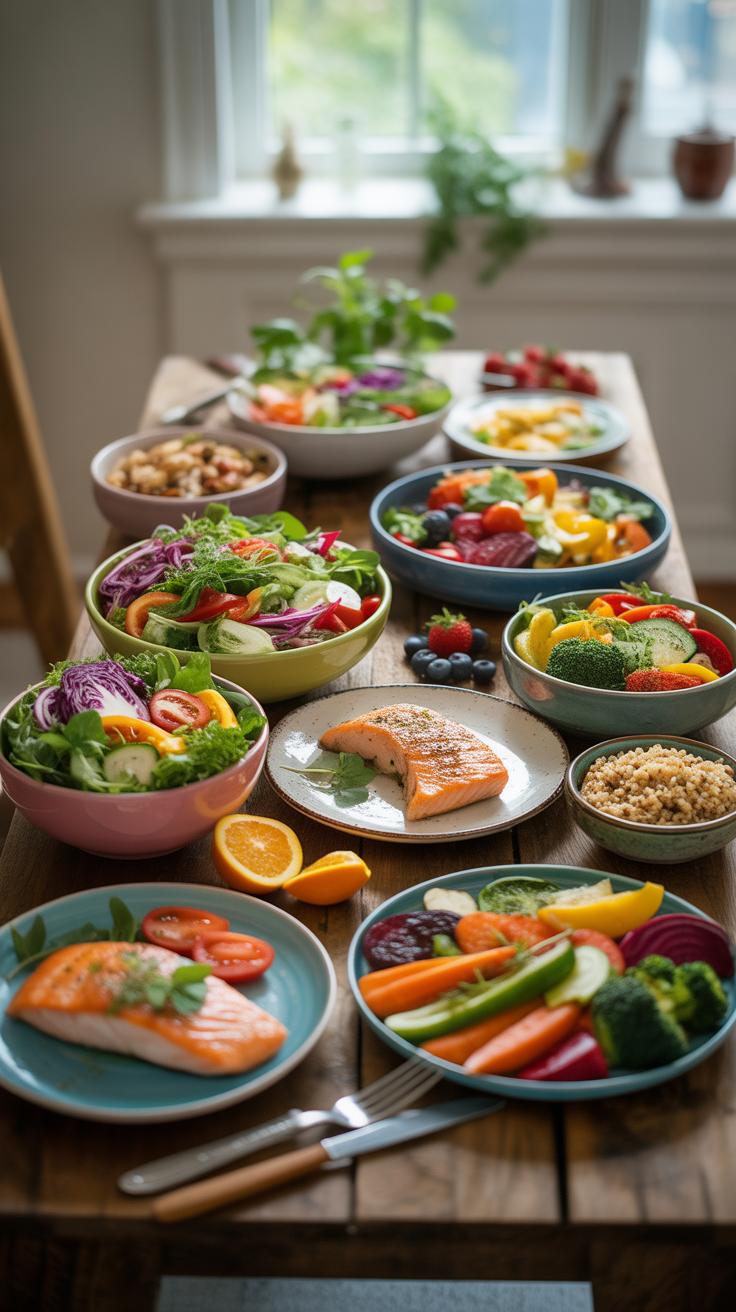
Successful clean eating starts with simple proteins and complex carbohydrates. For breakfast, combine steel-cut oats with water and fresh berries. This provides fiber and steady energy without added sugars. For lunch, grill chicken breast and serve it over a large bed of leafy greens. Add olive oil and lemon juice for a clean dressing. These meals prioritize natural nutrients over processed additives.
Dinner requires high-quality protein and roasted vegetables to ensure satiety. Bake wild-caught salmon with garlic and herbs for healthy fats. Pair it with roasted sweet potatoes and steamed broccoli to fill your plate with micronutrients. Avoid pre-packaged sauces that contain thickeners or corn syrup. Focus on seasoning your food with dry spices and citrus. This approach simplifies grocery shopping and reduces your time in the kitchen.
Reclaim the simple joy of real food, just as nature intended it to be shared around a family table. One month of mindful choices can return you to the vibrant health you were always meant to enjoy.
— Alice Waters
Smart Snacking: Clean Eating Options That Keep You Satisfied Between Meals
Snacks serve as a bridge between meals to maintain steady blood glucose levels. Reach for raw almonds or walnuts to get healthy fats and plant-based protein. These options require zero preparation and travel well in small containers. Avoid crackers or chips that contain refined flour and inflammatory seed oils. Whole foods provide the satiety your body needs during the first weeks of the challenge.
Fresh fruit and vegetables offer hydration and essential vitamins for mid-day energy. Slice an apple and eat it with natural almond butter that contains only nuts and salt. Cut raw carrots or cucumbers to eat with homemade chickpea hummus. These snacks provide crunch and flavor without the chemical preservatives found in packaged bars. Keeping these items ready prevents poor decisions when hunger strikes during a busy workday.
Common Mistakes To Avoid During Your 30 Day Eating Challenge

Misreading Food Labels And Mistaking Processed Health Foods For Clean Options
Labels often mislead consumers with front-of-package marketing. Terms like natural or gluten-free do not mean the food is clean. Manufacturers frequently add cane sugar, maltodextrin, or palm oil to processed health foods. You must ignore the marketing claims and go straight to the ingredient list. If the list contains chemical names or more than five items, put it back on the shelf.
Marketing departments use green packaging and rustic fonts to trigger a health halo effect. This psychological trick makes you perceive processed bars and veggie chips as whole foods. These items usually contain high levels of sodium and inflammatory seed oils. Stick to single-ingredient foods that do not require a label. This strategy eliminates the risk of consuming hidden additives that stall your progress.
How To Handle Social Situations, Dining Out, And Meal Prep Burnout
Social settings often derail health goals due to peer pressure and limited menus. You must view the menu online before you arrive at a restaurant. Choose grilled proteins and double portions of vegetables. Do not feel obligated to explain your diet to others. Order clearly and ask the server to exclude butter or seed oils from your plate.
Meal prep burnout occurs when you try to cook complex recipes every night. Keep your system simple to ensure long-term success. Batch cook bulk proteins and roasted vegetables once a week to save time. Use different spice blends to change flavors without adding calories or chemicals. If you fail to plan, you will default to convenience foods. Consistency requires a repeatable and boring routine.
Tips To Stay Motivated And Eat Healthy Challenge Goals On Track

Tracking Your Progress: Journaling, Apps, And Weekly Check In Strategies
Data creates clarity. You must document every meal and snack to identify patterns and triggers. This process removes guesswork from your nutrition strategy. Use a physical journal or a digital logging tool to record your intake immediately after consumption. Tracking ensures you stay within your caloric and macronutrient targets. Accurate records allow you to solve problems before they derail your 30 day clean eating challenge progress.
Schedule a mandatory weekly review session to analyze your results. Compare your eating habits against your original objectives. Identify specific days where compliance dropped and determine the root cause. Evaluate your energy levels and digestion quality alongside your weight or measurements. Use this data to adjust your meal prep for the coming week. Regular check-ins turn a month long goal into manageable seven day sprints for better focus.
Building An Accountability System With Friends, Family, Or Online Communities
Engagement with a support network increases the probability of goal completion. External pressure acts as a hedge against internal weakness. When you announce your intentions to others you create a social contract that demands follow through. Choose partners who value health and structure. Clear communication with your immediate circle prevents social sabotage during meals. Reliability and consistency are the primary metrics for a successful accountability partnership.
- Designated Check-In Partners: Select one person to receive your daily food logs or success reports. This individual must provide honest feedback and hold you to your defined standards. Regular contact keeps your goals at the forefront of your daily decision making process.
- Public Goal Declaration: Announce your 30 day clean eating challenge on social media or within a professional group. Public commitments create a psychological drive to maintain a positive reputation through consistent action. This visibility acts as a powerful deterrent against quitting when motivation wanes.
- Online Fitness Communities: Join digital forums focused on clean eating and habit formation. These groups provide technical advice and shared experiences from others facing similar obstacles. Engaging with a community offers a sense of shared mission and provides rapid solutions to common dietary hurdles.
- Family Meal Alignment: Brief your household on your dietary requirements to ensure environmental support. Clear boundaries regarding what foods enter the home reduce the cognitive load of resisting temptation. Collaborative meal planning ensures that family members participate in the process rather than hindering your progress.
- Accountability Apps: Use software that allows friends to view your activity and provide encouragement or nudges. Automated notifications remind you to log data and stay active within the system. These tools leverage technology to maintain a constant stream of external reinforcement for your health goals.
Structured support systems provide the resilience needed to survive the difficult middle phase of the challenge. Do not rely on willpower alone. Surround yourself with people who expect you to succeed. When challenges arise your network provides the necessary perspective to stay the course. High stakes accountability turns individual effort into a collective mission. Use these external resources to reinforce your personal commitment to permanent lifestyle changes.
What Comes After The Clean Eating Challenge Maintaining Your Results Long Term

How To Transition From A Structured Clean Eating Challenge To An Everyday Lifestyle
Shift your focus from rigid rules to the 80/20 principle. Consume whole foods for eighty percent of your meals. Use the remaining twenty percent for flexibility. This prevents the psychological burnout common after strict dieting. You must stop viewing clean eating as a temporary project. Integrate high-quality proteins and vegetables into your standard grocery rotation. Consistent habits beat short-term intensity every time.
Prepare for high-risk situations like social gatherings and travel. These events often derail progress. Pack nutrient-dense snacks to avoid impulsive decisions. Prioritize water intake to manage hunger signals correctly. You do not need a perfect record to maintain results. Focus on making the best choice available in any environment. Rapid recovery from a poor meal choice ensures long-term success. Stick to the basics daily.
Reintroducing Foods Mindfully And Knowing When To Run Another 10 Day Clean Eating Challenge Reset
Introduce one restricted food group at a time every three days. Monitor your digestion and energy levels closely. This systematic approach identifies specific triggers for inflammation or bloating. Document how your body reacts to dairy or grains. If a food causes brain fog or fatigue, keep it out of your regular diet. Data-driven choices prevent you from regaining lost weight or feeling sluggish.
Execute a 10-day reset when you notice persistent sugar cravings or decreased sleep quality. These symptoms indicate systemic inflammation is returning. Short resets act as a corrective tool for your metabolism. Use them after holidays or vacations to regain control. Do not wait for a full health collapse to take action. Use these brief sprints to reinforce your foundational habits and stabilize your blood sugar levels.
Frequently Asked Questions

What exactly is a clean eating challenge and is it safe for beginners?
A clean eating challenge is a lifestyle reset focused on consuming whole, unprocessed foods like vegetables, lean proteins, and whole grains while eliminating refined sugars and artificial additives. For beginners, it is a safe and effective way to develop healthier habits. This 30 day clean eating challenge isn’t about restriction or calorie counting; it is about nourishing your body with high-quality nutrients to improve energy levels and overall digestive health.
How do I successfully prepare for my first 30-day clean eating journey?
Success starts with preparation and a clear plan. Begin by cleaning out your pantry to remove processed temptations and restocking it with staples like quinoa, nuts, and legumes. Meal prepping is also essential to staying on track during busy weeknights. By mapping out your meals in advance, you can ensure that your 30 day clean eating challenge remains manageable, helping you avoid the impulse to grab unhealthy convenience foods when life gets hectic.
Is it possible to complete a clean eating challenge on a tight budget?
Absolutely! Clean eating does not have to be expensive if you shop strategically. Focus on buying seasonal produce, purchasing dry goods like beans and rice in bulk, and opting for frozen fruits and vegetables, which are often just as nutritious as fresh ones. Planning your menu around sales and utilizing leftovers for lunches can significantly lower costs, making a healthy lifestyle accessible to everyone regardless of their monthly grocery budget.