
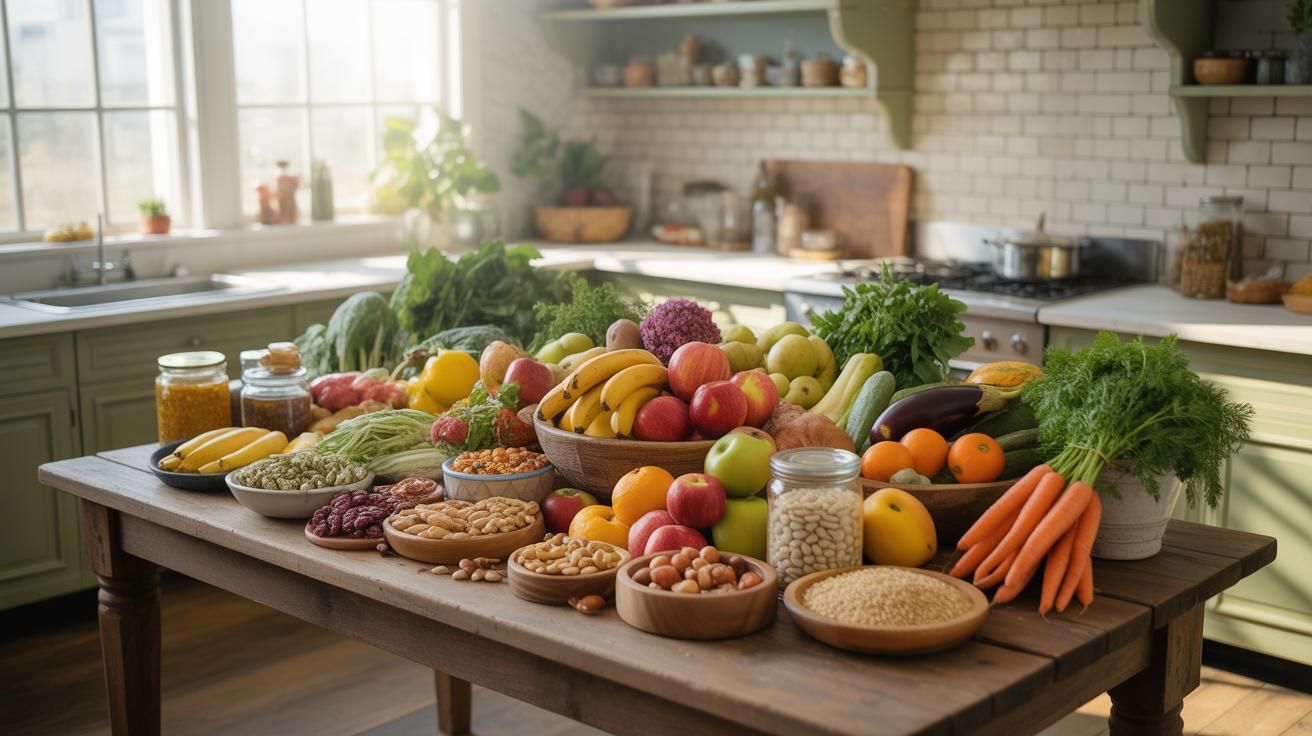
What Is Clean Eating A Simple Guide To The Clean Eating Diet Plan For Beginners
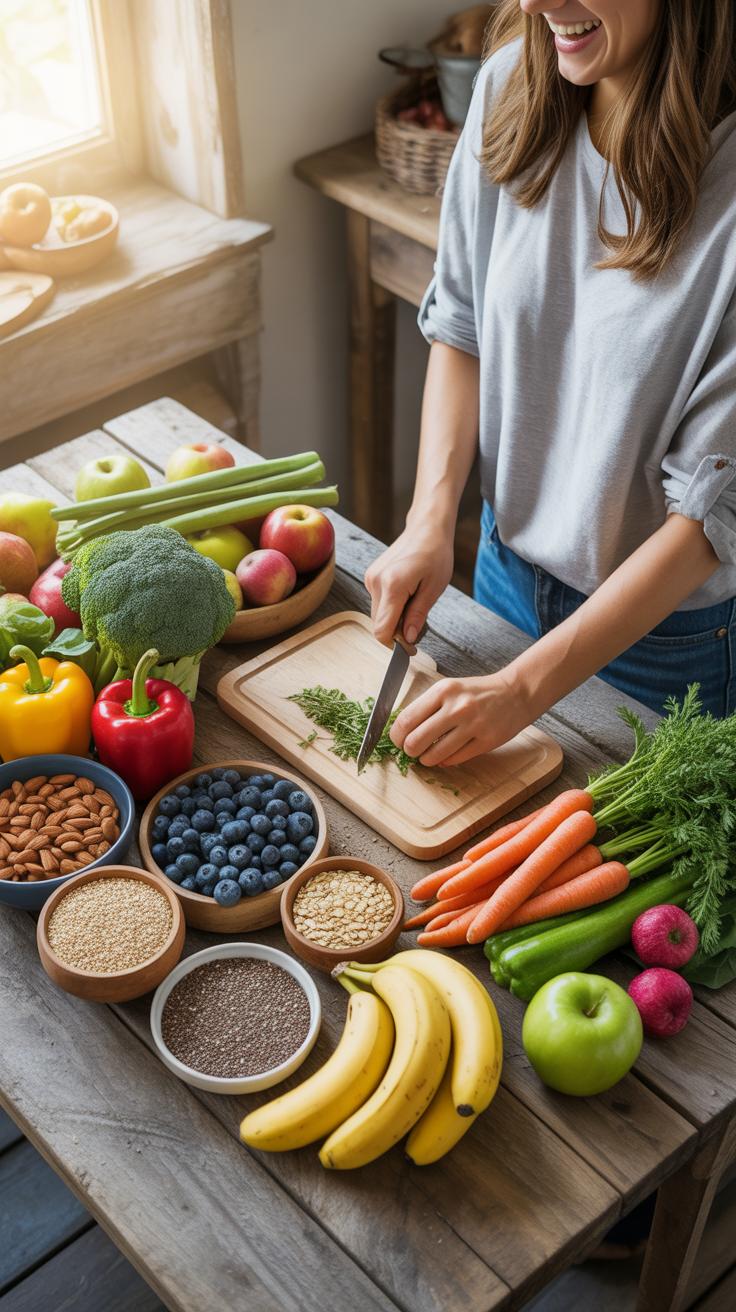
The Core Principles Behind Clean Eating And Why They Matter
Clean eating focuses on consuming whole foods in their most natural state. You prioritize items that come directly from the earth or animals with minimal processing. This strategy eliminates synthetic additives and industrial chemicals from your daily intake. By choosing one-ingredient foods, you control exactly what enters your body. This approach reduces your reliance on factory-made products and improves your overall metabolic health.

Quality remains the highest priority in this nutritional framework. You must read every label to identify hidden sugars, unhealthy fats, and artificial preservatives. If a product contains ingredients you cannot pronounce or identify, it does not belong on your list. Eliminating these substances lowers systemic inflammation and stabilizes your energy levels. You eat for fuel and long-term function rather than temporary convenience or flavor spikes.
How Clean Eating Differs From Fad Diets And Restrictive Meal Plans
Clean eating is a sustainable lifestyle shift rather than a temporary weight loss scheme. Most fad diets rely on extreme calorie deficits or the total removal of entire food groups like carbohydrates or fats. Clean eating allows for all macronutrients as long as they come from high-quality sources. You do not track points or follow rigid schedules. You simply choose the least processed version of any food available.

This method avoids the psychological burnout common with restrictive programs. You focus on adding nutrient-dense foods instead of obsessing over what you must subtract. There are no expensive branded meal replacements or proprietary supplements required for success. You buy real food from the perimeter of the grocery store. This flexibility ensures you can maintain the habit for years without feeling deprived or losing your social life.
How To Build A Clean Eating Grocery Shopping List For Beginners Without Feeling Overwhelmed

Planning Your Weekly Shop Around Whole, Minimally Processed Foods
Shop the perimeter of the store first. Most grocery stores place fresh produce, meats, and dairy along the outer walls. These areas contain food in its natural state. Focus your budget on these sections to ensure high nutrient density. Central aisles often hold goods with long shelf lives and chemical additives. Stick to a pre-defined list to avoid impulse buys that sabotage your health goals.
Base your meals on single-ingredient items. A potato is a whole food. A box of instant mashed potatoes is a processed product containing stabilizers and sodium. Buy grains that require cooking, such as steel-cut oats or brown rice. Select raw proteins like chicken, fish, or beans. This strategy ensures you control every seasoning and oil used in your kitchen. Simple foods reduce your exposure to hidden sugars.
How To Read Food Labels So You Know Exactly What You Are Buying
Ignore marketing claims on the front of the box. Terms like natural or heart healthy are often unregulated or misleading. Turn the package over and look at the ingredient list immediately. Ingredients appear in order by weight. If the first three items are sugar, salt, or refined flour, put the item back. A clean label should contain recognizable names and be very short.
Watch for hidden names for sugar and industrial seed oils. Manufacturers use over fifty different aliases for sugar, including maltodextrin and high fructose corn syrup. Avoid products containing hydrogenated oils or soybean oil. These ingredients increase inflammation and offer no nutritional value. Check the serving size to understand the true caloric and chemical intake. Accurate label reading is the only way to verify that a product meets your standards.
Fresh Produce Essentials The Foundation Of Every Clean Eating Food List For Beginners
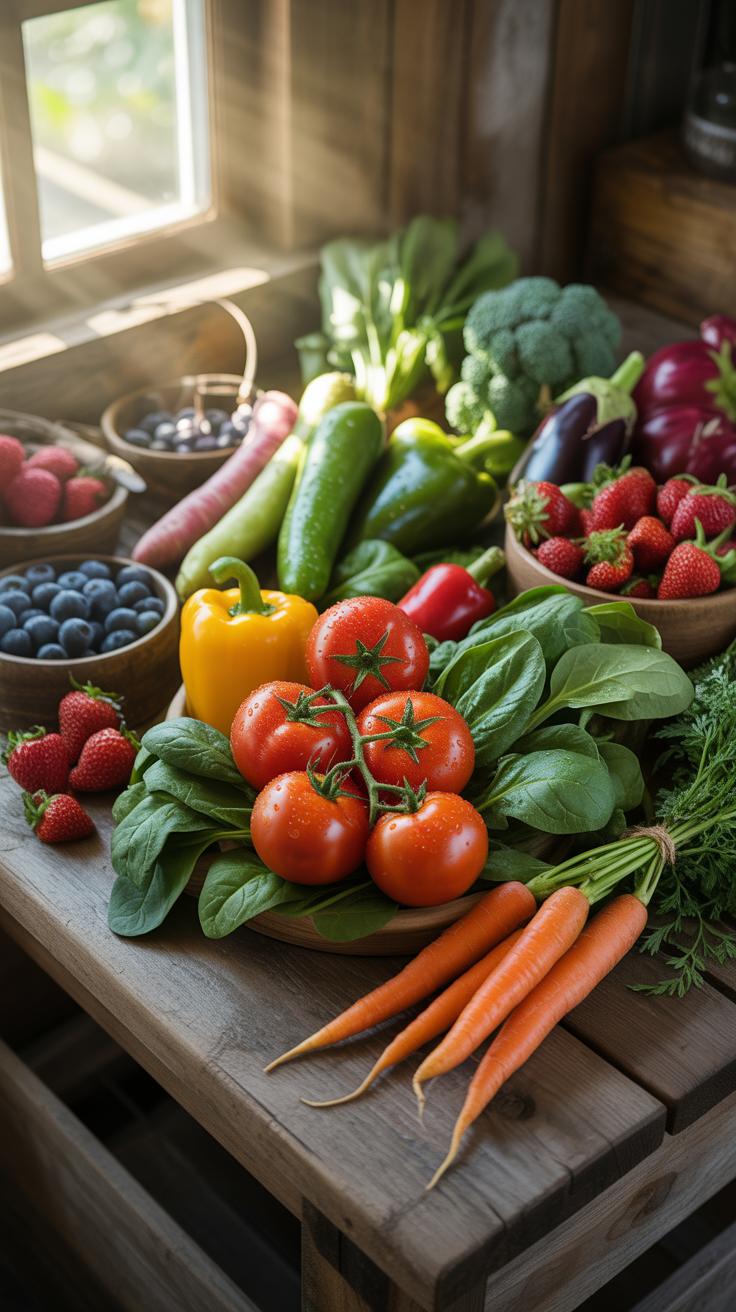
The Best Fruits And Vegetables To Add To Your Cart Every Single Week
Prioritize produce that offers high nutrient density and metabolic stability. You need a mix of sulfur-rich cruciferous vegetables and fiber-heavy greens to maintain gut health. These items form the bulk of your caloric volume without adding processed sugars or inflammatory seed oils. Focus on items that keep well for five to seven days to reduce food waste and cost.
- Dark Leafy Greens: Spinach and kale provide essential magnesium and vitamin K. These greens work as a base for salads or can be wilted into hot dishes. They offer high volume for low caloric density which helps with satiety and weight management.
- Cruciferous Vegetables: Broccoli and cauliflower contain glucosinolates that support natural detoxification pathways in the liver. These vegetables are structurally hearty and survive long refrigeration periods compared to soft greens. They provide significant fiber to stabilize blood sugar levels throughout the day.
- Avocados: This fruit supplies monounsaturated fats and potassium which are vital for heart health and nerve function. The fat content helps your body absorb fat-soluble vitamins like A, D, E, and K from other vegetables. Use them as a replacement for processed mayo or dressings.
- Berries: Blueberries and raspberries have a low glycemic index compared to tropical fruits. They provide anthocyanins which are potent antioxidants that protect cells from oxidative stress. These fruits satisfy cravings for sweets without causing the insulin spikes associated with high-sugar snacks.
- Root Vegetables: Sweet potatoes and carrots provide complex carbohydrates and beta-carotene. These items offer a stable energy source for physical activity and brain function. They represent a cleaner alternative to refined grains and white flour products found in most modern diets.
Select produce with deep colors to ensure a broad spectrum of phytochemicals. Buy organic when selecting thin-skinned items to minimize pesticide exposure. Use frozen options if fresh quality looks poor at the store. Frozen vegetables are picked at peak ripeness and flash-frozen to lock in vitamins. This strategy ensures you always have clean fuel available for quick meal preparation during the week.
Seasonal Vs. Year Round Produce: How To Choose What Is Freshest And Most Nutritious
Seasonal produce contains higher concentrations of vitamins because it spends less time in transit. Fruits and vegetables lose nutrients every hour after harvest due to oxidation and light exposure. Buying locally grown items in their natural growing season ensures you get the maximal nutritional profile. This practice also reduces the need for chemical preservatives and waxes used to keep produce stable during long voyages.
Year-round staples like onions, garlic, and lemons provide a consistent foundation for flavor without chemicals. Use these items to replace processed seasonings and bottled sauces. Focus on heavy, firm produce that shows no soft spots or discoloration. When seasonal options are unavailable, prioritize greenhouse-grown local items or frozen goods. Consistent quality in your produce ensures you stick to your clean eating plan without reaching for processed alternatives.
Lean Proteins And Healthy Fats Core Items On Every Clean Food Grocery List
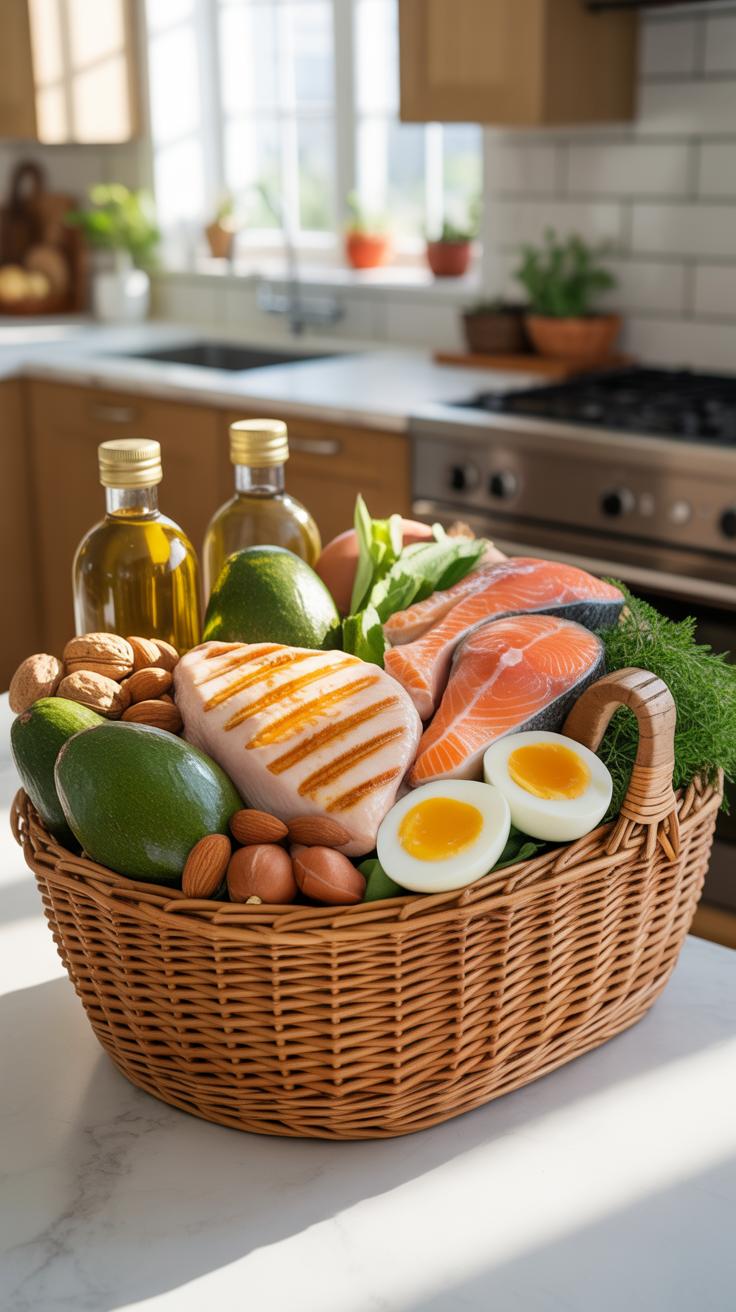
The Best Clean Protein Sources To Keep Muscles Strong And Energy Levels Steady
Clean protein requires minimal processing and no chemical additives. You must prioritize wild-caught fish, grass-fed beef, and pasture-raised poultry. These sources provide essential amino acids without the hormones or antibiotics found in factory-farmed meats. High-quality protein stabilizes your blood sugar and prevents energy crashes. It also supports muscle repair and metabolic function. Buy plain cuts of meat rather than pre-seasoned or breaded options.
Plant-based proteins like lentils, chickpeas, and organic tempeh offer vital minerals and fiber. These choices reduce inflammation and lower the risk of chronic disease. Avoid processed soy isolates or fake meat patties filled with fillers. Stick to whole food sources that require cooking from scratch. Check labels to ensure no added sugars or high sodium levels exist. Clean protein is the foundation of a functional diet that fuels your daily performance.
Healthy Fats From Real Foods: Why Avocados, Nuts, And Olive Oil Belong In Your Cart
Healthy fats are essential for brain health and hormone production. They help your body absorb vitamins A, D, E, and K from your vegetables. Monounsaturated fats found in avocados and extra virgin olive oil protect your heart. These fats provide a dense energy source that keeps you full for longer periods. Eliminate industrial seed oils like canola or soybean oil from your kitchen. They cause systemic inflammation and oxidative stress.
Purchase raw nuts and seeds to avoid rancid oils and excess salt. Walnuts and flaxseeds provide omega-3 fatty acids which improve cognitive function. Real food fats do not contain the trans fats found in packaged snacks. Use cold-pressed oils for dressings to preserve their nutritional integrity. High-quality fats improve the taste of clean meals while supporting cellular health. Focus on whole food sources to ensure you get the maximum biological benefit from every calorie.
Whole Grains And Complex Carbohydrates On Your Clean Eating Diet Food List

Why Whole Grains Outperform Refined Carbs For Sustained Energy And Digestive Health
Refined carbohydrates undergo heavy processing that strips away the bran and germ. This removal deletes essential fiber and B vitamins from the grain. Without fiber, the body absorbs glucose too fast. This causes sharp spikes in blood sugar and insulin. You feel a quick energy burst followed by a total crash. Clean eating focuses on the intact grain to prevent these dangerous cycles.
Whole grains provide a steady stream of glucose to the bloodstream. This slow release supports consistent brain function and physical stamina throughout the workday. The dense fiber content also improves digestive health by feeding beneficial gut bacteria. Regular intake prevents constipation and reduces the risk of chronic metabolic diseases. Choosing whole grains ensures your body receives maximum nutritional value from every calorie consumed.
The Best Whole Grain And Complex Carbohydrate Options To Stock In Your Pantry Weekly
A clean eating grocery list must prioritize unprocessed carbohydrates to fuel your cellular recovery. Select items that have undergone minimal mechanical refining. These foods provide the structural integrity required for high performance and satiety. Focus on varieties that offer diverse nutrient profiles, including high protein and minerals. Storing these staples properly ensures you always have a high-quality fuel source available for every meal.
- Steel Cut Oats: These oats represent the least processed version of the grain. They take longer to cook but offer a lower glycemic index than rolled or instant versions. They provide high amounts of beta-glucan fiber for heart health and steady morning energy.
- Quinoa: This seed acts as a complete protein by providing all nine essential amino acids. It cooks quickly and works well as a base for salads or bowls. Use it to increase your daily intake of manganese, magnesium, and phosphorus.
- Sweet Potatoes: These tubers offer complex carbohydrates packed with beta-carotene and potassium. They provide a natural sweetness without the inflammatory effects of refined sugar. Roast them whole to preserve the most vitamins and minerals within the edible skin.
- Brown Rice: This grain retains the nutrient-rich bran layer often removed in white rice production. It provides essential minerals like selenium and magnesium for muscle function. Always choose long-grain varieties for better texture and a slower digestion rate in the stomach.
- Buckwheat: Despite the name, this is a gluten-free seed related to rhubarb. It contains high levels of rutin, which supports vascular health and blood flow. It serves as a dense, earthy alternative to standard grains in porridge or savory dishes.
Pantry management is the foundation of a consistent clean eating strategy. Rotate your grain choices to avoid nutritional gaps and prevent diet boredom. Keep these items in airtight containers to maintain freshness and prevent nutrient oxidation over time. Buying in bulk reduces your weekly costs while ensuring you never resort to refined white flour products. Consistent preparation of these complex carbs stabilizes your energy levels daily.
Dairy Dairy Alternatives And Clean Beverages For Your Grocery List For Clean Eating
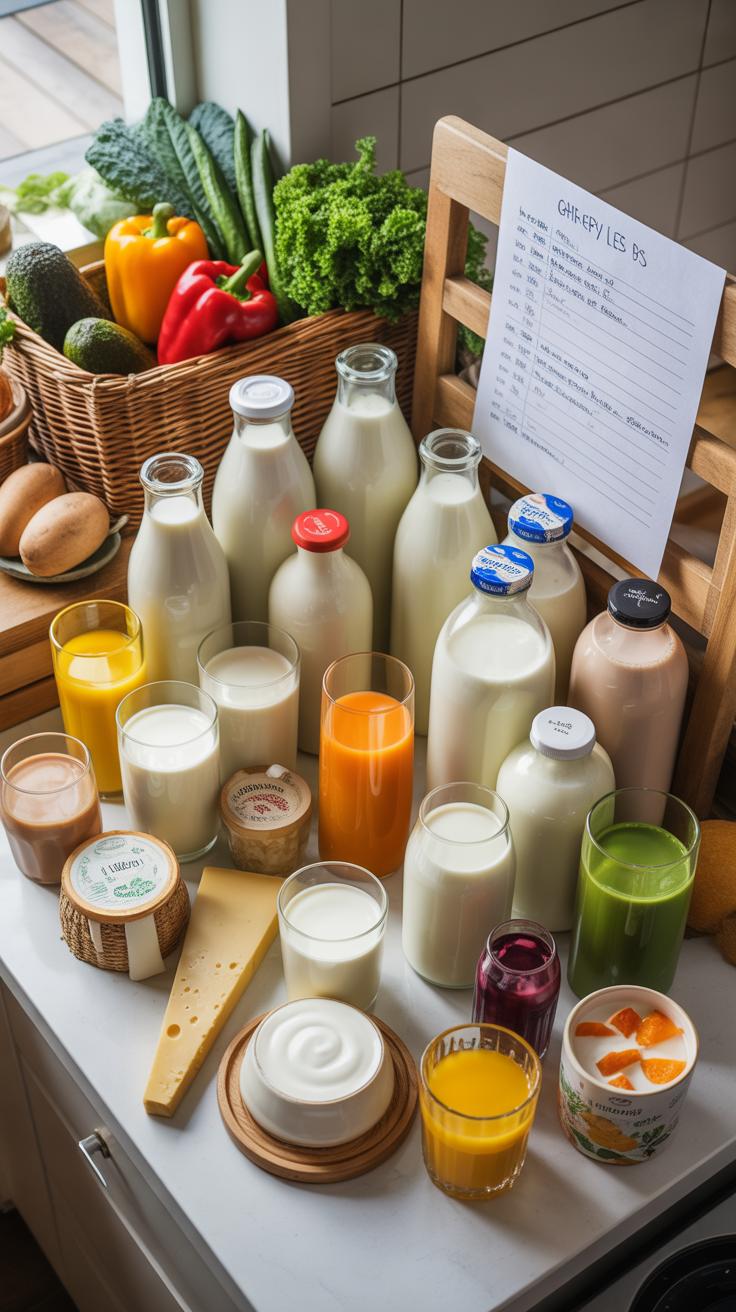
Which Dairy And Plant Based Milk Options Align With A Clean Eating Approach
Clean eating requires dairy products in their least processed forms. Buy organic whole milk or grass-fed options. These sources contain more omega-3 fatty acids and fewer synthetic hormones. Fermented dairy like plain Greek yogurt or kefir provides probiotics for gut health. Always check labels for added sugars or artificial thickeners. Minimal processing ensures the nutrients remain intact and functional for your body.
Plant-based alternatives must have short ingredient lists. Many brands use gums, carrageenan, and synthetic vitamins to mimic dairy. Select unsweetened almond, oat, or cashew milk with only two ingredients: the plant source and water. Avoid flavored versions that hide sugar under different names. Making your own nut milk at home is the most tactical way to ensure purity. This approach eliminates all chemical stabilizers and unnecessary additives.
Filling your basket with the season’s harvest is a simple return to the way our ancestors once lived, honoring the earth with every choice. The greatest medicine is a kitchen stocked with the honest, humble foods that nature provides.
— Hippocrates
Beverages That Support Clean Eating And Drinks You Should Leave On The Shelf
Hydration must come from simple and natural sources. Water is the primary tool for a clean diet. Enhance it with fresh lemon, cucumber, or mint instead of chemical drops. Green tea and black coffee provide antioxidants without extra calories. Drink these plain to avoid the insulin spikes caused by creamers. High-quality matcha and herbal infusions also offer functional benefits without disrupting your metabolic health or goals.
Liquid calories from soda and energy drinks destroy a clean eating plan. These products contain phosphoric acid, high fructose corn syrup, and artificial dyes. Even diet versions use sweeteners that can disrupt gut bacteria. Bottled fruit juices lack fiber and contain as much sugar as candy. Leave these on the shelf to prevent systemic inflammation. Focus on beverages that hydrate the body without introducing toxic chemical loads.
Pantry Staples Herbs And Condiments For A Well Stocked Clean Diet Grocery List
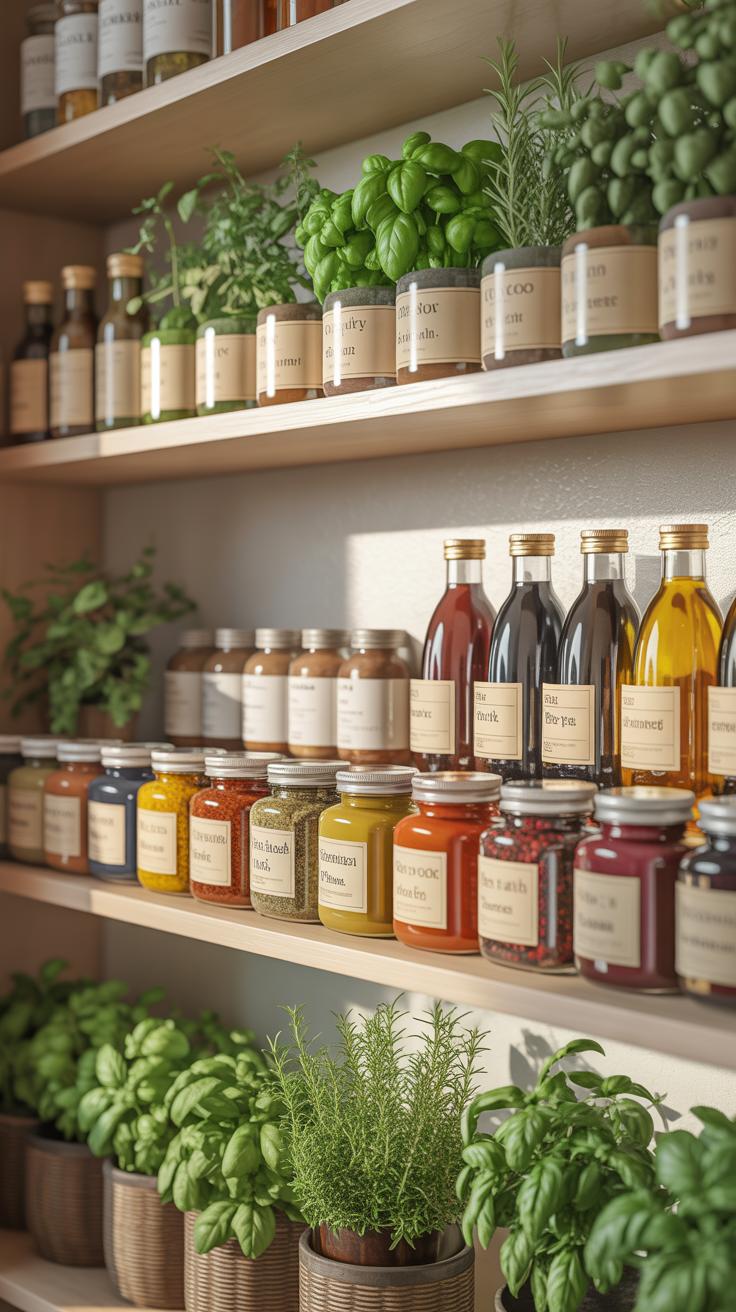
The Pantry Essentials That Make Clean Cooking Easier And More Flavourful Every Day
A clean pantry requires high smoke point fats and unprocessed bulk goods. Stock extra virgin olive oil for low heat and avocado oil for high heat searing. Keep apple cider vinegar and balsamic vinegar on hand to balance acidity. These liquids form the base of homemade dressings. They prevent you from buying store brands filled with soybean oil and sugar.
Dry goods must provide fiber and slow burning energy. Focus on quinoa, wild rice, and steel cut oats. Choose dried or canned beans with no salt added. These items last for months and serve as a reliable protein source. They eliminate the need for processed boxed meals. Keep raw nuts and seeds nearby for healthy fats and quick snacks.
Natural Herbs, Spices, And Condiments To Flavour Your Food Without Hidden Additives
Clean eating fails when food tastes bland. Use single ingredient spices to build flavor profiles without chemicals. Buy garlic powder, onion powder, and smoked paprika. Avoid premade spice blends. Manufacturers often add cornstarch, sugar, and silicon dioxide to prevent clumping. Sea salt and cracked black pepper provide the necessary mineral balance. Fresh ginger and turmeric offer anti inflammatory benefits during cooking.
Read labels on every condiment you buy. Most hot sauces are clean if they only contain peppers and vinegar. Avoid ketchup and barbecue sauce because they contain high fructose corn syrup. Use Dijon mustard instead of honey mustard to skip the added sugars. Coconut aminos provide a soy free alternative to soy sauce. This switch reduces your sodium intake and eliminates genetically modified soy.
Budget Tips And Meal Prep Strategies To Make Your Healthy Grocery List Go Further

How To Shop For Clean Eating On A Budget Without Sacrificing Nutrition Or Quality
Buying in bulk reduces the unit price of clean staples. Focus on dry goods like brown rice, quinoa, and lentils. These items have a long shelf life and provide a solid base for many meals. Shop the perimeter of the store first to find fresh produce and proteins. Avoid the middle aisles where processed food prices are often marked up for convenience.
Stick to seasonal produce to lower your weekly costs. Fruits and vegetables in season are cheaper because the supply is high. Purchase frozen vegetables if fresh options are too expensive. Frozen produce is picked at peak ripeness and frozen immediately to preserve nutrients. Compare price per ounce on shelf tags to find the best deal. Avoid pre-cut fruits which carry a high labor markup.
Simple Meal Prep Habits That Help You Stay Consistent With Clean Eating All Week Long
Dedicate two hours on Sunday to wash and chop all vegetables. Store them in clear glass containers at eye level in the fridge. This makes healthy choices the easiest option when you are tired. Pre-cooking bulk proteins like chicken or beans ensures you have a base for every meal. Use simple seasonings like salt, pepper, and garlic to keep the flavors versatile.
Batch cook grains and portion them out for the work week. Use the same base ingredients to create different flavor profiles with healthy fats and acids. Mix lemon juice or vinegar with olive oil for quick dressings. This strategy prevents food waste and stops you from buying expensive takeout. Consistency depends on having ready-to-eat whole foods available at all times. Plan your meals based on what you already own.
Frequently Asked Questions

What exactly should a beginner include in their first clean eating grocery list?
Starting your journey begins with focusing on whole, unprocessed foods. Your initial clean eating grocery list should prioritize fresh seasonal produce, lean proteins like wild-caught fish or beans, and complex carbohydrates such as quinoa or sweet potatoes. Avoid items with long labels and synthetic additives. By stocking your pantry with these foundational blocks, you make it much easier to prepare nourishing, home-cooked meals that fuel your body without hidden preservatives.
How can I efficiently organize my shopping trip to stay on track?
To master your shopping routine, organize your clean eating grocery list by the perimeter of the store. Most whole foods, like fresh greens and refrigerated proteins, are located along the outer aisles. Map out your meals for the week ahead of time to avoid impulse buys in the middle aisles where processed snacks live. Having a structured plan ensures you grab every essential ingredient without being distracted by sugary temptations.
Is it possible to maintain a clean diet while shopping on a strict budget?
Absolutely! Clean eating does not have to be expensive if you shop strategically. Focus on buying versatile staples like brown rice, oats, and lentils in bulk, as these provide excellent nutrition for pennies per serving. Additionally, consider purchasing frozen fruits and vegetables; they are often flash-frozen at peak ripeness and are much more affordable than fresh imports. Planning your list around sales and seasonal produce will keep your wallet and body healthy.