
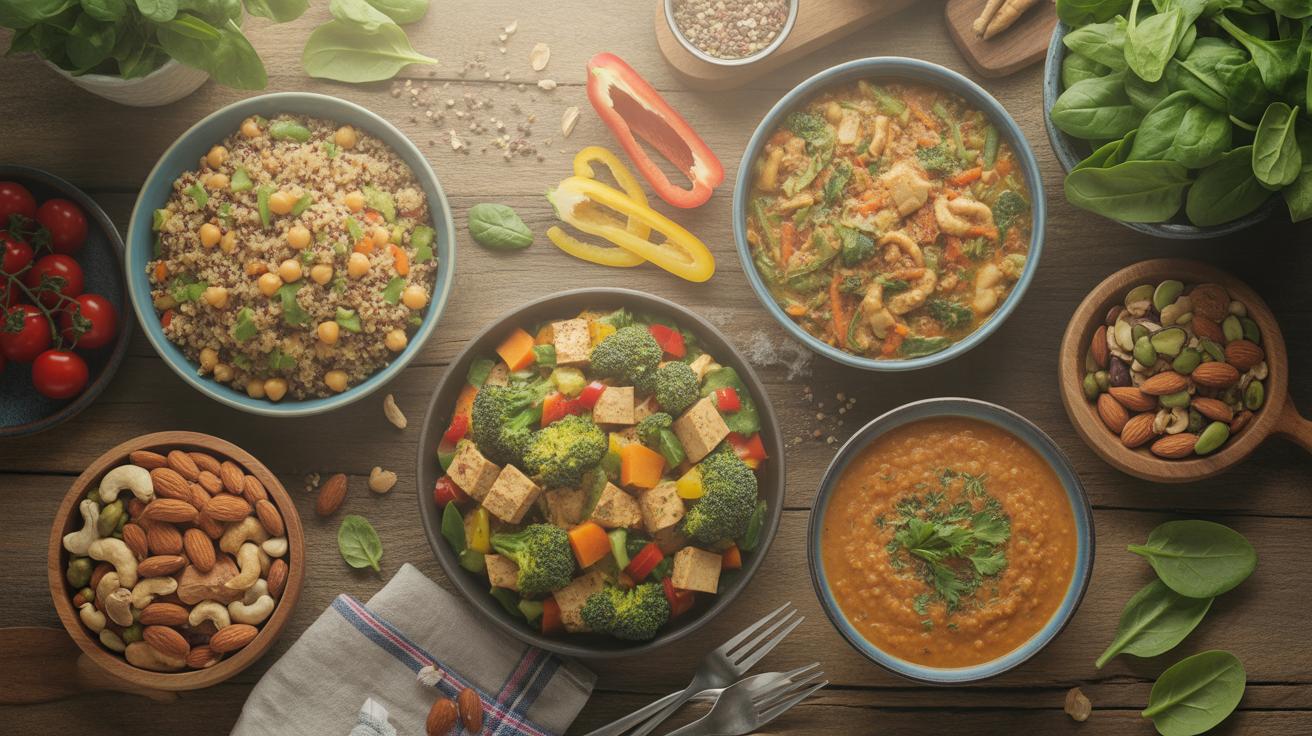
Why Vegetarian High Protein Meals Are A Smart Choice For Healthy Food Dishes
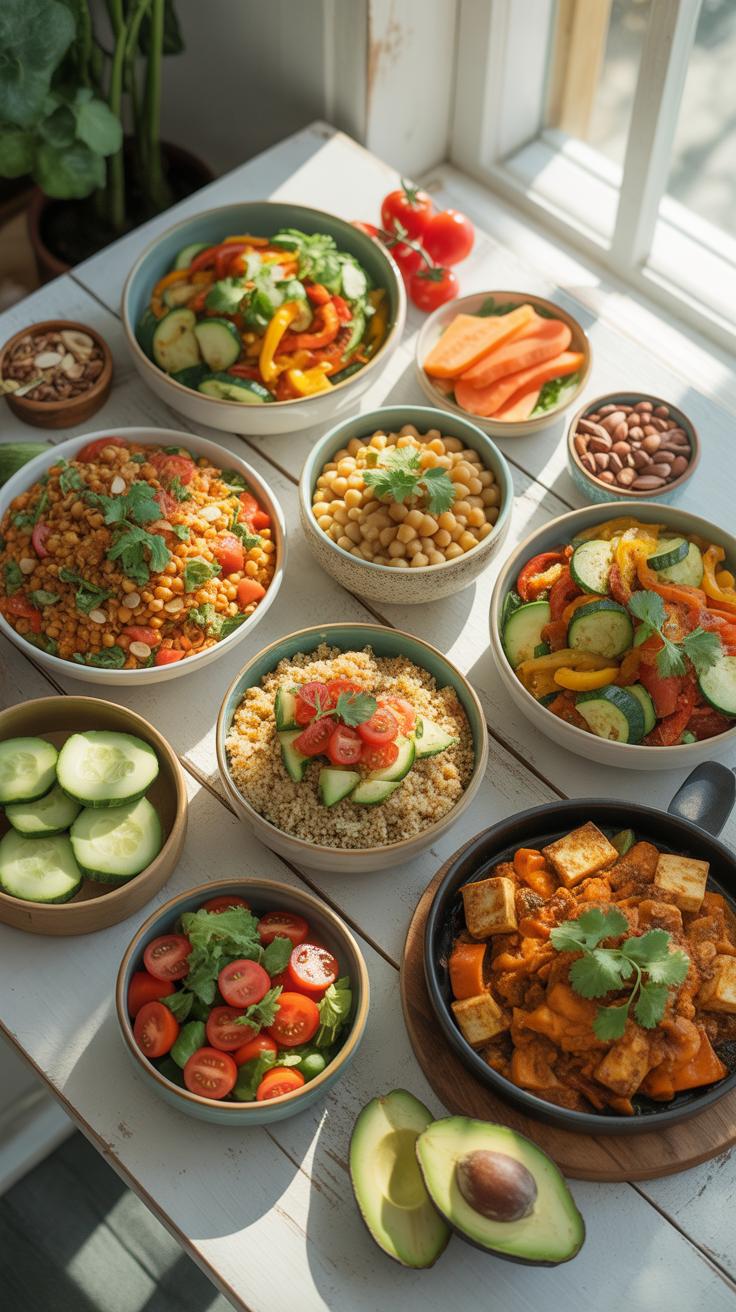
The Nutritional Case For Going Meatless Without Sacrificing Protein
Vegetarian diets provide complete amino acid profiles through strategic food combinations. Legumes, soy, and dairy offer high protein density without the saturated fats found in red meat. These plant sources lower the risk of chronic heart disease and improve metabolic health. You can meet daily protein requirements easily by selecting nutrient dense ingredients. Modern research proves that plant proteins support muscle synthesis as effectively as animal based sources.
Fiber serves as the secret weapon in vegetarian high protein meals. Most meat sources contain zero fiber, whereas beans and lentils provide both protein and fiber. This combination slows digestion and prevents blood sugar spikes after eating. You stay full longer while consuming fewer calories. Choosing plant proteins optimizes your digestive system and promotes a healthy gut microbiome. It is a tactical move for long term physical performance.
How Calorie Control And Protein Work Together For Better Health Outcomes
Protein has a higher thermic effect than fats or carbohydrates. Your body burns more energy processing protein than other nutrients. When you limit meals to under 500 calories, protein preserves lean muscle mass during weight loss. This prevents the metabolic slowdown typically associated with calorie restriction. High protein intake also regulates hunger hormones like ghrelin. It keeps you satisfied on a lower total energy budget throughout the day.
Strategic meal planning requires balancing volume with calorie density. Vegetarian ingredients like Greek yogurt or seitan offer high protein for very few calories. This allows for larger portion sizes compared to fatty meats. Bulkier meals provide physical fullness through gastric distention. Controlling calories while hitting protein targets improves body composition. This approach ensures you lose fat instead of muscle. It is the most efficient way to manage weight without feeling hungry.
Top Plant Based Protein Sources To Build Your Tasty Vegetarian Recipes Around
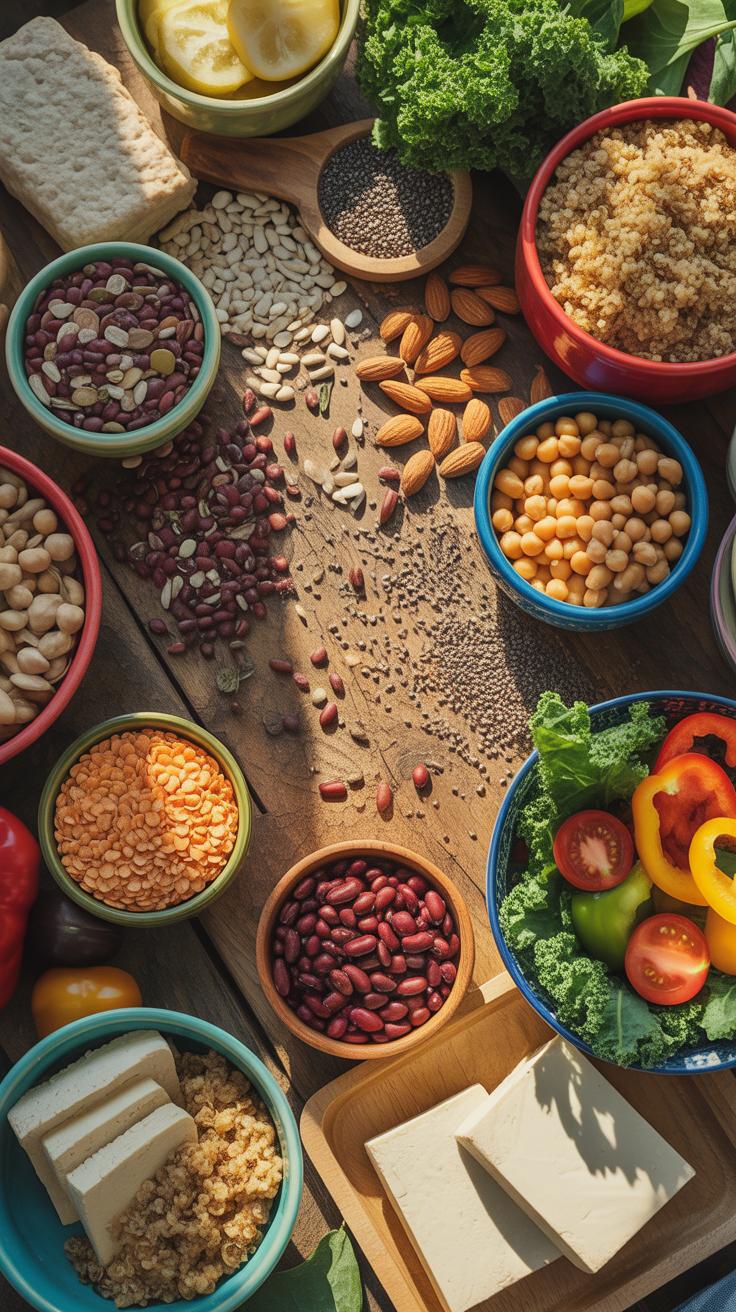
Legumes, Lentils, And Beans: The Protein Powerhouses Of The Plant World
Legumes offer the most cost-effective way to hit protein targets without exceeding calorie limits. Lentils provide roughly eighteen grams of protein per cooked cup. They contain high levels of fiber which slows digestion and keeps you full. This makes them the ideal base for soups and stews. You get dense nutrition with very low fat content in every single serving you consume.
Dry beans require soaking but offer superior texture and lower sodium than canned versions. Black beans and chickpeas contain about fifteen grams of protein per cup. They provide complex carbohydrates for sustained energy during your day. Use these staples to replace meat in tacos or salads. They absorb flavors quickly while maintaining their structural integrity during high heat cooking processes in the kitchen.
Tofu, Tempeh, And Edamame: Soy Based Proteins That Deliver Real Results
Soy is a complete protein because it contains all nine essential amino acids. Tofu comes in various textures from silken to extra firm to suit different cooking needs. Firm tofu contains ten grams of protein per half cup. It acts as a sponge for marinades and spices. You can bake or air fry it to create a satisfying texture without adding unnecessary oil.
Tempeh is a fermented soy product originated in Indonesia centuries ago. It has a nutty flavor and a firm bite that mimics meat. One cup provides over thirty grams of protein which is highly efficient for muscle maintenance. Edamame serves as a high protein snack or a salad topper. These young soybeans provide fiber and antioxidants while keeping total meal calories well under the five hundred mark.
Easy Protein Vegetarian Meals You Can Prep In 30 Minutes Or Less
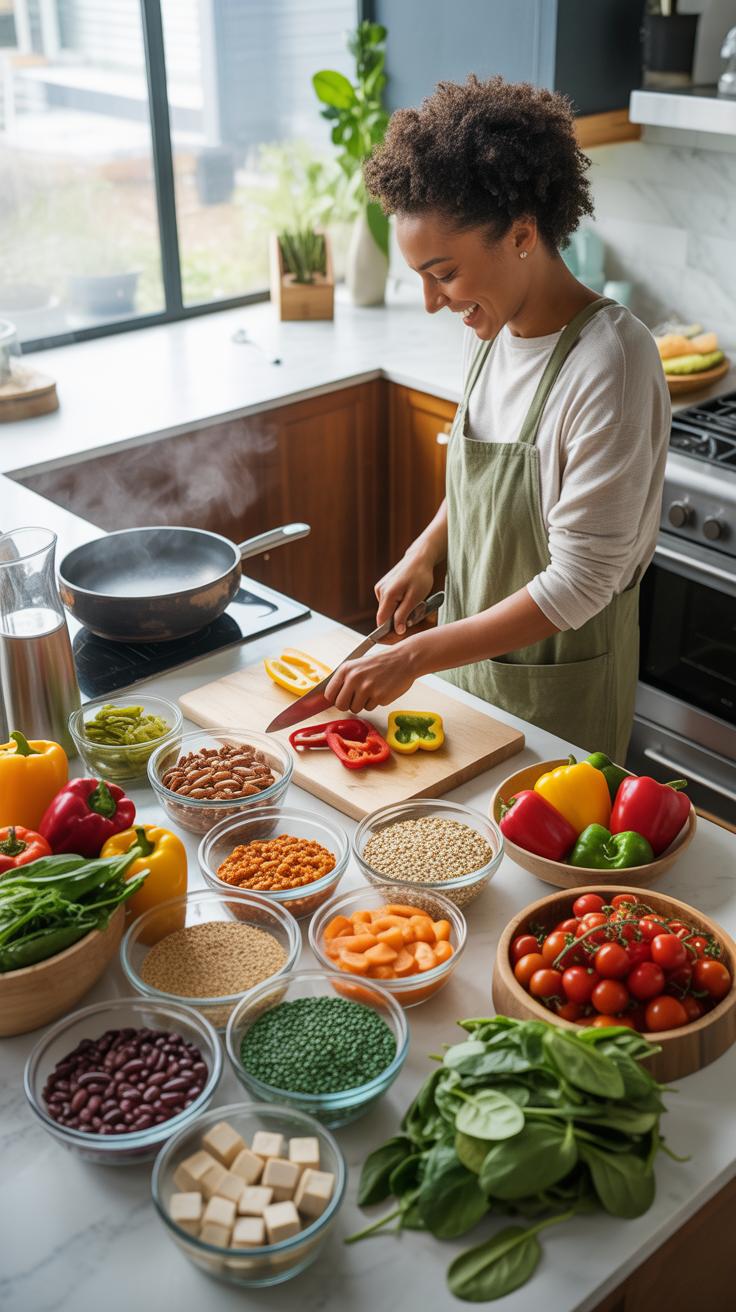
Simple Ingredients, Maximum Protein: How To Build A Quick Weeknight Plate
Building high protein meals requires a shift in focus. Traditional plates treat vegetables as the main component and protein as a side. You must invert this model. Leading with a dense protein source like Greek yogurt, eggs, or firm tofu ensures you hit your macro targets. These ingredients require minimal cooking time and provide a solid foundation for a fast meal.
Speed depends on ingredient density. Choose ingredients that offer at least ten grams of protein per serving. Combine these with fiber to stay under the five hundred calorie limit. This strategy keeps calorie counts low while maximizing satiety. Use high heat cooking methods like searing or stir frying to finish dishes in minutes. Efficiency is the key to maintaining a consistent vegetarian diet.
Essential Tips For Prepping Easy High Protein Vegetarian Meals Efficiently
Effective meal prep eliminates friction during busy weeknights. You must organize your kitchen for speed and accessibility. Pre washing greens and pre slicing hearty vegetables reduces active cooking time. Use standardized containers to track portions accurately. This approach prevents overeating and ensures every meal stays within your specific caloric budget while maximizing the nutrient density of every bite you take.
- Pre-Press Tofu: Remove excess water from firm tofu immediately after shopping. Storing pressed tofu in the refrigerator allows it to absorb marinades faster and sear more effectively during the actual cooking process. This saves ten minutes of prep per meal.
- Batch Cook Grains: Prepare large quantities of quinoa or farro during your weekend. These complex carbohydrates provide extra protein and stabilize blood sugar. Reheating pre cooked grains takes only two minutes and provides a consistent base for various quick high protein bowls.
- Utilize Canned Beans: Keep canned chickpeas and black lentils in your pantry at all times. Rinse them thoroughly to remove excess sodium and improve digestion. They require zero cooking time and add significant protein and fiber to any salad or quick pan fry.
- Flash Freeze Eggs: Boil a dozen eggs at the start of the week for instant protein access. Hard boiled eggs stay fresh for seven days and serve as an immediate snack or salad topper. They provide high quality amino acids without requiring any heat.
- Grate Your Cheese: Buy blocks of low fat mozzarella or parmesan and grate them yourself. Freshly grated cheese melts faster and contains fewer anti caking agents than pre shredded versions. Small amounts add significant flavor and extra grams of protein to your quick dishes.
Smart preparation turns a chaotic kitchen into a high performance fuel station. Focus on the proteins that do not require long simmering or complex techniques. Use frozen vegetables to cut down on chopping time without sacrificing nutritional value. By streamlining your workflow, you guarantee that high protein vegetarian meals remain a permanent part of your daily routine regardless of your schedule.
Global Inspiration Receitas Vegetarianas That Are High In Protein And Low In Calories

Brazilian And Portuguese Plant Based Dishes That Naturally Pack A Protein Punch
Brazilian and Portuguese cuisines rely heavily on legumes for bulk and nutrition. Black beans serve as the core of the Brazilian diet. They provide high fiber and significant protein content. Traditional stews use slow-cooking methods to soften these beans without adding heavy fats. These dishes keep the calorie count low while delivering essential amino acids. You gain steady energy from these complex carbohydrates.
Portuguese cooking features chickpeas and white beans in many soups and salads. These ingredients offer a dense protein source that fills you up quickly. Cooks often pair these legumes with leafy greens like kale or spinach. This combination increases the micronutrient profile without adding surfeit calories. You can achieve high protein goals by focusing on these plant-based staples. They provide a solid foundation for any lean vegetarian diet.
Mediterranean And Middle Eastern Vegetarian Plates Under 500 Calories
Mediterranean and Middle Eastern diets utilize lentils and chickpeas as primary protein drivers. Red and green lentils cook fast and offer high protein per gram. These cultures often blend these legumes into soups or cold salads. They use lemon juice and fresh herbs for flavor instead of oily sauces. This strategy keeps the total calorie count well under 500 per serving. You get maximum nutrition with minimal caloric density.
Middle Eastern staples like mujadara combine lentils with small amounts of grain. This pairing creates a complete protein profile necessary for muscle maintenance. Chickpeas also feature in stews and roasted dishes. These ingredients provide high satiety levels due to their fiber content. You can eat large portions of these dishes while staying within your calorie limits. Focus on these regional methods to maintain a high protein intake daily.
Satisfying Vegan Dinners That Prove You DonT Need Meat To Feel Full
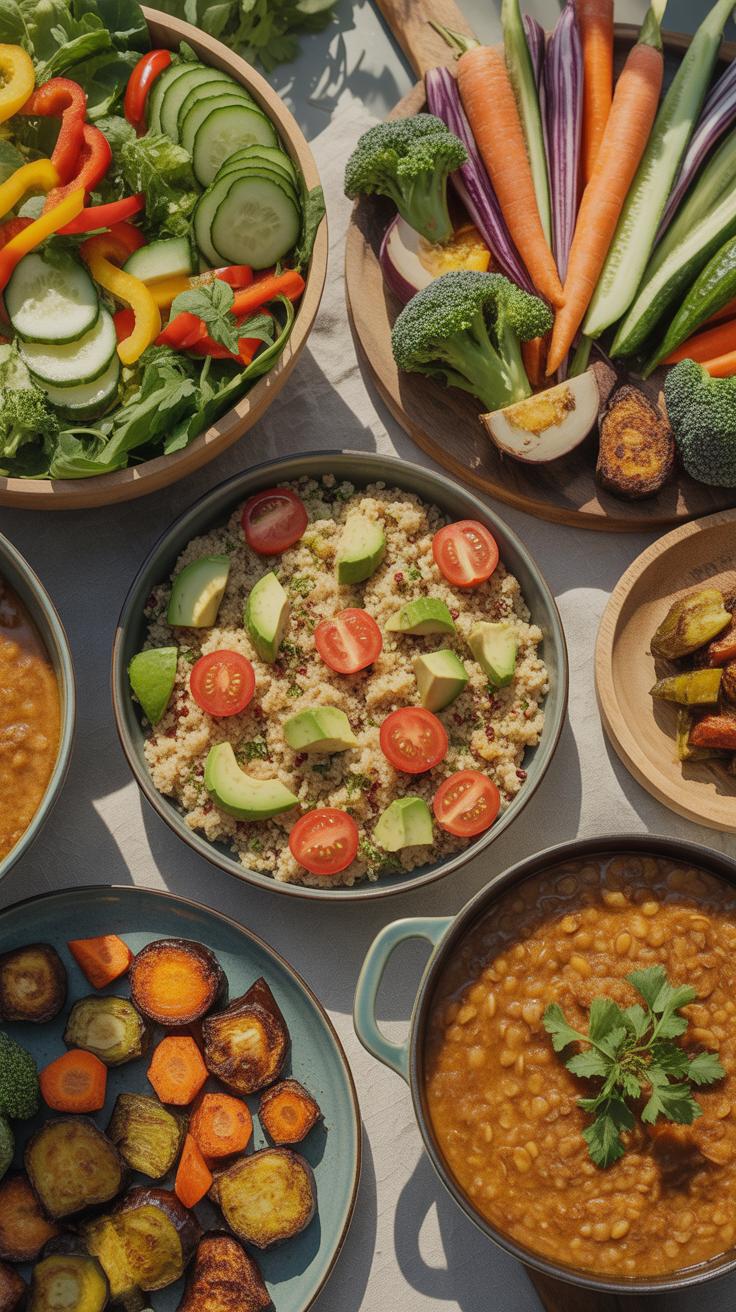
Why High Fiber High Protein Vegan Dinners Promote Greater Satiety
Protein and fiber work together to stop hunger. Protein triggers hormones that tell your brain you are full. Fiber slows down how fast your stomach empties. This combination prevents the blood sugar spikes that lead to snacking later. You stay satisfied longer because your body digests these complex nutrients over several hours. This is the most efficient way to manage weight.
Many plants offer both nutrients in one package. Legumes like lentils and chickpeas provide high protein density and significant roughage. This dual action increases the volume of food in your gut without adding excess calories. You feel physically full because of the bulk. You feel chemically full because of the amino acids. Choosing these whole foods ensures you hit your goals with fewer total calories.
Three Hearty Vegan Dinner Ideas That Stay Well Under 500 Calories
Red lentil stew is a powerful tool for weight loss. One cup of cooked lentils provides eighteen grams of protein and fifteen grams of fiber. Mix these with crushed tomatoes, garlic, and cumin for a dense meal under four hundred calories. Lentils cook faster than other beans and absorb flavors quickly. Use vegetable broth to keep the fat content low while maximizing the savory taste.
Tempeh stir-fry offers a firm texture and high protein content. Fermented soy contains about twenty grams of protein per three ounce serving. Sauté the tempeh with broccoli and bell peppers using a splash of soy sauce and ginger. Serve this over cauliflower rice to keep the total count near three hundred fifty calories. This meal provides a complete amino acid profile for muscle recovery and long term energy.
How To Build The Perfect Low Cal Vegetarian Dinner Without Feeling Deprived
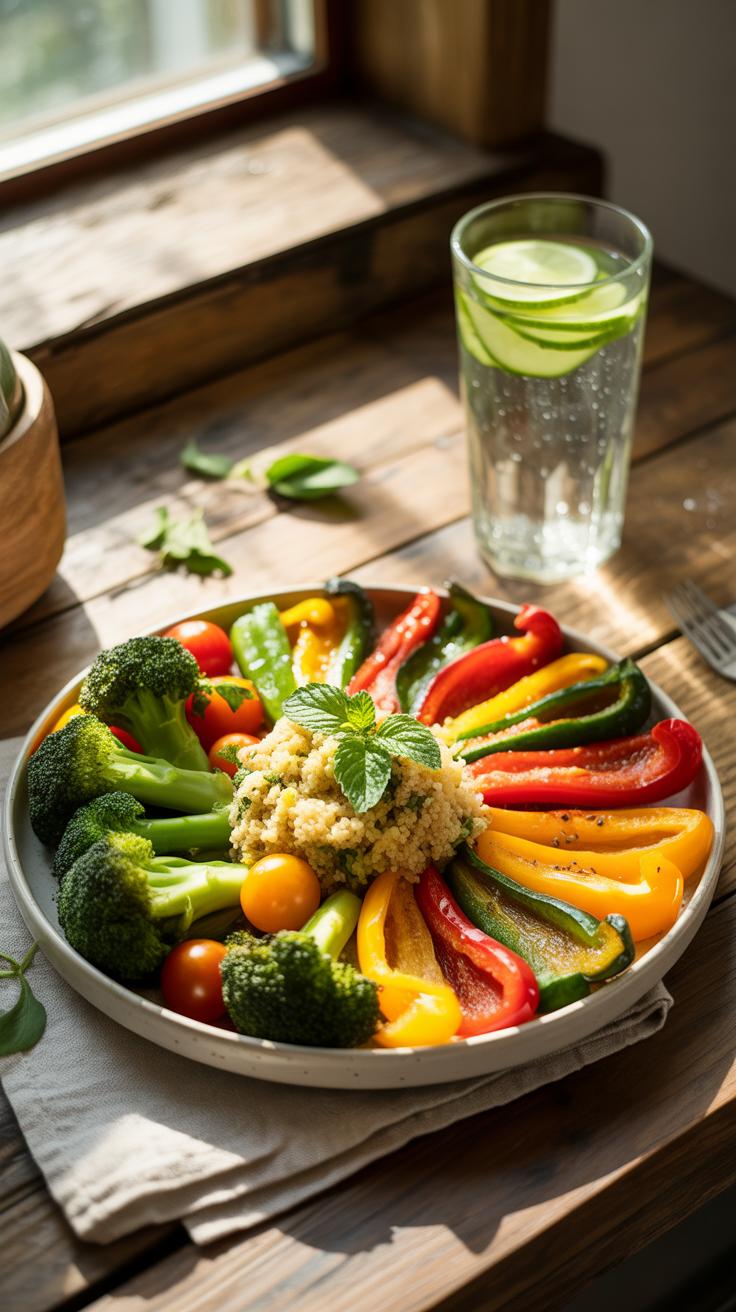
Balancing Macronutrients On A Low Calorie Vegetarian Plate The Right Way
Prioritize protein to maintain lean muscle and increase satiety. Aim for twenty to thirty grams per meal. Use Greek yogurt, cottage cheese, or egg whites as lean bases. These sources provide high protein density with minimal fat. Fill half your plate with fibrous vegetables like broccoli or spinach. These add volume without adding significant calories. This strategy triggers physical fullness signals early.
Control carbohydrate intake by choosing slow-digesting options. Select lentils, beans, or quinoa over refined grains. These provide essential fiber and keep blood sugar stable. Limit added fats to small servings of nuts or avocado. High fat content increases calorie counts quickly. A balanced plate ensures you stay full on fewer calories. Track your portions to stay under the five hundred calorie limit.
Flavor Boosting Techniques That Make Every Low Calorie Meal Feel Indulgent
Enhance flavor using acidic components and dry spices. Lemon juice, lime, and vinegars brighten dishes without adding fat. Use smoked paprika or cumin to provide depth and warmth. These ingredients mimic the richness often found in high-calorie sauces. Fresh herbs like cilantro and basil add aroma and visual appeal. Strong flavors satisfy the palate faster which prevents overeating during the meal.
Apply high-heat cooking methods to develop complex tastes. Roasting or charring vegetables creates natural sweetness through caramelization. This technique provides texture that steamed food lacks. Use nutritional yeast for a savory and cheesy profile with few calories. Incorporate hot sauces or chili flakes to boost metabolism and add heat. Strategic seasoning ensures low-calorie vegetarian meals remain satisfying. Focus on punchy ingredients to replace heavy cream or oils.
High Protein No Meat Debunking The Myth That Only Animal Foods Build Muscle
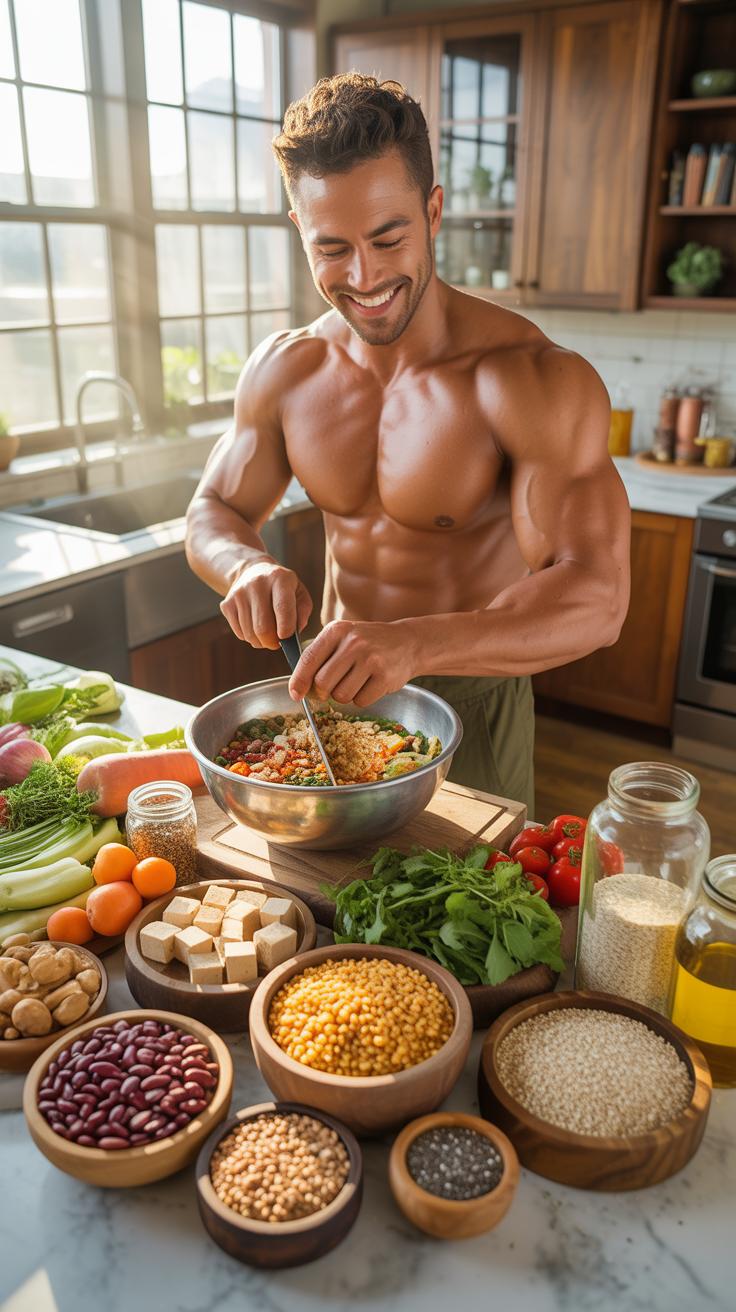
What Science Says About Complete Proteins From Plant Based Food Combinations
The concept of protein quality depends on the amino acid profile. Your body requires nine essential amino acids that it cannot produce on its own. Meat provides all nine in one package. Most plant sources lack one or two of these specific compounds. However, your liver stores amino acids throughout the day. You do not need every amino acid in a single sitting to build muscle effectively.
Modern nutritional science debunked the myth that you must eat complementary proteins at every meal. This theory emerged in the 1970s but was later corrected by major health organizations. As long as you consume a variety of plant sources over twenty four hours, your body maintains a complete pool. This allows you to hit muscle synthesis targets without consuming calorie dense animal fats or processed meats.
Best Plant Protein Pairings That Create A Complete Amino Acid Profile
Strategic pairing ensures you hit the full spectrum of essential amino acids quickly and efficiently. Grains are typically low in lysine but high in methionine. Legumes provide plenty of lysine but lack methionine. When you combine these two categories, the resulting profile matches the quality of animal protein. This tactical approach maximizes the biological value of your vegetarian high protein meals without adding unnecessary calories.
- Rice and Beans: This classic combination provides a full amino acid profile. Beans offer the lysine that rice lacks while rice supplies the methionine. This pairing is a stable foundation for hundreds of low calorie recipes.
- Whole Grain Bread and Peanut Butter: Wheat protein lacks sufficient lysine to be complete on its own. Peanuts fill this gap perfectly. This combination creates a dense nutrient profile that supports muscle repair and sustained energy levels throughout the day.
- Hummus and Pita: Chickpeas and sesame seeds in tahini combine to create a complete protein source. Whole wheat pita adds additional fiber and complex carbohydrates. It is a highly portable way to ensure you get high quality fuel.
- Corn and Legumes: Maize is deficient in lysine and tryptophan. Combining corn with black beans or peas solves this deficiency. This pairing has been a dietary staple in many cultures for centuries because it provides reliable muscle building blocks.
- Oatmeal and Pumpkin Seeds: Oats contain high protein levels but are not complete alone. Adding pumpkin seeds or hemp hearts boosts the amino acid count. This creates a powerful breakfast that triggers muscle protein synthesis early in the day.
Focus on these combinations to hit your daily targets. You do not need meat to recover from heavy training or to maintain lean mass. Focus on volume and variety to fill your amino acid pool. Smart pairing allows you to stay under 500 calories while keeping your protein intake high. Use these facts to ignore outdated advice about the necessity of animal products for physical performance.
WFPB Meals That Maximize Protein While Keeping Calories Firmly In Check
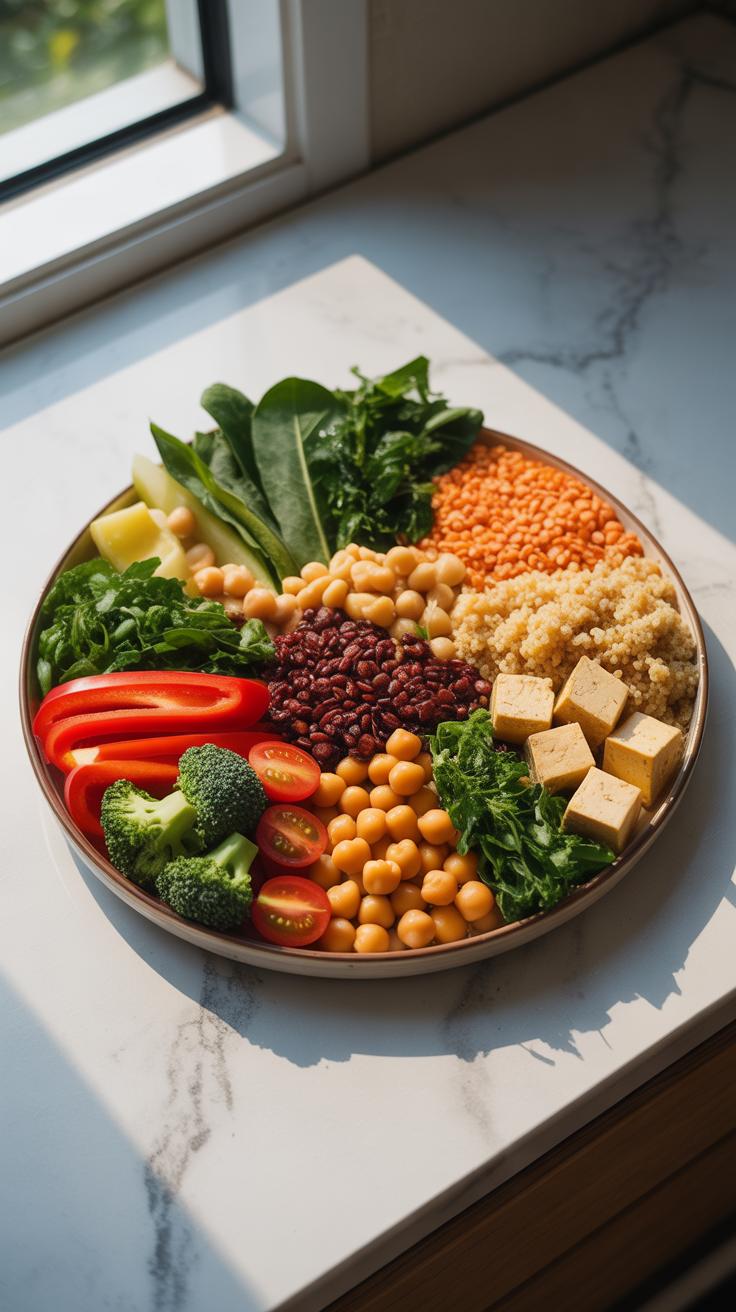
What The Whole Food Plant Based Diet Is And Why It Supports High Protein Eating
The Whole Food Plant Based diet focuses on unrefined ingredients. It excludes oil, white flour, and processed sugar. This framework prioritizes nutrient density over volume. You consume legumes, whole grains, nuts, and seeds in their natural state. This approach eliminates empty calories. You get more protein per gram of food because you are not eating diluted industrial fillers or heavy fats.
WFPB eating works for protein goals by leveraging high fiber content. Fiber slows digestion and keeps you full. You can eat large portions of lentils or beans without exceeding calorie limits. Most plant proteins also contain complex carbohydrates. This combination provides steady energy for workouts. You build muscle and lose fat by eating foods that the body processes efficiently. It is a tactical win for metabolic health.
WFPB Meal Examples That Hit 20g Or More Of Protein Under 500 Calories
Red lentil soup serves as a primary tactical meal. One cup of cooked red lentils provides eighteen grams of protein for only two hundred thirty calories. Mix these with spinach and vegetable broth to increase volume. The high iron content supports oxygen transport during exercise. This meal occupies significant stomach space. It signals satiety to the brain quickly while keeping total caloric intake very low.
Tempeh stir fry uses fermented soy for maximum protein density. Three ounces of tempeh delivers eighteen grams of protein. Combine this with broccoli and bell peppers to stay under four hundred calories. Avoid oil to keep the calorie count precise. Use rice vinegar or lime juice for flavor instead. This meal provides a complete amino acid profile. It is essential for tissue repair and maintaining lean muscle mass on a budget.
Healthy Vegan Stir Fry Dish Ideas That Are Quick Protein Rich And Under 500 Calories
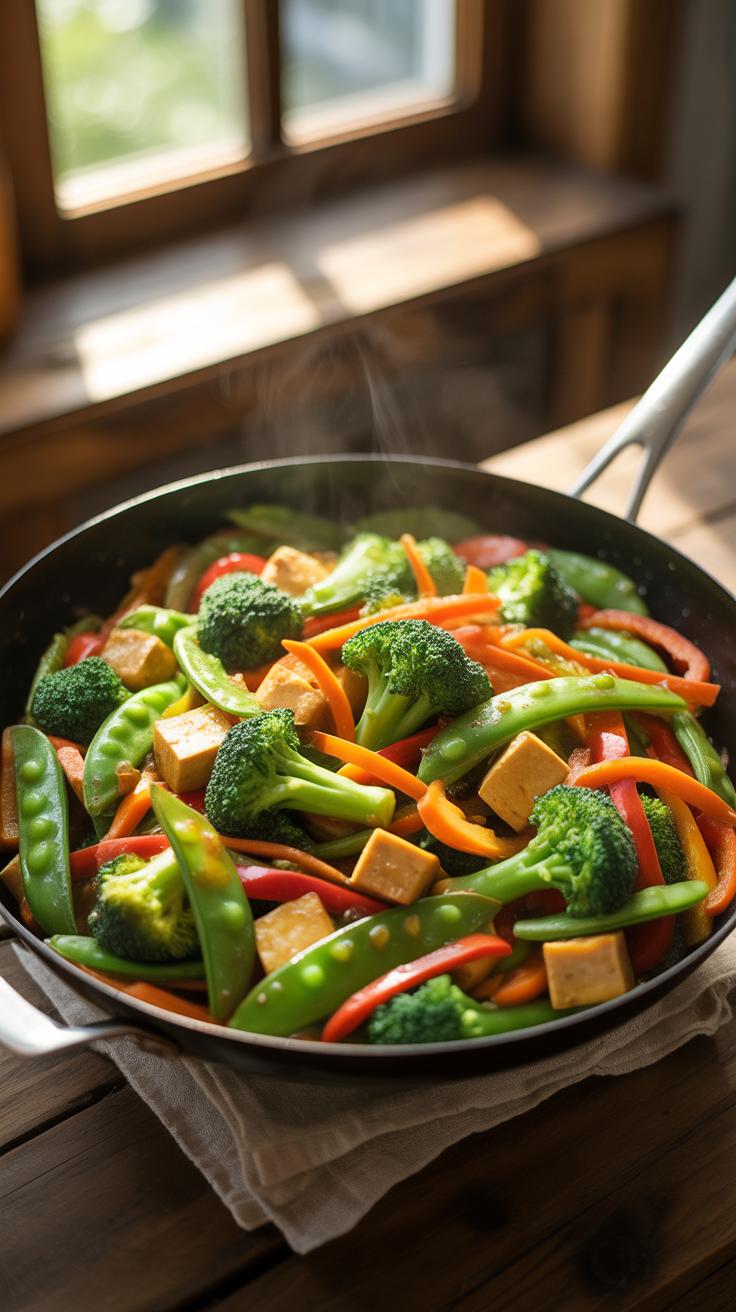
Why Stir Frying Is One Of The Best Cooking Methods For Nutrient Retention
Stir frying uses high heat and minimal oil over a very short duration. This technique originated in China during the Han dynasty to save fuel and cook food rapidly. Short exposure to heat prevents the breakdown of heat sensitive vitamins like Vitamin C and B vitamins. You keep the vegetable cell walls intact while ensuring the food is safe and hot to eat.
This method requires constant movement in a wok or heavy skillet. Moving the food prevents burning while allowing moisture to evaporate quickly. This process creates the Maillard reaction without boiling the ingredients in their own juices. You achieve a crisp texture and bright color that indicates high nutrient density. It is the most efficient way to prepare bulk vegetables while maintaining their chemical integrity.
To eat is a necessity, but to eat intelligently is an art. There is no sincerer love than the love of food that nourishes the soul without weighing down the spirit.
How To Build A High Protein Vegan Stir Fry From Base To Sauce
Start with a dense protein base to keep the meal under 500 calories. Extra firm tofu, tempeh, or seitan provide the highest protein to calorie ratio. Press your tofu to remove water so it sears properly. Combine these with fibrous vegetables like broccoli, snap peas, and bok choy. These greens add volume and micronutrients without adding heavy caloric loads to your daily intake.
Skip heavy cornstarch slurries and sugary bottled glazes to control the calorie count. Use a base of low sodium soy sauce or liquid aminos for savory flavor. Add fresh ginger, garlic, and red pepper flakes for heat and metabolic benefits. Use a small amount of toasted sesame oil at the end for aromatics instead of cooking oil. This strategy ensures a high protein result that fits strict macro goals.
Meal Planning Strategies To Keep Your Vegetarian High Protein Meals Consistent All Week
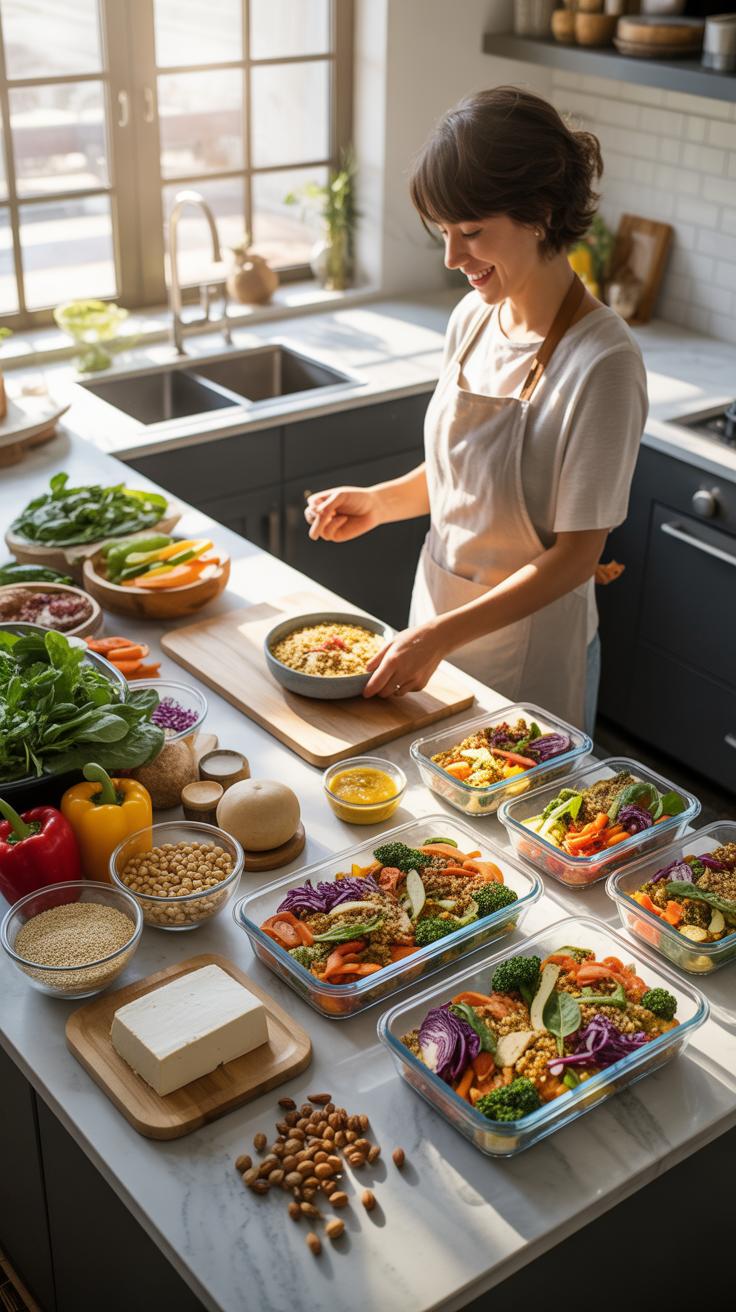
How Batch Cooking And Ingredient Prepping Saves Time And Supports Your Protein Goals
Batch cooking eliminates the daily decision fatigue that leads to poor nutritional choices. Preparing large volumes of lentils, beans, and quinoa on Sundays ensures you have immediate access to complex carbohydrates and fiber. Cook these staples in plain water or vegetable stock to keep options flexible. This method allows you to assemble different meals quickly throughout the week without restarting the cooking process every single night.
Ingredient prepping focuses on the individual components that increase volume and protein density. Chop hearty vegetables like broccoli and kale immediately after shopping. Press and cube extra firm tofu or tempeh so they are ready for the pan. This tactical approach reduces active cooking time to under fifteen minutes per meal. Having prepped ingredients prevents you from reaching for high calorie processed snacks when you are hungry and tired.
Building A Sustainable Weekly Meal Plan Around High Protein Vegetarian Staples
A sustainable meal plan relies on rotating reliable protein sources to prevent flavor fatigue. Designate specific days for different base proteins such as Greek yogurt, eggs, or seitan. This structure provides a roadmap for your grocery list and reduces food waste. Stick to simple flavor profiles that allow you to swap dressings or spices. This ensures your meals remain under the 500 calorie limit while meeting your daily amino acid requirements.
Tactical planning requires accounting for shelf life and preparation speed. Use fresh dairy and leafy greens early in the week. Save frozen edamame and canned chickpeas for later days when fresh supplies run low. This strategy maintains high protein intake without frequent trips to the store. Consistency comes from having a reliable system rather than relying on willpower. Focus on the metrics of protein per serving to stay on track with your goals.
Frequently Asked Questions

How can I ensure I’m getting enough protein on a vegetarian diet while staying under 500 calories?
Achieving a high protein intake without excess calories is all about choosing nutrient-dense whole foods. Focus on “power players” like Greek yogurt, seitan, lentils, and egg whites. These ingredients offer a high protein-to-calorie ratio, making it much easier to design vegetarian high protein meals that keep you full. By prioritizing these lean sources and loading up on fiber-rich vegetables, you can hit your macro goals effortlessly while maintaining a calorie deficit.
What are some tips for meal prepping low-calorie, high-protein vegetarian lunches for the week?
Successful meal prepping starts with versatile bases. Prepare a large batch of marinated tofu or tempeh and portion it out with steamed greens and cauliflower rice. Using spices instead of heavy oils keeps the calorie count low while boosting flavor. When planning your vegetarian high protein meals, use airtight containers to keep ingredients fresh. Pre-portioning ensures you won’t overeat, helping you stay consistently under the 500-calorie mark during busy workdays.
Is it possible to eat high-protein vegetarian meals on a tight budget?
Absolutely! You don’t need expensive meat substitutes to meet your goals. Dried beans, lentils, and chickpeas are some of the most affordable protein sources available and are staples for budget-friendly cooking. Buying eggs and large tubs of cottage cheese in bulk also helps keep costs down. By focusing on these pantry essentials, you can create delicious, satisfying dishes that nourish your body without putting a strain on your monthly grocery budget.