
Why The Best Vegan Snacks Deserve A Spot In Your Daily Routine
The Nutritional Case For Choosing Plant Based Snacking
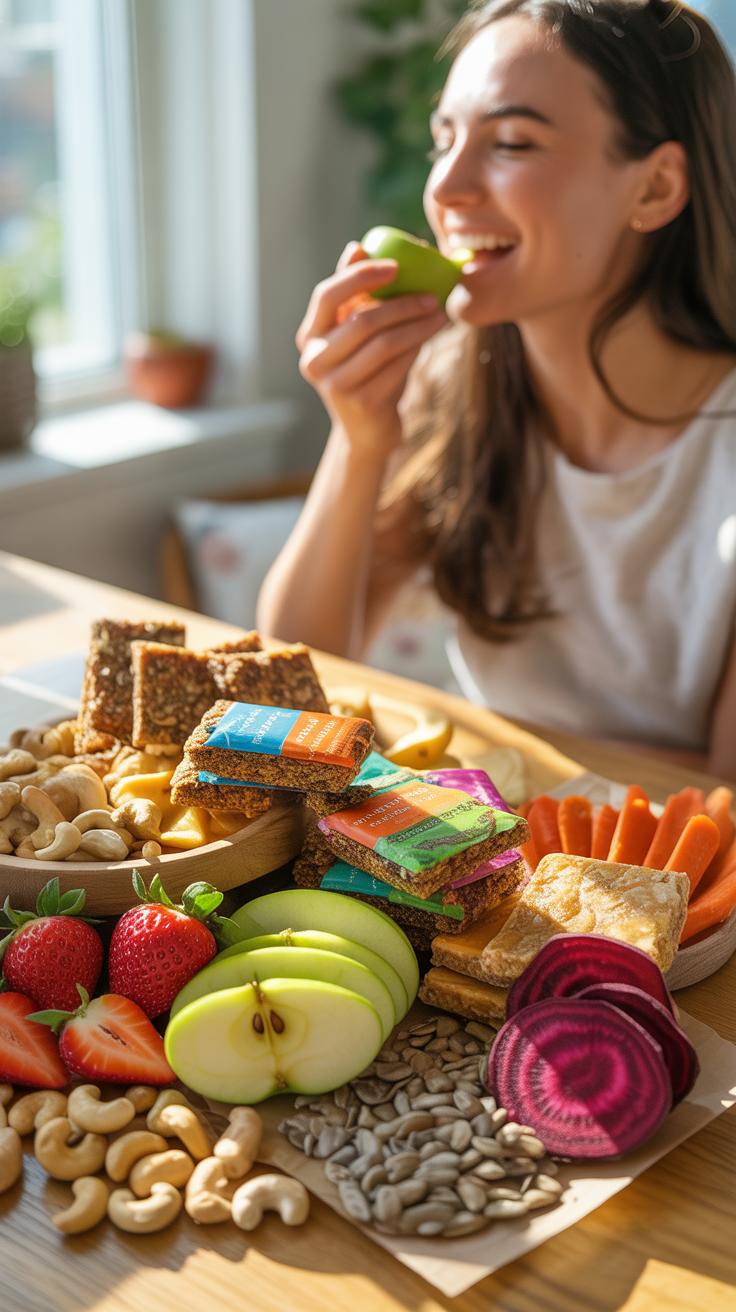
Vegan snacks offer high nutrient density without the saturated fats found in animal products. Choosing nuts, seeds, and legumes provides essential building blocks like protein and healthy fats. These snacks help you meet daily fiber requirements that most people miss. Plant based options often contain more antioxidants and vitamins per calorie. This makes them a more efficient fuel source for your busy workday.
Data shows that fiber improves gut health and digestion. Most processed snacks lack this critical component. Plant based snacks focus on whole food ingredients to stabilize blood sugar levels. This prevents the sharp insulin spikes common with high sugar treats. By choosing these snacks, you get more minerals like iron and magnesium. These nutrients support your physical performance and mental clarity through long meetings.
How Vegan Snacks Support Long Term Health And Sustained Energy
Consistent intake of plant based snacks lowers the risk of chronic heart disease. Research links these diets to lower cholesterol and improved blood pressure. When you eat fiber rich vegan snacks, your body digests them slowly. This slow digestion provides a steady stream of energy to your brain and muscles. It removes the need for caffeine or sugar to stay awake.
Complex carbohydrates in vegan snacks provide glycogen for your muscles. This is vital for maintaining high performance during late afternoon tasks. These snacks also reduce systemic inflammation caused by processed meat products. Lower inflammation means faster recovery times after exercise and less physical fatigue. By prioritizing these foods, you build a foundation for long term health. This simple tactical shift improves your daily productivity.
How To Build Vegan Meal Plans Around Smart Snack Choices
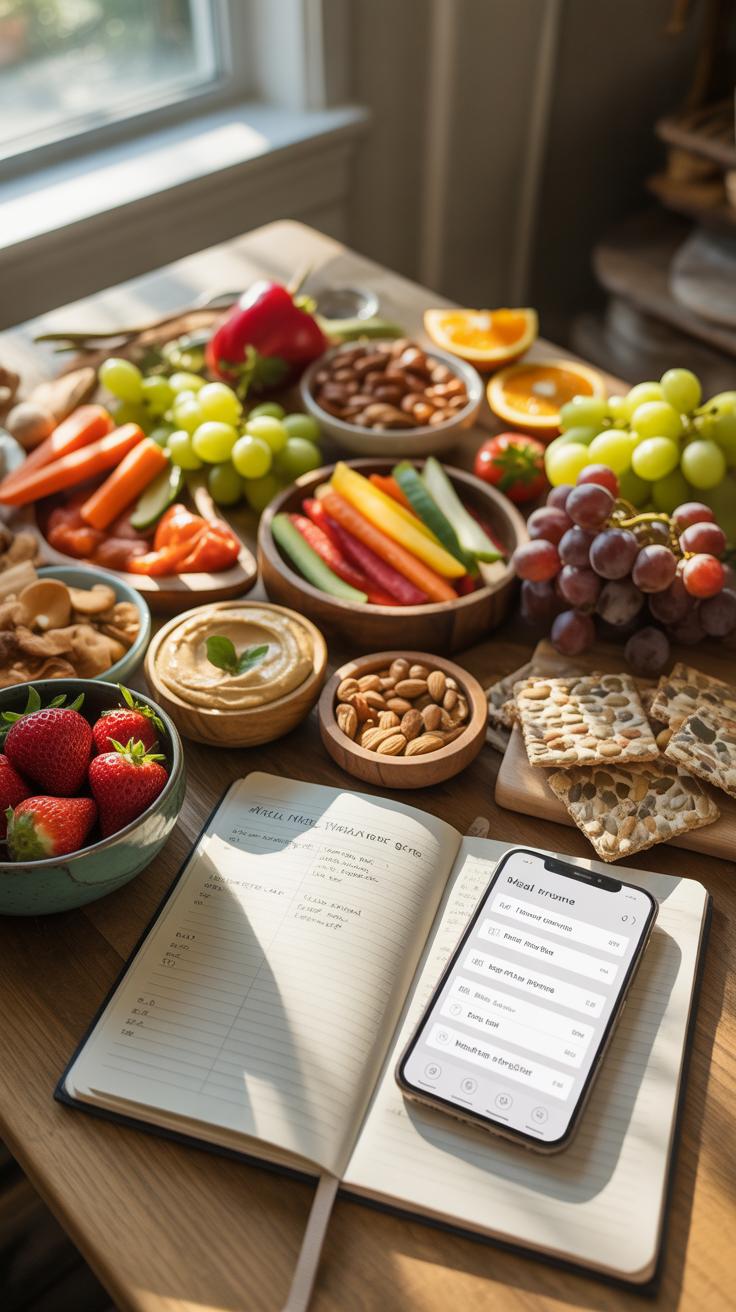
Structuring Your Weekly Vegan Meal Plans With Balanced Snack Slots
Effective vegan meal plans treat snacks as essential bridges between main meals. You must schedule these slots to prevent blood sugar drops. Most people fail because they wait until hunger strikes. Identify your energy gaps in the mid morning and late afternoon. Assign specific macronutrient profiles to these times. High fiber options work best early. Protein heavy choices stabilize you later.
Smart planning requires you to account for total daily caloric intake. Do not treat vegan snacks as optional extras. They are integral components of your nutritional strategy. Map out your week by aligning snacks with your activity levels. High intensity days require complex carbohydrates. Low activity days need lighter nutrient dense foods. This structure eliminates impulsive eating and keeps your dietary goals on schedule.
Batch Prepping Snacks Ahead Of Time To Stay On Track All Week
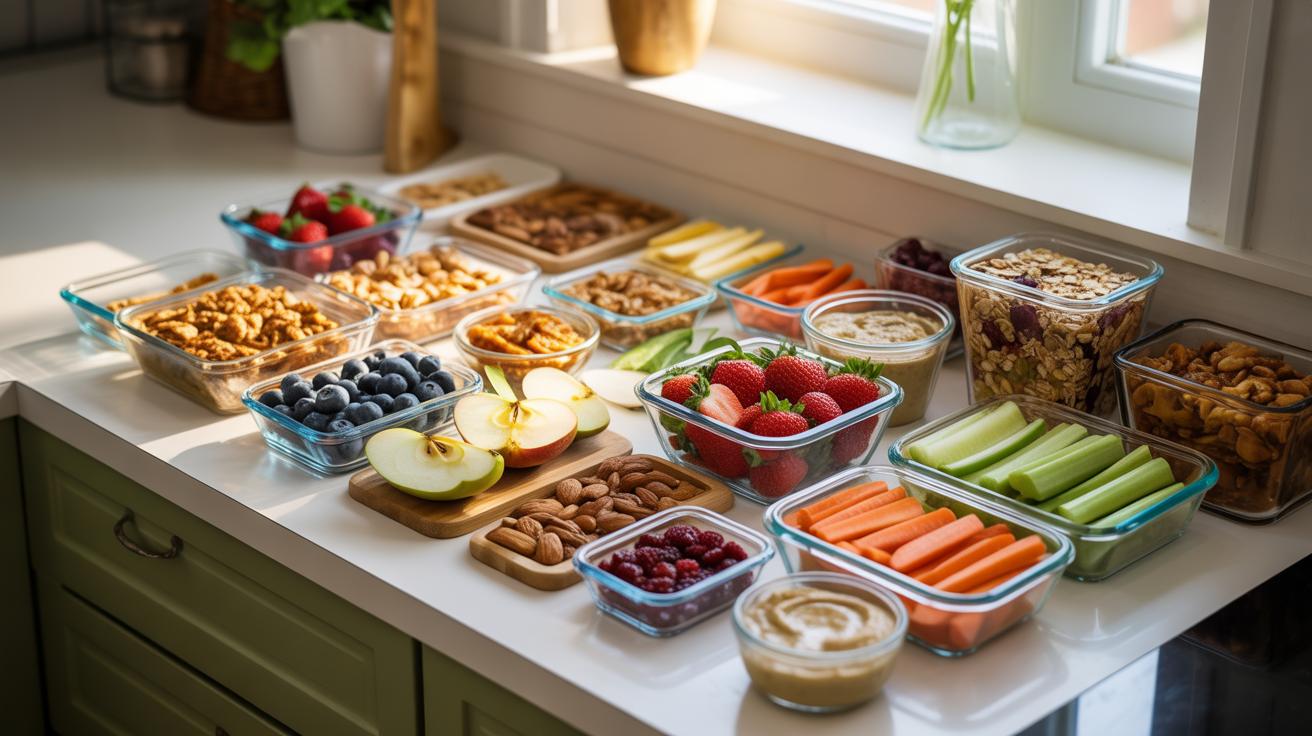
Batch prepping is the only way to ensure consistency. Dedicate one hour on Sunday to processing all raw ingredients. Wash and chop vegetables. Portion out nuts and seeds into individual containers. This mirrors the mise en place technique used in professional kitchens. It removes the friction of preparation during busy workdays. Prepared snacks lead to better compliance with your plan.
Store your prepped items in clear glass containers. Visible food is more likely to be eaten. Use airtight seals to maintain freshness and nutritional integrity throughout the week. Label each container with the day and time slot. This tactical organization prevents decision fatigue. When your snacks are ready to grab you avoid the trap of vending machines or processed convenience store foods.
Whole Food Vegan Snacks That Are As Nourishing As They Are Delicious
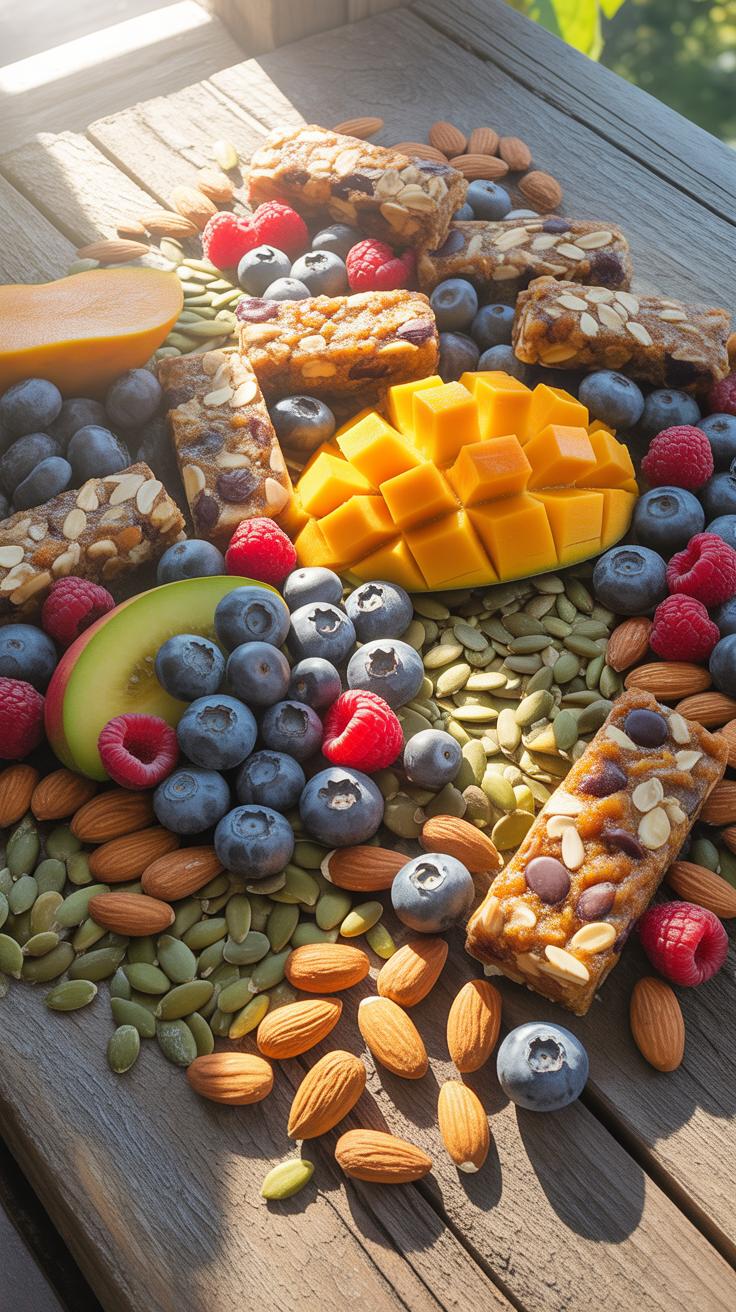
Why Whole Food Vegan Snacks Outperform Processed Alternatives
Processed vegan snacks often rely on refined starches and isolated proteins. These ingredients cause rapid blood sugar spikes and quick energy crashes. Whole foods provide a complex matrix of fiber and micro nutrients. This structure slows digestion and keeps your energy levels stable. Fiber is the most critical component for satiation. You feel full longer when eating intact plant cells versus extruded snack powders.
Whole food options also eliminate hidden additives found in commercial vegan snacks. Manufacturers frequently add industrial seed oils and excess sodium to improve shelf life. Choosing whole plants reduces your intake of inflammatory ingredients. You gain control over your caloric density and nutrient intake. Natural snacks deliver vitamins in their most bioavailable forms. This approach improves long term health outcomes and daily mental clarity for busy professionals.
Top Whole Food Ingredients To Stock For Effortless Snack Prep
Successful meal prep requires versatile staples that resist spoilage. Keeping these items in your pantry ensures you always have high protein and high fiber options. Base ingredients should provide a mix of healthy fats and complex carbohydrates. This balance prevents the hunger pangs common with low calorie dieting. Focus on items that require minimal processing to save time during your weekly preparation sessions.
- Raw Almonds: These nuts provide a portable source of monounsaturated fats and vitamin E. They stay fresh for months in airtight containers and require zero preparation. Eat them plain or lightly toasted for a crunchier texture and deeper flavor profile.
- Chickpeas: Canned or dried chickpeas are high in plant protein and fiber. You can roast them with salt and spices for a shelf stable snack. They replace processed chips by providing a similar crunch without the refined oils or empty calories.
- Pumpkin Seeds: Also known as pepitas, these seeds contain high levels of magnesium and zinc. They are one of the most protein dense seeds available for vegans. Add them to track mixes or eat them alone to support immune function and muscle recovery.
- Apple Slices: Apples offer a durable fruit option that survives well in a gym bag or backpack. They provide pectin, a soluble fiber that aids digestion and regulates blood sugar. Pair them with a natural nut butter to create a balanced snack with staying power.
- Edamame: Frozen young soybeans are a complete protein source containing all essential amino acids. Steaming a batch takes less than five minutes. They work well for meal prep because they maintain their structural integrity and nutritional value when stored cold.
Organize your kitchen by grouping these ingredients according to their macro nutrient profile. Store dry goods in clear glass jars to scan your inventory quickly. Use pre portioned containers to manage serving sizes before you leave the house. High quality ingredients reduce the temptation to buy expensive processed snacks when you are away from home. Consistent prep turns healthy eating into a repeatable system rather than a daily struggle.
The Best Vegan Snacks On The Go For Busy Lifestyles
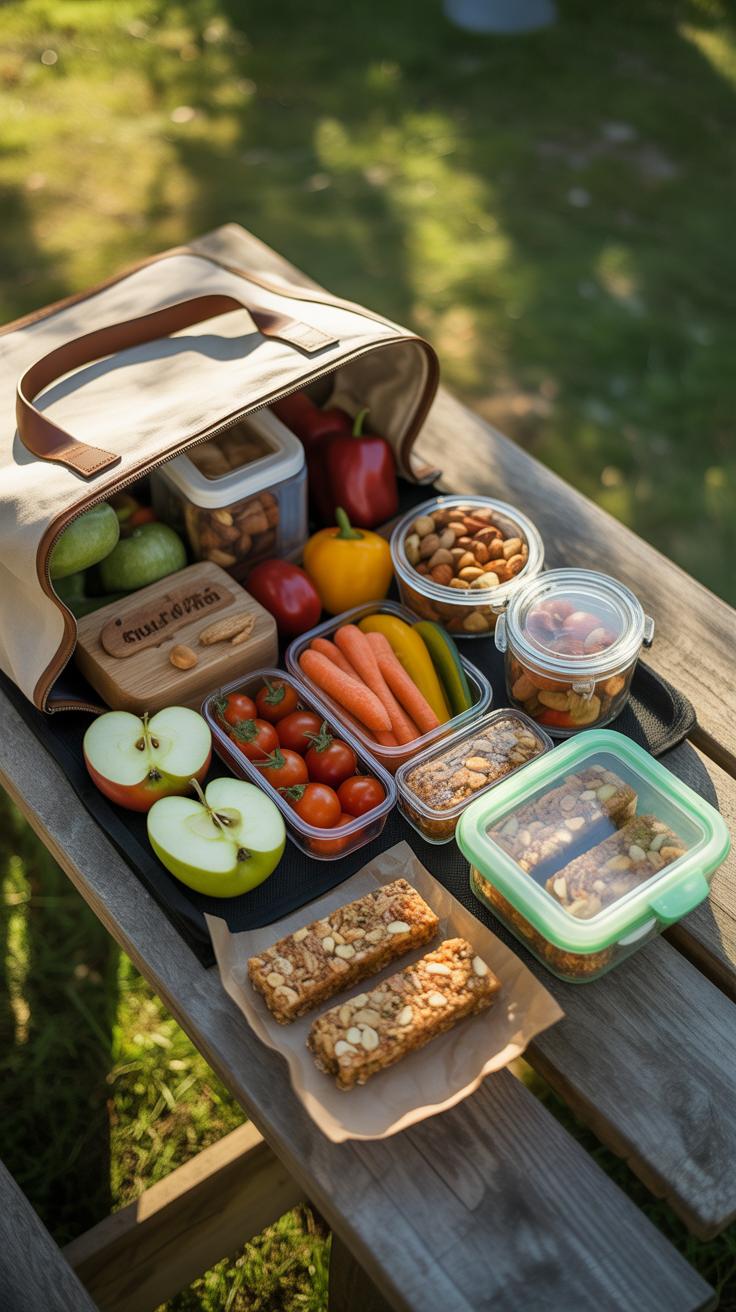
Portable Vegan Snacks On The Go That Require Zero Refrigeration
Shelf stable vegan snacks provide reliable energy without the risk of spoilage. Whole nuts and seeds offer high caloric density and essential fats. Dried fruits like mango or apricots provide quick glucose for brain function. These items survive high temperatures in cars or bags. They do not leak or require utensils. Choose raw or dry roasted options to avoid unstable oils.
Legume based snacks like roasted chickpeas or edamame provide necessary plant protein. These processed pulses undergo dehydration to ensure a long shelf life. Jerky made from soy or mushrooms offers a chewy texture and savory profile. These snacks resist crushing if stored in rigid containers. Always check ingredient labels for hidden honey or dairy derivatives. Stick to simple ingredients for the best digestion.
How To Pack And Store Vegan Snacks So They Stay Fresh On The Move
Proper storage prevents oxidation and moisture loss in vegan snacks. Use airtight glass or BPA free plastic containers to maintain crispness. Silicone bags work well for soft items like muffins or energy balls. These materials create a barrier against outside odors. Small containers prevent internal movement which reduces breakage during travel. Match the container size to the portion to minimize air pockets.
Temperature control remains vital even for shelf stable items. Keep bags out of direct sunlight to prevent oils in nuts from turning rancid. Use insulated sleeves for snacks containing chocolate or coatings that melt. Wrap delicate items in parchment paper before bagging them to absorb excess oil. This step keeps the exterior dry and easy to handle. Consistent organization ensures you find fuel quickly during high stress transit.
Snacks With Veggies That Actually Taste Great
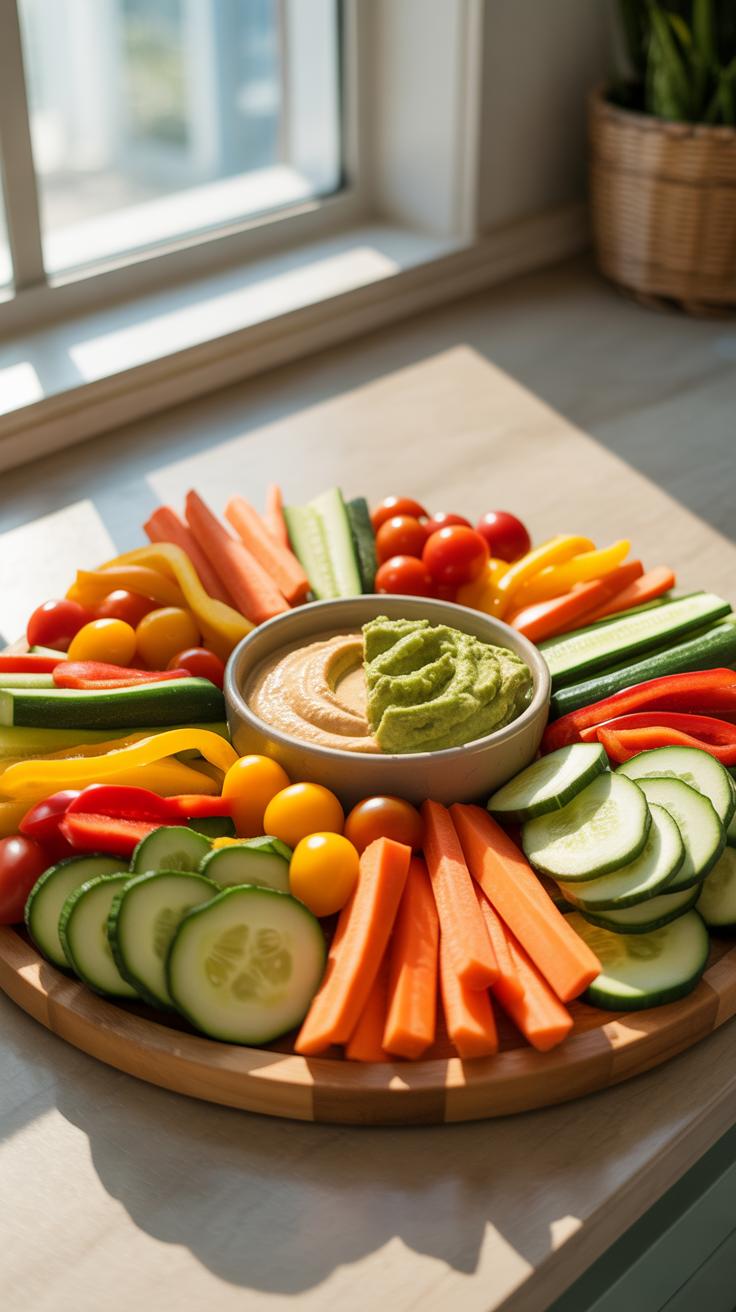
Creative Ways To Turn Raw And Roasted Veggies Into Satisfying Snacks
Vegetables fail as snacks because of poor texture and lack of seasoning. You must use high heat to trigger the Maillard reaction when roasting. Toss dense vegetables like chickpeas or sliced beets in oil and salt. Roast them at four hundred degrees Fahrenheit until they are crisp. This process removes water and concentrates the natural sugars for a better crunch and deep flavor profile.
Raw vegetables require strategic prep to stay fresh for meal plans. Cut carrots and celery into uniform sticks to increase surface area for seasoning. Store these in airtight glass containers with a small amount of water to prevent dehydration. Use acid like lemon juice or rice vinegar to keep sliced peppers from oxidizing. This keeps the cellular structure firm and prevents the vegetables from becoming limp or unappealing.
Pairing Snacks With Veggies And Plant Based Dips For Maximum Flavor
Veggies alone lack the caloric density needed to sustain energy. You must pair them with healthy fats and proteins to slow digestion. Hummus provides a base of chickpeas and tahini which offers essential amino acids and lipids. Nut butters serve a similar purpose for celery or apples. These pairings stabilize your blood sugar levels and stop hunger spikes throughout the busy workday.
Flavor profiles rely on the balance of salt and fat. Use cashew based creams or pestos to add richness to neutral vegetables like cucumbers or cauliflower. Fermented dips like nut based cheeses provide probiotics and a sharp acidic bite. This acidity cuts through the density of the fats. Focus on high quality fats like cold pressed olive oil to ensure the snack provides long term fuel.
Sweet Vegan Snacks That Satisfy Cravings Without Refined Sugar

Naturally Sweetened Treats Using Dates, Fruit, And Nut Butters
Dates serve as the primary structural and sweetening agent in high-performance vegan snacks. These fruits provide a sticky texture that binds ingredients without liquid sweeteners. They contain high fiber content which slows sugar absorption into your bloodstream. Combine pitted dates with almond or peanut butter to create a dense snack. This pairing provides healthy fats and protein to sustain energy levels.
Whole fruits offer a direct source of fructose and micronutrients for immediate fuel needs. Apples and bananas work best for portability and prep efficiency. Use nut butters as a dip to add satiety to these simple fruits. Fats from nuts decrease the glycemic load of the meal. This strategy prevents the energy crashes often associated with snacks high in processed sugar or corn syrup.
To eat is a necessity, but to eat intelligently is an art. Preparing simple, plant-based snacks is like writing a love letter to your future self.
Easy Sweet Vegan Snacks You Can Make In Under 15 Minutes
Preparation speed determines whether you maintain a vegan diet during busy weeks. You can assemble nutrient-dense snacks using raw pantry staples in less than fifteen minutes. This timeframe allows for bulk preparation of items that stay fresh for several days. Focus on recipes that require mixing or assembly rather than baking. These methods preserve heat-sensitive nutrients and save significant time.
- Energy Bites: Mix oats, nut butter, and ground flaxseeds in a large bowl. Roll the mixture into small spheres and refrigerate immediately. These bites provide complex carbohydrates and omega-3 fatty acids for sustained mental focus and physical energy throughout your day.
- Chia Seed Pudding: Combine chia seeds with unsweetened almond or soy milk in a glass jar. Shake the container vigorously to prevent clumping and let it sit. The seeds absorb the liquid to create a thick gel that is very high in fiber and calcium.
- Ants on a Log: Clean celery stalks and fill the center groove with natural sunflower seed or cashew butter. Top the butter with organic raisins or dried cranberries. This classic snack provides a hydrating crunch along with essential minerals and a quick boost of natural fruit sugar.
- Frozen Grapes: Wash red or green grapes and remove them from the stems. Place them in a single layer on a tray and freeze for several hours. This simple process transforms the fruit into a hard, candy-like texture that serves as a cooling, low-calorie dessert option.
- Apple Nachos: Slice a crisp apple into thin wedges and arrange them on a flat plate. Drizzle warm almond butter over the slices and sprinkle with hemp hearts. This snack delivers a balance of fiber from the skin and complete protein from the added hemp seeds.
Storage plays a vital role in the success of these quick snacks. Use airtight glass containers to maintain the crispness of fruits and prevents nut butters from oxidizing. Label each container with the date of preparation to track freshness. Pre-portioning these items into individual servings makes them grab-and-go ready. This tactical approach eliminates the temptation to reach for processed vending machine options.
Non Meat Recipes Turned Snack Friendly For Plant Based Eaters
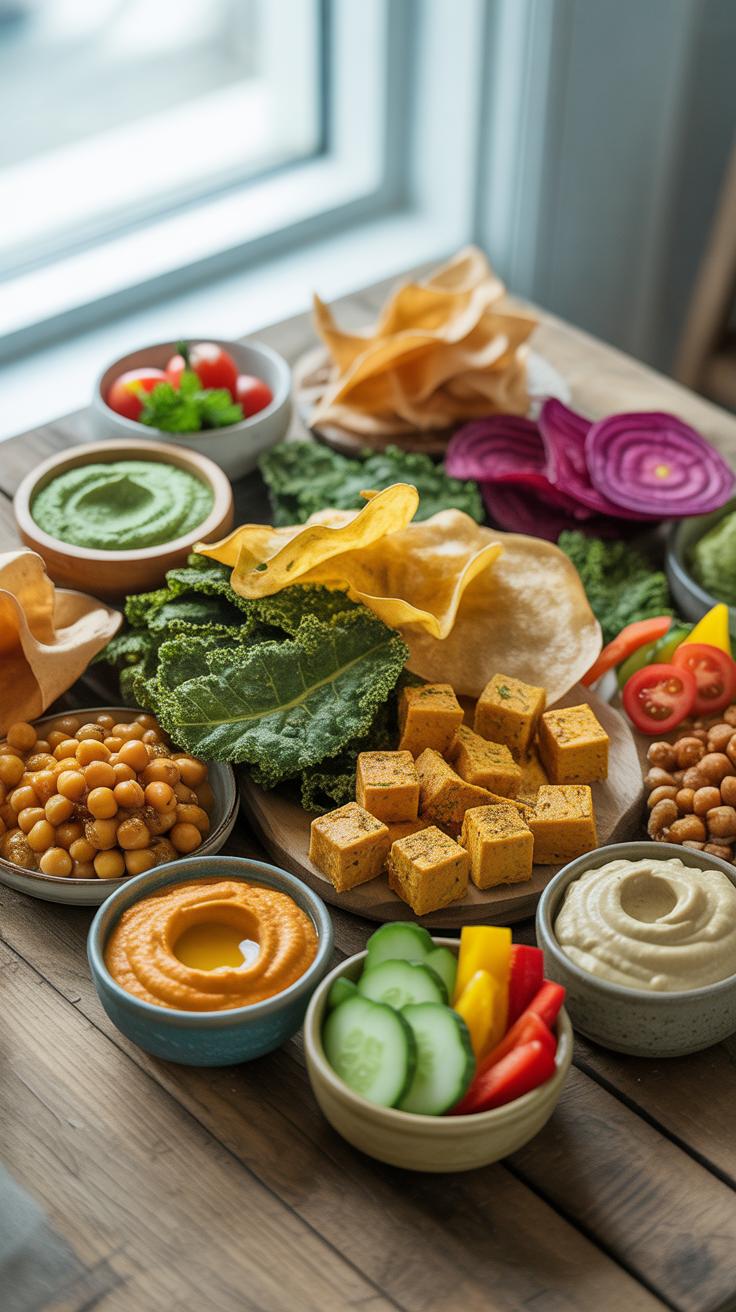
Transforming Classic Non Meat Recipes Into Bite Sized Snack Portions
Standard vegan meals often contain high moisture levels that prevent easy transport. To fix this, you must change the structural density of the dish. Solidify traditional stews or grain bowls by adding binding agents like ground flaxseed or chickpea flour. This process allows you to bake these mixtures into firm squares or disks. These shapes stay intact in a container without leaking or losing their primary texture.
Dehydration is another tactical move for meal prep. Take traditional roasted vegetable recipes and extend the cooking time at a low temperature. This removes water content while concentrating the natural sugars and nutrients. You create shelf-stable versions of dinner staples that do not require refrigeration. Focus on root vegetables like beets or carrots. They provide the necessary structural integrity for a high-performance snack during long travel days.
High Protein Plant Based Snack Ideas Inspired By Non Meat Cooking
Legumes form the backbone of high-protein vegan diets. Turn traditional lentil or bean dal into dry-roasted snacks by rinsing and seasoning them before high-heat roasting. This method strips away the liquid while preserving the protein density. One cup of roasted chickpeas provides nearly fifteen grams of protein. This makes them more efficient than processed bars. They offer a stable energy source without the blood sugar spikes from added syrups.
Tempeh and tofu provide versatile foundations for portable snacks. Press these soy products to remove all excess water before marinating. High-protein marinades using nutritional yeast or coconut aminos add flavor without compromising health. Bake the strips until they reach a jerky-like consistency. This creates a chewy, satiating snack that mimics the texture of traditional meat products. You get a dense protein hit that supports muscle recovery while remaining entirely plant-based.
Building A Vegetarian Diet List That Makes Snacking Simple And Sustainable
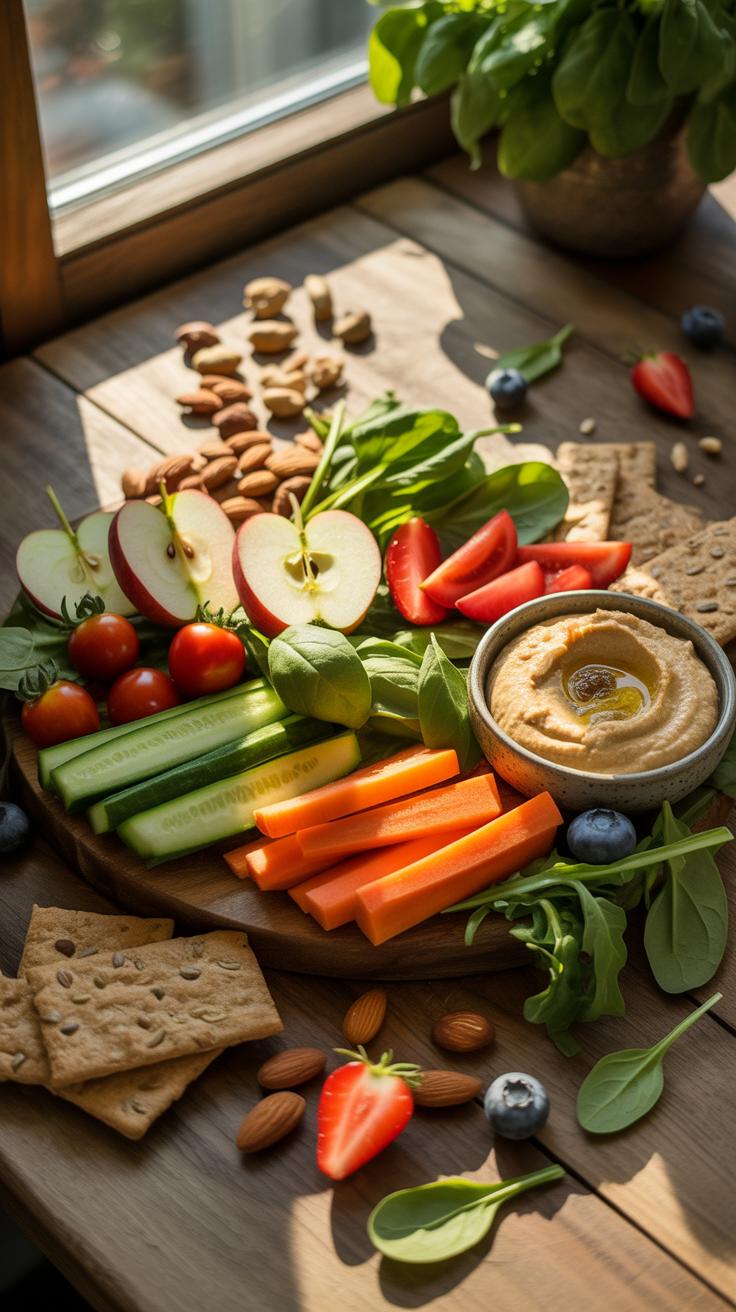
What To Include On Your Vegetarian Diet List For Consistent Snack Variety
A functional vegan snacks list must prioritize macronutrient balance to prevent energy crashes. You need three specific pillars: protein, fiber, and healthy fats. Legumes and nuts provide stable satiety throughout the day. Document these items based on shelf life and prep time. This strategy ensures you always have a fallback option when fresh produce runs low. Focus on dense nutrients rather than empty calories.
Variety stops diet fatigue before it starts. Rotate your inputs between dehydrated fruits, raw seeds, and fermented options like tempeh strips. This logistical approach keeps the palate engaged without requiring complex new recipes. Analyze your daily movement to match snack density with energy needs. High-activity days require more carbohydrates. Low-activity days should focus on high-fiber vegetables and lean plant proteins to maintain steady glucose levels.
Turning Your Vegetarian Diet List Into A Repeatable Weekly Snack System
Efficiency requires a standardized procurement process. Group your vegan snacks by storage requirements: dry, cold, or room temperature. This organization speeds up your shopping trips and inventory checks. Audit your pantry every Sunday to identify gaps for the coming week. A fixed list reduces decision fatigue and prevents impulsive buying of processed goods. Systematize your restocking to ensure you never run out of core staples.
Execution depends on immediate accessibility. Wash, chop, and portion your produce as soon as you get home. Use clear containers to make options visible and reduce search time. Place the most perishable items at eye level to minimize food waste. Batch-prepping components like roasted chickpeas or nut mixes creates a grab-and-go environment. A disciplined system replaces willpower with convenience. Success in meal prep is about removing friction.
Frequently Asked Questions

What are the best protein-rich vegan snacks for beginners?
If you are new to plant-based eating, prioritize satiety by choosing protein-dense options like roasted chickpeas, edamame, or almond butter with apple slices. These vegan snacks are incredibly easy to find in most grocery stores and require zero cooking skills. Incorporating seeds like chia or hemp into yogurt alternatives also helps keep your energy levels steady throughout the day while you transition away from traditional dairy or meat-based nibbles.
How can I meal prep vegan snacks to keep them fresh all week?
The secret to successful prep is proper storage to prevent wilting or staleness. Portion out your vegan snacks into airtight glass containers or reusable silicone bags on Sunday evening. For fresh produce like carrots or celery, store them in water to maintain crunch. If you are making energy balls or granola bars, keep them in the refrigerator or freezer to ensure they remain firm and delicious for your busy work week ahead.
Are there affordable vegan snack options for those on a tight budget?
Absolutely! Eating plant-based does not have to be expensive if you focus on whole foods bought in bulk. Bananas, sunflower seeds, and homemade popcorn are some of the most cost-effective treats available. Purchasing large bags of dried beans to roast at home or buying oats in bulk for DIY granola bars will significantly lower your grocery bill while providing nutritious, filling options that are much cheaper than pre-packaged processed alternatives.